What Does Healthy Hamster Urine Look Like? Normal Color, Odor & Warning Signs
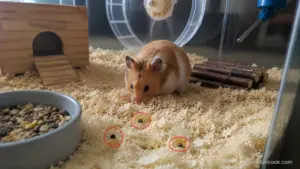
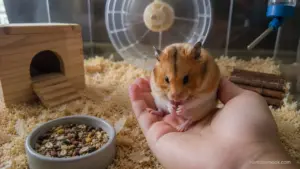
Healthy hamster urine spot showing normal yellow color in a pet hamster enclosure

Finding a damp spot in your hamster’s enclosure is completely normal, but many owners become concerned when they notice changes in the color, smell, or appearance of their pet’s urine. Because hamsters are small animals that often hide signs of illness, paying attention to their bathroom habits can provide useful clues about their health. Understanding …
Read more

How Fast Do Hamster Nails Grow? Signs They Need Trimming

Hamster nail trimming check with a pet hamster showing healthy nail length inside its enclosure

Hamster nails are easy to overlook because they usually grow gradually over time. Many owners don’t notice a problem until the nails begin catching on bedding, curling, or affecting normal movement. Knowing how hamster nails naturally wear down—and when they may need trimming—can help prevent avoidable health and mobility issues while keeping your pet comfortable. …

Read more

Why Does My Hamster Freeze After Loud Noises? Normal Startle Response & Stress Signs

Hamster freezes after hearing a loud noise inside its cage

A hamster that suddenly stops moving after a loud sound can be alarming to watch, especially if you’re a new owner. In most cases, this brief freezing response is completely normal. As prey animals, hamsters instinctively pause to assess potential danger before deciding whether it’s safe to move again. Understanding this natural behavior makes it …

Read more

Can Hamsters Get Confused After a Cage Rearrangement? Signs & What to Do

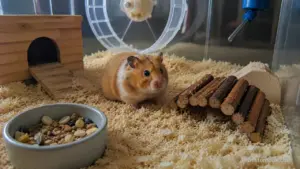
Syrian hamster cautiously exploring a newly rearranged cage after the enclosure layout was changed

If your hamster seems hesitant, spends extra time sniffing around, or appears to have forgotten where everything is after you’ve changed its enclosure, you’re not imagining it. Hamsters rely heavily on familiar scents and the layout of their environment to navigate, so a cage rearrangement can temporarily leave them searching and exploring more than usual. …

Read more

Why Do Hamster Stand on Two Legs? 5 Reasons & When to Worry

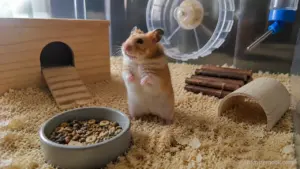
Pet Syrian hamster standing on two legs while sniffing the air inside its home enclosure

If your hamster frequently rises onto its back legs, it can be both adorable and puzzling. Many owners wonder whether this behavior means their pet wants food, is trying to escape, or has been startled. In most cases, standing on two legs is completely normal. Hamsters naturally rear up to investigate their surroundings, using their …

Read more

Why Does My Hamster Sleep in a Different Place Every Day?

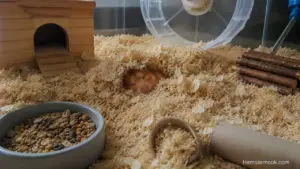
Syrian hamster sleeping under soft paper bedding in a different corner of its enclosure

Just when you think you’ve figured out your hamster’s favorite sleeping spot, you find it curled up somewhere completely different the next day. One morning it sleeps inside its hideout, the next under a tunnel, and later beneath a pile of bedding. While this can seem unusual, it’s usually a normal part of hamster behavior …

Read more

Do Hamsters Like Routine? Daily Habits That Help Them Feel Safe

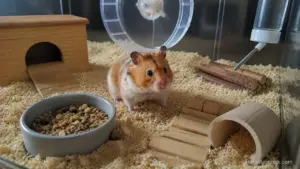
Syrian hamster following its nightly routine inside a clean enclosure with a wheel, hideout, and food bowl

If you’ve noticed that your hamster wakes up at nearly the same time every evening, visits its food bowl before feeding, or follows familiar routes around its enclosure night after night, you’re seeing a normal part of hamster behavior. While every hamster has its own personality, most benefit from a daily environment that feels predictable …

Read more

Why Does My Hamster Ignore New Toys? Reasons & What to Do

Syrian hamster sniffing a new wooden toy inside a clean glass enclosure

You finally buy your hamster a new toy, place it in the enclosure, and wait for it to start exploring. Instead, your hamster sniffs it briefly—or ignores it completely. While this can be disappointing, it’s usually a normal response to something unfamiliar rather than a sign that your hamster dislikes the toy. Understanding how hamsters …

Read more

↑