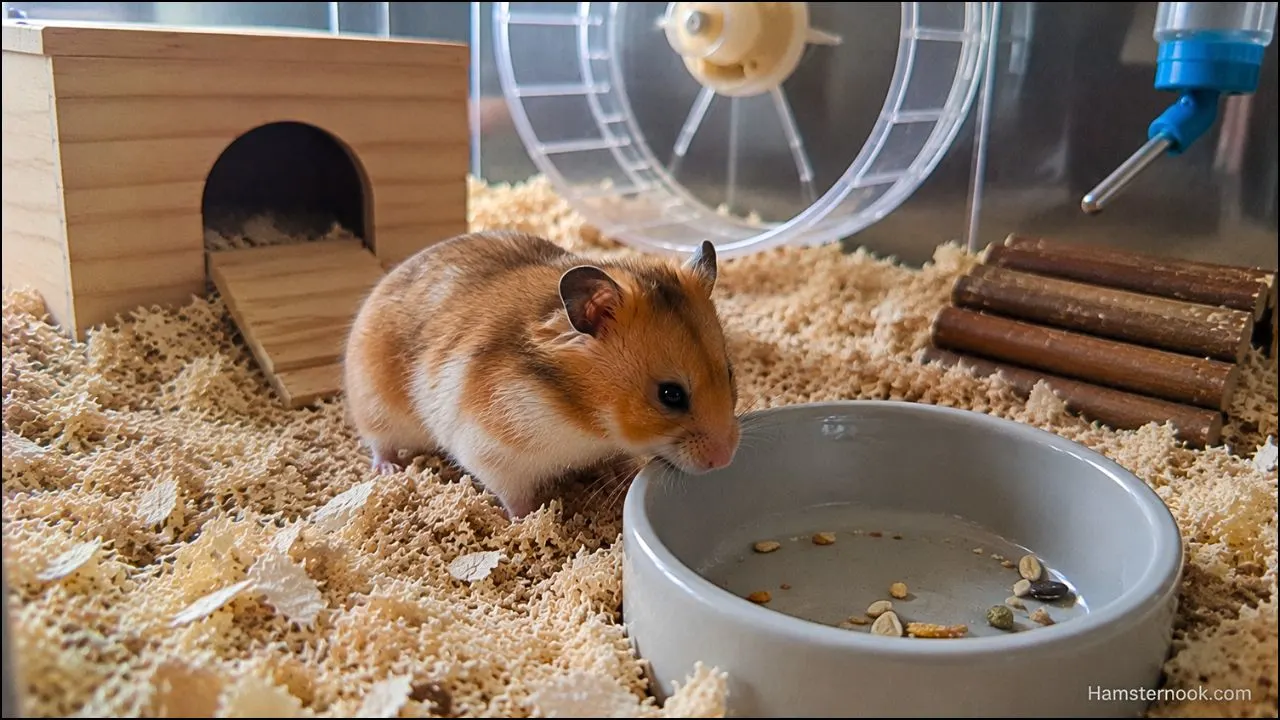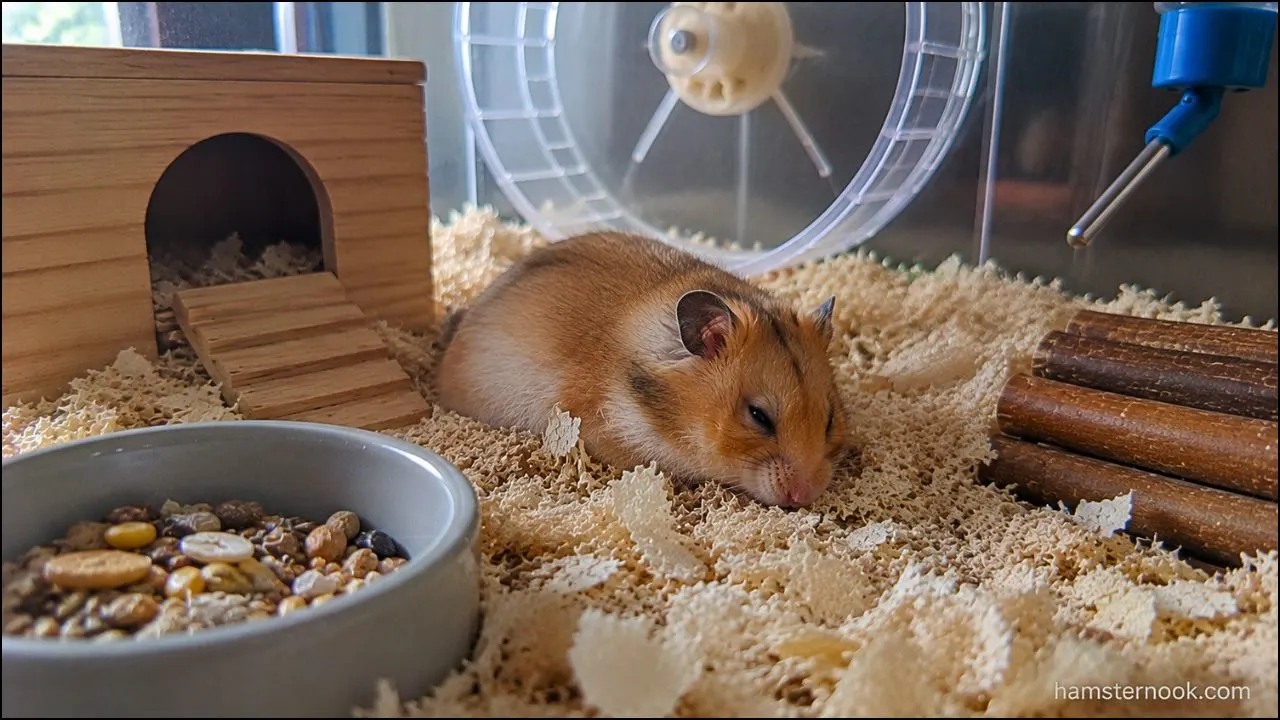
Sometimes a hamster may appear healthy one day and suddenly show unusual weakness or behavior changes the next. Some hamsters may suddenly become weak, lose appetite, or develop serious symptoms very quickly. For many hamster owners, especially beginners, this experience feels shocking and heartbreaking.
The truth is that hamsters can hide signs of illness until they are quite unwell. Because owners may see only subtle changes at first, reduced appetite, weight loss, lower activity, hunched posture, changes in droppings, or breathing problems can be important clues. A sudden decline does not necessarily mean there were no earlier warning signs.
Understanding the subtle warning signs can help owners notice problems earlier, improve care, and in some cases even save a hamster’s life. This guide explains the most common reasons hamsters decline suddenly, the hidden symptoms owners often overlook, and when emergency veterinary care is needed.
Why Hamsters Often Hide Illness Until It’s Serious
Hamsters are prey animals with strong survival instincts. Instead of showing weakness openly, they usually continue acting normal for as long as possible.

This means many symptoms are very subtle at first:
- Sleeping slightly more
- Eating a little less
- Reduced wheel activity
- Small posture changes
- Quiet behavior
- Mild weight loss
Because hamsters are naturally nocturnal and spend time hiding, these changes can easily go unnoticed until the illness becomes advanced.
Common Hidden Warning Signs Before a Hamster Dies
Many owners expect dramatic symptoms, but hamsters often show small behavioral or physical changes first.
Early Symptoms Owners Commonly Miss
| Warning Sign | What It May Indicate |
|---|---|
| Less interest in food | Illness, pain, or dental problems |
| Sleeping more than usual | Illness, weakness, or age-related change |
| Hunched posture | Pain or discomfort |
| Weight loss | Illness or difficulty eating |
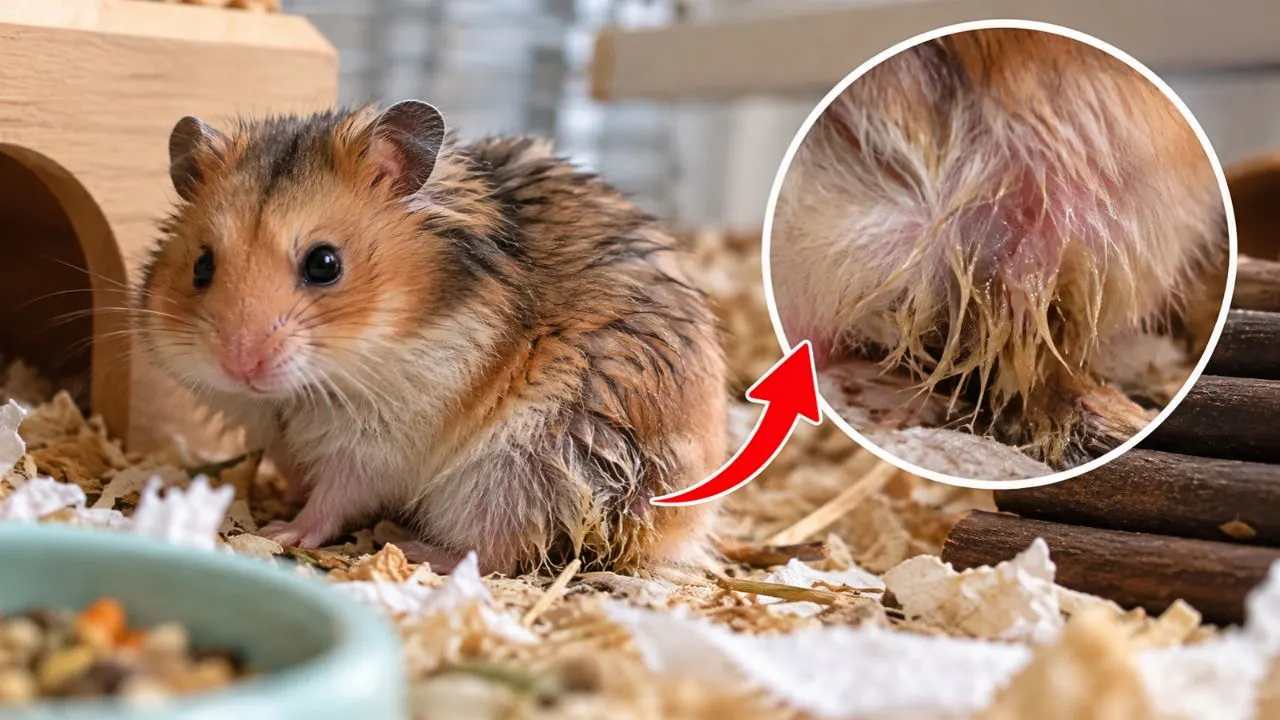
| Wet fur around the rear | Diarrhea or another digestive problem |
| Heavy or difficult breathing | Respiratory or other serious illness |
| Weakness or poor balance | Illness, injury, or another health problem |
| Dull-looking eyes | Possible illness or dehydration |
| Reduced grooming | Weakness or feeling unwell |
Many owners mistake these changes for normal tiredness or aging.

A sudden change in appetite is especially important to monitor because it can have several causes. Our Why Is My Hamster Not Eating? guide explains common reasons, warning signs, and when veterinary care is needed.
Wet Tail Can Become Fatal Very Quickly
Wet tail is considered a serious medical emergency in hamsters and requires fast treatment.
This condition causes severe diarrhea and dehydration and can become fatal within a short time if untreated.
Symptoms of Wet Tail
| Symptom | Description |
|---|---|
| Wet rear area | Fur around the tail becomes dirty or damp |
| Bad smell | Strong unpleasant odor from diarrhea |
| Lethargy | Hamster becomes weak and inactive |
| Loss of appetite | Refuses food and water |
| Hunched body | Indicates pain or discomfort |
Stress, poor cage hygiene, sudden diet changes, and overcrowding may increase risk.
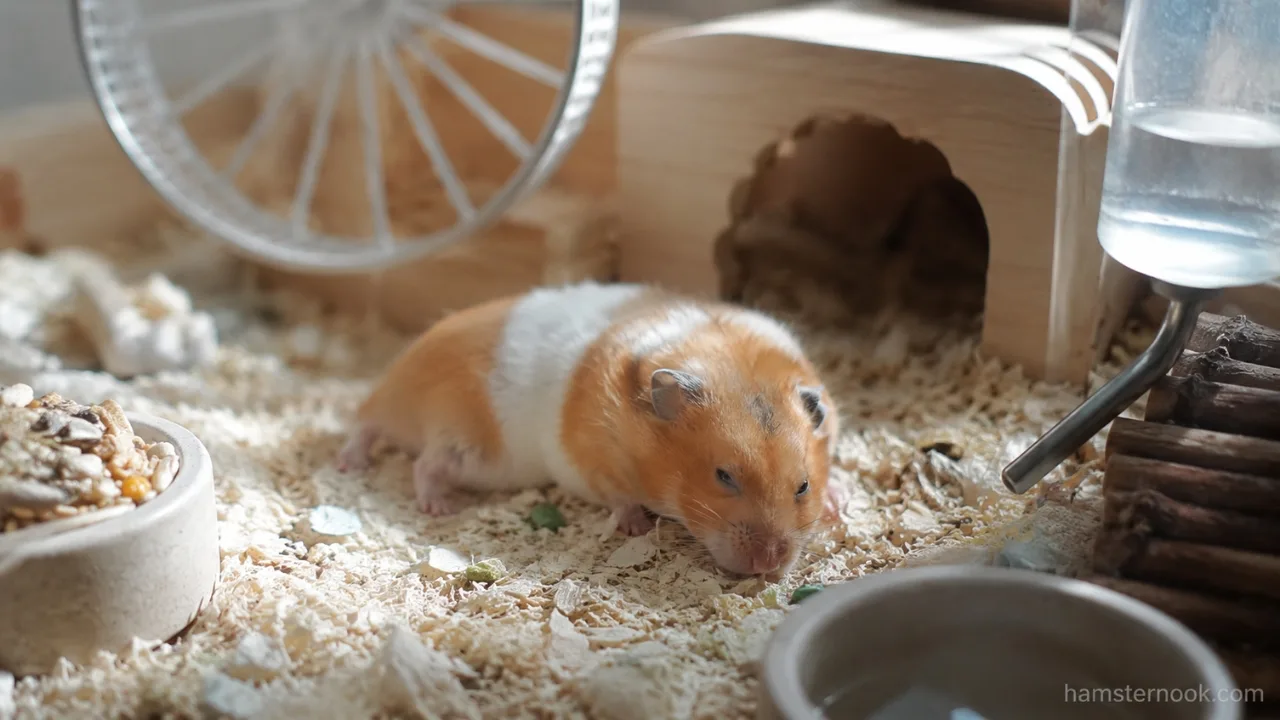
Wet tail requires urgent veterinary treatment.
Respiratory Infections Are Often Overlooked
Hamsters can develop respiratory infections from cold temperatures, poor ventilation, dusty bedding, or bacterial illness.
👉 Why Is My Hamster Sleeping So Much?
Early symptoms are sometimes mistaken for normal sleeping noises.
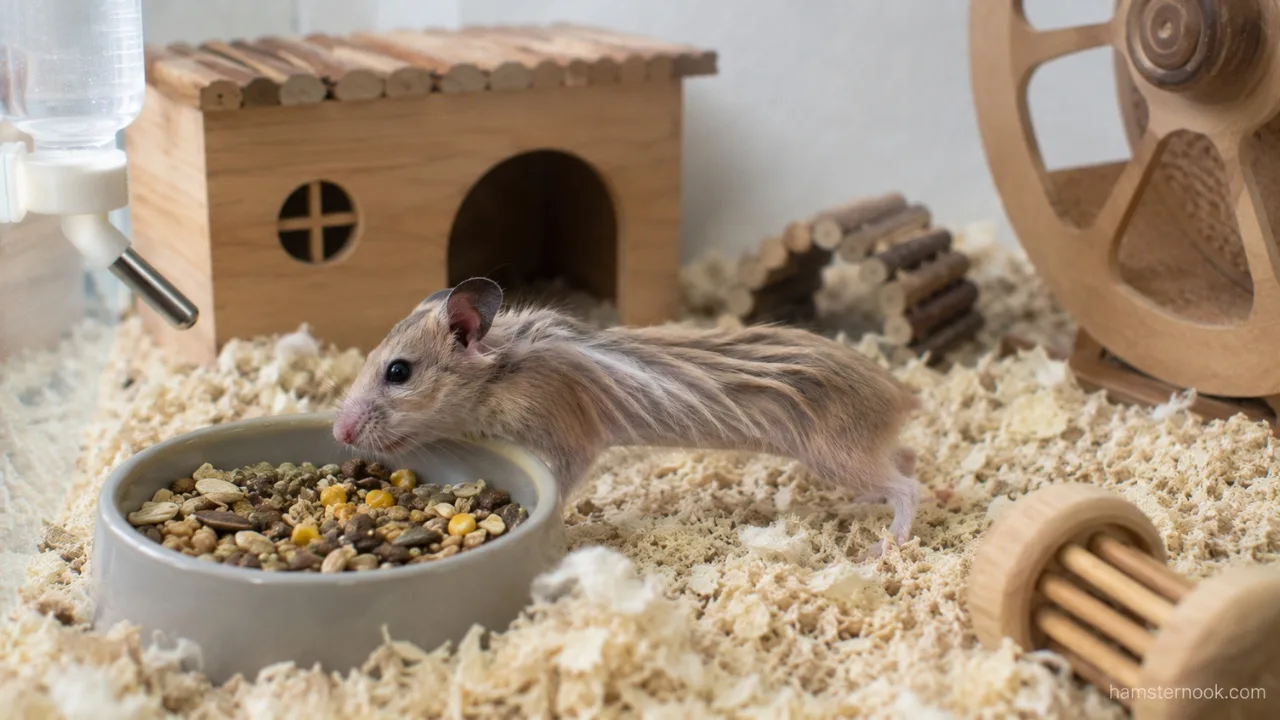
Signs of Respiratory Problems
- Clicking sounds while breathing
- Wheezing
- Labored breathing
- Nasal discharge
- Sneezing
- Low energy
Hamsters have tiny lungs, so breathing problems can become dangerous quickly.
Sudden Death May Be Linked to Extreme Stress
Hamsters are sensitive animals, and severe stress can seriously affect their health.
👉 5 Warning Signs Your Hamster May Be Stressed
Common stress triggers include:

- Loud noise
- Rough handling
- Frequent cage changes
- Improper cage mates
- Predator pets nearby
- Overheating
- Lack of hiding spaces
Severe or prolonged stress can negatively affect a hamster’s overall wellbeing and may make an existing health problem harder to cope with. However, sudden illness or death should not automatically be attributed to stress because medical conditions can cause similar changes.
In some cases, severe stress may worsen existing hidden conditions rapidly.
Heatstroke Is Extremely Dangerous for Hamsters
Hamsters are sensitive to both excessive heat and dangerously low temperatures, so maintaining a stable indoor environment is important.
Temperatures above safe limits can quickly lead to overheating and dehydration.

Because temperature problems can become serious quickly, our Hamster Temperature: Safe Range, Too Hot & Too Cold guide explains how to recognize unsafe conditions and manage the environment safely.
Heatstroke Warning Signs
| Heatstroke Warning Sign | Why It Matters |
|---|---|
| Lying stretched out or unusually flat | Can occur with overheating |
| Fast or short breathing | Can occur during heat stress |
| Marked weakness or low energy | Can indicate serious heat stress |
| Drooling | Can occur with heatstroke |
| Unresponsiveness or seizures | Severe emergency sign |
Hamsters should never be placed in direct sunlight or hot enclosed rooms.
Old Age Sometimes Looks Like Sudden Illness
Many hamster owners underestimate how short a hamster’s lifespan is.
Average hamster lifespans:

| Lifespan Context | What Owners Should Know |
|---|---|
| Typical pet hamster lifespan | Many pet hamsters live around 2–3 years, but lifespan varies by species and individual |
| Older hamster | Gradual slowing can occur with age, but sudden weakness or major changes should not automatically be blamed on aging |
Senior hamsters may decline gradually before showing obvious symptoms.

Common Signs of Aging
- Sleeping more
- Weight loss
- Cloudy eyes
- Thinning fur
- Reduced movement
- Slower eating
Sometimes owners only notice the problem when the hamster becomes extremely weak near the end of life.
Age can explain gradual changes such as slower movement or increased resting, but a sudden and marked decline should still be treated as a possible health problem rather than assumed to be normal aging.
Dental Problems Can Lead to Dangerous Health Decline
Hamster teeth grow continuously throughout life.

If teeth become overgrown or misaligned, a hamster may stop eating properly without owners realizing it immediately.
Signs of Dental Problems
| Sign | Possible Cause |
|---|---|
| Dropping food | Tooth pain |
| Wet chin | Drooling from dental issues |
| Weight loss | Unable to chew |
| Long visible teeth | Overgrowth |
| Refusing hard foods | Mouth discomfort |
Without treatment, malnutrition and weakness can develop surprisingly fast.
Unsafe Foods and Toxic Materials Can Cause Sudden Decline
Some household foods and materials are dangerous for hamsters.
Common Toxic Risks
| Unsafe Item | Potential Danger |
|---|---|
| Chocolate | Toxic compounds |
| Onion and garlic | Digestive toxicity |
| Citrus excess | Stomach irritation |
| Pine or cedar bedding | Respiratory irritation |
| Scented products | Breathing problems |
| Dirty water bottles | Bacterial growth |
Even small amounts of unsafe substances can affect tiny animals quickly.
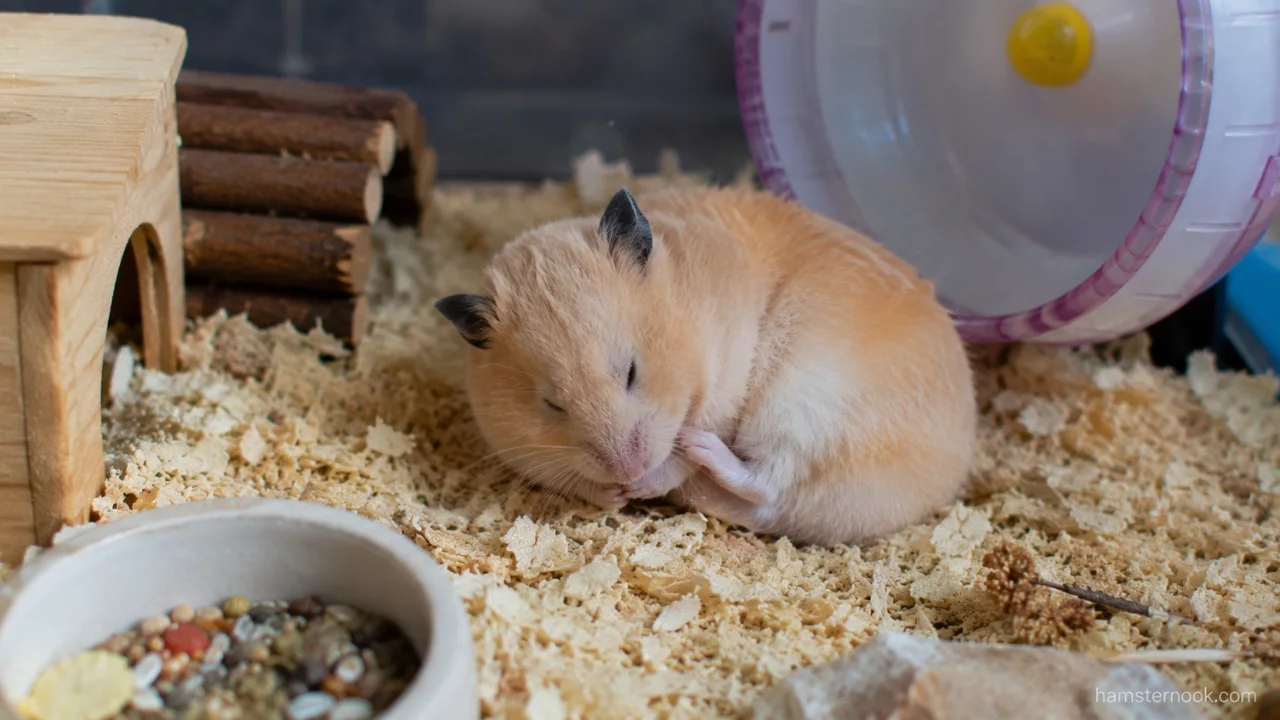
Dehydration Is More Dangerous Than Many Owners Think
Hamsters can become dehydrated rapidly, especially when sick.
Signs of Dehydration
- Sunken or dull-looking eyes
- Low energy or weakness
- Reduced drinking
- Dry or sticky-looking mouth
- Noticeable weight loss
Blocked water bottles are a surprisingly common issue in hamster cages.
Owners should check water bottle function daily.
When a Hamster Stops Eating, It’s Usually Serious
Hamsters have fast metabolisms and small bodies. Even short periods without eating can become dangerous.

A sudden refusal to eat can be a serious warning sign, particularly when it occurs alongside weakness, weight loss, diarrhea, breathing changes, or other unusual symptoms.
Loss of appetite is often linked to:
- Dental disease
- Infection
- Pain
- Stress
- Digestive illness
- Old age
This symptom should never be ignored.
If your hamster has suddenly become weak as well as losing its appetite, our Why Is My Hamster Suddenly Weak? 9 Causes, Warning Signs & What to Do guide covers the main causes and warning signs.

Emergency Symptoms That Need Immediate Vet Care
Some warning signs require urgent professional help.
Because hamsters are extremely small animals, even mild symptoms can sometimes worsen much faster than owners expect.
Emergency Symptoms
| Emergency Sign | Why It Needs Prompt Veterinary Attention |
|---|---|
| Severe diarrhea or a wet, soiled rear | Can lead to rapid dehydration and serious illness |
| Difficulty or labored breathing | Can indicate a serious respiratory or other health problem |
| Collapse or unresponsiveness | Requires urgent veterinary assessment |
| Seizures | Can indicate a serious neurological or systemic problem |
| Significant bleeding | Needs prompt veterinary assessment |
| Sudden refusal to eat with weakness or other symptoms | Can indicate serious illness |
Hamsters can deteriorate much faster than larger pets.
What Should You Do If Your Hamster Suddenly Becomes Very Weak?
Keep your hamster calm and avoid unnecessary handling while arranging veterinary care. Make sure fresh water is available and keep the enclosure in a stable, comfortable environment. Do not give human medicines or medicines intended for other animals unless they have been specifically recommended by a veterinarian. If your hamster is struggling to breathe, unresponsive, having seizures, severely weak, or showing several serious symptoms together, contact an experienced veterinarian promptly.

Breathing changes are particularly important because respiratory problems can become serious quickly. Our Why Is My Hamster Breathing Fast? Normal Breathing, Causes & Warning Signs guide explains what unusual breathing can mean and when veterinary attention is needed.
How Owners Can Help Prevent Sudden Hamster Death
Not every illness can be prevented, but proper care greatly reduces risk.
Important Prevention Tips
- Feed a balanced hamster diet
- Keep the cage clean and dry
- Avoid extreme heat
- Provide fresh water daily
- Use safe bedding materials
- Reduce stress and loud noise
- Monitor eating and activity habits
- Schedule exotic vet visits when needed
Learning your hamster’s normal behavior makes unusual changes easier to spot early.
Daily Health Checks Every Owner Should Do
Simple daily observation can reveal hidden problems before they become severe.

Learning your hamster’s normal habits makes it easier to spot early warning signs before illness becomes severe.
Quick Daily Hamster Health Checklist
| What to Check | Healthy Signs |
|---|---|
| Eating habits | Normal appetite |
| Water intake | Bottle functioning properly |
| Eyes | Bright and clear |
| Fur | Clean and smooth |
| Activity | Regular movement at night |
| Breathing | Quiet and steady |
| Droppings | Normal shape and size |
Even small changes may matter.
Final Thoughts
Many hamster illnesses develop gradually before obvious symptoms appear. In many cases, subtle warning signs appear long before a serious decline happens. Because hamsters naturally hide weakness, owners must pay close attention to changes in behavior, appetite, breathing, posture, and energy levels.
Conditions like wet tail, respiratory infections, dehydration, overheating, and dental disease can become life-threatening surprisingly fast in such tiny animals. Early recognition and proper veterinary care are often the biggest factors in improving outcomes.

Most importantly, owners should not blame themselves for every sudden loss. Hamsters are delicate pets with short lifespans and very subtle illness symptoms. Learning the hidden warning signs simply helps future care become safer and more informed.
Frequently Asked Questions
Why did my hamster die overnight without warning?
Hamsters often hide illness until the final stages. Problems like wet tail, respiratory infections, dehydration, or heart issues may progress silently before sudden collapse becomes visible.
Could My Hamster Be in Torpor Instead of Dying?
A very cold hamster can enter torpor and may appear unusually still or barely responsive. Do not assume that an extremely still hamster has died. If you suspect torpor, especially after exposure to low temperatures, contact a veterinarian promptly for guidance.
How can I tell if my hamster is seriously sick?
Major warning signs include loss of appetite, breathing difficulty, wet tail symptoms, extreme weakness, hunched posture, and reduced activity.

Do hamsters hide pain?
Yes. Hamsters are prey animals and instinctively hide weakness to avoid appearing vulnerable.
Can stress kill a hamster?
Severe or long-term stress can weaken a hamster’s immune system and worsen health problems, especially in already fragile hamsters.
What is the most common fatal illness in hamsters?
Wet tail is considered one of the most serious and fast-moving illnesses, especially in young Syrian hamsters.
When should I take my hamster to the vet?
A hamster should see a veterinarian immediately if it stops eating, struggles to breathe, develops diarrhea, collapses, or becomes unusually weak or unresponsive.

References
This guide is based on hamster health, disease prevention, emergency warning signs, nutrition, housing, and veterinary care guidance from trusted animal welfare and veterinary resources, including:
- RSPCA – Hamster Health & Welfare – Guidance on recognizing illness, monitoring health, dental problems, breathing difficulties, weight changes, and when veterinary attention may be needed.
- RSPCA – Keeping Hamsters as Pets – General hamster care, diet, housing, behavior, welfare, and health considerations.
- PDSA – Hamsters as Pets – Information on hamster health, nutrition, housing, common illnesses, and signs that may require veterinary care.
- MSD Veterinary Manual – Disorders and Diseases of Hamsters – Veterinary information on common hamster diseases, respiratory problems, digestive disorders, dehydration, and other serious health conditions.
- MSD Veterinary Manual – Routine Health Care of Hamsters – Guidance on routine health monitoring, nutrition, dental care, body condition, and recognizing changes that may indicate illness.
- MSD Veterinary Manual – Providing a Home for a Hamster – Veterinary guidance on hamster housing, bedding, temperature, ventilation, and environmental factors that can affect health.
- Blue Cross – Hamster Care Guide – Practical guidance on hamster care, feeding, housing, behavior, health, and welfare.
Medical Disclaimer
This article is intended for educational and informational purposes only and should not be considered veterinary advice, diagnosis, or treatment. Hamsters can become seriously ill quickly, and symptoms such as severe weakness, difficulty breathing, diarrhea, collapse, seizures, significant bleeding, or refusal to eat require prompt veterinary assessment. If your hamster shows concerning symptoms or a sudden change in health or behavior, consult a qualified exotic animal veterinarian as soon as possible.

Narayan Kumar is the founder and author of HamsterNook. He creates practical, research-based hamster care guides covering hamster behavior, nutrition, cage setup, enrichment, health, and everyday care. His goal is to help hamster owners make informed decisions and provide safer, healthier lives for their pets through clear, beginner-friendly information based on trusted animal care resources.