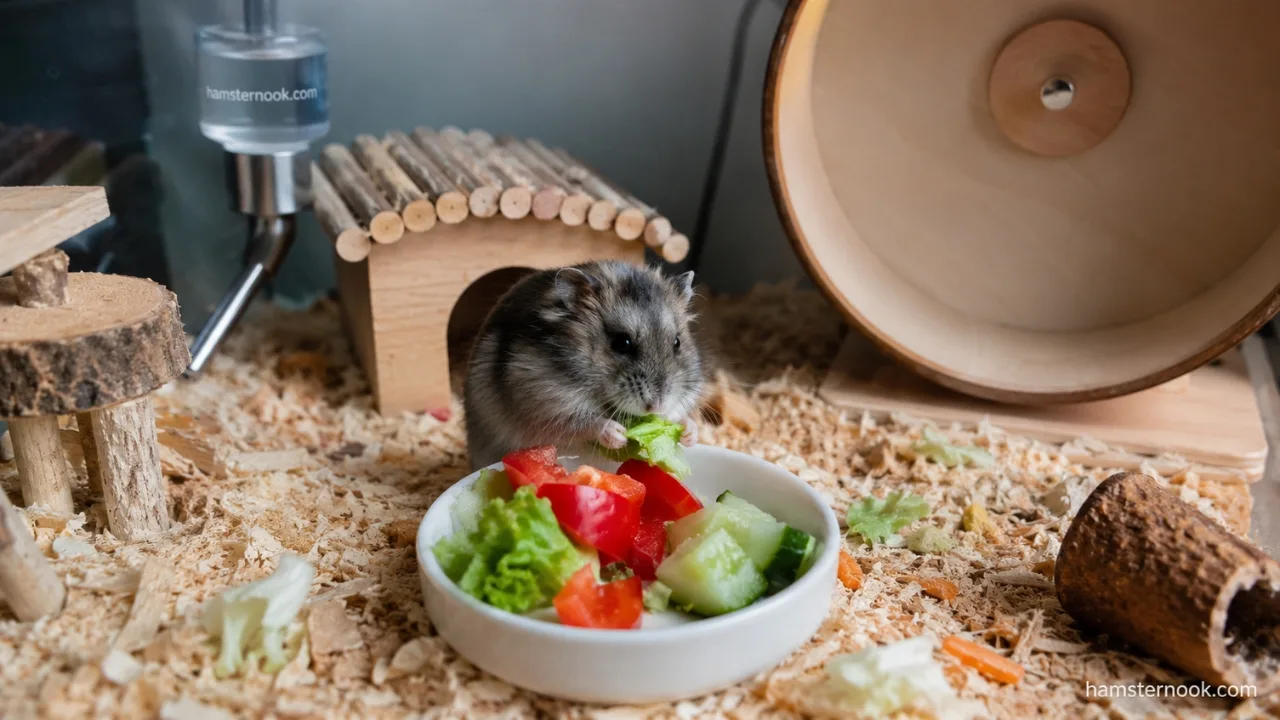
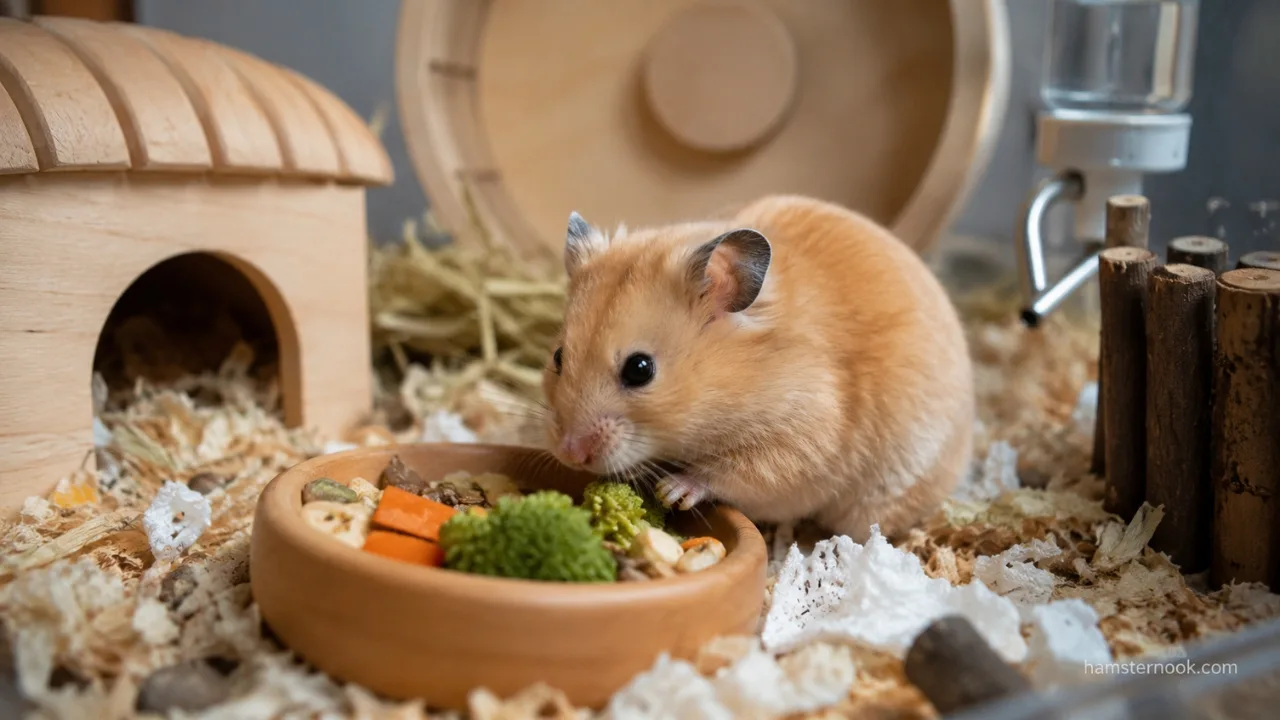
Yes, hamsters can eat bell peppers. Sweet bell peppers can be offered as a small part of a varied diet, and PDSA specifically lists bell sweet peppers among vegetables suitable for hamsters. The main thing is portion control: bell pepper should be a fresh-food addition, not a replacement for a complete hamster diet.
Quick Answer
Hamsters can eat red, green, yellow, and orange bell peppers as long as they are plain, fresh, washed, and offered in moderation.
Bell peppers are also commonly called capsicum. For hamsters, the important distinction is choosing plain sweet bell pepper rather than spicy or seasoned pepper products.
A few important points:
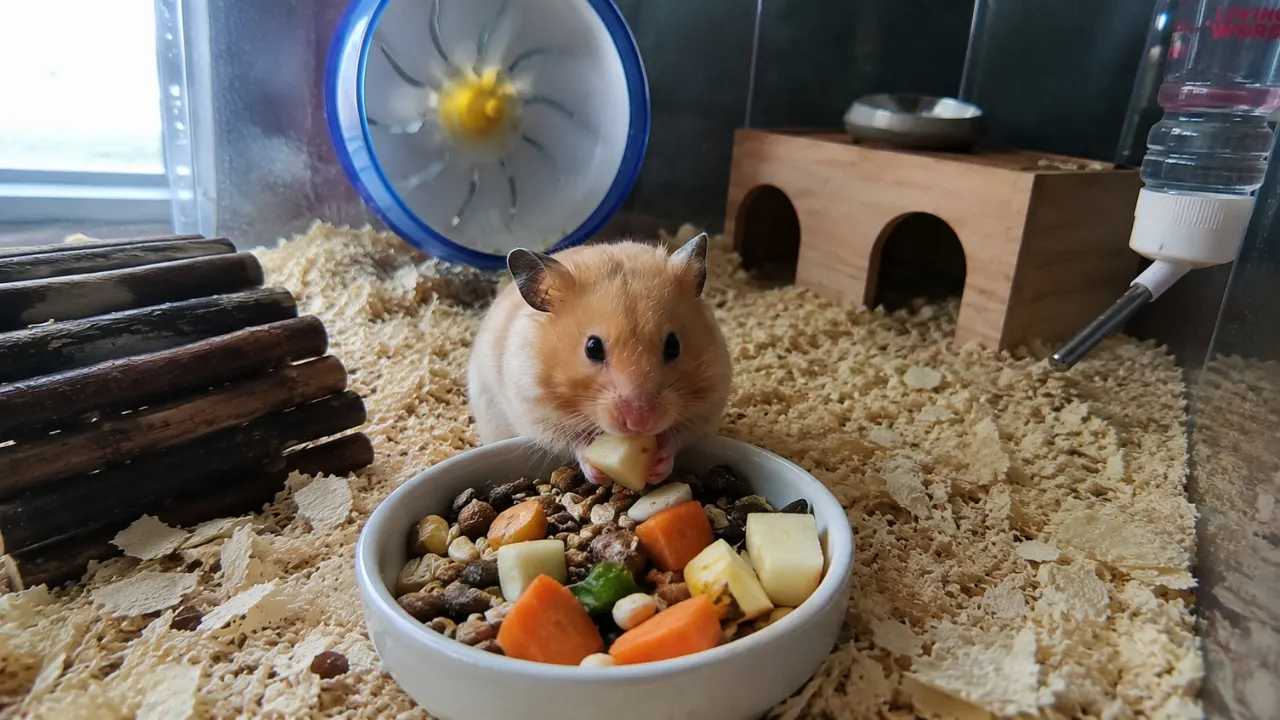
- Choose sweet bell peppers, not hot chili peppers.
- Wash the pepper before feeding it.
- Remove the stem and offer a small piece.
- Introduce it gradually if your hamster has never eaten it before.
- Treat bell pepper as part of your hamster’s overall fresh-food allowance rather than adding it on top of other fresh foods.
- Remove uneaten fresh pepper rather than allowing it to sit and spoil in the cage.
PDSA recommends around 1–2 teaspoons of fresh fruit, vegetables, and herbs in total per day for a hamster, so you don’t need to give your hamster a large piece of pepper.
Are Bell Peppers Safe for Hamsters?
Yes. Bell sweet peppers are listed by PDSA as a suitable vegetable for hamsters. RSPCA guidance also supports giving hamsters small quantities of fresh greens and vegetables alongside a nutritionally balanced hamster food.
Bell peppers have a high water content, so they can add variety and some moisture to the diet without needing to become a major part of your hamster’s meals. They should still be treated as a supplementary fresh food rather than the foundation of a hamster’s meals.
Fresh vegetables are useful as part of a varied diet, but the main food still needs to provide the nutrients your hamster requires. Our What Do Hamsters Eat? Safe Foods, Daily Diet & Foods to Avoid guide explains how the main diet fits together with fresh foods and treats.

A good hamster diet should be based primarily on a complete food formulated for hamsters. Fresh vegetables can then be used to add variety. MSD Veterinary Manual likewise recommends a complete, balanced hamster diet and says healthy treats such as vegetables should be limited rather than making up the main diet.
Can Hamsters Eat Red, Green, Yellow, and Orange Bell Peppers?
Yes. All four common colors of sweet bell pepper can be offered to hamsters.
The different colors usually reflect differences in variety and ripeness. You do not need to choose one specific color for safety; plain sweet bell pepper can be offered in any of these common colors.
| Bell pepper color | Can hamsters eat it? | Best approach |
|---|---|---|
| Green | Yes | Give a small piece, plain and washed |
| Red | Yes | Give a small piece, plain and washed |
| Yellow | Yes | Give a small piece, plain and washed |
| Orange | Yes | Give a small piece, plain and washed |

The important distinction is between sweet bell peppers and hot peppers. PDSA specifically lists bell sweet peppers as suitable for hamsters. There is no reason to introduce spicy chili peppers simply because a hamster can eat sweet bell pepper.

Can Hamsters Eat Paprika?
Paprika is a seasoning powder rather than a piece of fresh bell pepper. For a hamster, stick with plain fresh sweet bell pepper instead of adding paprika powder, spice blends, or seasoned food.
Is One Color Healthier Than Another?
You don’t need to worry about finding a “best” bell pepper color for your hamster.
Instead, think about variety. A hamster’s fresh-food choices can include different suitable vegetables rather than relying on the same food every day. RSPCA recommends a balanced and varied diet, with small amounts of suitable fresh foods alongside the main hamster diet.
Bell pepper can therefore be one option within a broader selection of suitable fresh foods. Healthy Treats for Hamsters: 10 Safe Treats They Actually Love covers other suitable treat choices and how to keep them as a sensible part of the diet.
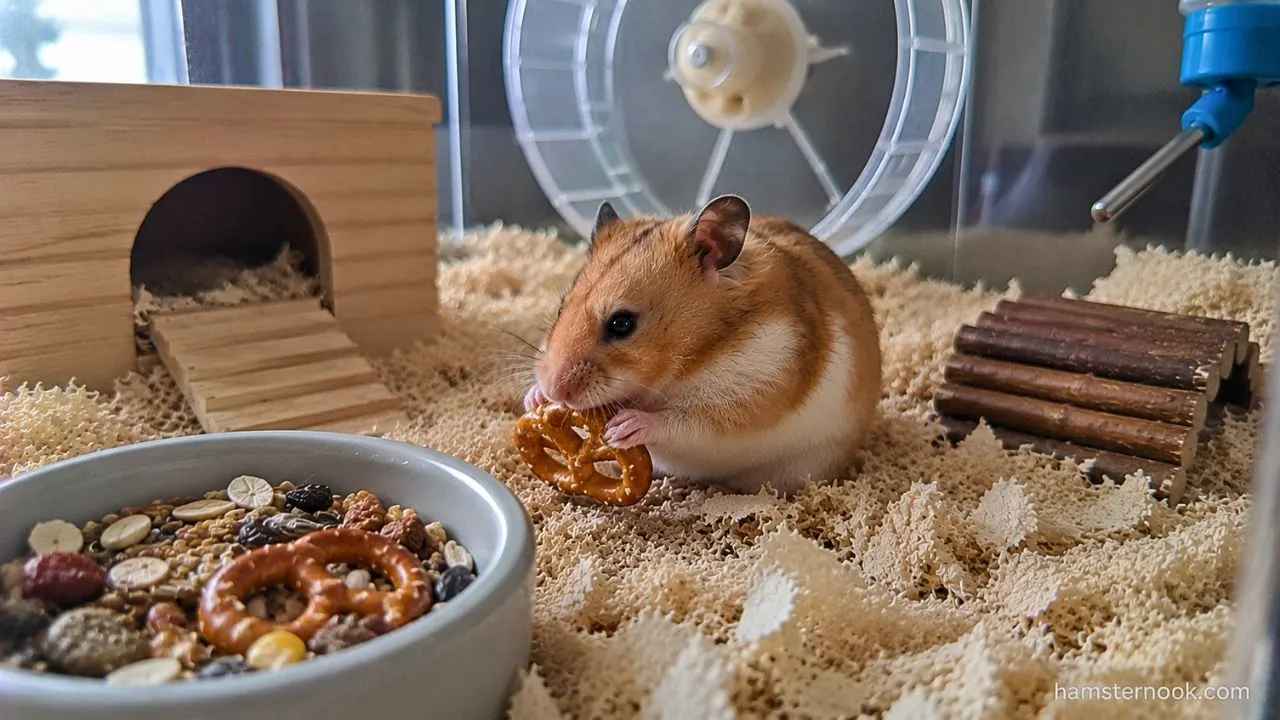
How Much Bell Pepper Can a Hamster Eat?
There isn’t a widely established veterinary guideline that gives a precise number of grams specifically for bell pepper. That’s why it is better not to treat a particular gram amount as a universal rule for every hamster.
PDSA recommends approximately 1–2 teaspoons of fresh fruit, vegetables, and herbs per day in total. Bell pepper should be only part of that amount if you are offering other fresh foods the same day.
For example, if your hamster is having a little cucumber and a small amount of another suitable vegetable that day, you don’t need to add a large piece of bell pepper on top.
Cucumber is another fresh-food option that can be included in moderation when planning variety. Can Hamsters Eat Cucumber? Safe Amount, Skin, Seeds & Risks explains how to prepare and portion it safely.
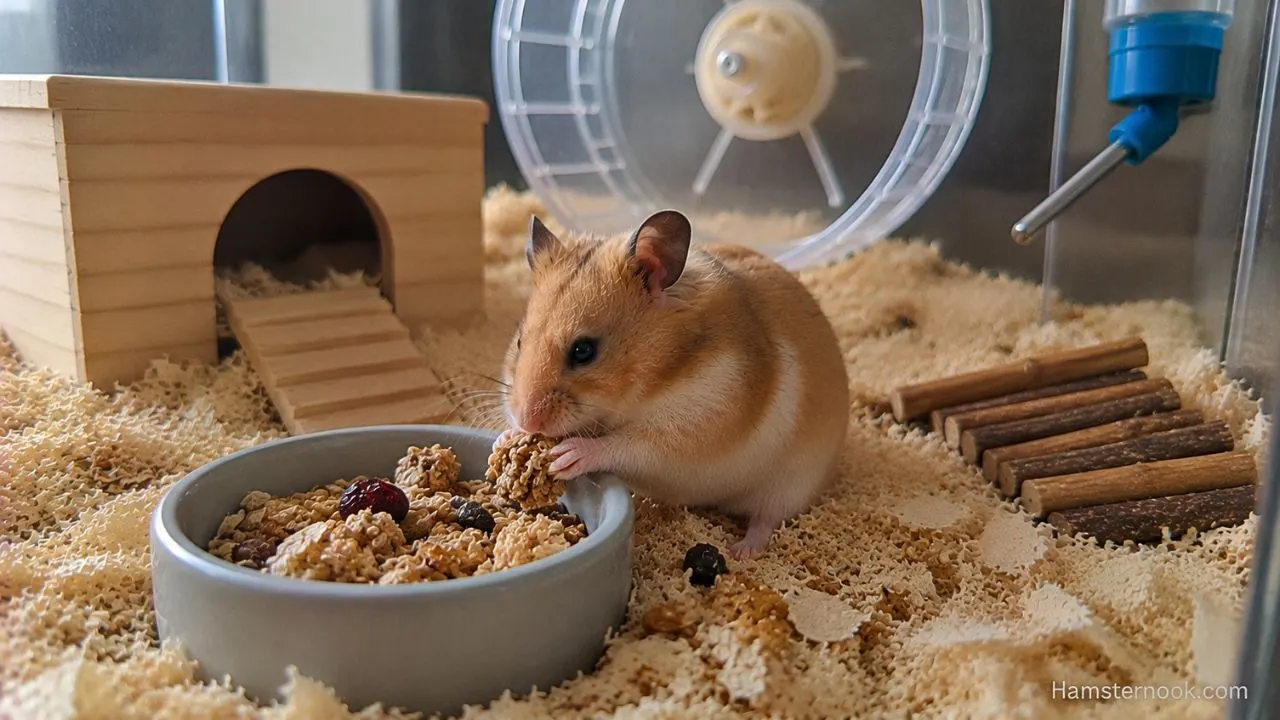
For a first introduction, start with a small piece rather than making bell pepper most of the day’s fresh food. This gives you a chance to see how your hamster responds before offering it again.
Bell pepper is not the only fresh food that can be offered in a small portion. Can Hamsters Eat Watermelon? Safe Amount, Seeds & Rind Explained explains how another fresh food can be offered while keeping portions appropriate.
Do Dwarf Hamsters Need Less?
Dwarf hamsters are much smaller than Syrian hamsters, so portion size should be considered in relation to the individual animal rather than assuming that every hamster should receive the same amount.
The safest approach is to keep fresh foods modest and make sure they remain a small part of the overall diet. If you’re unsure about an appropriate amount for a particular hamster, especially one with a health or weight concern, ask an exotic-animal veterinarian.

How to Prepare Bell Pepper for a Hamster
Preparing bell pepper doesn’t need to be complicated.
1. Wash it thoroughly
Wash the pepper before feeding it. PDSA recommends washing vegetables before offering them to hamsters.
2. Remove the stem
Remove the stem and tough central core during preparation, then offer the softer pepper flesh.
3. Cut a small piece
Cut the pepper into a manageable piece rather than giving your hamster an entire slice or large chunk.

A small piece also makes it easier to control how much fresh food your hamster receives.

4. Serve it plain
Give bell pepper without:
- Salt
- Seasoning
- Sauce
- Butter
- Oil
- Garlic or other added ingredients
- Spicy seasoning
Your hamster doesn’t need human-style preparation. Plain fresh pepper is the simplest option.
Can Hamsters Eat Bell Pepper Seeds?
You do not need to deliberately offer bell pepper seeds. When preparing the pepper, remove the seeds and central core if they are attached, and offer a clean piece of the pepper flesh instead.

When preparing the pepper, simply remove the seeds and the central core if they are still attached. Your hamster doesn’t need the seeds to benefit from the vegetable.
The easiest option is to give a clean piece of the pepper flesh.
Avoid treating the seeds as a separate food or giving the hamster a whole pepper. The useful part for this feeding purpose is the plain pepper flesh, offered in a small amount.
Can Hamsters Eat Bell Pepper Every Day?
Bell pepper can be part of a hamster’s fresh-food rotation, but there is no need to make it the only vegetable your hamster receives.

PDSA says a small daily portion of fresh fruit, vegetables, and herbs can add variety to a hamster’s diet. At the same time, RSPCA advises avoiding sudden dietary changes because they can upset a hamster’s stomach.
If your hamster already eats a suitable fresh-food selection without problems, you can use small amounts of bell pepper as one option.
Can Syrian and Dwarf Hamsters Eat Bell Peppers?
Yes. Syrian and dwarf hamsters can have plain sweet bell pepper as part of their fresh-food allowance. The same preparation applies: wash it, remove the stem and central core, offer a small piece, and introduce it gradually if it is new to the hamster. Because dwarf hamsters are smaller, avoid assuming that the same physical portion is appropriate for every hamster.
The bigger mistake is giving too much fresh food, rather than whether the pepper is red or green.

For a wider comparison of suitable fresh foods and portions, see What Fruits and Vegetables Can Hamsters Eat? Safe List & Portions.
Bell pepper is just one of many vegetables that can be used to add variety without making fresh food the main part of the diet. Best Fruits and Vegetables for Hamsters: Safe Foods, Portion Sizes & Feeding Tips provides a broader guide to suitable fresh foods and sensible portions.
What Happens If a Hamster Eats Too Much Bell Pepper?
A large amount of any unfamiliar fresh food can upset a hamster’s digestive system. RSPCA specifically advises avoiding sudden dietary changes and monitoring your hamster’s eating and droppings.
If you’ve accidentally given more pepper than intended, remove any remaining fresh food and monitor your hamster for changes in eating, activity, or droppings. Avoid adding more fresh foods until you know your hamster is tolerating the change normally.
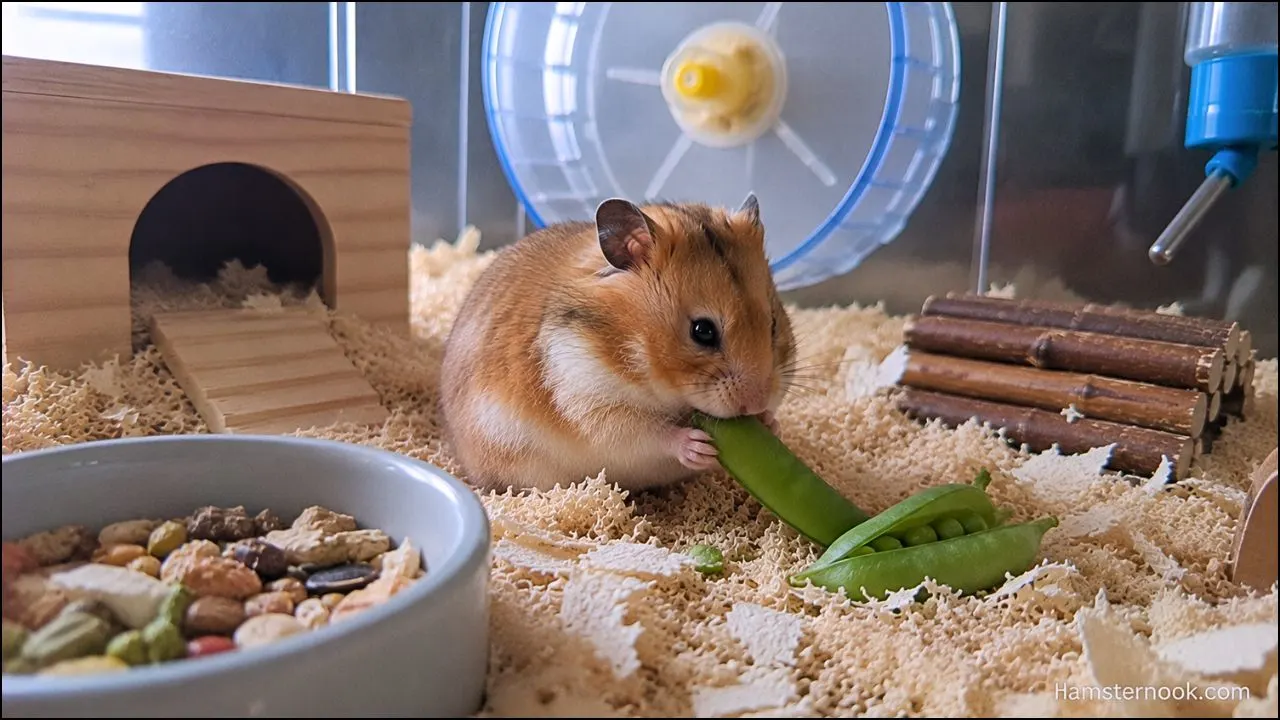
Pay attention to changes such as:
- Eating noticeably less
- Moist or abnormal droppings
- A soiled hind end
- Reduced normal activity
- Other obvious signs that your hamster is unwell
RSPCA advises contacting a veterinarian if a hamster starts eating less, develops moist droppings, or has a soiled hindquarters.
Can Hamsters Eat Cooked Bell Peppers?
Fresh, plain bell pepper is the simplest choice.
If you are preparing food for yourself, don’t simply share a seasoned portion with your hamster. Set aside a small piece of plain pepper before adding anything else.

Common Bell Pepper Feeding Mistakes
Bell pepper itself is not usually the problem. The way it is offered can be.
Giving too much
A hamster is tiny, so a human-sized serving is far more than necessary. Keep the portion small and remember that other fresh foods count toward the day’s total.
Changing foods suddenly
If your hamster has never eaten fresh vegetables, introducing several new foods at once makes it harder to know what caused a digestive problem.
Introduce new foods gradually.

Gradual introduction is especially useful when your hamster has not eaten fresh vegetables before. How to Introduce New Foods to Your Hamster Without Upsetting Its Stomach explains how to make dietary changes more gradually and monitor your hamster’s response.
Leaving pepper in the cage
Hamsters naturally carry and store food. RSPCA notes that hamsters hoard food, so a piece of fresh pepper may disappear into a hiding place rather than being eaten immediately.
Fresh, moist food can spoil if it remains hidden. Check the hamster’s food-storage areas and remove uneaten fresh food before it becomes stale or spoiled. RSPCA also recommends removing uneaten food and keeping the cage clean and dry.
Because hamsters naturally hoard food, fresh vegetables need a little more attention than dry food. The Biggest Fresh Food Mistakes That Can Make Hamsters Sick covers common mistakes involving fresh foods, storage, portions, and spoilage.

Feeding seasoned leftovers
A hamster should not receive a piece of your cooked pepper dish simply because the main ingredient is bell pepper. Human recipes may contain salt, sauces, spices, onion, garlic, fats, or other ingredients that are not appropriate for hamsters.
Give plain pepper instead.
What You Should Do
If you want to introduce bell pepper into your hamster’s diet, keep it simple:
- Choose a fresh sweet bell pepper.
- Wash it thoroughly.
- Remove the stem, seeds, and tough core.
- Cut off a small piece of the flesh.
- Give it plain.
- Introduce it gradually if it is a new food.
- Count it as part of the hamster’s overall fresh-food allowance.
- Check for uneaten pieces later, especially in hiding places.
- Continue providing the hamster’s normal complete diet and fresh drinking water.
A varied diet is useful, but variety does not mean giving large quantities of many different foods. The main diet still needs to provide the nutrients your hamster requires.

When to Worry
Most questions about bell pepper are really questions about what happens after a hamster eats it.
If your hamster has eaten a small amount of plain bell pepper and is behaving normally, there is generally no reason to assume something is wrong.
However, don’t dismiss significant changes in eating or droppings as simply being caused by a new vegetable. Hamsters are small animals and can become unwell quickly.
Contact your veterinarian if your hamster:

- Stops or significantly reduces eating
- Develops persistent moist or abnormal droppings
- Has a soiled hind end
- Becomes unusually inactive
- Shows other clear signs of illness
RSPCA advises seeking veterinary attention when hamsters show signs of illness or poisoning and recommends using only medicines specifically advised by a veterinarian.
Final Thoughts
Hamsters can eat sweet bell peppers, including green, red, yellow, and orange varieties. The safest approach is surprisingly simple: wash the pepper, serve it plain, start with a small piece, and keep it within the hamster’s overall fresh-food allowance.
You don’t need to search for a special “hamster-safe” color. The bigger priorities are portion size, gradual introduction, proper preparation, and removing uneaten fresh food.
Bell pepper works best as one small part of a varied diet. Your hamster’s main food should remain a complete, balanced hamster diet rather than being replaced by vegetables or treats.

Frequently Asked Questions
Can hamsters eat red bell peppers?
Yes. Red sweet bell pepper can be offered to hamsters in a small, plain portion. Wash it first and keep it within the hamster’s overall fresh-food allowance.
Can hamsters eat green bell peppers?
Yes. Green sweet bell pepper is also suitable in moderation. PDSA lists bell sweet peppers among vegetables that hamsters can eat.
Can hamsters eat yellow bell peppers?
Yes. Yellow sweet bell pepper can be offered as a small piece after being washed and prepared appropriately.
Can hamsters eat orange bell peppers?
Yes. Orange sweet bell pepper is another suitable option when offered plain and in moderation.

Are hot peppers safe for hamsters?
Bell sweet peppers and hot chili peppers should not be treated as the same food. PDSA specifically lists bell sweet peppers as suitable for hamsters, so this guide recommends plain sweet bell pepper rather than spicy chili peppers.
How much bell pepper should I give my hamster?
There is no authoritative universal gram amount specifically for bell pepper. PDSA recommends about 1–2 teaspoons of fresh fruit, vegetables, and herbs in total per day, so bell pepper should only make up part of that amount when other fresh foods are also being offered. For a new food, start with a small piece and watch how your hamster responds before offering it again.
Can hamsters eat bell pepper every day?
Bell pepper can be included as part of a varied fresh-food routine, but it should remain a small supplement to a complete hamster diet. Variety is preferable to relying heavily on one vegetable.
Should bell pepper be cooked before feeding it to a hamster?
There is no need to cook it specifically for your hamster. Plain, washed fresh bell pepper is a straightforward choice. Avoid giving pepper prepared with salt, oil, sauces, or seasonings.
Can hamsters eat bell pepper seeds?
There is no need to feed the seeds. Remove the seeds and tough central portion when preparing the pepper and offer the hamster a small piece of the flesh.
What if my hamster stores the bell pepper in its nest?
Hamsters naturally hoard food, so this can happen. Check hidden food-storage areas and remove uneaten fresh pepper before it spoils.
References
This guide is based on hamster nutrition, feeding, fresh-food, and health guidance from trusted animal welfare and veterinary resources, including:
- RSPCA – What To Feed a Pet Hamster – Balanced hamster diet, suitable fresh foods, gradual dietary changes, and monitoring eating and droppings.
- PDSA – Hamsters as Pets – Hamster diet guidance, fresh-food portions, and suitable vegetables.
- MSD Veterinary Manual – Hamsters – Veterinary reference information on hamster nutrition and the importance of a complete, balanced diet.
- RSPCA – Hamster Health & Welfare – Signs of illness and guidance on seeking veterinary care.
Medical Disclaimer:
This article provides general hamster-care information and is not a diagnosis or substitute for veterinary care. If your hamster is showing persistent digestive changes, reduced appetite, unusual behavior, or other signs of illness, contact a veterinarian experienced with small or exotic pets.

Narayan Kumar is the founder and author of HamsterNook. He creates practical, research-based hamster care guides covering hamster behavior, nutrition, cage setup, enrichment, health, and everyday care. His goal is to help hamster owners make informed decisions and provide safer, healthier lives for their pets through clear, beginner-friendly information based on trusted animal care resources.