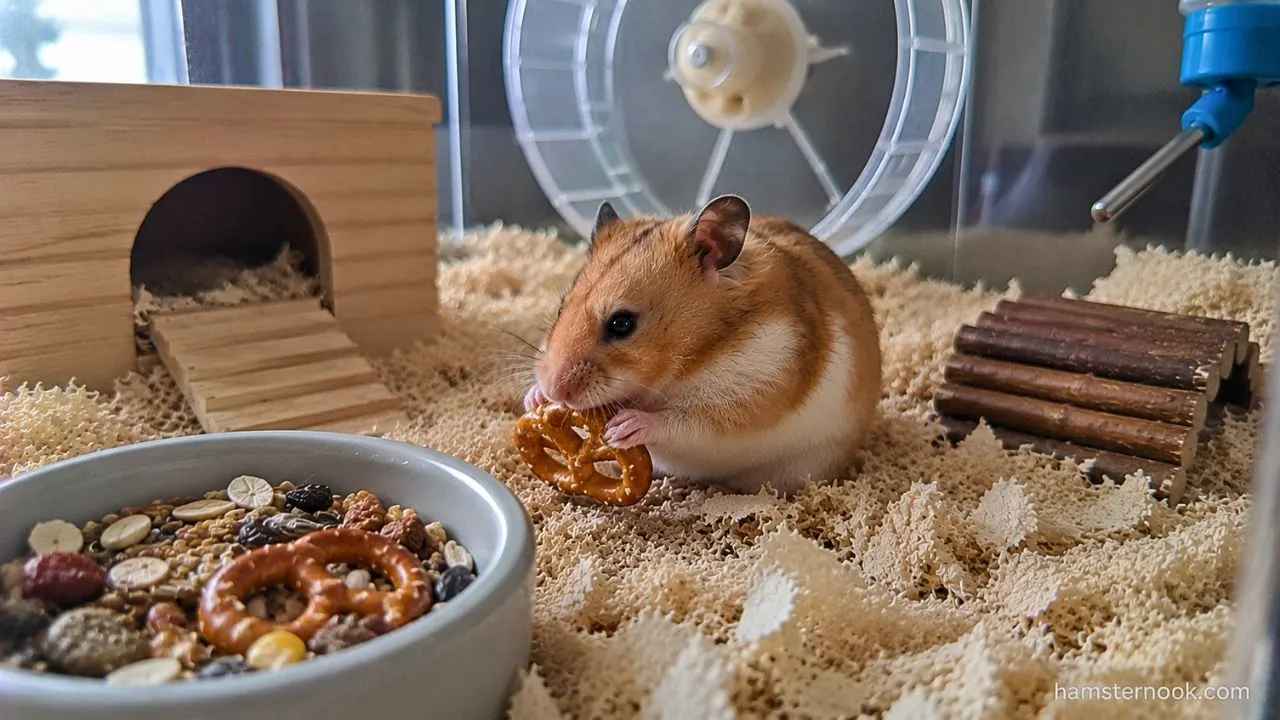
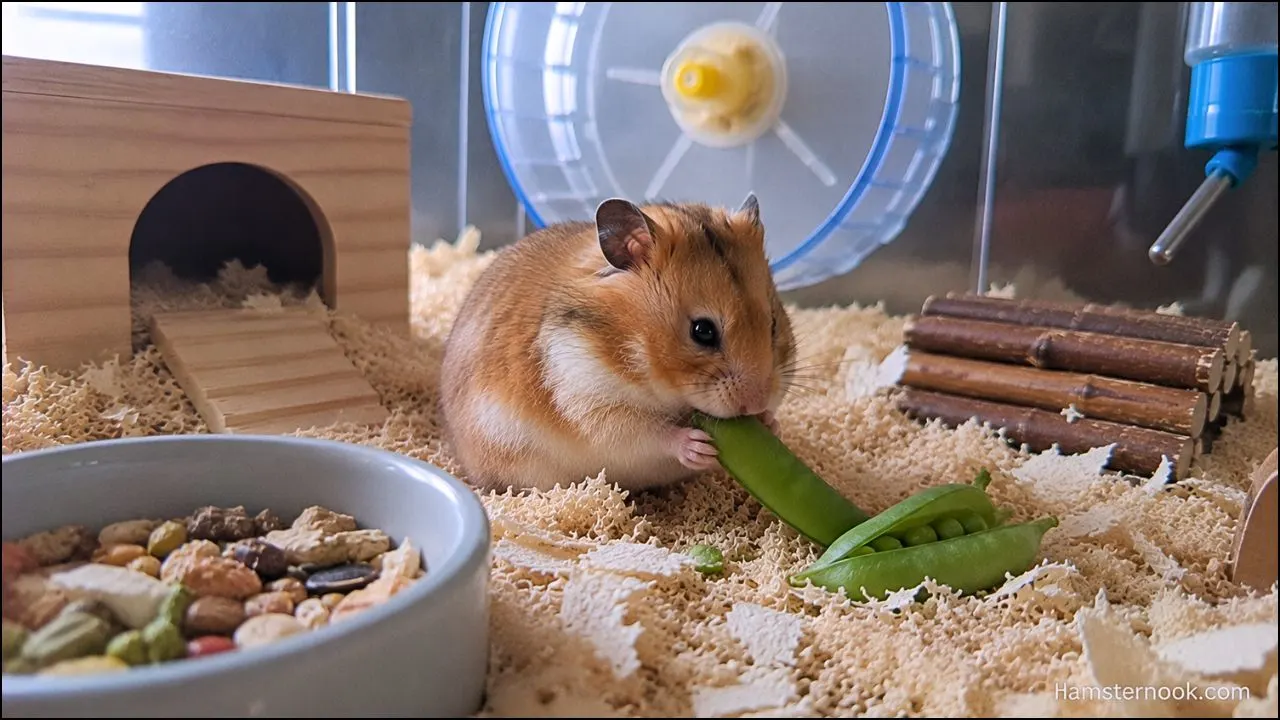
Many new hamster owners assume that if a food is healthy for humans, it must also be safe for hamsters. Unfortunately, that’s not always true. Some everyday foods found in kitchens can cause serious digestive problems, poisoning, choking hazards, or even life-threatening health issues in hamsters.
Because hamsters are tiny animals with sensitive digestive systems, even small amounts of certain foods can be dangerous. Knowing what not to feed is just as important as choosing healthy foods.
This guide covers 15 foods that are toxic or unsafe for hamsters, explains the main risks, and gives safer feeding choices plus practical advice for accidental ingestion.
Quick Answer
Some foods can be toxic to hamsters, while others are simply unsafe because they are too sugary, salty, fatty, processed, or difficult to digest. Chocolate, caffeine, alcohol, raw potatoes, raw beans, garlic, onions, and tomato leaves are among the foods that should be avoided. RSPCA guidance also specifically warns that grapes and rhubarb can be poisonous to hamsters.
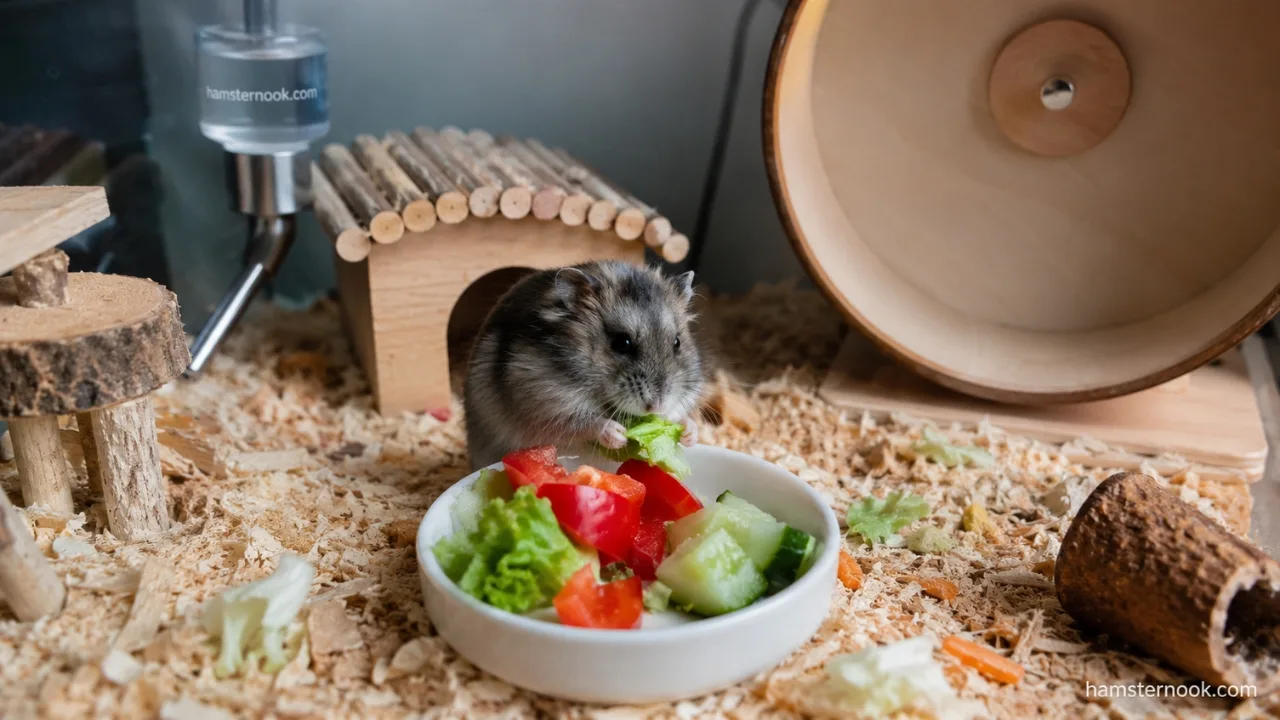
If you know your hamster has eaten a potentially toxic food, contact an exotic veterinarian promptly rather than waiting for symptoms. Keep the food packaging or ingredient information available if possible.
Why Some Human Foods Are Dangerous for Hamsters
Hamsters have very different nutritional needs from humans. Their bodies are designed to process a balanced diet mainly made of:
- High-quality hamster pellets
- Seeds and grains
- Safe vegetables
- Small amounts of fruit
- Occasional protein sources
Foods that are too sugary, salty, acidic, fatty, or chemically processed can overwhelm a hamster’s digestive system quickly.
Some foods contain compounds that can be toxic even in very small amounts.

For the overall balance of a hamster’s diet, see our Complete Hamster Diet Guide for guidance on staple food, treats, portions, and feeding frequency.
Quick List of Foods Hamsters Should Avoid
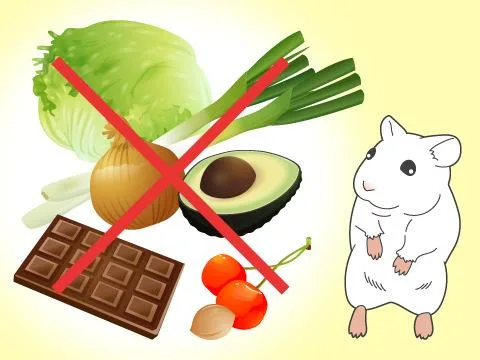
| Toxic Food | Main Risk | Safe Alternative |
|---|---|---|
| Chocolate | Toxic compounds | Plain oats |
| Onion | Blood cell damage | Cucumber |
| Garlic | Digestive toxicity | Broccoli |
| Citrus Fruits | Stomach irritation | Apple |
| Almonds | Possible toxicity/choking | Pumpkin seeds |
| Raw Beans | Harmful compounds | Cooked plain lentils |
| Avocado | High fat/toxin concerns | Small cucumber slices |
| Candy | Extreme sugar | Blueberries |
| Salty Snacks | Dehydration | Unsalted seeds |
| Caffeine | Nervous system stress | Fresh water |
| Alcohol | Toxicity | None needed |
| Raw Potato | Digestive issues | Cooked sweet potato |
| Tomato Leaves/Stems | Toxic compounds | Carrot |
| Spicy Foods | Severe irritation | Bell pepper |
| Processed Junk Food | Obesity/digestive harm | Hamster-safe pellets |
Toxic Foods Hamsters Should Never Eat
1. Chocolate Is Toxic to Hamsters
Chocolate contains theobromine and caffeine, both of which are dangerous for hamsters.
Even tiny amounts may cause:
- Rapid heartbeat
- Hyperactivity
- Tremors
- Seizures
- Serious poisoning
Dark chocolate is especially dangerous because it contains higher concentrations of these compounds.

Never offer chocolate in any form.
2. Onion Can Damage a Hamster’s Red Blood Cells
Onions contain compounds that may damage red blood cells in small animals.
This can potentially lead to anemia and digestive irritation.
Avoid all forms, including:

- Raw onion
- Cooked onion
- Onion powder
- Onion-flavored snacks
3. Garlic Is Too Strong for Hamsters
Garlic belongs to the same family as onions and may irritate a hamster’s digestive system.
Some owners mistakenly believe garlic helps with immunity, but there is no reliable evidence supporting its safety for hamsters.
It’s safest to avoid garlic completely.
4. Citrus Fruits Can Upset the Stomach
Oranges, lemons, limes, and grapefruits are highly acidic.
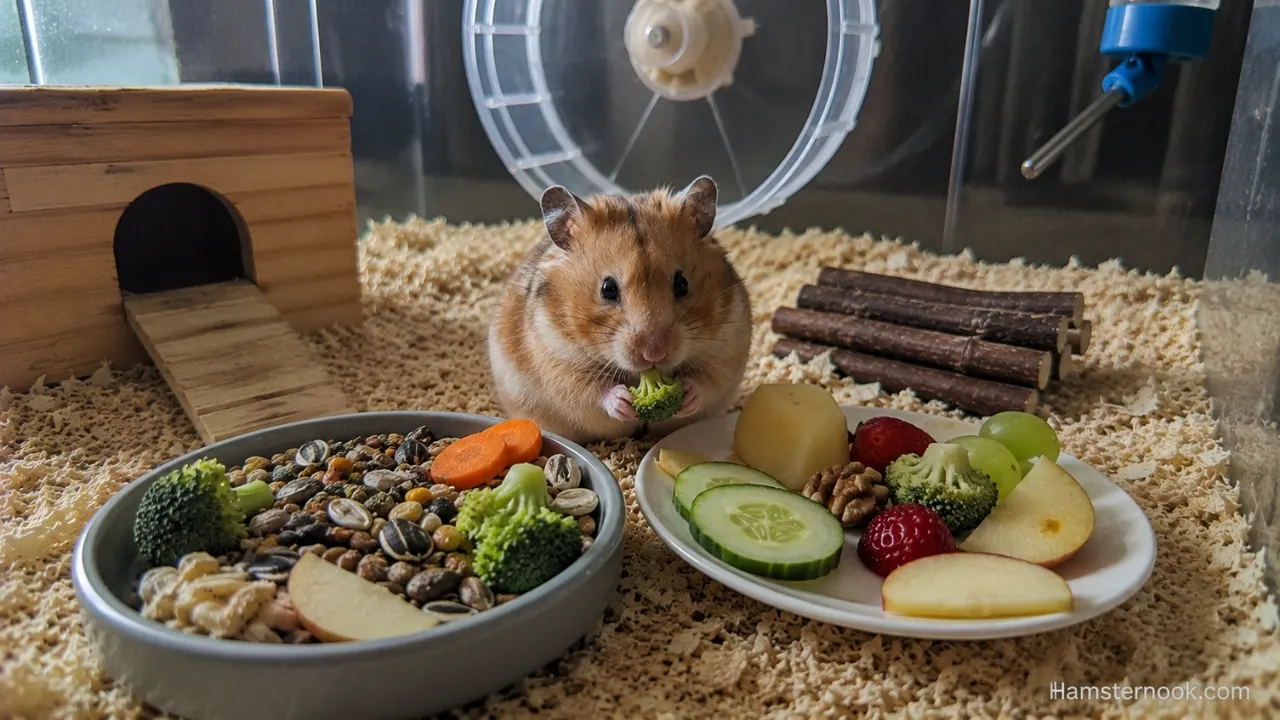
Guidance on citrus fruits is not completely settled. PDSA currently recommends avoiding oranges, lemons, and grapefruits for the time being and choosing better-established hamster-safe fruits instead.
If you want to offer fruit, keep portions small and choose foods with established hamster-safe guidance.
👉 Can Hamsters Eat Watermelon?
5. Bitter Almonds May Be Dangerous
Bitter almonds naturally contain compounds that can release cyanide-like toxins.
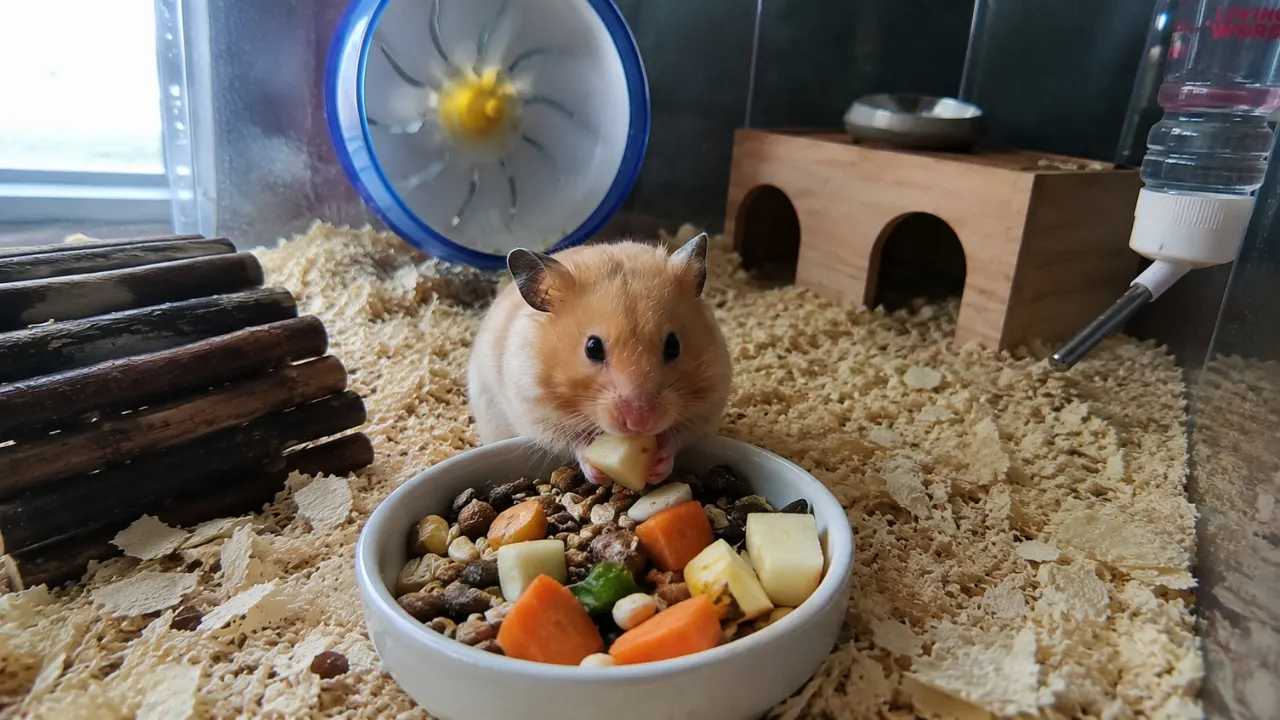
While sweet almonds are less risky, almonds overall are not ideal for hamsters because they are high in fat and may become choking hazards.
Safer seed options include:
- Pumpkin seeds
- Sunflower seeds in moderation
- Flaxseeds
6. Raw Beans Contain Harmful Natural Compounds
Raw kidney beans and several other uncooked beans contain substances that can interfere with digestion and may be toxic if eaten raw.
Never feed uncooked beans to hamsters.

If you want to offer legumes occasionally, only use fully cooked plain beans without salt or seasoning.
7. Avocado Is Too Fatty for Hamsters
Avocado is often debated among pet owners. While tiny amounts of plain avocado flesh may not always cause immediate harm, it is generally considered unsafe for hamsters because:
- It is very high in fat
- Some parts of the avocado plant contain toxic compounds
- Overfeeding may contribute to obesity
To avoid unnecessary risk, it’s better not to feed avocado at all.
8. Candy and Sugary Treats Increase Diabetes Risk
Candy, gummies, syrup-coated cereals, and sugary desserts are dangerous for hamsters.
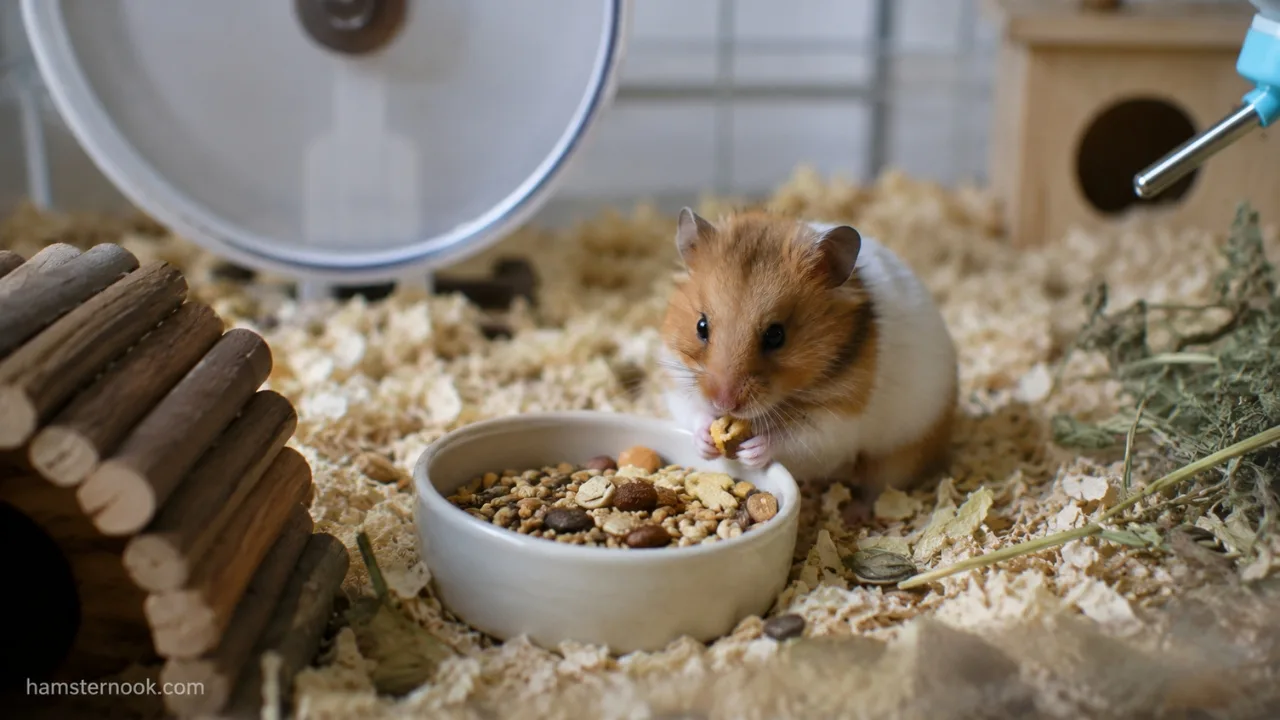
Excess sugar may lead to:
- Obesity
- Dental problems
- Diabetes
- Digestive upset
Russian Dwarf hamsters are particularly prone to diabetes, so sugary foods should be kept especially limited.
9. Salty Chips and Processed Snacks Are Unsafe
Hamsters cannot handle large amounts of sodium.

Salty snacks like chips, crackers, instant noodles, and flavored popcorn may cause:
- Dehydration
- Kidney stress
- Nutritional imbalance
Processed foods also contain preservatives and artificial ingredients unsuitable for small pets.
10. Caffeine Can Harm the Nervous System
Caffeinated products should never be given to hamsters.
This includes:
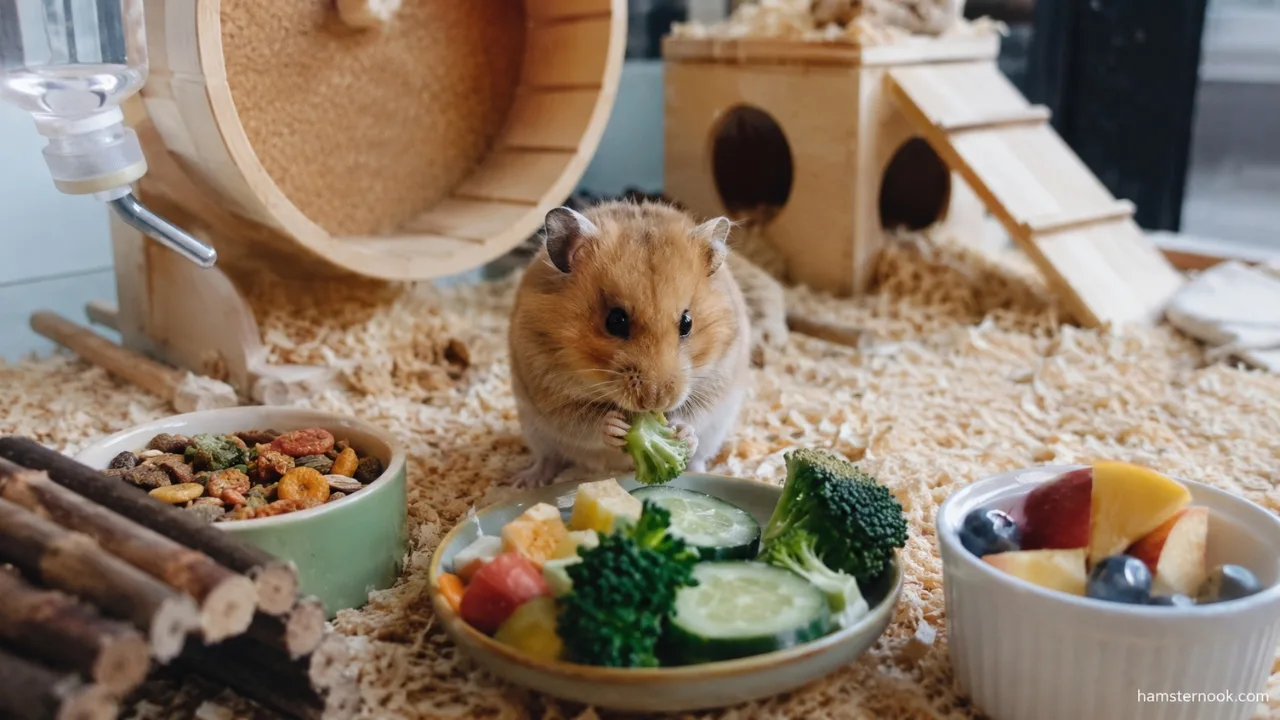
- Coffee
- Tea
- Energy drinks
- Cola
- Caffeinated desserts
Caffeine may overstimulate a hamster’s tiny nervous system and heart.
11. Alcohol Is Extremely Dangerous
Even very small amounts of alcohol can be toxic to hamsters.
Alcohol affects the nervous system rapidly in small animals and may become life-threatening.
Avoid foods cooked with alcohol as well.

12. Raw Potato May Cause Digestive Problems
Raw potatoes contain compounds like solanine, especially in green or sprouting potatoes.
These compounds may upset digestion and potentially become harmful.
Plain cooked sweet potato in tiny portions is usually a safer alternative.
13. Tomato Leaves and Stems Are Toxic
While tiny amounts of ripe tomato flesh are sometimes tolerated, tomato leaves and stems contain harmful compounds.

Never allow hamsters access to tomato plants, vines, or unripe tomatoes.
14. Grapes and Rhubarb Should Be Avoided
Grapes and rhubarb should not be fed to hamsters. RSPCA guidance specifically warns that these foods can be poisonous to rodents.
Do not offer grapes, raisins, or rhubarb as treats or mix them into fresh-food portions.
For specific guidance on grapes, see our Can Hamsters Eat Grapes? guide before offering any.

If you are unsure about a specific fruit, check reliable hamster-specific feeding guidance before offering it.
15. Processed Junk Food Can Cause Long-Term Health Problems
Fast food and processed snacks are not suitable for hamsters.
Avoid feeding:
- Pizza
- Burgers
- Fried foods
- Cookies
- Sugary cereals
These foods are high in fat, salt, sugar, and additives and do not provide an appropriate nutritional balance for hamsters.

A proper hamster diet should remain simple and species-appropriate.
Signs Your Hamster Ate Something Toxic
If your hamster accidentally eats unsafe food, watch carefully for symptoms such as:
| Warning Sign | Possible Meaning |
|---|---|
| Diarrhea | Digestive irritation |
| Lethargy | Toxic reaction |
| Tremors | Nervous system problem |
| Loss of appetite | Illness or stomach pain |
| Difficulty breathing | Severe reaction |
| Excessive thirst | Sugar overload/dehydration |
| Wet tail symptoms | Serious digestive stress |
If you know your hamster has eaten a potentially toxic food, contact an exotic veterinarian promptly rather than waiting for symptoms. If symptoms such as tremors, severe lethargy, difficulty breathing, or seizures appear, seek immediate veterinary care.
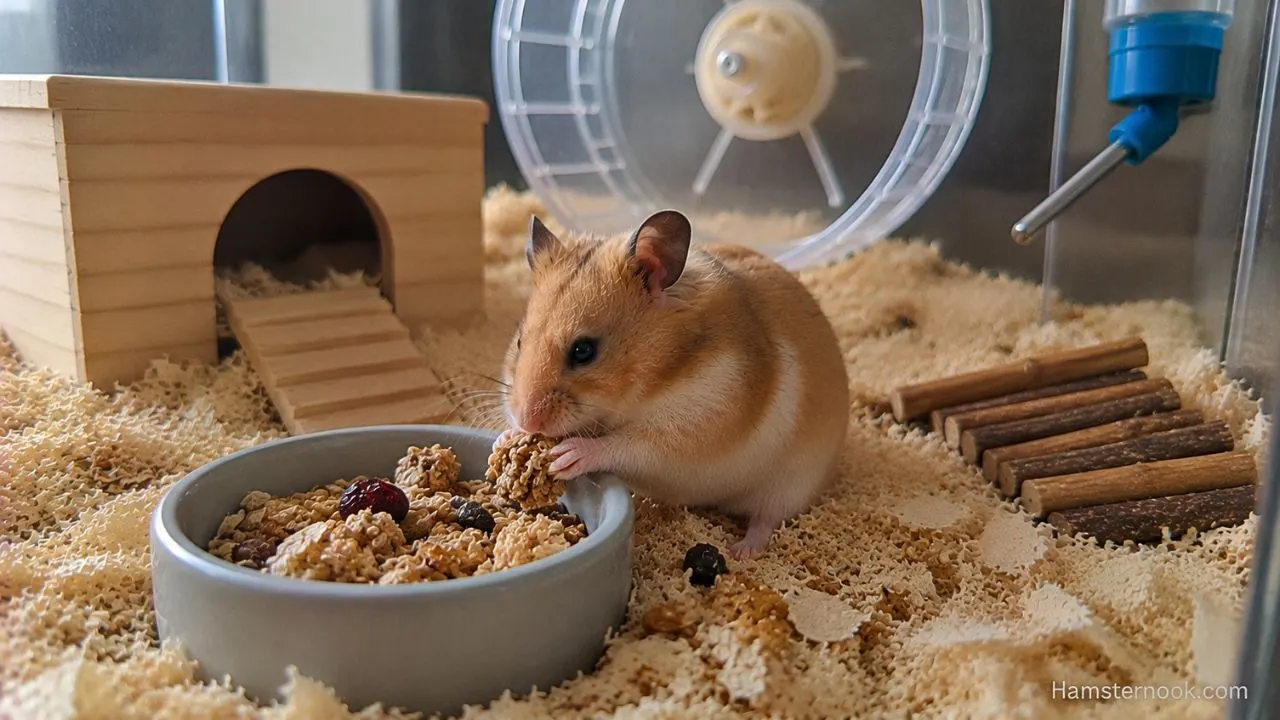
Safe Foods Hamsters Can Eat Instead
Instead of risky human snacks, focus on foods that have established hamster-safe guidance. For a broader list of suitable human foods, see our What Human Foods Can Hamsters Eat? guide.
Healthy Hamster Treat Ideas
| Safe Food | Feeding Notes |
|---|---|
| Cucumber | Hydrating and low calorie |
| Broccoli | Rich in nutrients |
| Carrot | Small portions only |
| Apple | Remove seeds |
| Blueberries | Occasional treat |
| Oats | Plain and unsweetened |
| Pumpkin Seeds | Unsalted only |
| Cooked Egg | Tiny protein portions |
Fresh foods should only complement a balanced hamster diet, not replace the main complete hamster food.
How to Introduce New Foods Safely
Hamsters have sensitive stomachs, so introducing foods slowly is important.
Safe Feeding Tips
- Introduce only one new food at a time
- Start with tiny portions
- Watch for digestive changes
- Remove uneaten fresh food quickly
- Avoid seasoning, oils, and sauces
Sudden diet changes can upset a hamster’s sensitive digestive system.

Common Feeding Mistakes New Owners Make
Many hamster health issues come from accidental feeding mistakes.
Common Problems Include:
- Giving too many sugary treats
- Sharing human snacks
- Overfeeding fruit
- Leaving spoiled food in the cage
- Assuming all vegetables are safe
Safe feeding habits can help reduce the risk of obesity, diabetes, and diet-related digestive problems.
Final Thoughts
Hamsters may be small, but their dietary needs are very specific. Many foods that humans eat daily can seriously harm a hamster’s digestive system or overall health.
The safest approach is to stick with a high-quality hamster diet and only offer carefully researched treats in moderation. When unsure about a food, it’s always better to avoid it until you can confirm it’s safe.

Understanding toxic foods is one of the most important parts of responsible hamster care and can help your pet live a healthier, safer life.
Frequently Asked Questions
What food is most toxic to hamsters?
Chocolate is considered one of the most dangerous foods because it contains theobromine and caffeine, which are toxic to small animals.
Can hamsters eat human snacks?
Most processed human snacks are not suitable for hamsters due to high salt, sugar, fat, or artificial additives.
Are all fruits safe for hamsters?
No. Fruit safety varies by type. RSPCA specifically warns that grapes and rhubarb can be poisonous to rodents, while PDSA currently recommends avoiding citrus until the guidance is clearer. Fruit should also be offered only in small portions.

What should I do if my hamster eats toxic food?
Remove access to the food and contact an exotic veterinarian promptly if your hamster has eaten a potentially toxic food. Do not wait for symptoms before seeking advice. If possible, keep the food packaging or ingredient information available for the veterinarian.
Can hamsters eat cheese?
Small amounts of plain cheese are sometimes tolerated, but it should only be an occasional treat because it is high in fat and salt.
How can I keep my hamster’s diet safe?
Use a balanced commercial hamster food as the main diet and research every fresh food carefully before feeding it.
References
This guide is based on hamster nutrition, feeding safety, toxic foods, digestive health, and welfare guidance from trusted veterinary and animal welfare resources, including:
- RSPCA – Hamster Diet and Feeding Guidance – Guidance on suitable hamster foods, feeding practices, fresh foods, treats, and foods that may be harmful or poisonous to hamsters.
- PDSA – Hamsters as Pets – Advice on hamster nutrition, suitable foods, treats, feeding habits, and general health and welfare.
- Blue Cross – Hamster Care Guide – Practical guidance on hamster diet, suitable foods, feeding, husbandry, and overall wellbeing.
- MSD Veterinary Manual – Hamsters – Veterinary reference information covering hamster nutrition, digestive health, common diseases, and conditions that may require veterinary care.
- FDA – Selecting and Serving Produce Safely – Food-safety guidance relevant to handling and preparing fresh fruits and vegetables before offering them as part of a pet’s diet.

Narayan Kumar is the founder and author of HamsterNook. He creates practical, research-based hamster care guides covering hamster behavior, nutrition, cage setup, enrichment, health, and everyday care. His goal is to help hamster owners make informed decisions and provide safer, healthier lives for their pets through clear, beginner-friendly information based on trusted animal care resources.