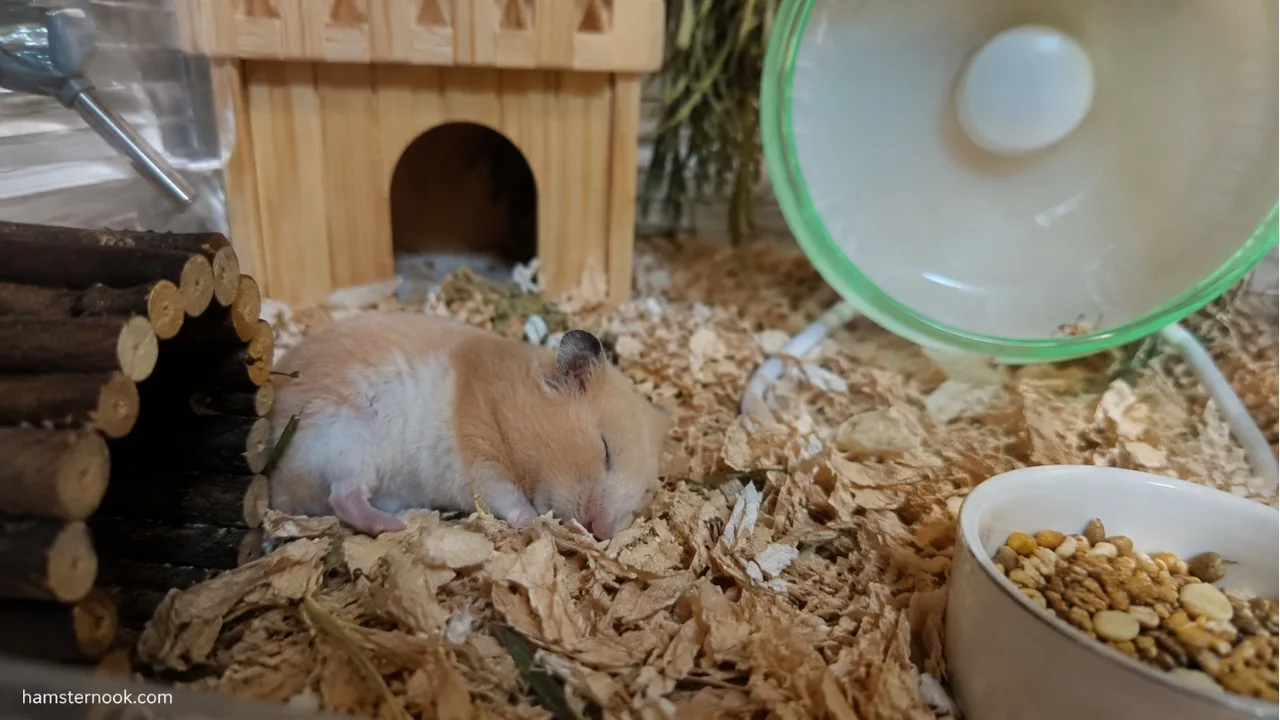
If you’ve ever looked into your hamster’s enclosure in the middle of the day and wondered, “Is my hamster sleeping too much?” you’re not alone. One of the biggest surprises for new hamster owners is how much these tiny pets seem to sleep. It’s easy to worry that something is wrong, especially when your new hamster spends hours hidden under bedding or inside its favorite hideout.
The truth is that sleeping habits vary between hamster breeds, individual personalities, age, and even the environment they live in. While all pet hamsters are naturally crepuscular—meaning they’re most active around dawn and dusk—some breeds are noticeably more active than others. A Syrian hamster may appear lazy compared to an energetic Roborovski, but that doesn’t necessarily mean anything is wrong.
Understanding these natural differences can help you choose the right hamster for your lifestyle and avoid common mistakes like waking a sleeping hamster or assuming normal behavior is a sign of illness.
Do All Hamster Breeds Sleep the Same Amount?
No. Every hamster breed follows a similar biological rhythm, but their activity levels can differ noticeably.
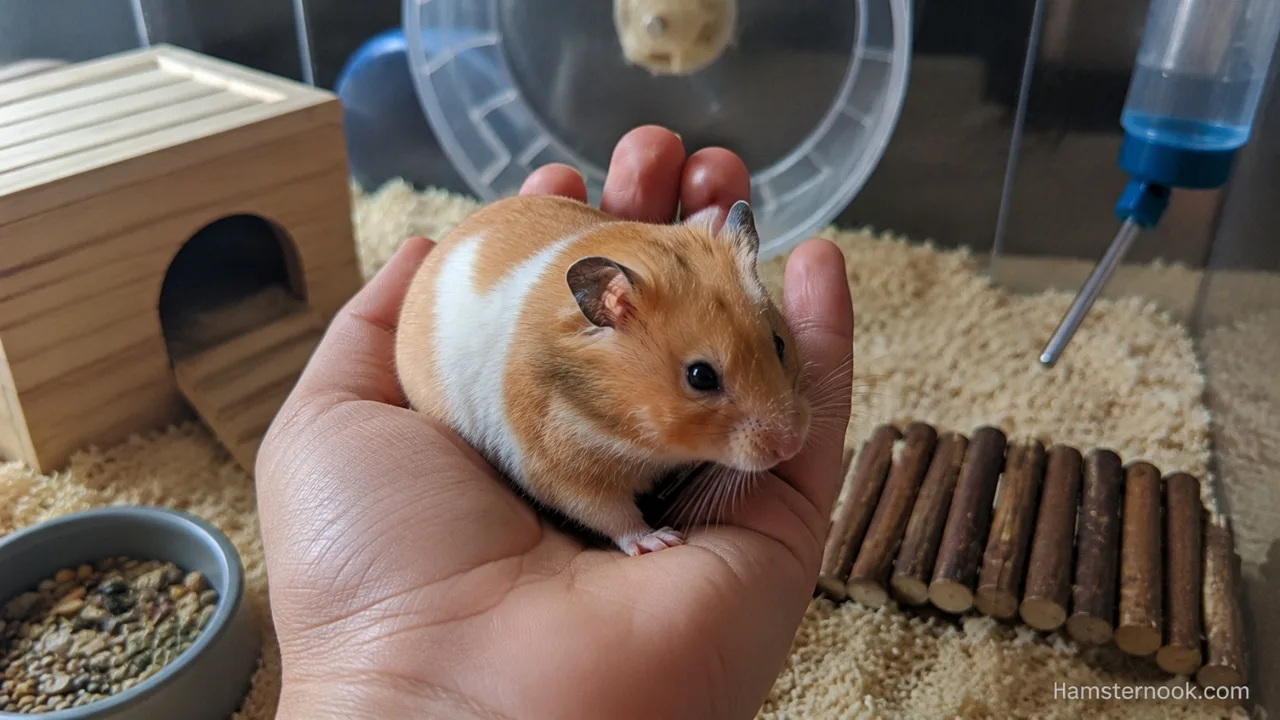
All domesticated hamster species spend a significant part of the day resting because they evolved as prey animals. In the wild, remaining hidden during bright daylight helps protect them from predators while conserving energy for foraging during safer hours.
However, some breeds naturally spend more time resting, while others are known for being constantly on the move once they wake up.
Several factors influence how much a hamster appears to sleep, including:
- Breed
- Age
- Overall health
- Temperature
- Cage enrichment
- Daily routine
- Seasonal lighting
It’s also worth remembering that owners often underestimate a hamster’s activity because much of it happens late in the evening or overnight.
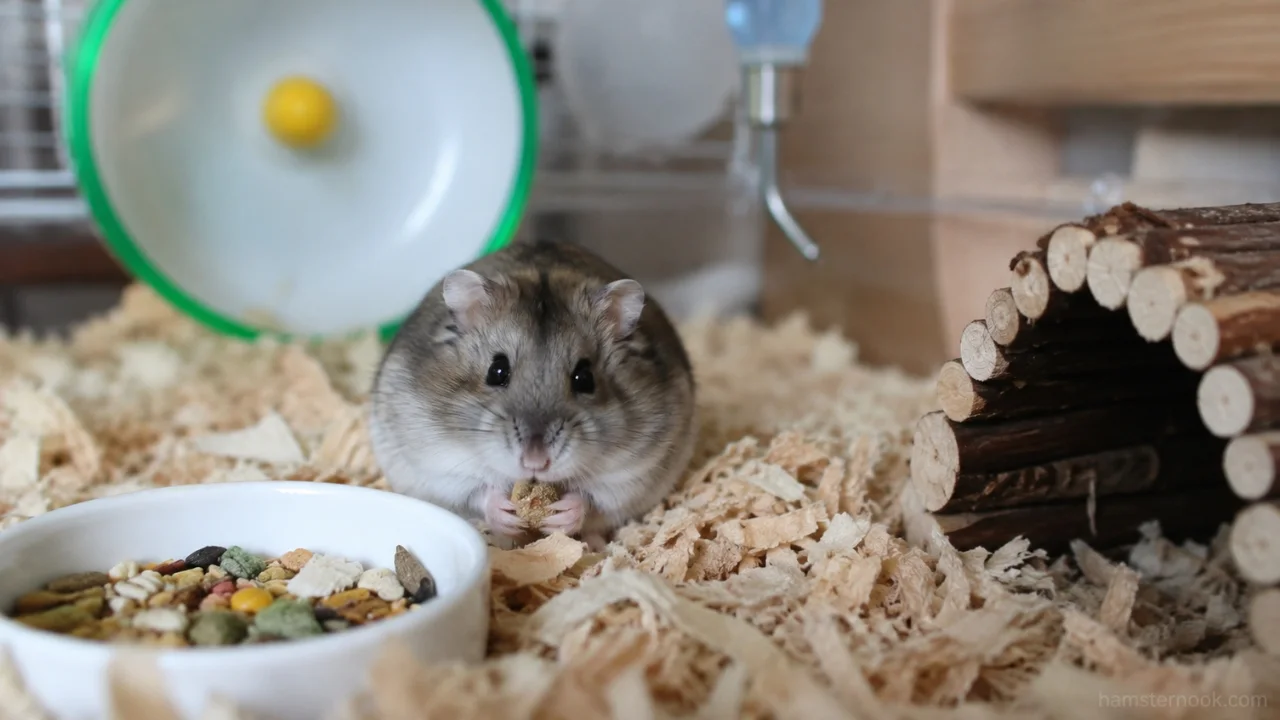
For anyone new to hamster ownership, Ultimate Hamster Care Guide for Beginners (2026) explains how natural sleep cycles affect daily care and handling.
Understanding a Hamster’s Natural Sleep Cycle
Before comparing breeds, it’s important to understand that hamsters are not daytime pets.
Rather than being strictly nocturnal, most pet hamsters are considered crepuscular. This means they’re generally most active around sunrise and sunset, although many also remain active during parts of the night.
During daylight hours, a healthy hamster may:
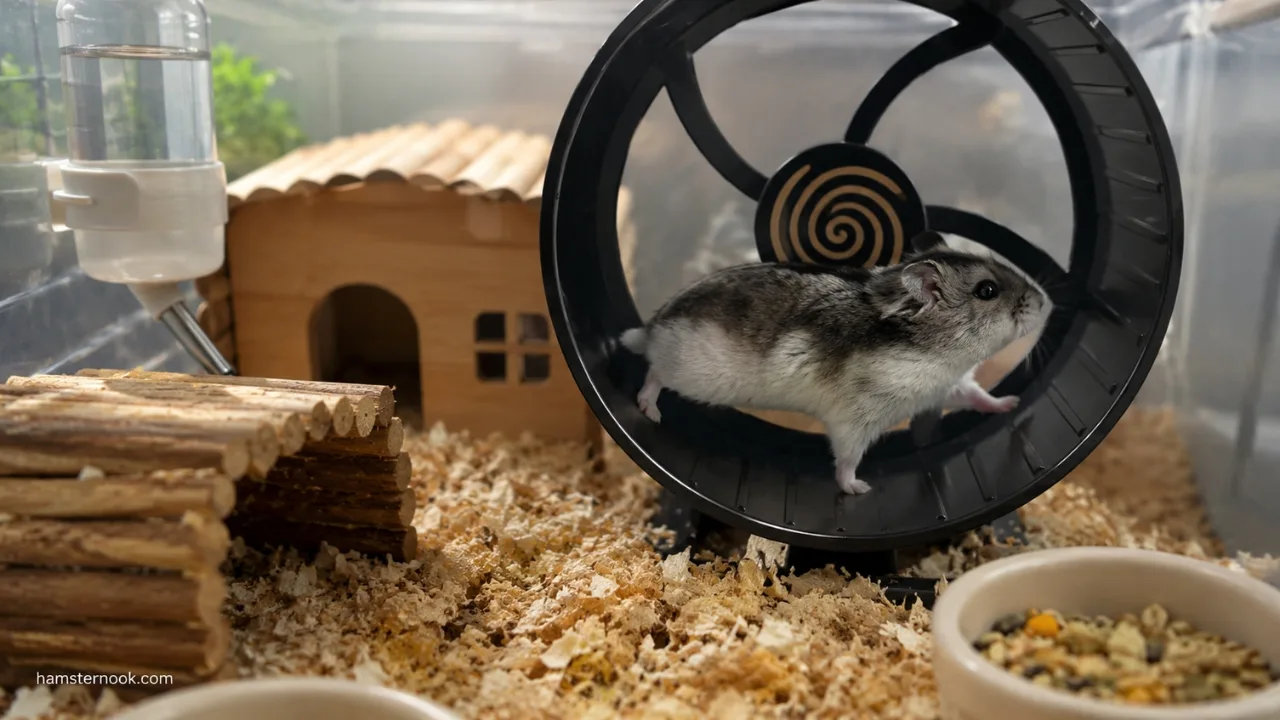
- Sleep underground
- Rest inside a hide
- Wake briefly to eat or drink
- Rearrange bedding before returning to sleep
This pattern is completely normal.
Owners who expect constant daytime activity often become concerned unnecessarily or accidentally disturb their hamster’s natural routine.
Which Hamster Breed Appears to Sleep the Most?
Although no scientific studies rank hamster breeds by exact sleep duration, experienced owners and breeders consistently notice differences in activity levels.
Among commonly kept pet hamsters, Syrian hamsters often appear to sleep more simply because they usually have calmer personalities and longer periods of uninterrupted rest during the day.
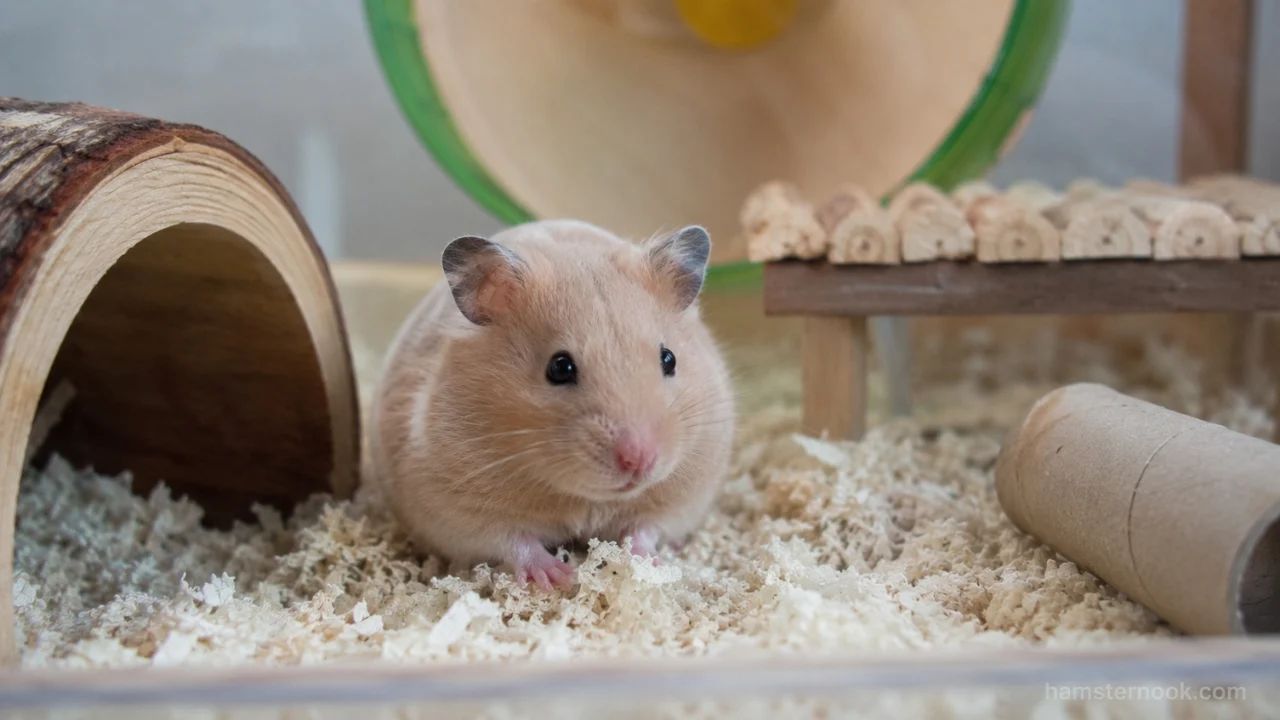
By comparison, Roborovski hamsters frequently wake for short bursts of activity before returning to sleep, making them seem more energetic overall.
The key point is that they only appear to sleep more.
A hamster hiding quietly isn’t necessarily sleeping the entire time. It may simply be resting, grooming, storing food, or remaining alert inside its nest.
Hamster Breed Sleep and Activity Comparison
| Hamster Breed | Daytime Activity | Evening Activity | Overall Energy Level |
|---|---|---|---|
| Syrian Hamster | Usually very low | Moderate to high | Calm |
| Roborovski Hamster | Occasionally visible | Very high | Extremely active |
| Campbell’s Dwarf | Low | Moderate | Active |
| Winter White Dwarf | Low | Moderate | Moderate |
| Chinese Hamster | Low | Moderate | Moderate |
This comparison reflects commonly observed behavior among healthy pet hamsters rather than fixed rules. Individual personalities always vary.
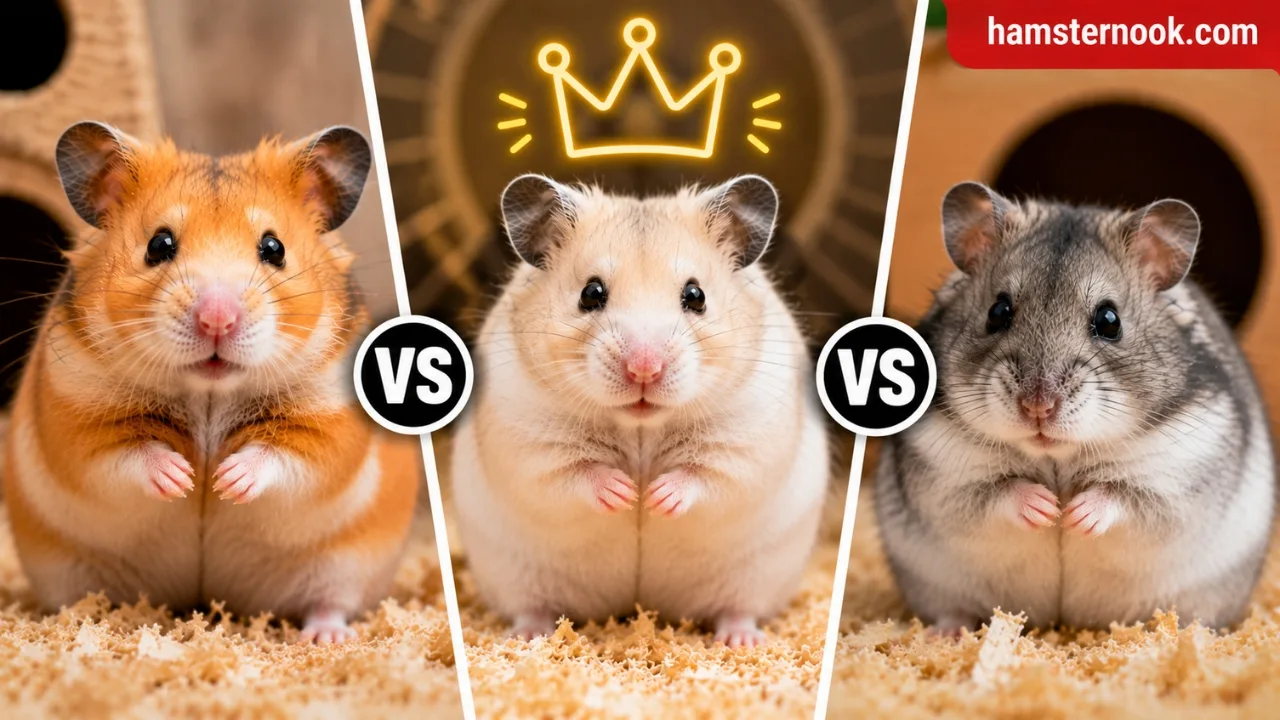
Why Syrian Hamsters Often Seem Sleepier
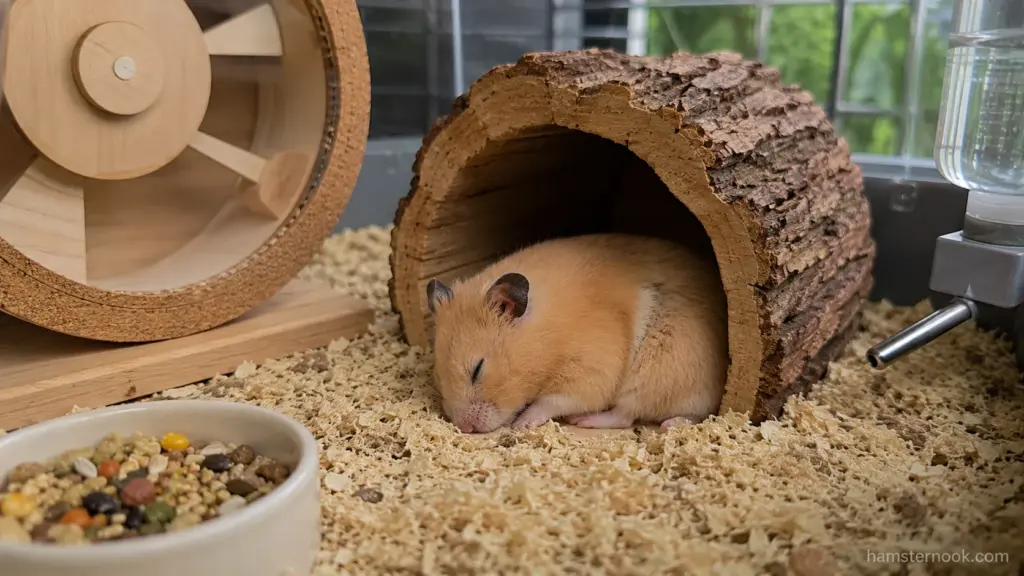
Syrian hamsters have earned a reputation for being relatively relaxed compared to dwarf species.
Several reasons contribute to this impression.
They Usually Have Larger Sleeping Nests
Syrian hamsters enjoy creating deep, comfortable sleeping chambers beneath bedding.
Once settled, they often remain inside these nests for several hours without interruption.

Owners may mistakenly assume the hamster is inactive all day when it’s simply following a normal rest cycle.
They Spend More Time Grooming Quietly
Even after waking, Syrian hamsters often spend time:
- Grooming
- Stretching
- Organizing food stores
- Rearranging bedding
Because these activities happen inside hides, they aren’t always visible.
Their Movements Are Less Frantic
Unlike Roborovski hamsters that race around the enclosure almost constantly after waking, Syrian hamsters usually move at a slower, more deliberate pace.

This difference can create the impression that Syrians sleep much longer, even when total rest time is fairly similar.
Why Roborovski Hamsters Seem Awake More Often
Roborovski hamsters are famous for their incredible energy.
Although they still spend much of the daytime resting like every hamster species, their waking hours are often packed with activity.
Owners commonly notice Roborovskis:
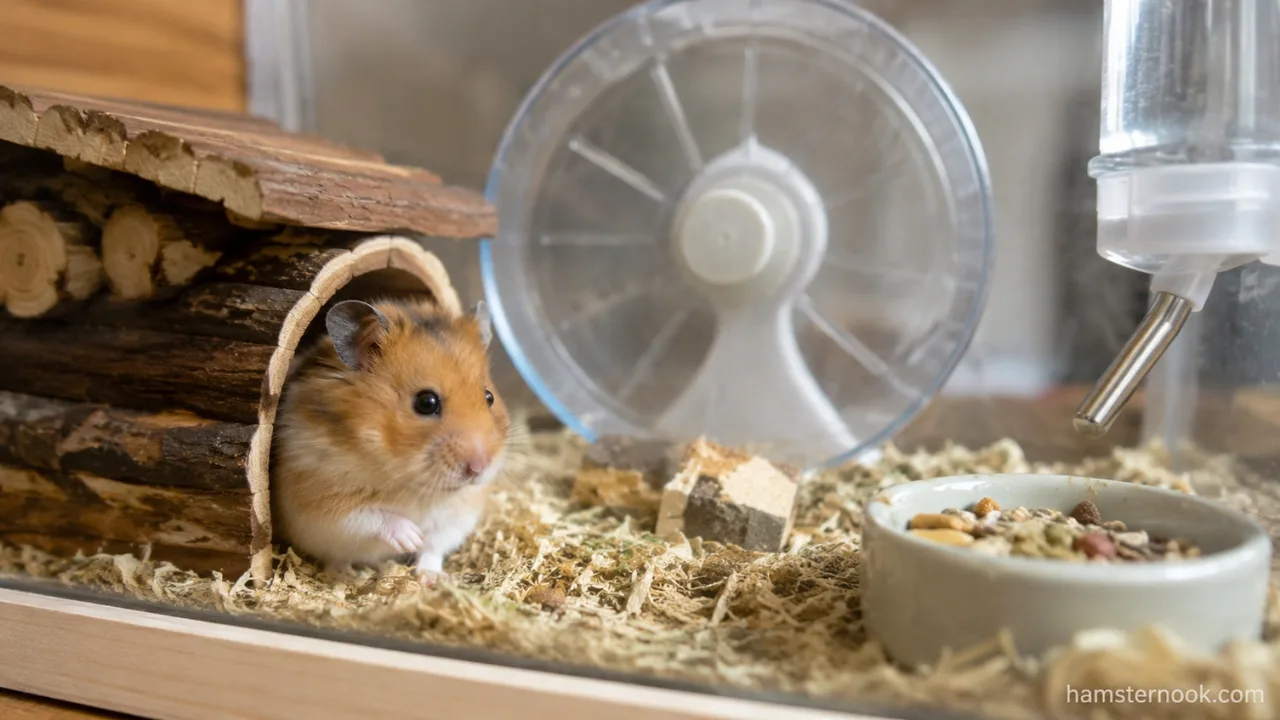
- Running on their wheel for extended periods
- Digging constantly
- Exploring every corner of the enclosure
- Making frequent trips between tunnels
This naturally high activity level makes them appear far less sleepy than Syrian hamsters.
If you’re considering this breed, it’s also helpful to read Which Hamster Breed Escapes the Most? Comparing Syrian, Robo, and Dwarf Hamsters, since their curiosity and speed often go hand in hand.
How Age Changes Sleeping Patterns
A hamster’s age may influence sleeping habits just as much as breed.
Young Hamsters
Juvenile hamsters tend to have frequent bursts of energy.
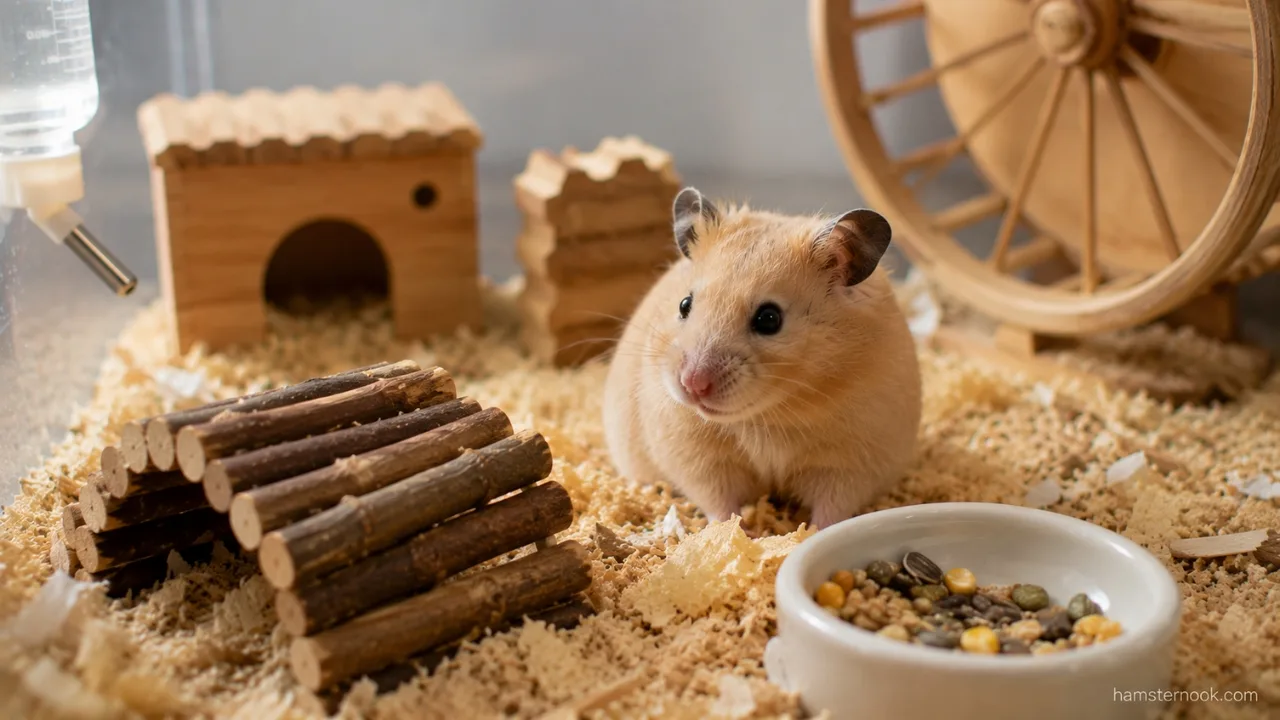
They often alternate between active play and short periods of rest throughout the day and night.
Adult Hamsters
Healthy adults usually settle into a predictable routine.
Most become active around the same time each evening and sleep peacefully during daylight hours.
Senior Hamsters
Older hamsters often spend more time resting.
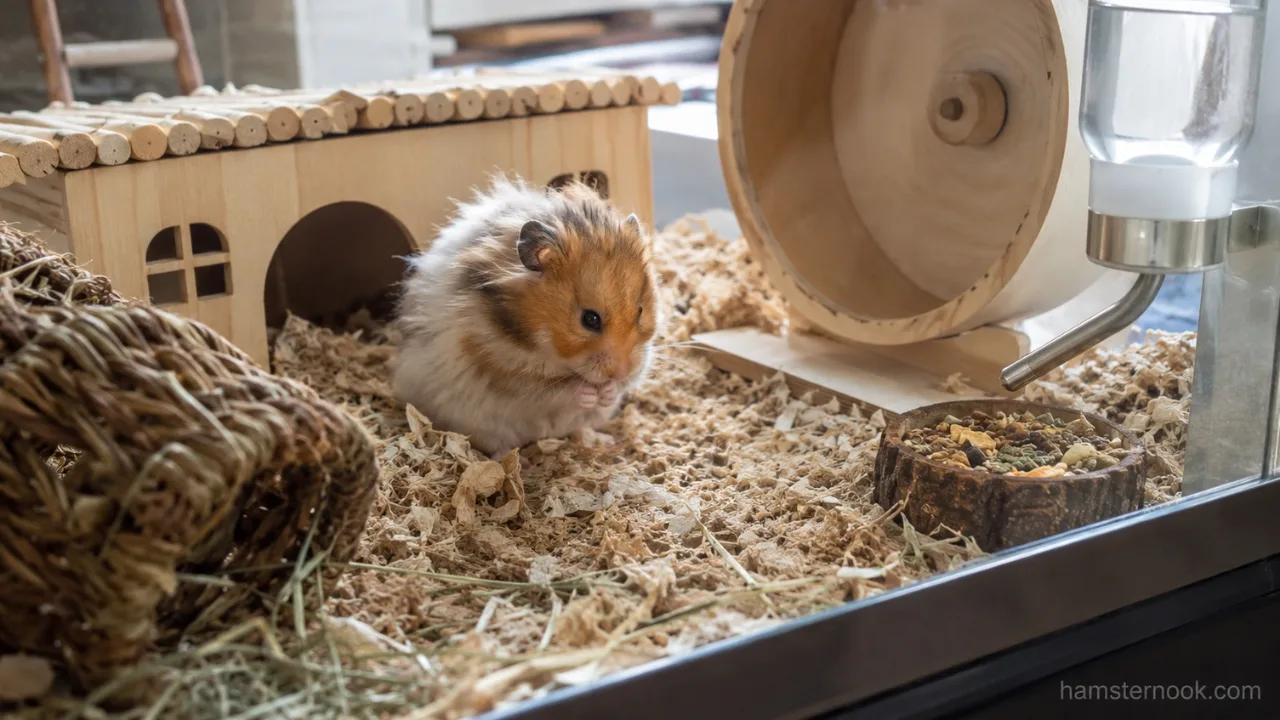
Reduced activity is common with age, but owners should still watch for sudden or dramatic changes.
If your hamster begins sleeping significantly more than usual while also losing interest in food or exercise, it may be worth reviewing Can Hamsters Get Dehydrated? Signs Every Owner Should Know, since dehydration and illness can sometimes reduce activity levels.
Environmental Factors That Affect Sleep
Breed isn’t the only factor that influences how much your hamster sleeps.
The environment plays an equally important role.
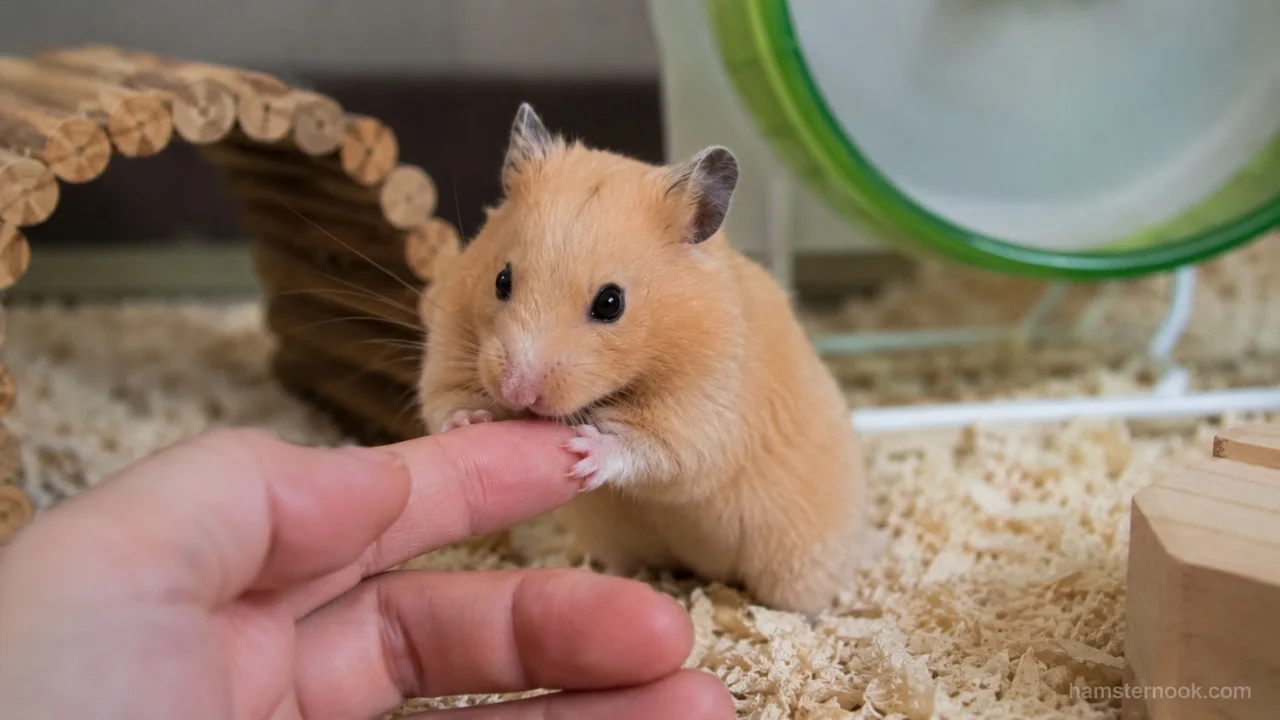
Temperature
Hamsters generally rest more when they’re too warm or uncomfortable.
Extremely cold temperatures may also reduce normal activity.
Keeping the enclosure within a safe, stable temperature range helps maintain healthy daily routines.
Lighting
Bright lights during normal sleeping hours can disturb a hamster’s natural rhythm.
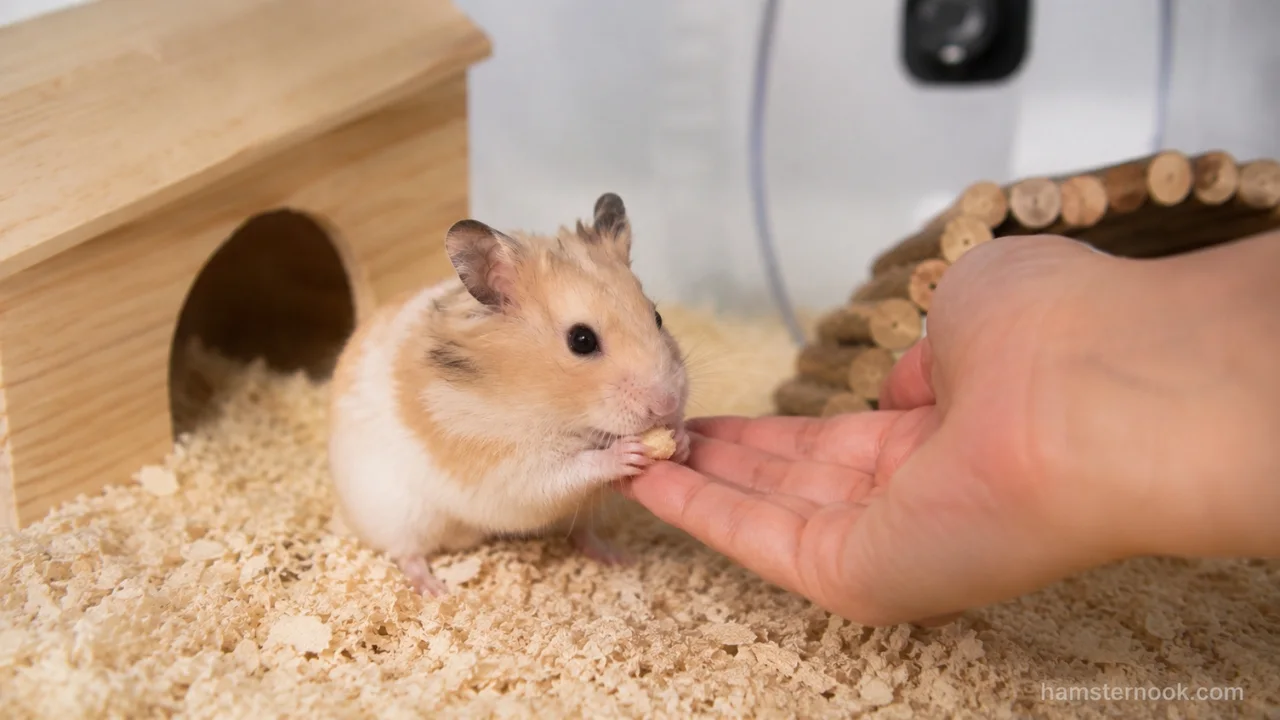
A quiet location with a consistent day-and-night cycle usually supports healthier sleep.
Cage Enrichment
Hamsters living in enriched enclosures often become more active during waking hours because they have opportunities to:
- Dig
- Climb
- Forage
- Explore
- Exercise
Without sufficient enrichment, some hamsters may appear inactive simply because they have little to do after waking.
Providing deep bedding, tunnels, hides, and chew toys encourages natural behaviors while awake.
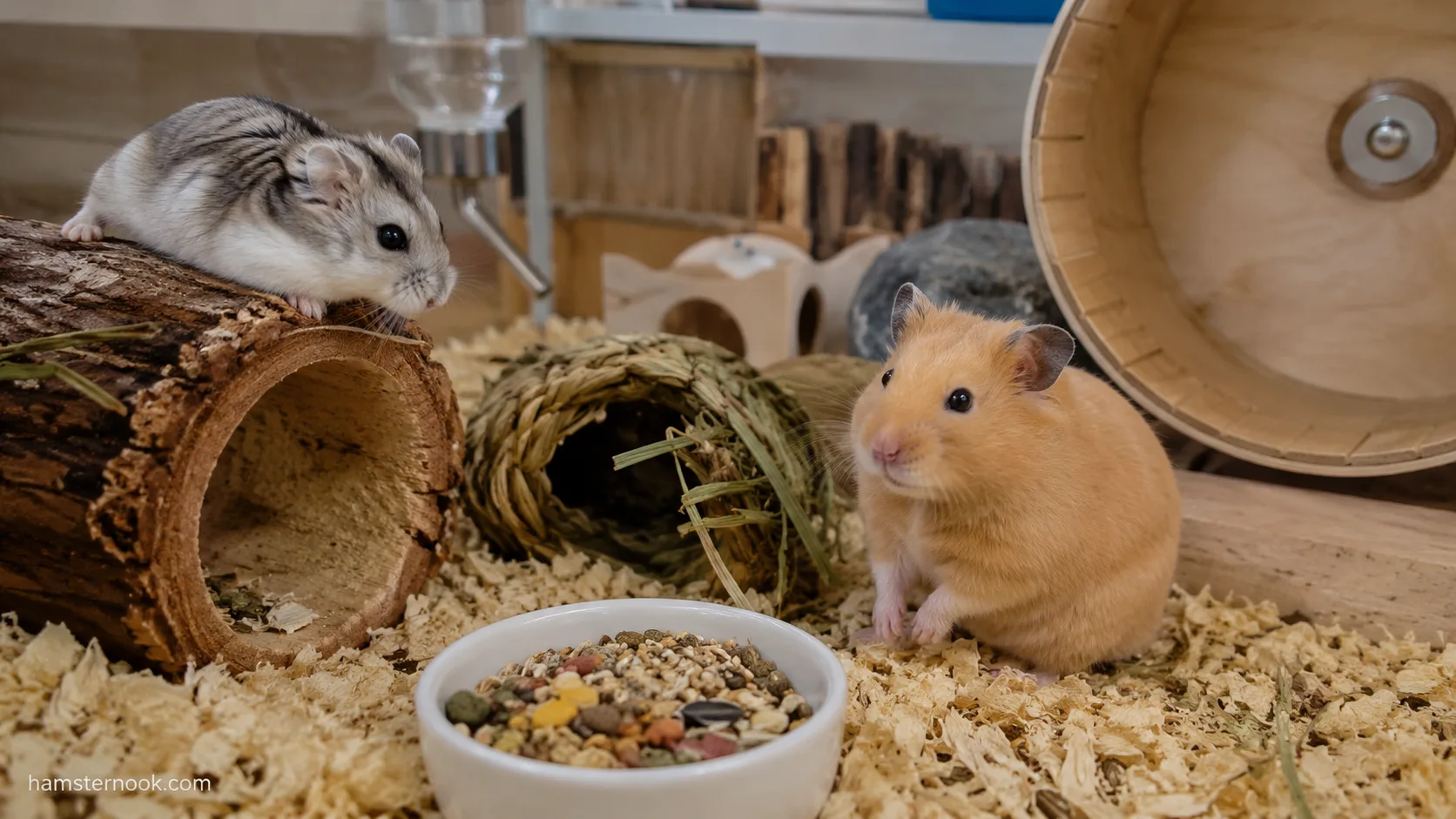
When Does Sleeping Become a Cause for Concern?
Although hamsters naturally spend a large portion of the day resting, there is a difference between normal sleep and a noticeable change in behavior.
A hamster that has always followed a consistent routine but suddenly becomes much less active deserves closer observation.
Look at the whole picture rather than sleep alone. Ask yourself:
- Is your hamster still eating normally?
- Is it drinking water regularly?
- Does it come out at its usual time?
- Is it using its exercise wheel?
- Has its weight changed?
- Does it still respond to sounds or movement?
A healthy hamster may sleep for many hours during the day, but it should usually wake up during its normal active period.
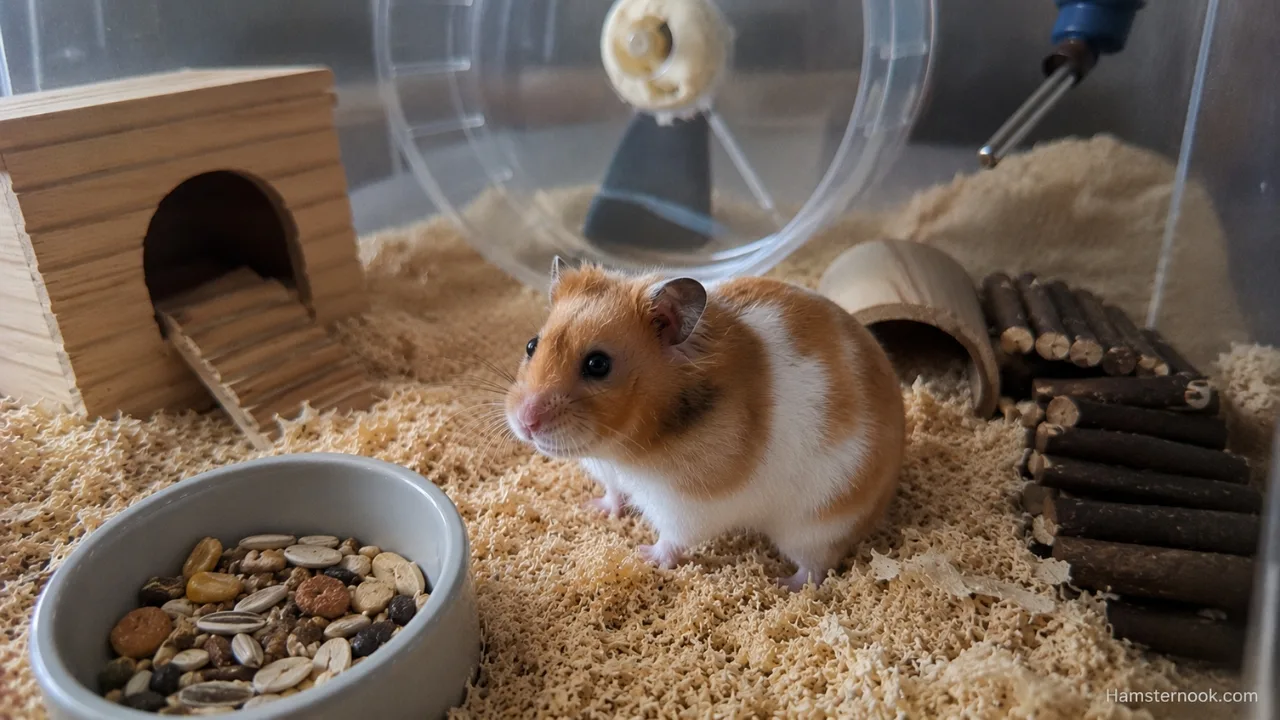
Normal Sleep vs. Warning Signs
| Normal Behavior | Possible Warning Sign |
|---|---|
| Sleeping during daylight hours | Sleeping through usual active hours repeatedly |
| Waking to eat or drink | Refusing food and water |
| Resting inside a nest | Remaining weak even when awake |
| Regular evening activity | No interest in exploring or exercising |
| Calm breathing while sleeping | Labored breathing or unusual posture |
| Consistent daily routine | Sudden major change in sleeping pattern |
One unusual day is not always a reason to panic. However, if several warning signs appear together, your hamster should be examined by an exotic animal veterinarian.
Common Mistakes That Make Owners Think Their Hamster Sleeps Too Much
Many owners accidentally misinterpret completely normal behavior.
Expecting Daytime Activity
Hamsters are not daytime pets.
Someone who works during the day may rarely see their hamster awake, leading them to believe it sleeps constantly.
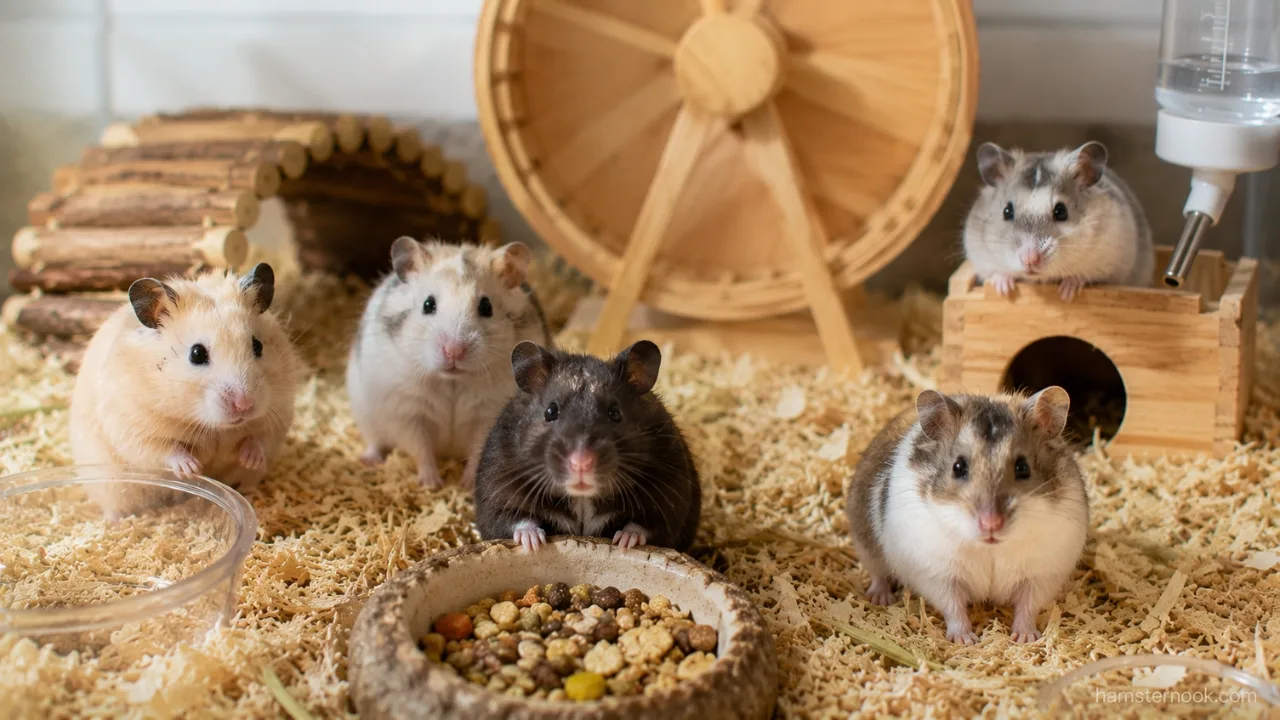
A pet camera or simply checking the enclosure later in the evening often reveals plenty of activity.
Waking the Hamster Frequently
Some owners gently wake their hamster every afternoon because they want to play.
Unfortunately, repeated interruptions can increase stress and disturb natural sleep cycles.
If you’re still building trust with a new pet, The Biggest Mistake New Hamster Owners Make in the First Week explains why allowing uninterrupted rest is so important.
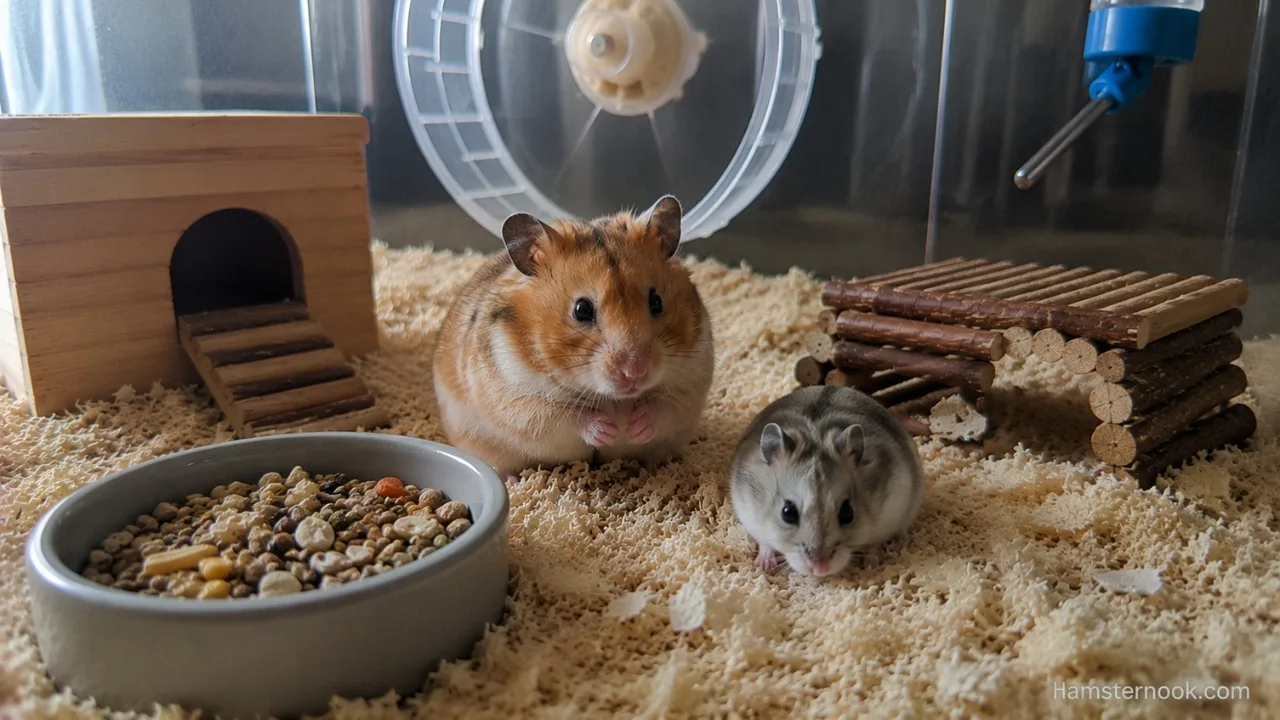
Assuming Hiding Means Sleeping
Hamsters often remain inside their nests even when they are fully awake.
Inside the nest they may be:
- Grooming
- Organizing food
- Cleaning themselves
- Rearranging bedding
- Resting quietly without sleeping
Because owners cannot see these behaviors, they may assume the hamster is asleep the entire time.
Can You Change a Hamster’s Sleep Schedule?
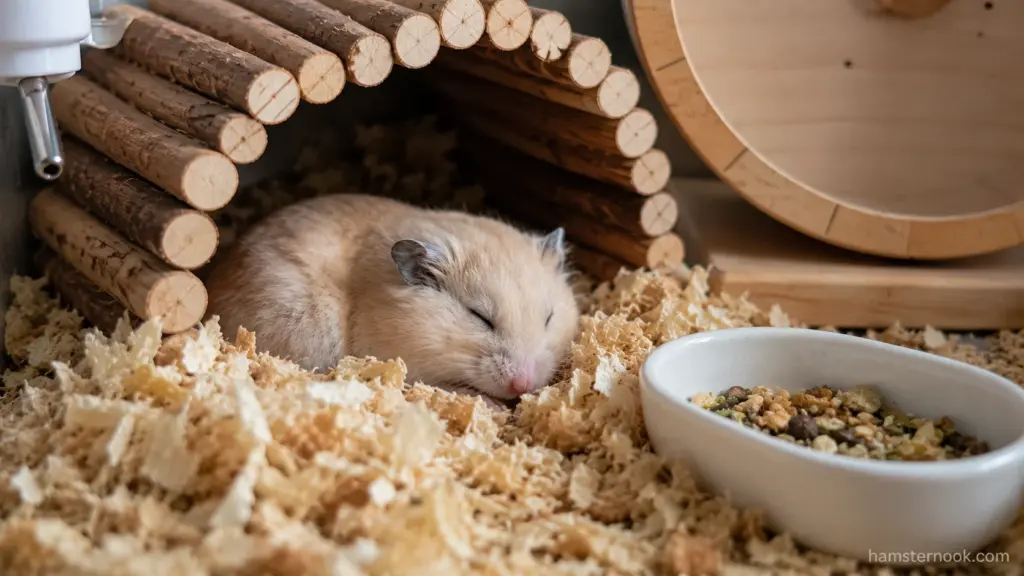
Not really.
A hamster’s natural rhythm is controlled by its internal biological clock.
While small adjustments may occur as the hamster becomes familiar with your household routine, trying to force daytime activity usually causes unnecessary stress.
Instead of changing your hamster’s schedule:
- Visit the enclosure during the evening.
- Feed fresh food shortly before its usual waking time.
- Keep lighting consistent.
- Avoid loud disturbances during the day.
Respecting your hamster’s natural routine is usually the best way to keep it healthy and stress-free.
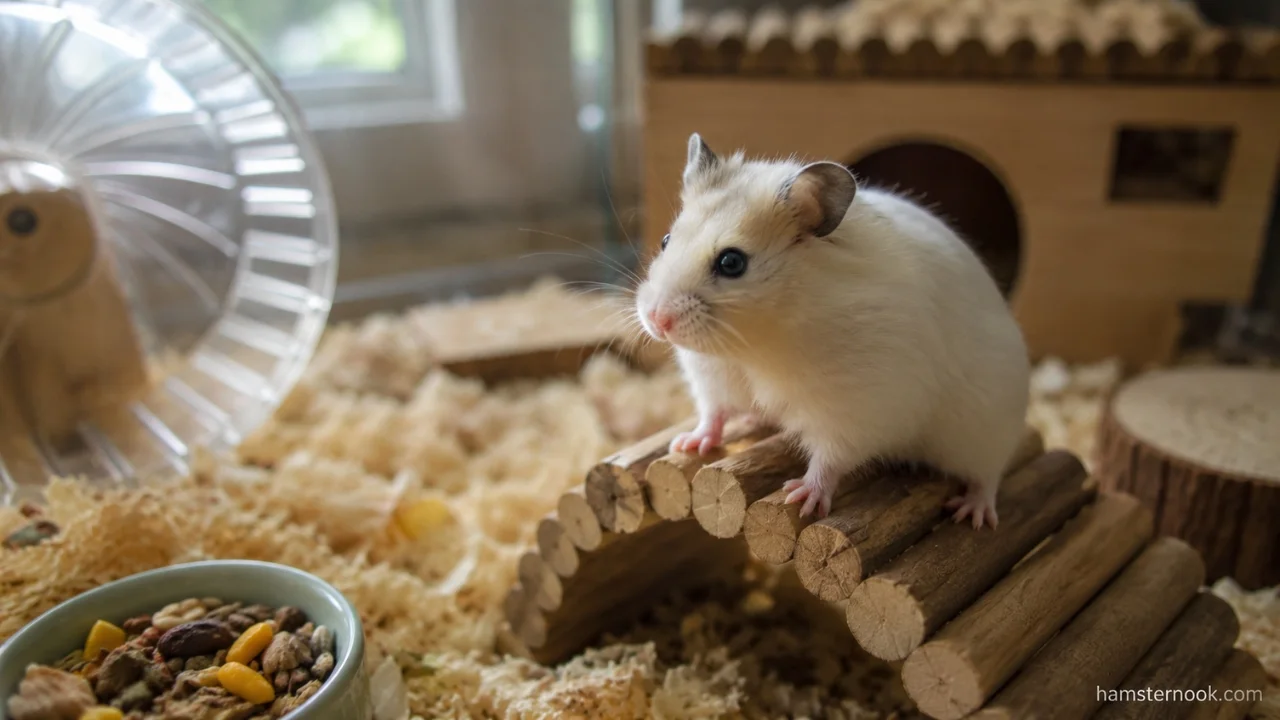
How to Encourage Healthy Activity Without Disturbing Sleep
The goal isn’t to reduce sleep but to make waking hours more enriching.
Provide a Proper Exercise Wheel
A correctly sized wheel encourages natural nighttime exercise.
Different breeds require different wheel sizes, so choose one that allows the hamster to run with a straight back.
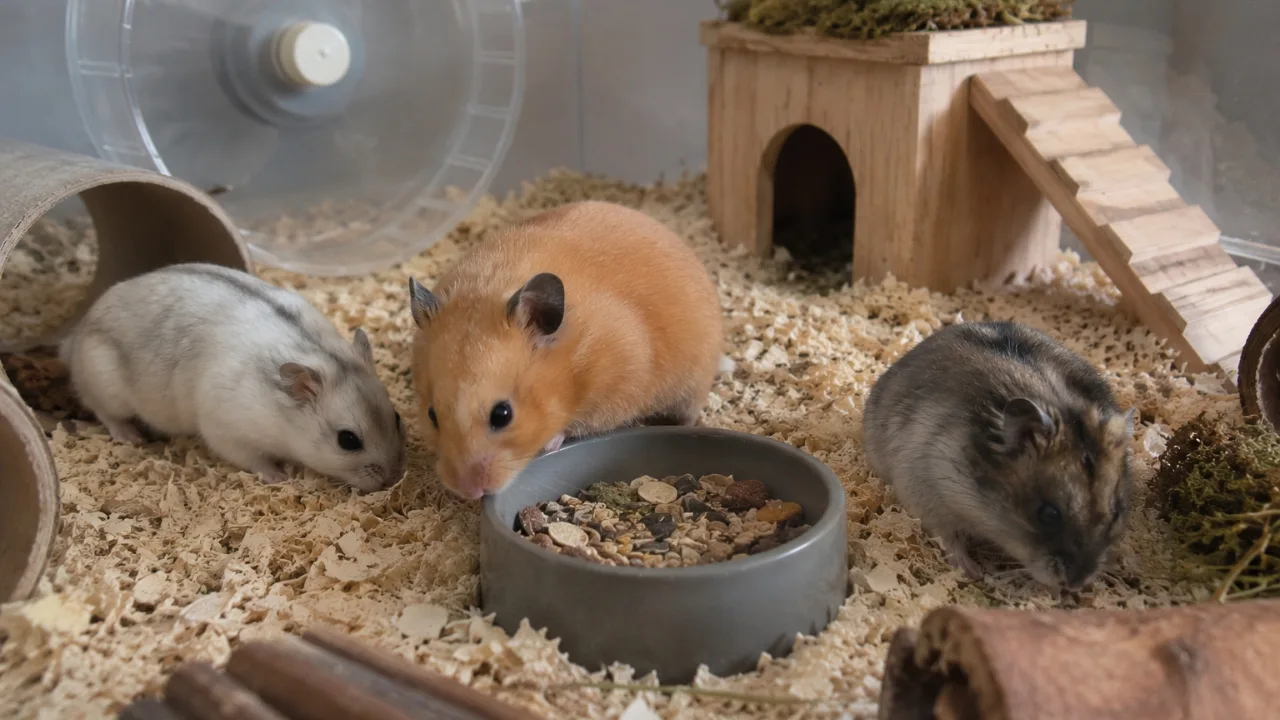
Create Opportunities for Natural Foraging
Scatter feeding and hiding small portions of food encourage exploration.
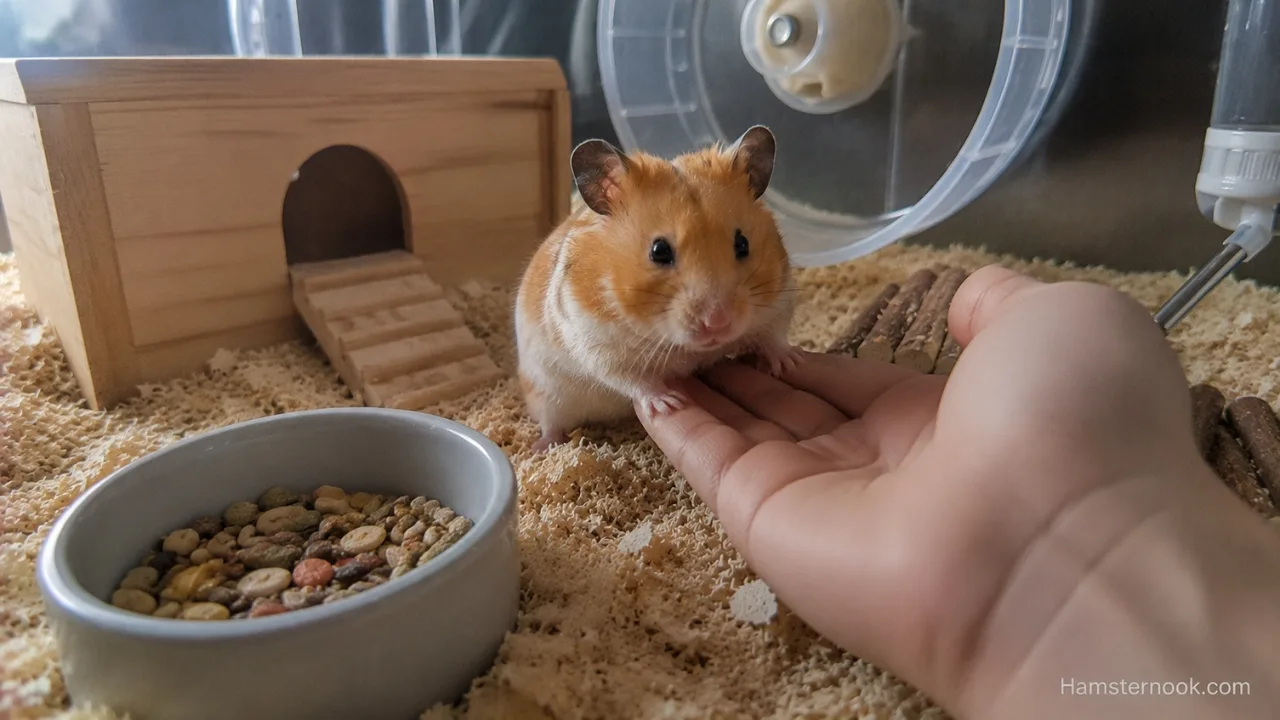
For healthy feeding ideas, Complete Hamster Diet Guide: Best Foods, Safe Treats & Toxic Foods explains how to create a balanced diet while adding natural enrichment.
Offer Deep Bedding
Hamsters enjoy digging complex tunnel systems.
Deep bedding allows them to create secure sleeping chambers and express natural behaviors.
Rotate Enrichment Occasionally
Changing chew toys, tunnels, or cardboard items every few weeks keeps the environment interesting without causing unnecessary stress.
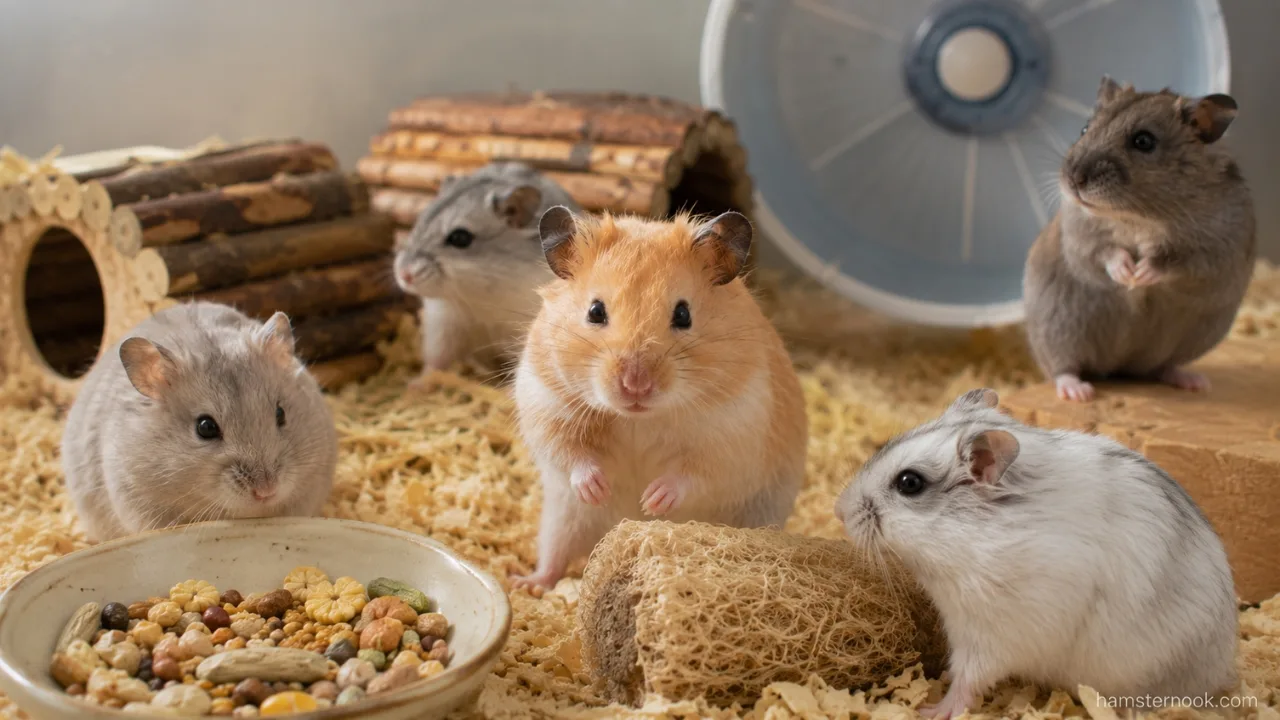
Does Breed Matter More Than Personality?
Not always.
While each hamster breed has general tendencies, personality often plays an even bigger role.
For example:
- Some Syrian hamsters are surprisingly energetic.
- Some Roborovski hamsters are calmer than expected.
- Two Winter White hamsters from the same litter may have noticeably different routines.
Breed gives you an idea of what to expect, but every hamster remains an individual.
Factors Besides Breed That Influence Sleep
Several everyday factors affect how much a hamster appears to rest.
| Factor | Possible Effect on Sleep |
|---|---|
| Age | Older hamsters often rest more |
| Temperature | Heat may reduce activity |
| Cage size | Larger enclosures encourage exploration |
| Enrichment | More enrichment often increases activity |
| Stress | Stress may lead to hiding or irregular routines |
| Health | Illness can reduce normal activity |
Considering these factors provides a more accurate picture than judging sleep by breed alone.
Which Hamster Breed Is Best for Owners Who Want an Active Pet?
If you enjoy watching your hamster explore, dig, and run during its active hours, breed choice can make a noticeable difference. Some breeds are naturally busier than others, although individual personality still matters.
| Breed | Best For |
|---|---|
| Roborovski | Owners who enjoy watching constant activity |
| Syrian | Owners wanting calmer handling opportunities |
| Campbell’s Dwarf | Balanced activity and curiosity |
| Winter White | Moderate activity with gentle temperament |
| Chinese | Curious but generally quieter than Roborovskis |
Keep in mind that the most active hamster is not always the easiest to handle.
Roborovski hamsters are fascinating to watch but are usually much faster and more difficult to tame than Syrian hamsters.
Final Thoughts
So, which hamster breed sleeps the most?
From an owner’s perspective, Syrian hamsters often appear to sleep the most because they spend long periods resting quietly inside well-built nests and generally have calmer personalities. Roborovski hamsters, on the other hand, seem far more energetic thanks to their frequent bursts of exploration and wheel running.
However, all hamster breeds require plenty of daytime rest, and sleeping for many hours is completely normal. Rather than comparing your hamster with other breeds, pay attention to its normal daily routine. A healthy hamster should maintain a regular routine, eat well, groom itself, and become active during its usual waking hours.
Understanding your hamster’s natural rhythm—and respecting it—is one of the best ways to support its long-term health and well-being.
Frequently Asked Questions
Which hamster breed is the sleepiest?
Syrian hamsters often appear to sleep the most because they usually rest for long periods inside their nests and have calmer activity patterns than many dwarf species.
Do Roborovski hamsters sleep less than Syrian hamsters?
Not necessarily. Roborovski hamsters still need plenty of rest, but their waking hours are generally much more active, making them seem awake more often.
Is it normal if my hamster sleeps all day?
Yes. Hamsters are naturally crepuscular and commonly spend most daylight hours sleeping or resting before becoming active in the evening.
Should I wake my hamster to play with it?
No. Waking a sleeping hamster regularly can cause unnecessary stress and may interfere with its natural routine.
Why does my hamster stay inside its hide all day?
Many hamsters remain inside their nests while sleeping, grooming, storing food, or simply resting. This behavior is usually normal unless accompanied by other signs of illness.
Can too much sleeping mean my hamster is sick?
Sometimes. If excessive sleeping is combined with loss of appetite, weakness, weight loss, difficulty moving, or other unusual symptoms, a veterinary examination is recommended.

Narayan Kumar is the founder and author of HamsterNook. He creates practical, research-based hamster care guides covering hamster behavior, nutrition, cage setup, enrichment, health, and everyday care. His goal is to help hamster owners make informed decisions and provide safer, healthier lives for their pets through clear, beginner-friendly information based on trusted animal care resources.