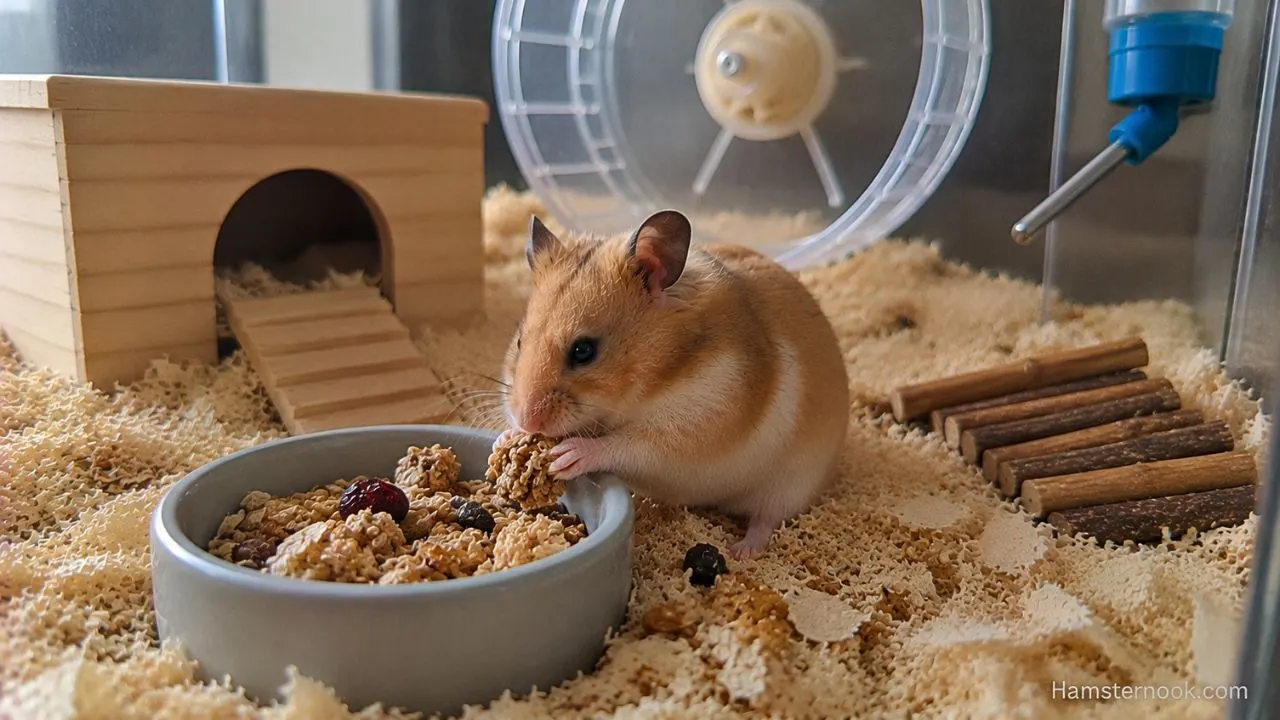
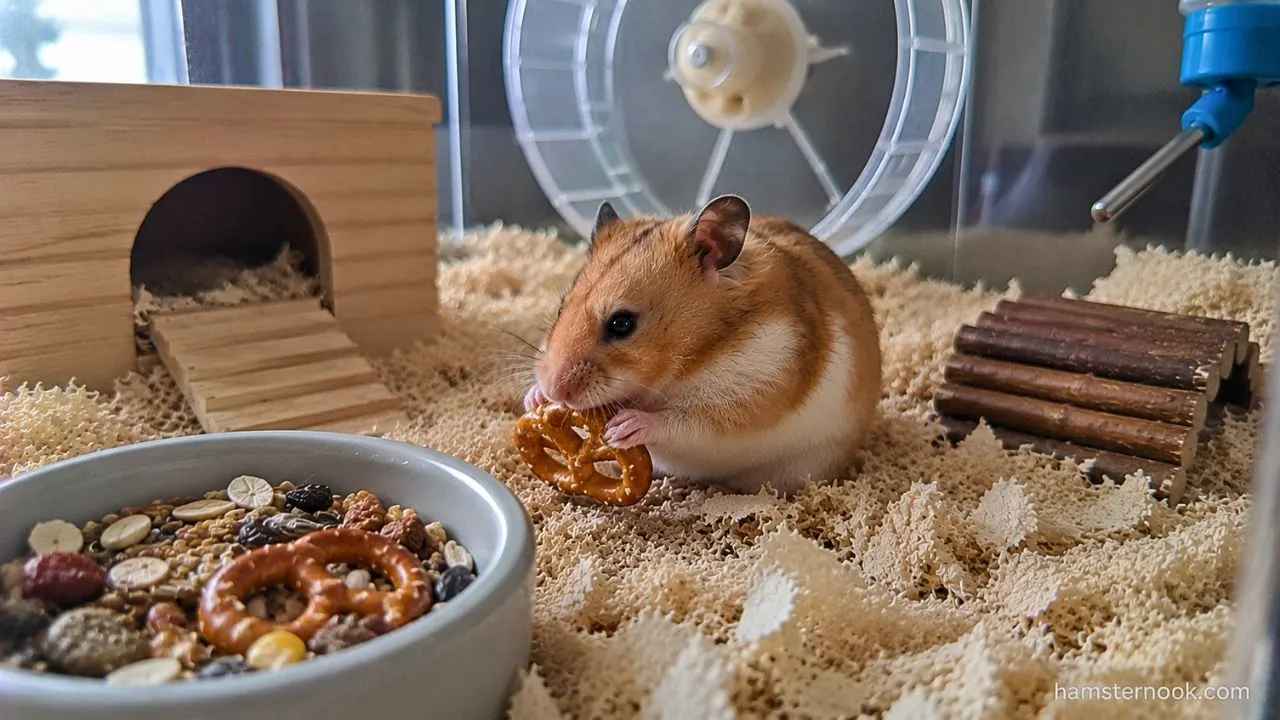
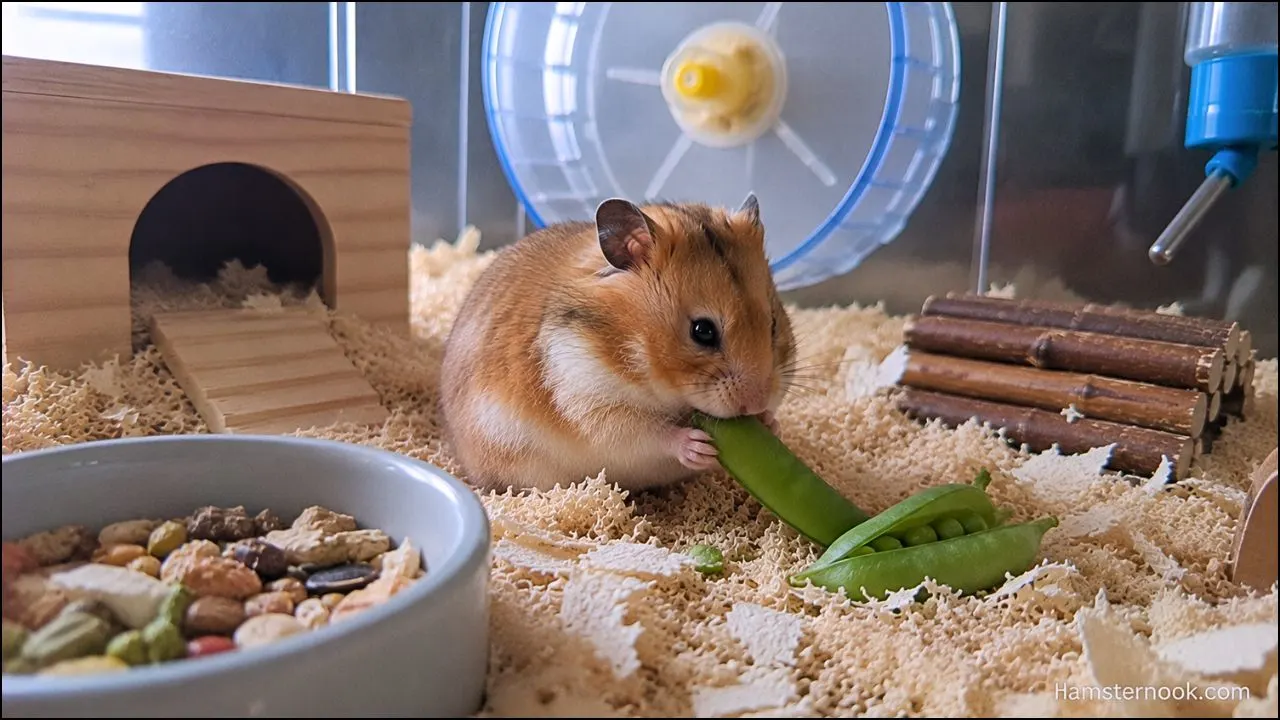
Blueberries are often praised as a healthy fruit for people, so it’s no surprise that hamster owners wonder if they can safely share a few with their tiny pets. While blueberries aren’t toxic to hamsters, they aren’t something your hamster should eat every day.
Knowing the right portion size, feeding frequency, and which hamsters should avoid sugary fruit can help you make safer feeding decisions.
Blueberries are just one small part of a balanced hamster diet. Our Complete Hamster Diet Guide: Best Foods, Safe Treats & Toxic Foods (2026) explains how to build a healthy diet with the right balance of staple foods, vegetables, and occasional treats.
Quick Answer
Yes, hamsters can eat blueberries in moderation. A small piece of fresh blueberry can be offered occasionally as a treat for healthy adult hamsters. Because blueberries contain natural sugars, they should never replace a balanced hamster diet or become a daily snack. Dwarf hamster species are generally more prone to diabetes than Syrian hamsters, so sugary fruits should be offered with extra caution or avoided if your veterinarian recommends it.

Are Blueberries Safe for Hamsters?
Fresh blueberries are not considered toxic to hamsters. When served in very small amounts, they can be an occasional addition to a varied diet that is primarily based on a high-quality hamster food.
Like many fruits, blueberries contain water, natural sugars, fiber, vitamins, and plant compounds. Although these nutrients are beneficial in the human diet, hamsters require only tiny portions because of their small body size.
Offering too much fruit can upset the balance of a hamster’s diet and increase its sugar intake unnecessarily.
If your hamster has never eaten blueberries before, introduce only a very small piece the first time so you can observe how it responds before offering the fruit again.

Nutritional Benefits of Blueberries
Blueberries contain several nutrients that are part of a healthy human diet, including:
- Vitamin C
- Vitamin K
- Manganese
- Dietary fiber
- Natural antioxidants called anthocyanins
While blueberries are often described as a “superfood” for people, there is limited evidence showing specific health benefits for pet hamsters from eating blueberries. Rather than viewing blueberries as a health supplement, treat them as an occasional enrichment food within a balanced diet.
The Biggest Concern: Natural Sugar
The main reason blueberries should be fed sparingly is their sugar content.
Although the sugar in blueberries is naturally occurring rather than added, it still contributes to your hamster’s total sugar intake.

Too much sugary food may:
- Encourage selective eating
- Reduce interest in the regular food mix
- Contribute to unnecessary weight gain
- Be unsuitable for hamster species that are more susceptible to diabetes
This doesn’t make blueberries unsafe for healthy hamsters, but it does mean that small portions and infrequent feeding are important.
Can All Hamster Species Eat Blueberries?
Healthy hamsters can generally be offered small amounts of suitable fresh fruit, but sugary foods should be limited. Dwarf hamsters deserve extra caution because some species are more prone to diabetes, so any fruit should remain a small occasional treat. PDSA specifically advises avoiding overfeeding sugary fruit because it can contribute to problems such as obesity or diabetes.
Syrian Hamsters
Healthy adult Syrian hamsters can usually enjoy a very small piece of blueberry as an occasional treat.
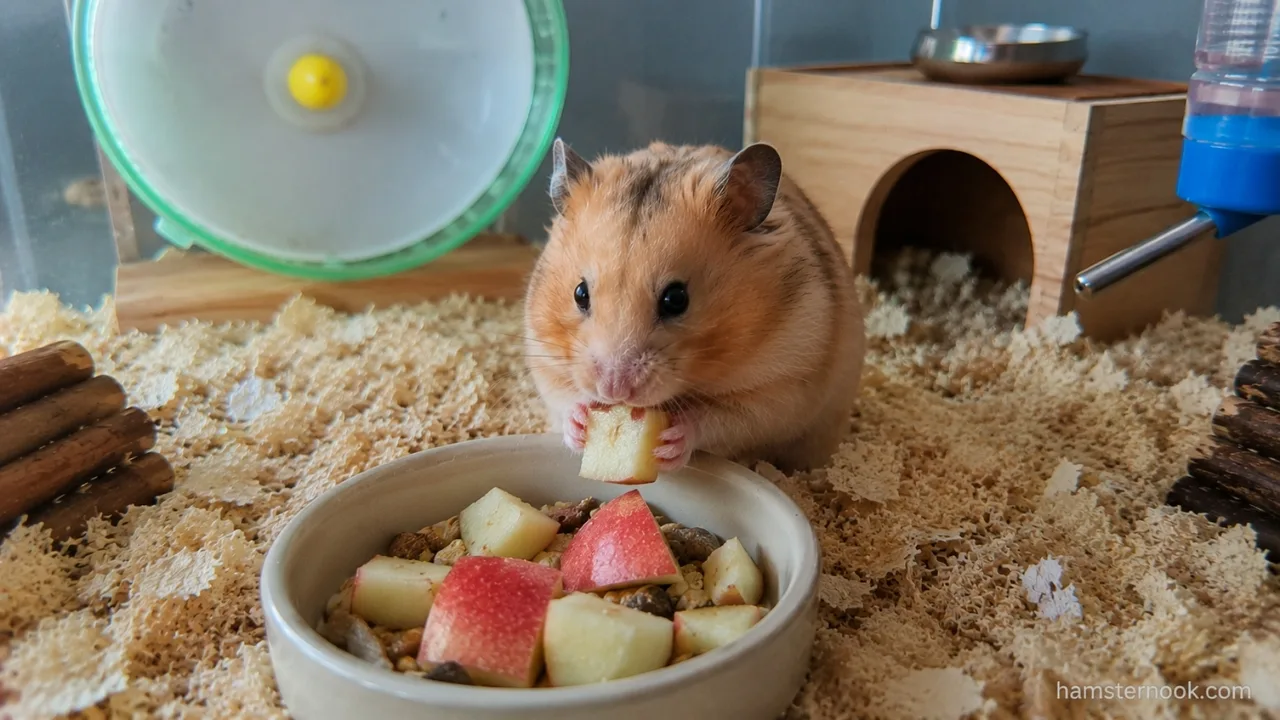
Because Syrians are larger, they generally tolerate tiny fruit portions better than smaller hamster species. Even so, blueberries should remain an occasional addition rather than a regular part of the diet.
Dwarf Hamsters
Campbell’s dwarf hamsters and some hybrid dwarf hamsters can have a higher susceptibility to diabetes. Because of this, sugary treats such as fruit should be kept particularly limited, and blueberries should be avoided if your veterinarian has advised avoiding sugary foods.
Winter White, Roborovski, and Chinese hamsters also benefit from careful portion control, even though diabetes risk varies among species and individuals.
If your hamster has already been diagnosed with diabetes or your veterinarian has advised avoiding sugary foods, blueberries should not be offered.

How Much Blueberry Can a Hamster Eat?
A whole blueberry may be more fruit than your hamster needs at once. Instead, offer only a small piece and keep the overall fresh-treat portion small.
There is no established veterinary standard for a precise blueberry fraction such as ¼ or ½ of a berry. The exact amount should depend on the hamster’s size, overall diet, and tolerance.
| Hamster Species | Recommended Portion | Feeding Frequency |
|---|---|---|
| Syrian Hamster | About ¼ to ½ of one small blueberry | Once every 1–2 weeks |
| Dwarf Hamsters | A tiny piece only, if appropriate | Rarely, or avoid if advised by your veterinarian |
Offering fruit too frequently can gradually increase sugar intake, even if each serving seems small. There is no reliable universal blueberry-specific portion that applies to every hamster. As a practical guide, keep the total treat portion around the size of your hamster’s ear and make blueberries only a small part of that amount. Woodgreen Pets Charity specifically recommends treat portions of roughly ear-size once or twice a week.
Fresh vs. Frozen vs. Dried Blueberries
Not every form of blueberry is equally suitable.
| Type | Safe? | Notes |
|---|---|---|
| Fresh blueberries | Yes | Best choice when washed and served in a tiny portion |
| Frozen blueberries | Yes | Allow them to thaw completely before feeding |
| Freeze-dried blueberries | Occasionally | Often more concentrated because the water has been removed |
| Sweetened dried blueberries | No | Usually contain added sugar and should not be fed |
| Blueberry jam or preserves | No | Too much sugar and other ingredients unsuitable for hamsters |
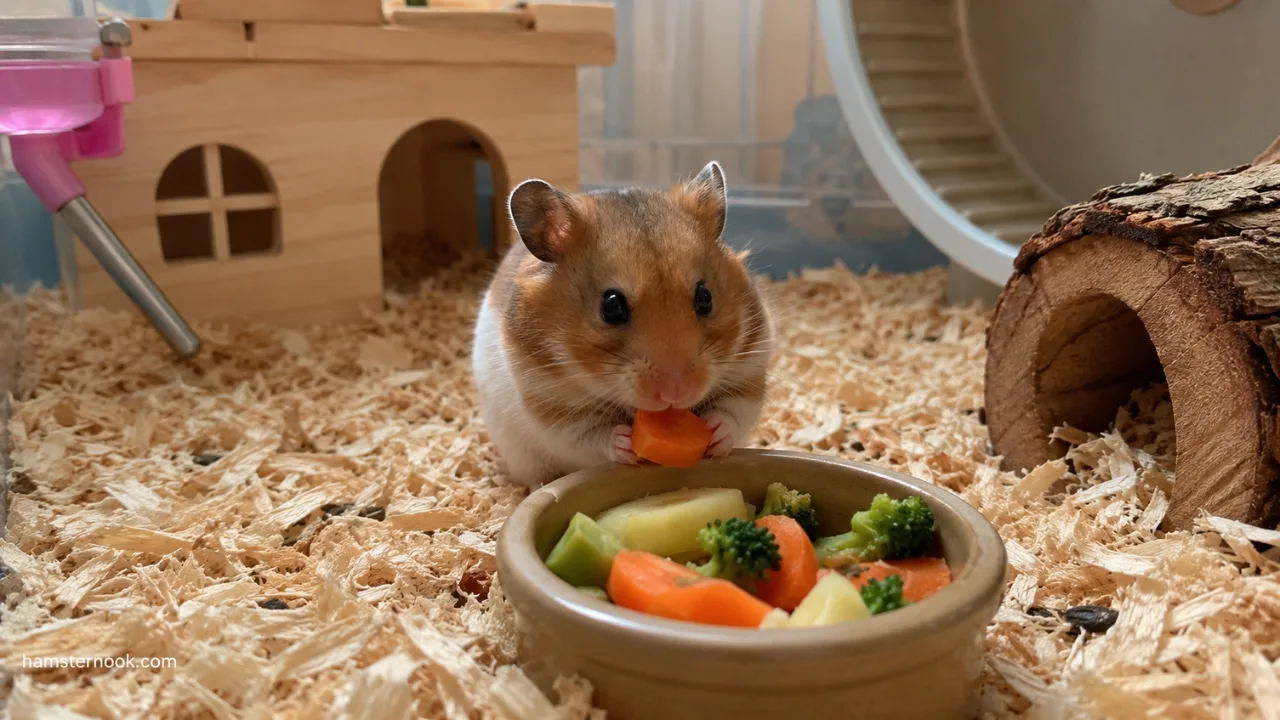
Fresh, washed blueberries are the simplest option if you choose to offer them. Dried and freeze-dried fruit is more concentrated because much of its water has been removed, so fresh fruit is preferable for portion control.
How to Prepare Blueberries Safely
Preparing blueberries takes only a minute.
Before feeding:
- Wash the blueberry thoroughly under clean running water.
- Remove any dirt or pesticide residue as much as possible.
- Cut the fruit into a very small piece suitable for your hamster’s size.
- Place it in the enclosure during your hamster’s active period.
- Remove any uneaten fruit after a few hours to prevent spoilage.
Proper washing helps reduce dirt and surface residues before offering any fresh produce. Read Should You Wash Fruits and Vegetables Before Feeding Your Hamster? for safe preparation tips.

Soft fruit left in a warm enclosure can spoil quickly, especially during hot weather.
Practical Examples
Example 1: First Time Offering Blueberries
You cut one fresh blueberry into several tiny pieces and offer just one small piece to your Syrian hamster.
It sniffs the fruit, picks it up, stores it briefly, and later eats it.
This is a normal response.

Example 2: Your Dwarf Hamster Has Never Tried Fruit
Instead of offering an entire blueberry, you provide a very tiny piece while monitoring how your hamster responds.
If your veterinarian has advised limiting sugary foods, you skip blueberries altogether and choose a safer enrichment option instead.
Example 3: Your Hamster Doesn’t Eat It
After investigating the blueberry, your hamster walks away and ignores it.
That’s perfectly fine. Hamsters don’t need fruit to stay healthy if they’re already eating a complete, balanced diet.

Common Mistakes Owners Make
Blueberries are simple to prepare, but a few common feeding mistakes can turn an occasional treat into an unhealthy habit.
Giving an Entire Blueberry
A whole blueberry is far too much for most hamsters. Because they’re so small, even a single berry provides more fruit than they need in one serving. Always cut it into a small piece.
Feeding Fruit Too Often
Some owners assume that because blueberries are healthy for people, they should be offered regularly to hamsters as well.
In reality, fruit should remain an occasional treat. A hamster’s daily nutrition should come primarily from a high-quality hamster food, supplemented with appropriate vegetables and occasional treats.

Offering Sweetened Blueberry Products
Blueberry muffins, yogurt, jam, dried blueberries with added sugar, juices, and flavored snacks are not suitable for hamsters.
These products often contain excess sugar, fats, preservatives, or artificial ingredients that aren’t appropriate for such a small animal.
Leaving Fruit in the Cage Overnight
Fresh fruit spoils quickly, especially in warm or humid conditions.
Hamsters sometimes hide food in their nests or food stores. If a blueberry isn’t eaten within a few hours, remove any leftovers to help keep the enclosure clean and reduce the risk of mold.

Ignoring Species Differences
Not every hamster has the same dietary needs.
Owners of dwarf hamsters should be especially careful with sugary treats because some dwarf species, particularly Campbell’s dwarf hamsters and many hybrids, have a higher predisposition to diabetes than Syrian hamsters.
What You Should Do
If you’d like to offer blueberries safely, keep things simple.
- Choose fresh, ripe blueberries.
- Wash them thoroughly before feeding.
- Cut a small piece appropriate for your hamster’s size.
- Offer fruit only occasionally rather than on a schedule.
- Remove uneaten pieces after a few hours.
- Continue feeding a balanced hamster food as the main diet.
Offering blueberries on the same day as other sugary treats is best avoided, since several small treats can quickly increase your hamster’s overall sugar intake.

If you’re building a complete feeding routine, What Do Hamsters Eat? Complete Beginner Food List (Safe & Unsafe Foods) explains which everyday foods should make up your hamster’s diet.
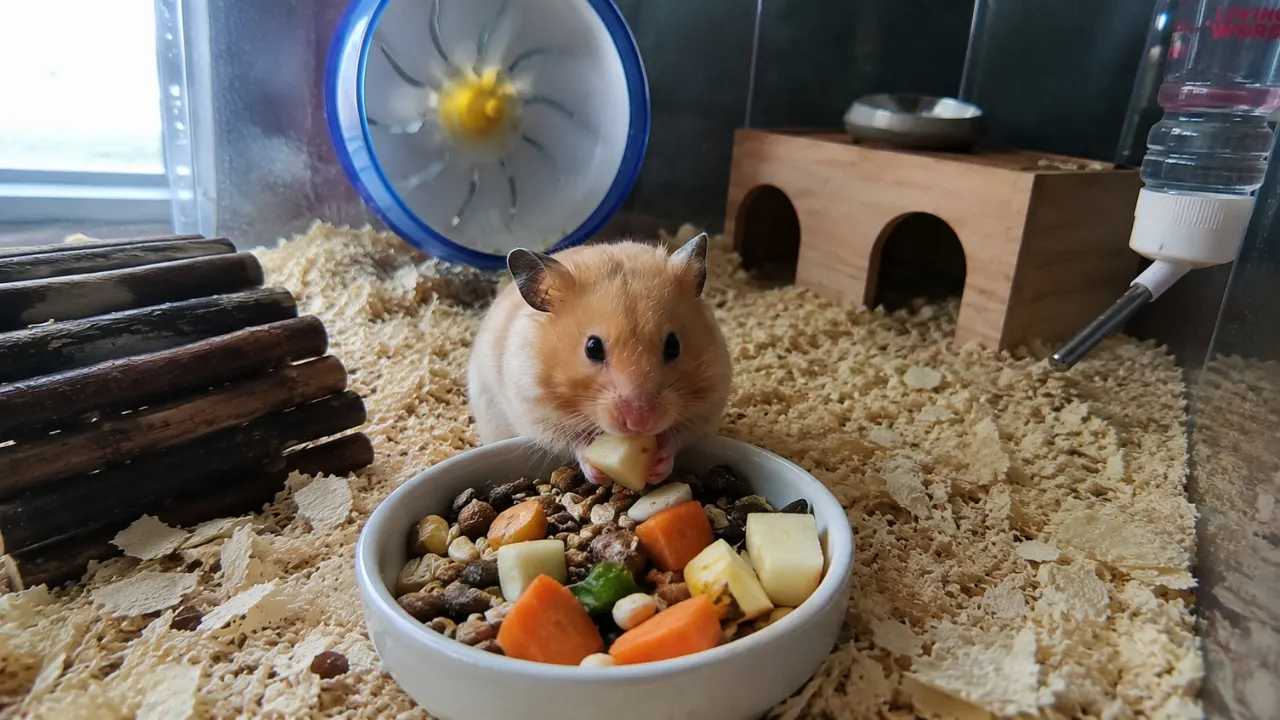
Think of blueberries as an occasional treat rather than a nutritional necessity. Your hamster’s complete food should provide the main nutrition, while fresh foods are used in small amounts for variety. PDSA recommends small amounts of fresh fruit and vegetables alongside the main diet and advises washing them before feeding.
If you want to explore other suitable human foods, our Human Foods Hamsters Can Safely Eat guide covers safe options and foods to avoid.
A varied diet built around quality hamster food, safe vegetables, fresh water, and occasional treats is far more important than any individual fruit.
Warning Signs to Watch For
Most healthy hamsters tolerate a tiny piece of blueberry without any problems.
However, after introducing any new food, monitor your hamster over the next day for unusual changes such as:
- Loose or unusually soft droppings.
- Reduced appetite.
- Lethargy.
- Ignoring normal activities.
- Leaving excessive amounts of fresh food uneaten.
If you notice any unusual digestive changes after introducing blueberries, discontinue the fruit and return to your hamster’s regular diet.
When to Worry
A small amount of blueberry is unlikely to cause problems in a healthy hamster.
However, contact an experienced exotic animal veterinarian if your hamster:
- Develops persistent diarrhea.
- Stops eating or drinking.
- Appears weak or unusually inactive.
- Shows ongoing digestive problems after eating new foods.
- Has an existing medical condition, such as diabetes, and accidentally consumes sugary treats.
Sudden or severe changes after eating blueberries should not automatically be blamed on the fruit alone, as unrelated health problems may also be responsible.
Final Thoughts
Blueberries can be a safe, enjoyable treat for many healthy hamsters when they’re fed in very small amounts and only on occasion. Their natural sugar content means they should never become a daily part of your hamster’s diet, and owners of dwarf hamster species should be especially cautious.
A balanced commercial hamster food should always remain the foundation of your pet’s nutrition. Fresh fruits like blueberries are best treated as occasional enrichment alongside a nutritionally balanced hamster diet. By keeping portions tiny and feeding them sparingly, you can let your hamster enjoy a new flavor while supporting a healthy diet.
It’s equally important to know which foods should never be offered. See Foods Hamsters Should Never Eat: Toxic Foods Every Owner Must Avoid for common foods to avoid.
Frequently Asked Questions
Can hamsters eat blueberries every day?
No. Blueberries should only be offered occasionally because they contain natural sugars. Daily feeding isn’t recommended.
Can dwarf hamsters eat blueberries?
Some dwarf hamsters can have a tiny piece occasionally, but sugary fruits should be limited because certain dwarf species are more prone to diabetes. If your veterinarian recommends avoiding sugary foods, don’t offer blueberries.
Can baby hamsters eat blueberries?
It’s best to wait until young hamsters are fully weaned and eating a stable, balanced diet before introducing treats like fruit. Any new food should be introduced gradually and in very small amounts.

Can hamsters eat frozen blueberries?
Yes, provided they’re plain, fully thawed, and offered in a tiny portion. Never feed frozen fruit while it’s still frozen.
Can hamsters eat dried blueberries?
Plain freeze-dried blueberries may be offered only occasionally in a very small amount, but sweetened dried blueberries should be avoided because they usually contain added sugar.
What fruits are safer than blueberries for hamsters?
Small amounts of safe fruits such as apple (without seeds), pear, or strawberry may also be offered occasionally. As with blueberries, moderation is essential because all fruits contain natural sugars.
If you’re considering apples as another occasional treat, read Can Hamsters Eat Apples? Safe Portions, Risks & Feeding Guide before offering them.
References
This guide is based on hamster nutrition, feeding, fruit safety, species-specific dietary considerations, and general welfare guidance from trusted veterinary and animal welfare organizations, including:
- RSPCA – Hamster Diet and Feeding Guidance – Guidance on a balanced hamster diet, fresh foods, treats, feeding practices, and suitable dietary choices.
- PDSA – Hamsters as Pets – Advice on hamster nutrition, fresh fruit and vegetables, treat portions, and general small-pet welfare.
- Blue Cross – Hamster Care Guide – Practical information on hamster feeding, suitable foods, treats, husbandry, and wellbeing.
- MSD Veterinary Manual – Hamsters – Veterinary reference information covering hamster nutrition, health, husbandry, and common dietary and digestive concerns.
- Woodgreen Pets Charity – Hamster Care and Feeding Advice – Practical hamster care and feeding guidance, including appropriate treat portions and healthy food choices.
- U.S. Food & Drug Administration (FDA) – Selecting and Serving Produce Safely – Guidance on washing and safely preparing fresh fruits and vegetables before consumption.

Narayan Kumar is the founder and author of HamsterNook. He creates practical, research-based hamster care guides covering hamster behavior, nutrition, cage setup, enrichment, health, and everyday care. His goal is to help hamster owners make informed decisions and provide safer, healthier lives for their pets through clear, beginner-friendly information based on trusted animal care resources.