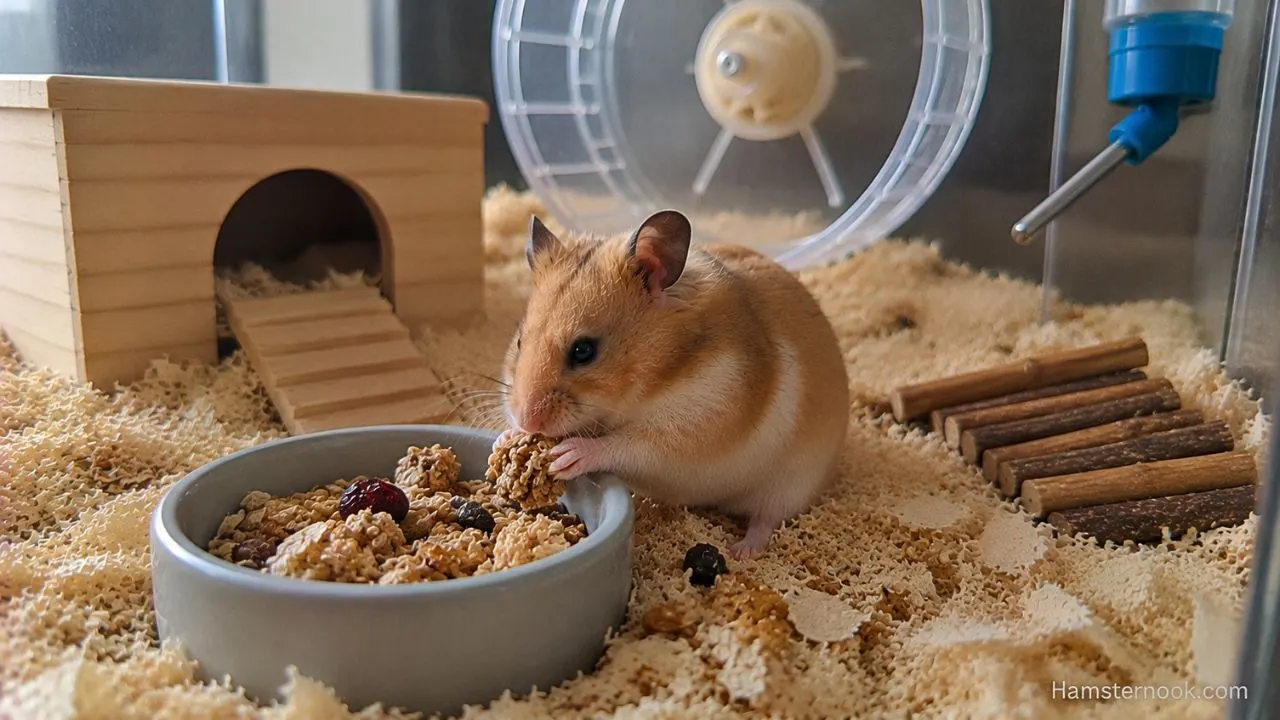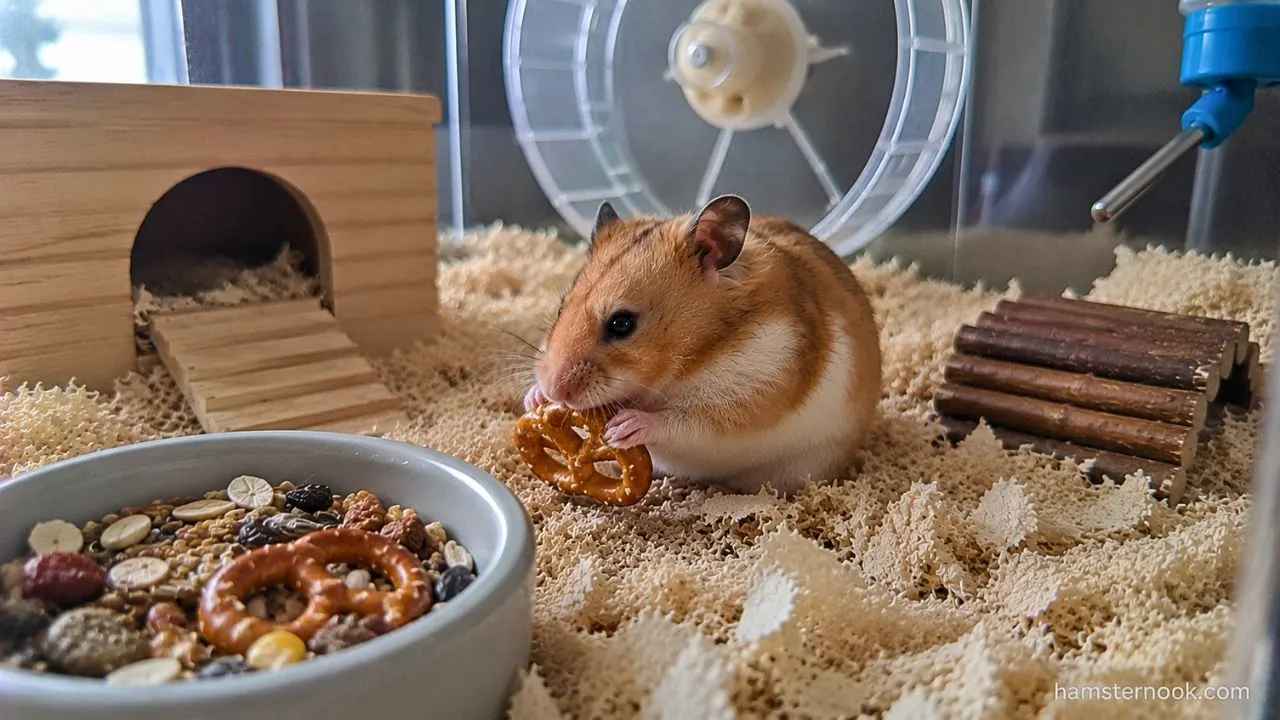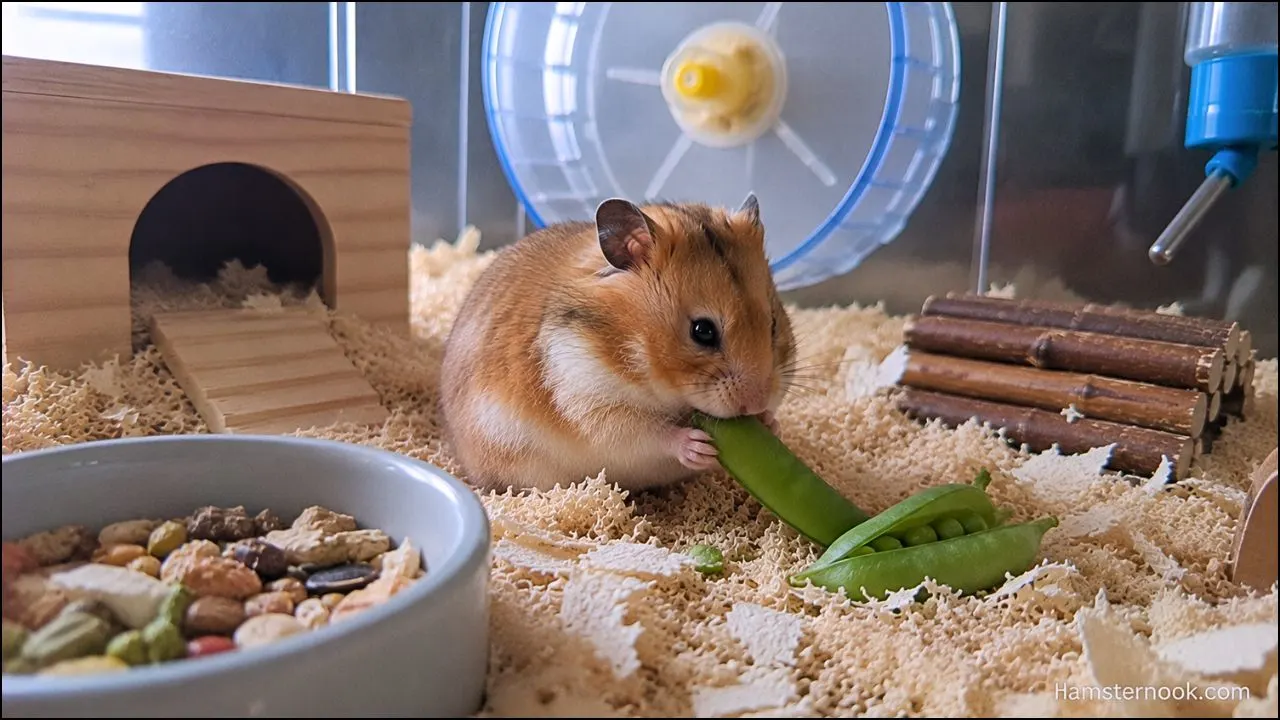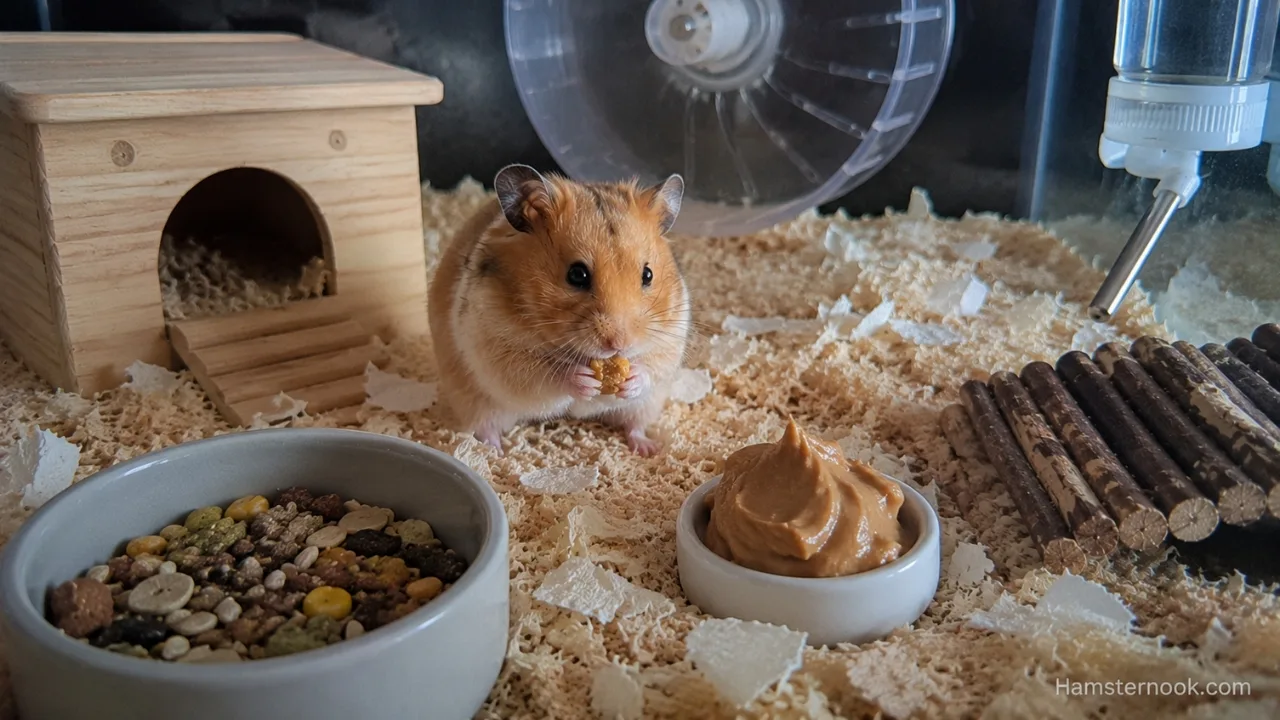
Peanut butter is a popular human snack, and many hamster owners wonder whether it’s safe to share a tiny amount with their pet. Although plain peanuts are sometimes included in hamster food mixes, peanut butter is much stickier, higher in fat, and often contains added ingredients that make it a very different food.
While hamsters can technically eat very tiny amounts of plain peanut butter, most veterinarians and experienced hamster owners recommend extreme caution. Peanut butter is sticky, high in fat, and often loaded with added sugar, salt, oils, or artificial ingredients that are not healthy for small pets.
For tiny animals with delicate digestive systems and narrow airways, even a small mistake with peanut butter can become dangerous.
This guide explains everything hamster owners need to know, including whether peanut butter is truly safe, the biggest risks, serving recommendations, safer alternatives, and how to avoid common feeding mistakes.

Is Peanut Butter Safe for Hamsters?
Peanut butter is not considered toxic to hamsters, but it is also not one of the safest treats you can offer.
The biggest concern is the texture. Peanut butter is thick, sticky, and difficult for small animals to chew and swallow safely. Hamsters store food in their cheek pouches, and sticky foods can create choking hazards or become trapped inside the mouth.
In addition, many commercial peanut butter products contain:
- Added sugar
- Salt
- Hydrogenated oils
- Artificial sweeteners
- Preservatives
These ingredients are unhealthy for hamsters and may lead to digestive issues or long-term health problems.
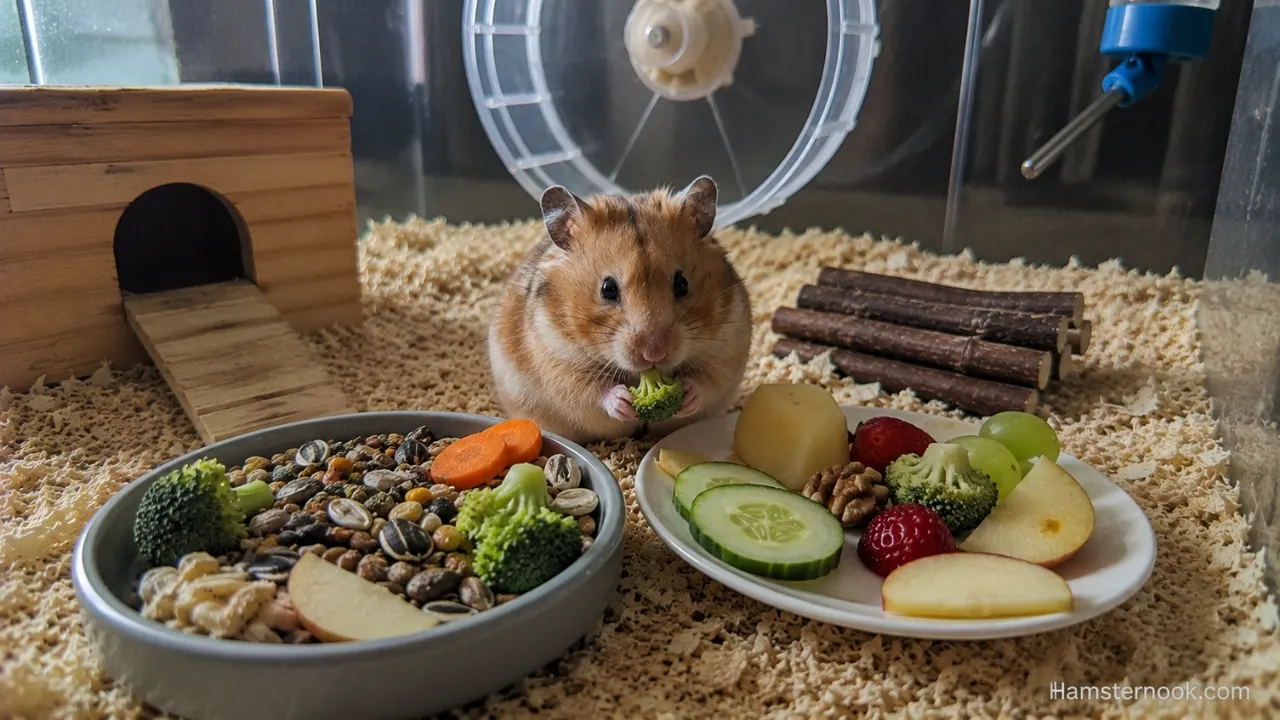
Many experienced owners choose safer treats instead because the nutritional benefits of peanut butter are limited compared with the potential choking and weight-related risks.
Main Risks of Feeding Peanut Butter to Hamsters
Many beginners assume peanut butter is safe because peanuts themselves are sometimes fed as treats. However, peanut butter behaves very differently inside a hamster’s mouth and digestive system.
Here are the biggest risks owners should understand.
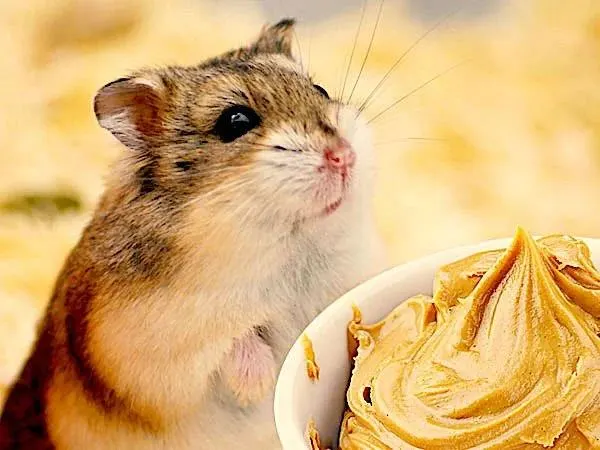
Sticky Texture Creates Choking Risks
The number one concern with peanut butter is choking.

Hamsters have very small throats and cheek pouches. Sticky foods can become lodged in the mouth or throat, making swallowing difficult.
Unlike crunchy foods that break apart naturally, peanut butter can clump together and stick to the roof of the mouth or cheek pouches.
This risk is especially serious for:
- Dwarf hamsters
- Young hamsters
- Elderly hamsters
- Hamsters that eat too quickly
Because of this, many hamster experts avoid peanut butter completely.
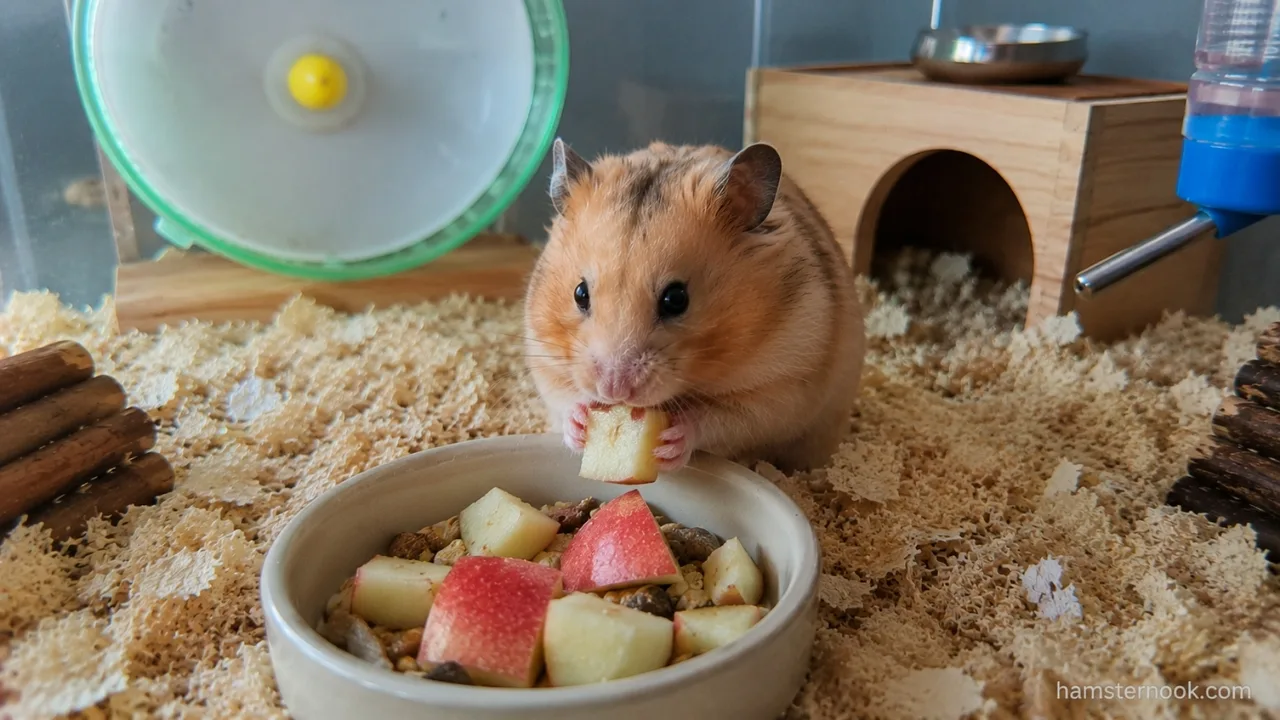
High Fat Content May Cause Obesity
Peanut butter contains a large amount of fat and calories.
While hamsters need some healthy fat in their diet, too much can quickly contribute to:
- Weight gain
- Obesity
- Reduced activity
- Poor diet balance
A balanced diet is the best way to prevent obesity and nutritional imbalances. Our Complete Hamster Diet Guide explains which foods should make up most of your hamster’s daily diet and which treats should stay occasional.
Dwarf hamster breeds are particularly vulnerable because they gain weight easily.

Added Sugar and Salt Are Harmful
Many store-bought peanut butter brands contain ingredients that are unhealthy for hamsters.
Common Problem Ingredients
| Ingredient | Why It’s Unsafe for Hamsters |
|---|---|
| Added Sugar | Increases obesity and diabetes risk |
| Salt | Too much sodium is harmful for tiny pets |
| Palm Oil | Adds unnecessary fat |
| Artificial Sweeteners | Some may be dangerous for animals |
| Chocolate Flavoring | Toxic to hamsters |
Even “natural” peanut butter should always be checked carefully before feeding.
Digestive Problems Can Happen Quickly
Because peanut butter is rich and heavy, too much may upset a hamster’s digestive system.
Possible symptoms include:
- Soft stools
- Diarrhea
- Reduced appetite
- Bloating
- Lethargy
Because hamsters often hide signs of illness, our Signs of a Sick Hamster guide explains the warning signs owners should watch for and when veterinary care may be needed.
Hamsters have sensitive digestive systems, so rich human foods should always be limited.
Can Syrian Hamsters and Dwarf Hamsters Both Eat Peanut Butter?
Technically, yes, but dwarf hamsters require even more caution.
Dwarf breeds, especially Campbell’s and Winter White hamsters, are more prone to diabetes and obesity. Since peanut butter is calorie-dense and sometimes sugary, regular feeding is not recommended.

Here’s a quick comparison.
| Hamster Breed | Peanut Butter Safety | Risk Level |
| Syrian Hamsters | Tiny amount occasionally | Moderate |
| Roborovski Hamsters | Very limited | Moderate |
| Campbell’s Dwarf Hamsters | Best avoided | High |
| Winter White Hamsters | Best avoided | High |
| Chinese Hamsters | Very limited | Moderate |
Safe vs Unsafe Peanut Butter for Hamsters
Choosing the wrong type of peanut butter greatly increases health risks.
| Type of Peanut Butter | Safe or Unsafe | Important Notes |
| Plain Unsalted Peanut Butter | Safer in tiny amounts | Must contain only peanuts |
| Natural Peanut Butter | Usually safer | Check ingredients carefully |
| Sugary Peanut Butter | Unsafe | Too much sugar |
| Chocolate Peanut Butter | Dangerous | Chocolate is toxic |
| Crunchy Peanut Butter | Risky | Hard chunks may cause choking |
| Peanut Butter With Xylitol | Extremely Dangerous | Xylitol is toxic to animals |
Choosing safe fruits and vegetables is often a healthier option than offering rich human snacks. Best Fruits and Vegetables for Hamsters explains which fresh foods are safest and how much to feed.
How Much Peanut Butter Can a Hamster Eat?
If you decide to offer peanut butter, portion size must stay extremely small.

Recommended Serving Size
| Hamster Type | Safe Amount | Frequency |
| Syrian Hamster | Tiny lick only | Once every few weeks |
| Dwarf Hamster | Smaller than a pea smear | Rarely or avoid |
A hamster should never eat a spoonful of peanut butter.
Even a small smear is more than enough.
Best Way to Feed Peanut Butter Safely
If you still want to let your hamster try peanut butter, proper preparation is very important.
Safe Feeding Tips
- Use plain unsalted peanut butter only.
- Avoid products with sugar or artificial sweeteners.
- Offer only a tiny smear.
- Spread it thinly on a safe treat or spoon.
- Never leave large sticky clumps.
- Watch your hamster while eating.
- Provide fresh water afterward.
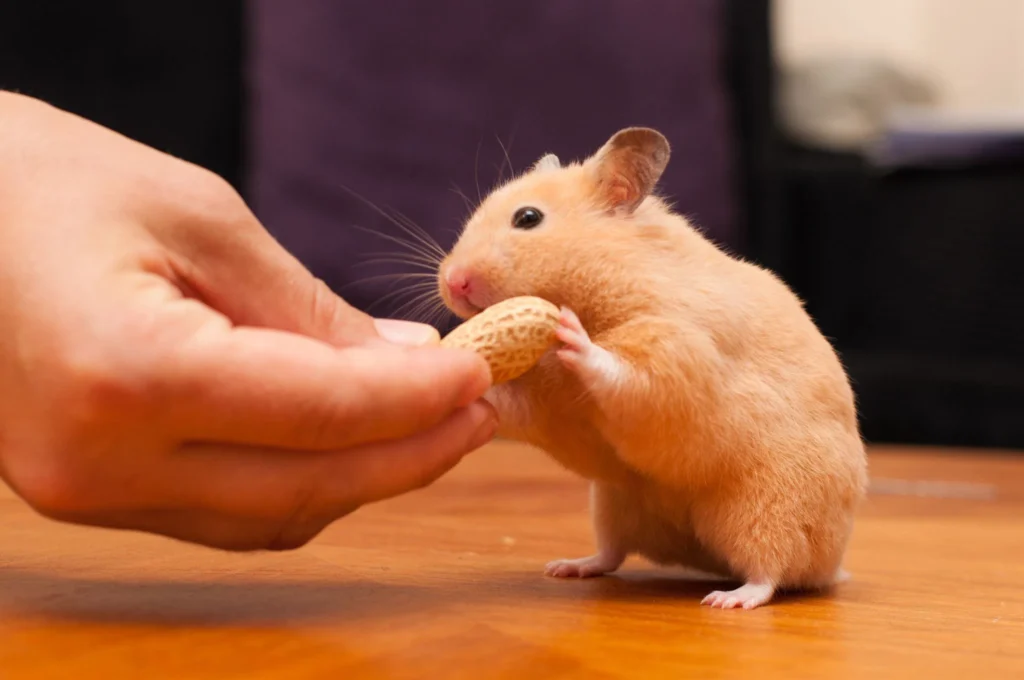
Never place large amounts directly into the cage.
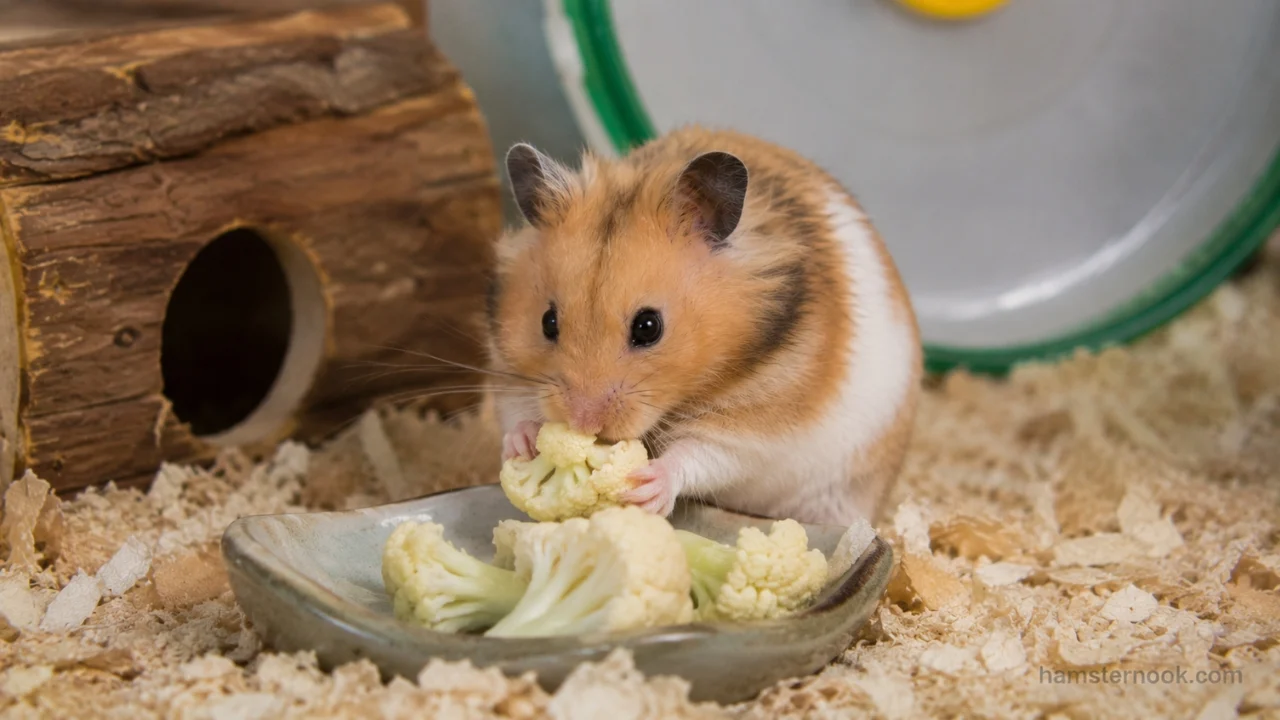
Can Baby Hamsters Eat Peanut Butter?
No, baby hamsters should not eat peanut butter.
Young hamsters have smaller airways and more delicate digestive systems, which makes sticky foods especially risky.
Young hamsters have different nutritional and care needs than adults. Hamster Care Guide for Beginners explains how to create a safe environment, choose appropriate foods, and avoid common beginner mistakes.
It’s safest to wait until a hamster is fully grown before introducing any rich treats.
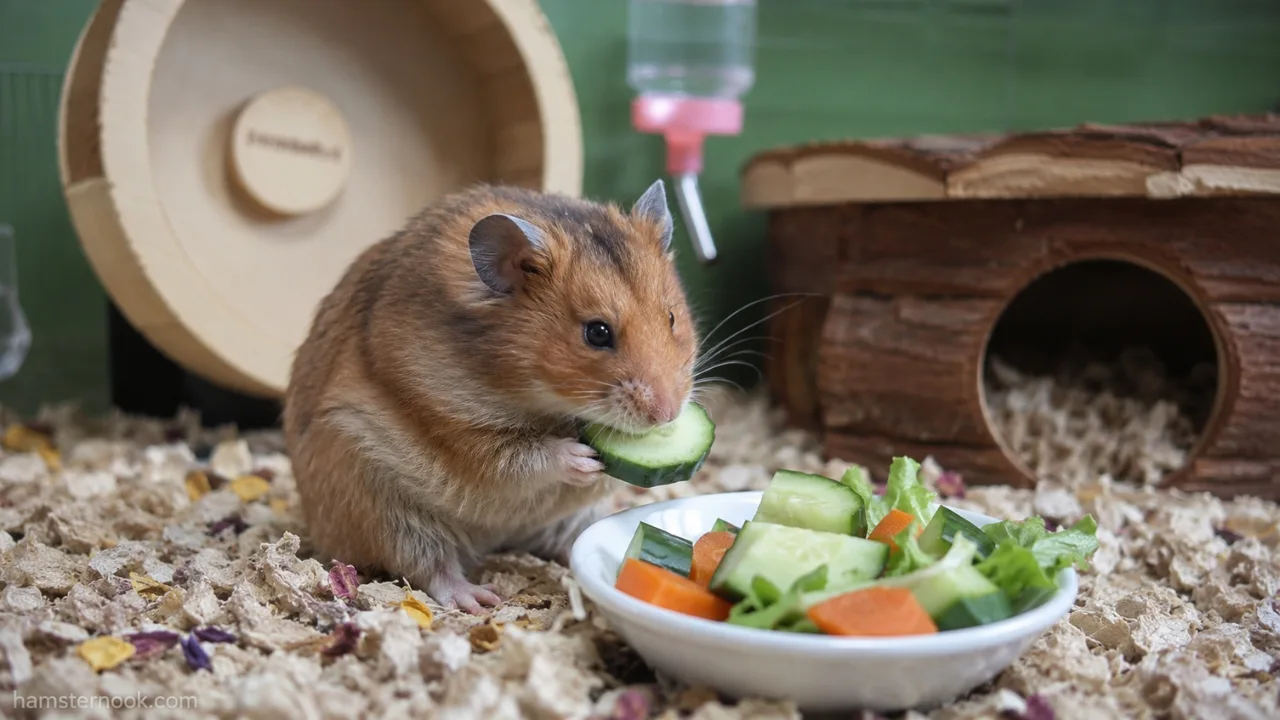
Even then, moderation is critical.
Signs Your Hamster Had Too Much Peanut Butter
Watch closely after feeding peanut butter for the first time.
Signs of problems may include:
- Difficulty chewing
- Pawing at the mouth
- Choking sounds
- Reduced appetite
- Diarrhea
- Lethargy
- Food stuck in cheek pouches
If your hamster appears unable to swallow or breathe properly, contact an exotic veterinarian immediately.
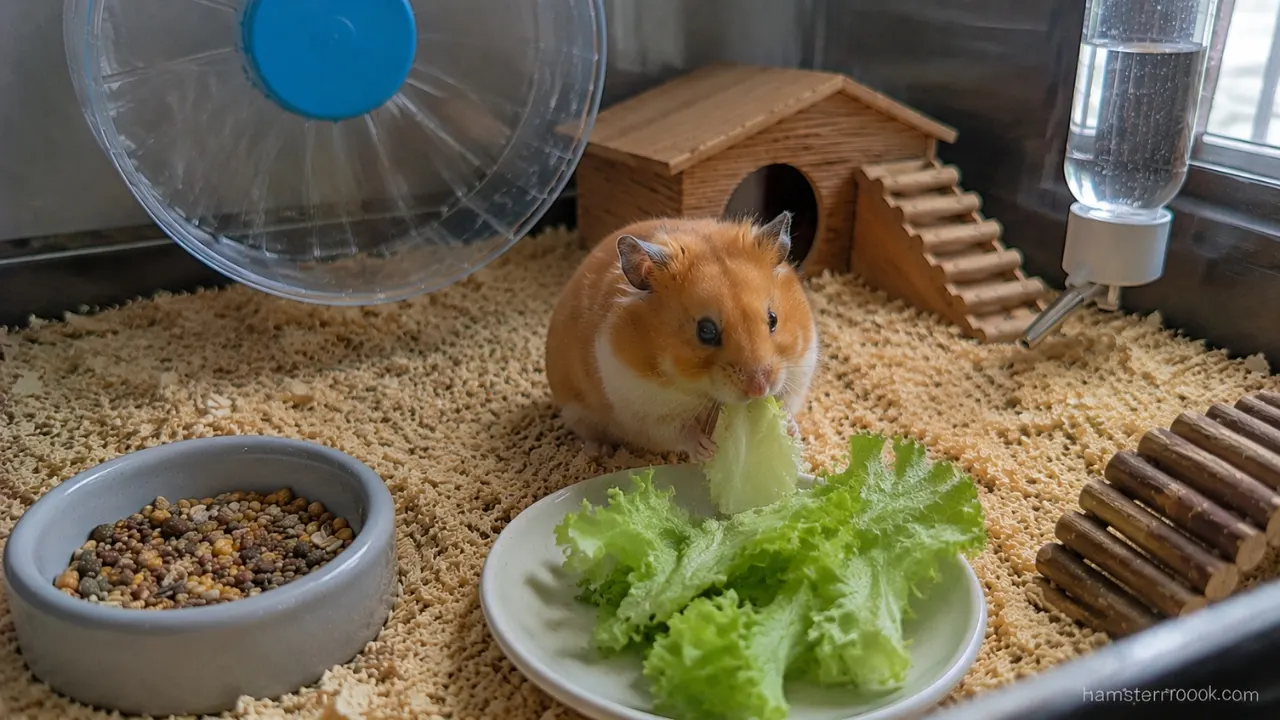
Nutritional Comparison: Peanut Butter vs Safer Hamster Treats
Some healthier treats provide better nutrition with fewer risks.
| Treat | Fat Level | Sugar Level | Choking Risk | Overall Safety |
| Peanut Butter | High | Moderate | High | Limited |
| Cucumber | Low | Low | Low | Very Safe |
| Broccoli | Low | Low | Low | Very Safe |
| Pumpkin Seeds | Moderate | Low | Low | Safe in moderation |
| Plain Oats | Low | Low | Low | Safe |
Safer Treat Alternatives for Hamsters
Most hamsters enjoy safer treats just as much.
Healthier options include:
- Cucumber
- Broccoli
- Bell peppers
- Carrot slices
- Pumpkin seeds
- Plain oats
- Small apple pieces without seeds
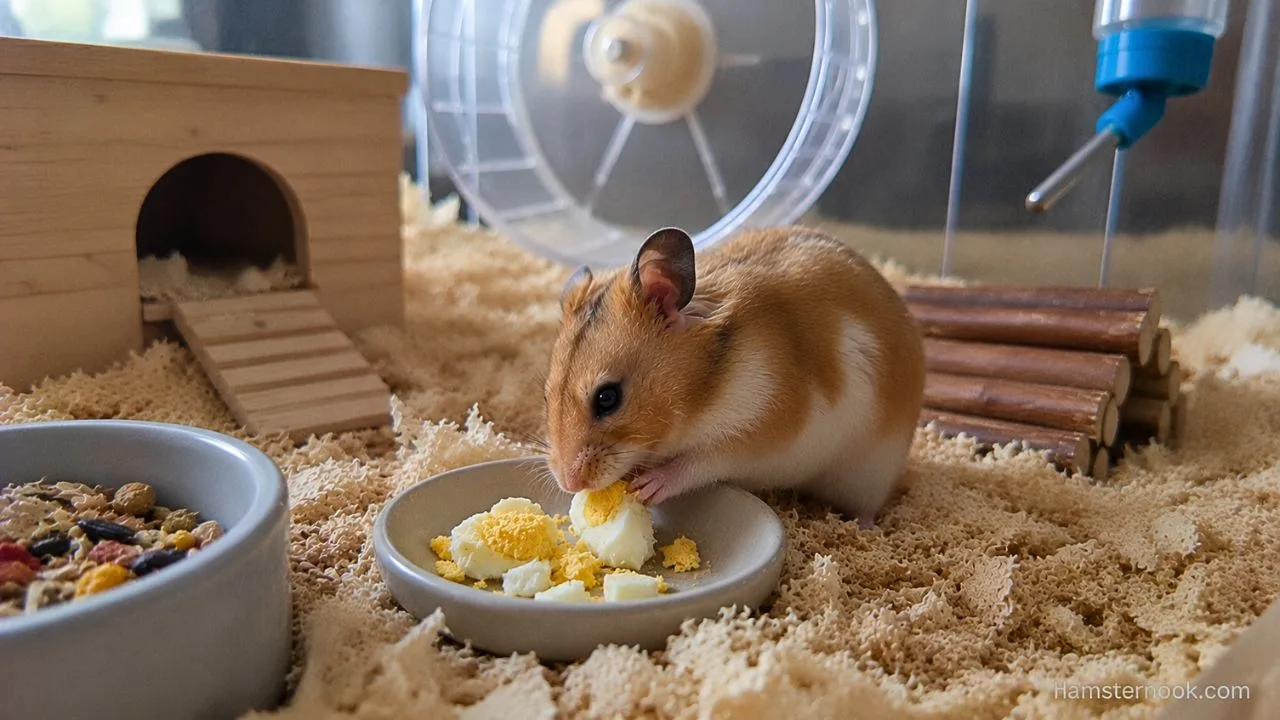
- Plain cooked egg
These foods are generally easier to digest and far less risky.
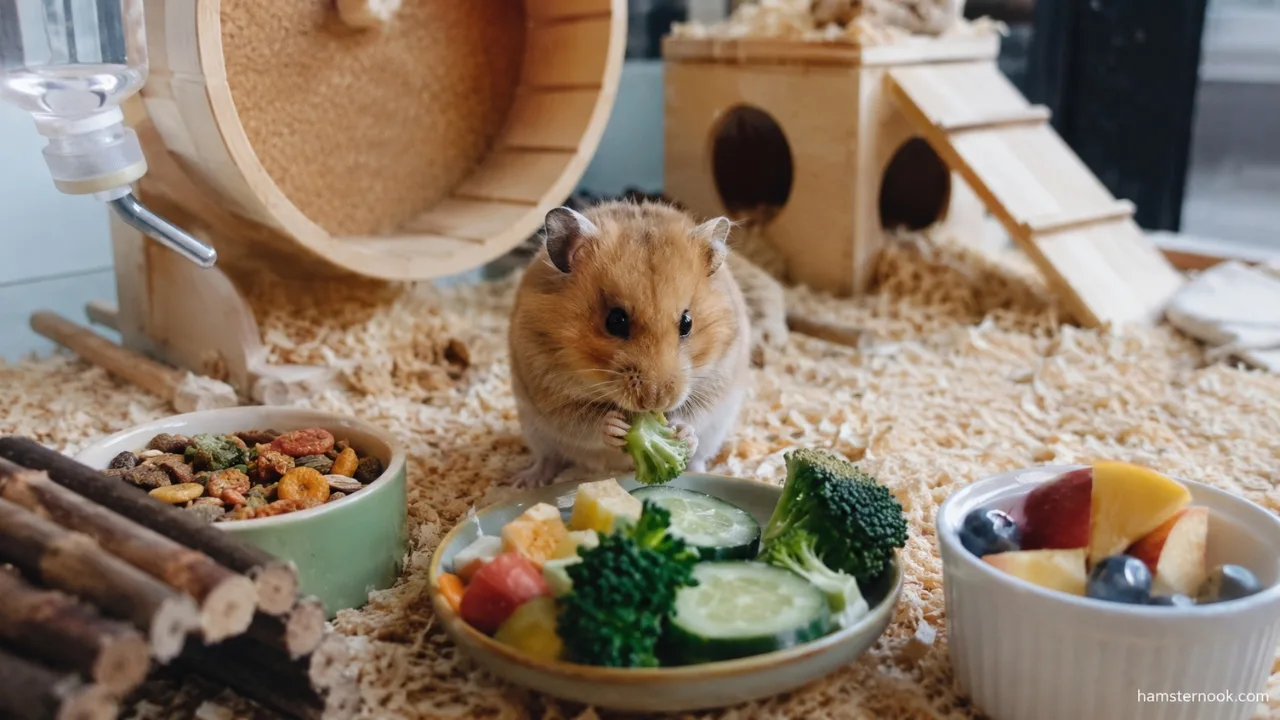
Offering a variety of safe vegetables, grains, and occasional healthy treats is usually a much better long-term approach than relying on rich, high-fat human foods like peanut butter.
Custom Chart: Peanut Butter Risk Level for Hamsters
| Concern | Risk Level |
| Choking Hazard | Very High |
| Obesity Risk | High |
| Diabetes Risk | Moderate to High |
| Digestive Upset | Moderate |
| Nutritional Benefit | Low to Moderate |
Peanut Butter Feeding Infographic
Hamster Peanut Butter Safety Checklist
- Choose plain unsalted peanut butter only
- Avoid sugar and artificial sweeteners
- Feed extremely tiny amounts
- Never feed daily
- Supervise while eating
- Avoid for baby hamsters
- Stop feeding if digestive problems appear
Are Peanuts Safer Than Peanut Butter?
In many cases, yes.
Plain unsalted peanuts are usually safer because they are less sticky and easier for hamsters to handle naturally.
Peanuts should remain only an occasional treat within a balanced diet. What Do Hamsters Eat? Complete Food List for Beginners explains which foods should make up the majority of your hamster’s everyday nutrition.

However, peanuts are still high in fat, so they should also remain occasional treats.
Foods Hamsters Should Never Eat With Peanut Butter
Avoid combining peanut butter with other unhealthy human foods.
Never feed:
- Chocolate
- Candy
- Salty chips
- Sugary cereal
- Processed snacks
- Sweet desserts
- Artificial sweeteners
Combining multiple high-fat or sugary foods increases health risks quickly.
Because peanut butter is sticky and calorie-dense, safer vegetable treats are usually a healthier long-term option for hamsters.
Final Thoughts
Peanut butter is not toxic to hamsters, but it is far from the safest treat choice. Its sticky texture creates choking risks, while the high fat and sugar content can contribute to obesity and digestive issues.
For most hamster owners, safer vegetables and low-risk treats are usually the better option.
If peanut butter is offered at all, it should only be plain, unsalted, unsweetened peanut butter in an extremely tiny amount and only on rare occasions.

A balanced hamster diet built around quality pellets, seeds, grains, and safe vegetables will always be healthier than rich human snacks.
Sources / References
Frequently Asked Questions
Can hamsters eat peanut butter safely?
Hamsters can eat tiny amounts of plain peanut butter occasionally, but it carries choking and obesity risks.
Is peanut butter toxic to hamsters?
Plain peanut butter is not toxic, but peanut butter containing chocolate, xylitol, or excessive sugar can be dangerous.
Can dwarf hamsters eat peanut butter?
Dwarf hamsters should only eat extremely tiny amounts rarely because they are more sensitive to obesity and diabetes.

How much peanut butter can a hamster eat?
Only a tiny smear occasionally. Large amounts are unsafe.
Can baby hamsters eat peanut butter?
No. Baby hamsters should avoid peanut butter because of choking and digestive risks.
What is safer than peanut butter for hamsters?
Safer options include cucumber, broccoli, oats, pumpkin seeds, and small pieces of apple without seeds.

Narayan Kumar is the founder and author of HamsterNook. He creates practical, research-based hamster care guides covering hamster behavior, nutrition, cage setup, enrichment, health, and everyday care. His goal is to help hamster owners make informed decisions and provide safer, healthier lives for their pets through clear, beginner-friendly information based on trusted animal care resources.