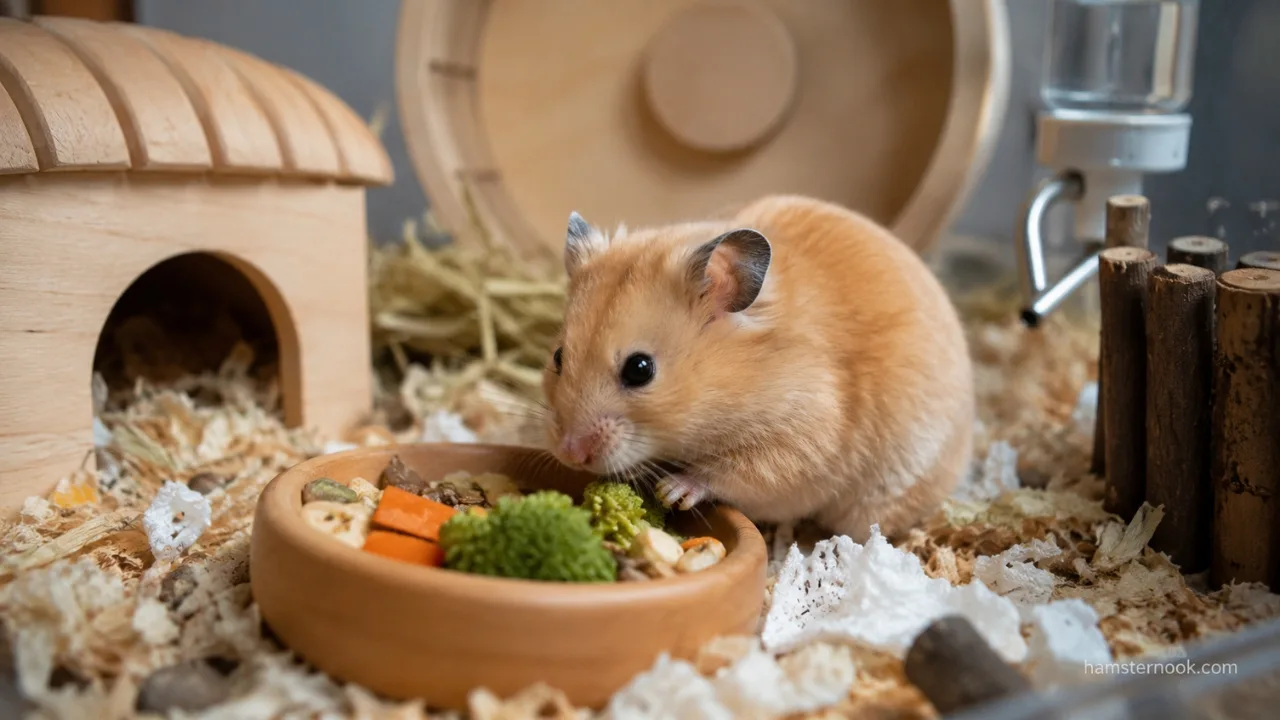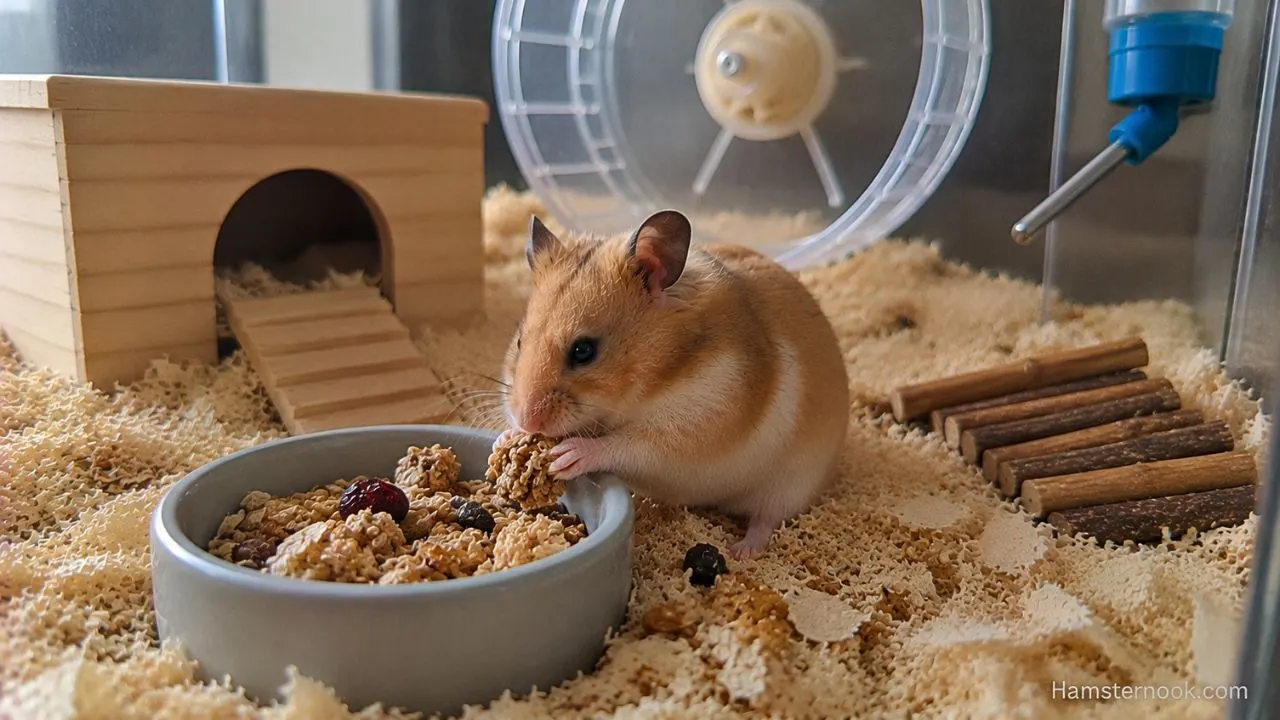
Granola might look like a healthy snack because it contains oats, nuts, and seeds, but that doesn’t automatically make it suitable for your hamster. Many store-bought varieties also contain added sugar, honey, chocolate, dried fruit, or other ingredients that aren’t appropriate for regular hamster treats. If your hamster has just stolen a bite from your breakfast bowl, don’t panic. Understanding what’s in the granola, how much your pet ate, and which ingredients it contains will help you decide what to do next.
Quick Answer: Can Hamster Eat Granola?
Hamsters should generally avoid commercial granola, especially varieties containing added sugar, honey, chocolate, or sweetened dried fruit. Although plain oats and some seeds can fit into a hamster’s diet, granola is a mixed product, and its ingredients vary considerably between brands.
A tiny accidental nibble of ordinary granola without a particularly hazardous ingredient is not automatically an emergency. However, granola isn’t necessary for a hamster’s diet, and safer treats are available.
Here’s what hamster owners should know:
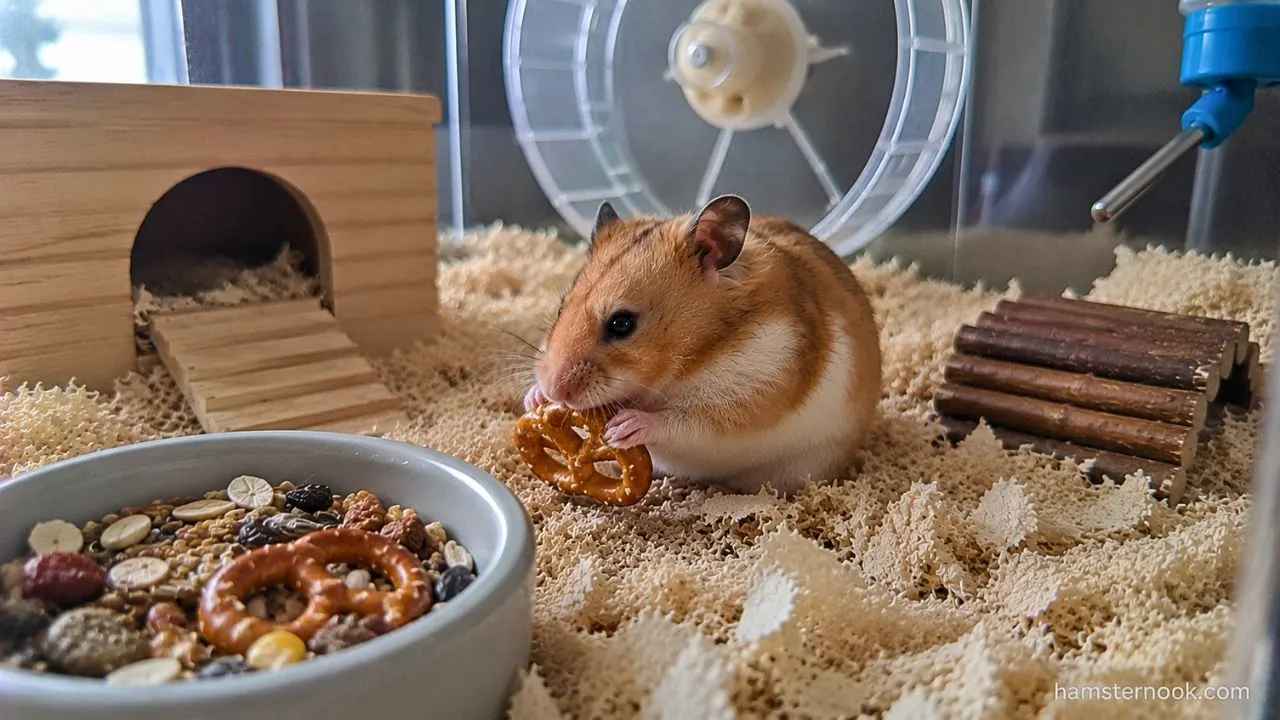
- Plain oats: Can be offered occasionally in small amounts.
- Unsweetened, unseasoned ingredients: May be suitable individually, depending on the ingredient.
- Honey-coated or sugary granola: Best avoided.
- Chocolate granola: Never offer it intentionally.
- Granola containing raisins or other dried fruit: Best avoided as a treat.
- Granola with yogurt coating, candy, or artificial sweeteners: Avoid it because the added ingredients may introduce additional risks.
The safest everyday choice is a nutritionally complete hamster food, supplemented with small amounts of suitable fresh vegetables and other appropriate treats.
Granola should remain separate from the food that provides your hamster’s everyday nutrition. A balanced feeding routine starts with suitable staple food, while extras should be chosen carefully and offered in moderation. The Complete Hamster Diet Guide: What to Feed, How Much & How Often explains how to build that routine.
Why Is Granola Not the Best Food for Hamsters?
Granola is usually made from rolled oats combined with ingredients such as nuts, seeds, dried fruit, sweeteners, and oils. Some varieties are lightly processed, while others are heavily sweetened or coated.
The problem isn’t that every ingredient in granola is necessarily harmful. It’s that the finished product may contain a combination of ingredients that offers little nutritional benefit to your hamster while adding unnecessary sugar, fat, or other unsuitable components.

1. Added sugar and honey
Many granola recipes use honey, brown sugar, maple syrup, or other sweeteners to bind the ingredients together.
Hamsters are small animals, so even a small snack can make up a meaningful portion of what they eat. Regularly offering sweet treats can also displace their balanced staple food.
Dwarf hamsters deserve particular caution because diabetes is a recognized concern in some dwarf hamster species. However, it would be inaccurate to say that one bite of sugary granola will cause diabetes.
Practical advice: Avoid granola made with added sweeteners rather than trying to remove the sugary coating yourself.

2. High-fat ingredients
Granola often contains nuts, seeds, coconut, or added oils. Some of these ingredients can be suitable for hamsters in carefully controlled portions, but combining several fat-rich ingredients can make a snack unnecessarily calorie-dense.
A hamster that fills up on treats may eat less of its nutritionally balanced food.
This doesn’t mean that every nut or seed is forbidden. It means that a mixed human snack shouldn’t replace a carefully portioned hamster diet.
3. Dried fruit and sweet coatings
Raisins, dried cranberries, and other dried fruits are common granola ingredients.

Dried fruit is concentrated compared with fresh fruit, and commercial versions may contain additional sugar. These ingredients aren’t necessary in your hamster’s diet.
Chocolate, yogurt coatings, candy pieces, and flavored additions create further concerns because their ingredients may be unsuitable for small pets.
Which Granola Ingredients Are Safe or Unsafe for Hamsters?
The ingredient list matters more than the word granola on the package.
Use this table to assess common ingredients before deciding whether a product belongs in your hamster’s food bowl.

| Granola ingredient | Suitable for hamsters? | What owners should know |
|---|---|---|
| Plain rolled oats | Generally suitable in small amounts | Offer plain oats rather than a sweetened granola mixture. |
| Plain pumpkin seeds | Can be offered sparingly | They are energy-dense and should remain an occasional treat. |
| Plain sunflower seeds | Can be offered sparingly | Too many can add unnecessary fat to the diet. |
| Plain unsalted peanuts | May be suitable in tiny amounts | Avoid salted, flavored, or coated varieties. |
| Honey | Best avoided as an added sweetener | It contributes sugar without being necessary for hamster nutrition. |
| Brown or white sugar | Best avoided | Adds unnecessary sugar to a treat. |
| Raisins and sweetened dried fruit | Best avoided | They provide concentrated sugars and aren’t needed in a balanced diet. |
| Chocolate or cocoa | Unsafe; never offer intentionally | Chocolate contains theobromine and caffeine, which can be toxic to animals. |
| Yogurt or candy coating | Avoid | Added sugar and other ingredients make these poor choices. |
| Artificially sweetened granola | Avoid | Check the exact sweetener and contact a veterinarian if ingestion occurs and the ingredients are uncertain. |
| Salted nuts and seeds | Avoid | Excess salt is unnecessary, and flavored products may contain other unsuitable ingredients. |
| Moldy or rancid ingredients | Unsafe | Never offer spoiled food. |
This table is a practical guide, not a guarantee that every product containing an individually suitable ingredient is safe.
For example, plain oats may be suitable, but a granola bar containing oats, chocolate, honey, and other additives is a different product entirely.
This is why checking the complete ingredient list matters more than judging a snack by its main ingredient. Some human foods contain ingredients that are unsuitable for hamsters, even when other parts of the food seem harmless. The guide What Foods Should Hamsters Never Eat? Toxic & Unsafe Foods to Avoid covers other foods owners should keep away from their pets.
Can Hamsters Eat Plain Oats Instead of Granola?
Yes. Plain oats are a more straightforward option than most commercial granola products.

Oats provide carbohydrates and some fiber, and they can be offered as a small addition to an otherwise balanced hamster diet.
Choose ordinary, unflavored rolled oats without added sugar, salt, sweeteners, or seasoning.
How much oatmeal can a hamster eat?
Start with a tiny pinch of dry oats rather than a large serving. You don’t need to add oats to every meal.
If you prepare cooked oatmeal, make it with plain water and let it cool completely. Do not add milk, sugar, honey, salt, or flavorings. Because cooked oatmeal is moist, remove leftovers promptly to prevent them from spoiling in the enclosure.

Dry oats are usually the simpler option because they are easier to portion and store.
Remember that oats are an occasional extra, not a substitute for a complete hamster food.
If you want to use oats instead of a processed granola mixture, keep them plain and offer only a small amount occasionally. Preparation and portion size still matter when introducing any extra food into your hamster’s routine. See Can Hamster Eat Oats? Safe Portions, Raw vs Cooked & Feeding Tips for more specific guidance.
Is Granola Safe for Syrian and Dwarf Hamsters?
The general recommendation is the same for both: avoid sweetened commercial granola.

However, a few differences are worth understanding.
Syrian hamsters
Syrian hamsters are larger than dwarf hamsters, but their larger size doesn’t make sugary human snacks a good dietary choice.
Offer a balanced hamster diet as the main food source. If you want to provide an occasional treat, choose a suitable ingredient and give a small portion instead of a handful of granola.
Dwarf hamsters
Dwarf hamsters are smaller, so a portion that appears tiny to a person may represent a substantial snack for the animal.

Diabetes is also a recognized concern in some dwarf hamster species, making it sensible to avoid routine sugary treats.
This does not mean that every dwarf hamster has diabetes or that all carbohydrates must be eliminated. A complete, species-appropriate diet remains essential.
For both types of hamster, plain, suitable ingredients are preferable to a processed snack containing several additions.
What If Your Hamster Already Ate Granola?
Finding granola missing from your hamster’s food bowl can be worrying, but the appropriate response depends on the ingredients and the amount eaten.
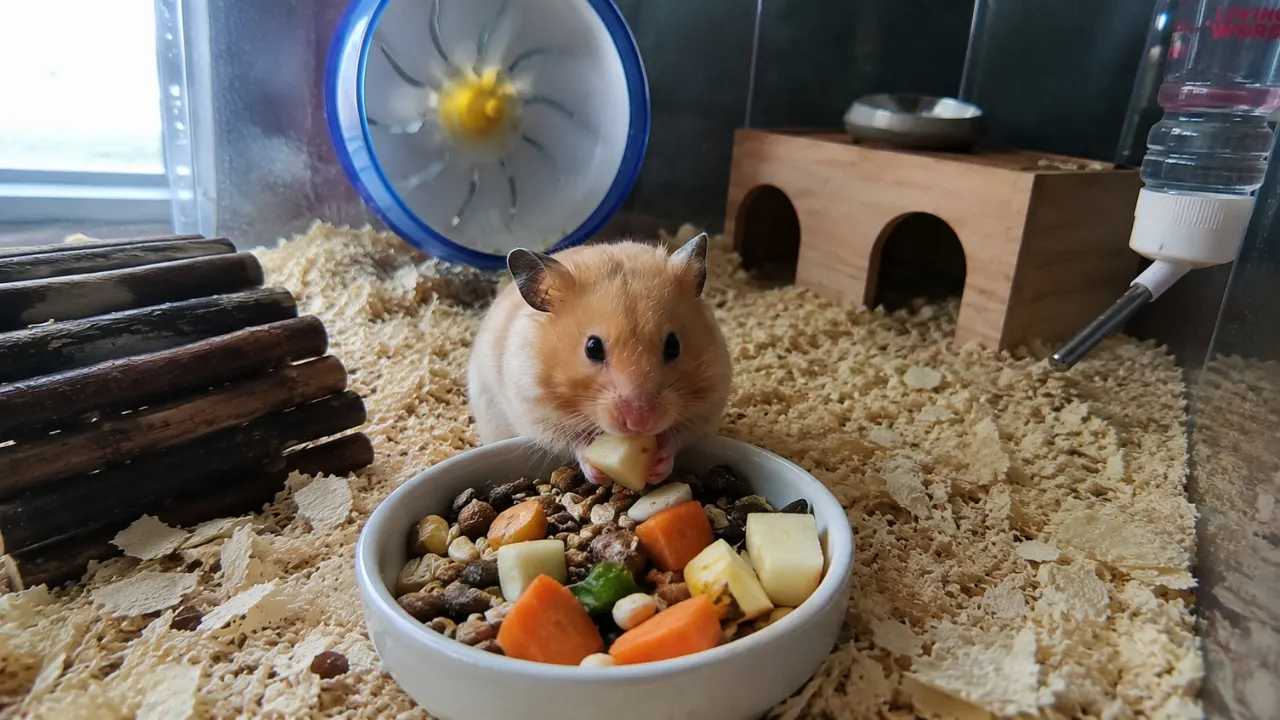
A tiny nibble of plain oat-based granola without hazardous additions is different from eating chocolate granola or a large quantity of an unfamiliar product.
Step 1: Check the ingredient list
Read the complete package label.
Look for chocolate, cocoa, raisins, sweeteners, added salt, and other flavorings. If the granola came from a bakery or homemade recipe, identify every ingredient you can.
Don’t assume a product is safe simply because it is labeled natural, organic, or high-fiber.

Step 2: Estimate how much was eaten
Try to determine whether your hamster took a tiny bite, ate a larger piece, or may have stored additional food in its cheek pouches.
Hamsters naturally carry and hide food, so the amount missing from the bowl may not equal the amount swallowed.
Don’t force your hamster to open its mouth or attempt to empty its cheek pouches at home.
Step 3: Remove the remaining granola
Take away any accessible granola and return to your hamster’s normal food.
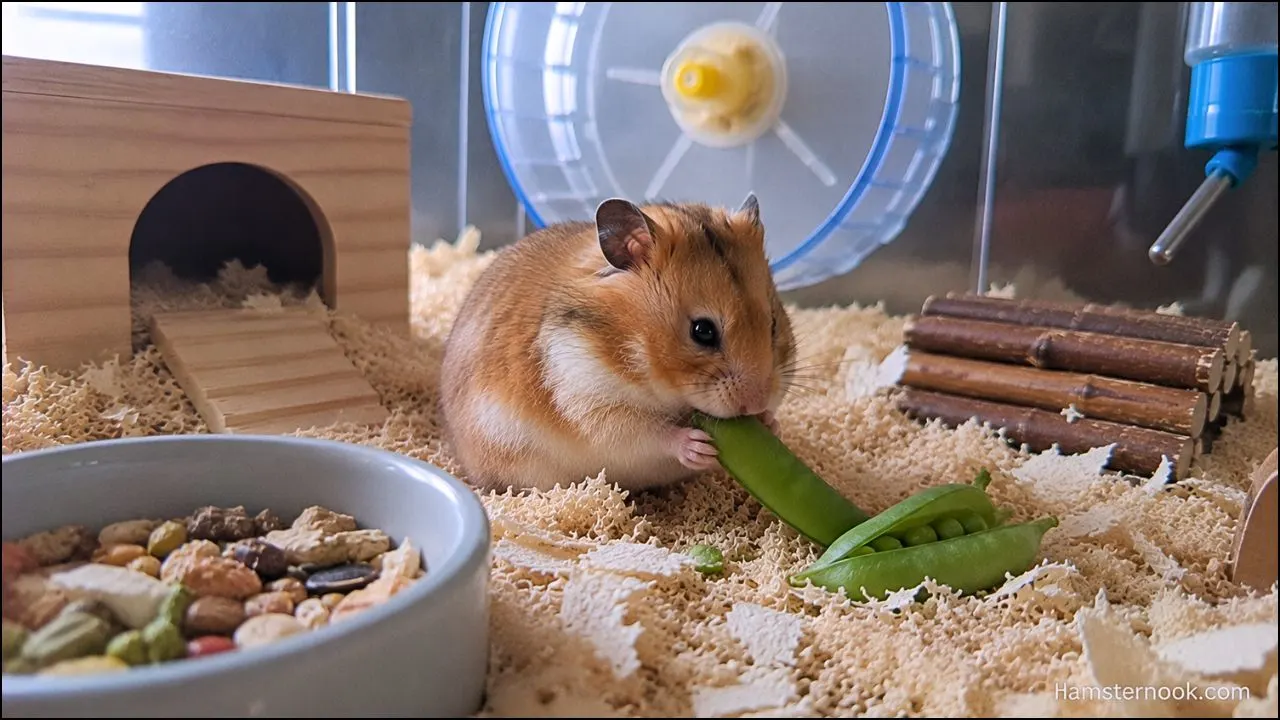
Provide fresh drinking water and avoid offering additional treats while you assess the situation.
Do not attempt to induce vomiting or administer home remedies.
Step 4: Contact a veterinarian when necessary
If the granola contained chocolate, cocoa, an unidentified sweetener, or another potentially toxic ingredient, contact a veterinarian promptly for advice, even if your hamster appears normal.
The risk depends on the ingredient, the amount consumed, and your hamster’s size. Don’t wait for symptoms before seeking guidance after a potentially toxic ingestion.

If your hamster ate a tiny amount of ordinary granola and the ingredients are known to be low-risk, careful observation may be sufficient. Contact a veterinarian if you are uncertain about the product or your pet’s condition.
Warning Signs to Watch for After Eating Granola
A hamster may appear normal after eating an unsuitable snack, but changes in health or behavior deserve attention.
Watch for:
- Eating less than usual or refusing food.
- Unusual lethargy or reduced activity.
- Diarrhea or noticeably wet hindquarters.
- A hunched posture or signs of discomfort.
- Difficulty breathing, collapse, or marked weakness.
These signs do not establish that granola caused a problem, but they may indicate a health issue requiring veterinary assessment.

Difficulty breathing, collapse, or severe weakness warrants emergency veterinary care. Persistent diarrhea, loss of appetite, or a clear change in normal behavior also requires prompt attention because hamsters can deteriorate quickly.
Do not try to diagnose the problem based on symptoms alone.
Healthier Alternatives to Granola for Hamsters
If your hamster seems interested in the crunchy ingredients in granola, you can offer simpler alternatives.
The best option depends on your hamster’s regular diet, size, and individual needs.

| Alternative | How to offer it | Main consideration |
|---|---|---|
| Plain rolled oats | A tiny pinch occasionally | Avoid flavored instant oatmeal or sweetened oat mixes. |
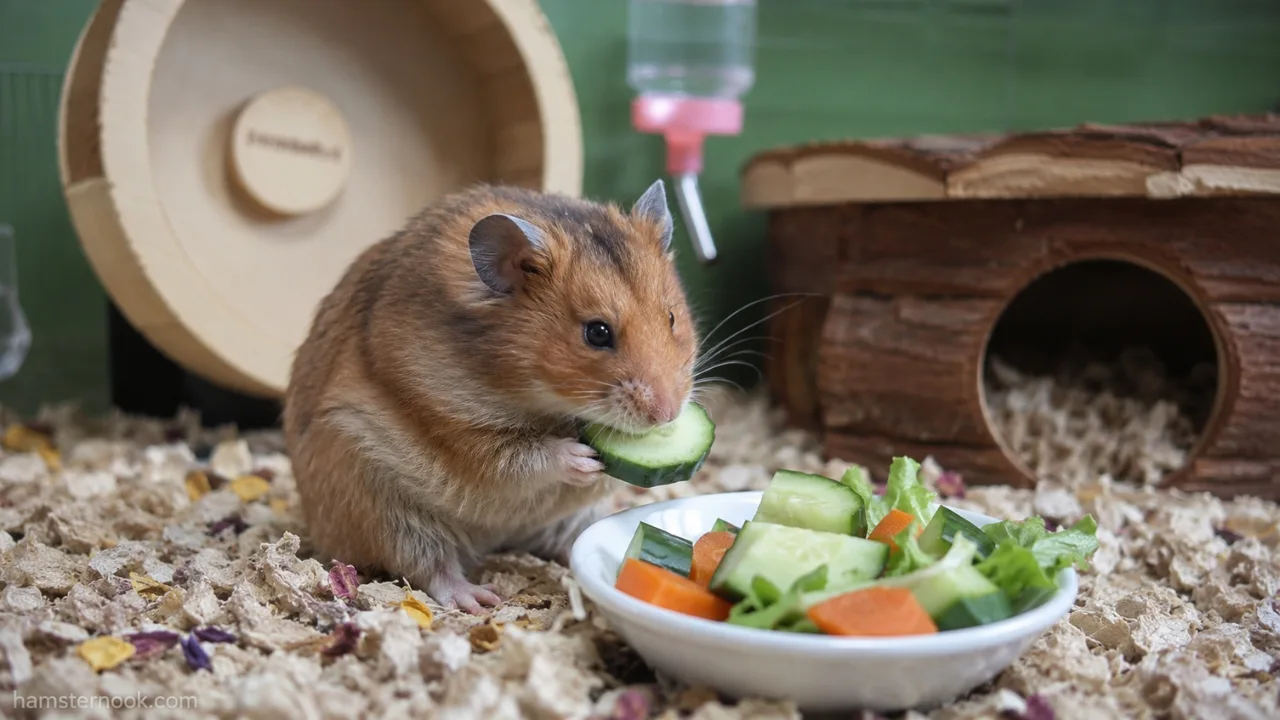
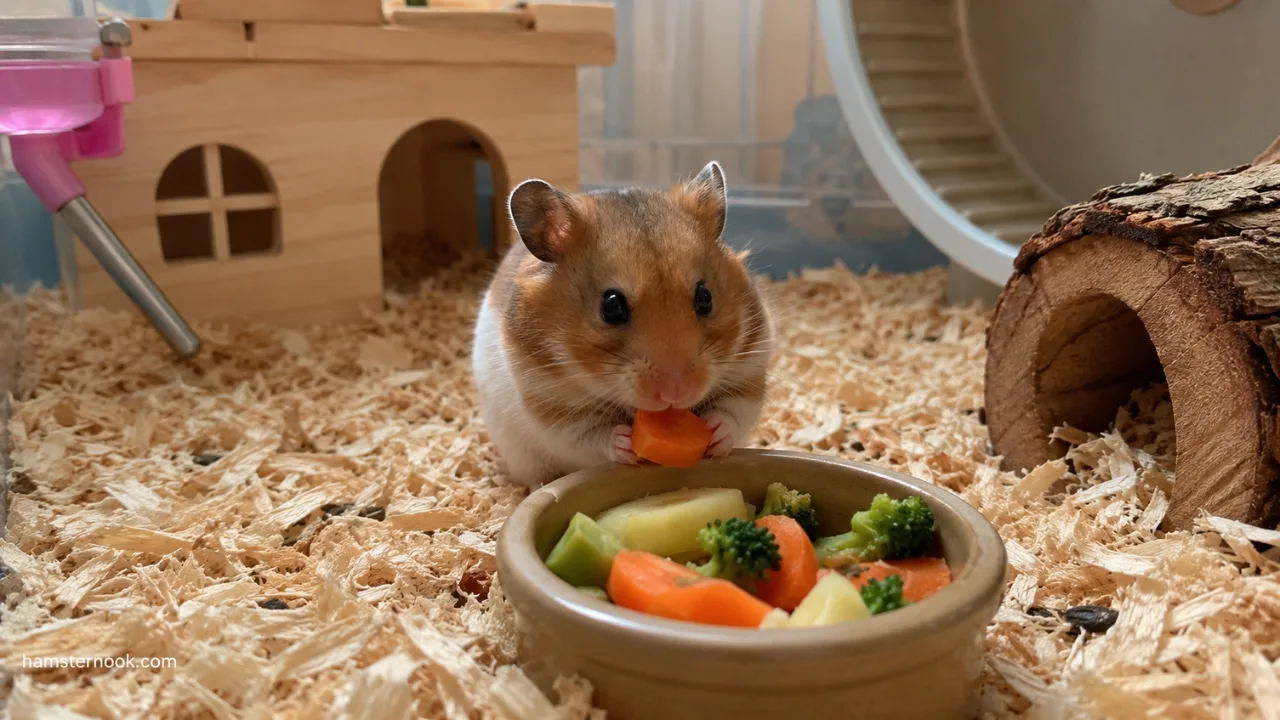
| Cucumber | A small, washed piece | Remove uneaten fresh food before it spoils. |
| Broccoli | A small piece, introduced gradually | Wash it and monitor your hamster for digestive changes. |
| Carrot | A tiny piece occasionally | It contains natural sugars, so avoid offering large portions frequently. |
| Plain pumpkin seed | An occasional individual seed | Use an unsalted, unseasoned seed and account for its fat content. |
| Plain, unsalted peanut | A very small piece occasionally | Avoid flavored or coated peanuts. |
Fresh vegetables should be introduced gradually rather than adding several new foods at once.
Introducing foods gradually also makes it easier to notice changes in your hamster’s appetite, droppings, or normal behavior. Offer one suitable new food at a time instead of changing several parts of the diet together. The How to Introduce New Foods to a Hamster Safely: Step-by-Step Guide explains this process in more detail.
Keep treats small and varied, and ensure they do not replace your hamster’s complete staple diet. The Royal Society for the Prevention of Cruelty to Animals recommends a balanced hamster diet built around suitable formulated food, with small quantities of appropriate additional foods.
Common Mistakes Hamster Owners Make With Granola
Even caring owners can make mistakes when choosing snacks. These are the most common ones to avoid.
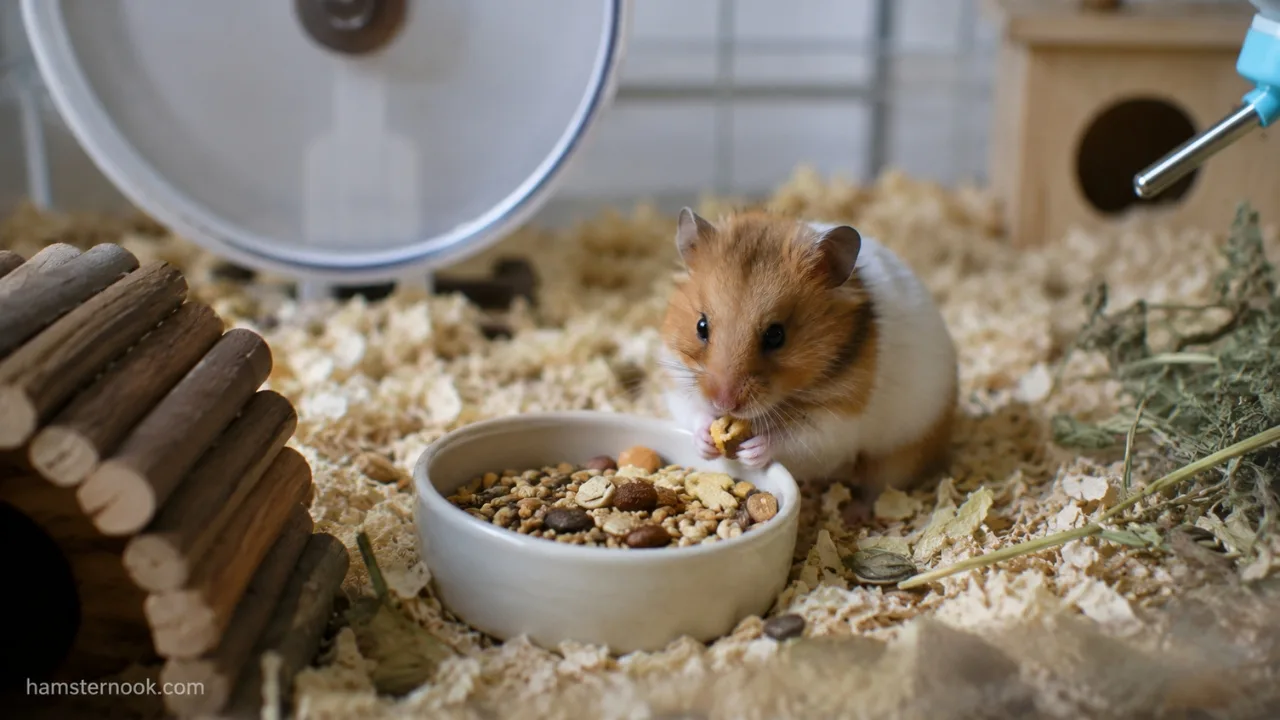
Assuming healthy human food is healthy for hamsters
Granola marketed as heart-healthy, high-protein, or low-fat is still formulated for people.
Human nutrition claims don’t establish whether a product is appropriate for a hamster.
Picking out the chocolate but keeping the rest
Removing visible chocolate chips doesn’t remove the other ingredients or guarantee that the remaining granola is suitable.
Choose a different snack instead of trying to make a mixed product safe by removing individual pieces.
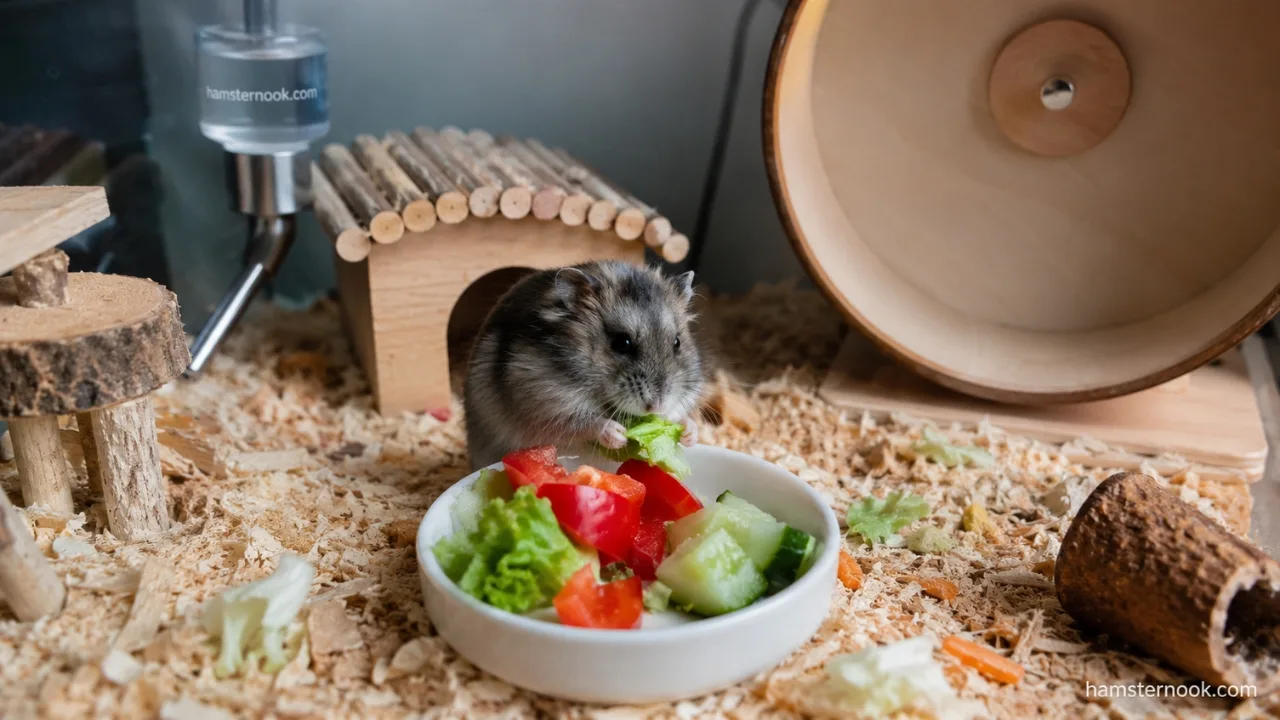
Giving granola every day
A small treat may seem harmless, but repeated treats can gradually displace the balanced food your hamster needs.
Keep treats occasional and prioritize a complete hamster diet.
Choosing a treat is easier when you focus on suitable ingredients, small portions, and variety rather than snacks marketed for people. Treats should complement the main diet instead of replacing it. For practical options, see Best Hamster Treats: 10 Healthy & Safe Options + How Often to Feed.
Forgetting about hidden food
Hamsters naturally hoard food in their nests and other hiding places. Fresh or moist foods left hidden in the enclosure can spoil.

Check food-storage areas when cleaning and remove spoiled or perishable leftovers without unnecessarily disturbing the nest.
What You Should Do
If you’re deciding whether to feed granola to your hamster, follow this simple checklist:
- Read the label. Identify the sweeteners, coatings, dried fruit, and other ingredients.
- Skip sweetened granola. Honey, sugar, chocolate, and unnecessary additives make it a poor choice.
- Choose plain ingredients instead. Plain oats or a suitable small piece of fresh vegetable are more straightforward options.
- Keep portions tiny. Treats should remain a small part of the overall diet.
- Introduce new foods gradually. Watch for changes in appetite, droppings, and normal behavior.
- Seek veterinary advice after a potentially toxic ingestion. Do not wait for symptoms if the product contains chocolate or another concerning ingredient.
You don’t need to give your hamster granola to provide variety. A balanced staple diet and occasional suitable extras are enough to make feeding interesting without introducing unnecessary ingredients.
Final Thoughts
Can hamsters eat granola? It’s best to avoid commercial granola, particularly products containing added sugar, honey, chocolate, or dried fruit.

Some ingredients commonly found in granola, including plain oats and certain seeds, can be suitable when offered individually and in small quantities. That doesn’t make every granola mixture appropriate for a hamster.
Check the label, avoid sweetened human snacks, and choose simple alternatives when you want to offer a treat. If your hamster has already eaten granola, assess the ingredients and amount consumed rather than assuming either that it is harmless or that it will cause illness.
When it comes to hamster nutrition, a suitable complete food and carefully chosen extras are a better foundation than snacks designed for people.
Frequently Asked Questions
1. Can hamsters eat granola bars?
Granola bars are best avoided. They commonly contain sweeteners, oils, chocolate, dried fruit, or other ingredients that make them unsuitable as routine hamster treats. Choose a small portion of a suitable plain ingredient instead.

2. Can hamsters eat honey granola?
No. Honey granola is not a recommended hamster snack because the honey adds unnecessary sugar. Plain oats are a better alternative.
3. Can hamsters eat granola with nuts and seeds?
Don’t assume the mixture is safe simply because it contains nuts and seeds. Some plain nuts and seeds may be suitable in small quantities, but the finished granola may also contain sugar, salt, oils, or other unsuitable ingredients.
Offer appropriate nuts or seeds individually rather than feeding a processed mixture.
4. Can dwarf hamsters eat granola?
Dwarf hamsters should also avoid commercial granola, especially sweetened varieties. Some dwarf hamster species are prone to diabetes, so avoiding routine sugary treats is a sensible precaution.
5. Can baby hamsters eat granola?
Granola is not an appropriate food to introduce to baby hamsters. Their dietary needs depend on their developmental stage, and they should not be given sugary human snacks. If you are caring for orphaned or unusually young hamsters, seek advice from a veterinarian experienced with small mammals.
6. Can hamsters eat granola with raisins?
Granola containing raisins is best avoided. Raisins are dried fruit, and they are not necessary for a hamster’s balanced diet. Choose plain oats or another suitable treat instead.
7. How much granola can a hamster eat?
There is no established safe serving size for commercial granola because its ingredients and nutritional composition vary. Rather than trying to calculate a safe granola portion, choose an appropriate plain ingredient and offer only a small amount.
8. What should I do if my hamster ate chocolate granola?
Contact a veterinarian promptly and provide the product’s ingredient list, an estimate of how much was eaten, and your hamster’s species and approximate weight. Chocolate contains compounds that can be toxic to animals, and a veterinarian can assess the specific exposure. Do not wait for symptoms or attempt home treatment.
9. Is homemade granola safer than store-bought granola?
Not necessarily. Homemade granola can still contain honey, sugar, chocolate, dried fruit, oils, or other unsuitable ingredients. Plain oats and individually suitable ingredients are preferable to preparing a granola mixture for your hamster.
10. What is the safest everyday food for a hamster?
A nutritionally complete commercial food formulated specifically for hamsters should form the foundation of the diet. Supplement it with small amounts of suitable fresh vegetables and other appropriate treats, and always provide clean drinking water.
References
This guide is based on trusted veterinary and animal welfare resources covering hamster nutrition, husbandry, health, and general care, including:
- MSD Veterinary Manual – Providing a Home for a Hamster – Veterinary guidance on hamster nutrition, suitable treats, balanced diets, and general care.
- MSD Veterinary Manual – Hamsters: Exotic and Laboratory Animals – Veterinary reference covering hamster biology, diet, husbandry, and health considerations.
- RSPCA – What to Feed Your Pet Hamster – Animal welfare guidance on balanced hamster diets, appropriate supplementary foods, food storage, and fresh water.
- MSD Veterinary Manual – Routine Health Care of Hamsters – Veterinary guidance on recognizing changes in behavior, appetite, and other signs that may require veterinary attention.
Medical Disclaimer
This article provides general hamster-care information and is not a substitute for veterinary advice. If your hamster has eaten a potentially toxic ingredient or develops concerning symptoms, contact a veterinarian experienced with small mammals or exotic pets. Do not delay urgent care while trying home remedies.

Narayan Kumar is the founder and author of HamsterNook. He creates practical, research-based hamster care guides covering hamster behavior, nutrition, cage setup, enrichment, health, and everyday care. His goal is to help hamster owners make informed decisions and provide safer, healthier lives for their pets through clear, beginner-friendly information based on trusted animal care resources.