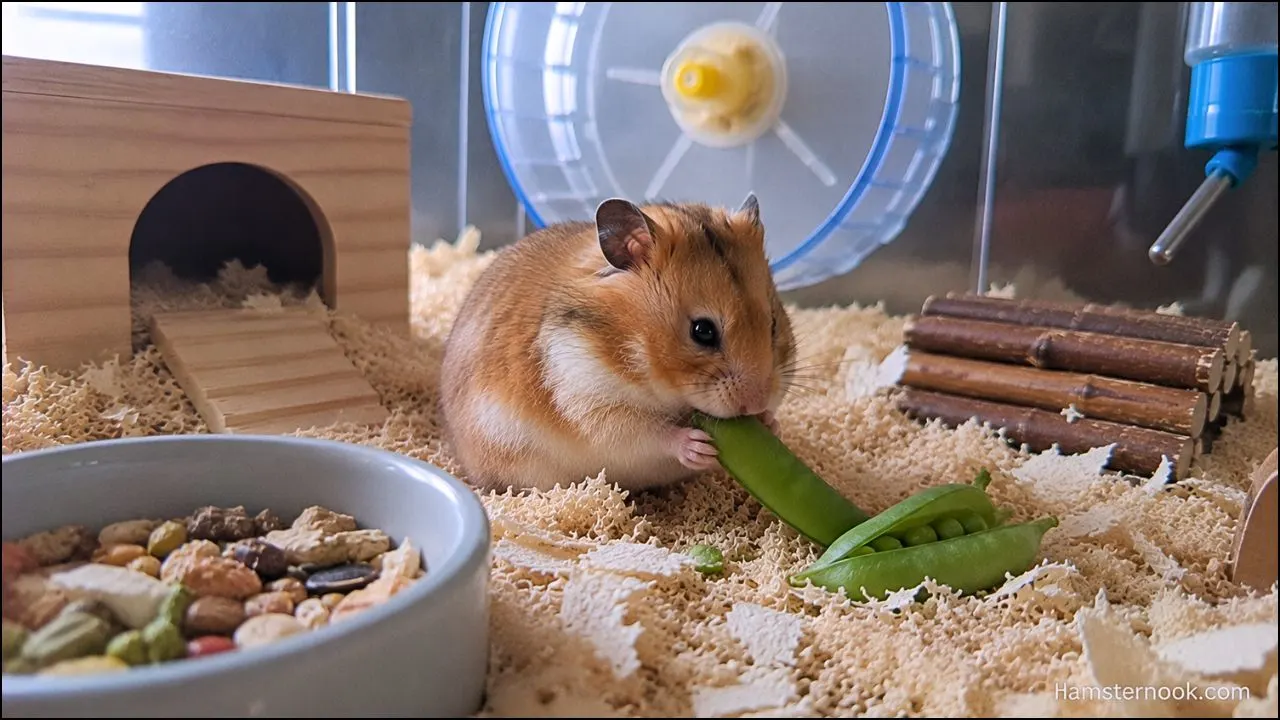
If your hamster is staring at a cherry while you’re eating one, it’s natural to wonder whether you can share. Hamsters can eat the flesh of a fresh cherry, but only in a very small amount and only after the pit is completely removed. The fruit should be treated as an occasional treat, not a regular part of the diet. The pit is the part that deserves the most caution because cherry pits contain cyanide-producing compounds and can also create a choking or physical-injury risk.
This guide covers cherries, the stone fruit—not cherry tomatoes, which are a different food with separate feeding considerations.
Quick Answer: Can Hamster Eat Cherries?
Yes, hamsters can eat a tiny amount of plain cherry flesh occasionally.
Before offering it:
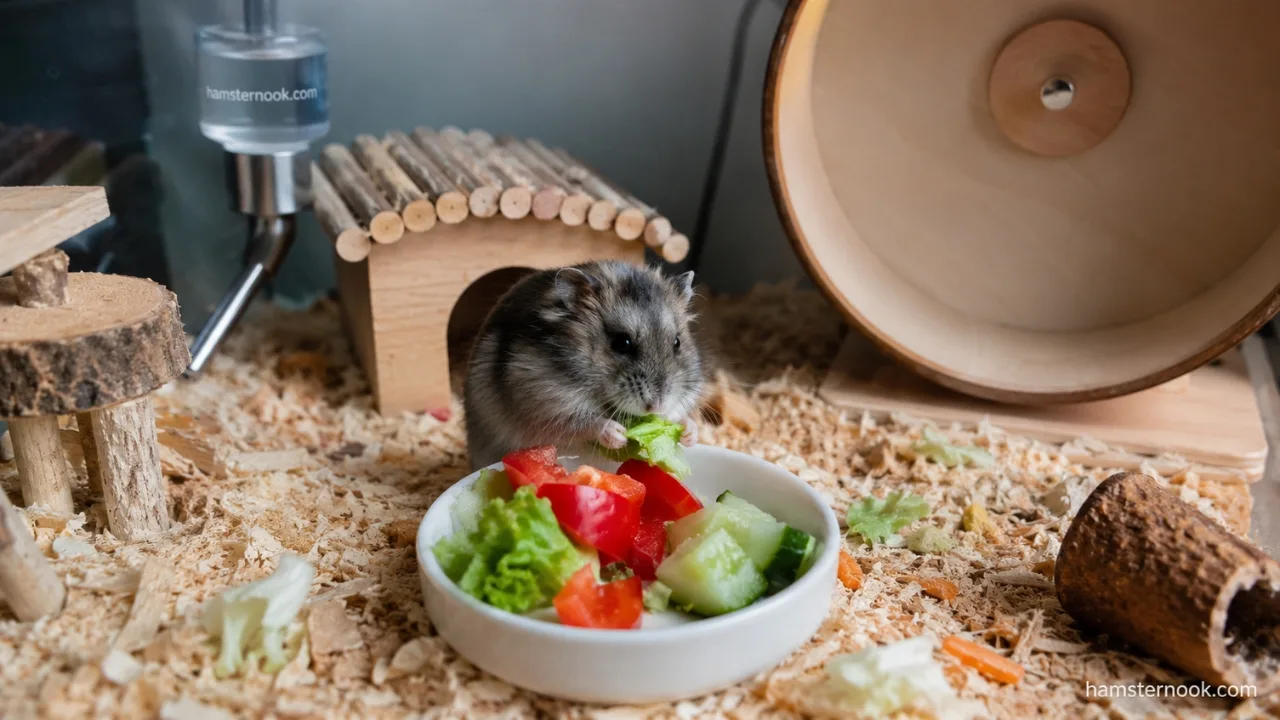
- Wash the cherry thoroughly.
- Remove the entire pit.
- Remove the stem and any leaves.
- Give only a tiny piece of flesh.
- Never give canned, candied, or heavily sweetened cherries.
- Remove uneaten fresh fruit rather than allowing it to sit in the enclosure.
Cherries are not a necessary part of a hamster’s diet. A complete hamster food should remain the foundation of their nutrition, while fresh foods are offered in small quantities. RSPCA guidance supports small amounts of fruit as part of a varied hamster diet, while veterinary guidance emphasizes moderation because fruit is relatively high in sugar.
For a broader guide to your hamster’s everyday nutrition, see Complete Hamster Diet Guide: What to Feed, How Much & How Often.
Are Cherries Toxic to Hamsters?
The cherry flesh is not the main concern
The edible flesh of a properly prepared cherry can be offered as an occasional treat. The bigger concern is what comes with the fruit—particularly the pit.
Cherry pits contain compounds that can produce cyanide when the pit is damaged or chewed. Poison Control explains that stone-fruit pits contain amygdalin, a cyanide-producing chemical, and that chewing or crushing the pit increases the risk of cyanide release.

That is why you should never hand your hamster a whole cherry.
A hamster could attempt to chew the pit, carry it in its cheek pouch, or try to swallow it. There is no benefit to taking that risk when the pit can simply be removed before feeding.
Cherry pits are only one food-safety concern for hamster owners. Other foods can also be unsuitable, so check ingredients carefully and consult our What Foods Should Hamsters Never Eat? Toxic & Unsafe Foods to Avoid guide when checking unfamiliar foods.
What about the stem and leaves?
For a hamster, there is no reason to offer the stem or leaves. Remove them along with the pit and provide only the clean fruit flesh.
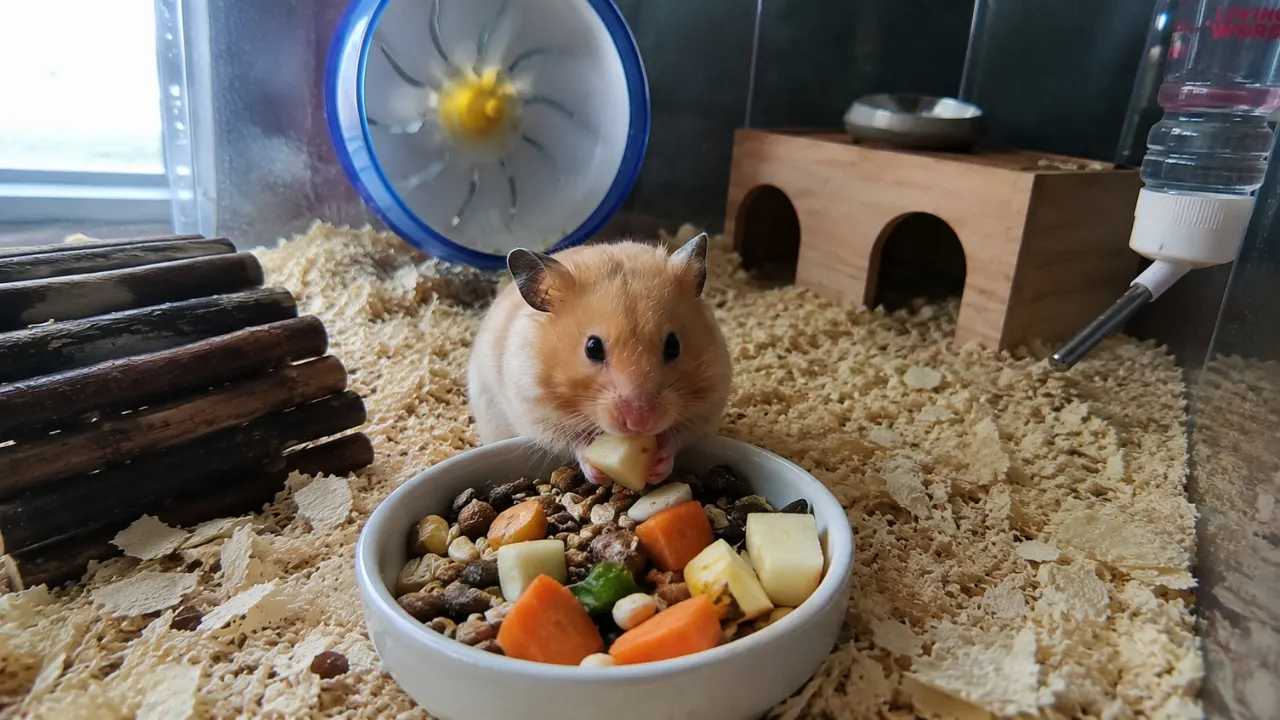
The safest approach is simple: cherry flesh only, in a tiny amount.
Why Do Cherries Need to Be Limited?
Cherries are fruit, and fruit contains naturally occurring sugars. Hamsters don’t need large quantities of sugary foods to maintain a balanced diet.
PDSA recommends only small portions of fresh fruit, vegetables, and herbs, and warns against overfeeding sugary fruits and vegetables. Its hamster guidance suggests that a small daily portion of fresh foods can provide variety, while the main diet should supply the hamster’s nutritional needs.
PetMD likewise advises that fruit should be given in moderation and that seeds and pits should be removed before feeding fruit to hamsters.
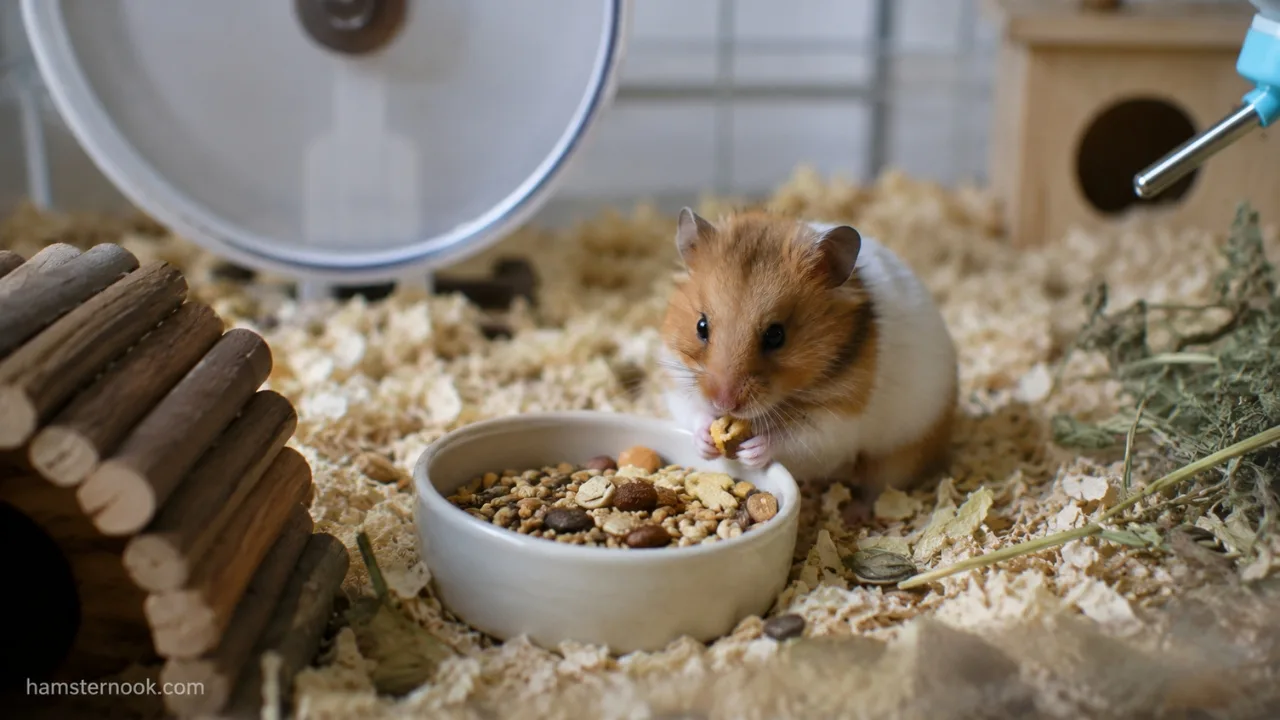
So even though a tiny piece of cherry can be appropriate, more cherry is not better.
How Much Cherry Can a Hamster Eat?
There isn’t a well-established veterinary dosing standard specifically for cherries in hamsters, so it is better not to rely on an exact number of cherries as a universal “safe serving.”
Think tiny piece, rather than whole fruit.
A practical approach is:
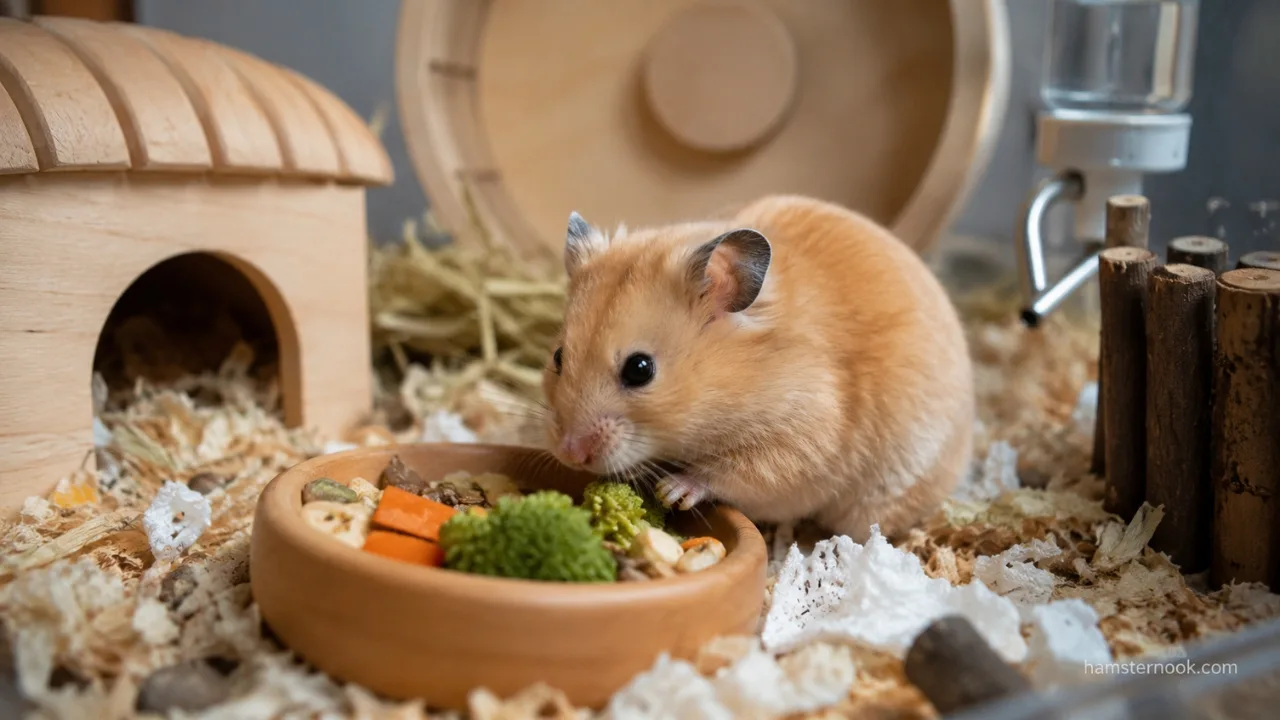
| Hamster | Practical Cherry Portion |
|---|---|
| Syrian hamster | A tiny piece of pit-free cherry flesh |
| Dwarf hamster | A very small piece; keep sugary treats occasional |
| Hamster with a health or dietary concern | Ask your veterinarian before introducing fruit |
There is no established veterinary serving size specifically for cherries. These are conservative suggestions, not scientifically validated dose limits.
For a first taste, a small nibble is enough. You do not need to give a quarter, half, or whole cherry just because another feeding guide recommends that amount.
Hamsters are very small animals, and their normal diet does not depend on fruit. MSD Veterinary Manual recommends that treats such as fruits and vegetables remain limited rather than becoming a substantial part of the diet.
Can Dwarf Hamsters Eat Cherries?
Dwarf hamsters can have a tiny amount of pit-free cherry flesh, but sweet treats should be kept especially small and occasional.

That doesn’t mean you should automatically assume that every dwarf hamster must never eat fruit. It means sweet treats should be kept especially small and infrequent, and a hamster with an existing health or dietary concern should have its diet discussed with a veterinarian.
For any hamster, cherry should remain a treat—not something added routinely to every meal.
How to Prepare a Cherry for Your Hamster
Preparing the fruit correctly takes less than a minute.
1. Choose a fresh cherry
Use a plain, fresh cherry rather than a processed cherry product.
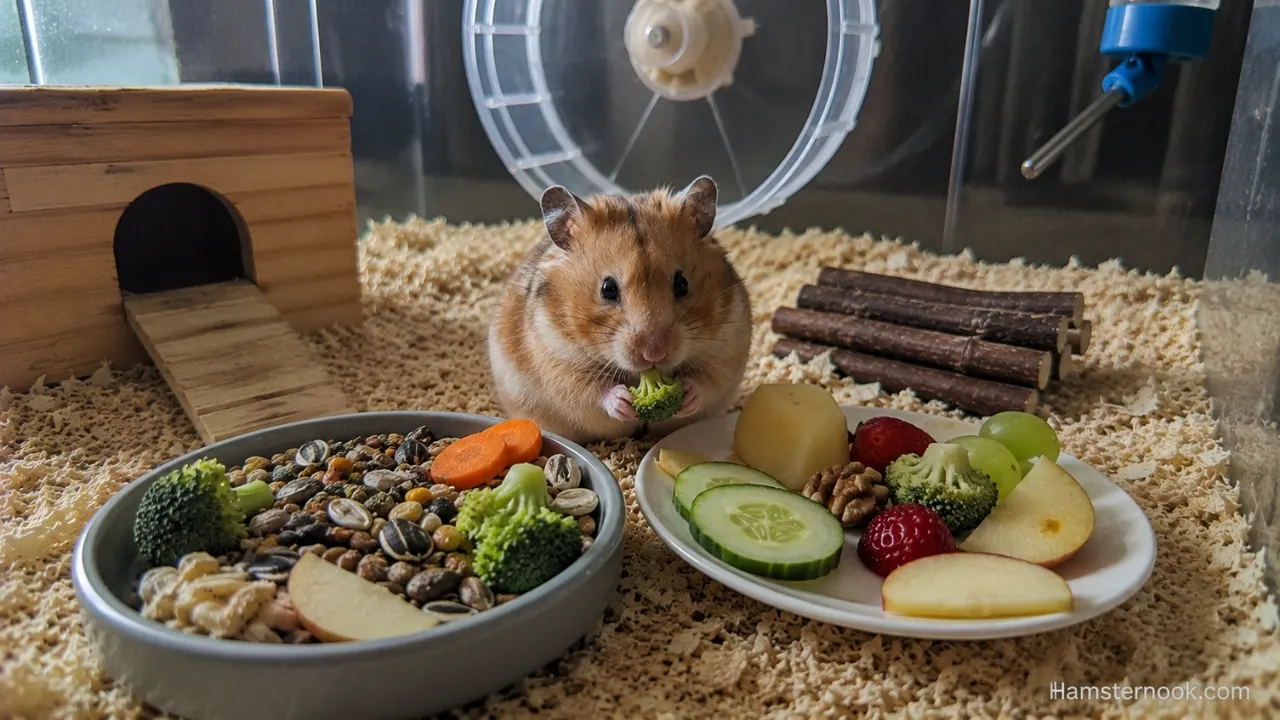
Avoid:
- Maraschino cherries
- Candied cherries
- Cherry pie filling
- Syrup-packed cherries
- Sweetened canned cherries
- Chocolate-covered cherries
- Desserts containing cherry
These products can contain added sugar and other ingredients that aren’t appropriate as hamster treats.
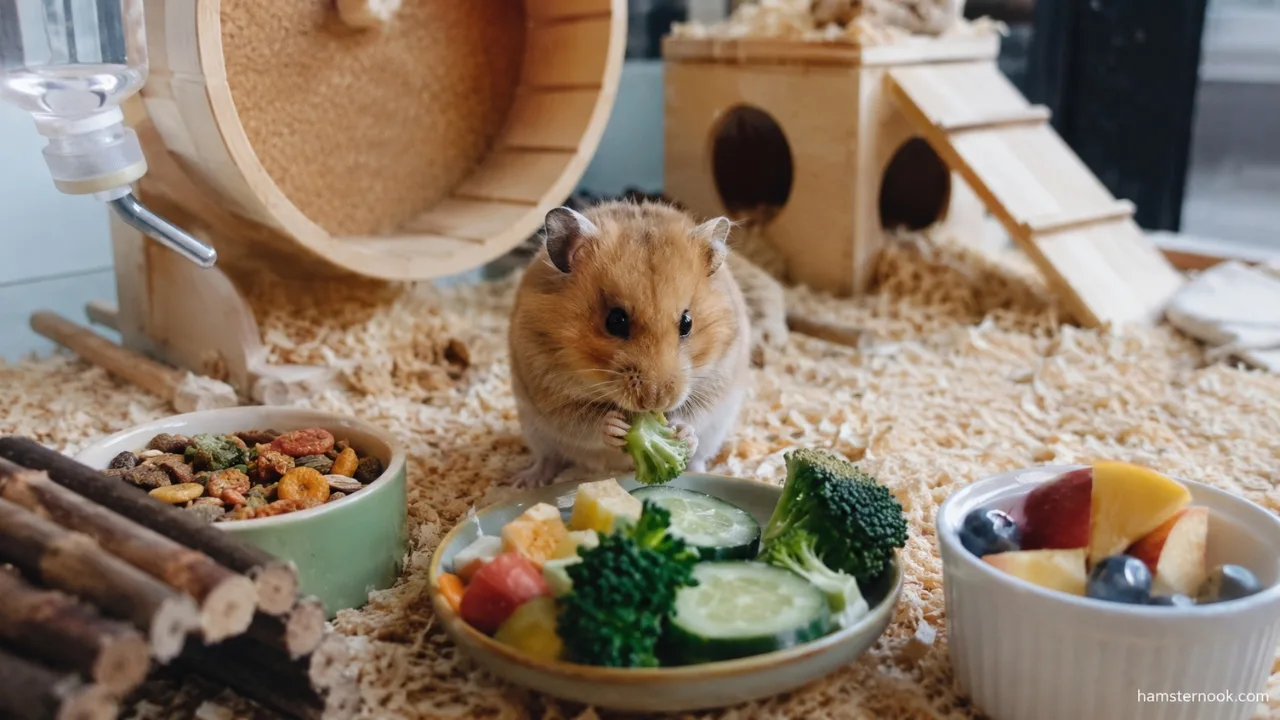
2. Wash it
Wash the cherry before cutting it.
RSPCA recommends washing fruits, vegetables, and herbs before offering them to hamsters.
For more guidance on preparing fresh produce safely, see Should You Wash Fruits and Vegetables Before Feeding Your Hamster?.
3. Remove the pit completely
Cut the cherry open and take out the pit.
Check the flesh afterward to make sure no piece of the hard pit remains.
Do not give the hamster the pit to “play with” or chew.

4. Remove the stem and leaves
Only offer the prepared fruit flesh.
5. Give a tiny piece
Cut off a small piece that your hamster can comfortably handle.
You don’t need to give the whole cherry.
6. Remove leftovers
Fresh foods shouldn’t be allowed to sit around and spoil in the enclosure. This matters particularly with hamsters because they naturally carry and hide food.

RSPCA notes that hamsters carry food in their cheek pouches and stash food for later, so owners need to be mindful of food that can become spoiled.
Can Hamsters Eat Cherry Pits?
No. Cherry pits should never be intentionally fed to a hamster.
There are two separate concerns.
First, the pit is a hard object that a tiny animal may try to chew or swallow. Second, cherry pits contain cyanide-producing compounds. Chewing or crushing the pit can release those compounds.

This is different from simply eating the soft flesh surrounding the pit.
If you’re preparing cherries for your hamster, remove the pit before the fruit ever reaches the cage.
What If My Hamster Accidentally Ate a Cherry Pit?
If you discover that your hamster has chewed or swallowed a cherry pit, don’t try to diagnose the situation yourself.
Because the risk depends on factors such as whether the pit was chewed or swallowed intact and how much material was consumed, contact an exotic-pet veterinarian promptly for specific advice.

Do not induce vomiting or attempt home treatment unless a veterinarian specifically instructs you to do so.
If the hamster is showing signs of breathing difficulty, severe weakness, collapse, seizures, or other sudden serious changes, treat that as an emergency and seek veterinary care immediately.
Can Hamsters Eat Dried Cherries?
It’s better to skip them.
Dried fruit is much more concentrated than fresh fruit, and commercial dried cherries may also contain added sugar or other ingredients. There is no nutritional need to give your hamster dried cherries when a tiny piece of fresh fruit is an option.

If the package contains added sugar, syrup, preservatives, or other ingredients, it is particularly unsuitable as a hamster treat.
Can Hamsters Eat Canned or Maraschino Cherries?
No, they are not a good choice.
Canned and maraschino cherries are processed foods rather than simple fresh fruit. They may be packed in syrup or contain added sugar and other ingredients.
If you want to offer cherry, use plain fresh cherry flesh with the pit, stem, and leaves removed.

Common Mistakes When Feeding Cherries
Giving a whole cherry
This is the biggest avoidable mistake. A whole cherry leaves the pit accessible to the hamster.
Better: remove the pit before offering any fruit.
Assuming fruit is automatically healthy
Fruit can be part of a varied hamster diet, but it isn’t a substitute for balanced hamster food.
For other suitable occasional treats, see Best Hamster Treats: 10 Healthy & Safe Treats They Love.

MSD Veterinary Manual recommends a complete diet for hamsters, with fruits and vegetables kept as limited treats.
Giving too much because the hamster likes it
A hamster enthusiastically eating a treat doesn’t mean it needs more.
Keep portions small even when your hamster clearly enjoys the food.
Leaving fresh cherry hidden in the cage
Hamsters naturally hoard food. A piece of fresh fruit hidden under bedding can become difficult to find and may spoil.

Check the usual food-stashing areas after offering fresh food and remove leftover pieces.
Introducing several new foods at once
If your hamster has never eaten a particular fresh food before, introduce it on its own rather than offering several unfamiliar foods at once. That makes it easier to notice how your hamster responds.
For a step-by-step approach to introducing unfamiliar foods, see How to Introduce New Foods to a Hamster Safely: Step-by-Step Guide.
Introduce new foods in small amounts.

What You Should Do
If you want to let your hamster try cherry, keep the process simple:
- Choose a fresh cherry.
- Wash it thoroughly.
- Remove the stem and leaves.
- Remove the pit completely.
- Cut off a very small piece of flesh.
- Offer it as an occasional treat.
- Watch your hamster rather than immediately offering more.
- Remove any uneaten fresh fruit from the enclosure.
Your hamster’s regular diet should still be based on a nutritionally complete hamster food. Fresh foods are there for variety and enrichment, not to replace the main diet.
Warning Signs to Watch For
A small piece of properly prepared cherry should not be treated as an emergency. However, a hamster that develops an obvious change in health after eating something unusual deserves attention.
Watch for:

- Diarrhea or unusually wet droppings
- Reduced appetite
- Unusual lethargy
- Markedly reduced activity
- Drooling or unusual mouth movements
- Difficulty breathing
- Sudden weakness or collapse
- Seizures
- Swelling or obvious injury around the mouth or cheek
RSPCA advises contacting a veterinarian promptly if a hamster starts eating less, develops moist droppings, or has a soiled hind end.
UC Davis also notes that hamsters have sensitive digestive systems and that diarrhea can be a serious health problem requiring prompt veterinary attention.
When to Worry
The situation deserves more urgent attention if your hamster chewed a cherry pit, may have swallowed part of one, or develops sudden neurological or breathing problems afterward.
Don’t wait for severe symptoms before contacting a veterinarian when you know your hamster has been exposed to a potentially toxic plant part.

If your hamster only ate a tiny piece of washed, pit-free cherry flesh and is behaving normally, there is generally no reason to panic. Simply don’t offer additional fruit and continue observing normally.
Can Cherries Be Part of a Healthy Hamster Diet?
Yes, but only as a small part of the overall diet.
Hamsters naturally eat a varied diet, but pet hamsters still need a nutritionally balanced staple food. RSPCA recommends a good-quality hamster diet supplemented with small quantities of greens, cleaned root vegetables, and fruit.
For more suitable fresh-food options and portion guidance, see Best Fruits and Vegetables for Hamsters: Safe Foods, Portion Sizes & Feeding Tips.

A cherry should therefore be viewed much like an occasional treat:
Balanced hamster food first, fresh foods in small amounts, and sweet fruit only occasionally.
There is no nutritional reason to make cherries a regular part of your hamster’s meals.
Final Thoughts
So, can hamsters eat cherries? Yes—but only the flesh, in a very small amount, and with the pit completely removed.

The cherry itself isn’t the part that should make owners nervous. The important safety issue is preventing access to the pit, while the main dietary concern is keeping sugary fruit from becoming too frequent.
If you decide to offer cherry, wash it, remove the pit, stem, and leaves, give your hamster a tiny piece, and remove anything left behind. For dwarf hamsters or animals with existing health concerns, be particularly conservative with sweet treats and ask your veterinarian if you’re unsure about the appropriate diet.
Frequently Asked Questions
Can hamsters eat fresh cherries?
Yes. Healthy hamsters can have a tiny amount of fresh cherry flesh occasionally. The cherry must be washed and completely free of the pit, stem, and leaves.
Are cherries poisonous to hamsters?
The edible flesh of a properly prepared cherry is not considered the primary toxic concern. Cherry pits contain cyanide-producing compounds and should never be given to a hamster.
Can hamsters eat cherry pits?
No. Cherry pits should not be fed to hamsters. They can be physically hazardous and contain cyanide-producing compounds that become a concern when the pit is chewed or damaged.
Can dwarf hamsters eat cherries?
A tiny amount of pit-free cherry flesh may be offered occasionally, but keep the portion very small. Diabetes risk varies by hamster species and individual health, so ask your veterinarian about fruit treats if your hamster has diabetes or another dietary concern.
How much cherry can I give my hamster?
There is no well-established veterinary serving size specifically for cherries. A tiny piece of pit-free flesh is sufficient. Avoid treating a whole cherry as one serving.
Can hamsters eat dried cherries?
It is better to avoid dried cherries. They are more concentrated than fresh fruit and may contain added sugar or other ingredients.
Can hamsters eat canned cherries?
Canned cherries are best avoided, particularly when packed in syrup or containing added sugar. Plain fresh cherry is the better choice.
Can hamsters eat maraschino cherries?
No. Maraschino cherries are processed and commonly contain added sugar and other ingredients, making them unsuitable as a hamster treat.
What should I do if my hamster ate a cherry pit?
Contact a veterinarian experienced with hamsters or exotic pets for advice, particularly if the pit was chewed. Seek emergency veterinary care if your hamster develops breathing difficulty, severe weakness, collapse, seizures, or other sudden serious symptoms.
Are cherries necessary for hamsters?
No. Cherries are an optional treat. A hamster’s nutritional needs should be met primarily through a balanced, appropriate hamster diet.
References
- RSPCA – What to Feed a Pet Hamster: guidance on balanced nutrition and small amounts of fresh fruit.
- PDSA – Hamsters as Pets: general hamster diet and care advice.
- Poison Control – Are Cherry Pits Really Poisonous?: information about cyanide-producing compounds in stone-fruit pits and the risk from chewing them.
Medical Disclaimer
This article provides general hamster-care information and is not a substitute for veterinary diagnosis or treatment. If your hamster has eaten a potentially toxic part of a cherry or is showing concerning symptoms, contact a veterinarian experienced with small mammals or exotic pets.

Narayan Kumar is the founder and author of HamsterNook. He creates practical, research-based hamster care guides covering hamster behavior, nutrition, cage setup, enrichment, health, and everyday care. His goal is to help hamster owners make informed decisions and provide safer, healthier lives for their pets through clear, beginner-friendly information based on trusted animal care resources.