Why Is My Hamster Hiding More Than Usual? 9 Common Reasons

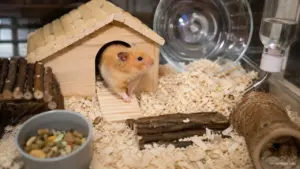
Hamster hiding inside deep bedding and a wooden hideout in its enclosure.

Hamsters naturally love hiding. In the wild, hiding helps protect them from predators, bright light, and danger. That’s why pet hamsters spend a lot of time inside tunnels, burrows, hides, or bedding. But when a hamster suddenly starts hiding much more than normal, many owners become worried — especially if their pet used to be …

Read more

What Happens If a Hamster Gets Too Lonely?

Lonely hamster sitting alone inside a cage with minimal enrichment

Many first-time hamster owners worry that their pet feels lonely when left alone in a cage. It’s an understandable concern because people naturally associate loneliness with sadness and isolation. Hamsters behave very differently from highly social pets like guinea pigs, rats, or rabbits. In fact, for most hamster species, being forced to live with another …

Read more

7 Signs Your Hamster May Be Unhappy (Most Owners Miss These)

Sad stressed hamster chewing cage bars inside enclosure

Hamsters often hide stress and discomfort very well, making early warning signs easy for owners to miss. Unlike dogs or cats, hamsters rarely show obvious emotional signals. A hamster can look “normal” on the surface while actually feeling stressed, bored, uncomfortable, or unhappy inside its enclosure. Several common hamster behaviors may actually signal stress, boredom, …

Read more

What Your Hamster’s Sleeping Position Says About Their Health (Normal vs Warning Signs)

Syrian hamster sleeping peacefully in a natural curled position inside deep bedding

Hamsters naturally spend many hours sleeping during the daytime because they are nocturnal animals, but many owners never realize that the way a hamster sleeps can actually reveal important clues about its comfort, stress levels, body temperature, and overall health. Many hamster sleeping positions are completely normal and simply reflect comfort or temperature preferences, while …

Read more

Why Did My Hamster Suddenly Start Biting Me? 9 Common Causes & Fixes

A Syrian hamster gently nibbling a person's finger during a handling session.

A hamster that suddenly starts biting can catch owners completely off guard. One day it seems comfortable taking treats and climbing onto your hand, and the next it reacts with a painful nip. While this behavior can feel personal, biting is usually a form of communication rather than aggression. Understanding what changed in your hamster’s …

Read more

Hamster Body Language: Signs of Happiness, Stress, Fear & Illness

A healthy Syrian hamster showing a relaxed posture while exploring a natural enclosure.

Hamsters may be small and quiet, but they constantly communicate through posture, movement, facial expressions, vocalizations, and daily habits. Learning to recognize these signals helps owners build trust, reduce stress, and identify potential health concerns much earlier. A hamster cannot tell you when something feels wrong. Instead, it shows clues through its ears, eyes, movements, …

Read more

Why Does My Hamster Bite Me? Causes, Warning Signs & Safe Solutions

A Syrian hamster cautiously sniffing a person's hand before being handled.

Hamster bites can feel surprising, especially when you’re trying to build trust with a new pet. Although biting can be frustrating, it is usually a sign that the hamster feels frightened, confused, startled, or uncomfortable rather than aggressive. Understanding the reason behind the behavior is the first step toward improving it. The good news is …

Read more

Best Hamster Bedding: Safest Types, Depth & What to Avoid

Healthy Syrian hamster burrowing in deep unscented paper bedding inside a spacious enclosure

Choosing the right bedding for your hamster is more important than many beginners realize. Bedding is not just something that makes the cage look nice—it affects your hamster’s breathing, comfort, burrowing behavior, cleanliness, and overall health. Many new hamster owners accidentally buy unsafe bedding because some products marketed for small animals may still cause respiratory …

Read more