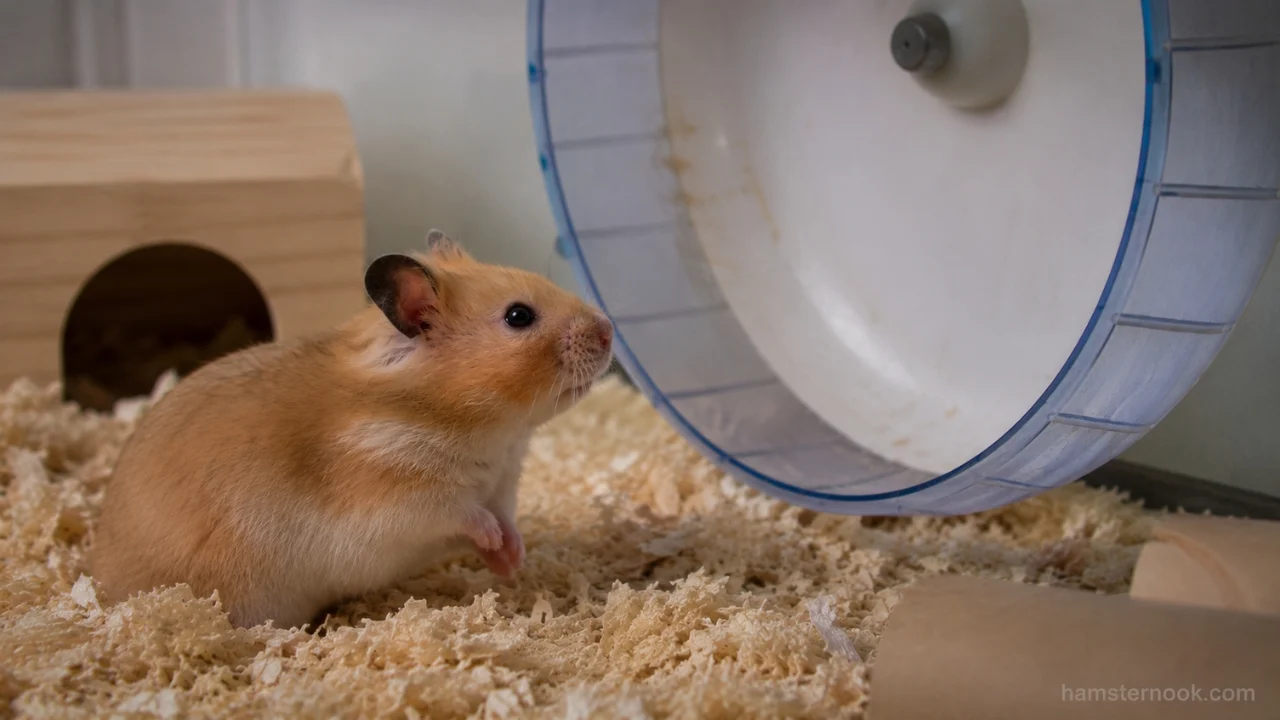
For many hamster owners, the sound of a wheel spinning at night is reassuring. It’s a sign that their pet is active, healthy, and behaving normally. So when a hamster suddenly stops using its wheel, it can be worrying.
A hamster that used to run every night but suddenly ignores its wheel can leave owners wondering whether something is wrong. While wheel avoidance is sometimes caused by simple factors such as stress or environmental changes, it can also be one of the first noticeable signs of discomfort, injury, or illness.
Wheel avoidance on its own does not automatically point to illness. Changes in behavior can happen for many reasons, including age, boredom, environmental changes, stress, or equipment issues.
The cause is often easier to identify once you look at what else has changed in your hamster’s behavior and environment.
Quick Answer
A hamster may suddenly stop using its wheel because of stress, aging, injury, illness, obesity, environmental changes, or problems with the wheel itself. If your hamster is still eating, drinking, grooming, and exploring normally, the cause is often temporary. However, wheel avoidance combined with lethargy, weight loss, limping, or appetite changes should be investigated promptly.
Is It Normal for a Hamster to Stop Using Its Wheel?
A sudden decrease in wheel activity is not always an emergency.
Hamsters are individuals with unique personalities and changing habits. Just as humans do not follow the exact same routine every day, hamsters may occasionally alter their activity patterns.
However, a hamster that completely abandons its wheel after using it regularly should be observed carefully.
The key question is whether the wheel avoidance is occurring alongside other behavioral or physical changes.
Common Reasons Hamsters Stop Using Their Wheels
Several factors can cause a hamster to lose interest in its wheel.
| Possible Cause | Level of Concern | Action Needed |
|---|---|---|
| Dirty or damaged wheel | Low | Inspect and clean wheel |
| Cage rearrangement | Low | Allow adjustment time |
| New environment stress | Low to Moderate | Monitor behavior |
| Aging hamster | Moderate | Adjust expectations |
| Minor injury | Moderate | Observe mobility |
| Arthritis or joint pain | Moderate to High | Veterinary advice recommended |
| Illness | High | Seek veterinary evaluation |
| Obesity | Moderate | Review diet and exercise |
| Excessive heat | Moderate | Improve environmental conditions |
The wheel itself is only one piece of the puzzle. Your hamster’s overall behavior usually provides the strongest clues about what’s actually causing the change.
How Long Is It Normal for a Hamster to Avoid Its Wheel?
If the behavior started after a cage cleaning, enclosure upgrade, relocation, or another environmental change, some hamsters may avoid their wheel for a few days while adjusting.
Temporary wheel avoidance is usually less concerning when your hamster continues to eat, drink, explore, and interact with its environment normally.
Check Whether the Wheel Itself Is the Problem
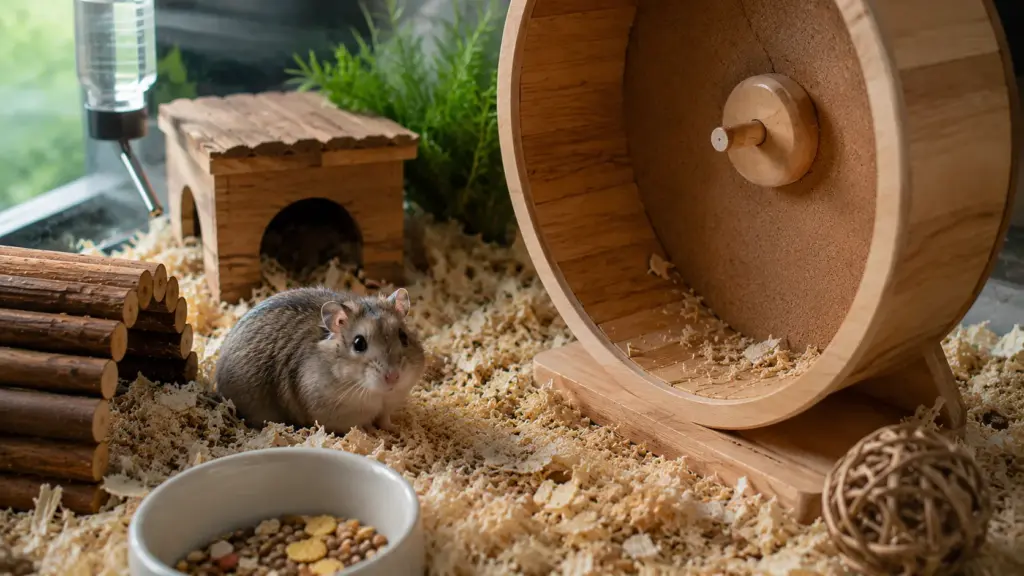
Before assuming a health issue, inspect the wheel carefully.
Hamsters sometimes stop using a wheel simply because it no longer functions comfortably.
Look for:
- Stiff wheel movement
- Dirt buildup
- Squeaking or grinding sounds
- Cracks or rough edges
- Bent wheel supports
A wheel that becomes difficult to spin requires more effort and may discourage use.
If you recently upgraded or changed the wheel, your hamster may also need time to adjust.
Owners who recently switched wheel sizes may find it helpful to read How Big Should a Hamster Wheel Be? to ensure the wheel remains comfortable and safe.
Your Hamster May Be Using the Wheel When You Are Asleep
Many owners assume their hamster has stopped exercising simply because they no longer witness wheel activity.
Remember that hamsters are primarily nocturnal or crepuscular.
A hamster may:
- Run later at night
- Exercise before dawn
- Use the wheel briefly instead of for long sessions
Checking for signs such as wheel movement marks, bedding displacement, or activity trackers can provide a more accurate picture.
Environmental Changes Can Affect Wheel Use
Hamsters thrive on routine.
Even small changes in their environment can temporarily alter behavior.
Common changes include:
- Moving the cage
- New household pets
- Loud noises
- Different lighting schedules
- New cage accessories
A hamster that feels uncertain about its surroundings may spend more time hiding and less time exercising.
If your hamster recently moved into a new enclosure, you may also find The Biggest Mistake New Hamster Owners Make in the First Week useful for understanding adjustment-related stress.
Aging Hamsters Often Run Less
Reduced wheel use is one of the most common changes owners notice as hamsters enter their senior years. Many older hamsters still enjoy exercising, but they often choose shorter and less frequent running sessions.
This change is usually gradual rather than sudden, but some owners notice it abruptly.
Older hamsters may:
- Sleep longer
- Move more slowly
- Take shorter wheel sessions
- Prefer resting areas
Aging alone is not usually a cause for concern if your hamster continues eating, drinking, grooming, and exploring normally.
Signs Consistent With Normal Aging
| Behavior | Often Normal in Senior Hamsters |
|---|---|
| Reduced wheel use | Yes |
| Longer sleep periods | Yes |
| Slower movement | Yes |
| Mild weight changes | Sometimes |
| Loss of appetite | No |
| Difficulty walking | No |
Any mobility problems should be evaluated more carefully.
Joint Pain or Arthritis May Make Running Uncomfortable
One overlooked reason for wheel avoidance is physical discomfort.
Older hamsters can develop age-related joint issues that make running painful.
Potential signs include:
- Stiff movement
- Hesitation when climbing
- Reluctance to stand upright
- Reduced activity overall
Unlike temporary laziness, pain-related inactivity often affects multiple behaviors, not just wheel use.
If your hamster appears uncomfortable while moving around the enclosure, a veterinary examination is a good idea.
Injury Can Cause Sudden Wheel Avoidance
Hamsters occasionally experience minor injuries.
A foot injury, sprain, nail problem, or muscle strain can make wheel running uncomfortable.
Watch for:
- Limping
- Favoring one leg
- Swelling
- Reluctance to climb
- Changes in posture
Because hamsters naturally hide signs of weakness, even subtle changes deserve attention.
Illness Can Reduce Activity Levels
A hamster that suddenly stops using its wheel and becomes less active overall may be experiencing an underlying health problem.
Potential health-related warning signs include:
- Weight loss
- Loss of appetite
- Labored breathing
- Discharge from eyes or nose
- Hunched posture
- Excessive sleeping
These symptoms are more concerning than wheel avoidance alone.
A healthy hamster might skip wheel time occasionally. A hamster that stops moving, eating, and exploring needs prompt attention.
Why Reduced Activity Matters in Hamsters
Hamsters naturally hide signs of weakness because they are prey animals. By the time obvious symptoms appear, a health problem may already be affecting their behavior.
For this reason, sudden changes in exercise habits should never be dismissed if they occur alongside other unusual behaviors.
Obesity Can Make Exercise Difficult
Overweight hamsters often become less active.
A hamster carrying excess weight may find wheel running physically challenging.
Contributors to obesity can include:
- Too many treats
- High-fat diets
- Lack of enrichment
- Limited enclosure space
If your hamster has gradually become heavier, reviewing its diet and activity opportunities may help.
Owners concerned about exercise habits may also enjoy Is My Hamster Bored?
Your Hamster May Be Finding Other Ways to Stay Active
Wheel use is only one form of exercise.
Some hamsters naturally spend more time:
- Digging tunnels
- Foraging
- Climbing
- Exploring enrichment items
- Rearranging bedding
A hamster with a large, enriching enclosure may rely less heavily on its wheel than one living in a basic setup.
This is often a positive sign rather than a problem.
If your hamster loves burrowing, you may also find How Deep Should Hamster Bedding Be? helpful for encouraging natural behaviors.
Stress and Anxiety Can Reduce Activity
Stress affects hamster behavior in many ways.
A stressed hamster may:
- Hide more often
- Avoid open spaces
- Reduce wheel use
- Become less curious
Common stress triggers include:
| Stress Factor | Potential Effect |
|---|---|
| Frequent handling | Increased hiding |
| Loud household noise | Reduced activity |
| Small cage size | Frustration behaviors |
| Lack of hiding spots | Anxiety |
| New pets nearby | Fear responses |
Providing a stable environment often helps activity levels return to normal.
If your hamster seems nervous around people, Why Is My Hamster Suddenly Hiding More Than Usual? may provide additional insight.
When Should You Be Concerned?
Not every decrease in wheel activity requires action.
However, certain situations deserve closer attention.
Contact a veterinarian if wheel avoidance occurs alongside:
- Rapid weight loss
- Breathing difficulties
- Limping
- Persistent lethargy
- Appetite changes
- Obvious pain
- Difficulty moving
The combination of symptoms is usually more important than wheel avoidance alone.
Should You Force a Hamster to Exercise?
No.
A hamster should never be forced onto a wheel or encouraged to run through handling, chasing, or repeated placement inside the wheel.
If a hamster has stopped exercising because of pain, illness, stress, or discomfort, forcing activity may worsen the underlying problem.
How to Encourage Safe Wheel Use Again
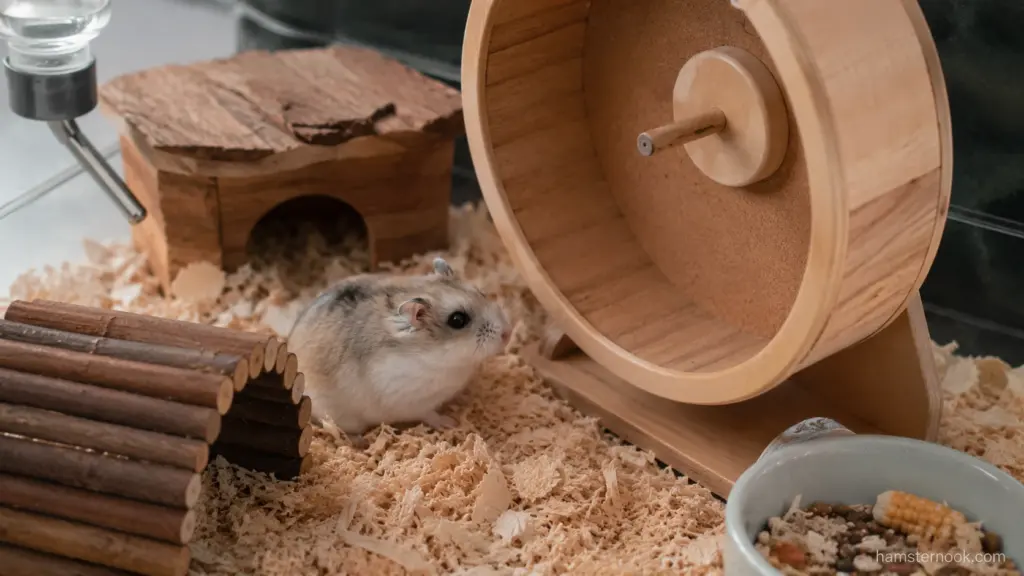
If no health issue is apparent, several simple steps may help.
Inspect and Clean the Wheel
A clean, smooth-running wheel is more appealing and safer.
Verify the Wheel Size
A wheel that forces the hamster’s back to arch can become uncomfortable.
Increase Enrichment
Adding tunnels, hides, foraging opportunities, and digging areas can improve overall activity levels.
Maintain a Consistent Routine
Predictable feeding, lighting, and interaction schedules help many hamsters feel secure.
Monitor for Changes
Keep track of:
- Eating habits
- Weight
- Sleep patterns
- General activity
This information becomes valuable if veterinary care is needed later.
You may also find Signs Your Hamster Is Happy and Comfortable useful when evaluating overall well-being.
Final Thoughts
Seeing a normally active hamster ignore its wheel can be concerning, but wheel avoidance alone rarely tells the full story. Sometimes the cause is as simple as a dirty wheel, a recent environmental change, or a shift in routine.
The most important step is to look at the whole hamster rather than focusing only on the wheel. If your pet is still eating well, exploring, grooming, and behaving normally, the change may be temporary.
However, if wheel avoidance is accompanied by signs of pain, weight loss, lethargy, or mobility problems, it should be taken more seriously.
Paying attention to small changes early often makes it easier to spot problems before they become more serious.
Frequently Asked Questions
Why did my hamster suddenly stop running on its wheel?
Common reasons include aging, stress, environmental changes, wheel problems, injury, illness, or simply a temporary change in routine.
Should I worry if my hamster stops using its wheel?
Not always. Temporary wheel avoidance can occur because of stress, aging, routine changes, or wheel-related issues. However, if your hamster also shows weight loss, lethargy, limping, appetite changes, or other unusual symptoms, veterinary advice is recommended.
Can a hamster get bored with its wheel?
Some hamsters may show less interest in a wheel if they have other forms of enrichment available, although complete wheel avoidance should still be monitored.
Does an old hamster stop using its wheel?
Many senior hamsters reduce their wheel activity as they age. This is often normal if no other concerning symptoms are present.
How do I know if my hamster’s wheel is too small?
If your hamster’s back curves noticeably while running, the wheel may be too small and uncomfortable.
Can stress make a hamster stop exercising?
Yes. Stress from environmental changes, excessive handling, noise, or other disruptions can temporarily reduce wheel use and overall activity.
Can a dirty wheel make a hamster stop running?
Yes. Dirt buildup, urine residue, rough surfaces, or wheels that no longer spin smoothly can discourage wheel use. Regular inspection and cleaning help keep the wheel comfortable and safe.
Why does my hamster use its wheel less than before?
Hamsters may run less because of aging, seasonal changes, stress, weight gain, environmental adjustments, or increased interest in other activities such as digging and foraging. Monitoring overall behavior helps determine whether the change is normal.