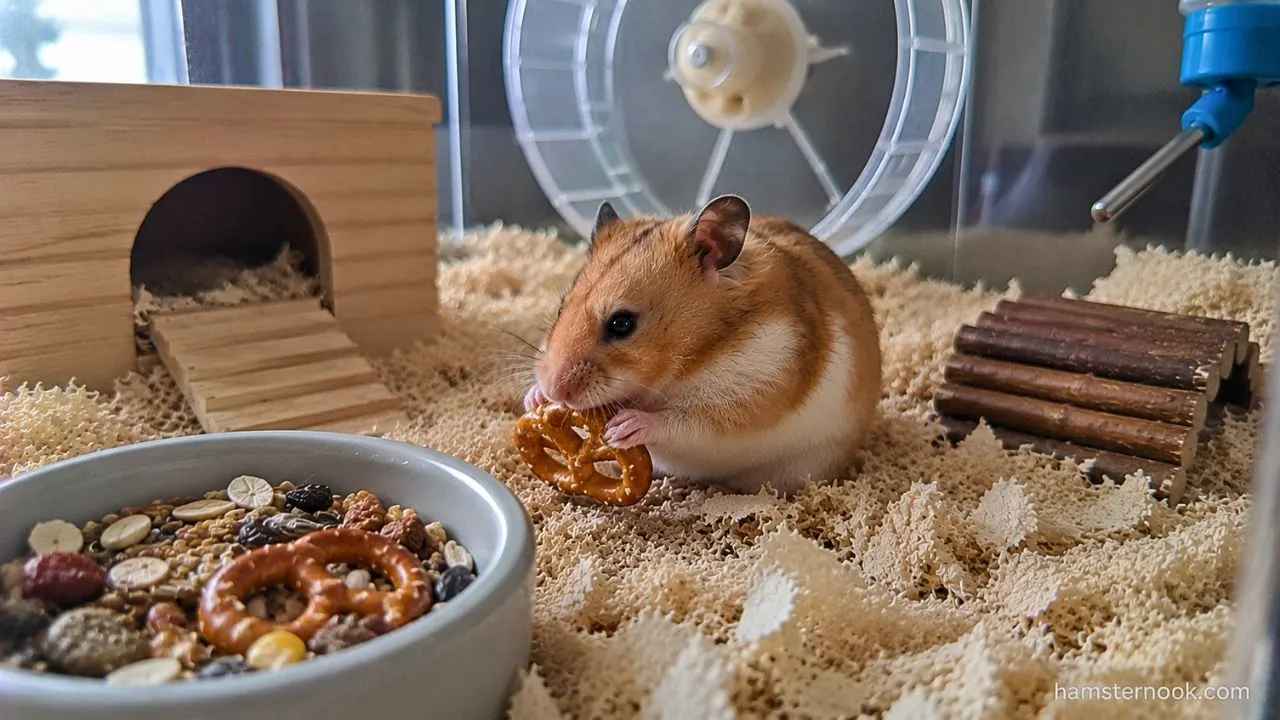
If your hamster seems interested whenever you eat a banana, sharing a tiny piece may seem harmless. Hamsters can eat fresh banana, but it should be treated as an occasional sweet treat rather than a regular part of their diet. The main concern is not toxicity but how easily a small hamster can receive more sugar than intended from what looks like a tiny serving.
Bananas may seem harmless, but because of their high sugar content, feeding them incorrectly can lead to health issues. This guide explains everything you need to know, from benefits and risks to safe serving sizes and feeding tips, so you can make the best choice for your hamster.
Are Bananas Safe for Hamsters?
Yes, hamsters can eat fresh banana in small amounts. It should remain an occasional treat rather than a staple food, with a nutritionally appropriate hamster diet providing the foundation of daily feeding. Because banana is sweet and easy to over-portion, a tiny serving is enough.
Banana should only sit on the edge of a hamster’s diet rather than becoming a regular food. Our What Do Hamsters Eat? Complete Food List for Beginners explains how staple food, vegetables, protein sources, and occasional treats fit together in a balanced feeding routine.
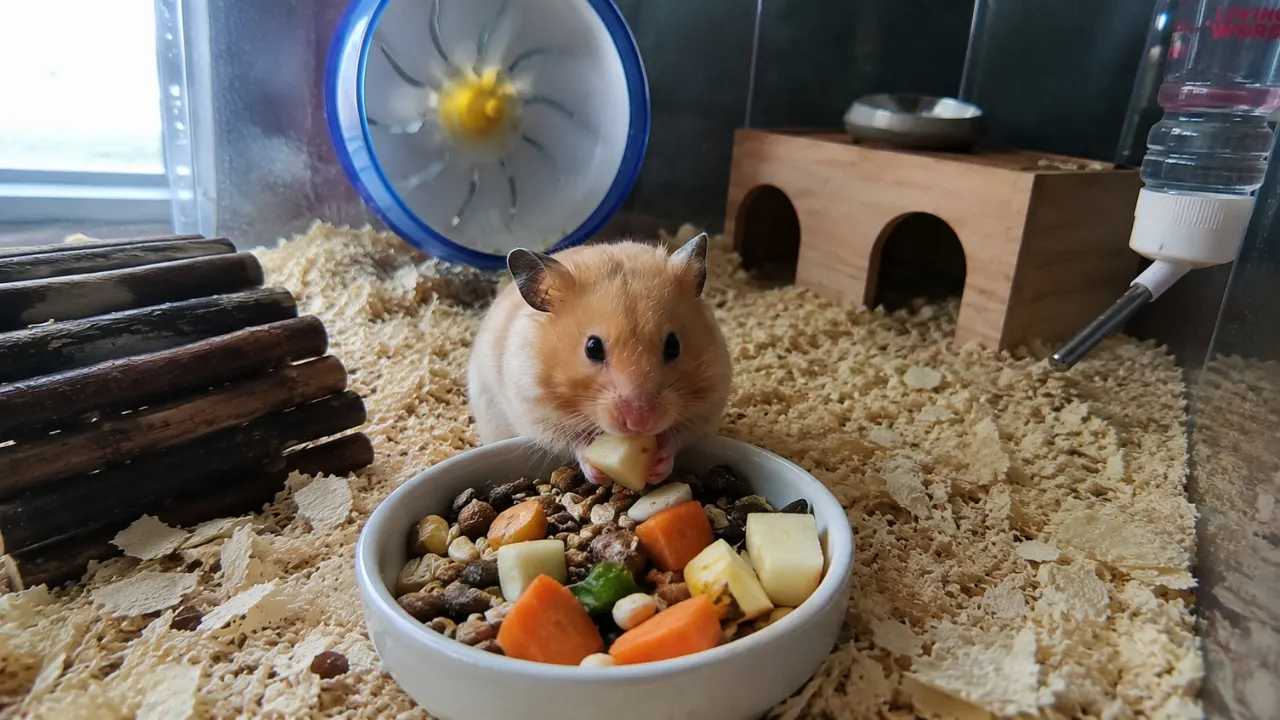
Bananas fall into the treat category because of their natural sugar content. Large or frequent servings can add unnecessary sugar and calories to the diet and may also cause digestive upset.
What Banana Actually Adds to a Hamster’s Diet
Banana can provide variety as an occasional fresh treat, but it is not a necessary part of a hamster’s diet. The important point is that banana should complement a nutritionally complete hamster food rather than replace it.
Because banana is a sweet fruit, the practical benefit is variety rather than providing nutrients your hamster specifically needs from banana. Veterinary guidance recommends keeping fruit and other fresh foods in small amounts as part of a balanced diet.
Benefits of Feeding Bananas to Hamsters
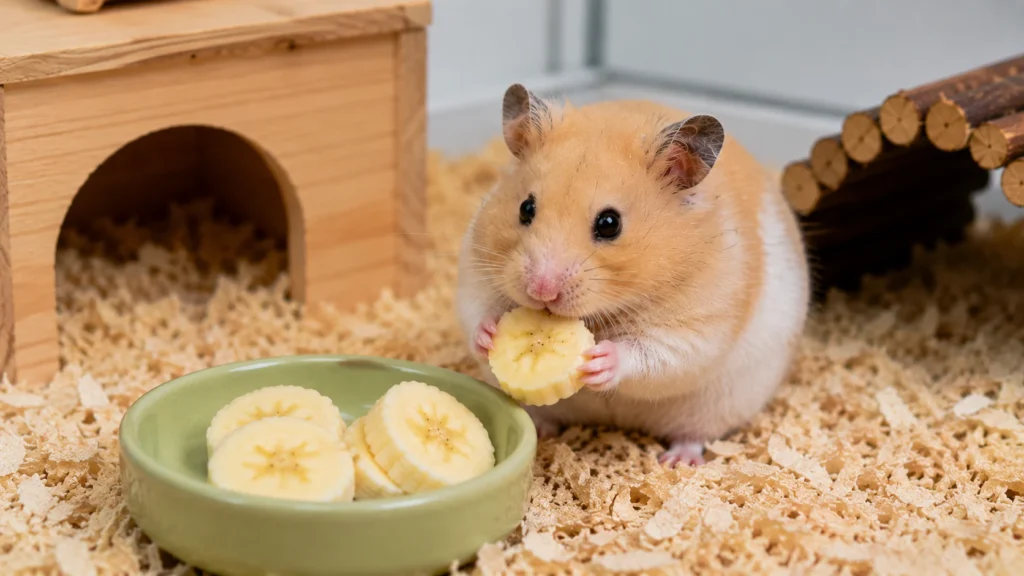
1. Natural Source of Energy
Bananas contain natural sugars that can provide small bursts of energy for active hamsters.

2. Easy to Eat
Banana has a soft texture that is easy to nibble, but softness alone does not make it an appropriate food for a young, elderly, or unwell hamster. Hamsters with difficulty eating or recovering from illness should have their diet adjusted with veterinary guidance rather than relying on sugary treats.
3. Digestive Support (in Small Amounts)
The fiber in bananas may help support digestion when offered in tiny portions.
4. Variety & Enrichment
Occasionally offering banana pieces can add variety to your hamster’s diet and provide mental enrichment.
Risks of Feeding Bananas to Hamsters
1. High Sugar Content
Bananas are naturally high in sugar. Too much sugar may contribute to:

- Obesity
- Diabetes
- Dental issues
Some dwarf hamsters, particularly Russian dwarf hamsters, are more prone to diabetes, so sugary treats deserve extra caution. Banana is not necessary for a hamster’s diet, so there is little reason to offer large or frequent portions.
2. Sticky Texture
Banana is soft and sticky, so small portions are easier to manage and less likely to be carried away in large amounts. Remove uneaten fresh banana before it spoils.
3. Digestive Upset
Too much banana may lead to diarrhea or stomach discomfort.
4. Overeating Risk
Hamsters often enjoy sweet foods, which may cause them to ignore healthier staple foods if treats are offered too frequently.
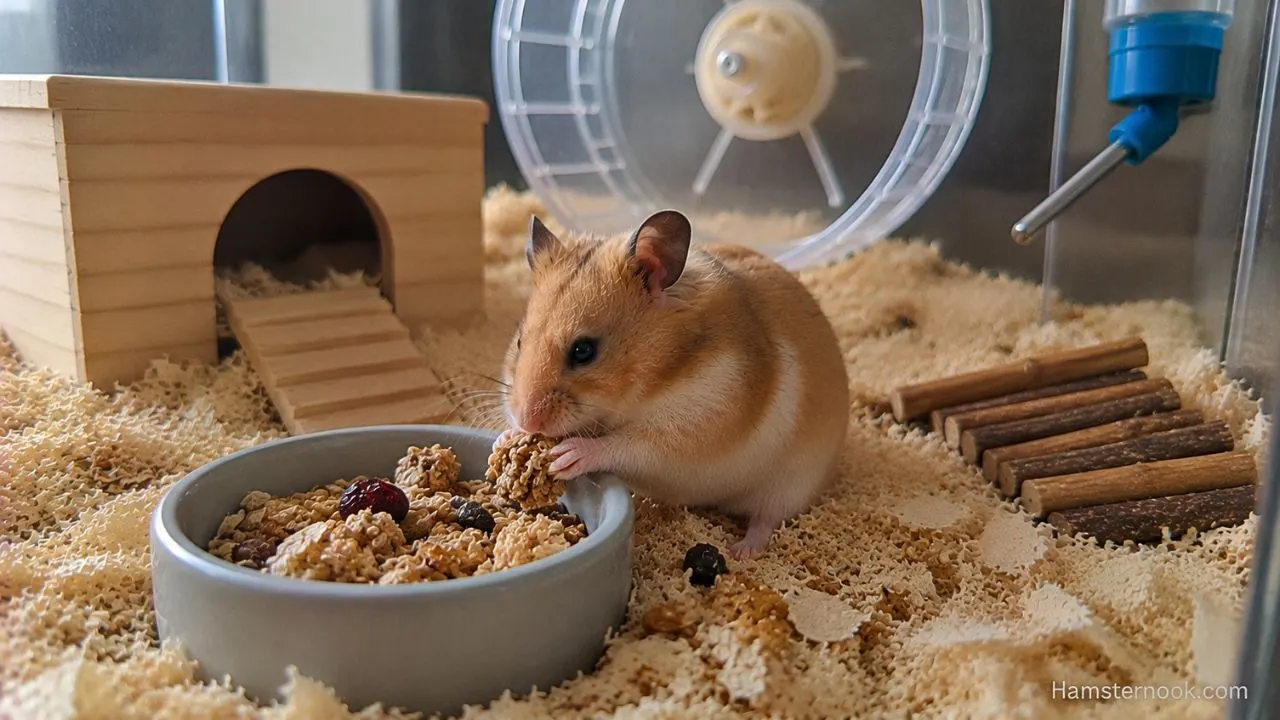
Safe Serving Size for Hamsters
There is no reliable veterinary standard that sets a specific banana portion in grams or a separate pea-sized measurement for each hamster species. It is therefore better not to treat a fixed portion size as a medical cutoff.
Start with a tiny piece of fresh banana and keep it clearly smaller than a normal human snack portion. For smaller hamsters, be especially conservative with sweet treats. Banana should remain an occasional part of the diet rather than becoming a routine food.
PDSA recommends only small portions of fresh fruit, vegetables and herbs as part of a hamster’s diet, noting that overfeeding sugary fruit and vegetables can contribute to problems such as obesity and diabetes.
What Does a Small Banana Portion Actually Look Like?
A hamster-sized serving is much smaller than a piece you would normally break off for yourself. Start with a tiny piece that your hamster can finish quickly rather than a thick slice of banana. For dwarf hamsters, the portion should be smaller still.
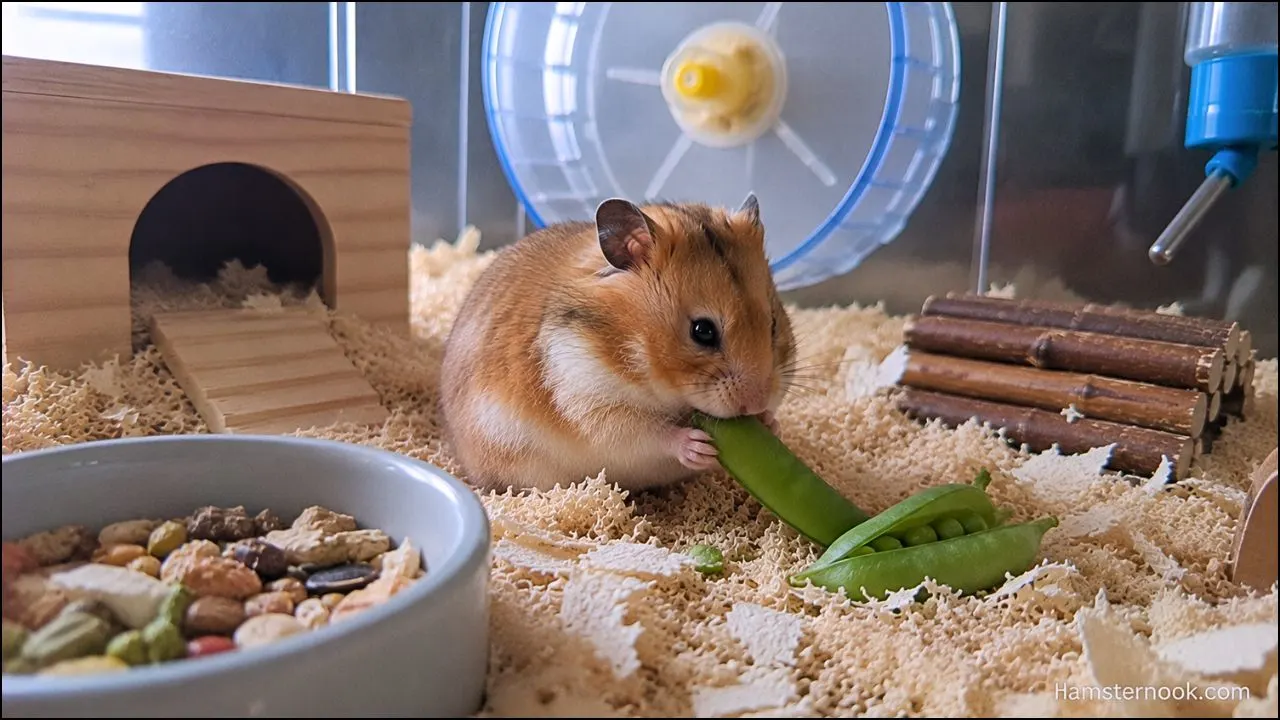
Banana is also easy to pouch and carry into a nest. Check the enclosure later and remove any uneaten fresh banana you can find before it becomes soft or spoiled in the bedding.
How to Feed Bananas to Your Hamster Safely
Step-by-Step Feeding Tips
- Choose a ripe banana that is fresh and not spoiled.
- Wash your hands before handling food.
- Cut a very small piece based on your hamster’s size.
- Remove uneaten banana after a few hours to prevent spoilage.
- Avoid offering other sugary treats on the same day.
When banana is new to your hamster, offer it on a day when you are not introducing another unfamiliar food. If stools, appetite, or digestion change afterward, this makes it much easier to identify which food may have caused the problem.
Fresh vs Dried Bananas: Which Is Better?
| Type | Safe for Hamsters? | Key Difference |
|---|---|---|
| Fresh Banana | Yes (preferred) | Lower sugar concentration |
| Dried Banana | Best avoided | Highly concentrated sugar |
| Banana Chips | Avoid | Often fried or sweetened |
Fresh banana is the safest option. Dried bananas and banana chips usually contain much more concentrated sugar and may include oils or preservatives.
Can Baby Hamsters Eat Bananas?
Do not use banana as a first food for an unweaned hamster. Once a hamster is fully weaned and already eating its normal diet, new foods should be introduced cautiously in very small amounts rather than added suddenly.
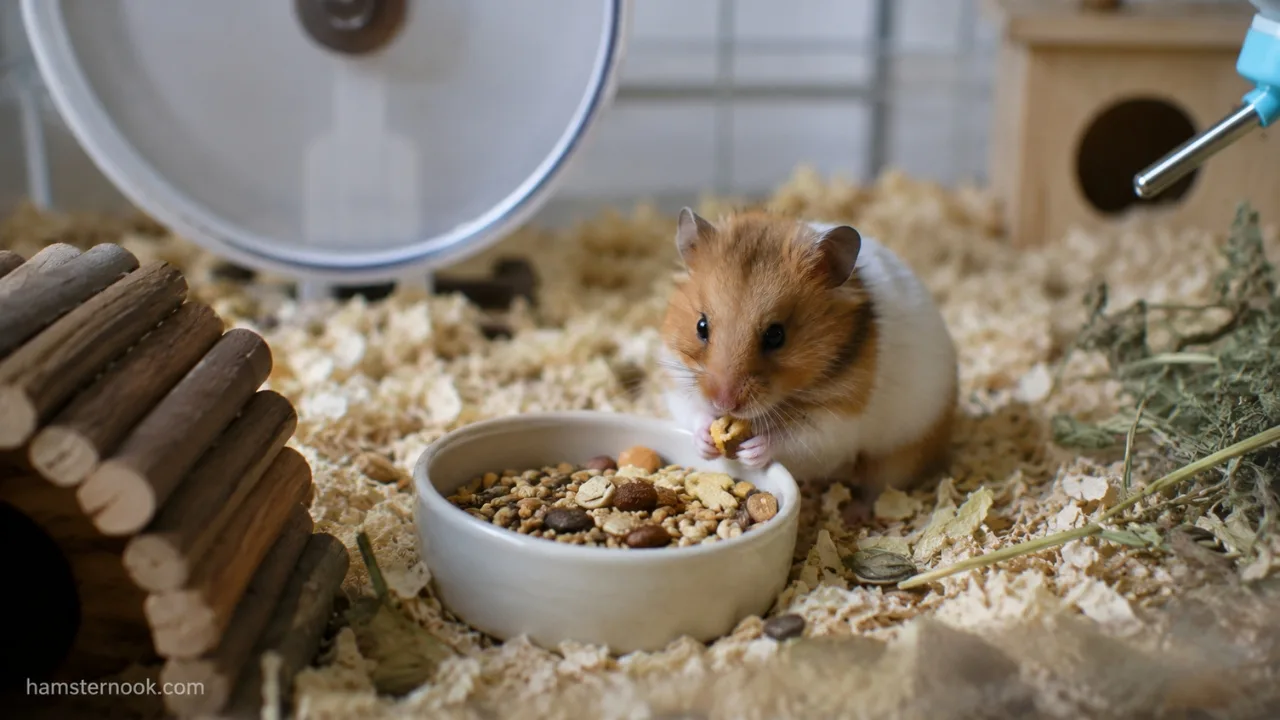
Very young or unweaned hamsters should not be given banana as an experimental treat. Once a hamster is fully weaned and eating an appropriate regular diet, new fresh foods can be introduced cautiously in tiny amounts. If you are unsure about feeding a young hamster, ask a veterinarian for age-appropriate dietary advice.
Signs You’re Feeding Too Much Banana
Watch for these signs if your hamster eats too much banana:
- Soft or watery stool
- Digestive upset
- Reduced appetite for regular food
If you notice these symptoms, stop feeding bananas and return to a balanced diet.
If digestive problems or appetite changes persist after the food is removed, contact a veterinarian rather than assuming banana is the only cause.

Healthier Alternatives to Bananas
Knowing what not to feed is just as useful as choosing safe treats. Our Foods Hamsters Should Never Eat guide covers foods and ingredients that are better kept completely out of a hamster’s diet.
If you want lower-sugar treat options, consider:
- Cucumber
- Carrot
- Broccoli
- Zucchini
- Apple (without seeds, in moderation)
Fruit does not need to dominate your hamster’s treat routine. If you want to compare another fresh fruit, our Can Hamsters Eat Watermelon? Safe Amount, Seeds & Rind Explained guide covers another fruit option and its feeding considerations.
These foods are generally lower in sugar and better suited for regular feeding.

Feeding Tips for Beginners
Banana is only one of many foods that can be used for occasional variety. Our 10 Healthy Treats Hamsters Absolutely Love guide covers vegetables, protein foods, seeds, grains, and other options that can make treat rotation more varied without depending on sweet fruit.
- Treats should make up only a small percentage of your hamster’s diet.
- Always prioritize balanced nutrition over snacks.
- Introduce new foods slowly and one at a time.
- Remove fresh food leftovers daily to maintain hygiene.
Consistency and moderation are extremely important for hamster health.
Final Thoughts
Bananas are optional treats, not something a hamster needs for good nutrition. A tiny piece of fresh banana can add occasional variety, but larger or frequent servings are unnecessary when there are plenty of lower-sugar foods available.
Start small, introduce banana on its own, remove uneaten pieces before they spoil, and pay attention to how your hamster responds. The everyday diet matters far more than any individual treat.

Frequently Asked Questions (FAQ)
Can hamsters eat bananas every day?
No. Bananas should only be offered occasionally due to their high sugar content.
Can hamsters eat banana peel?
Banana peel is unnecessary and is better skipped. The soft inner fruit is easier to portion, while the peel offers no practical advantage for a pet hamster. If you choose to offer banana, use a tiny piece of fresh plain fruit instead.
Can dwarf hamsters eat bananas safely?
A tiny amount of fresh banana can be offered occasionally, but sweet foods should be kept limited. Keep the portion especially small for dwarf hamsters because of their smaller body size.
What happens if my hamster eats too much banana?
Too much banana may cause digestive upset, weight gain, or long-term health problems related to excess sugar intake.

Can hamsters eat green bananas?
Ripe fresh banana is the simpler option for an occasional treat. There is little reason to offer unripe banana when banana itself is optional in a hamster’s diet.
Can hamsters eat dried banana or banana chips?
Fresh banana is the better option because dried banana contains much less water, making the sugar more concentrated per bite. Commercial banana chips may also contain added sugar or oil, so they are best avoided as hamster treats.
References
This guide is based on hamster nutrition, feeding, safe treats, and dietary welfare guidance from trusted animal welfare and veterinary resources, including:
- RSPCA – What to Feed a Pet Hamster – Guidance on balanced hamster diets, fresh foods, fruit, treats, and appropriate feeding practices.
- PDSA – Hamsters as Pets – Advice on hamster nutrition, small portions of fresh foods, treats, and dietary considerations including sugary foods.
- Blue Cross – Hamster Care Guide – Practical information on hamster diet, feeding, fresh foods, treats, and general wellbeing.
- MSD Veterinary Manual – Hamsters – Veterinary reference information covering hamster nutrition, digestive health, common diseases, and general care.
- MSD Veterinary Manual – Disorders and Diseases of Hamsters – Veterinary information relevant to digestive problems, appetite changes, and health conditions that may affect hamsters.
Medical Disclaimer: This article is intended for educational purposes only and should not be considered veterinary advice. Dietary needs can vary between individual hamsters, and digestive or appetite changes may have causes unrelated to a specific food. If your hamster develops persistent diarrhea, digestive problems, reduced appetite, unusual lethargy, or other concerning symptoms after eating a new food, consult a qualified exotic animal veterinarian for proper evaluation.

Narayan Kumar is the founder and author of HamsterNook. He creates practical, research-based hamster care guides covering hamster behavior, nutrition, cage setup, enrichment, health, and everyday care. His goal is to help hamster owners make informed decisions and provide safer, healthier lives for their pets through clear, beginner-friendly information based on trusted animal care resources.