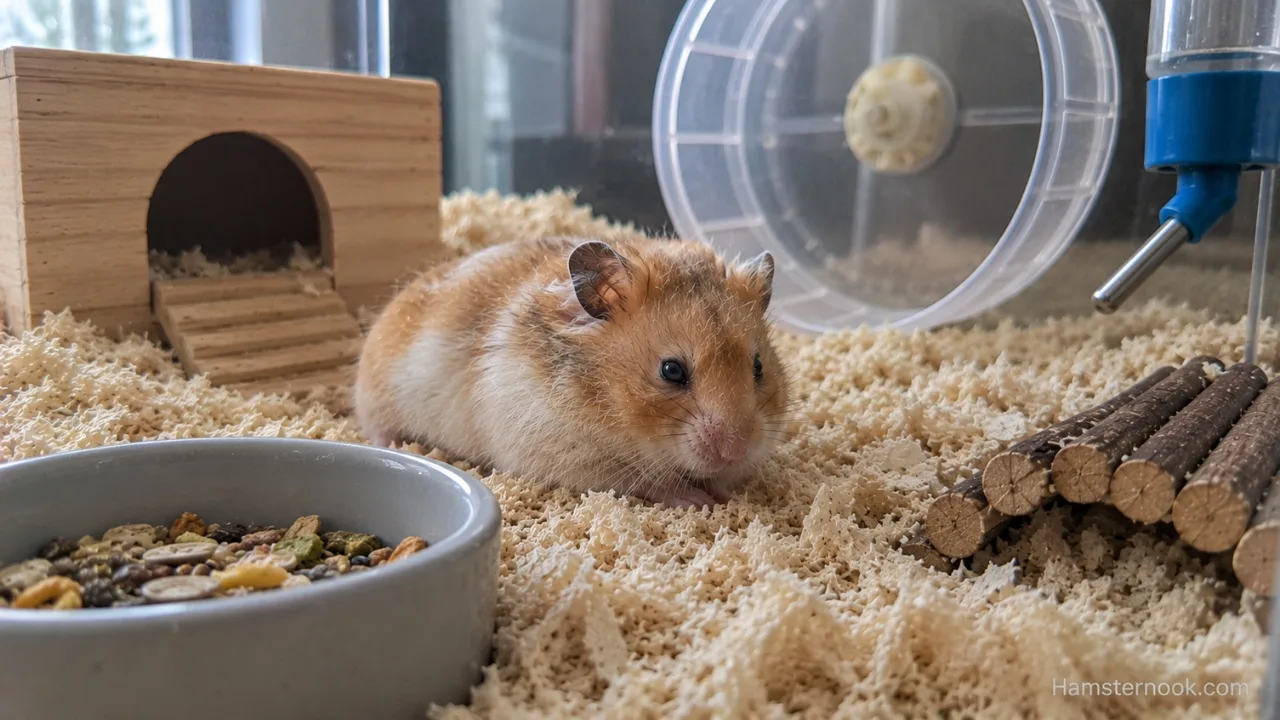
A hamster with one swollen cheek may simply be carrying food in its cheek pouch. However, if the swelling does not go away, looks unusually large, or comes with difficulty eating, drooling, or low energy, it could indicate an impacted cheek pouch, an infection, or a dental problem.
The important thing is to distinguish normal food storage from swelling that needs veterinary attention. This guide explains the common causes, warning signs, what you can safely do, and when to contact a veterinarian.
Quick Answer: Why Does My Hamster Have a Swollen Cheek?
A hamster’s cheek may look swollen because it is storing food, but persistent or abnormal swelling can be caused by:
- A full cheek pouch: Your hamster has temporarily stored food for later.
- An impacted cheek pouch: Food or bedding material is stuck inside and cannot be emptied normally.
- An abscess: An infected pocket of pus may develop around the cheek pouch or elsewhere on the face.
- A dental problem: Overgrown or damaged teeth and tooth-root infections can cause facial swelling and make eating difficult.
- A prolapsed cheek pouch: Pouch tissue turns outward and may protrude from the mouth.
You cannot reliably identify the cause from appearance alone. If the cheek remains swollen, your hamster seems uncomfortable, or the swelling affects eating, arrange an examination with a veterinarian experienced in small rodents. PetMD’s guide to hamster dental health explains how pouch impaction and dental disease can cause facial swelling.
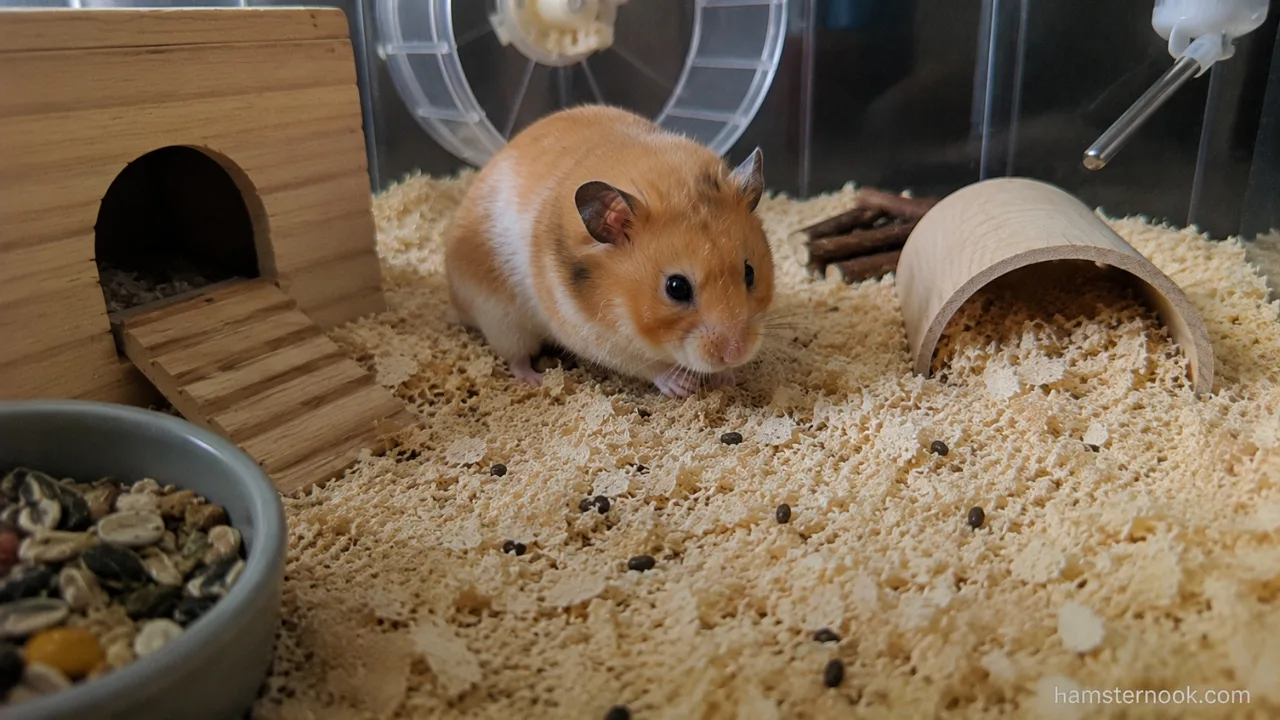
Is a Swollen Cheek Normal in Hamsters?
Hamsters have large, expandable cheek pouches that they use to carry food. When full, these pouches can make the head look much wider than usual. This is normal food-storage behavior.
The key is to watch what happens afterward. A cheek that returns to its usual size after your hamster empties the pouch is less concerning than swelling that stays in place or becomes more noticeable.
| What You Notice | What It May Mean | What to Do |
|---|---|---|
| Cheek looks full after eating | Normal food storage | Observe whether it empties normally |
| One cheek stays enlarged | Possible impaction, infection, or another problem | Contact a hamster-experienced vet promptly |
| Swelling with reduced appetite | Possible pouch or dental problem | Seek prompt veterinary assessment |
| Red or pink tissue protruding from the mouth | Possible cheek pouch prolapse | Seek urgent veterinary care |
| Facial swelling with discharge, bleeding, or marked lethargy | Possible infection, injury, or another serious condition | Seek urgent veterinary care |
5 Causes of a Swollen Cheek in Hamsters
1. Normal Food Stored in the Cheek Pouch
Hamsters naturally collect food in their cheek pouches and carry it to a safe place. After eating, you may notice one or both cheeks looking unusually full.
Signs that suggest normal food storage:
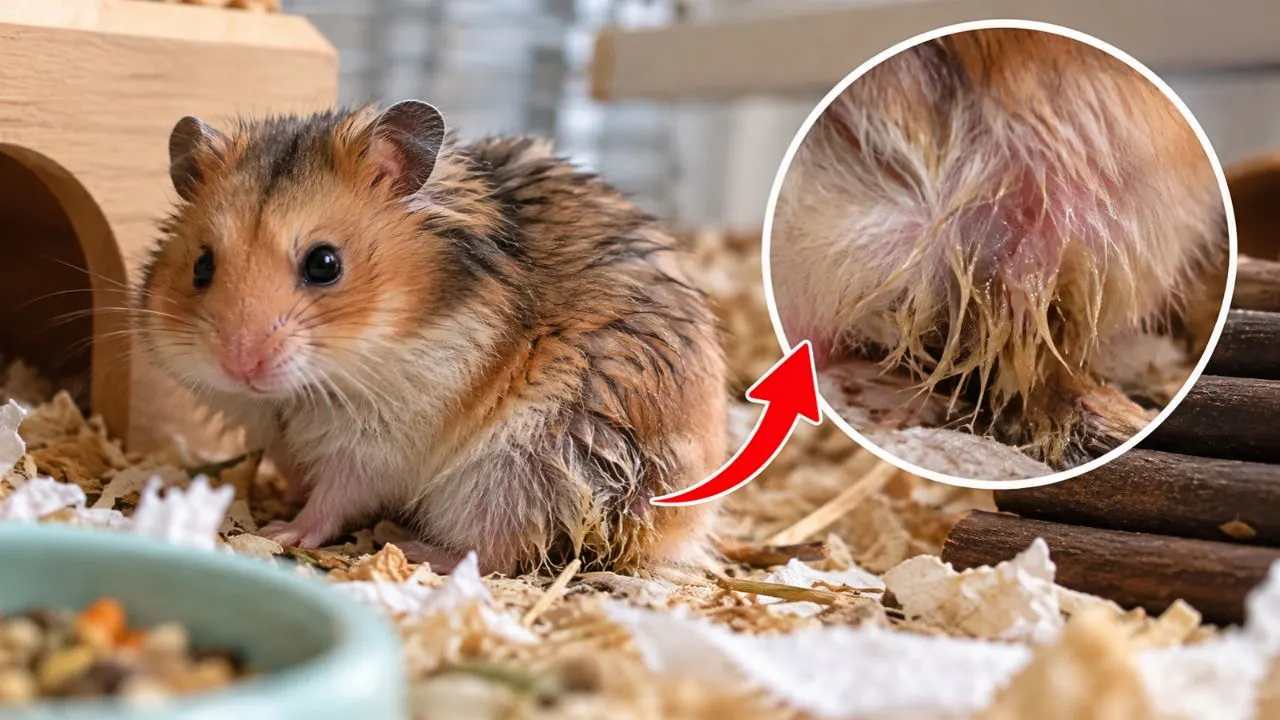
- The swelling appears after your hamster collects food.
- Your hamster remains active and behaves normally.
- It continues eating, drinking, and producing droppings as usual.
- The cheek returns to its usual size after the pouch is emptied.
What to do: Observe your hamster without squeezing or manipulating its cheeks. If the swelling persists or your hamster seems unwell, do not assume it is simply food storage.
2. Impacted Cheek Pouch
An impacted cheek pouch occurs when food, bedding, or other material becomes stuck inside the pouch. Your hamster may be unable to empty it normally, and the retained material can irritate the pouch or contribute to infection.
Possible warning signs include:
- One cheek remains enlarged for an unusually long time.
- Your hamster repeatedly rubs its face or tries to empty the pouch.
- Eating becomes difficult or your hamster eats less than usual.
- The cheek becomes increasingly swollen or uncomfortable.
What to do: Contact a veterinarian experienced with hamsters. The vet can examine the pouch and remove trapped material safely if necessary. Do not try to pull out material with tweezers or force the pouch open at home.
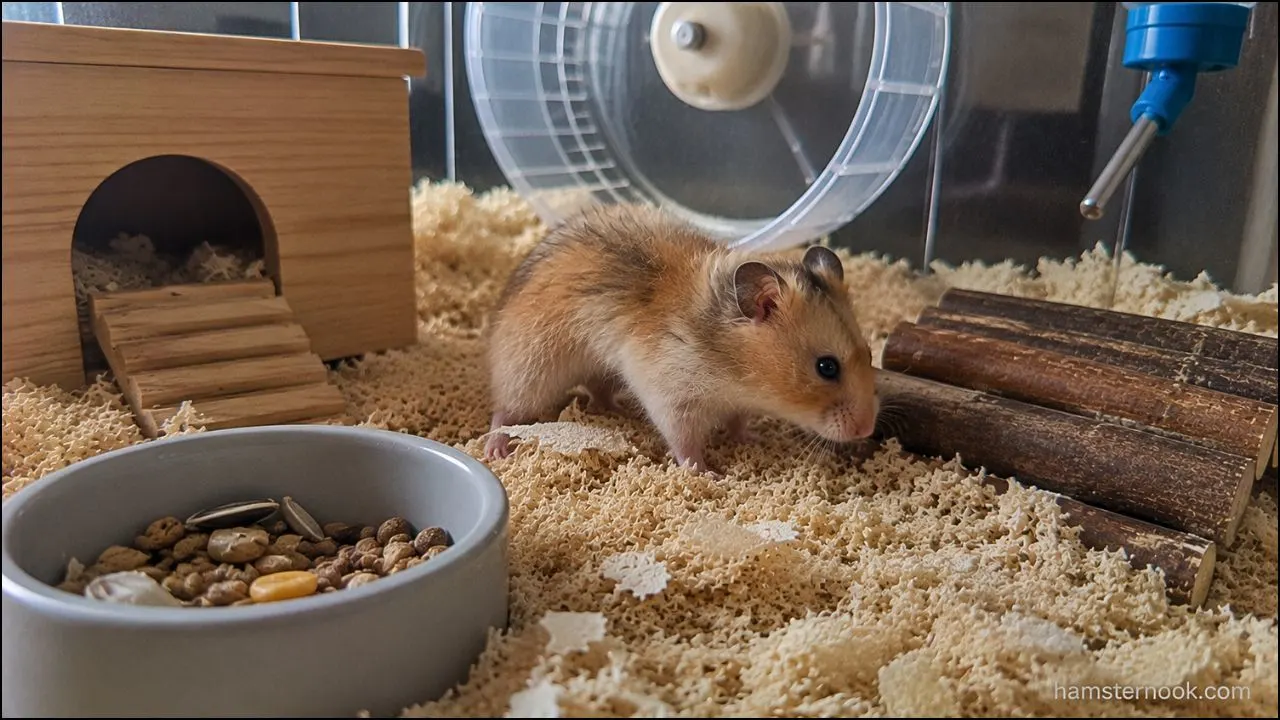
3. Cheek Pouch Abscess or Infection
An abscess is a pocket of pus caused by infection. It may develop following an injury, a bite, or problems involving the cheek pouch or mouth. Facial swelling can sometimes be the first noticeable sign.
Warning signs may include:
- A persistent or growing lump on the cheek or face.
- Redness, tenderness, or discharge.
- Reduced appetite or difficulty chewing.
- Low energy or other changes in normal behavior.
What to do: Arrange prompt veterinary care. Treatment depends on the location and severity of the infection and may involve drainage, cleaning, and prescribed medication. Never squeeze, puncture, or attempt to drain a lump yourself.
4. Dental Problems or Overgrown Teeth
Hamsters’ teeth continue to grow throughout their lives. Problems with tooth alignment, damaged teeth, or infections around the teeth can cause pain and interfere with eating. In some cases, dental disease can also cause swelling around the jaw or eyes.

Look for these signs:
- Your hamster drops food or struggles to chew.
- It eats less or begins losing weight.
- There is unusual wetness around the mouth.
- The lower jaw, cheek, or area around an eye looks swollen.
What to do: Arrange a veterinary examination. Dental problems may require professional treatment, and you should not attempt to trim your hamster’s teeth yourself.
For more information about symptoms that may accompany dental or facial problems, read our guide to How to Tell If Your Hamster Is Sick: Signs, Symptoms & When to See a Vet.
5. Prolapsed Cheek Pouch
A cheek pouch prolapse occurs when the pouch turns outward and protrudes through the mouth. The exposed tissue may look pink or red, become swollen, or appear injured.
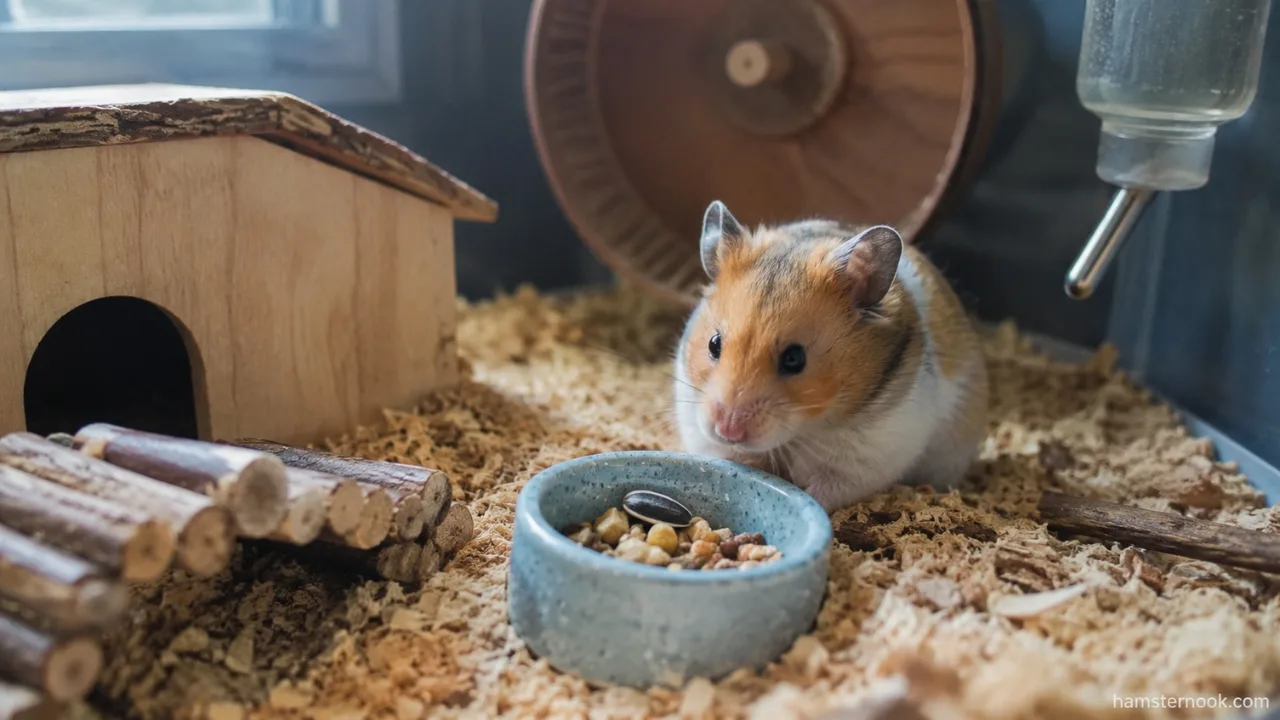
This is different from an ordinary food-filled cheek. It can be painful and may interfere with eating, so it needs urgent veterinary attention.
What to do: Do not push the tissue back into the mouth or try to cut it away. Keep your hamster calm and contact a veterinarian experienced in treating small rodents immediately.
What Should You Do If Your Hamster Has a Swollen Cheek?
Follow these steps while arranging appropriate veterinary care:
- Observe the swelling. Note whether one or both cheeks are affected and whether the swelling changes after your hamster has had time to empty its pouch.
- Check eating and drinking. See whether your hamster can eat, drink, and produce droppings normally. Do not force-feed it if swallowing or chewing seems difficult.
- Look for other warning signs. Watch for discharge, bleeding, protruding tissue, weight loss, unusual inactivity, or difficulty breathing.
- Contact a hamster-experienced vet. Explain when the swelling started and what other symptoms you have noticed.
- Keep the environment calm. Provide easy access to water and familiar food while avoiding unnecessary handling.
If your hamster is refusing food or eating less than usual, read our guide to Why Is My Hamster Not Eating? 9 Causes, Warning Signs & What to Do. A loss of appetite alongside facial swelling should not be ignored.
What Not to Do When Your Hamster Has a Swollen Cheek
- Do not squeeze or massage the cheek. You could cause pain or worsen an injury.
- Do not pull material out of the pouch. Embedded food or bedding may be difficult to remove safely.
- Do not pop a lump or abscess. This can damage tissue and spread infection.
- Do not push protruding tissue back inside. A prolapse needs professional assessment.
- Do not give human medicines or leftover antibiotics. Some medications can be dangerous to hamsters.
- Do not wait for several days if symptoms persist or worsen. Small rodents can hide signs of illness, and delayed treatment can make problems harder to manage.
How Can You Help Prevent Cheek Pouch Problems?
Not every cheek pouch problem can be prevented, but good daily care can reduce some risks and help you notice trouble earlier.
- Provide a balanced diet. Feed a complete hamster food and offer suitable supplementary foods in appropriate portions.
- Choose safe food and bedding. Avoid materials that can easily become tangled or lodged in the cheek pouch, including fluffy cotton nesting material.
- Provide appropriate chewing opportunities. Safe, hamster-appropriate chew items can support normal chewing behavior, but they do not replace dental examinations.
- Check your hamster daily. Notice changes in facial shape, appetite, weight, droppings, and activity.
- Arrange veterinary checkups. A vet familiar with hamsters can examine the teeth and cheek pouches and identify problems early.
For more help choosing suitable foods and establishing a feeding routine, read our Complete Hamster Diet Guide: What to Feed, How Much & How Often.
When Should You Take Your Hamster to a Vet?
Contact a veterinarian promptly if the swelling does not go away after your hamster has had a chance to empty its cheek pouch, or if it keeps returning. A persistent lump, reduced appetite, difficulty chewing, or unusual behavior also warrants an examination.
Seek urgent veterinary care if your hamster has tissue protruding from its mouth, bleeding, significant pain, rapidly worsening swelling, severe weakness, or difficulty breathing. Breathing difficulty is an emergency.
Do not wait for every symptom to appear. A vet can examine the mouth, teeth, and cheek pouches to determine what is causing the swelling and recommend suitable treatment.
Frequently Asked Questions
Why is one side of my hamster’s face swollen?
One-sided swelling may be caused by a full cheek pouch, an impacted pouch, an abscess, an injury, or a dental problem. If the swelling persists, becomes painful, or affects eating, arrange a veterinary examination.
Will a hamster’s swollen cheek go away on its own?
A cheek that is temporarily full of food should return to its usual size after the pouch is emptied. Swelling caused by impaction, infection, dental disease, or prolapse may not resolve without treatment. Persistent swelling needs veterinary assessment.
Can bedding get stuck in a hamster’s cheek pouch?
Yes. Bedding material can become trapped in the pouch and contribute to impaction or irritation. Avoid fluffy cotton nesting material and seek veterinary help if your hamster cannot empty its pouch normally.

Can a swollen cheek mean my hamster has an abscess?
Yes, an abscess is one possible cause of facial swelling. However, a swollen cheek alone cannot confirm an abscess. A veterinarian needs to examine your hamster to identify the cause and decide on treatment.
Should I remove food from my hamster’s cheek pouch?
No. Do not squeeze the cheek or attempt to remove food with tools. If your hamster cannot empty the pouch normally or the swelling persists, let a veterinarian examine it.
Can a hamster eat with an impacted cheek pouch?
Some hamsters may still eat, while others struggle or eat less. Reduced appetite, difficulty chewing, or weight loss alongside cheek swelling should be assessed by a veterinarian promptly.
Final Thoughts
A swollen hamster cheek can be harmless temporary food storage, but persistent swelling may signal an impacted cheek pouch, an abscess, a dental problem, or a prolapse. Watch for changes in eating, behavior, and the appearance of the swelling, and do not try to treat the pouch yourself.

If the cheek does not return to normal, or your hamster shows any other warning signs, contact a veterinarian experienced with hamsters. Early assessment can help identify the problem and prevent further discomfort.
Sources and Further Reading
- Merck Veterinary Manual: Hamsters
- Merck Veterinary Manual: Routine Health Care of Hamsters
- MSD Veterinary Manual: Disorders and Diseases of Hamsters
- PetMD: How to Keep Hamster Teeth Healthy
- Tree of Life Exotic Pet Medical Center: Cheek Pouch Prolapses in Hamsters
Disclaimer: This article is for educational purposes only and is not a substitute for veterinary diagnosis or treatment. If your hamster has persistent facial swelling or other signs of illness, consult a qualified veterinarian.

Narayan Kumar is the founder and author of HamsterNook. He creates practical, research-based hamster care guides covering hamster behavior, nutrition, cage setup, enrichment, health, and everyday care. His goal is to help hamster owners make informed decisions and provide safer, healthier lives for their pets through clear, beginner-friendly information based on trusted animal care resources.