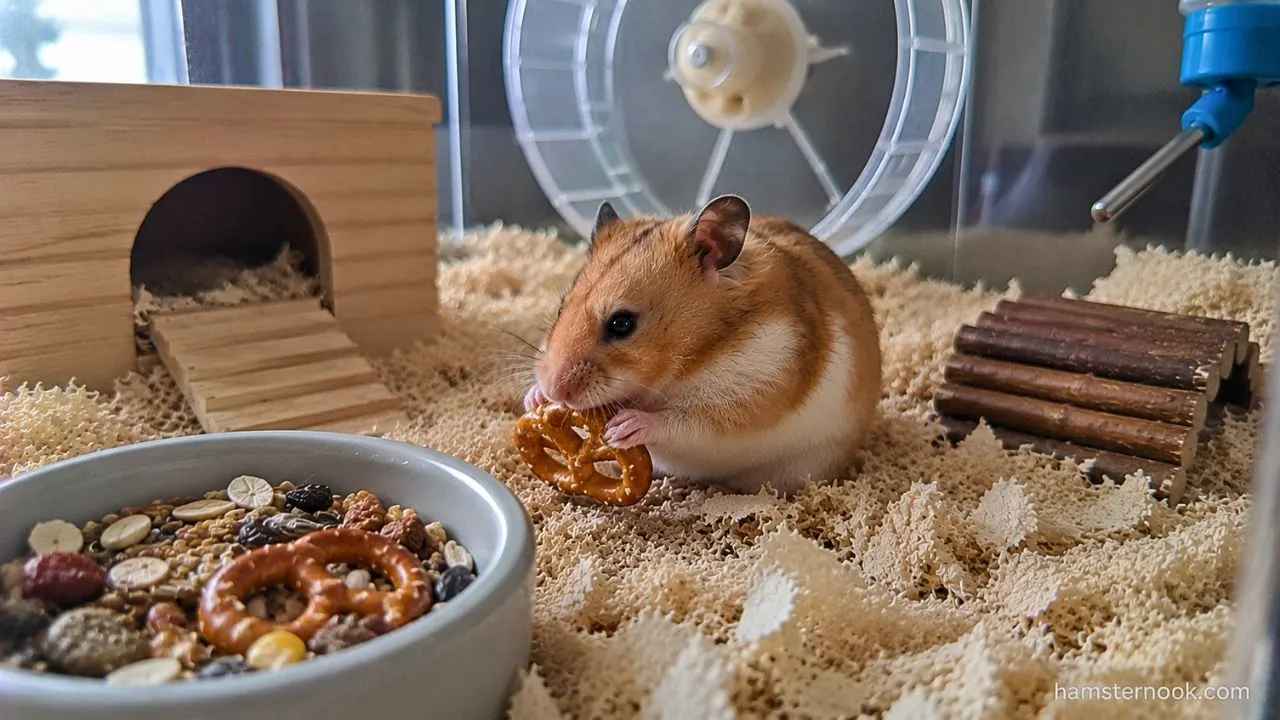
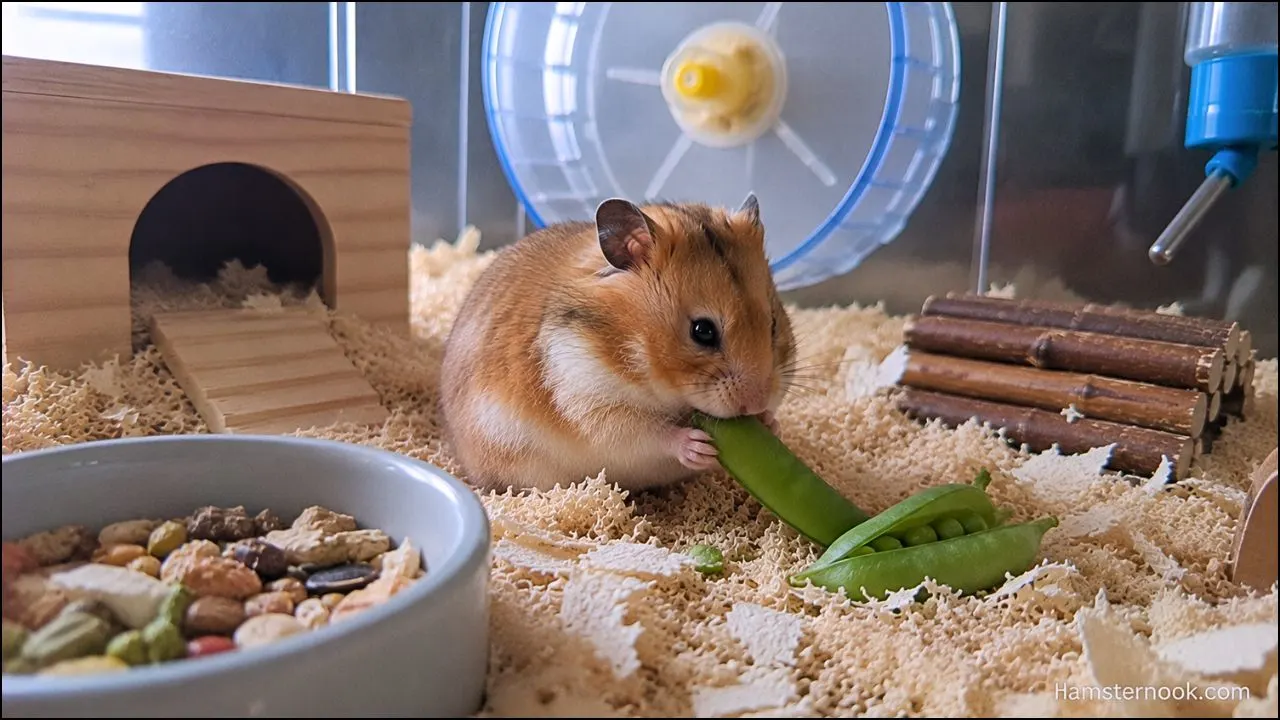
Carrots are one of the most common vegetables found in kitchens, so it’s natural for hamster owners to wonder whether they can safely share a small piece with their pet. While carrots provide useful nutrients, they also contain natural sugars, making portion size and feeding frequency just as important as choosing the right food.
Hamsters can eat carrots safely in moderation, and many enjoy their crunchy texture and slightly sweet taste. However, carrots also contain natural sugars, which means feeding too much too often can create health problems, especially for dwarf hamster breeds that are more sensitive to sugar.
Understanding the right serving size, preparation method, and feeding frequency is important if you want to keep your hamster healthy long term.
This complete guide explains the benefits, risks, safe amounts, and best feeding practices for carrots, along with a safe vs unsafe comparison table, a feeding chart, and a beginner-friendly infographic.

Are Carrots Safe for Hamsters?
Yes, carrots are generally safe for healthy hamsters when served in small portions.
Carrots contain vitamins, fiber, and water that may support overall health. Many commercial hamster foods even include small dried carrot pieces because hamsters usually enjoy them.
Carrots should only be offered as an occasional treat alongside a balanced hamster diet, not as a daily staple food.
The main concern is sugar content. Although carrots are healthier than many sugary treats, they still contain natural sugars that can become harmful when overfed.

Can All Hamster Breeds Eat Carrots?
Carrots should always be offered as part of a balanced overall diet rather than replacing your hamster’s regular food. Our Complete Hamster Diet Guide explains how vegetables, pellets, seeds, and occasional treats work together to meet your hamster’s nutritional needs.
Most hamster breeds can eat carrots, but serving sizes should vary based on the hamster’s size and health risks.
| Hamster Breed | Can Eat Carrots? | Important Notes |
|---|---|---|
| Syrian Hamsters | Yes | Small slices occasionally are usually safe |
| Roborovski Hamsters | Yes | Very tiny portions only |
| Campbell’s Dwarf Hamsters | Limited | Higher diabetes risk |
| Winter White Hamsters | Limited | Avoid frequent sugary vegetables |
| Chinese Hamsters | Limited | Moderate carefully |
Diabetes risk is not the same for every hamster, so carrot portions should be kept small and the overall diet should remain balanced. PDSA specifically notes that Russian Dwarf hamsters are particularly prone to diabetes, which is why sugary fruit and vegetables deserve extra caution in those hamsters.
Nutritional Benefits of Carrots for Hamsters
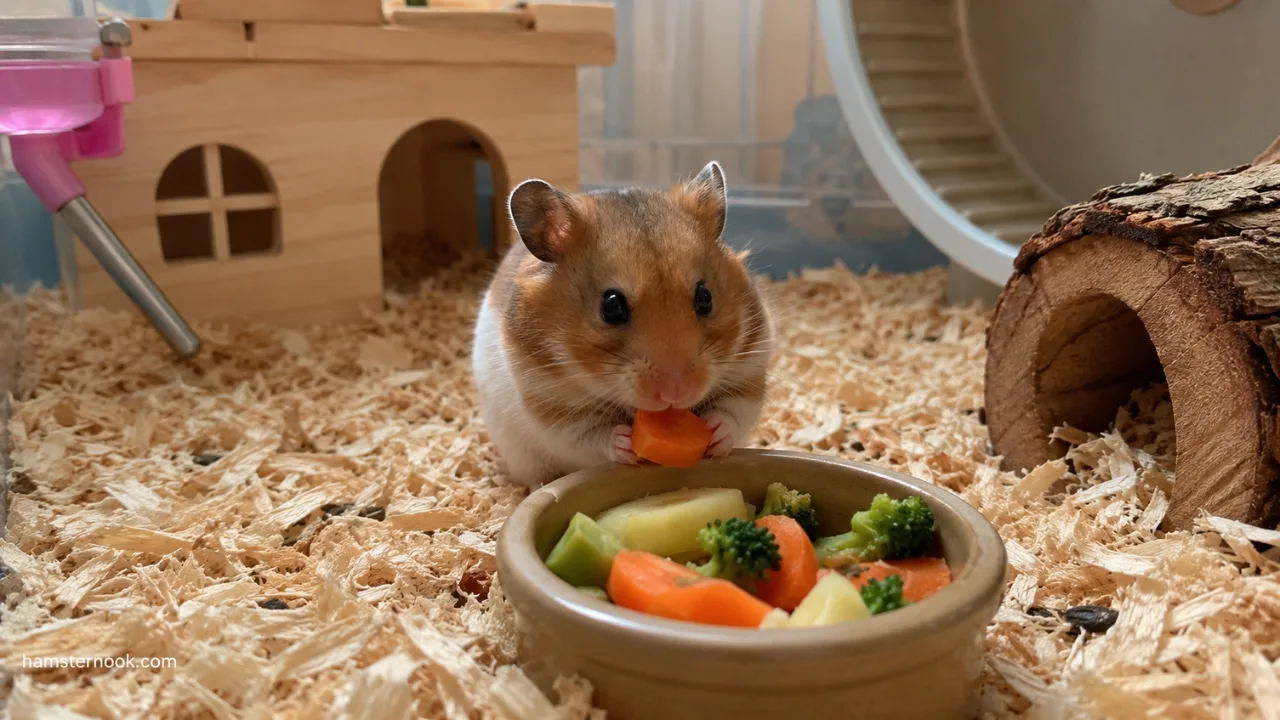
Carrots provide several nutrients that may benefit hamsters when fed properly.
| Nutrient | Potential Benefit |
|---|---|
| Vitamin A | Supports eye and skin health |
| Fiber | Helps support digestion |
| Water Content | Supports hydration |
| Potassium | Helps normal body function |
| Antioxidants | Supports overall wellness |
Even though carrots contain useful nutrients, hamsters only need tiny amounts to benefit.
Why Hamsters Like Carrots
Many hamsters enjoy carrots because they are:
- Slightly sweet
- Crunchy
- Easy to chew
- Moist and refreshing
Crunchy vegetables may help encourage natural chewing behavior and provide mild enrichment.
However, preference varies between individual hamsters. Some may love carrots while others ignore them completely.

Risks of Feeding Carrots to Hamsters
Even healthy foods can become harmful when fed incorrectly.
High Sugar Content Can Be Problematic
Although carrots are considered safe, many human foods are not. Our Foods Hamsters Should Never Eat guide explains which foods should always be avoided and why they can be dangerous for hamsters.
Carrots contain natural sugars that can contribute to:
- Obesity
- Diabetes risk
- Weight gain
- Reduced appetite for healthier foods
This is particularly important for dwarf hamster breeds.

Too Much Carrot Can Cause Digestive Problems
Too much fresh food, or introducing a new food too quickly, can upset a hamster’s digestion. Carrots should therefore be introduced in a small amount, especially if your hamster has not eaten them before. Sudden dietary changes can cause stomach upset, so gradual introduction is safer.
Signs may include:
- Soft stools
- Diarrhea
- Bloating
- Reduced activity
Any new food should be introduced slowly to avoid upsetting a hamster’s sensitive digestive system.
Choking Hazard From Large Pieces
Large chunks of carrot can become difficult for hamsters to handle safely.
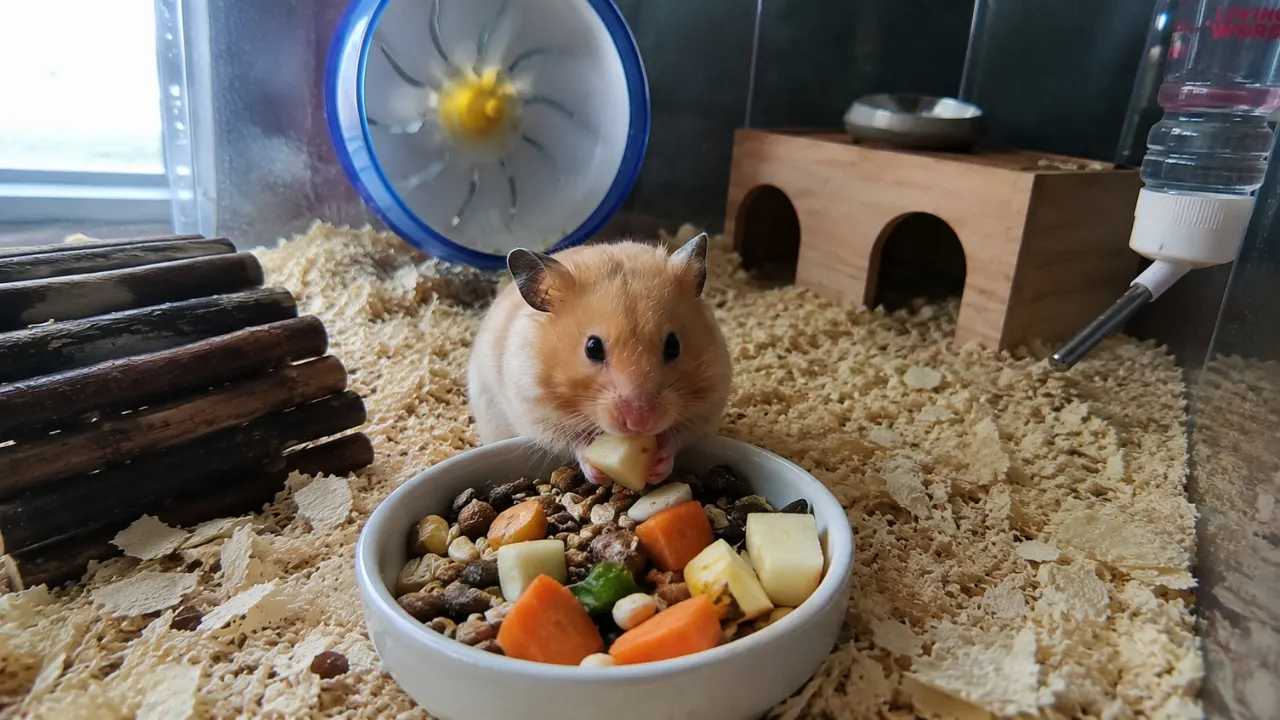
Always cut carrots into small, manageable pieces.
Unsafe Seasonings and Cooked Carrots
Hamsters should never eat carrots prepared with:
- Salt
- Butter
- Oil
- Garlic
- Onion
- Spices
Plain raw carrots are the safest option.
Safe vs Unsafe Carrot Feeding Table
| Safe Practices | Unsafe Practices |
|---|---|
| Feeding tiny raw carrot pieces | Feeding large chunks |
| Washing carrots thoroughly | Feeding unwashed carrots |
| Offering occasionally | Feeding daily |
| Using plain carrots only | Adding seasoning or butter |
| Removing leftovers quickly | Leaving spoiled carrot in cage |
How Much Carrot Can a Hamster Eat?
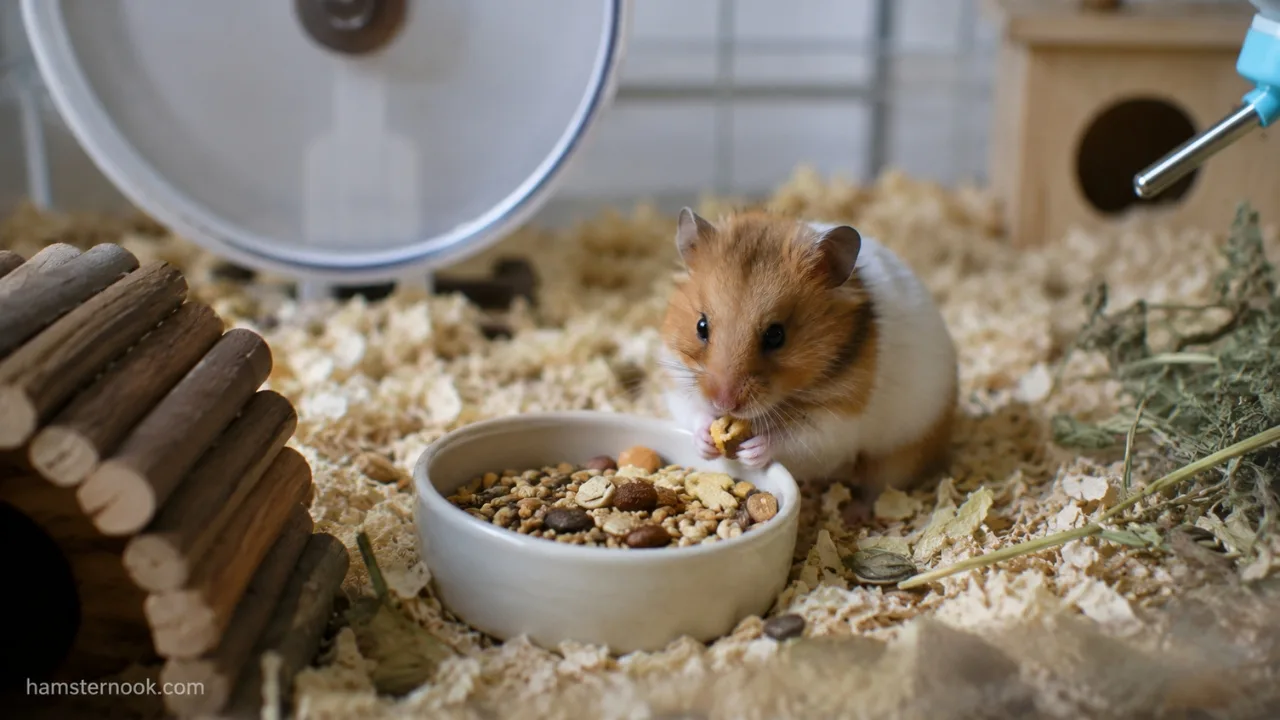
Portion control is extremely important.
Safe Serving Chart
| Hamster Type | Safe Amount | Feeding Frequency |
|---|---|---|
| Syrian Hamster | 1–2 thin slices | 1–2 times weekly |
| Dwarf Hamster | ½ thin slice | Once weekly |
A hamster’s stomach is tiny, so even small amounts are enough.
How to Prepare Carrots for Hamsters Safely
Preparation matters just as much as portion size.
Step-by-Step Feeding Guide
- Wash the carrot thoroughly.
- Peel if preferred.
- Cut into tiny thin slices.
- Serve plain and raw.
- Remove leftovers within a few hours..
Fresh carrots should be washed before feeding. Washing helps remove dirt and surface residues before the vegetable is offered to your hamster. For more detailed produce-preparation advice, see our Should You Wash Fruits and Vegetables Before Feeding Your Hamster? guide.
Fresh vegetables can spoil quickly inside hamster cages and should not be left for long periods.

Can Hamsters Eat Raw Carrots?
Yes, raw carrots are usually the best option.
Raw carrots provide crunch, texture, and nutrients without added ingredients. Most hamster owners prefer raw carrots over cooked ones.
Can Hamsters Eat Cooked Carrots?
Plain cooked carrots are not toxic, but they are usually less ideal than raw carrots.
Cooked carrots become softer and may spoil faster. Many cooked carrots also contain oils or seasoning, which are unsafe for hamsters.

If feeding cooked carrot, it should be:
- Plain
- Unsalted
- Unseasoned
- Soft but not mushy
Can Hamsters Eat Baby Carrots?
Yes, but baby carrots should still be cut into very small pieces.
Even though baby carrots look small to humans, they are still too large for a hamster to safely eat whole.
Can Hamsters Eat Carrot Tops?
Carrot tops are not commonly recommended for hamsters.
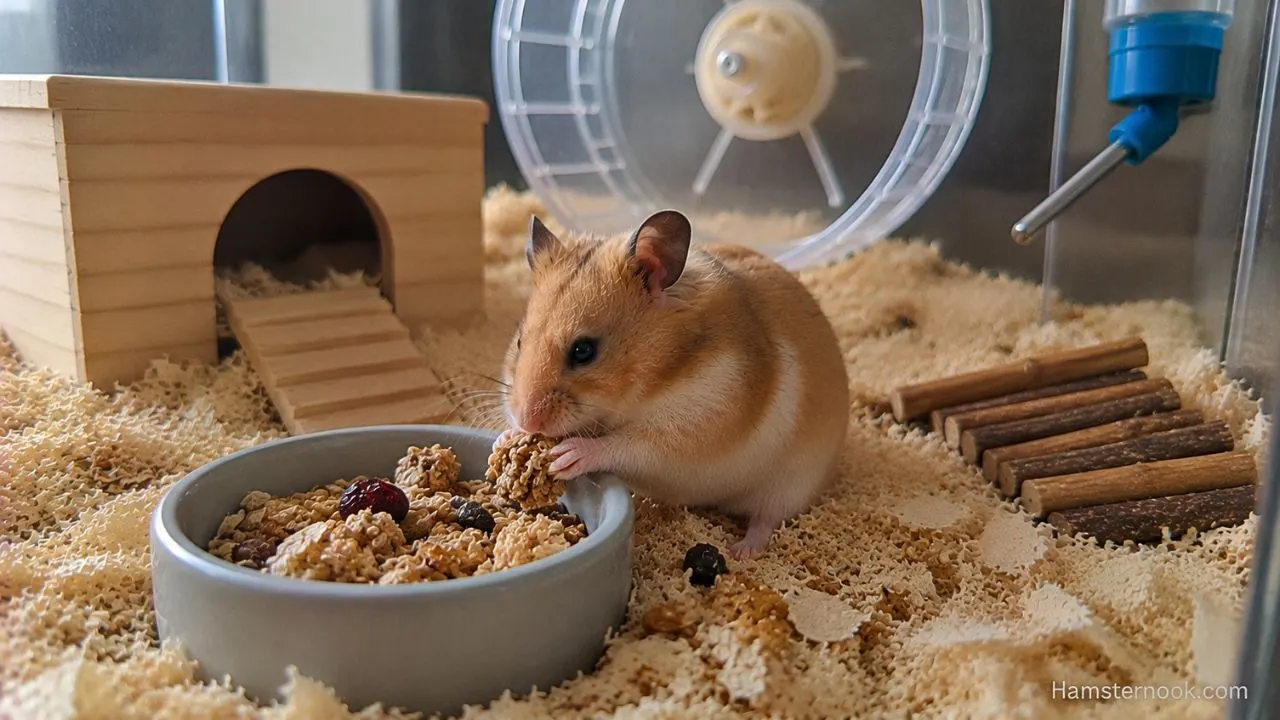
Reliable information about feeding carrot greens safely to hamsters is limited, so most owners prefer sticking to the carrot itself.
When trustworthy safety data is unclear, it is better to avoid unnecessary risks.
Can Carrots Replace Other Vegetables?
No. Although carrots are safe for most hamsters when fed in moderation, they should never become the only vegetable in your hamster’s diet.
Different vegetables provide different vitamins, minerals, and fiber. Offering a variety of hamster-safe vegetables helps create a more balanced diet while also providing enrichment through different textures and flavors. Rotating vegetables occasionally can also encourage natural foraging behavior and prevent your hamster from becoming overly dependent on one favorite food.
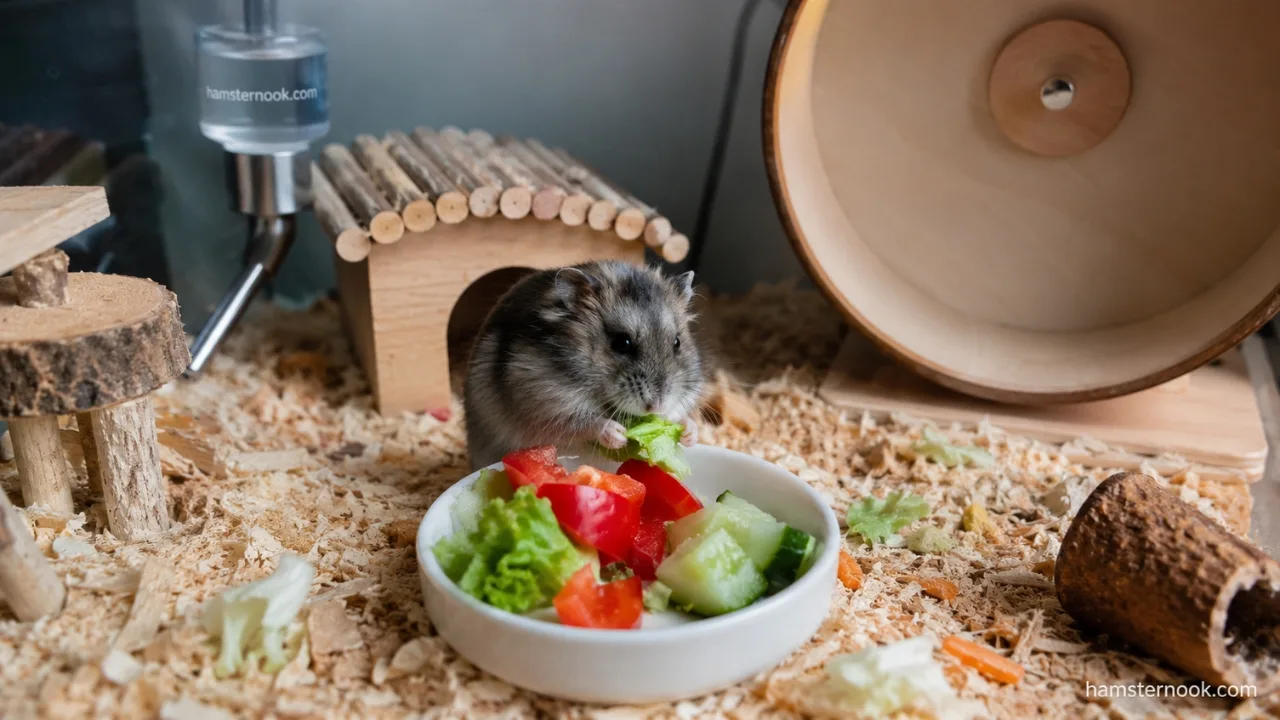
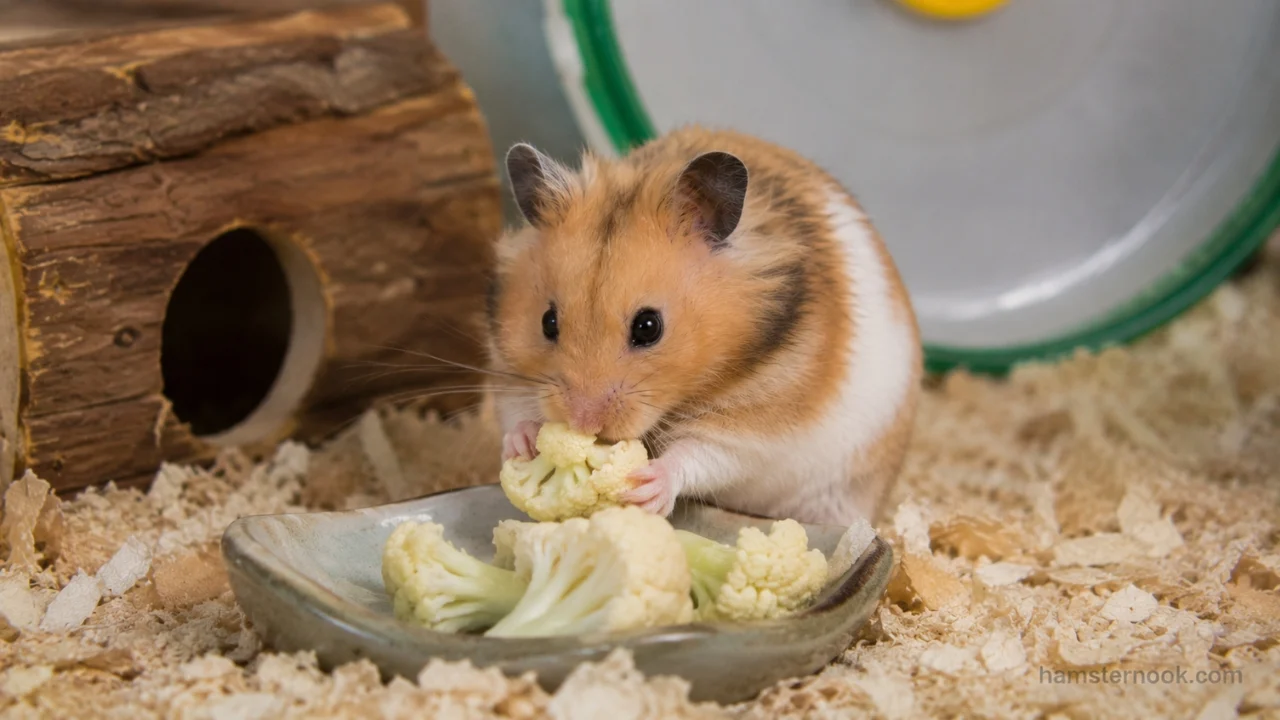
Low-sugar vegetables such as cucumber, broccoli, zucchini, cauliflower, and bell pepper are generally better choices for regular feeding, while sweeter vegetables like carrots should remain occasional treats.
A varied diet built around quality hamster pellets, seeds, fresh vegetables, and safe treats is usually healthier than relying heavily on any single food, even one that is considered safe.
Can Dwarf Hamsters Eat Carrots?
Yes, dwarf hamsters can eat tiny portions of carrots occasionally.
However, because dwarf breeds are more prone to diabetes, sugary vegetables and fruits should always remain limited.
Very small servings are safest.
Signs Your Hamster Ate Too Much Carrot
Watch for these symptoms after overfeeding carrots:
- Diarrhea
- Weight gain
- Sticky fur near the tail
- Lethargy
- Reduced appetite
If your hamster develops persistent diarrhea, moist droppings, soiled hindquarters, reduced appetite, or unusual lethargy after a food change, contact your veterinarian rather than assuming the carrot is the only cause. RSPCA advises contacting a vet if a hamster starts eating less, develops moist droppings, or has soiled hindquarters.
Best Vegetables for Hamsters Besides Carrots

Hamsters often benefit from variety in their vegetable intake.

Offering a variety of safe vegetables is usually healthier than feeding the same treat repeatedly. Our Best Fruits and Vegetables for Hamsters guide explains which vegetables are safest and how often they can be offered.
Some commonly safer low-sugar vegetables include:
- Cucumber
- Broccoli
- Zucchini
- Bell pepper
- Cauliflower
- Romaine lettuce in moderation
Offering different hamster-safe vegetables occasionally may help support dietary variety and mild enrichment.
Foods Hamsters Should Never Eat
Some human foods are dangerous or toxic for hamsters.
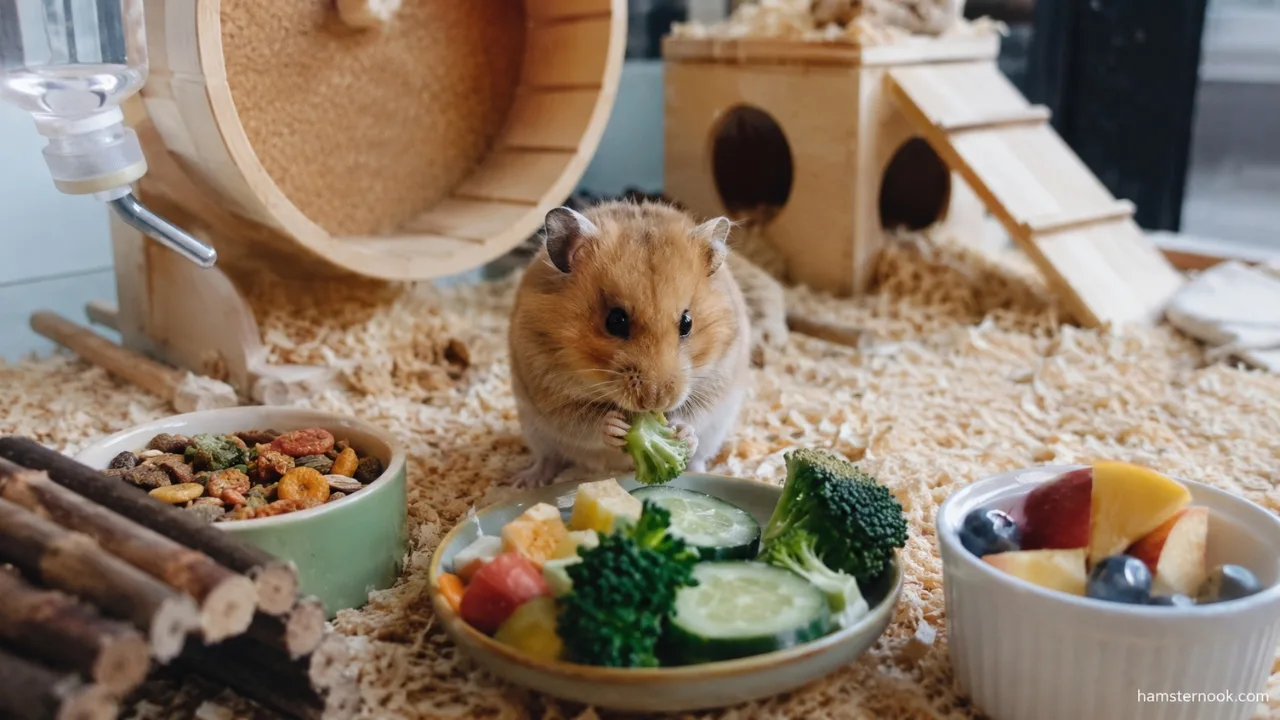
Building a healthy feeding routine starts with understanding which foods should make up most of your hamster’s diet. Our What Do Hamsters Eat? Complete Food List for Beginners explains the best everyday foods along with treats that should only be offered occasionally.
Avoid feeding:
- Chocolate
- Garlic
- Onion
- Candy
- Citrus fruits in excess
- Processed snacks
- Sugary desserts
- Avocado
Always research unfamiliar foods before offering them.
Carrot Feeding Infographic
Hamster Carrot Feeding Rules
Rule | Recommendation |
|---|---|
| Best Type | Plain raw carrot |
| Serving Size | Tiny thin slices |
| Frequency | 1–2 times weekly |
| Best For | Occasional treat |
| Avoid | Seasoned or large pieces |
| Dwarf Hamsters | Very limited amounts |
Vegetables should support a balanced hamster diet rather than replace the main pellet and seed mix.

Final Thoughts
Carrots can be a healthy and enjoyable treat for hamsters when fed responsibly. They provide useful nutrients, enrichment, and texture that many hamsters enjoy.
The key is moderation. Even healthy vegetables can create problems if overfed, especially for dwarf hamster breeds sensitive to sugar.
For most healthy hamsters, tiny raw carrot slices once or twice weekly are usually enough. Keeping portions small and feeding a balanced diet overall is the best way to support long-term hamster health.
Frequently Asked Questions
Can hamsters eat carrots every day?
No. Carrots contain natural sugar and should only be offered occasionally.

Are raw carrots better for hamsters?
Yes, plain raw carrots are generally safer and healthier than cooked carrots with added ingredients.
Can dwarf hamsters eat carrots?
Yes, but only very small amounts because dwarf hamsters are more prone to diabetes.
How much carrot can a hamster eat?
Most hamsters only need one or two tiny slices at a time.
Can baby hamsters eat carrots?
Very young hamsters should stay on a simple diet until fully weaned. Introduce vegetables slowly and carefully.

What happens if a hamster eats too much carrot?
Overfeeding may lead to diarrhea, weight gain, or digestive upset.
References
This guide is based on hamster nutrition, feeding, safe foods, portion control, and dietary health guidance from trusted veterinary and animal welfare resources, including:
- RSPCA – What to Feed a Pet Hamster – Guidance on a balanced hamster diet, fresh foods, treats, feeding practices, and foods that should be avoided.
- PDSA – Hamsters as Pets – Information on hamster nutrition, feeding, treats, diabetes risk in dwarf hamsters, and general welfare.
- Blue Cross – Hamster Care Guide – Practical guidance on hamster diet, suitable foods, feeding, treats, and general husbandry.
- MSD Veterinary Manual – Hamsters – Veterinary reference information on hamster nutrition, digestive health, common diseases, and appropriate care.
- U.S. Food & Drug Administration (FDA) – Selecting and Serving Produce Safely – Produce washing and food-safety guidance relevant to preparing fresh vegetables before feeding.

Narayan Kumar is the founder and author of HamsterNook. He creates practical, research-based hamster care guides covering hamster behavior, nutrition, cage setup, enrichment, health, and everyday care. His goal is to help hamster owners make informed decisions and provide safer, healthier lives for their pets through clear, beginner-friendly information based on trusted animal care resources.