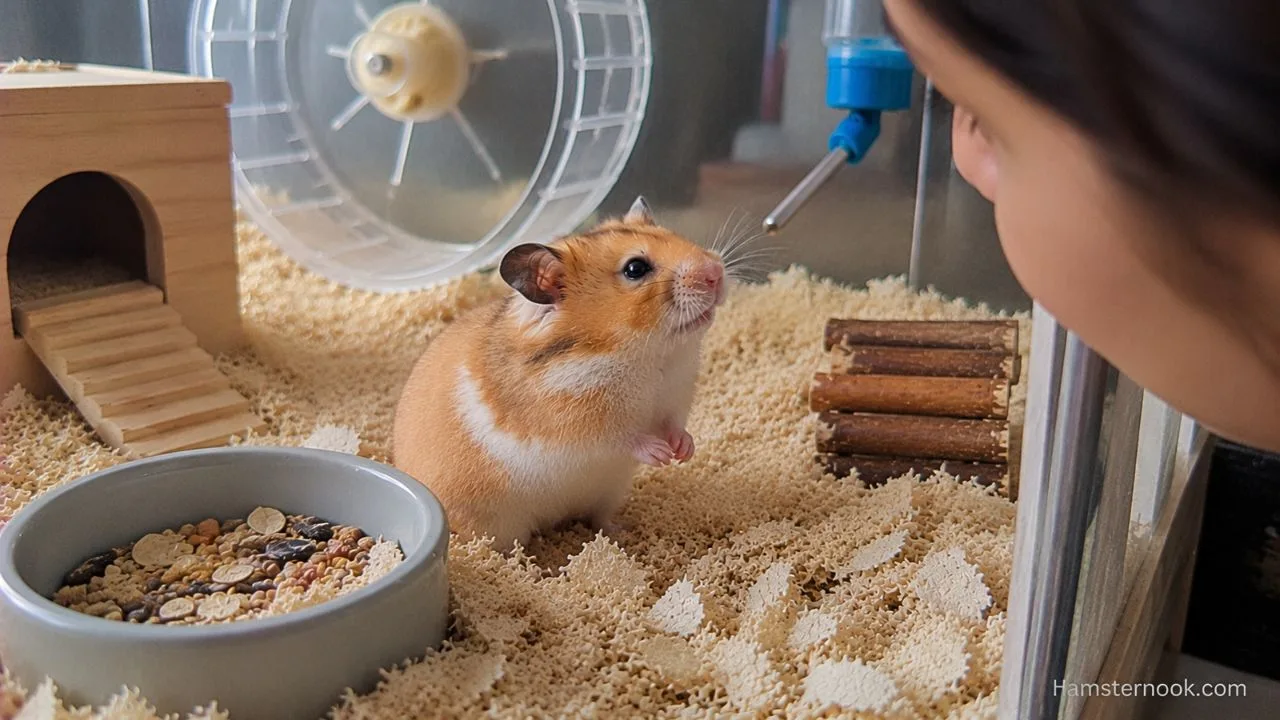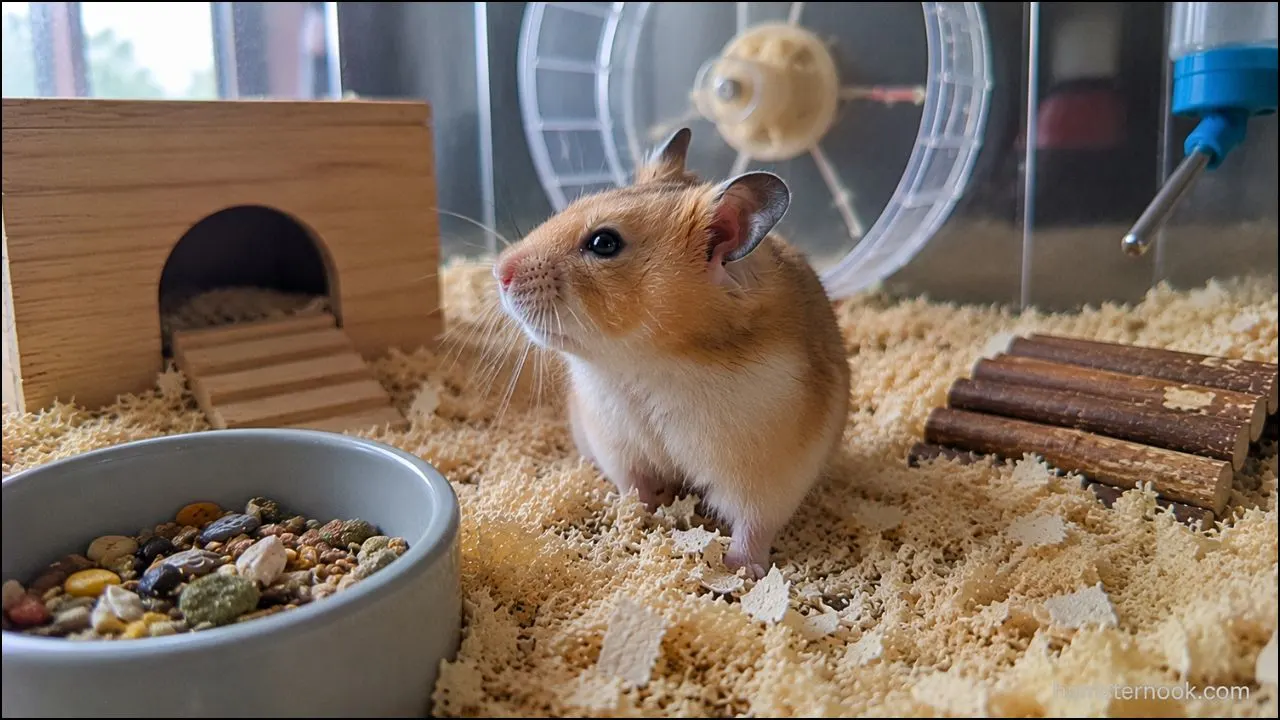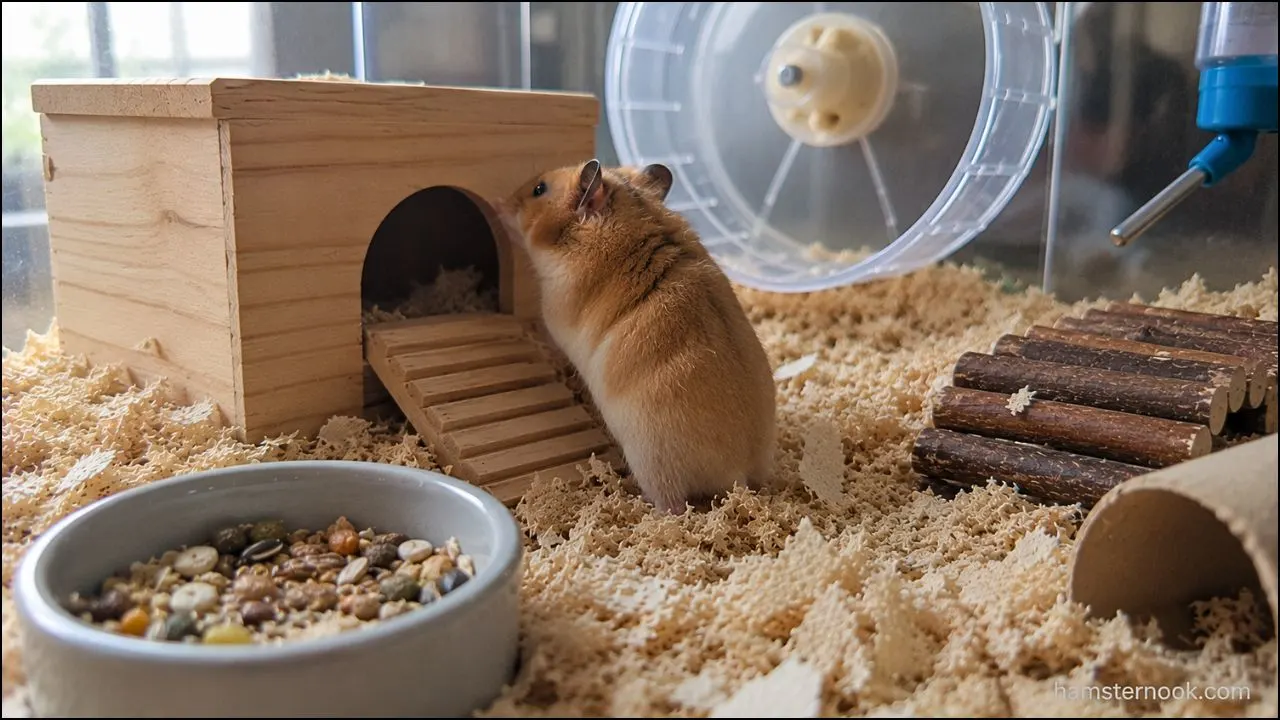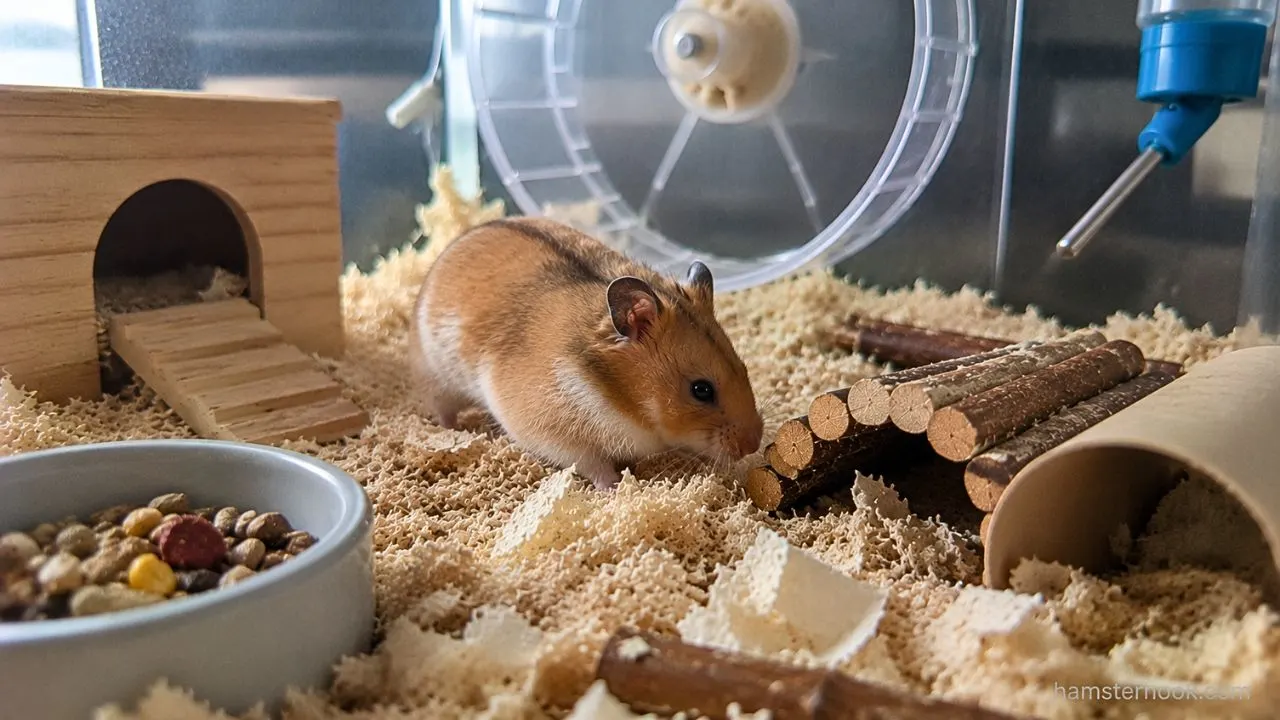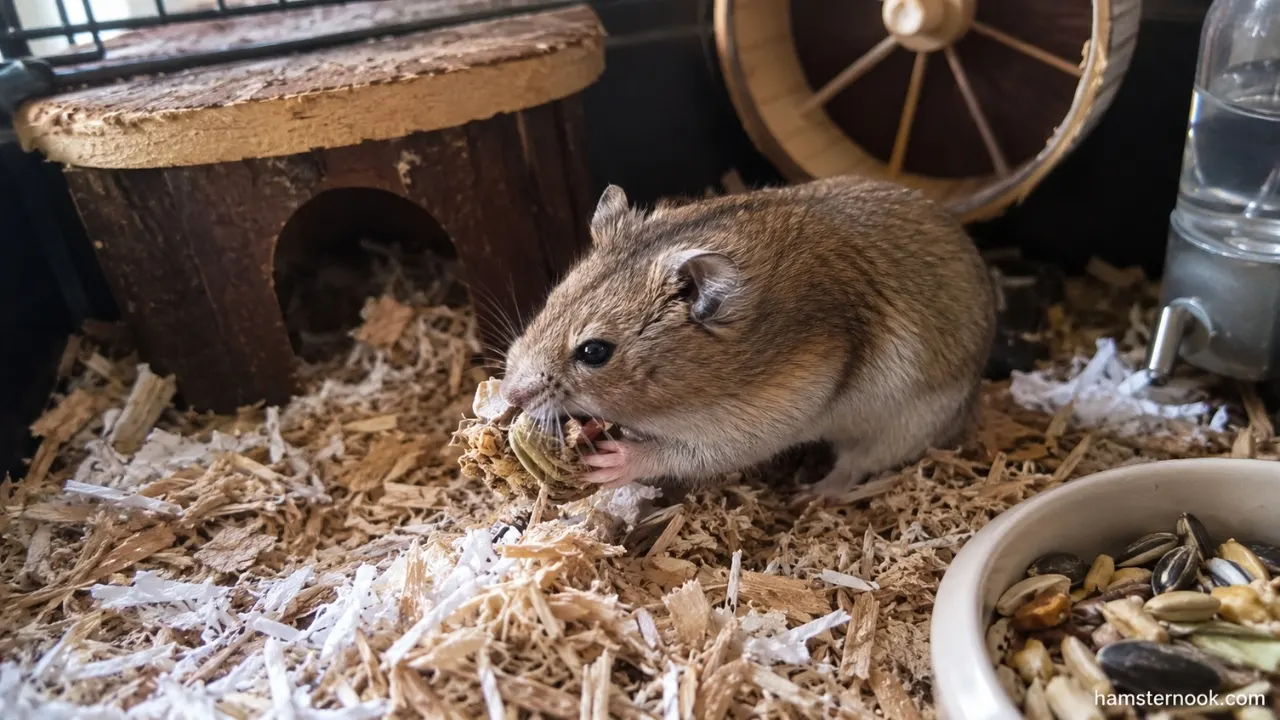
You fill your hamster’s food bowl in the evening, but by morning it looks almost empty. At first, many owners assume their hamster ate everything overnight. Then comes the surprise: hidden piles of food suddenly appear under bedding, inside tunnels, or packed tightly into the sleeping area.
If your hamster constantly hides food, don’t panic. This behavior is completely normal and deeply connected to how hamsters survive in the wild. In fact, food hoarding is one of the strongest natural instincts a hamster has.
Understanding why your hamster stores food can help you avoid common mistakes like overfeeding, removing safe food unnecessarily, or missing signs of unhealthy hoarding.
If you’re unsure whether you’re feeding the right foods and portions, our What Should Hamsters Eat Every Day? A Complete Feeding Guide explains how to build a balanced daily diet that supports healthy natural behaviors.
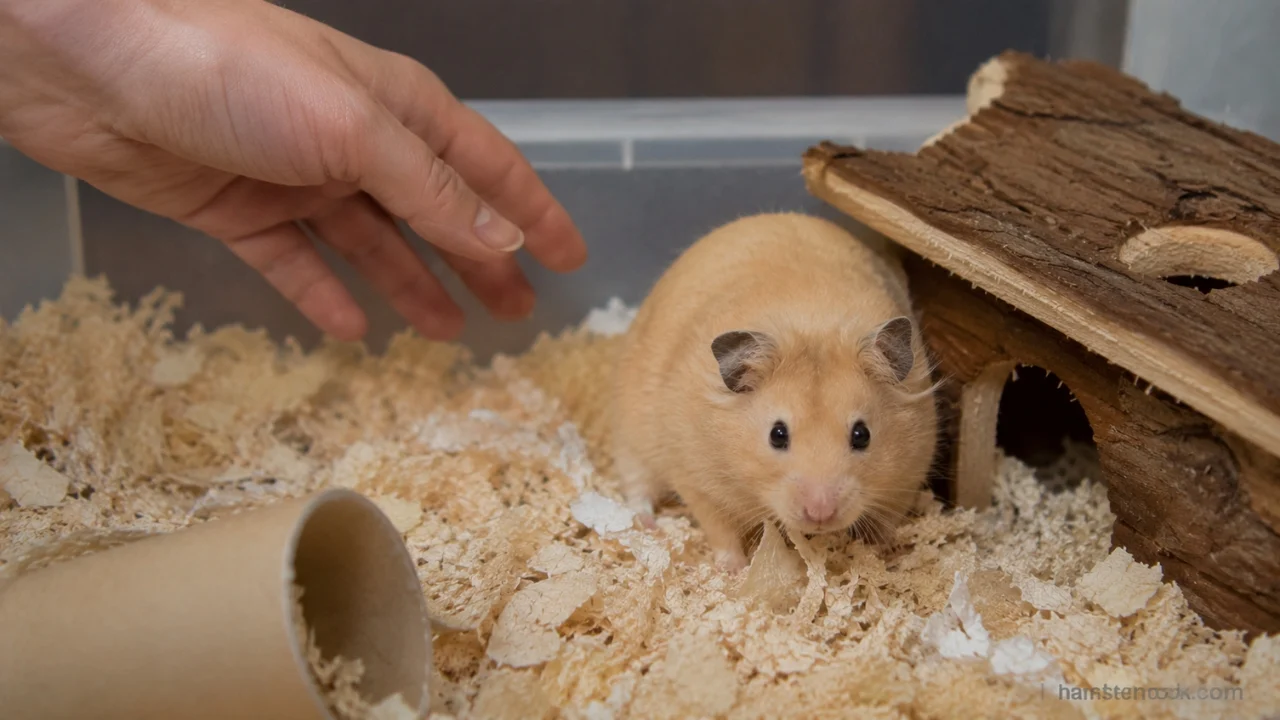
This guide explains the real reasons hamsters hide food, when it’s harmless, when it becomes a problem, and how owners should manage it safely.
Why Do Hamsters Hide Food?
Hamsters hide food because they are natural hoarders.
Wild hamsters spend much of their time searching for food and storing it underground for later use. In nature, food sources are unpredictable, so survival depends on collecting and saving extra food whenever possible.
Even domesticated pet hamsters still carry these instincts today.
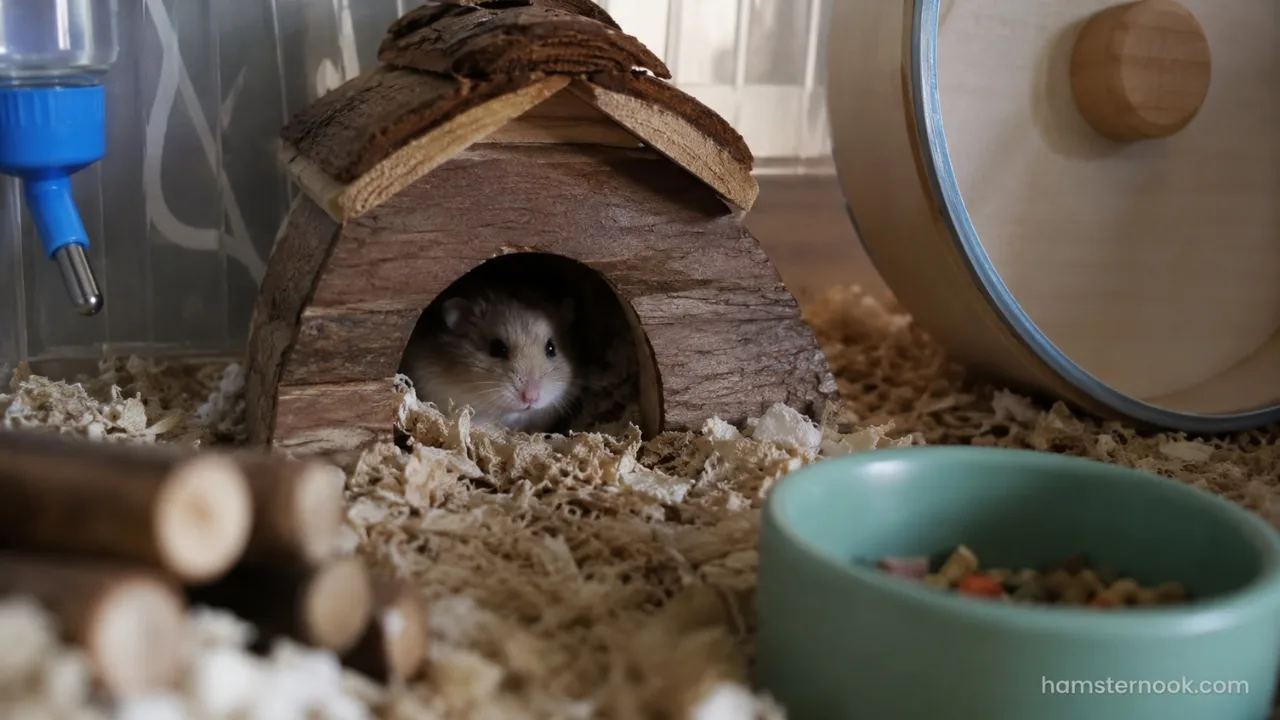
Your hamster does not understand that food will always be available tomorrow. From its perspective, storing food is smart, safe, and completely natural behavior.
Food Hoarding Is a Survival Instinct
Hamsters evolved in dry environments where food could become scarce quickly.
Wild hamsters create underground storage chambers filled with seeds, grains, roots, and other foods. Some species can store surprisingly large amounts of food in their burrows.
Pet hamsters show the same behavior even when living in comfortable indoor cages with regular feeding schedules.
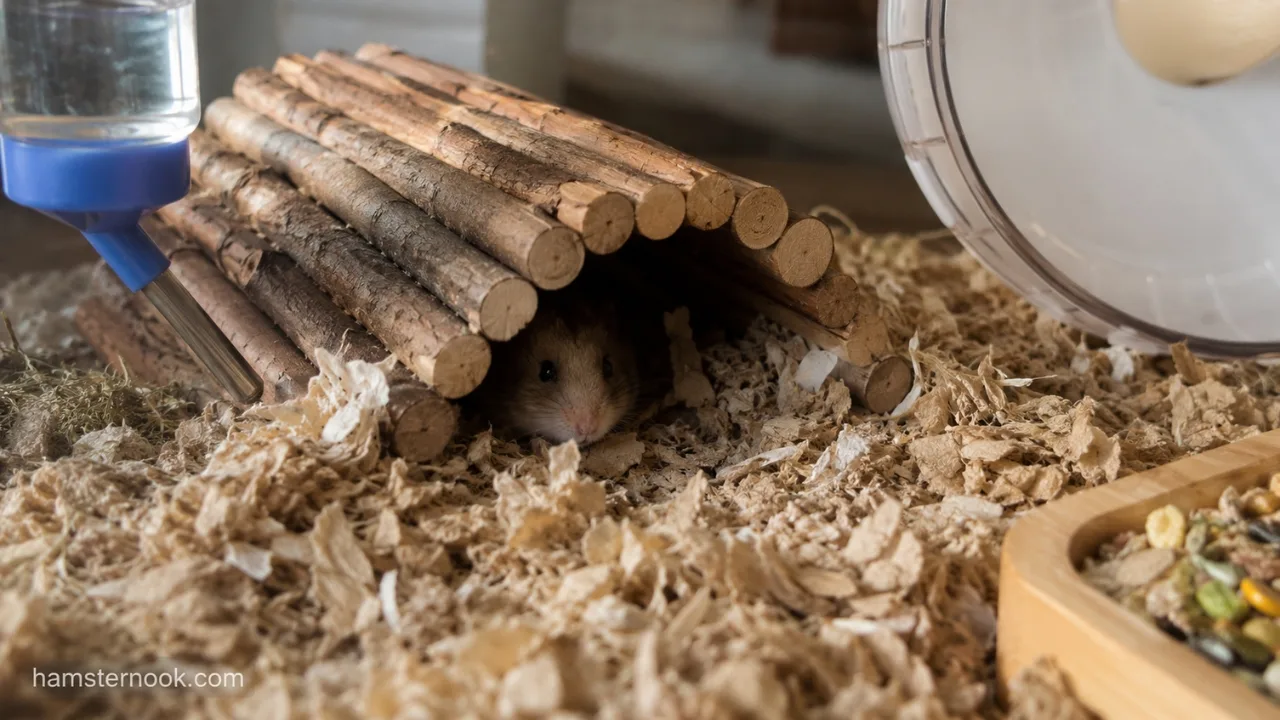
This means food hiding usually signals normal instincts rather than fear or stress.
Where Hamsters Usually Hide Food
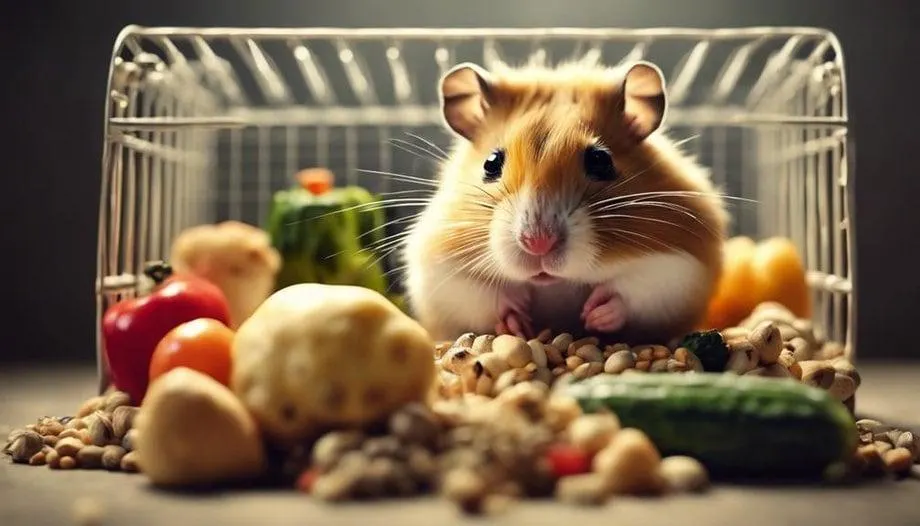
Most hamsters prefer storing food in quiet, hidden areas that feel secure.
Common hiding spots include:
- Under bedding
- Inside hideouts
- In nesting corners
- Beneath tunnels
- Behind wheels or toys
- Inside sleeping chambers
Some hamsters organize food carefully, while others scatter it throughout the cage.
Hamster Cheek Pouches Play a Big Role
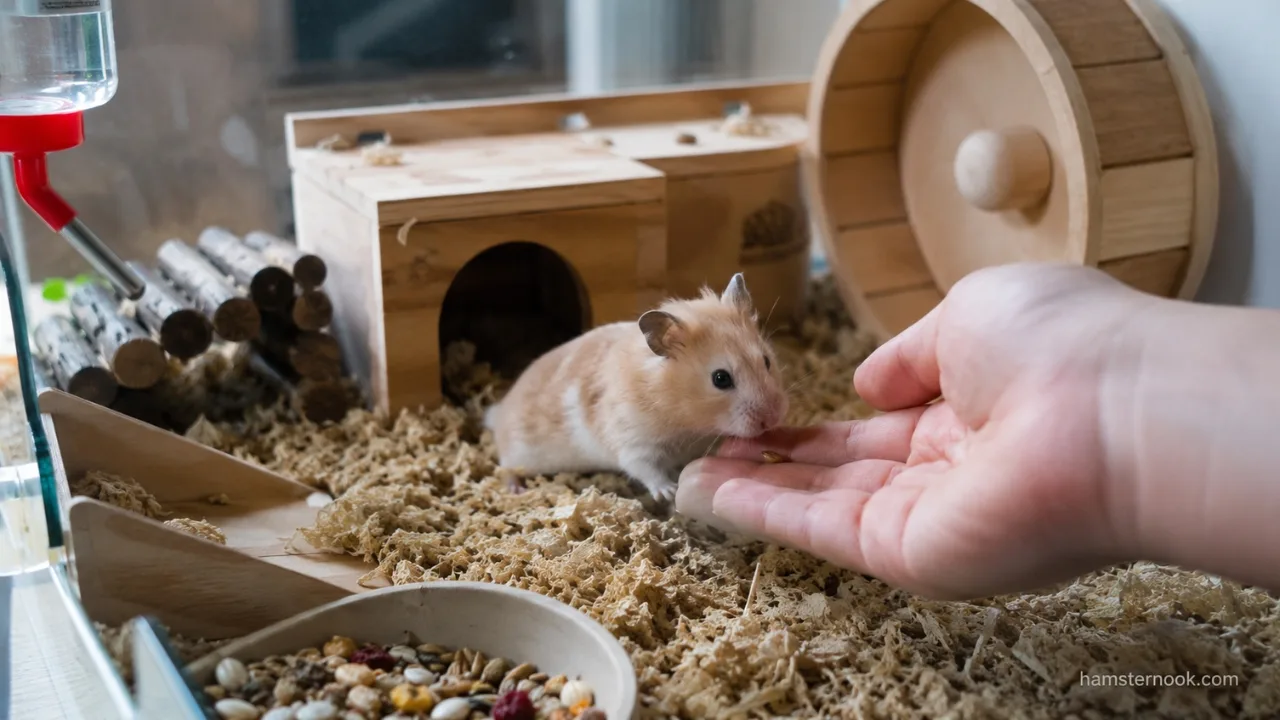
Hamsters have expandable cheek pouches that help them transport food.
They collect food quickly, stuff it into their cheeks, and carry it back to storage areas. This behavior is especially common during feeding time.
Owners sometimes think their hamster is overeating, but in reality, the hamster may simply be moving food into storage.
Is It Normal for Hamsters to Hide Food Every Day?
Daily food hiding is common in hamsters and is usually part of their normal hoarding behavior. How much a hamster stores can vary from one individual to another.
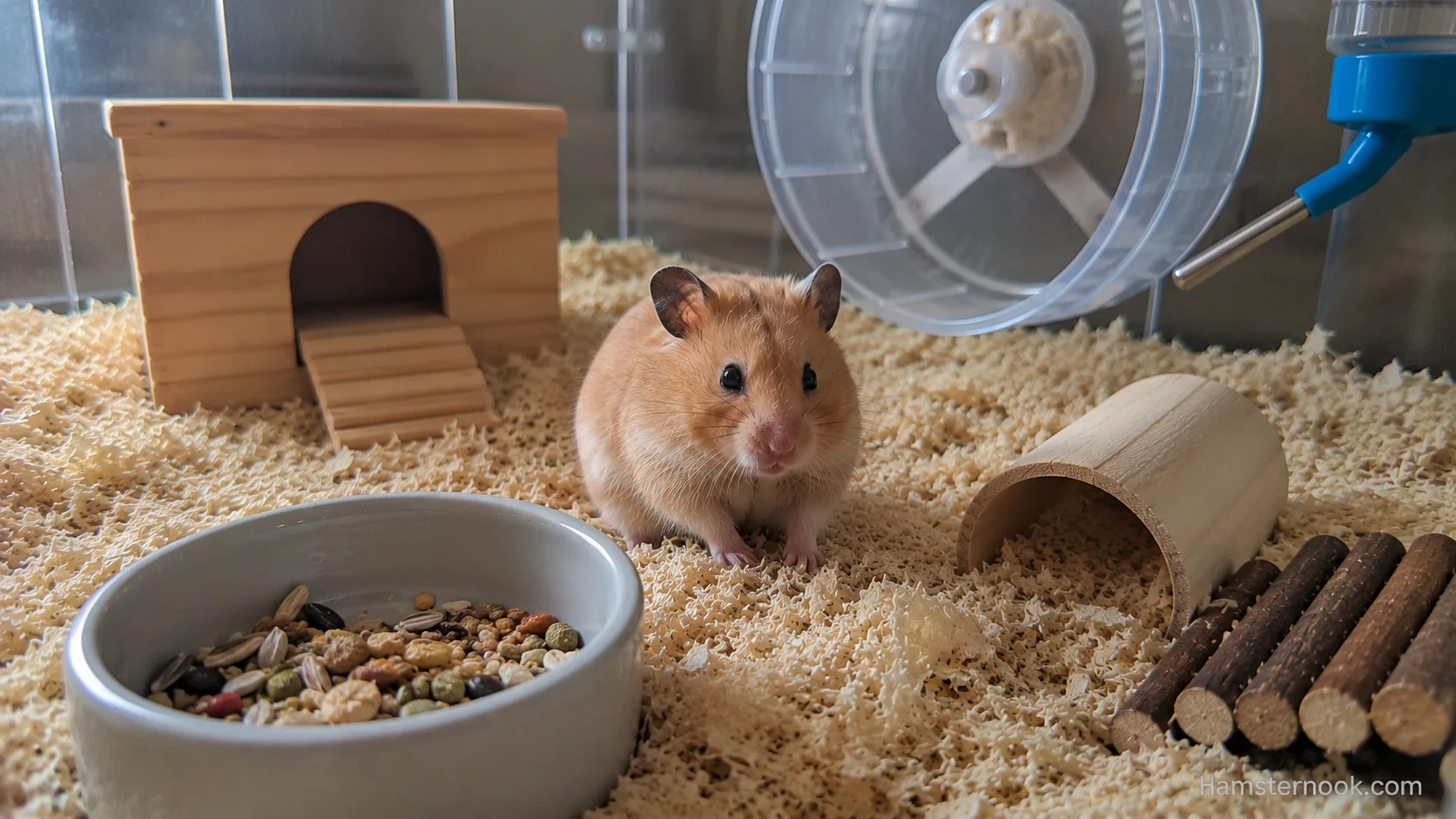
Some hamsters are more active hoarders than others depending on:
| Factor | Effect on Food Hoarding |
|---|---|
| Species | Syrian hamsters often store larger amounts |
| Personality | Some hamsters naturally hoard more |
| Cage Size | Larger cages allow more storage spots |
| Food Type | Seed mixes are commonly hoarded |
| Stress Levels | Nervous hamsters may store extra food |
Food hiding alone is usually not a sign of illness or behavioral problems.
Why Hamsters Prefer Storing Food Instead of Eating Immediately
Hamsters instinctively prioritize saving food for later.
In the wild, this increases survival chances during periods when food is unavailable. Even though pet hamsters live safely indoors, their instincts remain strong.

Some hamsters feel more comfortable eating privately inside their nest rather than in open areas.
This is why owners often discover hidden food piles long after feeding time.
When Food Hoarding Can Become a Problem
Normal hoarding is healthy, but excessive or unsafe hoarding sometimes creates problems.
Owners should monitor hidden food regularly to prevent spoilage and hygiene issues.

Potential risks include:
- Mold growth
- Rotten fresh foods
- Bacterial buildup
- Insect attraction
- Cage odor
- Overeating high-fat treats
Certain foods can become dangerous very quickly when hidden inside bedding for long periods.
Most issues happen when fresh foods are left hidden too long.
Fresh fruits and vegetables should always be offered safely. Before adding them to your hamster’s diet, read Should You Wash Fruits and Vegetables Before Feeding Your Hamster? to understand the safest preparation methods.
Safe vs Unsafe Foods to Store in a Hamster Cage
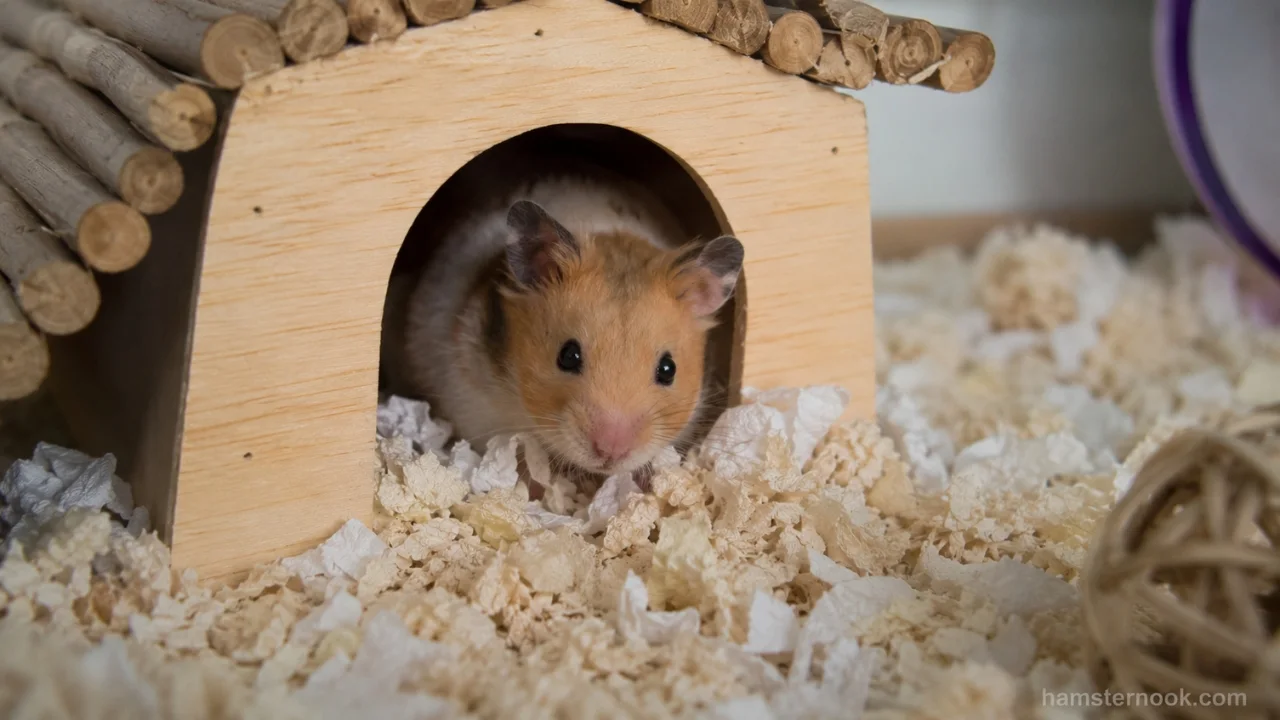
Not all foods are equally safe for hoarding.
| Safe for Short-Term Storage | Unsafe to Leave Hidden |
|---|---|
| Dry pellets | Fresh fruits |
| Seeds | Lettuce |
| Grains | Cucumbers |
| Dry herbs | Wet vegetables |
| Dried mealworms | Dairy products |
The safest approach is to avoid deliberately leaving moist or perishable foods in the enclosure for long periods. Dry foods are generally easier for a hamster to store, while fresh foods need closer monitoring because they can spoil when hidden in bedding or nesting areas.
Some foods spoil faster than others, so it helps to understand the difference between safe and unsafe hamster foods.
Dry foods last much longer in storage areas, while moist foods spoil quickly.

For a broader list of foods and ingredients to avoid, our Foods Hamsters Should Never Eat: Toxic & Unsafe Foods to Avoid guide covers common unsafe foods and why they should not be offered.
Should You Remove Your Hamster’s Hidden Food?
Many beginners accidentally stress their hamster by removing all stored food constantly.
In most cases, you should allow your hamster to keep some dry food stash because it supports natural behavior and comfort.
However, owners should still check hidden areas regularly.

When checking a stash, focus on removing food that is visibly spoiled, wet, moldy, or contaminated rather than automatically clearing every dry food store. This helps balance hygiene with the hamster’s natural hoarding behavior.
Common Beginner Mistakes
Many new hamster owners empty every hidden food stash during routine cage cleaning because they assume the behavior is unhealthy. In most cases, this creates unnecessary stress rather than solving a problem. A better approach is to remove only spoiled fresh foods while leaving clean, dry food stores alone. This allows your hamster to continue a completely natural behavior without creating hygiene issues.
Remove Immediately If You Find:
- Moldy food
- Wet or slimy food
- Rotten vegetables
- Strong odors
- Insects
- Large excessive piles causing hygiene problems
A balanced approach works best.
How Often Should You Check Hidden Food Stashes?
Check hidden food stores regularly, especially when your hamster has access to fresh or moist foods.
Remove fresh foods when they become spoiled or contaminated, and inspect nesting areas during routine enclosure maintenance.
Dry food that remains clean and dry does not need to be removed simply because it has been stored.
Avoid destroying an entire food stash unnecessarily because sudden removal can interfere with a hamster’s normal hoarding behavior.
Signs Your Hamster’s Food Hoarding Is Healthy
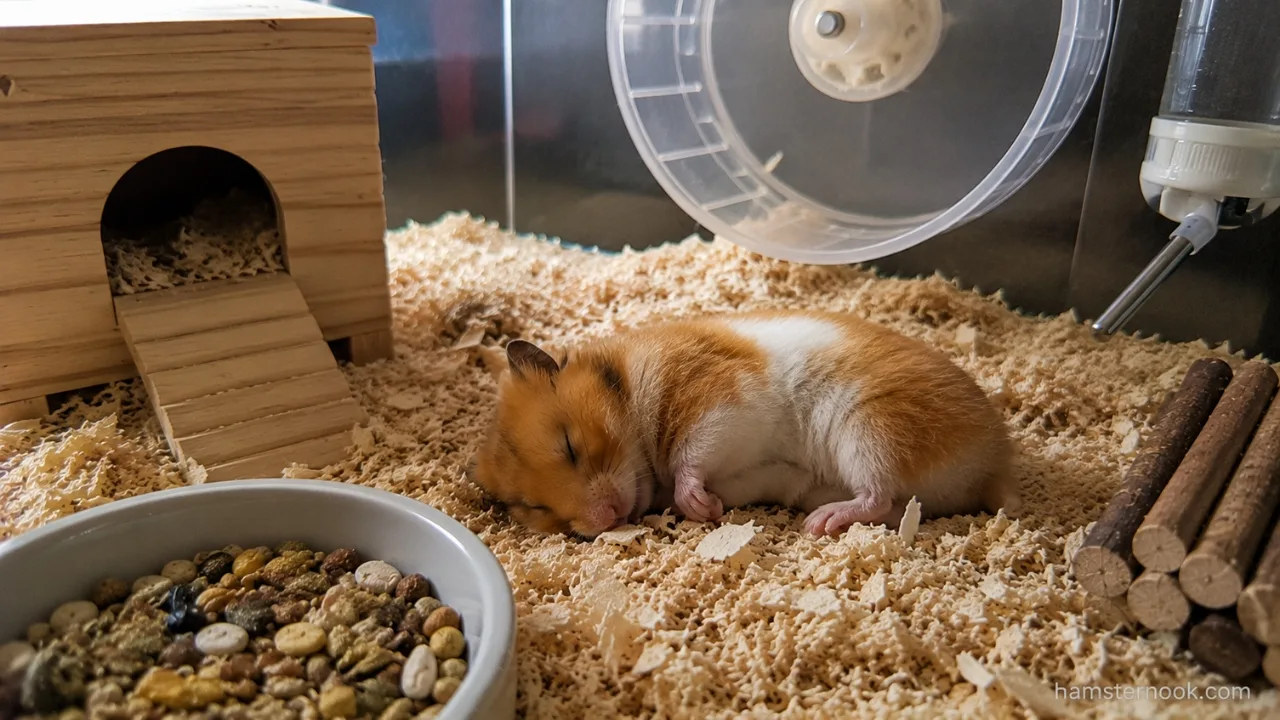
Healthy food hiding usually looks organized and harmless.
| Healthy Signs | What It Means |
|---|---|
| Small dry food piles | Natural instinct |
| Carrying food in cheeks | Normal foraging behavior |
| Hiding food near nest | Security behavior |
| Returning to stash calmly | Comfortable environment |
These behaviors are common in happy, healthy hamsters.
Signs Food Hoarding May Be Causing Problems
Sometimes hoarding becomes unhealthy.
Watch for these warning signs:
| Concerning Behavior | Possible Issue |
|---|---|
| Rotting hidden food | Hygiene problem |
| Rapid weight gain | Overfeeding |
| Aggressive food guarding | Stress or insecurity |
| Wet bedding around stash | Spoilage risk |
| Refusing fresh food | Diet imbalance |
If these problems continue, adjust feeding habits and monitor more closely.
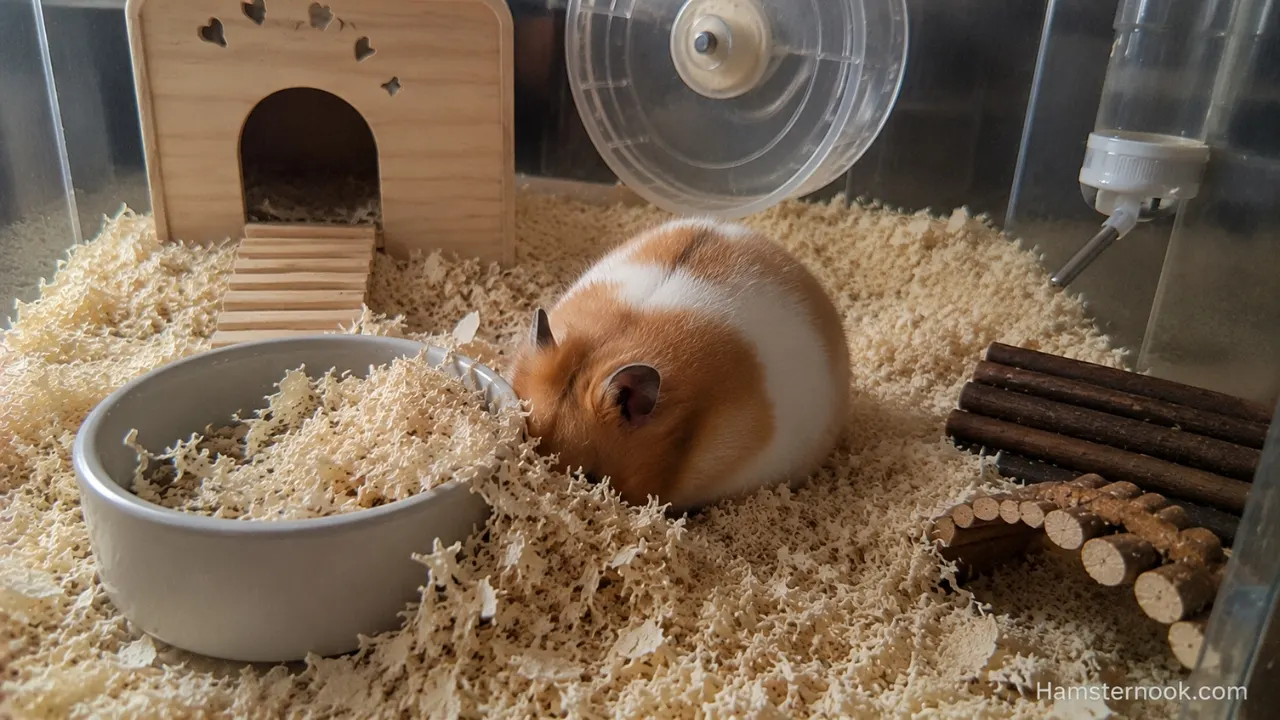
Why Some Hamsters Hide More Food Than Others
Every hamster has a different personality.
Some are naturally cautious and prefer keeping large reserves. Others eat more immediately and store less.
Species also matter.
Syrian Hamsters
Syrians often create larger, more organized food stashes because of their bigger size and stronger food-carrying capacity.
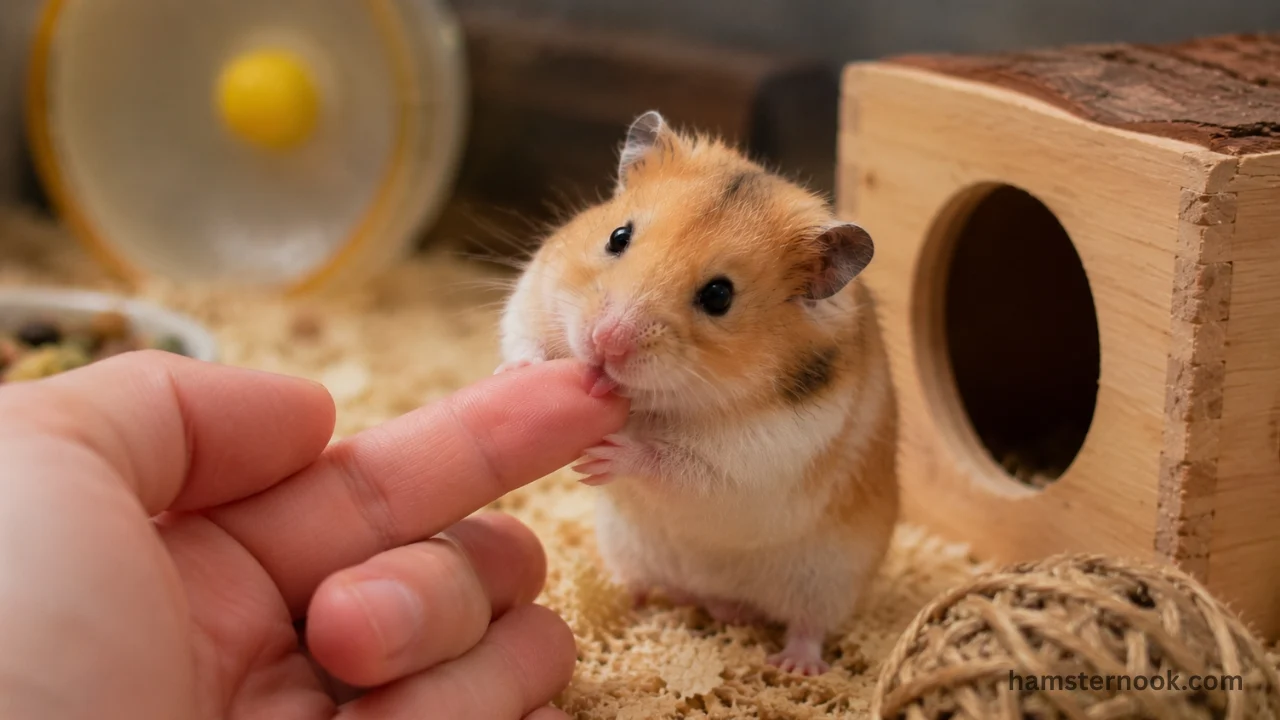
Dwarf Hamsters
Dwarf hamsters may create multiple smaller hiding spots throughout the cage.
Does Food Hiding Mean My Hamster Is Hungry?
Not necessarily.
A hamster may hide food even when fully fed. Hoarding behavior is instinctive rather than a reliable sign of hunger.
An empty bowl therefore does not tell you how much food your hamster actually consumed. Look at the overall feeding pattern, stored food, body condition, and normal behavior together rather than increasing portions simply because the bowl is empty.
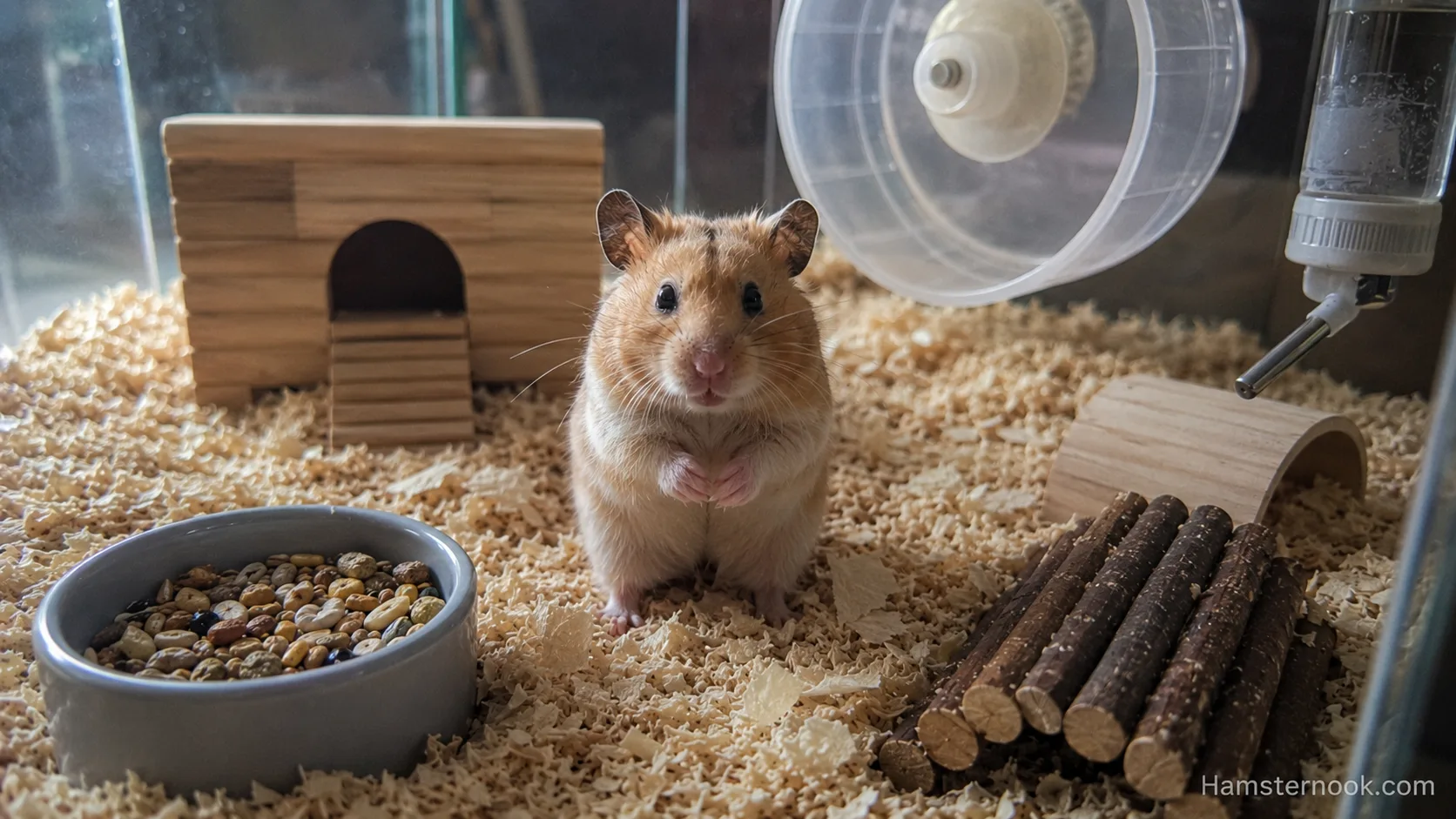
Instead of refilling constantly, follow proper portion sizes and monitor body condition.
Instead of judging by an empty food bowl, keep an eye on your hamster’s body condition, activity level, and eating habits over time. These observations provide a much better picture of your hamster’s overall health than food hoarding alone.
If you are unsure what a normal daily diet should look like, our What Do Hamsters Eat? Complete Safe & Unsafe Food List guide explains the main foods hamsters can eat and which ones should be avoided.
How to Prevent Unhealthy Food Hoarding
You should not stop natural hoarding completely, but you can manage it safely.
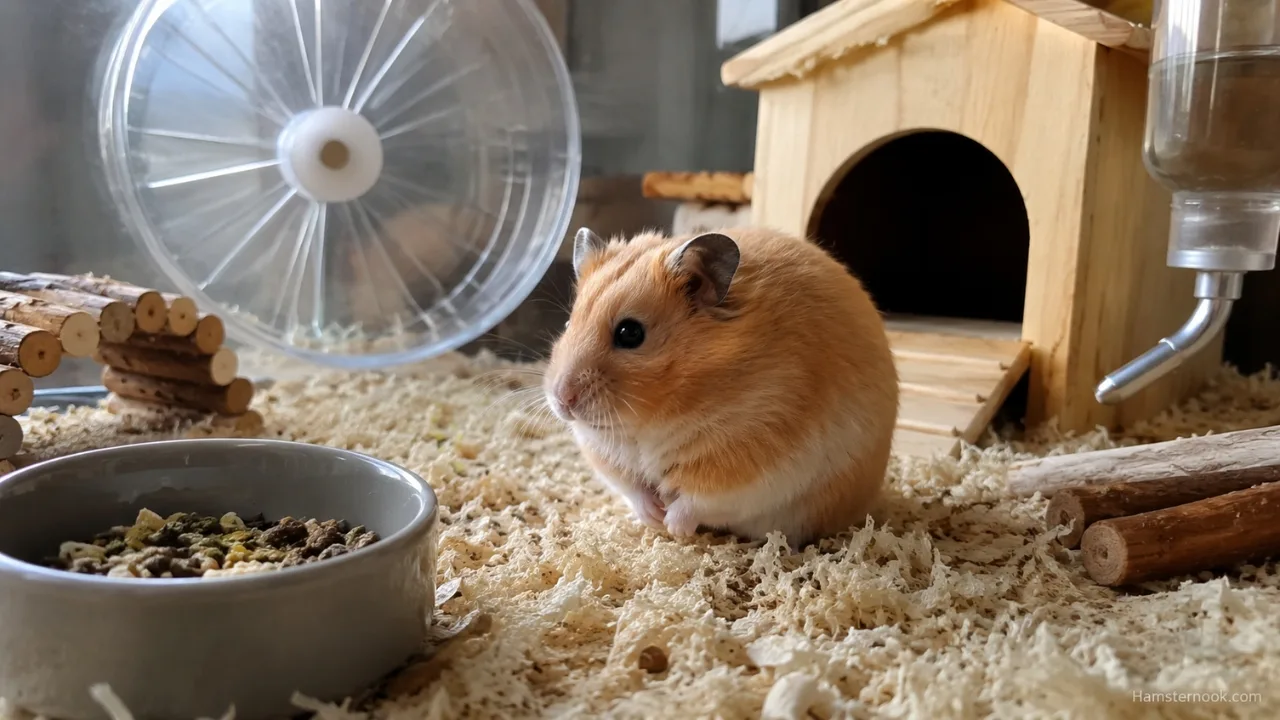
Helpful Tips
- Feed proper portions
- Avoid excessive treats
- Remove spoiled fresh foods quickly
- Clean stash areas during deep cleans
- Use balanced hamster food
- Provide enrichment activities
Offering a variety of safe foods and enrichment can reduce boredom-related feeding habits. Our Ultimate Hamster Care Guide for Beginners (2026) covers diet, housing, enrichment, and daily care in one complete resource.
This keeps natural instincts healthy without creating hygiene problems.
Can Stress Cause Increased Food Hiding?
Stress-related behavior changes can sometimes appear alongside excessive food hoarding.
Stress-related behaviors often appear alongside excessive food hiding.
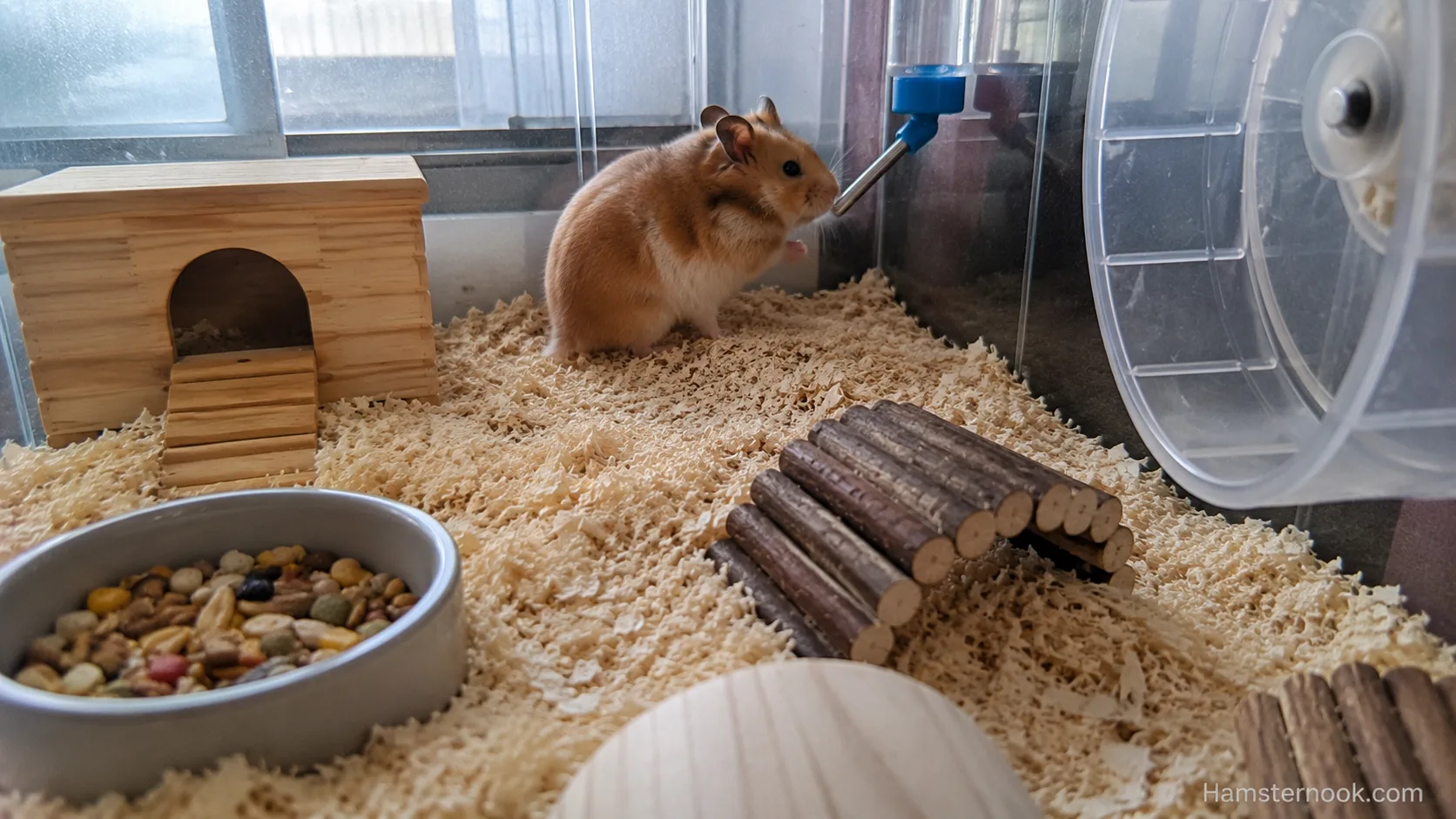
Yes, stressed hamsters sometimes hoard more food than usual.
Common stress triggers include:
- Loud noises
- Frequent handling
- Small cages
- Lack of hiding spots
- Sudden environment changes
A stressed hamster may become overly protective of stored food.
Providing a calm, enriched habitat usually helps reduce anxiety-related behaviors.
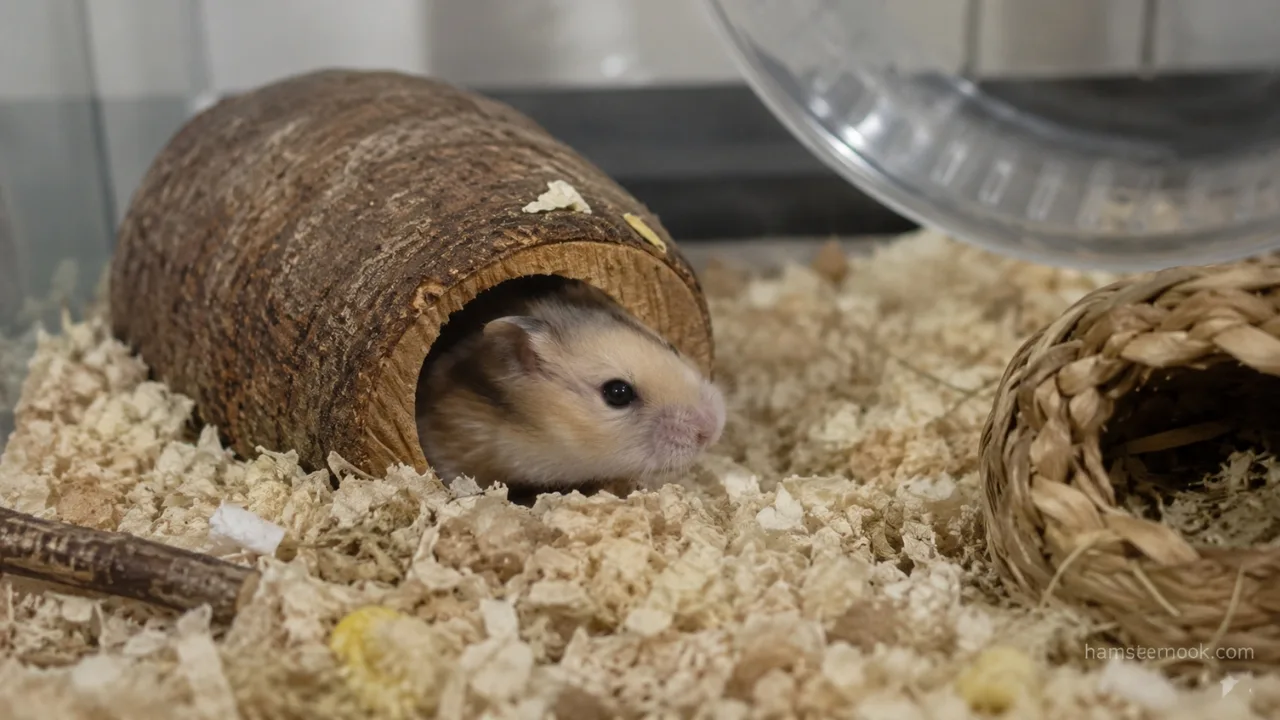
If your hamster has become unusually nervous or withdrawn, Why Does My Hamster Hide All the Time? explains the most common causes and how to tell the difference between normal hiding and behavior that deserves closer attention.
Should You Ever Stop Your Hamster From Hiding Food?
No, completely stopping the behavior is neither realistic nor healthy.
Food hiding is part of normal hamster psychology. Trying to eliminate it entirely may increase stress and reduce natural enrichment.
The goal should be safe management rather than prevention.
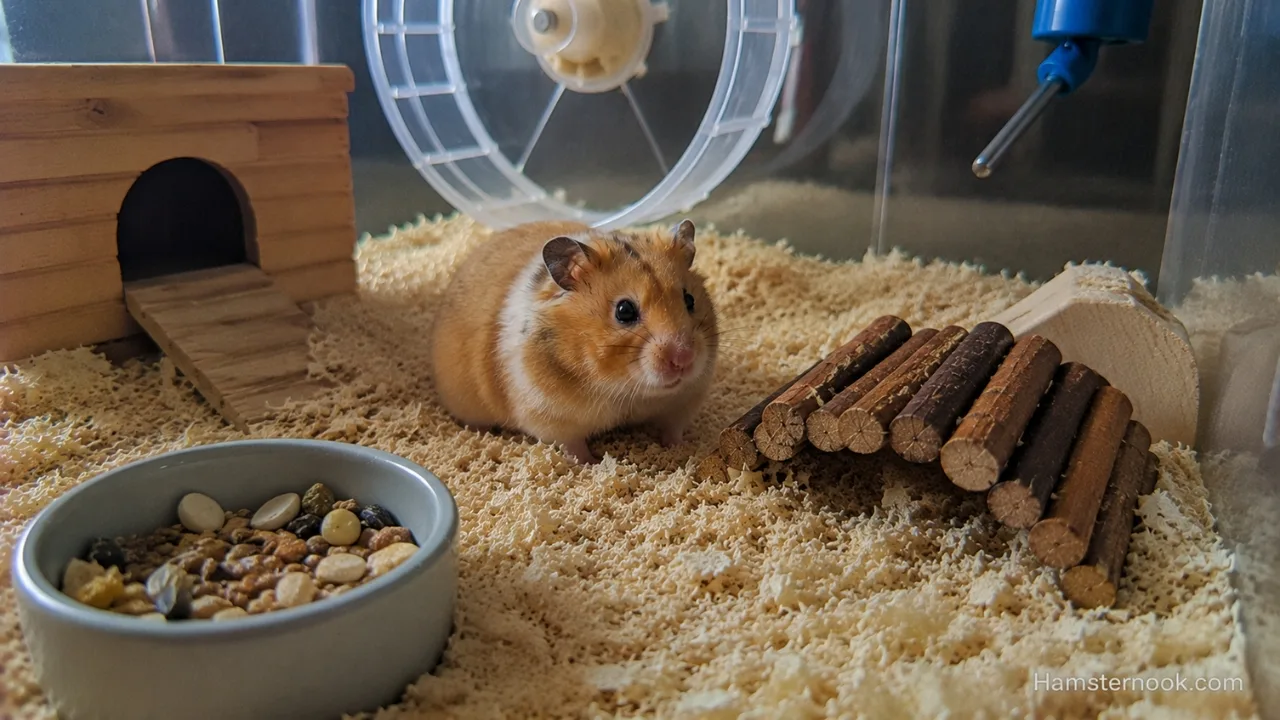
Simple Hamster Food Hoarding Chart
| Behavior | Normal or Problem? | What Owners Should Do |
|---|---|---|
| Storing dry pellets | Normal | Allow moderate storage |
| Hiding fresh fruit | Potential problem | Remove within hours |
| Large smelly food piles | Problem | Clean safely |
| Carrying food in cheeks | Normal | No action needed |
| Aggressive guarding | Monitor closely | Reduce stress |
Why Hamsters Hide Food
| Cause | Explanation |
|---|---|
| Survival Instinct | Wild hamsters store food for emergencies |
| Security | Food storage makes hamsters feel safe |
| Natural Foraging Behavior | Hoarding is mentally stimulating |
| Private Eating Habits | Some hamsters prefer eating alone |
| Stress Response | Nervous hamsters may store extra food |
Final Thoughts
If your hamster keeps hiding food, it usually means your pet is behaving exactly as nature intended.
Food hoarding is one of the most natural behaviors hamsters display, and in most cases it’s actually a sign that your hamster feels comfortable enough to build a secure storage area.
The important part for owners is learning how to manage hidden food safely. Regularly removing spoiled fresh foods while allowing healthy dry food stashes helps balance hygiene with natural behavior.
Once you understand why hamsters hide food, the behavior becomes much less confusing and much easier to manage properly.
Frequently Asked Questions
Why does my hamster empty the food bowl so fast?
Your hamster is likely storing food rather than eating it all immediately. Hamsters naturally move food into hidden storage spots.
Is it bad to remove a hamster’s food stash?
Removing spoiled food is important, but constantly removing all stored food may stress some hamsters.
Why does my hamster hide food in its bed?
Hamsters often prefer storing food near sleeping areas because it feels safe and protected.
Can hidden food make my hamster sick?
Yes, spoiled fresh foods can grow bacteria or mold if left hidden too long.
Should I stop my hamster from hoarding food?
No. Hoarding is a normal natural behavior. Safe management is better than trying to stop it completely.
Why is my hamster suddenly hiding more food than usual?
Increased hoarding may happen due to stress, colder temperatures, cage changes, or simple personality differences.
References
This guide is based on hamster food hoarding, natural behavior, nutrition, feeding, and welfare guidance from trusted veterinary and animal welfare resources, including:
- RSPCA – Hamster Behaviour – Natural hamster behaviors, food-related behaviors, nesting, activity, and environmental factors that can influence behavior.
- RSPCA – Hamster Diet – Guidance on hamster feeding, suitable foods, food storage, fresh foods, and maintaining a balanced diet.
- RSPCA – Keeping Hamsters as Pets – General guidance on hamster care, feeding, behavior, enrichment, housing, and welfare.
- Blue Cross – Hamster Care Guide – Practical guidance on hamster feeding, food choices, enrichment, housing, and natural behaviors.
- MSD Veterinary Manual – Hamsters – Veterinary reference information covering hamster nutrition, husbandry, behavior-related care, and health considerations.
- NC3Rs – Housing and Husbandry: Hamster – Guidance on hamster husbandry, environmental enrichment, natural behaviors, and appropriate housing.

Narayan Kumar is the founder and author of HamsterNook. He creates practical, research-based hamster care guides covering hamster behavior, nutrition, cage setup, enrichment, health, and everyday care. His goal is to help hamster owners make informed decisions and provide safer, healthier lives for their pets through clear, beginner-friendly information based on trusted animal care resources.