
Hamster Care Guide: Bringing home a hamster is exciting. These tiny pets are adorable, fascinating to watch, and often recommended as beginner-friendly companions. However, many new owners quickly discover that proper hamster care involves much more than buying a small cage, adding some bedding, and filling a food bowl.
The difference between a stressed hamster and a thriving hamster often comes down to a few key factors: enough space, proper nutrition, opportunities to burrow and explore, and a daily routine that respects natural behaviors. Unfortunately, outdated advice still circulates online and in pet stores, causing many owners to unknowingly provide housing that is too small, diets that are unbalanced, and setups that prevent natural behaviors.
This guide covers the hamster care basics that new owners often miss when setting up their pet’s environment and daily routine.
Whether you’re preparing for your first hamster or upgrading the care of a current pet, this complete guide will walk you through everything you need to know about creating a healthy, safe, and enriching life for your hamster.
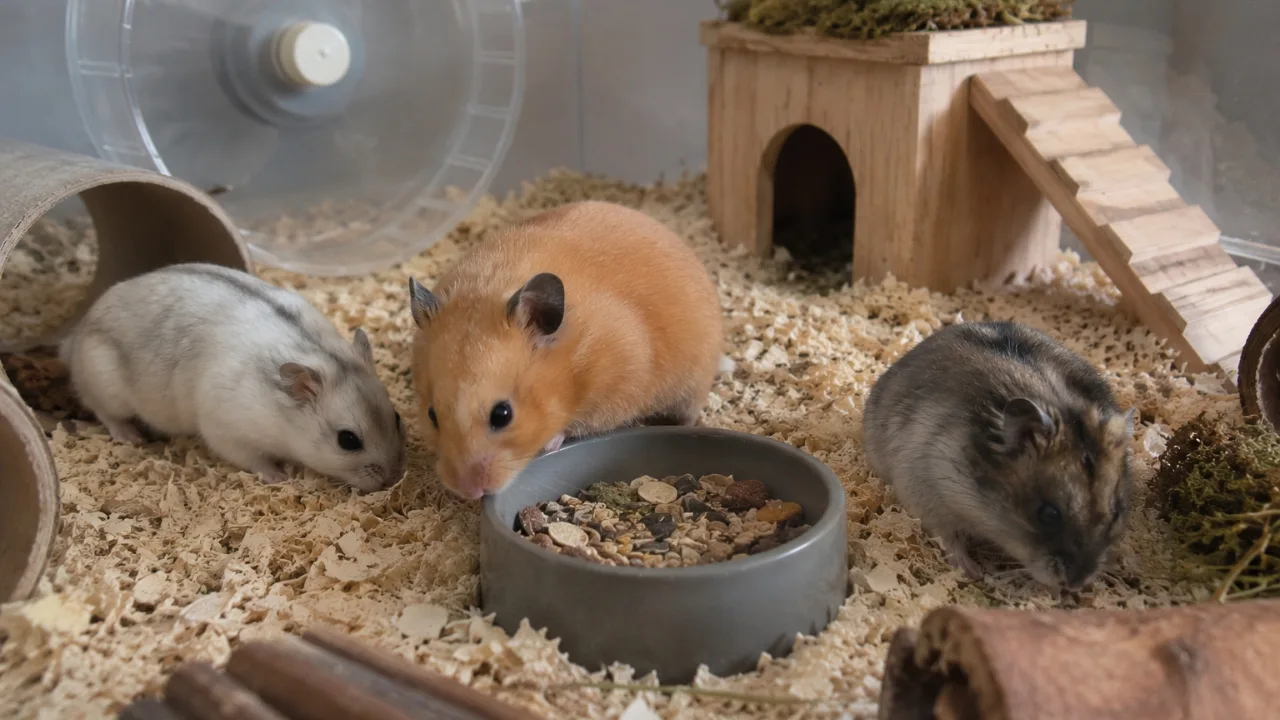
Quick Answer: What Does a Hamster Need to Thrive?
A hamster needs a spacious enclosure, deep bedding for burrowing, a properly sized exercise wheel, quality food, fresh water, safe enrichment items, multiple hideouts, and a consistent routine. Meeting these basic needs supports both physical health and natural behaviors, helping prevent stress-related problems and improving overall quality of life.
Understanding Hamster Behavior Before You Bring One Home
One of the biggest mistakes beginners make is assuming hamsters are low-maintenance pets.
While hamsters don’t require daily walks like dogs, they still have complex physical and behavioral needs.
In the wild, hamsters spend their time:

- Digging extensive tunnel systems
- Foraging for food
- Exploring large territories
- Building nests
- Avoiding predators
- Storing food for future use
A pet hamster still carries these natural instincts.
Good hamster care focuses on allowing natural behaviors such as burrowing, foraging, nesting, chewing, and exploring while keeping the animal safe and healthy.
A hamster that can regularly express these behaviors is generally more confident, active, and less likely to develop stress-related habits such as excessive bar chewing or repetitive pacing.
When these instincts are ignored, behavioral and health problems often follow.

What Daily Hamster Care Actually Involves
Good hamster care is mostly about consistency rather than constant interaction. Each day, make sure your hamster has fresh water, appropriate food, a safe enclosure, and a clean area for normal activity.
A simple routine includes:
- Check that fresh water is available and the bottle or bowl is working.
- Provide the hamster’s normal food and remove fresh food that has spoiled.
- Check the enclosure for hazards, damaged equipment, or areas that need spot cleaning.
- Observe your hamster during its normal active period for changes in appetite, movement, grooming, or behavior.
- Make sure the wheel, hides, bedding, and enrichment remain safe and usable.
You do not need to handle your hamster every day if it is uncomfortable with handling. Good care also means allowing it to sleep undisturbed and giving it opportunities to burrow, forage, explore, and rest.
Choosing the Right Hamster Species
Not all hamsters are the same.

Different hamster species have unique care considerations, including size, activity levels, temperament, and handling requirements.
Choosing the right species can dramatically improve your experience as an owner.
Syrian Hamsters
Syrian hamsters are the largest and most commonly kept pet hamster species.
Characteristics
- 5–7 inches long
- Solitary by nature
- Available in many coat colors and types
- Often easier to handle due to larger size
Advantages
- Excellent beginner hamster
- Easier to tame
- Less fragile than dwarf species
Potential Challenges
- Require larger wheels
- Require larger enclosures
- Must live alone
Syrian hamsters are larger and are commonly kept as solitary pets. Their larger size can make some handling situations easier, but individual temperament still matters.

Dwarf Hamsters
“Dwarf hamster” refers to several species, including Campbell’s, Winter White, and Roborovski hamsters. They are generally smaller and can be very quick-moving, so gentle handling may require more patience.
Their smaller size does not mean they need a basic or undersized enclosure. Housing, enrichment, bedding, exercise, and social needs should be appropriate for the individual species.
Chinese Hamsters
Chinese hamsters are a separate species and are often grouped with dwarf hamsters because of their smaller size. They are normally housed alone, and individual temperament can vary.
When choosing a hamster, species is only part of the decision. The animal’s individual temperament, appropriate housing, and your ability to provide the right care matter more than simply choosing the species described as “easiest.”

Hamster Species Comparison Table
| Feature | Syrian | Dwarf | Chinese |
|---|---|---|---|
| Beginner Friendly | Excellent | Good | Good |
| Handling Ease | Easy | Moderate | Moderate |
| Activity Level | High | Very High | High |
| Size | Large | Small | Medium |
| Availability | Very Common | Common | Less Common |
| Housing Alone | Yes | Usually Yes | Yes |
For beginners, Syrians generally offer the easiest introduction to hamster ownership.
Still deciding? Read Syrian Hamster vs Dwarf Hamster: Which Is Better for Beginners?
Choosing a Healthy Hamster
Selecting a healthy hamster from the start can help prevent future problems.
Never rush the selection process.

Spend several minutes observing the hamster before making a decision.
Observe Before You Buy
Try to visit during the hamster’s normal active period whenever possible. A hamster that is alert, moving normally, grooming, and showing interest in its surroundings is often easier to assess than one that has been awakened suddenly during the day.
Signs of a Healthy Hamster
Look for:
- Bright eyes
- Clean ears
- Smooth breathing
- Healthy coat
- Alert behavior
- Curiosity
- Normal movement
A healthy hamster should appear aware of its surroundings and respond to activity nearby.

Warning Signs to Avoid
Do not purchase a hamster showing:
- Wet tail area
- Diarrhea
- Discharge from eyes
- Discharge from nose
- Labored breathing
- Extreme lethargy
- Severe hair loss
- Obvious injuries
A hamster displaying these symptoms may already be experiencing illness or significant stress.
How Much Does It Cost to Care for a Hamster?
While hamsters are often considered affordable pets, setup costs are usually higher than many beginners expect.
| Expense | Typical Cost Range |
|---|---|
| Enclosure | $50–$250+ |
| Exercise Wheel | $20–$50 |
| Bedding | $10–$30 Monthly |
| Food | $5–$20 Monthly |
| Hideouts & Enrichment | $20–$100+ |
| Veterinary Care | Varies |
Starting with an appropriate enclosure and enrichment setup often helps prevent many common problems later.

Setting Up the Perfect Hamster Habitat

Housing is the foundation of hamster welfare.
Many commercial cages marketed toward hamsters are unfortunately too small.
A proper enclosure should allow your hamster to:
- Run
- Explore
- Dig
- Burrow
- Forage
- Nest
- Exercise naturally
Extra space gives a hamster more freedom to explore, exercise, and behave naturally.
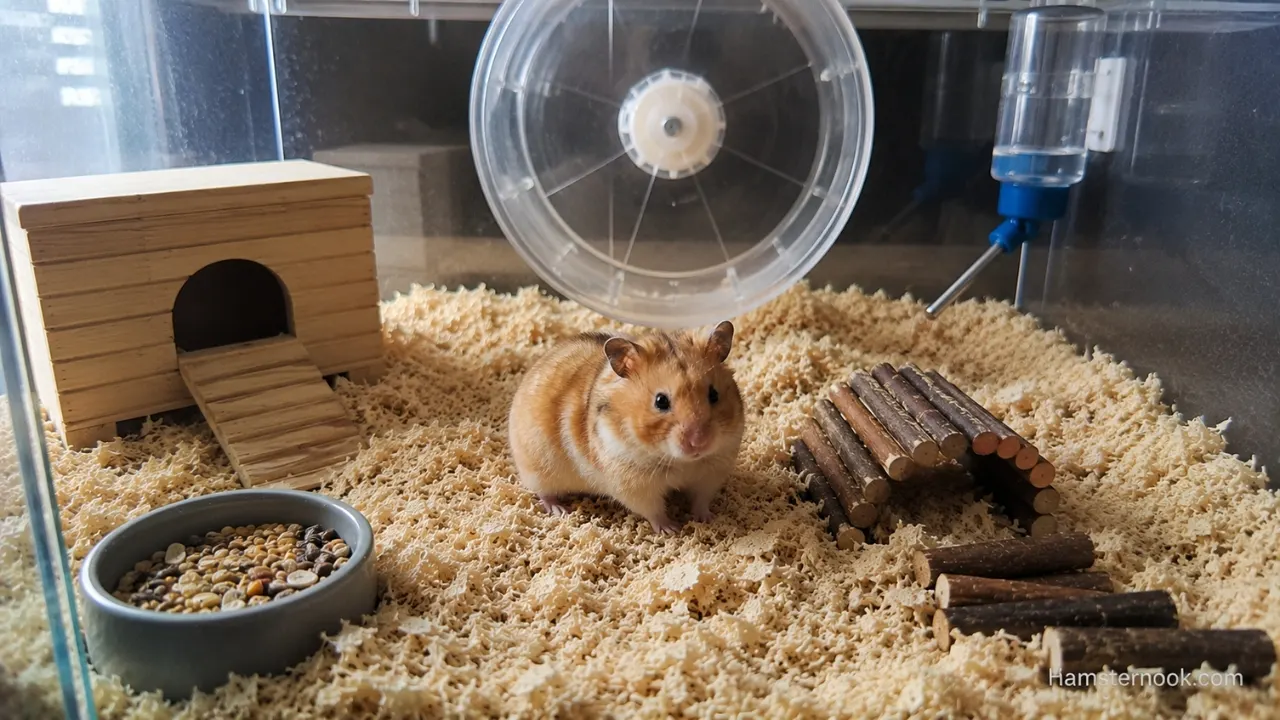
Essential Habitat Zones
A well-designed hamster enclosure should include separate areas for:
- Sleeping and nesting
- Food storage
- Exercise
- Foraging
- Drinking water
- Sand bathing (when appropriate)
Providing distinct zones allows hamsters to organize their environment in ways that reflect natural behavior.
How Much Space Does a Hamster Need?
Modern hamster care recommendations emphasize floor space.
A larger footprint generally benefits a hamster more than additional height.

Many beginners assume tall cages are automatically better, but usable floor space is usually far more important because it allows room for burrowing, foraging, exercise, and enrichment.
Recommended Minimum Floor Space
There is not one universally agreed minimum enclosure size across every hamster-care organization, so owners should avoid treating a single number as a guarantee of good welfare.
Prioritize a large, uninterrupted floor area that gives your hamster enough room for deep bedding, a suitable wheel, hides, foraging, and enrichment. More usable space generally gives the hamster more opportunities to move and express natural behaviors.
If you’re comparing a specific enclosure, our Does a Bigger Hamster Cage Really Make a Difference? guide explains the practical signs that a setup may be too small.
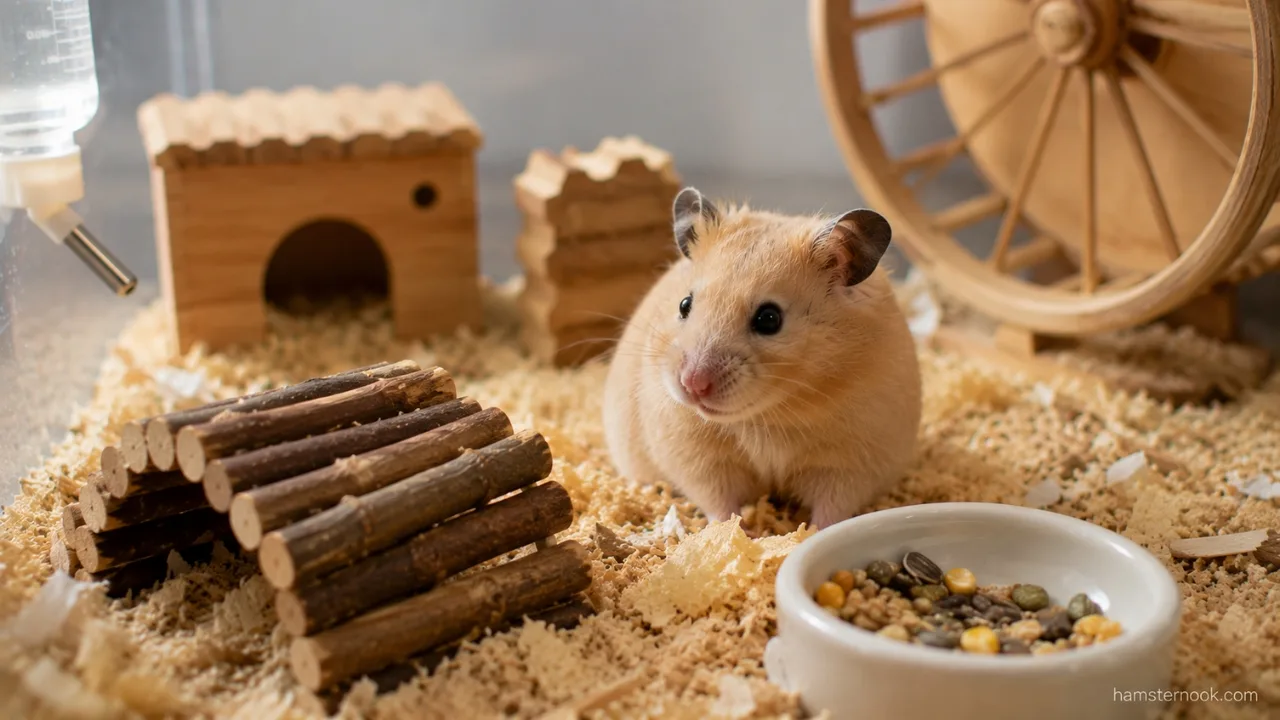
Hamsters given more space often show:
- Lower stress levels
- More natural behaviors
- Less bar chewing
- Less pacing
- Better overall activity
Best Hamster Cage Types
There is no single perfect enclosure.
Several housing styles work well when sized appropriately.
Large Glass Aquariums
Benefits
- Excellent visibility
- Holds deep bedding
- Escape resistant
Drawbacks
- Heavy
- Can be expensive
- Ventilation must be considered
Large Bin Cages
Benefits
- Affordable
- Lightweight
- Customizable
Drawbacks
- Requires DIY modifications
- Appearance may be less attractive
Many experienced hamster owners successfully use large modified storage bins.
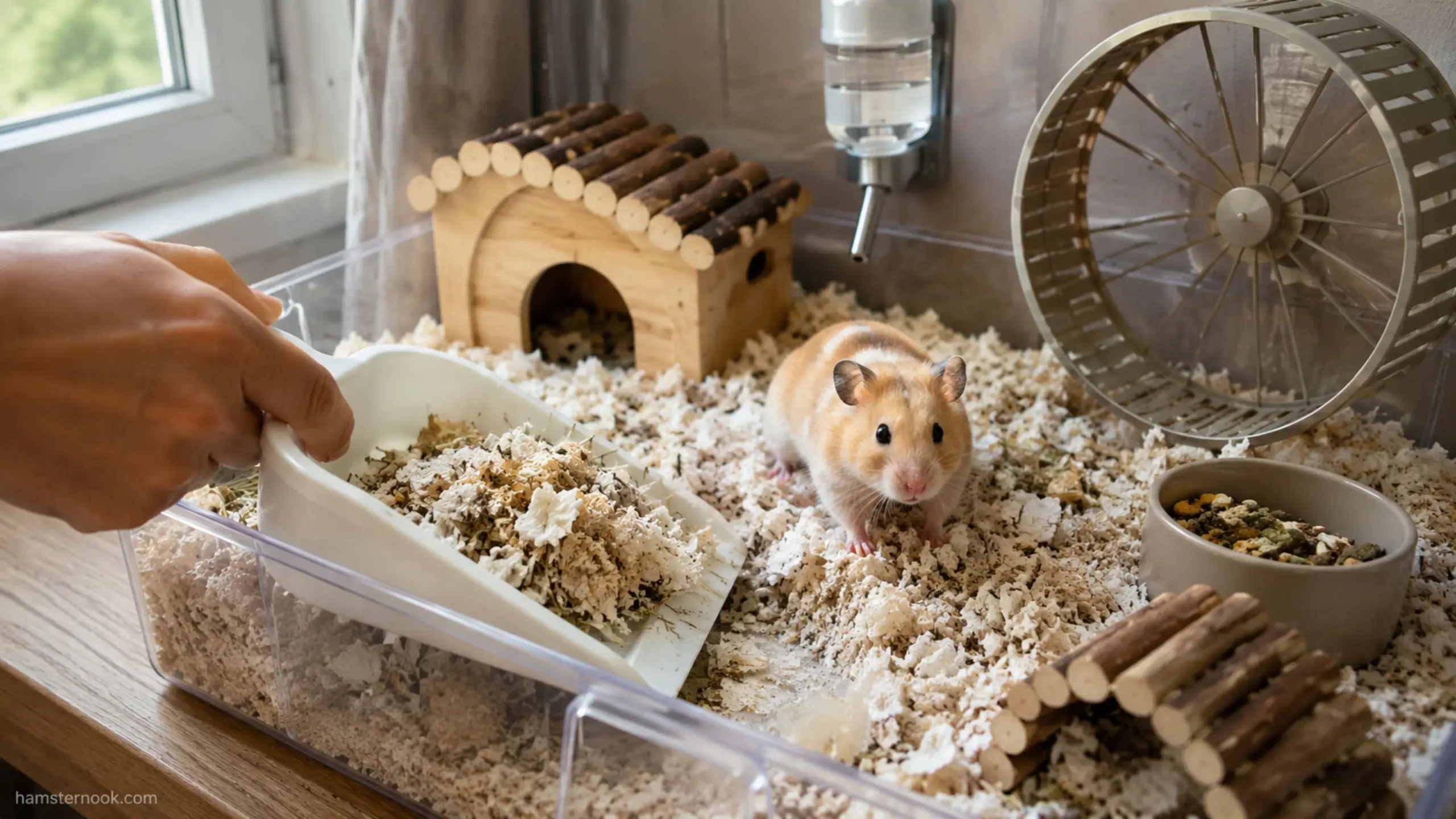
Modern Hamster Enclosures
Purpose-built hamster habitats often provide:
- Large floor space
- Good ventilation
- Attractive appearance
- Easy maintenance
These have become increasingly popular among hamster enthusiasts.
Cages to Avoid
Some cages remain popular despite being unsuitable.
Avoid:
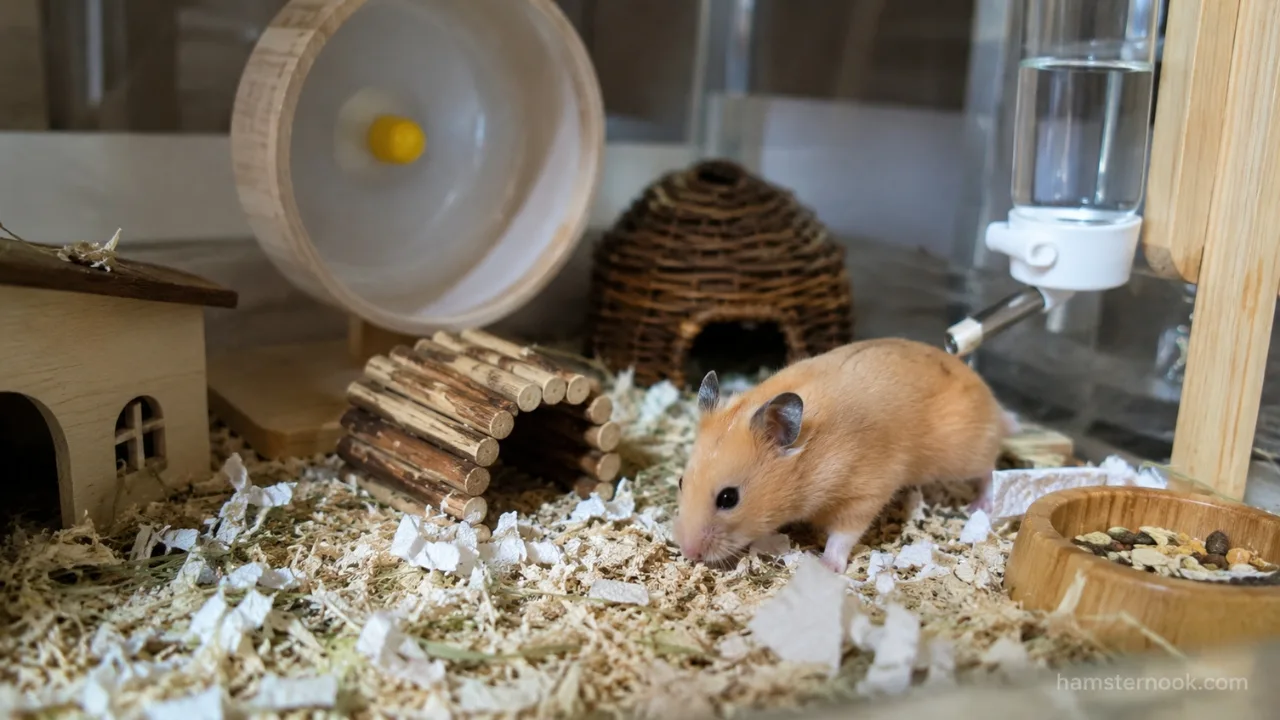
- Tiny starter cages
- CritterTrail-style habitats
- Excessive tube systems
- Very narrow enclosures
- Tall cages with limited floor space
Many behavioral problems originate from inadequate housing.
Bedding: One of the Most Important Parts of a Setup

Hamsters are natural burrowers.
In the wild, they construct complex tunnel systems underground.
Pet hamsters retain this instinct.

Deep bedding allows them to:
- Dig
- Tunnel
- Nest
- Feel secure
- Regulate temperature
If your hamster rarely digs or creates tunnels despite having enough bedding available, our Why Your Hamster Isn’t Burrowing (And How to Fix It) guide explains some of the most common causes.
Without sufficient bedding, many natural behaviors become impossible.
Best Bedding Types
Paper Bedding
Advantages:
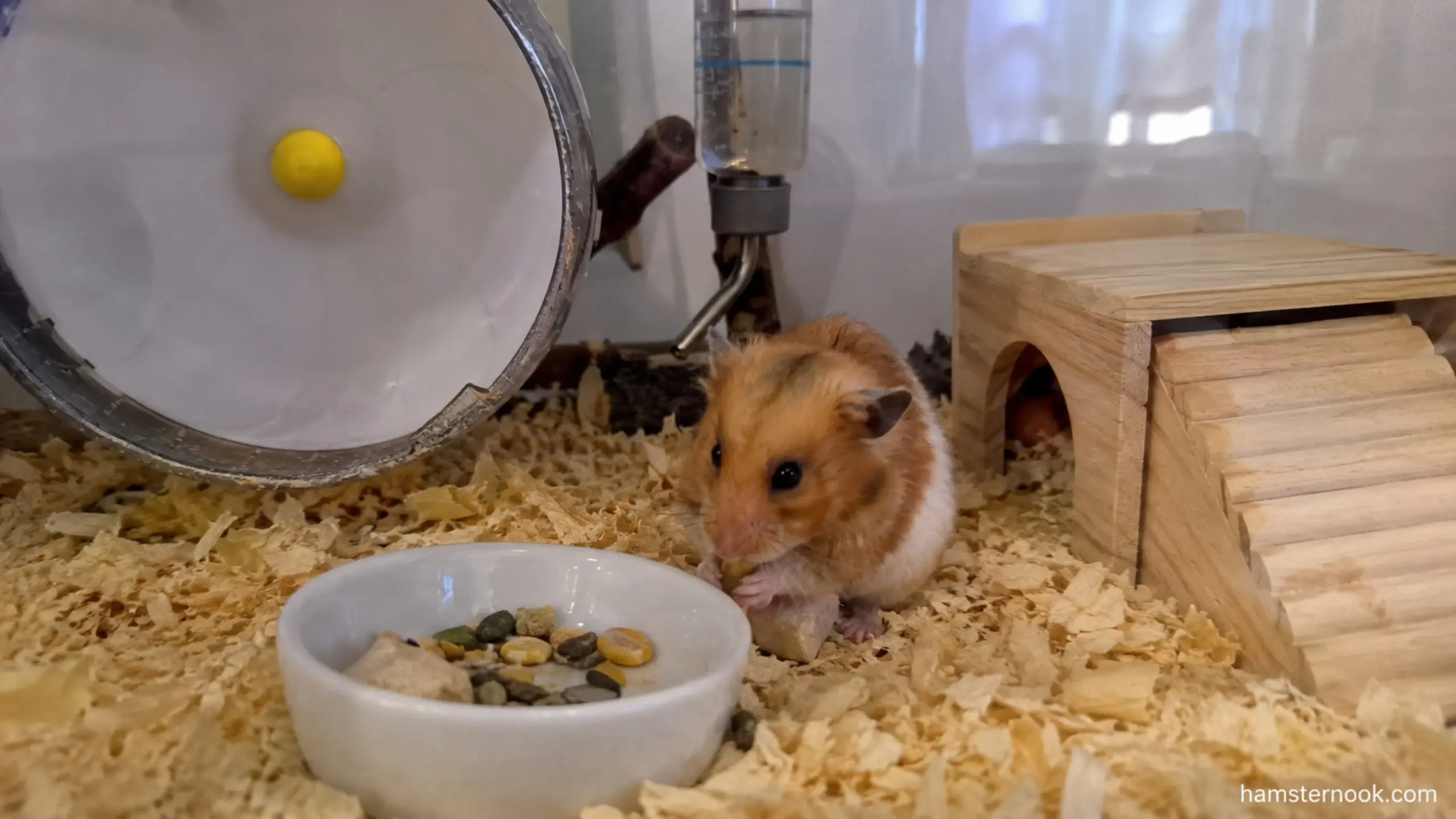
- Soft
- Low dust
- Excellent tunnel support
- Highly absorbent
This remains one of the most popular options among modern hamster keepers.
Aspen Bedding
Advantages:
- Natural material
- Safe for hamsters
- Good odor control
Many owners successfully combine aspen with paper bedding.
Unsafe Bedding Materials
Never use:

- Cedar bedding
- Scented bedding
- Cotton fluff nesting material
- Synthetic nesting fibers
These materials can contribute to respiratory problems, injury, or digestive complications.
How Deep Should Bedding Be?
One of the biggest improvements owners can make is increasing bedding depth.
Recommended:
- Minimum: 8–10 inches
- Preferred: 10–12+ inches
The deeper the bedding, the more opportunities a hamster has to create tunnels and underground nesting chambers.
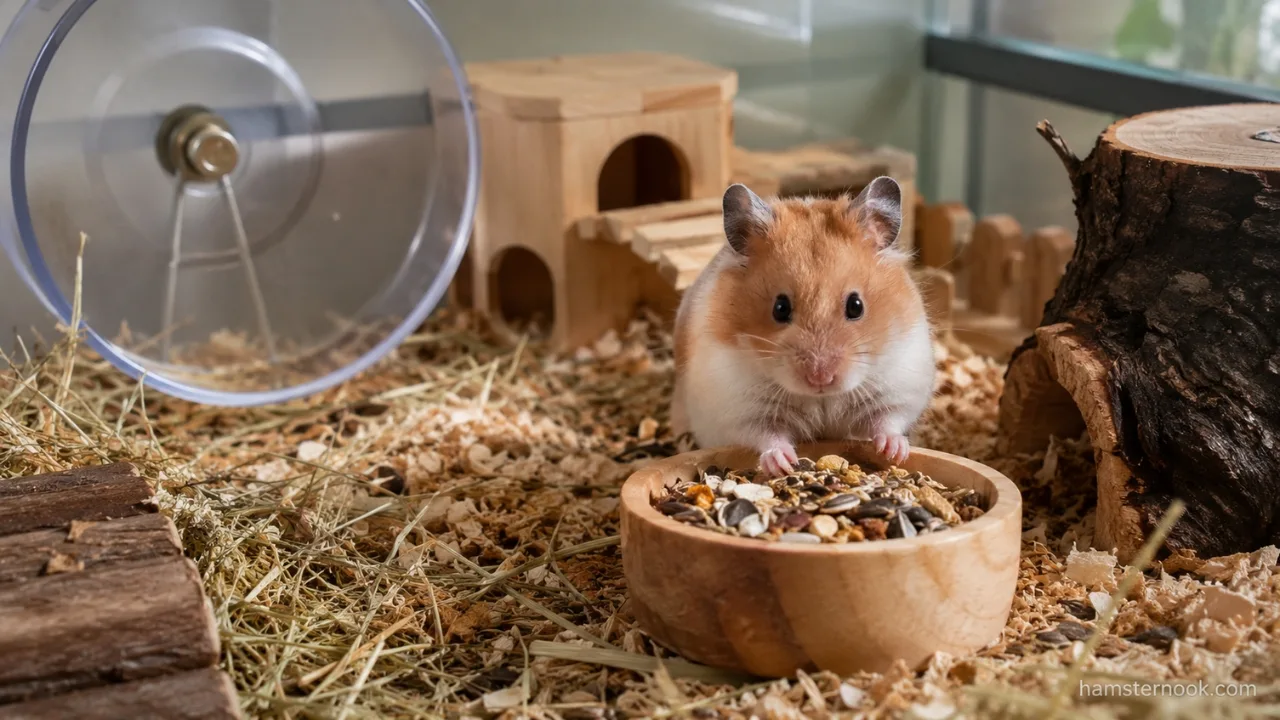
If you’re unsure whether your hamster has enough bedding, see How Deep Should Hamster Bedding Be?
This is one of the most natural forms of enrichment available.
Essential Hamster Supplies Checklist
Before bringing your hamster home, gather the following essentials.
Housing
- ✓ Large enclosure
Bedding
- ✓ Deep, safe bedding
Water Source
- ✓ Water bottle or bowl
Nutrition
- ✓ Quality hamster food
Security
- ✓ Multiple hideouts
Exercise
- ✓ Properly sized wheel
Enrichment
- ✓ Chew toys
- ✓ Tunnels
- ✓ Foraging opportunities
- ✓ Sand bath (when appropriate)
A complete setup prepared in advance helps reduce stress during the adjustment period.

The First 48 Hours After Bringing Your Hamster Home
The first two days are often the most stressful period for a hamster.
Everything is unfamiliar:
- New smells
- New sounds
- New environment
- New routine
During this period:
- ✓ Provide food and water
- ✓ Observe quietly
- ✓ Avoid excessive handling
- ✓ Allow exploration
- ✓ Maintain a calm environment
Many beginners accidentally slow the taming process by trying to interact too quickly.

This is one reason why many owners struggle during the adjustment period. Learn more in What Happens If You Hold a Hamster Too Soon After Bringing It Home?
Patience during these first days pays off significantly later.
What Do Hamsters Eat? Complete Nutrition and Feeding Guide
Nutrition plays a major role in a hamster’s overall health, lifespan, energy levels, and immune function.
Many owners unknowingly feed diets that are too high in treats, too low in protein, or lacking important nutritional variety.

A healthy hamster diet should closely mimic the variety they naturally consume in the wild.
Hamsters are opportunistic omnivores.
This means they eat:
- Seeds
- Grains
- Vegetation
- Roots
- Insects
- Small amounts of animal protein
A balanced pet hamster diet should reflect this diversity.

The Three Components of a Healthy Hamster Diet
A good hamster diet is built around three major categories:
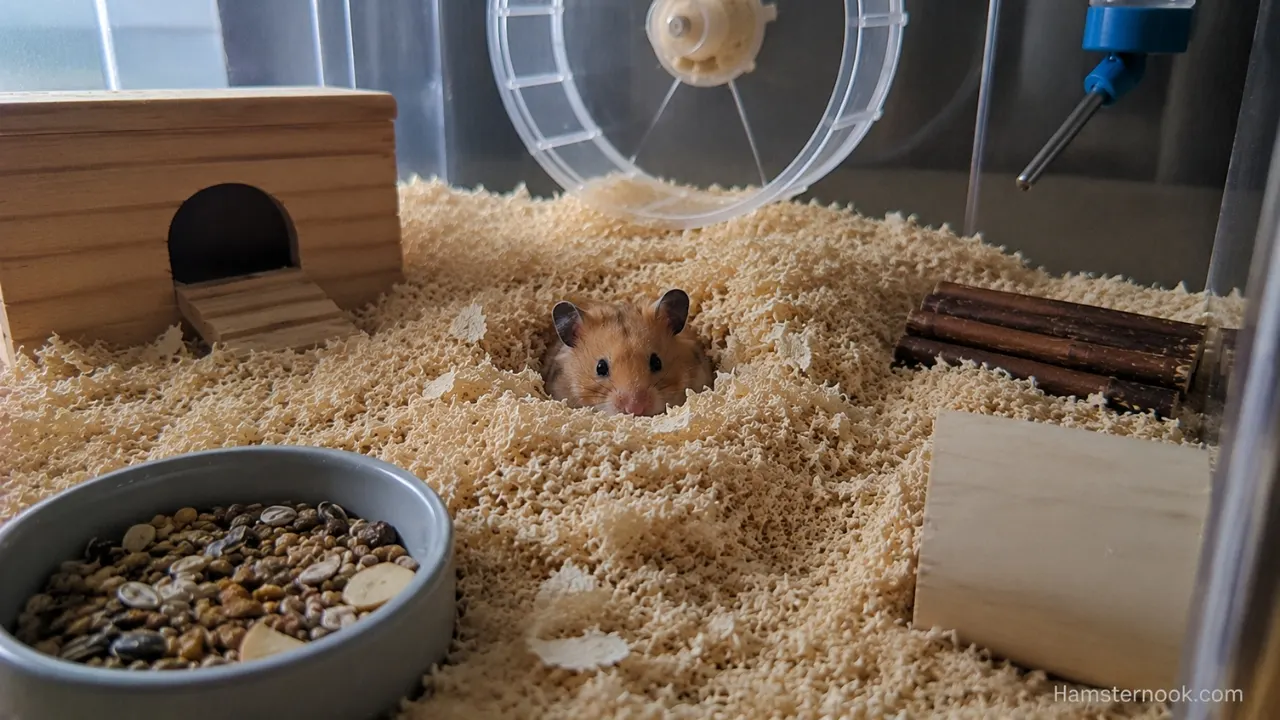
1. Quality Commercial Food
This should form the foundation of the diet.
Look for foods containing:
- Multiple grains
- Seeds
- Protein sources
- Balanced ingredients
A high-quality food mix helps provide complete nutrition.
2. Fresh Foods
Fresh vegetables provide:
- Variety
- Hydration
- Enrichment
- Additional nutrients
Fresh foods should supplement—not replace—the main diet.
3. Protein Sources
Protein is often overlooked.
Many hamsters benefit from occasional additional protein sources.

Examples include:
- Mealworms
- Plain cooked chicken
- Cooked egg
- Hamster-safe insects
Protein supports growth, tissue repair, and overall health.
Seed Mixes vs Pellets
The important issue is not simply whether food comes as seeds or pellets. The main diet should be nutritionally complete and appropriate for hamsters, while avoiding a diet that allows the hamster to selectively eat only its preferred ingredients.
Some quality foods are formulated as pellets, while others contain a controlled mix of ingredients. Check the nutritional information and feeding guidance for the specific product rather than assuming every seed mix or every pellet is equally suitable.
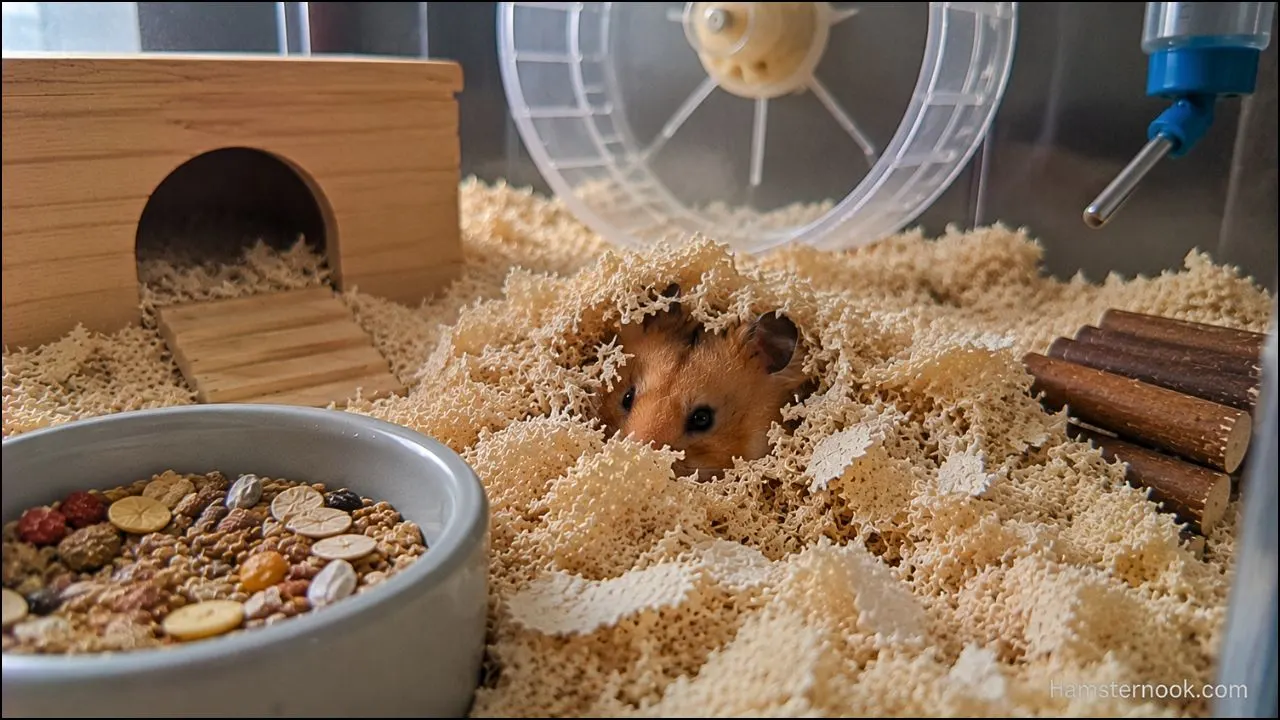
Food variety can also come from safe fresh foods and foraging opportunities rather than relying on a seed-heavy diet.
Safe Vegetables for Hamsters
Vegetables can be offered several times per week.
Introduce new foods gradually.
Common Safe Vegetables
| Vegetable | Safe? |
|---|---|
| Cucumber | Yes |
| Zucchini | Yes |
| Bell Pepper | Yes |
| Broccoli | Yes |
| Romaine Lettuce | Yes |
| Carrot | Yes (small amounts) |
| Green Beans | Yes |
| Peas | Yes |
Offer small portions to avoid digestive upset.

Safe Fruits for Hamsters
Fruit should be treated as an occasional treat.
Because fruit contains natural sugars, excessive amounts may contribute to weight gain.
Safe Fruits
| Fruit | Safe? |
|---|---|
| Apple (without seeds) | Yes |
| Blueberries | Yes |
| Strawberries | Yes |
| Pear | Yes |
| Banana | Small amounts |
| Raspberry | Yes |
Before offering any human food, check our complete guide on Can Hamsters Eat Bread? Safe or Dangerous?
Moderation is important.

Foods Hamsters Should Never Eat
Certain foods can be dangerous.
Never feed:
| Food | Risk |
|---|---|
| Chocolate | Toxic |
| Alcohol | Toxic |
| Caffeine | Toxic |
| Onions | Harmful |
| Garlic | Harmful |
| Raw Kidney Beans | Dangerous |
| Candy | Unsafe |
| Highly Processed Snacks | Unsafe |
When unsure about a food, always verify safety before feeding.
Knowing which foods to avoid is just as important as knowing which foods are safe. Our Foods Hamsters Should Never Eat (Complete Safety Guide) explains the ingredients and household foods that should always stay off a hamster’s menu.

Treats: How Much Is Too Much?
Many owners accidentally overfeed treats.
Treats should make up only a small portion of the diet.
Good treats include:
- Mealworms
- Small fruit pieces
- Seed treats
- Hamster-safe herbs
Too many treats can lead to:

- Obesity
- Selective eating
- Nutritional imbalance
A healthy hamster should view treats as occasional rewards, not dietary staples.
Water Requirements
Fresh water must always be available.
If you notice a sudden increase in drinking, read Why Is My Hamster Drinking So Much Water?
Water is one of the most important yet overlooked aspects of hamster care.

Check daily for:
- Blockages
- Leaks
- Contamination
- Functionality
Water Bottles vs Water Bowls
Both options can work.
Water Bottles
Advantages:
- Cleaner
- Less bedding contamination
- Easy monitoring
Water Bowls
Advantages:
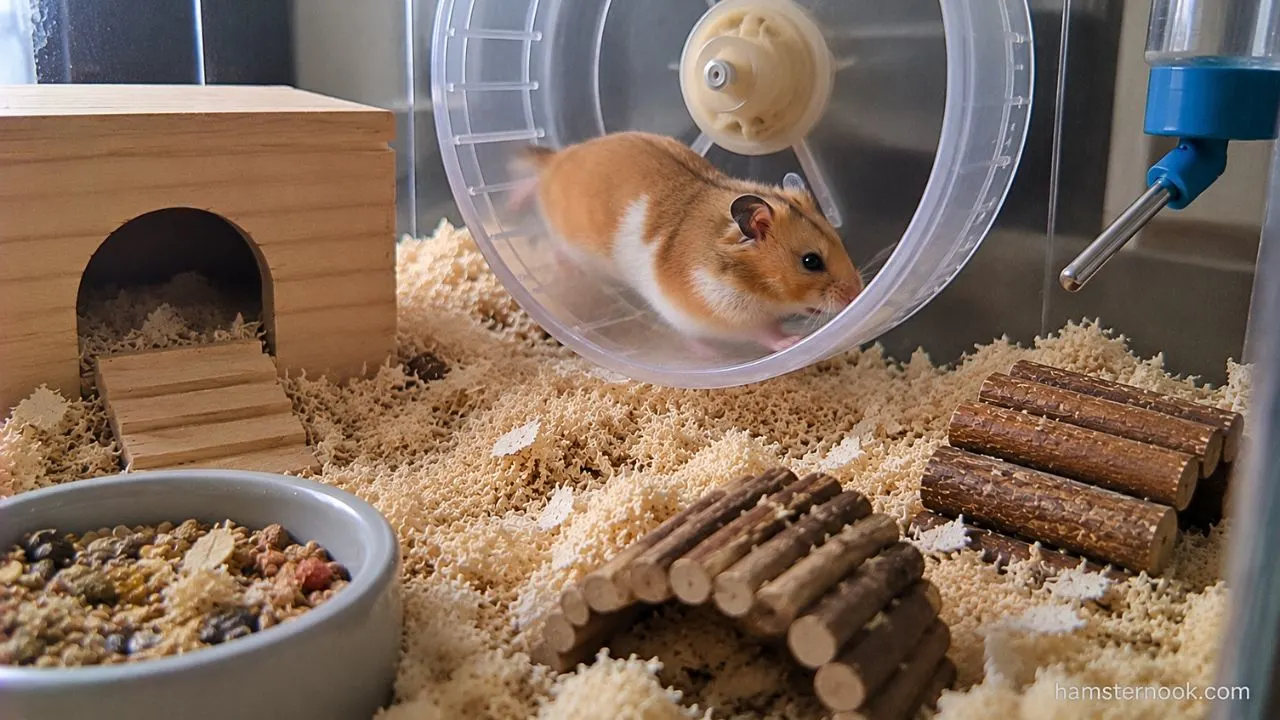
- Natural drinking position
- Easy access
Many owners successfully use both.
Choosing the Right Exercise Wheel
A wheel is not a luxury item.
Many beginners accidentally choose wheels that are too small. Learn more in Why Does My Hamster Suddenly Stop Using Its Wheel?
It is an essential part of hamster care.

Many hamsters run several miles every night.
Without an appropriate wheel, physical and mental health can suffer.
Features of a Safe Hamster Wheel
Look for a wheel that has:
- A solid running surface
- Quiet operation
- Stable support
- Appropriate diameter for the hamster species
Avoid wheels with wire rungs or gaps that could increase injury risk.

Recommended Wheel Sizes
| Hamster Type | Wheel Size |
|---|---|
| Syrian Hamster | 11–12 inches |
| Dwarf Hamster | 8–10 inches |
A wheel should allow the hamster to run with a straight back.
Signs a Wheel Is Too Small
Watch for:
- Curved spine while running
- Awkward posture
- Reduced wheel usage
- Difficulty maintaining speed
A larger wheel is usually the safer choice.
Hamster Enrichment: Why It Matters
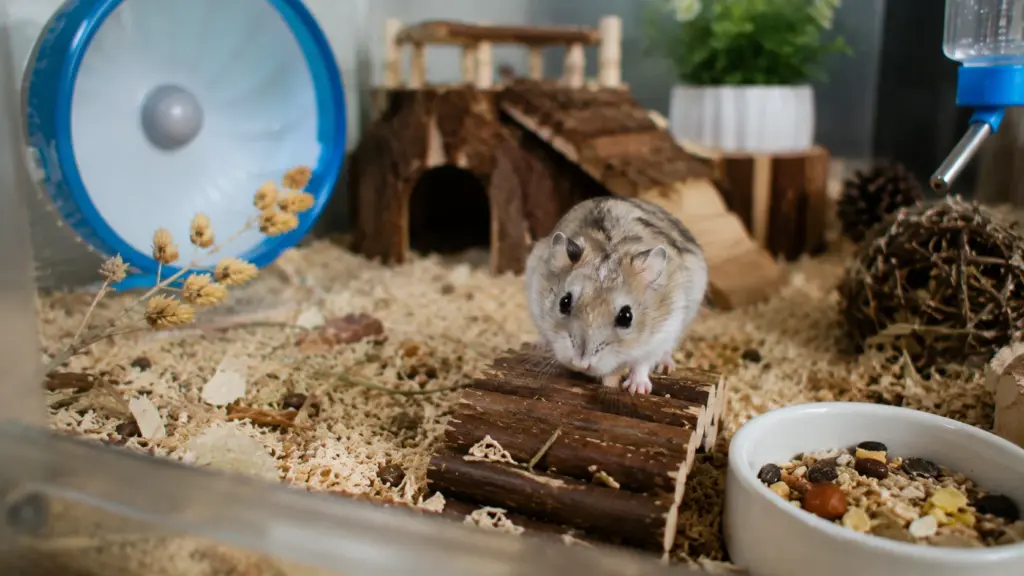
A hamster that only has food, water, and a wheel is likely missing important enrichment opportunities.

Enrichment helps support:
- Mental stimulation
- Natural behaviors
- Physical activity
- Stress reduction
The goal is to give your hamster opportunities to explore, investigate, and solve problems.
Need ideas? Here are 10 Ways to Make a Hamster Cage More Enriching and Less Boring.
Natural Behaviors Every Setup Should Support
A well-designed enclosure encourages:

- Digging
- Burrowing
- Foraging
- Running
- Nest building
- Chewing
- Exploring
The more opportunities your hamster has to express these instincts, the healthier and happier it is likely to be.
Foraging Activities
Foraging is one of the easiest forms of enrichment.
Instead of placing all food in a bowl:
- Scatter feed
- Hide treats
- Create food puzzles
- Use forage mixes
This encourages natural searching behavior.

Safe Chew Toys
Inspect items regularly for wear and damage.
Tunnels and Hideouts
Hamsters naturally seek security.
Multiple hideouts help reduce stress.

Useful additions include:
- Cork logs
- Wooden tunnels
- Cardboard structures
- Multi-chamber hides
A hamster that feels secure often becomes more confident overall.
Understanding Hamster Sleep Patterns
One of the biggest surprises for new owners is how much hamsters sleep during the day.
Most pet hamsters are:

- Nocturnal
- Crepuscular
- Most active during evening hours
If your hamster seems unusually inactive outside its normal schedule, How to Tell If Your Hamster Is Happy, Healthy, Stressed, or Sick can help you understand whether the behavior is normal or worth monitoring more closely.
Sleeping during daylight hours is completely normal.
If your hamster’s sleeping position also changes or looks unusual, our What Your Hamster’s Sleeping Position Says About Their Health guide explains which changes may be normal and which deserve closer attention.
Why You Should Not Wake Your Hamster
Repeatedly waking a sleeping hamster can cause:

- Stress
- Defensive behavior
- Fear
- Reduced trust
Allow your hamster to wake naturally whenever possible.
How to Build Trust With Your Hamster
Trust is earned gradually.
The taming process should move at the hamster’s pace.
Every hamster is different.

Some become comfortable quickly.
Others require several weeks.
Step 1: Let Your Hamster Settle In
During the first week:
- Keep disturbances minimal
- Maintain a routine
- Speak softly nearby
Avoid rushing interaction.

Step 2: Offer Treats by Hand
Once the hamster appears comfortable:
- Offer treats through your fingers
- Allow voluntary approach
- Avoid chasing
This begins creating positive associations.
Step 3: Introduce Your Hand
Place your hand inside the enclosure.
Allow investigation.

Do not force contact.
Curiosity often drives progress naturally.
Step 4: Encourage Voluntary Climbing
Many hamsters eventually climb onto a stationary hand.
Allow this process to happen naturally.

Allowing progress to happen naturally usually leads to a more confident hamster.
Safe Handling Techniques
Proper handling reduces injury and stress.
Always:
- ✓ Support the body
- ✓ Move slowly
- ✓ Stay close to the ground
- ✓ Use both hands when necessary
Avoid:

- ✗ Grabbing suddenly
- ✗ Chasing
- ✗ Pulling from hideouts
- ✗ Handling immediately after waking
Can Hamsters Recognize Their Owners?
Learn more in Can Hamsters Recognize Their Owners by Smell Alone?
Many owners notice behavioral differences between familiar and unfamiliar people.
Hamsters may learn:
- Familiar scents
- Voices
- Routines
- Feeding schedules
While recognition differs from human relationships, many hamsters become noticeably more comfortable with regular caregivers.

Understanding Normal Hamster Behaviors
Knowing what is normal helps owners recognize potential problems.
Healthy behaviors include:
- Exploring
- Grooming
- Running
- Burrowing
- Foraging
- Food hoarding
These behaviors indicate a hamster is expressing natural instincts.
Food Hoarding Is Completely Normal
Many beginners worry when their hamster hides food.

This behavior is instinctive.
Wild hamsters naturally create food stores for future use.
Pet hamsters continue this behavior.
Food caches are not a sign that something is wrong.

Grooming Behavior
Hamsters spend considerable time grooming.
Regular grooming often indicates:
- Comfort
- Normal behavior
- Healthy self-maintenance
Excessive grooming, however, may sometimes indicate stress or skin problems.
Warning Signs of Stress
Stress should never be ignored.

Watch for:
- Persistent bar chewing
- Repetitive pacing
- Excessive hiding
- Aggression
- Reduced activity
- Sudden personality changes
If these changes continue, our 7 Signs You’re Accidentally Stressing Your Hamster guide covers common environmental and handling factors that can contribute to stress.
These signs often indicate problems with:
- Space
- Enrichment
- Environment
- Health
Identifying the cause early can prevent more serious issues later.

Hamster Health Basics Every Owner Should Know
A healthy hamster is usually active during its normal waking hours, eats consistently, maintains a stable weight, and shows curiosity about its environment.
Because hamsters are prey animals, they often hide signs of illness until a condition becomes serious. This is why daily observation is one of the most important parts of responsible hamster ownership.
Learning to recognize health problems early can make a significant difference. Our Signs of a Sick Hamster: Warning Symptoms Every Owner Should Know guide covers the symptoms owners should never ignore.
Many health problems can be treated more successfully when identified early.

Keep a Simple Health Record
Recording your hamster’s approximate weight, appetite, activity level, and any unusual behavior once per month can help you notice subtle changes that might otherwise be missed.
Healthy Hamster Checklist
A healthy hamster typically has:
- ✓ Bright, clear eyes
- ✓ Clean nose
- ✓ Smooth breathing
- ✓ Healthy appetite
- ✓ Consistent weight
- ✓ Clean fur
- ✓ Normal movement
- ✓ Regular activity during waking hours
Small changes are often the first clue that something may be wrong.
Signs Your Hamster May Be Sick
Contact an experienced exotic animal veterinarian if you notice:

- Rapid weight loss
- Refusal to eat
- Persistent lethargy
- Difficulty walking
- Labored breathing
- Diarrhea
- Swelling
- Eye discharge
- Nose discharge
- Sudden behavioral changes
Never assume a hamster will “get better on its own.”
Small animals can decline very quickly.
Common Hamster Health Problems
Wet Tail
Wet tail is one of the most serious hamster illnesses.
Common symptoms include:
- Diarrhea
- Wet rear end
- Loss of appetite
- Weakness
- Dehydration
Immediate veterinary care is essential.
Respiratory Infections
Possible symptoms include:
- Sneezing
- Wheezing
- Nasal discharge
- Difficulty breathing
Respiratory illnesses should always be taken seriously.
Dental Problems
A hamster’s teeth continuously grow throughout its life.
Potential warning signs include:
- Weight loss
- Drooling
- Difficulty eating
- Reduced appetite
Proper chewing opportunities help reduce risk.
Skin and Fur Problems
Watch for:
- Hair loss
- Red skin
- Scabs
- Excessive scratching
Possible causes include:
- Parasites
- Allergies
- Infections
- Environmental irritation
Persistent symptoms require veterinary evaluation.
Finding the Right Veterinarian
Before an emergency happens, locate a veterinarian experienced with small mammals.
Not every clinic treats hamsters.
Ask:
- Do you treat hamsters?
- Are emergency appointments available?
- Do you perform diagnostic testing?
- What after-hours options exist?
Planning ahead saves valuable time during emergencies.
Cleaning a Hamster Cage Properly
Cleanliness is important, but many beginners accidentally over-clean.
Hamsters rely heavily on familiar scents to feel secure.
Removing every trace of scent can be stressful.
Daily Maintenance
Each day:
- Check water
- Remove spoiled fresh foods
- Observe health and behavior
- Spot clean obvious waste areas
Daily maintenance only takes a few minutes.
Weekly Maintenance
Each week:
- Spot-clean soiled bedding
- Inspect accessories
- Wash food and water containers
- Check wheel function
Partial Deep Cleaning
When needed:
- Replace heavily soiled bedding
- Retain some clean bedding
- Preserve nesting material when safe
This helps maintain familiar scent markers.
Hamster Care Schedule
Daily
- Check fresh water and make sure the bottle or bowl is working.
- Provide the normal food portion.
- Remove spoiled fresh food.
- Observe your hamster during its normal active period.
- Spot-clean visibly soiled areas when needed.
- Check for obvious enclosure or equipment hazards.
Regularly
Spot-cleaning should be based on where your hamster toilets and where bedding becomes soiled rather than following a rigid weekly schedule. Inspect the wheel, hides, toys, water source, and other equipment regularly and clean or replace anything that has become dirty or damaged.
Deeper Cleaning
The frequency of a deeper cage clean depends on enclosure size, bedding, toilet habits, and how quickly the habitat becomes soiled. Avoid removing all clean bedding and nesting material unnecessarily because familiar scents can help your hamster feel secure.
Temperature and Environmental Safety
Hamsters are sensitive to environmental conditions.
Ideal housing areas should be:
- Well ventilated
- Draft free
- Dry
- Quiet
- Protected from direct sunlight
Avoid placing enclosures near:
- Radiators
- Air conditioners
- Sunny windows
- Loud speakers
- Televisions
Stable temperatures help support long-term health.
Hamster-Proofing Out-of-Cage Play Areas
Many owners enjoy providing supervised exploration time.
Before allowing out-of-cage play:
- ✓ Remove electrical cords
- ✓ Block escape routes
- ✓ Remove toxic plants
- ✓ Eliminate dangerous gaps
- ✓ Supervise continuously
Never leave a hamster unattended outside its enclosure.
Can Hamsters Live Together?
This remains one of the most misunderstood topics in hamster care.
Most pet hamsters should be housed individually.
Syrian hamsters must always live alone.
Even species sometimes housed together may experience sudden conflicts.
For beginners, solitary housing is usually the safest choice.
Owners researching whether a hamster needs another hamster may also find Do Hamsters Get Lonely? The Truth About Keeping Hamsters Alone helpful.
Traveling With a Hamster
Travel should generally be minimized.
If transportation becomes necessary:
- Use a secure carrier
- Include familiar bedding
- Maintain comfortable temperatures
- Reduce noise and stress
Long trips require additional planning.
Caring for Senior Hamsters
As hamsters age, their needs may change.
Older hamsters often benefit from:
- Easier access to food
- Easier access to water
- Softer bedding
- Reduced climbing hazards
- More frequent observation
Common signs of aging include:
- Slower movement
- Reduced activity
- Weight changes
- Increased sleeping
Regular monitoring becomes increasingly important.
For more guidance, see What Good Hamster Care Actually Looks Like (Most Owners Get This Wrong).
Most Common Beginner Mistakes
Many hamster problems originate from avoidable errors.
Buying a Cage That’s Too Small
Tiny cages limit natural behavior and often contribute to stress.
Always prioritize floor space.
Using Unsafe Bedding
Avoid:
- Cedar bedding
- Scented bedding
- Cotton nesting fluff
Choose safe bedding materials designed for hamsters.
Choosing a Wheel That’s Too Small
Improper wheel sizes may contribute to poor posture and discomfort.
Always choose a wheel appropriate for your hamster’s species.
Overhandling Too Soon
Trust takes time.
Allow your hamster to adjust before expecting interaction.
Feeding Too Many Treats
Treats should supplement—not replace—a balanced diet.
Ignoring Enrichment
Mental stimulation is essential for long-term welfare.
A bored hamster may develop behavioral problems.
Housing Hamsters Together
Many owners underestimate territorial behavior.
Separate housing is usually the safest option.
Trusting Outdated Information
Hamster care recommendations continue to evolve.
Always verify information using current, evidence-based sources.
New Hamster Owner Checklist
Before bringing a hamster home, confirm you have:
- ✓ Large enclosure
- ✓ Safe bedding
- ✓ Proper wheel
- ✓ Hideouts
- ✓ Water source
- ✓ Quality food
- ✓ Chew toys
- ✓ Enrichment items
- ✓ Veterinary contact information
- ✓ Time and patience for taming
Having everything ready before your hamster arrives helps reduce stress and creates a smoother adjustment period.
What Good Hamster Care Looks Like
Good hamster care is built around meeting natural needs rather than simply providing basic survival requirements. Adequate space, deep bedding, enrichment, a balanced diet, and a predictable routine work together to support both physical and emotional wellbeing.
Key Takeaways
- Hamsters require significantly more space than many commercial cages provide.
- Deep bedding is essential for natural burrowing behavior.
- A properly sized wheel supports physical and mental health.
- Balanced nutrition includes quality food, fresh vegetables, and appropriate protein sources.
- Enrichment is a necessity, not a luxury.
- Most hamsters should live alone.
- Daily observation helps identify health problems early.
- Patience and consistency are the foundations of trust and taming.
- Good hamster care is ultimately about creating an environment where natural behaviors can happen safely every day.
Final Thoughts
Hamsters may be small, but they have complex physical and behavioral needs that deserve careful attention. Proper housing, nutrition, enrichment, and patient handling can dramatically improve both lifespan and quality of life.
The owners who tend to have the most success are those who pay attention to their hamster’s behavior and adjust care when needed. By providing enough space, supporting natural behaviors, offering a balanced diet, and recognizing early signs of illness, you create an environment where your hamster can thrive.
Whether you’re preparing for your first hamster or improving care for a current companion, investing time in proper hamster care is one of the most valuable things you can do for your pet.
These organizations provide educational resources and animal welfare guidance that help inform hamster care recommendations.
Information was reviewed and adapted for pet hamster owners using current small-animal care recommendations.
Frequently Asked Questions
Are hamsters good pets for beginners?
Yes, hamsters can be excellent pets for beginners when their needs for space, enrichment, nutrition, and proper handling are understood. Most problems new owners experience are related to outdated care advice rather than the animals themselves.
How long do hamsters live?
Most hamsters live between 2 and 4 years. Lifespan varies by species, genetics, diet, housing quality, and overall health care.
Do hamsters need an exercise wheel?
Yes. A properly sized wheel is one of the most important pieces of hamster enrichment.
How often should I feed my hamster?
Provide a measured portion of quality hamster food daily and supplement with fresh foods in moderation.
Can hamsters recognize their owners?
Many hamsters learn familiar scents, voices, routines, and handling patterns.
How much bedding should a hamster have?
At least 8–10 inches is recommended, with deeper bedding preferred whenever possible.
Are hamster balls safe?
Many modern animal welfare experts discourage hamster balls because they can restrict awareness and increase stress.
Why does my hamster bite?
Biting may result from fear, stress, pain, territorial behavior, or insufficient trust.
Can hamsters eat fruit every day?
Fruit should generally be offered in moderation due to its sugar content.
What is the best hamster species for beginners?
Syrian hamsters are often considered the most beginner-friendly because of their larger size and easier handling.
Do hamsters need deep bedding?
Yes. Deep bedding allows hamsters to burrow, build nests, store food, and feel secure. Most modern care recommendations suggest at least 8–10 inches, with more depth preferred whenever possible.
Can I keep two hamsters together?
For most pet owners, separate housing is safest. Syrian hamsters should always live alone, and even dwarf species can become territorial and fight unexpectedly.
What is the most common hamster care mistake?
Providing an enclosure that is too small is one of the most common mistakes. Limited space can contribute to stress, boredom, repetitive behaviors, and reduced opportunities for natural activities.
How long does it take a hamster to settle into a new home?
Most hamsters need several days to a few weeks to fully adjust to a new environment. During this period, providing a quiet habitat, consistent routine, and minimal handling often helps reduce stress.
References
This guide is based on hamster housing, behavior, health, and welfare guidance from trusted animal welfare and veterinary resources, including:
- RSPCA – Creating a Good Home for Hamsters – Housing, bedding, enrichment, and environmental care.
- RSPCA – Understanding Hamster Behaviour – Natural behaviors, handling, and behavioral welfare.
- PDSA – Hamsters as Pets – General hamster care, health, housing, diet, and welfare guidance.
- MSD Veterinary Manual – Providing a Home for a Hamster – Veterinary guidance on housing, bedding, environmental needs, and enclosure care.
- MSD Veterinary Manual – Routine Health Care of Hamsters – Veterinary guidance on routine health monitoring and preventive care.
Medical Disclaimer
The information in this guide is intended for educational purposes only and should not replace professional veterinary advice. If your hamster shows signs of illness, injury, or unusual behavior, consult a qualified exotic pet veterinarian.

Narayan Kumar is the founder and author of HamsterNook. He creates practical, research-based hamster care guides covering hamster behavior, nutrition, cage setup, enrichment, health, and everyday care. His goal is to help hamster owners make informed decisions and provide safer, healthier lives for their pets through clear, beginner-friendly information based on trusted animal care resources.