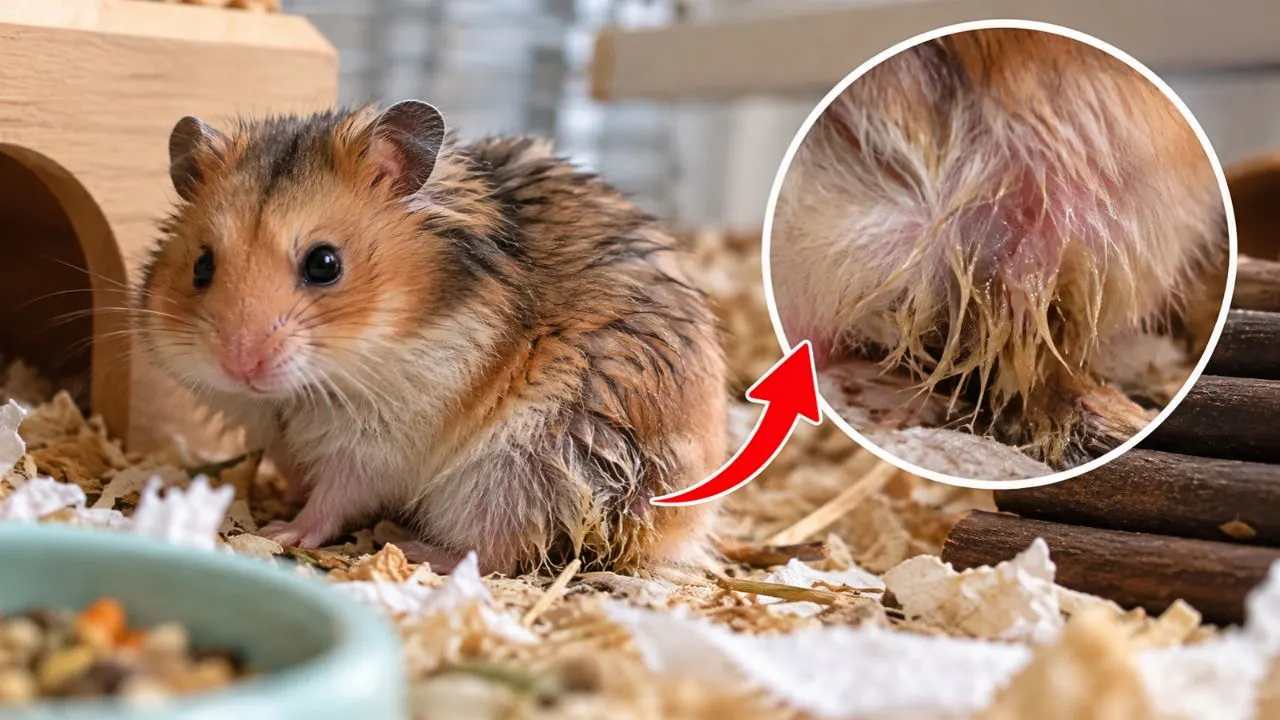
Hamsters are experts at hiding illness. In the wild, showing weakness makes small animals easy targets for predators, so even pet hamsters naturally try to appear healthy for as long as possible. That’s why many owners are shocked when a hamster suddenly seems very sick overnight.
Most hamsters don’t become seriously ill without showing small warning signs first. The challenge is that these early changes are often subtle enough to blend into normal daily behavior. Learning what is typical for your own hamster makes it much easier to recognize when something begins to change.
Understanding your hamster’s normal behavior is one of the best ways to catch health problems early. Small differences in eating, sleeping, grooming, movement, or social behavior can reveal that something is wrong long before severe symptoms appear.
This guide covers the most common early warning signs hamsters show before getting sick, why these behaviors happen, and when owners should take action.

Why Hamsters Hide Illness So Well
Because hamsters naturally hide weakness, owners often notice behavior changes before obvious physical symptoms appear.
Hamsters are prey animals with strong survival instincts. In nature, weak or sick animals are more vulnerable to predators, so hamsters instinctively hide pain and discomfort.
This means obvious symptoms often appear late in the illness process. By the time a hamster looks visibly sick, the condition may already be advanced.
That’s why noticing subtle behavior changes is extremely important for hamster owners.

One of the easiest ways to notice illness early is to become familiar with your hamster’s normal routine before any problems occur. Knowing when your hamster usually wakes up, how much it eats, and how often it uses its wheel makes even small changes much easier to spot.
Early Warning Signs Your Hamster May Be Getting Sick
Many early symptoms are behavioral rather than physical. Paying attention to daily habits can help you spot problems sooner.
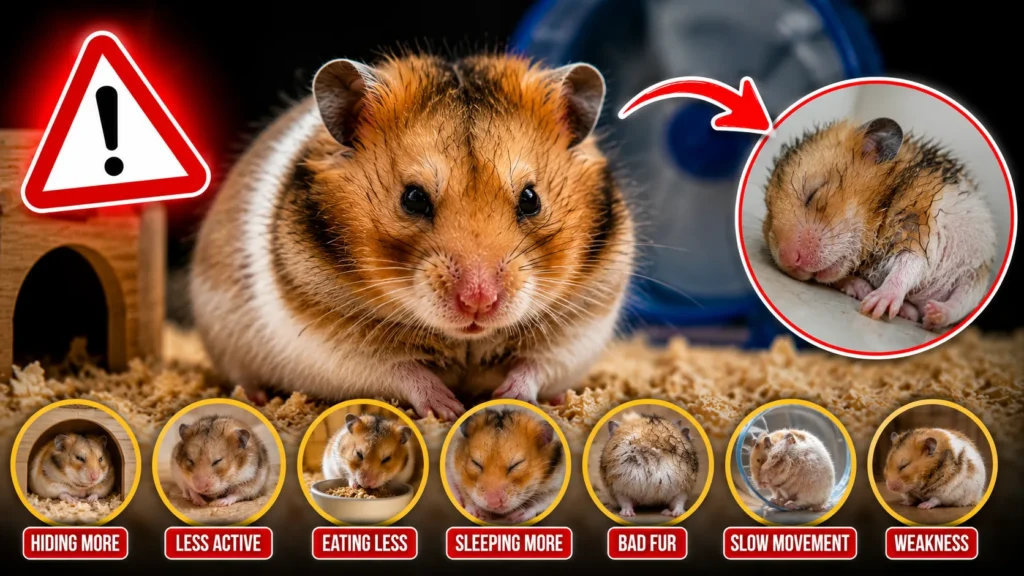
Your Hamster Suddenly Becomes Less Active
One of the earliest warning signs is a noticeable drop in activity.
Healthy hamsters are naturally curious and energetic, especially during evening and nighttime hours. If your hamster suddenly spends more time sleeping, avoids exploring, or stops using its wheel as much, it could indicate illness or discomfort.

A temporary quiet day is not always an emergency, but ongoing lethargy should never be ignored.
Normal vs Concerning Activity Changes
| Normal Behavior | Possible Warning Sign |
|---|---|
| Sleeping during daytime | Sleeping excessively at night too |
| Short rest periods | Barely leaving hideout |
| Occasional lazy day | Sudden loss of energy for multiple days |
| Slower activity with aging | Refusing normal movement |
Changes in Eating Habits Often Appear Early
Hamsters usually love food and spend a lot of time collecting and storing it. A hamster that suddenly loses interest in eating may already be feeling unwell.
A hamster that suddenly loses interest in food should never be ignored, especially if the change lasts longer than a day. Our Why Is My Hamster Not Eating? guide explains the most common causes and when reduced appetite may signal a health problem.
Watch carefully for:

- Leaving favorite foods untouched
- Eating much smaller amounts
- Difficulty chewing
- Dropping food while eating
- Empty cheek pouches less often
Reduced appetite can happen with infections, dental problems, digestive illness, stress, or pain.
Your Hamster Starts Drinking More or Less Water
Water intake changes are commonly overlooked.
A hamster drinking significantly more water than usual may have:
- Diabetes
- Kidney problems
- Dehydration
- Infection
Meanwhile, a hamster drinking very little may already be weak or ill.

Because water bottles can leak or malfunction, owners should always confirm that the drinking system works properly before assuming illness.
Unusual Sleeping Patterns Can Signal Health Problems
Hamsters naturally sleep a lot during the day, but major sleep changes can indicate trouble.
Changes in sleeping habits are easier to understand when you know what a normal hamster sleep schedule looks like. Our Why Is My Hamster Sleeping So Much? guide explains when extra sleep is expected and when it may be a warning sign.
A sick hamster may:

- Wake up much later than usual
- Ignore normal nighttime activity
- Sleep outside its nest
- Seem difficult to wake
Sleeping outside the nesting area is especially concerning because healthy hamsters usually prefer warm, protected sleeping spaces.
Changes in Grooming Behavior Are Common Before Illness
Healthy hamsters groom themselves regularly. Their fur should usually appear clean and smooth.
Hair loss doesn’t always happen because of illness alone. Our Why Is My Hamster Losing Hair? guide explains the most common medical and environmental causes behind thinning fur and bald patches.
A hamster that stops grooming may begin looking:

- Messy
- Greasy
- Puffy
- Wet around the mouth or tail
Excessive grooming can also signal problems like stress, mites, allergies, or skin irritation.
Coat Condition Warning Signs
| Fur Appearance | What It May Mean |
|---|---|
| Smooth and clean | Usually healthy |
| Greasy or oily | Illness or reduced grooming |
| Bald patches | Parasites, stress, or skin problems |
| Wet tail area | Possible diarrhea or wet tail disease |
| Matted fur | Weakness or poor health |
Your Hamster May Hide More Than Normal
Hamsters naturally enjoy hiding, but excessive hiding can be a warning sign.
If your hamster suddenly avoids interaction, refuses to leave its hideout, or reacts differently during normal handling, it may feel vulnerable or sick.
Pay attention if hiding behavior appears alongside:

- Weight loss
- Poor appetite
- Low energy
- Fur changes
Sudden Aggression or Irritability Can Be a Sign of Pain
A normally friendly hamster that suddenly bites, squeaks, or acts defensive may not simply be “moody.”
Pain and illness often make hamsters more irritable because they feel vulnerable or uncomfortable.
Common causes include:
- Injury
- Dental pain
- Internal illness
- Stress
- Skin irritation
Behavior changes should always be evaluated alongside physical symptoms.

Breathing Changes Should Never Be Ignored
Breathing problems are serious in hamsters.
Respiratory problems are only one part of recognizing illness early. Our Signs of a Sick Hamster guide covers additional symptoms that often appear before a hamster becomes seriously unwell.
Healthy hamsters breathe quietly and smoothly. Signs of possible respiratory illness include:
- Clicking sounds
- Wheezing
- Labored breathing
- Fast breathing
- Sneezing frequently
- Nasal discharge
Respiratory infections in hamsters should always be monitored carefully., especially in cold or poorly ventilated environments.

Weight Loss Is Often Missed Until It Becomes Severe
Hamsters are small, so even slight weight loss can be significant.
Because fluffy fur hides body shape well, owners may not notice gradual weight changes immediately.
Signs may include:
- Prominent bones
- Loose skin
- Smaller body appearance
- Weakness
Weekly weight checks using a small digital kitchen scale can help detect hidden health problems earlier.

Recording your hamster’s weight in a simple notebook or phone app can make gradual changes easier to notice. Small weight losses may be difficult to see under thick fur, but regular records often reveal trends that would otherwise go unnoticed.
Bathroom Habit Changes Can Reveal Illness
Changes in urine or stool are often important clues.
Sometimes digestive problems develop because of avoidable care mistakes rather than disease alone. Our Common Hamster Mistakes Owners Make guide explains everyday habits that may accidentally affect a hamster’s health.
Digestive Warning Signs
| Symptom | Possible Concern |
|---|---|
| Diarrhea | Infection, stress, unsafe food |
| Very small droppings | Dehydration or poor eating |
| No droppings | Digestive blockage or severe illness |
| Blood in urine | Urinary or internal problems |
| Strong odor | Infection or digestive issue |
Wet tail disease, which causes severe diarrhea, is especially dangerous for young hamsters and requires urgent veterinary care.

Your Hamster Stops Using the Wheel
A healthy hamster usually uses its wheel regularly, especially at night.
A sudden reduction in wheel activity may suggest:
- Fatigue
- Pain
- Obesity
- Injury
- Illness
Checking wheel usage daily can actually help owners notice health changes earlier.
A single quiet night is not always a cause for concern. Older hamsters, hot weather, or a recent cage cleaning may temporarily reduce activity. However, if wheel use drops noticeably for several nights alongside other unusual behaviors, it’s worth monitoring your hamster more closely.

Hunched Posture Can Indicate Pain
Healthy hamsters normally sit upright or move comfortably.
A hamster sitting hunched for long periods may be experiencing discomfort, weakness, or abdominal pain.
This posture is often accompanied by:
- Closed eyes
- Slow movement
- Puffing fur
- Reduced activity
Eye and Nose Changes Often Appear Before Severe Illness
Healthy hamster eyes should look bright and fully open.

Watch for:
- Crusty eyes
- Half-closed eyes
- Redness
- Swelling
- Nose discharge
Eye and nose symptoms may appear with respiratory infections, injuries, allergies, or underlying illness.
Common Illnesses Linked to Early Warning Signs
Some illnesses develop gradually while showing subtle early symptoms.
| Illness | Early Warning Signs |
|---|---|
| Wet Tail | Lethargy, diarrhea, poor appetite |
| Respiratory Infection | Sneezing, wheezing, low activity |
| Dental Problems | Dropping food, weight loss |
| Diabetes | Increased thirst, urination, weight changes |
| Mites or Skin Issues | Scratching, hair loss, irritation |
Recognizing patterns early gives hamsters a better chance of recovery.
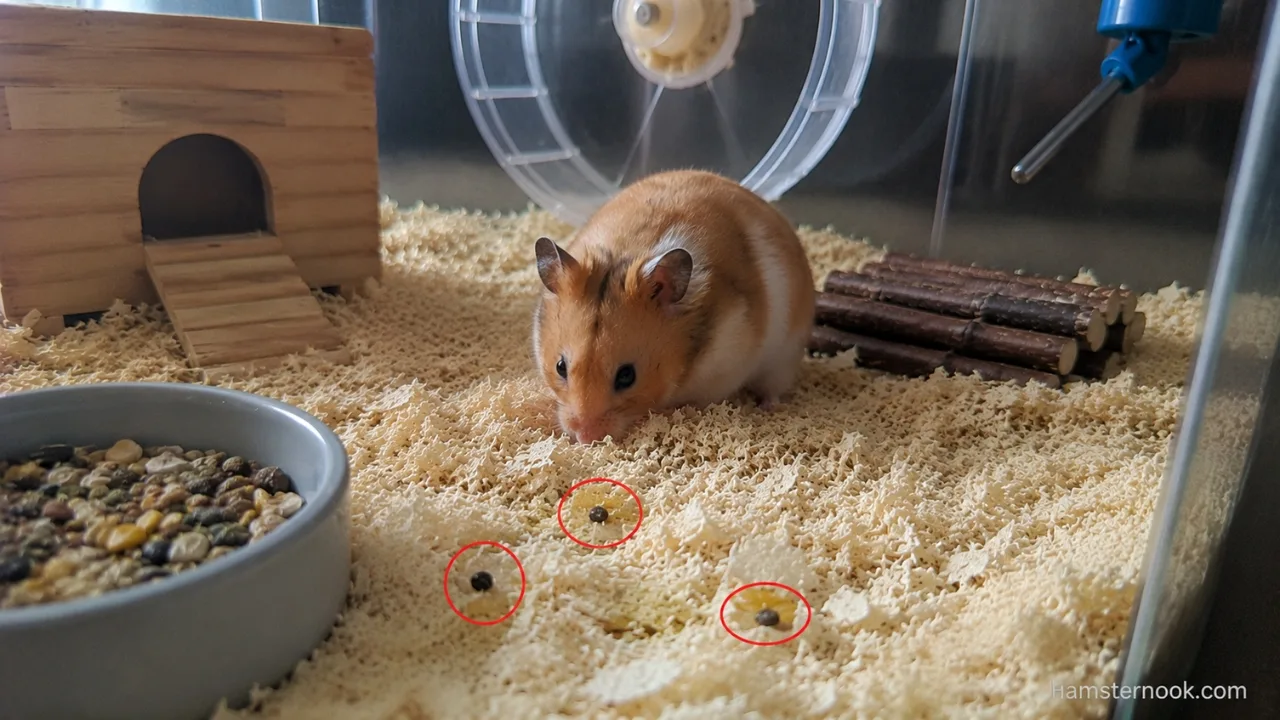
Keep a Simple Health Routine
You don’t need expensive equipment to monitor your hamster’s health. Spending a few minutes each evening checking food intake, water use, activity, droppings, and general appearance often provides enough information to notice subtle changes before they become serious. Consistent observation is one of the most valuable habits any hamster owner can develop.
When Should You Take a Hamster to the Vet?
Hamsters are very small animals, so health problems may worsen faster than many owners expect.
Seek veterinary care immediately if your hamster shows:
- Difficulty breathing
- Severe diarrhea
- Refusal to eat
- Bleeding
- Sudden collapse
- Extreme weakness
- Rapid weight loss
For mild symptoms, monitor closely for 24 hours, but persistent behavior changes should still be taken seriously.
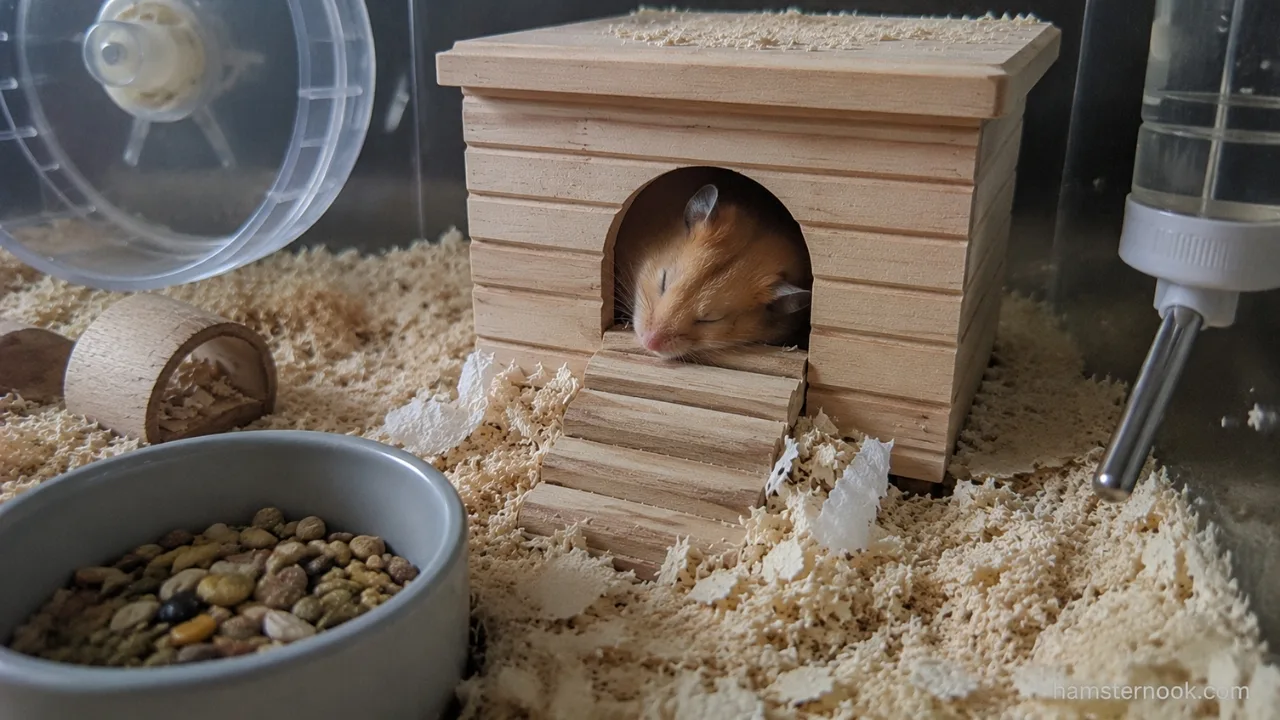
How Owners Can Detect Illness Earlier
Simple daily observation is often one of the most effective ways to notice health problems early in pet hamsters.
The best way to spot sickness early is by learning your hamster’s normal routine.
Daily observation helps owners notice small changes before they become emergencies.
Helpful Daily Health Checks
| What to Monitor | Why It Matters |
|---|---|
| Food intake | Detect appetite changes |
| Water use | Spot dehydration or diabetes |
| Wheel activity | Notice energy changes |
| Fur condition | Identify grooming problems |
| Droppings | Monitor digestive health |
| Weight | Catch hidden illness early |
Consistency matters more than complicated health tracking.

Many owners only notice illness after obvious symptoms appear, but hamsters often provide small clues much earlier. Paying attention to gradual changes instead of waiting for dramatic symptoms gives you a better chance of recognizing problems before they become emergencies.
Final Thoughts
Hamsters are remarkably good at hiding illness, but careful owners can often recognize small changes before obvious symptoms develop. Paying attention to appetite, grooming, activity, posture, and daily routines provides valuable clues about your hamster’s health. If several warning signs appear together or continue for more than a short period, seeking veterinary advice promptly gives your hamster the best chance of a successful recovery.
Knowing what healthy behavior looks like makes unusual changes much easier to recognize. Our Happy and Healthy Hamster Signs guide explains the daily behaviors owners should expect from a comfortable, thriving hamster.
Changes in energy, grooming, eating habits, sleeping patterns, or social behavior may all happen before obvious illness appears. Owners who pay close attention to their hamster’s daily routine are far more likely to catch problems early.

While not every small behavior change means your hamster is sick, persistent or multiple symptoms together should never be ignored. Early veterinary care often makes a major difference in recovery for small pets like hamsters.
Medical Disclaimer
The information provided in this article is for educational and informational purposes only and should not be considered veterinary advice, diagnosis, or treatment. If your hamster is showing signs of illness, injury, or unusual behavior, consult a qualified veterinarian as soon as possible.
Sources
- RSPCA – Hamster Care Guidance
- PDSA – Hamster Health Information
- Veterinary Partner – Small Animal Health Resources
- Blue Cross – Small Pet Care Resources
Frequently Asked Questions
Do hamsters hide when they are sick?
Yes. Hamsters instinctively hide illness and may spend more time hiding when they feel weak or vulnerable.
How do I know if my hamster is lethargic?
A lethargic hamster may move slowly, avoid exercise, sleep excessively, and show little interest in food or activity.

Is it normal for hamsters to sleep a lot?
Yes, hamsters naturally sleep during the day. However, excessive sleeping during normal active nighttime hours may be concerning.
Why is my hamster suddenly aggressive?
Sudden aggression can sometimes indicate pain, illness, stress, or injury rather than personality changes.
What does unhealthy hamster fur look like?
Greasy, matted, puffed-up, or patchy fur can signal illness, poor grooming, parasites, or stress.
When is hamster diarrhea dangerous?
Diarrhea is always serious in hamsters, especially young ones. Wet tail disease is a serious digestive condition that requires rapid veterinary care.
Should I separate a sick hamster from other hamsters?
If you keep compatible dwarf hamsters together and one becomes ill, separating them may sometimes be necessary to prevent stress or disease transmission. However, the decision depends on the suspected illness and should ideally be discussed with an experienced exotic veterinarian.

Narayan Kumar is the founder and author of HamsterNook. He creates practical, research-based hamster care guides covering hamster behavior, nutrition, cage setup, enrichment, health, and everyday care. His goal is to help hamster owners make informed decisions and provide safer, healthier lives for their pets through clear, beginner-friendly information based on trusted animal care resources.