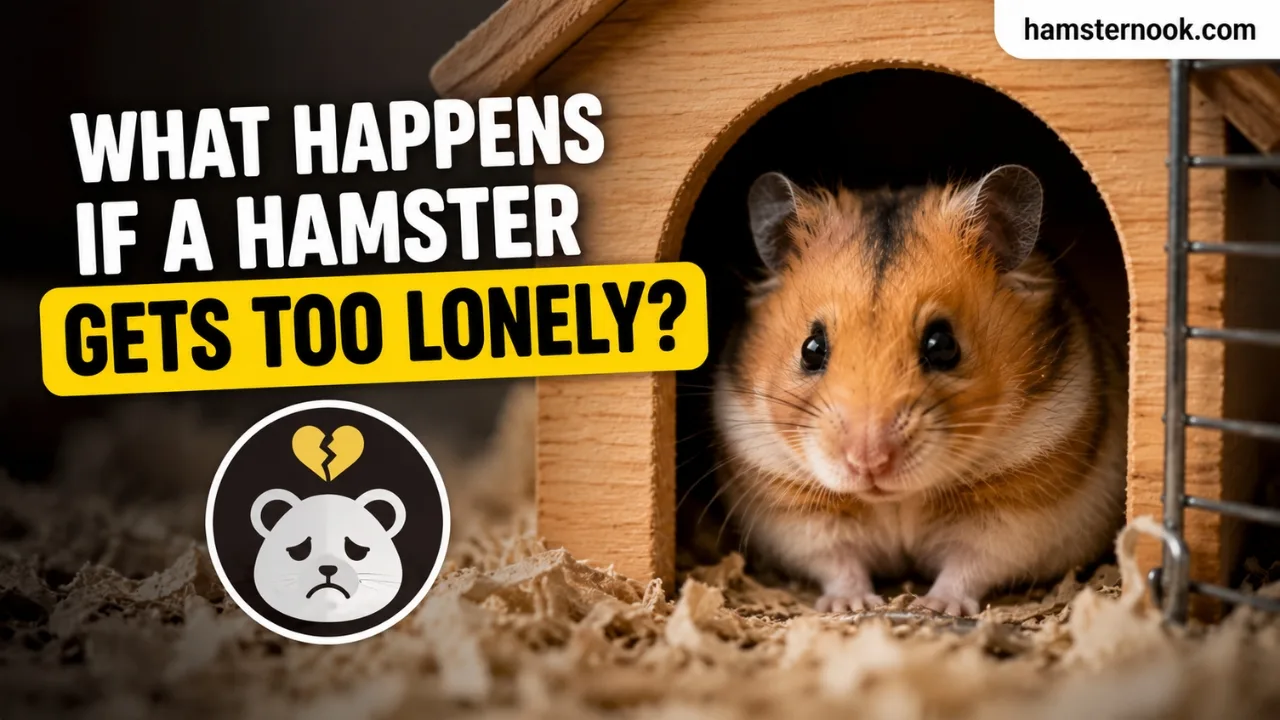
Many first-time hamster owners worry that their pet feels lonely when left alone in a cage. It’s an understandable concern because people naturally associate loneliness with sadness and isolation. Hamsters behave very differently from highly social pets like guinea pigs, rats, or rabbits.
In fact, for most hamster species, being forced to live with another hamster is often far more stressful than living alone.
However, hamsters can still experience stress, boredom, and frustration if they lack proper enrichment, exercise, or interaction. A lonely hamster may not need another hamster companion, but it does need mental stimulation, exercise, and a safe environment to stay healthy and active.
Understanding the difference between “being alone” and “being neglected” is one of the most important parts of responsible hamster care.

Do Hamsters Actually Get Lonely?
Most pet hamster species are naturally solitary animals.
Many beginner hamster owners confuse boredom or stress with loneliness, but most hamster species naturally prefer living alone.
In the wild, hamsters usually live alone and protect their territory from other hamsters. Syrian hamsters are especially known for preferring solitude as adults. Housing two Syrians together often leads to stress or fighting.
However, being solitary does not mean hamsters should be ignored or left in empty cages without stimulation.
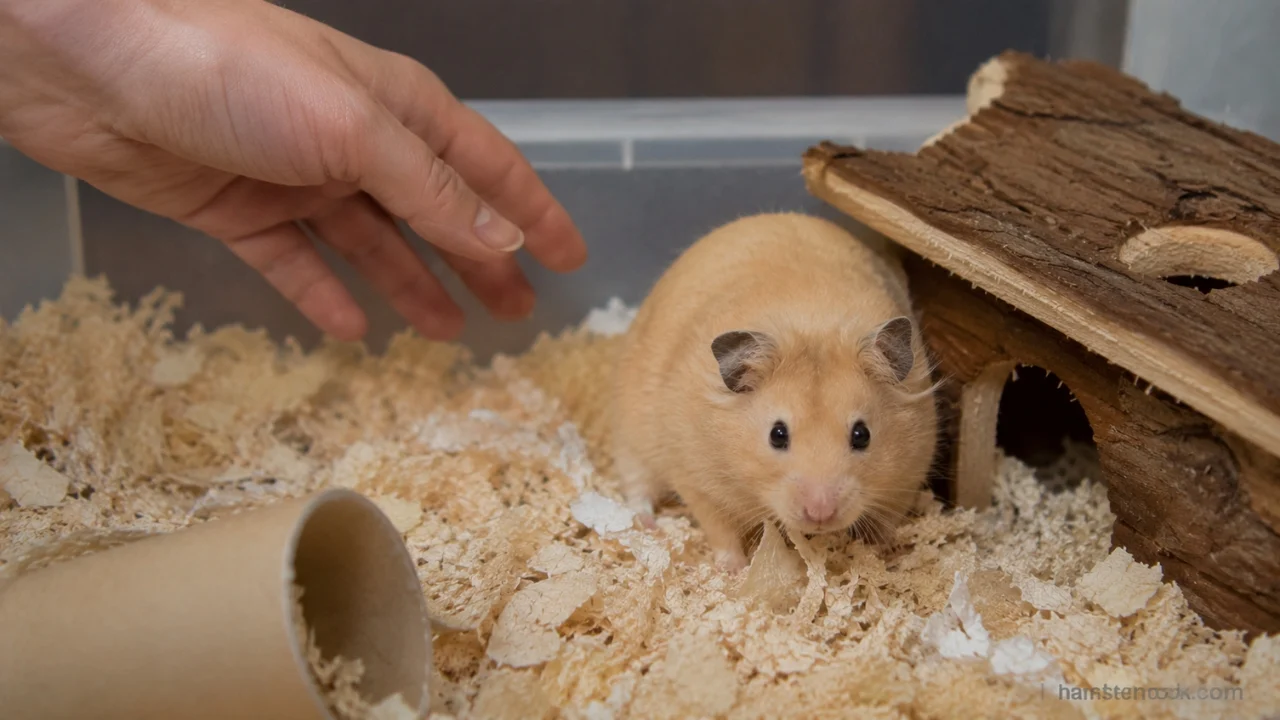
Hamsters still need:
- Mental enrichment
- Exercise opportunities
- Exploration
- Predictable routines
- Gentle interaction with owners
Without enough stimulation, some hamsters may gradually develop stress-related behaviors.
Solitary vs Social Hamster Species
Different hamster species behave differently around other hamsters.
| Hamster Species | Social Behavior | Housing Recommendation |
|---|---|---|
| Syrian Hamster | Strongly solitary | Keep alone |
| Chinese Hamster | Mostly solitary | Usually best alone |
| Campbell’s Dwarf Hamster | Sometimes social | Pairs may work with caution |
| Winter White Dwarf | Can tolerate company | Monitoring required |
| Roborovski Hamster | More social than others | Some pairs/groups may coexist |
Even with dwarf species that may tolerate companions, fights can still happen unexpectedly.
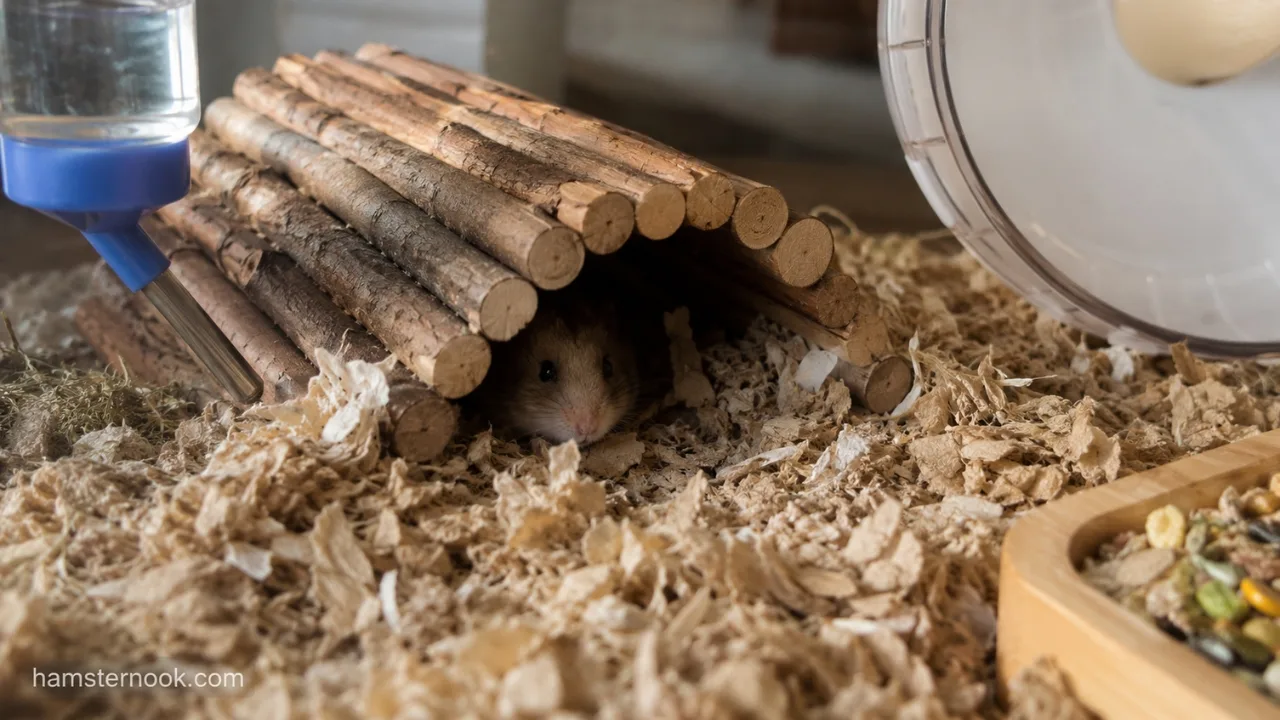
Signs a Hamster May Be Bored or Understimulated
A hamster that lacks stimulation may show behavioral changes that owners mistake for loneliness.
👉 Things Hamsters Absolutely Hate
Excessive Bar Chewing
Repeated cage bar chewing often signals stress, boredom, or frustration rather than hunger.

This behavior is especially common in cages that are too small or lack enrichment.
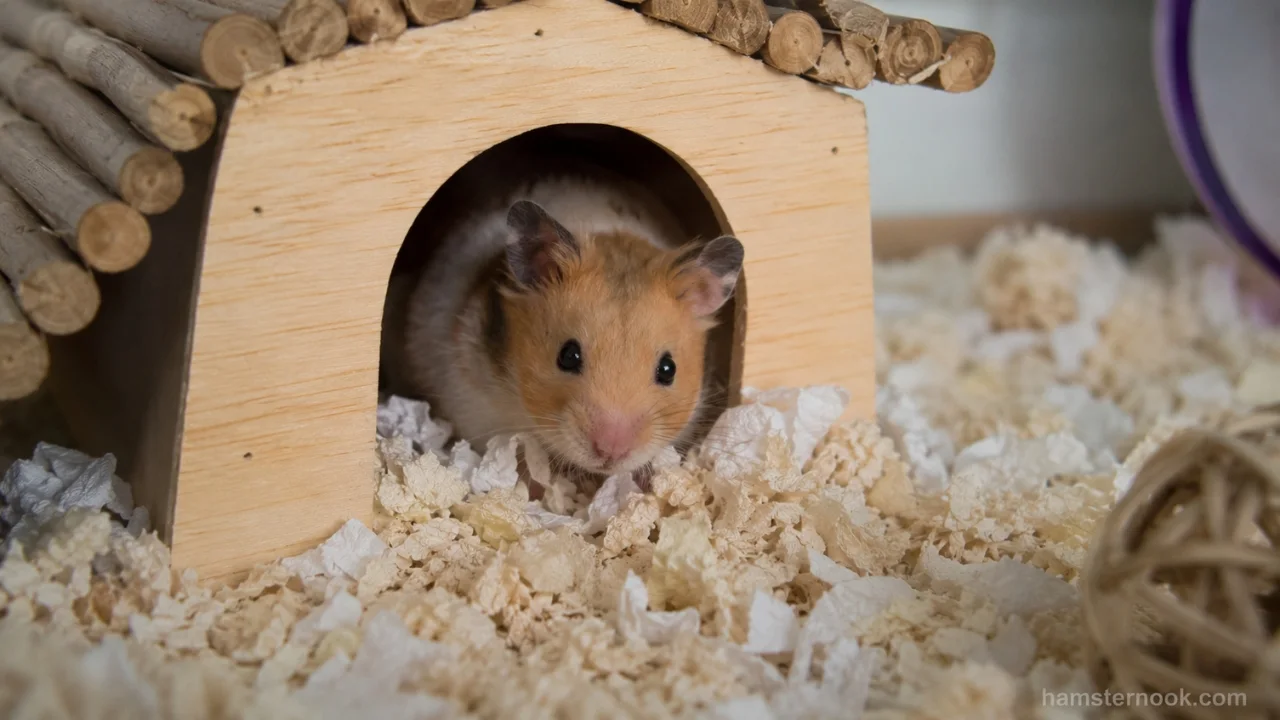
Constant Sleeping
Hamsters naturally sleep during the day, but excessive inactivity outside normal sleeping hours may indicate low stimulation.
Repetitive Pacing
Running the same cage route repeatedly can suggest stress or environmental frustration.
Overgrooming
Some stressed hamsters groom excessively, which may lead to patchy fur or irritated skin.
Lack of Interest in Toys
A hamster that suddenly ignores wheels, tunnels, or enrichment items may need environmental changes or health evaluation.

What Causes Emotional Stress in Hamsters?
Loneliness is not usually the main problem. Environmental stress is far more common.
Several factors can affect a hamster’s mental well-being.
| Common Stress Factor | Why It Affects Hamsters |
|---|---|
| Small cage size | Limits movement and exploration |
| Lack of enrichment | Causes boredom |
| Constant loud noise | Creates anxiety |
| Poor sleep schedule | Disturbs natural behavior |
| Forced handling | Increases fear |
| Living with aggressive cage mates | Causes chronic stress |
Many common hamster behavior issues improve once the enclosure setup and enrichment are improved.
Can Hamsters Become Depressed?
There is limited scientific research specifically proving clinical depression in hamsters the same way humans experience it. However, hamsters can absolutely show signs of chronic stress, withdrawal, or reduced activity when their needs are not met.

👉 5 Warning Signs Your Hamster May Be Stressed
Possible warning signs include:
- Reduced curiosity
- Less wheel activity
- Appetite changes
- Hiding excessively
- Low energy
- Reduced interaction
These symptoms may also indicate illness, so owners should never assume behavior changes are purely emotional.
Why Most Hamsters Prefer Living Alone
One of the biggest misconceptions in hamster care is believing hamsters need a cage mate to feel happy.
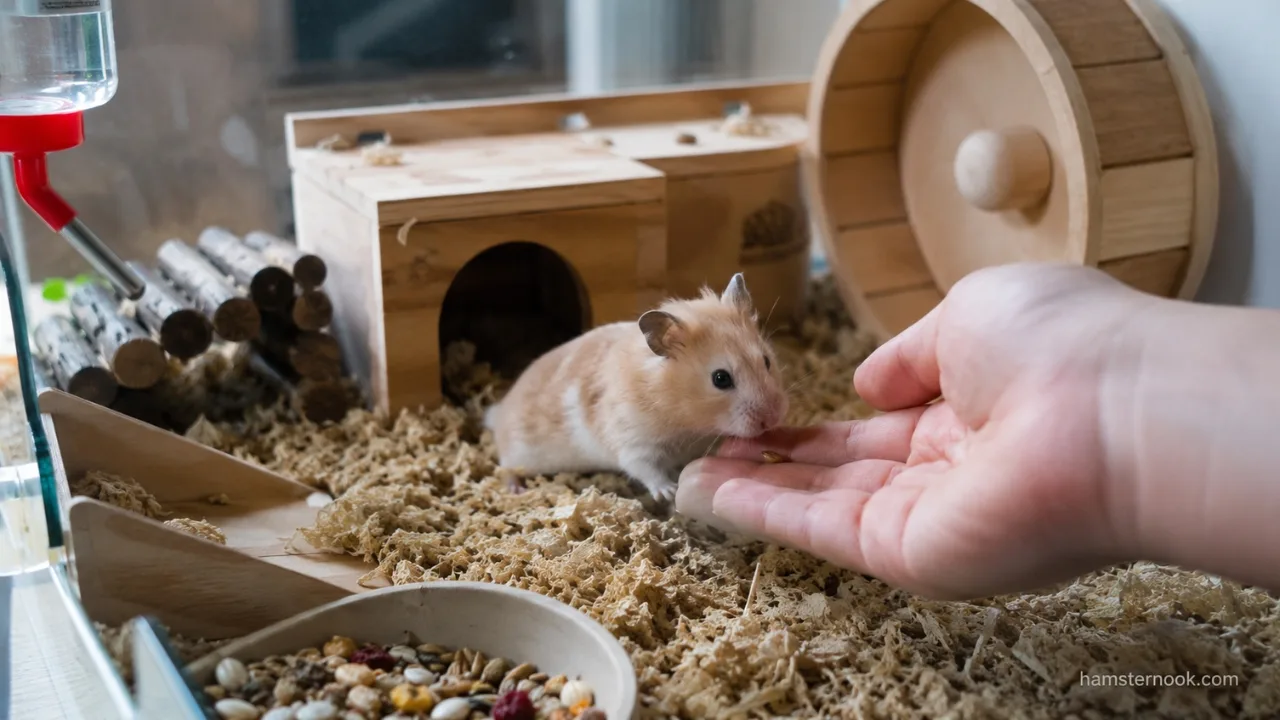
Animal rescues and exotic pet experts often recommend separate housing because territorial fights can happen suddenly without warning.
For Syrian hamsters especially, companionship often creates more danger than comfort.
Adult Syrians commonly:
- Fight over territory
- Compete for food
- Stress each other constantly
- Injure cage mates seriously
Even dwarf hamsters that appear friendly together may suddenly become aggressive without warning.
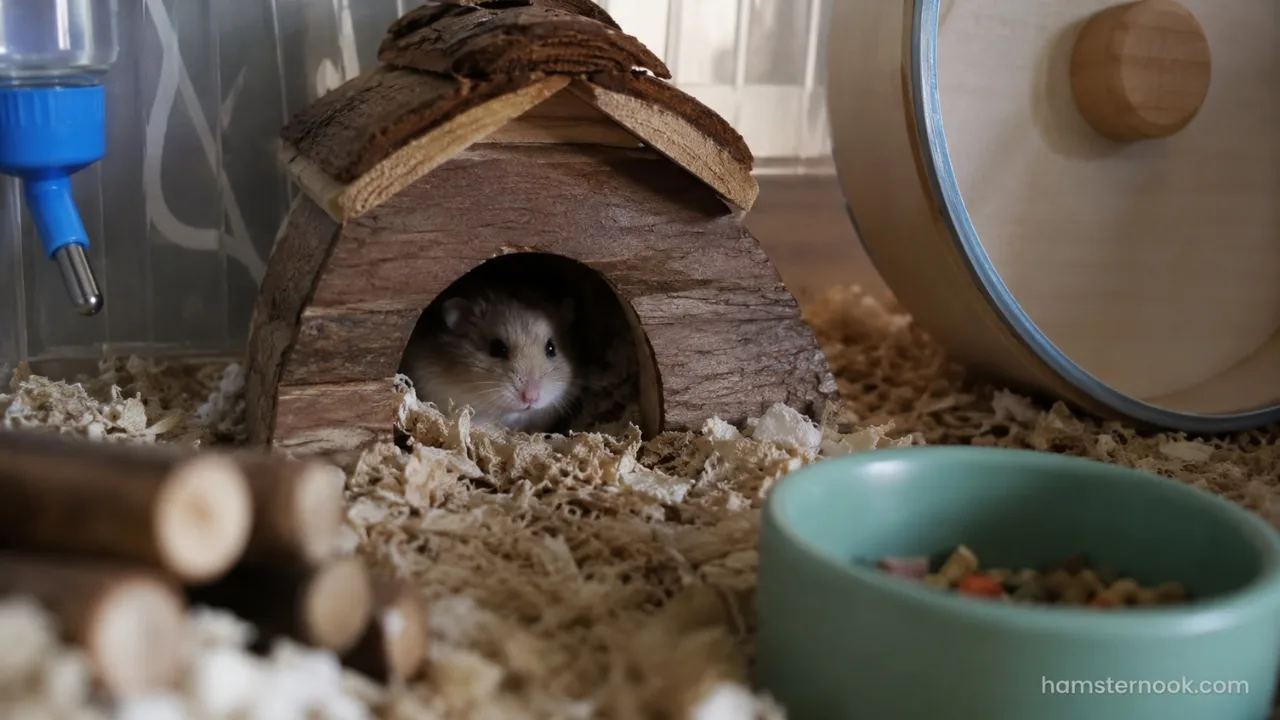
Many experienced exotic veterinarians and rescue organizations recommend housing hamsters separately for safety.
Healthy Ways to Prevent Hamster Boredom
Instead of adding another hamster, focus on improving enrichment and interaction.
👉 Best Hamster Cage Setup for Beginners
Provide a Properly Sized Enclosure
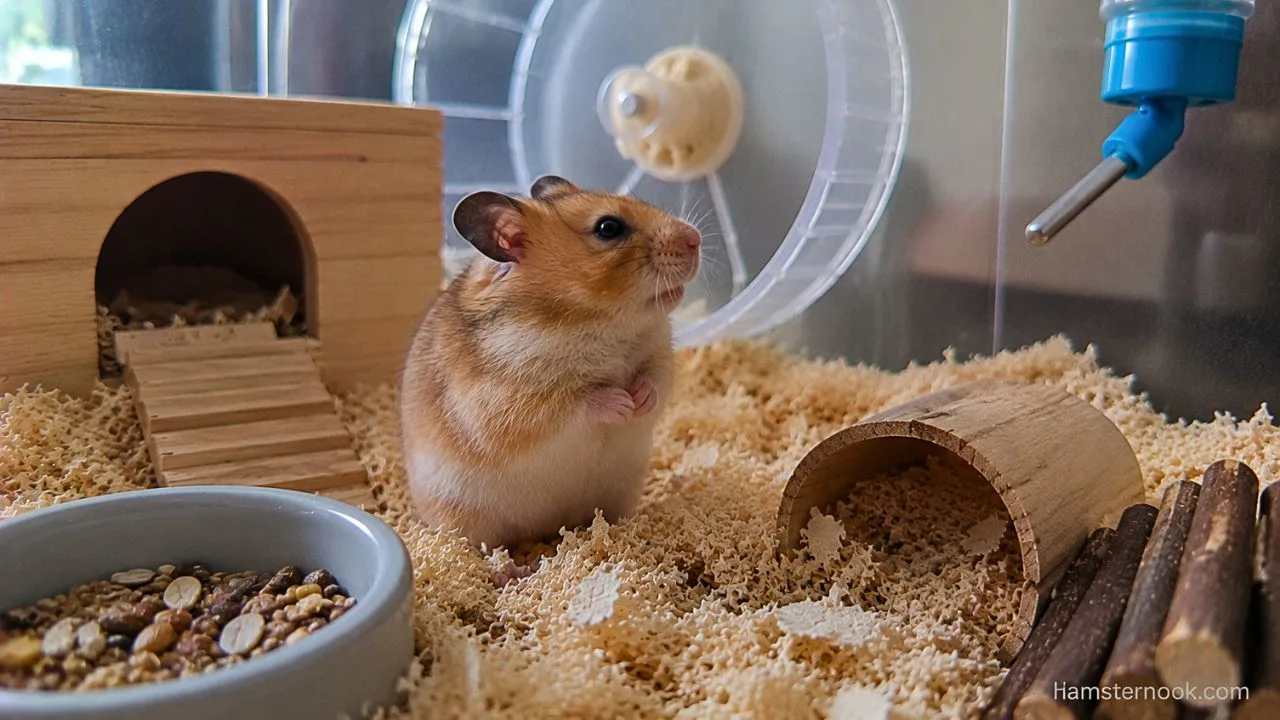
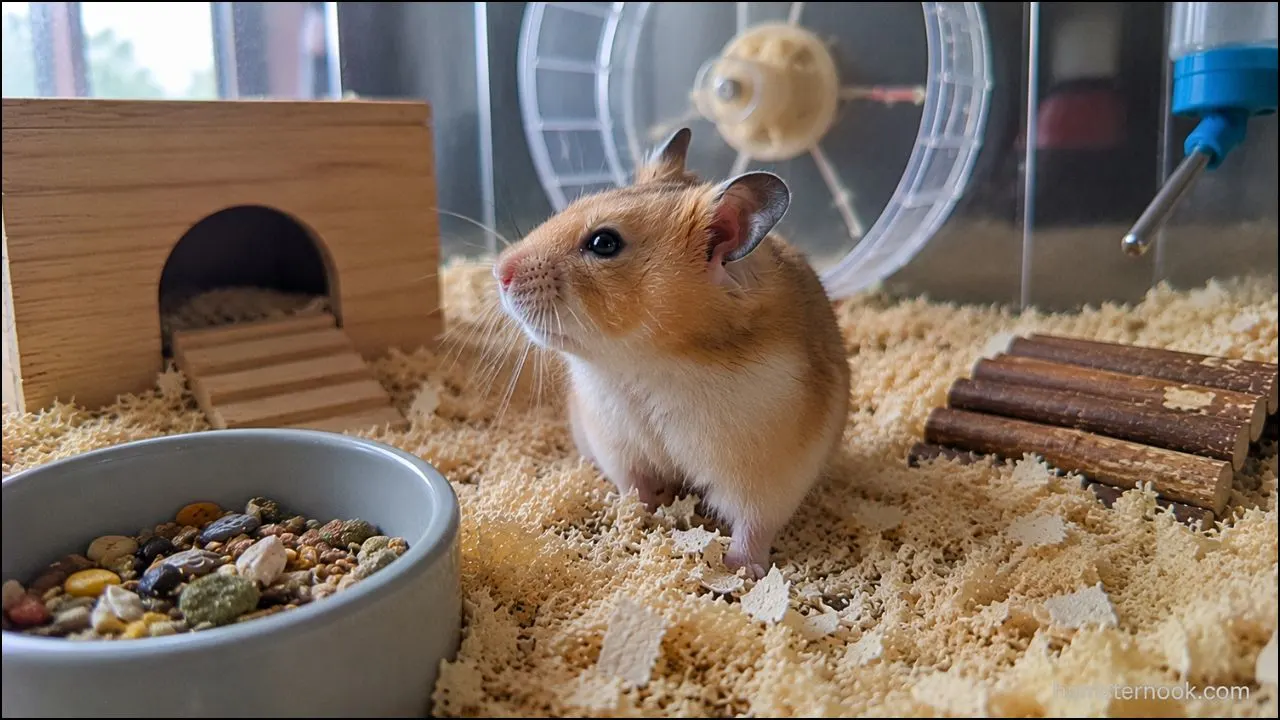
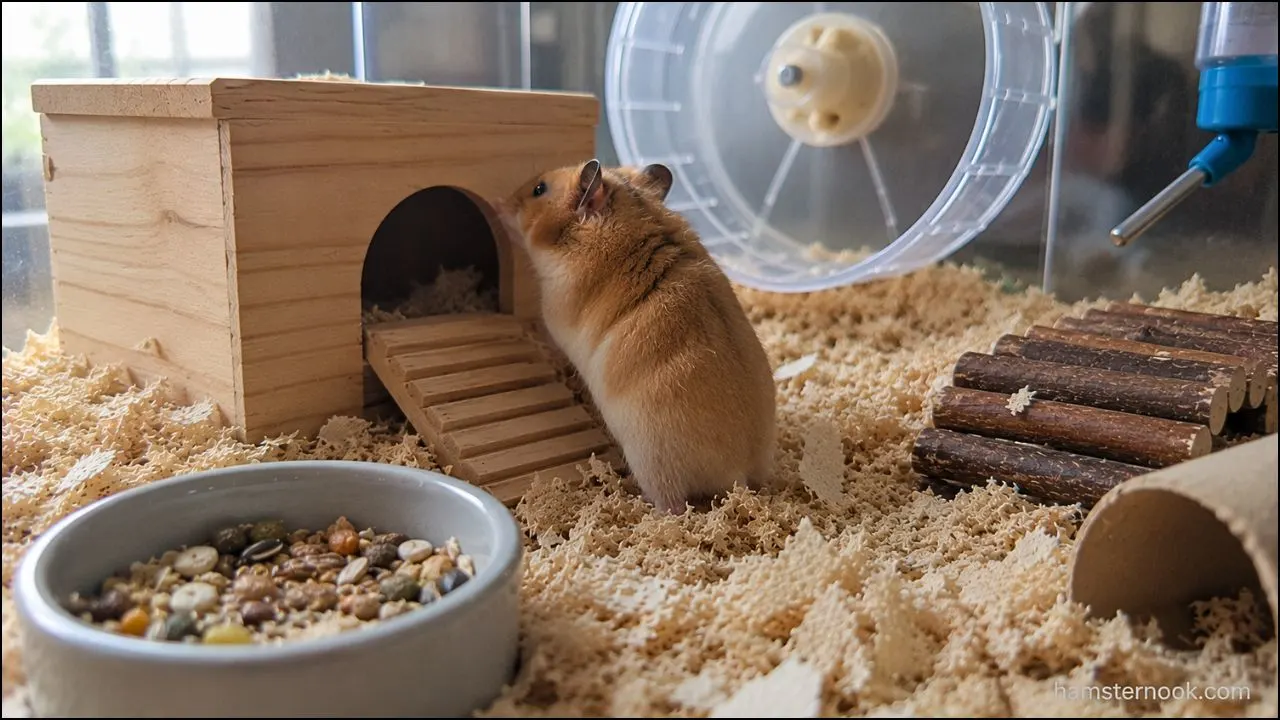
A larger cage gives hamsters more opportunities to explore naturally.
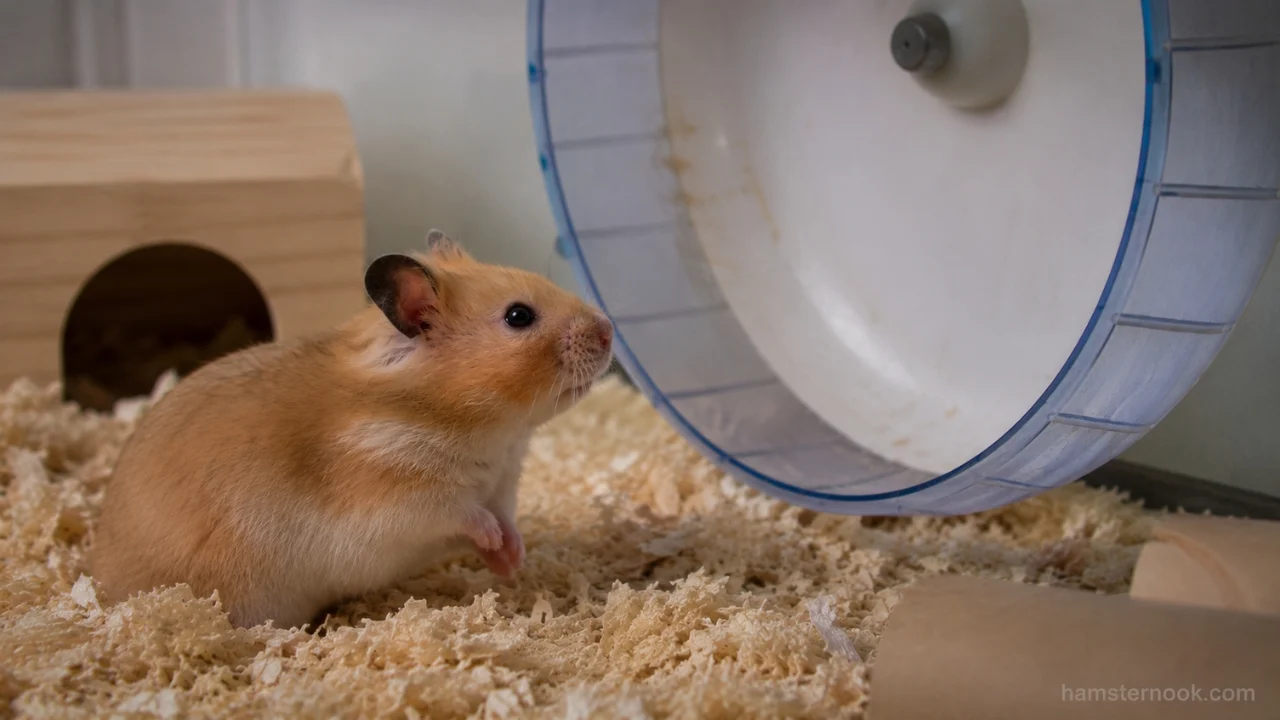
A good enclosure should include:
- Deep bedding for burrowing
- Hiding spots
- Tunnels
- Climbing areas
- Exercise wheel
- Different textures
Cramped cages are one of the most common causes of stress behaviors.
Rotate Toys and Enrichment
Hamsters enjoy exploring new objects and scents.

Safe enrichment ideas include:
- Cardboard tunnels
- Paper tubes
- Untreated wood chews
- Dig boxes
- Foraging toys
- Safe hides
Rotating items occasionally helps maintain curiosity.
Encourage Natural Foraging
Instead of placing all food in one bowl, scatter feeding can stimulate natural searching instincts.
Foraging activities help reduce boredom and encourage movement.

Gentle Human Interaction Matters
While most hamsters do not crave social living with other hamsters, many become comfortable interacting with their owners over time.
👉 How to Tame a Hamster Without Getting Bitten
Short, calm handling sessions can help build trust.
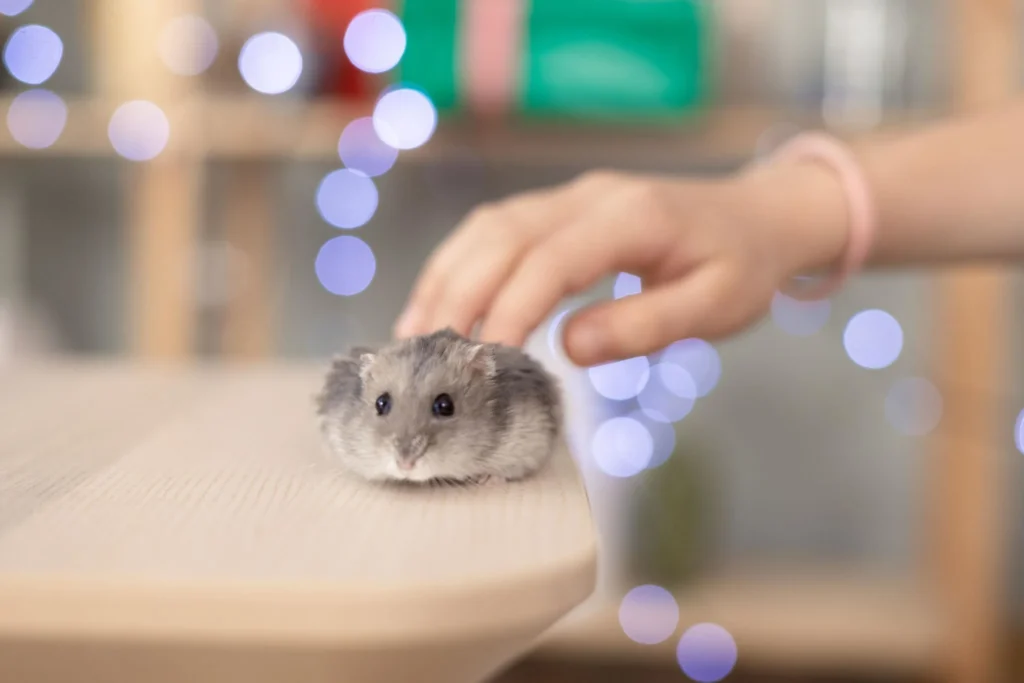
Signs your hamster is comfortable include:
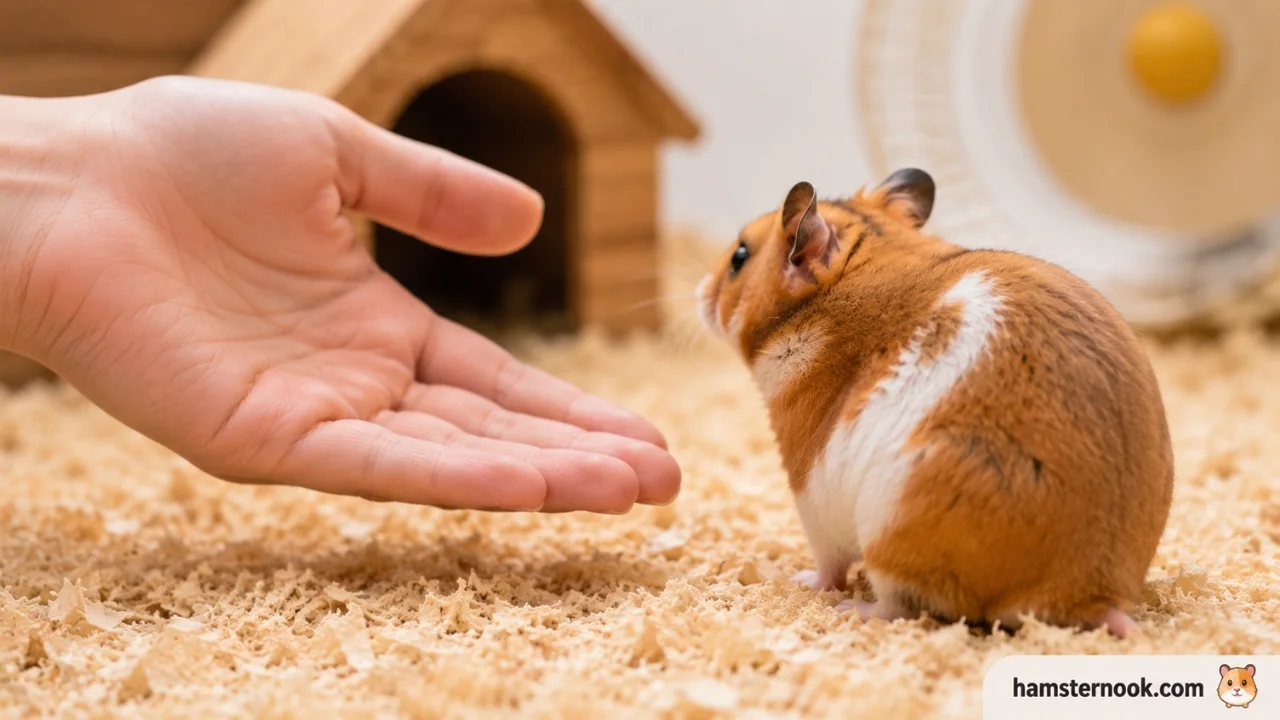
- Approaching your hand voluntarily
- Taking treats calmly
- Exploring during handling
- Relaxed body posture
Forcing interaction too quickly may create stress instead.
How Much Attention Does a Hamster Need?
Hamsters are relatively low-maintenance pets compared to many animals, but they still require daily care and attention.
A healthy routine usually includes:
| Daily Need | Recommended Care |
|---|---|
| Fresh food and water | Daily |
| Spot cleaning | Daily |
| Enrichment checks | Daily |
| Gentle interaction | Several times weekly |
| Out-of-cage exploration | Optional supervised sessions |
Even independent pets still benefit from consistency and environmental stimulation.

Can Two Hamsters Keep Each Other Company?
Sometimes, but it depends heavily on species, personality, age, and enclosure setup.
Even compatible pairs can become territorial later.
Potential risks include:
- Serious fights
- Injuries
- Bullying
- Food guarding
- Chronic stress
Owners should never place unfamiliar adult hamsters together suddenly.

For beginners, separate housing is usually the safest approach.
Signs Your Hamster Is Happy and Comfortable
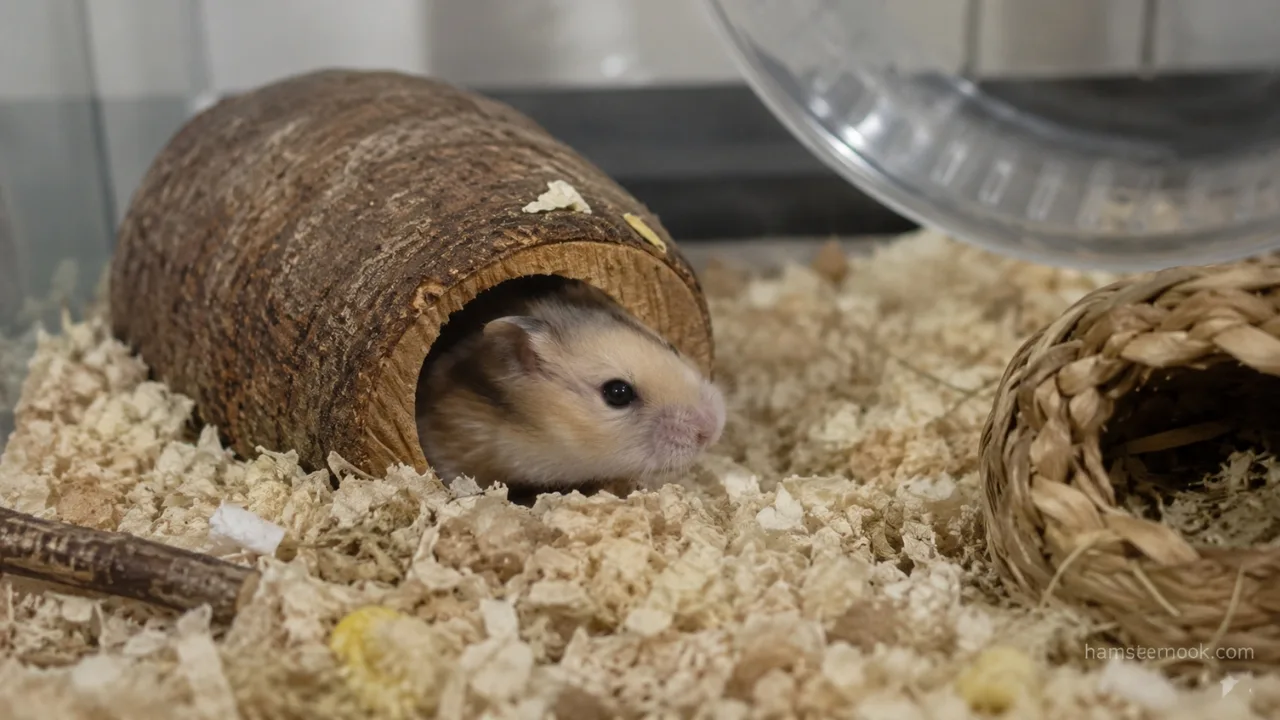
A content hamster often shows healthy natural behaviors.
👉 Happy and Healthy Hamster Signs
| Positive Behavior | What It Usually Means |
|---|---|
| Running on wheel | Good activity level |
| Burrowing | Feels secure |
| Exploring cage | Mentally stimulated |
| Collecting food | Natural instinct |
| Grooming normally | Comfortable and healthy |
| Curious behavior | Feels safe |
Every hamster has a unique personality, so activity levels vary slightly between individuals.
When Behavior Changes May Signal Illness Instead
Behavioral changes are not always caused by loneliness or boredom.
Hamsters hide illness very well, so symptoms should be monitored carefully.
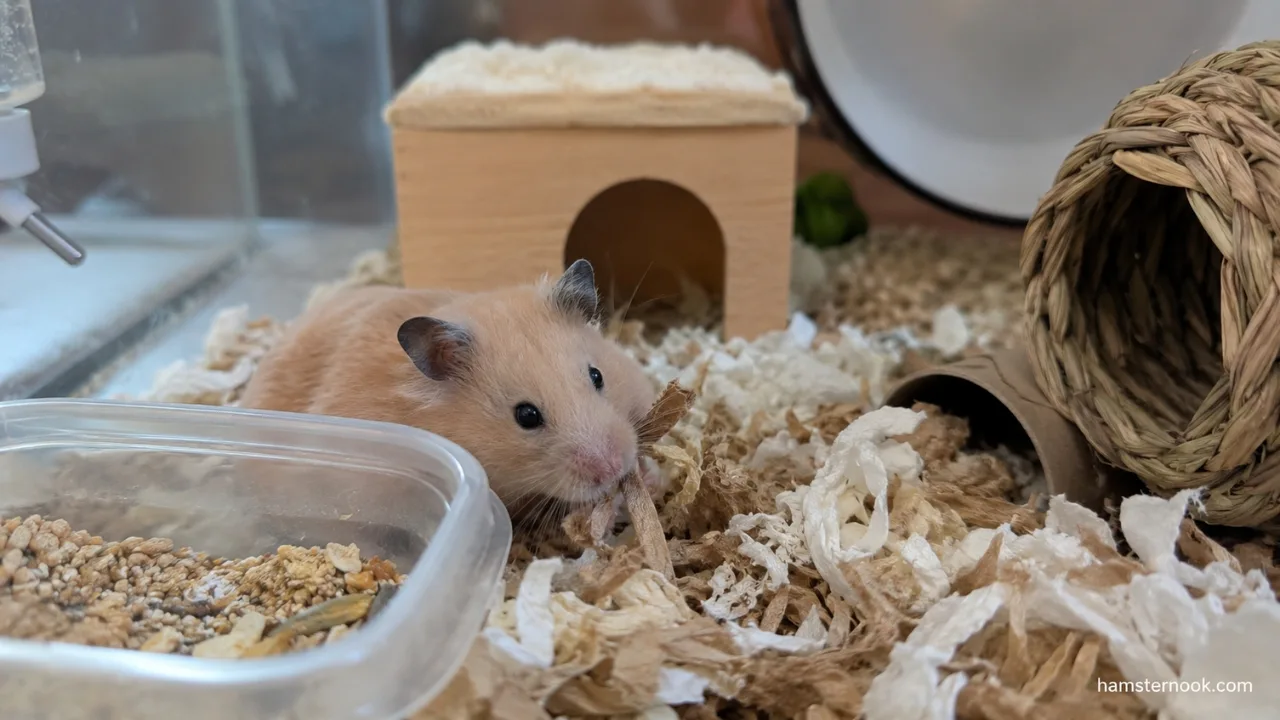
Contact an exotic veterinarian if you notice:
- Sudden lethargy
- Rapid weight loss
- Diarrhea
- Difficulty breathing
- Refusing food
- Bald patches
- Persistent aggression
Medical problems can sometimes look similar to emotional stress.
Best Ways to Keep a Solo Hamster Happy
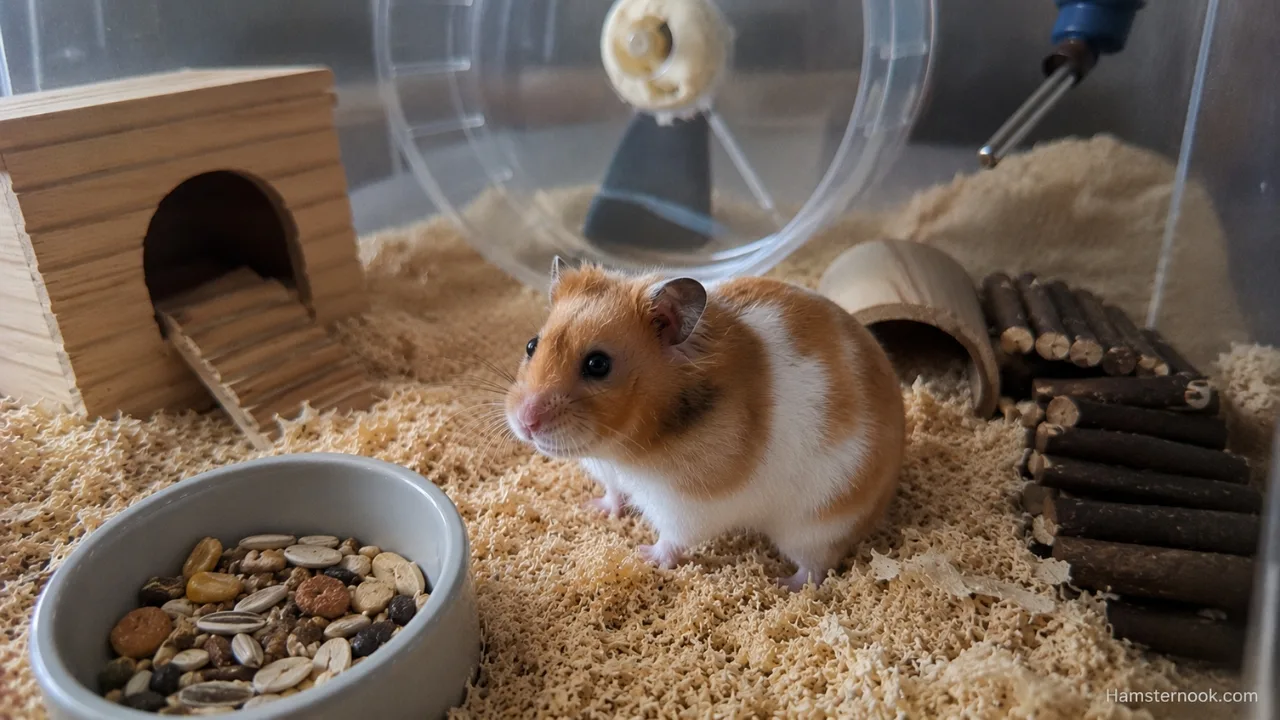
Most hamsters can live happily alone when their physical and mental needs are properly met.
The most important things owners can provide are:
- Spacious habitat
- Safe exercise
- Mental stimulation
- Proper diet
- Quiet sleeping environment
- Gentle routine interaction
For most hamster species, quality enrichment matters far more than adding another hamster companion.
Final Thoughts
Most hamsters do not experience loneliness the way humans or highly social pets do. In fact, many hamster species are naturally happiest living alone.
What owners often interpret as loneliness is usually boredom, stress, poor enclosure setup, or lack of enrichment. A hamster that has space to explore, opportunities to forage, safe toys, and calm interaction with its owner can live a healthy and mentally stimulating life without another hamster.
Understanding your hamster’s natural behavior is the key to providing proper care. Instead of focusing on companionship, focus on creating an environment that allows your hamster to feel safe, active, and engaged every day.
Frequently Asked Questions
Is it cruel to keep a hamster alone?
No. Most hamster species naturally live alone and often become stressed when forced to share space with another hamster.

Do Syrian hamsters get lonely?
Syrian hamsters are solitary animals and generally prefer living alone as adults.
How can I tell if my hamster is bored?
Common signs include bar chewing, pacing, inactivity, excessive sleeping, or lack of curiosity.
Should I get another hamster to keep mine company?
Usually no, especially for Syrian hamsters. Proper enrichment is generally safer and healthier than introducing another hamster.
Can hamsters bond with humans?
Many hamsters learn to trust their owners through calm and consistent interaction, although personalities vary.
What is the best way to keep a hamster mentally stimulated?
Provide a large enclosure, deep bedding, tunnels, chew toys, foraging activities, and regular environmental enrichment.
Recents Posts
- Why Your Hamster Suddenly Started Acting Weird
- Things Your Hamster Does When It No Longer Feels Safe
- 7 Signs Your Hamster May Be Unhappy (Most Owners Miss These)
- What Your Hamster’s Sleeping Position Says About Their Health
- Why Is My Hamster Shaking? Causes You Should Know

Narayan Kumar is the founder and author of HamsterNook. He creates practical, research-based hamster care guides covering hamster behavior, nutrition, cage setup, enrichment, health, and everyday care. His goal is to help hamster owners make informed decisions and provide safer, healthier lives for their pets through clear, beginner-friendly information based on trusted animal care resources.