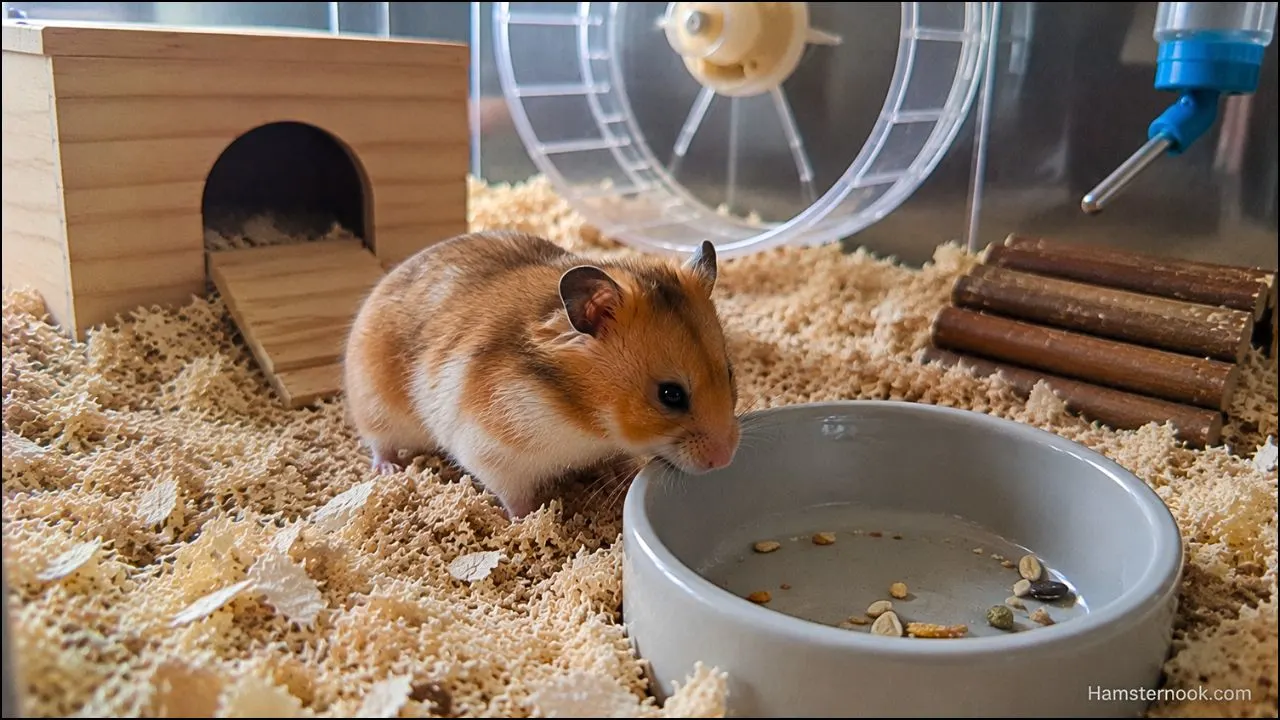
One day your hamster is running on its wheel, collecting food, and exploring every corner of the cage. The next day, it seems quieter, less active, or behaves in a way you’ve never seen before. For many hamster owners, sudden behavioral changes can be confusing and even alarming.
Hamsters can act differently because of age, stress, environmental changes, seasonal factors, or simple adjustments to their routine. Because they are prey animals, they often hide signs of illness until those signs become difficult to conceal.
Small behavior changes are usually much easier to address when they are noticed early, before other symptoms begin to appear. In this guide, we’ll look at 11 common signs that something may be wrong and what you can do about them.
Quick Answer
If your hamster suddenly starts acting differently, the cause may be stress, environmental changes, aging, injury, illness, pain, or changes in routine. The most important step is to look for additional symptoms such as appetite changes, weight loss, reduced activity, excessive drinking, breathing difficulties, or mobility problems.
Why Sudden Behavior Changes in Hamsters Matter
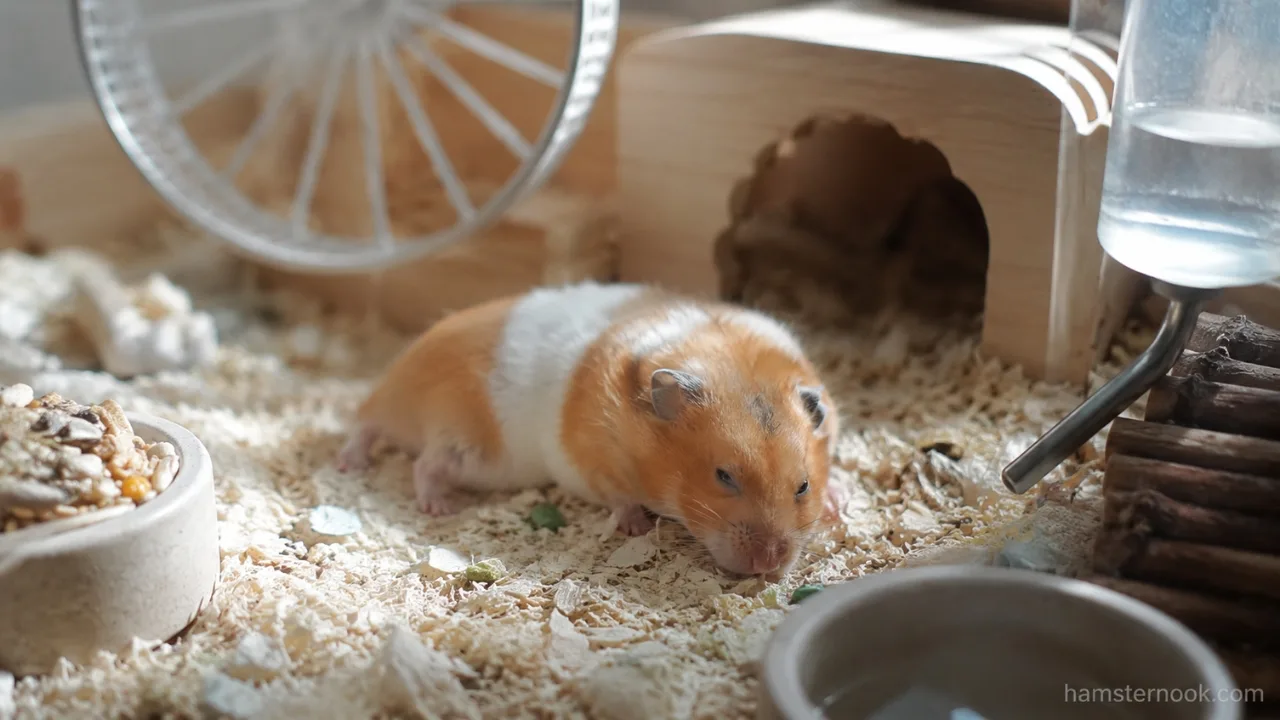
Hamsters tend to follow predictable routines. Most sleep during the day, become active in the evening, eat regularly, groom themselves, and spend time exploring their enclosure.
Because hamsters naturally hide weakness, behavior changes are often noticed before clear physical symptoms appear.
Learning what normal behavior looks like can make these changes easier to spot. Read Signs of a Healthy Hamster.
Why Behavioral Changes Are Often the First Warning Sign
Unlike many larger pets, hamsters naturally hide weakness and illness whenever possible. This survival instinct helps protect them in the wild but can make health problems difficult for owners to detect.
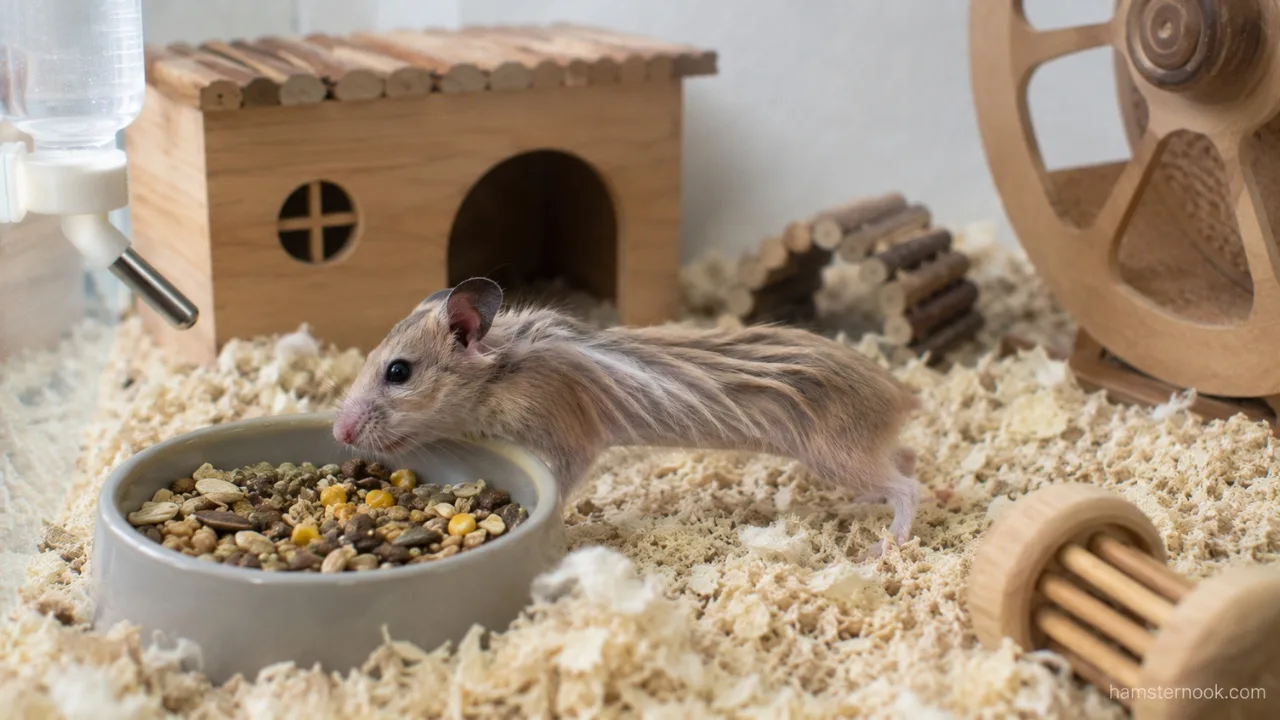
Because of this, subtle behavioral changes often appear before obvious physical symptoms develop.
Quick Reference Guide: What Different Behavior Changes May Mean
| Behavior Change | Possible Causes | Monitor or Seek Help? |
|---|---|---|
| Hiding more than usual | Stress, illness, environmental change | Monitor closely |
| Loss of appetite | Dental issues, illness, stress | Seek help if prolonged |
| Increased aggression | Pain, fear, territorial behavior | Monitor and investigate |
| Sleeping more | Age, temperature changes, illness | Monitor closely |
| Weight loss | Disease, poor nutrition, dental problems | Veterinary attention recommended |
| Excessive drinking | Diabetes, dehydration, illness | Veterinary attention recommended |
| Reduced wheel use | Injury, pain, aging, boredom | Monitor and assess |
| Poor grooming | Illness, obesity, discomfort | Veterinary attention recommended |
| Sudden hyperactivity | Stress, environmental issues | Monitor |
| Unusual noises | Respiratory problems, distress | Veterinary attention recommended |
| Wobbling or balance issues | Neurological or physical problems | Seek help immediately |
1. Your Hamster Is Hiding More Than Usual
Hamsters naturally enjoy hiding, but a sudden increase in hiding behavior may indicate a problem.
If your normally curious hamster suddenly spends most of its time buried or inside a hideout, consider recent changes such as:
- New cage setup
- Loud household activity
- New pets nearby
- Recent cage cleaning
Stress is often the most common explanation. Owners noticing increased hiding may also find Why Is My Hamster Suddenly Hiding More Than Usual? useful for understanding this behavior in greater detail.

If hiding is accompanied by appetite loss or lethargy, illness becomes more likely.
2. Your Hamster Has Lost Interest in Food
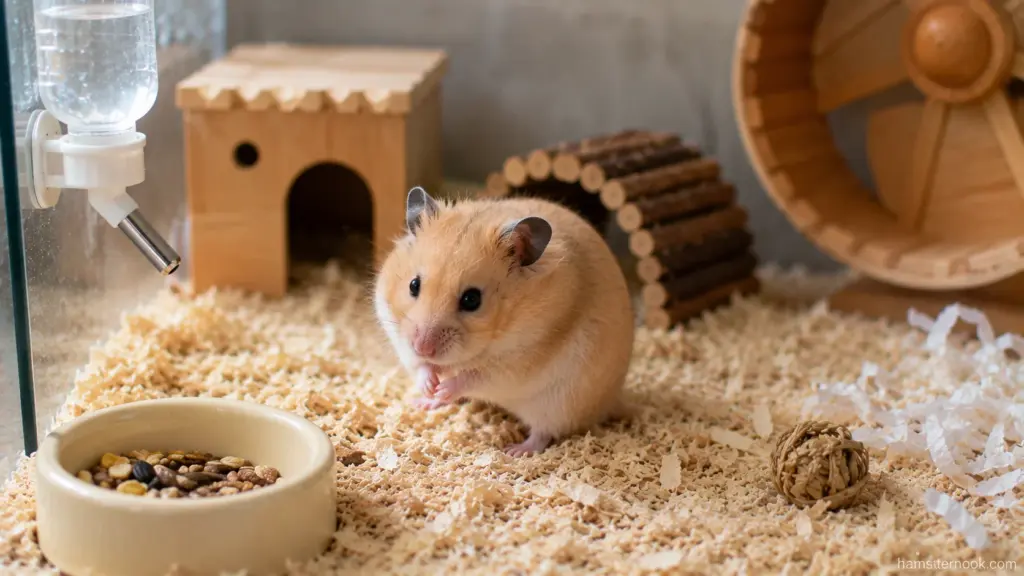
If appetite loss is the main symptom you’re seeing, Why Is My Hamster Not Eating? Common Causes and Solutions covers the most common explanations in more detail.
Most hamsters are highly motivated by food, which is why a noticeable drop in appetite often stands out quickly to observant owners.
A sudden reduction in eating may occur because of:
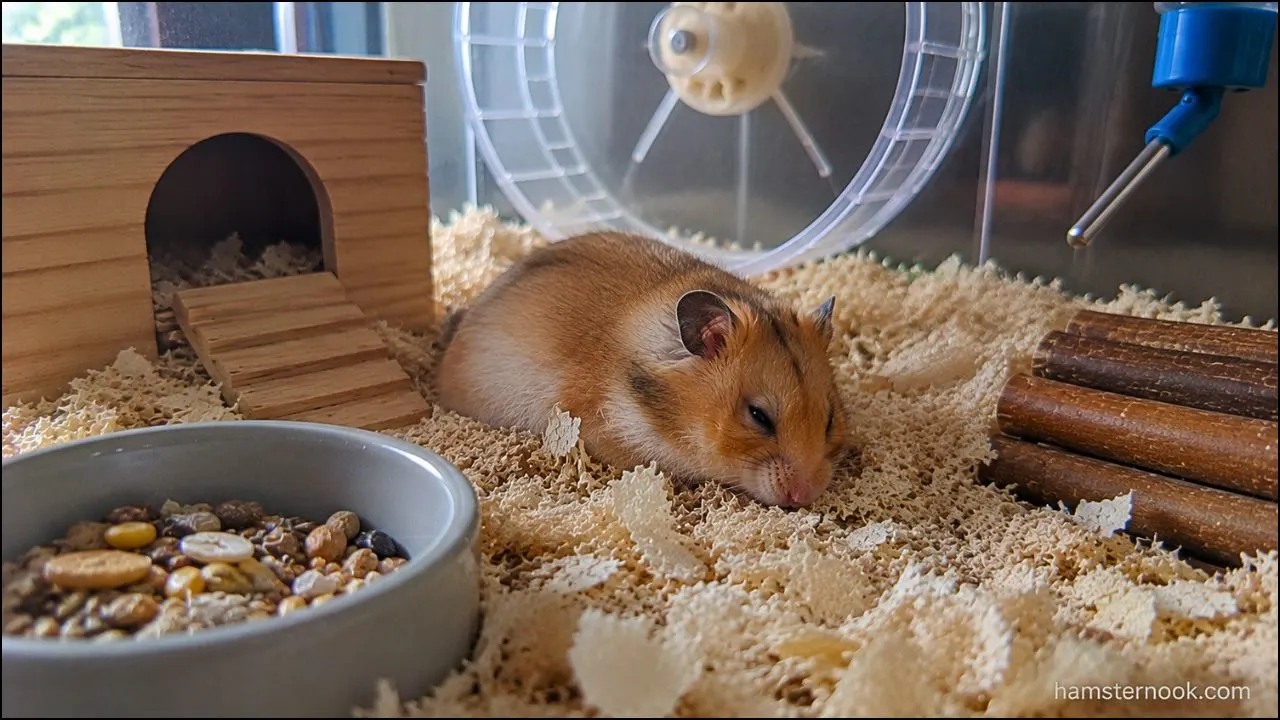
- Dental problems
- Stress
- Infection
- Pain
- Spoiled food
Check whether your hamster is collecting food but struggling to eat it. Overgrown teeth can make chewing difficult and often go unnoticed initially.
If appetite loss continues beyond a day or two, veterinary advice is recommended.
3. Your Hamster Has Become Unusually Aggressive
Even friendly hamsters can become defensive when something feels wrong.
Signs may include:
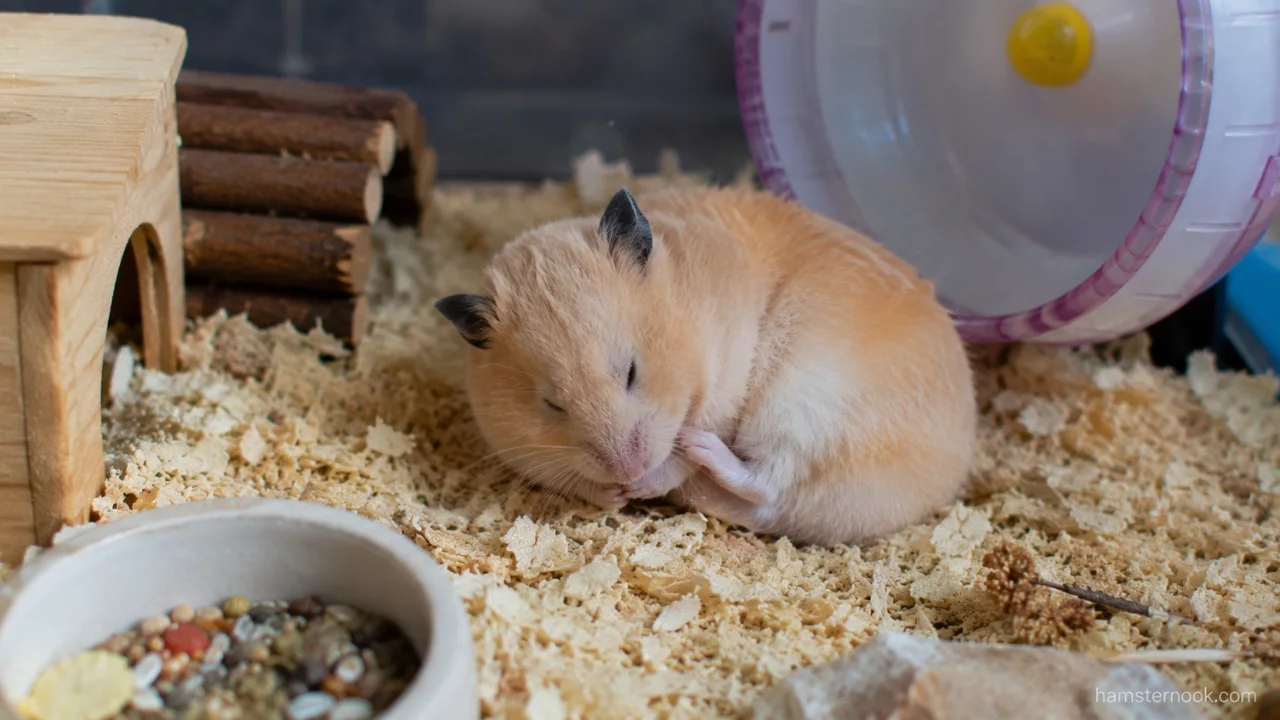
- Lunging
- Biting
- Chattering teeth
- Defensive postures
Pain and discomfort frequently trigger aggression. A hamster that suddenly dislikes being touched may be protecting an injured area.
A sudden change in behavior is more concerning when it appears alongside a change in appetite. If your hamster is eating noticeably less than normal, our Why Is My Hamster Not Eating? 9 Causes You Should Never Ignore guide covers the main causes and warning signs owners should watch for.
4. Your Hamster Is Sleeping Much More Than Normal
Older hamsters naturally slow down with age, but excessive sleeping can also signal health concerns.
Pay attention to:

- Reduced activity during normal waking hours
- Difficulty waking
- Lack of interest in favorite treats
Temperature can play a role as well. A hamster kept in conditions that are too cold may become unusually inactive.
If sleeping increases dramatically and is paired with other symptoms, further investigation is necessary.
If unusual tiredness is accompanied by shaking, weakness, or difficulty moving normally, it is important to consider that the change may be more than simple tiredness. Our Why Is My Hamster Shaking? guide explains other warning signs that can occur alongside unusual shaking.
5. Sudden Weight Loss or Weight Gain

Weight changes are often easier to detect when owners regularly observe their hamster’s body condition.
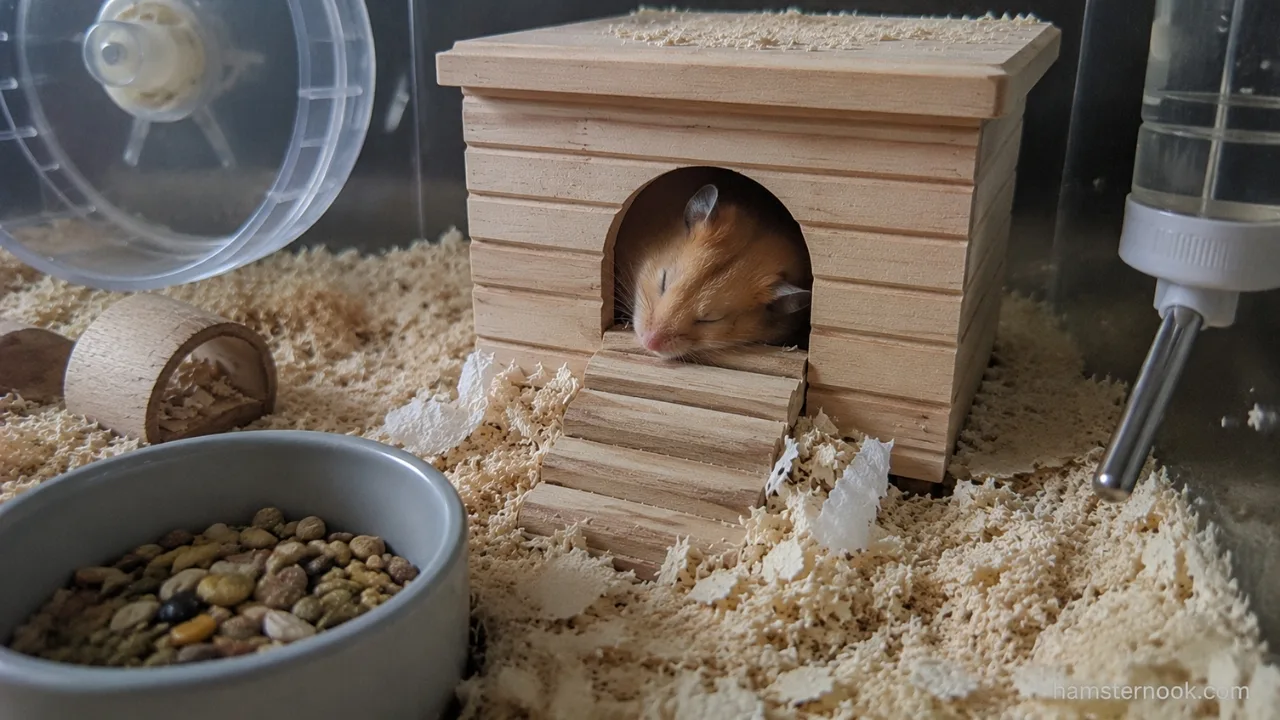
Unexpected weight loss may indicate:
- Dental disease
- Internal illness
- Parasites
- Difficulty eating
Rapid weight gain can result from:
- Excess treats
- Reduced exercise
- Poor diet balance
Regularly reviewing nutrition habits can help prevent problems. Owners may benefit from reading Best Fruits and Vegetables for Hamsters if treats have become a significant part of the diet.
6. Your Hamster Is Drinking Much More Water
A noticeable increase in water consumption should not be ignored.
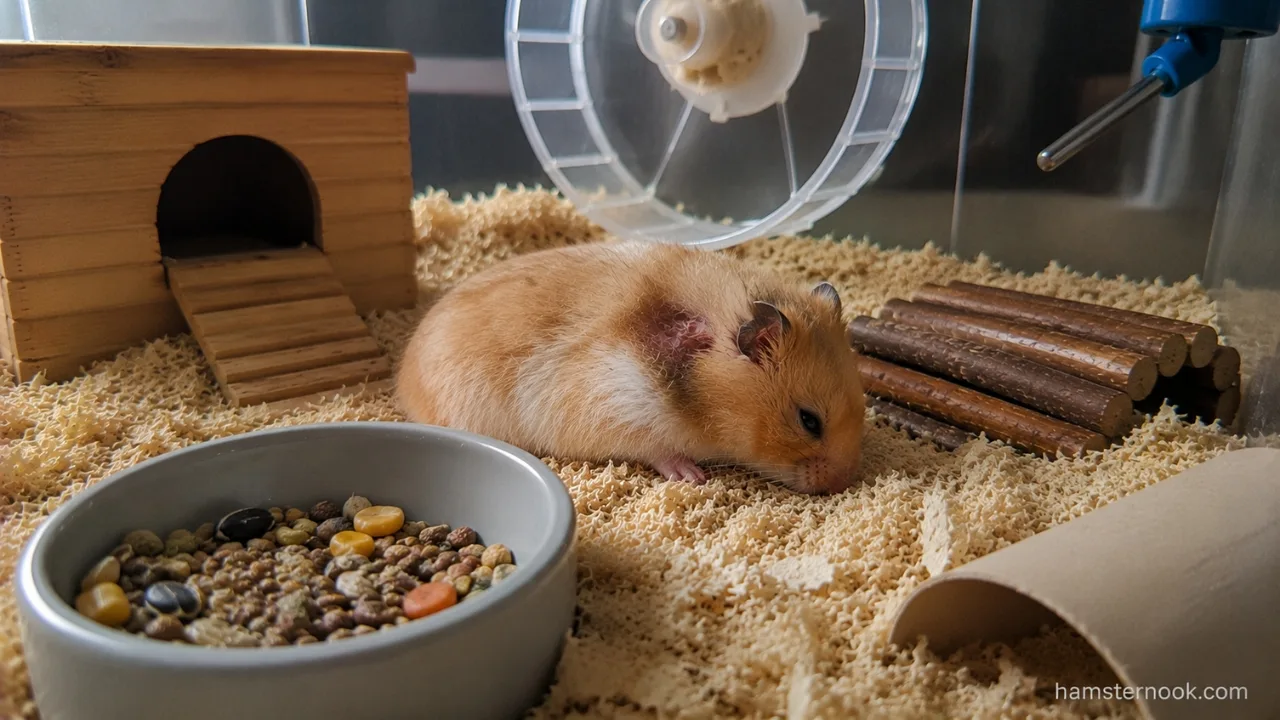
Owners noticing this behavior may also want to read Why Is My Hamster Drinking So Much Water? for additional warning signs to watch for.
Possible causes include:
- Diabetes
- Kidney issues
- Dehydration
- Certain infections
This sign is particularly important in dwarf hamster species, which have a higher tendency toward diabetes.
If excessive drinking continues for several days, veterinary evaluation is recommended.
7. Your Hamster Suddenly Stops Using Its Wheel
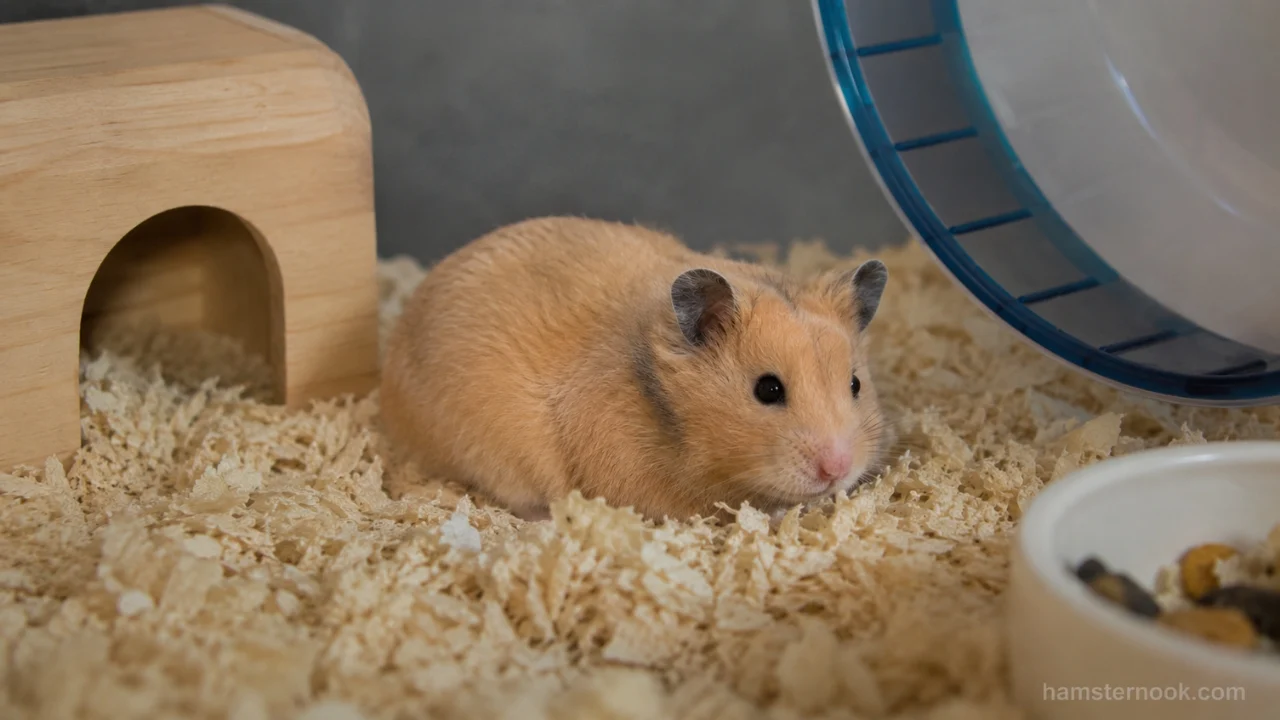
Many hamsters view wheel running as a major part of their nightly routine.
When a hamster abruptly stops using the wheel, possible causes include:
| Potential Cause | What to Check |
|---|---|
| Injury | Observe walking and climbing |
| Arthritis | More common in senior hamsters |
| Wheel discomfort | Ensure correct wheel size |
| Illness | Check appetite and energy levels |
| Environmental stress | Look for recent changes |
Owners concerned about exercise changes may also find Why Does My Hamster Suddenly Stop Using Its Wheel? helpful.
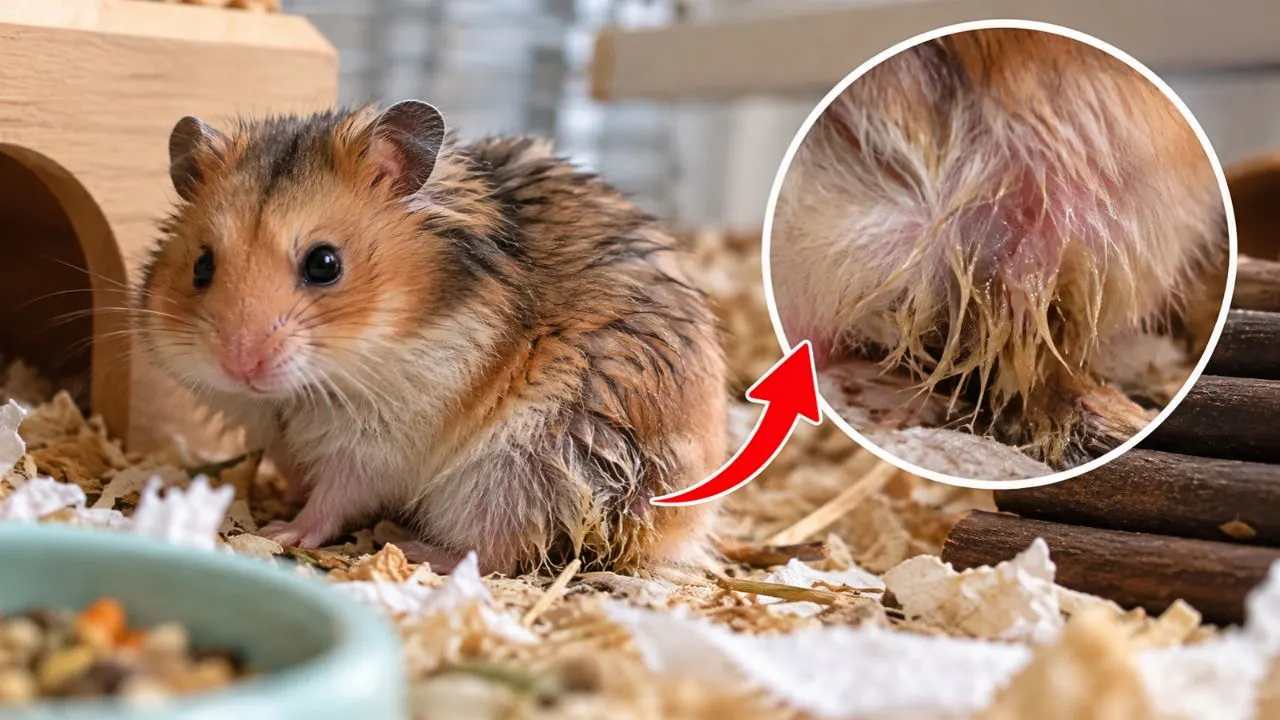
8. Your Hamster Looks Unkempt or Stops Grooming
Hamsters are usually meticulous groomers.
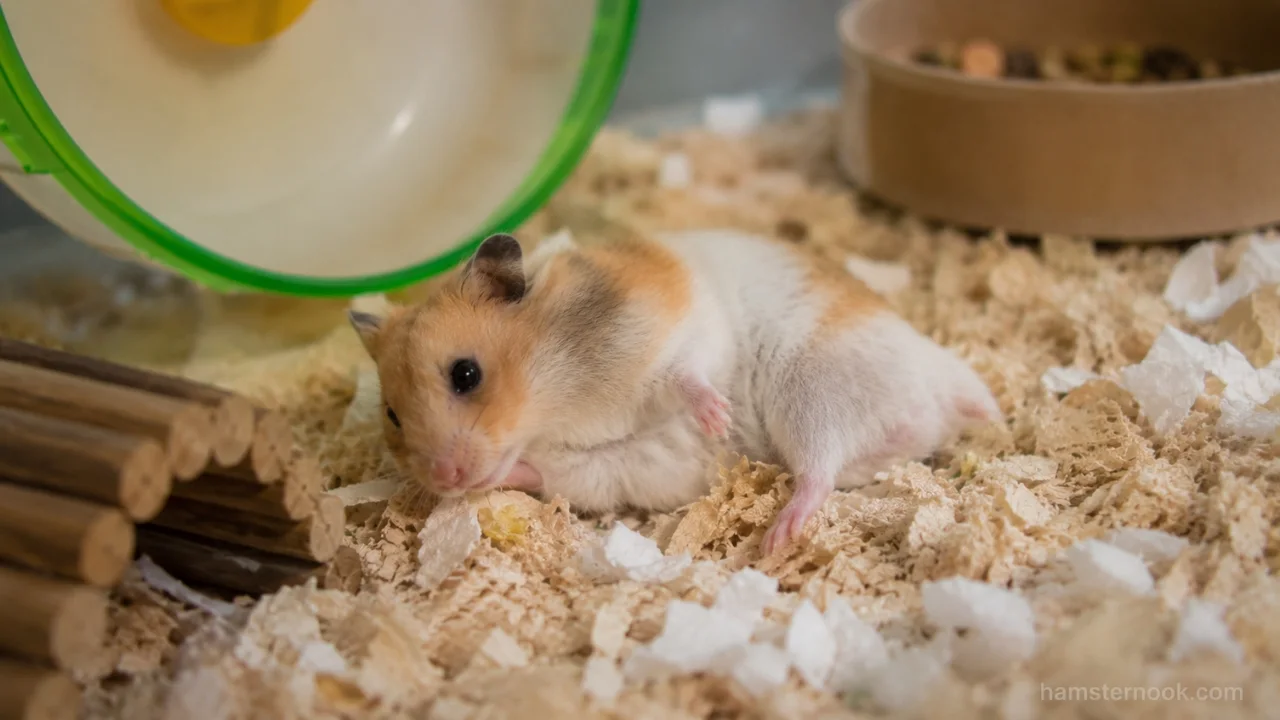
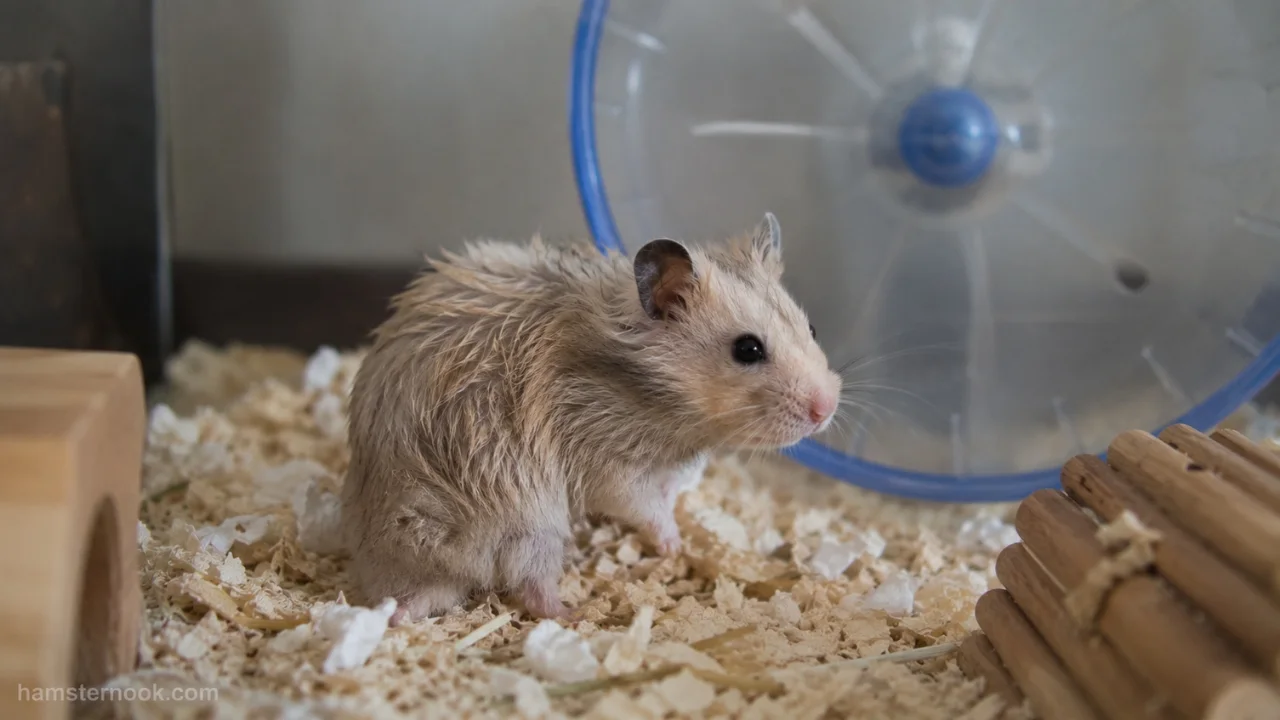
Poor coat condition can appear as:
- Greasy fur
- Matted fur
- Dirty appearance
- Wet areas around the body
A hamster that stops grooming may be experiencing illness, pain, obesity, or reduced mobility.
Changes in grooming habits often appear before more obvious health symptoms.
9. Unusual Restlessness or Hyperactivity
While many owners worry about inactivity, excessive activity can also be a warning sign.
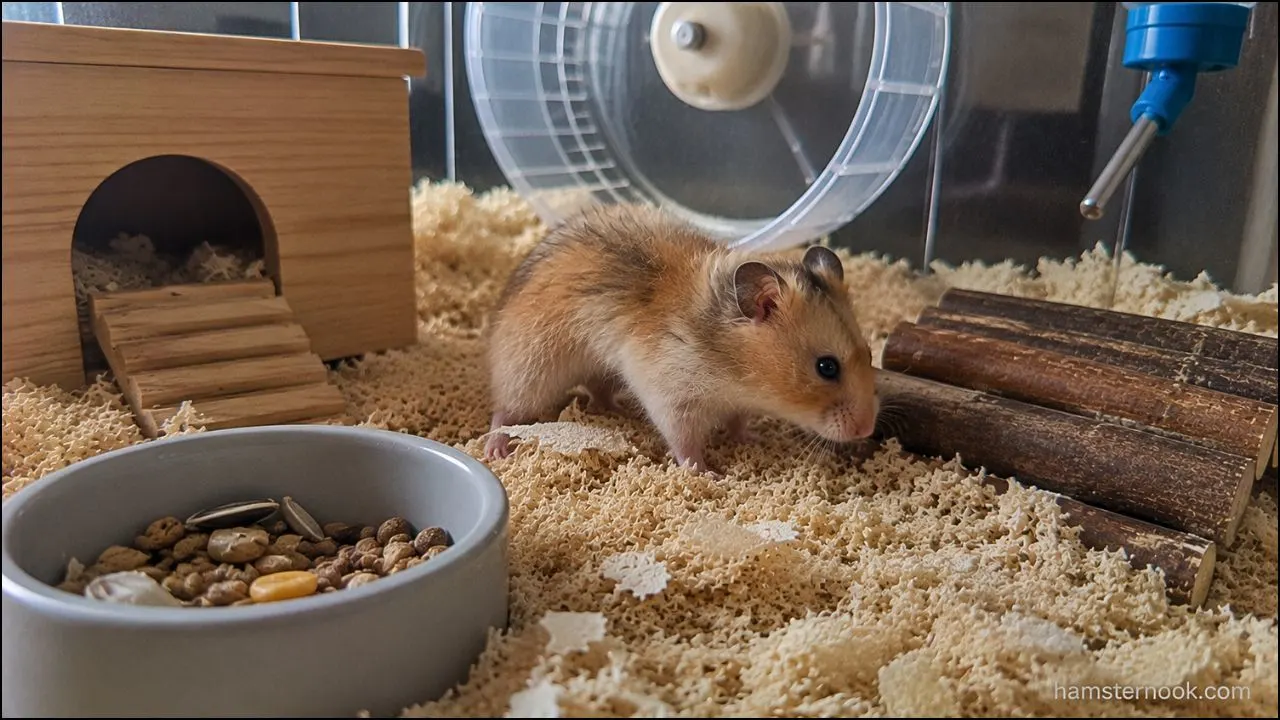
Signs include:
- Constant pacing
- Repeated climbing
- Bar chewing
- Inability to settle
These behaviors are often linked to environmental stress or enclosure issues.
If cage enrichment is limited, reviewing Hamster Boredom Signs and Fixes may help identify opportunities for improvement.
10. Your Hamster Makes Unusual Sounds
Hamsters are generally quiet animals.
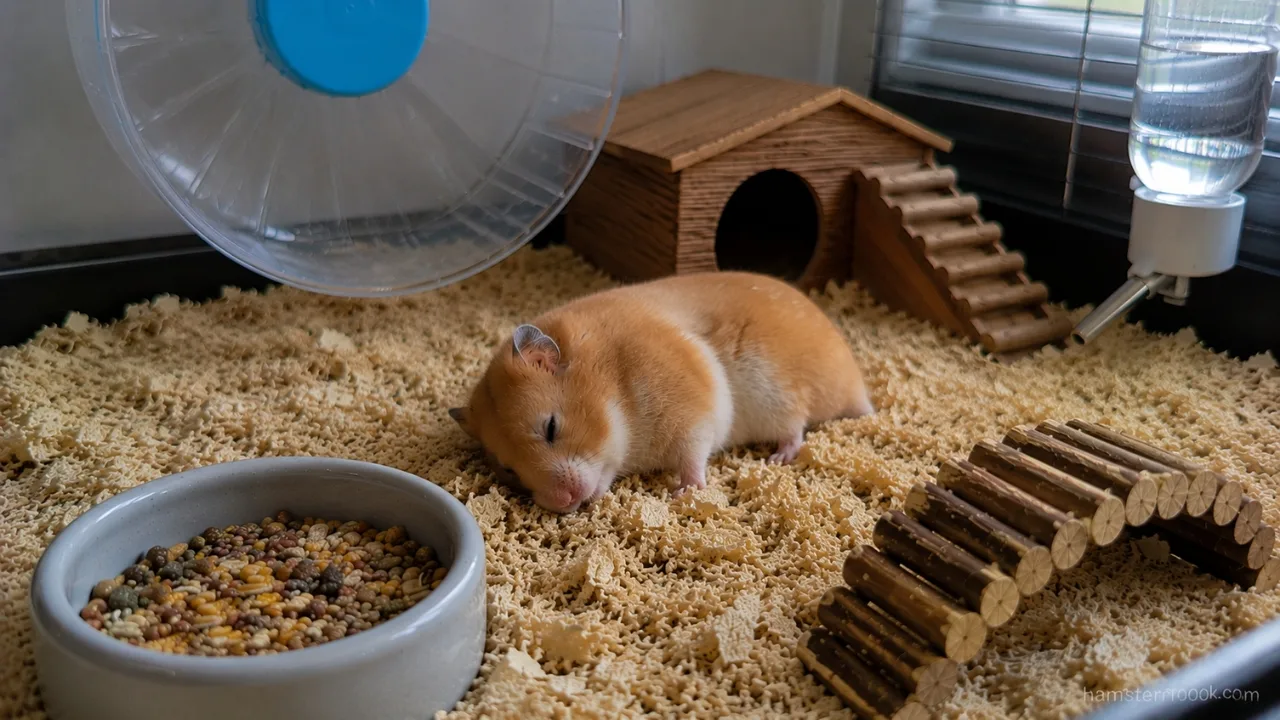
Occasional squeaks can be normal, but persistent sounds deserve attention.
Watch for:
- Clicking noises
- Wheezing
- Labored breathing
- Frequent sneezing
Respiratory problems can develop quickly in small animals and should be taken seriously.
Breathing changes are especially important because they can become serious quickly in a small animal. Our Why Is My Hamster Breathing Fast? guide explains how to recognize abnormal breathing and when veterinary attention is needed.

Dusty bedding, poor ventilation, or infection may contribute to these symptoms.
11. Difficulty Walking or Loss of Balance
Problems with movement are among the most concerning behavioral changes.
Possible signs include:
- Wobbling
- Dragging limbs
- Falling over
- Difficulty climbing
Potential causes range from injury to neurological conditions.
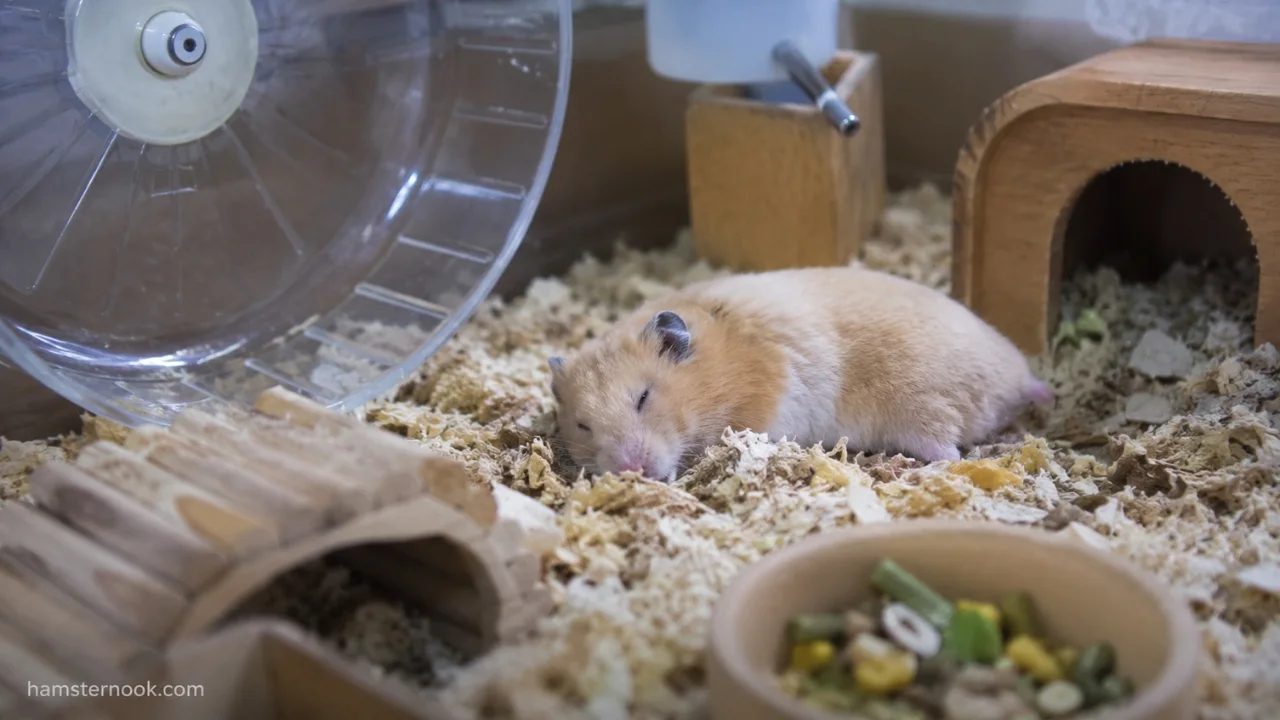
Because mobility issues can worsen rapidly, veterinary care should be sought as soon as possible.
What Should You Do First If Your Hamster Suddenly Acts Different?
Start by checking the basics before making major changes to the enclosure. Confirm that your hamster has access to fresh water and its normal food, check that the enclosure temperature is comfortable, and look for obvious changes in breathing, movement, weight, or grooming.
Do not force your hamster out of a hideout or repeatedly handle it to find out what is wrong. Observe quietly during its normal active period and compare what you see with your hamster’s usual routine.
If the behavior change is sudden and is accompanied by difficulty breathing, refusal to eat, severe weakness, loss of balance, collapse, or another serious physical symptom, contact a veterinarian promptly rather than waiting to see whether the behavior improves.

What If Your Hamster Shows Multiple Symptoms at Once?
A single behavior change may have a simple explanation, but several symptoms occurring together deserve closer attention.
For example:
- Sleeping more and eating less
- Drinking more and losing weight
- Hiding constantly and avoiding food
- Poor grooming combined with reduced movement
Patterns like these are more concerning than any individual symptom on its own.
Common Owner Mistakes When Behavior Changes Occur
When a hamster begins acting differently, owners sometimes unintentionally make the situation worse.
Waiting Too Long
Because hamsters are small prey animals, they often hide symptoms until they are significant.
Ignoring changes for weeks can delay treatment.
Assuming It Is Just Old Age
Aging can explain some behavioral shifts, but many medical conditions produce similar symptoms.
Never assume age is the only cause without considering other possibilities.

Making Multiple Changes at Once
Changing bedding, food, cage layout, and routine simultaneously makes it harder to identify the actual cause of the problem.
Introduce changes gradually whenever possible.
Focusing on One Symptom
Behavioral changes are often easier to understand when viewed together.
For example, sleeping more, eating less, and losing weight tell a much more important story than any single symptom alone.
Stress or Illness: How Can You Tell the Difference?
Stress-related behavior changes often have a recognizable trigger, such as cage cleaning, relocation, loud noise, a new pet, or another environmental change. The hamster may gradually return to its normal behavior once the disturbance is removed.
Illness is more concerning when the behavior change has no obvious environmental cause, continues to worsen, or appears alongside physical changes such as appetite loss, weight loss, breathing problems, excessive drinking, poor grooming, diarrhea, or difficulty walking.
Because hamsters can hide illness, owners should not assume that a sudden change is caused by stress simply because the hamster recently experienced an environmental change.
How Long Should You Monitor a Behavioral Change?
Minor changes caused by stress, cage cleaning, travel, or environmental adjustments often improve within a few days.
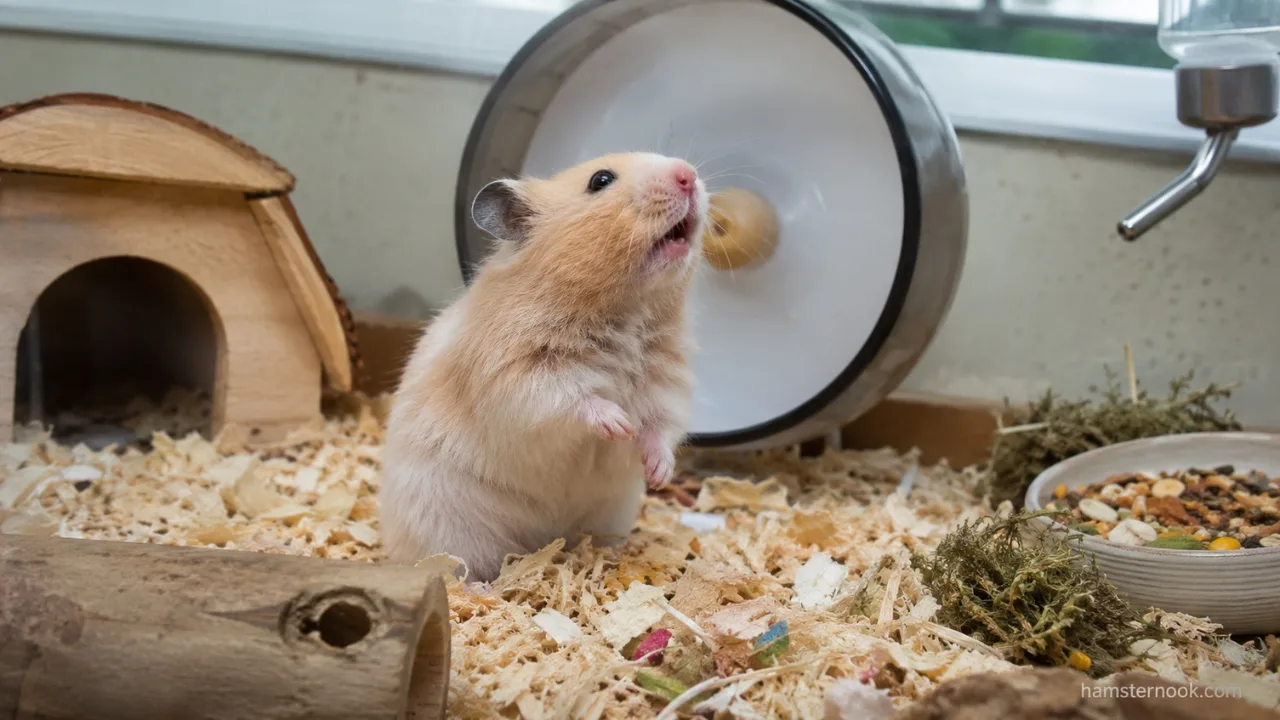
However, behaviors that continue to worsen, remain unchanged for an extended period, or occur alongside physical symptoms should not be monitored indefinitely. Early veterinary intervention is usually safer than waiting for symptoms to become severe.
When Should You Contact a Veterinarian?
Some changes require professional attention sooner rather than later.
Contact a veterinarian if you notice:
- Difficulty breathing
- Significant weight loss
- Loss of balance
- Refusal to eat
- Persistent diarrhea
- Blood in urine
- Severe lethargy
- Sudden collapse
Hamsters can deteriorate quickly when ill, so early intervention often provides the best outcome.

How to Monitor Changes More Effectively
Keeping simple notes can help identify patterns.
Track:
| Observation | Why It Helps |
|---|---|
| Food intake | Detect appetite changes |
| Water consumption | Identify excessive drinking |
| Activity level | Spot behavior shifts |
| Weight | Monitor health trends |
| Sleep patterns | Detect unusual inactivity |
Even a basic record can provide valuable information if veterinary care becomes necessary.
A kitchen scale that measures in grams can make weight changes easier to detect than appearance alone. Weigh your hamster at consistent times and record the results so you can notice gradual changes that may otherwise be difficult to see.

Final Thoughts
Behavioral changes can be one of the earliest signs that something in your hamster’s environment, health, or routine needs attention. While some changes are harmless, persistent or unexplained shifts should always be investigated.
The key is to learn your hamster’s normal habits and watch for meaningful departures from that routine. Whether the cause is stress, environmental changes, aging, or illness, early recognition gives you the best chance of helping your pet stay healthy and comfortable.
Most importantly, trust your observations. Owners who know their hamsters well are often the first to notice when something simply seems “off”—and that instinct is often worth investigating.
Medical Disclaimer
This article provides general hamster-care information and is not a substitute for veterinary diagnosis or treatment. If your hamster has severe, sudden, or worsening symptoms, contact an exotic-pet veterinarian promptly.
References
This guide is based on hamster health, husbandry, and welfare guidance from trusted veterinary and animal care organizations, including:
- RSPCA – Hamster Care
- PDSA – Hamster Care Advice
- Merck Veterinary Manual – Hamster Health and Husbandry
- Blue Cross – Hamster Care
Frequently Asked Questions
Why is my hamster suddenly less active than usual?
Reduced activity can occur because of stress, aging, environmental changes, pain, injury, illness, or temperatures that are too cold. If the decrease in activity is sudden or occurs alongside appetite loss, weight changes, or breathing problems, veterinary advice is recommended.
Is it normal for a hamster to suddenly start hiding all the time?
Occasional hiding is normal, but a significant increase in hiding behavior may indicate stress, fear, discomfort, or illness.
Why is my hamster eating less than before?
Appetite changes can be linked to dental problems, illness, stress, or pain. Persistent appetite loss should be evaluated by a veterinarian.

Should I worry if my hamster stops running on its wheel?
Not always, but sudden wheel avoidance can sometimes signal injury, arthritis, illness, or a problem with the wheel itself.
Why is my hamster suddenly drinking so much water?
Excessive thirst may be associated with diabetes, dehydration, or other medical conditions and should be monitored carefully.
A sudden increase in drinking is worth taking seriously rather than treating it as a simple change in preference. Our Why Is My Hamster Drinking So Much Water? guide explains possible causes and the warning signs that make veterinary evaluation more important.
How do I know if my hamster is sick or just stressed?
Stress often improves when environmental factors are corrected, while illness may continue to worsen or include physical symptoms such as weight loss, breathing changes, poor grooming, or appetite loss. If you’re unsure, veterinary guidance is the safest option.

Can stress alone make a hamster act differently?
Yes. Stress caused by cage changes, loud noises, excessive handling, new pets, relocation, or environmental disruptions can lead to hiding, reduced activity, appetite changes, and other temporary behavior changes.
What is the most concerning behavior change in a hamster?
Difficulty breathing, refusal to eat, severe lethargy, sudden weight loss, loss of balance, or collapse are among the most serious symptoms and should be treated as veterinary emergencies.
When should I be worried about a hamster acting differently?
You should be concerned when unusual behavior lasts more than a few days, becomes progressively worse, or appears alongside physical symptoms such as weight loss, appetite changes, poor grooming, excessive drinking, or mobility problems.

Narayan Kumar is the founder and author of HamsterNook. He creates practical, research-based hamster care guides covering hamster behavior, nutrition, cage setup, enrichment, health, and everyday care. His goal is to help hamster owners make informed decisions and provide safer, healthier lives for their pets through clear, beginner-friendly information based on trusted animal care resources.