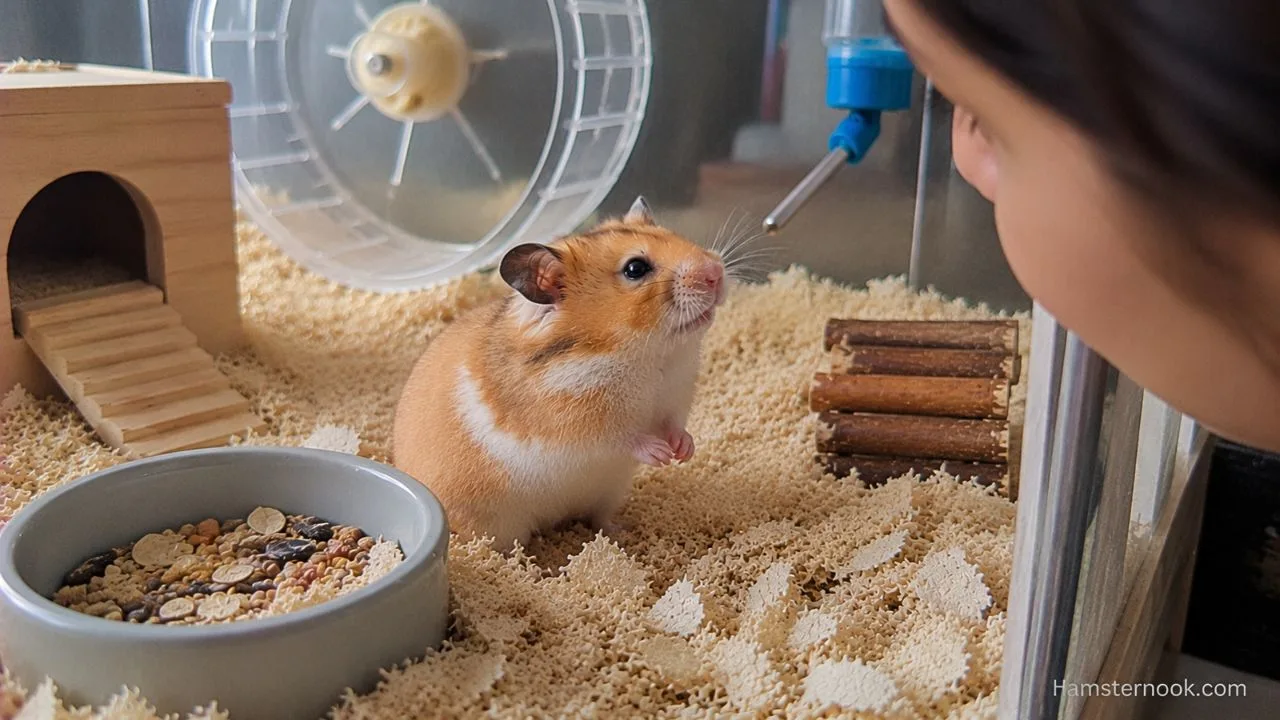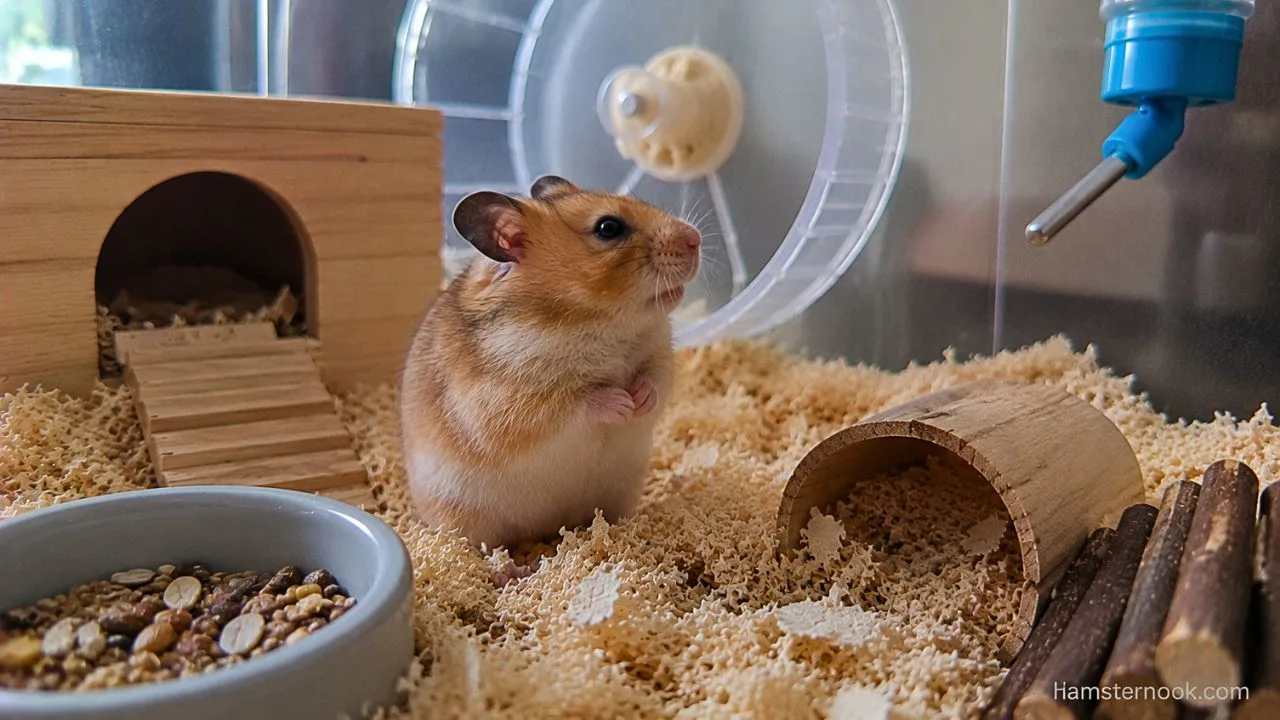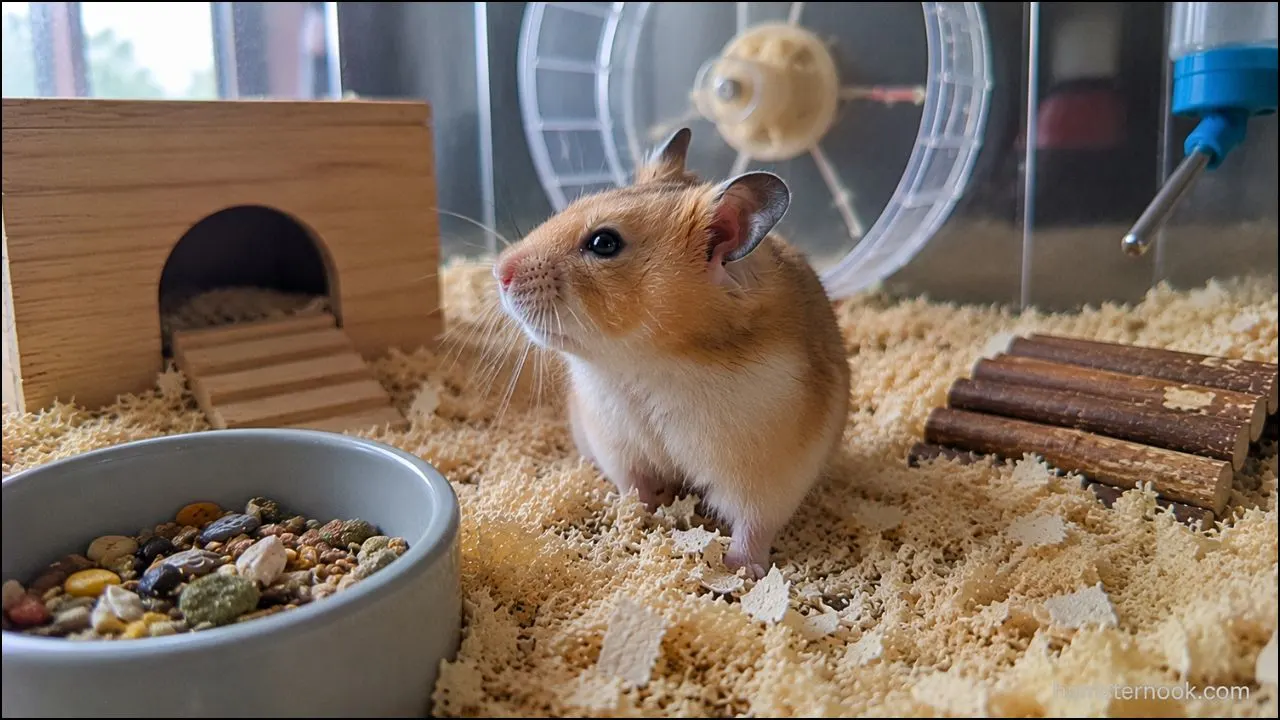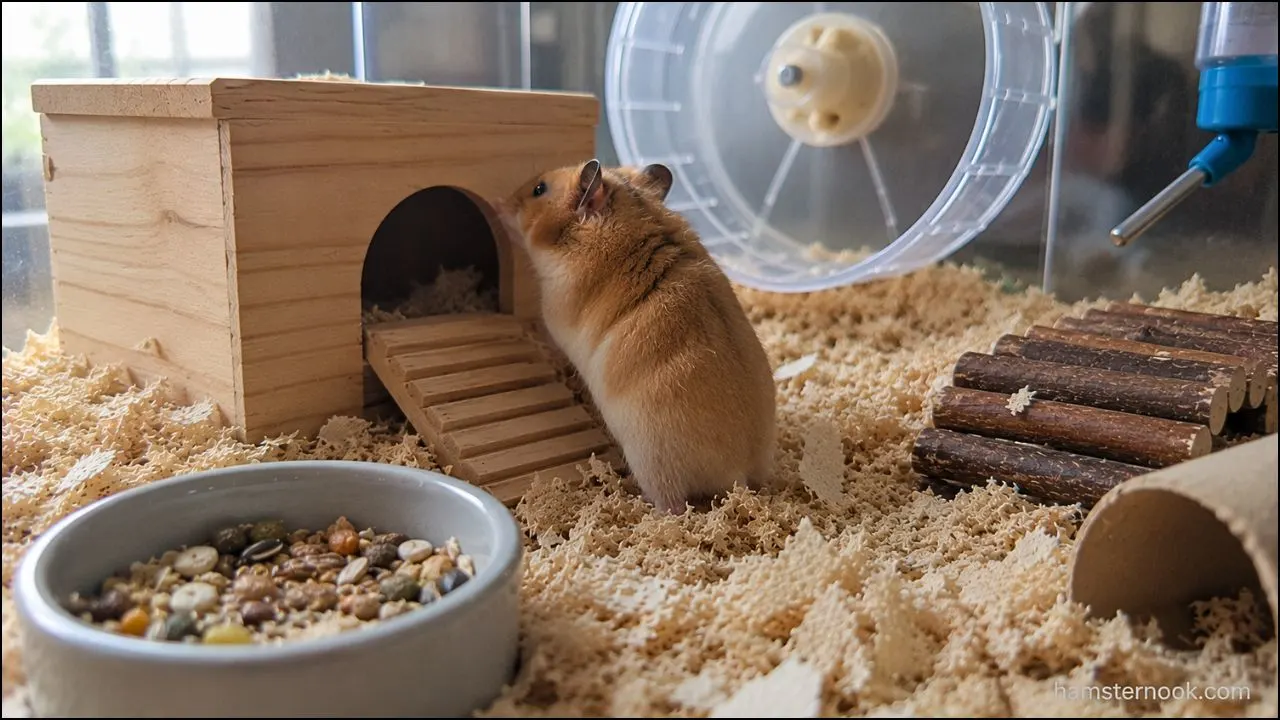
Hamsters often hide stress and discomfort very well, making early warning signs easy for owners to miss. Unlike dogs or cats, hamsters rarely show obvious emotional signals. A hamster can look “normal” on the surface while actually feeling stressed, bored, uncomfortable, or unhappy inside its enclosure.
Several common hamster behaviors may actually signal stress, boredom, or discomfort inside the enclosure. — like bar chewing, hiding constantly, or sudden aggression — are often warning signs that the hamster’s environment or routine needs improvement.
The good news is that unhappy hamsters usually show patterns long before serious health or behavioral problems develop. Learning to recognize these signs early can help you create a healthier and more enriching life for your pet.
This guide covers seven common signs of hamster unhappiness, what causes them, and practical ways to improve your hamster’s well-being.
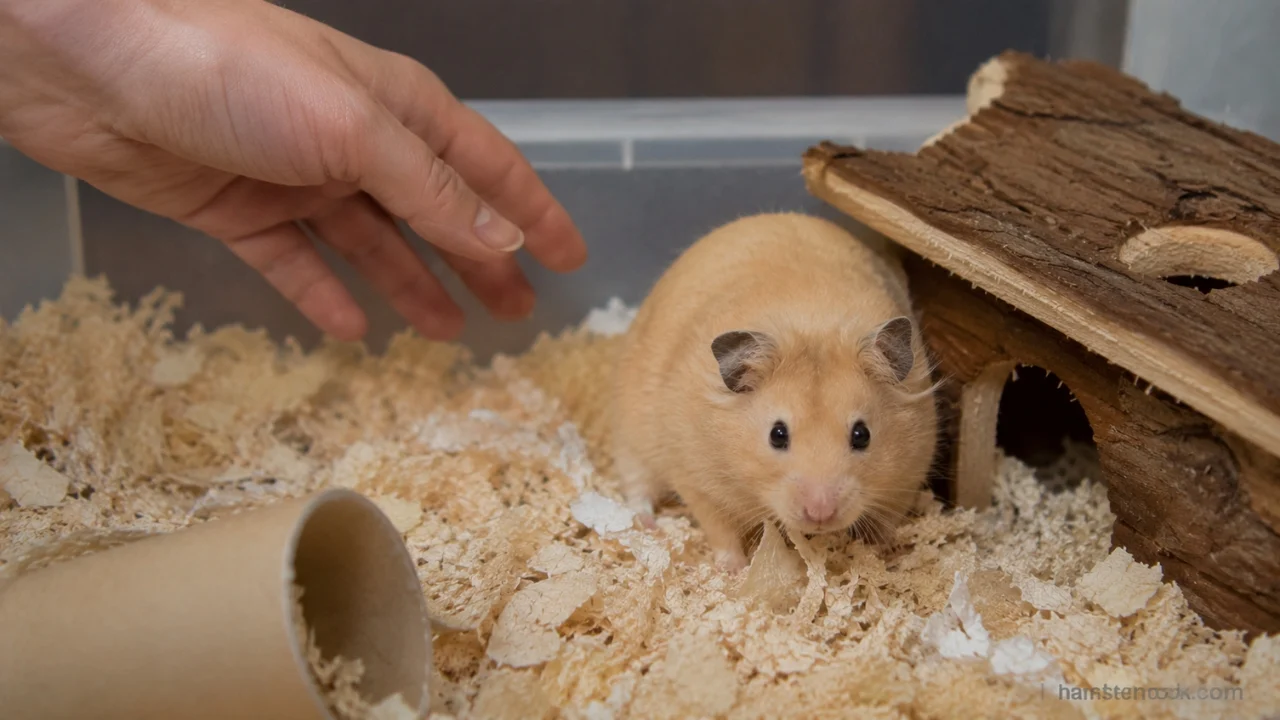
How to Tell if a Hamster Is Happy or Unhappy
A healthy and content hamster usually shows balanced behaviors. While every hamster has its own personality, most happy hamsters tend to:
| Signs of a Happy Hamster | Signs of an Unhappy Hamster |
|---|---|
| Explores the enclosure regularly | Hides excessively all the time |
| Uses the wheel normally | Constantly chews bars or corners |
| Eats and drinks consistently | Sudden appetite changes |
| Shows curiosity | Acts fearful or stressed |
| Maintains normal grooming | Over-grooming or poor coat condition |
| Sleeps on a regular schedule | Restless pacing or frantic behavior |
Recognizing unhappy hamster behavior early can help prevent long-term stress and health problems.
One unusual behavior alone does not always mean a hamster is unhappy. However, repeated patterns are important to watch closely.
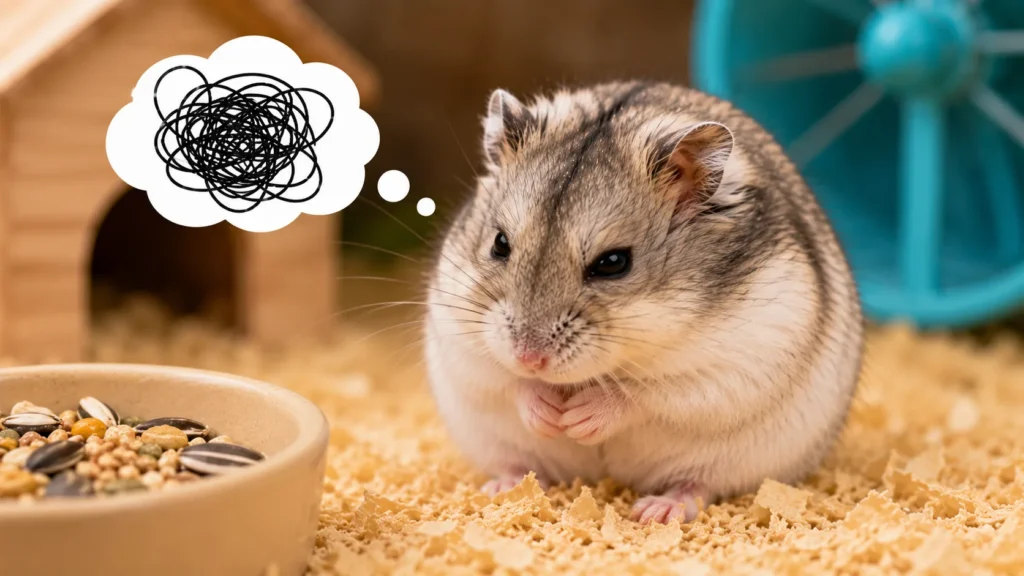
Excessive Bar Chewing Can Signal Stress or Boredom
Repeated bar chewing is often linked to boredom, stress, or a lack of proper enrichment.

👉 Hamster Biting Cage Causes & Fixes
Many owners assume hamsters chew cage bars simply because they like chewing, but repeated bar biting is often linked to stress, boredom, or insufficient space.
Hamsters naturally need room to run, dig, forage, and explore. Small cages with limited enrichment can lead to repetitive behaviors known as “stereotypies,” which are often associated with poor welfare in animals.
Common Reasons for Bar Chewing
| Possible Cause | Why It Happens |
|---|---|
| Small enclosure | Hamster feels confined |
| Lack of enrichment | Not enough stimulation |
| No digging opportunities | Natural instincts are blocked |
| Stress | Frustration builds over time |
| Poor wheel size | Hamster cannot exercise properly |
How to Help
- Upgrade to a larger enclosure
- Add deeper bedding for burrowing
- Provide chew toys and tunnels
- Use a properly sized wheel
- Rotate enrichment items regularly
Persistent bar chewing should not be ignored.
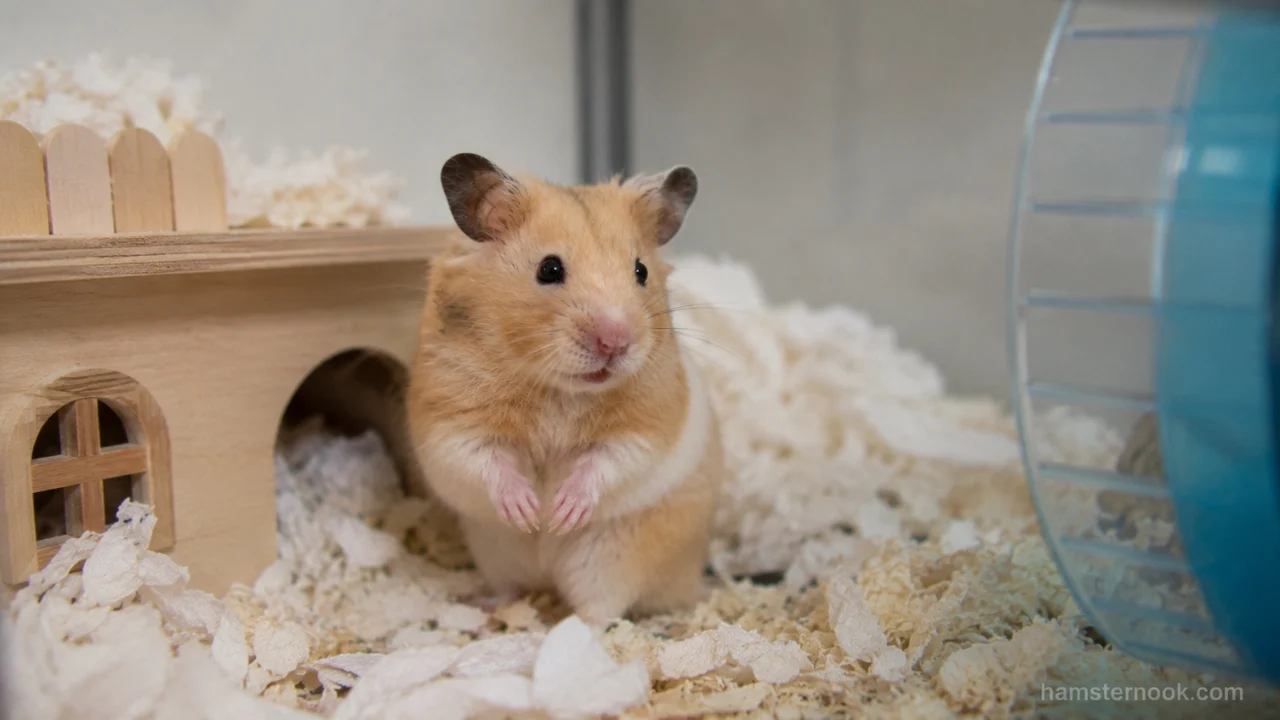
Constant Hiding May Mean Your Hamster Feels Unsafe
Hamsters naturally prefer hiding spots because they feel safer in enclosed and quiet areas. However, a hamster that almost never comes out — even at night — may feel insecure or stressed.
👉 5 Warning Signs Your Hamster May Be Stressed
A frightened hamster often avoids open spaces, sudden noises, excessive handling, or bright lighting.
Possible Causes of Excessive Hiding
- Loud household environment
- Frequent disturbances
- Lack of hiding spots
- Stress from other pets
- Poor cage placement
Some new hamsters also need time to adjust after coming home.
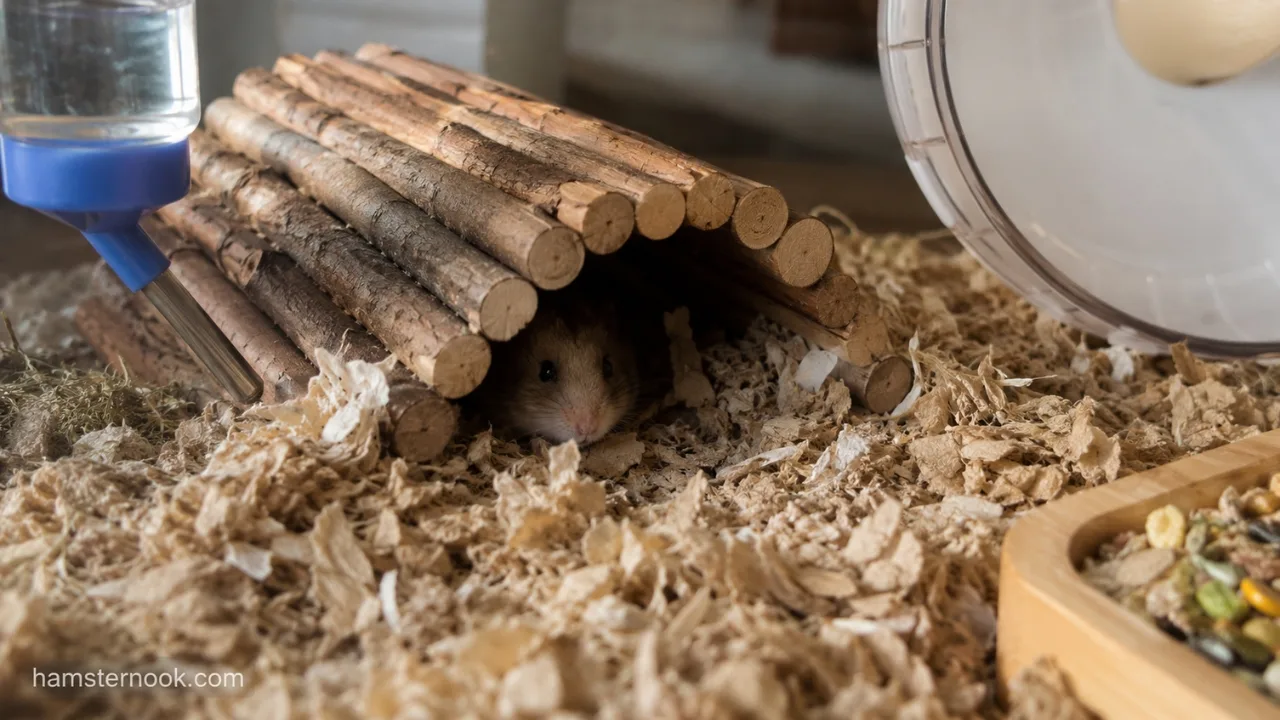
How to Make a Hamster Feel Safer
| Helpful Change | Why It Helps |
|---|---|
| Add multiple hideouts | Creates security |
| Keep cage in a quiet area | Reduces stress |
| Avoid waking the hamster | Protects natural sleep cycle |
| Use soft bedding | Encourages nesting |
| Move slowly during handling | Builds trust gradually |
A relaxed hamster usually becomes more curious over time.
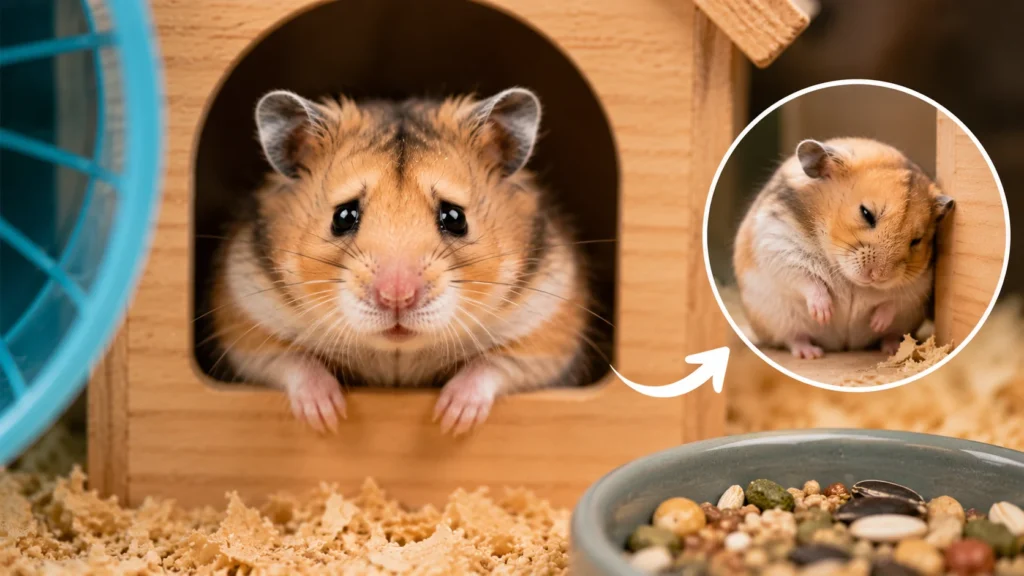
Sudden Aggression Often Indicates Discomfort
Hamsters can nip occasionally, especially when startled. But sudden aggression or repeated biting may indicate fear, pain, stress, or frustration.
👉 Why Does My Hamster Bite Me?
An unhappy hamster may:
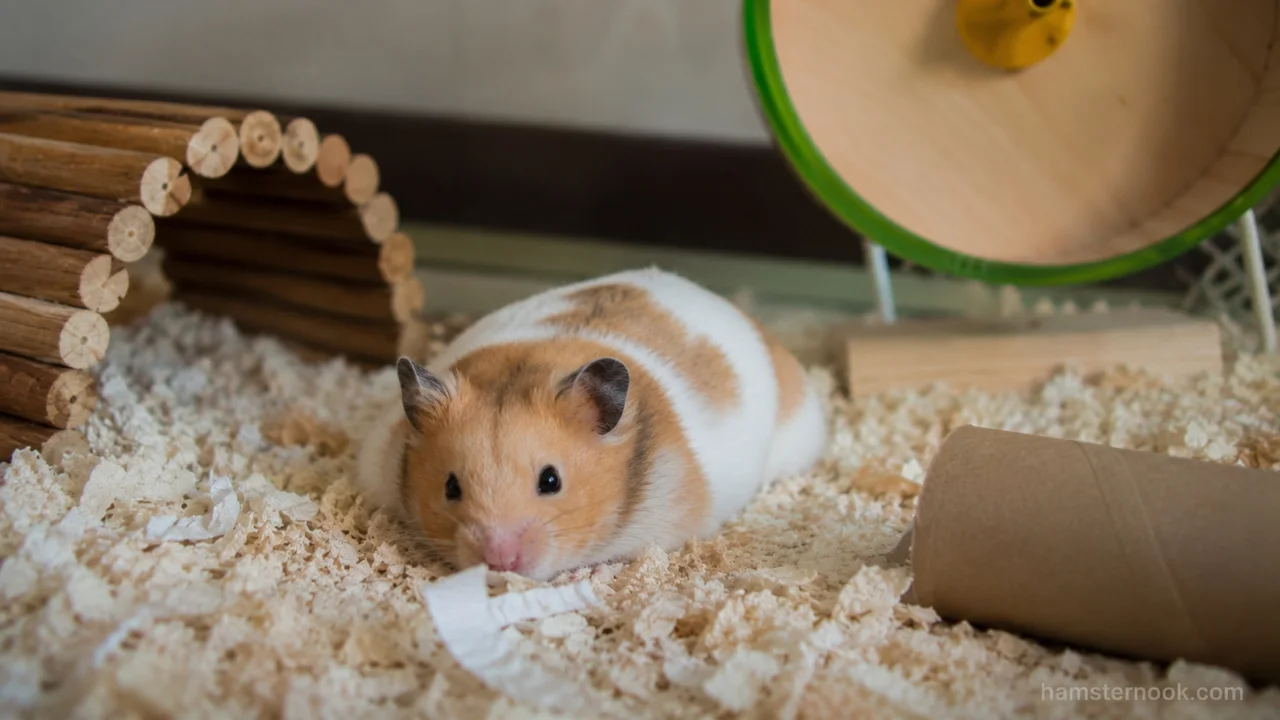
- Lunge at hands
- Bite frequently
- Make defensive postures
- Avoid interaction aggressively
Common Triggers for Aggressive Behavior
| Trigger | Possible Reason |
|---|---|
| Rough handling | Fear response |
| Lack of sleep | Irritability |
| Small enclosure | Territorial stress |
| Pain or illness | Defensive behavior |
| Strong scents on hands | Confusion or fear |
Punishing a hamster for biting usually makes the problem worse.
Better Ways to Build Trust
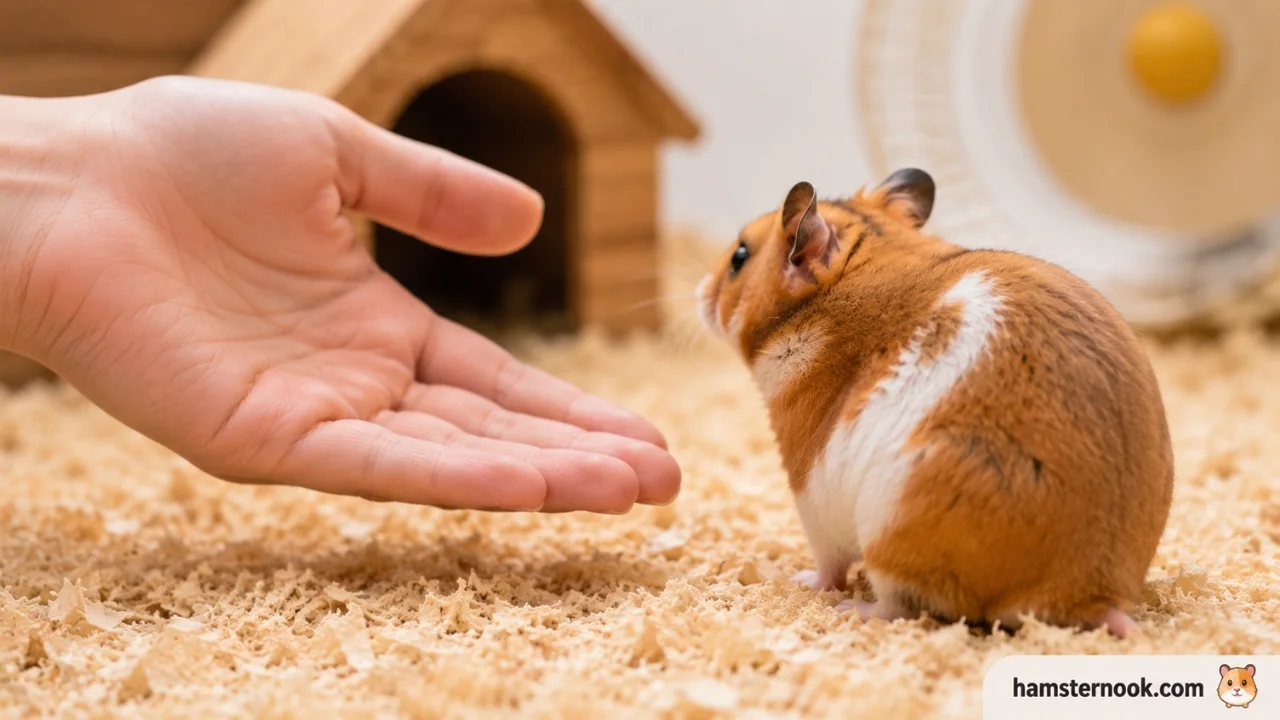
- Let the hamster approach voluntarily
- Offer treats from your hand
- Avoid sudden grabbing
- Respect sleeping times
- Handle gently and consistently
Behavior changes that happen suddenly should always be monitored carefully.
Repetitive Pacing or Climbing May Reflect Frustration
A hamster constantly pacing the same route or climbing cage walls repeatedly may be showing signs of environmental stress.
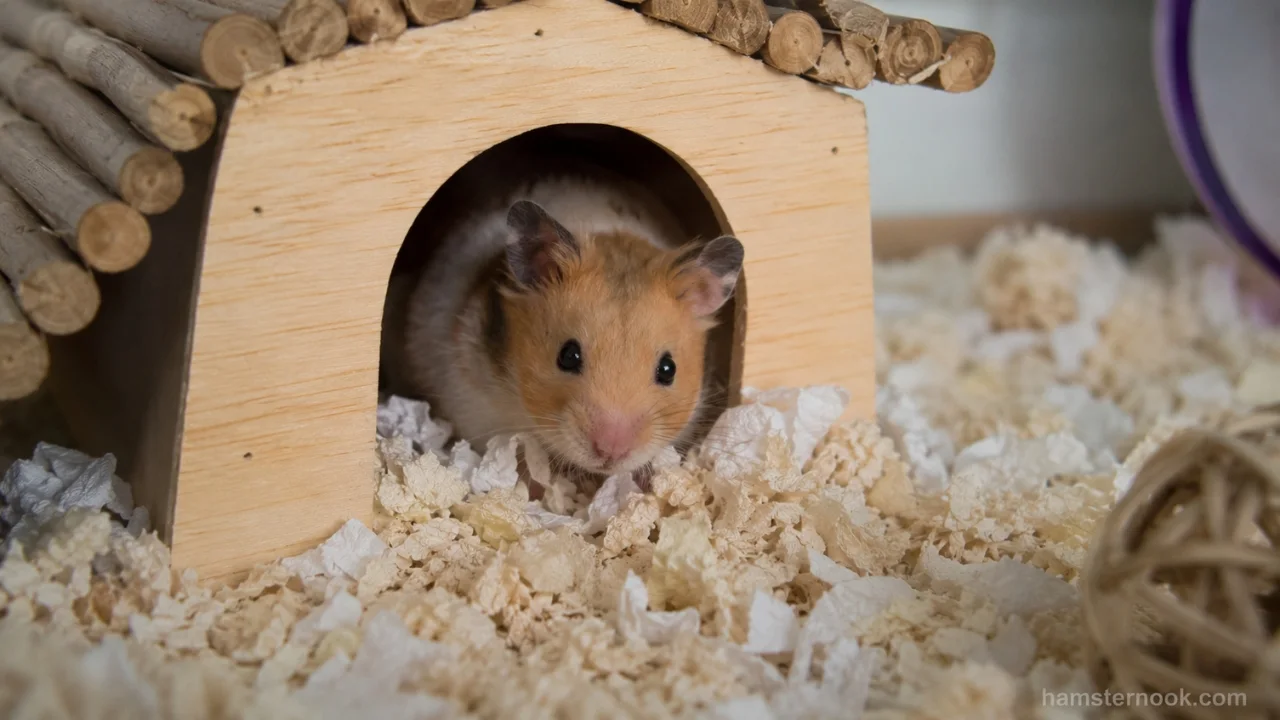
This behavior is especially common in cages that are too small or lack stimulation.
Signs of Frustration Behaviors
- Running along cage edges repeatedly
- Monkey-barring across cage tops
- Climbing constantly without purpose
- Scratching corners obsessively
These behaviors are often linked to unmet natural instincts.
Environmental Improvements That Can Help
| Enrichment Idea | Benefit |
|---|---|
| Deep bedding | Encourages digging |
| Sand bath | Supports natural grooming |
| Multi-chamber hides | Creates exploration |
| Scatter feeding | Stimulates foraging |
| Cork logs and tunnels | Adds variety |
Hamsters need mental stimulation just as much as physical exercise.
Changes in Eating Habits Should Never Be Ignored
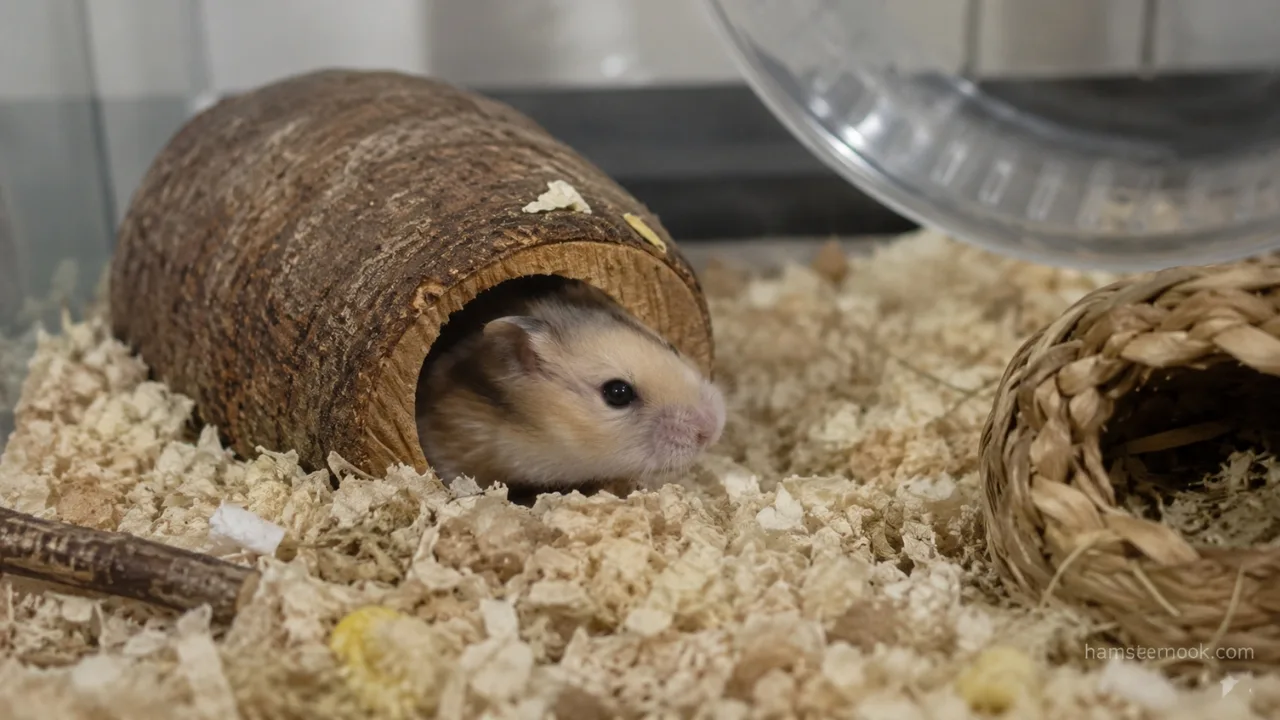
Appetite changes can be one of the earliest signs that a hamster is stressed or unhappy.
👉 Why Is My Hamster Not Eating?
Some hamsters stop eating normally when:
- The environment changes suddenly
- They feel unsafe
- They become ill
- Temperatures become uncomfortable
Warning Signs to Watch
| Eating Change | Possible Concern |
|---|---|
| Eating much less | Stress or illness |
| Hoarding excessively | Anxiety or insecurity |
| Ignoring favorite foods | Potential health issue |
| Sudden overeating | Boredom or stress |
Because hamsters naturally hide food, owners should monitor carefully before assuming the hamster is eating enough.
Over-Grooming or Poor Fur Condition Can Reflect Stress
A hamster’s coat condition often reveals important clues about overall well-being.
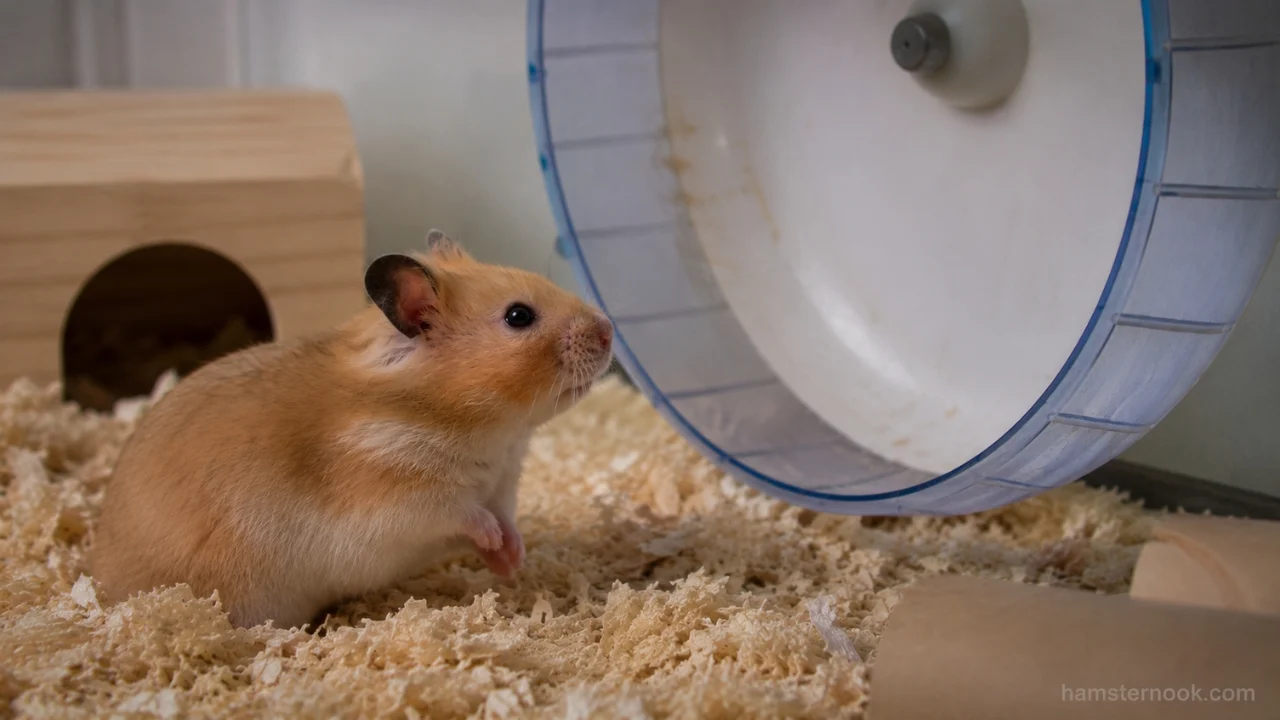
Stress may cause:
- Over-grooming
- Bald patches
- Scruffy fur
- Greasy coat appearance
However, skin problems and parasites can also cause similar symptoms, so medical causes should not be ignored.
Healthy vs Unhealthy Coat Signs
| Healthy Coat | Concerning Coat Signs |
|---|---|
| Smooth and clean | Bald patches |
| Even fur coverage | Excessive scratching |
| Natural shine | Greasy appearance |
| Normal grooming | Constant grooming obsession |
If coat changes continue, an exotic veterinarian should evaluate the hamster.
Sleeping Pattern Changes May Point to Stress
Hamsters are nocturnal or crepuscular animals, meaning they are naturally active during the evening and night.

A hamster that suddenly becomes active at unusual times or appears restless may be experiencing stress.
Common Sleep Disruptions
- Loud daytime noise
- Bright lights
- Frequent waking
- Poor cage location
- Temperature extremes
Interrupted sleep can make hamsters anxious and irritable over time.
Ideal Environment for Better Sleep
| Environmental Factor | Recommended Setup |
|---|---|
| Noise level | Quiet area |
| Lighting | Dim at night |
| Temperature | Stable and moderate |
| Disturbances | Minimal daytime handling |
| Bedding depth | Deep enough for nesting |
Hamsters need uninterrupted rest to feel secure and healthy.
Can Hamsters Become Depressed?
While it is difficult to measure emotions exactly the same way humans experience them, animals can absolutely show signs of poor mental well-being and chronic stress.
Long-term boredom, isolation from stimulation, poor housing, and repeated stress may negatively affect a hamster’s behavior and quality of life.
Providing proper enrichment, space, and gentle interaction greatly improves welfare.
The Most Common Causes of Hamster Unhappiness
Many hamster problems come from environmental issues rather than personality.

Common Mistakes Owners Make
| Problem | Why It Causes Stress |
|---|---|
| Tiny cages | Limits natural behavior |
| Unsafe wheels | Causes discomfort |
| Lack of enrichment | Creates boredom |
| Frequent waking | Interrupts sleep cycle |
| Overhandling | Builds fear |
| Loud environments | Increases anxiety |
Small improvements often make a noticeable difference in behavior.
How to Make Your Hamster Happier
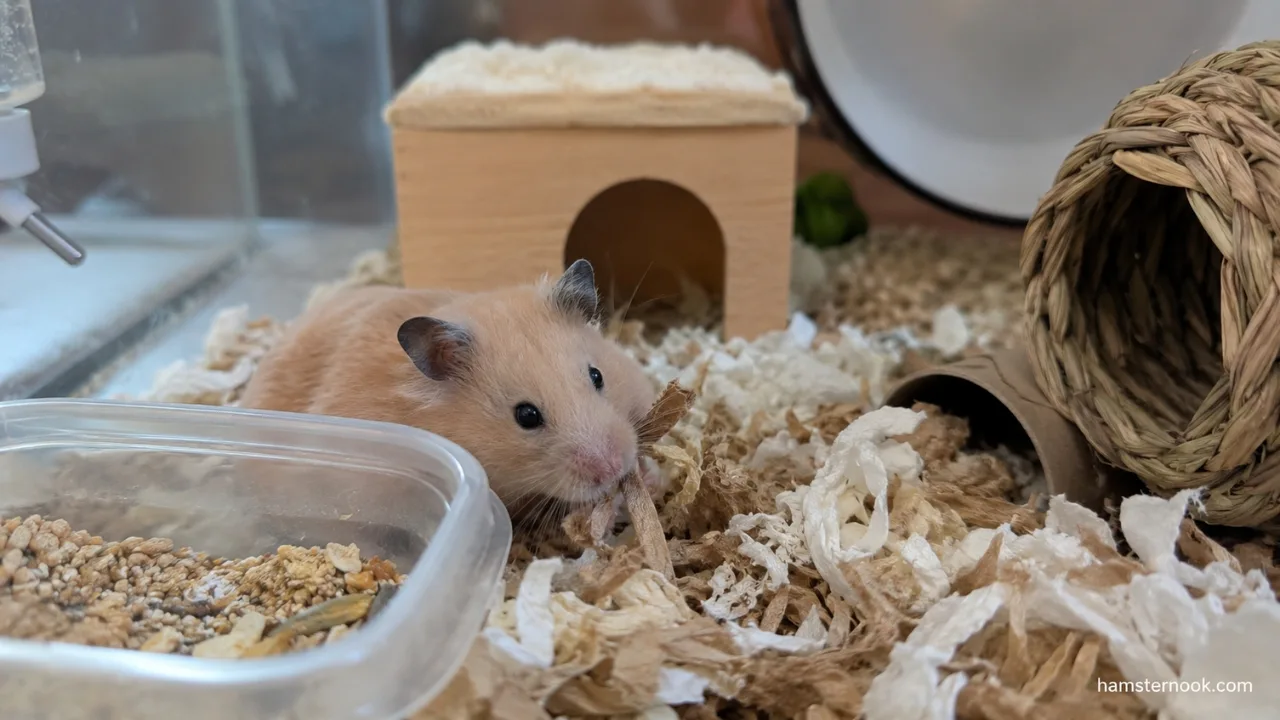
Hamsters thrive best in calm environments with enough space to explore, dig, hide, and exercise safely.
Creating a better environment does not always require expensive products.
👉 Best Hamster Cage Setup for Beginners
Simple Ways to Improve Hamster Welfare
- Use a larger enclosure
- Provide at least several inches of bedding
- Add tunnels and hideouts
- Offer safe chew toys
- Use scatter feeding occasionally
- Respect your hamster’s sleep schedule
- Handle slowly and patiently
A hamster that feels secure usually becomes more active, curious, and relaxed over time.
Final Thoughts
Even small pets like hamsters require proper space, enrichment, and low-stress environments to stay healthy and happy. that affect their physical and mental well-being. Many stress-related behaviors are subtle, which is why unhappy hamsters are often misunderstood.
Signs like bar chewing, constant hiding, aggression, pacing, appetite changes, coat problems, and disrupted sleep should not simply be dismissed as “normal hamster behavior.”
By recognizing these warning signs early and improving the enclosure, enrichment, and daily routine, owners can create a far healthier and happier life for their hamster.

Frequently Asked Questions
Is it normal for hamsters to hide all day?
Yes, hamsters naturally sleep during the day. However, constant hiding even during active nighttime hours may indicate stress or insecurity.
Why does my hamster keep biting the cage bars?
Bar chewing is commonly linked to boredom, frustration, lack of enrichment, or an enclosure that is too small.
Can a hamster get lonely?
Hamsters are usually solitary animals, especially Syrian hamsters. They typically do not need companionship from other hamsters, but they still need enrichment and stimulation.
How do I know if my hamster is stressed?
Common signs include pacing, hiding excessively, aggression, over-grooming, and changes in appetite or activity levels.
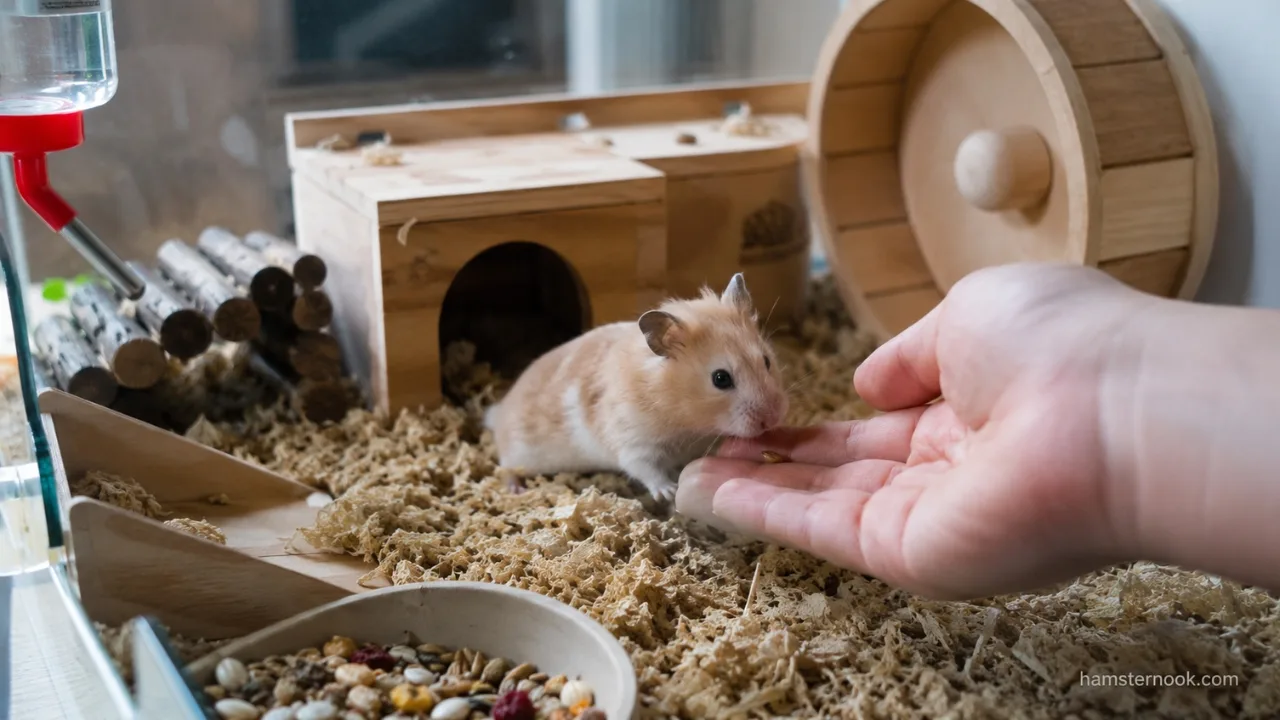
Does handling make hamsters unhappy?
Not always. Gentle and patient handling can help build trust, but forcing interaction or waking a hamster suddenly may create stress.
What is the biggest cause of hamster unhappiness?
Poor enclosure setup is one of the most common causes, especially cages that are too small or lack enrichment opportunities.

Narayan Kumar is the founder and author of HamsterNook. He creates practical, research-based hamster care guides covering hamster behavior, nutrition, cage setup, enrichment, health, and everyday care. His goal is to help hamster owners make informed decisions and provide safer, healthier lives for their pets through clear, beginner-friendly information based on trusted animal care resources.