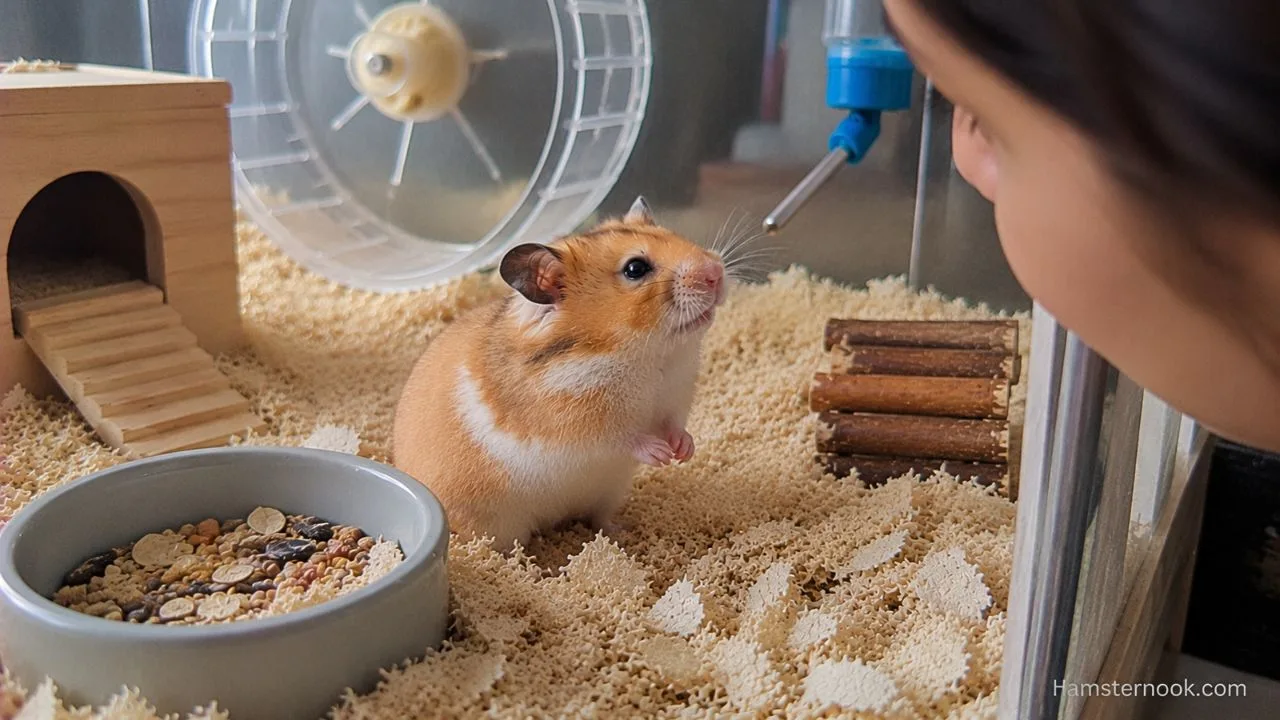
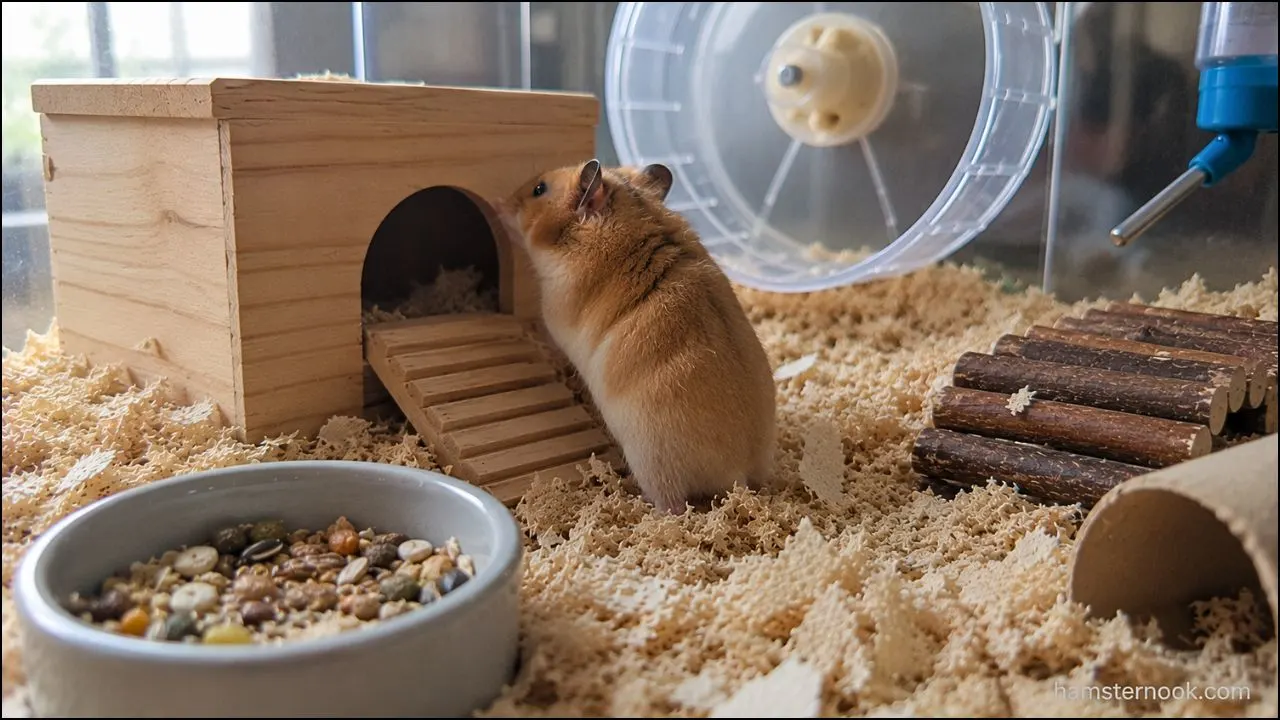
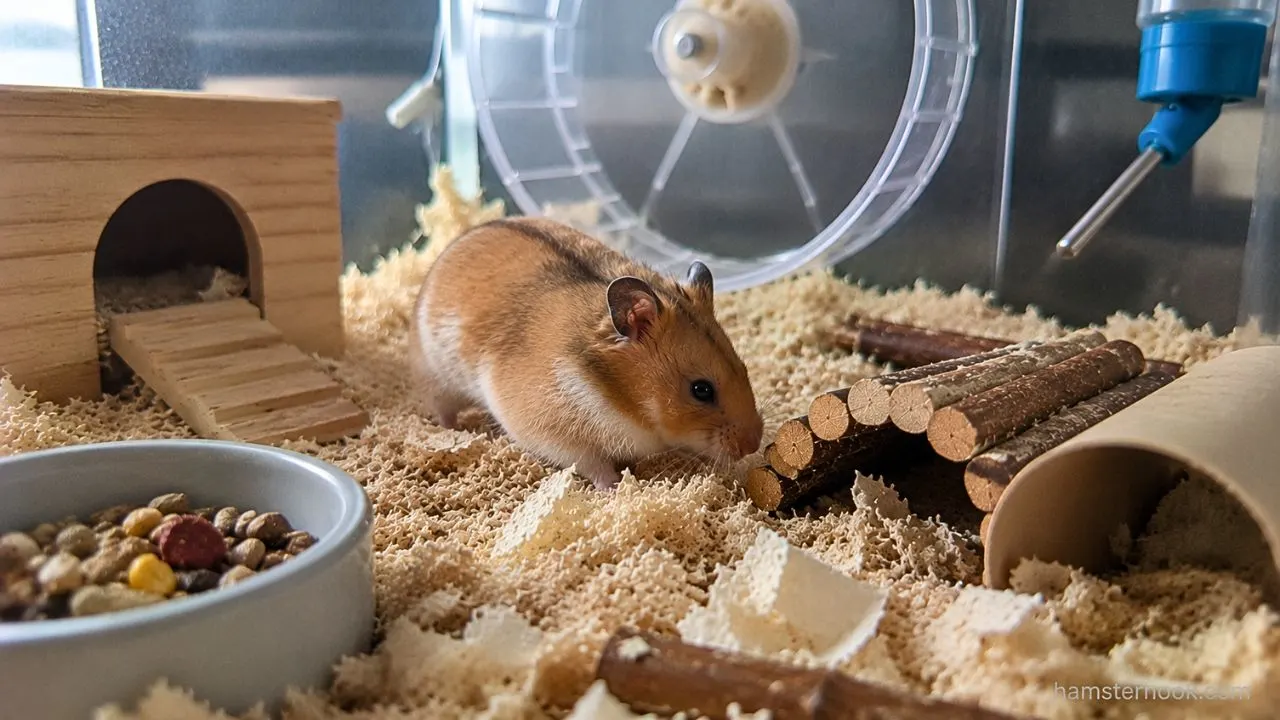
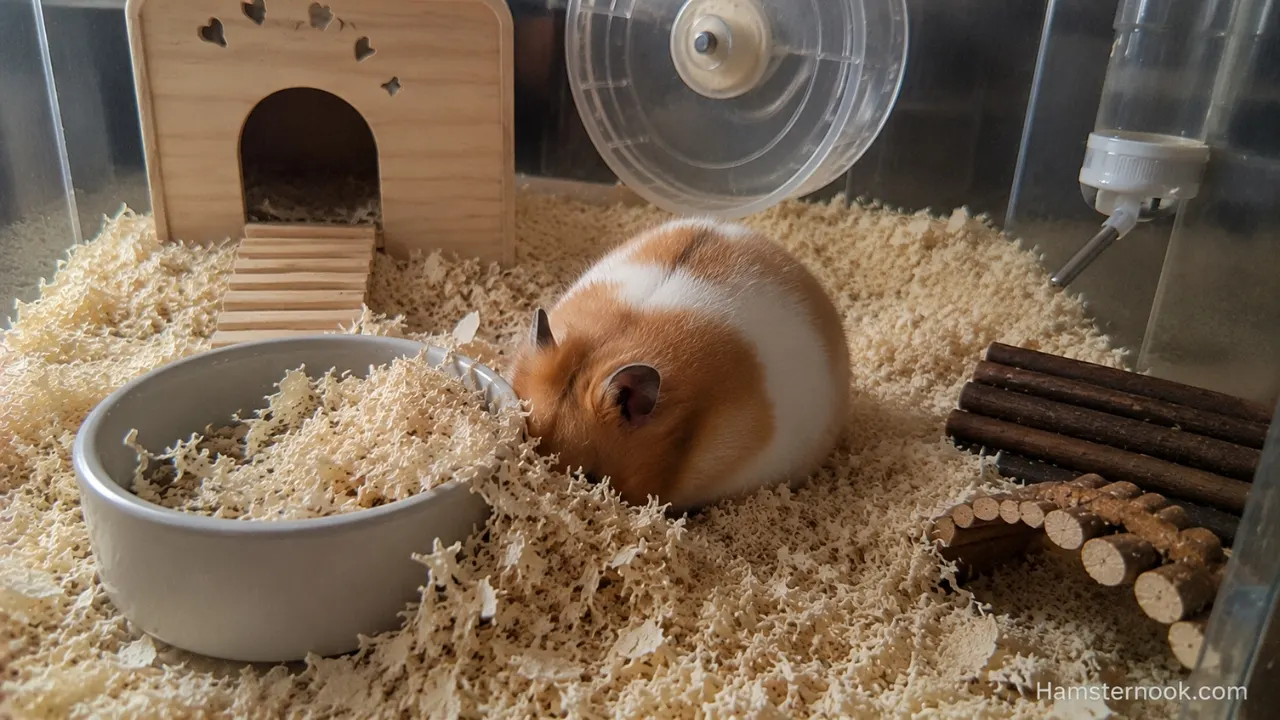
Hamsters may look tiny and easy to care for, but they are surprisingly sensitive animals. Many common owner habits that seem harmless can actually cause stress, fear, illness, or aggressive behavior in hamsters. In fact, a lot of biting, hiding, cage chewing, and “grumpy” behavior happens because a hamster is uncomfortable with something in its environment.
The difficult part is that hamsters usually do not show stress the same way dogs or cats do. Instead of obvious signs, they may freeze, avoid you, over-groom, chew bars constantly, or suddenly start biting.
Understanding what hamsters dislike can completely change your relationship with your pet. A happier hamster is usually calmer, friendlier, healthier, and easier to handle.
This guide explains the biggest things hamsters hate, why these behaviors upset them, and what owners should do instead.
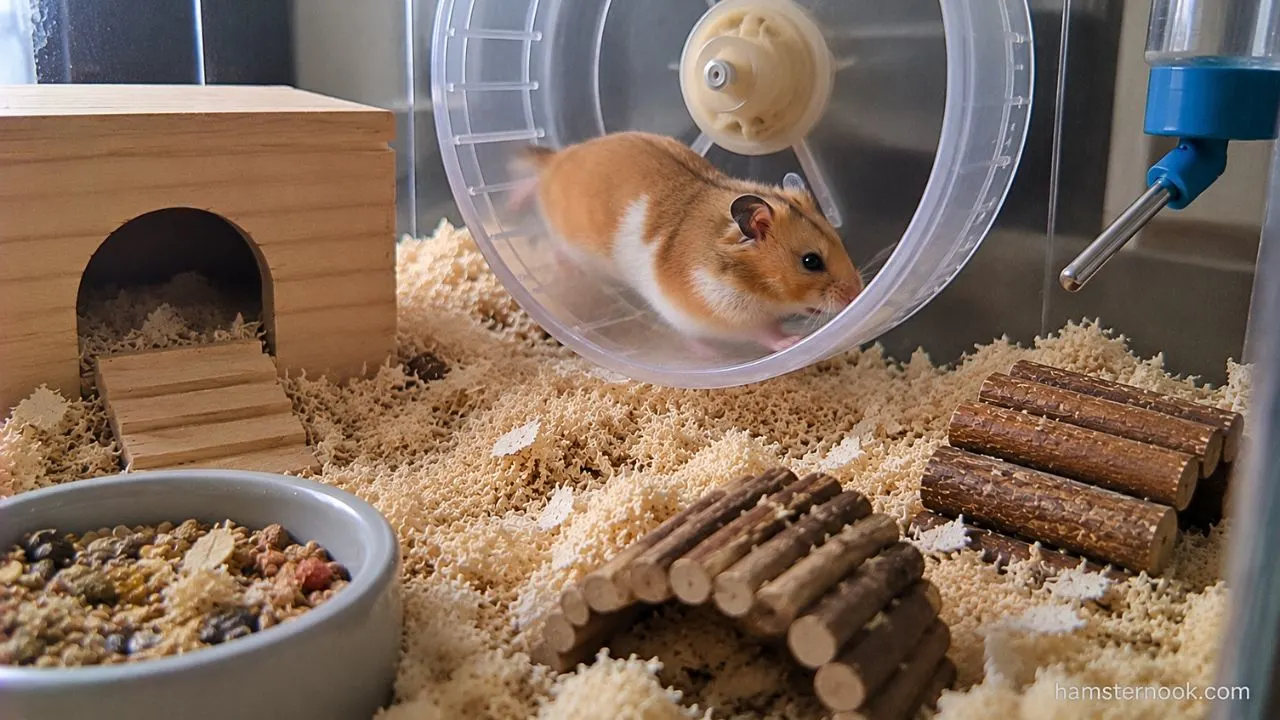
Why Understanding Hamster Stress Matters
Hamsters are prey animals. In the wild, they survive by avoiding danger, staying hidden, and protecting their territory. Because of this instinct, they can become stressed very easily when their environment feels unsafe or overwhelming.
Long-term stress in hamsters may lead to:
- Biting or defensive behavior
- Excessive hiding
- Cage aggression
- Reduced appetite
- Changes in normal sleep or activity
- Changes in grooming
- Increased restlessness or repetitive behavior
Many common owner habits seem harmless but can quietly create long-term stress in hamsters. Small changes in care and handling can make a huge difference.
If your hamster is showing several stress behaviors at once, start with the simplest environmental checks first: make sure the cage is in a quiet location, your hamster has somewhere private to hide, the enclosure provides enough space and enrichment, and you are not disturbing its normal sleep period. Change one major factor at a time when possible so you can see whether your hamster becomes more comfortable.
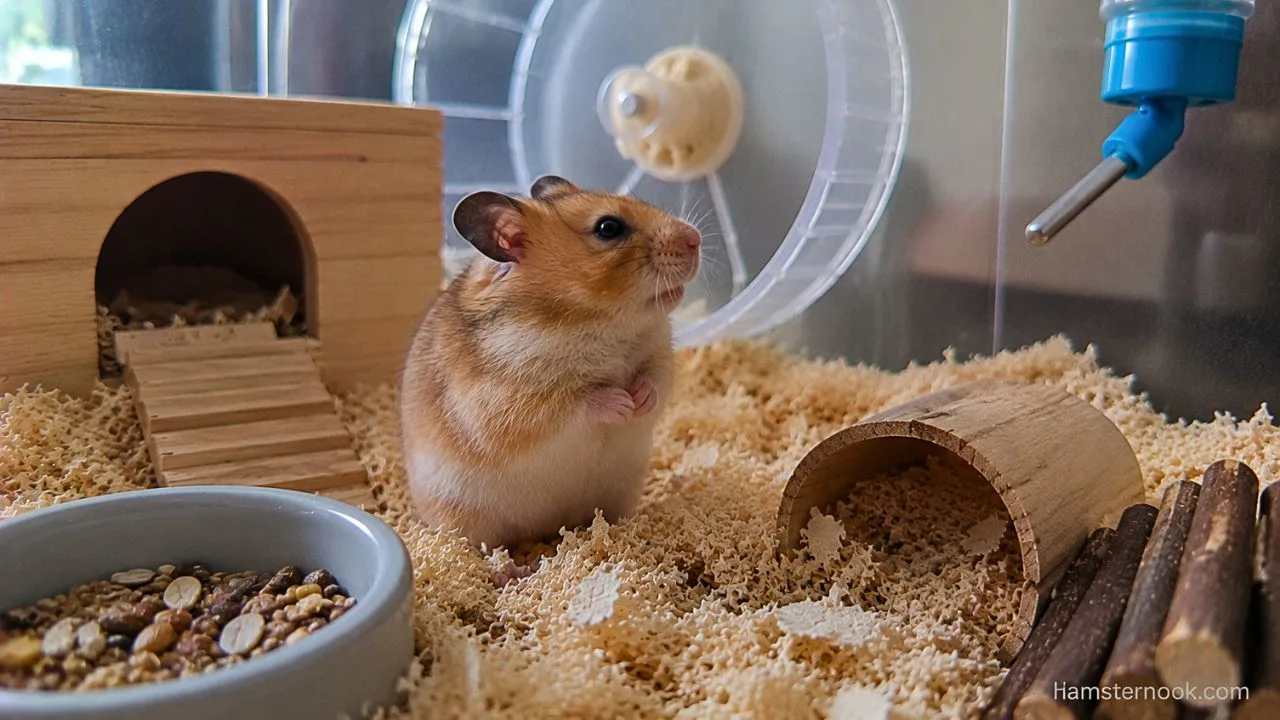
Not Every Hamster Dislikes the Same Things
Just like people, hamsters have individual personalities. Some are naturally confident and curious, while others are shy and cautious.
For example:
- One hamster may enjoy climbing onto your hand after a few weeks of trust-building.
- Another may always prefer limited handling.
- Some hamsters tolerate household activity well, while others become stressed by even minor disturbances.
Understanding your hamster’s personality can help you identify whether a behavior is a genuine stress response or simply part of its natural temperament.
Does My Hamster Actually Hate Me?
A hamster that bites, hides, freezes, or avoids handling is not necessarily showing that it “hates” its owner. These behaviors can happen when a hamster feels frightened, stressed, disturbed during sleep, uncomfortable with handling, or unwell.

Look at the situation around the behavior instead of judging it by one incident. If the change is sudden, persistent, or happens alongside reduced appetite, unusual lethargy, grooming changes, or other physical signs, it is safer to consider a health problem as well as an environmental cause.
Common Things Hamsters Hate Most

Loud Noises and Sudden Sounds
Hamsters have extremely sensitive hearing. Loud TVs, shouting, barking dogs, gaming speakers, vacuum cleaners, or banging objects can make them feel constantly threatened.
Because hamsters are naturally cautious animals, repeated loud noise may cause chronic stress.
Young children often don’t realize how sensitive hamster hearing can be. Placing a cage near gaming setups, televisions, speakers, or busy hallways can expose a hamster to constant background noise even when the room doesn’t seem particularly loud to humans.
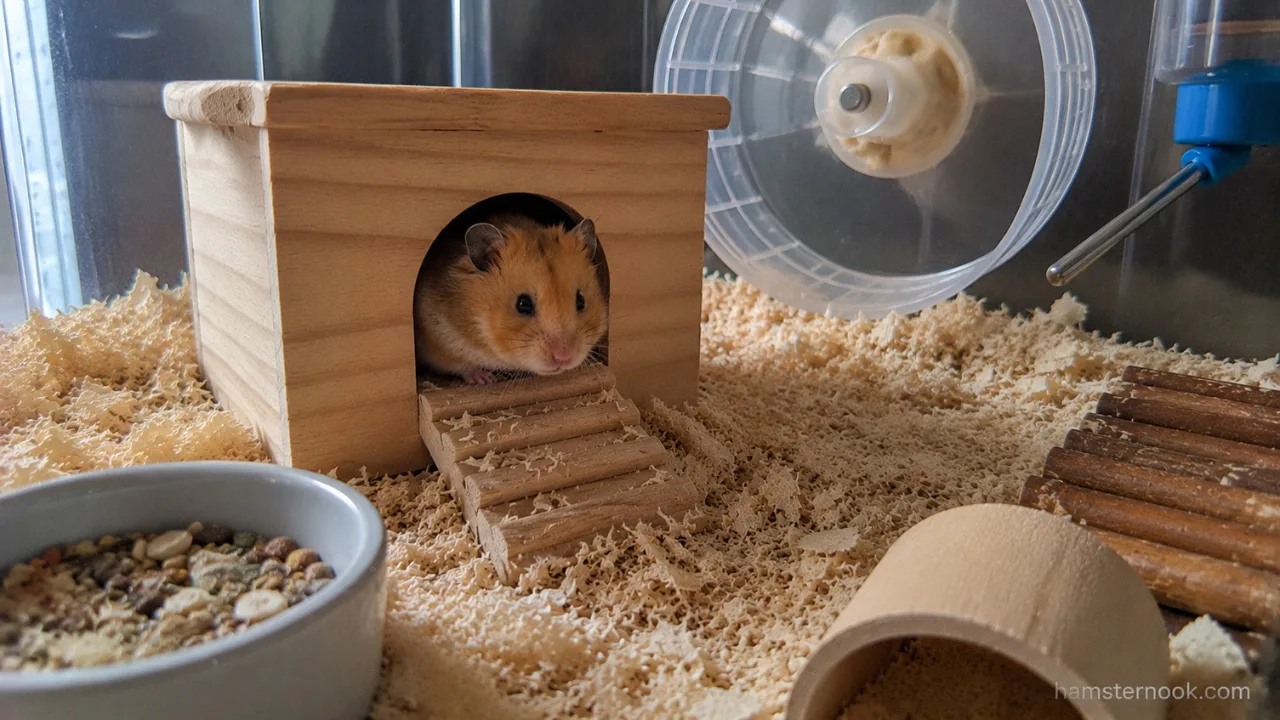
If you are trying to work out whether noise is already affecting your hamster, our Loud Noises Stress Hamster Signs and Prevention guide explains the common signs of noise-related stress and practical ways to reduce unnecessary disturbance.
Signs Your Hamster Hates Noise
- Running frantically around the cage
- Freezing suddenly
- Hiding for long periods
- Refusing to come out at night
- Nervous jumping or twitching
What To Do Instead
- Keep the cage in a calm room
- Avoid placing the enclosure near speakers or televisions
- Lower noise levels at night when hamsters are active
- Move the hamster away before vacuuming nearby
Waking Them Up During the Day
If your hamster seems active all night but sleeps through the day, our guide on Why Do Hamsters Hide So Much During the Day? explains why this behavior is completely normal.
One of the biggest mistakes hamster owners make is disturbing a sleeping hamster.
Hamsters are nocturnal or crepuscular, meaning they are naturally active during the evening and nighttime hours. Constantly waking them during the day can make them irritated, anxious, and more likely to bite.
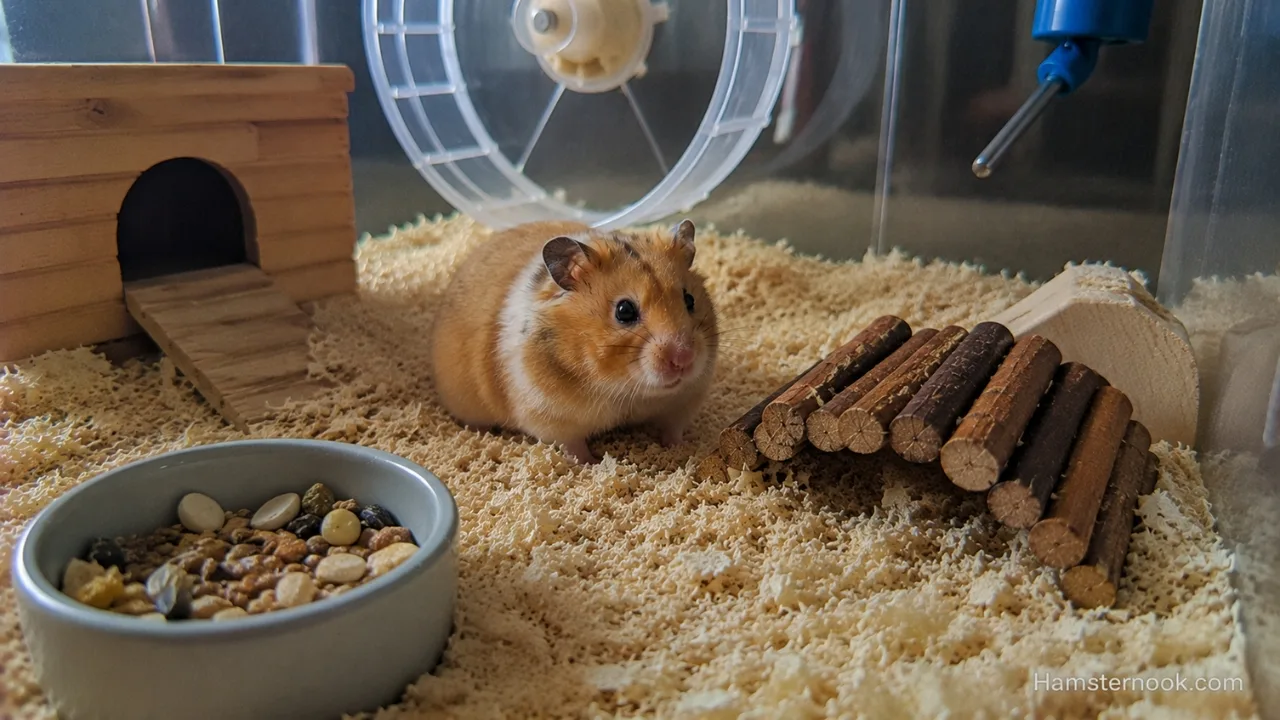
A suddenly awakened hamster may not immediately recognize your hand and could react defensively.
Better Alternative
Instead of forcing daytime interaction:
- Wait until your hamster wakes naturally
- Interact during evening hours
- Let them fully leave their nest before handling
This simple habit alone can greatly reduce biting.
Small Cages With No Space to Explore
Tiny cages are one of the most common welfare problems in pet hamsters.
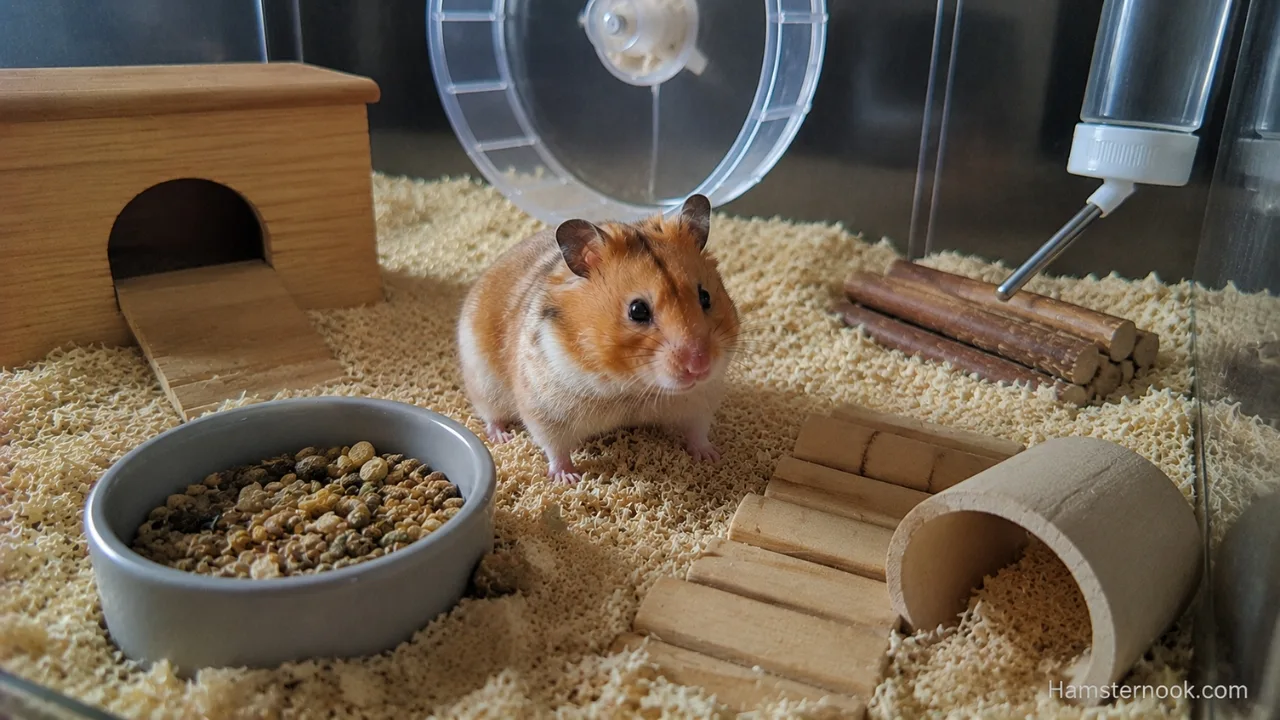
In the wild, hamsters spend hours exploring, digging tunnels, and searching for food every night. Small cages restrict normal behaviors and often lead to frustration.
A spacious enclosure with enough room for burrowing, hiding, and exploring helps prevent many stress-related behaviors. Our Best Hamster Cage Setup for Beginners (Safe & Comfortable Ideas) explains how to create an environment that supports your hamster’s natural instincts.
Signs the Cage Is Too Small
| Stress Behavior | What It Often Means |
|---|---|
| Bar chewing | Frustration or boredom |
| Monkey barring | Trying to escape |
| Constant pacing | Lack of stimulation |
| Digging corners obsessively | Need for burrowing space |
| Hyperactivity at night | Insufficient enrichment |
What Hamsters Prefer
A hamster-friendly enclosure should include:
- Large unbroken floor space
- Deep bedding for burrowing
- A proper exercise wheel
- Multiple hideouts
- Tunnels and enrichment items
Generally, larger cages create calmer and more confident hamsters.
Strong Smells and Scented Products
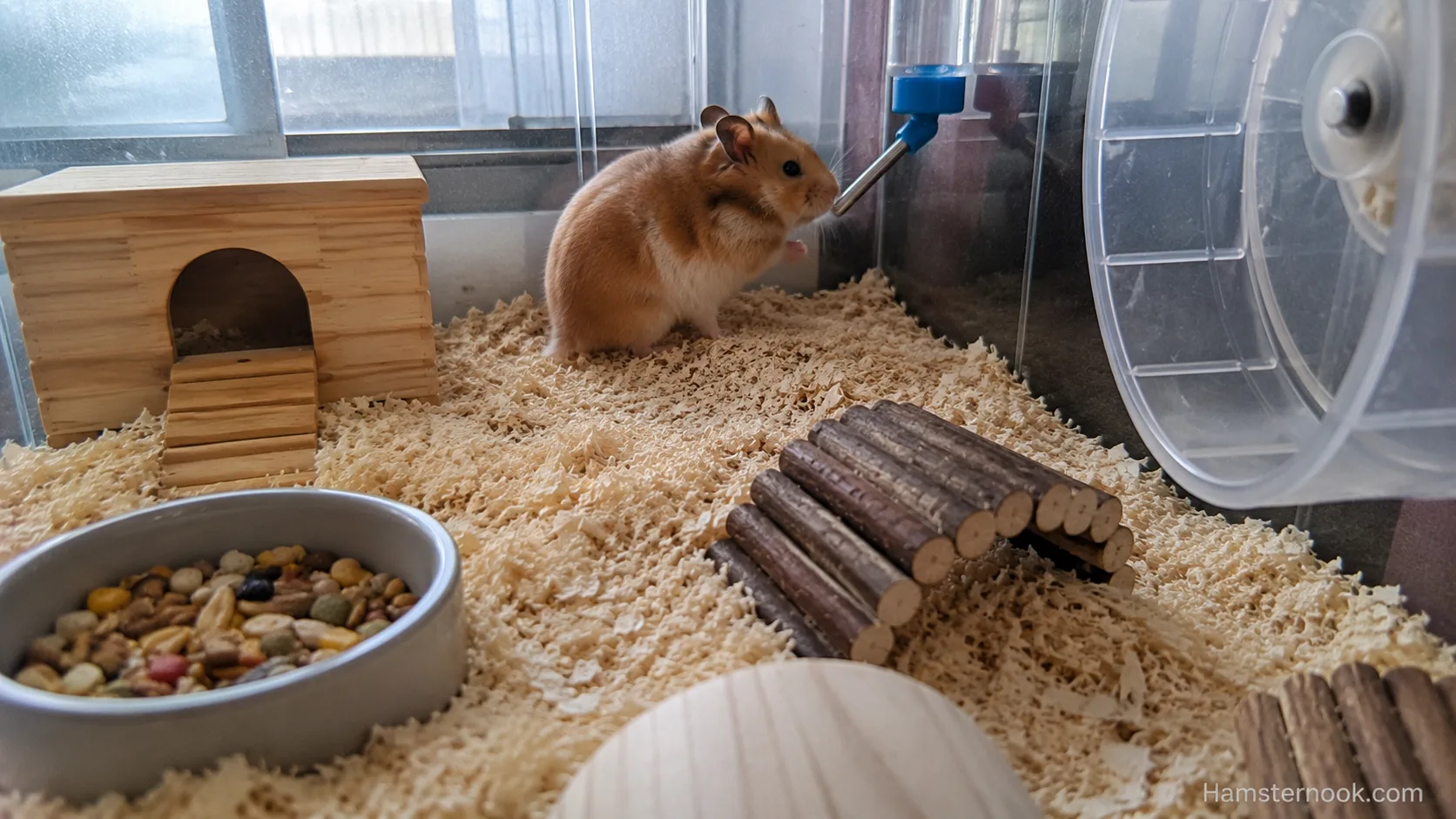
Hamsters rely heavily on their sense of smell. Strong fragrances can overwhelm them.
Many owners unknowingly use products that may irritate a hamster’s respiratory system.
Sudden Changes to Their Environment
Hamsters thrive on familiarity and routine.
Major changes can sometimes cause temporary stress, including:
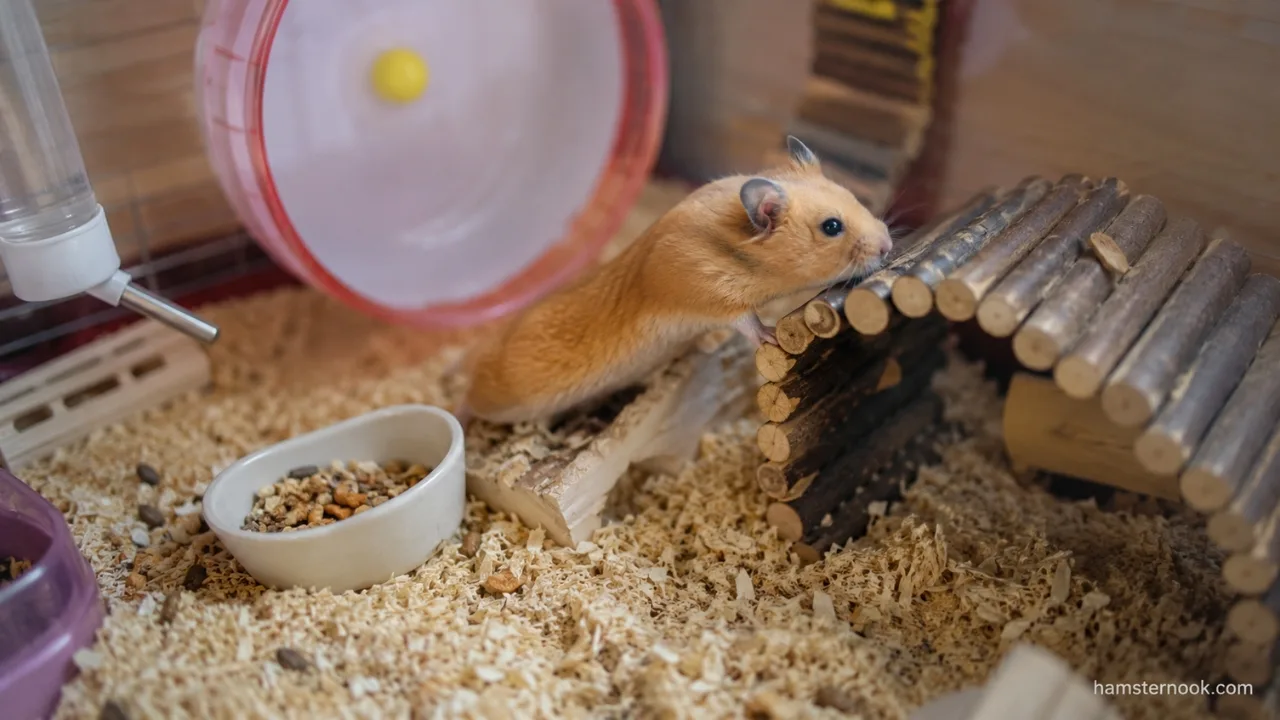
- Moving to a new cage
- Rearranging every item at once
- Changing bedding brands suddenly
- Relocating the enclosure to another room
Where the enclosure is placed can matter just as much as what is inside it. Direct sunlight, temperature changes, drafts, and busy areas of the home can all make a cage less comfortable. Our Should a Hamster Cage Be Near a Window? guide explains the main risks of placing a hamster enclosure close to a window.
Whenever possible, make changes gradually and keep a small amount of clean old bedding during cage cleans so familiar scents remain.
Things Hamsters Usually Hate Smelling
- Scented candles
- Air fresheners
- Perfumes sprayed nearby
- Strong cleaning chemicals
- Scented bedding
- Smoke
Hamsters have delicate respiratory systems, so heavily scented environments are not ideal.
If you are using scented products around the enclosure, it is worth checking exactly what is being sprayed and where. Our Can Strong Household Smells Stress a Hamster? Safe Scents & Warning Signs guide covers common household smells and safer ways to reduce unnecessary exposure.
Safer Choice
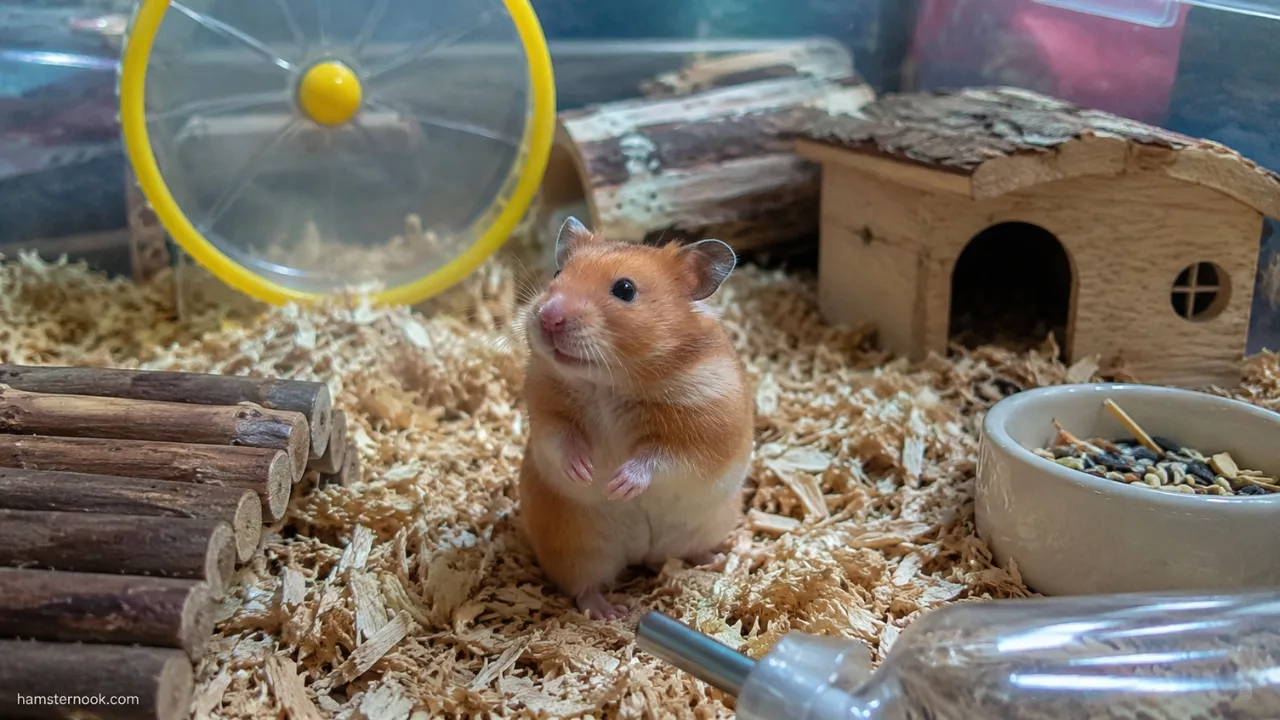
Use:
- Unscented paper bedding
- Mild pet-safe cleaners
- Good room ventilation
- Fragrance-free products near the cage
Avoid using scented laundry products on blankets or cloths that stay close to your hamster’s enclosure, as lingering fragrances may also contribute to unnecessary stress.
Being Handled Too Roughly
Hamsters are small, fragile animals. Rough grabbing, squeezing, chasing, or restraining them can make them terrified.
Children especially may accidentally handle hamsters too forcefully.

Behaviors That Scare Hamsters
- Picking them up suddenly from above
- Grabbing while they are hiding
- Holding too tightly
- Passing them around constantly
- Forcing cuddles
Most hamsters prefer gentle, short interaction sessions rather than constant cuddling.
Gentle Handling Tips
| Wrong Approach | Better Approach |
|---|---|
| Grab from above | Scoop gently from underneath |
| Wake before handling | Wait until naturally awake |
| Hold tightly | Let hamster walk freely between hands |
| Force interaction | Build trust gradually |
Dirty Cages or Poor Hygiene
Hamsters dislike filthy living conditions, but interestingly, they also dislike overly aggressive cleaning.
A completely dirty cage creates stress and health risks, while removing every scent at once can also make a hamster anxious because they rely on familiar smells for security.
Common Cleaning Mistakes
- Never spot-cleaning
- Letting urine build up
- Removing all bedding too often
- Using harsh cleaners
- Washing everything at once weekly
Better Cleaning Routine
- Spot-clean soiled areas regularly
- Replace heavily soiled bedding as needed
- Keep some clean old bedding during deep cleans
- Use warm water or a suitable pet-safe cleaner
Balance is important.
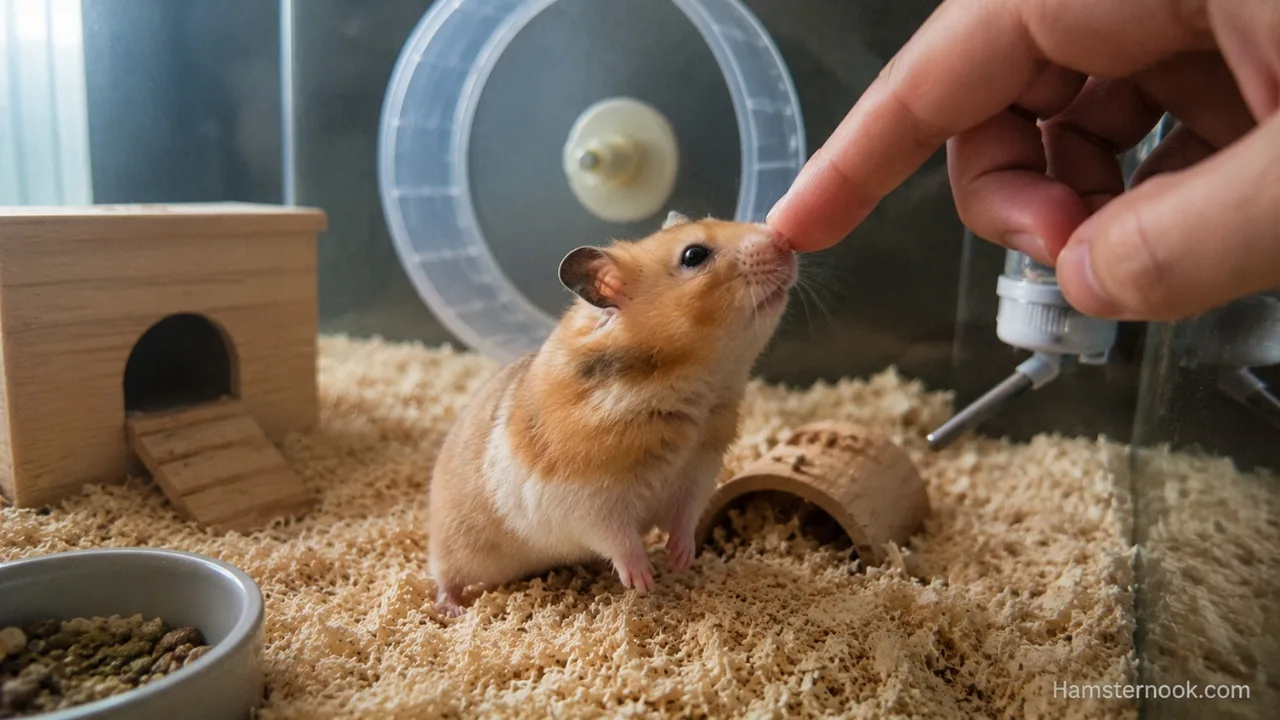
Lack of Hiding Spots
Hamsters hate feeling exposed.
As prey animals, they instinctively seek shelter and covered areas. A cage without enough hideouts can make a hamster feel constantly unsafe.
Good Hideout Options
- Wooden houses
- Cork tunnels
- Multi-chamber hides
- Cardboard tunnels
- Burrow-friendly bedding
A hamster should always have somewhere private to retreat.
Wrong Exercise Wheels
An unsuitable wheel can cause discomfort or even injury.
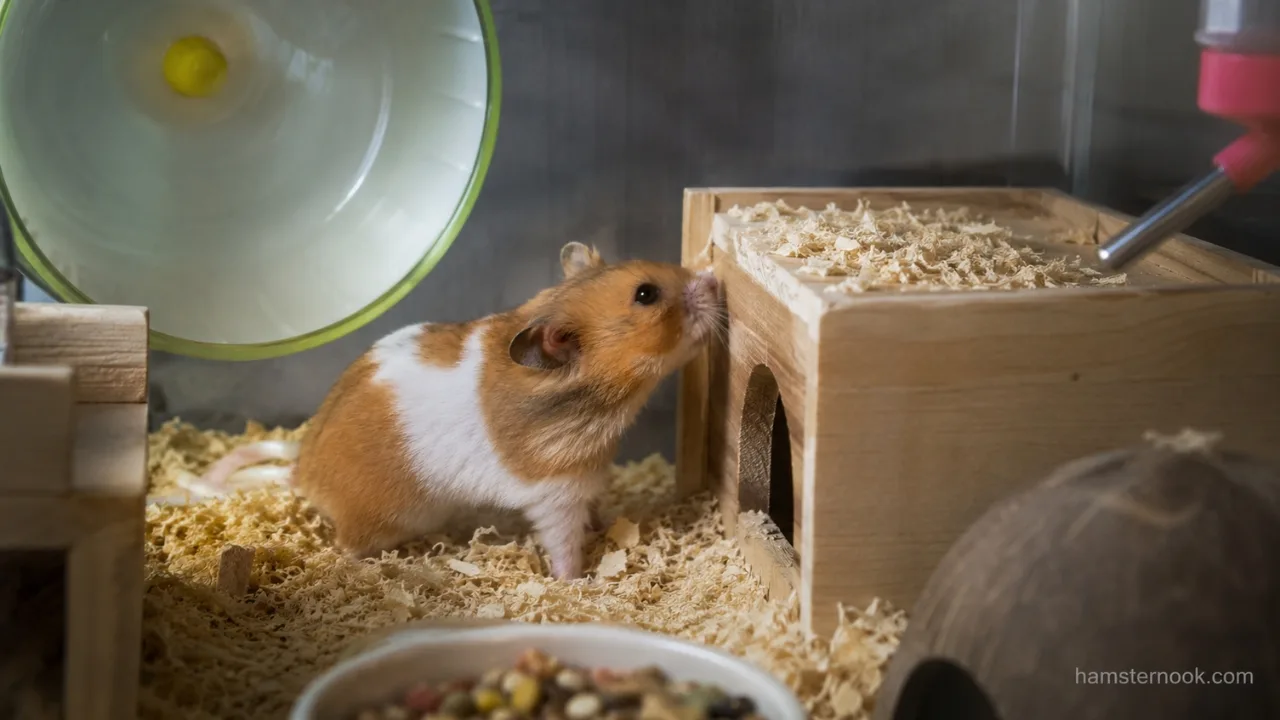
Wheels Hamsters Often Dislike
- Wheels that are too small
- Wire or mesh wheels
- Noisy wheels
- Wheels that wobble
A wheel that forces the hamster’s back to bend unnaturally may cause long-term spine problems.
Better Wheel Features
| Feature | Recommended |
|---|---|
| Surface | Solid running surface |
| Noise Level | Quiet spinning |
| Size | Large enough for straight back posture |
| Stability | Secure and smooth |
Different hamster species need different wheel sizes.
Things Hamsters Hate From Human Behavior
Constant Disturbance
Some owners interact with their hamster too frequently.
Hamsters need quiet time to rest, burrow, eat, and feel secure. Repeated interruptions may cause stress.

Examples
- Tapping on the glass
- Rearranging the cage constantly
- Repeatedly picking them up
- Flash photography
- Hovering around the enclosure
Constant disturbance can make hamsters nervous, defensive, and less trusting over time.
Living With Another Hamster
Many people assume hamsters enjoy companionship, but most pet hamster species are solitary.
Syrian hamsters especially should live alone. Housing incompatible hamsters together can result in fighting, severe injuries, or death.
Even dwarf hamsters that sometimes tolerate group living may suddenly become aggressive.
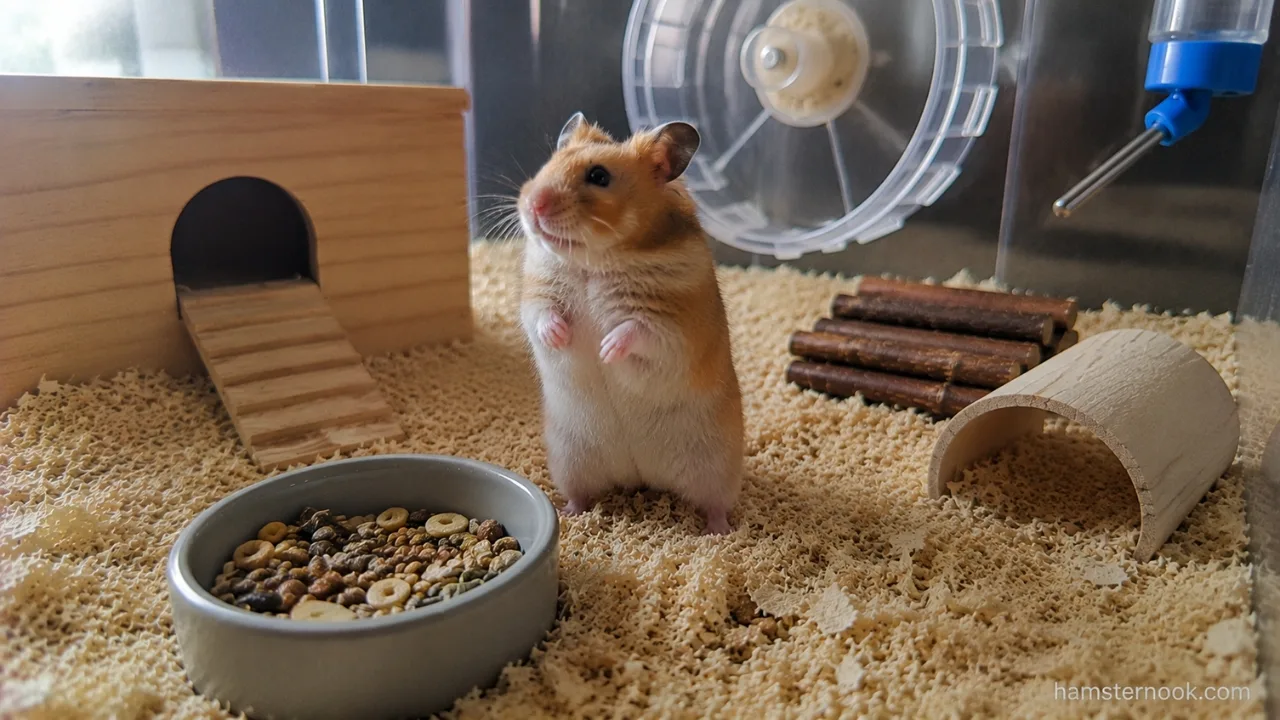
Signs of Conflict
- Chasing
- Fighting
- Squeaking
- Fur pulling
- Guarding food
- Sleeping separately after previously sharing space
In most cases, separate housing is safest.
Lack of Opportunities to Burrow
Burrowing is one of the most natural hamster behaviors.
When bedding is too shallow, hamsters may become frustrated because they cannot create tunnels, nesting chambers, or food storage areas.
Signs of insufficient bedding may include:
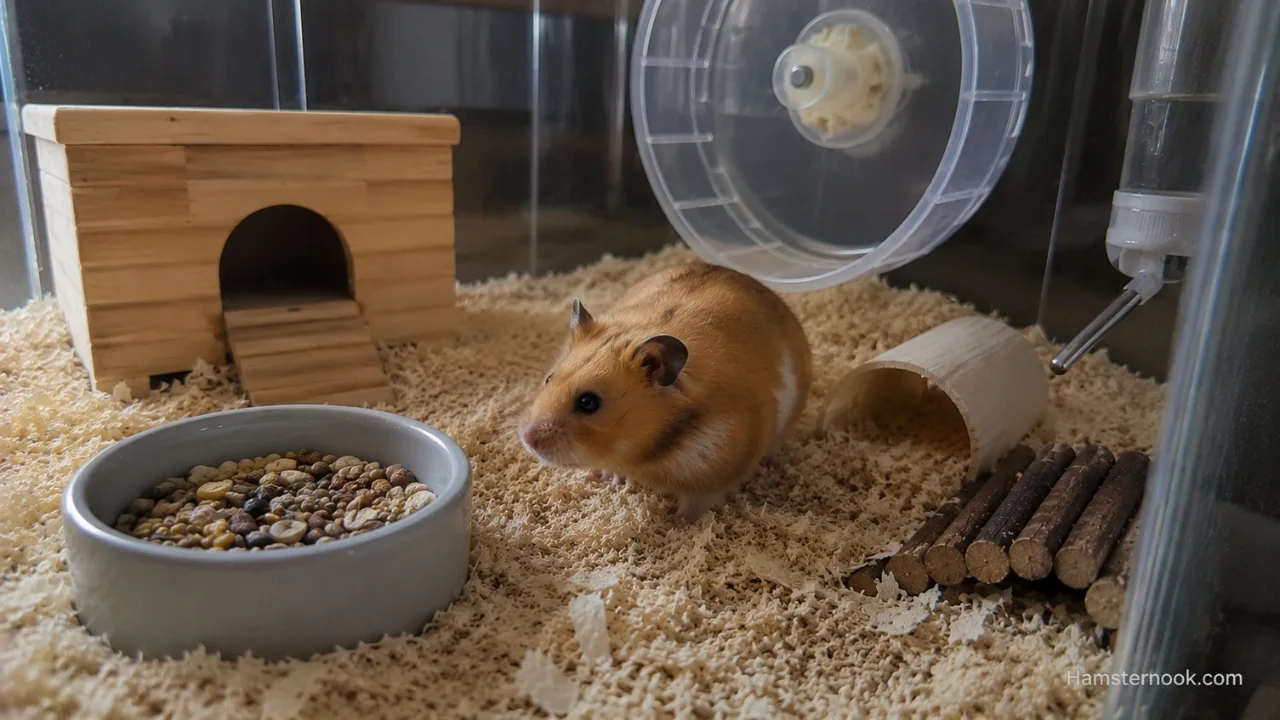
- Digging repeatedly into cage corners
- Trying to burrow under hides
- Increased restlessness
- Stress-related behaviors
Most hamsters benefit from a deep bedding area that allows natural tunnel-building behavior.
Choosing the right substrate is equally important. Our guide to Best Bedding for Hamsters explains which materials support safe burrowing and which ones should be avoided.
Lack of Mental Stimulation
Hamsters become bored more easily than many owners realize.
A completely empty cage with only a wheel and food bowl does not provide enough enrichment.
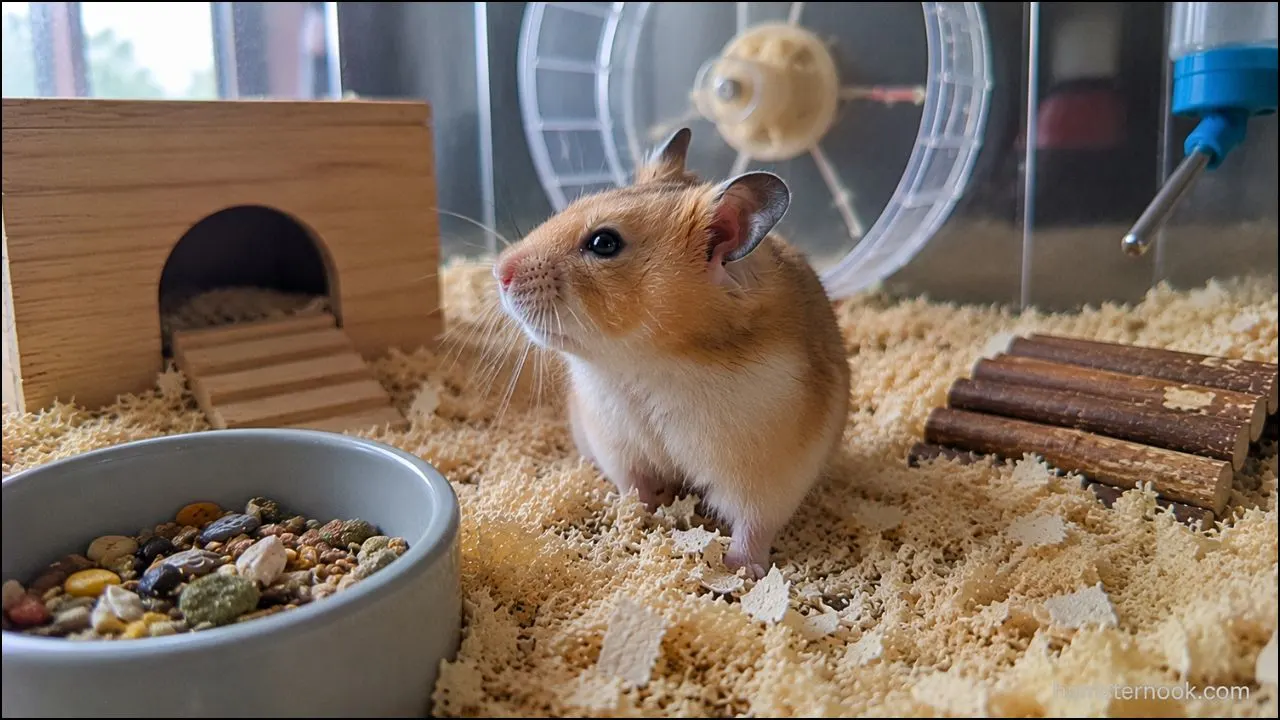
Hamsters Enjoy Activities Like
- Digging
- Foraging
- Climbing safely
- Exploring tunnels
- Chewing safe materials
- Moving nesting material
Repeated cage biting is often a sign that something in the environment needs attention. Why Is My Hamster Biting the Cage? Causes & Easy Fixes explains the most common reasons and practical solutions.
Easy Enrichment Ideas
| Enrichment Type | Example |
|---|---|
| Foraging | Scatter feeding |
| Chewing | Apple wood sticks |
| Digging | Deep paper bedding |
| Exploration | Cardboard mazes |
| Nesting | Unscented tissue paper |
Simple enrichment often reduces stress behaviors dramatically.
Rotating enrichment items every week or two, rather than replacing everything at once, helps keep the enclosure interesting while allowing your hamster to retain familiar scents that provide a sense of security.
Common Mistakes That Accidentally Stress Hamsters
Many hamster owners unintentionally create stress without realizing it.

Common examples include:
- Cleaning the entire cage too frequently
- Constantly rearranging cage accessories
- Buying cages based on appearance rather than floor space
- Waking a hamster for daytime play
- Offering too few hiding spots
- Expecting immediate trust after bringing a hamster home
Building trust takes time. Most hamsters feel safer when routines remain predictable.
Signs Your Hamster Is Unhappy or Stressed
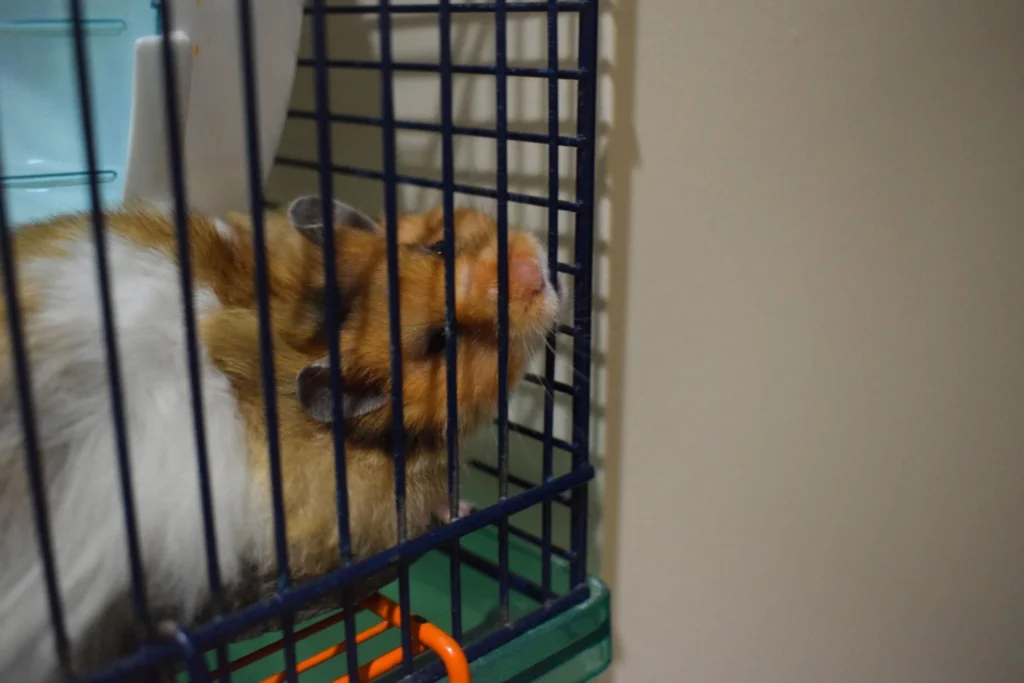
Learning hamster body language helps owners fix problems early.
Some behaviors that look like stress can also be linked to illness. Hiding, reduced appetite, unusual lethargy, changes in grooming, or suddenly becoming much less tolerant of handling can have more than one possible cause. If a behavior change is sudden, persistent, or accompanied by physical symptoms, do not assume your hamster simply dislikes something in its environment.
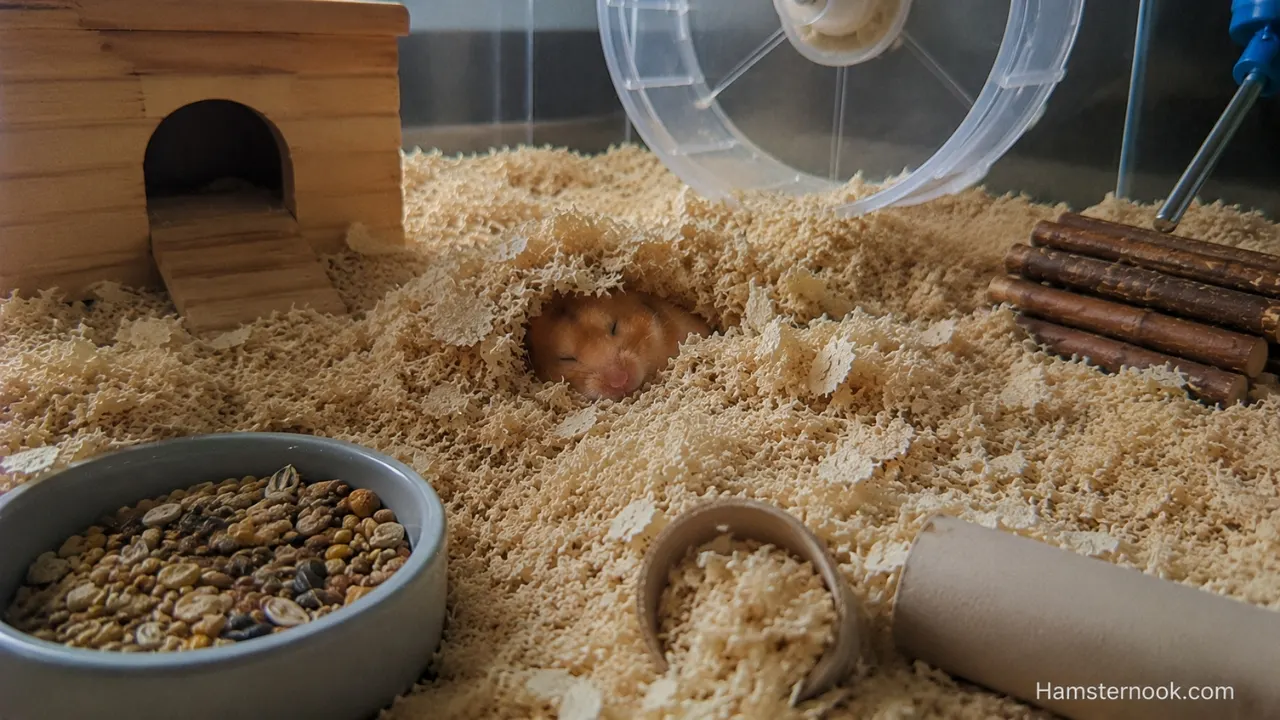
Common Stress Signals
- Sudden biting
- Cage bar chewing
- Excessive hiding
- Aggressive squeaking
- Bald patches
- Refusing food
- Hyperactivity
- Repetitive pacing
- Jumping at cage walls
One occasional behavior is not always serious, but repeated signs may indicate a problem with the environment or care routine.
If you notice several of these behaviors together, it can help to compare them with the broader signs of hamster stress. Our Hamster Stress Signs guide covers additional behavioral changes that may indicate your hamster is under ongoing stress.
What Hamsters Actually Want Instead
Hamsters are happiest when they feel:
- Safe
- Undisturbed
- Mentally stimulated
- Able to burrow
- Able to explore naturally
- Comfortable with predictable routines
Most hamster care problems improve when owners focus on natural hamster instincts rather than treating them like highly social pets.
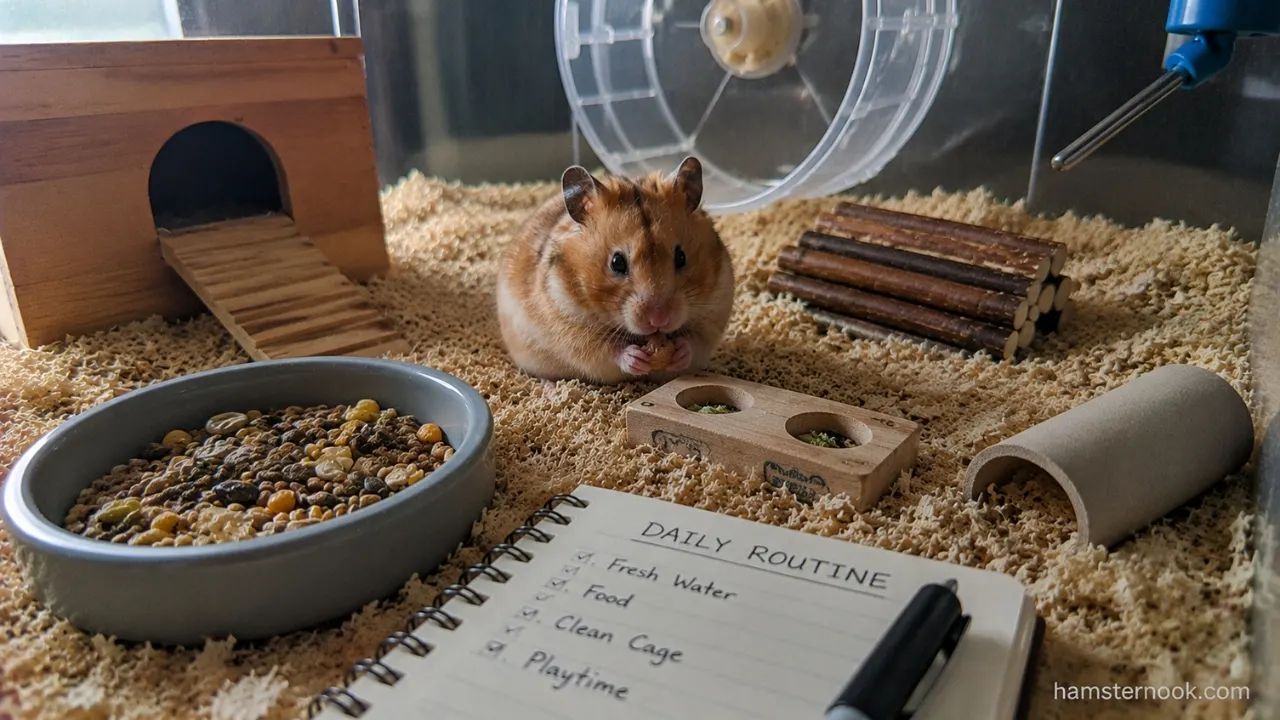
New owners who want a complete overview of housing, feeding, enrichment, and handling can also read our Hamster Behavior Guide: Understanding Every Common Hamster Behavior (2026).
Quick Summary Table
| Thing Hamsters Hate | Why It Causes Stress | Better Alternative |
|---|---|---|
| Loud noises | Sensitive hearing | Quiet room placement |
| Small cages | Restricts natural behavior | Larger enclosure |
| Rough handling | Creates fear | Gentle handling |
| Being woken up | Interrupts sleep cycle | Wait until awake |
| Strong smells | Irritates senses | Unscented environment |
| Dirty cages | Uncomfortable and unhealthy | Balanced cleaning routine |
| No hideouts | Feels unsafe | Multiple hiding spots |
| Empty cages | Causes boredom | Enrichment and toys |
| Constant disturbance | Prevents relaxation | Respect alone time |
Final Thoughts
Hamsters are often marketed as simple beginner pets, but their behavior is strongly influenced by their environment. Many problems that owners describe as stubborn, aggressive, or unfriendly behavior are actually signs that a hamster feels stressed, unsafe, or unable to express natural instincts such as burrowing, exploring, and hiding.
The good news is that most of these problems are preventable.
Providing enough space, respecting their sleep schedule, using gentle handling, and creating a calm, enriching environment can completely change a hamster’s quality of life.
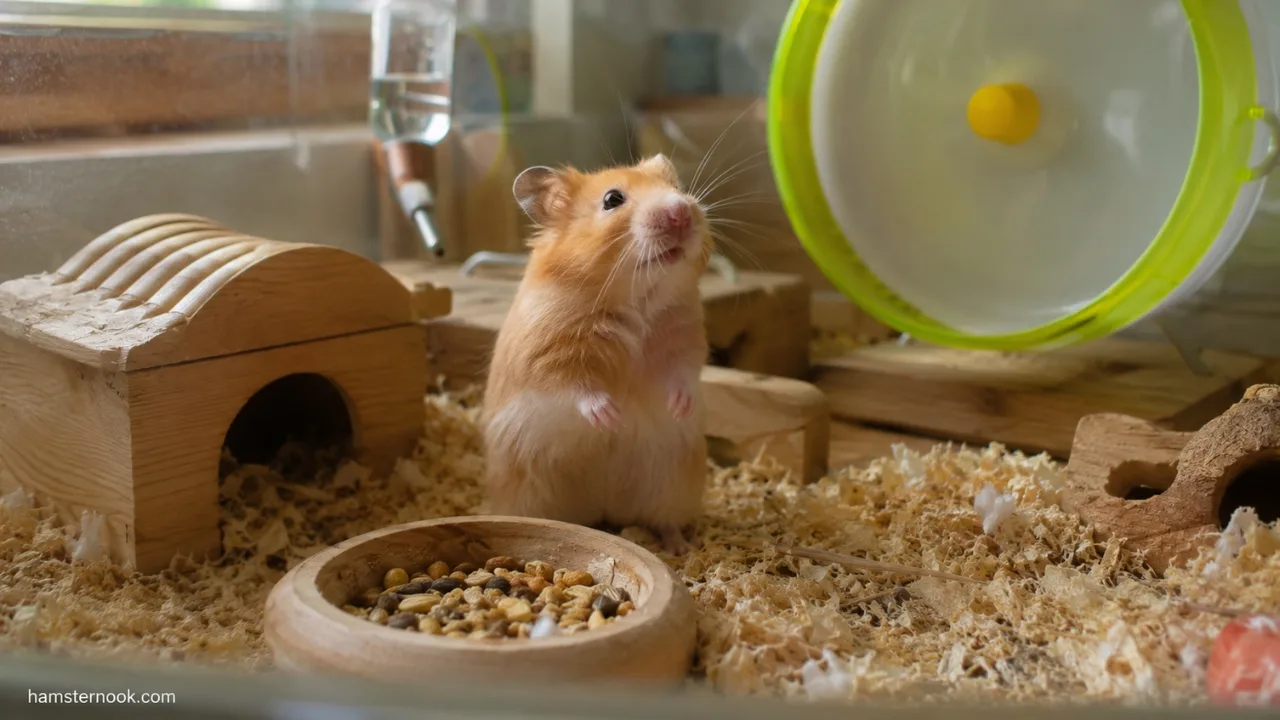
A hamster that feels safe is far more likely to become curious, active, and trusting over time.
If you’re new to hamster care, our Ultimate Hamster Care Guide for Beginners: Everything You Need to Know (2026) brings together housing, feeding, enrichment, and handling advice in one place.
FAQ About Things Hamsters Hate
Do hamsters hate being held?
Not always, but many hamsters dislike forced handling. Trust-building and gentle interaction are important. Some hamsters tolerate handling better than others depending on personality and species.
Why does my hamster bite me suddenly?
Hamsters may bite because of fear, stress, pain, surprise, territorial behavior, or because they were disturbed while sleeping. Fast movements and unfamiliar smells can also trigger biting.
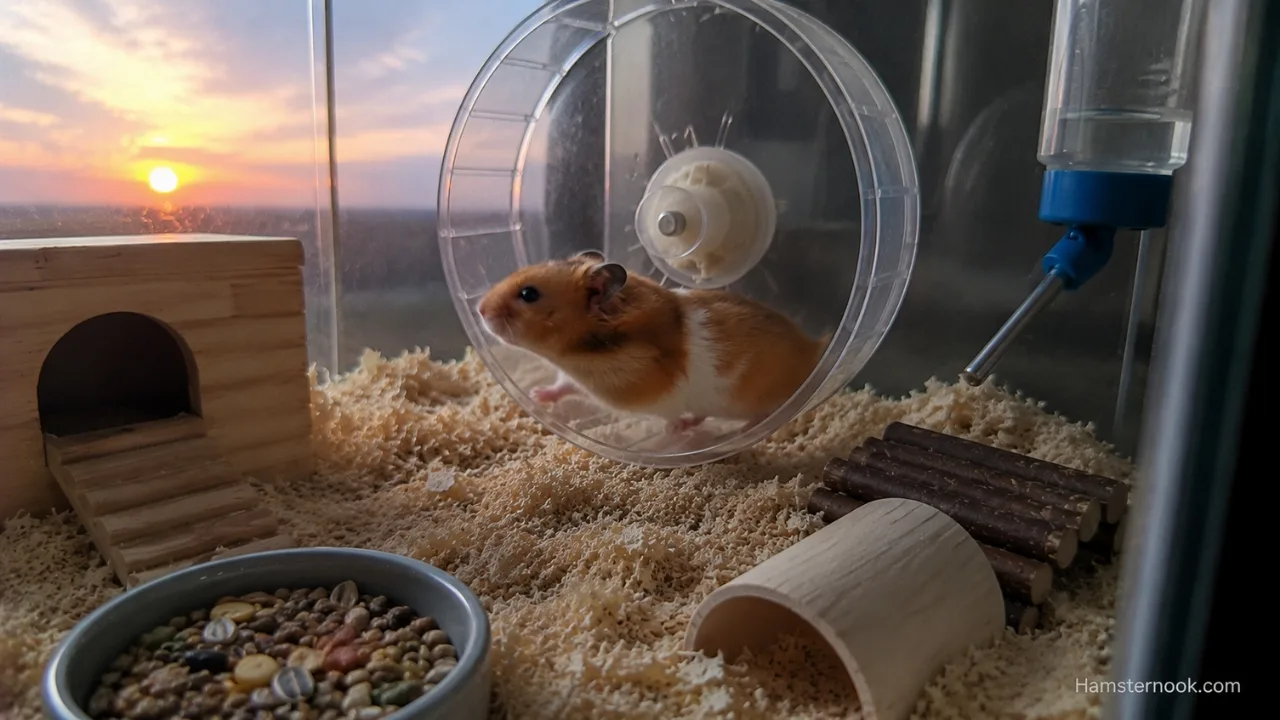
Do hamsters hate bright lights?
Hamsters generally prefer dimmer environments because they are naturally active during low-light hours. Extremely bright lights or direct sunlight may cause discomfort and stress.
Can hamsters get stressed easily?
Yes. Hamsters are sensitive prey animals and can become stressed from loud sounds, poor housing, rough handling, lack of enrichment, or constant disturbance.
Do hamsters like human attention?
Some hamsters become comfortable with regular gentle interaction, but most still prefer independence compared to highly social pets like dogs.
Why does my hamster suddenly hate being handled?
A hamster that previously tolerated handling may become less comfortable with it because of stress, illness, aging, disrupted sleep, environmental changes, or a negative experience during handling. If you are trying to understand whether your hamster is becoming comfortable with you, our Do Hamsters Get Excited to See Their Owners? Signs of Trust & Recognition guide explains behaviors that may indicate growing familiarity and trust.
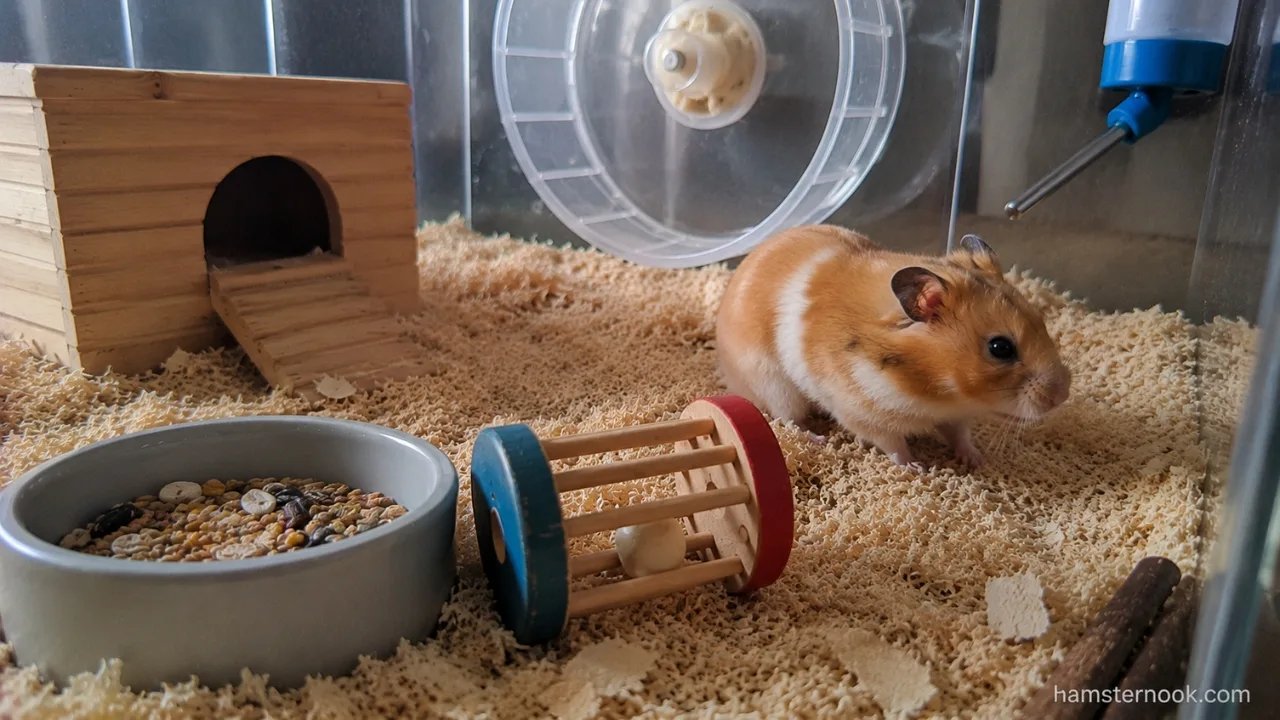
Do hamsters dislike bright rooms?
Most hamsters prefer dimmer environments and access to shaded hiding areas. Bright rooms are usually acceptable, but direct sunlight should always be avoided.
Can boredom make a hamster aggressive?
Yes. A lack of enrichment can contribute to frustration, cage chewing, territorial behavior, and defensive reactions in some hamsters.
References
This guide is based on hamster behavior, housing, stress reduction, enrichment, handling, and welfare guidance from trusted animal welfare and veterinary resources, including:
- RSPCA – Hamster Behaviour – Natural hamster behavior, activity patterns, handling, environmental changes, and behaviors associated with stress or fear.
- RSPCA – Creating a Good Home for Hamsters – Guidance on enclosure space, bedding, hiding areas, environmental conditions, enrichment, and suitable housing.
- RSPCA – Keeping Hamsters as Pets – General hamster care, housing, diet, behavior, exercise, enrichment, and welfare guidance.
- Blue Cross – Hamster Care Guide – Practical guidance on hamster housing, bedding, enrichment, handling, feeding, exercise, and wellbeing.
- MSD Veterinary Manual – Providing a Home for a Hamster – Veterinary guidance on hamster housing, bedding, nesting, exercise equipment, environmental conditions, and husbandry.
- NC3Rs – Housing and Husbandry: Hamster – Guidance on appropriate housing, bedding, environmental conditions, enrichment, and species-appropriate husbandry.
- NC3Rs – Choosing Appropriate Enrichment – Principles for providing enrichment that supports natural hamster behaviors and promotes good welfare.

Narayan Kumar is the founder and author of HamsterNook. He creates practical, research-based hamster care guides covering hamster behavior, nutrition, cage setup, enrichment, health, and everyday care. His goal is to help hamster owners make informed decisions and provide safer, healthier lives for their pets through clear, beginner-friendly information based on trusted animal care resources.