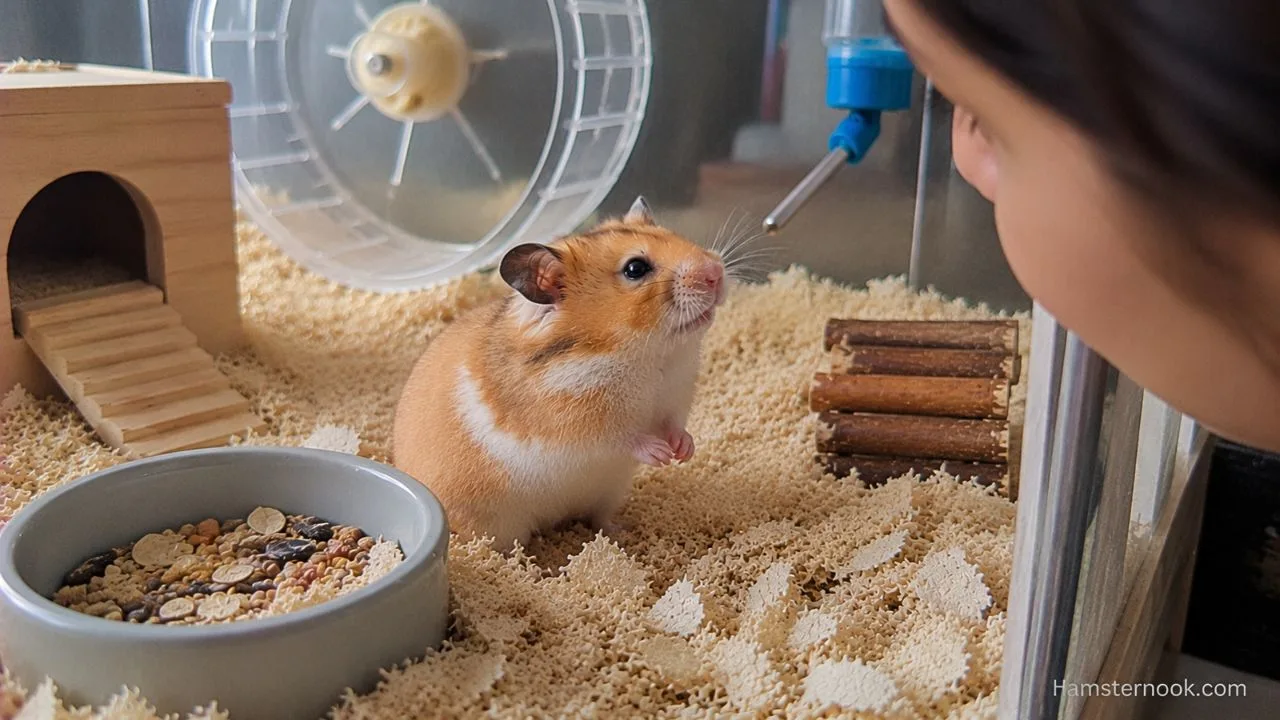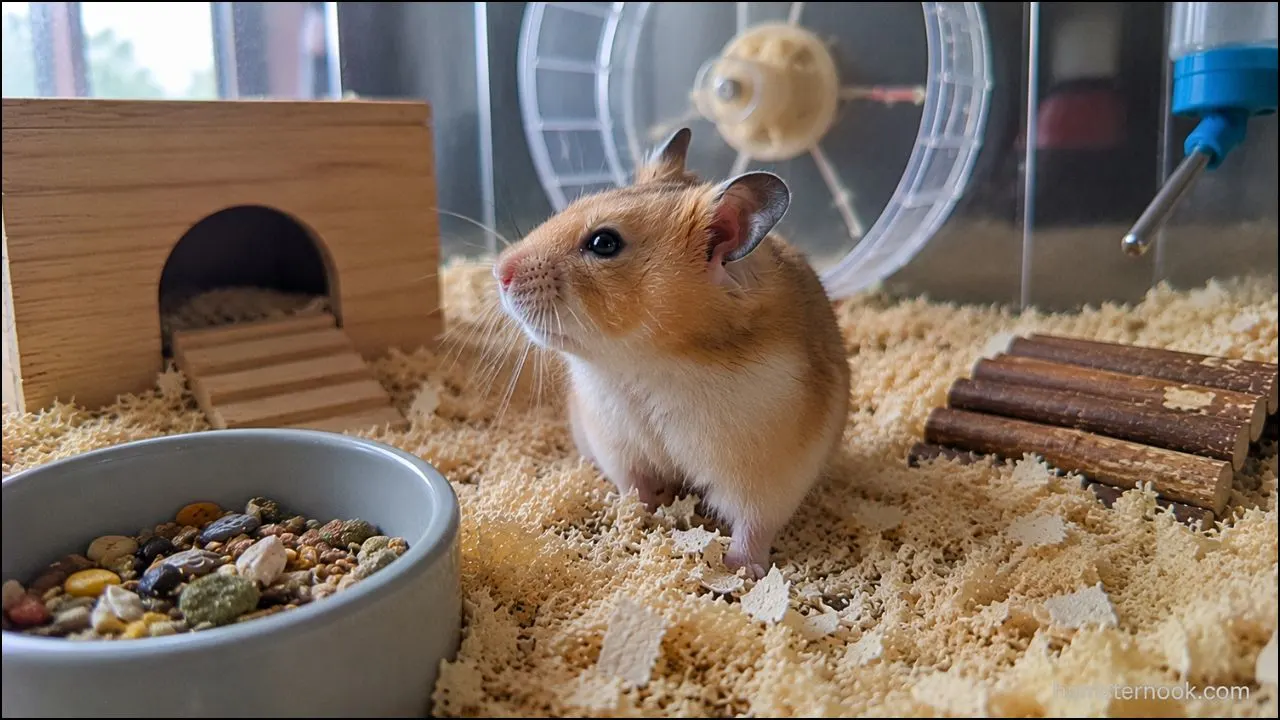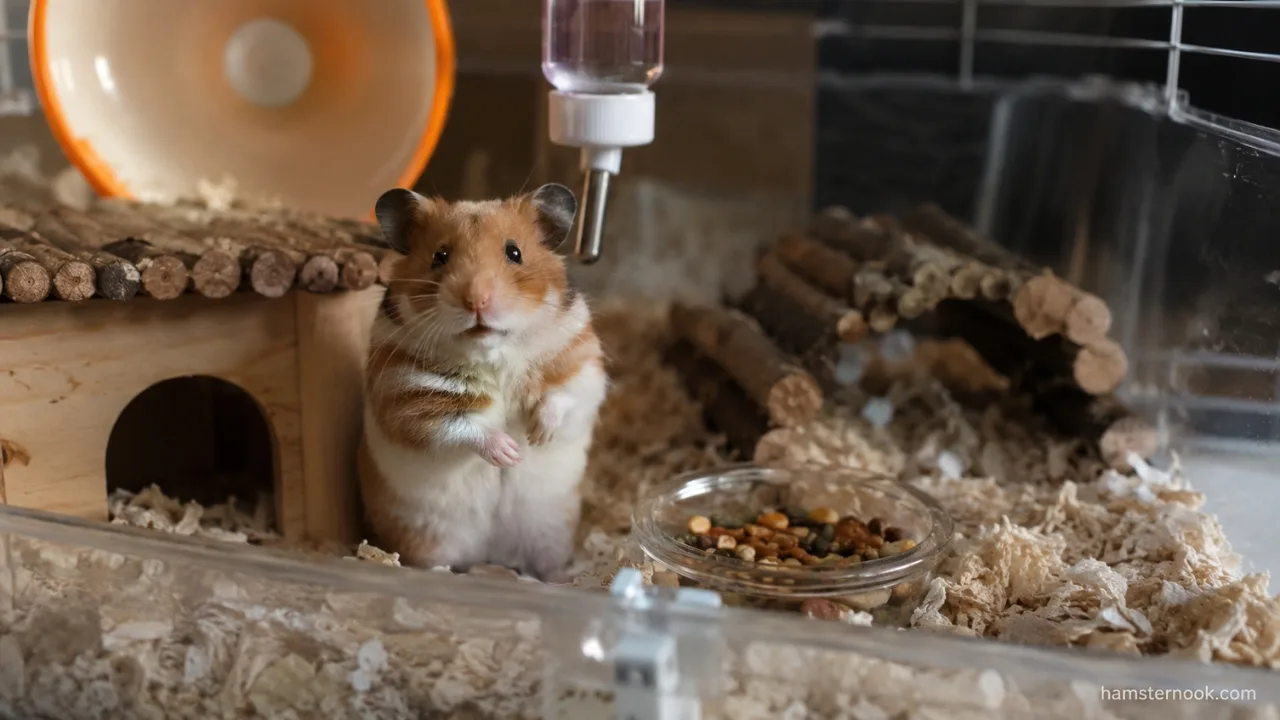
One moment your hamster is running on its wheel, stuffing food into its cheeks, or digging through bedding. The next, it suddenly stops and stares directly at you. No movement. No blinking. Just a tiny furry face seemingly locked onto your every move.
For many new hamster owners, this behavior can be confusing. Is your hamster recognizing you? Is it expecting food? Is something wrong?
In most cases, a hamster stares because it is paying attention to something in its environment. The meaning can vary depending on what is happening around them and how they are behaving at the same time.
While hamsters don’t communicate the same way dogs or cats do, they constantly gather information about their surroundings. When your hamster stares at you, it’s often trying to understand what you’re doing, determine whether you’re a threat, or decide whether something interesting is about to happen.
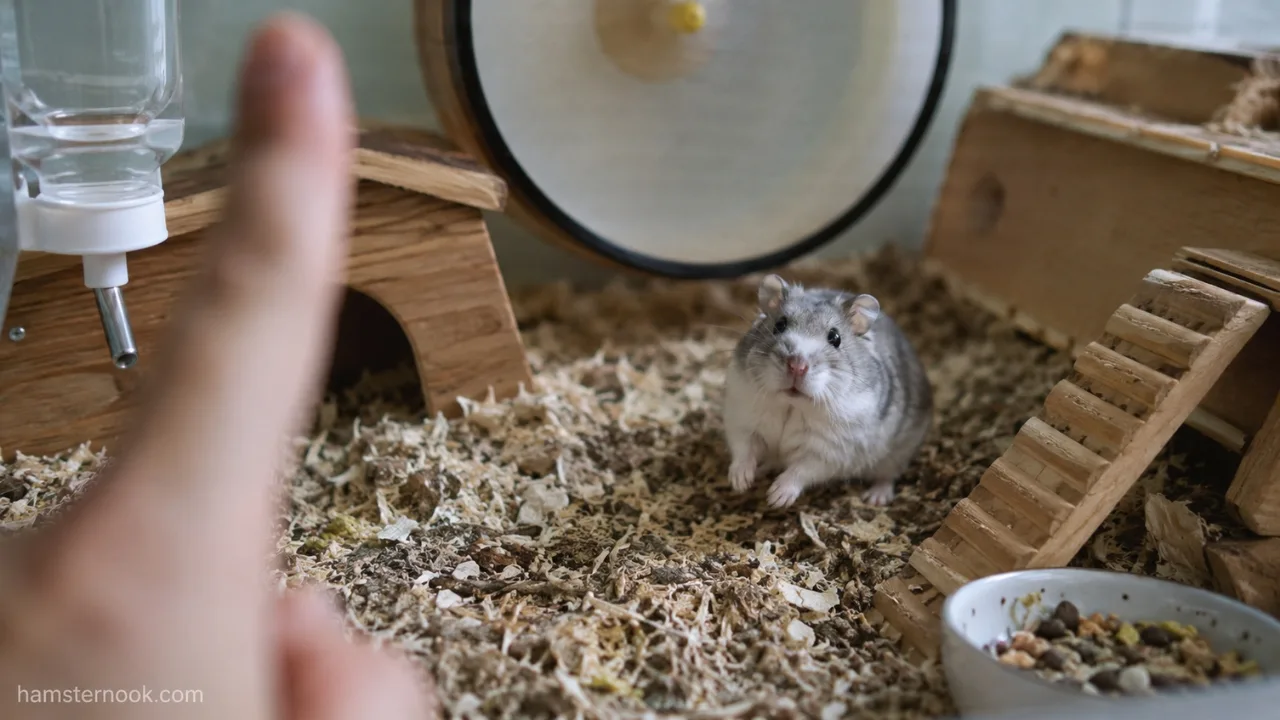
Quick Answer: Why Does My Hamster Stare at Me?
Hamsters often stare because they are observing their surroundings, recognizing familiar routines, investigating sounds or movement, or deciding whether a situation is safe. In most cases, staring is a normal behavior linked to curiosity and awareness rather than a sign of illness.
Is It Normal for Hamsters to Stare?
Yes. Staring is a completely normal hamster behavior. Because hamsters rely heavily on sight, hearing, and smell to assess their environment, they often pause and watch people, objects, and activity around them before deciding what to do next.
Why Hamsters Stare at People
Hamsters rely heavily on their senses to stay safe.
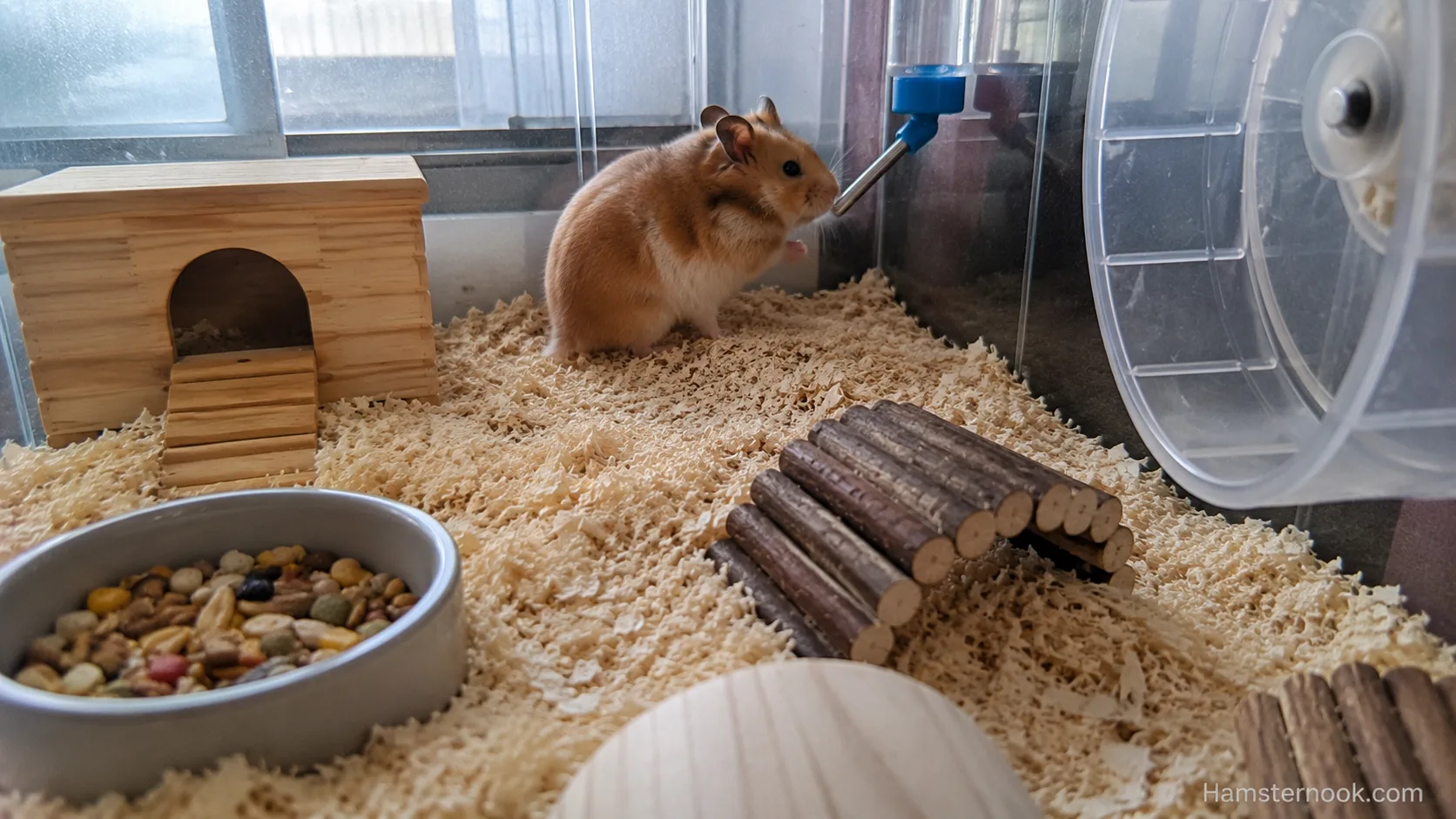
In the wild, they are prey animals. Their survival depends on constantly monitoring their environment for predators, food sources, and changes in their surroundings. Even domesticated hamsters retain these natural instincts.
A hamster may be trying to:
- Identify who or what is nearby
- Decide if a situation is safe
- Anticipate food or treats
- Investigate unfamiliar sounds
- Observe movement in the room
- Monitor a trusted owner
The meaning often depends on the hamster’s body language and the circumstances surrounding the behavior.
Different Types of Hamster Staring Behavior
Not all staring means the same thing.
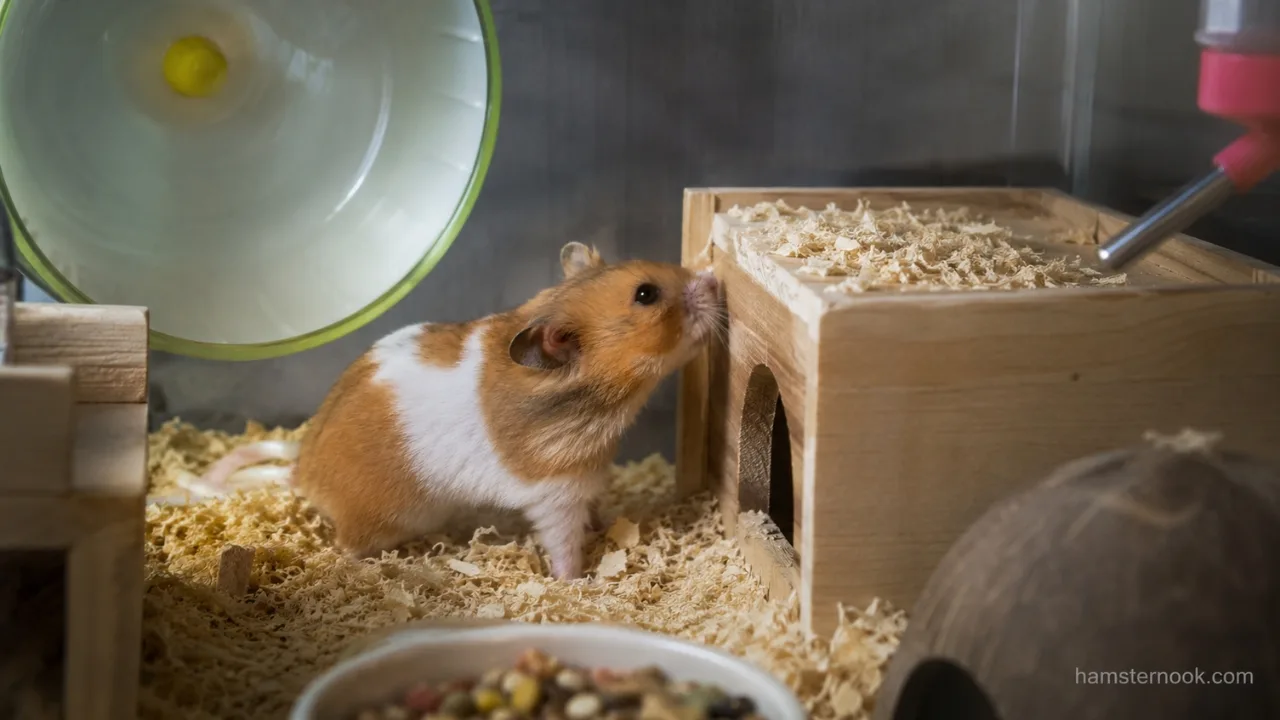
The position of the body, ears, whiskers, and overall behavior can provide important clues.
| Staring Behavior | Possible Meaning |
|---|---|
| Relaxed sitting while staring | Curiosity or observation |
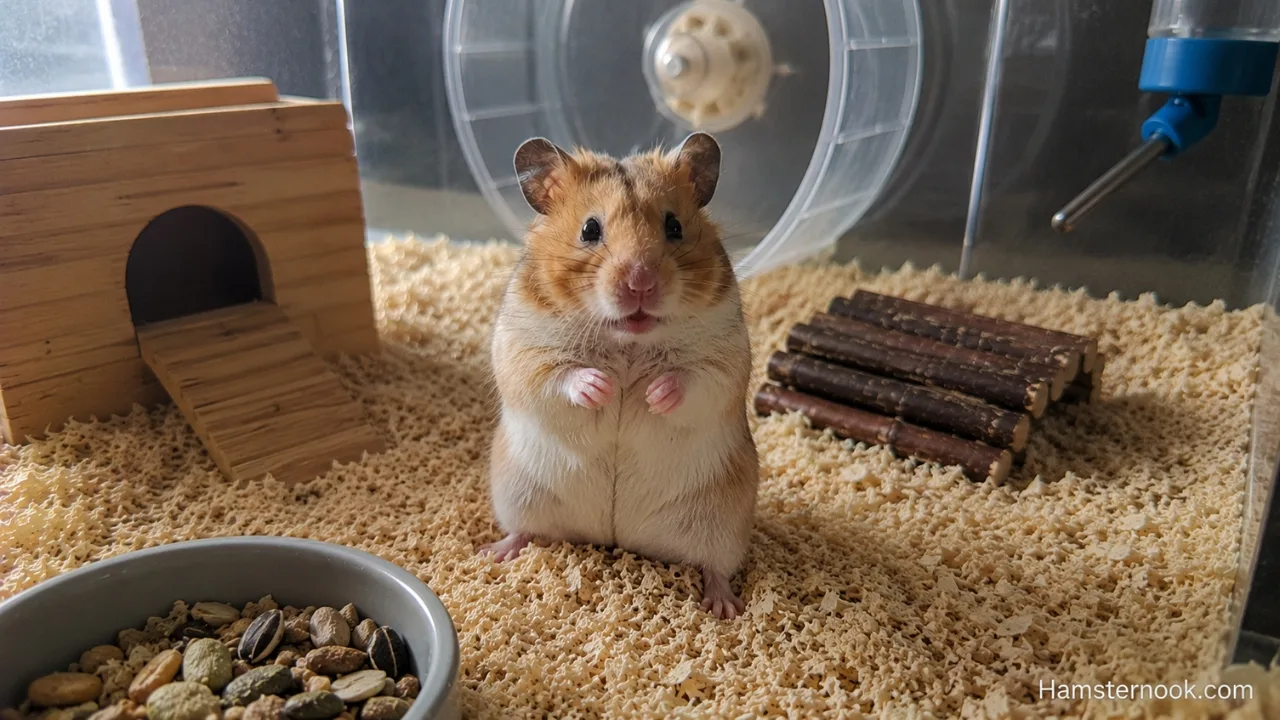
| Standing upright and staring | Investigating surroundings |
| Frozen motionless stare | Alertness or caution |
| Staring near feeding time | Expecting food |
| Staring while ears are forward | Interest and attention |
| Staring with tense posture | Uncertainty or stress |
Body language usually provides more reliable clues than staring alone. Always consider posture, movement, and overall behavior together.
The behavior makes more sense when you consider what the hamster is doing as a whole rather than focusing on the stare alone.
Your Hamster May Simply Be Curious
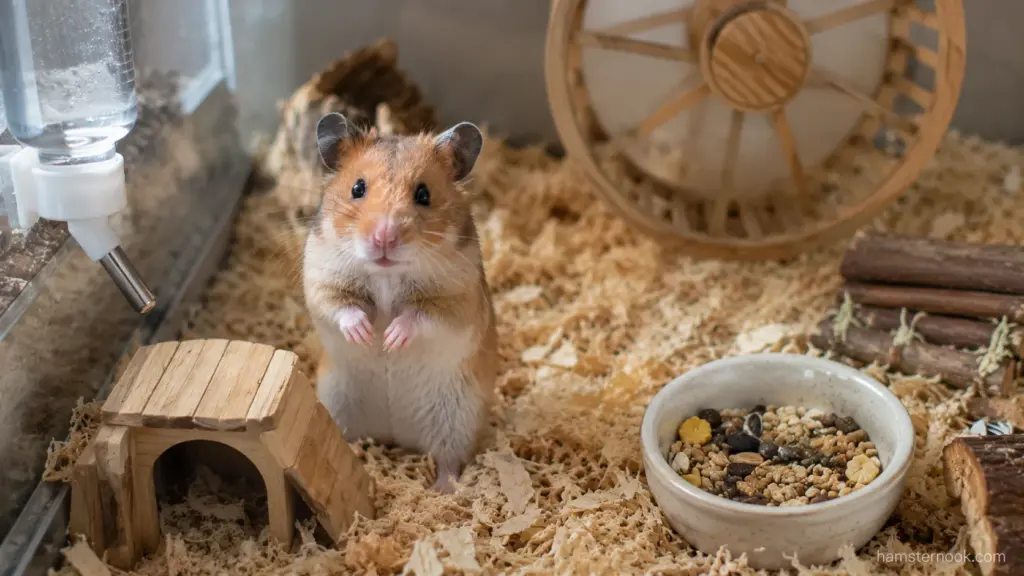
Curiosity is one of the most common reasons hamsters stare.
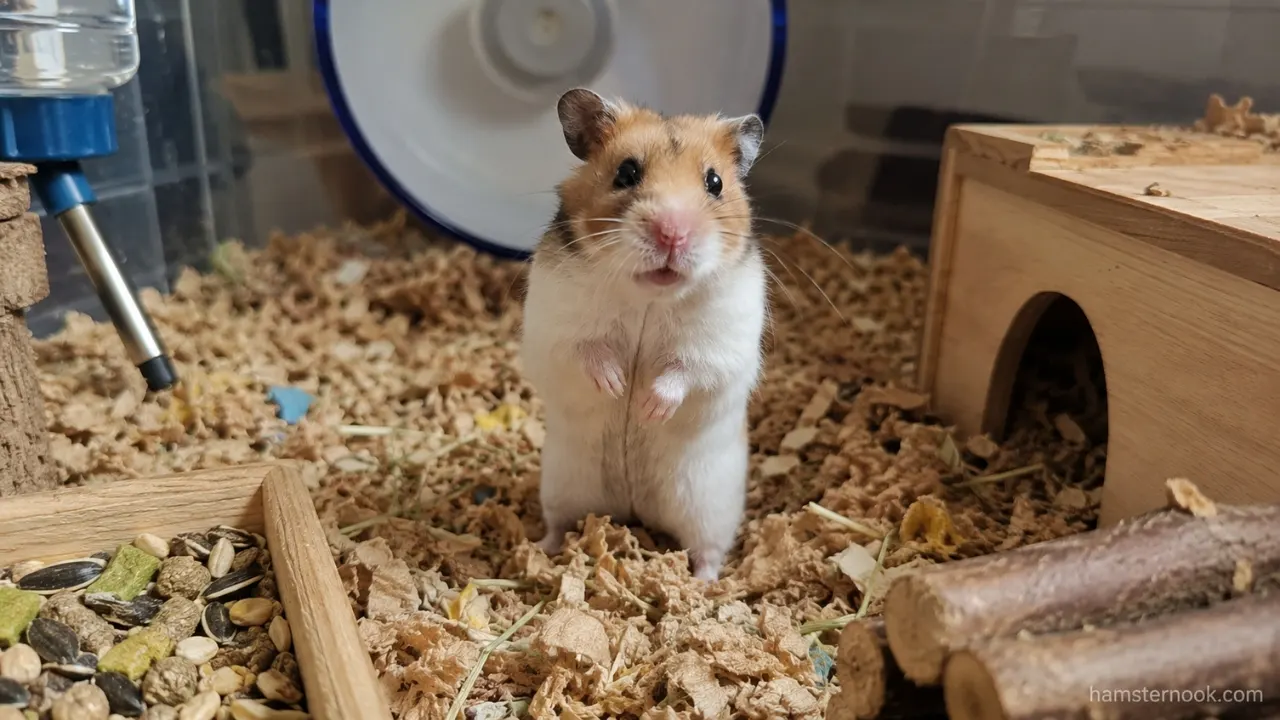
Although hamsters are small animals, they are surprisingly observant. They notice changes in their environment quickly. If you’re doing something unusual near the cage, your hamster may stop and watch.
Examples include:
- Rearranging furniture
- Cleaning the room
- Talking near the enclosure
- Wearing different clothing
- Moving objects around the cage
The behavior is particularly common in hamsters that are naturally confident and comfortable within their environment.
A curious hamster usually appears relaxed while watching and may continue exploring after a short period of observation. They may continue sniffing the air or slowly approach the front of the enclosure.
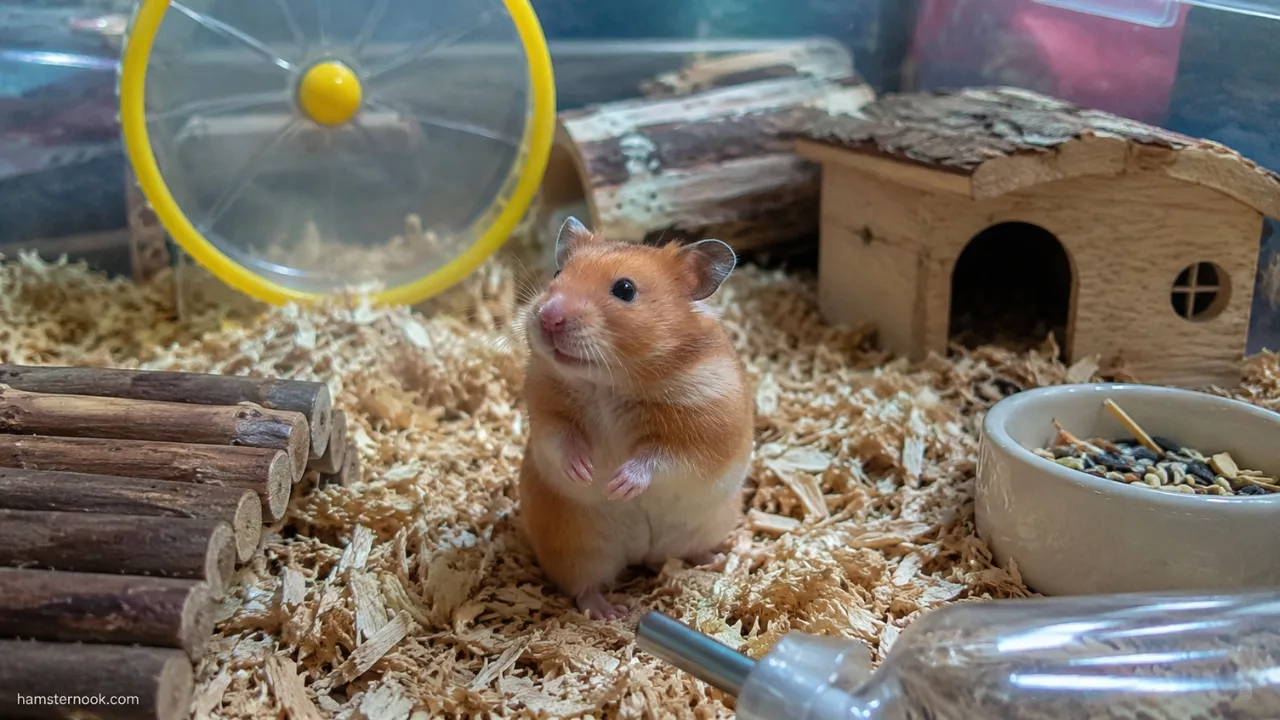
If your hamster frequently seems interested in what you’re doing, you may also enjoy learning Can Hamsters Learn Their Names?, which explores how hamsters recognize familiar people and routines.
Your Hamster Might Be Recognizing Your Routine
Owners are often surprised by how quickly hamsters become familiar with everyday routines.
Hamsters may not understand schedules the way humans do, but they often recognize repeated events.
For example, your hamster may learn that:

- You provide food every evening
- You refill the water bottle each morning
- Treats usually arrive when you approach the cage
- Playtime happens after a certain activity
When your hamster stares at you as soon as you enter the room, it may simply be anticipating something positive.
Hamsters often learn daily patterns surprisingly well, which is also discussed in Can Hamsters Learn Their Names?
This is especially common in hamsters that have developed trust with their owners.
Is My Hamster Asking for Food?
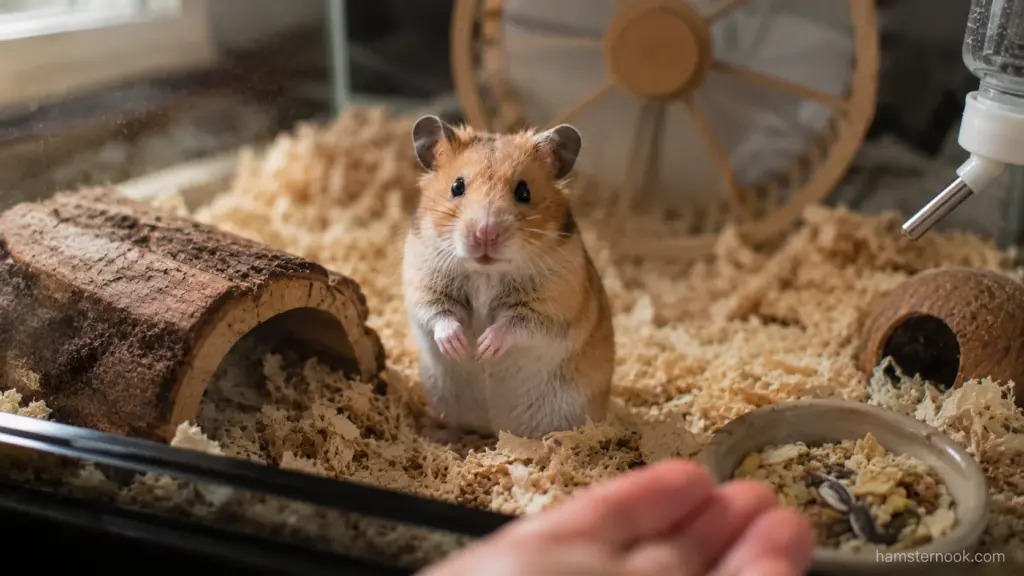
Sometimes, yes.
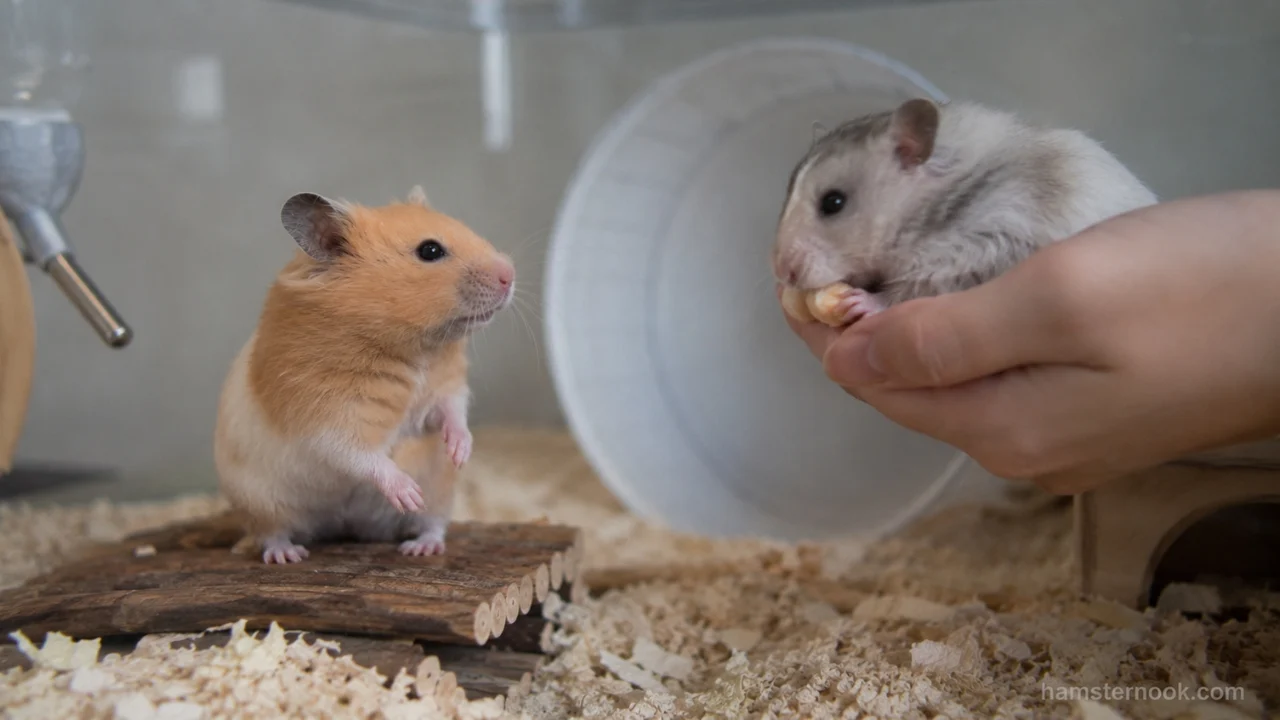
Hamsters quickly learn where food comes from. If you’ve been consistently offering treats or meals, your hamster may watch you closely whenever you approach.
Food-related staring often occurs when:
- It’s close to feeding time
- You’re holding food
- The hamster hears packaging sounds
- You normally provide treats during interaction
However, it’s important not to assume every stare means hunger.
Overfeeding treats because your hamster “looks hungry” can contribute to weight gain. If you’re unsure whether your hamster is eating appropriately, Complete Hamster Diet Guide can help you understand healthy feeding habits.
When Staring Is a Sign of Caution or Fear
Not every stare is friendly curiosity.
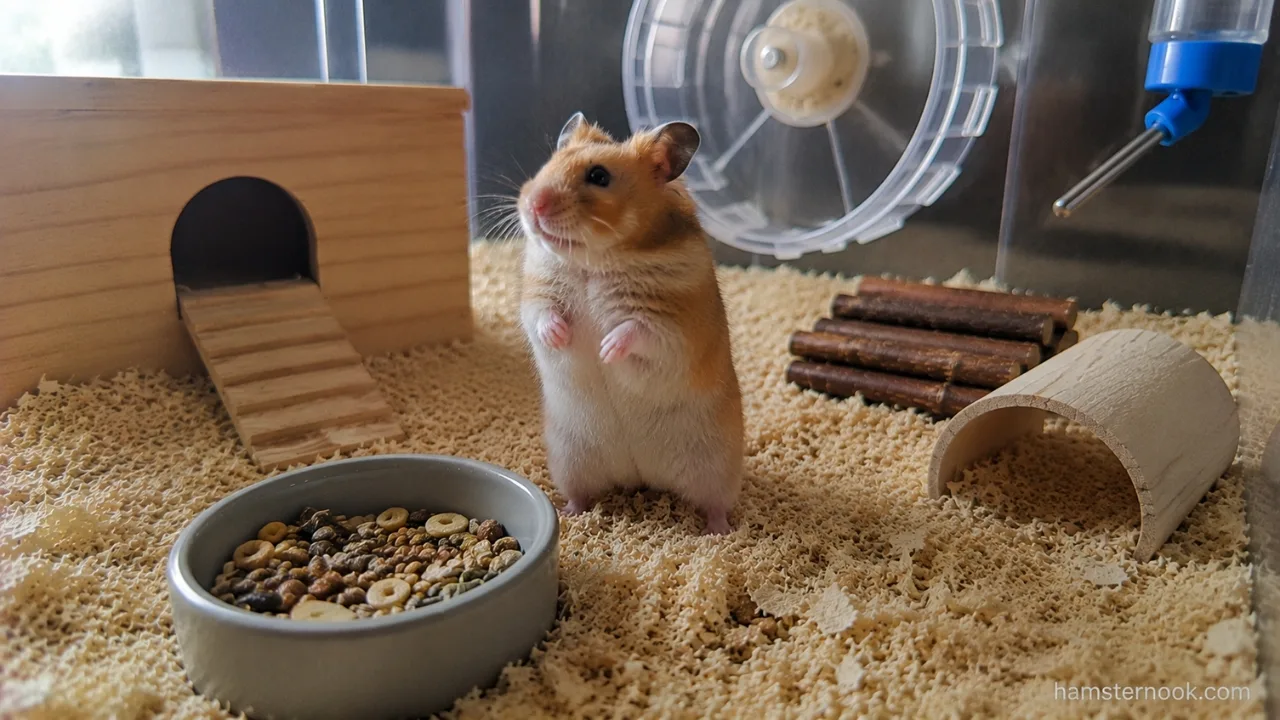
Because hamsters are prey animals, they sometimes freeze and stare when they are uncertain about a situation.
This behavior allows them to assess potential danger before deciding whether to hide, run, or remain still.
Fear-related staring may include:
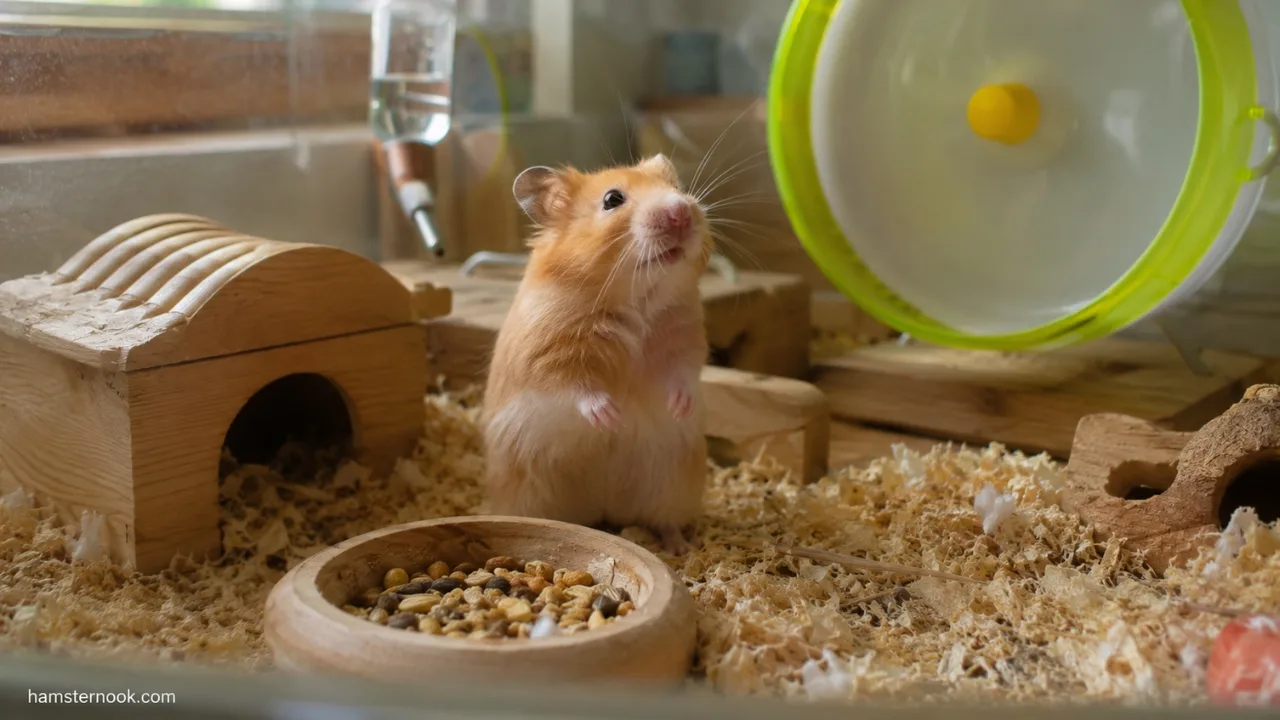
- Rigid body posture
- Flattened ears
- Sudden freezing
- Refusal to move
- Quick retreat afterward
This type of response is more common in newly adopted hamsters or those that are still building trust.
If your hamster frequently retreats after watching you, Why Does My Hamster Run Away From Me? What It’s Really Trying to Tell You explains several common reasons behind that behavior.
If the hamster relaxes and resumes normal activity after a short time, the behavior was likely a temporary caution response rather than a serious problem.
If your hamster recently came home and seems nervous around people, The Biggest Mistake New Hamster Owners Make in the First Week explains why giving them space often helps reduce stress.
Why Hamsters Stand Up and Stare
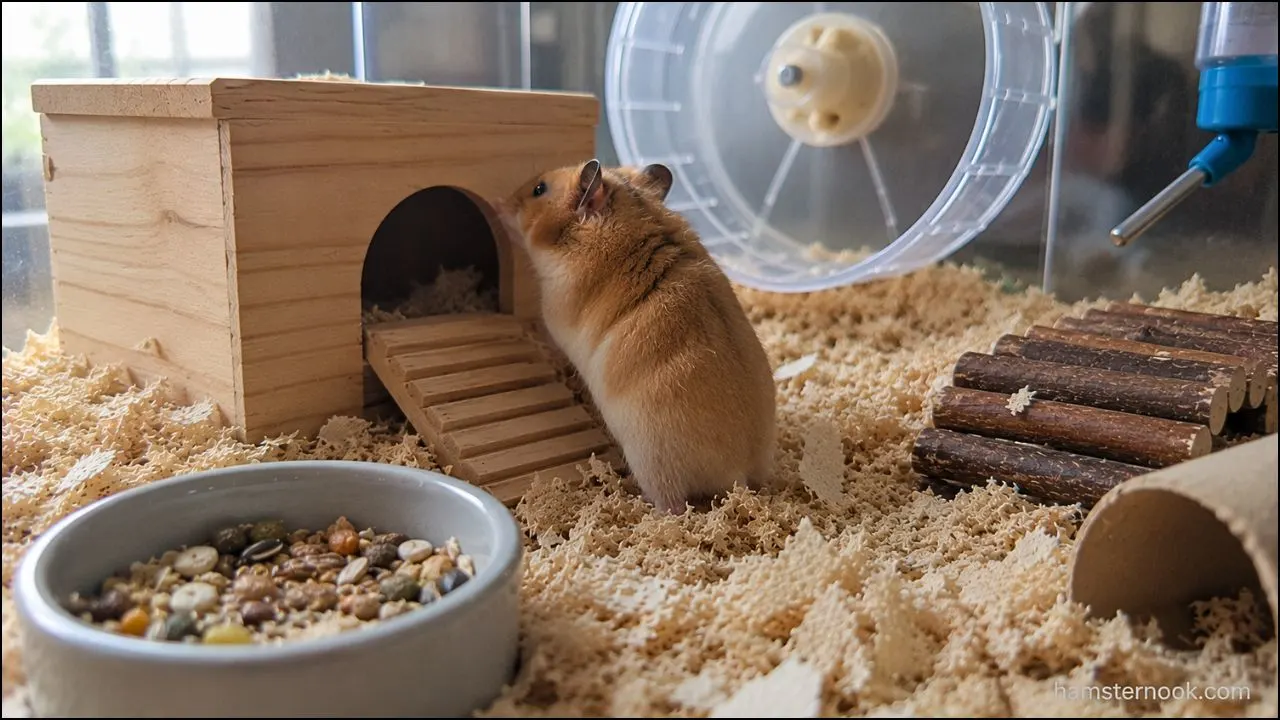
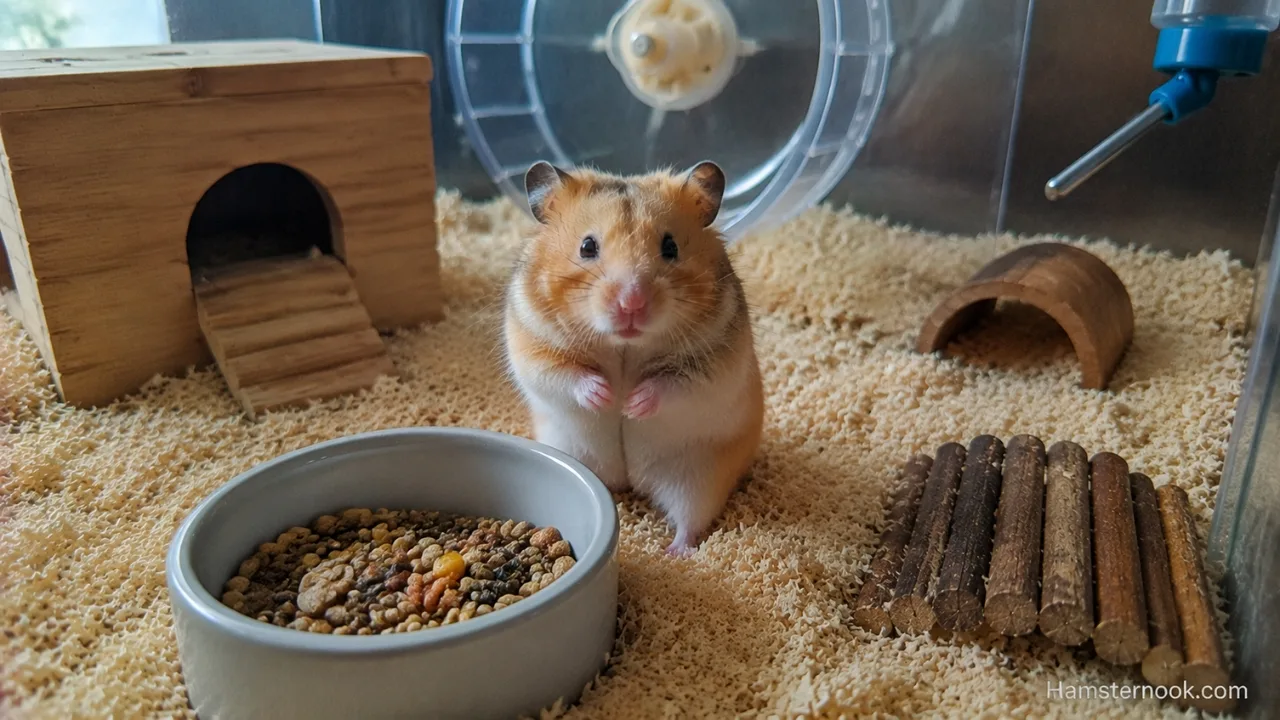
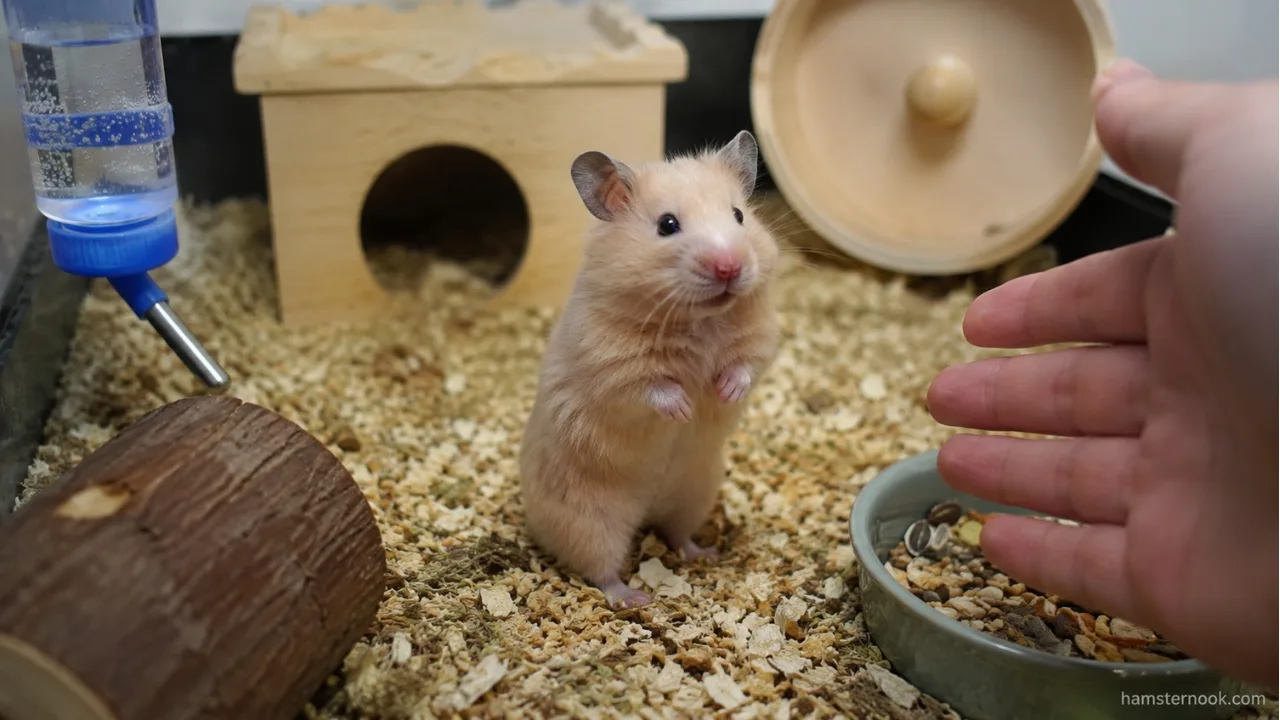
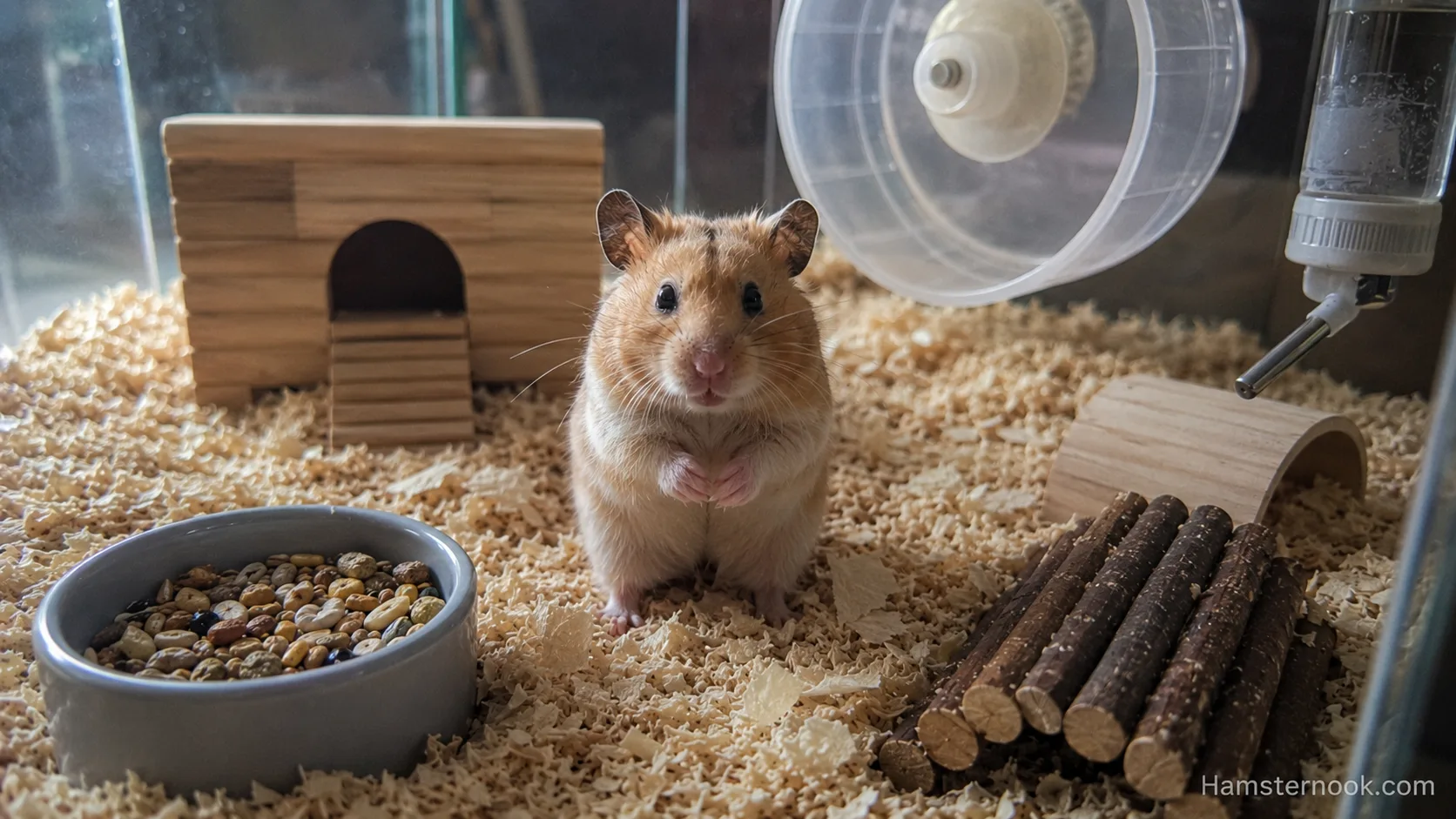
A hamster standing on its hind legs while staring can look surprisingly dramatic.
In most cases, this behavior is normal.
Standing upright helps a hamster:
- See farther
- Gather scents from the air
- Listen for sounds
- Investigate movement
Many owners refer to this as a “meerkat pose,” and it is one of the most common curiosity behaviors seen in pet hamsters.
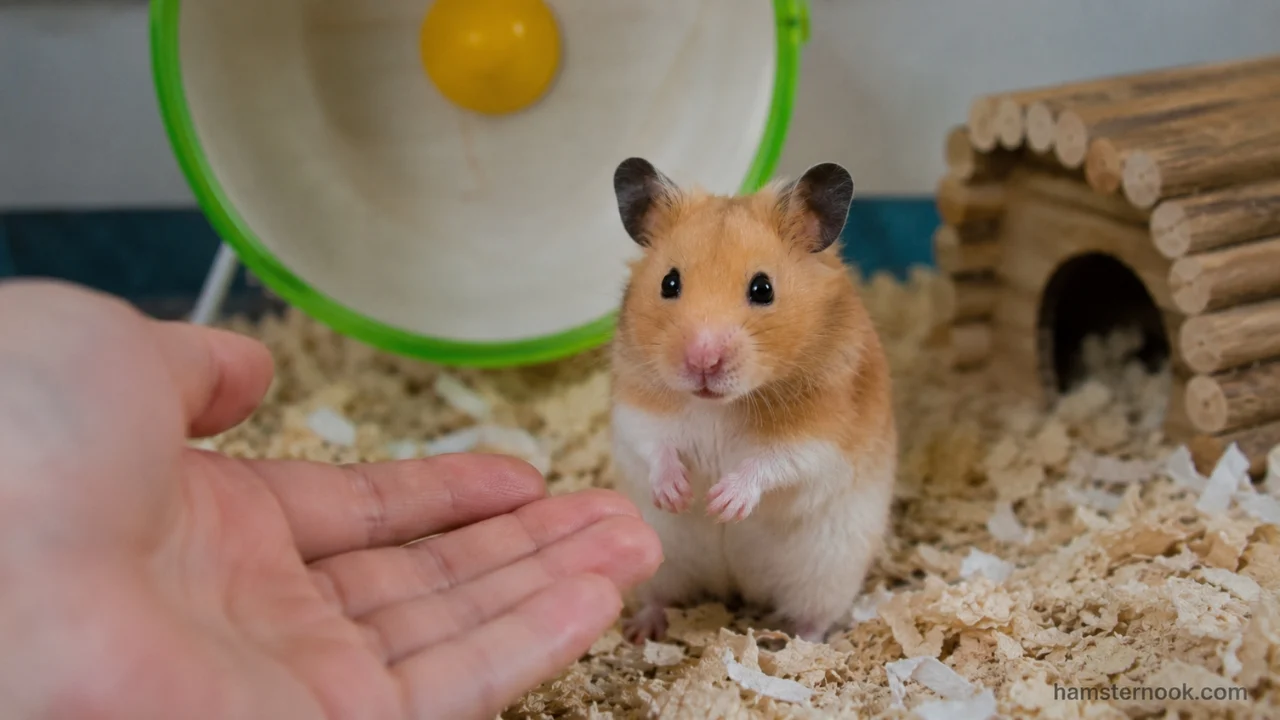
Owners often notice this behavior when entering the room or approaching the enclosure.
This posture is usually a sign of investigation rather than aggression.
If the hamster appears relaxed and continues exploring afterward, there is usually no reason for concern.
Can Hamsters Actually Recognize Their Owners?
Research suggests that hamsters can become familiar with specific people through scent, voice, and routine.
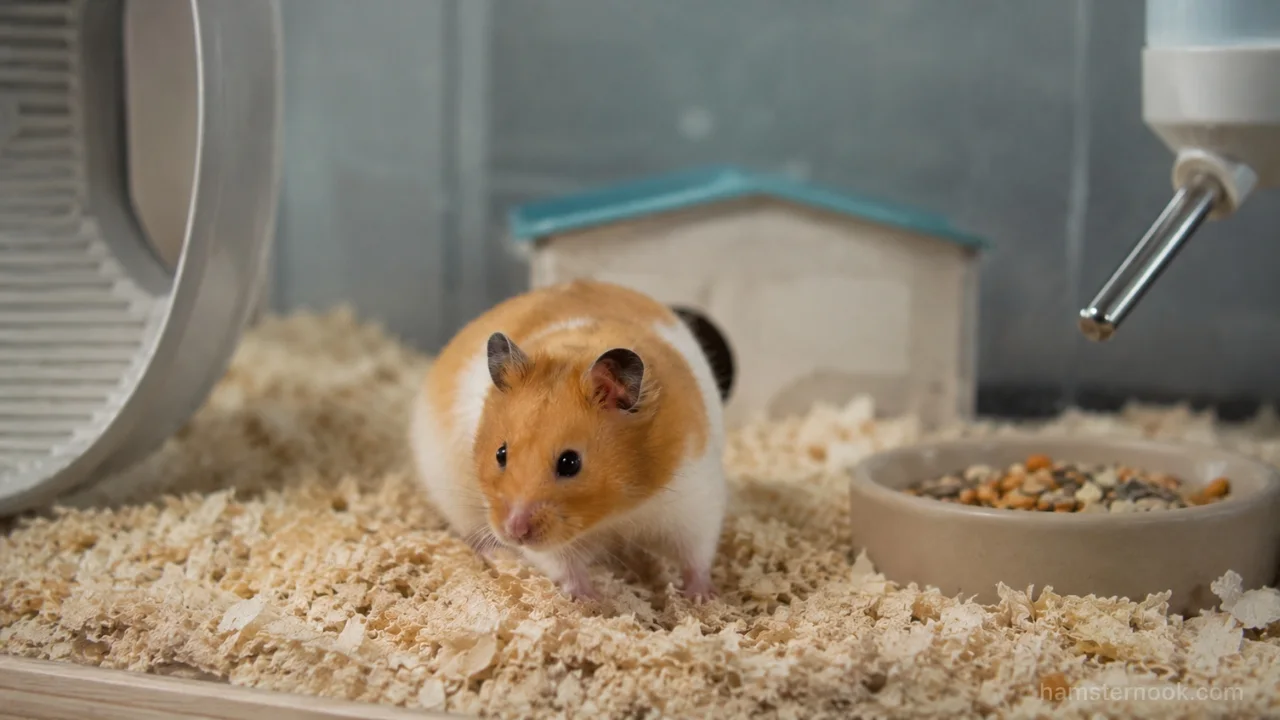
While they do not form relationships in the same way dogs do, many hamsters learn to recognize individuals who consistently care for them.
Signs your hamster may recognize you include:
| Behavior | What It May Indicate |
|---|---|
| Approaching the cage front | Familiarity |
| Taking treats calmly | Growing trust |
| Reduced hiding | Increased comfort |
| Watching you without fear | Recognition of routine |
| Climbing onto your hand | Positive association |
Over time, repeated positive experiences help a hamster become more comfortable with familiar people and routines.
Staring Combined With Sniffing
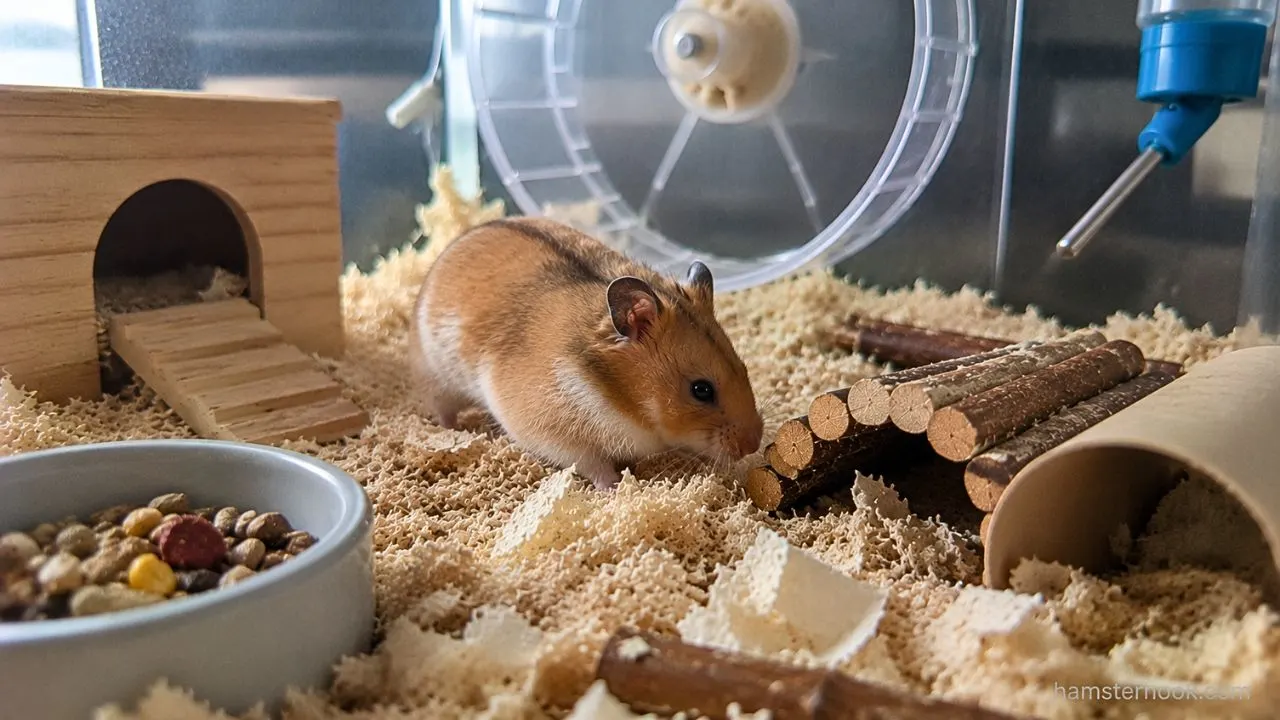
Hamsters experience the world primarily through smell.
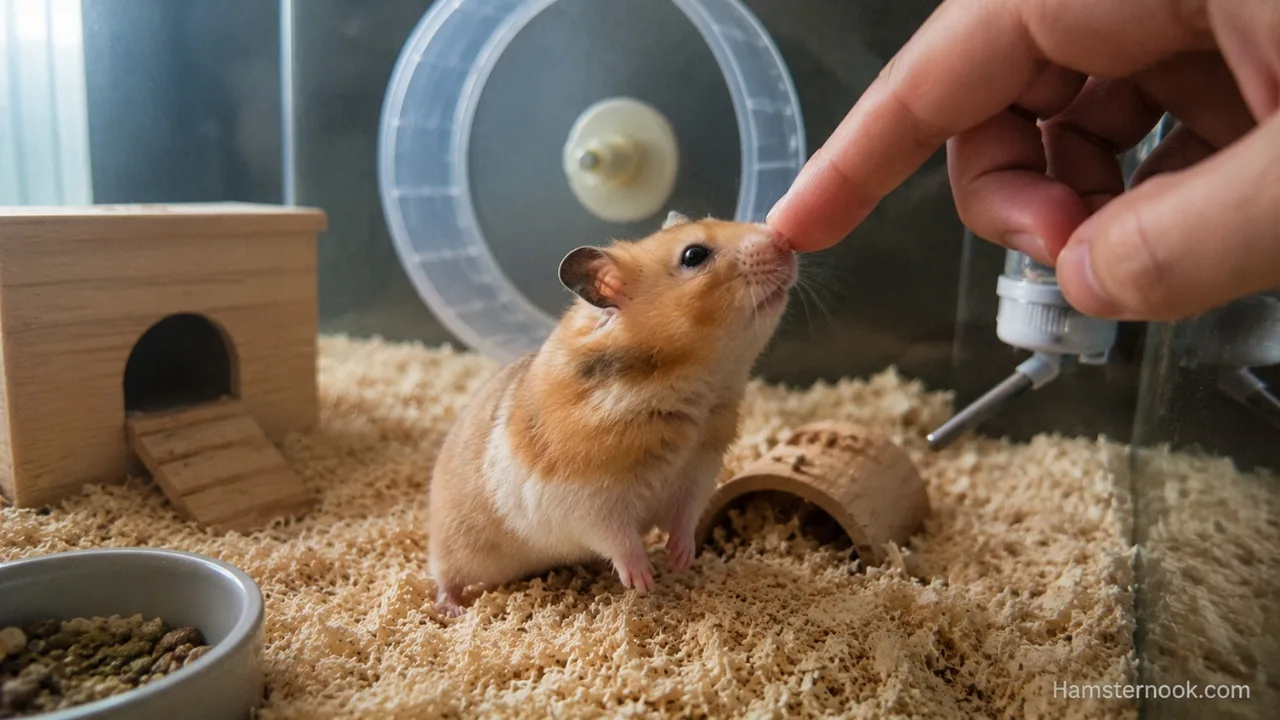
When your hamster stares while rapidly moving its nose or whiskers, it is usually gathering scent information.
This behavior is especially common when:
- You introduce a new object
- You have handled another pet
- Food is nearby
- Someone unfamiliar enters the room
The hamster is essentially trying to identify what it detects.
Owners who notice constant sniffing and investigation may also find Can Hamsters Recognize Their Owners by Smell Alone? helpful for understanding scent-driven behavior.
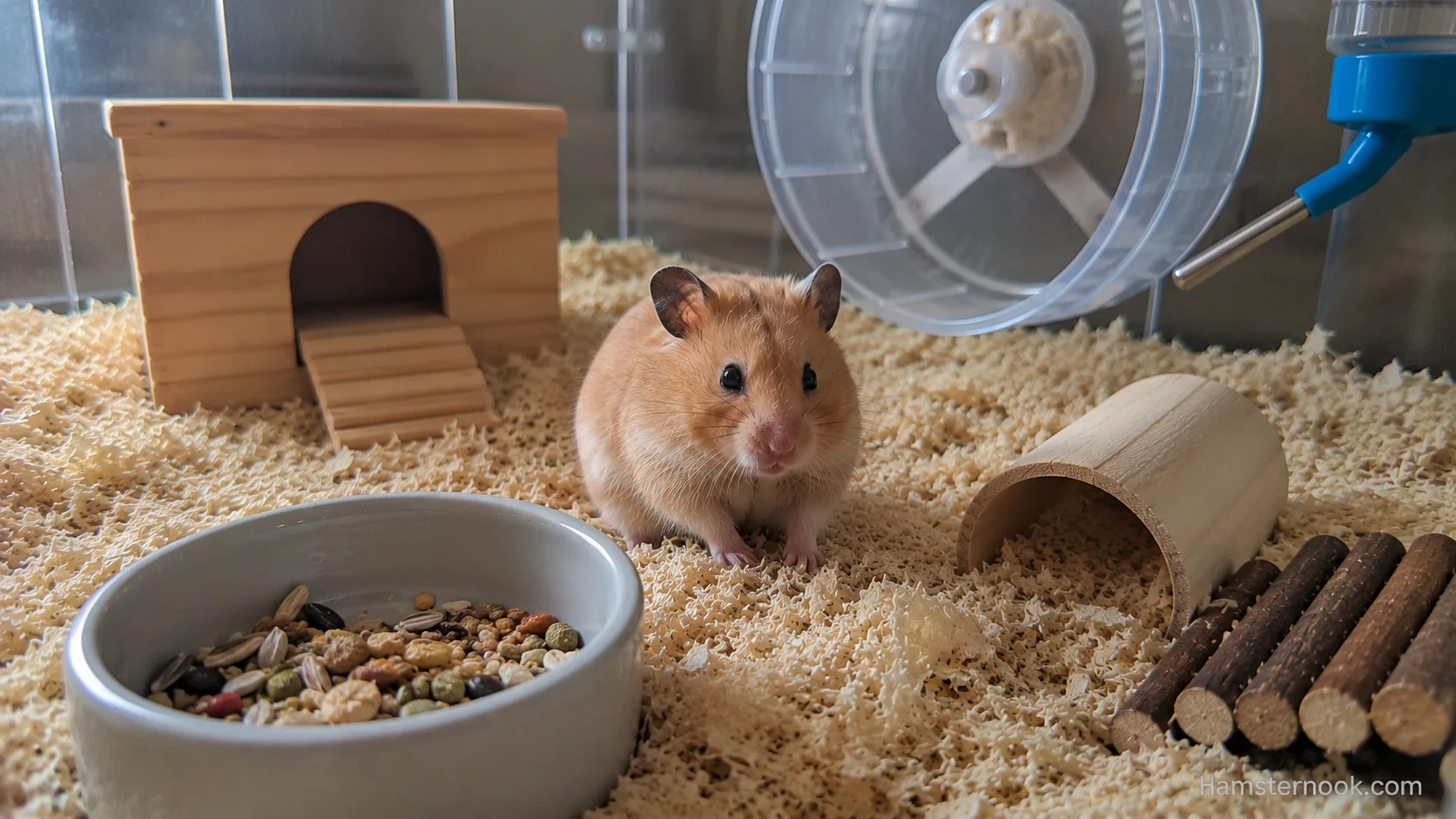
Could My Hamster Be Bored?
Occasional staring is normal.
However, if your hamster spends long periods sitting motionless without exploring, exercising, or interacting with its environment, boredom could be a factor.
A bored hamster may also show:
- Reduced activity
- Repetitive behaviors
- Excessive sleeping outside normal hours
- Lack of interest in enrichment
Providing tunnels, digging areas, chew toys, and foraging opportunities can help encourage natural behaviors.
For enrichment ideas, Fun Ways to Keep Your Hamster Mentally Stimulated offers several simple activities that many hamsters enjoy.
Warning Signs That Staring May Be Health Related
In most cases, staring is completely normal.
However, certain situations may warrant closer attention.
Watch for additional symptoms such as:
- Lack of movement for extended periods
- Difficulty walking
- Loss of balance
- Closed or partially closed eyes
- Reduced appetite
- Sudden lethargy
While these symptoms do not automatically indicate a serious illness, they deserve closer monitoring if they appear alongside unusual staring behavior.
If staring is accompanied by unusual health symptoms, it may indicate illness rather than normal observation.
In these cases, monitoring closely and seeking veterinary advice is recommended.
You may also find Signs Your Hamster May Be Sick useful when evaluating potential health concerns.
When Staring Is Completely Normal
A hamster that is active, eating normally, maintaining weight, and showing no signs of illness will often stare simply because it is curious or paying attention to changes nearby. In these situations, the behavior is usually nothing to worry about.
Common Mistakes Hamster Owners Make
Many hamster owners accidentally misinterpret this behavior.
Assuming the Hamster Wants Constant Interaction
A hamster watching you does not always mean it wants to be picked up.
Sometimes it is simply observing.
Offering Treats Every Time
Repeatedly rewarding every stare can encourage begging behavior and excessive treat consumption.
Mistaking Fear for Affection
A frozen hamster may appear calm, but it could actually be feeling uncertain.
Looking at overall body language provides a more accurate picture.
Ignoring Other Behavioral Changes
The surrounding behavior is usually more informative than the stare itself. Changes in activity, eating habits, or movement patterns usually provide more useful clues.
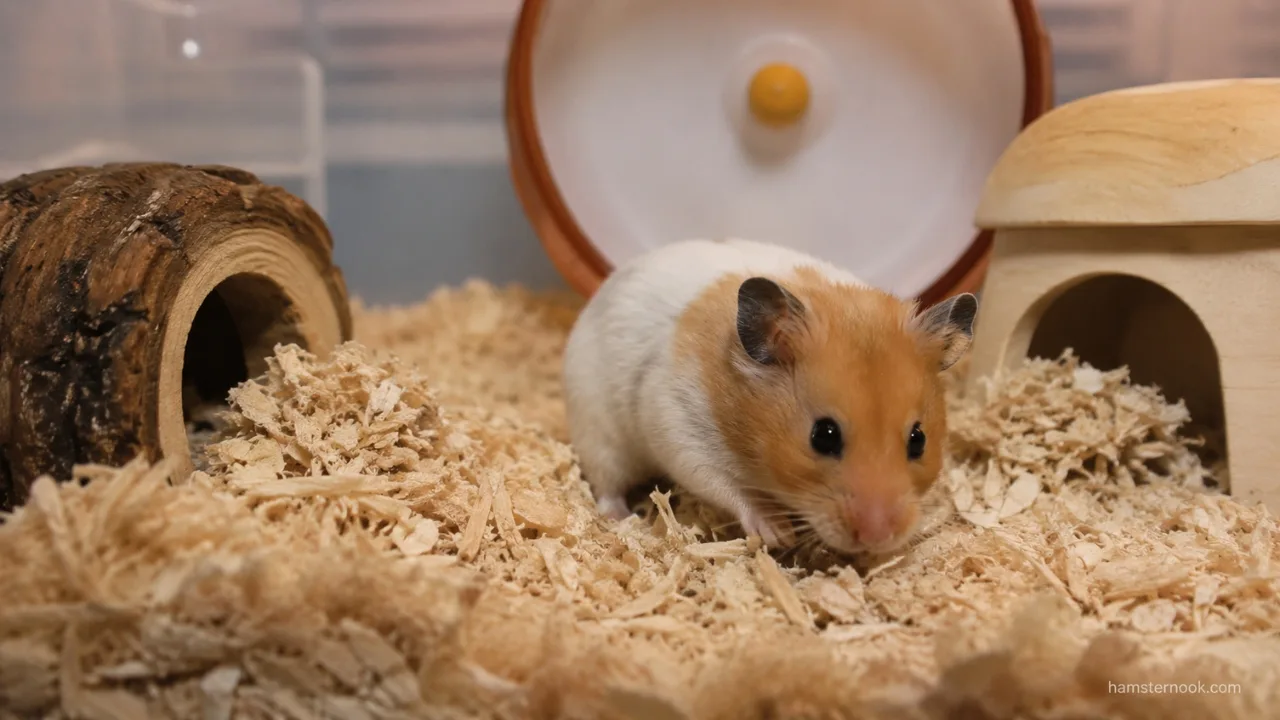
How to Respond When Your Hamster Stares at You
Most of the time, the best response is simple.
Remain calm and allow the hamster to continue observing.
You can:
- Speak softly
- Move slowly
- Offer a treat occasionally
- Allow the hamster to approach voluntarily
- Continue building trust through routine
Avoid sudden movements or reaching into the enclosure unexpectedly.
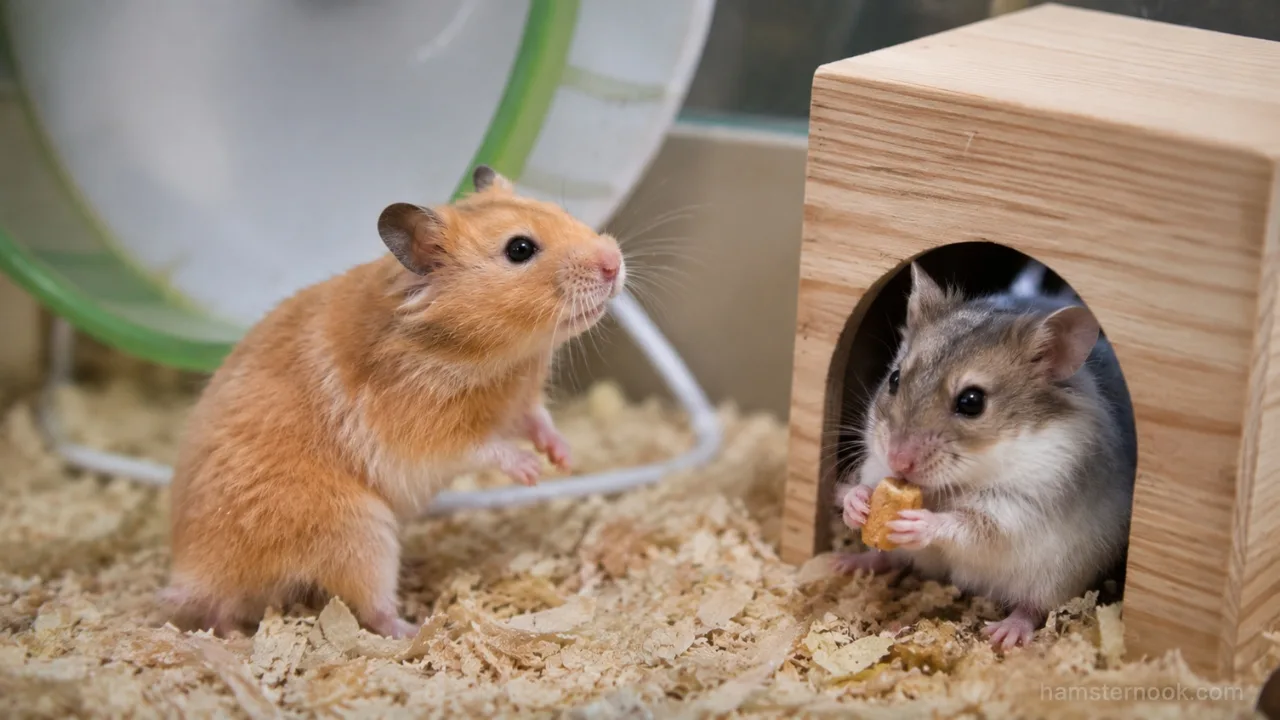
Over time, your hamster will learn that your presence is safe and predictable.
Key Takeaway
Most hamsters stare because they are curious, alert, or observing their environment. The meaning becomes clearer when you consider body language, posture, and the situation surrounding the behavior.
Final Thoughts on Hamster Staring Behavior
When your hamster stares at you, it’s usually not mysterious or alarming. In most cases, your pet is simply observing, investigating, or responding to a familiar routine.
Hamsters are naturally cautious and curious animals. A stare may mean they are recognizing your presence, expecting food, gathering information through their senses, or simply watching something interesting happen nearby.
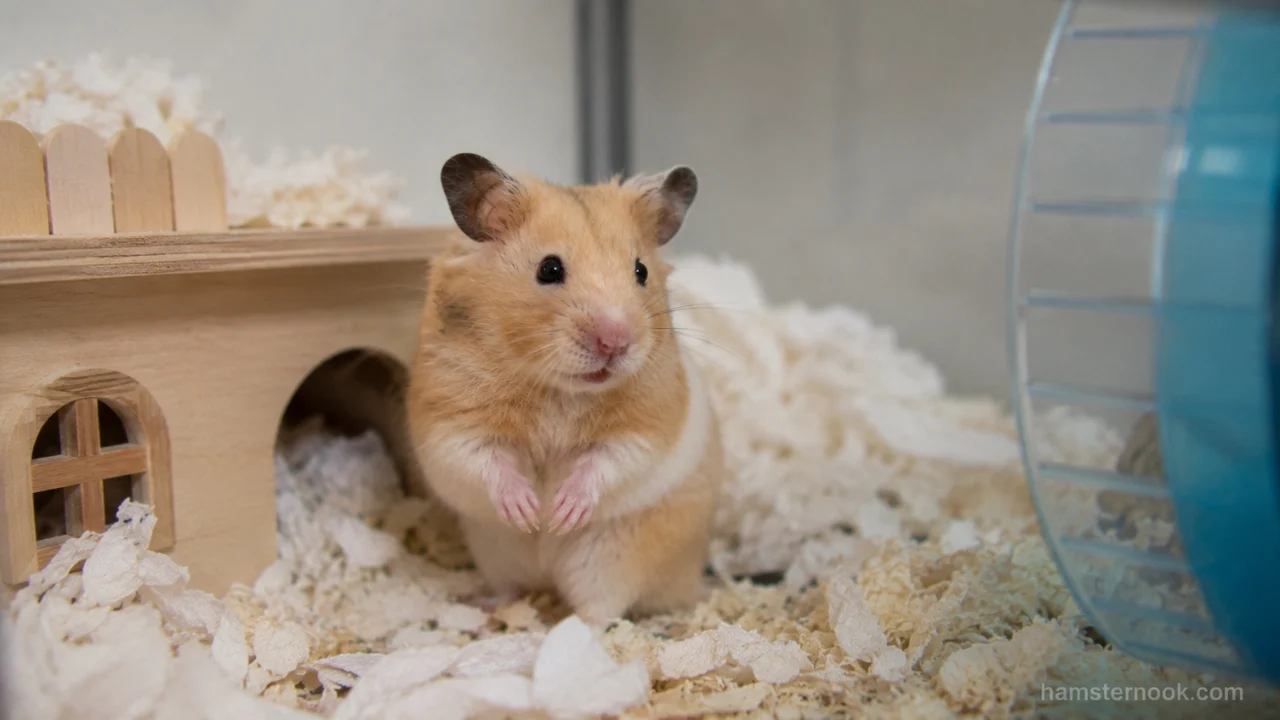
Paying attention to the situation as a whole usually provides the clearest explanation for the behavior. By paying attention to body language, activity levels, and context, you can better understand what your hamster may be trying to communicate.
In most cases, a hamster staring at you is simply part of how it gathers information and makes sense of its surroundings.
Frequently Asked Questions
Why does my hamster stare at me without moving?
A motionless stare often means your hamster is assessing its surroundings. It may be curious, cautious, or simply paying attention to something that caught its interest.
Does my hamster recognize me when it stares?
Many hamsters learn to recognize their owners through scent, voice, and daily routines. Staring may be one sign of familiarity, especially if the hamster appears relaxed.
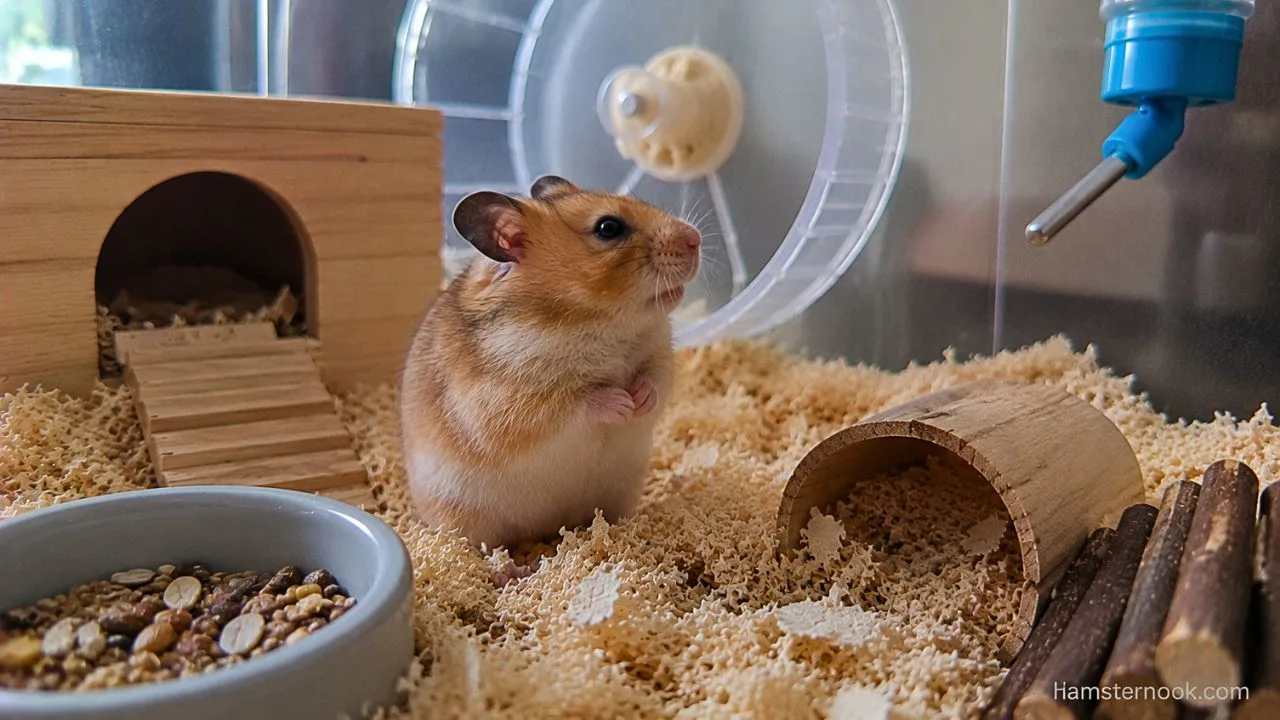
Why does my hamster stand up and stare at me?
Standing upright allows a hamster to gather more information about its environment. This behavior is usually a normal sign of curiosity and investigation.
Is my hamster hungry if it keeps staring at me?
Possibly. Hamsters often associate their owners with food. If the behavior occurs near feeding time, your hamster may be anticipating a meal or treat.
Should I pick up my hamster when it stares at me?
Not necessarily. Observe its body language first. A relaxed hamster may welcome interaction, while a tense or frozen hamster may need more space.
Can staring indicate illness in hamsters?
Staring alone is usually normal. However, if it occurs alongside lethargy, poor appetite, difficulty moving, or other unusual symptoms, a health issue may be involved.
Why does my hamster stare at me through the cage?
Hamsters often watch people through the enclosure because they recognize movement, expect food, or are simply monitoring activity around them.
Is it good if my hamster watches me?
Usually yes. A relaxed hamster that watches you without hiding often feels comfortable enough to observe you rather than avoid you.
Why does my hamster stare and sniff at the same time?
Hamsters rely heavily on scent. Staring combined with sniffing is often their way of identifying people, objects, food, or environmental changes.

Narayan Kumar is the founder and author of HamsterNook. He creates practical, research-based hamster care guides covering hamster behavior, nutrition, cage setup, enrichment, health, and everyday care. His goal is to help hamster owners make informed decisions and provide safer, healthier lives for their pets through clear, beginner-friendly information based on trusted animal care resources.