If you’ve ever returned home after a vacation or even a long workday and wondered whether your hamster noticed your absence, you’re not alone. Many hamster owners develop strong bonds with their pets and naturally ask the same question: Do hamsters actually miss their owners when they’re gone?
The answer isn’t a simple yes or no because hamster behavior works very differently from human emotions.
Hamsters do not experience relationships exactly the way dogs, cats, or humans do. They are solitary prey animals with different social instincts and survival behaviors. However, that doesn’t mean they are unaware of the people who care for them. Many hamsters can recognize familiar voices, scents, routines, and handling patterns. When those familiar cues suddenly disappear, many hamsters notice the change even if they don’t react in obvious ways.
Understanding how hamsters naturally behave makes it easier to appreciate their trust without comparing them to more social pets.
Quick Answer
Hamsters do not miss their owners in the same emotional way as highly social animals like dogs. However, many hamsters recognize familiar people through scent, voice, routine, and gentle handling. When those familiar cues disappear, they often notice the change, although their response is usually linked to routine rather than emotional longing.
Do Hamsters Form Bonds With Their Owners?
Every hamster is different. Some become highly comfortable around their owners, while others remain more independent even after months of gentle interaction.
Yes. Many hamsters learn to trust the people who consistently care for them and become noticeably more comfortable around them over time.
What owners often see as a bond is usually built through repeated positive experiences and familiarity rather than human-style emotional attachment.

A hamster learns that a particular person:
- Provides food and water
- Offers treats
- Handles them gently
- Maintains a predictable routine
- Creates a safe environment
As trust develops, many hamsters become more relaxed around their owners and may willingly approach them during active hours.
If you’re still earning your hamster’s trust, How to Get a Hamster to Trust You Faster Without Stressing It Out explains simple, stress-free techniques that help nervous hamsters become more comfortable with regular handling over time.
Can Hamsters Recognize Their Owners?

Familiarity usually develops little by little through everyday interactions, routines, and handling. The more consistent the interaction, the easier it becomes for a hamster to associate a person with safety and rewards.
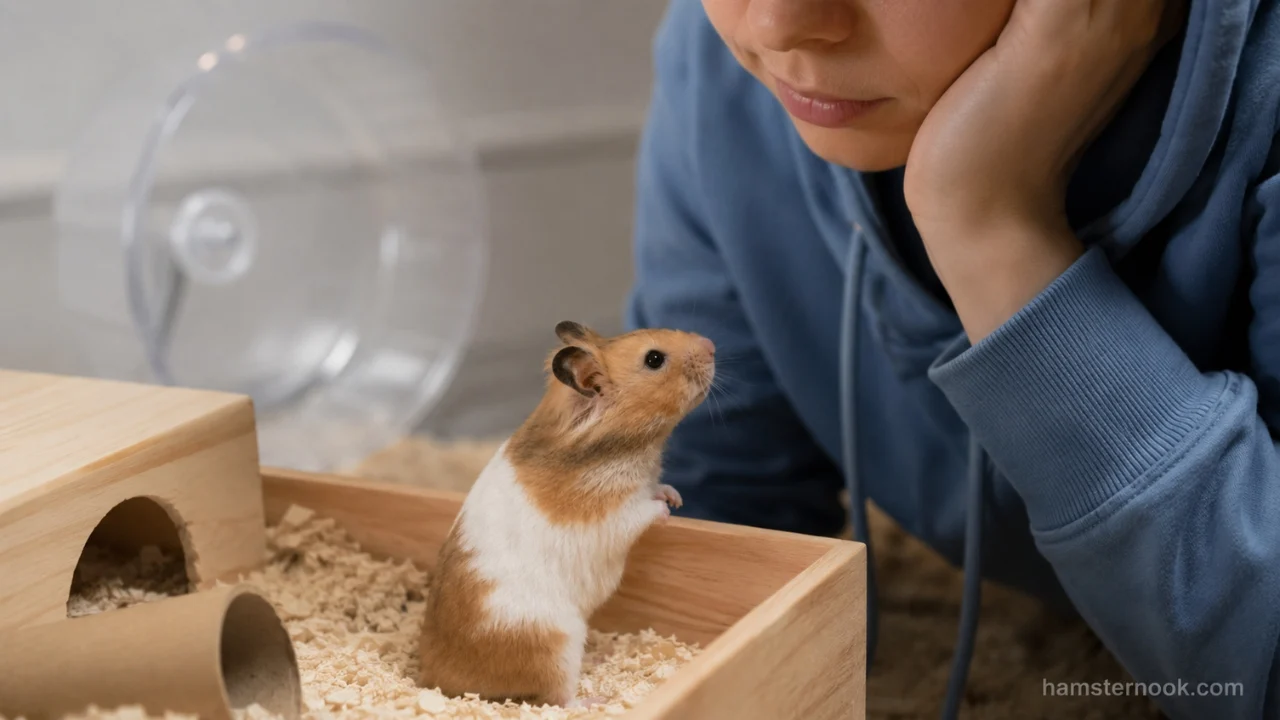
Research and owner observations suggest that hamsters can recognize familiar people through scent, voice, and routine.
Unlike humans, hamsters rely heavily on their sense of smell.
A hamster may recognize:
| Recognition Method | How Hamsters Use It |
|---|---|
| Scent | Primary method of identification |
| Voice | May recognize familiar tones |
| Routine | Learns predictable daily patterns |
| Handling Style | Associates gentle handling with safety |
| Visual Cues | Less important than scent and sound |
Scent remains the most important recognition tool, which is why regular gentle interaction helps strengthen familiarity.

Do Hamsters Actually Miss Their Owners?
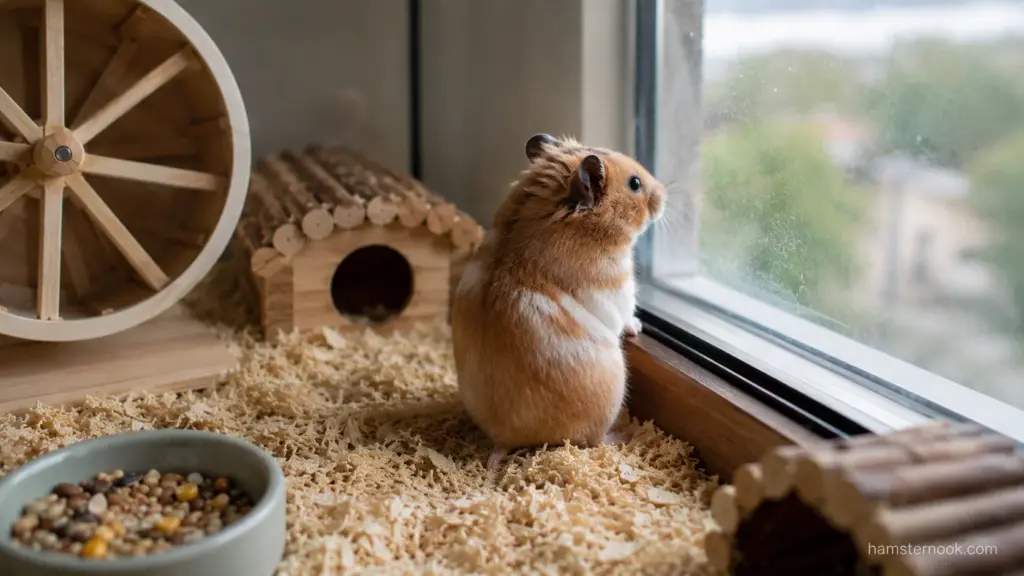
This is where things become less clear.
There is no scientific evidence showing that hamsters experience missing someone in the same emotional way that highly social animals often do. However, many hamsters appear to notice when a familiar person is absent.
Rather than missing a person in a human sense, hamsters are more likely responding to the absence of familiar experiences such as:
- Familiar routines
- Regular feeding schedules
- Consistent interaction
- Predictable environmental patterns
Rather than longing emotionally for a specific person, a hamster is more likely responding to changes in its established environment.
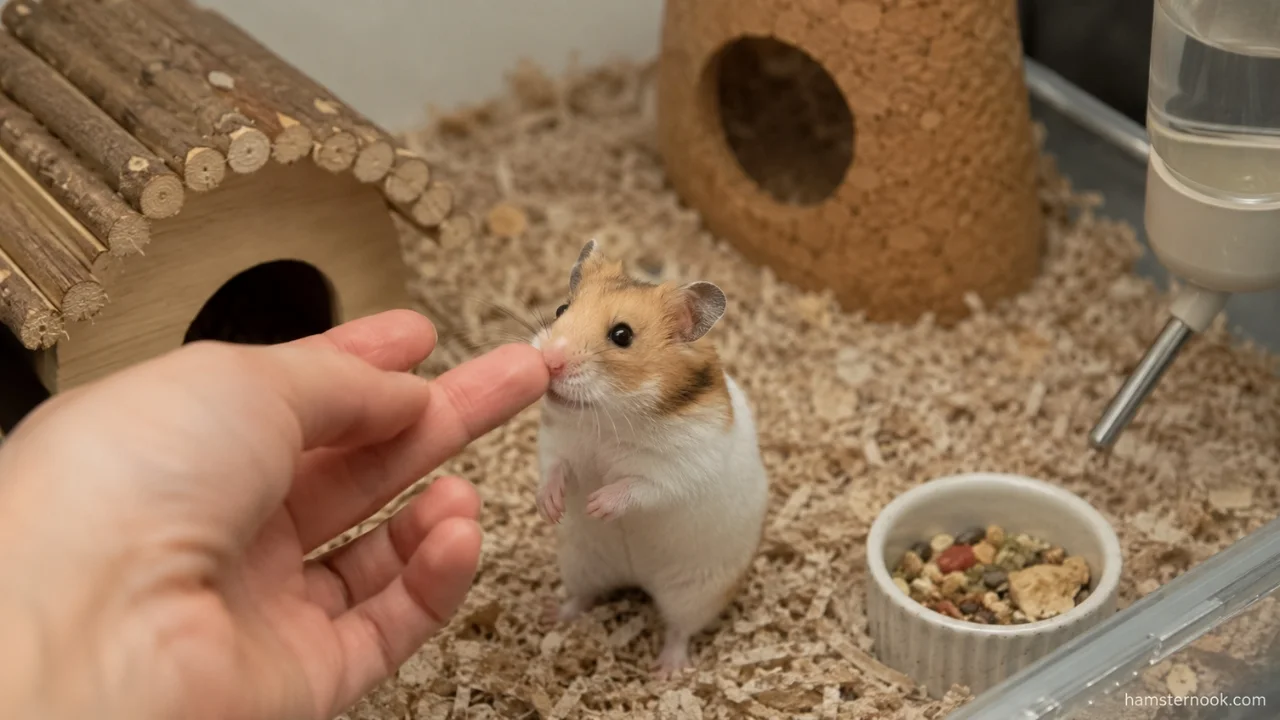
Because hamsters are naturally solitary animals, scientists typically evaluate their behavior through changes in routine, stress responses, and familiarity rather than human-style emotional attachment.
What Happens When You Leave for a Few Days?
For most healthy hamsters, a short absence usually causes little concern as long as their care needs are met.
If a trusted caregiver provides:
- Fresh food
- Clean water
- Basic cage maintenance
- Minimal stress
Your hamster will typically continue its normal routine.
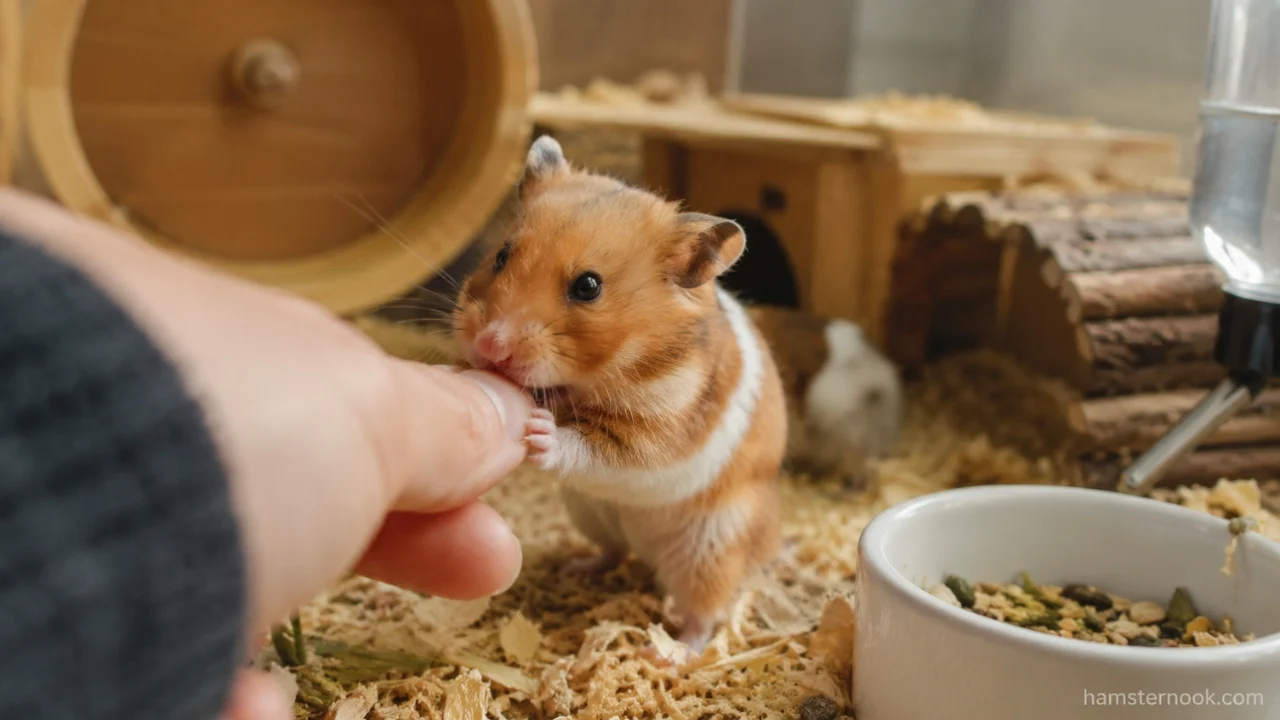
Most hamsters adjust well when their basic care routine remains consistent.
If you’re preparing for travel, learning about How Long Can a Hamster Go Without Water? can help you avoid common mistakes and ensure your pet remains healthy while you’re away.
Recognition in hamsters is usually subtle. Instead of showing affection like a dog or cat, they often display trust through calm and predictable behavior.
Signs Your Hamster Recognizes You
Although hamsters don’t usually display dramatic greetings like dogs, they often show subtle signs of familiarity.
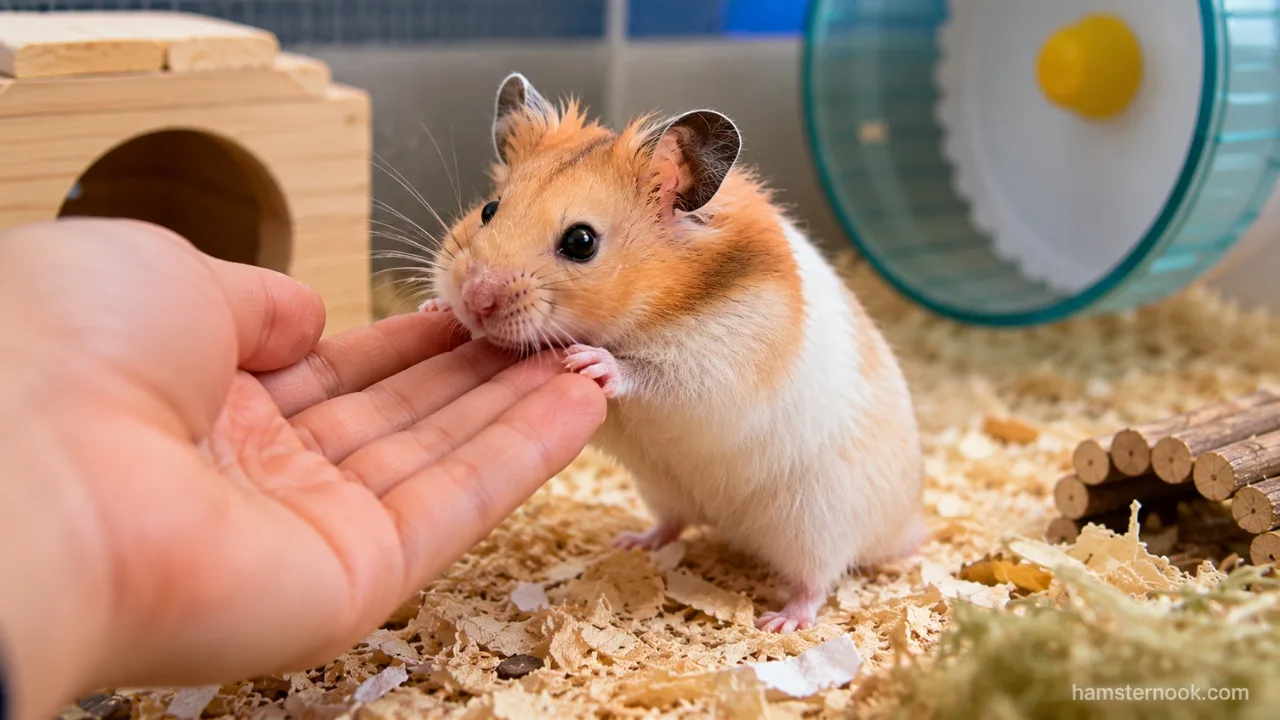
Some common behaviors include:
Approaching the Cage Front
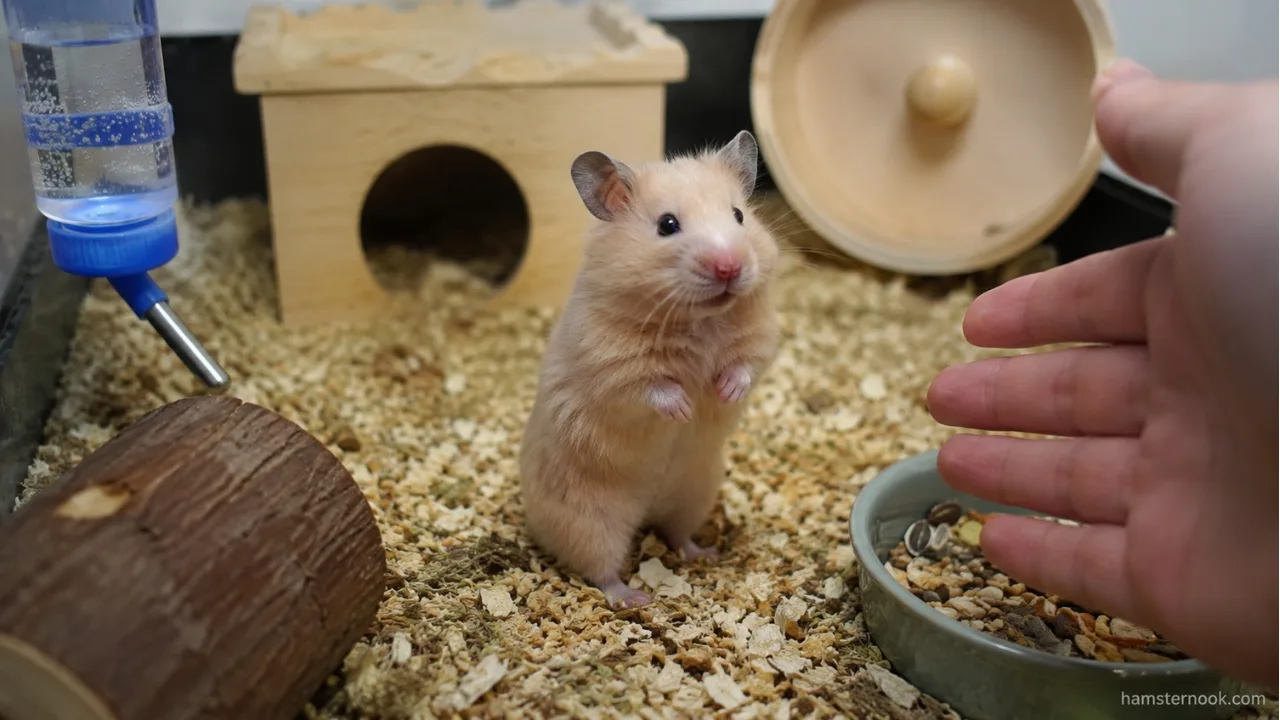
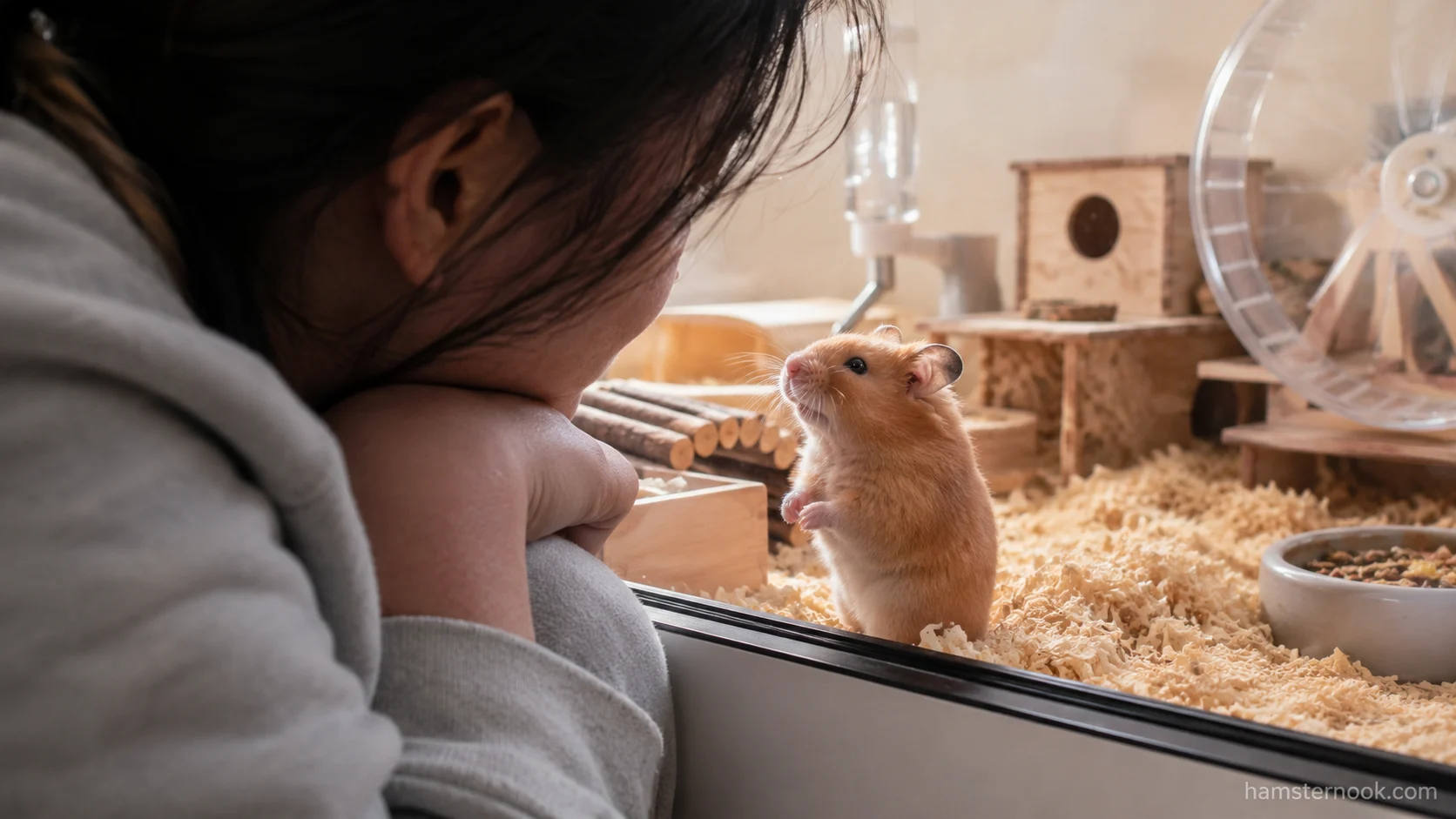
Many tame hamsters come toward the front of the enclosure when they hear their owner’s voice or notice their presence.
Taking Treats Calmly
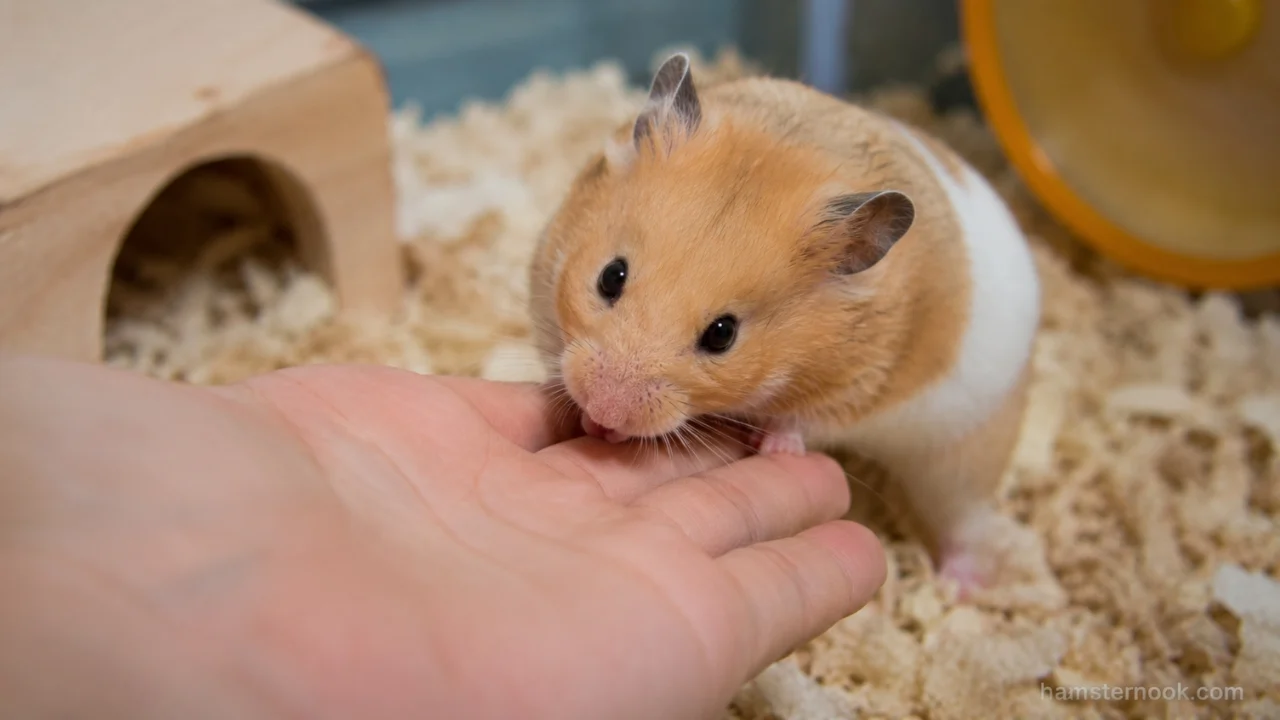
A hamster that trusts you will often accept food without hesitation.
Climbing Onto Your Hand
This is one of the clearest signs of trust and familiarity.

Relaxed Body Language
Comfortable hamsters typically show fewer signs of fear when their owner approaches.
If you’re working on trust-building, The Biggest Mistake New Hamster Owners Make in the First Week explains why patience often leads to better long-term bonding.
Understanding the difference between familiarity and emotional attachment helps set realistic expectations about hamster behavior.
What Hamsters Miss Most: People or Routine?
In most cases, routine likely matters more than the individual person.
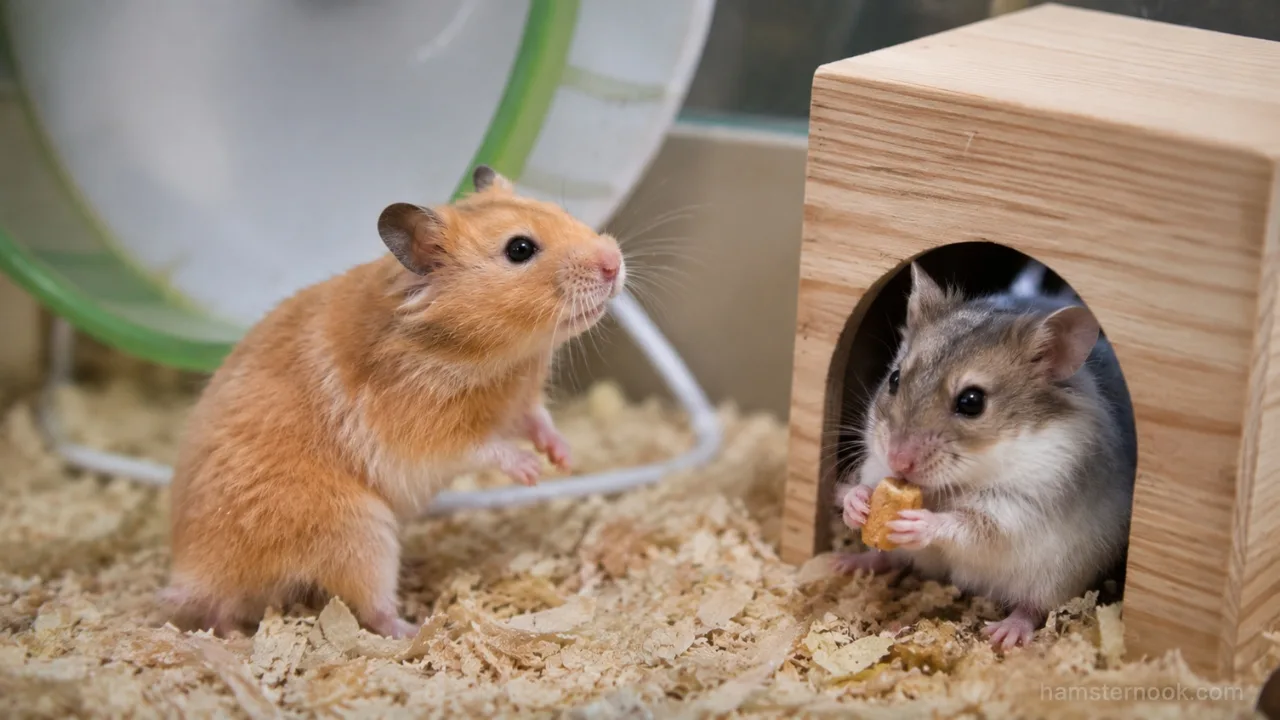
Hamsters thrive on consistency.
Changes in:
- Feeding times
- Lighting schedules
- Cage location
- Noise levels
- Human interaction
can all affect behavior.
The following comparison helps illustrate the difference.

| Situation | Likely Impact on Hamster |
|---|---|
| Owner away but routine unchanged | Usually minimal stress |
| Feeding schedule changes drastically | Moderate stress |
| New environment introduced | Higher stress |
| Multiple routine disruptions at once | Greatest adjustment difficulty |
The more stable a hamster’s daily routine remains, the less likely it is to experience stress during an owner’s absence.
Even small disruptions to a hamster’s routine can affect how secure it feels in its enclosure. If you’re unsure whether changes in behavior are linked to stress, our What Makes a Hamster Feel Safe in Its Cage? 10 Things Every Owner Should Know guide explains the factors that help hamsters feel secure and the early signs that their environment may be causing stress.
That doesn’t mean the caregiver is irrelevant. It simply means that predictable care often matters most from the hamster’s perspective.
How Long Does a Hamster Remember Its Owner?
There is no exact timeline that applies to every hamster.

However, hamsters that receive regular gentle interaction often continue recognizing familiar scents and routines after periods of separation.
Many owners report that their hamsters quickly resume normal behavior after vacations or short absences.
Do Hamsters Get Lonely When Left Alone?
This question is often confused with whether hamsters miss their owners.
For most hamster species, loneliness is not the same concern it is for highly social pets.

Hamsters are naturally solitary animals.
In the wild, adult hamsters typically live alone and actively defend their territory from other hamsters.
Because of this, most pet hamsters do not require constant companionship to remain emotionally healthy.
Instead, they benefit from:

- Enrichment activities
- Adequate cage space
- Opportunities for exercise
- Proper nutrition
- Mental stimulation
Owners concerned about activity levels may find How Active Should a Healthy Hamster Be at Night? helpful for understanding normal hamster behavior.
Warning Signs Your Hamster Is Stressed During Your Absence
While hamsters generally adapt well to short separations, significant routine disruptions can sometimes lead to stress.
Watch for signs such as:
| Possible Sign | What It May Indicate |
|---|---|
| Reduced appetite | Stress or illness |
| Excessive hiding | Environmental discomfort |
| Less wheel activity | Reduced confidence or health concerns |
| Increased chewing | Frustration or boredom |
| Sudden aggression | Stress response |
Because stress-related behaviors can sometimes look similar to illness or normal personality changes, it’s helpful to look at several behaviors together rather than focusing on a single sign. Our article on 7 Signs You’re Accidentally Stressing Your Hamster (Without Even Realizing It) explains how to tell the difference and when a behavior may need closer attention.

These behaviors should be evaluated alongside other changes because they can also indicate health problems unrelated to owner absence.
These signs are not necessarily caused by missing an owner specifically. They often reflect broader environmental or routine changes.
How to Help Your Hamster While You’re Away
If you’ll be gone for several days, planning ahead can make the transition easier.
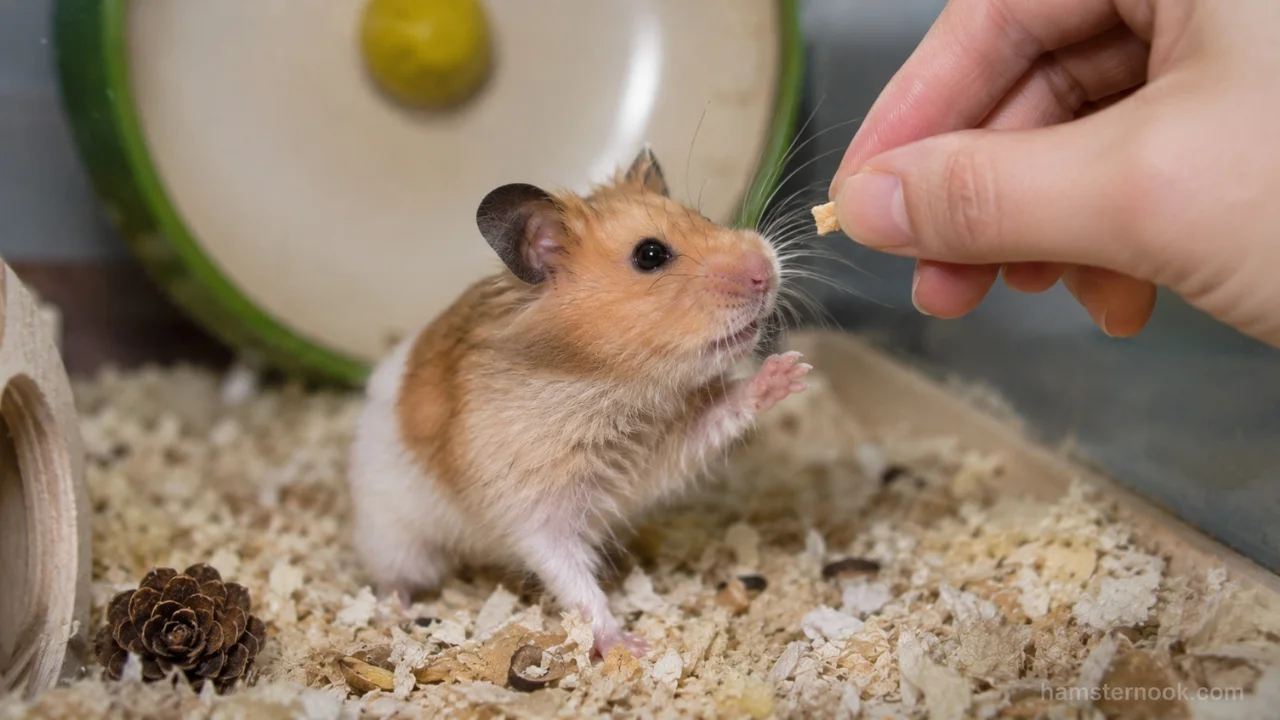
Maintain a Consistent Feeding Schedule
A caregiver should follow the hamster’s normal routine as closely as possible.
Avoid Major Cage Changes
Travel periods are not ideal times for complete cage redesigns or deep cleanings.
Leave Familiar Scents in Place
Hamsters feel more secure when familiar bedding and nesting materials remain available.
Provide Plenty of Enrichment
Chews, tunnels, hides, and exercise opportunities help reduce boredom.
Owners interested in enrichment ideas may also enjoy 10 Ways to Make a Hamster Cage More Enriching and Less Boring for practical boredom-prevention tips.
Common Misconceptions About Hamsters and Attachment
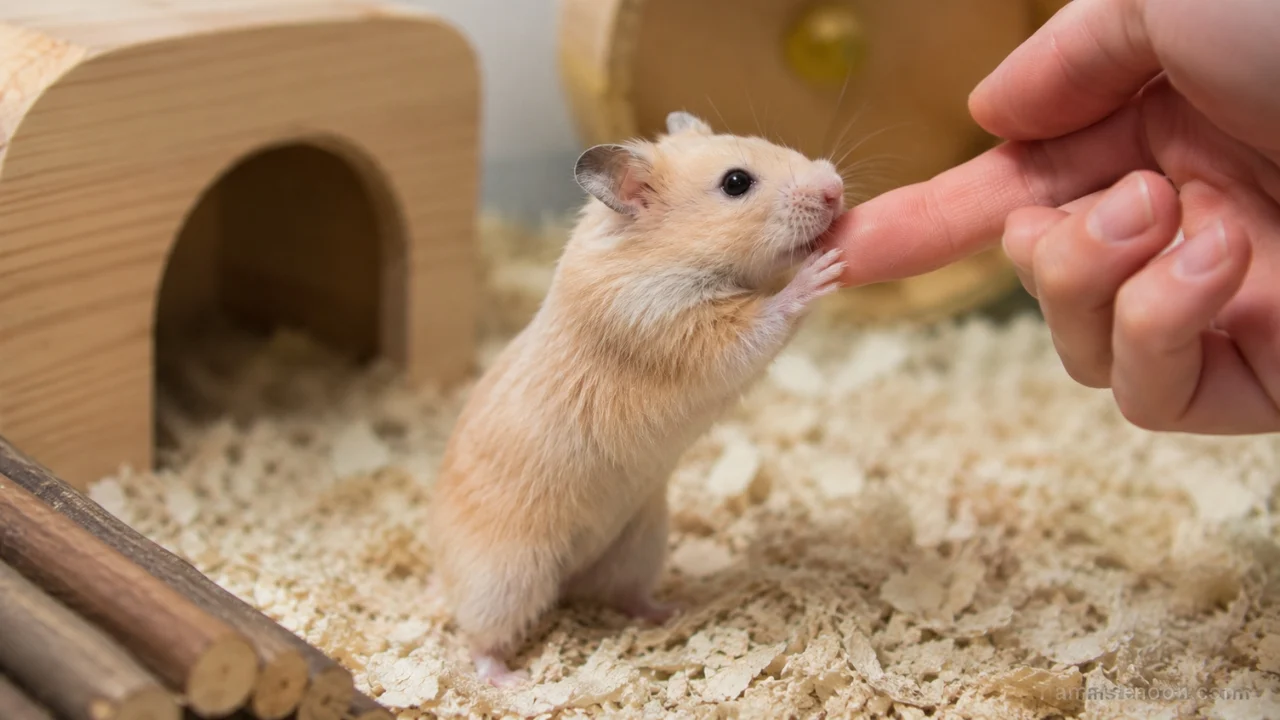
Hamster behavior is often misunderstood, which leads to several common misconceptions.
Myth: Hamsters Love Their Owners Like Dogs
Hamsters can trust and recognize owners, but their social behavior differs significantly from dogs.
Myth: A Hamster Will Forget You After a Vacation
Most tame hamsters continue recognizing familiar scents and routines after short absences.
Myth: Hamsters Need Constant Attention
Hamsters generally prefer predictable interaction rather than constant handling.

Myth: A Hamster That Hides Doesn’t Like You
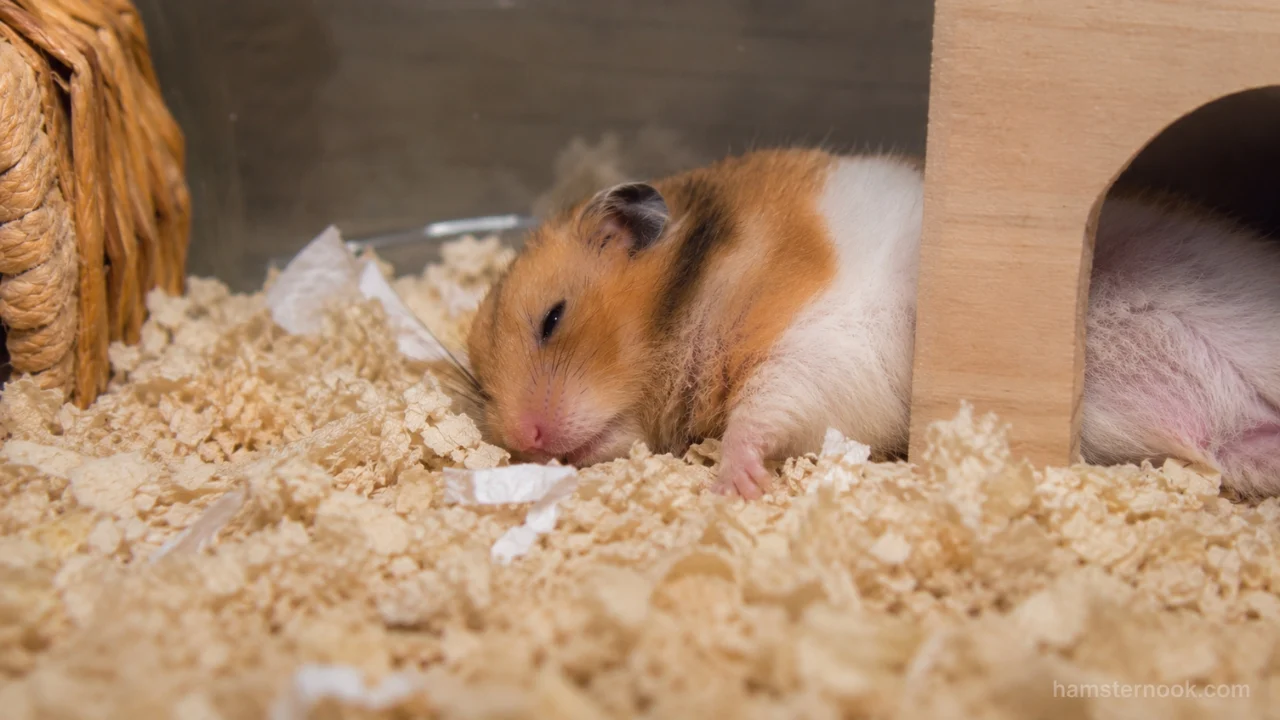
Hiding is often normal hamster behavior, especially during daytime hours.
For a deeper look at natural hiding and activity patterns, Why Is My Hamster Suddenly Hiding More Than Usual? can provide additional context.
Building a Stronger Bond With Your Hamster
If your goal is to strengthen your relationship with your hamster, consistency is more important than quantity.
Focus on:
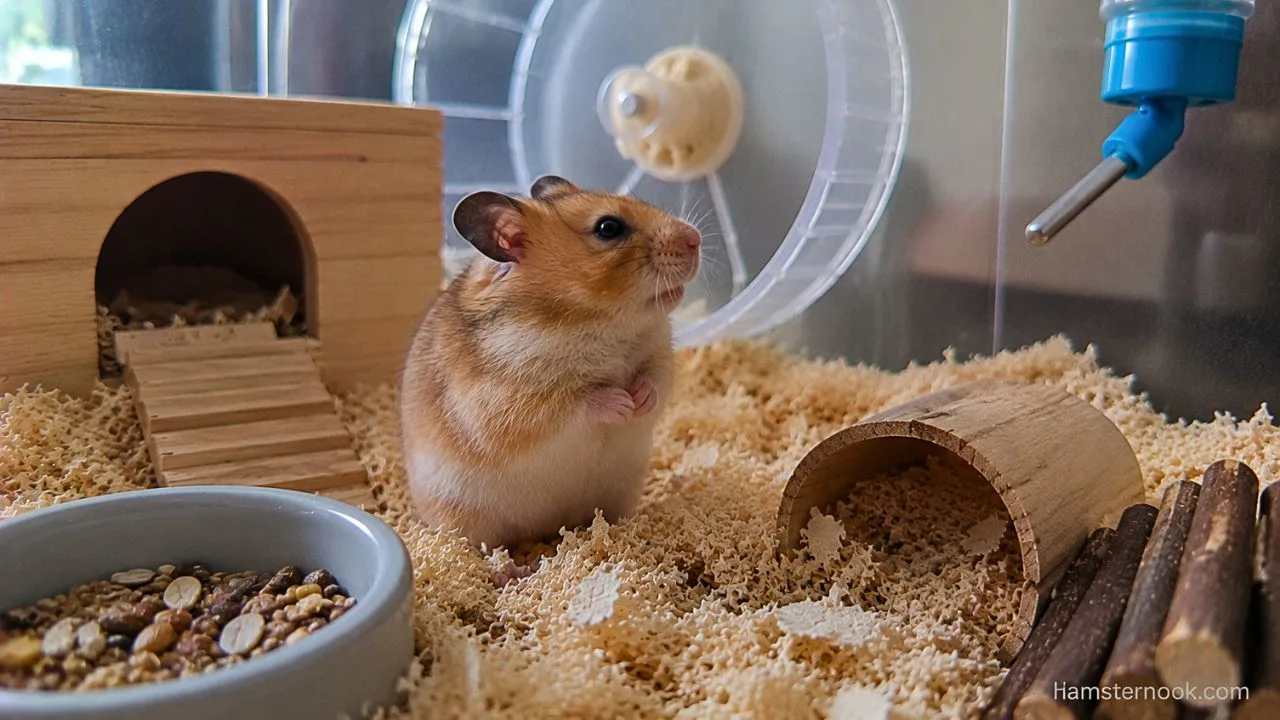
- Gentle handling
- Predictable routines
- Positive reinforcement
- Respecting sleep schedules
- Allowing voluntary interaction
Allowing the hamster to approach voluntarily usually produces better results than forcing interaction.
Given enough positive experiences, many hamsters gradually become calmer and more confident around the people they see regularly.
Owners often interpret hamster behavior through a human perspective, but hamster relationships are primarily built on familiarity, safety, and routine rather than complex social attachment.
Creating positive daily experiences is one of the best ways to strengthen that sense of familiarity. If you’re looking for more practical bonding tips, our How to Earn Your Hamster’s Trust Faster Without Making Common Bonding Mistakes guide shares gentle techniques that encourage trust while respecting your hamster’s natural behavior.

Final Thoughts
Do hamsters miss their owners when they’re gone?
Not in the same way humans, dogs, or other highly social animals might. However, many hamsters recognize familiar people and become accustomed to their scents, voices, routines, and handling styles. When those familiar routines disappear, many hamsters notice the difference even if they don’t express it in ways humans easily recognize.
What hamsters seem to value most is consistency. A stable routine, a secure environment, and positive interactions help them feel safe and comfortable. Whether you’re home every day or away for a short trip, maintaining that sense of predictability is often the best way to support your hamster’s well-being.
Short periods apart rarely erase the trust that has been built through consistent positive interaction. When you return, your hamster may not run to greet you like a dog, but that doesn’t mean your presence goes unnoticed.
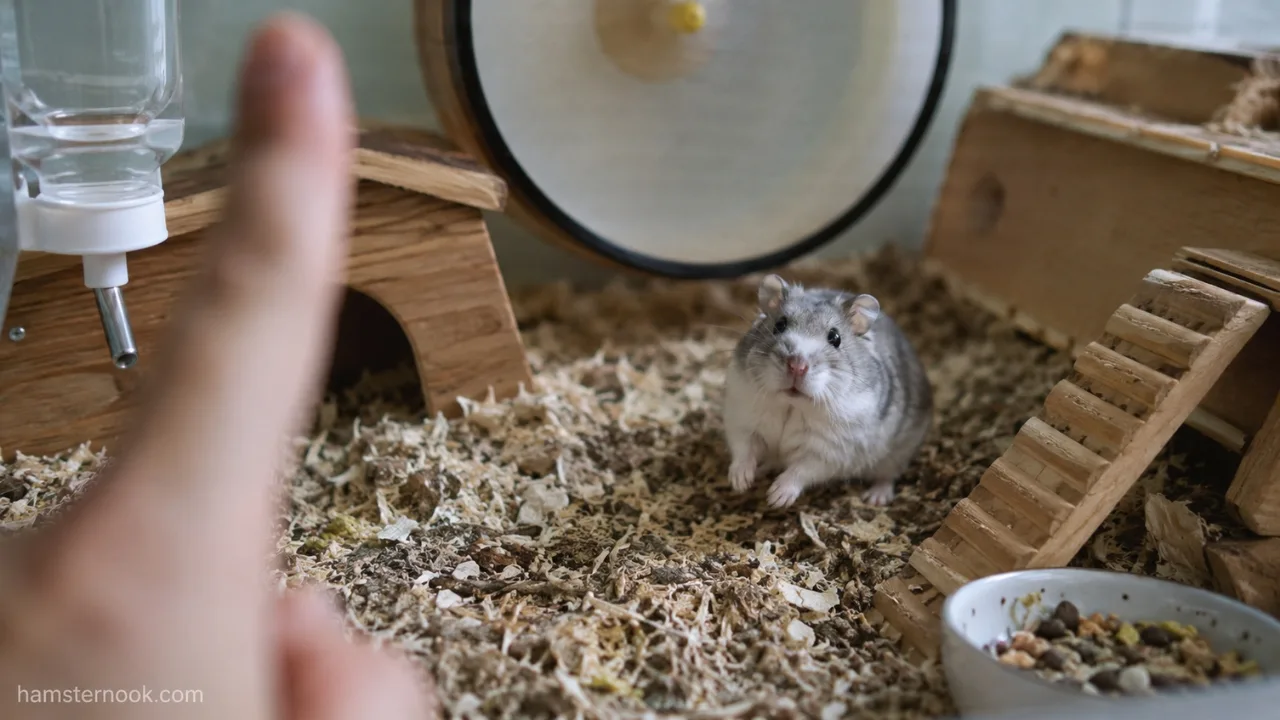
Frequently Asked Questions
Do hamsters recognize their owners after a vacation?
Yes, many hamsters appear to recognize familiar scents, voices, and routines after short periods of separation.
Can hamsters become attached to their owners?
Hamsters can develop trust and familiarity with owners, although their attachment differs from that seen in highly social animals.
Do hamsters get sad when their owners leave?
There is no evidence that hamsters experience sadness exactly like humans. They are more likely to react to changes in routine and environment.
How long can a hamster remember its owner?
There is no exact timeframe, but many hamsters continue recognizing familiar caregivers after days or even weeks apart.
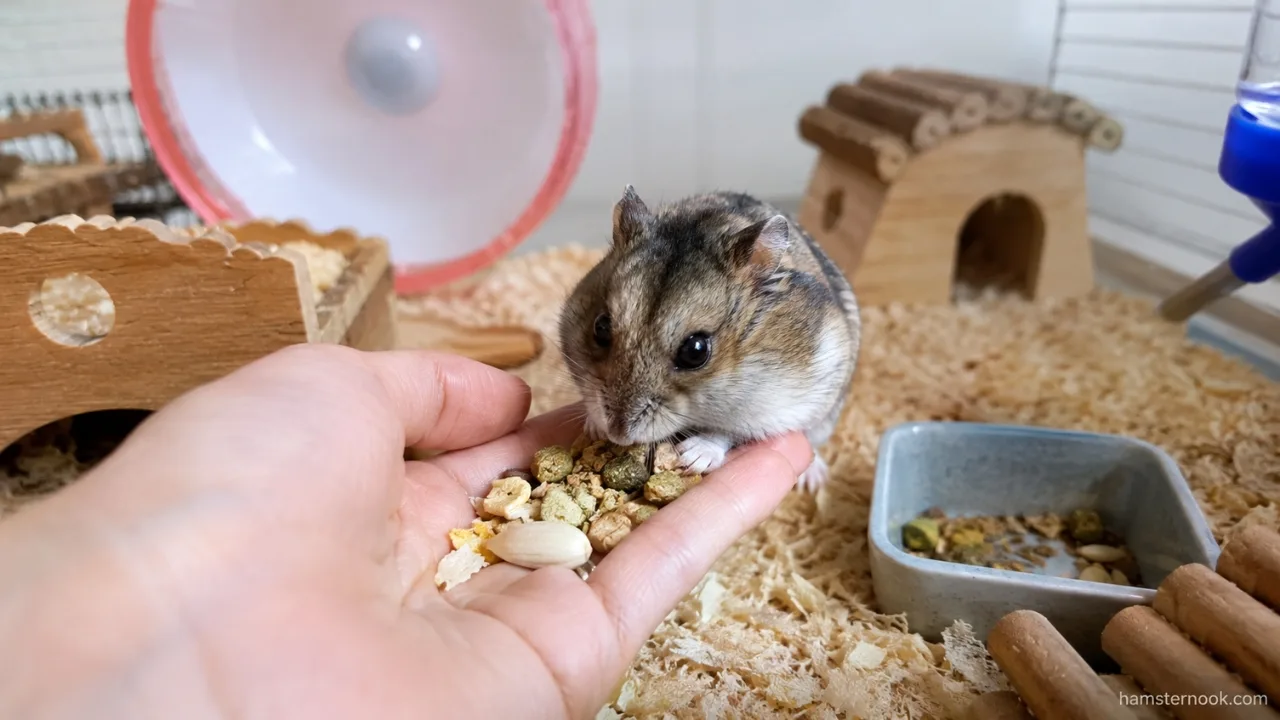
Why does my hamster seem excited when I approach the cage?
Your hamster may associate you with food, treats, positive experiences, or regular interaction.
Is it okay to leave a hamster with a pet sitter?
Yes, as long as the sitter follows the hamster’s normal feeding, cleaning, and care routine, most hamsters adapt well to temporary caregivers.
References
The information in this article is based on current hamster behavior research and care guidance from trusted veterinary and animal welfare organizations, including:
- PDSA (People’s Dispensary for Sick Animals) – Hamster Care Guidance
- RSPCA – Caring for Pet Hamsters
- Blue Cross – Hamster Welfare and Behaviour
- Merck Veterinary Manual – Small Mammal Care

Narayan Kumar is the founder and author of HamsterNook. He creates practical, research-based hamster care guides covering hamster behavior, nutrition, cage setup, enrichment, health, and everyday care. His goal is to help hamster owners make informed decisions and provide safer, healthier lives for their pets through clear, beginner-friendly information based on trusted animal care resources.