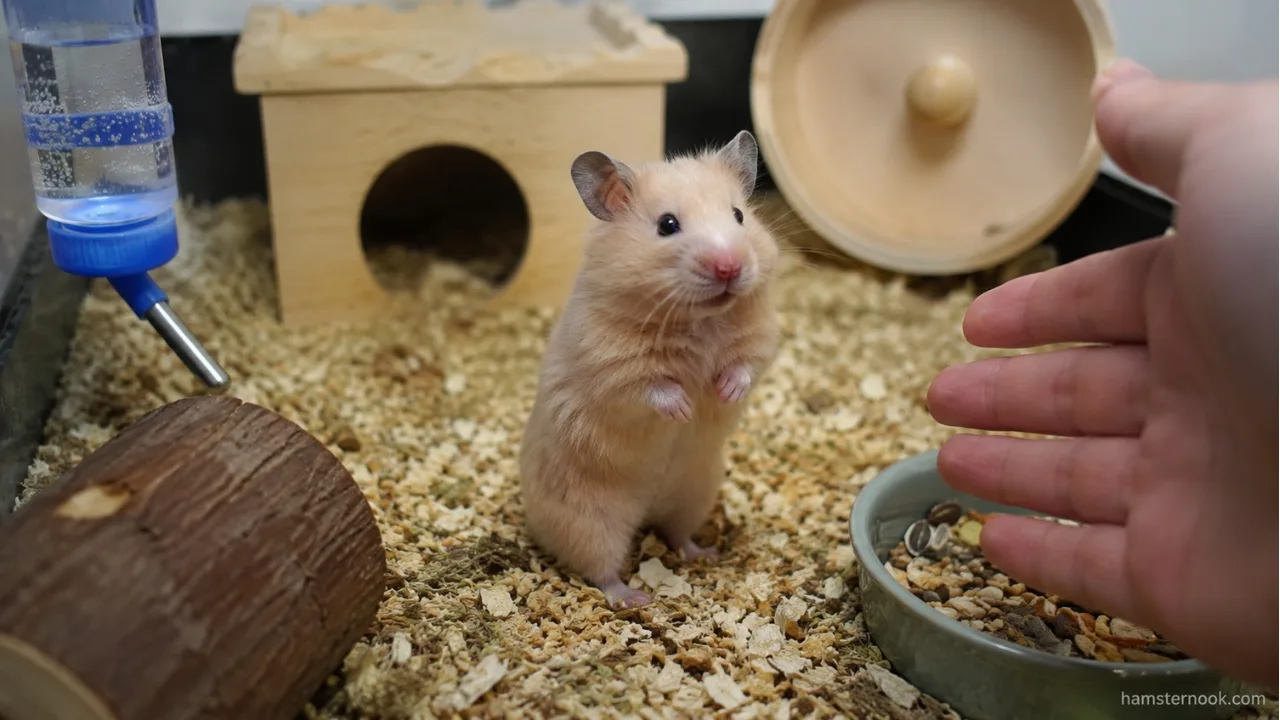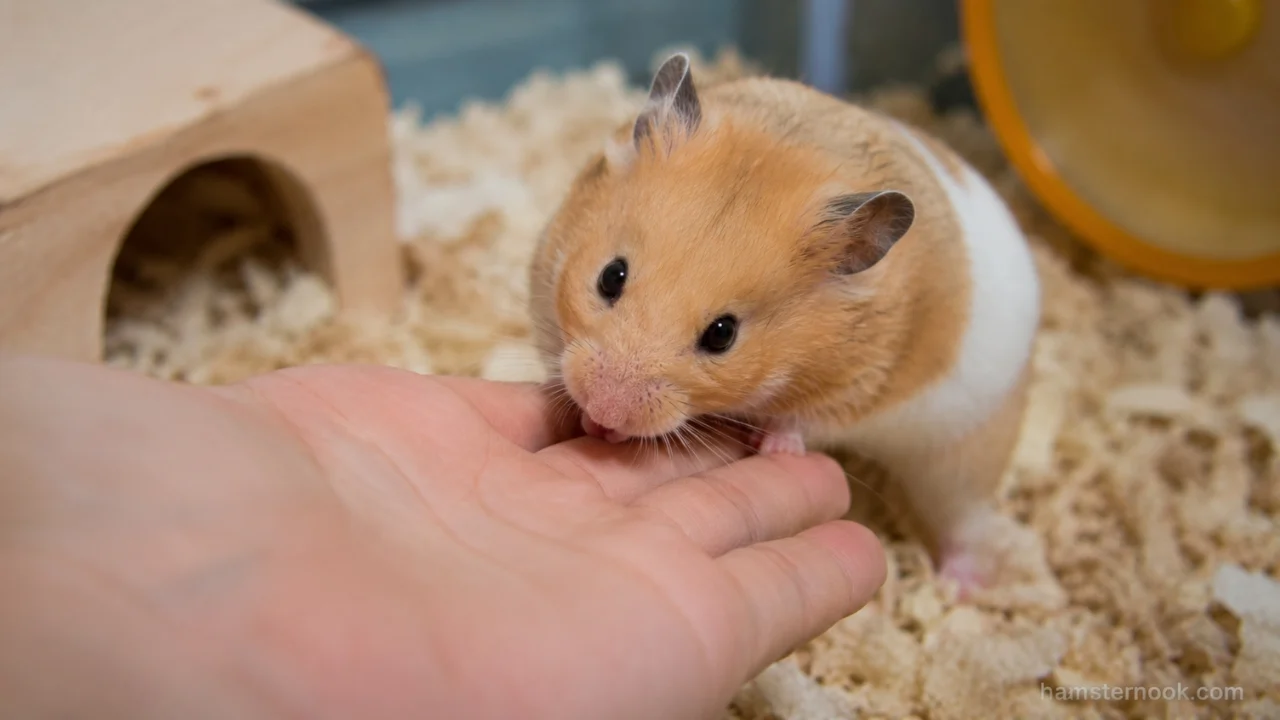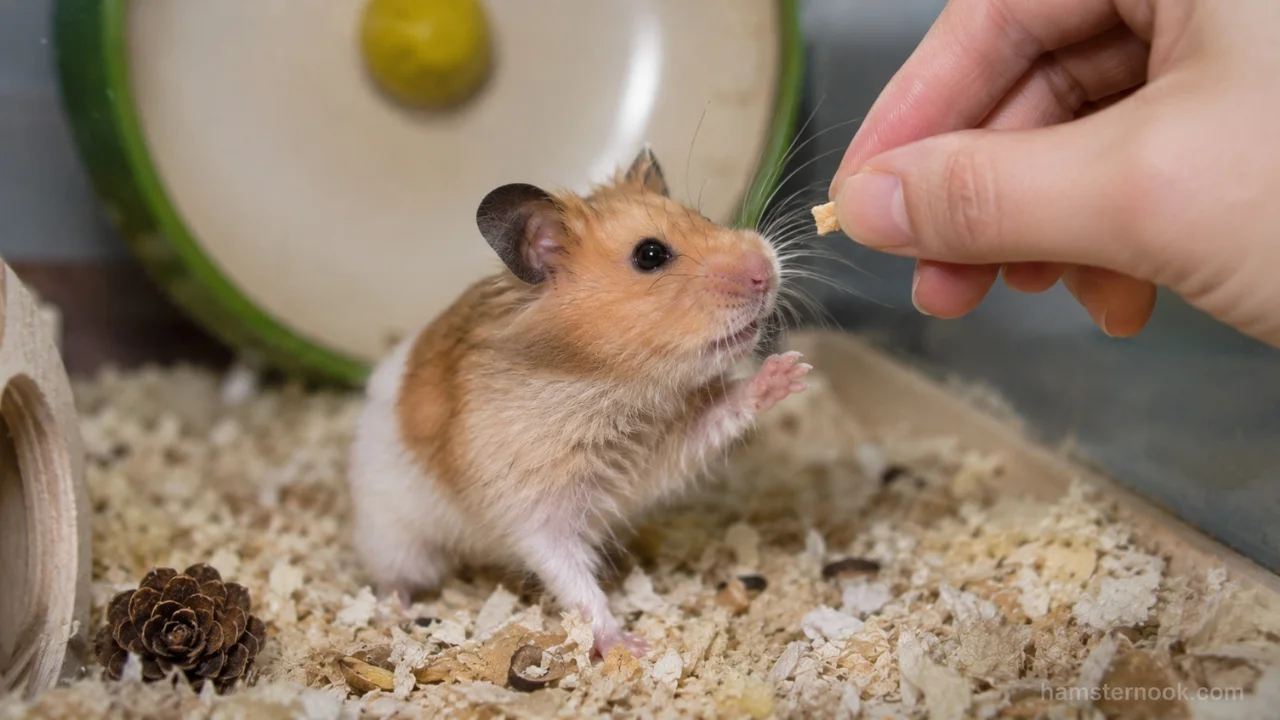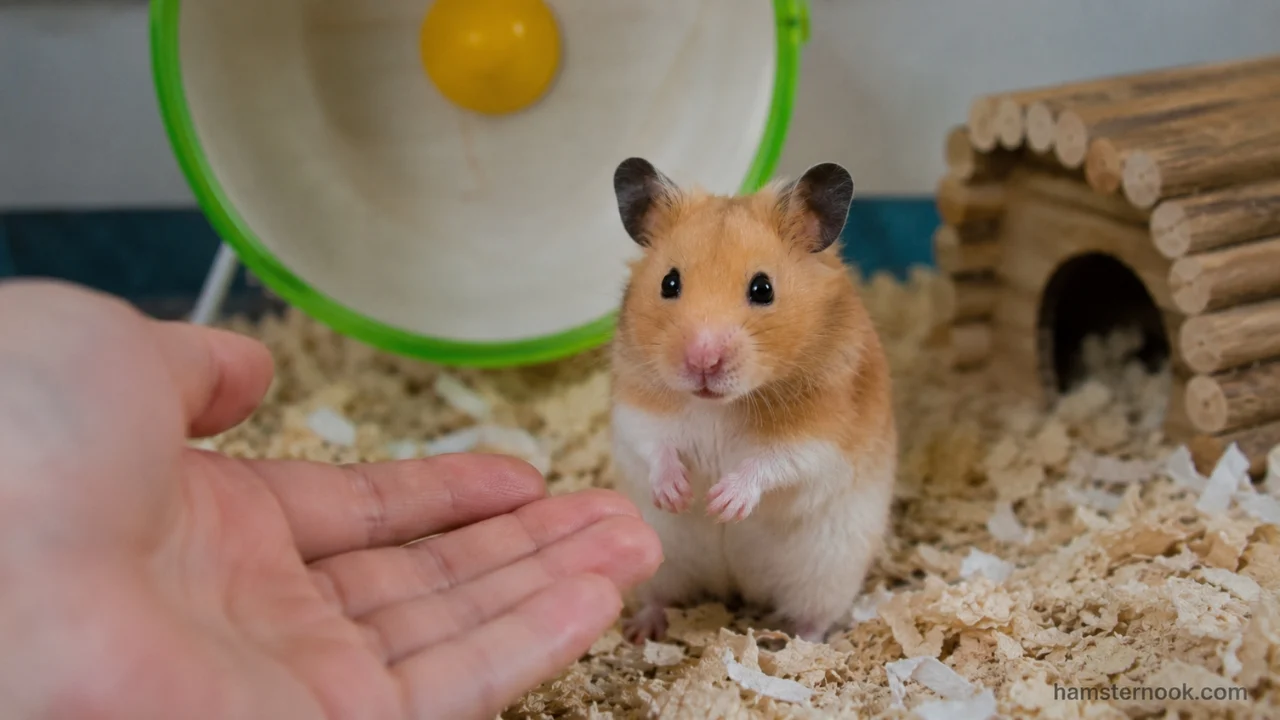
Many hamster owners eventually notice the same surprising behavior. They say their hamster’s name, and the tiny pet suddenly looks up, approaches the cage, or emerges from a hideout. Naturally, this raises an interesting question: does your hamster actually know its name, or is it simply reacting to a familiar sound?
There isn’t a simple yes-or-no answer because hamsters learn and recognize sounds differently from many larger pets. Hamsters are intelligent animals with the ability to learn patterns, recognize familiar sounds, and associate certain words with positive experiences. However, they do not understand names in quite the same way humans or some highly trainable pets do.
Knowing how hamsters recognize familiar sounds and people can help you communicate with your pet more effectively and strengthen trust over time.
Do Hamsters Really Know Their Names?
Yes, many hamsters can learn to recognize the sound of their name through repetition and positive experiences. While they do not understand names as personal identities like humans do, they can associate specific words with treats, food, attention, and familiar routines.

Can Hamsters Recognize Their Own Names?
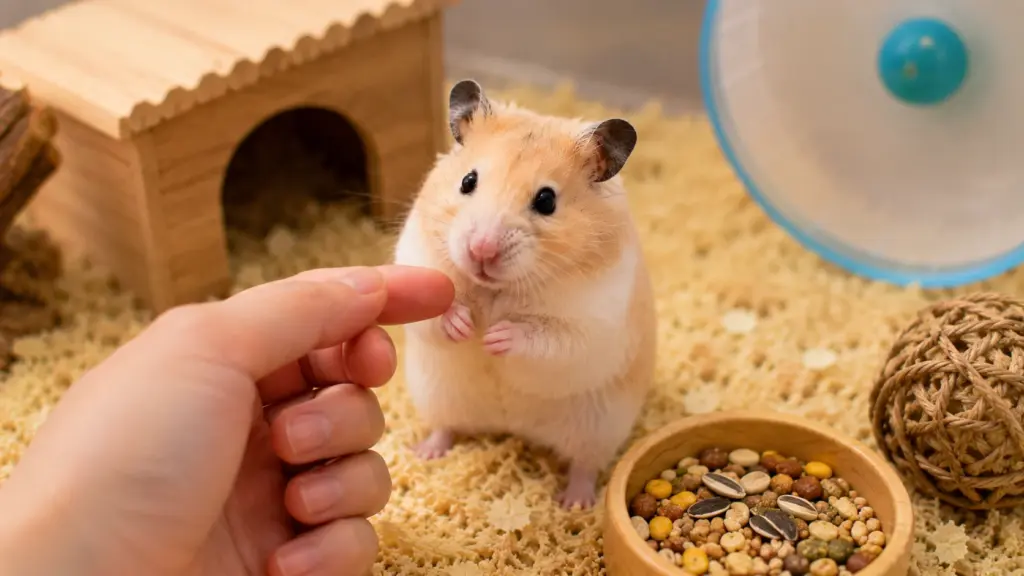
Yes, many hamsters can learn to recognize the sound of their name over time.
Rather than understanding that a specific word is their personal identity, hamsters typically learn through association. If they repeatedly hear a certain word before receiving food, treats, playtime, or attention, they may begin responding to that sound.
For example, if you consistently say “Peanut” before offering a treat, your hamster may eventually associate the sound “Peanut” with something positive.
This is similar to how many animals learn verbal cues.
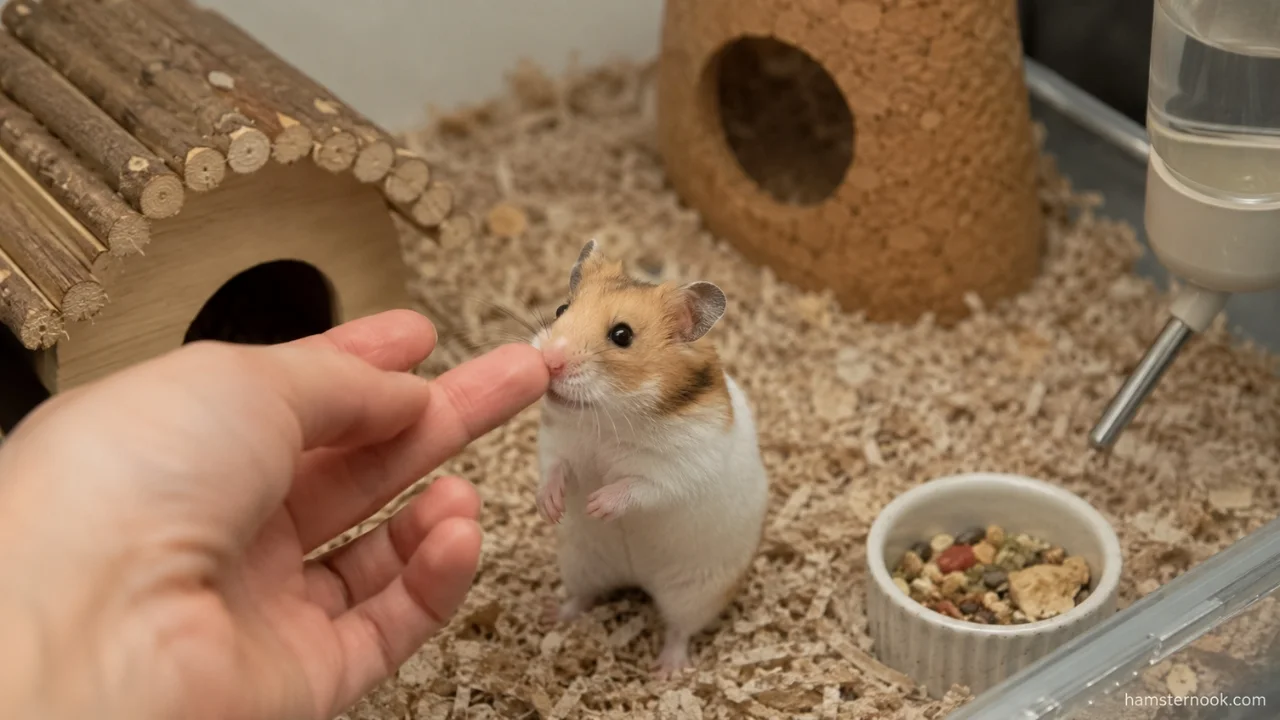
Many owners notice that their hamster starts responding more consistently after a few weeks of hearing the same name during feeding and interaction sessions. In many cases, the hamster may react before seeing the reward, suggesting it has learned to recognize the sound itself.
How Hamsters Learn Name Recognition
Like many small animals, hamsters learn primarily through repetition, routine, and positive associations.
When a hamster hears the same sound repeatedly alongside a rewarding experience, it begins forming an association between the two.
The learning process often looks like this:
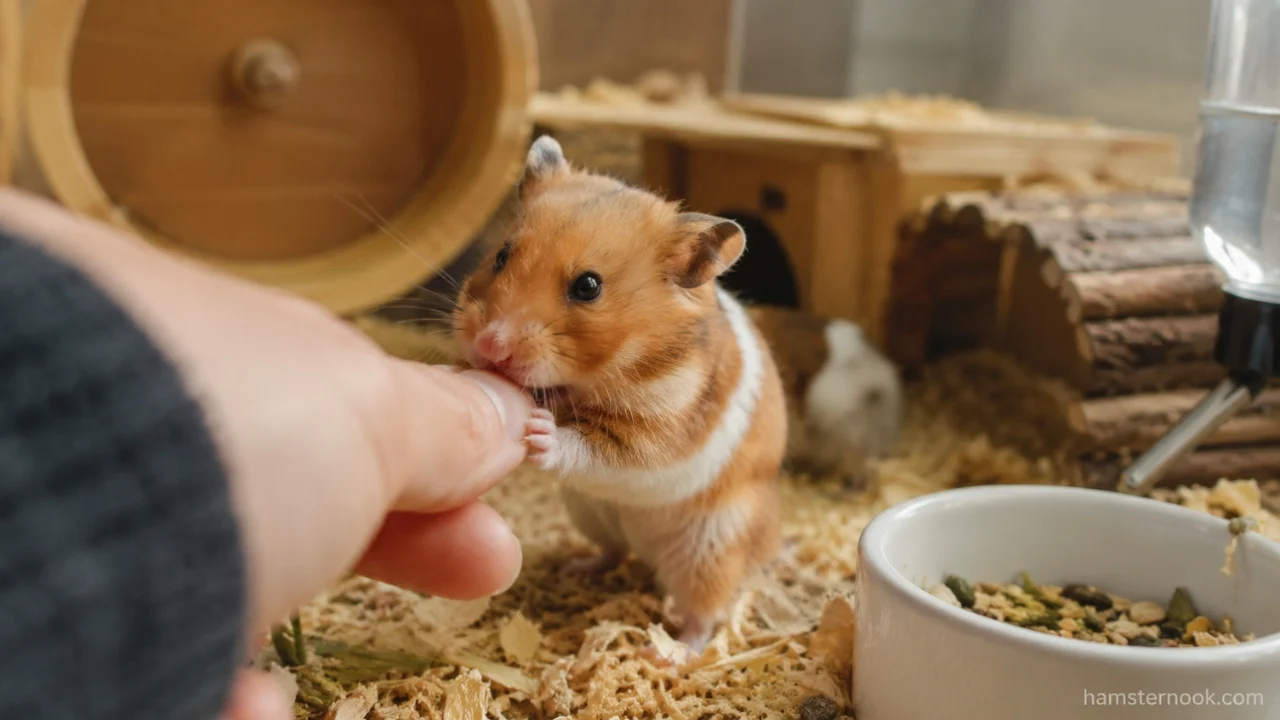
| Owner Action | Hamster’s Experience | Result |
|---|---|---|
| Says hamster’s name | Receives treat | Positive association develops |
| Says hamster’s name | Gets playtime | Name becomes familiar |
| Says hamster’s name | Receives food | Increased attention to the sound |
| Repeats consistently | Learns pattern | More likely to respond |
Over time, many hamsters begin reacting when they hear their name, even before the reward appears.
Do Hamsters Understand Names Like Dogs Do?
Not exactly.
Dogs have been selectively bred for thousands of years to work closely with humans and often learn dozens or even hundreds of words.
Hamsters are very different.
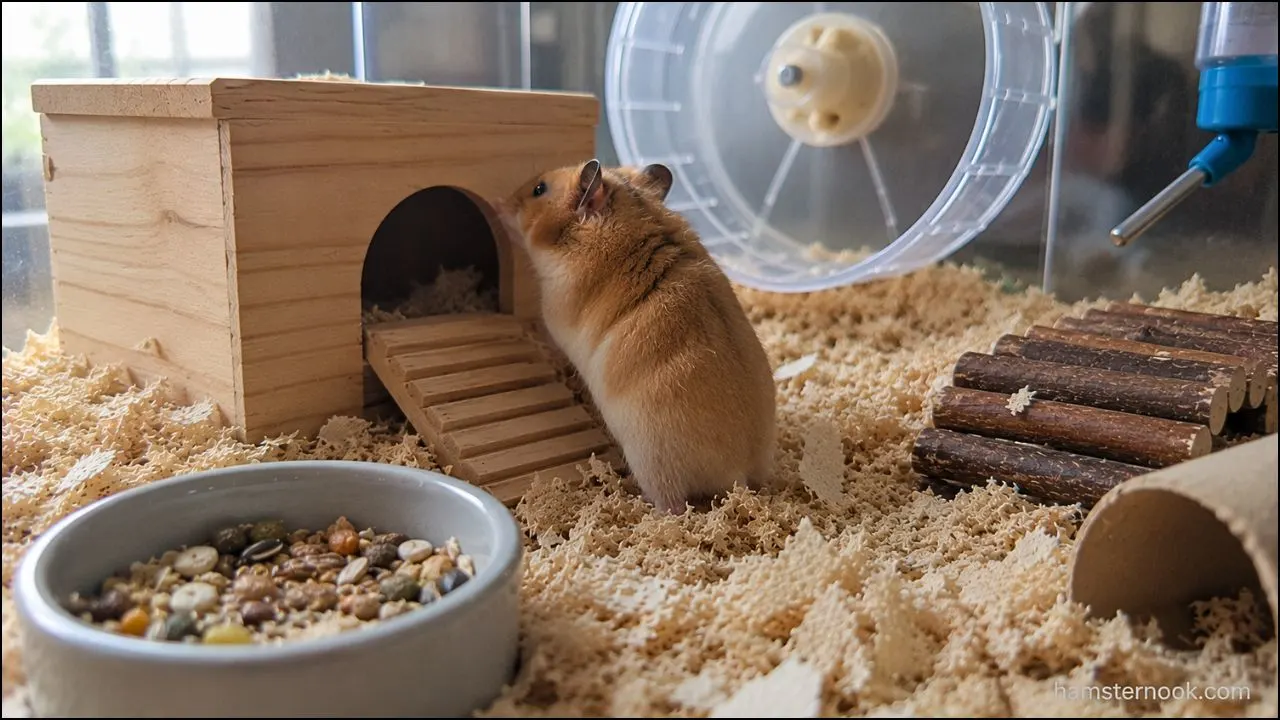
| Trait | Hamsters | Dogs |
|---|---|---|
| Learn Name Recognition | Yes, to some extent | Yes |
| Understand Complex Commands | Limited | Highly capable |
| Social Dependence on Humans | Low | High |
| Training Potential | Moderate | Very high |
| Respond to Verbal Cues | Sometimes | Frequently |
A hamster may recognize a familiar sound but is unlikely to understand language in the same way a dog does.
Signs Your Hamster Recognizes Its Name
It’s important to remember that recognition does not always mean immediate obedience. Some hamsters clearly recognize a sound but choose to continue whatever they are doing, especially if they are busy exploring, eating, or burrowing.
Every hamster has a unique personality, so responses can vary.
Responding to a name is only one way hamsters communicate with their owners. Looking toward you, approaching the front of the enclosure, or pausing to listen often appear alongside other trust-building behaviors. Our Why Does My Hamster Watch Me So Closely? guide explains why many hamsters quietly observe their owners before becoming more confident during daily interactions.
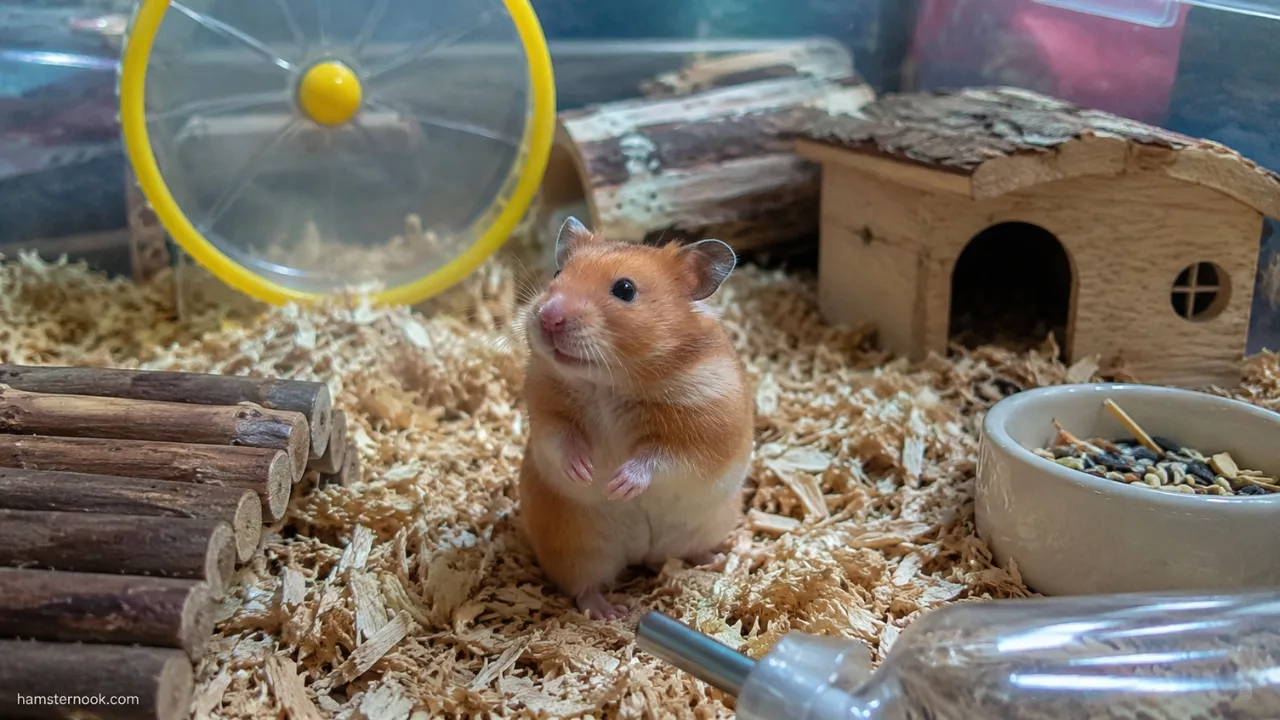
Some common signs include:
- Looking toward you when called
- Approaching the cage front
- Emerging from a hideout
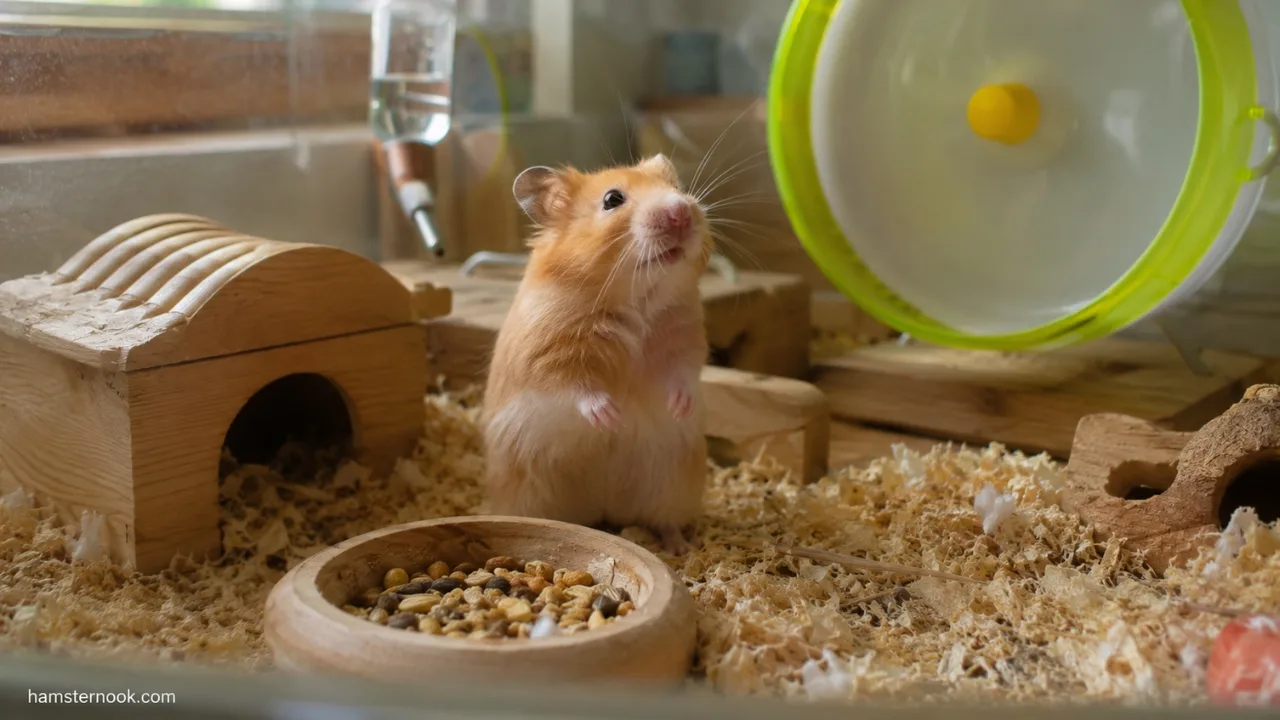
- Standing upright and listening
- Stopping an activity briefly
- Running toward a familiar voice
These behaviors suggest the hamster recognizes a sound it has learned to associate with something important.
Why Some Hamsters Respond Better Than Others
Not every hamster reacts the same way.
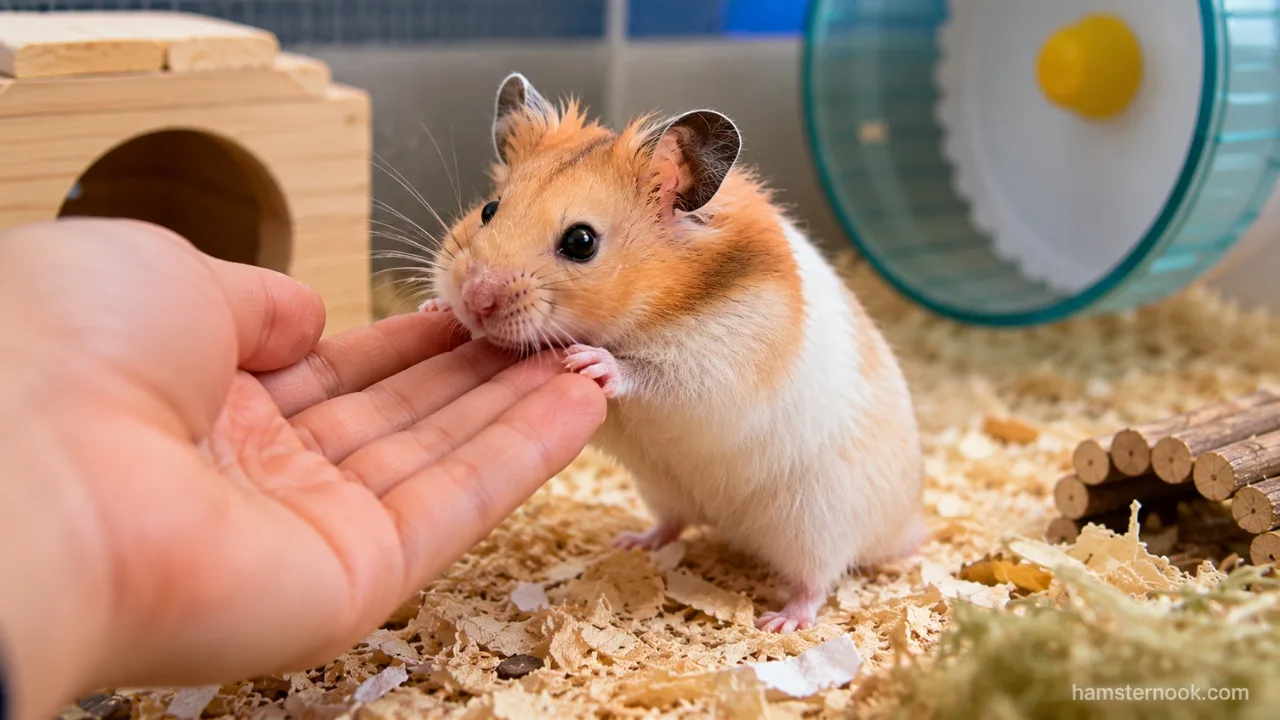
Several factors influence how well a hamster responds to its name.
| Factor | Impact on Name Recognition |
|---|---|
| Age | Younger hamsters may learn faster |
| Personality | Curious hamsters often respond more |
| Consistency | Regular use improves learning |
| Positive Reinforcement | Speeds up association |
| Stress Level | Stressed hamsters may respond less |
| Trust in Owner | Stronger bonds often improve responses |
Some hamsters become highly responsive, while others remain more independent regardless of training.
Choosing appropriate rewards is important. See What Treats Can Hamsters Eat Safely?
Can Hamsters Recognize Their Owner’s Voice?
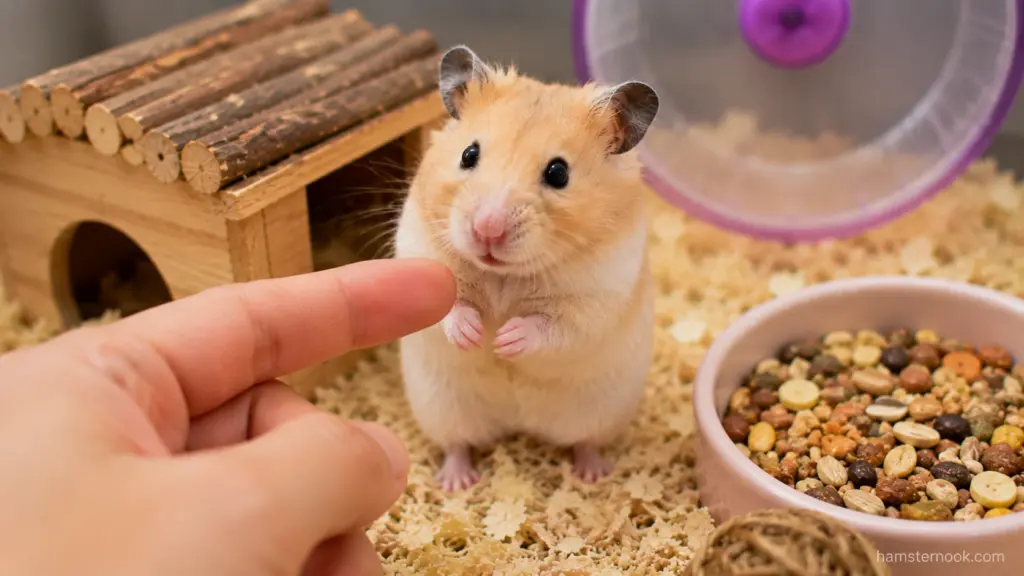
Yes, many hamsters can learn to recognize familiar voices.
Although their sense of smell is usually more important than hearing, hamsters are capable of distinguishing between familiar and unfamiliar sounds.
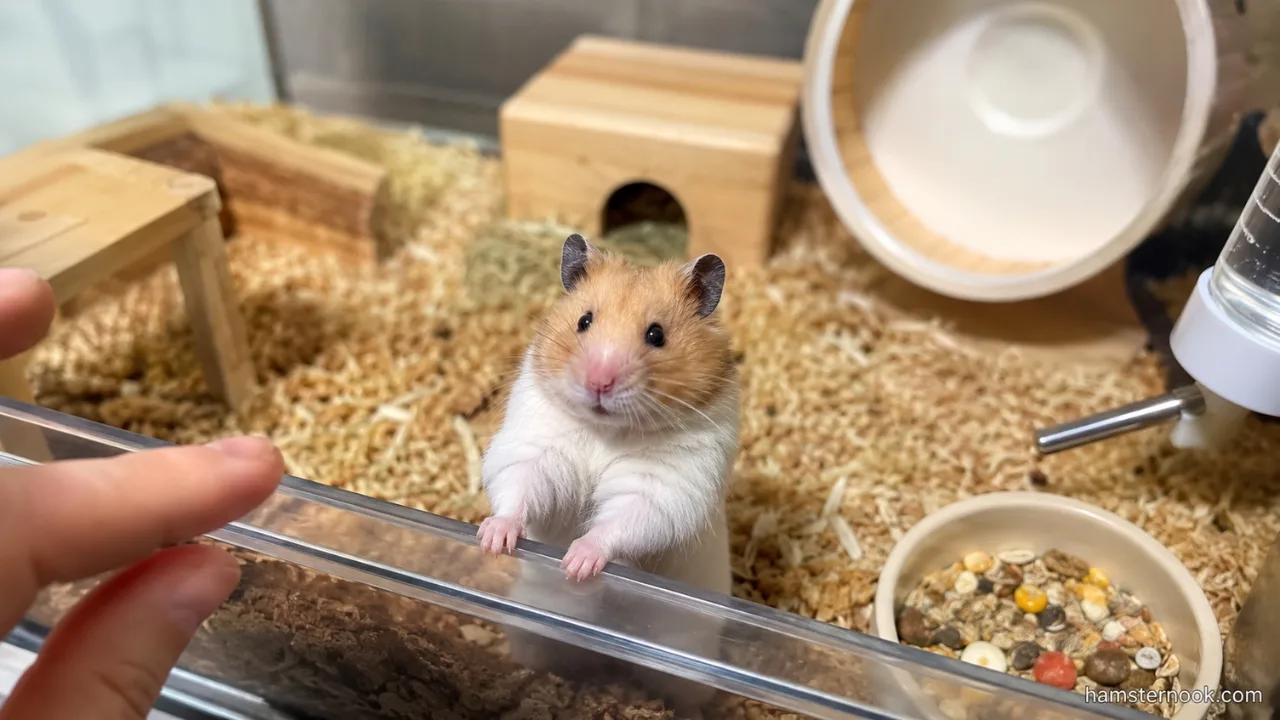
Owners often notice that their hamster reacts differently to their voice compared to a stranger’s voice.
Recognizing a familiar voice is only one part of how hamsters identify the people they trust. Scent usually plays an even bigger role than sound, which is why some hamsters respond to a familiar person before they even hear them. Our Can Hamsters Recognize Their Owners by Smell Alone? guide explains how scent, routine, and repeated positive experiences work together to build owner recognition.
This familiarity develops through daily interactions such as:
- Feeding
- Handling
- Talking near the cage
- Playtime sessions
- Routine care
Over time, your voice can become a signal that something familiar and safe is nearby.

Some hamsters may respond more consistently during their natural active hours in the evening than during the day. Trying short training sessions when your hamster is already awake usually produces better results than waking it up to practice.
Do Hamsters Recognize Their Owners by Smell More Than Sound?
In most cases, yes.
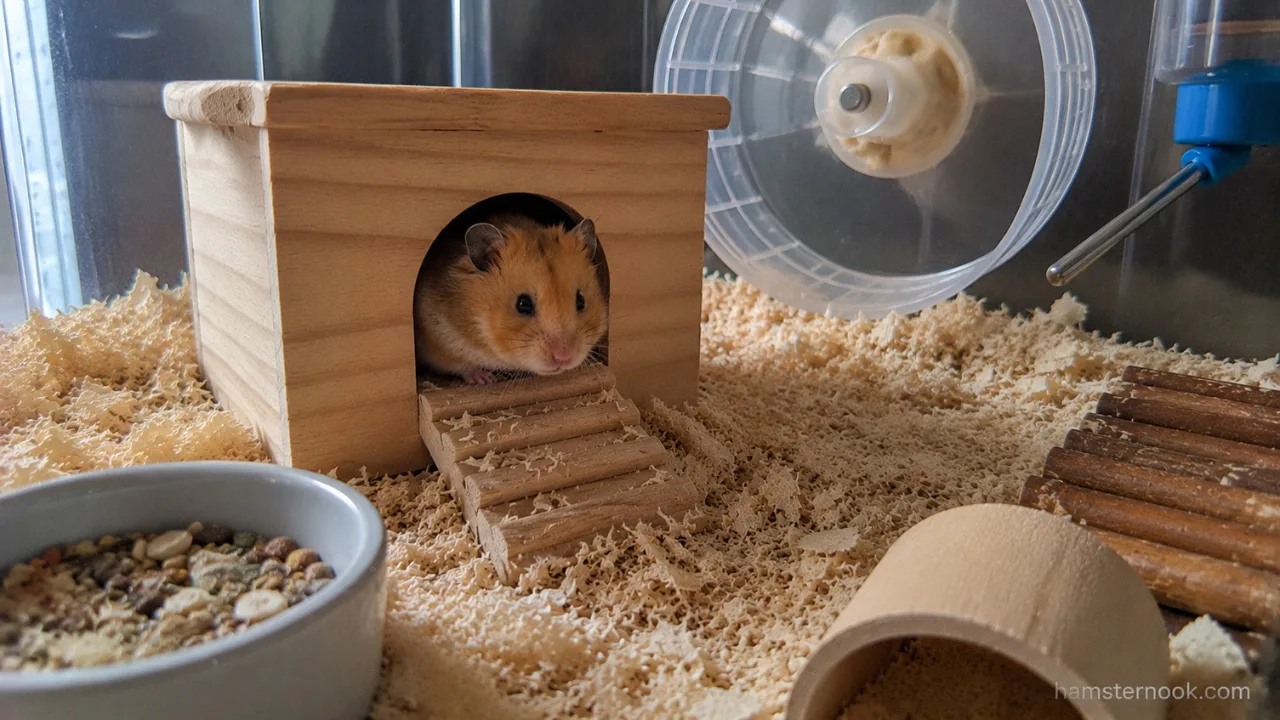
Hamsters depend heavily on scent to understand their environment.
The following table compares how hamsters use different senses.
| Sense | Importance for Hamsters |
|---|---|
| Smell | Very high |
| Hearing | Moderate |
| Touch | Moderate |
| Vision | Relatively limited |
A hamster may identify you through your scent long before it recognizes your voice.
This is one reason many hamsters become comfortable climbing onto a familiar owner’s hand after repeated interactions.
If your hamster hears its name but still keeps its distance, the issue is often trust rather than hearing or intelligence. Many cautious hamsters simply need more positive experiences before they feel confident approaching their owner. Our How to Get a Hamster to Trust You Faster Without Stressing It Out guide explains practical ways to build that confidence gradually.
How to Teach a Hamster Its Name
Teaching a hamster to respond to its name requires patience and consistency.
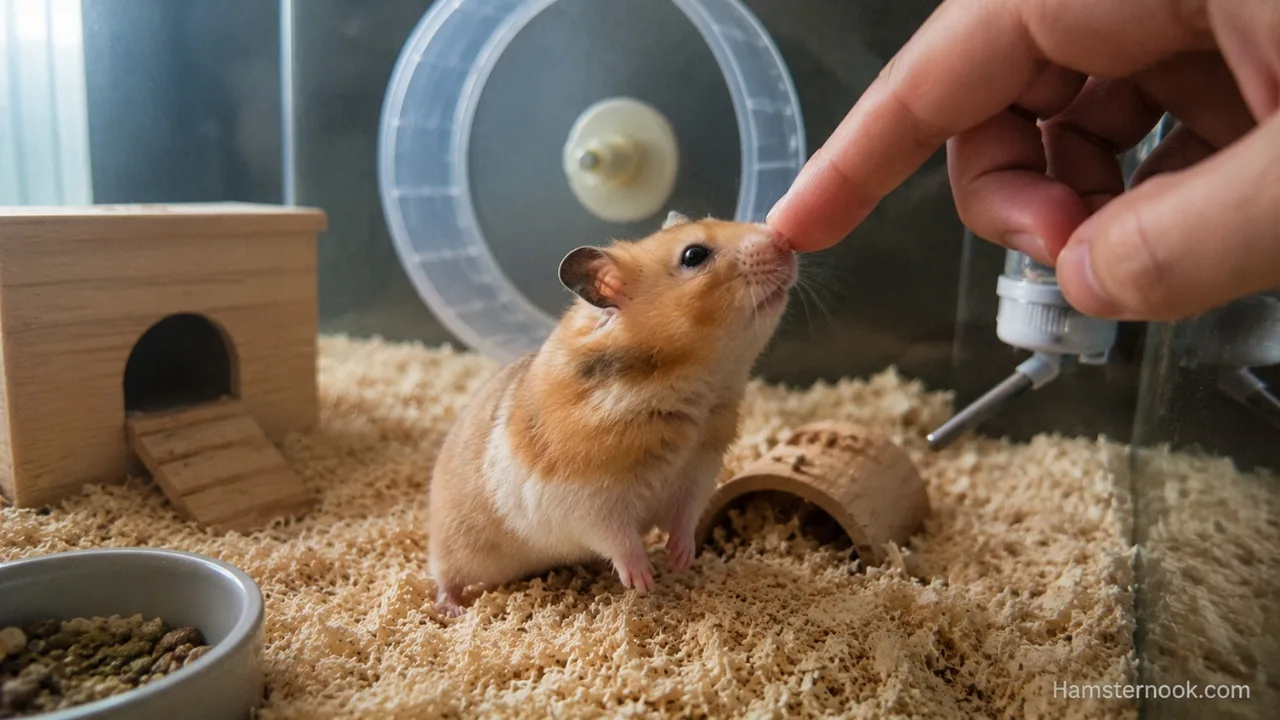
Learning a name is usually just one milestone in the bonding process. As trust grows, many owners notice additional behaviors such as approaching the cage, licking familiar hands, or calmly accepting gentle interaction. Our 10 Signs Your Hamster Trusts You guide explains the behaviors that commonly appear as a hamster becomes more comfortable with its owner.
Step 1: Choose One Name
Avoid frequently changing your hamster’s name.
Using the same word consistently helps create stronger associations.
Step 2: Use the Name Before Rewards
Avoid saying your hamster’s name repeatedly to get its attention if it is sleeping or hiding. Calling the name mainly during positive interactions helps build a stronger and more reliable association.
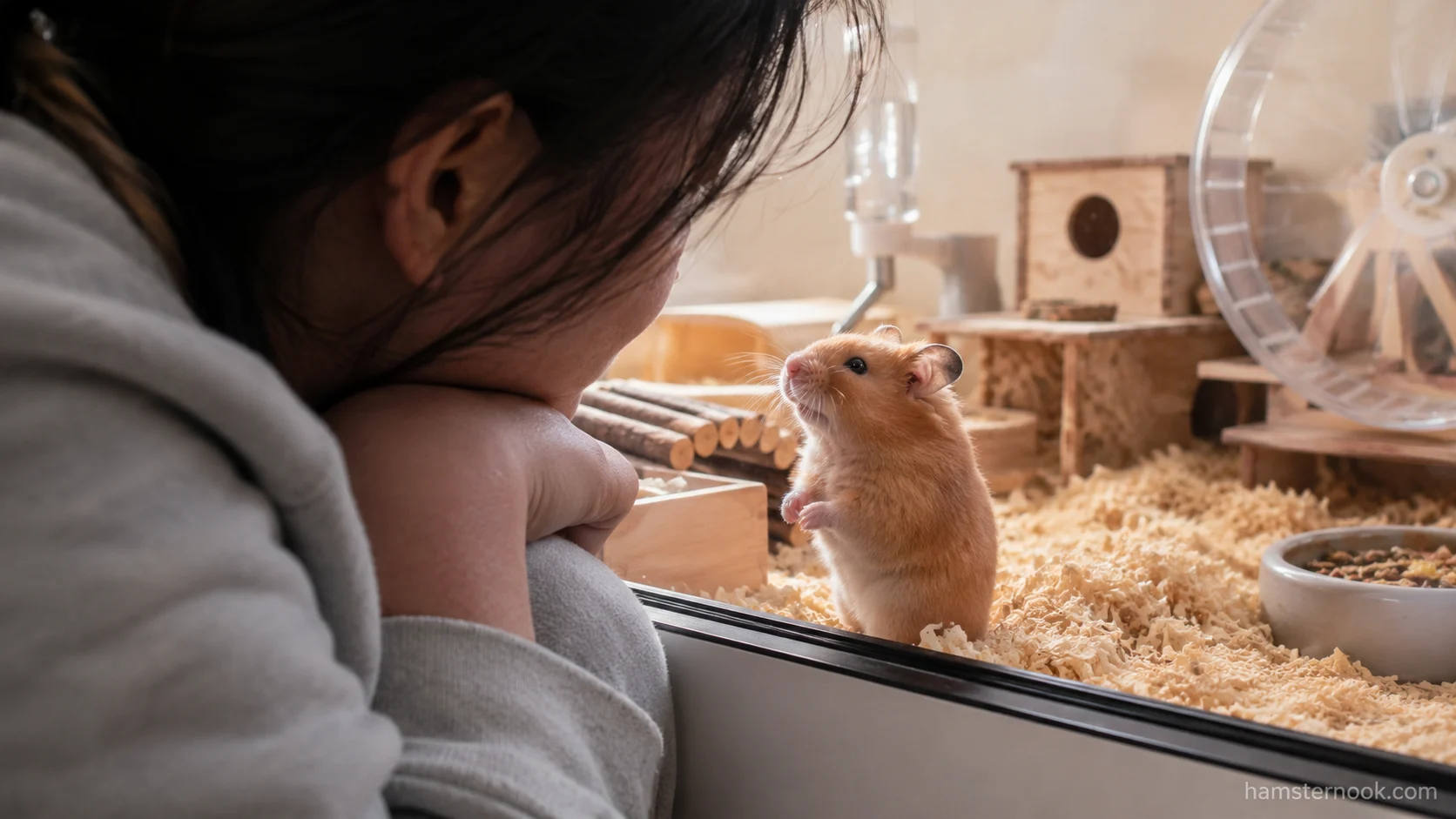
Say the name clearly before offering:
- Treats
- Food
- Playtime
- Gentle interaction
This helps the hamster connect the sound with positive experiences.
Step 3: Keep Sessions Short
Hamsters learn best through brief, repeated interactions.
A few minutes each day is often more effective than a long training session.
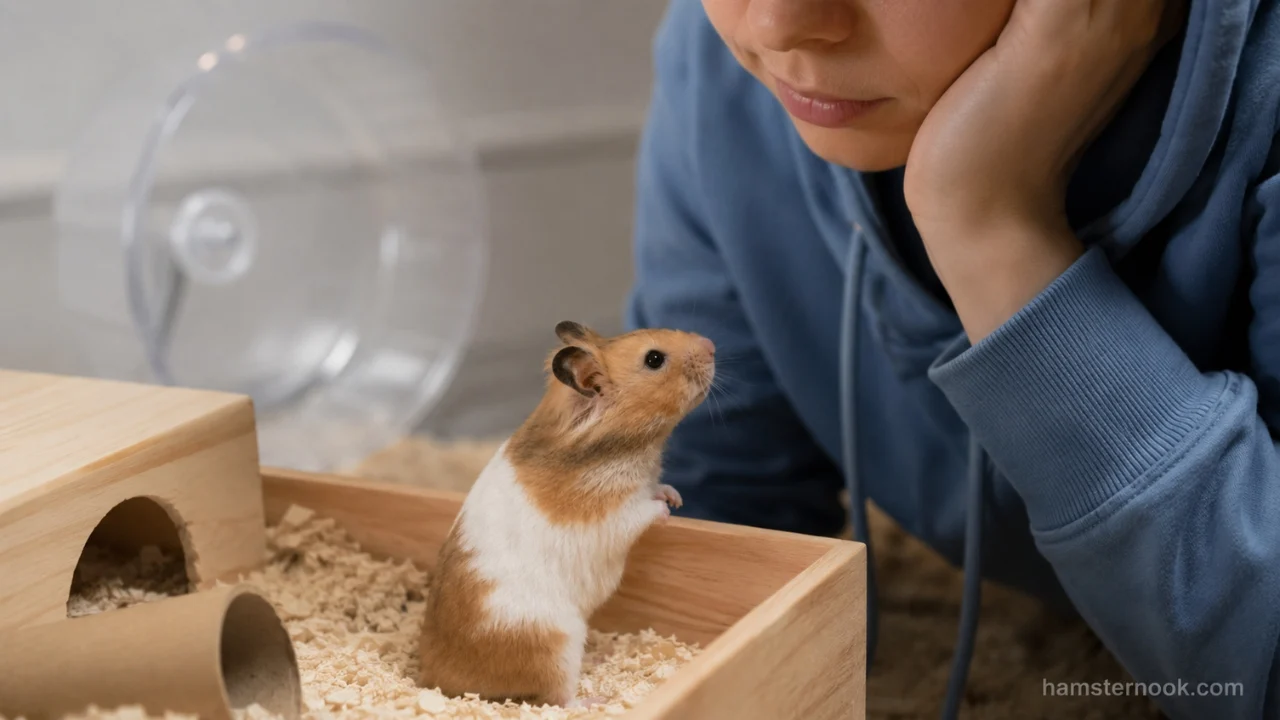
Always end each session on a positive note, even if your hamster shows only a small response. Consistent, stress-free repetition usually produces better long-term results than trying to rush the learning process.
Step 4: Stay Consistent
Consistency is one of the biggest factors in successful learning.
If multiple family members use different names or nicknames constantly, learning may take longer.
How Long Should You Practice Each Day?
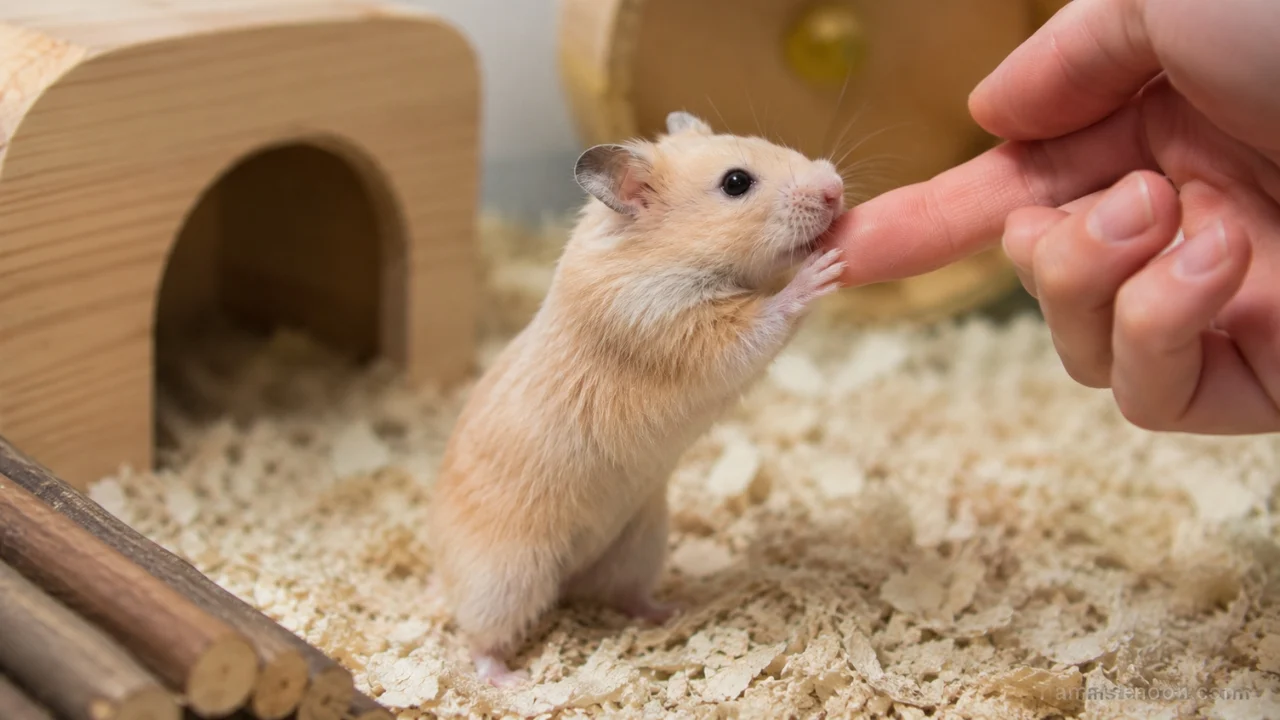
Most hamsters learn best through short, stress-free sessions rather than long training periods. Spending just 3–5 minutes a day repeating your hamster’s name before offering a treat or gentle interaction is usually more effective than trying to train for extended periods. Consistency matters far more than the length of each session.
Common Mistakes When Teaching Name Recognition
Some owners unintentionally make training harder.
| Mistake | Why It Can Slow Learning |
|---|---|
| Frequently changing names | Creates confusion |
| Using the name only during stressful events | Weakens positive association |
| Expecting instant results | Learning takes time |
| Inconsistent usage | Prevents pattern recognition |
| Overtraining | Can cause stress |
Most successful hamster training happens gradually. Consistency over several weeks is usually far more effective than trying to rush results.
Does Name Length Matter?
Shorter names are often easier for hamsters to recognize.
Names with one or two syllables tend to be clearer and more consistent.

Examples include:
- Max
- Luna
- Peanut
- Coco
- Milo
Long names are not harmful, but shorter sounds may be easier to repeat consistently during training.
Can Hamsters Forget Their Name?
If you stop using your hamster’s name for a long period, it may respond less consistently because the sound is no longer reinforced. Regularly using the same name during feeding and interaction helps keep the association strong throughout your hamster’s life.
Can Older Hamsters Learn Their Names?
Yes.

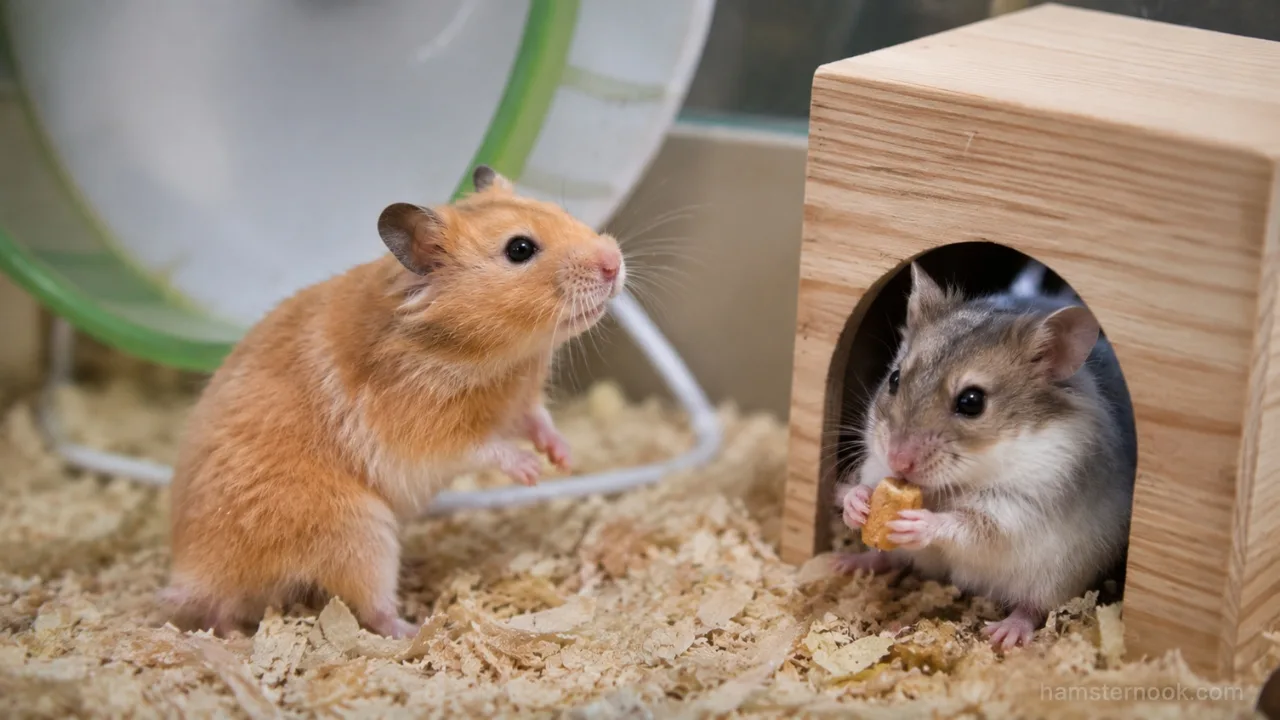
While younger hamsters may sometimes learn associations faster, older hamsters can still recognize and respond to repeated sounds.
Hamsters continue learning throughout their lives.
Mental stimulation becomes even more important as hamsters age. Read Daily Hamster Care Checklist for simple ways to keep older hamsters engaged and healthy.
The key factors remain:
- Repetition
- Consistency
- Positive reinforcement
Age alone does not prevent learning.
Is Your Hamster Responding to Its Name or Just Food?
This is one of the most common questions owners ask.
Sometimes the answer is both.
If a hamster repeatedly hears its name before receiving food, it may respond because it expects a reward.
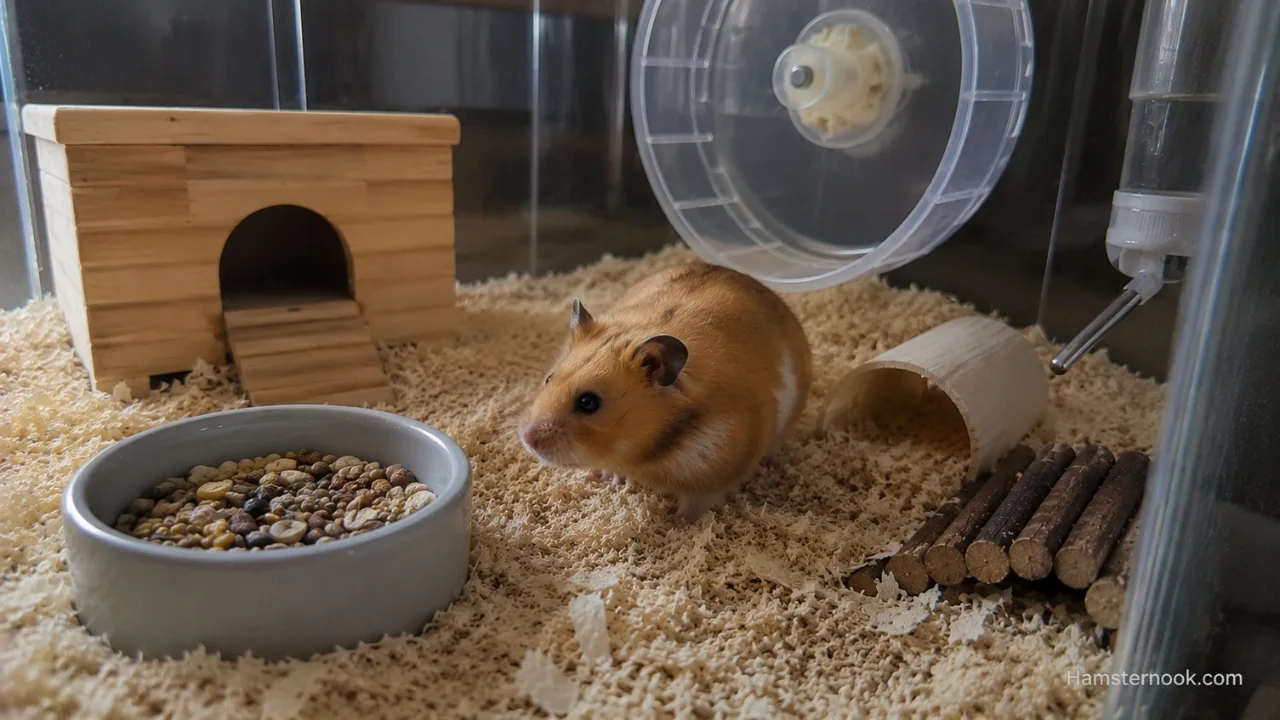
However, that still demonstrates learning. The hamster has successfully associated the sound with a predictable outcome.
This type of learning is not unique to hamsters and can be seen in many other animals as well.
What Science Tells Us About Animal Name Recognition
Research on small rodents suggests that many species can learn sound associations and recognize repeated auditory cues.
However, there is limited scientific research specifically focused on pet hamsters recognizing their names.
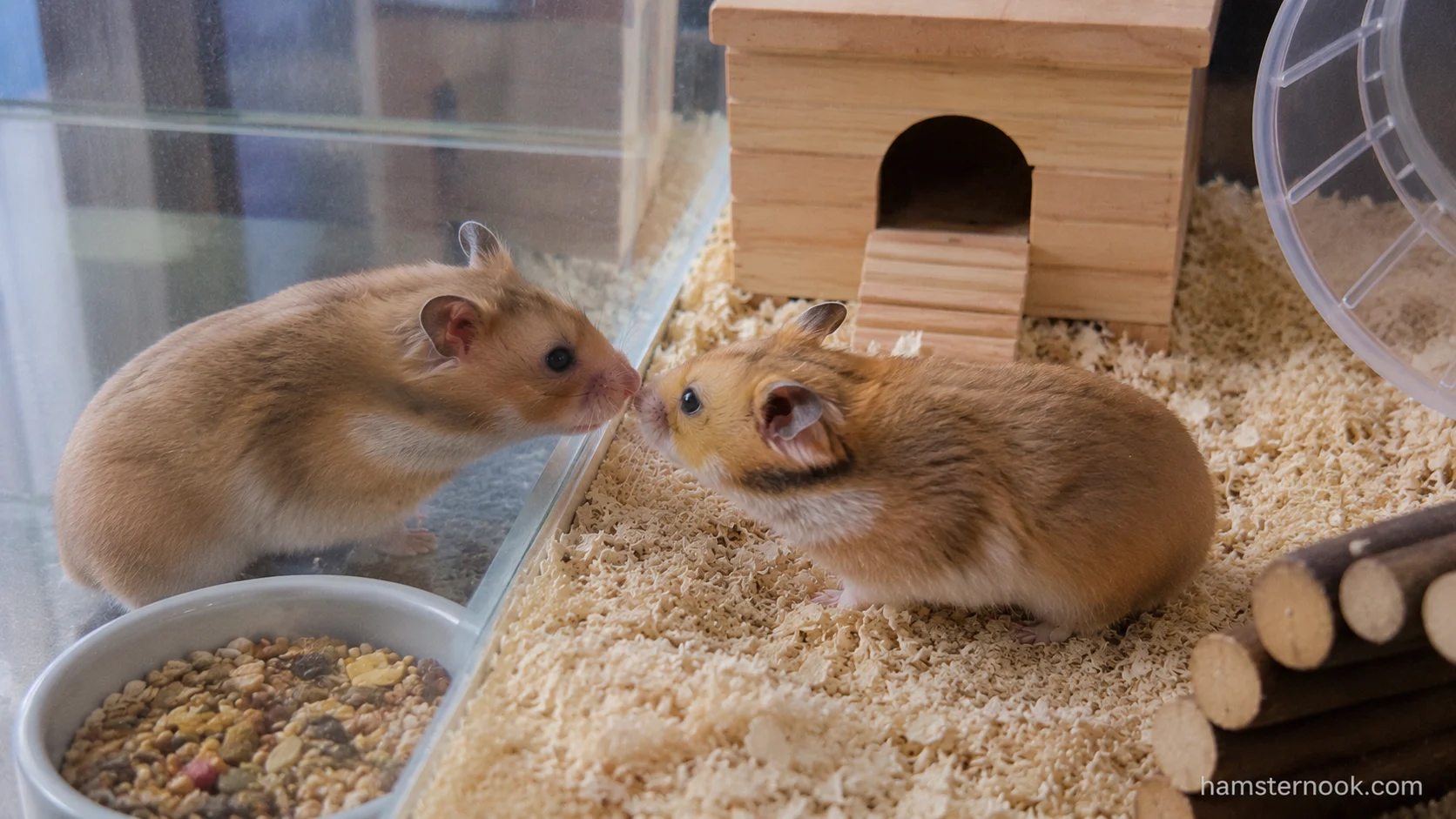
What we do know is that hamsters are capable of:
- Learning routines
- Forming associations
- Recognizing familiar environments
- Identifying familiar people
- Responding to repeated sounds
These abilities make name recognition entirely possible, even if it differs from how larger companion animals process language.
Owners who consistently use the same name often notice subtle responses first, such as ear movement, pausing an activity, or briefly looking toward the sound. These small reactions are usually the earliest signs that a hamster is beginning to recognize a familiar cue.
Final Thoughts
Hamsters may not understand names the way humans do, but many can learn to recognize the sound of their name through repetition and positive experiences. When a hamster consistently hears a particular word before food, treats, or interaction, it often begins responding to that sound over time.
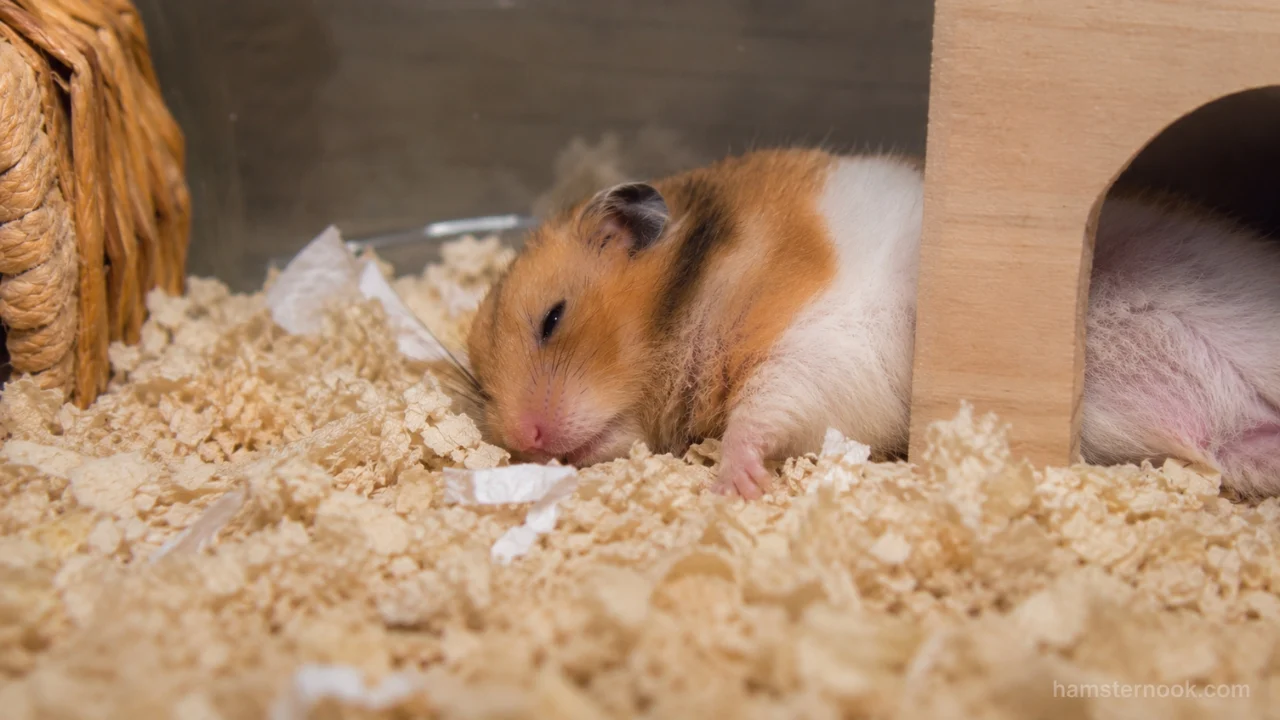
The key is consistency. Repeating the same name during positive daily interactions helps your hamster build a reliable association over time. Patience and routine are usually far more effective than expecting quick results.
Whether your hamster eagerly runs toward you or simply pauses to listen, those small responses are often signs that it has learned to recognize something important: your voice and the sound you’ve chosen to call it.
References
This guide is based on hamster health, welfare, and veterinary care guidance from trusted animal care organizations and veterinary resources, including:
Frequently Asked Questions
How long does it take a hamster to learn its name?
Many hamsters begin showing recognition within a few weeks of consistent repetition, although individual results vary.
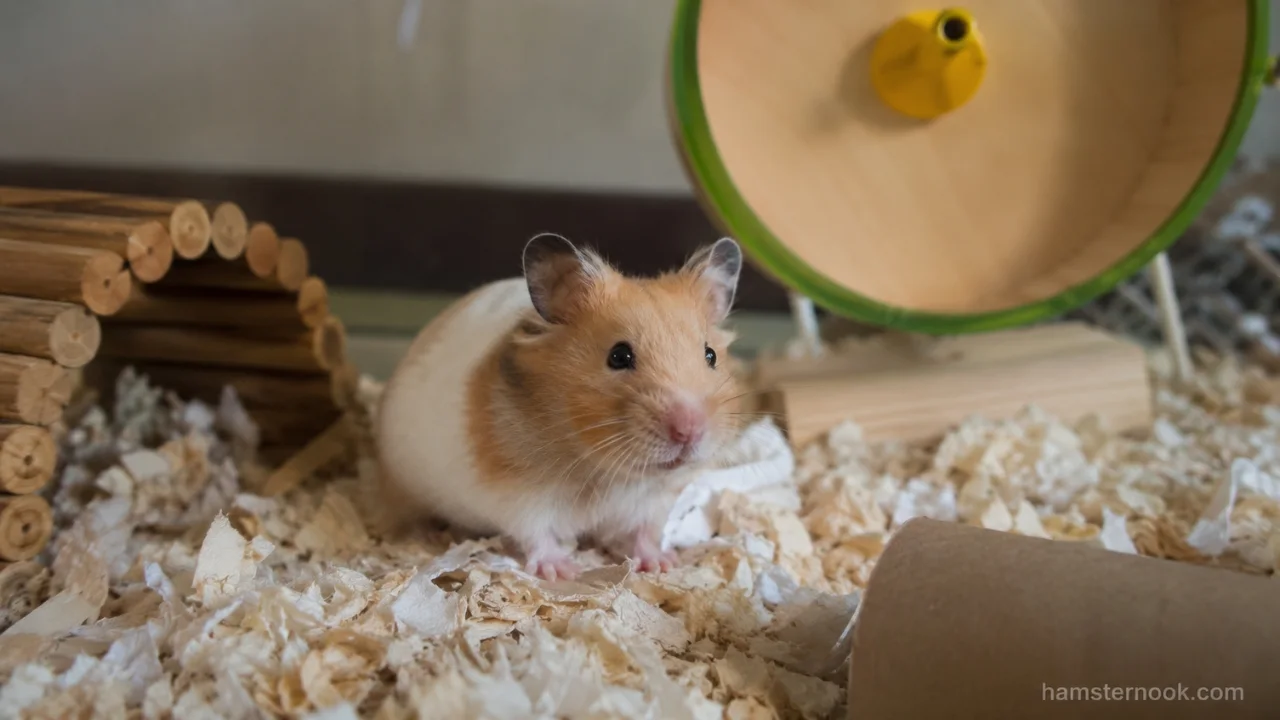
Can a hamster recognize multiple names?
Hamsters can learn multiple sound associations, but using one primary name usually produces clearer results.
Why doesn’t my hamster respond when I call it?
Your hamster may be sleeping, distracted, stressed, or simply not have formed a strong association with the name yet.
Do dwarf hamsters recognize their names?
Yes. Dwarf hamsters can learn name associations just like Syrian hamsters.
Can hamsters recognize nicknames?
If a nickname is used consistently, a hamster may learn to associate that sound with positive experiences.
Is responding to a name a sign of intelligence?
It demonstrates learning and sound association abilities, which are forms of animal intelligence, although hamsters process information differently than highly trainable pets such as dogs.
Can hamsters learn their name faster with treats?
Yes. Pairing a hamster’s name with healthy treats or positive interactions is one of the fastest ways to build sound recognition and encourage consistent responses.

Narayan Kumar is the founder and author of HamsterNook. He creates practical, research-based hamster care guides covering hamster behavior, nutrition, cage setup, enrichment, health, and everyday care. His goal is to help hamster owners make informed decisions and provide safer, healthier lives for their pets through clear, beginner-friendly information based on trusted animal care resources.