Most hamster owners know that hamsters have relatively short lifespans, but it can still be surprising to hear that one hamster lived for almost four years while another passed away before its second birthday. It’s natural to wonder whether longer lifespans come down to better care, genetics, or simply individual differences.
The truth is that lifespan varies for many reasons. Genetics play an important role, but everyday factors like species, diet, housing, stress, exercise, and healthcare can also influence how healthy a hamster remains throughout its life. While no owner can guarantee a four-year lifespan, understanding these factors can help your hamster enjoy the healthiest life possible.
Quick Answer
Some hamsters live close to four years because they have favorable genetics, receive excellent long-term care, eat a balanced diet, experience low stress, stay physically active, and avoid serious illnesses. Others may naturally have shorter lifespans due to inherited conditions, disease, poor husbandry, or simply individual biological differences.
Rather than focusing on a specific lifespan, focus on giving your hamster the best quality of life every day.
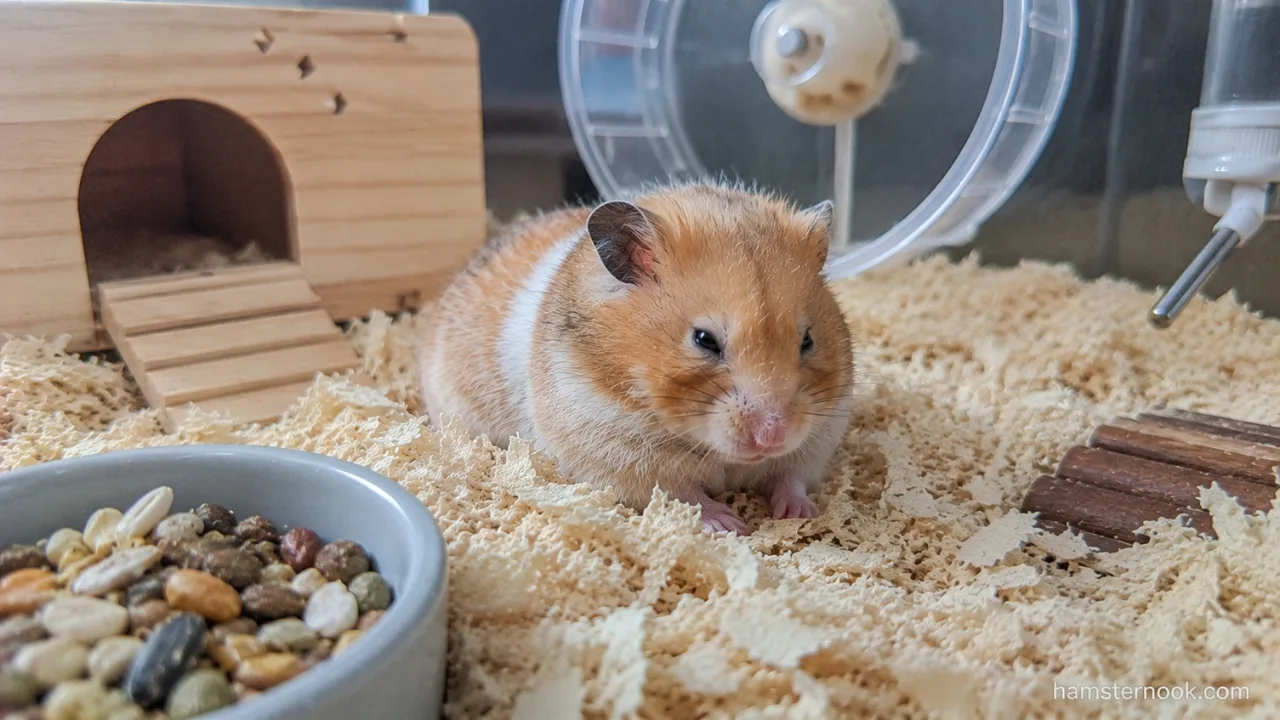
If you’re caring for your first hamster, Ultimate Hamster Care Guide for Beginners (2026) explains the daily habits that help support long-term health from the very beginning.
What Is the Typical Lifespan of a Hamster?
Although stories occasionally mention hamsters living four years or longer, these cases are considered uncommon rather than typical.
Different hamster species naturally have different average lifespans.
| Hamster Species | Typical Lifespan |
|---|---|
| Syrian Hamster | Around 2–3 years |
| Campbell’s Dwarf Hamster | Around 1.5–2.5 years |
| Winter White Dwarf Hamster | Around 1.5–2.5 years |
| Roborovski Hamster | Around 2–3 years |
| Chinese Hamster | Around 2–3 years |
Some individuals may exceed these ranges, while others may unfortunately live shorter lives despite receiving excellent care.
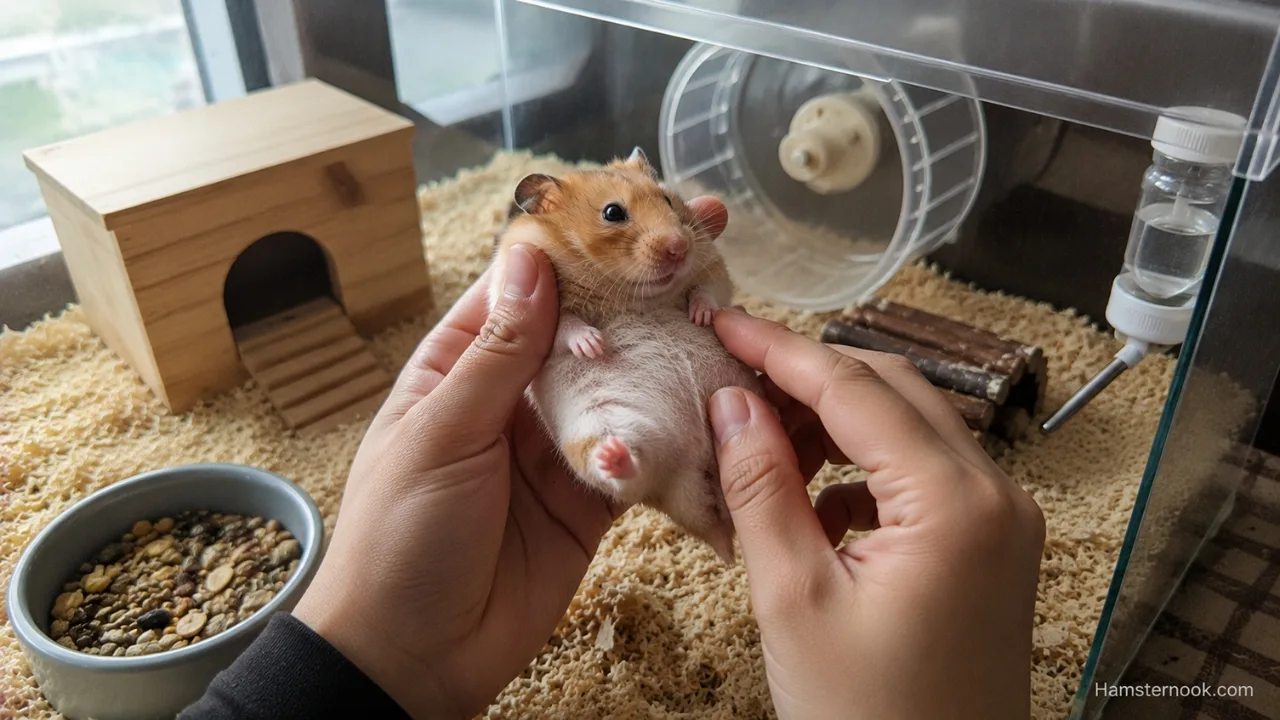
Because every hamster is unique, lifespan should never be judged by age alone.
Can Hamsters Really Live for Four Years?
Yes—but it’s relatively rare.
Owners occasionally report hamsters reaching four years of age, particularly Syrian hamsters kept in excellent conditions. Excellent care gives a hamster the best chance of living a long, healthy life, but it cannot guarantee an unusually long lifespan.
Just as people age differently, hamsters also age differently.
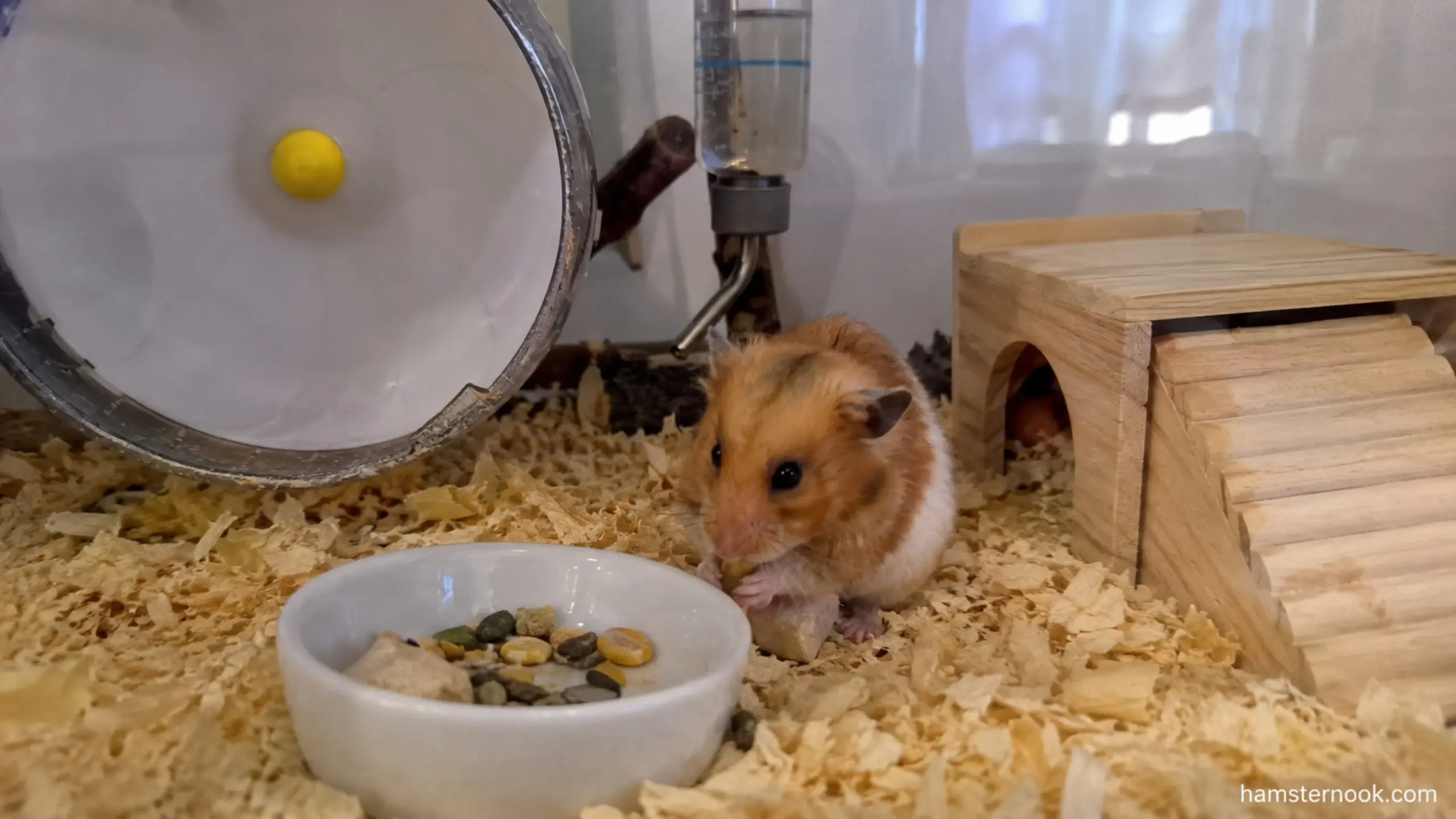
If you want a broader look at normal hamster life expectancy by species and the factors that influence it, our How Long Do Hamsters Live? Lifespan by Breed & What Affects It guide covers the topic in more detail.
Two hamsters receiving nearly identical care may still have very different lifespans because genetics influence:
- Resistance to disease
- Overall physical development
- Immune function
- Age-related changes
Rather than asking, “How can I make my hamster live four years?”, a better question is:
“How can I help my hamster stay healthy for as long as possible?”
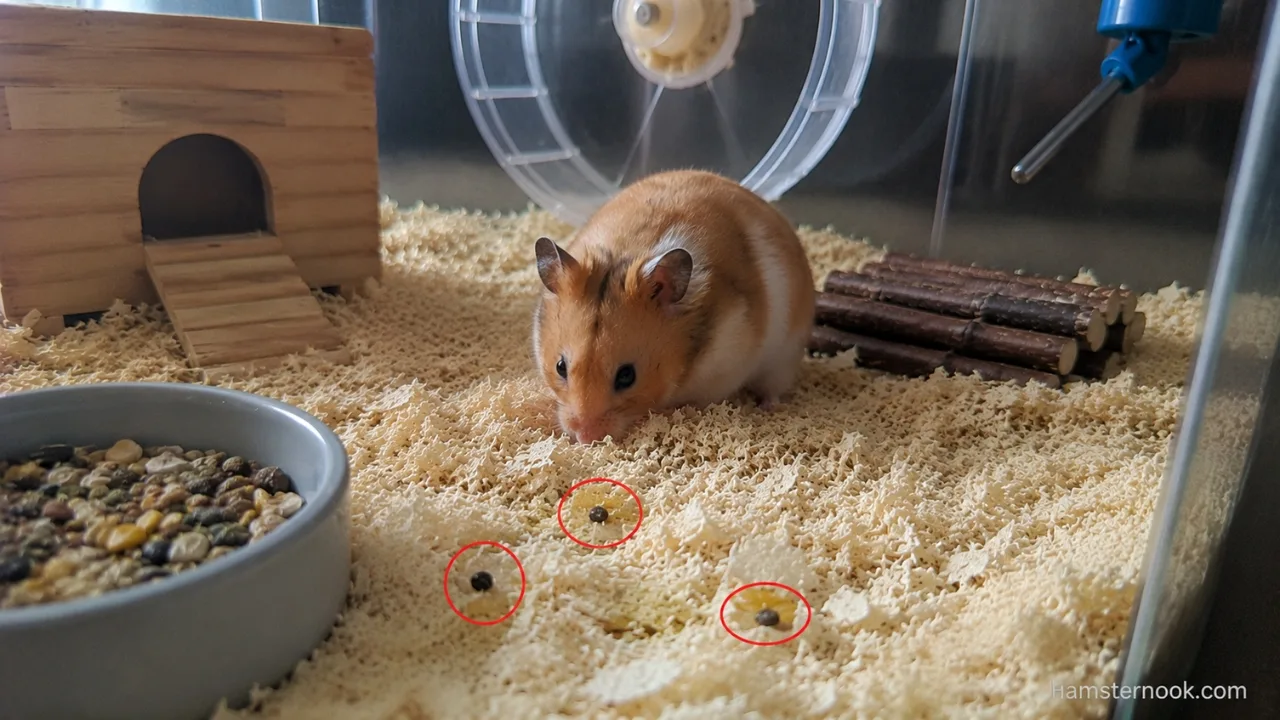
Focusing on lifelong health is far more realistic than aiming for a specific age.
1. Genetics Plays a Bigger Role Than Most Owners Realize
One of the biggest factors affecting lifespan is something owners cannot control.
Genetics influence how well a hamster’s body develops, how resilient it is to disease, and how it ages over time.
Even two siblings from the same litter may not have identical health throughout their lives.
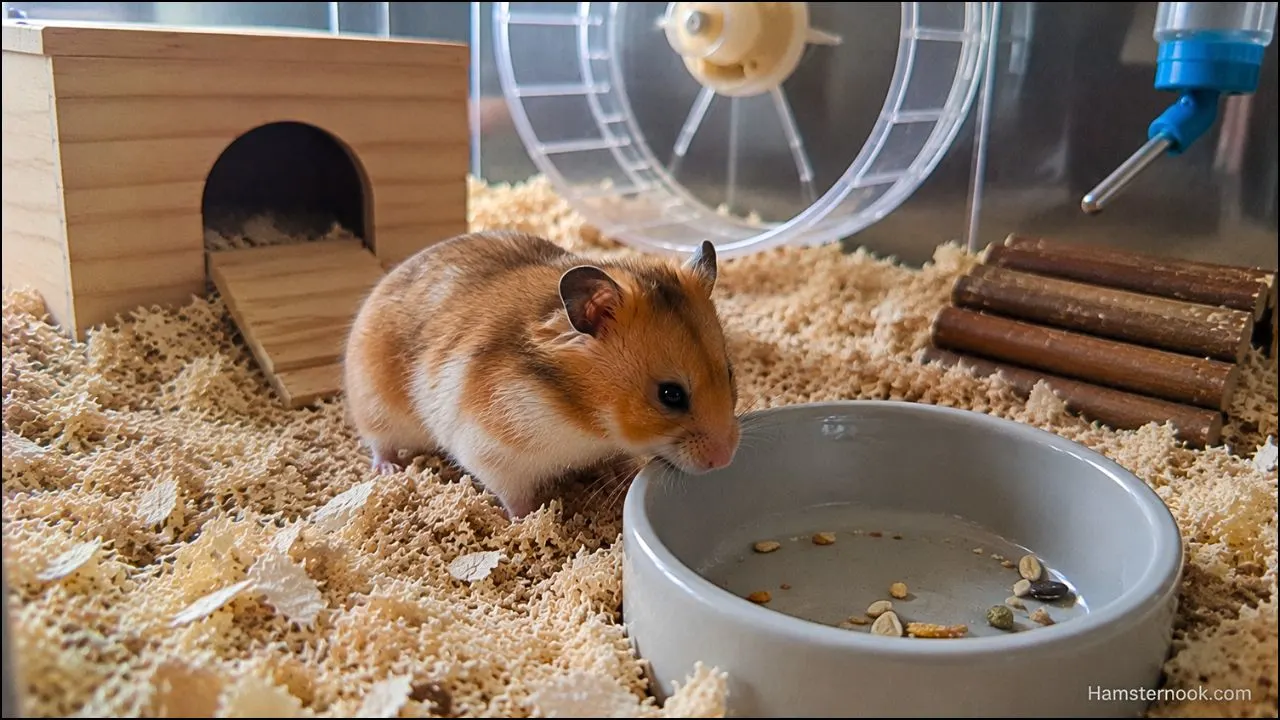
Some hamsters naturally have:
- A stronger immune system
- Better resistance to certain illnesses
- Fewer inherited health problems
Others may be born with genetic tendencies that increase the risk of certain medical conditions later in life.
Because genetics cannot be changed, it’s important not to blame yourself if a hamster develops age-related problems despite receiving excellent care.
2. Species Makes a Difference
Not every hamster species shares the same life expectancy.
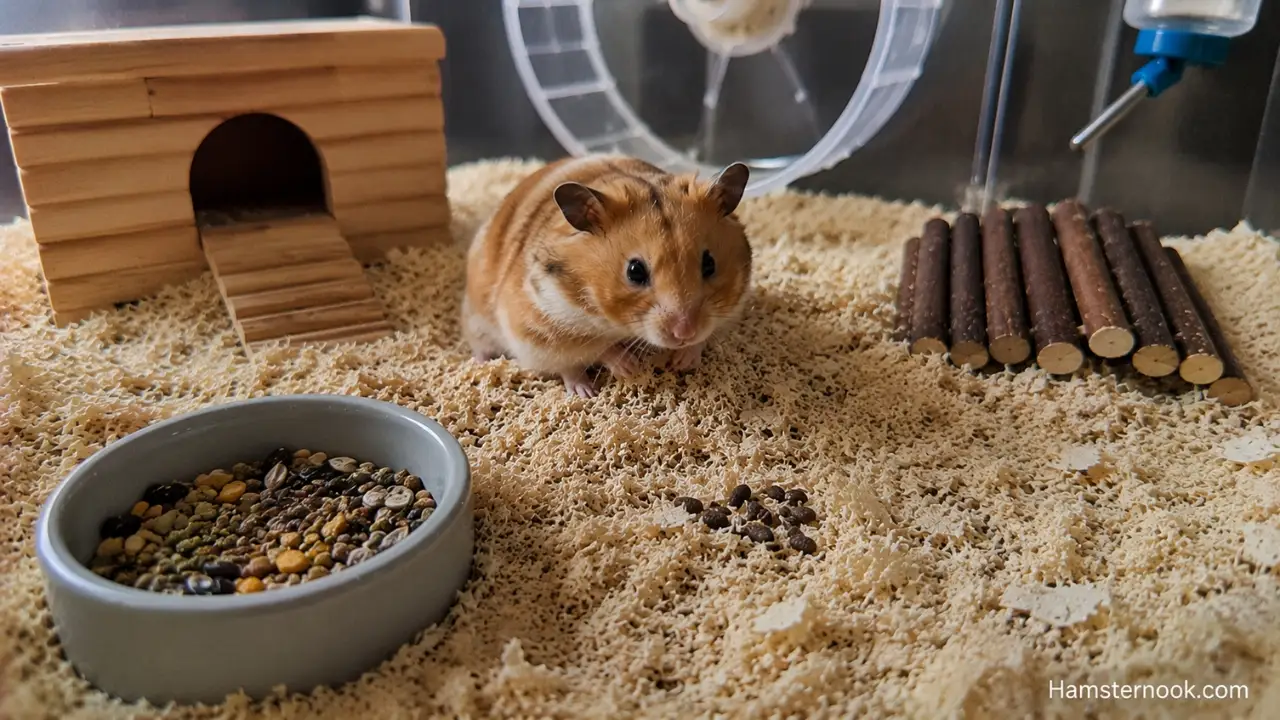
For example, Syrian hamsters often have slightly longer average lifespans than some dwarf species, although there is considerable individual variation.
This means comparing your hamster to another owner’s pet isn’t always helpful.
When discussing lifespan, always consider:
- Species
- Individual health
- Genetics
- Living conditions
instead of focusing only on age.

If you’re still deciding which hamster is right for your home, Which Hamster Breed Is Best for Beginners? explains the differences between the most common pet hamster species.
3. Daily Diet Can Influence Long-Term Health
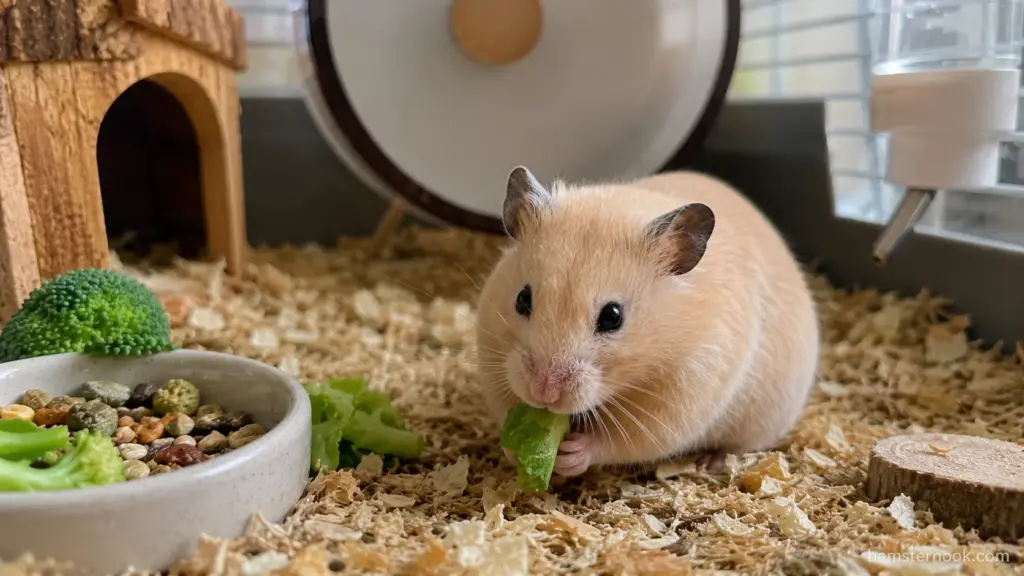
While food cannot guarantee a longer life, a balanced diet supports many of the body systems that contribute to healthy aging.
A healthy hamster diet generally includes:
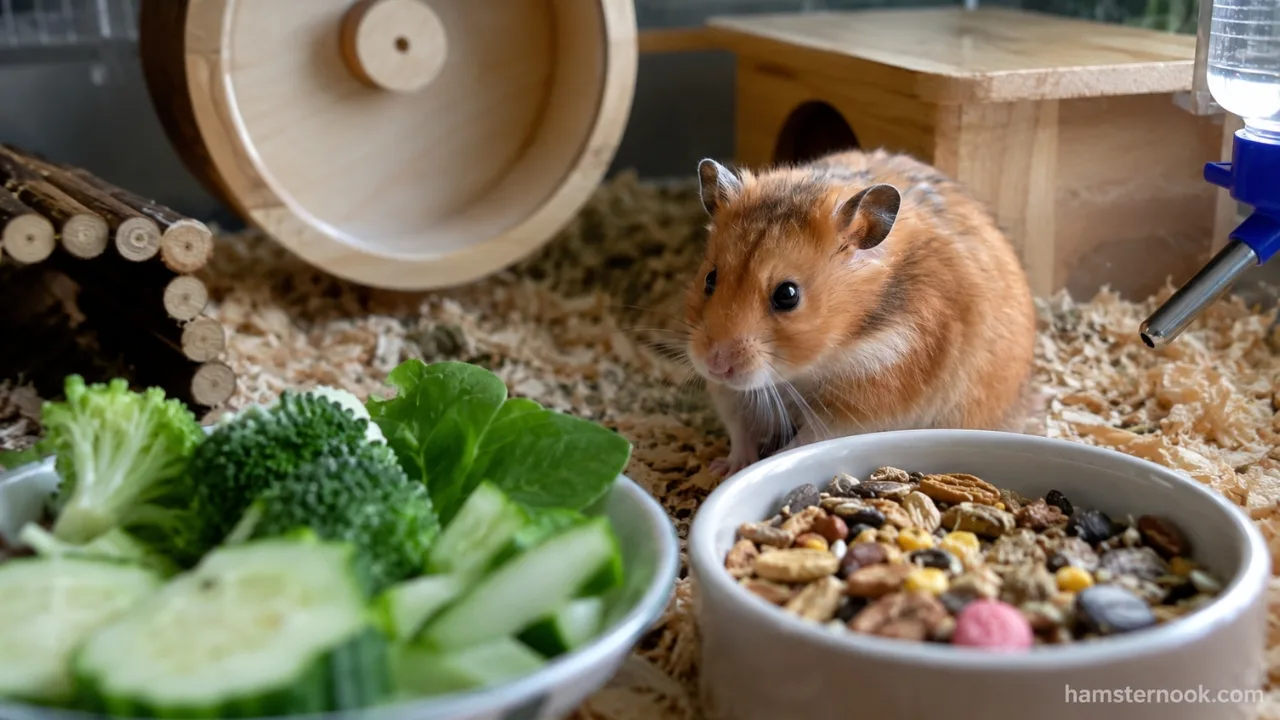
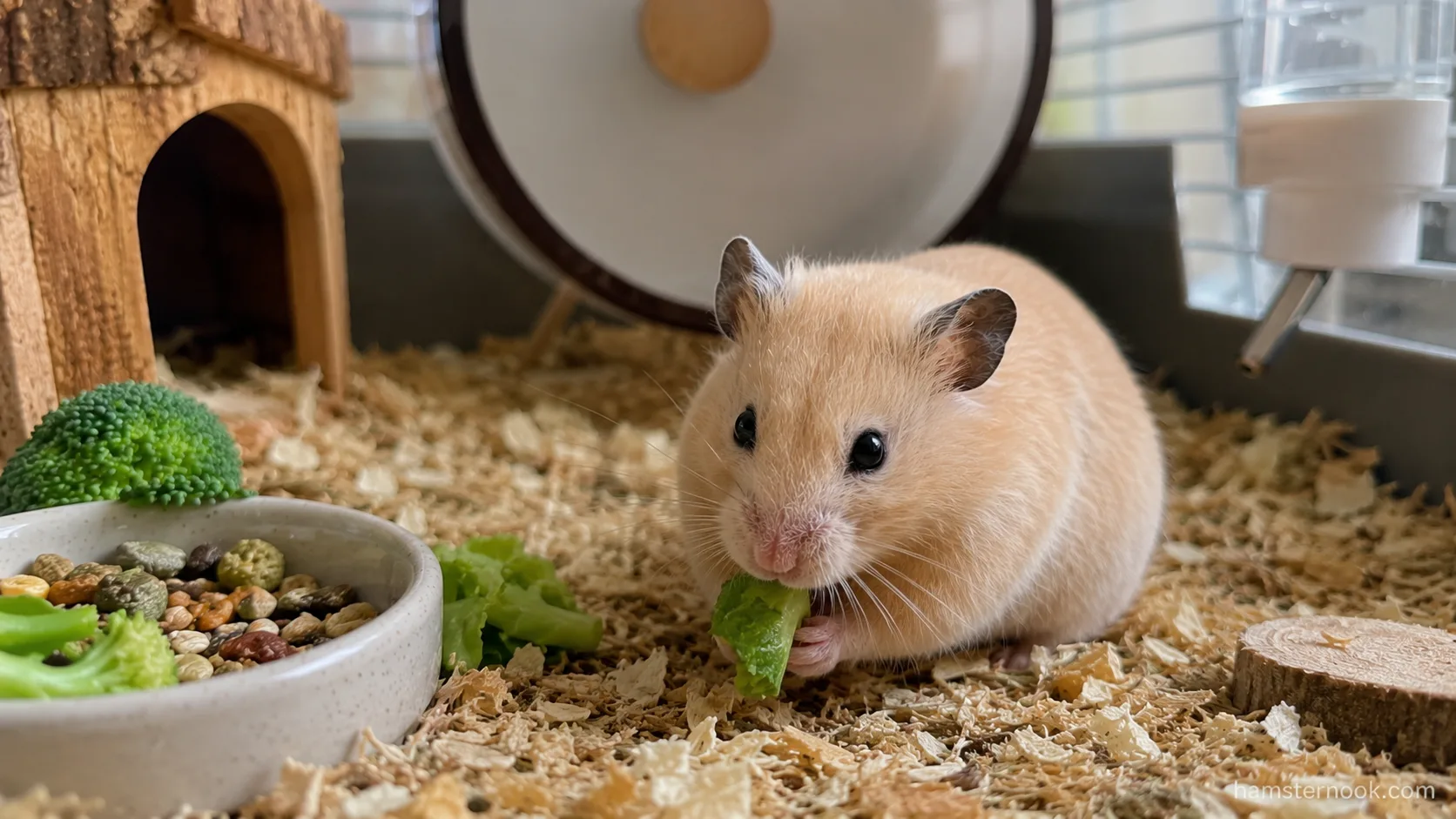
- A quality commercial hamster food
- Appropriate fresh vegetables
- Safe occasional treats
- Constant access to fresh water
Overfeeding sugary treats or high-fat snacks may contribute to obesity and other health concerns over time.
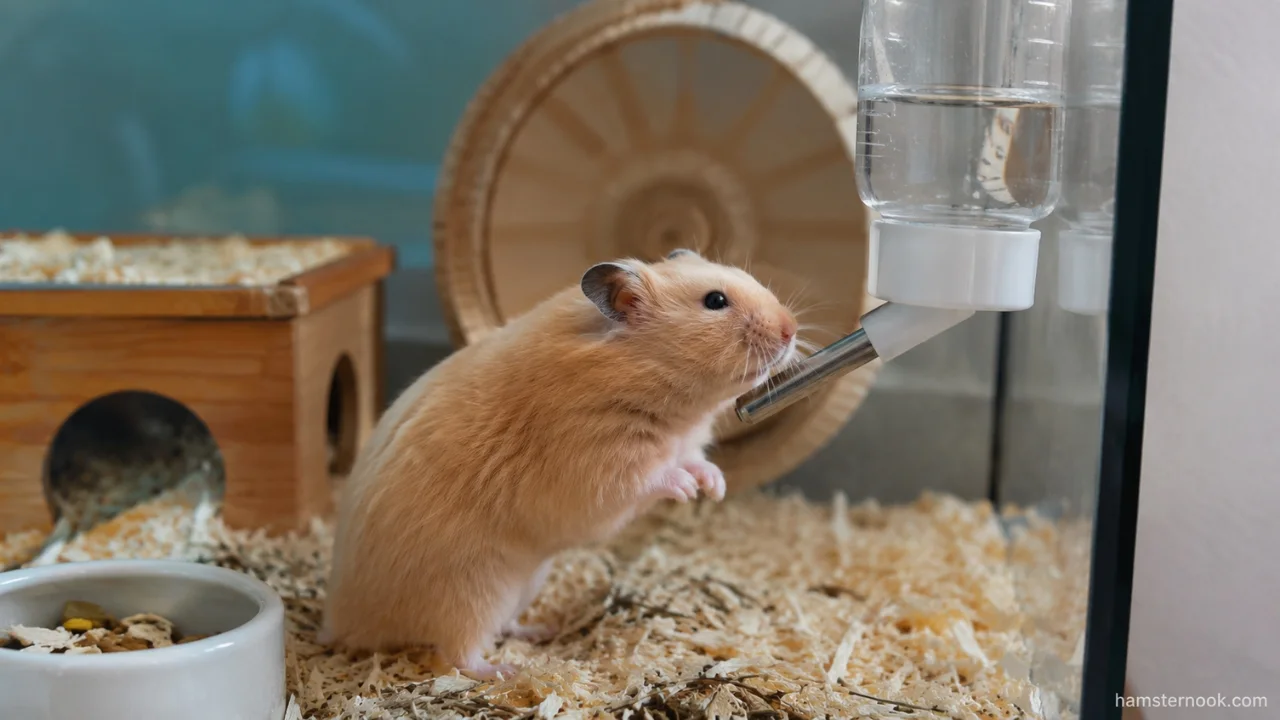
Likewise, feeding an unbalanced diet may reduce overall health even if problems aren’t immediately visible.
For a complete feeding plan, safe foods, portion guidance, and foods to avoid, see Complete Hamster Diet Guide: Best Foods, Safe Treats & Toxic Foods.
4. A Low-Stress Environment Supports Better Health
Stress doesn’t automatically shorten a hamster’s life, but long-term stress can negatively affect overall wellbeing.
Hamsters thrive in environments where they feel secure and can express natural behaviors.

Common stressors include:
- A cage that’s too small
- Frequent disturbances while sleeping
- Constant loud noise
- Handling before trust has developed
- Too few hiding places
- Shallow bedding that limits burrowing
Reducing unnecessary stress helps support both physical and behavioral health throughout a hamster’s life.
Long-term stress is another factor worth understanding, especially if your hamster’s environment changes frequently. Our 7 Signs You’re Accidentally Stressing Your Hamster (Without Even Realizing It) guide explains common stress triggers and what owners can do about them.
5. Exercise Helps Maintain Overall Wellbeing
Hamsters are naturally active animals.
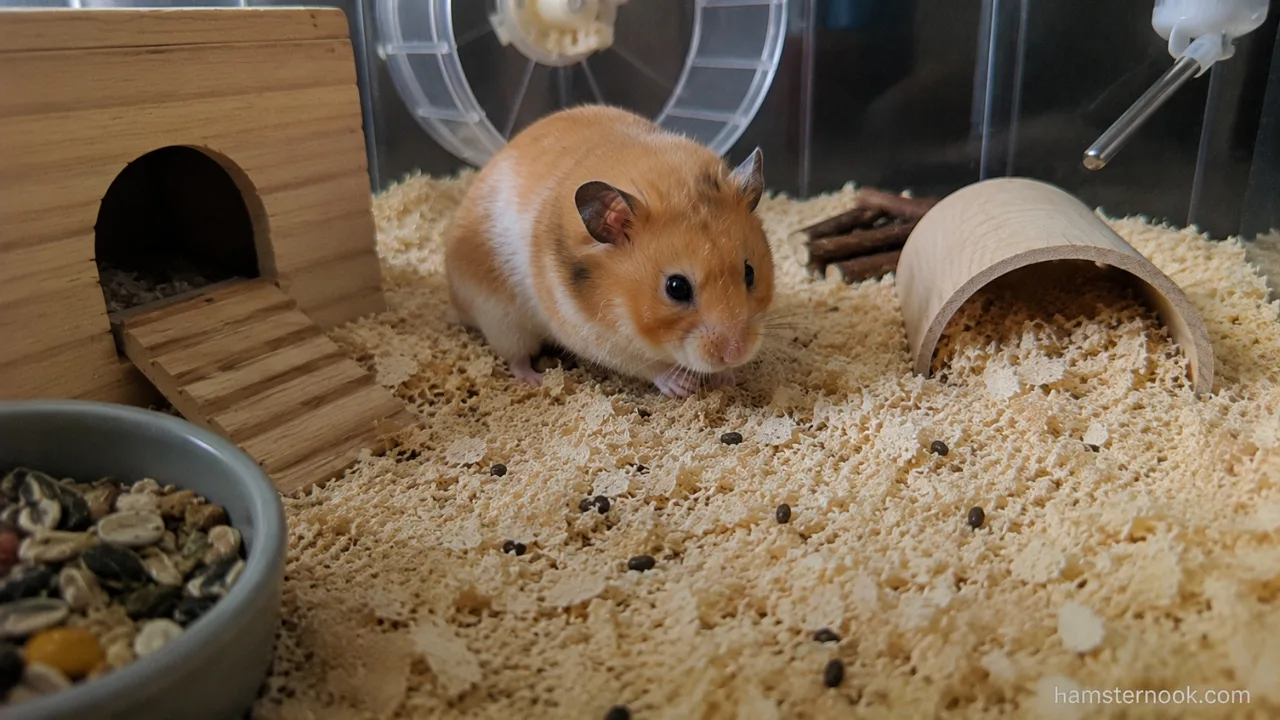
In the wild, they travel long distances each night searching for food and exploring their surroundings.
Pet hamsters also benefit from opportunities to stay active.
A healthy setup should include:
- An appropriately sized exercise wheel
- Deep bedding for burrowing
- Multiple hideouts
- Safe enrichment items
- Opportunities for natural exploration
Exercise supports healthy body weight, mental stimulation, and normal behavior.
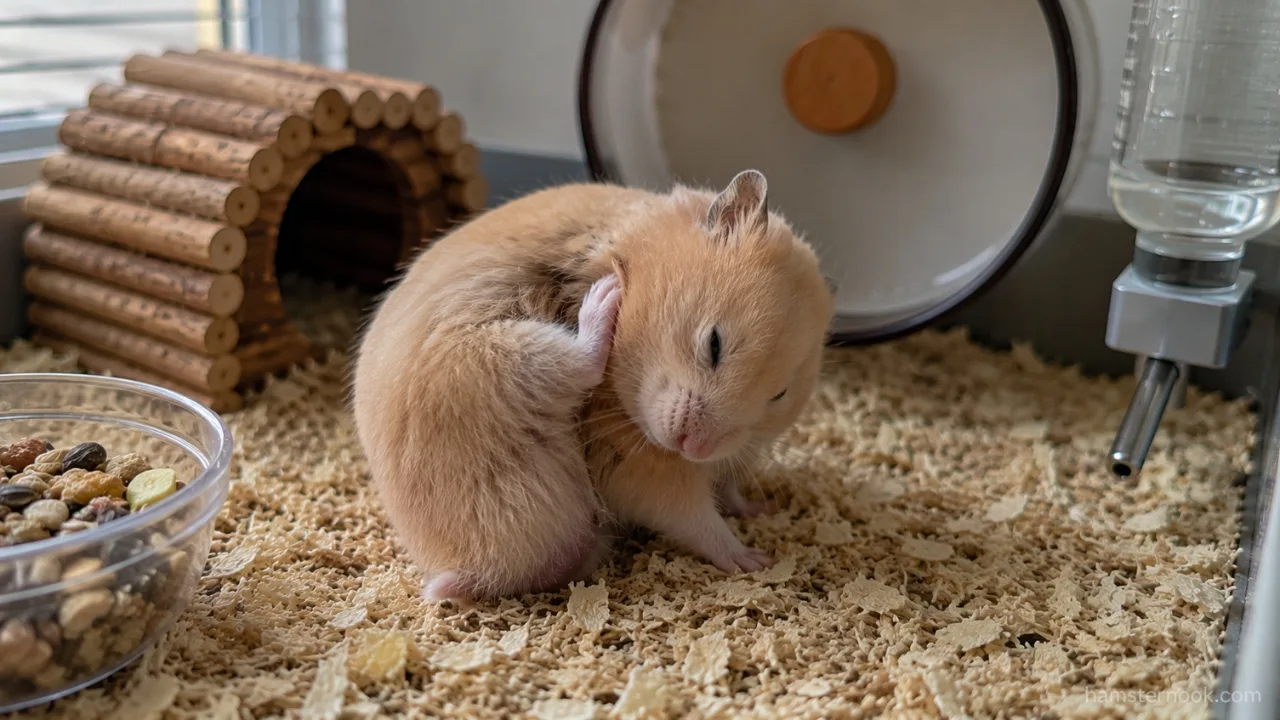
If you’re looking for enrichment ideas, Fun Ways to Keep Your Hamster Mentally Stimulated explains how daily activities and enrichment support your hamster’s long-term health and wellbeing.
6. Good Housing Can Support a Longer, Healthier Life
A hamster spends its entire life inside its enclosure, so the quality of its habitat has a significant impact on its overall wellbeing.
A properly designed cage helps reduce stress, encourages natural behaviors, and lowers the risk of certain injuries. While a perfect enclosure cannot guarantee a longer lifespan, poor housing conditions can contribute to ongoing health problems.
A healthy hamster habitat should provide:
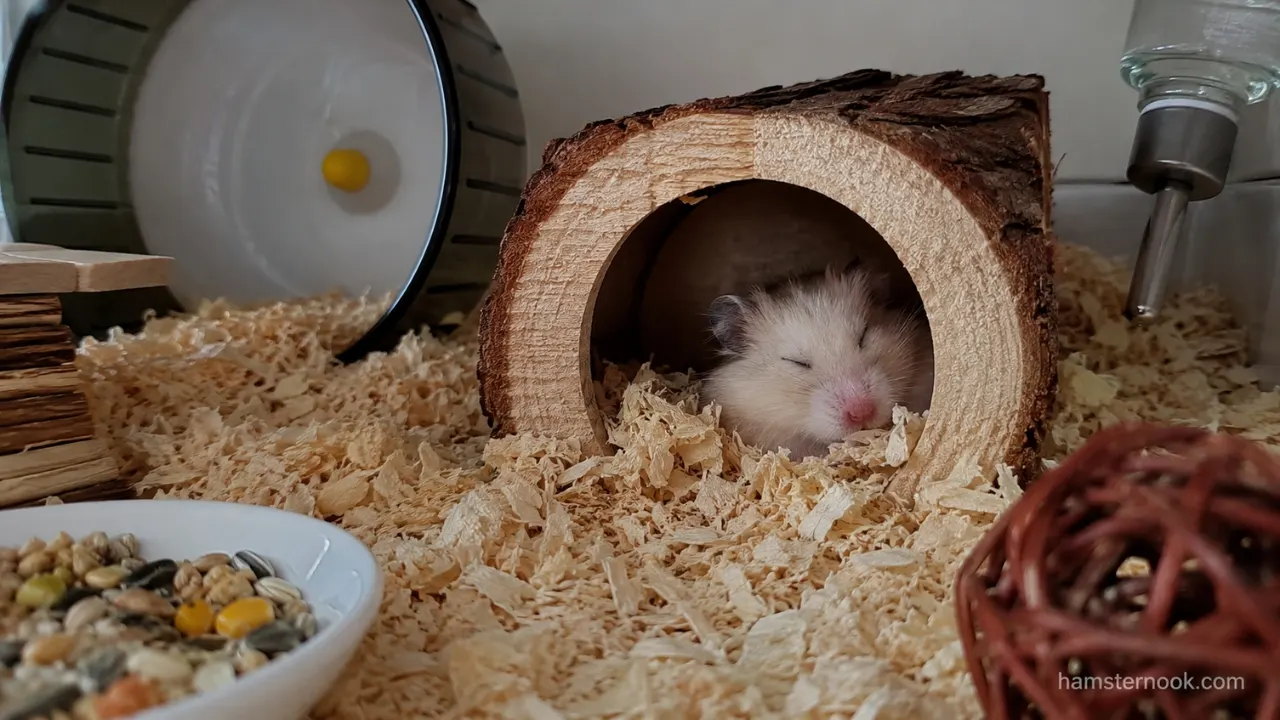
- Adequate uninterrupted floor space
- Deep, safe bedding for burrowing
- An appropriately sized exercise wheel
- Multiple hideouts
- Fresh water available at all times
- Safe chew toys and enrichment
Tiny starter cages may look appealing, but they often don’t provide enough room for normal behavior.
If you’re setting up or improving your hamster’s enclosure, Best Hamster Cage Setup for Beginners explains how to create a habitat that supports both physical and mental wellbeing.
7. Preventive Care Matters More Than Most Owners Think
Hamsters naturally hide signs of illness because, in the wild, appearing weak makes them vulnerable to predators.
Unfortunately, this means many health problems aren’t noticed until they become more advanced.

Owners who regularly observe their hamster are often more likely to notice subtle changes such as:
- Drinking less
- Eating differently
- Sleeping more
- Weight loss
- Reduced activity
- Changes in posture
Early recognition doesn’t guarantee a cure, but it often allows veterinary care to begin sooner.
Getting into the habit of watching your hamster for a few minutes each evening can make a big difference over its lifetime.
If you’re unsure what early illness looks like, 7 Signs Your Hamster May Be Seriously Sick explains the warning signs owners should never ignore.

8. Responsible Breeding Can Influence Lifespan
Not all hamsters come from the same breeding background.
Responsible breeders generally aim to produce healthy animals by selecting breeding pairs carefully and avoiding known hereditary issues whenever possible.
In contrast, hamsters from unknown or large-scale breeding operations may have less predictable genetic backgrounds.
However, it’s important to remember that no breeder can guarantee a hamster’s lifespan.

Even a hamster with excellent genetics may develop illness, while another with an unknown background may live well beyond the average.
Genetics influence lifespan, but they never tell the entire story.
Common Mistakes That May Affect Long-Term Health
Many owners unintentionally make small husbandry mistakes that may reduce a hamster’s quality of life over time.
Some of the most common include:

- Feeding too many sugary treats.
- Keeping the cage too small.
- Using unsafe bedding materials.
- Providing a wheel that’s too small.
- Frequently waking the hamster during the day.
- Ignoring gradual weight loss.
- Waiting too long before seeking veterinary care.
Most of these problems are preventable through good husbandry and regular observation.
If you’re new to hamster ownership, 10 Things New Hamster Owners Get Wrong (And How to Avoid Them) covers many of these mistakes in greater detail.
Can You Actually Help Your Hamster Live Longer?
While nobody can promise a hamster will live four years, owners can certainly improve the chances of a healthier life.
Focus on the things you can control:

- Feed a balanced diet.
- Keep fresh water available at all times.
- Provide a spacious, enriching enclosure.
- Minimize unnecessary stress.
- Encourage daily exercise.
- Monitor body weight regularly.
- Learn your hamster’s normal behavior.
- Seek veterinary advice promptly when something changes.
Instead of focusing on helping your hamster reach a particular age, focus on keeping it healthy, comfortable, and active throughout its life.
A hamster that lives a comfortable, active, and stress-free life has received excellent care, regardless of whether it reaches an unusually old age.
Factors That Can Influence Hamster Lifespan
| Factor | Can Owners Control It? | Potential Impact |
|---|---|---|
| Genetics | No | High |
| Species | No | Moderate |
| Balanced diet | Yes | High |
| Cage setup | Yes | High |
| Exercise | Yes | Moderate to High |
| Stress management | Yes | Moderate |
| Early illness detection | Yes | High |
| Veterinary care | Yes | Moderate to High |
The comparison shows that while genetics can’t be changed, many everyday care decisions can still improve your hamster’s quality of life.
Does Every Healthy Hamster Reach Old Age?
No.
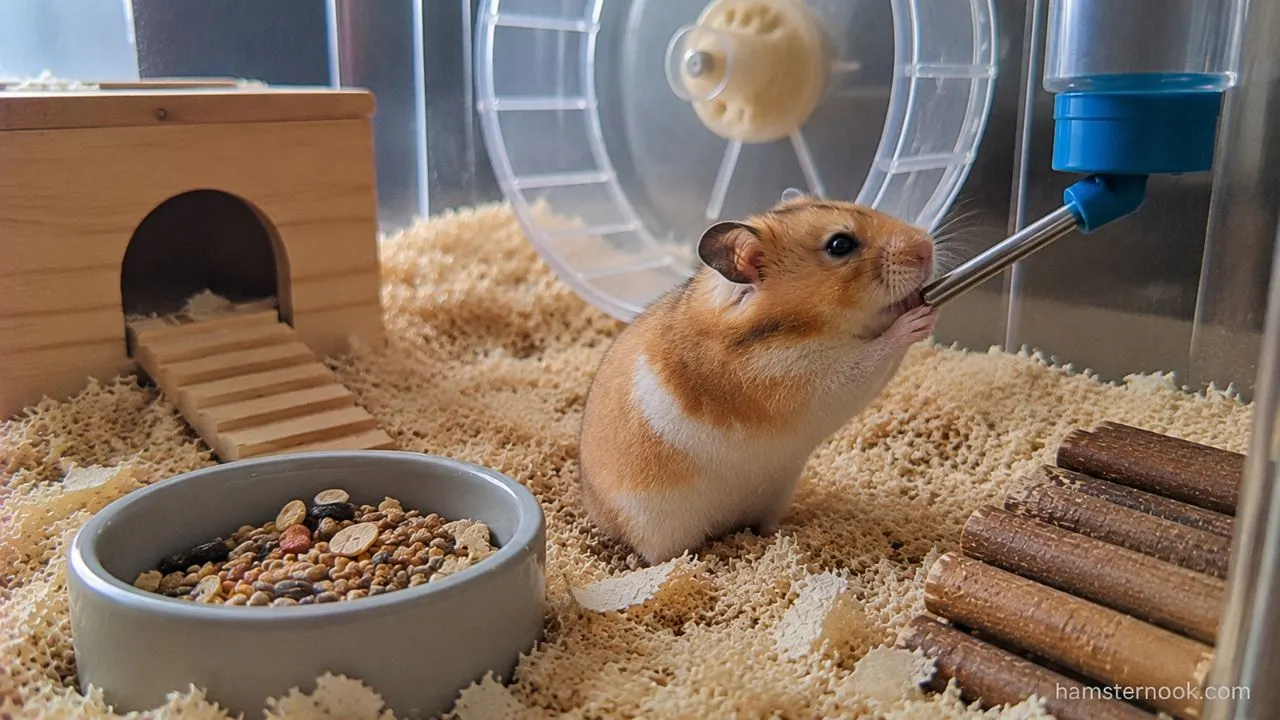
This is one of the hardest realities of hamster ownership.
Even when owners provide:
- Excellent nutrition
- Proper housing
- Daily enrichment
- Veterinary care when needed
some hamsters simply have shorter natural lifespans.
That doesn’t necessarily mean anything was done incorrectly.
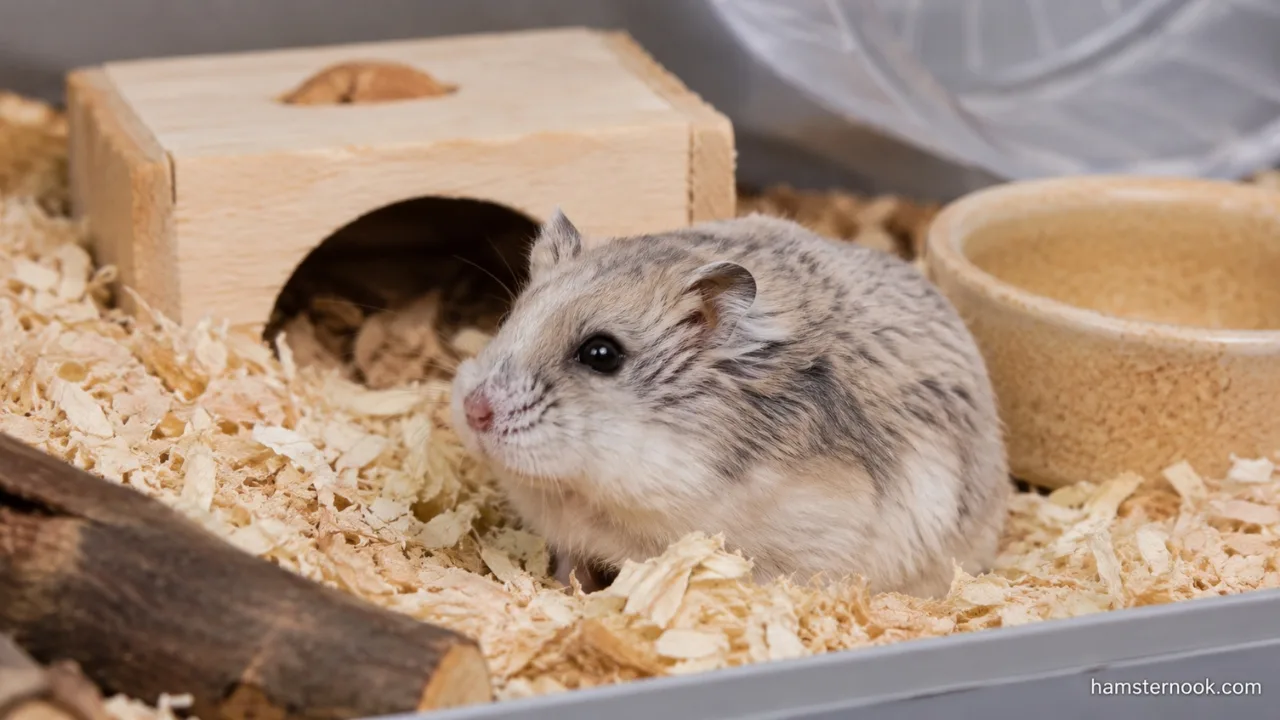
Just as people age differently, hamsters also vary as individuals.
The most meaningful measure of good care isn’t the exact number of years a hamster lives—it’s whether those years were healthy, comfortable, and enriched.
When Should You Be Concerned About Aging?
Aging itself isn’t a disease.
However, sudden changes should never be dismissed simply because a hamster is getting older.

Contact an experienced exotic animal veterinarian if an older hamster suddenly develops:
- Rapid weight loss
- Difficulty eating
- Refusal to drink
- Severe weakness
- Difficulty walking
- Persistent labored breathing
- Large lumps or swelling
- Continuous pain or distress
Many age-related conditions benefit from early assessment, even if they cannot always be cured.
If your hamster has started losing weight unexpectedly, Why Is My Hamster Losing Weight? Causes Owners Should Never Ignore explains when this change may require veterinary attention.
Quality of Life Is More Important Than Lifespan

Many owners become focused on reaching a specific age milestone.
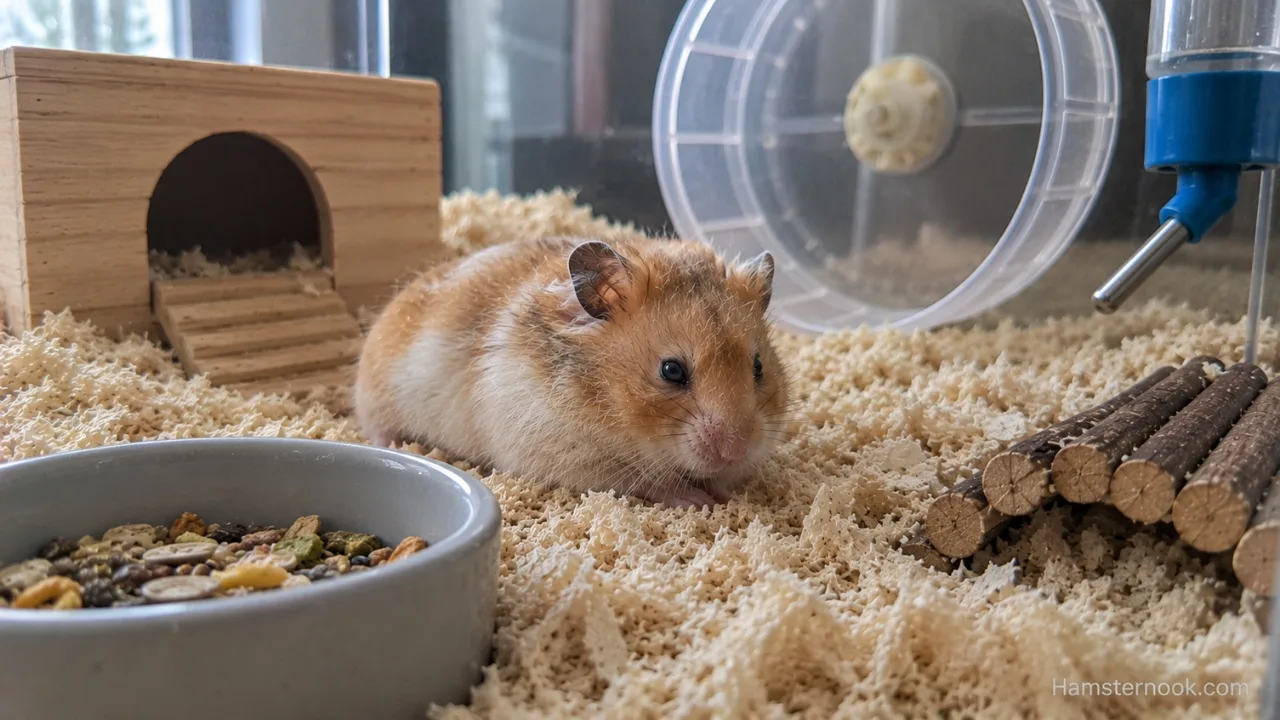
In reality, a hamster that lives two happy, healthy years often enjoys a better life than one that survives longer while experiencing chronic stress or poor husbandry.
A successful hamster owner isn’t measured by the number of birthdays their pet celebrates.
Good hamster care is built on providing:
- Proper nutrition
- Safe housing
- Mental stimulation
- Gentle handling
- Prompt medical care when needed
- A calm, secure environment
Those are the factors that truly improve a hamster’s daily life.

Final Thoughts
It’s completely understandable to hope your hamster will live for four years, especially after hearing stories from other owners. However, it’s important to remember that those cases are the exception rather than the rule.
What truly matters isn’t trying to reach a specific age—it’s giving your hamster the healthiest, safest, and happiest life possible every day.
While genetics and species are beyond your control, many of the factors that influence long-term health are not. Providing a spacious enclosure, a balanced diet, regular exercise, low-stress living conditions, and paying close attention to changes in behavior can all contribute to better overall wellbeing.
Rather than comparing your hamster’s age with others, focus on whether your pet is active, comfortable, eating well, staying curious, and enjoying its daily routine. Those are often the best signs that you’re providing excellent care.
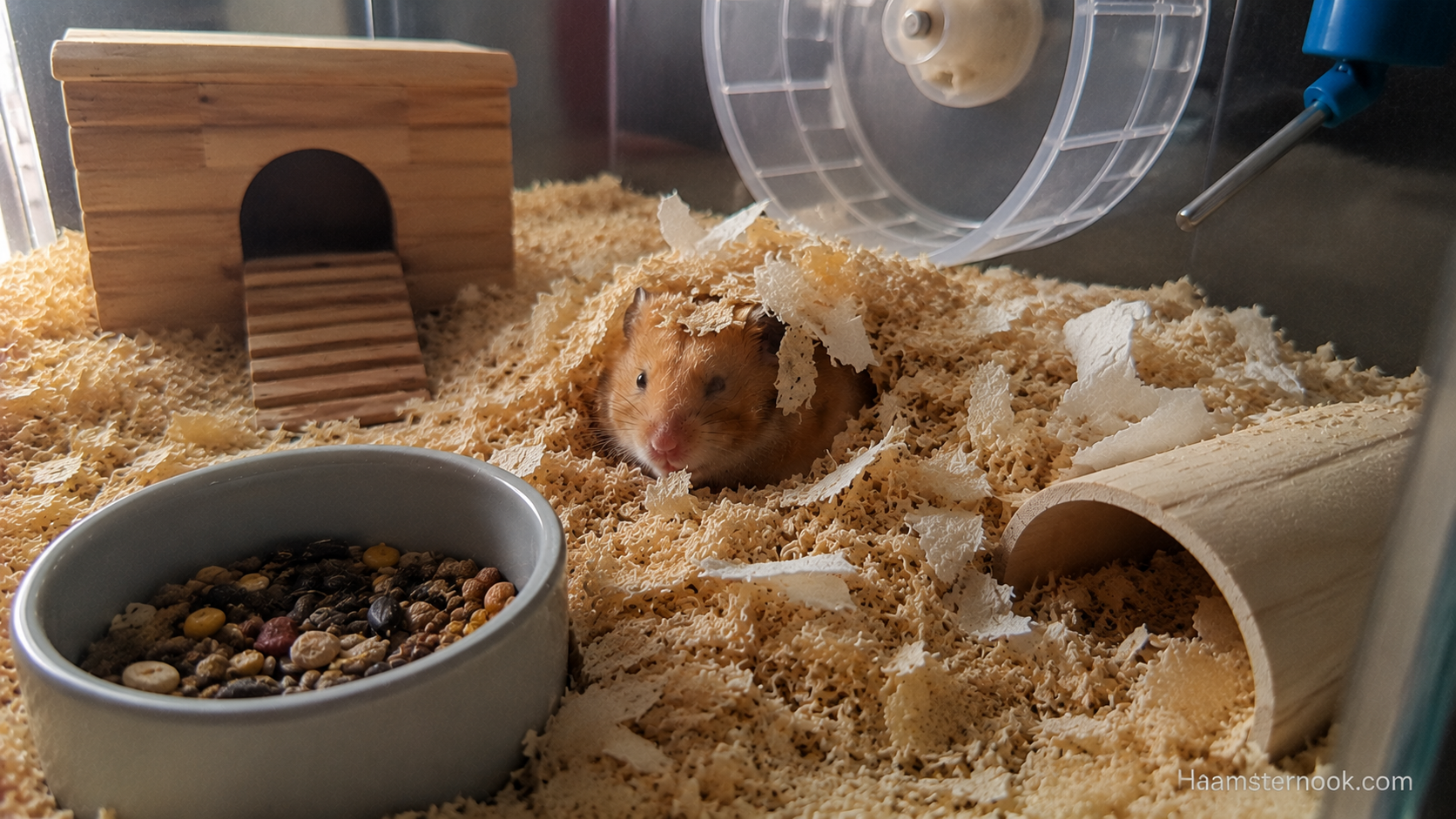
Key Takeaways
- Most pet hamsters naturally live around 2–3 years, depending on the species.
- Living close to 4 years is possible, but it is considered uncommon.
- Genetics influence lifespan, but daily care also plays an important role.
- A balanced diet, proper housing, exercise, and low stress support healthier aging.
- Early recognition of illness may improve treatment opportunities.
- Good care cannot guarantee a longer life, but it can greatly improve your hamster’s quality of life.
Frequently Asked Questions
Is four years old for a hamster considered unusual?
Yes. While some hamsters have reportedly lived close to four years, this is generally uncommon. Most healthy pet hamsters have a shorter natural lifespan depending on their species and individual health.
Which hamster species usually lives the longest?
There is no guaranteed longest-living species. Syrian, Roborovski, and Chinese hamsters often have average lifespans of around two to three years, while dwarf species may have slightly shorter averages. Individual genetics and care remain just as important as species.
Can a better diet help my hamster live longer?
A balanced diet supports overall health and may reduce certain nutrition-related problems, but no specific food or supplement has been proven to guarantee a longer lifespan.
For a complete feeding plan, see Complete Hamster Diet Guide: Best Foods, Safe Treats & Toxic Foods.
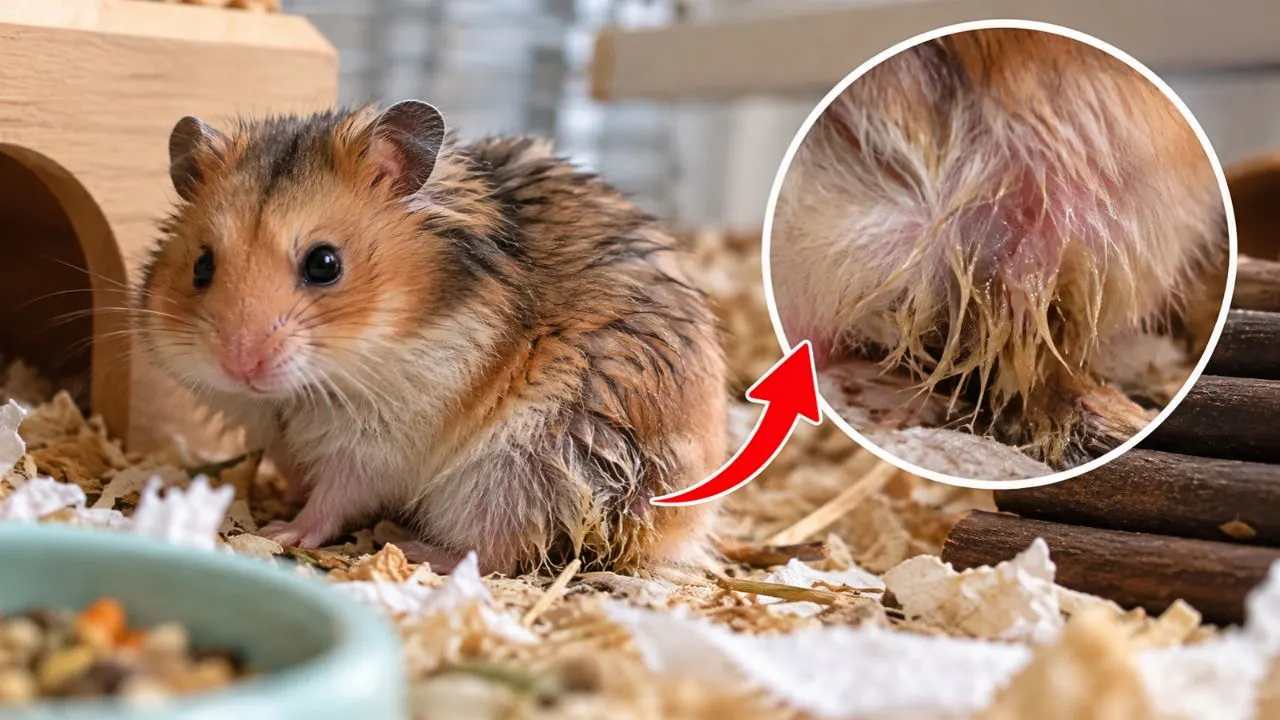
Does a larger cage increase lifespan?
A larger, properly enriched enclosure supports natural behaviors, encourages exercise, and reduces stress. While it cannot guarantee a longer lifespan, it contributes significantly to better long-term welfare.
Do hamsters naturally slow down as they get older?
Yes. Senior hamsters often become less active, sleep more, and move more slowly. However, sudden weakness, rapid weight loss, or refusal to eat should never be assumed to be normal aging.
Can stress shorten a hamster’s life?
Long-term stress may negatively affect a hamster’s overall wellbeing. Providing a quiet environment, deep bedding, enrichment, and predictable routines helps support better physical and behavioral health.
Is it normal to feel guilty if my hamster dies young?
Many owners feel this way, but a shorter lifespan does not automatically mean you provided poor care. Genetics, congenital conditions, and illnesses can all affect lifespan despite excellent husbandry.
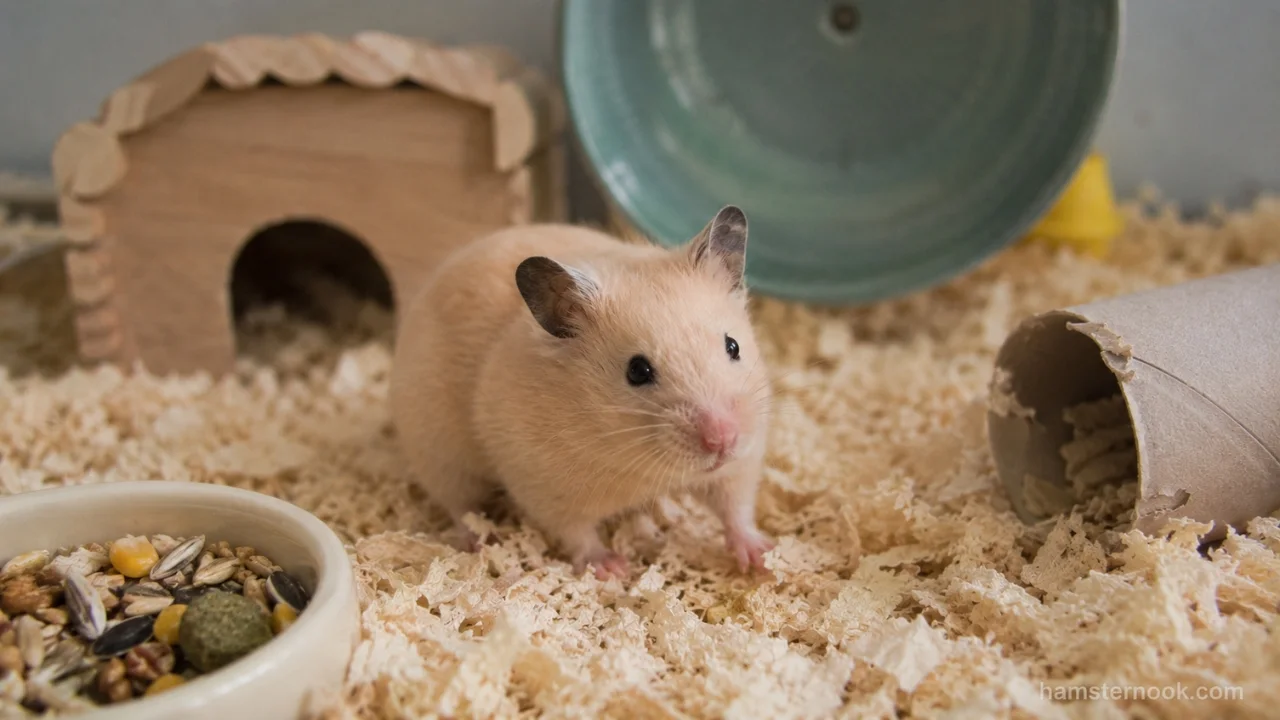
How can I give my hamster the best chance of a long, healthy life?
Focus on the things you can control:
- Feed a balanced diet.
- Provide fresh water every day.
- Use a spacious, enriching cage.
- Offer regular opportunities for exercise.
- Minimize stress.
- Learn your hamster’s normal behavior.
- Seek veterinary care promptly if something changes.
References
This guide is based on hamster lifespan, health, welfare, nutrition, behavior, housing, and husbandry information from trusted veterinary and animal welfare resources, including:
- RSPCA – Hamster Care and Welfare Guidance
- PDSA – Hamsters as Pets and Care Guidance
- Merck Veterinary Manual – Hamsters and Small Mammal Health
- Blue Cross – Hamster Care and Welfare Guidance
Medical Disclaimer: This article is intended for educational purposes only and should not be considered veterinary advice. Hamster lifespan and aging can vary considerably between species and individual animals. Sudden weight loss, loss of appetite, severe weakness, breathing difficulties, difficulty walking, lumps, swelling, or signs of pain or distress may indicate an underlying health problem rather than normal aging. If you notice concerning or persistent changes, consult a qualified exotic animal veterinarian for proper evaluation and treatment.

Narayan Kumar is the founder and author of HamsterNook. He creates practical, research-based hamster care guides covering hamster behavior, nutrition, cage setup, enrichment, health, and everyday care. His goal is to help hamster owners make informed decisions and provide safer, healthier lives for their pets through clear, beginner-friendly information based on trusted animal care resources.