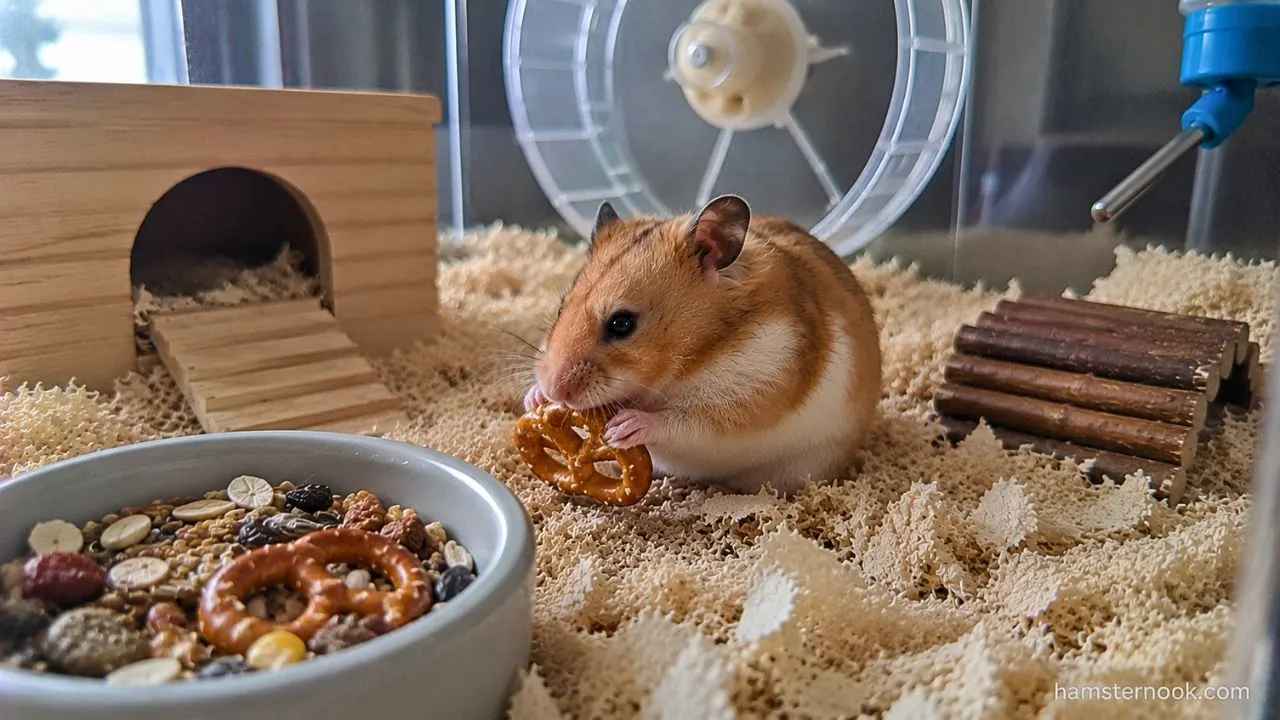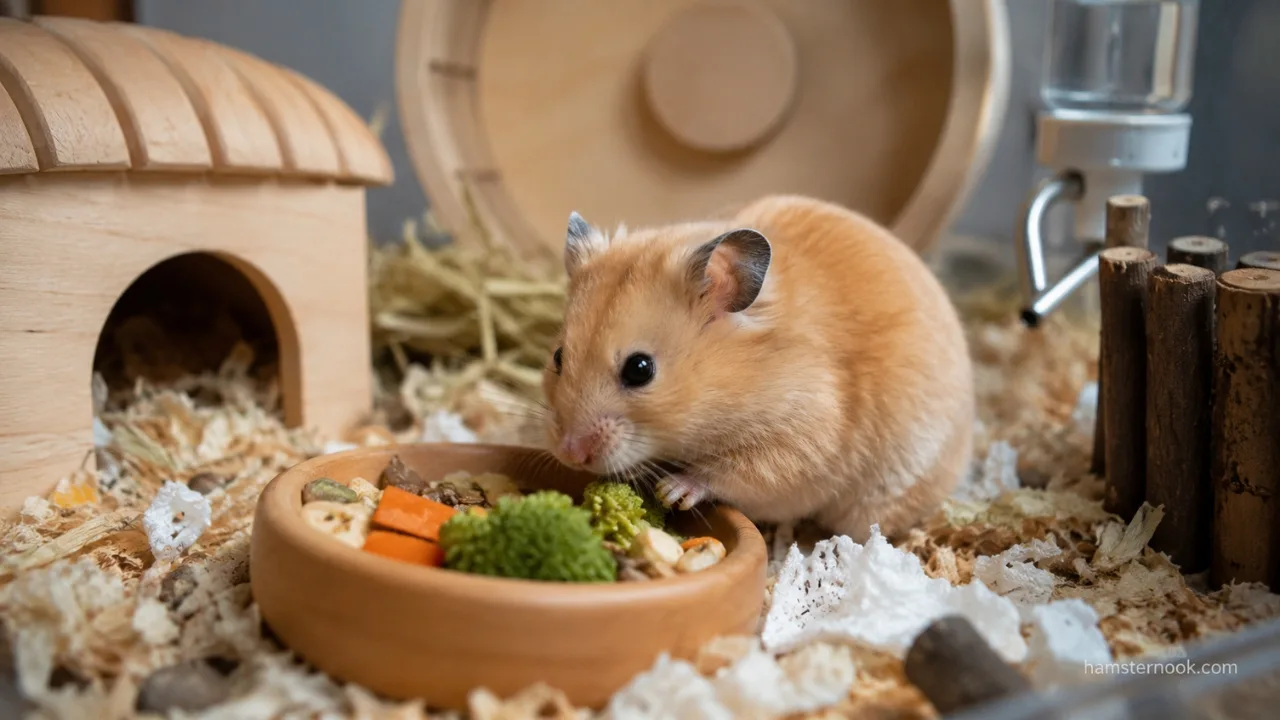
Bringing home fresh vegetables, fruit, or an occasional protein treat for your hamster is a fun way to add variety to its diet. It’s natural to want your pet to enjoy different foods, but introducing them the right way is just as important as choosing safe ingredients. However, one of the quickest ways to cause digestive problems is introducing several new foods at once or offering too much too soon.
Hamsters have delicate digestive systems, so even foods that are considered safe can cause stomach upset if they’re introduced too quickly or fed in large amounts. A little patience in the beginning often helps you avoid digestive problems and makes it easier to learn which foods your hamster genuinely enjoys.
This guide explains how to safely introduce new foods to your hamster, what warning signs to watch for, common mistakes to avoid, and how to build a varied diet without upsetting your pet’s stomach.
Why Introducing New Foods Slowly Matters
A hamster’s digestive system is adapted to process a consistent diet made up mainly of high-quality pellets, grains, seeds, and small amounts of fresh foods.
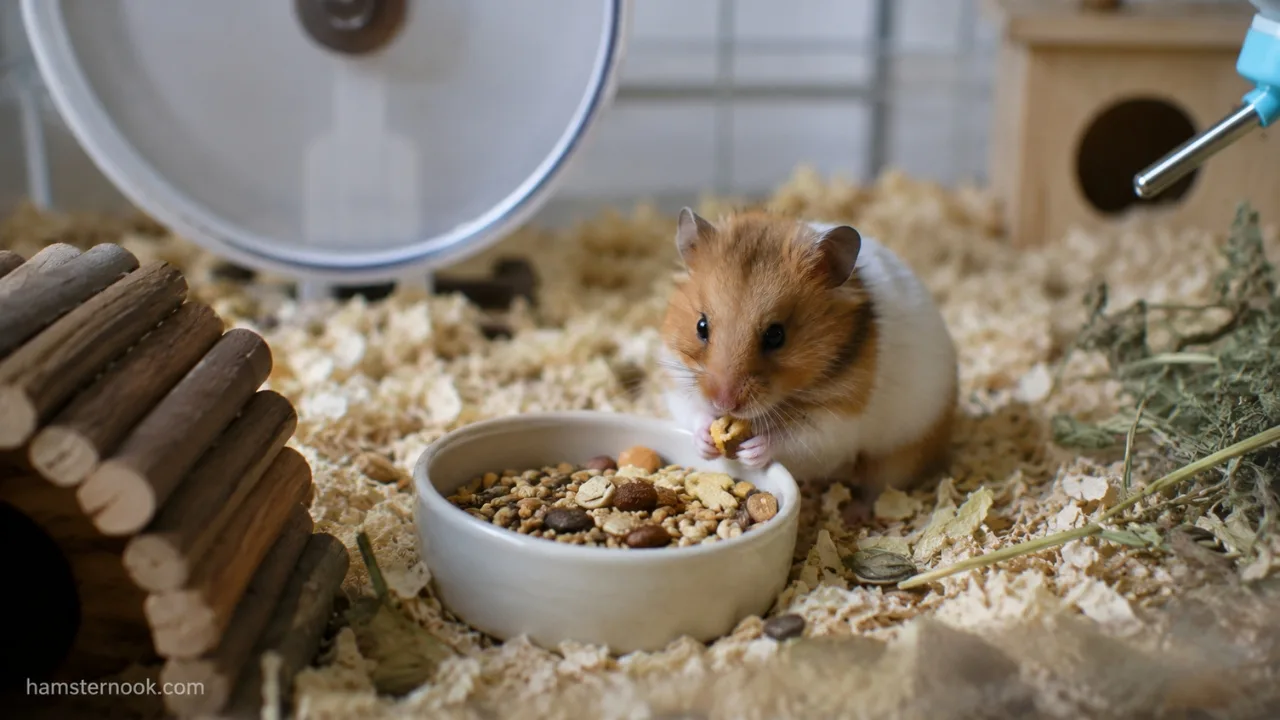
Sudden dietary changes can temporarily upset the balance of the digestive tract, especially when introducing foods that are high in moisture, fiber, fat, or sugar.
Introducing foods gradually gives you time to see how your hamster reacts before trying another new item.
If you’re still building your hamster’s daily feeding routine, What Should Hamsters Eat Every Day? Daily Diet, Portions & Safe Foods provides an excellent foundation before experimenting with new foods.
Start With One New Food at a Time
If you’re unsure where to start, follow one simple rule:

Only introduce one new food before trying another.
Doing this makes it much easier to identify whether a particular food agrees with your hamster.
For example:
| Good Approach | Poor Approach |
|---|---|
| Offer one tiny piece of cucumber | Offer cucumber, carrot, apple, and broccoli on the same day |
| Observe for several days | Keep changing foods daily |
| Introduce another food only if everything stays normal | Mix several unfamiliar treats together |
It also makes feeding much less confusing if your hamster develops an upset stomach, because you’ll know exactly which food was introduced.
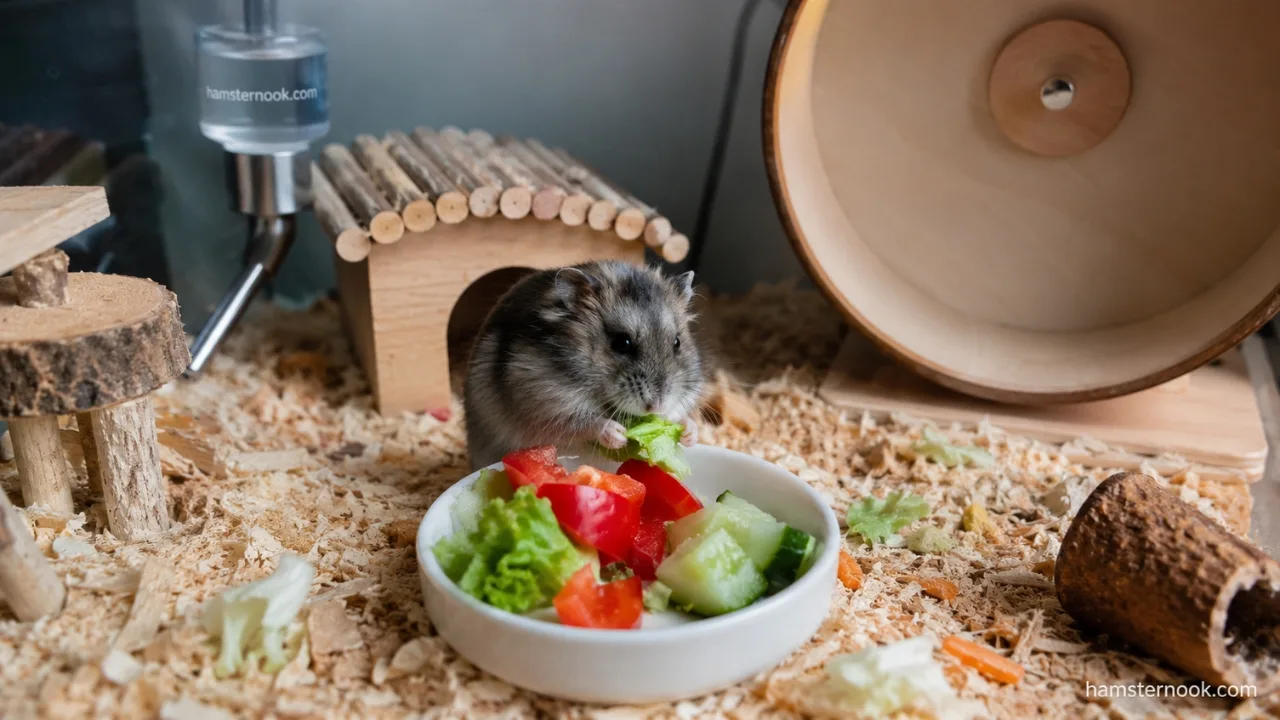
For a broader overview of safe foods and foods to avoid, our What Do Hamsters Eat? Safe Foods, Daily Diet & Foods to Avoid guide brings the main feeding choices together.
Choose Hamster-Safe Foods First
Not every fruit or vegetable is suitable for hamsters. Before introducing anything new, check a reliable safe and unsafe hamster food list to make sure the food is appropriate.
Before introducing anything new, make sure the food is known to be safe.
For a complete list of suitable fresh foods and serving guidance, see What Fruits and Vegetables Can Hamsters Eat? Safe List & Portions.

Good beginner choices include:
- Cucumber
- Broccoli
- Bell pepper
- Carrot (small amounts)
- Zucchini
If you want to check whether a specific vegetable is suitable before introducing it, our Can Hamster Eat Bell Peppers? Safe Colors, Portions & Feeding Tips guide covers bell pepper safety and serving considerations.
When trying any new food for the first time, choose fresh, high-quality produce and avoid anything that’s bruised, moldy, or beginning to spoil.
If you’re unsure about a specific fruit, articles like Can Hamsters Eat Grapes? What Owners Need To Know can help you decide before offering it.

Start With Very Small Portions
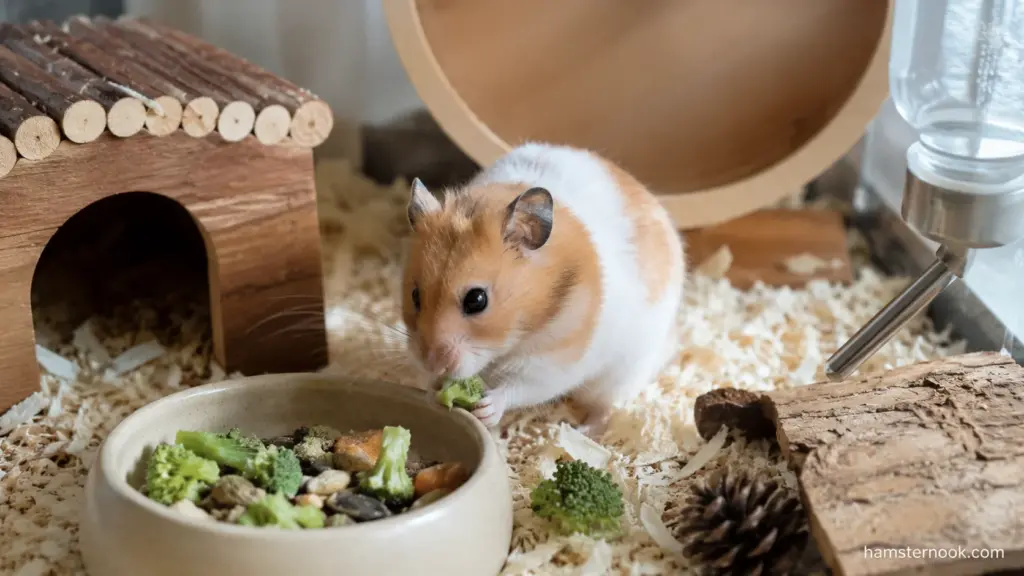
Start with one very small piece of the new food and observe your hamster before offering more.
There is no reliable universal first-serving measurement that needs to be different for Syrian and dwarf hamsters. The safer approach is to keep the first amount small and treat fresh foods as a limited part of the overall diet.
If your hamster tolerates the food without changes in appetite, activity, or droppings, you can continue offering small amounts rather than suddenly increasing the portion.
PDSA recommends small portions of fresh fruit and vegetables as part of a hamster’s diet, while RSPCA guidance also recommends small quantities and gradual introduction.
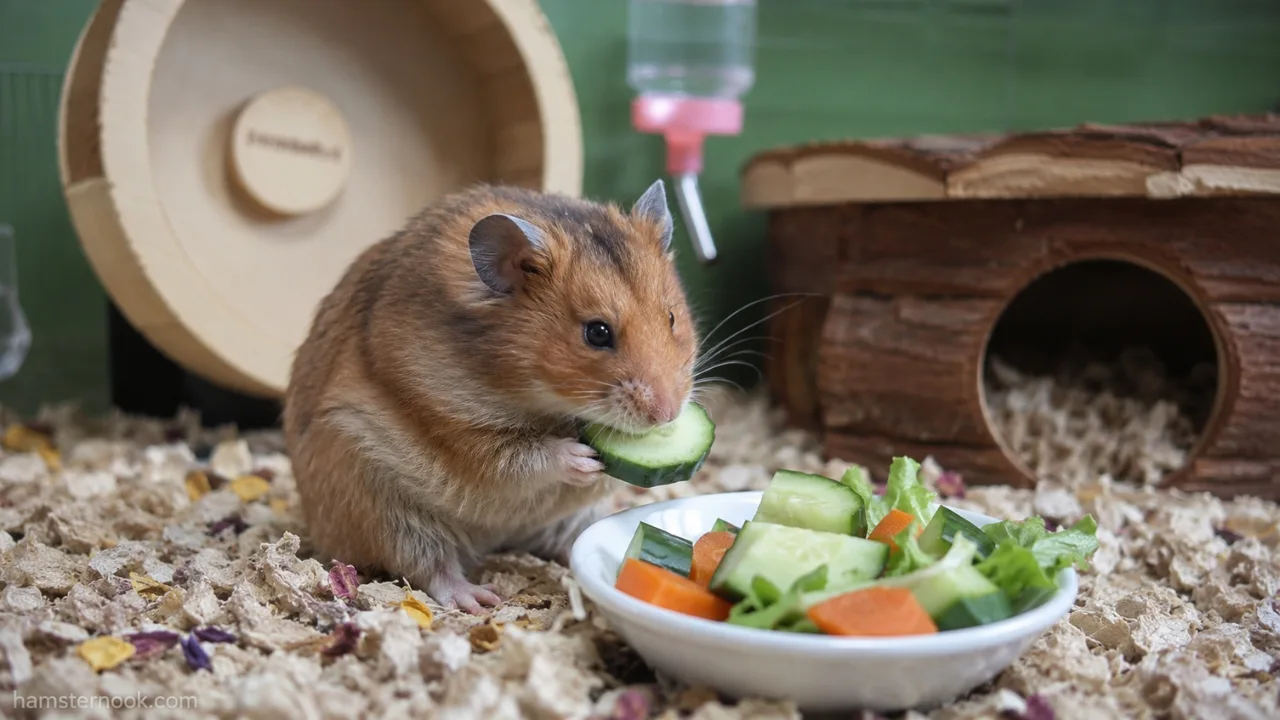
Observe Your Hamster Before Introducing Another New Food

Give your hamster time to show whether the new food agrees with them before adding another unfamiliar food. There is no need to follow a rigid 24-to-48-hour rule for every food; gradual changes and close observation are more important.
RSPCA guidance specifically advises avoiding sudden dietary changes and introducing dietary changes gradually.
Instead, monitor your hamster for changes such as:
- Normal appetite
- Regular activity
- Healthy droppings
- Normal drinking habits
- Usual sleeping routine
If your hamster continues eating normally, stays active, and has normal droppings over the next day or two, that is a reassuring sign. However, continue monitoring because some reactions may take longer to become noticeable.
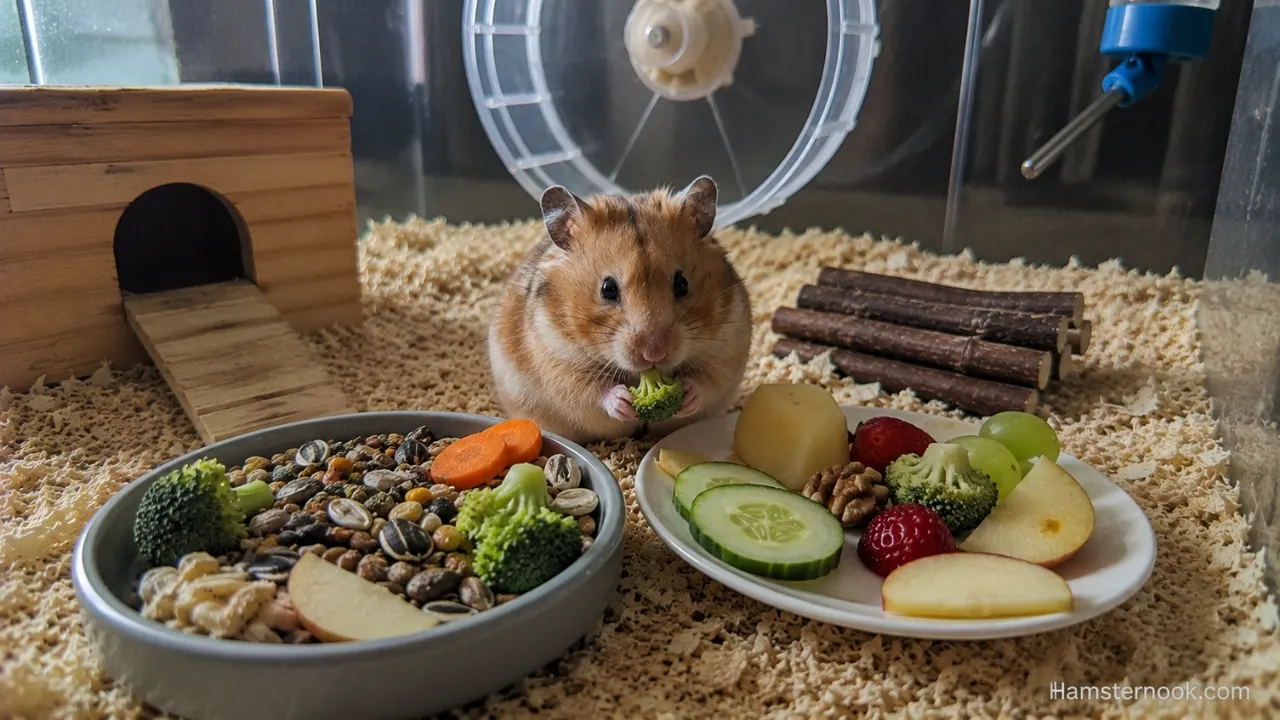
Signs a New Food May Not Agree With Your Hamster
Not every hamster reacts the same way to every food.
Watch for signs including:
| Possible Sign | What It May Indicate |
|---|---|
| Soft or loose stools | Digestive upset |
| Reduced appetite | Food not well tolerated |
| Lethargy | Possible illness or digestive discomfort |
| Bloating | Food may be unsuitable or portion too large |
| Ignoring normal food | Too many treats or poor diet balance |
A mild change in stool or appetite after a new food should not be ignored. If your hamster has persistent diarrhea, marked lethargy, refuses food, or develops other concerning symptoms, contact an exotic veterinarian rather than continuing to test new foods.
If these signs appear, stop offering the new food and return to the hamster’s regular diet.

If your hamster continues eating less than usual after the new food is removed, Why Is My Hamster Not Eating? 9 Causes, Warning Signs & What to Do explains the most common causes and when veterinary advice may be needed.
Don’t keep testing different foods while your hamster is recovering. Wait until everything has returned to normal before introducing anything new again.
Wash Fresh Foods Thoroughly
Fresh produce may contain dirt, bacteria, or pesticide residues.
Before feeding:

- Wash fruits and vegetables under clean running water.
- Remove spoiled areas.
- Cut into appropriately small pieces.
- Remove seeds or pits when necessary.
This simple step helps reduce unnecessary health risks.
For more details, see Should You Wash Fruits and Vegetables Before Feeding Your Hamster?
Avoid Introducing Multiple Treats Together
It can be tempting to prepare a colorful selection of fresh foods, but this makes it difficult to identify which food caused a problem if digestive upset develops.
If you are changing the hamster’s main diet rather than simply adding a small fresh treat, make the change gradually instead of replacing the usual food suddenly.
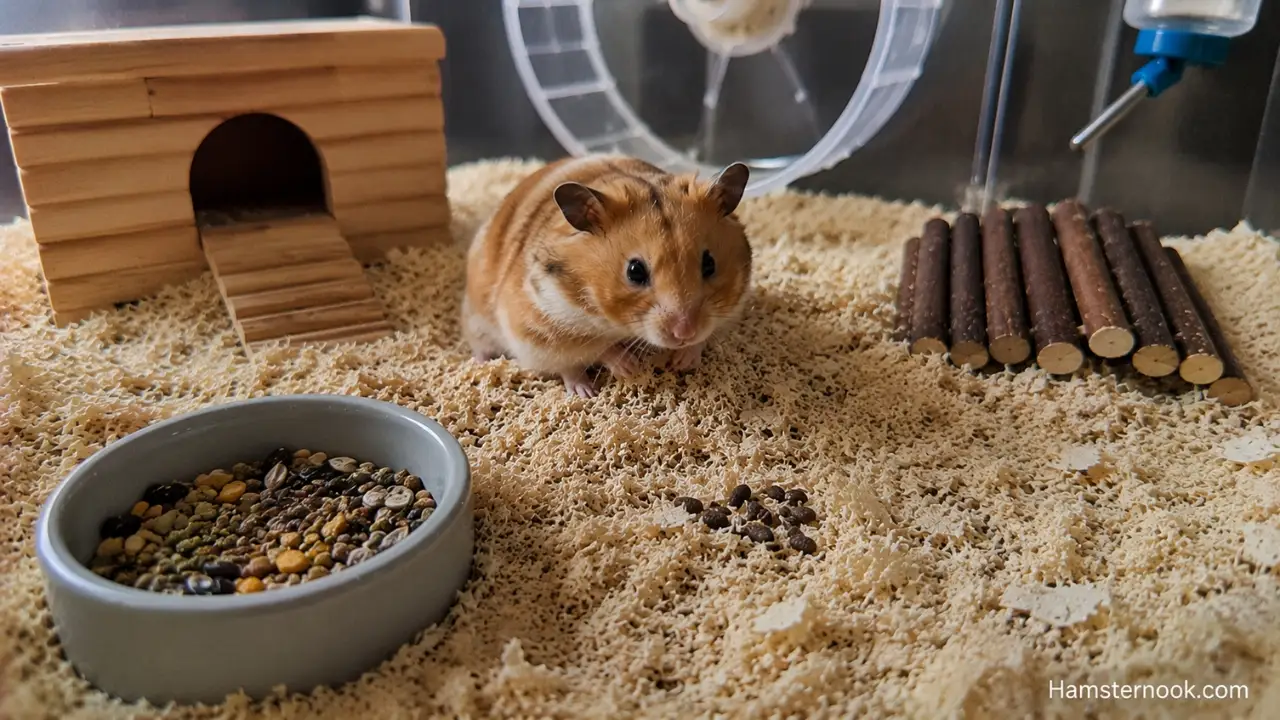
Instead, spread new foods over several weeks rather than several days.
Introduce new foods one at a time and give your hamster time to adjust before adding another unfamiliar food.
Balance Fresh Foods With the Main Diet
Fresh foods should add variety to your hamster’s diet, not replace its regular hamster food.
If you’re building a complete feeding routine from scratch, Ultimate Hamster Care Guide: Everything You Need to Know for a Healthy Hamster explains how diet, housing, enrichment, and daily care all work together to keep your hamster healthy.
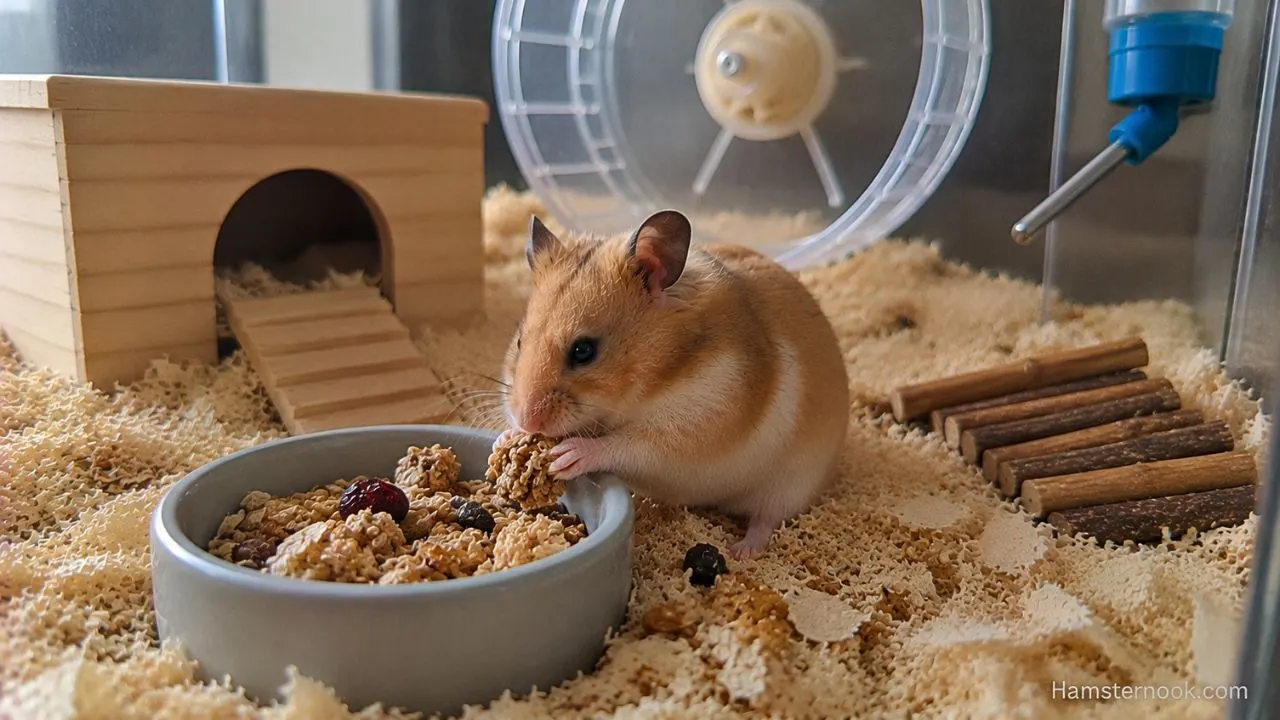
A healthy daily diet should still consist primarily of:
- Quality hamster pellets
- Balanced seed mix (when appropriate)
- Fresh water
- Occasional fresh vegetables
- Limited treats
Think of fresh foods as healthy extras rather than the main meal.
Be Extra Careful With Sugary Foods
Even healthy fruits should stay as occasional treats because hamsters need a diet that’s much lower in sugar than many people realize.
Fruits contain valuable nutrients but also natural sugars.
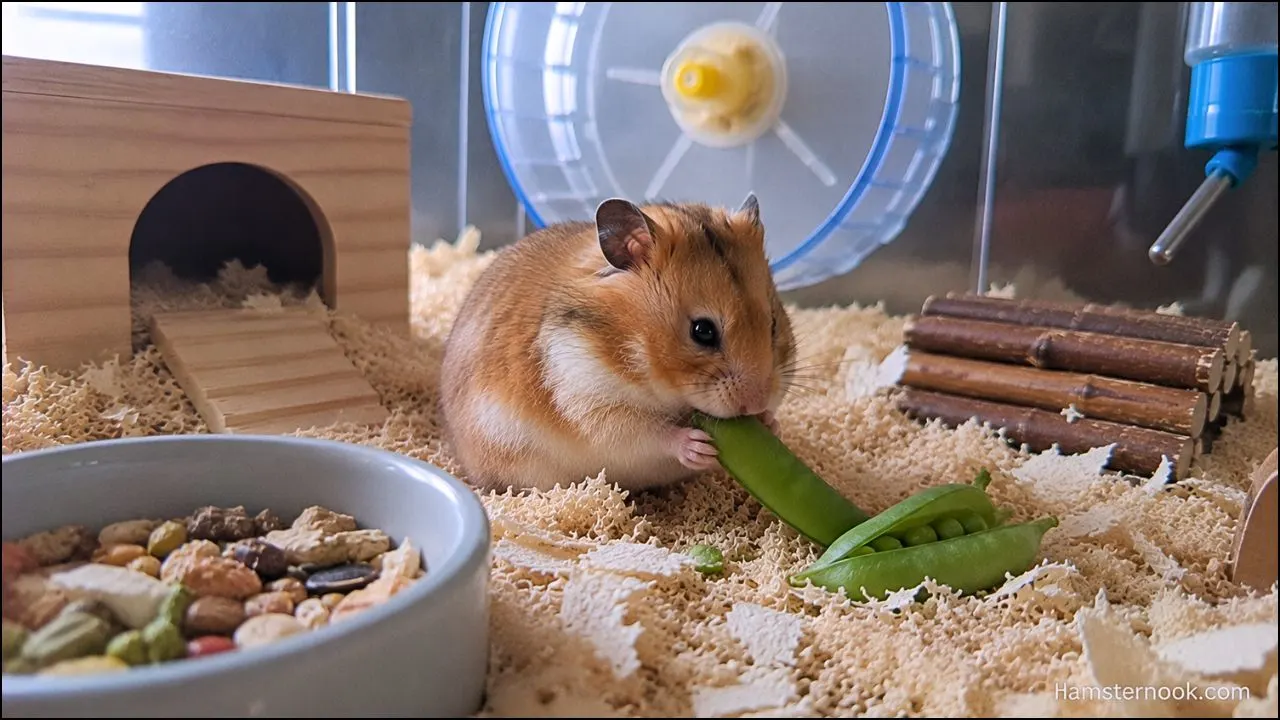
Sugary treats should be offered less frequently than vegetables, especially for dwarf hamster species that are more prone to diabetes.
If you plan to offer protein treats as well, remember that variety doesn’t mean feeding everything in the same week.
For example, Can Hamsters Eat Mealworms? Benefits & Risks explains how protein treats should also be offered in moderation.
Common Mistakes Owners Make When Introducing New Foods
Most digestive problems happen because owners accidentally introduce new foods too quickly or in portions that are too large.

Feeding Too Much
Even safe foods can cause problems when portions are excessive.
Introducing New Foods Every Day
Changing the diet constantly makes it difficult for the digestive system to adjust.
Forgetting to Remove Leftovers
Fresh foods spoil quickly.
Remove uneaten fruits and vegetables after a few hours to prevent bacterial growth.

Assuming Every Hamster Likes the Same Foods
Hamsters have individual preferences.
There’s no need to force a food your hamster doesn’t enjoy. Plenty of other hamster-safe options are available.
This is normal and doesn’t necessarily indicate illness.
How to Build a Healthy Variety Over Time
Adding variety should be a gradual process.

A balanced approach might look like this:
| Week | New Food |
|---|---|
| Week 1 | Cucumber |
| Week 2 | Broccoli |
| Week 3 | Bell pepper |
| Week 4 | Carrot |
| Week 5 | Zucchini |
Over time you’ll build a practical list of foods your hamster tolerates well. Keep the main diet consistent and add fresh foods in small amounts rather than turning variety into a large part of the daily diet.
When to Avoid Introducing New Foods
Keeping the diet consistent during stressful periods gives your hamster one less thing to adjust to while recovering or settling into a new environment.
Sometimes it’s best to wait before changing the diet.

Delay introducing new foods if your hamster:
- Has diarrhea
- Is recovering from illness
- Recently moved to a new home
- Is unusually stressed
- Has an unexplained loss of appetite
During these situations, maintaining a consistent diet is generally safer.
If your hamster has just arrived home, New Hamster First Week: The Biggest Mistake Owners Make & How to Avoid It explains why keeping routines simple during the adjustment period is beneficial.
Final Thoughts
Adding variety to your hamster’s diet is a great way to provide enrichment and balanced nutrition, but patience is the key to success. Introducing one new food at a time, keeping portions tiny, and observing your hamster carefully are simple habits that can help prevent digestive upset.
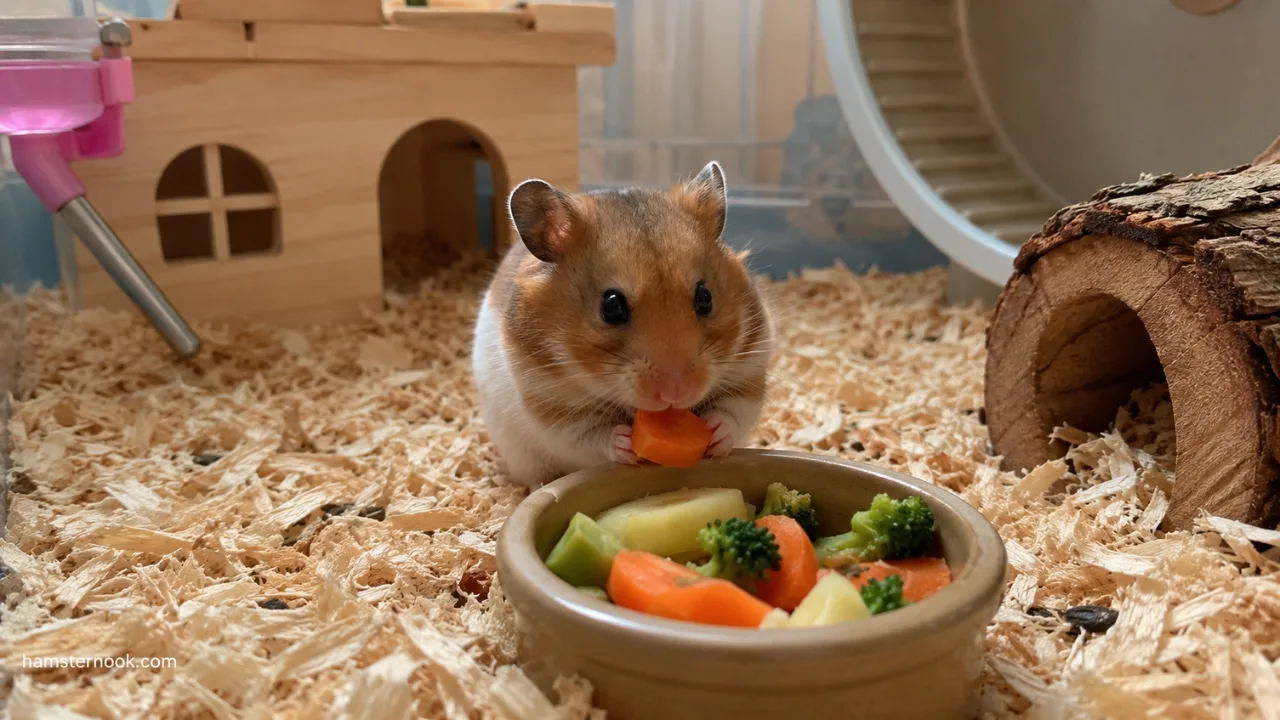
Every hamster has its own preferences and tolerance levels. A food that’s perfectly fine for one hamster may not suit another, which is why introducing foods one at a time is always the safest approach. With a little patience, you’ll gradually discover which foods your hamster enjoys most while keeping its digestive system healthy and comfortable.
Frequently Asked Questions
How long should I wait before introducing another new food?
It’s better to observe your hamster after introducing one new food and wait until their appetite, activity, and droppings remain normal before adding another unfamiliar food. Avoid relying on a fixed waiting period for every food.
Can I feed two new vegetables on the same day?
It’s better not to. Introducing one food at a time makes it much easier to identify which food caused a problem if your hamster develops digestive upset.
What should I do if my hamster gets diarrhea after eating a new food?
Stop offering the new food immediately and return to your hamster’s regular diet. Ensure fresh water is always available, and contact an exotic veterinarian if the diarrhea is severe, persistent, or accompanied by other signs of illness.

How much fresh food should a hamster eat?
Fresh foods should only make up a small portion of a hamster’s overall diet. Most nutrition should continue to come from a high-quality hamster food.
Are fruits introduced differently than vegetables?
The process is the same, but fruits should be offered even more sparingly because they contain higher amounts of natural sugar.
Can baby hamsters try new foods?
Very young hamsters should remain on an appropriate diet until they are fully weaned. New foods should only be introduced gradually once they are eating solid foods confidently.
References
This guide is based on hamster nutrition, feeding, dietary changes, safe foods, digestive health, and welfare guidance from trusted veterinary and animal welfare resources, including:
- RSPCA – Hamster Diet and Feeding – Guidance on balanced hamster diets, fresh foods, treats, water, and introducing dietary changes gradually.
- PDSA – Hamsters as Pets – Advice on hamster nutrition, suitable fresh foods, treats, feeding routines, and general welfare.
- Blue Cross – Hamster Care Guide – Practical information on hamster diet, feeding, safe foods, treats, and everyday husbandry.
- MSD Veterinary Manual – Hamsters – Veterinary reference information covering hamster nutrition, digestive health, common disorders, and clinical signs that may require veterinary attention.
- MSD Veterinary Manual – Routine Health Care of Hamsters – Veterinary guidance on monitoring appetite, body condition, general health, and recognizing changes that may require professional care.
Medical Disclaimer
This article is intended for educational purposes only and should not be considered veterinary advice. Dietary changes can sometimes cause digestive upset, and symptoms such as persistent diarrhea, marked lethargy, refusal to eat, or other concerning changes may require veterinary attention. If your hamster develops persistent or severe symptoms after eating a new food, consult a qualified exotic animal veterinarian for proper evaluation and treatment.

Narayan Kumar is the founder and author of HamsterNook. He creates practical, research-based hamster care guides covering hamster behavior, nutrition, cage setup, enrichment, health, and everyday care. His goal is to help hamster owners make informed decisions and provide safer, healthier lives for their pets through clear, beginner-friendly information based on trusted animal care resources.