Getting your first hamster feels simple at first. You buy a cage, pick up some food, add a wheel, and bring your new pet home. Unfortunately, many common hamster care mistakes happen because beginner owners receive outdated advice or assume that what works for other pets will also work for hamsters.
Fortunately, most beginner mistakes are easy to avoid once you understand what hamsters actually need. Understanding these common errors early can help your hamster live a healthier, less stressful, and more enriching life from day one.
Whether you’ve recently adopted your first hamster or you’re planning to get one soon, these are the ten mistakes new hamster owners make most often—and what to do instead.
Quick Answer
Most beginner hamster mistakes happen because owners rely on outdated care advice or pet store recommendations. The biggest problems include cages that are too small, rushing handling, insufficient enrichment, incorrect wheel sizes, and poor understanding of hamster behavior. Avoiding these mistakes early helps reduce stress and improves your hamster’s quality of life.

Why Beginner Hamster Care Mistakes Matter
Many of these mistakes happen because hamsters are often marketed as low-maintenance pets. In reality, they require species-appropriate housing, enrichment, proper nutrition, and an understanding of natural behaviors. The learning curve is often bigger than new owners expect.
Despite their small size, proper hamster care involves more than many first-time owners expect.
A mistake that seems minor, such as choosing the wrong cage or handling a hamster too soon, can lead to stress, boredom, behavioral problems, or even health issues over time.
You do not need to be a perfect hamster owner. You simply need accurate information and a willingness to adjust your care as you learn more about your pet’s needs.

For a complete overview of proper care fundamentals, many owners find Ultimate Hamster Care Guide for Beginners (2026) useful when setting up their hamster’s environment.
Quick Overview: Common Mistakes vs Better Choices
| Common Mistake | Better Choice |
|---|---|
| Buying a cage that’s too small | Provide a spacious enclosure with room for natural behaviors |
| Handling immediately after adoption | Allow an adjustment period first |
| Using exercise balls frequently | Use safe, supervised free-roam or playpen time |
| Offering excessive treats | Prioritize a balanced staple diet |
| Waking a sleeping hamster | Respect natural activity cycles |
| Choosing an undersized wheel | Use a wheel that allows a straight back while running |
| Ignoring enrichment | Encourage foraging, burrowing, and exploration |
| Housing incompatible hamsters together | Follow species-specific housing recommendations |
| Skipping daily observations | Check food, water, and behavior every day |
| Following outdated care advice | Use current hamster welfare information |
A Common Problem Behind Many Beginner Mistakes
Many first-time owners assume that products sold for hamsters automatically meet a hamster’s needs.
Unfortunately, some cages, accessories, and care recommendations sold in pet stores are designed for convenience or marketing rather than long-term welfare. Before purchasing any major item, it is worth comparing multiple care sources and current hamster welfare recommendations.
Taking a few extra minutes to research major purchases often prevents expensive mistakes later.

1. Buying a Cage That’s Too Small

One of the most expensive mistakes often happens before the hamster even arrives home.
Many cages sold specifically for hamsters are much smaller than what modern hamster care recommendations consider appropriate. Small cages often limit natural behaviors such as burrowing, exploring, and foraging.
Hamsters are active animals that benefit from larger living spaces with deep bedding and enrichment opportunities.
Before purchasing a cage, research enclosure requirements carefully rather than relying solely on product packaging.

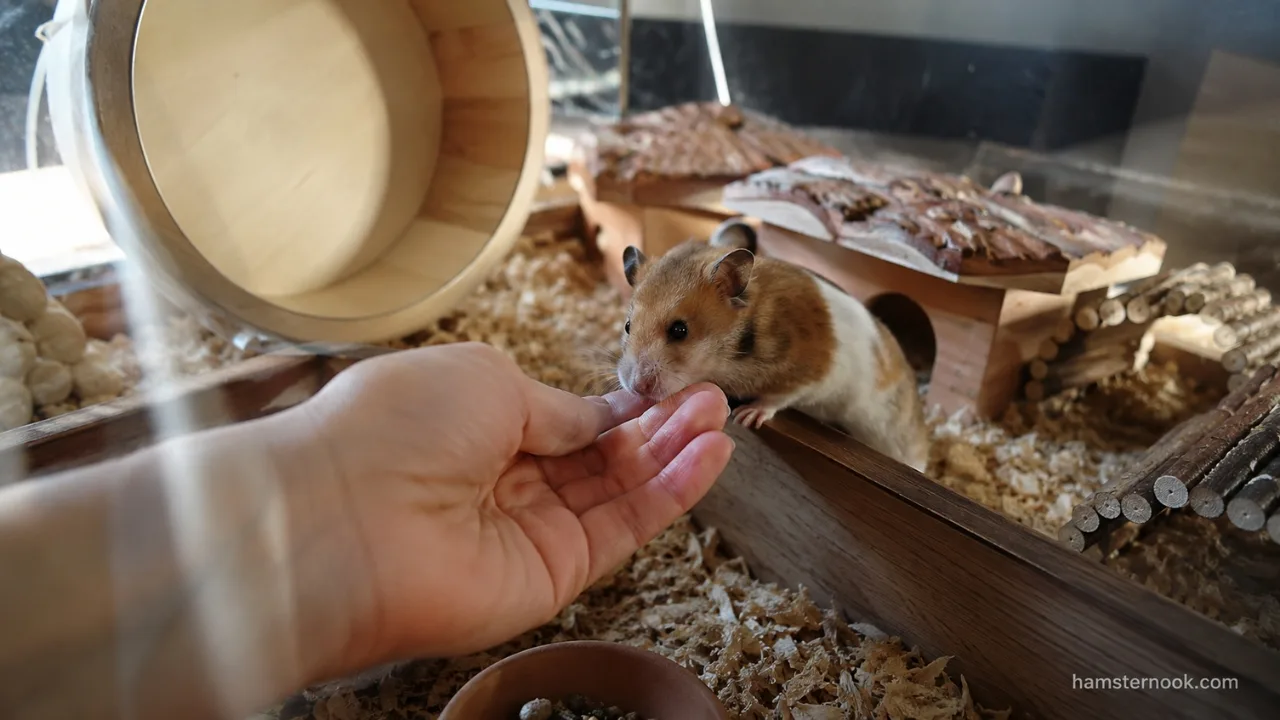
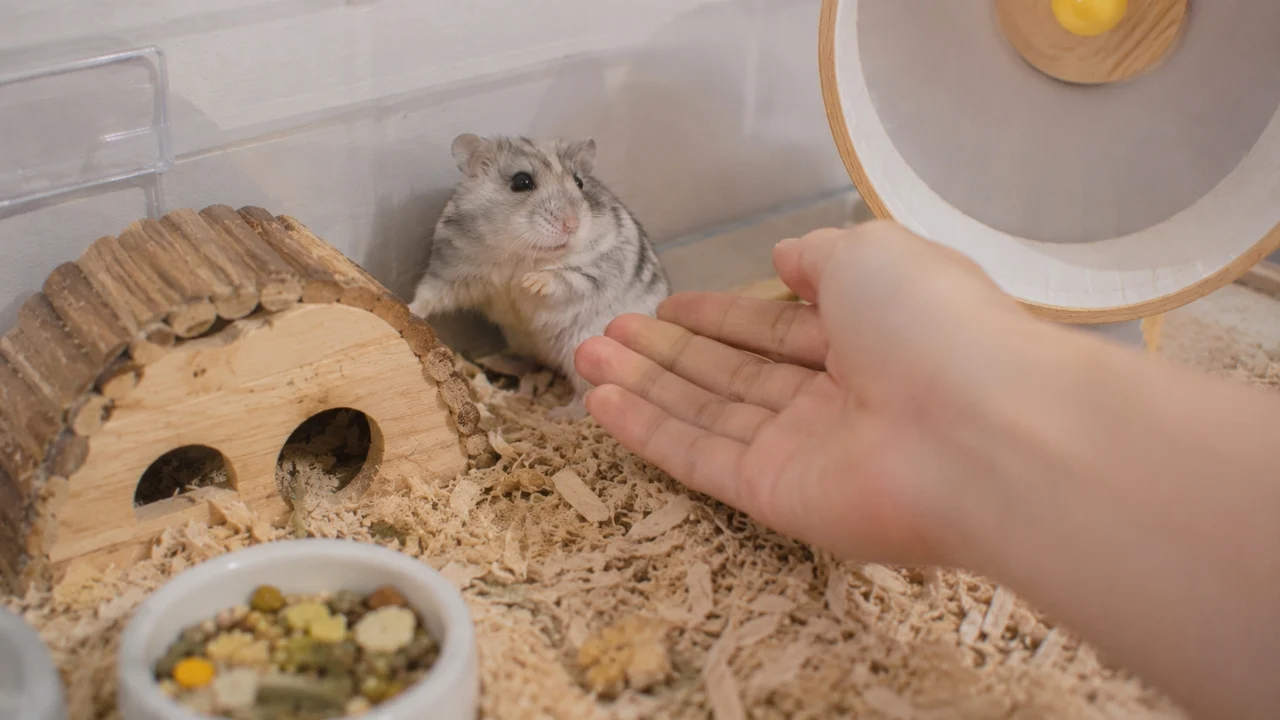
2. Trying to Bond Too Quickly
New owners are understandably excited to interact with their hamster.
However, immediately picking up, chasing, or handling a newly adopted hamster can create fear rather than trust.
A hamster entering a new environment needs time to adjust to unfamiliar smells, sounds, and surroundings.
This issue is discussed in greater detail in The Biggest Mistake New Hamster Owners Make in the First Week, where early handling often causes unnecessary stress.

The best approach is to let trust develop at the hamster’s pace rather than yours. Let your hamster settle before beginning trust-building exercises.
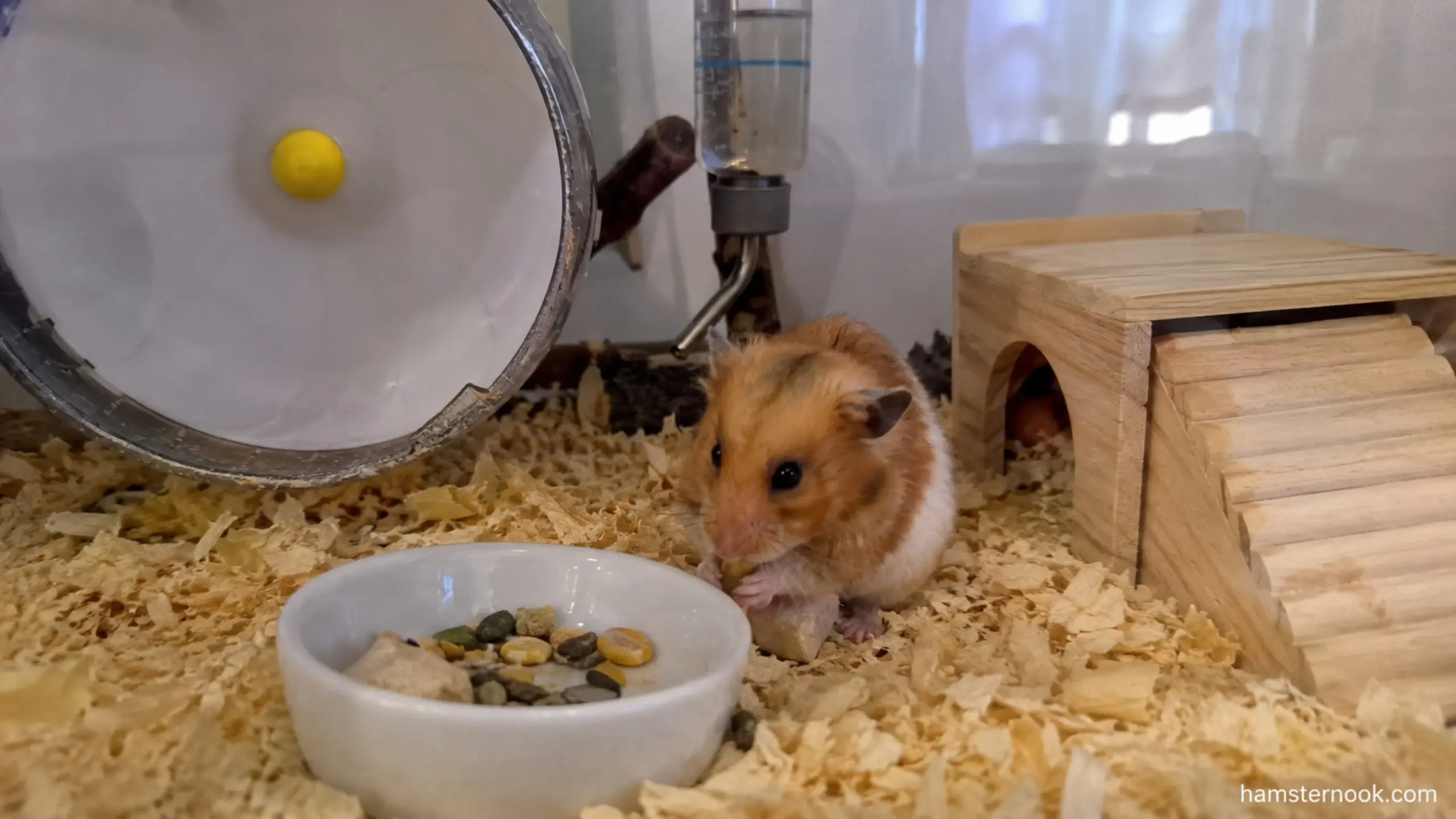
3. Choosing the Wrong Exercise Wheel
Not all hamster wheels are created equal.
A wheel that is too small can force a hamster’s back into an unnatural curve while running. Over time, this may lead to discomfort and poor running posture.
Wheel Selection Basics
| Hamster Type | General Wheel Recommendation |
|---|---|
| Syrian Hamster | Large wheel with a straight running posture |
| Dwarf Hamsters | Smaller but appropriately sized wheel |
| Chinese Hamsters | Wheel large enough to prevent back arching |
The most important factor is ensuring your hamster can run with a relatively straight back.
4. Assuming Hamsters Need Very Little Space
Many people compare hamsters to other small pets and assume they need only a tiny enclosure.
In reality, hamsters spend much of their time:
- Exploring
- Digging
- Running
- Foraging
- Nest building
When space is limited, boredom-related behaviors may develop.
Owners seeing these behaviors may also find Signs Your Hamster Is Bored and How to Fix It helpful.

Signs can include:
- Bar chewing
- Repetitive pacing
- Excessive climbing
- Restlessness
A larger habitat often improves both physical and mental well-being.
5. Overfeeding Treats

Treats are useful for bonding, but they should remain occasional extras rather than a major part of the diet.
Many beginner owners accidentally provide too many:

- Commercial treats
- Fruit pieces
- Seed sticks
- High-fat snacks
A balanced hamster diet should always remain the foundation of daily nutrition.
When introducing treats, moderation is important, even with foods generally considered safe such as those discussed in Can Hamsters Eat Grapes? What Owners Need To Know.
6. Waking a Sleeping Hamster During the Day
Hamsters are naturally most active during evening and nighttime hours.
Owners often become concerned when they don’t see their hamster awake during the day and may attempt to wake them for interaction.

This can create stress and may lead to defensive behavior.
Instead of waking your hamster:
- Wait until evening activity begins
- Allow natural sleep cycles
- Schedule interaction around active periods
Respecting a hamster’s routine helps build trust over time.
7. Not Providing Enough Enrichment
Food, water, and a wheel alone are not enough.

Hamsters benefit from enrichment that encourages natural behaviors.
Examples include:
- Tunnels
- Multi-chamber hides
- Digging areas
- Foraging opportunities
- Safe chew items
Enrichment helps prevent boredom and encourages physical activity.
Owners looking for enrichment ideas may also benefit from 10 Ways to Make a Hamster Cage More Enriching and Less Boring.

8. Ignoring Hydration Checks
Many owners assume that if a water bottle looks full, everything is fine.
However, water bottles can become:
- Blocked
- Leaky
- Malfunctioning
A hamster may suddenly lose access to water without the owner realizing it.
Daily water checks should always be part of routine care.

Learning the warning signs discussed in Can Hamsters Get Dehydrated? Signs Every Owner Should Know can help owners recognize problems early.
9. Believing Every Hamster Enjoys Being Held
Some hamsters become very comfortable with handling. Others remain more independent throughout their lives.
This is normal.
A hamster’s personality can be influenced by:

- Individual temperament
- Early experiences
- Age
- Species
Trust should be built gradually rather than forced.
Owners who allow the hamster to approach voluntarily often achieve better results than those who repeatedly pick up a reluctant hamster.
10. Relying on Outdated Hamster Care Advice
Hamster care has changed significantly over the years.
Some recommendations that were once common are now widely questioned or discouraged, including:

- Extremely small cages
- Frequent use of exercise balls
- Minimal bedding depth
- Housing certain hamsters together
Modern care focuses more heavily on welfare, enrichment, natural behaviors, and species-specific needs.
When researching hamster care, prioritize current information from reputable veterinary and animal welfare sources.
Warning Signs That Something May Be Wrong
New owners should monitor their hamster regularly for changes that could indicate a problem.
Small Changes Often Appear Before Big Problems
Many hamster health and welfare issues begin with subtle behavioral changes. Reduced activity, changes in eating habits, unusual sleeping patterns, or increased irritability often appear before more obvious symptoms develop.

This is one reason experienced owners recommend observing your hamster briefly every day, even when everything appears normal.
| Potential Warning Sign | Possible Concern |
|---|---|
| Sudden lethargy | Illness, stress, or dehydration |
| Refusing food | Health issue or stress |
| Excessive scratching | Skin irritation or parasites |
| Rapid weight loss | Underlying medical concern |
| Persistent hiding | Stress or illness |
| Drinking significantly more or less | Health or hydration issue |
Any major behavioral change deserves attention, especially when multiple symptoms appear together.
Building Good Habits From Day One
The easiest way to avoid beginner mistakes is to develop simple daily routines.
A good daily checklist includes:

- Checking food supply
- Refreshing water
- Monitoring behavior
- Spot cleaning when needed
- Looking for signs of illness
- Ensuring enrichment items remain safe
Small habits performed consistently often make a bigger difference than expensive accessories.
The Good News for New Owners
Most beginner mistakes come from enthusiasm, not neglect.
Owners usually make these errors because they want to interact with their hamster, provide treats, or create a comfortable home. Once owners understand hamster behavior and modern care standards, these problems are usually easy to correct.
Beginner Hamster Care Checklist
Use this quick checklist to avoid the most common problems:

- ✓ Enclosure provides enough usable floor space
- ✓ Wheel size matches your hamster’s species
- ✓ Bedding is deep enough for burrowing
- ✓ Fresh water is available every day
- ✓ Multiple hideouts are provided
- ✓ Enrichment items are rotated regularly
- ✓ Hamster is allowed to sleep undisturbed
- ✓ Health and behavior are checked daily
Final Thoughts
Most experienced hamster owners can point to a few things they would have done differently when they first started. What matters most is learning from them and adjusting your care as your knowledge grows.
The ten mistakes discussed here are among the most common because they often stem from good intentions. Owners want to bond quickly, provide treats, and create a comfortable home. The challenge is understanding what hamsters actually need rather than what we assume they need.
By providing adequate space, respecting natural behaviors, offering proper enrichment, monitoring health closely, and staying informed, you’ll create an environment where your hamster can thrive for years to come.
Frequently Asked Questions
What is the most common mistake new hamster owners make?
One of the most common mistakes is handling a hamster too soon after bringing it home. Most hamsters benefit from a short adjustment period before regular interaction begins.

Do hamsters really need large cages?
Yes. Modern hamster care standards generally support providing enough space for natural behaviors such as running, burrowing, and exploring.
Is it okay to wake my hamster up to play?
It’s usually better to wait until your hamster wakes naturally. Waking a sleeping hamster can cause stress and defensive behavior.
How often should I check my hamster’s water bottle?
At least once daily. Water bottles can become blocked or malfunction without obvious signs.
Are hamster treats bad for hamsters?
Treats are not necessarily bad, but excessive treats can contribute to nutritional imbalance and weight gain.

How can I tell if my hamster is bored?
Common signs may include repetitive behaviors, bar chewing, excessive climbing, or persistent restlessness. Providing enrichment often helps reduce boredom-related behaviors.
How long should I leave a new hamster alone after bringing it home?
Most hamsters benefit from a few days of minimal disturbance while they adjust to their new surroundings.
Are hamster starter kits a good choice?
Some starter kits contain useful items, but many include cages or accessories that are too small. Always evaluate each item individually.
What mistake causes stress most often?
Trying to handle a hamster before it feels secure is one of the most common causes of early stress.
Can beginner mistakes be corrected?
Yes. Most common hamster care mistakes can be improved by upgrading the habitat, providing enrichment, and adjusting daily care routines.

Narayan Kumar is the founder and author of HamsterNook. He creates practical, research-based hamster care guides covering hamster behavior, nutrition, cage setup, enrichment, health, and everyday care. His goal is to help hamster owners make informed decisions and provide safer, healthier lives for their pets through clear, beginner-friendly information based on trusted animal care resources.