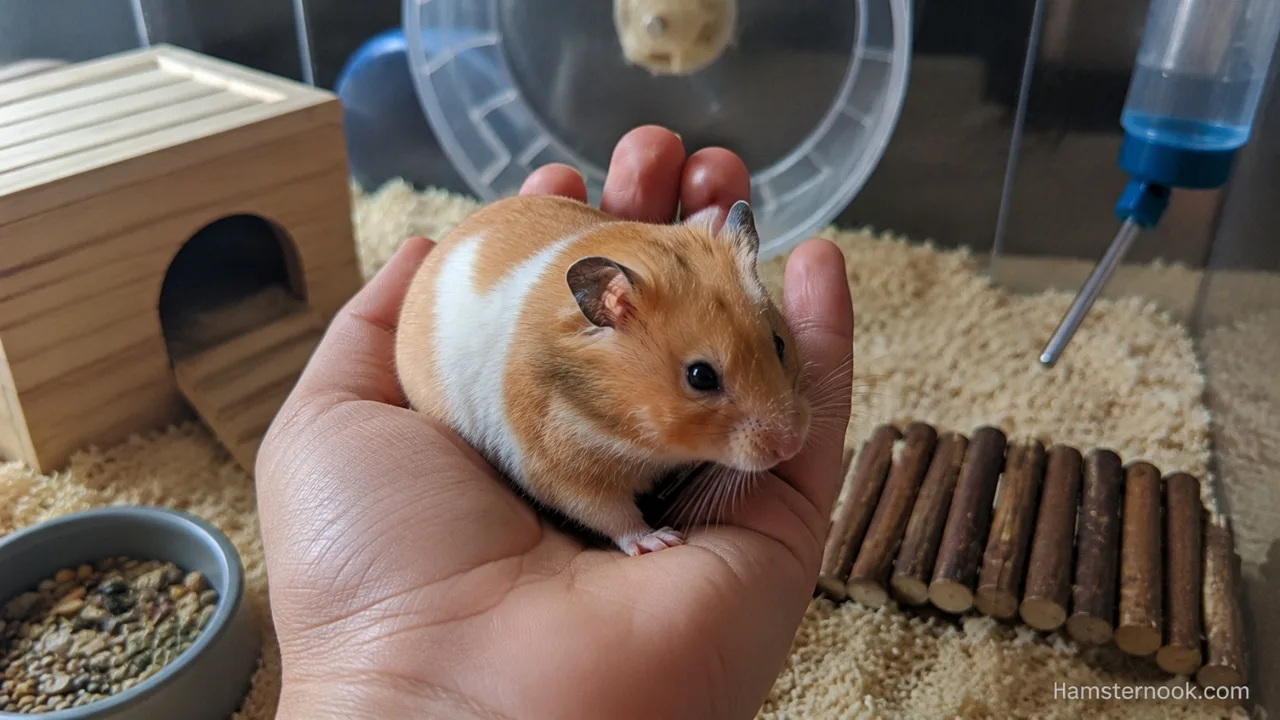
When choosing a pet hamster, most people focus on size, appearance, or personality. But there’s another question that often comes up after the excitement of adoption wears off: how long will my hamster live?
Although all hamsters have relatively short lifespans, some species consistently live longer than others when given proper care. Understanding these differences can help you choose the breed that best fits your expectations and prepare for the level of care required throughout your hamster’s life.
Breed is one factor in lifespan, but it is not a guarantee of how long an individual hamster will live. Genetics, health, housing, nutrition, stress, and veterinary care can all influence health and longevity. Good care supports a hamster’s health and welfare, but it cannot guarantee that an individual will live beyond the typical lifespan for its species.
In this guide, we’ll compare the most common pet hamster breeds, explore what affects longevity, and discuss practical ways to help your hamster live a healthier and potentially longer life.

Hamster Lifespan Comparison: Which Breed Lives the Longest?

Lifespan figures should be viewed as averages rather than guarantees. Individual genetics, health history, and care quality can cause significant variation from one hamster to another.
While individual lifespans vary, some general patterns exist among pet hamster species.
| Hamster Breed | Typical Lifespan |
|---|---|
| Roborovski Hamster | 3–4 years |
| Chinese Hamster | 2–3 years |
| Syrian Hamster | 1.5–3 years |
| Russian Dwarf Hamster | 1.5–2 years |
Roborovski hamsters generally rank highest for average lifespan, but excellent care remains important regardless of species.
Based on available observations from breeders, owners, and veterinary sources, Roborovski hamsters generally have the longest average lifespan among commonly kept pet hamster species.

The MSD Veterinary Manual lists Roborovski hamsters at about 36–48 months, compared with 24–36 months for Chinese hamsters, 18–36 months for Syrian hamsters, and 18–24 months for Russian dwarf hamsters. These are typical lifespan ranges, not guarantees for an individual hamster.
Even so, lifespan charts only provide a rough guide and cannot predict how long an individual hamster will live. A Syrian hamster receiving excellent care may outlive a poorly cared-for Roborovski hamster.
Why Do Different Hamster Breeds Have Different Lifespans?
Researchers continue studying lifespan differences among small mammals, but current evidence suggests that genetics and disease susceptibility play major roles.
Several biological and environmental factors appear to influence lifespan differences between hamster species. However, several factors appear to contribute.

These include:
- Genetic traits
- Disease susceptibility
- Metabolic differences
- Body size
- Breeding practices
- Overall health resilience
Certain dwarf hamster species appear more prone to specific health conditions, while others tend to remain active and healthy for longer periods.
Roborovski Hamsters: The Longest-Living Pet Hamster Breed
Roborovski hamsters have earned a reputation for staying active and healthy longer than most other pet hamster species.
These tiny desert hamsters are known for:

- Exceptional activity levels
- High energy
- Curious personalities
- Relatively long lifespans
Roborovski hamsters have a typical lifespan of about 36–48 months according to the MSD Veterinary Manual. Their longer typical lifespan does not mean that every Roborovski will live longer than an individual hamster of another species.
The challenge with Roborovskis is not lifespan but handling. They are incredibly fast and often prefer observing their owners rather than being held.
Owners interested in behavior and activity often enjoy learning about How Active Should a Healthy Hamster Be at Night? What’s Normal and What’s Not, since Roborovskis can be especially energetic after dark.
Syrian Hamsters: Popular but Not Necessarily the Longest-Lived
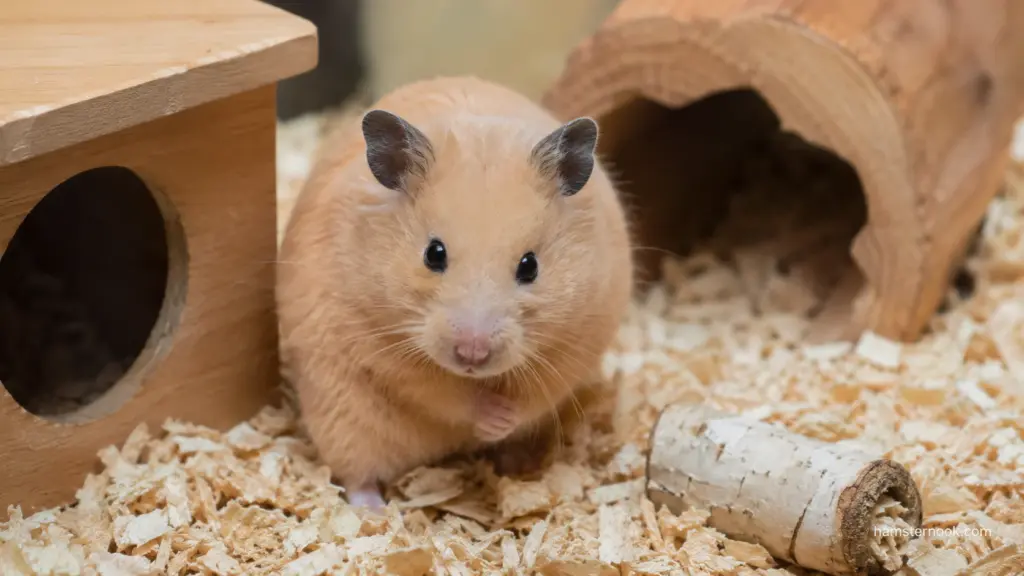
Syrian hamsters are the most commonly kept pet hamster worldwide.

Their popularity comes from:
- Larger size
- Easier handling
- Wide variety of coat types
- Generally friendly temperament
Syrian hamsters have a typical lifespan of about 18–36 months. They are larger than dwarf hamsters, and their individual temperament can vary, so lifespan should be considered separately from handling preferences.
Syrian hamsters are generally easier to handle than smaller hamsters because of their larger size, although individual temperament still matters. For a broader comparison focused on beginner suitability, our Best Hamster Breeds for Beginners: Easiest to Care For Compared guide covers the differences between commonly kept hamster breeds.
Chinese Hamsters: A Surprisingly Long-Lived Option
Chinese hamsters are often overlooked, yet they are among the longer-lived hamster species commonly kept as pets.
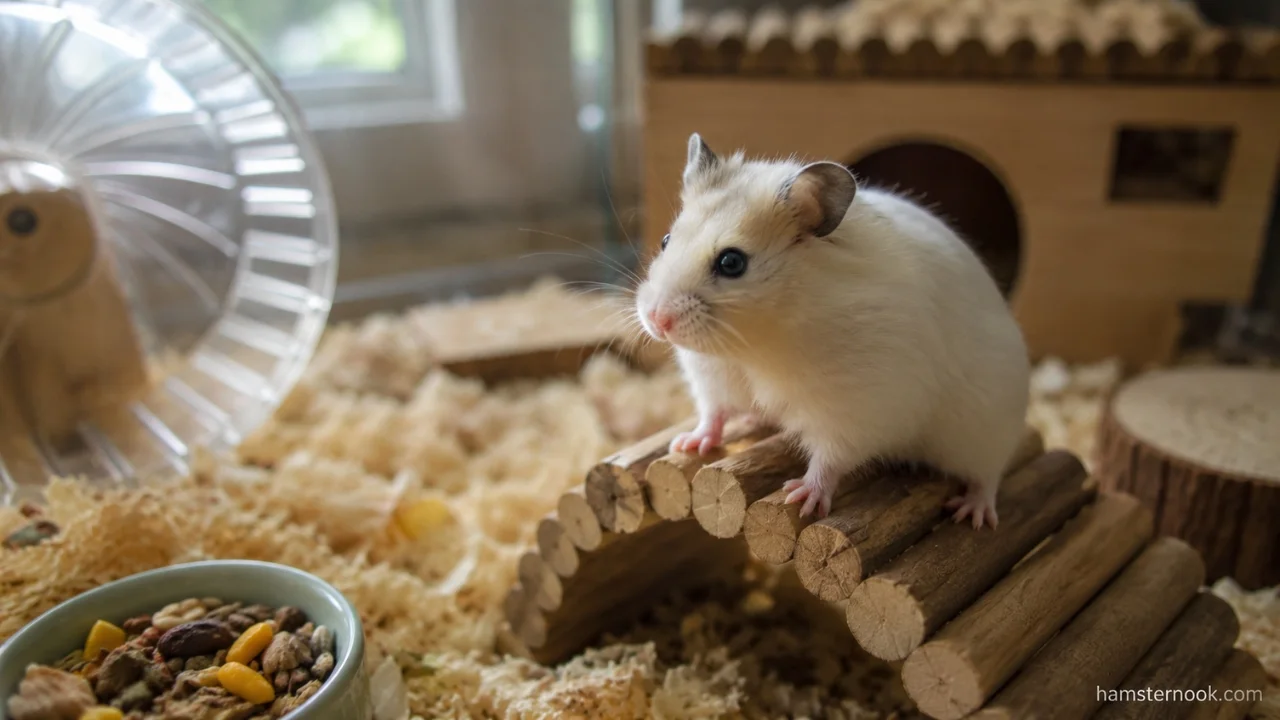
They are technically not true dwarf hamsters, although they are often grouped with them due to their size.
Chinese hamsters are known for:
- Gentle personalities
- Slender body shape
- Strong climbing ability
- Relatively good longevity
Many owners find them easier to handle than Roborovskis while still enjoying above-average lifespans.
Campbell’s and Winter White Dwarf Hamsters
These two species are frequently grouped together because they share many similarities.
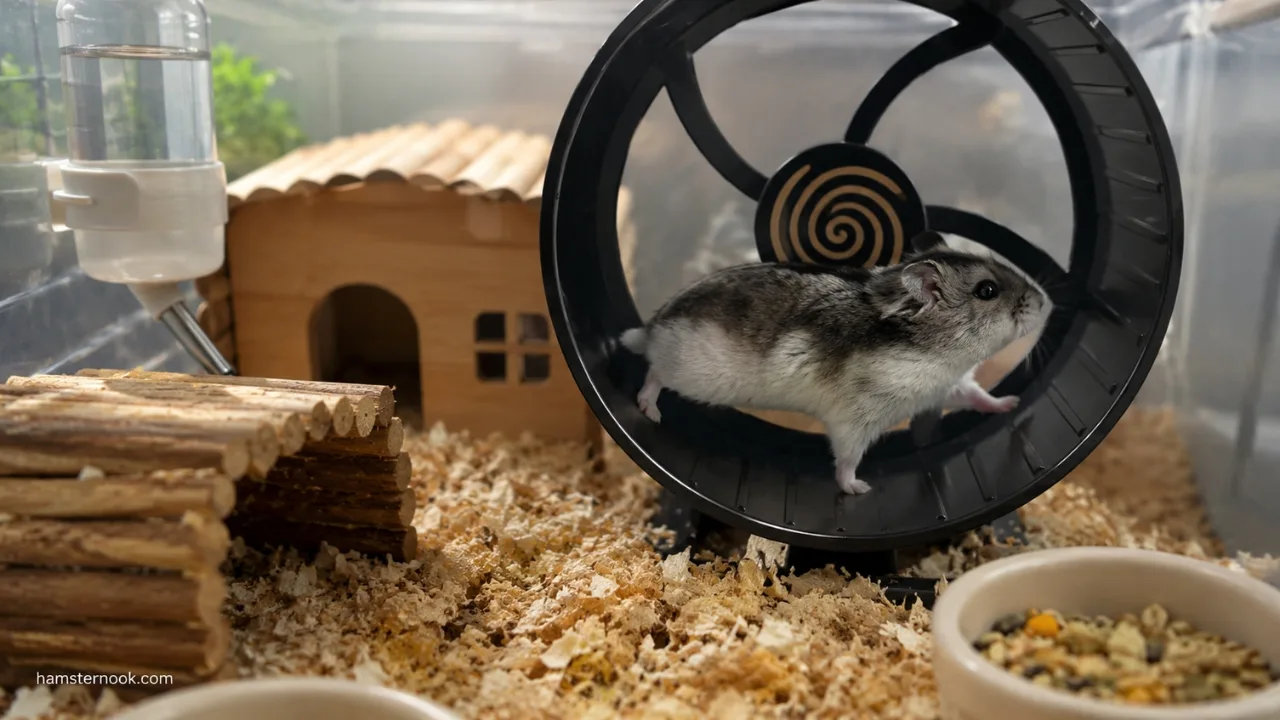
While they can make wonderful pets, they generally have slightly shorter average lifespans than Roborovski or Chinese hamsters.
One important consideration is that some dwarf hamster species appear more susceptible to diabetes and weight-related health problems.
Sugary treats should remain limited, and overall diet quality matters more than any single treat when supporting long-term health.
Breed Isn’t the Only Factor That Determines Lifespan
The care a hamster receives every day often has a bigger impact on long-term health than the species itself.

A hamster’s lifespan is influenced by:
| Factor | Potential Impact on Lifespan |
|---|---|
| Genetics | Very High |
| Diet Quality | Very High |
| Cage Size | High |
| Exercise Opportunities | High |
| Stress Levels | High |
| Veterinary Care | Moderate to High |
| Environmental Safety | High |
These factors often work together, meaning improvements in several areas can have a greater impact than focusing on only one.
Many owners are surprised that two hamsters of the same breed can have very different lifespans. Daily care, stress levels, and early detection of health problems often make a bigger difference than breed alone.
Even the longest-living breed can experience health problems if these areas are neglected.

Housing Mistakes That May Shorten a Hamster’s Life
One of the most common mistakes new owners make is purchasing a cage based on pet store marketing rather than modern hamster care recommendations.
Small cages may contribute to:
- Chronic stress
- Reduced exercise
- Obesity
- Repetitive behaviors
Stress is particularly important because long-term stress can affect overall health.
Many first-time owners unknowingly create problems during the adjustment period. Learning about The Biggest Mistake New Hamster Owners Make in the First Week can help avoid some of these issues.

Nutrition and Longevity: What Really Matters?
A balanced diet is one of the most controllable lifespan factors.
Healthy hamster diets generally include:
- Quality hamster pellets
- Appropriate seed mixes
- Fresh vegetables
- Occasional protein sources
- Fresh water
Treats should remain a small part of the diet.
If you’re unsure what a balanced hamster diet looks like, Complete Hamster Diet Guide: Best Foods, Safe Treats & Toxic Foods explains how proper nutrition supports long-term health and longevity.
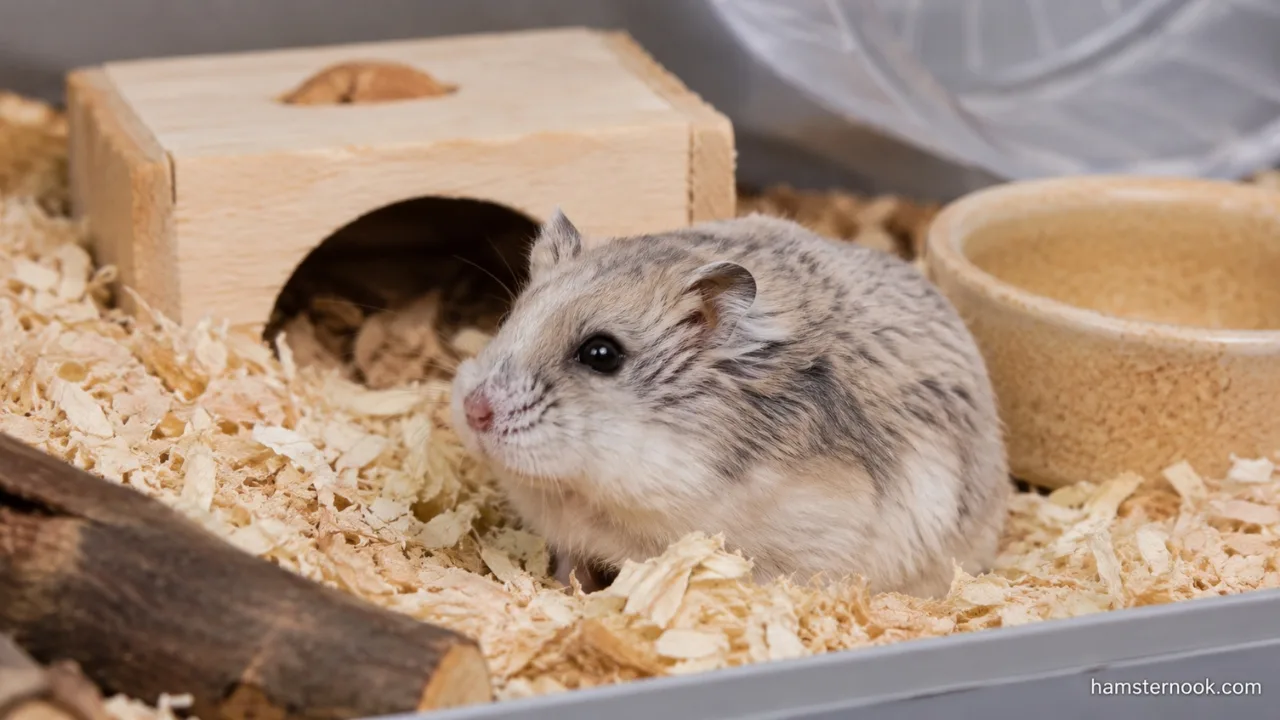
Many owners focus on whether a specific food is safe while overlooking portion size and frequency. Even healthy treats can become unhealthy when overfed.
Signs Your Hamster Is Aging
Senior hamsters often remain happy and comfortable when provided with easy access to food, water, bedding, and resting areas.
As your hamster gets older, practical changes to the enclosure and daily routine can help maintain comfort. Our Senior Hamster Care: How to Keep an Older Hamster Comfortable and Healthy guide covers those adjustments in more detail.
Recognizing normal aging helps owners provide better care during a hamster’s senior years.
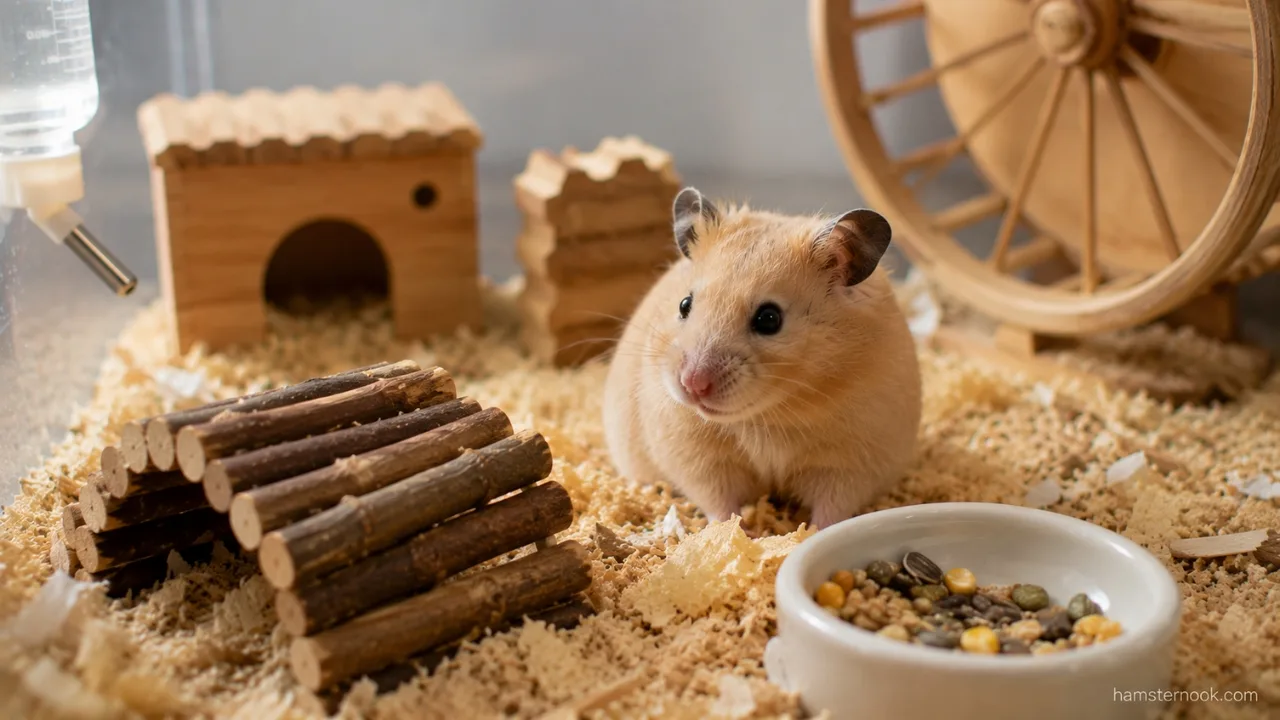
Common signs of aging include:
- Slower movement
- Increased sleeping
- Weight changes
- Thinning fur
- Reduced climbing activity
- Less interest in exercise
Age-related changes usually appear slowly over time rather than suddenly.
Aging itself is not a disease, but sudden changes should always be monitored carefully.
Common Health Issues That Can Affect Lifespan
Although breed influences disease risk, several health problems can occur across all hamster species.
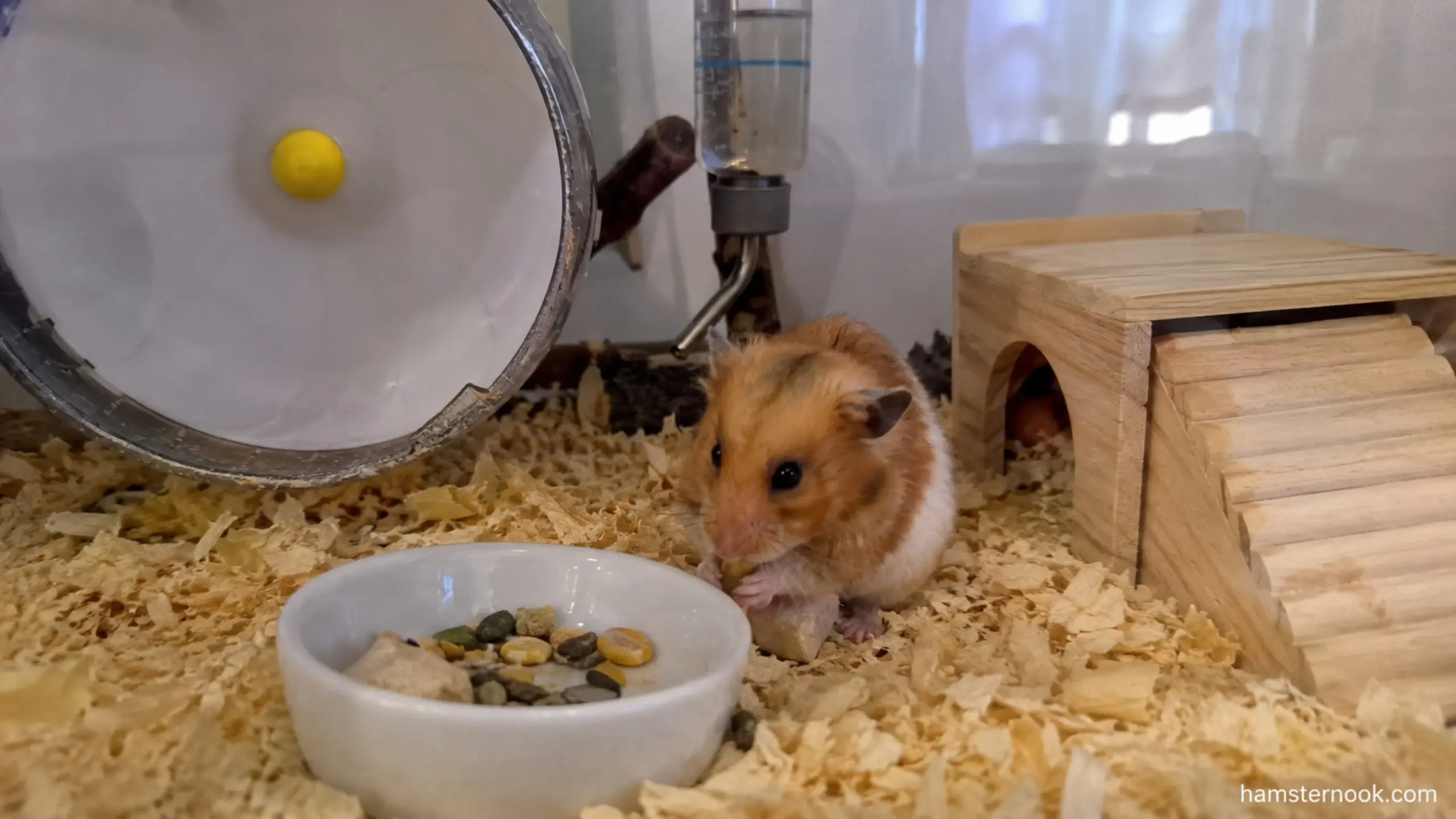
These include:
| Health Issue | Possible Effect |
|---|---|
| Tumors | May reduce lifespan |
| Dental problems | Can affect eating and weight |
| Respiratory infections | May become serious without treatment |
| Obesity | Increases health risks |
| Diabetes | Particularly concerning in some dwarf species |
| Wet Tail | Potentially life-threatening if untreated |
Regular observation helps owners identify potential problems early, improving the chances of successful treatment.
Early detection can make health problems easier to address, but sudden changes in appetite, weight, breathing, activity, or behavior should not automatically be dismissed as normal aging. A veterinarian should assess concerning or persistent changes.
Owners who regularly observe behavior changes are more likely to notice problems before they become severe.
Can You Increase a Hamster’s Lifespan?
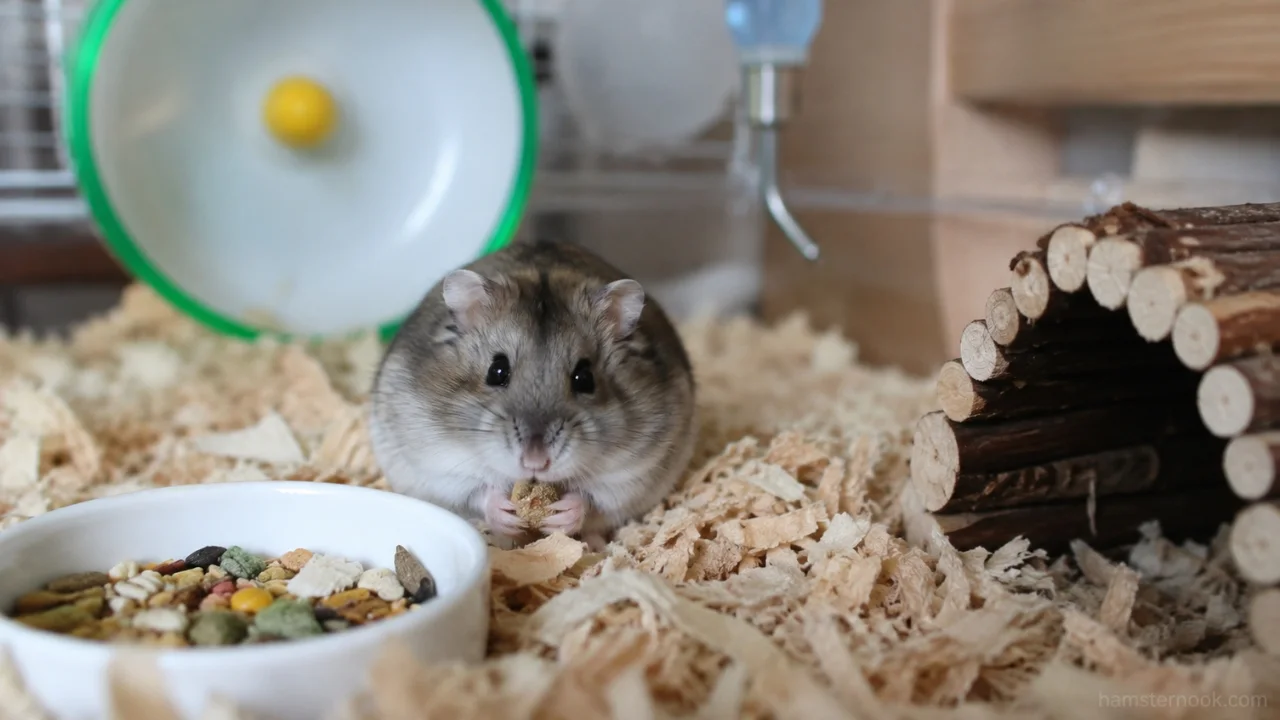
While lifespan cannot be predicted for any individual hamster, creating a low-stress environment can support better long-term health.
No owner can guarantee a longer lifespan, but several practices may improve the odds of a hamster living a healthy life.
Focus on:
- Providing adequate enclosure space
- Feeding a balanced diet
- Limiting sugary treats
- Offering regular enrichment
- Reducing unnecessary stress
- Maintaining clean living conditions
- Monitoring health changes
Consistent feeding, proper housing, and regular observation usually contribute far more to long-term health than expensive accessories.

Choosing the Right Breed Based on Lifespan
If lifespan is your highest priority, Roborovski hamsters generally offer the best chance of a longer life.
However, lifespan should not be the only factor in breed selection.
Consider:
| If You Want… | Consider This Breed |
|---|---|
| Longest average lifespan | Roborovski |
| Easier handling | Syrian |
| Good balance of lifespan and temperament | Chinese |
| Small size and active behavior | Winter White |
| Dwarf hamster experience | Campbell’s |
Choosing a species that matches your experience level and expectations is usually more important than lifespan alone.

If handling and beginner-friendliness matter alongside lifespan, our Best Hamster Breeds for Beginners: Easiest to Care For Compared guide provides a broader breed comparison.
It’s also important to remember that published lifespan estimates are based on averages. Some hamsters naturally exceed expectations, while others may develop age-related health issues earlier despite receiving excellent care.
Final Thoughts
So, which hamster breed lives the longest?
Among commonly kept pet species, the Roborovski hamster generally has the longest average lifespan. Its average lifespan often exceeds that of other commonly kept hamster species, and many individuals remain active and energetic well into old age.

That said, breed is only part of the equation. Proper housing, nutrition, stress management, and attentive care often have a greater impact on a hamster’s quality of life than breed alone.
Lifespan is worth considering, but choosing a hamster whose temperament and care requirements match your expectations is usually the better long-term decision. A shorter-lived hamster that enjoys a healthy, enriched life is ultimately better off than a longer-lived hamster living in poor conditions.
Frequently Asked Questions
What hamster breed lives the longest as a pet?
Roborovski hamsters generally have the longest average lifespan among commonly kept pet hamster species, often living around three to three and a half years.
Can a hamster live longer than four years?
Some individual hamsters may live beyond the typical lifespan for their species, but an exact maximum age cannot be predicted for an individual pet. The typical lifespan ranges above are more useful for setting realistic expectations.
Do Syrian hamsters live longer than dwarf hamsters?
Not always. Syrian hamsters typically live around two to three years, while Roborovski hamsters often live slightly longer on average.
Does cage size affect hamster lifespan?
A suitable enclosure can support better physical and mental health, which may positively influence overall lifespan and quality of life.
Which hamster breed is best for beginners?
Syrian hamsters are often recommended for beginners because they are larger, easier to handle, and generally easier to tame.
Can diet help a hamster live longer?
A balanced diet cannot guarantee a longer life, but it can reduce the risk of obesity, nutritional deficiencies, and other health problems that may affect longevity.
References
This guide is based on hamster lifespan, breed characteristics, health, nutrition, housing, and welfare guidance from trusted veterinary and animal welfare resources, including:
- MSD Veterinary Manual – Hamsters – Veterinary information on hamster species, typical lifespan ranges, health conditions, husbandry, and general care.
- RSPCA – Keeping Hamsters as Pets – Guidance on hamster care, housing, diet, behavior, exercise, welfare, and factors that support healthy living.
- RSPCA – Hamster Health & Welfare – Information on common hamster health problems, health monitoring, signs of illness, and veterinary care.
- PDSA – Hamsters as Pets – Guidance on hamster lifespan, nutrition, exercise, housing, handling, and common health considerations.
- Blue Cross – Hamster Care Guide – Practical advice on hamster housing, diet, enrichment, exercise, handling, and overall wellbeing.
- NC3Rs – Housing and Husbandry: Hamster – Guidance on appropriate hamster housing, bedding, enrichment, environmental conditions, and welfare.

Narayan Kumar is the founder and author of HamsterNook. He creates practical, research-based hamster care guides covering hamster behavior, nutrition, cage setup, enrichment, health, and everyday care. His goal is to help hamster owners make informed decisions and provide safer, healthier lives for their pets through clear, beginner-friendly information based on trusted animal care resources.