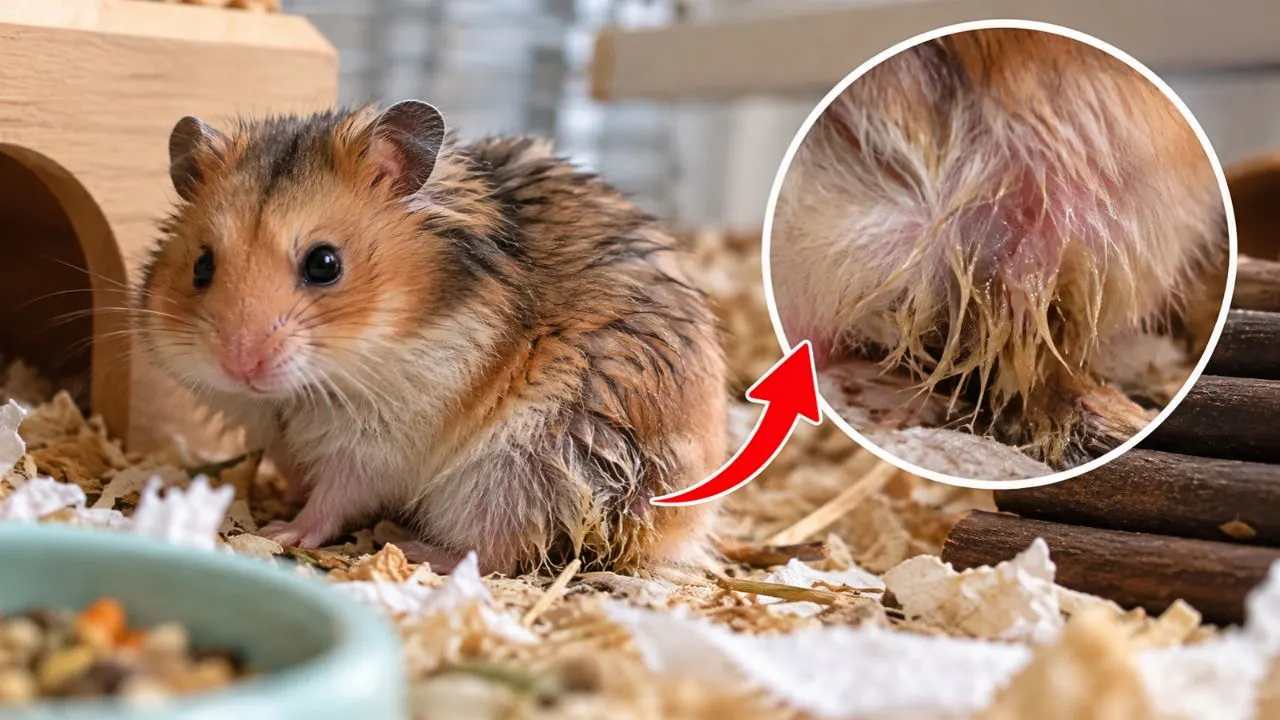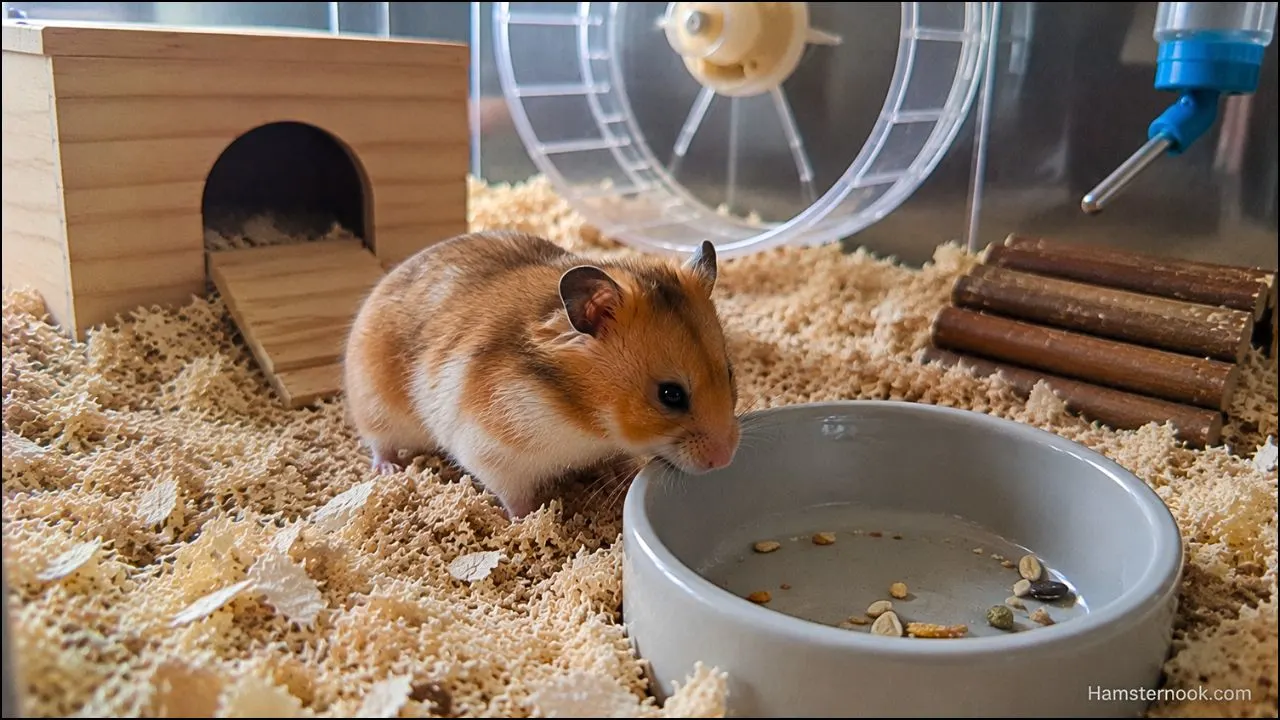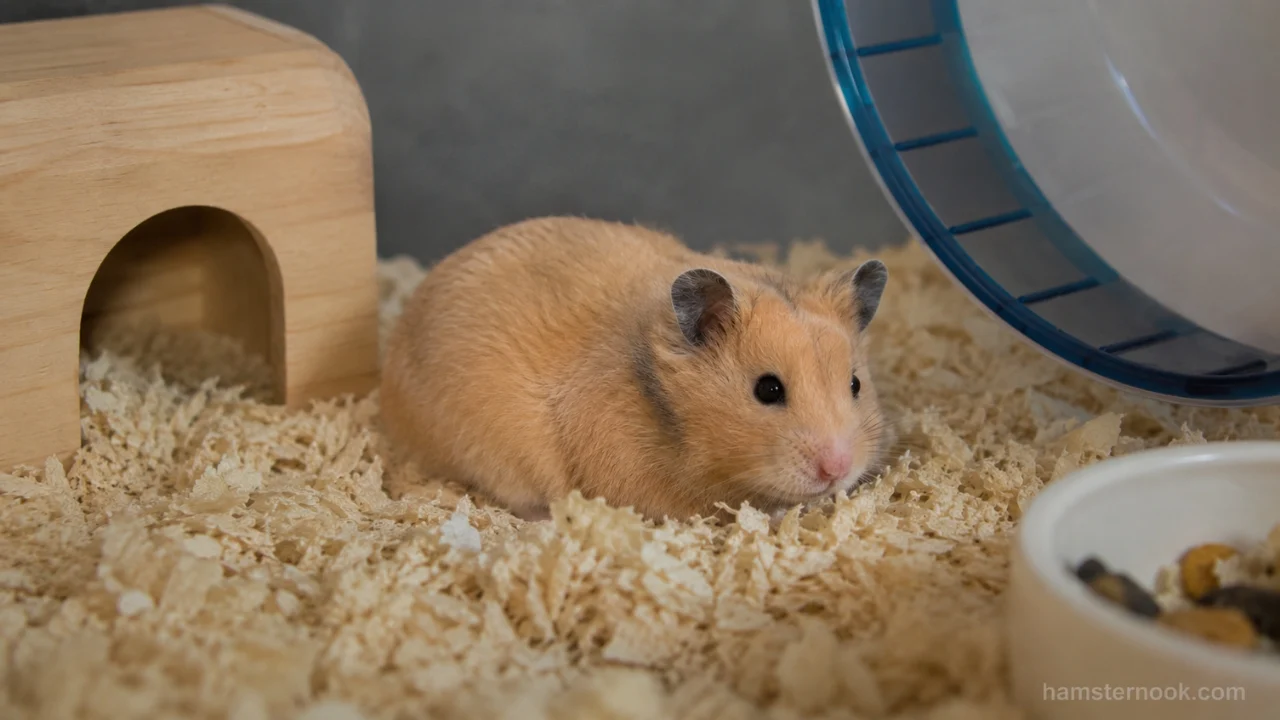
One evening, your hamster is running on its wheel, exploring its enclosure, and behaving normally. The next day, you notice something unusual: it’s sitting in the same corner, hideout, or spot for long periods without moving much. For many hamster owners, this change can be worrying.
A hamster that suddenly spends hours in the same spot can sometimes be resting normally, but abrupt inactivity is also one of the most common early signs that something has changed in its health, environment, or daily routine.
Sometimes the cause is completely harmless, such as a change in sleeping habits or temporary stress. In other cases, it may signal pain, injury, illness, or environmental problems that need attention.
The cause often becomes clearer once you look at what else has changed in your hamster’s behavior.
Quick Answer
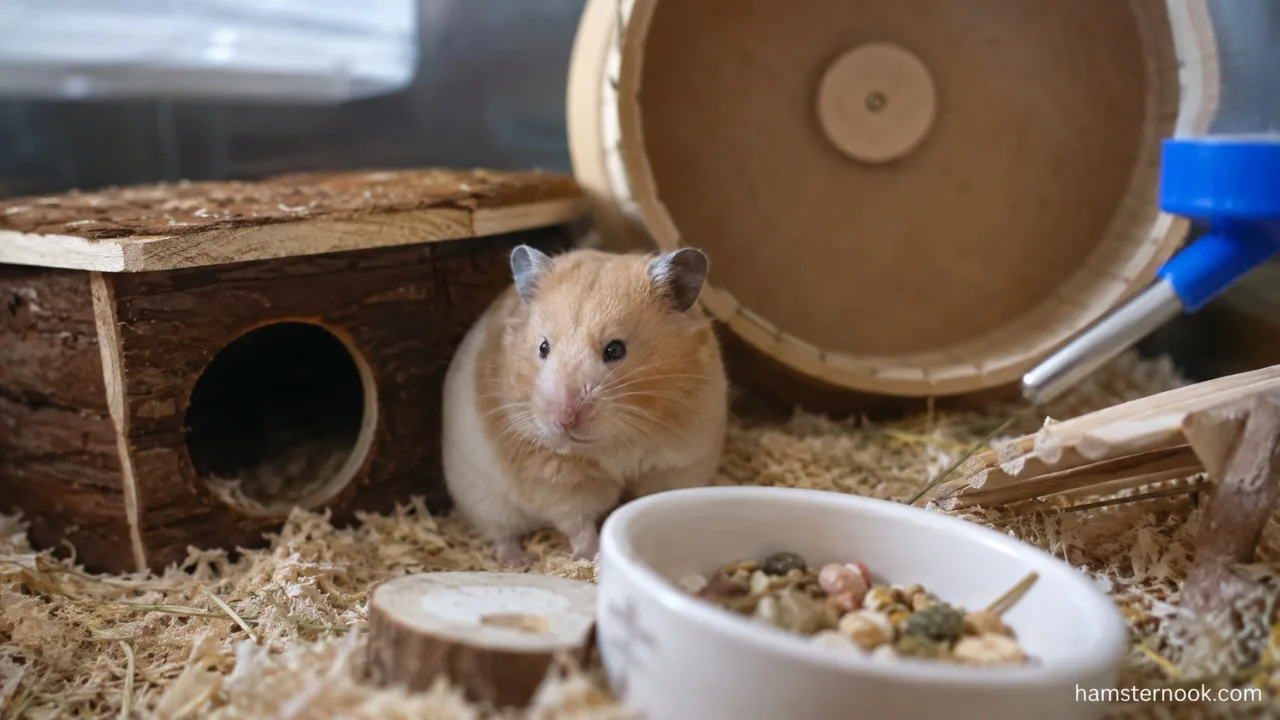
A hamster may suddenly stay in one spot because of stress, illness, injury, dehydration, temperature problems, aging, or changes in its sleep schedule. If your hamster still eats, drinks, grooms, and becomes active during normal waking hours, the behavior may be temporary. However, inactivity combined with appetite loss, breathing changes, weakness, or weight loss should be investigated promptly.
Is It Normal for a Hamster to Stay in One Spot?
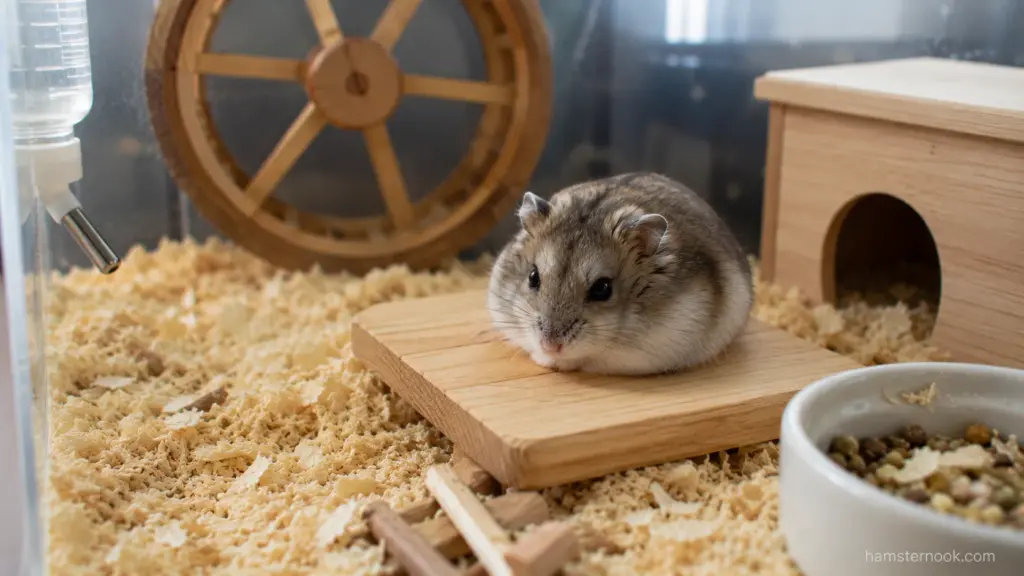
Hamsters naturally spend time resting, sleeping, and hiding. They are not active every hour of the day, and many owners mistakenly expect constant movement.
However, there’s a difference between normal resting behavior and a hamster that seems unusually inactive.
A healthy hamster will typically:
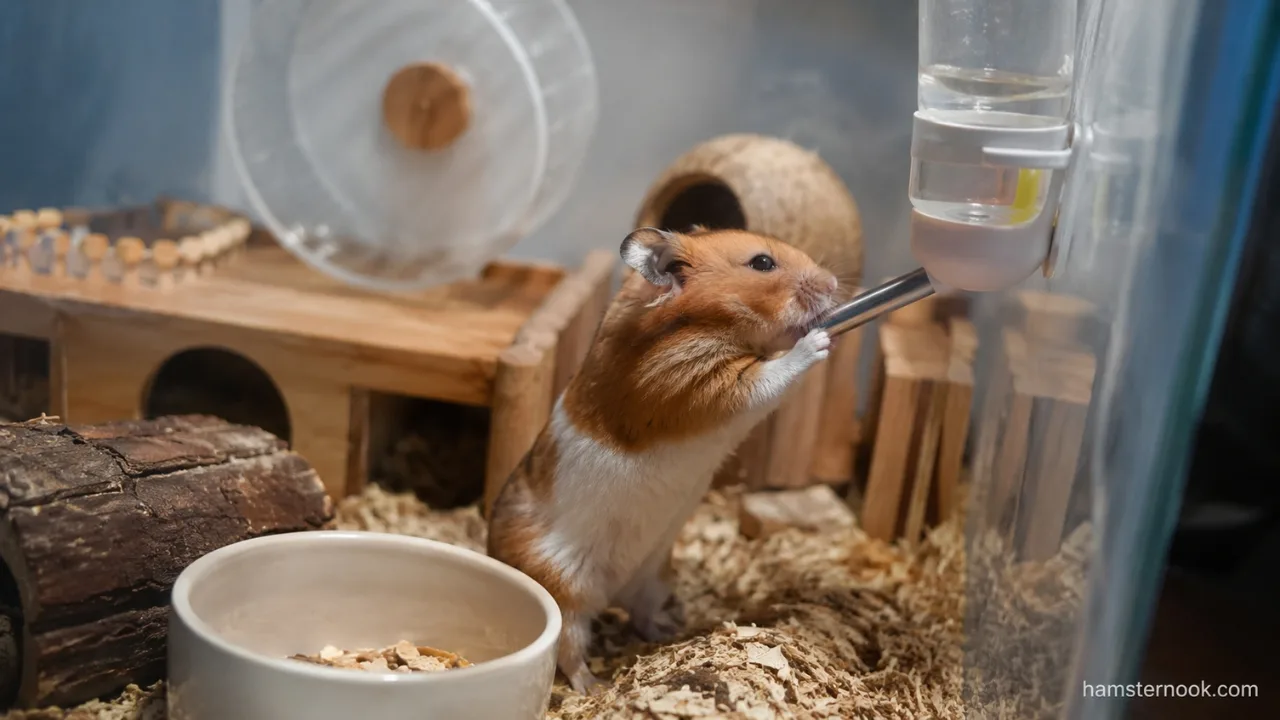
- Change sleeping positions occasionally
- Leave its resting area to eat and drink
- Explore the enclosure during active hours
- Respond to sounds or movement nearby
- Show interest in familiar routines
If your hamster remains in exactly the same location for unusually long periods and appears less active than normal, it’s worth investigating further.
Why Sudden Inactivity Matters
Hamsters instinctively hide weakness because they are prey animals. As a result, reduced movement is often one of the earliest behavioral changes owners notice when something is wrong.
Even if the cause turns out to be minor, sudden inactivity deserves closer observation because serious health conditions can initially look very similar to simple fatigue or stress.
Common Reasons a Hamster Suddenly Stays in One Place
Several factors can cause a hamster to become less active.
The table below summarizes some of the most common possibilities.
| Possible Cause | What You May Notice | When to Be Concerned |
|---|---|---|
| Sleeping or altered schedule | More active during its usual waking period | Activity does not return to normal |
| Stress or fear | Hiding, freezing, or avoiding interaction | Behavior persists or other symptoms appear |
| Temperature problems | Sluggish movement or staying curled up | Activity remains reduced or the hamster seems unwell |
| Injury | Limping or reluctance to move | Pain, swelling, or difficulty walking |
| Illness | Reduced appetite or lethargy | Other signs of illness develop |
| Older age | Gradually reduced activity | Change is sudden rather than gradual |
| Dehydration | Weakness or unusual lethargy | Reduced drinking or other illness signs appear |
| Pain or discomfort | Staying still or unusual posture | Movement appears painful or abnormal |
The cause usually becomes clearer when you look at other changes happening alongside the inactivity, such as appetite, posture, hydration, breathing, and overall energy levels.
A Change in Sleeping Patterns May Be the Explanation
One of the most common reasons owners become concerned is simply because their hamster has adjusted its schedule.
Hamsters are generally most active during the evening and at night, although individual activity patterns can vary. Some hamsters also alter their routines based on household activity.

If your hamster is staying in one spot during the day but becomes active at night, there may not be a problem at all.
Owners who are unsure whether their hamster is active overnight may find our Why Is My Hamster Sleeping So Much? Normal Sleep vs Warning Signs guide helpful for understanding normal sleep patterns and changes in activity.
Stress Can Cause a Hamster to Freeze or Hide
Stress often causes sudden behavioral changes.
Common stress triggers include:
- Moving to a new home
- Cage cleaning
- Loud noises
- New pets in the house
- Frequent handling
- Changes in cage setup
When a hamster feels unsure about its surroundings, staying in one familiar spot is often its way of avoiding what it sees as potential danger.
In some cases, the hamster may freeze when it feels threatened. This behavior is a natural survival instinct in prey animals.
If your hamster recently experienced a major change, stress may be one possible explanation, especially if there are no other signs of illness or injury.
If stress may be contributing to the change, our 7 Ways You’re Accidentally Stressing Your Hamster: Signs & What to Do guide covers common stress triggers and warning signs.
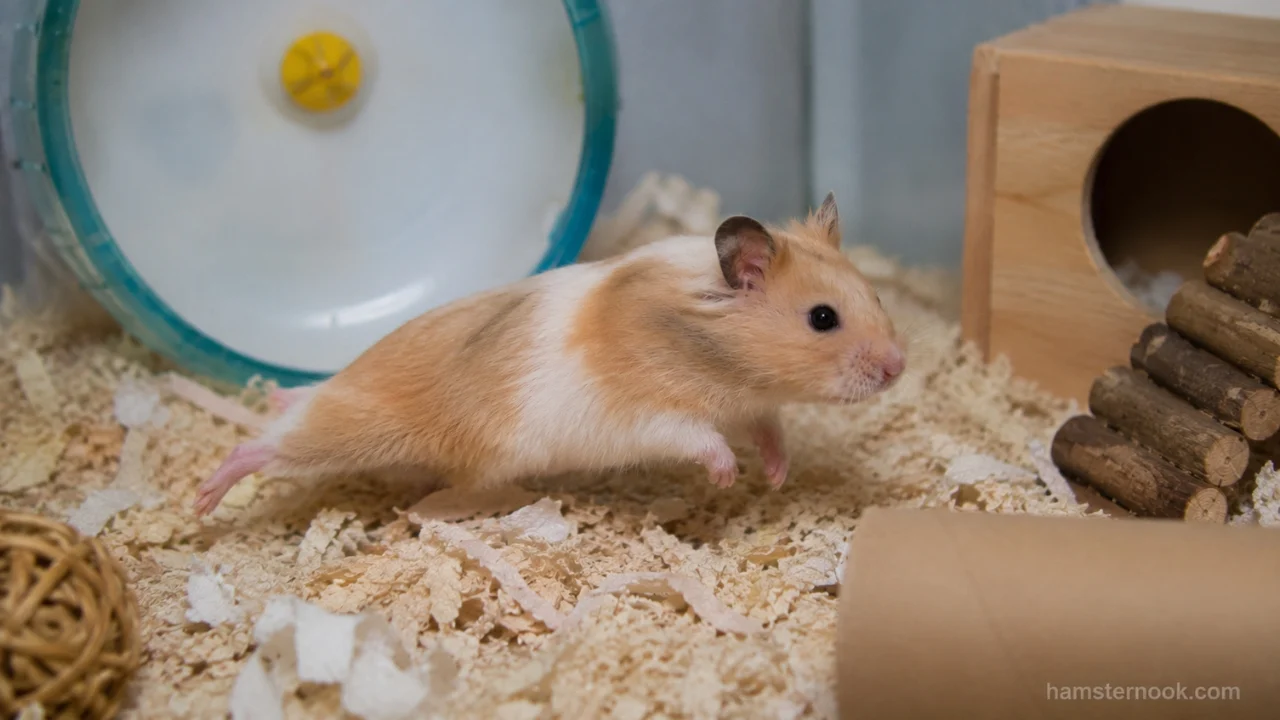
When Staying in One Spot Could Signal Illness
A hamster that feels unwell often conserves energy by moving less.
Unlike some pets, hamsters are very good at hiding signs of illness. By the time obvious symptoms appear, the condition may already be progressing.
Warning signs that suggest illness include:
- Refusing food
- Weight loss
- Labored breathing
- Discharge from the eyes or nose
- Hunched posture
- Dull coat condition
- Sleeping more than usual
If these symptoms accompany inactivity, veterinary attention may be necessary.
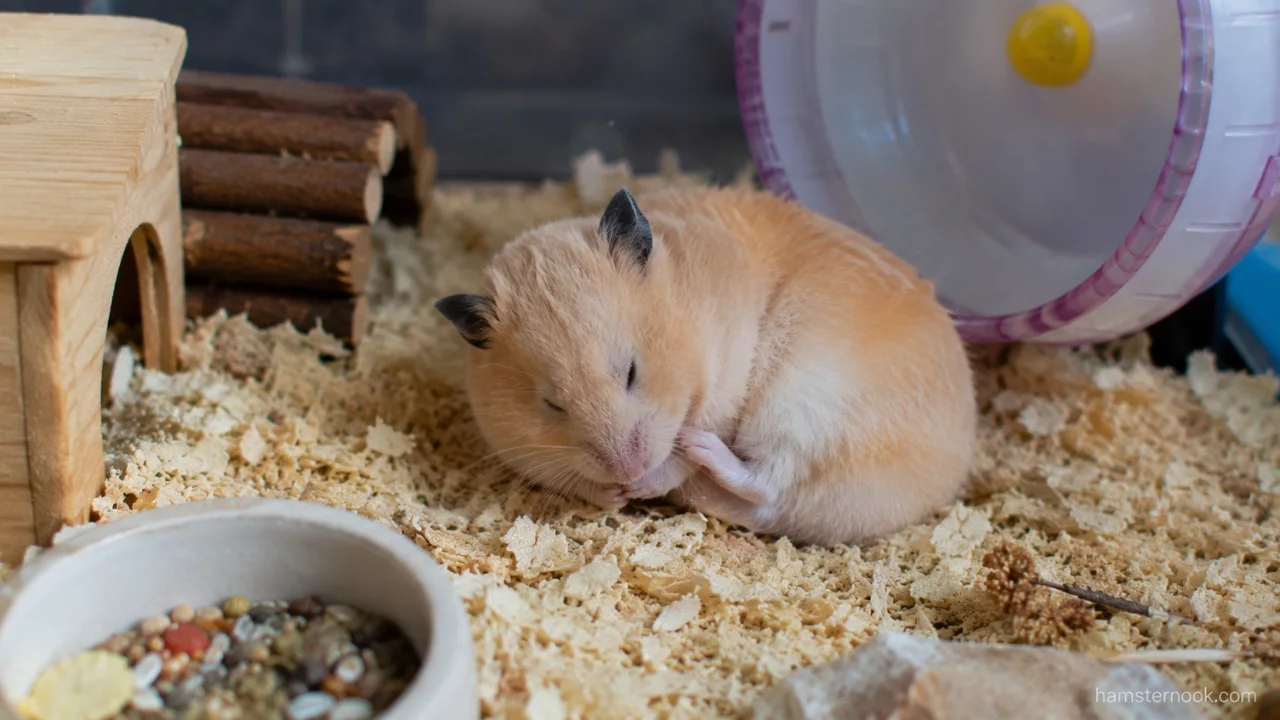
If appetite has also changed, our Why Is My Hamster Not Eating? guide explains common causes, warning signs, and when veterinary care is needed.
Injury May Be Preventing Movement
An injured hamster may remain in one spot because moving causes discomfort.
Possible injuries include:
- Falls from cage accessories
- Foot injuries
- Sprains
- Broken bones
- Wheel-related injuries
Carefully observe your hamster without forcing movement.
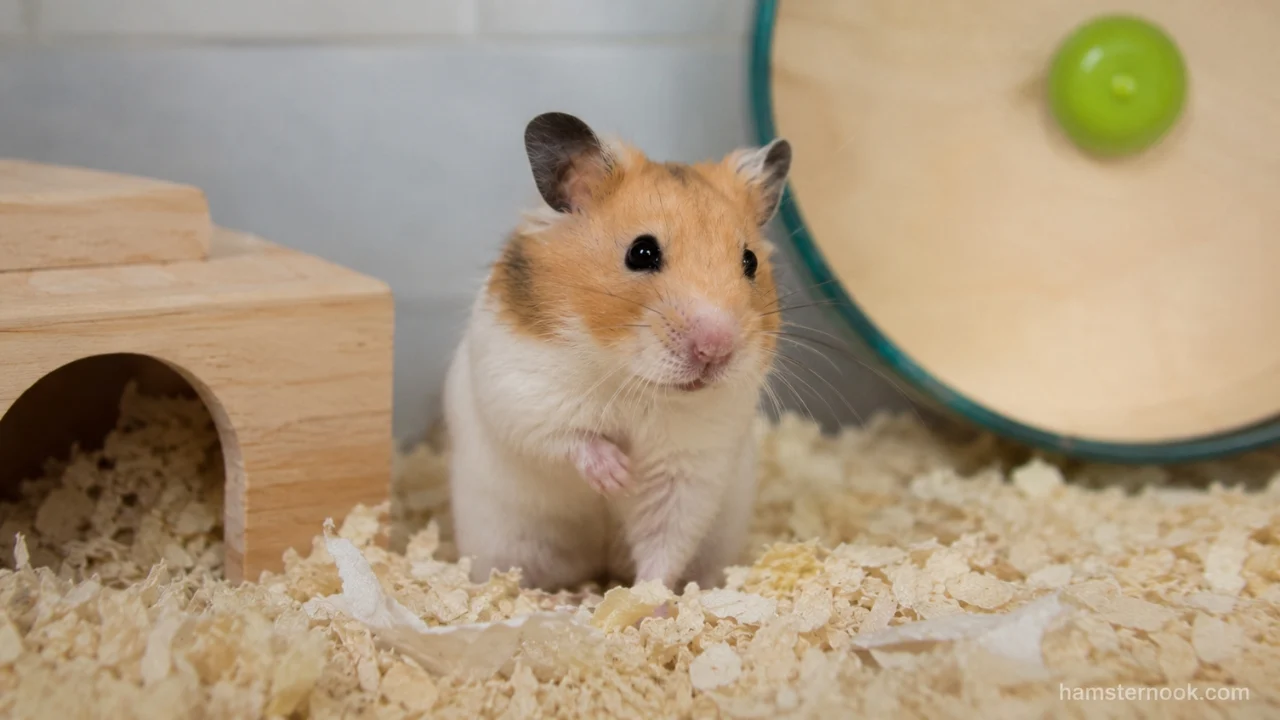
Signs that may indicate injury include:
| Injury Indicator | What You Might Notice |
|---|---|
| Limping | Uneven walking |
| Holding up a leg | Avoiding pressure on one limb |
| Reluctance to climb | Staying on lower cage levels |
| Vocalizing when touched | Pain response |
| Swelling | Visible enlargement of an area |
If you suspect an injury, avoid handling your hamster unnecessarily until it can be evaluated by a veterinarian.
If pain may be contributing to the change in movement, our How to Tell If Your Hamster Is in Pain: 10 Warning Signs guide explains behaviors that may indicate discomfort.
Temperature Problems Can Cause Lethargy
Hamsters are sensitive to temperature extremes.
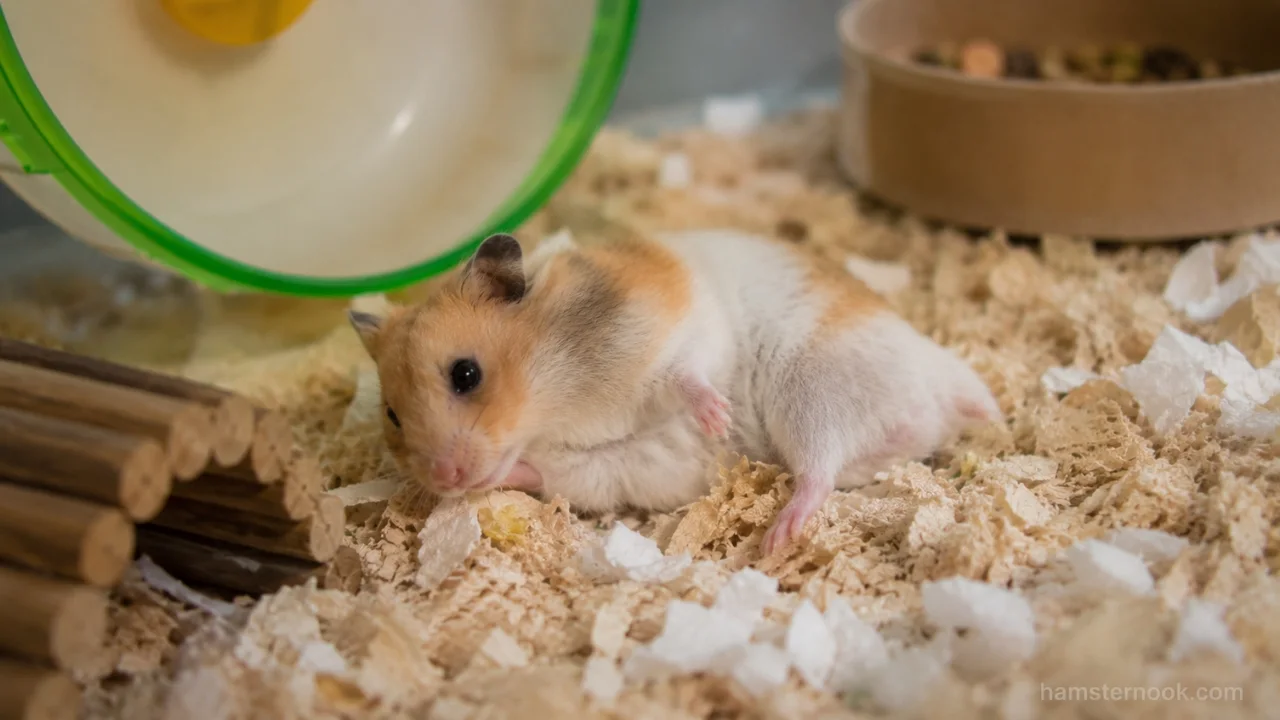
If the environment becomes too cold, a hamster may appear unusually inactive and spend extended periods in one location.
In severe cases, hamsters can enter a state called torpor, which resembles deep sleep and significantly reduces activity.
On the other hand, excessive heat can also cause weakness and reduced movement.
A comfortable room temperature and proper cage placement are important for maintaining normal activity levels.
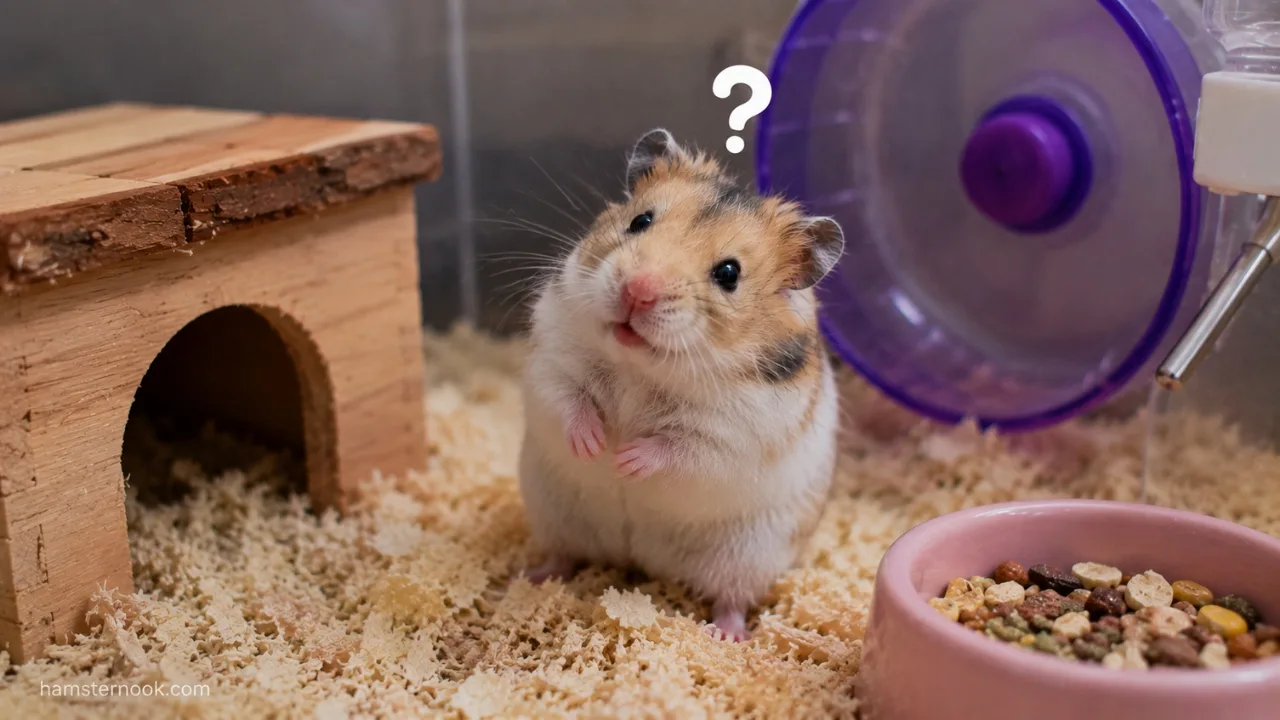
If temperature may be affecting your hamster’s activity, our Hamster Temperature: Safe Range, Too Hot & Too Cold guide explains the environmental warning signs owners should watch for.
Dehydration Can Lead to Weakness
A dehydrated hamster may lack the energy needed to move around normally.
Potential causes include:
- Empty water bottles
- Blocked water bottle nozzles
- Illness
- Excessive heat
Check that your hamster has access to clean, functioning water at all times.

Signs of dehydration may include:
- Dry appearance
- Weakness
- Sunken eyes
- Reduced appetite
- Unusual lethargy
This condition should be taken seriously because small animals can deteriorate quickly.
If weakness is also becoming noticeable, our Why Is My Hamster Suddenly Weak? guide covers additional warning signs that may indicate a health problem.
Older Hamsters Naturally Slow Down
Age is another possible explanation.
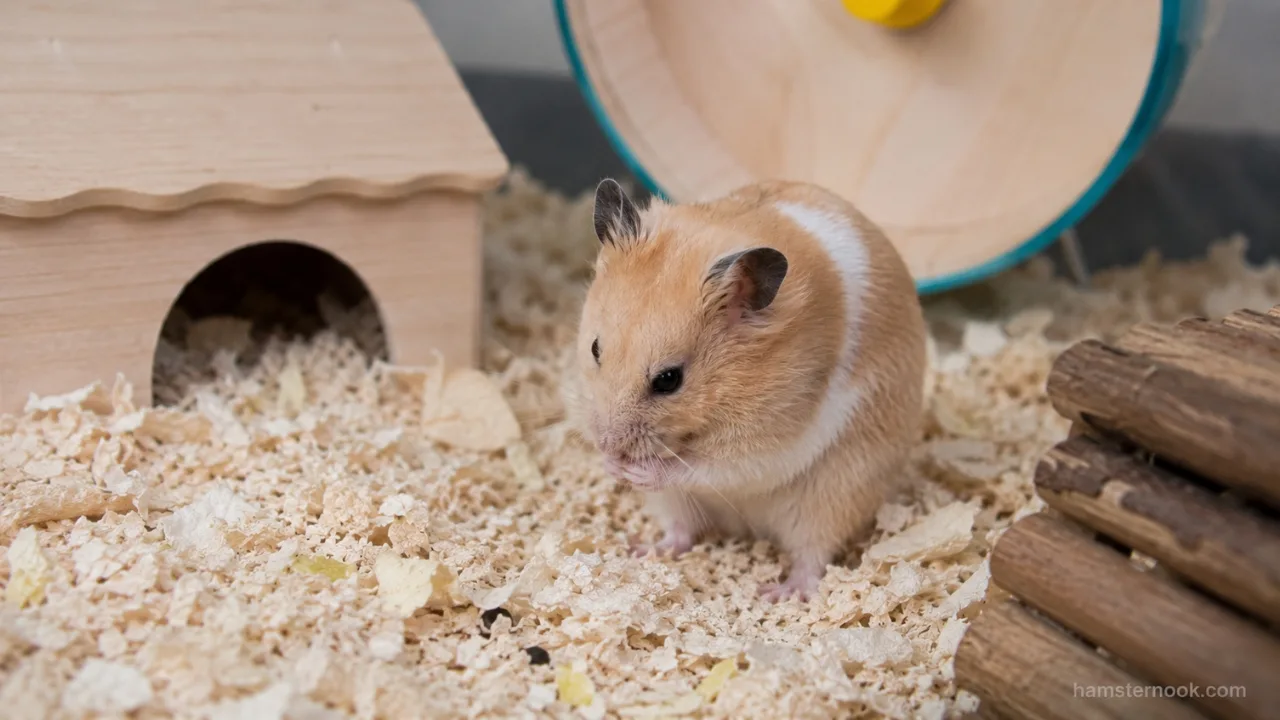
As hamsters grow older, they often become:
- Less active
- More interested in sleeping
- Slower when moving
- Less likely to explore
Unlike illness-related inactivity, age-related changes usually develop gradually rather than appearing overnight.
If your hamster has been slowing down over several months, aging may be contributing to the behavior.
Is Your Hamster Staying in One Spot but Still Eating?
A hamster that remains in one location but continues eating and drinking normally may still be experiencing discomfort, stress, or age-related changes.
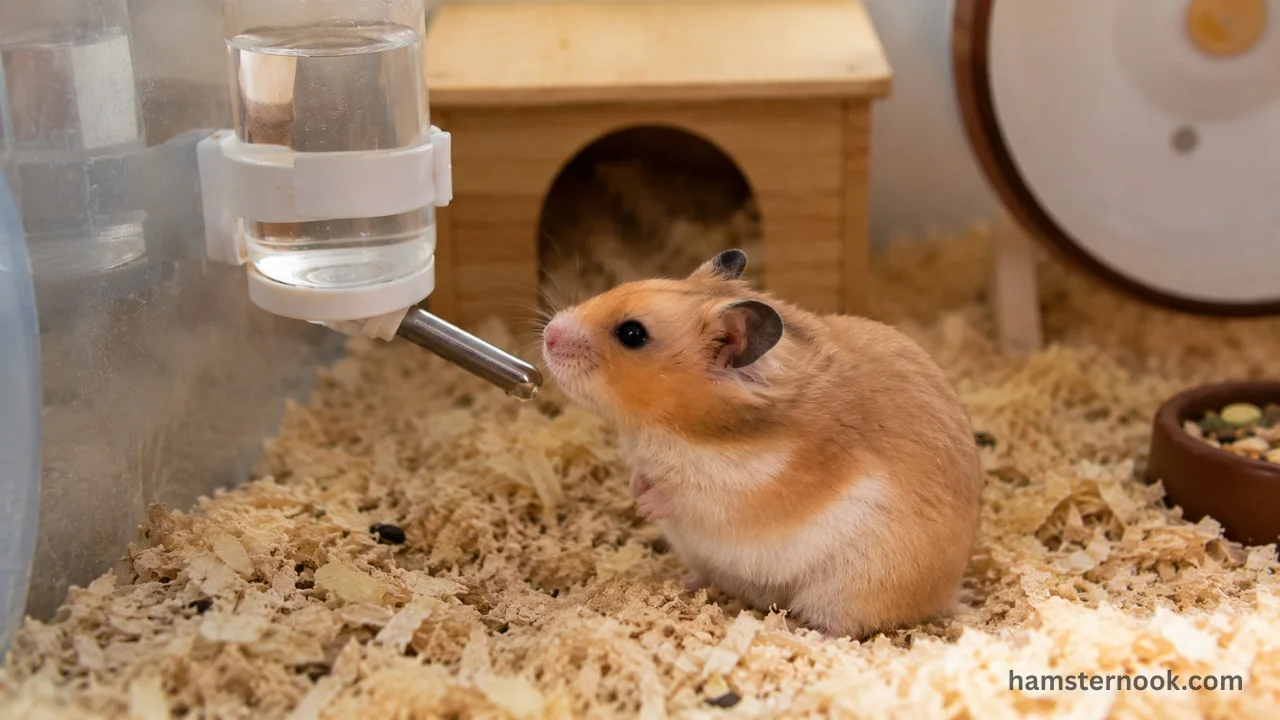
Pay attention to:
- Whether activity returns at night
- Interest in treats
- Grooming habits
- Wheel use
- Body posture
These clues often help determine whether the behavior is temporary or part of a larger problem.
When Staying in One Spot Becomes an Emergency
Certain symptoms should never be ignored.
Seek veterinary care promptly if your hamster:
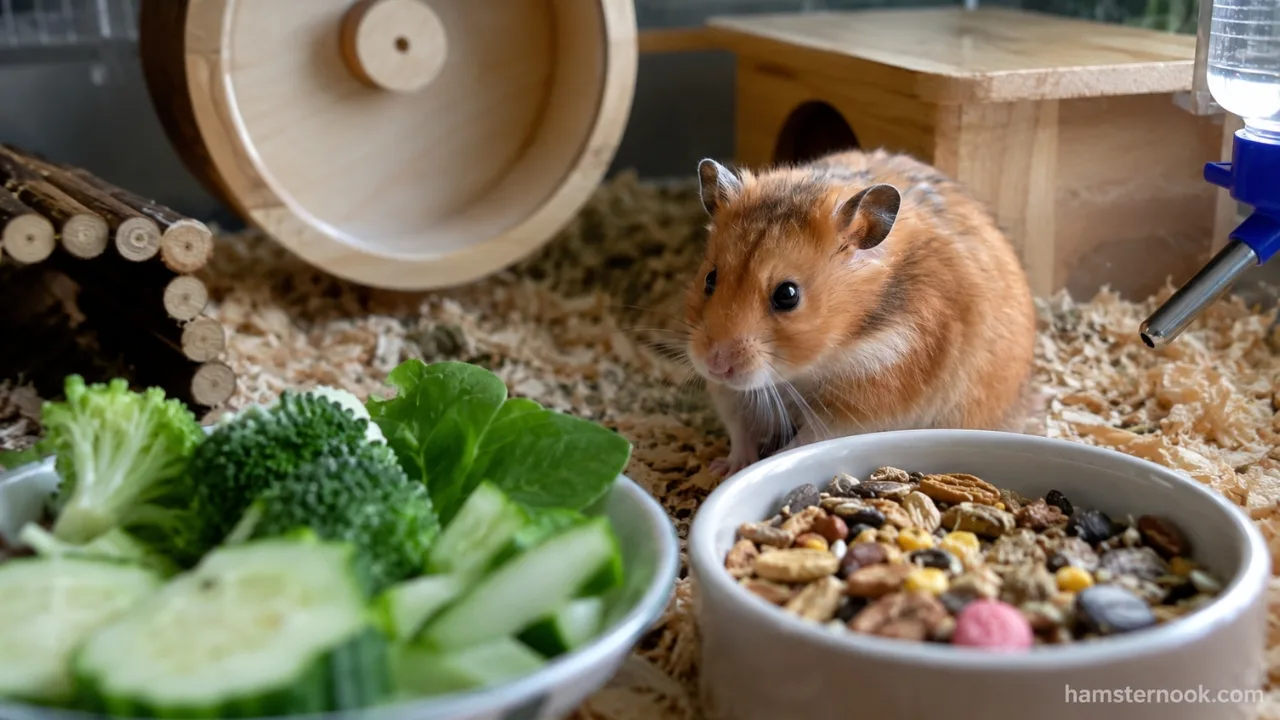
- Cannot stand properly
- Is breathing heavily
- Refuses food and water
- Appears unresponsive
- Has severe diarrhea
- Shows signs of injury
Prompt veterinary assessment can help identify the cause of serious inactivity and determine whether treatment is needed.
How Long Is Too Long for a Hamster to Stay in One Spot?
A hamster sleeping in the same location during the day is usually normal.
However, concern increases when:
- The hamster remains inactive during normal active hours
- The behavior continues into its normal active period or becomes increasingly unusual
- Appetite decreases
- Movement appears uncomfortable
- Additional symptoms develop
The longer the inactivity persists, the more important it becomes to identify the cause.

What You Should Do First
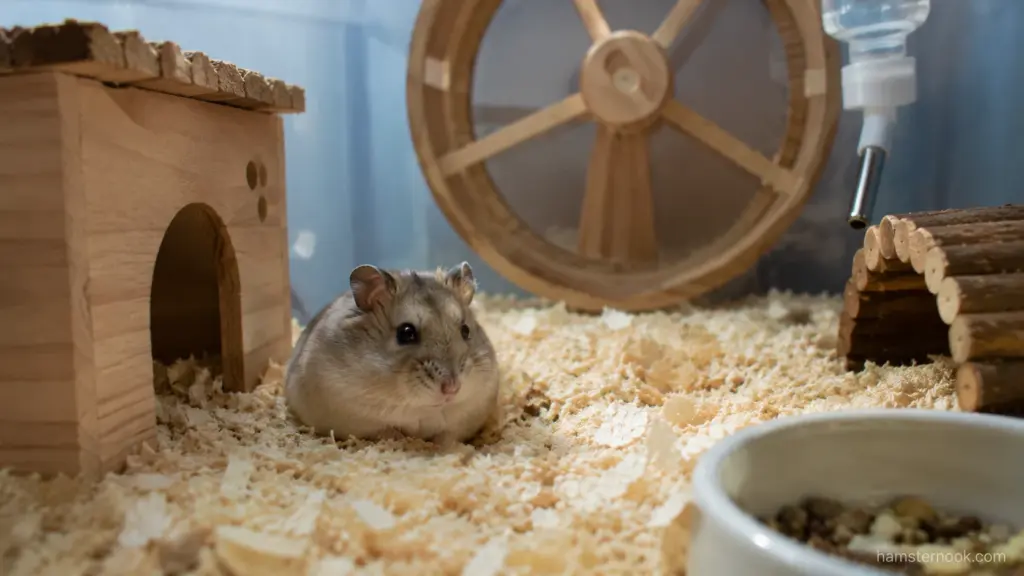
When you notice your hamster staying in one place, start with observation rather than immediate intervention.
Follow these steps:
Check Food and Water Intake
Make sure your hamster is still eating and drinking normally.
Even a slightly reduced appetite can provide valuable clues about its condition.

Observe During Active Hours
Many owners accidentally judge activity levels during the hamster’s normal sleeping period.
Monitor behavior during the evening when hamsters are naturally more active.
What Counts as Normal Activity?
Even senior hamsters usually:
- Leave their nest to eat and drink
- Change sleeping positions
- Explore at least part of the enclosure
- Respond to familiar sounds
- Show curiosity occasionally
A hamster that does none of these things deserves closer monitoring.
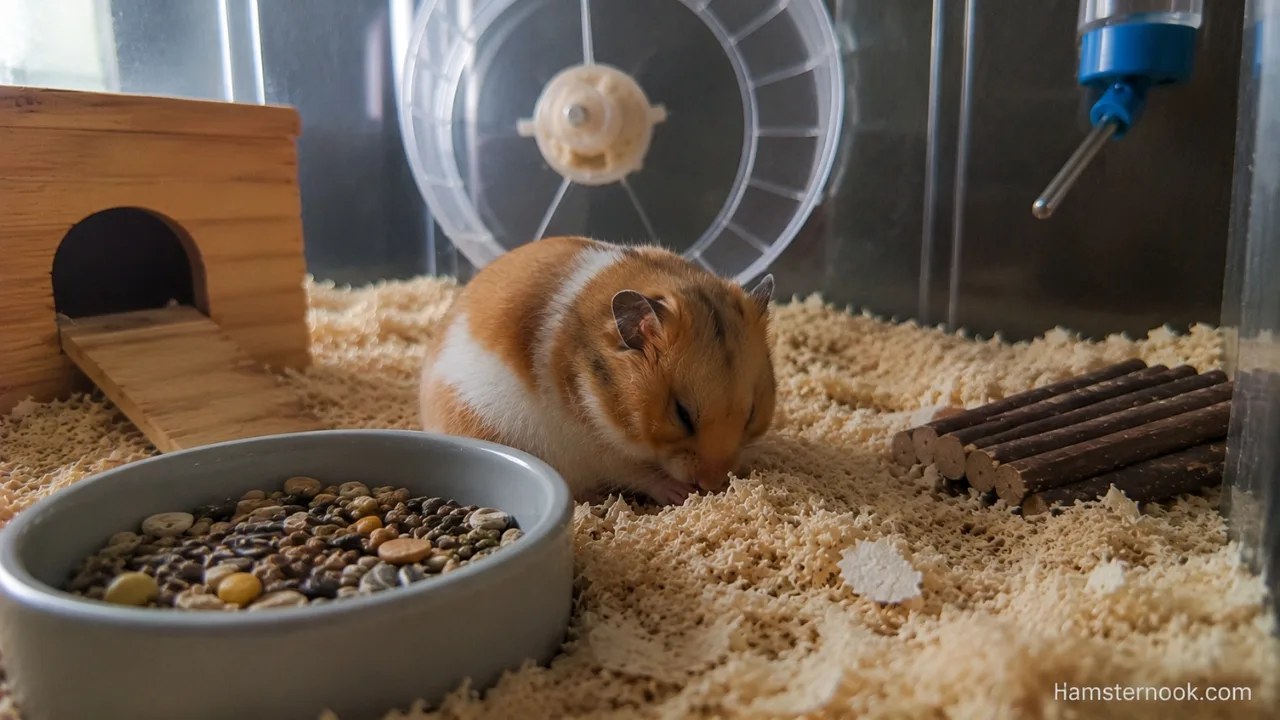
Look for Physical Signs
Check for:
- Swelling
- Limping
- Discharge
- Weight loss
- Coat changes
Avoid excessive handling while performing observations.
Review Recent Changes
Ask yourself whether anything has changed recently.
Examples include:

- New cage accessories
- Cage cleaning
- Household visitors
- Moving the enclosure
- Diet changes
Common Mistakes Owners Make
When a hamster suddenly stays in one spot, owners sometimes make the situation worse unintentionally.
Repeatedly Waking the Hamster
A hamster that needs rest or recovery should not be constantly disturbed.
Assuming It’s Just Being Lazy
Sudden inactivity is different from normal relaxation.
Significant behavioral changes deserve attention.
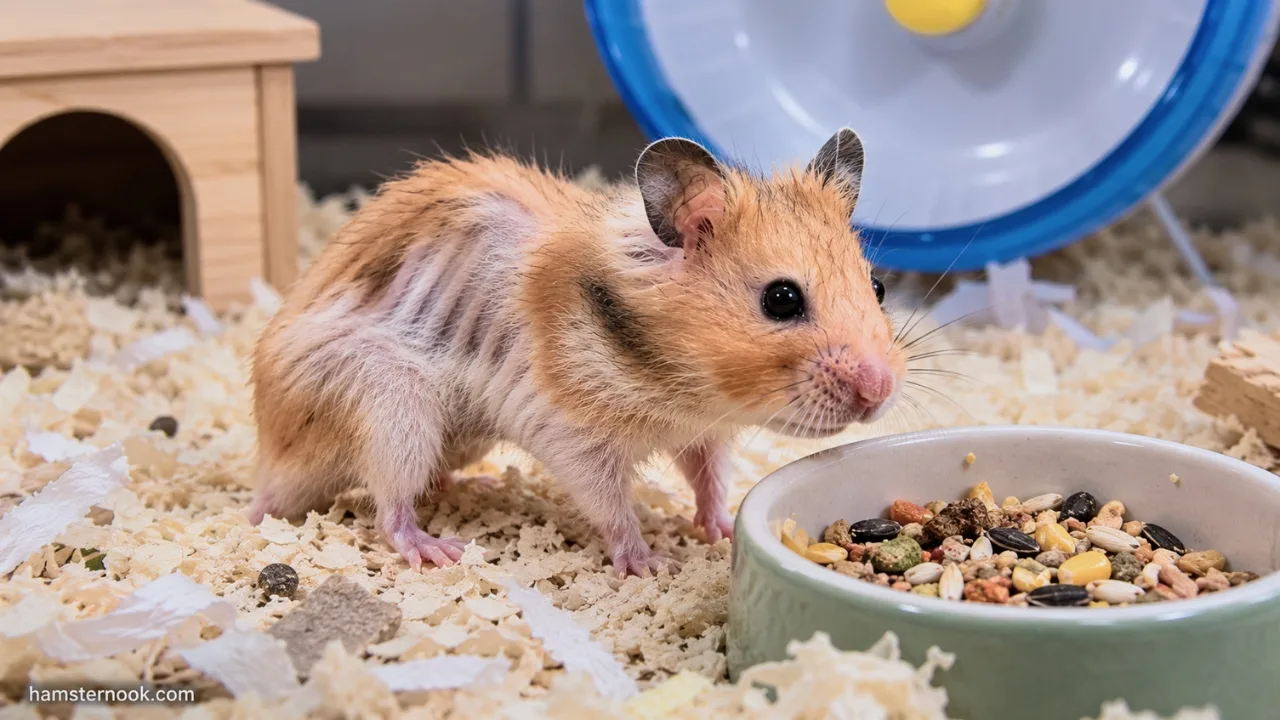
Delaying Veterinary Care
Waiting too long can allow treatable conditions to worsen.
Rearranging the Entire Cage
Some owners completely redesign the enclosure in an attempt to encourage movement.
This can increase stress rather than solve the problem.
If your hamster recently stopped exploring, Why Is My Hamster Suddenly Hiding More Than Usual? may help identify additional behavioral clues.
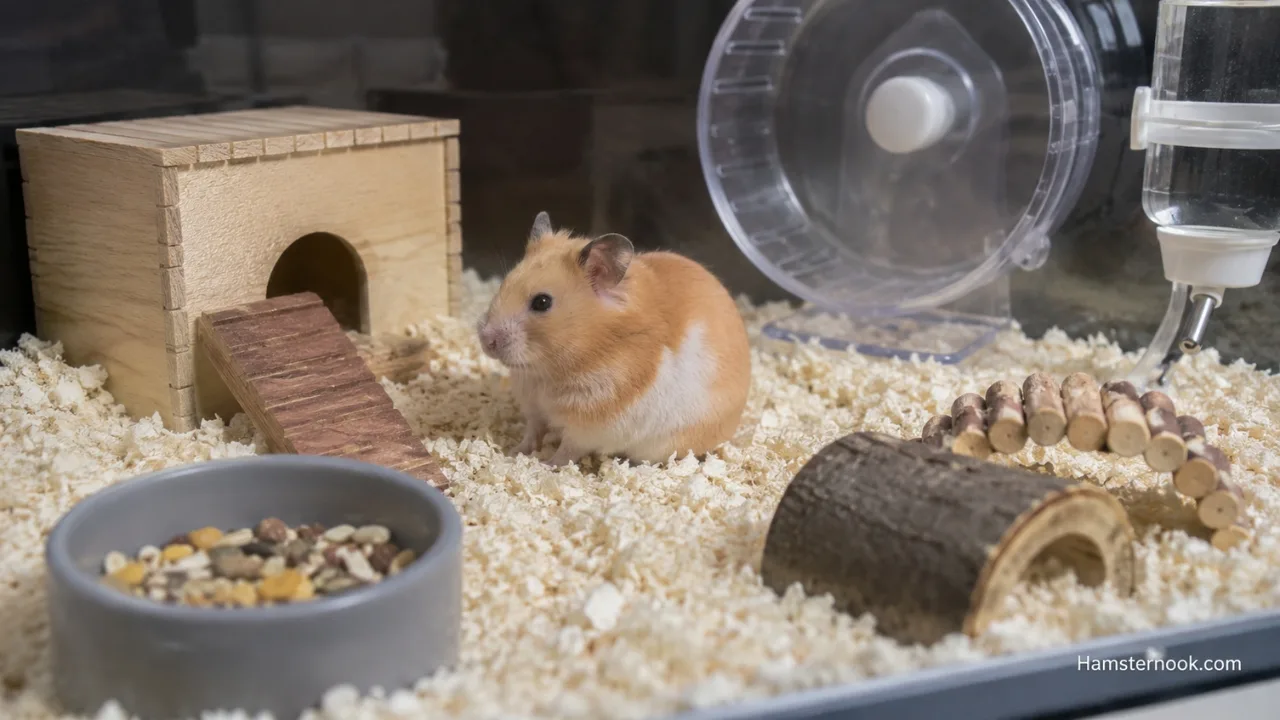
How to Encourage Normal Activity Safely
If your hamster appears healthy but less active than usual, you can support normal behavior by:
- Maintaining a consistent routine
- Keeping the cage quiet and stable
- Providing fresh food and water
- Ensuring proper temperatures
- Offering enrichment opportunities
- Allowing uninterrupted sleep
Avoid forcing exercise or handling sessions when your hamster seems reluctant to move.
Final Thoughts
A hamster spending unusual amounts of time in one location should always be taken seriously, even though the cause is not always an emergency. The most important step is to look at the bigger picture rather than focusing on inactivity alone.
Pay attention to eating habits, hydration, posture, activity levels during nighttime hours, and any signs of illness or injury. In many cases, the cause may be temporary stress, a schedule adjustment, or normal aging. However, sudden lethargy combined with other symptoms should never be ignored.
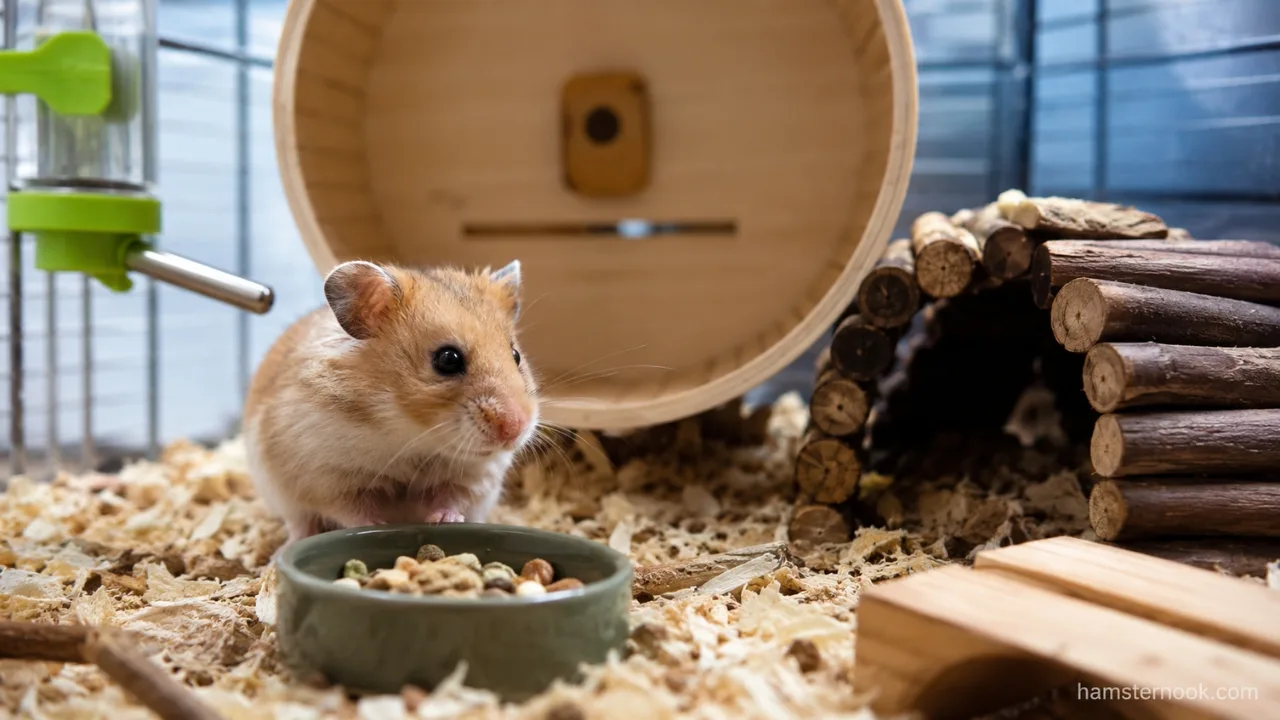
Careful observation and prompt action when necessary can help ensure your hamster remains healthy, comfortable, and active.
Frequently Asked Questions
Why is my hamster sitting in one corner all day?
A hamster may stay in one corner because it feels safe there, is adjusting its sleep schedule, experiencing stress, or dealing with illness, injury, or temperature-related discomfort. Look for additional symptoms and monitor activity during evening hours.
Should I worry if my hamster stops using its wheel?
Not always. Hamsters occasionally change routines, but a sudden loss of interest in exercise combined with lethargy or poor appetite should be investigated.
How can I tell if my hamster is sick or just resting?
A resting hamster will usually wake, eat, drink, and move around during active periods. A sick hamster often shows additional symptoms such as weakness, weight loss, breathing changes, or loss of appetite.
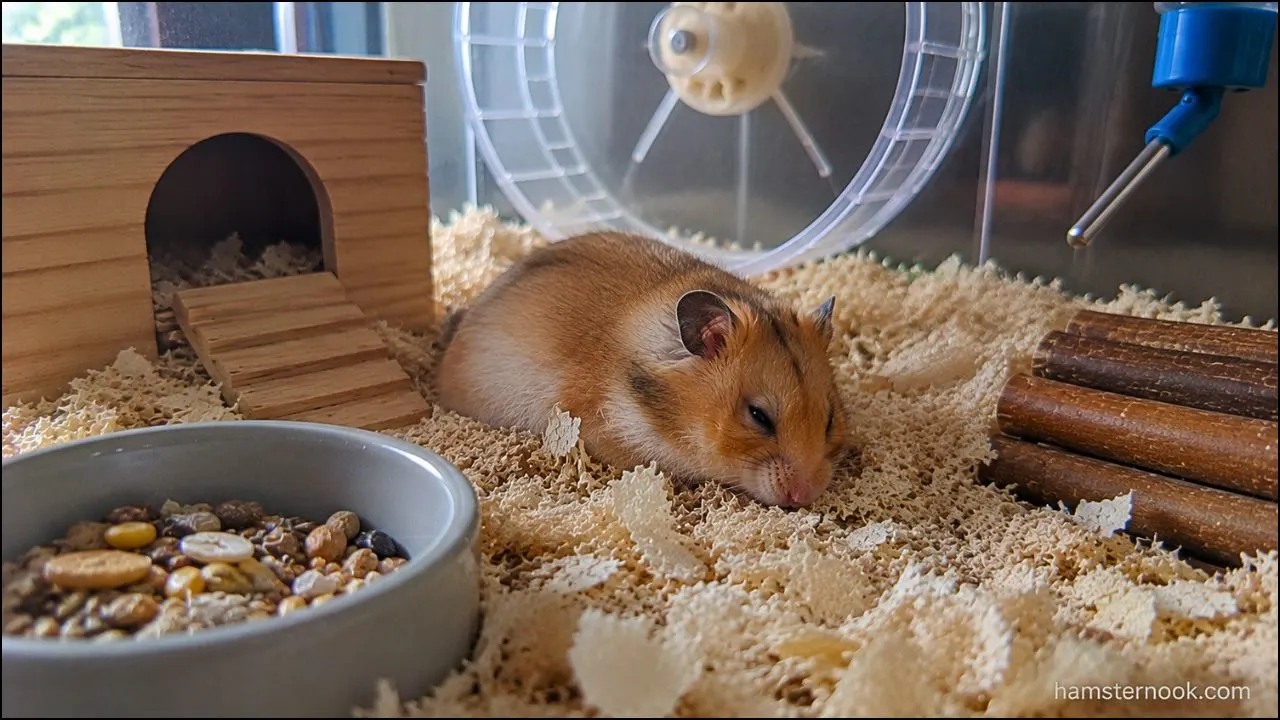
Can stress cause a hamster to stay in one place?
Yes. Stress is one of the most common causes of reduced activity and hiding behavior in hamsters.
When should I take my hamster to the vet?
Seek veterinary advice if inactivity is sudden or severe, if your hamster is not behaving normally during its usual active period, or if other signs of illness, injury, weakness, breathing difficulty, or appetite loss appear. Do not rely on a fixed waiting period if your hamster appears seriously unwell.
Do older hamsters stay in one spot more often?
Yes. Senior hamsters typically become less active as they age, although sudden changes should still be monitored carefully.
Can a hamster stay in one spot because it is cold?
Yes. Hamsters exposed to temperatures that are too low may become sluggish, curl up in one area, and move less frequently. Severe cold can even lead to torpor, which requires immediate attention.
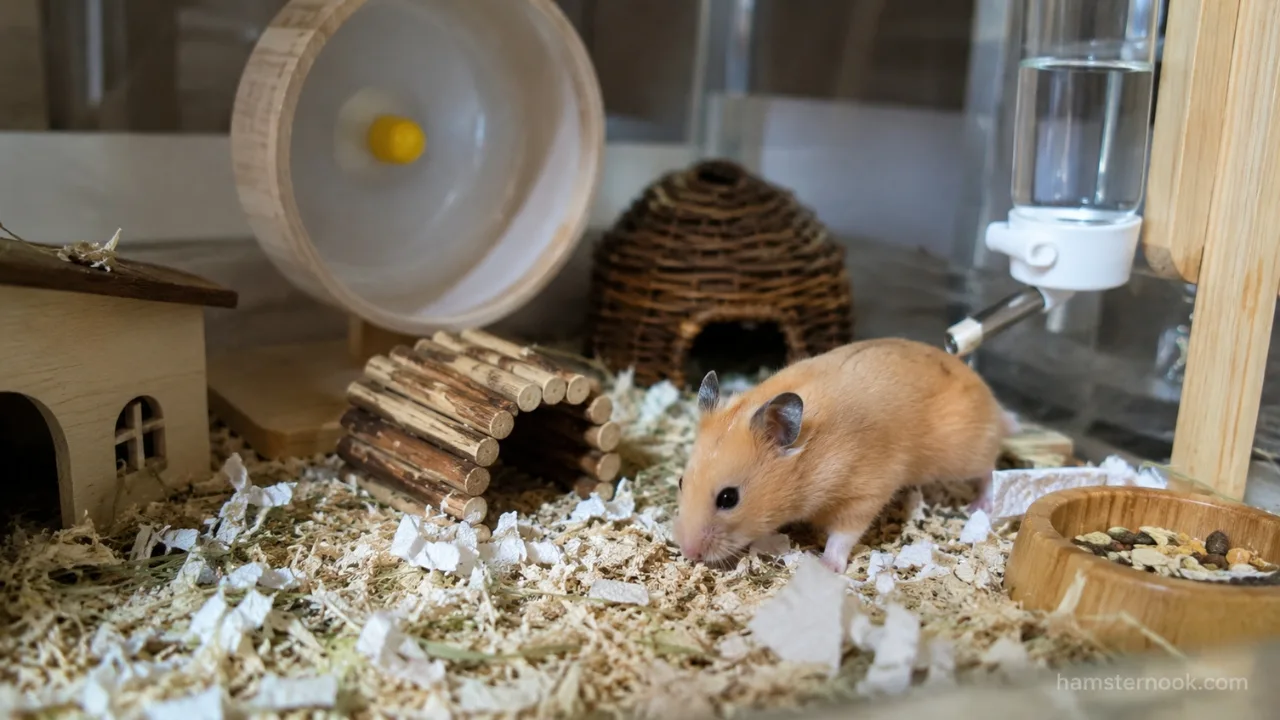
Why is my hamster awake but not moving much?
A hamster that is awake but unusually inactive may be stressed, uncomfortable, dehydrated, injured, ill, or simply resting. Other symptoms are often needed to identify the cause.
Should I move my hamster if it stays in one place?
Not immediately. Observe your hamster first and look for signs of eating, drinking, grooming, and normal nighttime activity. Forcing movement can increase stress or worsen an injury if one is present.
References
This guide is based on hamster health, behavior, activity levels, environmental care, and veterinary welfare guidance from trusted animal welfare and veterinary resources, including:
- RSPCA – Hamster Health & Welfare – Guidance on recognizing changes in activity, appetite, behavior, mobility, and other signs that may indicate health concerns.
- RSPCA – Hamster Behaviour – Information on normal hamster activity, sleeping patterns, hiding, stress-related behavior, and behavioral changes.
- RSPCA – Creating a Good Home for Hamsters – Guidance on suitable environmental conditions, cage placement, bedding, temperature, and housing factors that can affect hamster wellbeing.
- PDSA – Hamsters as Pets – Small-pet guidance covering hamster care, health, behavior, diet, activity, and common signs of illness.
- MSD Veterinary Manual – Disorders and Diseases of Hamsters – Veterinary reference information on common hamster diseases, clinical signs, lethargy, respiratory problems, injuries, and other health concerns.
- MSD Veterinary Manual – Routine Health Care of Hamsters – Veterinary guidance on routine observation, health monitoring, nutrition, hydration, and recognizing changes that may require veterinary attention.
- MSD Veterinary Manual – Providing a Home for a Hamster – Veterinary guidance on housing, environmental conditions, temperature, bedding, exercise, and maintaining a suitable hamster habitat.
Medical Disclaimer
This article is intended for educational purposes only and should not be considered veterinary advice. Sudden inactivity or unusual lethargy in a hamster can have many possible causes, including stress, injury, environmental problems, dehydration, aging, or illness. If your hamster shows severe weakness, difficulty breathing, inability to stand or move normally, refusal to eat or drink, significant weight loss, or other concerning symptoms, consult a qualified exotic animal veterinarian promptly.

Narayan Kumar is the founder and author of HamsterNook. He creates practical, research-based hamster care guides covering hamster behavior, nutrition, cage setup, enrichment, health, and everyday care. His goal is to help hamster owners make informed decisions and provide safer, healthier lives for their pets through clear, beginner-friendly information based on trusted animal care resources.