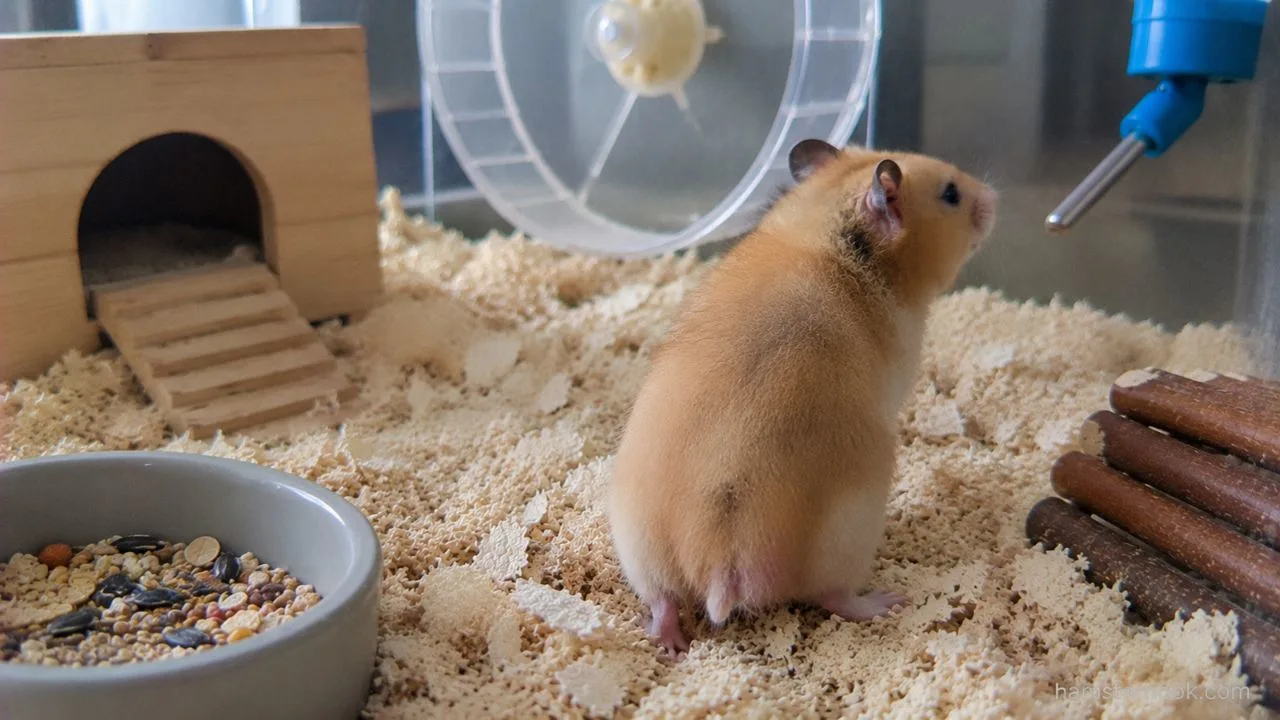
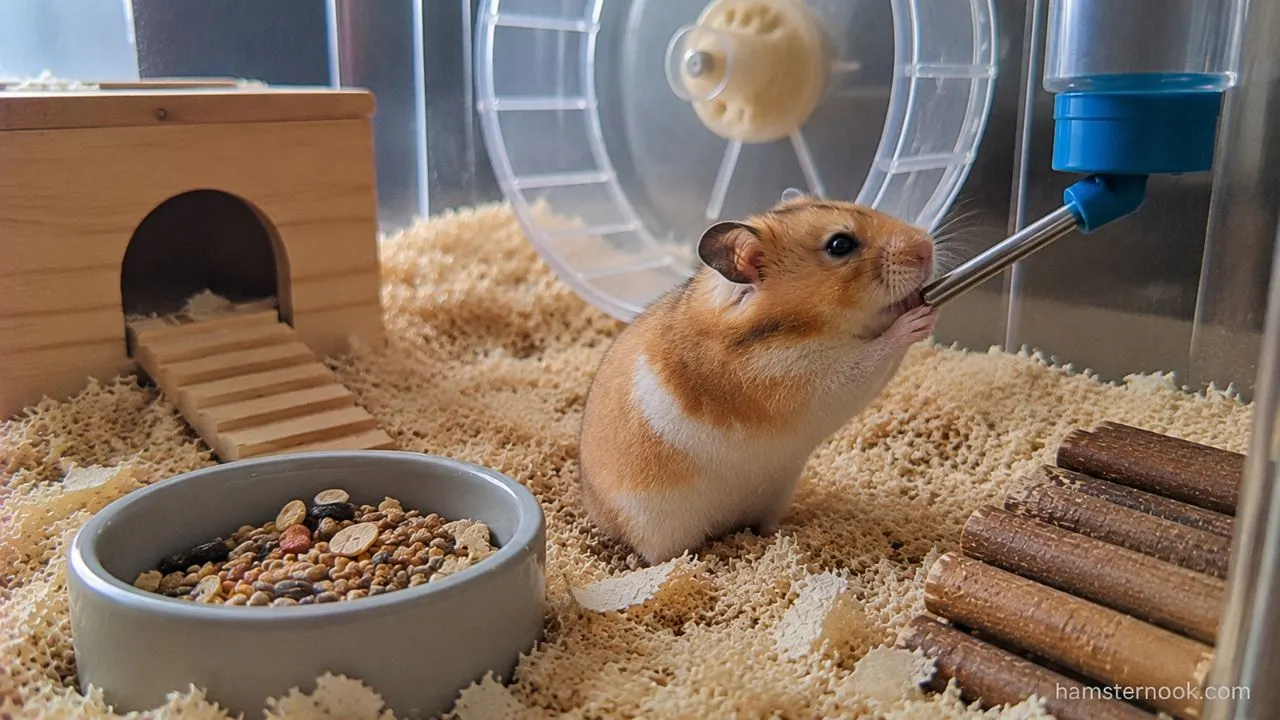
Many hamster owners assume that a cage is large enough as long as it fits a wheel, food bowl, and water bottle. In reality, usable floor space has a much bigger impact on a hamster’s daily life than the number of accessories inside the enclosure. A cage that feels cramped can prevent natural behaviors like burrowing, exploring, and foraging, even if it looks fully equipped. Learning to recognize the early signs of an undersized habitat can help you reduce stress and improve your hamster’s overall quality of life before small problems become bigger ones.
A cage that feels cramped can affect a hamster’s physical health, behavior, sleep patterns, and overall quality of life. In many cases, owners mistake stress-related behaviors for personality quirks when the real problem is a lack of space.
If your hamster constantly chews bars, repeatedly tries to escape, paces the same route, or struggles to perform natural behaviors such as burrowing and foraging, the enclosure may need a closer look. These behaviors can have more than one cause, so the most useful approach is to assess your hamster’s usable floor space, bedding, enrichment, and normal routine together.
Why Cage Size Matters for Hamster Health
In the wild, hamsters travel surprisingly long distances while searching for food, nesting materials, and safe shelter. While pet hamsters do not need miles of territory, they still have strong instincts to explore, dig, forage, and stay active.
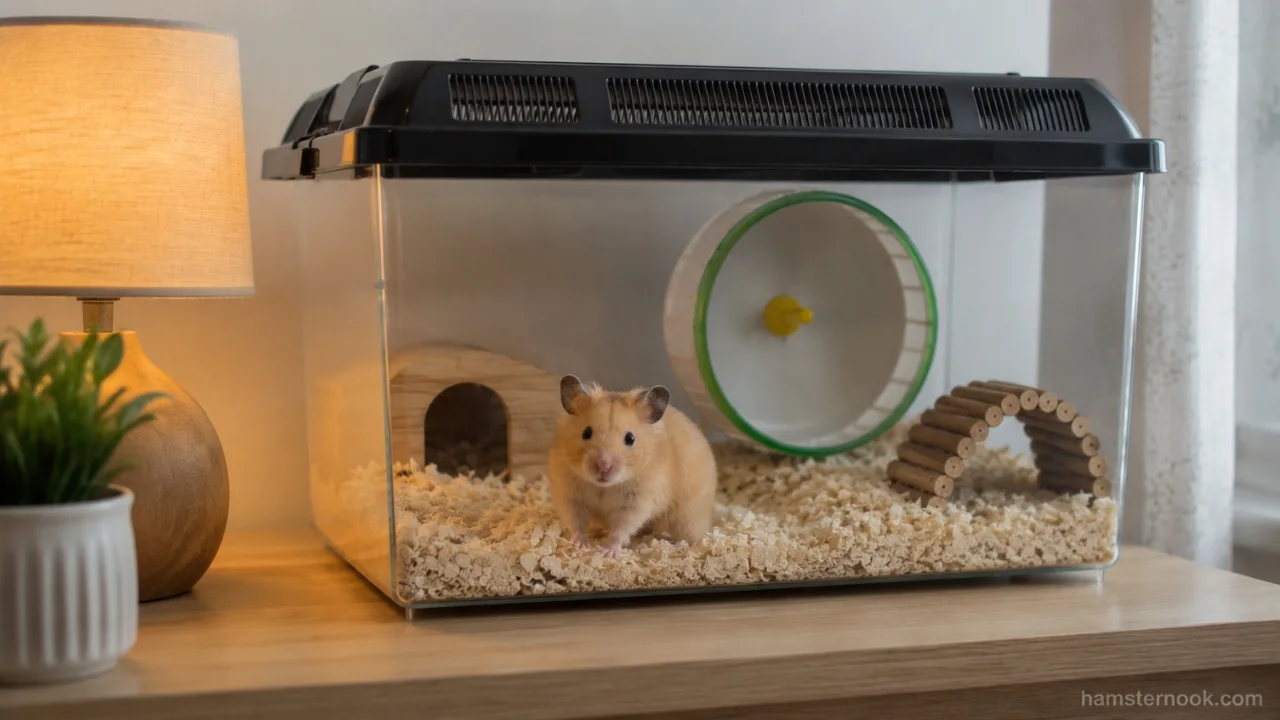
For a pet hamster, the enclosure is its entire living environment. Every opportunity to sleep, forage, burrow, exercise, explore, and feel secure depends on the quality and usable space inside that habitat.
A properly sized enclosure allows a hamster to:
- Exercise naturally
- Create separate sleeping and bathroom areas
- Dig and burrow
- Explore safely
- Reduce stress
- Display normal behaviors
When space becomes too limited, many natural behaviors become impossible.
Recommended Minimum Cage Sizes for Hamsters
| Hamster Housing Guideline | Minimum Usable Floor Space | Better Approach |
|---|---|---|
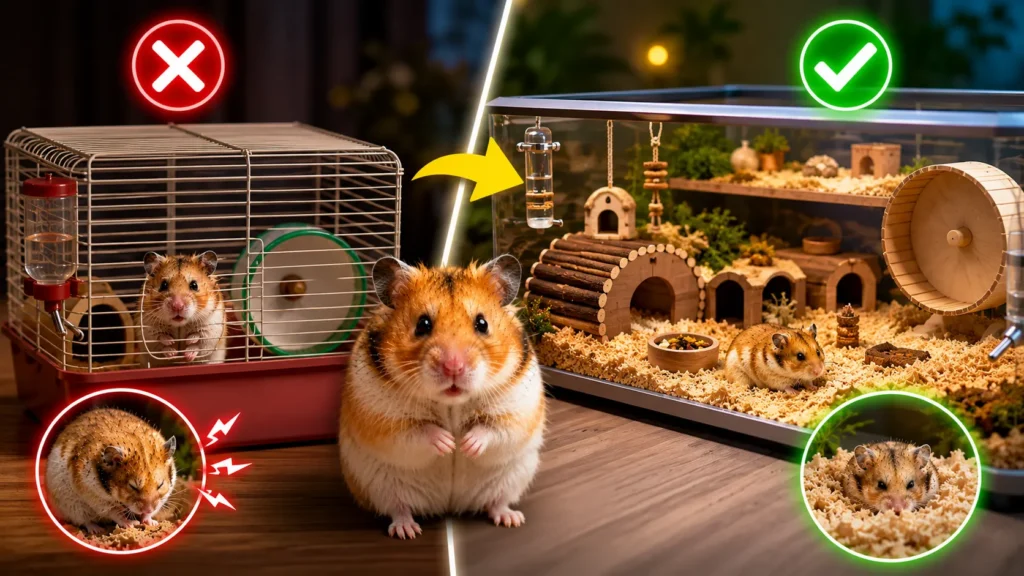
| General hamster minimum | 100 × 50 cm (5,000 cm² / about 775 sq in) | Larger floor space is preferable when practical |
| Floor-space priority | Measure the continuous base area | Do not count shelves or upper levels as a substitute |
PDSA currently cites 100 × 50 cm as a minimum and notes that larger, single-level spaces are preferable; species-specific minimums are not consistently established.

Usable floor space is a key part of hamster housing because the enclosure needs room for movement, feeding, nesting, burrowing, and enrichment. A tall cage with multiple levels does not automatically provide the same usable space as a large continuous floor area.
This also aligns better with current PDSA and MSD housing guidance.
Before buying a new enclosure, compare the usable floor space instead of relying on product names like “large” or “extra large.” Measuring the inside floor dimensions yourself is the most reliable way to know whether a cage provides enough room for your hamster’s daily activities.
How to Measure Your Hamster’s Cage Correctly
Many cages are advertised using overall dimensions, but those numbers can be misleading. What really matters is the uninterrupted floor space your hamster can actually use. Measure the inside length and width of the cage floor, then multiply those numbers to calculate the usable area.
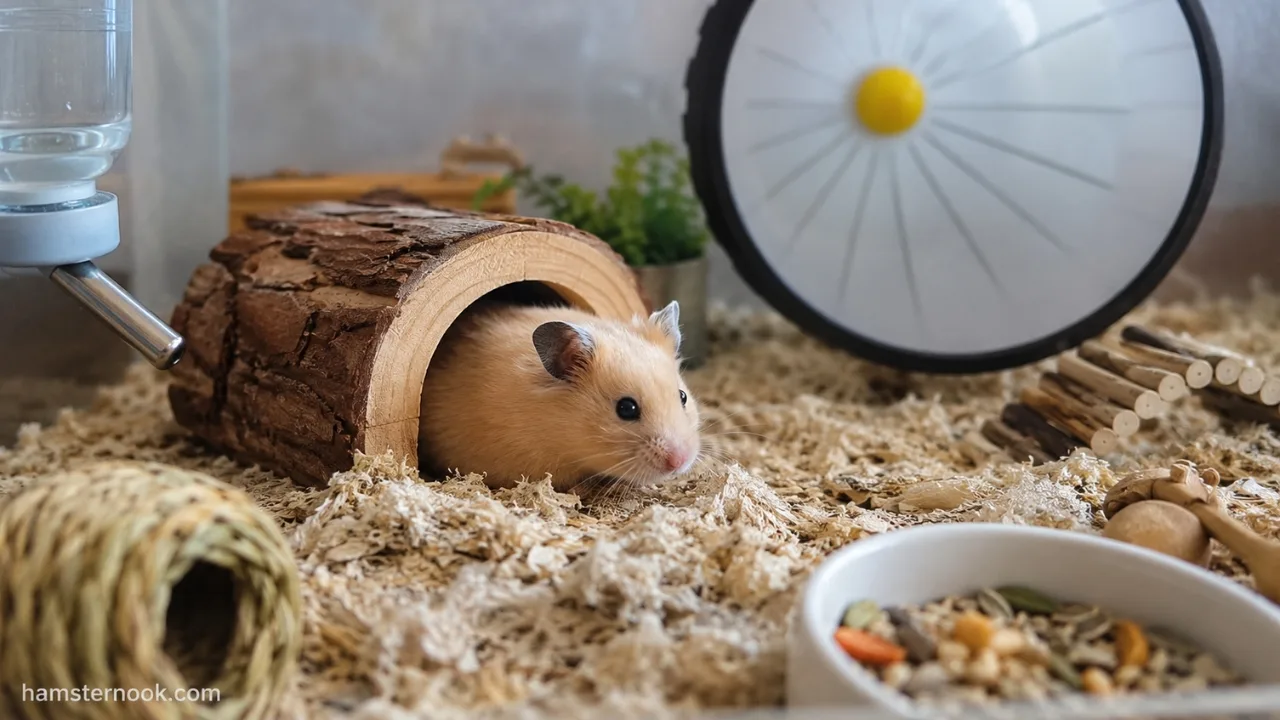
Shelves and upper levels don’t replace ground space because hamsters spend most of their time running, foraging, and burrowing on a single level. Measuring the cage yourself is one of the easiest ways to confirm whether it truly meets your hamster’s needs.
Is Your Cage Too Small Even If Your Hamster Looks Happy?
A hamster can appear calm without giving you an obvious sign that its enclosure is undersized. Behavior alone should not be used to judge cage size. Check the actual usable floor space, bedding depth, room for enrichment, and whether your hamster can perform normal behaviors such as burrowing, exploring, and foraging.
Rather than judging cage size by your hamster’s personality alone, look at whether it has enough uninterrupted floor space, deep bedding, room to forage, and space to move naturally every day.
Clear Signs Your Hamster’s Cage Is Too Small
Hamsters often show visible signs when they do not have enough room. While some behaviors can have multiple causes, several warning signs commonly point toward inadequate housing.
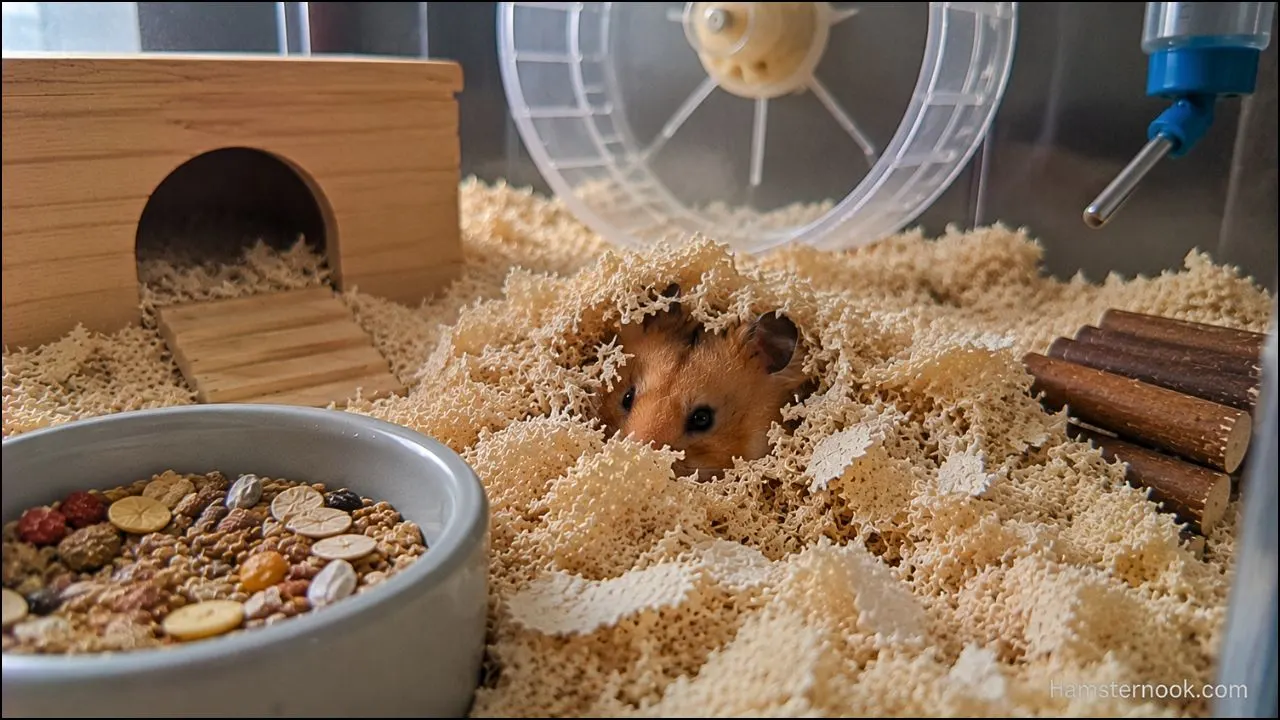
Constant Bar Chewing
One of the most recognizable signs is excessive bar chewing.
If your hamster repeatedly gnaws on cage bars despite having chew toys available, frustration or boredom may be contributing factors.
Bar chewing can lead to:
- Broken teeth
- Mouth injuries
- Stress
- Damaged cage bars
Occasional chewing is normal. Constant chewing is not.
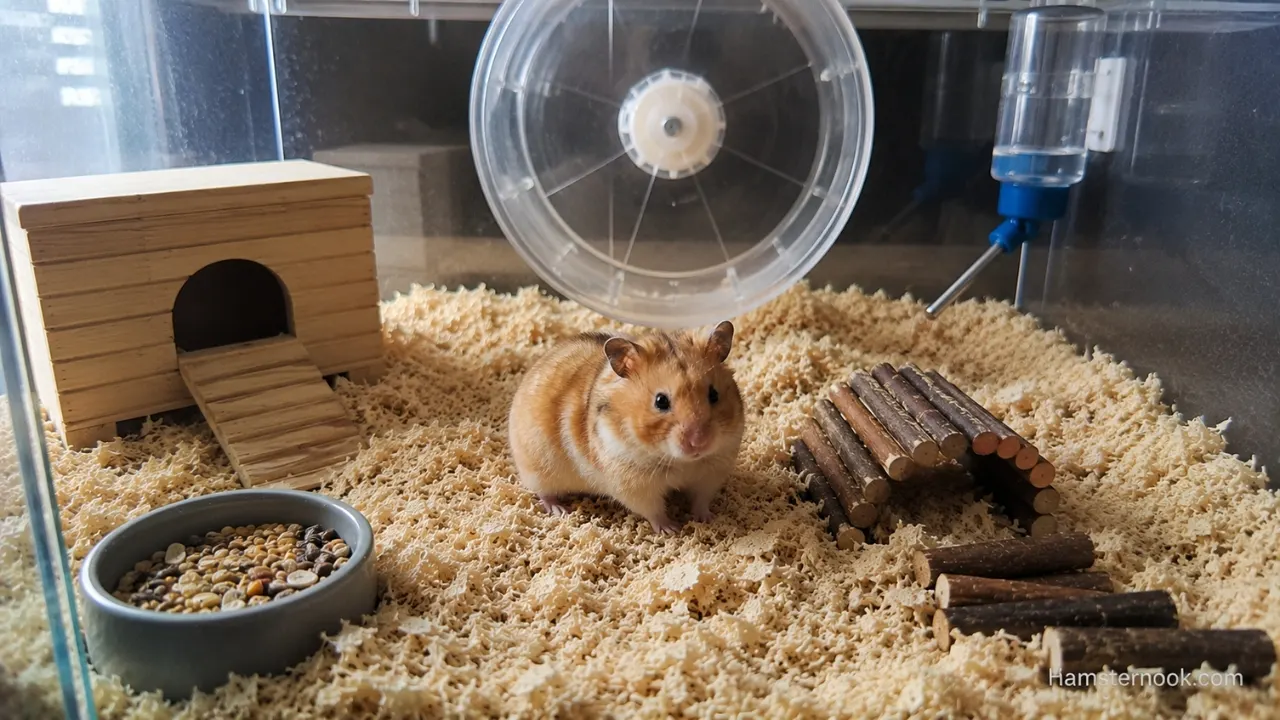
Repeated Escape Attempts
Hamsters are naturally curious, but a hamster that spends hours searching every corner of the cage for an exit may be signaling dissatisfaction with its environment.
Common escape-related behaviors include:
- Climbing cage walls
- Hanging from cage tops
- Pushing at corners
- Digging obsessively near cage edges
These behaviors may improve when housing and enrichment are improved, but escape attempts can have several causes and should not be treated as proof that cage size is the only problem.
Constant escape attempts often appear alongside other stress-related behaviors. Our 5 Warning Signs Your Hamster Is Stressed (And How to Help) guide explains additional changes that may suggest your hamster is struggling with its environment.

Pacing Along the Same Route
A hamster that repeatedly follows the exact same path around the cage may be experiencing environmental stress.
This repetitive movement is sometimes called route tracing.
Typical examples include:
- Running the same loop repeatedly
- Following cage walls continuously
- Pacing back and forth for long periods
This behavior can indicate a need for more enrichment or more space.
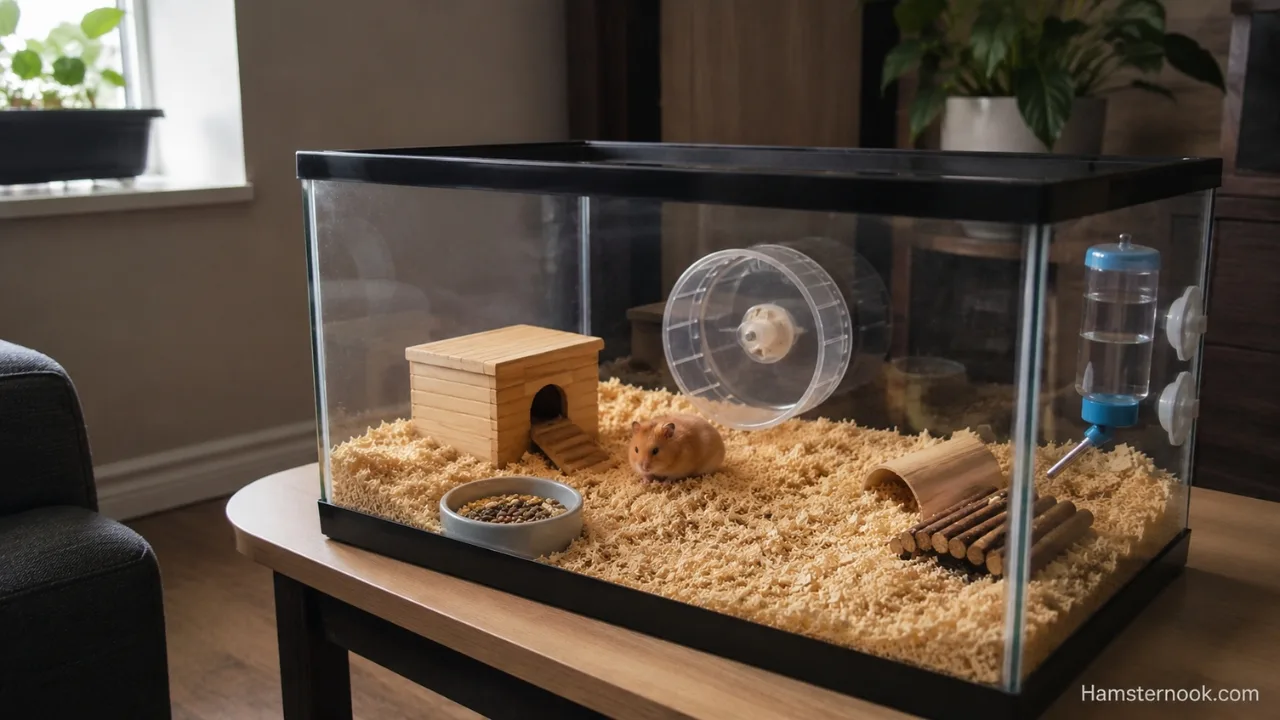
Hyperactivity That Never Stops
Hamsters are naturally active animals, especially at night. However, a hamster that seems unable to settle down may be trying to compensate for insufficient space.
Healthy activity usually includes:
- Running
- Exploring
- Digging
- Foraging
- Grooming
Stress-related activity often looks frantic rather than purposeful.
Aggressive or Defensive Behavior
A cramped environment can make some hamsters feel insecure.

Signs may include:
- Lunging
- Biting
- Territorial behavior
- Sudden aggression during handling
While aggression can have multiple causes, inadequate housing is sometimes a contributing factor.
Stress from an unsuitable enclosure can sometimes contribute to defensive behavior. Our Why Did My Hamster Suddenly Start Biting Me? 9 Common Causes & Fixes guide explains other common reasons behind sudden biting and how to tell them apart.
Lack of Natural Behaviors
Sometimes the warning signs are less obvious.
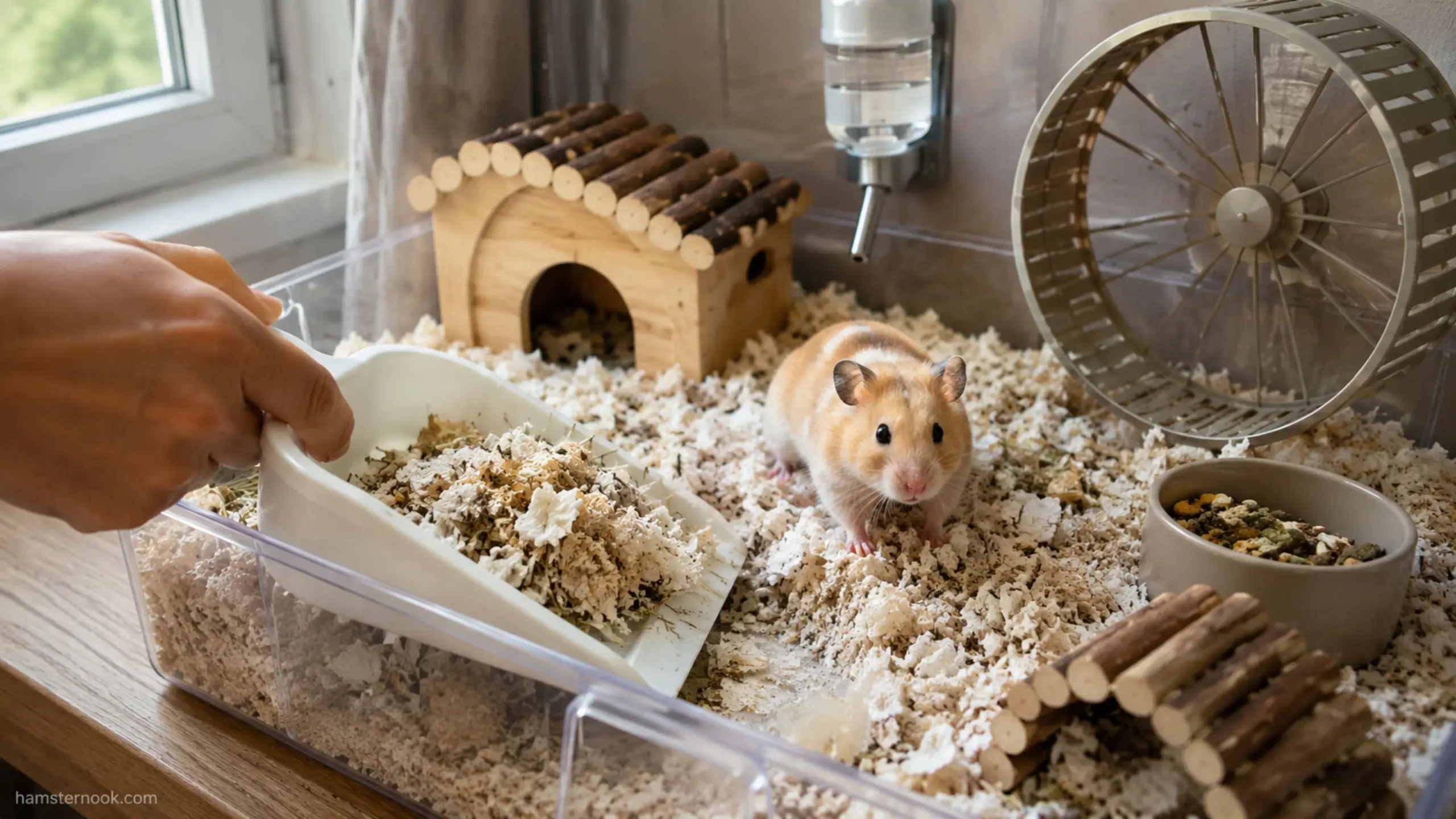
A hamster may stop performing important natural behaviors because the environment does not allow them.
| Natural Behavior | Why It Matters | What Happens in a Small Cage |
|---|---|---|
| Burrowing | Creates security and comfort | Little or no digging |
| Exploring | Provides mental stimulation | Repetitive pacing |
| Foraging | Encourages activity | Increased boredom |
| Nest Building | Supports sleep quality | Reduced nesting behavior |
| Running | Maintains fitness | Frustration and stress |
A hamster that cannot express normal instincts may become bored or stressed over time.
The Wheel Fits, So Why Isn’t the Cage Big Enough?
This is a common question among new owners.
Many pet store cages technically include:
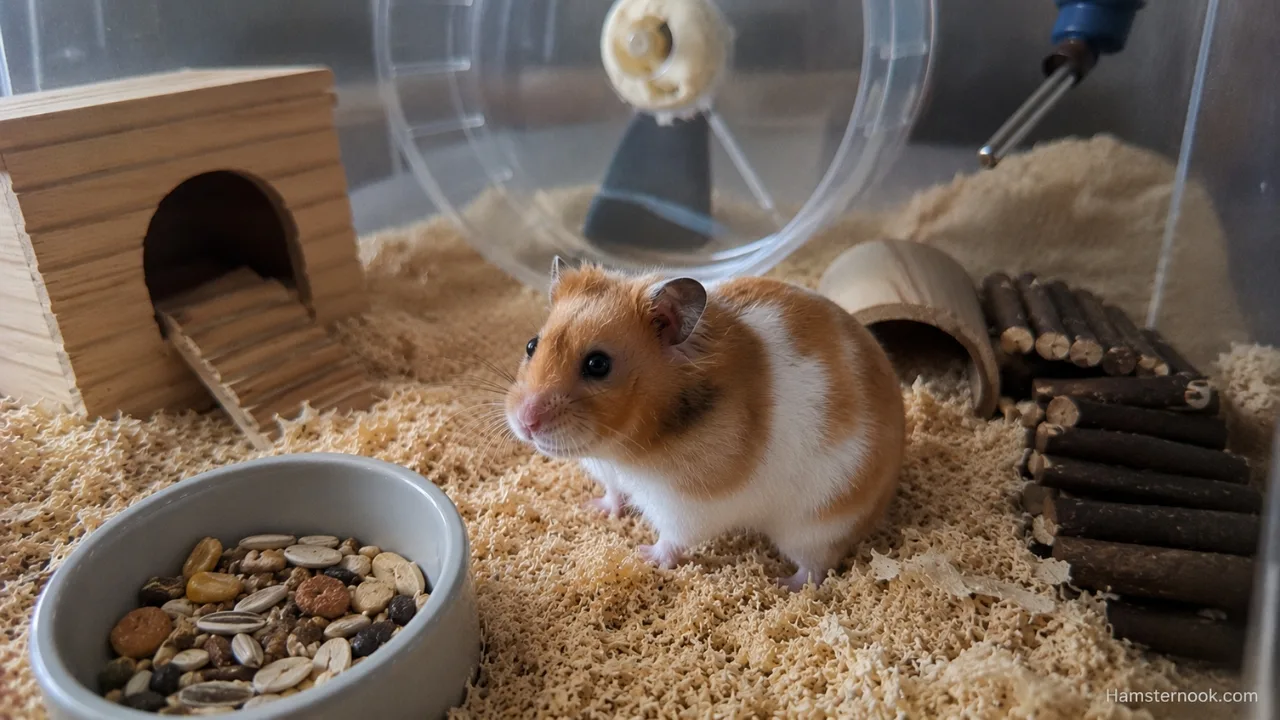
- A wheel
- Food dish
- Water bottle
- Hideout
However, once these items are installed, very little usable floor space remains.
Consider the difference below.
| Cage Feature | Small Cage | Properly Sized Cage |
|---|---|---|
| Wheel Space | Crowded | Comfortable |
| Bedding Depth | Limited | Deep burrowing area |
| Enrichment Items | Few | Multiple options |
| Exercise Area | Restricted | Open movement |
| Stress Level | Often higher | Usually lower |
Accessories should never be used to judge whether a cage is suitable. A properly sized wheel, deep bedding, hideouts, and enrichment all require usable floor space, and overcrowding the enclosure with accessories can reduce the space your hamster actually has available.
Can a Cage Be Too Big?
Many owners worry that a large enclosure might overwhelm their hamster.
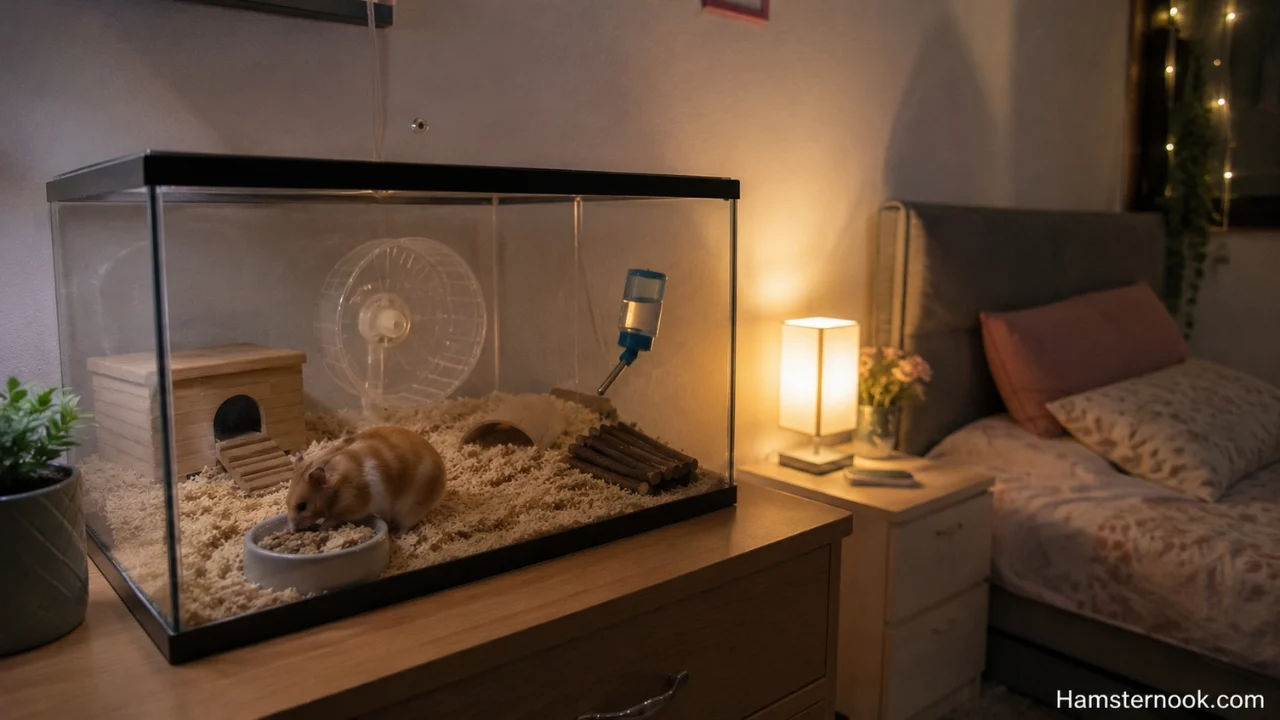
For healthy hamsters, there is no evidence that properly enriched large cages are harmful simply because they are spacious.
Problems usually occur when a cage is:
- Empty
- Lacking hides
- Missing bedding
- Poorly enriched
A large cage with tunnels, hides, bedding, and enrichment generally benefits hamsters more than a small cage.
Other Factors That Matter Besides Cage Size
Choosing the right hamster bedding is just as important as cage size because it directly affects burrowing behavior and comfort. Hamsters can only take full advantage of a spacious enclosure when they have enough bedding to dig stable tunnels and create secure nests.

Deep bedding allows hamsters to build stable tunnels and secure nests. Our Best Hamster Bedding for Beginners guide explains which bedding materials support natural burrowing and which should be avoided.
While cage size is important, it is not the only factor affecting hamster welfare.
A large cage can still be inadequate if basic needs are missing.
Bedding Depth
Many owners are surprised to learn that deep bedding is just as important as cage size. Without enough bedding, even a spacious enclosure cannot fully support natural burrowing behavior.
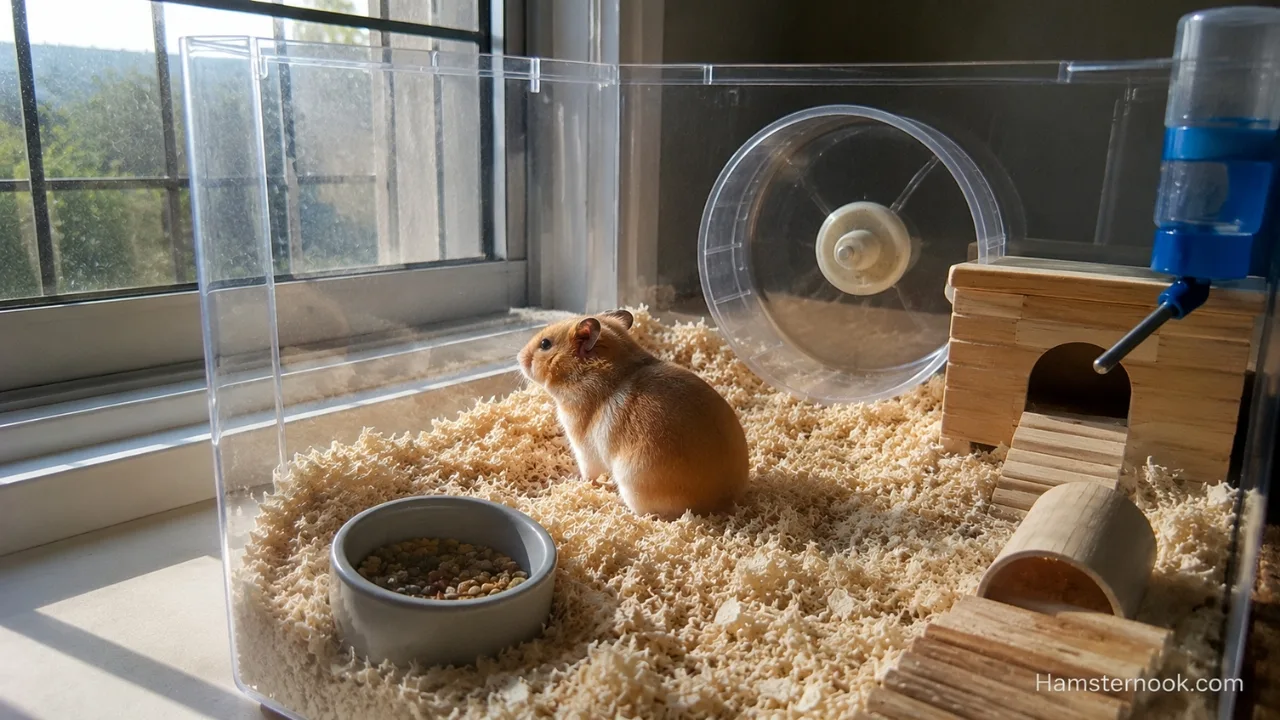
Most hamsters benefit from deep bedding that allows burrowing.
Many experienced keepers aim for at least 8–10 inches or more where possible.
Proper Wheel Size
A wheel that is too small may force the hamster’s back to bend unnaturally.
| Hamster Type | Recommended Wheel Size |
|---|---|
| Syrian Hamster | 11–12 inches |
| Dwarf Hamster | 8–10 inches |
| Chinese Hamster | 8–10 inches |
Even a correctly sized wheel cannot compensate for limited floor space. Our Why Is My Hamster Running on the Wheel So Much? What’s Normal and When to Worry guide explains how normal wheel use, activity levels, and enclosure conditions all contribute to healthy exercise.
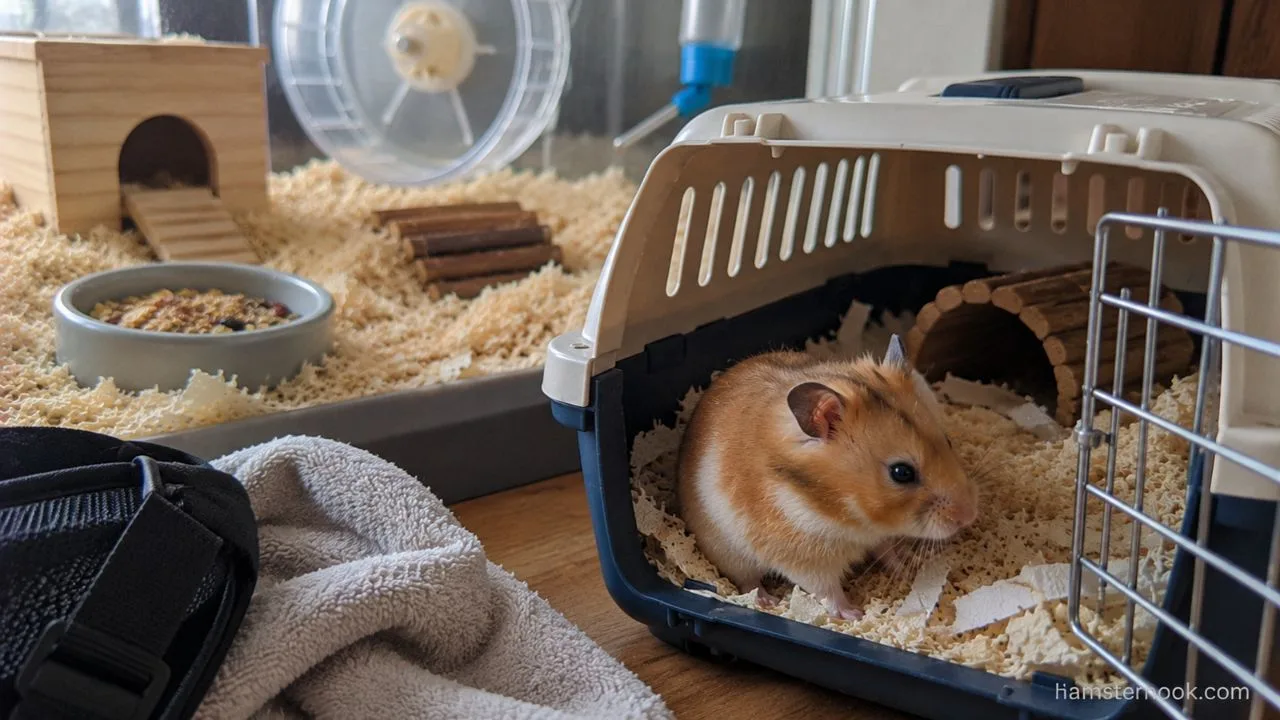
Enrichment Opportunities
Good enrichment can include:
- Cork logs
- Tunnels
- Sand baths
- Chew toys
- Foraging activities
- Multi-chamber hides
A larger cage makes it easier to provide these essentials.
Enrichment works best when it adds meaningful choices without taking away the floor space your hamster needs. Hamster Cage Enrichment: 10 Safe Ideas for Boredom & Natural Behavior covers practical ways to add foraging, tunnels, hides, and other activities without overcrowding the habitat.
How to Upgrade a Small Hamster Cage
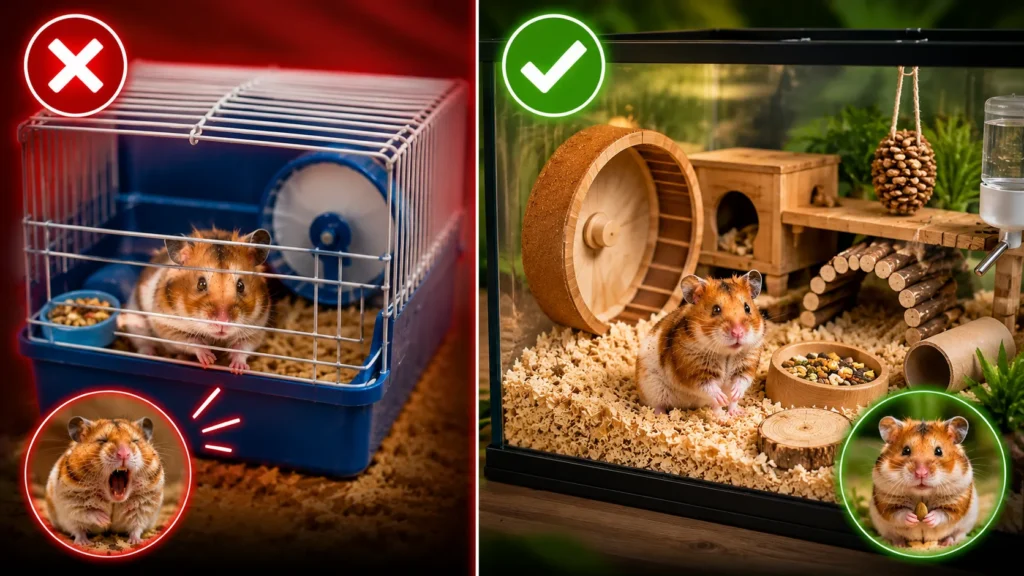
If you suspect your hamster’s cage is too small, improvements do not have to happen overnight.

Many owners upgrade gradually.
Possible options include:
| Upgrade Option | Benefits |
|---|---|
| Large glass tank | Excellent floor space |
| Bin cage conversion | Budget-friendly solution |
| Modern enclosure | Easy customization |
| Connecting larger habitats | Additional room to explore |
Before purchasing a new cage, measure actual floor space rather than relying on marketing labels.
If you’re upgrading from a smaller enclosure, try moving your hamster’s familiar hide, nesting material, and a little of the old bedding into the new setup. Keeping familiar scents can help reduce stress while your hamster adjusts to its larger environment.
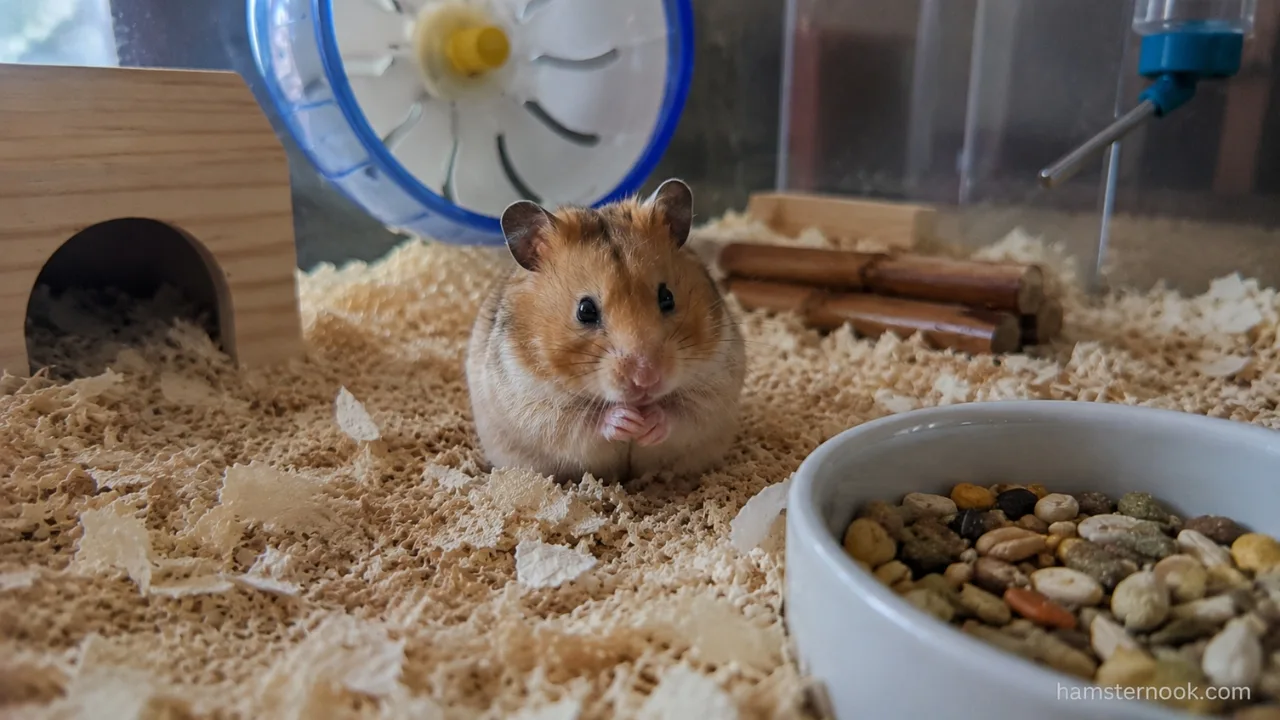
Signs Your Cage Upgrade Is Working
Besides fewer stress-related behaviors, many owners notice their hamster begins exploring more confidently, spends more time burrowing, creates larger nests, and follows a more relaxed daily routine. These gradual behavior changes often indicate that the enclosure is allowing more natural activities.
Many owners notice positive changes after moving their hamster into a larger enclosure.
Common improvements include:
- Less bar chewing
- Fewer escape attempts
- More burrowing
- Better nesting behavior
- Increased confidence
- More natural exploration
Some hamsters adjust immediately, while others may take several days or weeks to fully settle in.

Give Your Hamster Time to Adjust
During this adjustment period, avoid unnecessary cage rearrangements. Allowing your hamster to establish new scent trails and sleeping areas helps it settle more quickly into its upgraded environment.
Some hamsters become more active immediately after moving into a larger enclosure, while others spend several days exploring cautiously before settling into a routine. This adjustment period is completely normal. Avoid rearranging the habitat too often during the first week so your hamster can establish familiar paths, nest areas, and scent markings. A stable environment helps them feel secure much sooner.
Common Myths About Hamster Cage Size
Several myths continue to circulate among pet owners.
| Myth | Reality |
|---|---|
| Hamsters are tiny, so they need tiny cages | Small animals often need surprisingly large living spaces |
| Pet store cages are always suitable | Many commercially sold cages are below modern recommendations |
| Hamsters only need a wheel | They also need space for digging, nesting, and exploring |
| A bigger cage causes stress | Properly enriched larger cages generally improve welfare |
| Dwarf hamsters need very little room | Dwarf species still require substantial floor space |
Understanding these misconceptions can help owners make better housing decisions.
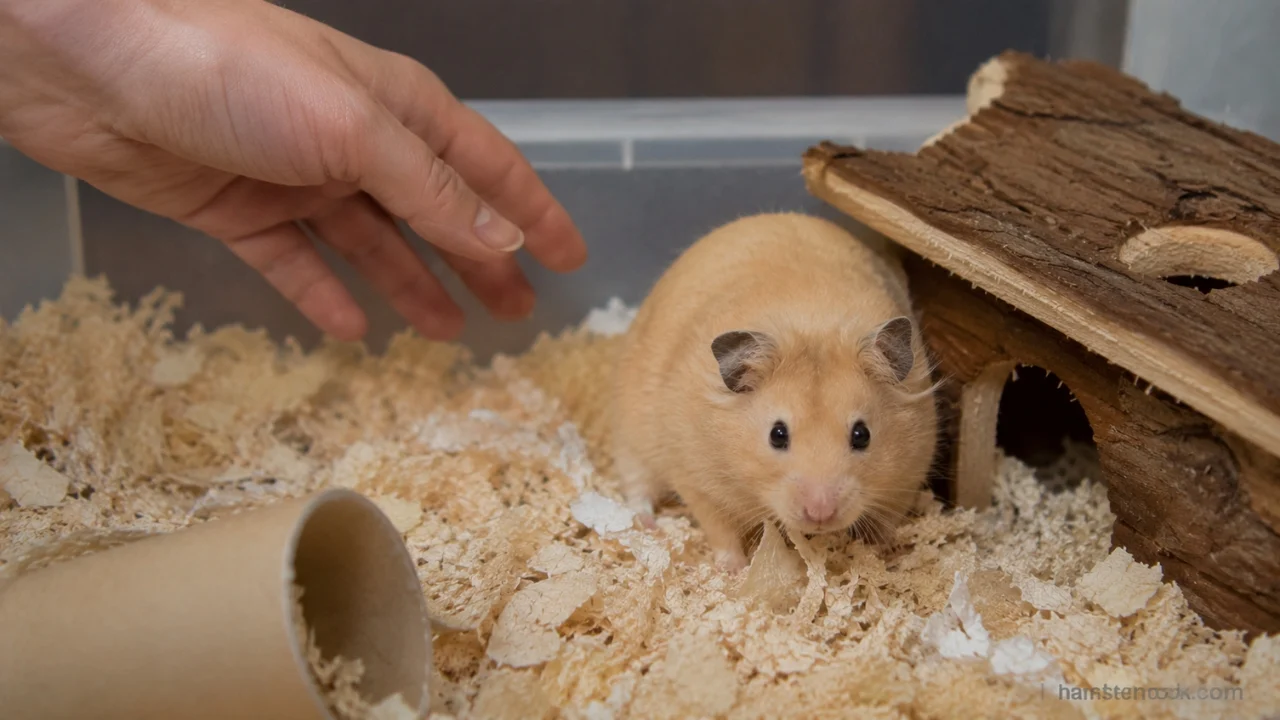
Choosing a larger cage is only the first step. Our Best Hamster Cage Setup for Beginners guide explains how bedding depth, hide placement, wheel size, enrichment, and layout work together to create a comfortable habitat.
Before deciding whether your hamster needs a larger enclosure, remember that cage size works together with bedding depth, wheel size, hideouts, enrichment, and cage layout. Improving only one part of the habitat may not solve every problem if other basic needs are still missing.
Quick Cage Size Checklist
Before deciding your hamster needs a new enclosure, ask yourself:
- Can it run several steps without immediately reaching a wall?
- Is there enough room for deep bedding and a properly sized wheel together?
- Can separate areas be created for sleeping, eating, and toileting?
- Is there still open floor space after adding hides, toys, and a sand bath?
- Does your hamster spend more time exploring than trying to escape?
If you answered “no” to several of these questions, upgrading the enclosure will likely improve your hamster’s daily welfare.

Final Thoughts
A hamster may be one of the smallest pets in your home, but its enclosure has one of the biggest impacts on its daily welfare. If you regularly notice bar chewing, repeated escape attempts, pacing, or a lack of natural behaviors like burrowing and exploring, it’s worth evaluating the cage before assuming the behavior is simply part of your hamster’s personality.
A larger enclosure, combined with deep bedding, proper enrichment, and a correctly sized wheel, gives your hamster more opportunities to behave naturally and live with less stress. Small improvements in housing often lead to noticeable improvements in confidence, activity, and overall well-being.
Frequently Asked Questions
How can I tell if my hamster is unhappy in its cage?
Repeated bar chewing, obsessive pacing, constant escape attempts, and reduced natural behaviors may indicate that the enclosure is not meeting your hamster’s needs.
Is a 10-gallon tank big enough for a hamster?
No. A 10-gallon tank does not provide enough floor space for any hamster species according to modern hamster care recommendations.
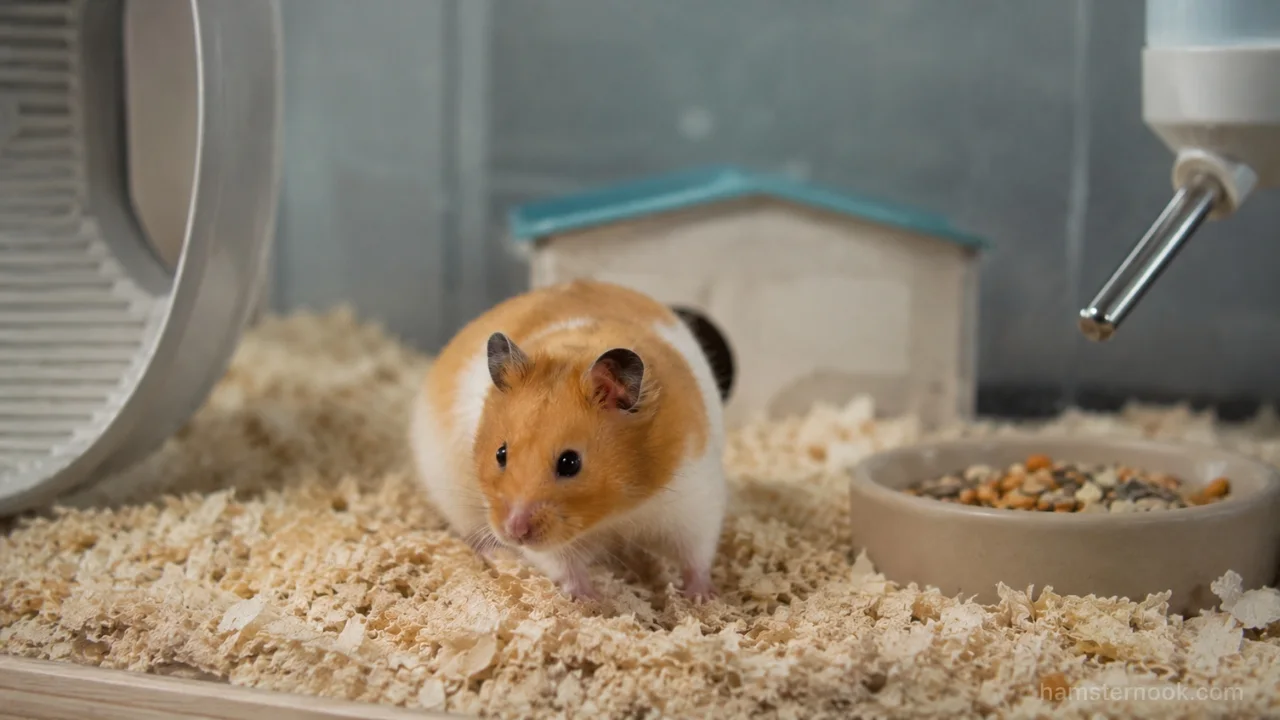
Do Syrian hamsters need larger cages than dwarf hamsters?
Cage-size recommendations are not consistently divided into separate minimums for Syrian and dwarf hamsters. All hamsters need enough usable floor space for normal movement, burrowing, nesting, and enrichment, while Syrian hamsters generally need larger accessories because of their larger body size.
Why does my hamster keep climbing the cage bars?
Occasional climbing can happen, but frequent climbing may indicate boredom, stress, or insufficient cage space.
Will a bigger cage make my hamster friendlier?
A larger cage cannot change personality, but reduced stress may help some hamsters become calmer and more comfortable around people.
What is the biggest mistake owners make when choosing a hamster cage?
Many owners focus on height, colorful tubes, or accessories instead of prioritizing usable floor space, which is usually the most important factor for hamster housing.

Does adding shelves make a hamster cage big enough?
No. Shelves can hold accessories and create extra climbing space, but they do not replace the continuous floor space hamsters need for running, burrowing, and exploring. A larger base area is much more valuable than multiple levels.
Should I move my hamster into a bigger cage immediately?
If your current enclosure is clearly too small, upgrading sooner is usually beneficial. Try to move familiar bedding, hideouts, and nesting material into the new enclosure to reduce stress while your hamster adjusts.
References
This guide is based on hamster housing, enclosure size, bedding, enrichment, behavior, and welfare guidance from trusted veterinary and animal welfare resources, including:
- PDSA – Hamsters as Pets – Guidance on suitable hamster housing, minimum floor space, exercise, enrichment, bedding, and general welfare.
- RSPCA – Creating a Good Home for Hamsters – Information on enclosure space, bedding, nesting, enrichment, exercise, and creating a suitable hamster environment.
- RSPCA – Hamster Behaviour – Guidance on natural hamster behaviors, activity, stress, hiding, exploration, and environmental needs.
- Blue Cross – Hamster Care Guide – Practical advice on hamster cage setup, bedding, exercise, enrichment, handling, and wellbeing.
- MSD Veterinary Manual – Providing a Home for a Hamster – Veterinary guidance on hamster housing, enclosure design, bedding, nesting areas, exercise, and environmental conditions.
- NC3Rs – Housing and Husbandry: Hamster – Guidance on appropriate hamster housing, usable space, bedding, environmental enrichment, and species-appropriate husbandry.
- NC3Rs – Choosing Appropriate Enrichment – Guidance on enrichment that supports natural behaviors such as exploration, foraging, hiding, and burrowing.

Narayan Kumar is the founder and author of HamsterNook. He creates practical, research-based hamster care guides covering hamster behavior, nutrition, cage setup, enrichment, health, and everyday care. His goal is to help hamster owners make informed decisions and provide safer, healthier lives for their pets through clear, beginner-friendly information based on trusted animal care resources.