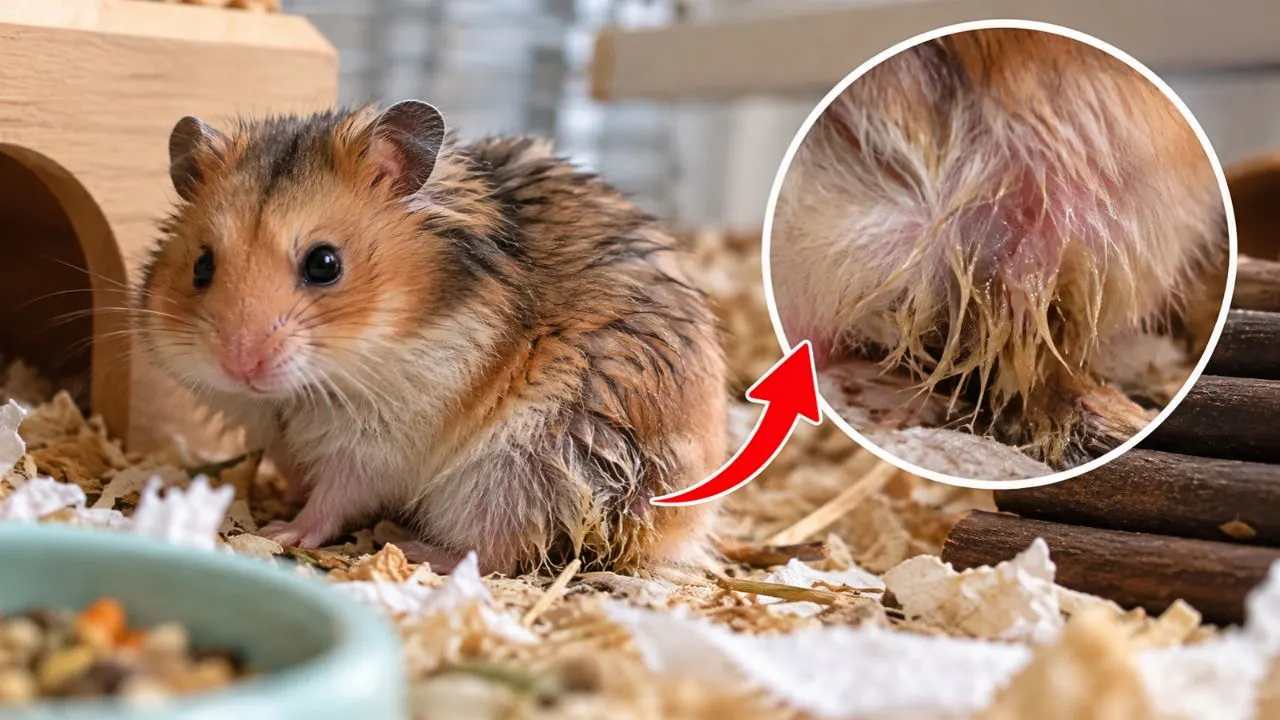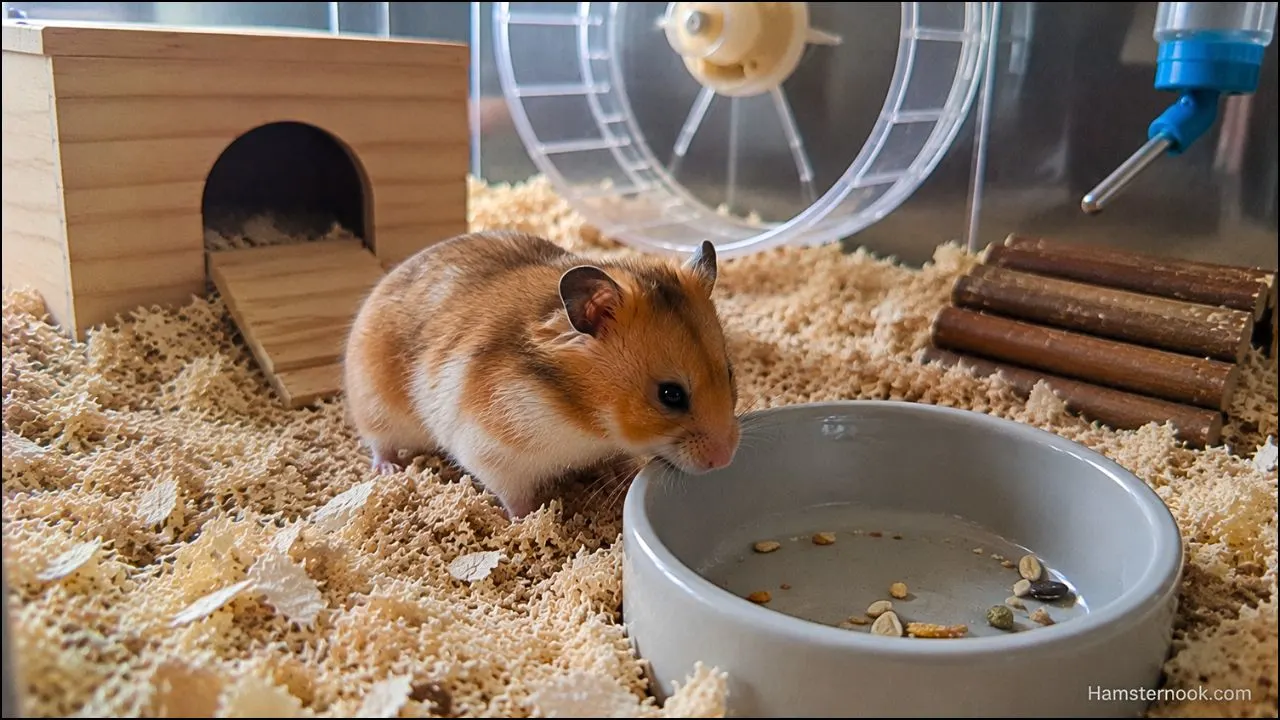
Hamsters are small animals that often hide illness until they become seriously weak. Because of this, many owners do not notice something is wrong until their hamster suddenly starts behaving differently. Even small behavior changes like unusual sleeping patterns, appetite loss, or weakness may sometimes signal serious illness in hamsters.
For many owners, it can be difficult to tell the difference between normal aging and a serious medical emergency. While not every symptom means a hamster is dying, certain warning signs should never be ignored.
This guide explains the most common signs that a hamster may be nearing the end of its life, possible causes behind these symptoms, and the most important steps owners should take to keep their pet comfortable and safe.
Understanding Normal Aging vs Serious Illness in Hamsters
Many symptoms associated with aging can overlap with serious illness, making regular observation especially important for hamster owners.

Before assuming the worst, it’s important to understand that older hamsters naturally slow down with age. Most pet hamsters live around 2 to 3 years depending on breed, genetics, diet, and care quality.
An elderly hamster may:
- Sleep longer
- Move more slowly
- Show less interest in exercise
- Lose some muscle mass
- Become less playful
However, sudden or severe changes usually suggest illness, injury, or organ failure rather than simple aging.
Rather than focusing on a single symptom, look for several changes happening at the same time. A combination of weakness, appetite loss, breathing problems, and unusual behavior is generally more concerning than one isolated change.

What Behavior Changes Can Happen Before a Hamster Dies?
Behavior can change noticeably when a hamster is becoming seriously ill or approaching the end of life. You may see unusual hiding, less interest in food or treats, reduced activity, weakness, changes in sleeping patterns, or less response to familiar sounds and handling. These signs are more concerning when several appear together rather than occurring alone.
Quick Comparison: Normal Aging vs Dangerous Symptoms
| Normal Aging Signs | Possible Emergency Signs |
|---|---|
| Mild slowing down | Collapse or inability to stand |
| Sleeping slightly more | Extreme lethargy |
| Gradual weight loss | Rapid weight loss |
| Less wheel activity | Refusing food and water |
| Slightly thinner fur | Labored breathing |
| Reduced energy | Severe dehydration |
| Calm behavior | Unresponsiveness |
If multiple emergency symptoms appear together, veterinary attention is strongly recommended.
1. Extreme Lethargy and Weakness
One of the most common signs of a dying hamster is severe weakness.
Severe weakness is often accompanied by other subtle warning signs. Signs of a Sick Hamster explains the early symptoms many owners notice before a hamster becomes critically ill.

Healthy hamsters are naturally curious and active, especially during the evening and nighttime hours. A hamster that barely moves, struggles to walk, or remains lying in one spot for long periods may be seriously ill.
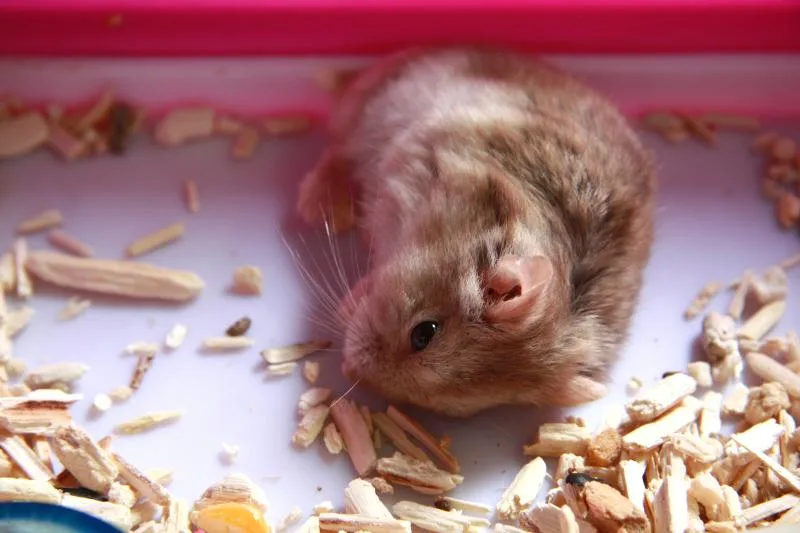
You may notice:
- Difficulty climbing
- Slow movements
- Wobbling
- Collapsing while walking
- Lack of interest in surroundings
Extreme lethargy can happen because of old age, dehydration, infection, organ failure, or severe pain.
What You Should Do
Keep the hamster quiet and comfortable, remove hazards that could cause injury, and contact an exotic veterinarian as soon as possible. Avoid unnecessary handling if it causes stress or makes breathing or movement more difficult.

2. Refusing Food and Water
Hamsters usually love food, so a sudden loss of appetite is a major warning sign.
If your hamster suddenly refuses food but is otherwise still active, Why Is My Hamster Not Eating? explains the most common causes and when appetite loss becomes an emergency.
Some critically ill hamsters may completely lose interest in food and water. This quickly becomes dangerous because hamsters have tiny bodies that dehydrate very fast.
Signs include:

- Empty untouched food bowl
- Sunken eyes
- Dry mouth
- Weak chewing
- Rapid weight loss
Sometimes dental disease, infections, or internal illness may also cause appetite loss.
What You Should Do
Do not force-feed or introduce soft foods unless a veterinarian recommends them for your hamster’s condition. Keep fresh water available and contact a veterinarian promptly if your hamster refuses food or water, especially when weakness, breathing problems, diarrhea, or other unusual symptoms are also present.
RSPCA specifically advises veterinary attention when a hamster stops eating or drinking and says wet or powdered food should only be given when advised by a vet.
3. Rapid Weight Loss
A hamster losing noticeable weight within a short period often indicates a serious health problem.

Weight loss may happen because of:
- Old age
- Cancer
- Dental issues
- Digestive illness
- Organ failure
- Chronic infection
You may start feeling bones more prominently around the hips and spine.
Weight Loss Warning Table
| Weight Loss Pattern | What It May Mean |
|---|---|
| Gradual weight loss in an elderly hamster | Can occur with aging but should still be discussed with a veterinarian |
| Sudden or marked weight loss | May indicate illness and needs veterinary assessment |
| Weight loss with diarrhea | May occur with digestive illness or dehydration |
| Weight loss with dental problems | May indicate difficulty eating or dental disease |
| Weight loss with breathing problems | May indicate serious illness and needs prompt veterinary assessment |
Even small weight changes matter in tiny pets like hamsters.
4. Labored or Irregular Breathing
Breathing problems are one of the most serious symptoms in hamsters.

A hamster may appear to gasp, breathe heavily, or make clicking sounds when breathing. Some may stretch their neck upward while trying to inhale.
Possible causes include:
- Respiratory infection
- Heart failure
- Severe weakness
- Advanced illness
Can Heart Problems Cause These Signs?
Heart-related disease can cause breathing changes, weakness, and reduced activity, particularly in older Syrian hamsters. However, these signs can also occur with respiratory disease and other serious conditions, so symptoms alone cannot confirm heart failure. A veterinarian should assess a hamster showing persistent or difficult breathing.
Breathing problems can worsen very quickly.

What You Should Do
Move the hamster to a calm, comfortable environment away from dust, smoke, or strong smells. Avoid excessive handling and contact a veterinarian promptly, especially if breathing remains difficult or becomes worse.
If breathing changes are the main concern, Why Is My Hamster Breathing Fast or Heavy? Causes & Warning Signs covers common causes and warning signs that should not be ignored.
5. Cold Body Temperature
Very sick or elderly hamsters may struggle to regulate their body temperature properly.
Because increased sleeping can sometimes be confused with serious illness, Why Is My Hamster Sleeping So Much? Normal vs Warning Signs explains when extra sleep is expected and when it deserves closer attention.

A cold hamster may feel cool around the ears, feet, or belly. This symptom is especially concerning when combined with weakness or unresponsiveness.
However, owners must also know the difference between dying and hibernation-like torpor.
Important Difference: Torpor vs Dying
Hamsters sometimes enter a torpor state if temperatures become too cold. During torpor:
- Breathing becomes slow
- Body feels cool
- Movement is minimal
- The hamster still responds slightly when disturbed
A dying hamster usually appears far weaker and may not respond normally.

Torpor vs Dying Hamster Table
| Torpor | Signs of Serious Illness |
|---|---|
| May occur after exposure to cold | May occur with illness, pain, injury, or another serious condition |
| Body may feel cool | Body temperature alone cannot determine the cause |
| Breathing may become very slow | Breathing may be abnormal, labored, or irregular |
| Some movement or response may remain | Marked weakness, collapse, or reduced response is concerning |
| May become more responsive as the environment returns to an appropriate stable temperature | Requires veterinary assessment rather than assuming the hamster is dying |
If unsure, contact a veterinarian immediately.
If your hamster feels unusually cold or is barely moving, Why Does My Hamster Feel Cold? Causes, Torpor & What to Do explains how cold temperatures and torpor can affect hamsters.
6. Wet Tail or Severe Diarrhea
Wet tail is one of the most dangerous illnesses in hamsters, especially young Syrian hamsters.
Symptoms include:

- Wet or dirty rear end
- Severe diarrhea
- Dehydration
- Weakness
- Bad smell
- Hunched posture
Without treatment, wet tail can become fatal very quickly.
What You Should Do
This is a veterinary emergency. Keep the cage clean and dry while arranging immediate treatment.
7. Unresponsiveness
A hamster nearing death may stop reacting normally to sounds, touch, or movement around them.
Signs include:

- Not opening eyes
- No interest in treats
- Little response to handling
- Remaining motionless
Severe weakness and advanced illness can cause this condition.
What You Should Do
Keep handling minimal and create a peaceful environment. Stress can worsen suffering in very weak animals.
8. Difficulty Moving or Paralysis
Some dying hamsters lose coordination or become partially paralyzed.
You may notice:

- Dragging legs
- Falling over
- Trembling
- Inability to climb
- Trouble balancing
Neurological disease, stroke-like events, injury, or severe aging may contribute to these symptoms.
Mobility Problem Comparison Table
| Symptom | Possible Cause |
|---|---|
| Sudden paralysis | Stroke or injury |
| Trembling | Weakness or illness |
| Falling repeatedly | Neurological issues |
| Dragging back legs | Advanced aging or nerve damage |
A veterinarian can help determine whether treatment or supportive care is possible.
Pain can sometimes look similar to weakness or end-of-life decline, so How to Tell If Your Hamster Is in Pain: 10 Warning Signs can help owners recognize additional signs of discomfort.
9. Changes in Fur and Grooming
Healthy hamsters groom themselves regularly. A sick or dying hamster often stops grooming completely.
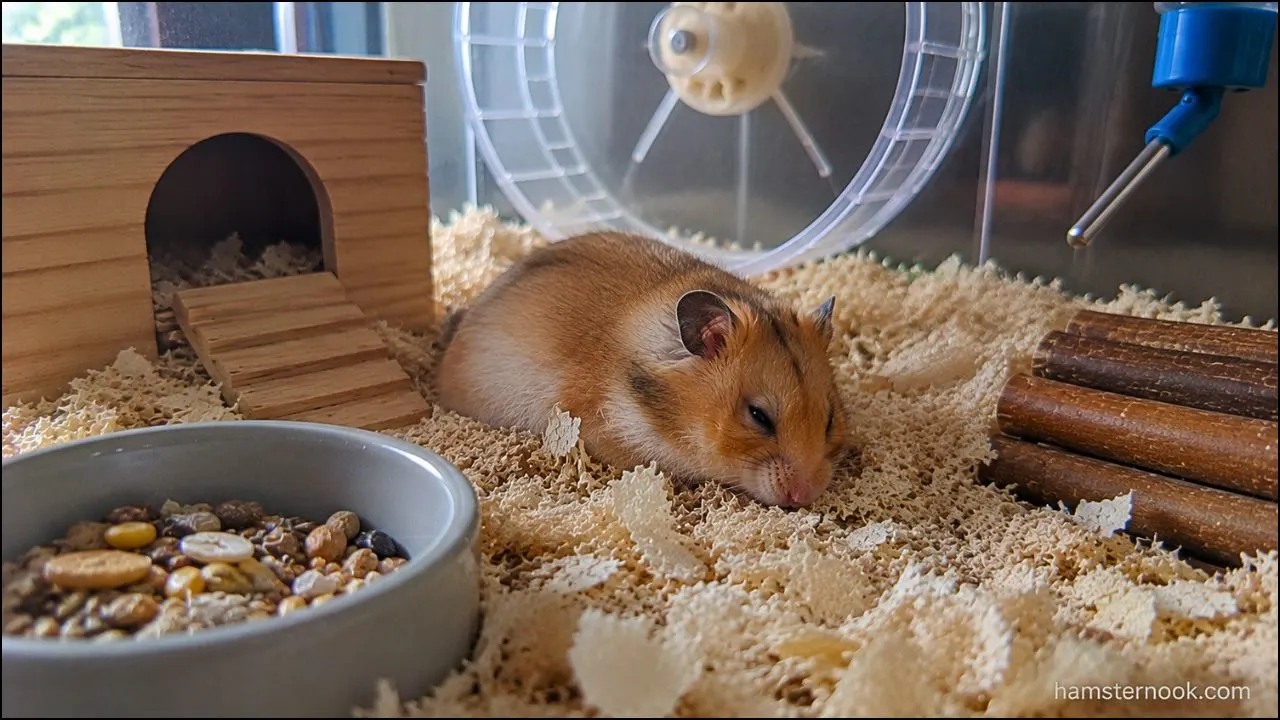
Warning signs include:
- Greasy fur
- Matted coat
- Strong odor
- Bald patches
- Dirty bedding stuck to fur
Poor grooming usually means the hamster no longer has enough energy to care for itself properly.
What You Should Do
Keep the enclosure clean and dry. Avoid bathing the hamster because baths can create stress and dangerous body temperature drops.
10. Hiding Constantly and Avoiding Interaction
Hamsters naturally hide sometimes, but excessive hiding combined with other symptoms may indicate pain or decline.

A severely ill hamster may:
- Stay inside nesting areas constantly
- Avoid favorite activities
- Ignore treats
- Refuse social interaction
Animals often isolate themselves when feeling vulnerable or unwell.
How to Comfort a Dying Hamster
If a veterinarian confirms that recovery is unlikely, focus on reducing stress and making basic needs easy to access. Keep the environment quiet and familiar, avoid unnecessary handling, place food and water within easy reach, and remove anything that could cause falls or other injuries. If your hamster seems painful, cannot eat or drink, or is struggling to breathe, contact your veterinarian rather than relying only on home comfort measures.
If a veterinarian confirms that recovery is unlikely, supportive care becomes very important.

Creating a quiet, secure environment can improve comfort during illness. Best Hamster Cage Setup for Beginners explains how proper housing helps reduce stress and supports overall wellbeing.
Comfort Care Tips
| Comfort Measure | Why It Helps |
|---|---|
| Provide soft bedding | Reduces discomfort |
| Keep cage warm | Helps weak body regulate temperature |
| Reduce noise | Minimizes stress |
| Place food nearby | Easier access |
| Remove climbing hazards | Prevents injuries |
| Offer fresh water frequently | Helps hydration |
Simple adjustments can make a significant difference in a hamster’s comfort during its final days.
Avoid making unnecessary cage changes during this time unless they improve your hamster’s comfort or safety. Keeping familiar bedding, hideouts, and feeding locations can help reduce additional stress for a hamster that is already weak or seriously ill.
When to See a Veterinarian Immediately
Hamsters can deteriorate rapidly once symptoms become visible, which is why early veterinary care is extremely important.

Seek urgent veterinary care if your hamster shows:
- Difficulty breathing
- Severe diarrhea
- Bleeding
- Collapse
- Sudden paralysis
- Complete refusal to eat or drink
- Seizure-like behavior
Hamsters deteriorate quickly, so early treatment offers the best chance of recovery.
How Long Do Hamsters Usually Live?
Lifespan varies slightly by breed.
| Hamster Breed | Average Lifespan |
|---|---|
| Syrian Hamster | 2–3 years |
| Roborovski Hamster | 3–3.5 years |
| Campbell’s Dwarf Hamster | 1.5–2 years |
| Winter White Hamster | 1.5–2 years |
| Chinese Hamster | 2–3 years |
Proper nutrition, clean housing, low stress, and veterinary care may help improve quality of life.

Final Thoughts
Recognizing the signs that a hamster may be dying can help owners respond more quickly and compassionately. While some symptoms are linked to old age, others may point to treatable illness if caught early enough.
Understanding what normal behavior looks like makes it much easier to recognize when something is wrong. Happy and Healthy Hamster Signs explains the everyday behaviors that usually indicate a hamster is feeling well.
Extreme weakness, refusal to eat, breathing difficulties, severe diarrhea, and unresponsiveness should always be taken seriously. Because hamsters hide illness naturally, even small behavioral changes deserve attention.
Providing warmth, hydration, comfort, and prompt veterinary care gives your hamster the best possible support during illness or the final stage of life.

If you’re looking for a complete resource covering hamster health, behavior, diet, housing, and preventive care, our Ultimate Hamster Care Guide for Beginners (2026) brings everything together in one place.
Frequently Asked Questions
How do I know if my hamster is dying or just sleeping?
Sleeping hamsters still respond normally when gently disturbed. A dying hamster may appear weak, cold, unresponsive, or breathe irregularly.
Can hamsters die suddenly overnight?
Yes. Because hamsters are prey animals that hide illness, some conditions progress rapidly and may seem sudden to owners.

What should I feed a sick hamster?
Soft, easy-to-eat foods like plain oatmeal, mashed vegetables, or veterinarian-approved recovery foods may help if the hamster can still eat.

Is it normal for old hamsters to slow down?
Yes. Elderly hamsters naturally become less active, but severe weakness or refusal to eat is not considered normal aging.
Should I hold my dying hamster?
Gentle handling may comfort some hamsters, but others prefer being left alone. Avoid excessive handling if it causes stress.
Can a dying hamster recover?
Some symptoms may improve if caused by treatable illness rather than end-of-life decline. Early veterinary care gives the best chance of recovery.
References
This guide is based on hamster health, aging, disease symptoms, emergency warning signs, veterinary care, and end-of-life welfare guidance from trusted animal welfare and veterinary resources, including:
- RSPCA – Hamster Health – Guidance on common health problems, changes in appetite and behavior, breathing difficulties, diarrhea, weight changes, and when veterinary attention is needed.
- RSPCA – Keeping Hamsters as Pets – General hamster welfare, health monitoring, diet, housing, behavior, and recognizing signs that a hamster may be unwell.
- PDSA – Hamsters as Pets – Information on hamster lifespan, nutrition, common health problems, behavior, and veterinary care.
- MSD Veterinary Manual – Disorders and Diseases of Hamsters – Veterinary reference information on hamster diseases, respiratory problems, digestive disorders, neurological signs, tumors, and other serious health conditions.
- MSD Veterinary Manual – Routine Health Care of Hamsters – Veterinary guidance on monitoring hamster health, nutrition, dental care, body condition, and recognizing changes that may require veterinary evaluation.
- Merck Veterinary Manual – Hamsters – Veterinary information covering hamster diseases, clinical signs, husbandry, and medical care.
Medical Disclaimer
This article is intended for educational purposes only and should not be considered veterinary advice. Symptoms such as severe weakness, refusal to eat or drink, rapid weight loss, breathing difficulties, diarrhea, collapse, paralysis, seizures, or unresponsiveness can have different causes and do not necessarily mean that a hamster is dying. If your hamster shows sudden, severe, or concerning symptoms, seek advice from a qualified exotic animal veterinarian as soon as possible.

Narayan Kumar is the founder and author of HamsterNook. He creates practical, research-based hamster care guides covering hamster behavior, nutrition, cage setup, enrichment, health, and everyday care. His goal is to help hamster owners make informed decisions and provide safer, healthier lives for their pets through clear, beginner-friendly information based on trusted animal care resources.