hamster care guide for beginners: Getting a hamster for the first time sounds simple, but proper hamster care is more detailed than most pet stores suggest. These tiny pets need enough space to dig, run, hide, chew, and feel safe. When their needs are ignored, hamsters often become stressed, bored, overweight, or aggressive.
The good news is that beginner hamster care becomes much easier once you understand the basics. With the right setup, diet, and handling routine, a hamster can live a calm and healthy life.
This guide covers everything beginners should know in 2026 using reliable, welfare-focused information from veterinary and animal care sources.
Choosing the Right Type of Hamster
Not all hamsters behave the same way. Some are larger and easier to handle, while others are faster and more nervous around people.
Syrian Hamsters
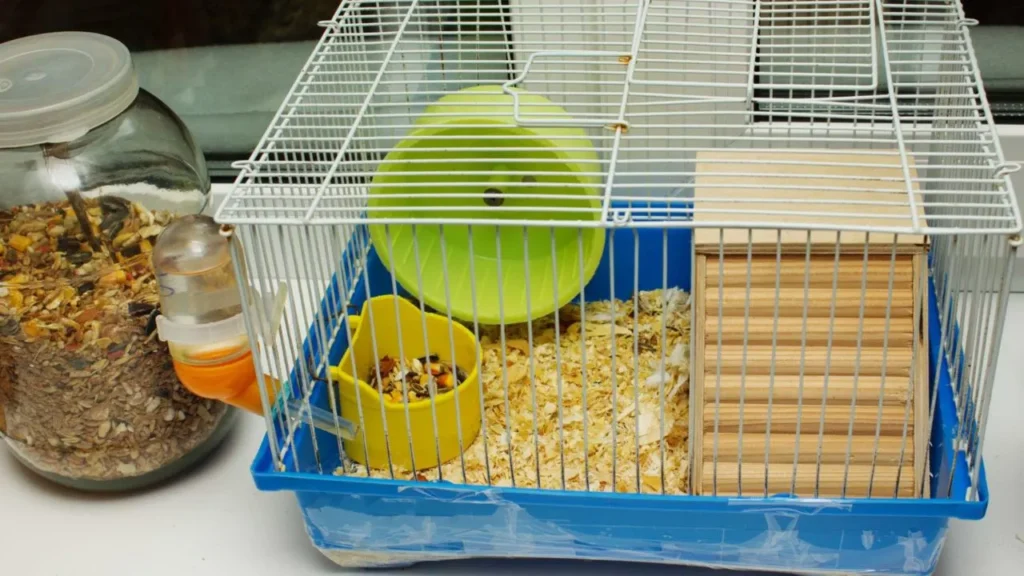
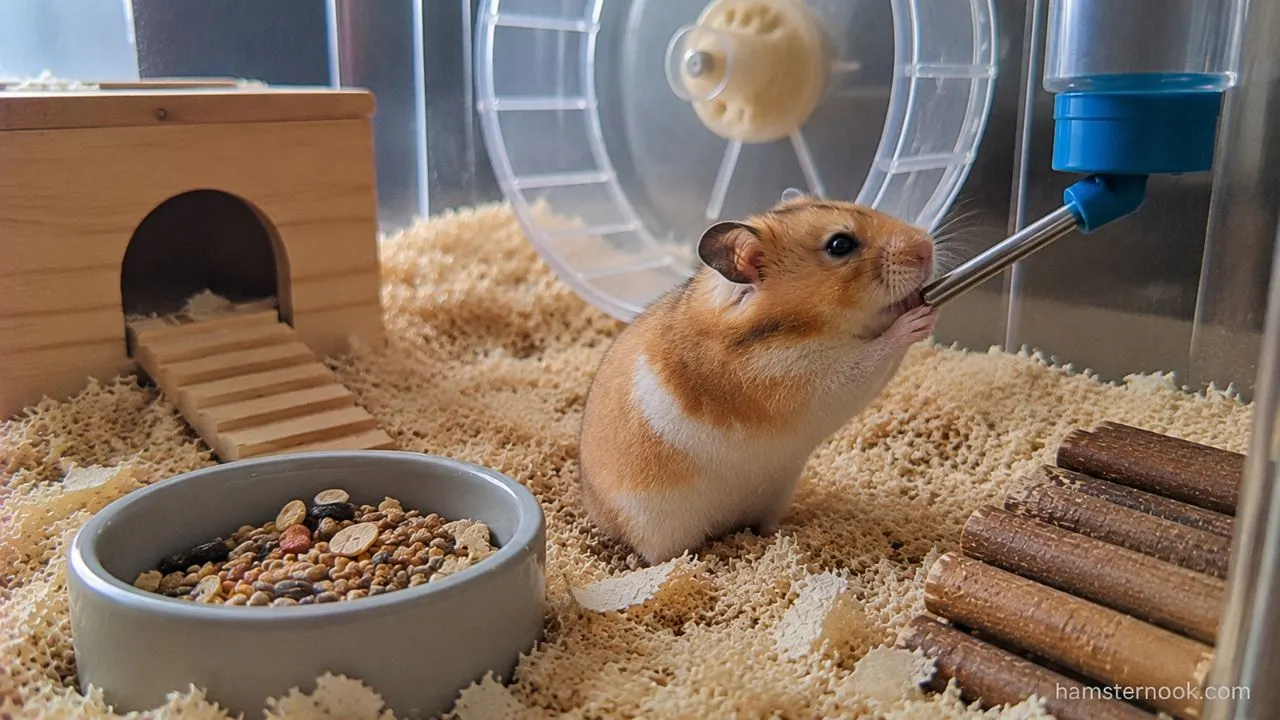
Syrian hamsters are the most common pet hamsters for beginners. They are larger, usually easier to tame, and must live alone because they often fight with other hamsters.
Dwarf Hamsters
Dwarf hamsters are smaller, quicker, and often harder to handle because of their size and speed. Most pet hamsters are safest housed alone. PDSA specifically advises that domesticated Russian dwarf hamsters should not be housed together because dominance issues and fighting can lead to stress or injury.
The Biggest Beginner Mistake: Buying a Cage That Is Too Small
Many starter cages sold in stores are far too small for a hamster.
Modern hamster welfare recommendations strongly favor large enclosures with uninterrupted floor space instead of tiny plastic cages with tubes.
Recommended Cage Size
For beginners, bigger is always safer and healthier.
For a more detailed setup checklist, see our Best Hamster Cage Setup for Beginners: Size, Bedding & Essentials guide.
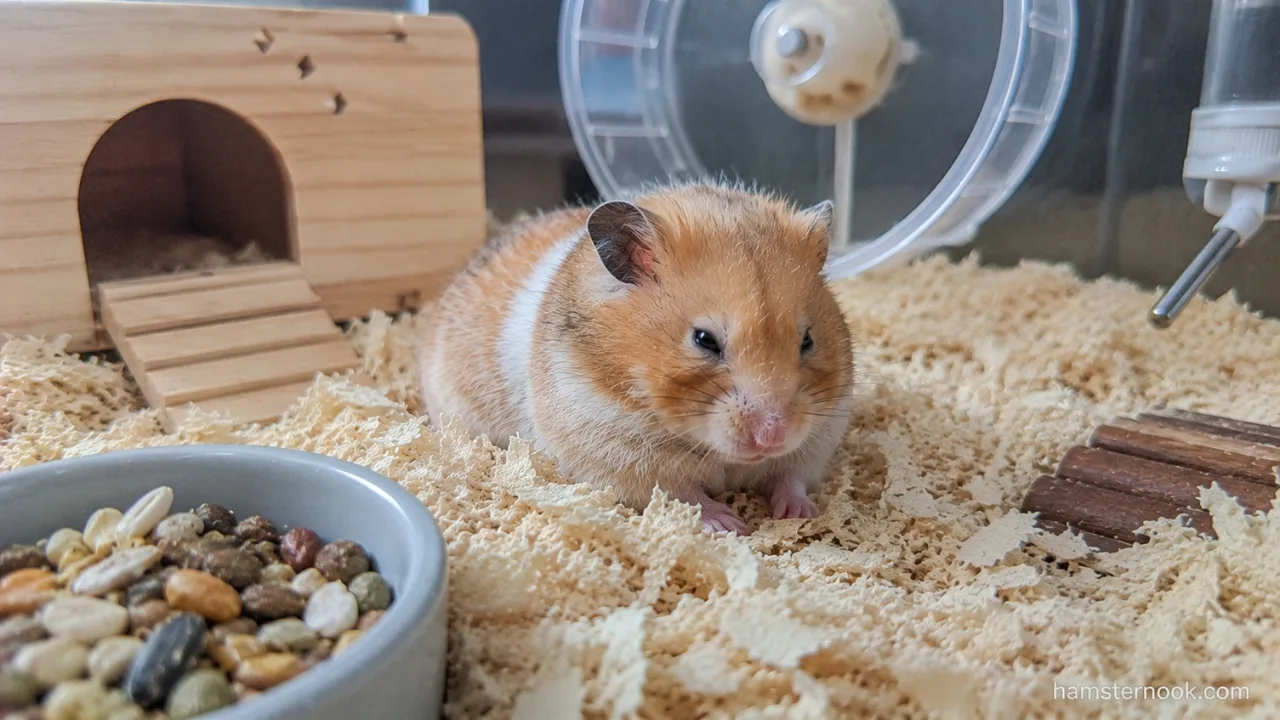
A practical minimum benchmark is 100 × 50 cm of uninterrupted floor space, with larger housing preferred when possible. Cage size should also allow enough room for deep bedding, a suitable wheel, hides, food, and enrichment. There is no need to use different minimum floor-area numbers for Syrian and dwarf hamsters in this basic guide. PDSA and Blue Cross both recommend at least 100 × 50 cm of floor space, while emphasizing that bigger is better.
Good enclosure choices include:

- Large glass tanks with mesh lids
- DIY bin cages
- Spacious wooden enclosures
- Wide wire cages with solid flooring
Avoid:
- Tiny starter kits
- Narrow plastic tubes
- Wire floors
- Small colorful “fun” cages marketed for children
Bedding and Burrowing Needs
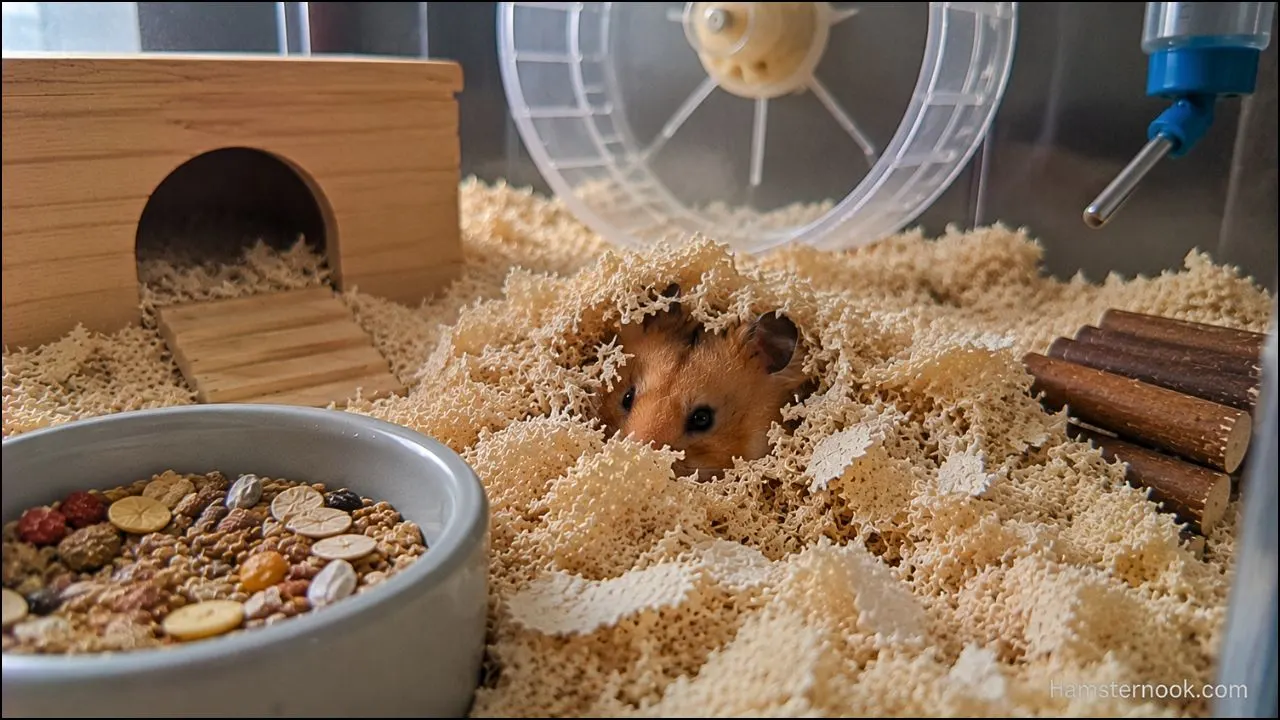
Hamsters naturally dig tunnels underground. Without deep bedding, they cannot express normal behavior.
Experts recommend providing deep unscented bedding so hamsters can build tunnels and nests.
Best Bedding Options
Safe choices include:

- Unscented paper bedding
- Aspen shavings
- Hemp bedding
Avoid:
- Cedar bedding
- Pine bedding
- Scented bedding
- Cotton fluff or nesting wool
A deeper bedding area helps reduce stress and encourages natural digging behavior.
Exercise Wheels Matter More Than People Think
Hamsters run long distances at night, so a proper wheel is essential.
Choose a Solid Wheel
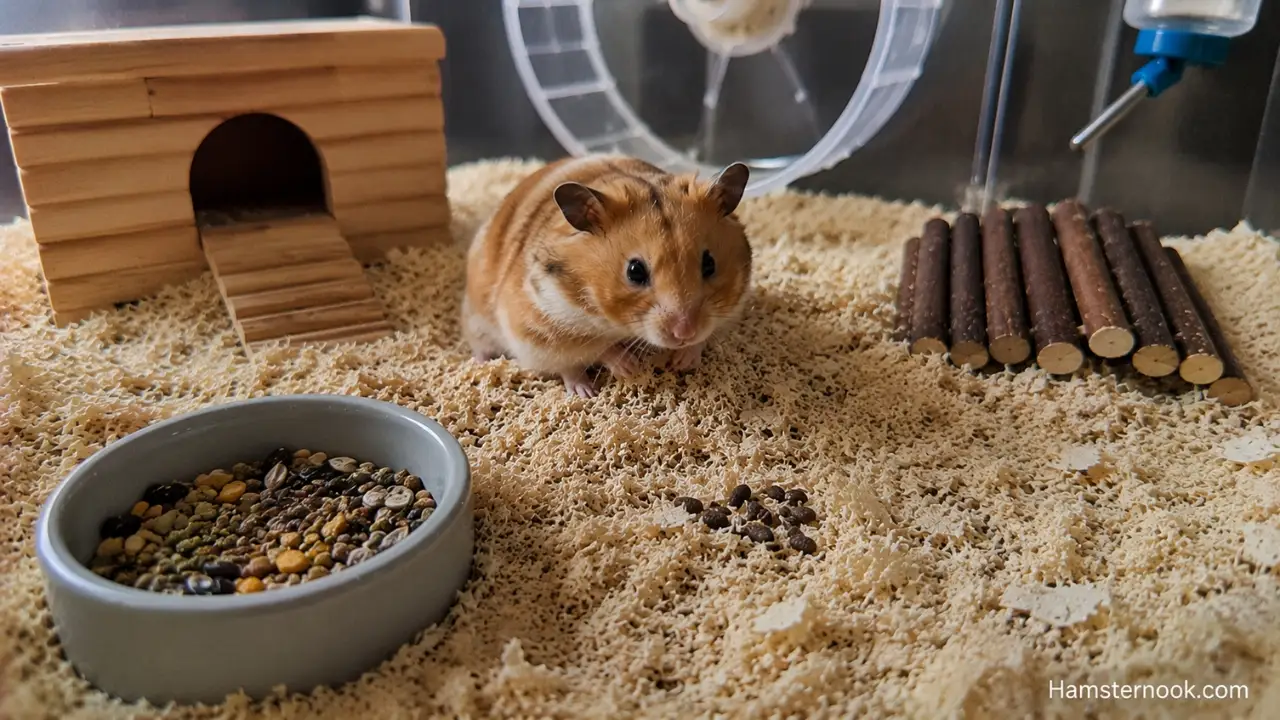
A wheel should:
- Have a solid running surface
- Be large enough to keep the hamster’s back straight
- Spin smoothly and quietly
Wire or mesh wheels can injure feet and legs. Wheels that are too small may cause back problems over time.
Choosing the Correct Wheel Size
Wheel size matters just as much as wheel quality.
General recommendations include:
PDSA recommends a wheel of at least 20 cm (8 inches) for dwarf hamsters and at least 30 cm (12 inches) for Syrian hamsters. The wheel should have a solid running surface and allow your hamster to run without a noticeably curved back.
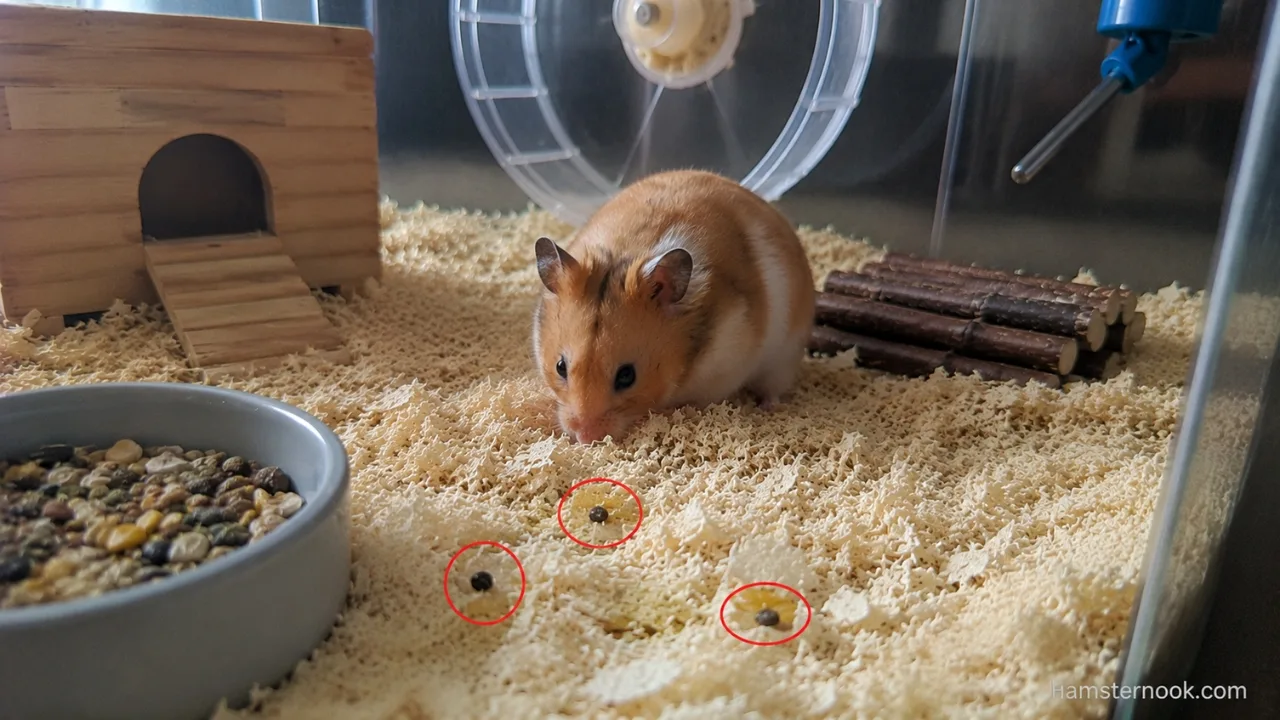
A hamster should be able to run with a straight back. If the back curves noticeably while running, the wheel is likely too small.
What Hamsters Eat
New owners often have questions about treats, vegetables, and safe foods. Our What Do Hamsters Eat? Complete Safe & Unsafe Food List guide covers hamster nutrition in more detail.
Hamsters are omnivores. They need balanced nutrition, not just seed mixes.
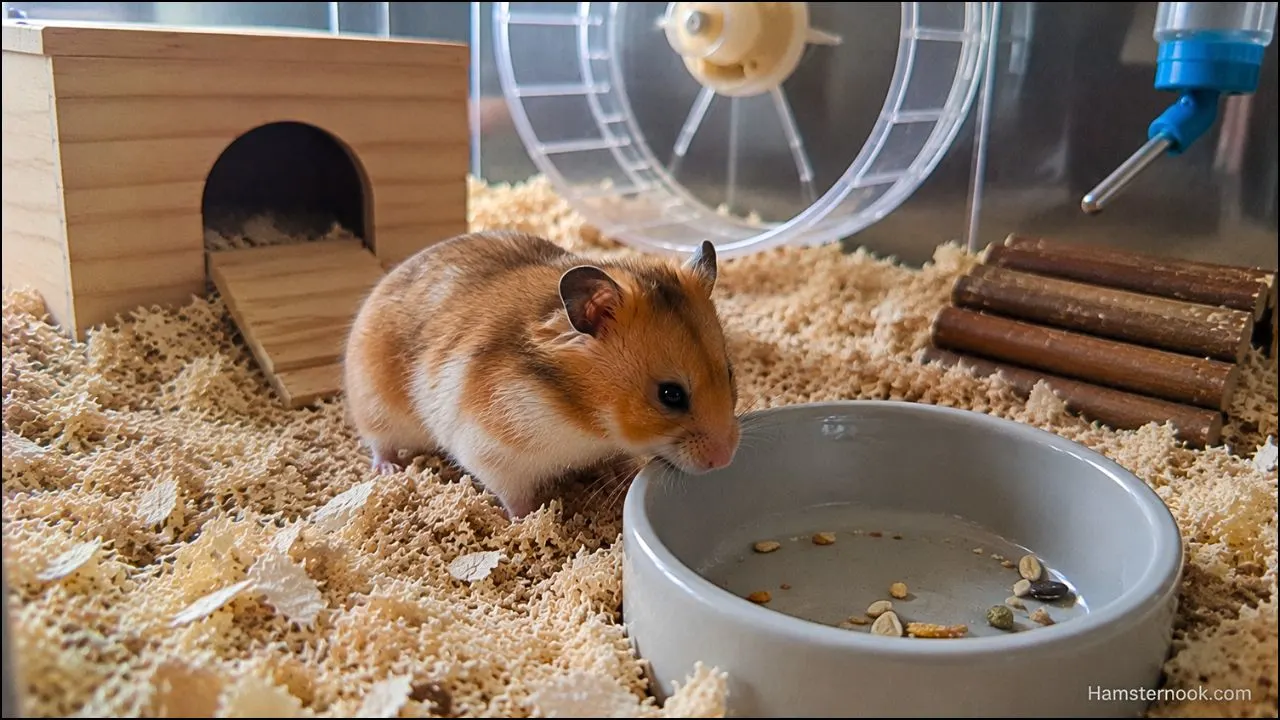
The main food should provide the nutritional foundation of the diet. Fresh vegetables, fruits, and protein treats are additions rather than replacements for the staple food. Portion control matters because treats can add calories quickly in such a small animal.
A Healthy Hamster Diet
A good daily diet usually includes:
- Quality hamster pellets or lab blocks
- Some seed mix in moderation
- Fresh vegetables
- Occasional protein treats like mealworms or cooked egg in small amounts
Safe vegetables include:
- Broccoli
- Kale
- Carrot
- Spinach
- Zucchini
Foods to Avoid
Never feed:
- Onion
- Garlic
- Avocado
- Rhubarb
- Sugary junk food
- Salty snacks
Fresh water should always be available and changed daily.

Sand Baths Are Important
Hamsters clean themselves using sand, not water.

Use:
- Reptile sand
- Sterilized play sand
Avoid:
- Dust powders
- Scented bathing products
Never give a hamster a regular water bath unless instructed by a veterinarian.

What to Buy Before Bringing a Hamster Home
Many first-time owners make the mistake of bringing a hamster home before setting up the enclosure properly. This often leads to unnecessary stress for both the hamster and the owner.
Before your hamster arrives, make sure the enclosure is fully prepared and tested. Having everything ready allows your new pet to settle into a quiet, stable environment from the first day.
If you are deciding where to place the enclosure, our Should a Hamster Cage Be Near a Window? Risks Every Owner Should Know guide explains why direct sunlight and window placement can create problems.
Where you place the enclosure also matters. Keep the cage away from direct sunlight, strong drafts, loud appliances, heavy foot traffic, and other pets that may repeatedly disturb the hamster. A stable, quiet location helps your hamster maintain a predictable routine and reduces unnecessary stress.

A basic hamster setup should include:
- A properly sized enclosure
- Deep bedding for burrowing
- A suitable exercise wheel
- At least one hideout
- A food dish or scatter-feeding area
- A water bottle or water bowl
- Safe chew toys
- A sand bath
- Quality hamster food
Avoid buying items simply because they look colorful or fun. Many products marketed for hamsters are too small or unsuitable for their welfare needs.
A hamster that arrives in a prepared environment is usually less stressed and more likely to settle in quickly.
Stress can also come from noise and repeated disturbances after the hamster arrives. Our 7 Ways You’re Accidentally Stressing Your Hamster: Signs & What to Do guide explains the behavioral changes that can indicate your hamster is feeling overwhelmed.
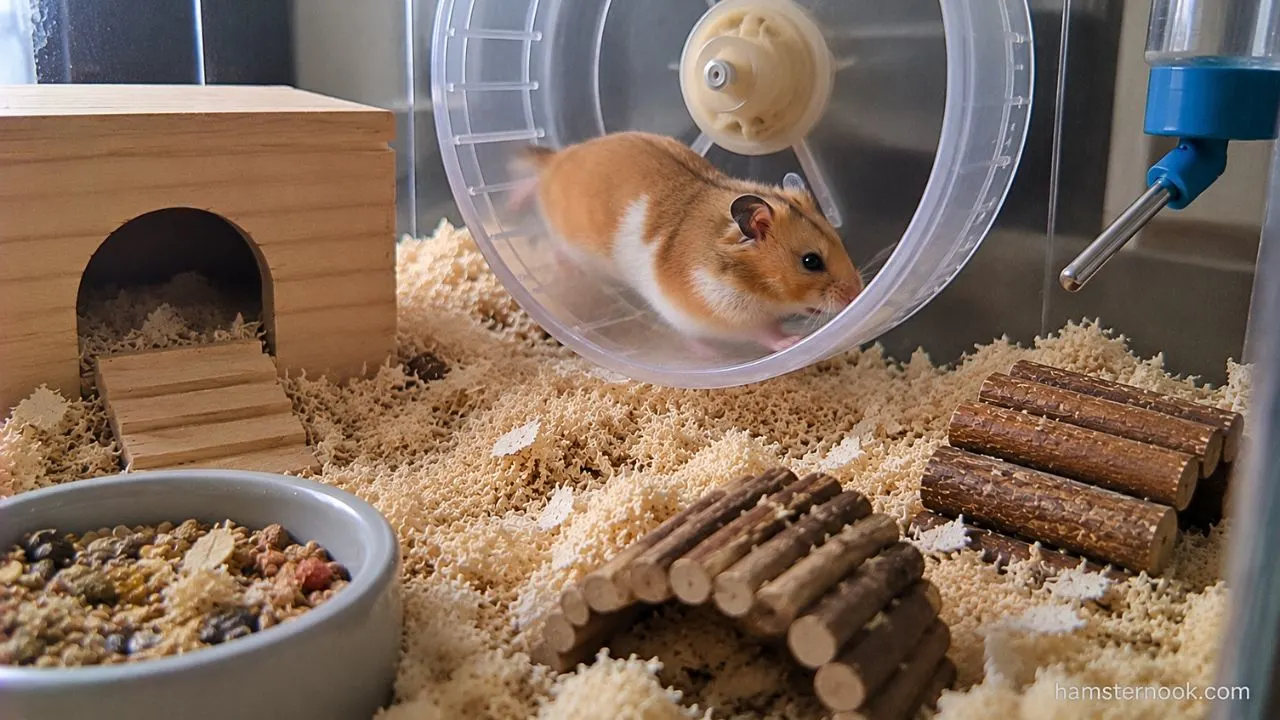
The First Week With Your New Hamster
The first week is often when new owners make the most mistakes.
It is natural to feel excited and want to interact with your hamster immediately. However, moving into a new home is a major change for such a small prey animal.
During the first few days:
- Allow your hamster to explore the enclosure quietly
- Avoid frequent handling
- Speak softly near the cage
- Keep noise levels low
- Maintain a predictable routine
Some hamsters become comfortable quickly, while others need more time.

If this is your hamster’s first night at home, our The First Night With a New Hamster: What to Expect and What to Avoid guide covers the early adjustment period in more detail.
A shy hamster hiding during the first week is usually behaving normally. Giving your pet space during this adjustment period often leads to better long-term trust.
Why Burrowing Is So Important
Many people think bedding is simply there to absorb waste, but bedding serves a much bigger purpose.
In the wild, hamsters create underground tunnel systems that provide safety, shelter, and food storage areas. Pet hamsters still have these instincts.

When bedding is too shallow, hamsters cannot express natural behaviors properly.
Benefits of deep bedding include:
- Tunnel building
- Nest construction
- Reduced stress
- Better sleep quality
- More natural behavior
Many hamster owners notice calmer behavior after increasing bedding depth.
For a complete breakdown of safe and unsafe bedding materials, see our guide to Best Hamster Bedding: Safest Types, Depth & What to Avoid.

Why Hamsters Need Enrichment Every Day
Food and water alone are not enough.
Hamsters are intelligent animals that spend much of their active time exploring, digging, chewing, and searching for food.
Without enrichment, some hamsters develop stress-related behaviors such as:
- Cage bar chewing
- Repetitive pacing
- Excessive wheel running
- Constant climbing
- Restlessness
Simple enrichment ideas include:
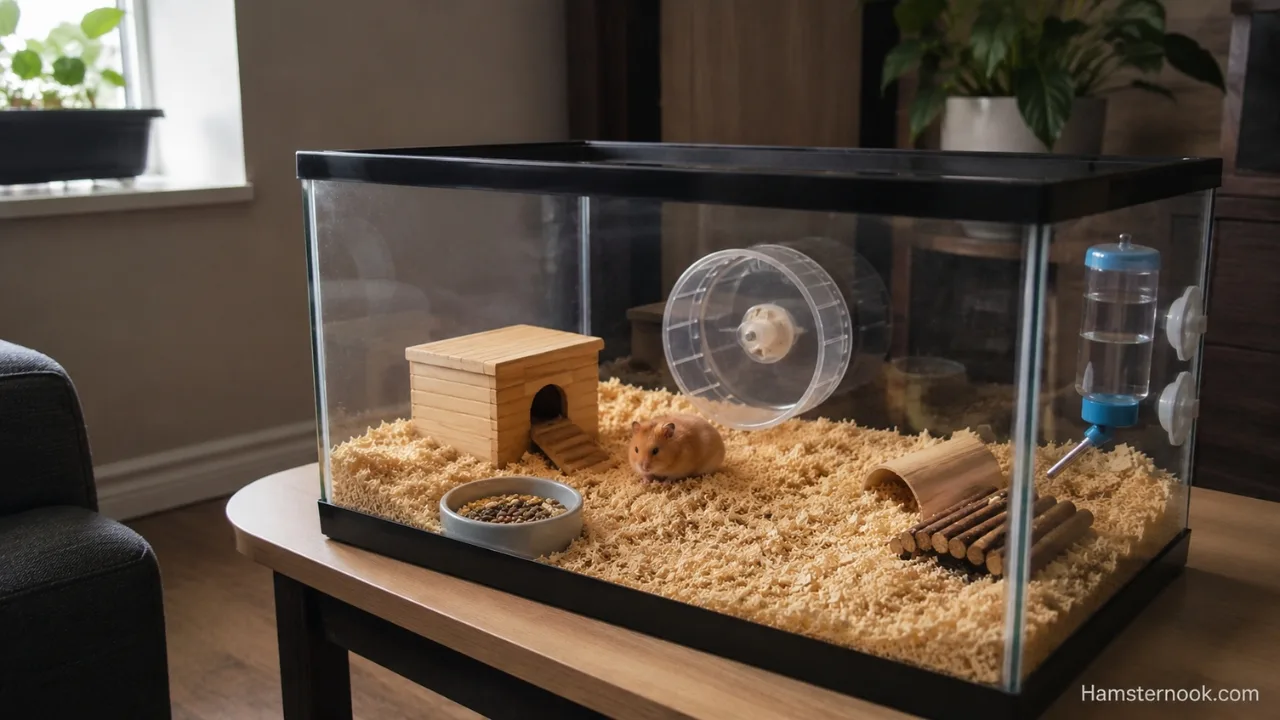
- Cardboard tubes
- Foraging opportunities
- Dig boxes
- Safe wooden chews
- Hideouts
- Multi-chamber shelters
Rotating enrichment items occasionally can help keep the environment interesting.
Understanding Your Hamster’s Sleep Schedule
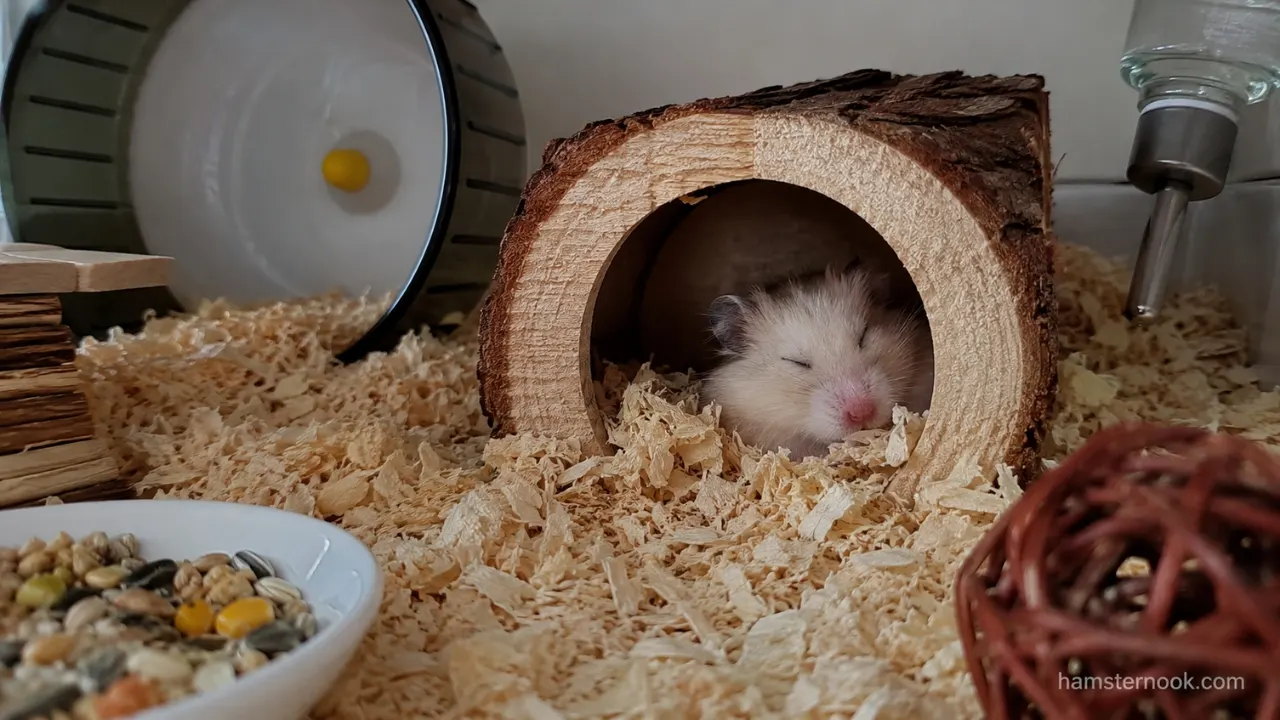
Many beginners worry when their hamster appears to sleep throughout the day, but daytime sleeping is usually normal for a hamster that is active during its natural evening and nighttime hours.
This is usually completely normal.
Most pet hamsters are naturally active during the evening, nighttime, and early morning hours.

Waking a hamster repeatedly during the day may cause:
- Irritability
- Defensive biting
- Stress
- Disrupted sleep
Instead of forcing interaction, wait until your hamster wakes naturally.
Hamsters are often most active shortly after dusk and throughout the night.
If you’re unsure whether your hamster’s sleeping habits are normal, read our guide to Are Hamsters Nocturnal? Their Natural Sleep Schedule Explained.

Building Trust With Your Hamster
Trust develops gradually.
Many hamsters do not enjoy being picked up immediately, especially after arriving in a new home.
Instead of forcing interaction:
- Allow the hamster to approach you.
- Offer treats from your hand.
- Speak softly during interactions.
- Move slowly and predictably.
- Keep handling sessions short at first.
Most hamsters become more confident when interactions remain positive and stress-free.

Patience is one of the most important parts of hamster ownership.
Common Beginner Mistakes That Cause Problems
Many hamster care problems can be traced back to a few common mistakes.
Examples include:
- Buying a cage that is too small
- Using scented bedding
- Choosing an undersized wheel
- Waking the hamster during the day
- Overfeeding treats
- Cleaning the enclosure too aggressively
- Not providing enough enrichment
Fortunately, these mistakes are usually easy to correct once identified.
Focusing on your hamster’s natural behaviors is often the simplest way to improve overall welfare.
Owners who notice chewing, pacing, or other repetitive behaviors may find our guide to Why Is My Hamster Biting the Cage? Causes & Easy Fixes helpful.
How to Handle a Hamster Properly
Hamsters are prey animals, so sudden handling can scare them.
Beginner Handling Tips
- Let your hamster settle in for a few days first
- Approach slowly
- Offer treats from your hand
- Avoid waking a sleeping hamster
- Handle close to the floor in case they jump
Biting usually happens because the hamster feels frightened or cornered.
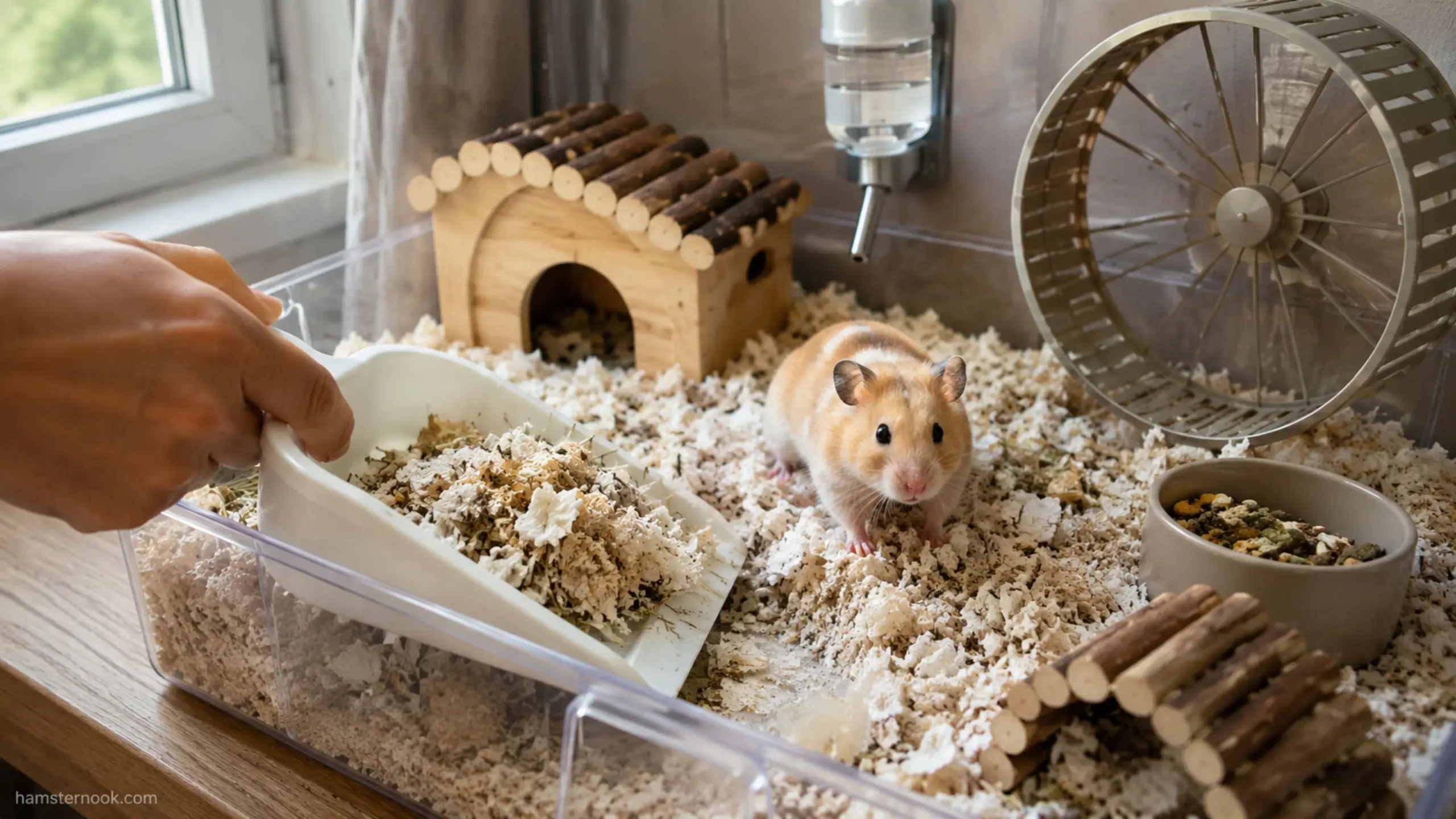
Cleaning the Cage Correctly
Over-cleaning can stress hamsters because they rely heavily on scent.
Good Cleaning Routine
- Spot clean dirty areas daily
- Change water daily
- Wash food bowls regularly
- Perform a deeper clean every 1–2 weeks depending on cage size
Do not remove all bedding every few days. Keeping a small amount of old clean bedding helps the hamster feel secure.
Best Hamster Toys and Enrichment Ideas
Hamsters need mental stimulation, not just food and water.
Good enrichment ideas:

- Wooden chew toys
- Cardboard tubes
- Hideouts
- Dig boxes
- Scatter feeding
- Safe branches and tunnels
Chewing is important because hamster teeth continuously grow.
Signs Your Hamster May Be Sick
Healthy hamsters are usually active at night, curious, and alert.
Warning signs include:
- Wet tail area
- Trouble breathing
- Weight loss
- Refusing food
- Eye discharge
- Bald patches
- Constant hiding or weakness
Hamsters can become seriously ill quickly, so significant or worsening symptoms should not be watched indefinitely at home. If your hamster stops eating or drinking, has difficulty breathing, becomes extremely weak, cannot walk normally, collapses, or develops persistent diarrhea or other serious symptoms, contact an exotic-pet veterinarian promptly.

Because hamsters naturally hide signs of illness, even small changes in behavior can be important. A hamster that suddenly stops eating, becomes unusually inactive, or spends much more time hiding than normal should be monitored closely.
A sudden loss of appetite deserves particular attention because hamsters can stop eating for many different reasons, including illness, dental problems, pain, or digestive issues. Our Why Is My Hamster Not Eating? 9 Causes, Warning Signs & What to Do guide explains the common causes and warning signs owners should watch for.
Creating a Healthy Feeding Routine
Many new hamster owners focus on individual foods but overlook the importance of a consistent feeding routine.
Hamsters do best when their diet is balanced and predictable. Instead of offering large amounts of treats, focus on providing a variety of nutritious foods in appropriate portions.
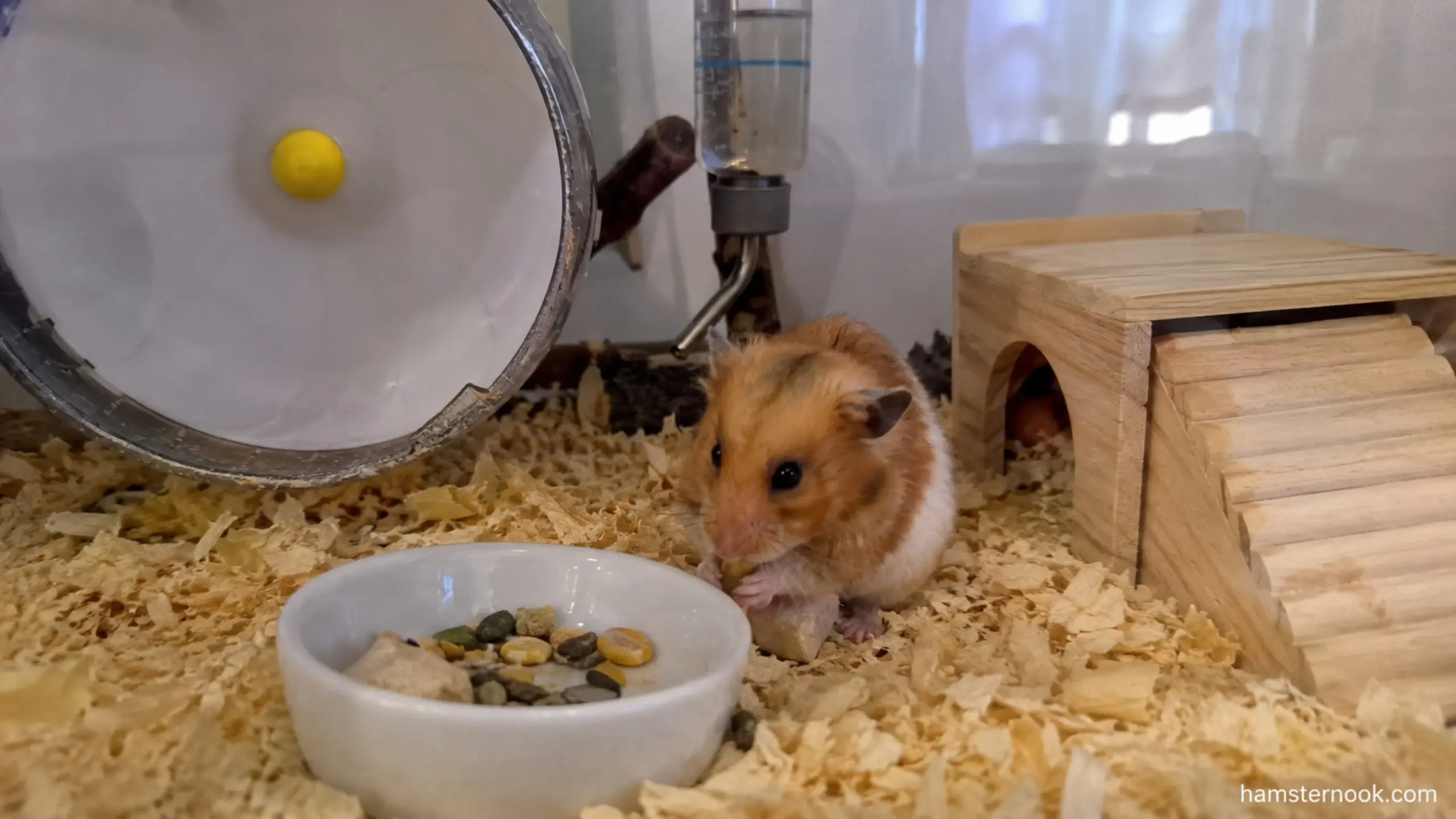
A healthy feeding routine should include:
- A high-quality hamster food or lab block as the foundation
- Small amounts of seed mix
- Fresh vegetables several times per week
- Occasional protein sources
- Fresh water available at all times
Treats should only make up a small part of the overall diet.
Offering too many treats can contribute to obesity and may encourage picky eating habits.
Safe Treats for Hamsters
Treats can be useful for bonding and training when offered in moderation.
Popular hamster treats include:
- Small pieces of cucumber
- Broccoli
- Bell pepper
- Plain oats
- Pumpkin seeds
- Mealworms
- Tiny pieces of cooked egg
When introducing any new food, start with a very small amount and observe your hamster for any digestive changes.
Remember that even healthy treats should not replace a balanced daily diet.
Why Fresh Water Is So Important
Hamsters may be small, but access to clean water is essential for their health.

Owners should:
- Check water bottles daily
- Clean water containers regularly
- Ensure the bottle is functioning properly
- Replace water every day
A blocked water bottle can quickly become dangerous if left unnoticed.
For extra safety, check the bottle nozzle every time you refill it and make sure water actually comes out. If your hamster uses a bowl instead, make sure it cannot easily tip over or become buried under bedding. During very hot weather, checking water availability more than once a day can provide additional peace of mind.
It is good practice to verify that water is flowing properly whenever you refill the bottle.
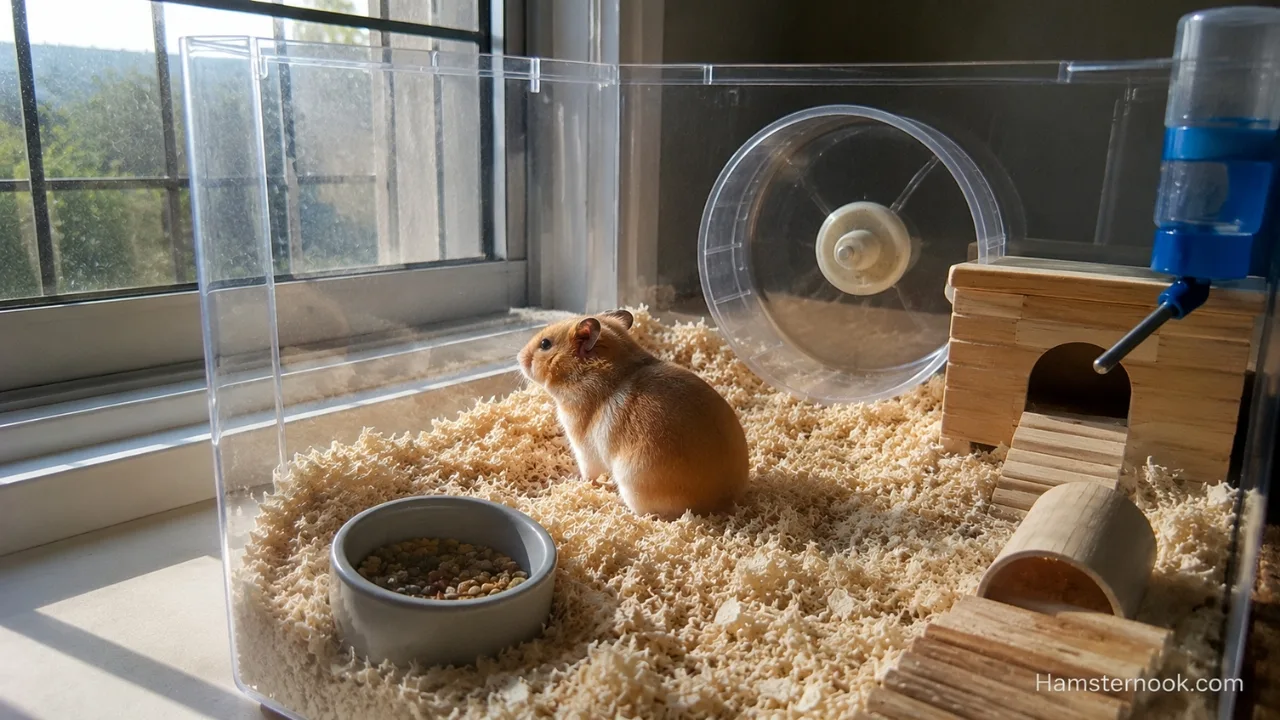
Daily Hamster Care Checklist
A few minutes of observation each day can help you notice problems early.
During these checks, pay attention to what is normal for your individual hamster rather than looking for a single universal behavior. Notice whether it is eating, drinking, moving normally during its active period, grooming, using the wheel, and showing its usual level of curiosity. Small changes are easier to recognize when you already know your hamster’s normal routine.
Daily checks should include:
- Fresh water available
- Food supply checked
- Visible signs of illness
- Activity levels
- Clean sleeping and toilet areas
- Wheel functioning properly
Many health issues are easier to address when noticed early.
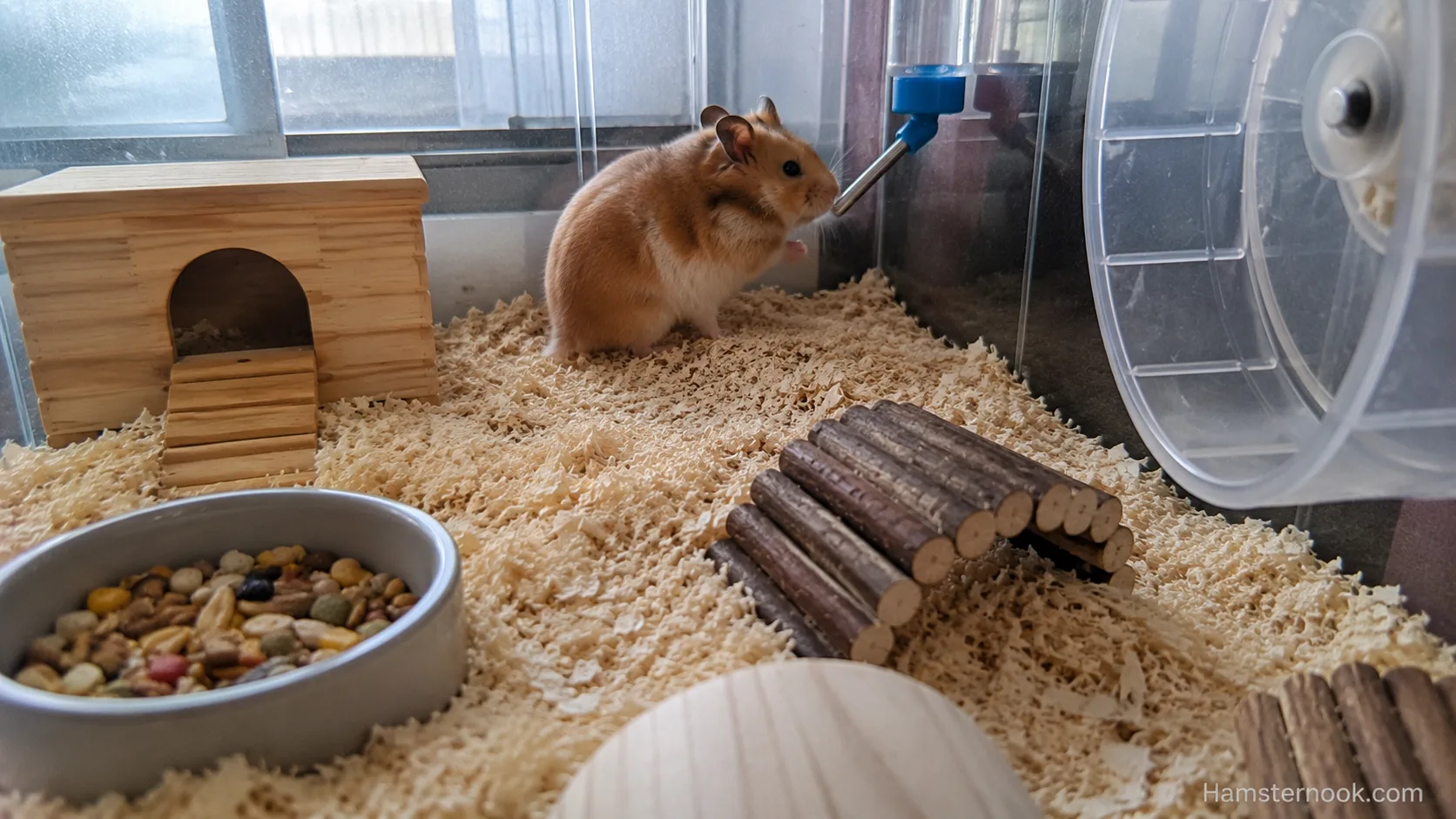
Weekly Hamster Care Tasks
In addition to daily care, certain tasks should be performed regularly.
Weekly responsibilities may include:
- Spot cleaning deeper areas
- Checking enrichment items for damage
- Inspecting chew toys
- Cleaning sand baths if needed
- Monitoring body condition
Regular maintenance helps keep the enclosure safe and comfortable.
How to Tell If Your Hamster Is Healthy
Healthy hamsters usually show consistent behavior patterns.

Common signs of good health include:
- Bright, clear eyes
- Clean fur
- Good appetite
- Normal activity levels
- Regular grooming
- Interest in food and enrichment
Every hamster has its own personality, but sudden changes should always be taken seriously.
Early Warning Signs That Should Never Be Ignored
Hamsters are prey animals and often hide illness until they become quite unwell.
Contact a veterinarian if you notice:

- Refusing food
- Rapid weight loss
- Difficulty breathing
- Persistent diarrhea
- Wetness around the tail area
- Eye discharge
- Difficulty walking
- Extreme lethargy
Prompt veterinary attention often improves outcomes.
For a more detailed breakdown, see our Signs of a Sick Hamster: Symptoms, Warning Signs & When to See a Vet guide.
When Is a Hamster Emergency?
Some situations require immediate veterinary attention.
Examples include:
- Severe breathing difficulty
- Heavy bleeding
- Major injuries
- Inability to stand or walk
- Sudden collapse
- Complete refusal to eat or drink
Hamsters can deteriorate quickly, so it is usually safer to seek professional advice sooner rather than later.
Understanding Normal Hamster Behavior
New owners often worry about behaviors that are actually normal.
Examples include:
- Sleeping during the day
- Running on a wheel for long periods
- Storing food in nests
- Digging extensively
- Carrying food in cheek pouches
- Rearranging bedding
Learning what is normal helps owners identify genuine problems more accurately.

If your hamster spends hours running every night, our guide to Why Is My Hamster Running on the Wheel So Much? explains when wheel use is normal and when it may indicate boredom or stress.
Long-Term Success With Hamster Care
The most successful hamster owners focus on providing an environment that supports natural behaviors.
A hamster should be able to:
- Burrow
- Explore
- Hide
- Chew
- Forage
- Exercise
When these needs are met consistently, many common behavior and welfare problems become much less likely.

Good hamster care is not about buying the most accessories. It is about creating an environment where your hamster feels safe, active, and able to behave naturally.
Common Myths About Hamsters
“Hamsters are low-maintenance pets”
Not really. They need proper housing, cleaning, enrichment, and daily care.
“Small cages are fine”
Modern welfare recommendations disagree. Larger enclosures help reduce stress and support natural behavior.
“Hamsters love hamster balls”
Exercise balls are not recommended by Blue Cross because they can cause exhaustion, provide poor ventilation, and prevent a hamster from accessing food, water, or a safe hiding place. Safer exercise comes from a correctly sized wheel and a secure enclosure with opportunities to explore and forage.

“Hamsters are great pets for very young kids”
Hamsters are fragile and nocturnal. Young children should always be supervised around them.
Frequently Asked Questions
How often should I clean my hamster’s cage?
Most enclosures benefit from daily spot cleaning and periodic deeper cleaning depending on size and cleanliness.
How long does it take a hamster to trust its owner?
Some hamsters become comfortable within days, while others may require several weeks of patient handling.
Can hamsters live together?
Syrian hamsters should always live alone. Some dwarf species may tolerate companionship, but conflicts can still occur.

Do hamsters need a wheel?
Yes. A properly sized exercise wheel is one of the most important pieces of hamster enrichment.
Are hamsters good pets for beginners?
They can be, provided owners understand their housing, enrichment, diet, and handling requirements.
Understanding Common Hamster Behaviors
Many first-time owners worry that their hamster is acting strangely when it is actually displaying completely normal behavior.
Understanding natural hamster instincts can help you avoid unnecessary stress and improve your pet’s quality of life.

Why Hamsters Sleep So Much
One of the most common beginner concerns is seeing a hamster asleep during the day.
Most pet hamsters are naturally nocturnal or crepuscular, meaning they are most active during the evening, nighttime, and early morning hours.
A healthy hamster may spend much of the day:
- Sleeping in its nest
- Resting underground
- Grooming quietly
- Rearranging bedding
This behavior is usually normal.

What matters is whether the sleeping pattern is consistent with your hamster’s normal routine. Changes in sleeping position can also provide useful clues about comfort and relaxation. Our Hamster Sleeping Positions Meaning guide explains what different sleeping positions may indicate.
Why Hamsters Store Food in Their Nest
Many owners are surprised when food disappears from the bowl and later appears inside the nesting area.
This behavior is called hoarding.
Wild hamsters naturally collect and store food to prepare for times when resources are scarce.
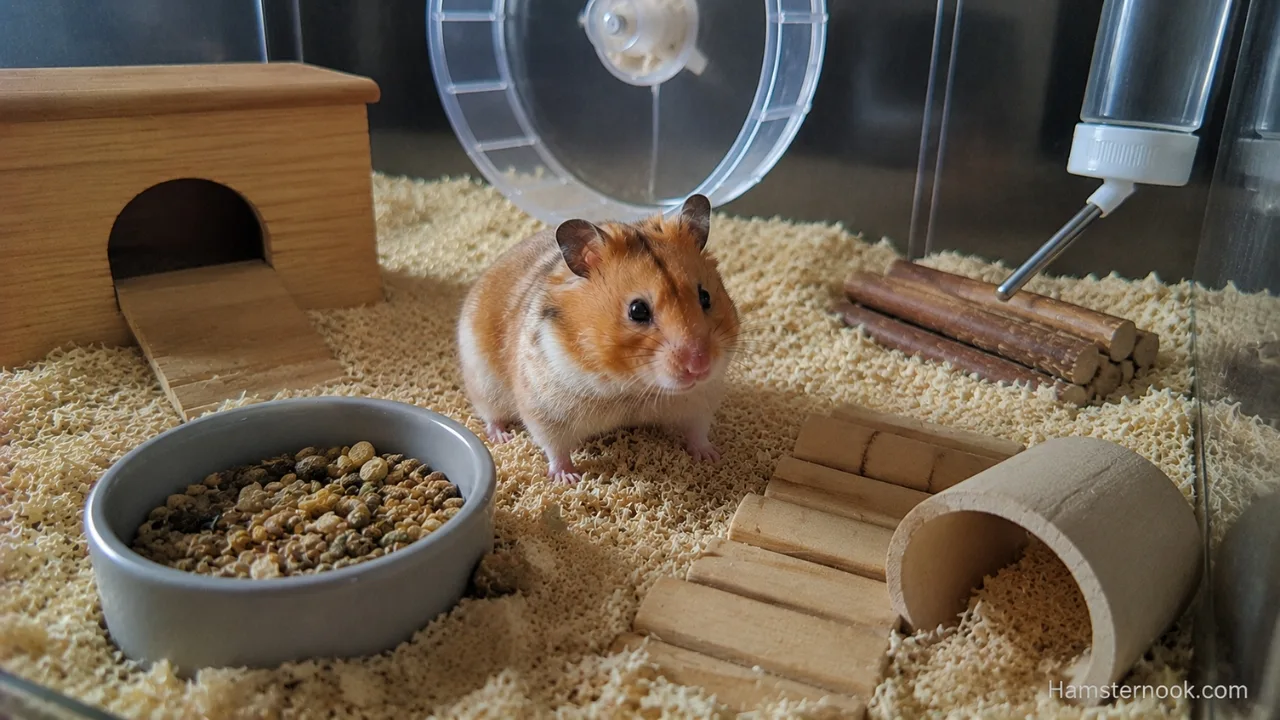
Pet hamsters continue this instinct even when food is always available.
Food hoarding is generally normal unless stored food begins to spoil.
Why Hamsters Run on Their Wheel for Hours
Hamsters are naturally active animals that may run for long periods each night.
Wheel running helps them:
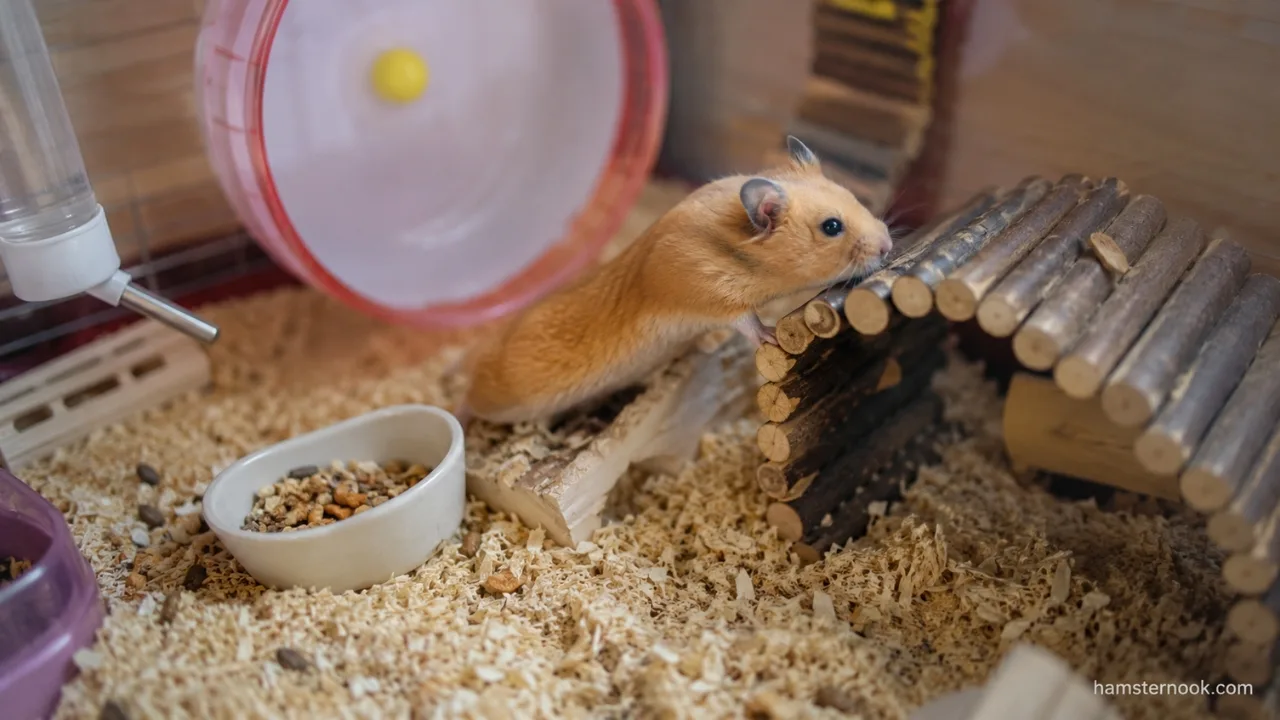
- Burn energy
- Stay physically active
- Express natural instincts
- Reduce boredom
A hamster that spends several hours on a properly sized wheel is usually behaving normally.
Why Some Hamsters Bite the Cage
Cage biting is one of the most common signs that something in the enclosure may need improvement.
Possible causes include:
- Small cage size
- Lack of enrichment
- Stress
- Boredom
- Habit formation
Occasional chewing is not always concerning, but repetitive bar chewing often deserves attention.
Building a Strong Bond With Your Hamster
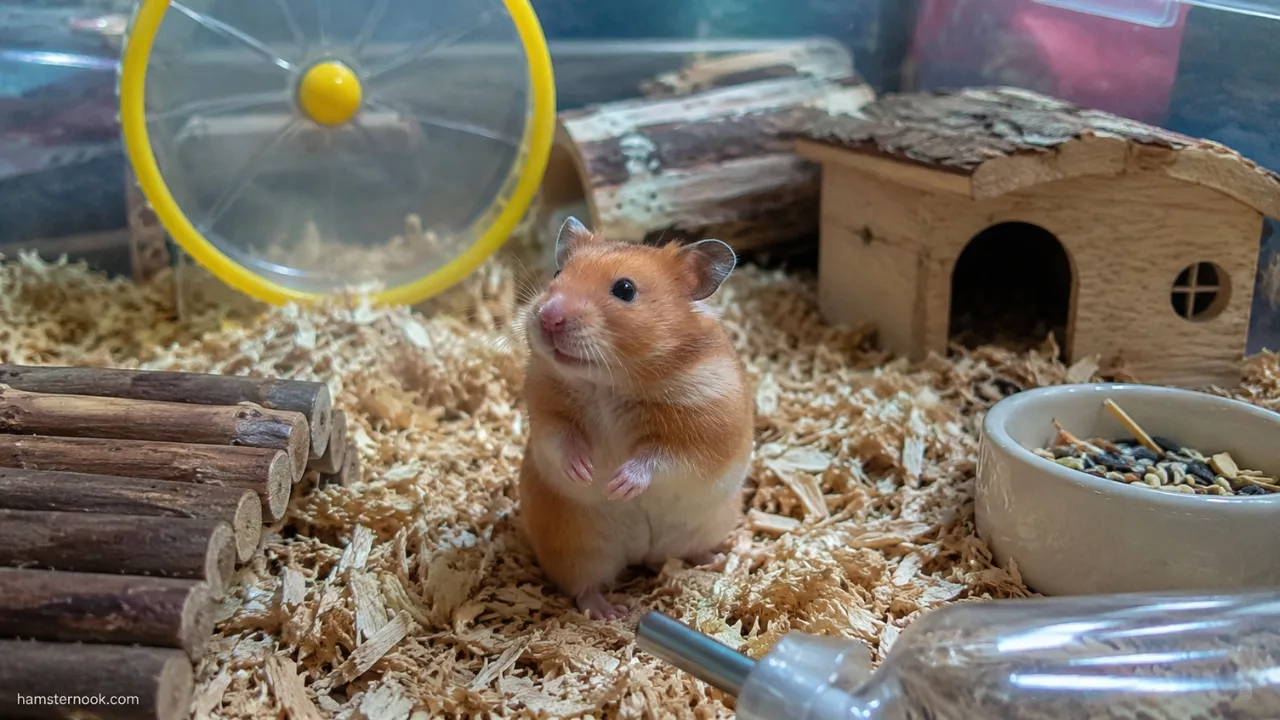
Many people expect hamsters to behave like highly social pets, but trust develops differently with small prey animals.
The best hamster-owner relationships are built gradually.
Helpful ways to build trust include:
- Offering treats by hand
- Speaking softly near the enclosure
- Avoiding sudden movements
- Respecting sleep schedules
- Allowing the hamster to approach voluntarily
Every hamster develops trust at its own pace.

Some become comfortable within days, while others need several weeks.
Patience is often the most important factor.
Seasonal Care Tips for Hamster Owners
Environmental changes throughout the year can affect hamster comfort.
During Hot Weather
Hamsters can struggle with excessive heat.
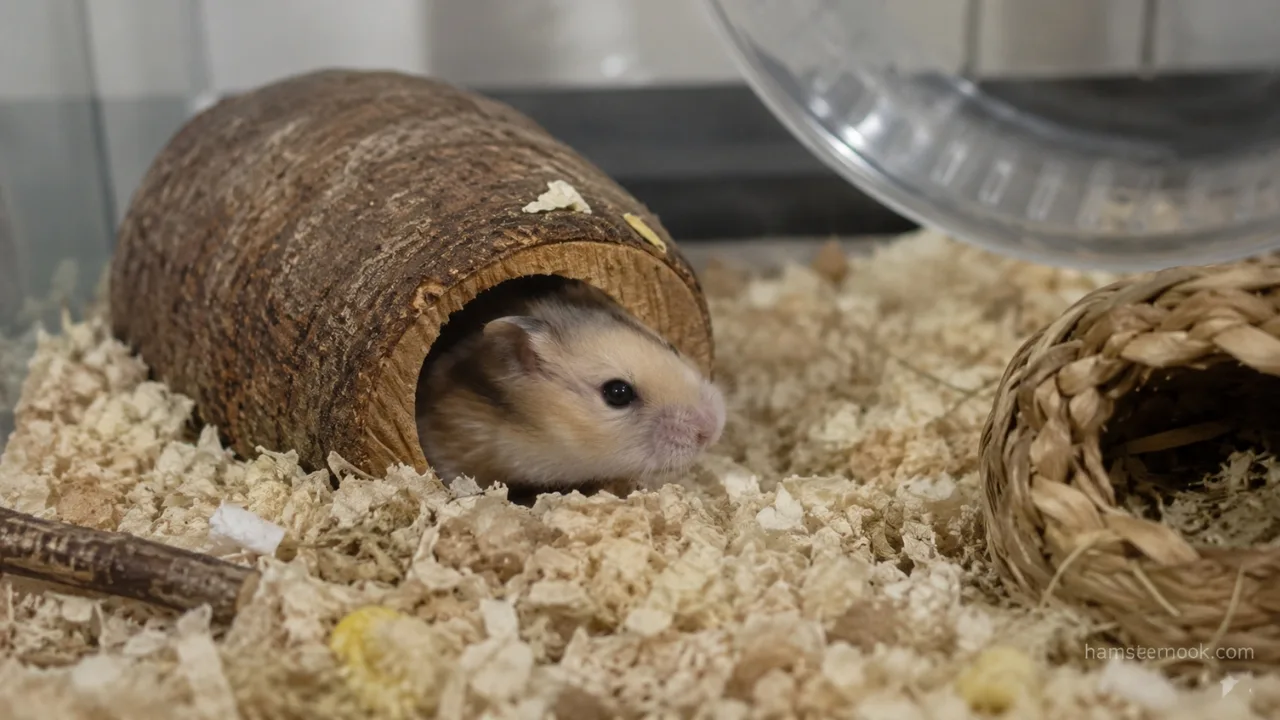
Hamsters can struggle with excessive heat, so room temperature and cage placement should be monitored carefully. Avoid placing the enclosure in direct sunlight or next to a heat source, and make sure the room remains reasonably stable rather than changing sharply between hot and cold conditions.
For a more detailed look at safe temperature management, our Hamster Temperature: Safe Range, Too Hot & Too Cold explains how temperature can affect hamster comfort and behavior.
Helpful precautions include:
- Keeping the enclosure out of direct sunlight
- Ensuring good airflow
- Providing fresh water daily
- Monitoring room temperatures
During Cold Weather
Cold temperatures can also create problems.
Owners should:

- Avoid drafts
- Maintain stable indoor temperatures
- Provide adequate bedding depth
- Check water bottles regularly
Sudden temperature fluctuations should be avoided whenever possible.
Where Should You Keep a Hamster Cage?
Choose a quiet, stable location away from direct sunlight, drafts, heating or cooling vents, loud appliances, and other pets. The enclosure should also be easy for you to access for daily water checks, feeding, and observation.
Avoid moving the cage frequently unless necessary. Hamsters rely heavily on familiar smells and routines, so keeping the environment consistent can help reduce stress.
Creating a Safe Hamster Environment
A safe environment reduces the risk of injuries and stress.

Before allowing free-roam or playtime:
- Remove electrical cords
- Block narrow gaps
- Remove toxic plants
- Keep other pets away
- Supervise exploration sessions
Hamsters are curious animals and can quickly squeeze into surprisingly small spaces.
Final Beginner Hamster Care Checklist
Before considering your setup complete, make sure your hamster has:
- ✓ A properly sized enclosure
- ✓ Deep bedding for burrowing
- ✓ A suitable wheel
- ✓ Multiple hideouts
- ✓ Safe chew toys
- ✓ Fresh water daily
- ✓ Balanced nutrition
- ✓ A sand bath
- ✓ Enrichment opportunities
- ✓ Regular health monitoring
Meeting these basic needs helps create a healthier, safer, and less stressful life for your hamster.

While every hamster has its own personality, most thrive when their environment allows them to express natural behaviors such as digging, hiding, foraging, chewing, and exploring.
Creating a Routine Your Hamster Can Rely On
Hamsters thrive when life feels predictable. While they may seem independent, they quickly become familiar with daily routines such as feeding times, lighting, and quiet hours.
Try to keep everyday care consistent by:
- Feeding at around the same time each evening
- Refilling fresh water daily
- Spot cleaning regularly without disturbing the nest
- Handling your hamster only when it is naturally awake
- Keeping the enclosure in a calm, low-traffic area
Small routines help your hamster feel more secure and can reduce unnecessary stress.
Questions to Ask Yourself Every Week
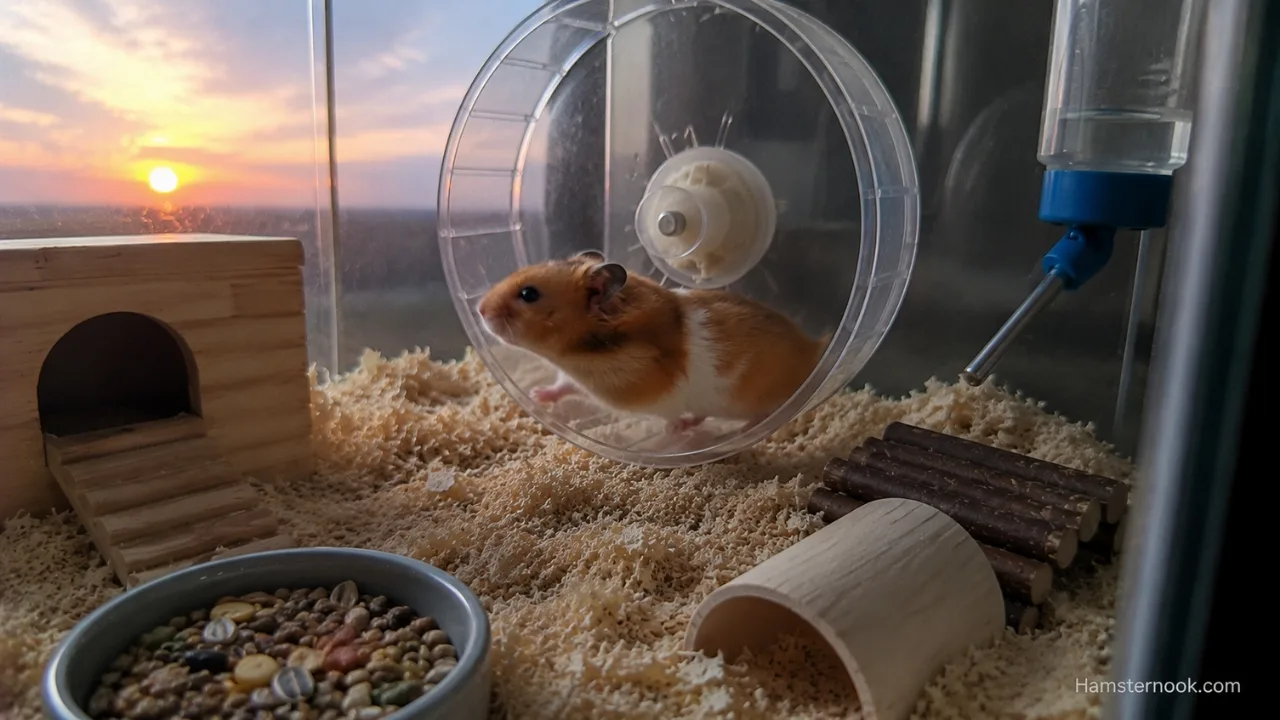
A quick weekly check can help you spot small problems before they become serious.
Ask yourself:
- Is my hamster eating normally?
- Is fresh water always available?
- Is the wheel spinning smoothly?
- Are chew toys still in good condition?
- Is the bedding still deep enough for burrowing?
- Has my hamster’s behavior changed recently?
- Is the enclosure staying clean without removing all familiar scents?
These simple checks take only a few minutes but can make a big difference over time.
When Should You Visit a Veterinarian?
Not every small change means your hamster is sick, but some signs should never be ignored.

Arrange a veterinary visit if your hamster:
- Stops eating for an unusual length of time
- Has difficulty breathing
- Develops diarrhea or a wet tail area
- Shows sudden weight loss
- Has overgrown or broken teeth
- Appears weak or struggles to move
- Has persistent eye or nose discharge
Hamsters often hide illness, so acting early is usually the safest approach.
Building Confidence Takes Time
Every hamster has a different personality.
Some become comfortable with people within a few days, while others need several weeks before they willingly climb onto a hand or accept gentle handling.

Avoid comparing your hamster with videos on social media or other pets. Progress is rarely the same for every animal.
The best way to build confidence is to stay patient, move slowly, and allow your hamster to interact at its own pace.
Beginner Hamster Care at a Glance
| Daily | Weekly |
|---|---|
| Replace fresh water | Check wheel and toys |
| Provide food | Inspect bedding depth |
| Spot clean dirty areas | Clean sand bath if needed |
| Observe behavior | Check body condition |
| Remove uneaten fresh food | Rotate enrichment items |
Remember that successful hamster care is based on consistency rather than perfection. A clean enclosure, balanced diet, safe enrichment, and regular observation will do far more for your hamster than constantly buying new accessories.
By understanding your hamster’s natural instincts and meeting its basic needs every day, you create an environment where it can stay active, feel secure, and enjoy a healthy life.

Final Thoughts
Hamsters may be small, but good hamster care requires real effort and proper knowledge. A spacious enclosure, deep bedding, balanced diet, safe wheel, and patient handling routine can make a huge difference in your hamster’s quality of life.
Beginners often succeed when they focus less on cute accessories and more on natural hamster behavior. A hamster that can burrow, explore, forage, and feel safe is usually healthier, calmer, and easier to bond with over time.
Frequently Asked Questions
How much time should I spend with my hamster each day?
Most hamsters benefit from short daily interactions once they are comfortable with their owner. Quality is usually more important than duration.
Can hamsters recognize their owners?
Hamsters primarily recognize people through scent, routine, and repeated positive interactions.

Do hamsters need toys?
Yes. Toys, tunnels, hideouts, chew items, and foraging opportunities help prevent boredom and encourage natural behaviors.
Is it normal for a hamster to hide all day?
Yes. Hamsters are naturally active during the evening and nighttime hours, so daytime hiding and sleeping are usually normal.
How do I know if my hamster is happy?
Healthy hamsters typically show curiosity, normal grooming habits, interest in food, regular activity, and natural behaviors such as digging, foraging, and exploring.
References
This guide is based on hamster housing, bedding, nutrition, enrichment, behavior, handling, cleaning, and welfare guidance from trusted veterinary and animal welfare resources, including:
- RSPCA – Keeping Hamsters as Pets – General hamster care, housing, diet, behavior, enrichment, handling, and welfare guidance.
- RSPCA – Creating a Good Home for Hamsters – Guidance on enclosure setup, bedding, nesting, environmental conditions, exercise, and hamster welfare.
- RSPCA – Hamster Diet – Guidance on balanced hamster nutrition, fresh foods, treats, feeding routines, and access to drinking water.
- RSPCA – Hamster Behaviour – Information on natural hamster behavior, activity patterns, sleeping, handling, enrichment, and reducing stress.
- PDSA – Hamsters as Pets – Practical guidance on hamster housing, wheel requirements, diet, exercise, handling, and common health concerns.
- Blue Cross – Hamster Care Guide – Advice on hamster housing, bedding, exercise, enrichment, handling, diet, cleaning, and welfare.
- MSD Veterinary Manual – Providing a Home for a Hamster – Veterinary guidance on hamster housing, bedding, environmental needs, exercise, and enclosure management.
- MSD Veterinary Manual – Disorders and Diseases of Hamsters – Veterinary reference information on common hamster health problems, clinical signs, and conditions requiring veterinary attention.
- NC3Rs – Housing and Husbandry: Hamster – Evidence-based guidance on hamster housing, bedding, environmental conditions, enrichment, and species-appropriate husbandry.
- NC3Rs – Choosing Appropriate Enrichment – Guidance on providing suitable enrichment that supports natural hamster behaviors and welfare.
Medical Disclaimer
This article is intended for educational purposes only and should not be considered veterinary advice. The health information provided is meant to help hamster owners recognize potential warning signs and understand basic care needs. If your hamster shows signs such as difficulty breathing, sudden weakness, refusal to eat or drink, persistent diarrhea, significant weight loss, difficulty walking, collapse, or other concerning or worsening symptoms, contact a qualified exotic-pet veterinarian promptly for proper examination and treatment.

Narayan Kumar is the founder and author of HamsterNook. He creates practical, research-based hamster care guides covering hamster behavior, nutrition, cage setup, enrichment, health, and everyday care. His goal is to help hamster owners make informed decisions and provide safer, healthier lives for their pets through clear, beginner-friendly information based on trusted animal care resources.