
If you’ve ever owned a hamster, you’ve probably experienced that heart-stopping moment when you glance at the cage and realize your tiny pet isn’t where it’s supposed to be. Hamsters are well known for escaping their enclosures, but some breeds are much better at it than others.
Some breeds rely on their speed. Others take advantage of their small size, while larger hamsters often use surprising strength to push lids, chew weak materials, or squeeze through loose openings. Understanding these differences can help you choose the right enclosure and avoid one of the most common problems new owners face.
In this guide, we’ll compare the escape abilities of Syrian, Roborovski, and dwarf hamsters, explain why certain breeds escape more often than others, and show you how to make your enclosure far more secure.
Do Some Hamster Breeds Escape More Than Others?
Yes. Although every hamster is an individual, certain breeds are naturally more likely to escape because of their physical characteristics and behavior.

A hamster’s likelihood of escaping depends on several factors, including:
- Body size
- Speed and agility
- Curiosity
- Ability to climb
- Ability to squeeze through narrow spaces
- Strength
- Cage design
That might sound surprising, but the hamster that escapes most often usually isn’t the strongest. Its small size and incredible speed are often much bigger advantages than raw strength.
Before comparing each breed, it’s worth remembering that enclosure design plays an even bigger role than breed. Even a calm hamster can escape from a poorly secured habitat. If you’re still setting up your first enclosure, Ultimate Hamster Care Guide for Beginners (2026) explains the essential housing basics every owner should know.
Escape Comparison at a Glance

| Hamster Breed | Escape Risk | Main Reason | Difficulty to Recover |
|---|---|---|---|
| Roborovski | Very High | Extremely small and incredibly fast | Very Difficult |
| Campbell’s Dwarf | High | Small body and active personality | Difficult |
| Winter White Dwarf | High | Excellent climber and squeezes through gaps | Difficult |
| Chinese Hamster | Moderate to High | Agile and slender body | Moderate |
| Syrian Hamster | Moderate | Strong enough to move weak lids but too large for many gaps | Easier than dwarf breeds |
While this table offers a general comparison, individual personality and enclosure quality can easily change the outcome.
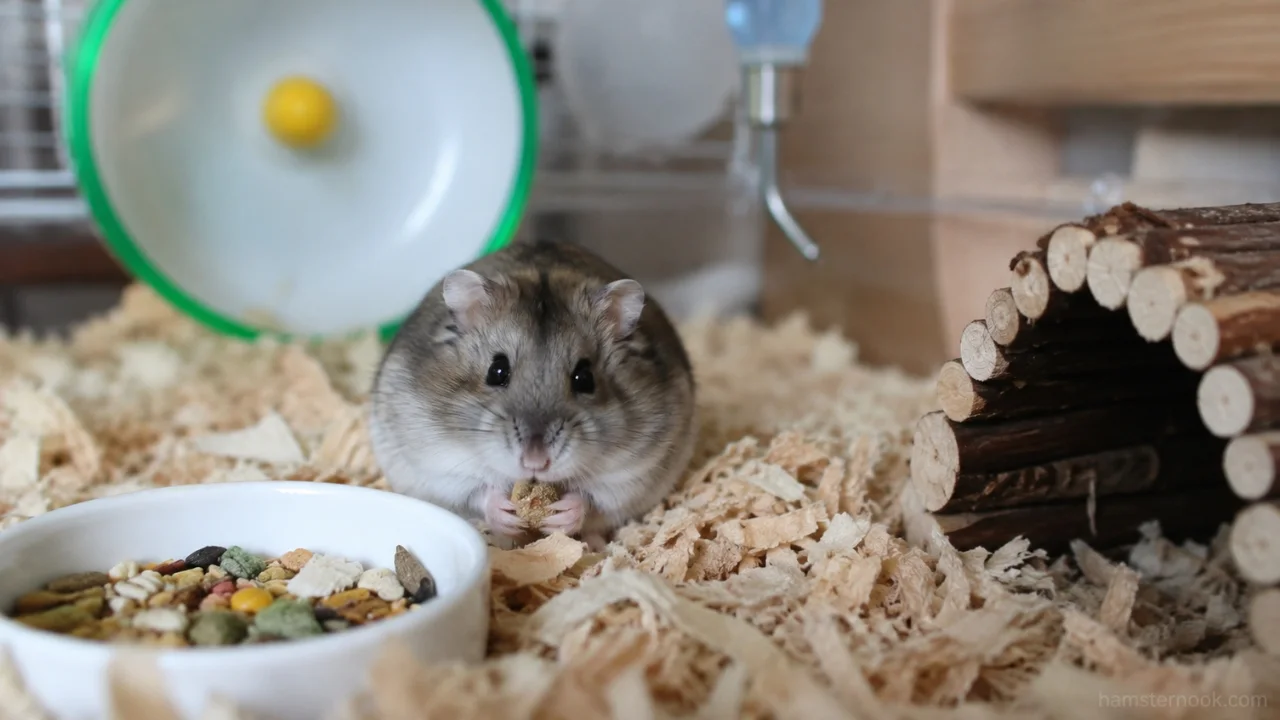
Why Roborovski Hamsters Escape So Often
Among pet hamster species, Roborovski hamsters are widely considered the most challenging to contain.
They are the smallest commonly kept hamster species, weighing only a fraction of what an adult Syrian hamster weighs. Their tiny bodies allow them to slip through surprisingly narrow openings that would never pose a problem for larger breeds.
What makes Robos especially difficult isn’t just their size.
They’re also incredibly fast.

Many owners say Roborovski hamsters seem to be in constant motion. They rarely stay still for long, making them harder to catch if they manage to escape.
Characteristics That Increase Escape Risk
- Extremely small body size
- Lightning-fast movement
- Highly curious nature
- Excellent agility
- Ability to fit through tiny gaps
Because of these traits, cages with wide wire spacing are usually unsuitable for Roborovski hamsters.
Roborovski hamsters also differ from Syrian and other dwarf hamsters in personality, activity level, and care needs, which can affect how owners approach enclosure security; Syrian vs Dwarf vs Roborovski Hamsters provides a broader comparison of these differences.
Why Syrian Hamsters Escape Differently
At first glance, Syrian hamsters seem less likely to escape because they’re much larger than dwarf species.

In many ways, that’s true.
A Syrian hamster cannot squeeze through the same narrow gaps as a Robo or Campbell’s dwarf hamster.
However, Syrians have an advantage of their own.
They’re surprisingly strong.
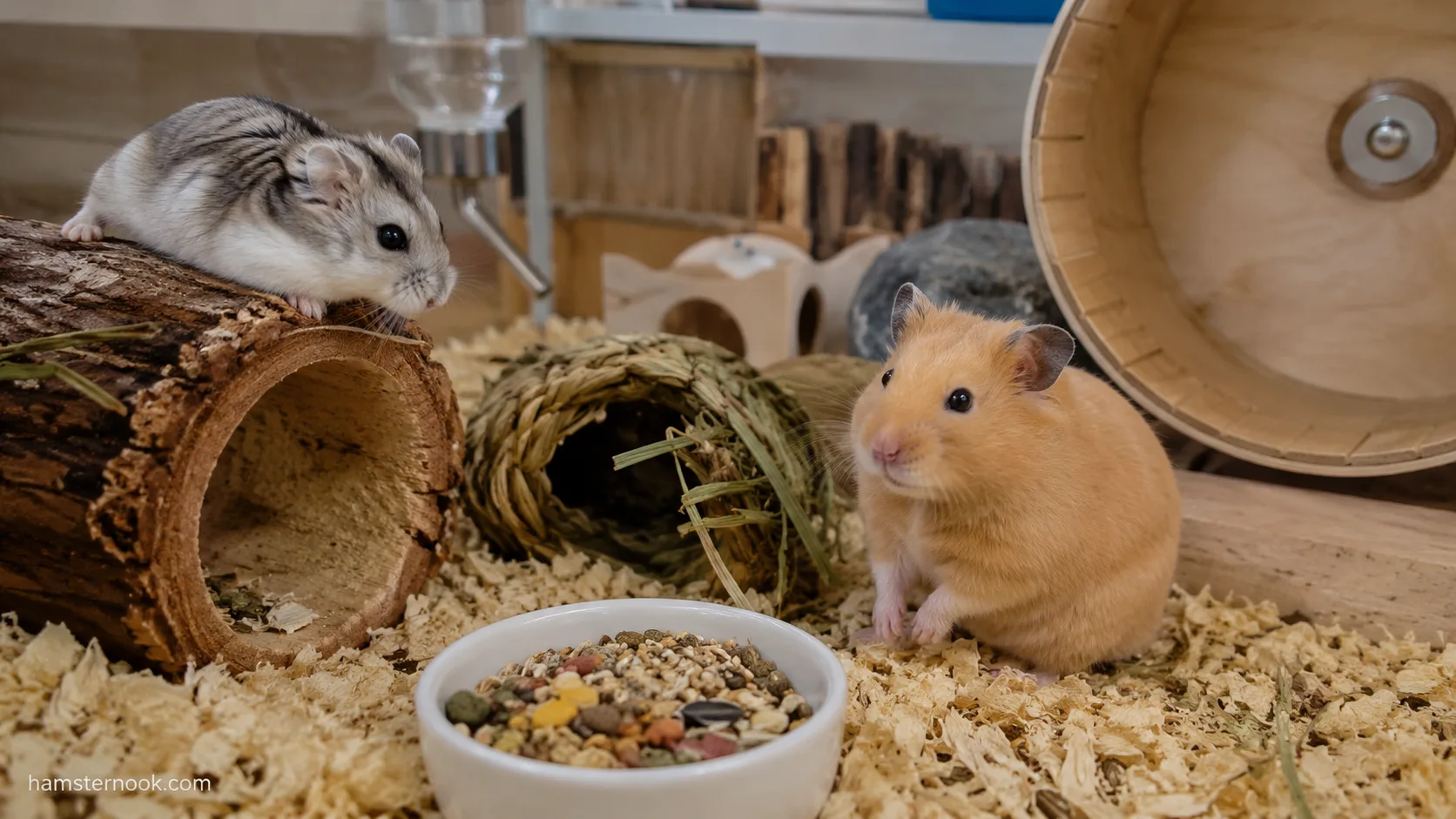
Adult Syrian hamsters are capable of:
- Pushing lightweight cage lids
- Chewing damaged plastic
- Climbing accessories
- Using objects inside the cage to reach higher areas
Instead of slipping through tiny spaces, Syrians often escape by exploiting weaknesses in cage construction.
This is why secure locking mechanisms are important, especially on tanks or cages with removable tops.
If your hamster frequently climbs or attempts to reach the top of the enclosure, Why Does My Hamster Keep Biting the Cage? Causes and Fixes can help you determine whether the behavior is related to boredom, stress, or an enclosure that needs improvement.

Are Dwarf Hamsters Better Escape Artists Than Syrians?
In many situations, yes.
The term “dwarf hamster” includes several species, including Campbell’s, Winter White, and Chinese hamsters. Although each species behaves differently, they share several traits that make escapes more likely than with Syrians.
Smaller Bodies
Most dwarf hamsters can fit through gaps that appear impossibly small.
Even tiny openings around cage doors or feeding ports may become escape routes.

Excellent Climbers
Many dwarf hamsters climb wire bars, hides, platforms, and water bottles with surprising confidence.
Combined with their small size, this climbing ability increases escape opportunities.
High Curiosity
Dwarf hamsters naturally spend much of their active time exploring.
Any new opening or loose corner quickly attracts attention.
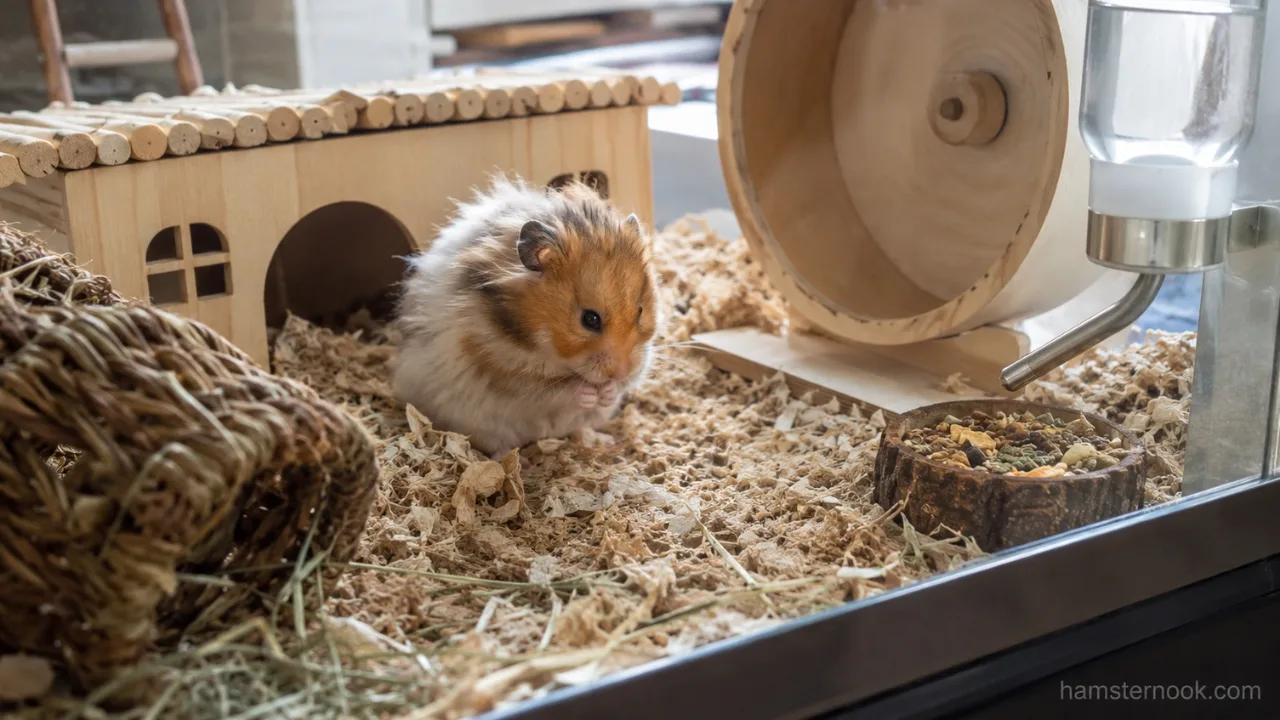
Comparing Escape Behaviors by Breed
Not every hamster escapes for the same reason.
| Breed | Most Common Escape Method | Typical Behavior |
|---|---|---|
| Syrian | Pushing lids, chewing weak plastic, climbing objects | Uses strength and persistence |
| Roborovski | Slipping through narrow gaps | Uses speed and tiny size |
| Campbell’s Dwarf | Climbing and squeezing through openings | Active explorer |
| Winter White | Climbing accessories and investigating cage corners | Curious and agile |
| Chinese | Scaling cage furniture and narrow gap exploration | Athletic and flexible |
Knowing how each breed typically escapes allows owners to identify weak points before an accident happens.
Cage Design Matters More Than Breed
Even the most determined escape artist cannot leave a properly designed enclosure.
Many escape stories happen because of avoidable mistakes, such as:
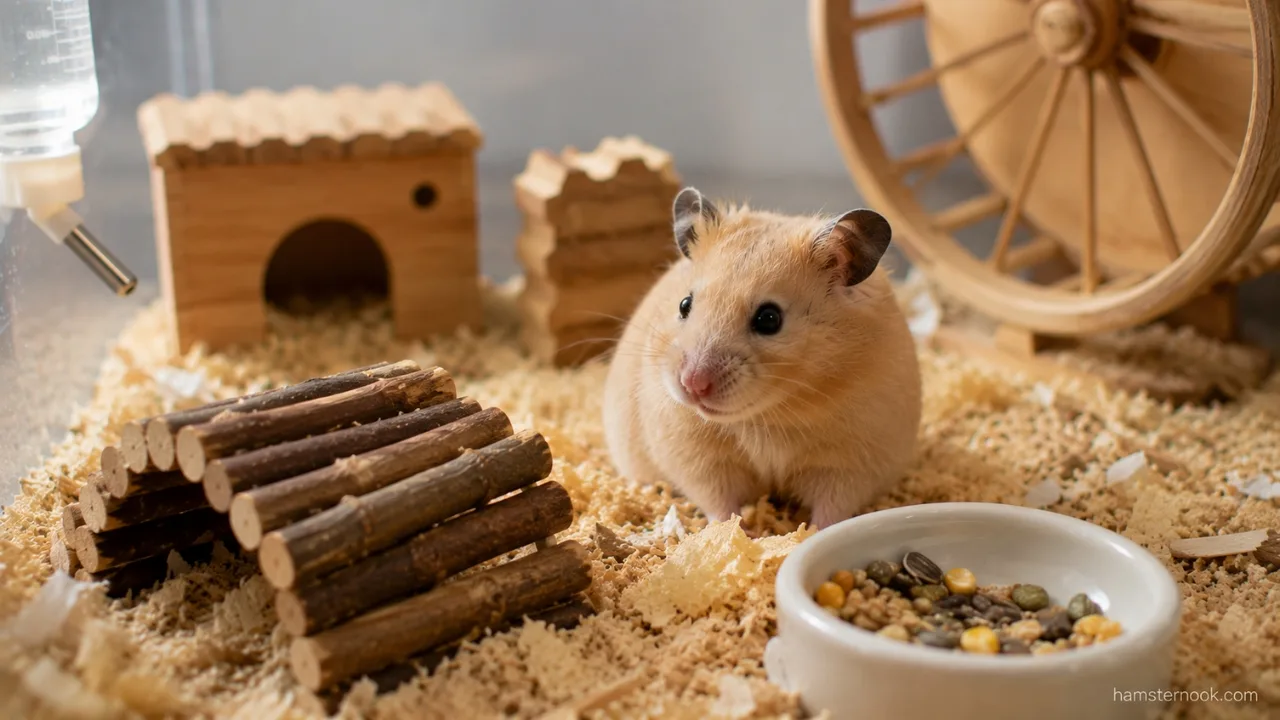
- Wire spacing that’s too wide
- Loose cage clips
- Poorly fitted lids
- Damaged plastic corners
- Accessories placed too close to the top
Choosing the correct enclosure for your hamster’s species is far more important than simply buying the largest cage available.
Cage security starts with choosing an enclosure that provides enough space while also preventing gaps, weak doors, and escape routes; Best Hamster Cage Setup for Beginners covers the fundamentals of creating a spacious and secure hamster habitat.
Common Owner Mistakes That Lead to Escapes
Many hamster escapes happen because of small oversights rather than determined pets.
Some of the most common mistakes include:
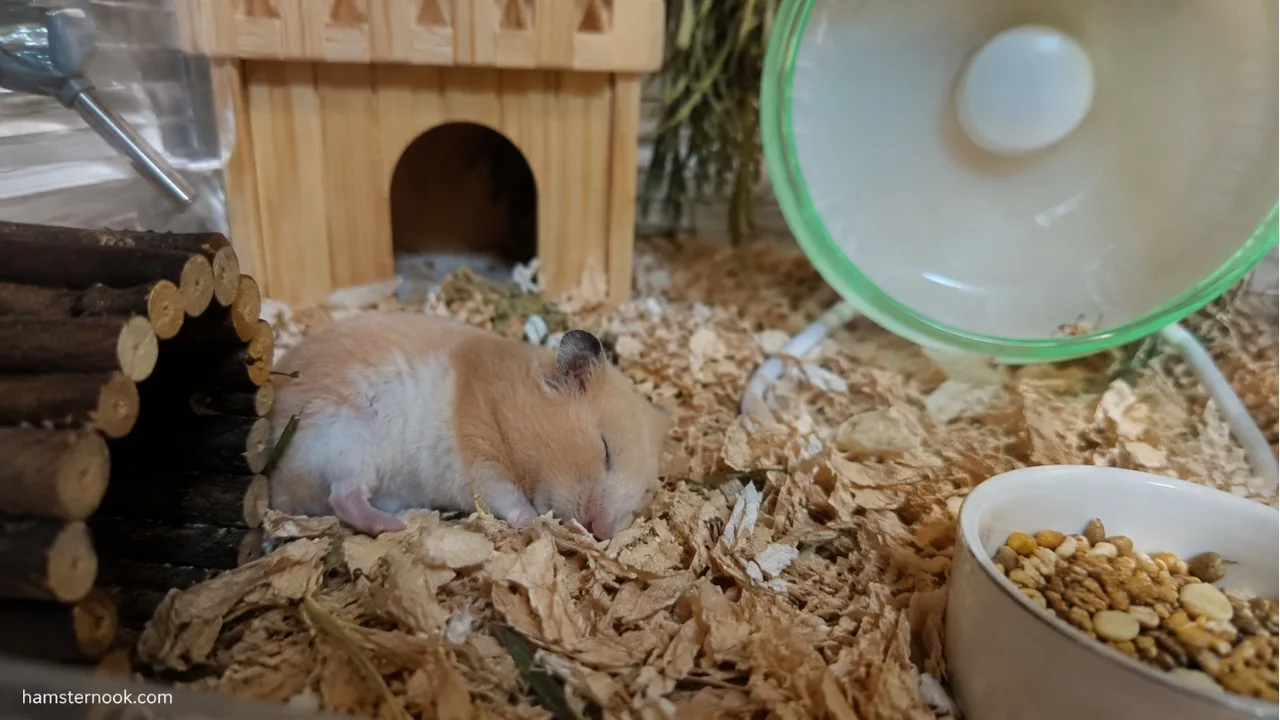
| Mistake | Why It’s a Problem |
|---|---|
| Leaving the lid slightly open | Even small openings may be enough for dwarf species. |
| Using cages with incorrect bar spacing | Small hamsters can squeeze through surprisingly narrow gaps. |
| Placing toys against the cage roof | Creates a “ladder” that helps climbing species reach the top. |
| Forgetting to lock enclosure doors | Curious hamsters often test weak doors repeatedly. |
| Assuming a hamster is too small to move objects | Syrians, in particular, are much stronger than many owners expect. |
These issues are far easier to prevent than dealing with a missing hamster later.
Which Hamster Breed Is Easiest to Keep Secure?
While no hamster is completely escape-proof, some breeds are generally easier to contain than others.
Syrian hamsters are often the easiest because their larger size limits the number of places they can squeeze through. As long as the enclosure has a secure lid and sturdy construction, they are less likely to disappear through tiny gaps.
Roborovski hamsters are usually the most challenging. Their combination of speed, curiosity, and tiny size means even a small flaw in the enclosure can become an escape route.
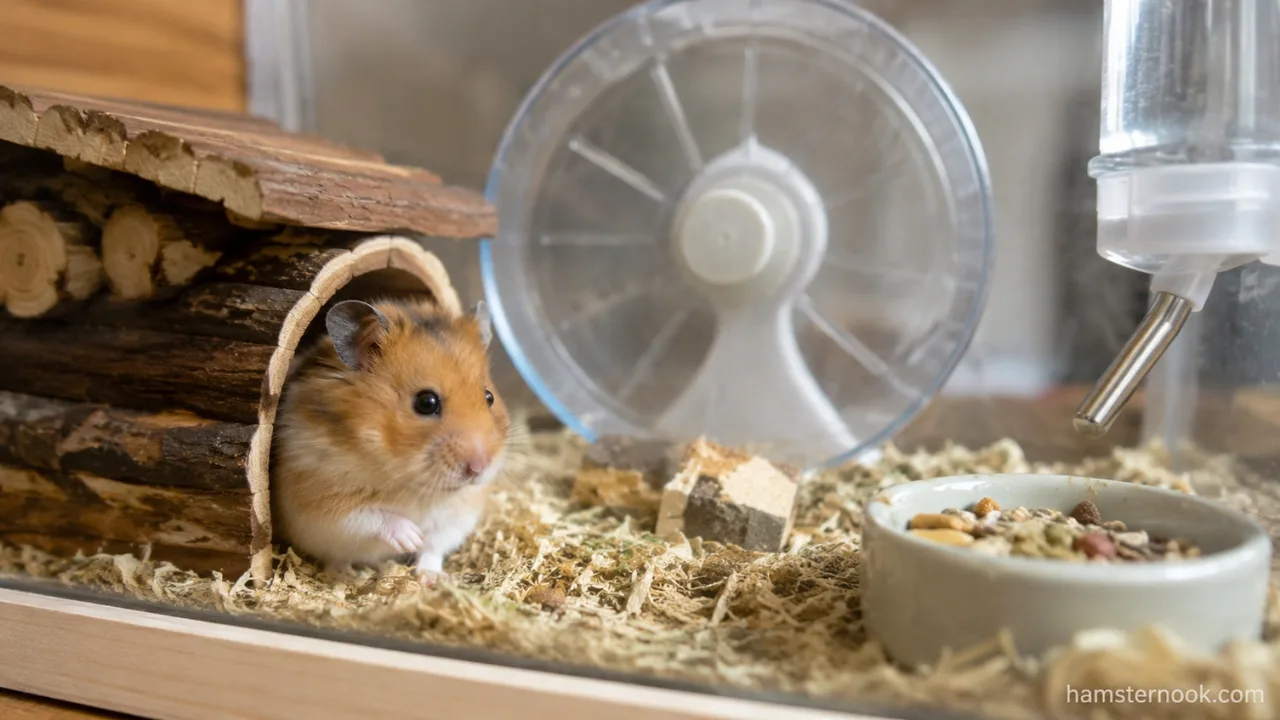
Here’s how the common pet hamster species compare.
| Breed | Overall Escape Difficulty | Best Enclosure Type |
|---|---|---|
| Syrian | Easier | Large tank or secure wire cage with strong locks |
| Roborovski | Most Difficult | Glass tank or enclosure with very narrow ventilation openings |
| Campbell’s Dwarf | Difficult | Secure enclosure with narrow bar spacing |
| Winter White | Difficult | Escape-proof habitat with tight-fitting lid |
| Chinese | Moderate | Secure enclosure with limited climbing opportunities |
Regardless of breed, the safest enclosure is one designed specifically for hamsters rather than other small pets.
How to Secure Each Breed’s Enclosure
The best security approach depends partly on how your hamster is likely to escape. For Roborovski and other small dwarf hamsters, check every opening, door, ventilation area, and bar gap because their small bodies make narrow escape routes especially important.
For Syrian hamsters, pay more attention to lid strength, door locks, damaged plastic, and anything inside the enclosure that could help them reach the top. For climbing-prone dwarf hamsters, keep platforms and accessories positioned so they cannot be used as steps toward the lid.

Signs Your Hamster May Be Planning an Escape
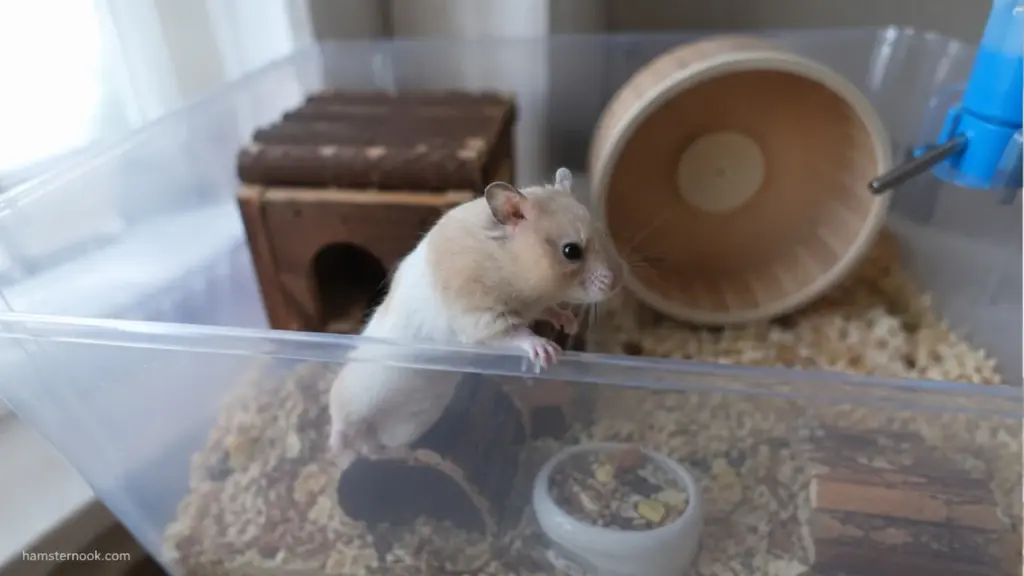
Hamsters don’t intentionally “plan” escapes in the human sense, but many show behaviors that suggest they’re actively exploring ways out.
These behaviors are often signs that they’re investigating their surroundings rather than trying to run away from their owner.
Watch for:
- Climbing cage walls repeatedly
- Standing on top of hideouts to reach the lid
- Chewing plastic corners
- Scratching at cage doors
- Hanging from wire bars
- Frequently exploring the same corner
These behaviors may also indicate boredom or a need for more enrichment.
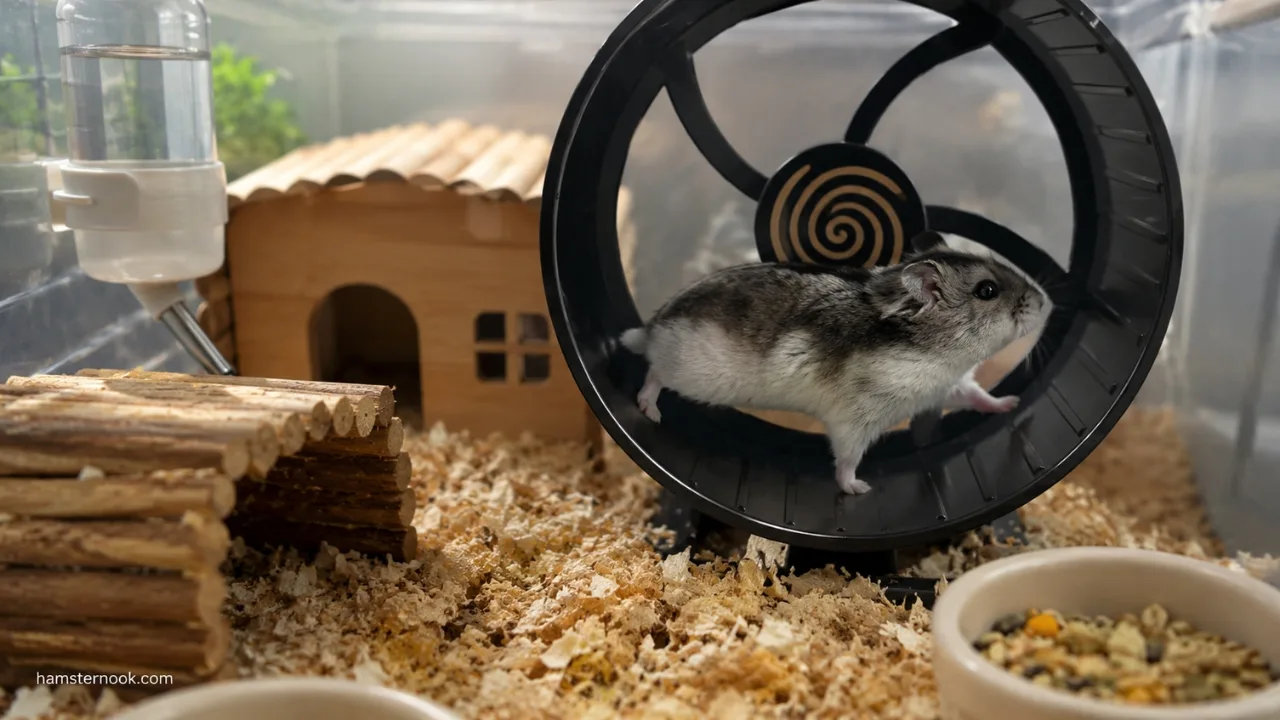
If your hamster constantly investigates every part of the enclosure, adding tunnels, chew toys, and deeper bedding may help satisfy its natural instincts. Owners looking for enrichment ideas may enjoy How to Tell If Your Hamster Is Bored (And Simple Ways to Help).
Why Hamsters Try to Escape
Hamsters usually investigate possible exits because exploration is a natural part of their behavior, not because they dislike their owner.
In the wild, they travel surprisingly long distances while searching for food and exploring their surroundings.
Even a hamster living in an excellent enclosure may still investigate possible exits simply because exploration is part of its natural behavior.

However, certain conditions may increase escape attempts.
Small Living Space
An enclosure that doesn’t provide enough room for exercise may encourage persistent climbing and escape behavior.
Lack of Enrichment
Without tunnels, chew toys, hideouts, and opportunities to forage, hamsters often look elsewhere for stimulation.
Incorrect Wheel Size
A wheel that’s too small or difficult to use may leave a hamster with excess energy.

Frequent Disturbances
Constant handling, loud noises, or repeated interruptions during sleep can make some hamsters more restless.
Improving overall husbandry often reduces repeated escape attempts. If you’re evaluating your setup, 10 Ways to Make a Hamster Cage More Enriching and Less Boring offers practical ideas for creating a more engaging habitat.
How to Escape-Proof Your Hamster’s Cage
Preventing escapes is much easier than searching your home for a missing hamster.
| Breed | Main Escape Risk | What to Check First |
|---|---|---|
| Roborovski | Tiny gaps and fast movement | Bar spacing, doors, ventilation openings |
| Campbell’s Dwarf | Small gaps and climbing | Bar spacing, lid, cage corners |
| Winter White | Climbing and gap exploration | Lid, accessories near the top |
| Chinese | Climbing and narrow openings | Cage furniture and escape routes |
| Syrian | Strength and pushing weak parts | Lid locks, doors, damaged plastic |
Before bringing your hamster home, inspect every part of the enclosure carefully.

Choose the Correct Bar Spacing
This is especially important for dwarf breeds.
Wide bar spacing designed for rats or guinea pigs may allow small hamsters to slip through.
Secure Every Door
Doors should close firmly without gaps.
Check locks regularly, especially after cleaning.

Use a Tight-Fitting Lid
Glass tanks should always have a secure mesh lid that cannot be pushed open.
Heavy objects should never be used as substitutes for proper locking mechanisms.
Position Accessories Carefully
Avoid stacking hides, platforms, or wheels directly beneath the lid.
These can unintentionally create climbing routes.
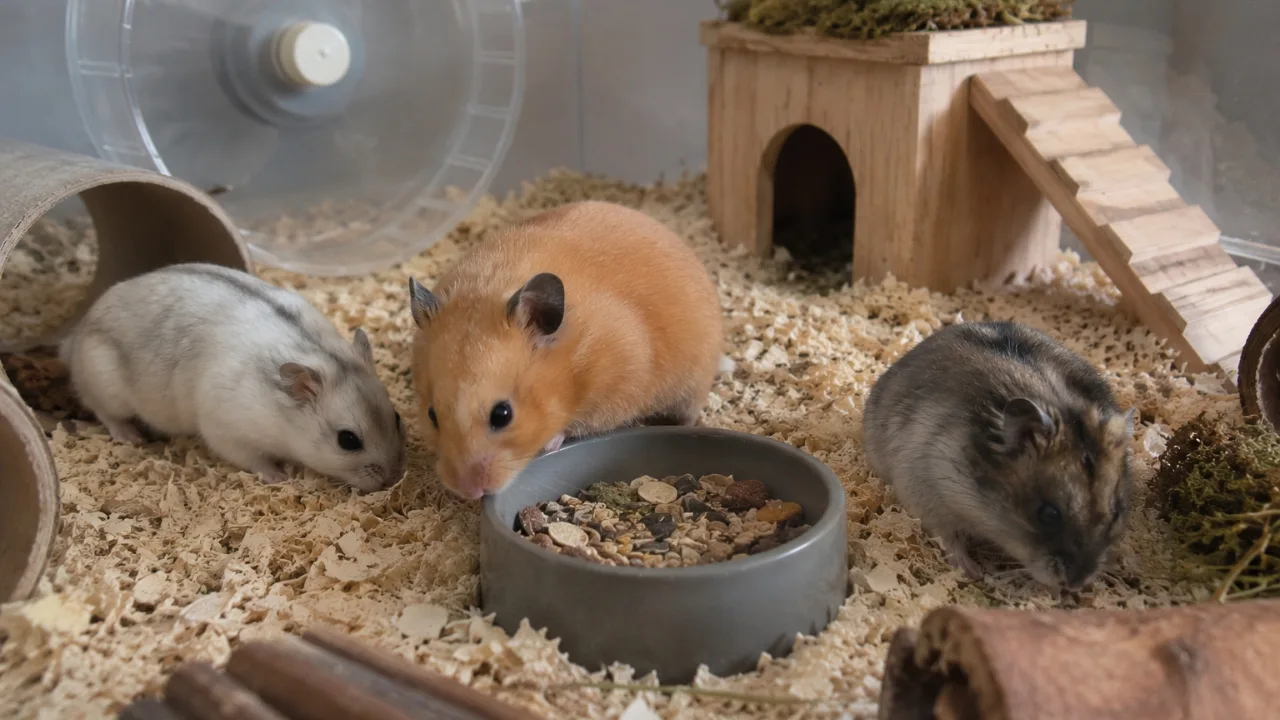
Inspect for Damage
Plastic cages may develop cracks or loose panels over time.
Replace damaged components before they become escape points.
How to Check Your Cage for Escape Points
Before leaving your hamster unattended, check the enclosure from the hamster’s point of view. Look at every door, corner, ventilation opening, lid edge, and gap around accessories. Pay particular attention to places where a small hamster could push its nose through or where a climbing accessory could give it extra height.
Run your fingers around doors and lid edges to make sure nothing moves or lifts easily. Check plastic panels for cracks and make sure every latch closes completely. For dwarf and Roborovski hamsters, inspect narrow openings especially carefully because their smaller bodies make tiny gaps much more important.

A useful routine is to check the enclosure after cleaning or rearranging accessories, since moving a hide, platform, wheel, or other item can accidentally create a new route toward the lid.
What To Do If Your Hamster Escapes
Even careful owners occasionally experience an escape.
Start by staying calm.
Avoid running through the house or making loud noises, as this may frighten the hamster and make it harder to find.

Step 1: Close Interior Doors
Limit the hamster’s movement by closing doors to nearby rooms.
Step 2: Remove Hazards
Temporarily block access to:
- Electrical cords
- Heating vents
- Household chemicals
- Other pets
Step 3: Leave Food Nearby
Place small amounts of your hamster’s regular food in quiet areas.
Fresh water should also be available if the hamster has been missing for several hours.
Step 4: Search Quietly
Look carefully behind:
- Furniture
- Appliances
- Storage boxes
- Under sofas
- Inside closets
Hamsters often choose dark, enclosed spaces that feel safe.
Step 5: Listen at Night
Since hamsters are most active after dark, you may hear movement when the house becomes quiet.
Patience often leads to better results than rushing.
Common Myths About Escaping Hamsters
Several misconceptions can make owners worry unnecessarily.
| Myth | Reality |
|---|---|
| Hamsters escape because they hate their owner. | Escape behavior is usually driven by curiosity and exploration. |
| Syrian hamsters never escape. | They can escape if lids, doors, or plastic panels are insecure. |
| A happy hamster never climbs. | Climbing may simply be part of natural exploratory behavior. |
| Bigger cages always prevent escapes. | Cage quality and security matter more than size alone. |
| Once a hamster escapes, it won’t return. | Many escaped hamsters remain close to food, shelter, and familiar scents. |
Understanding these myths helps owners respond more confidently when unusual behaviors appear.
Which Hamster Breed Wins the Escape Artist Award?
Among the breeds compared in this guide, Roborovski hamsters are generally the most difficult to keep secure because their very small size, speed, and agility give them more opportunities to exploit tiny openings.
Their tiny bodies, exceptional speed, and constant curiosity make them difficult to contain and even harder to catch once they escape.
If you are choosing a hamster based partly on temperament and handling, breed differences matter too. Which Hamster Breed Bites the Least? compares common hamster breeds from a different but closely related owner perspective.
Campbell’s and Winter White dwarf hamsters also rank high because they can climb well and fit through narrow openings.
Syrian hamsters usually escape less often, but their strength means they can still exploit weak lids or poorly secured enclosures.
In the end, the quality of the enclosure matters far more than the breed itself. Even the best escape artist can’t get out of a properly secured habitat. A secure, appropriately sized habitat with proper enrichment dramatically reduces escape opportunities for every hamster.
Final Thoughts
Every hamster owner should expect their pet to be curious. Exploring the environment is a natural behavior, not a sign that your hamster dislikes its home.
The biggest difference between breeds is how they escape. Roborovski hamsters rely on speed and tiny size, dwarf hamsters combine agility with curiosity, while Syrian hamsters often depend on strength and persistence.
By understanding your hamster’s natural abilities and choosing an enclosure designed for its specific species, you can prevent most escape attempts before they happen.
Spending a minute checking doors, lids, and cage security each day is much easier than searching your home for an escaped hamster.
References
This guide is based on hamster care, housing, welfare, and husbandry guidance from trusted animal care organizations, including:
- RSPCA – Hamster Care and Housing Guidance
- PDSA – Small Pet Care and Welfare Guidance
- Blue Cross – Hamster Care Information
Frequently Asked Questions
Are Roborovski hamsters harder to contain than Syrian hamsters?
Generally, yes. Roborovski hamsters are much smaller and faster, so tiny openings that would not be a problem for a Syrian hamster can become potential escape routes. Syrian hamsters are larger but can use their greater strength to push weak lids, doors, or damaged enclosure parts.
Which hamster breed escapes the most often?
Roborovski hamsters are generally considered the most frequent escape artists because of their small size, remarkable speed, and ability to fit through very narrow gaps.
Are Syrian hamsters easier to keep than dwarf hamsters?
From an escape-prevention perspective, many owners find Syrian hamsters easier to contain because they cannot squeeze through the tiny openings that dwarf species can.
Can a hamster squeeze through cage bars?
Yes. Dwarf hamsters, especially Roborovski and Campbell’s hamsters, can fit through surprisingly narrow spaces if bar spacing is too wide.
Why does my hamster keep trying to climb the cage?
Repeated climbing may be part of natural exploration, but it can also suggest that the enclosure needs more space, enrichment, or environmental variety.
What type of cage is safest for Roborovski hamsters?
A secure glass tank or another escape-proof enclosure with a tightly fitted lid and very small ventilation openings is generally one of the safest options for Roborovski hamsters.
Will my hamster come back if it escapes?
Escaped hamsters often stay close to hiding places that provide darkness, warmth, and access to food. Quiet searching, placing familiar food nearby, and remaining patient usually improve the chances of finding them safely.

Narayan Kumar is the founder and author of HamsterNook. He creates practical, research-based hamster care guides covering hamster behavior, nutrition, cage setup, enrichment, health, and everyday care. His goal is to help hamster owners make informed decisions and provide safer, healthier lives for their pets through clear, beginner-friendly information based on trusted animal care resources.