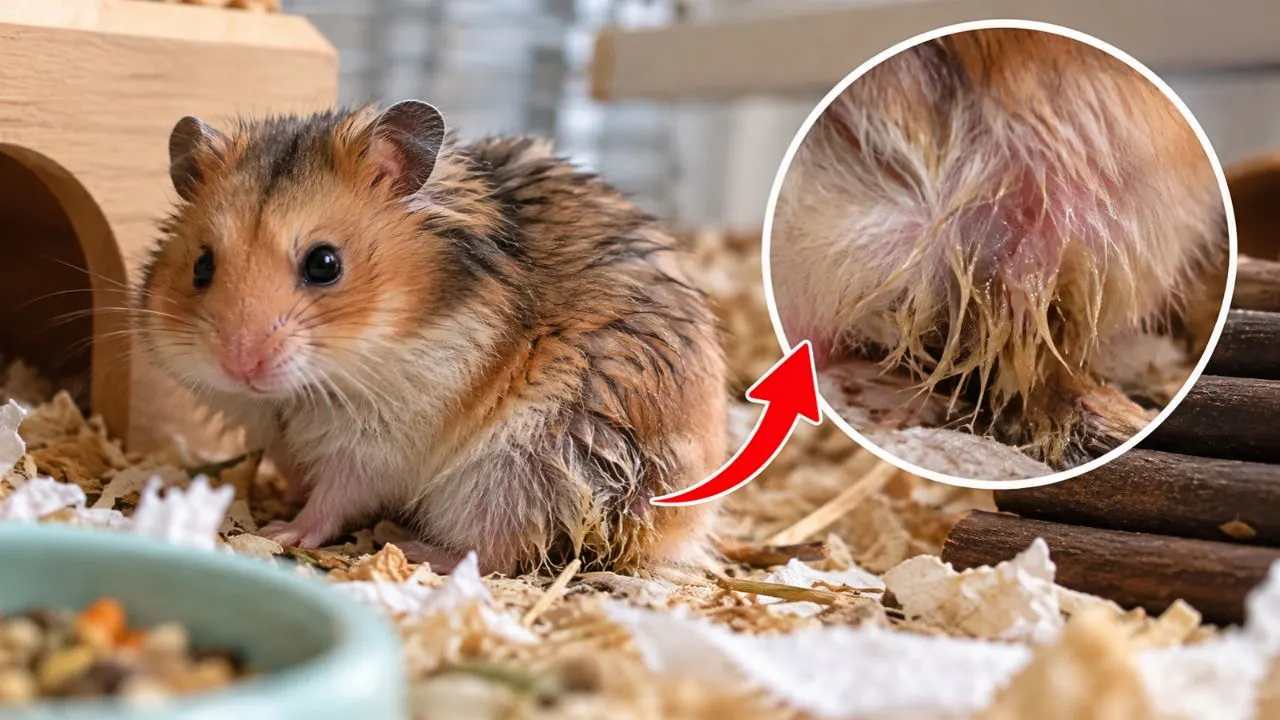
Few things worry hamster owners more than discovering a small cut, limp, scratch, or missing patch of fur on their pet. Because hamsters are tiny and fragile animals, even a seemingly minor injury can look alarming. It’s natural to wonder whether your hamster will heal on its own or whether an immediate veterinary visit is necessary.
The answer depends on the type of injury, its severity, and how your hamster is behaving afterward. Some minor injuries may heal naturally with careful monitoring and a clean environment. Hamsters instinctively hide signs of pain and weakness, so even a minor-looking injury deserves careful observation during the healing process.
Knowing when an injury can be safely monitored at home and when veterinary care is needed can make these situations much less stressful.
Not Every Small Injury Is Truly Minor
Some injuries appear small on the surface but may involve deeper tissue damage or become infected over time. A tiny cut near the eye, mouth, feet, or joints often deserves closer attention than a larger superficial scratch on another part of the body.
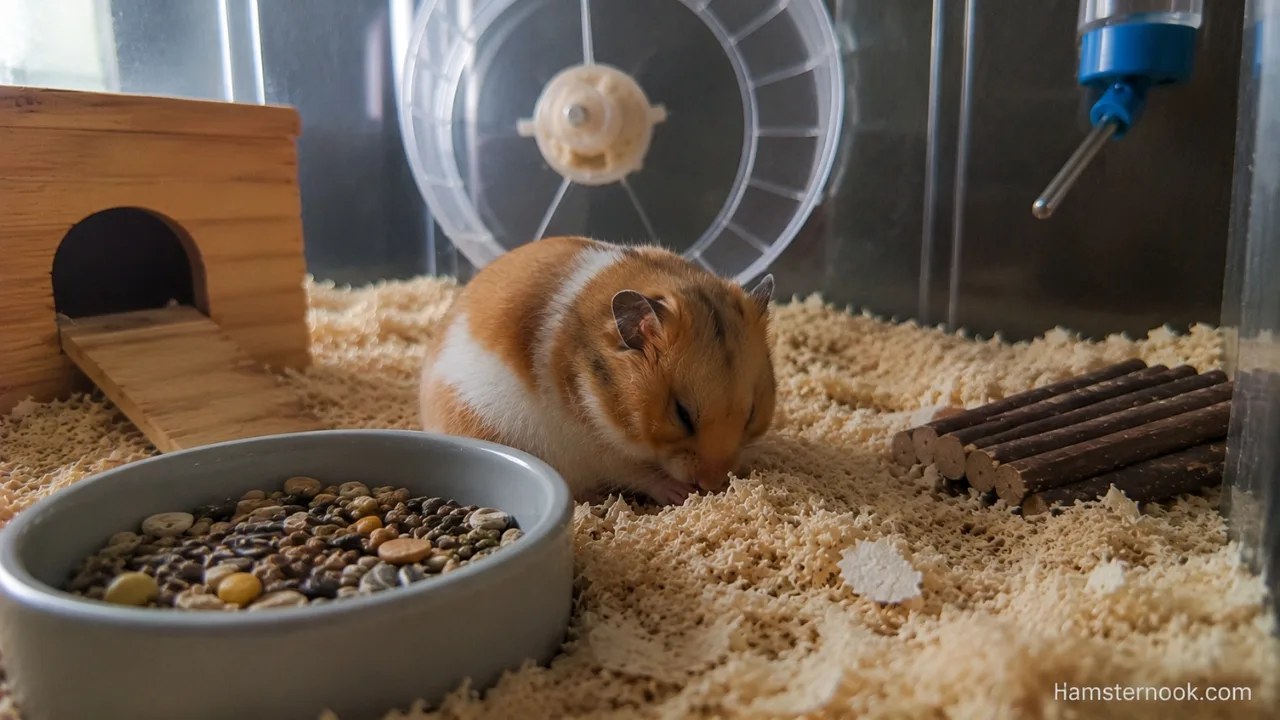
When you’re unsure whether an injury is truly minor, careful monitoring and early veterinary advice are always safer than waiting for symptoms to worsen.
Quick Answer
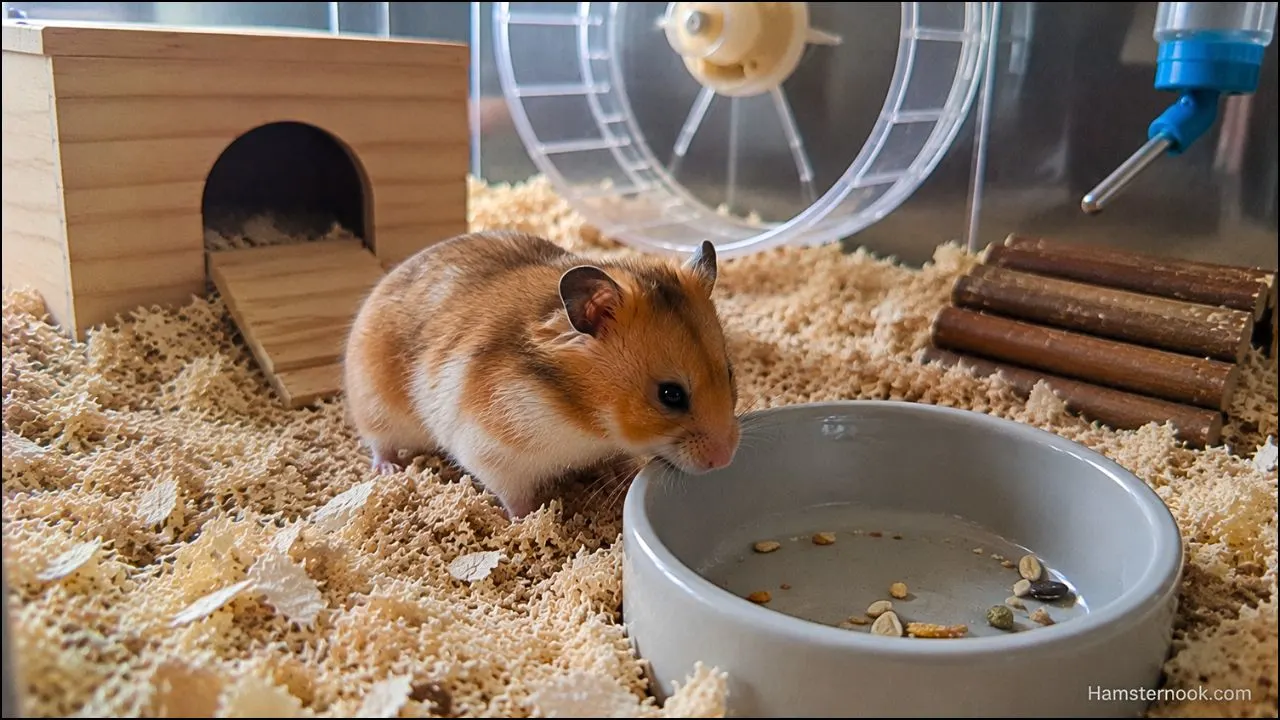
Some superficial hamster injuries may improve with careful home monitoring when the hamster is otherwise behaving normally and there are no signs of a deeper injury or infection. Home care in this context means keeping the environment safe and clean, limiting stress and handling, and watching closely for changes. Swelling, worsening redness, persistent bleeding, limping, reduced appetite, or unusual behavior should prompt veterinary advice.
Can Hamsters Heal Minor Injuries Naturally?
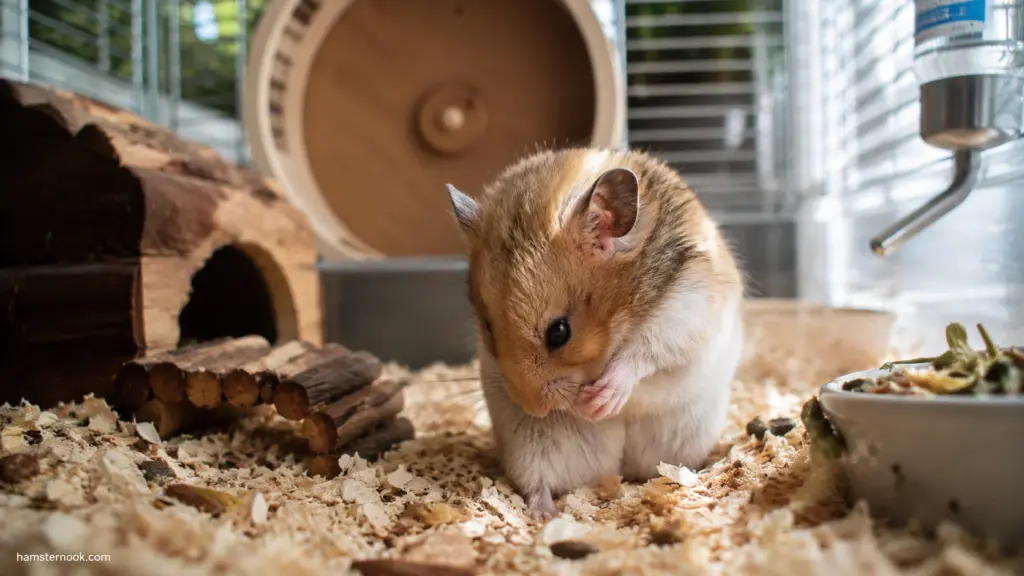
Yes, hamsters can often recover from minor injuries without medical intervention when the injury is superficial and there are no signs of infection or significant pain.
Like other small mammals, healthy hamsters can often recover from minor scratches, small abrasions, and superficial skin injuries when their environment remains clean and stress-free. Their bodies can repair damaged tissue provided they remain healthy, hydrated, and free from additional stress.
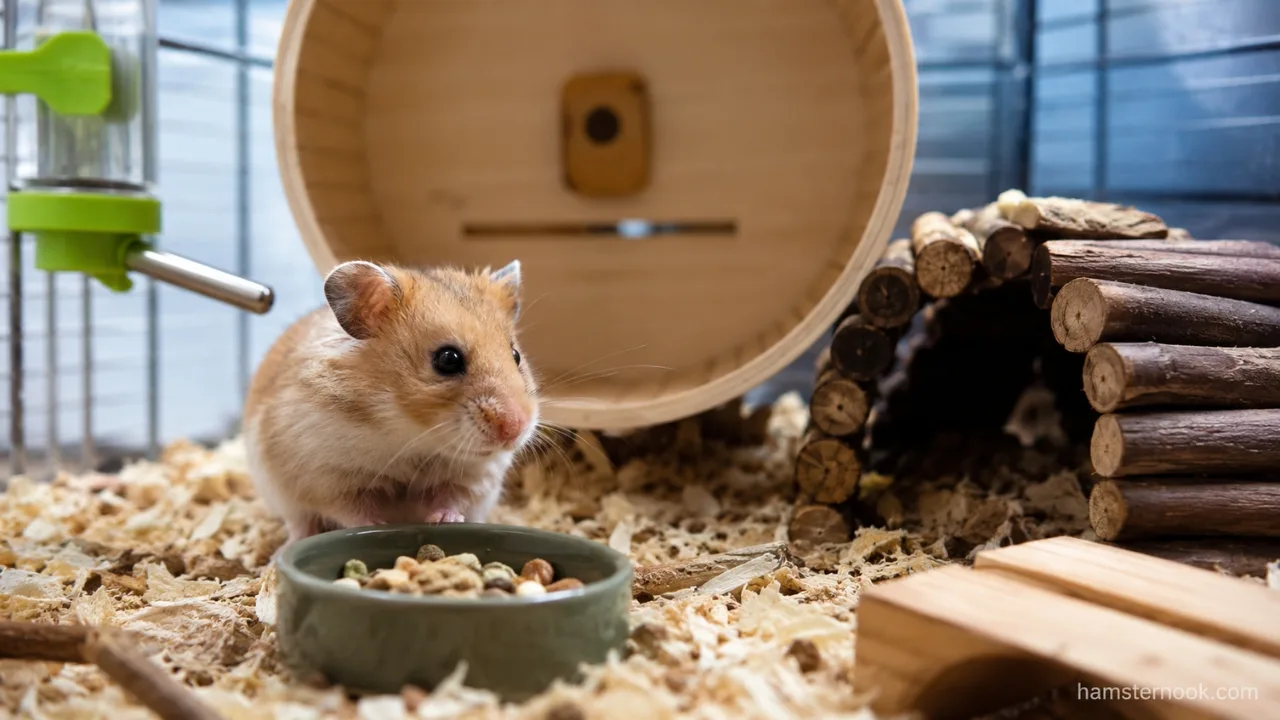
Even when an injury appears minor, regular monitoring is still important. Careful observation is essential because conditions can sometimes worsen unexpectedly.
Understanding normal hamster behavior makes it easier to recognize when an injury may require closer attention. Our Ultimate Hamster Care Guide for Beginners explains the daily care habits that help keep hamsters healthy.
Common Minor Injuries Hamsters May Experience
While every injury should be monitored, some minor injuries may heal successfully without medical intervention.
Some examples of relatively minor injuries may include:
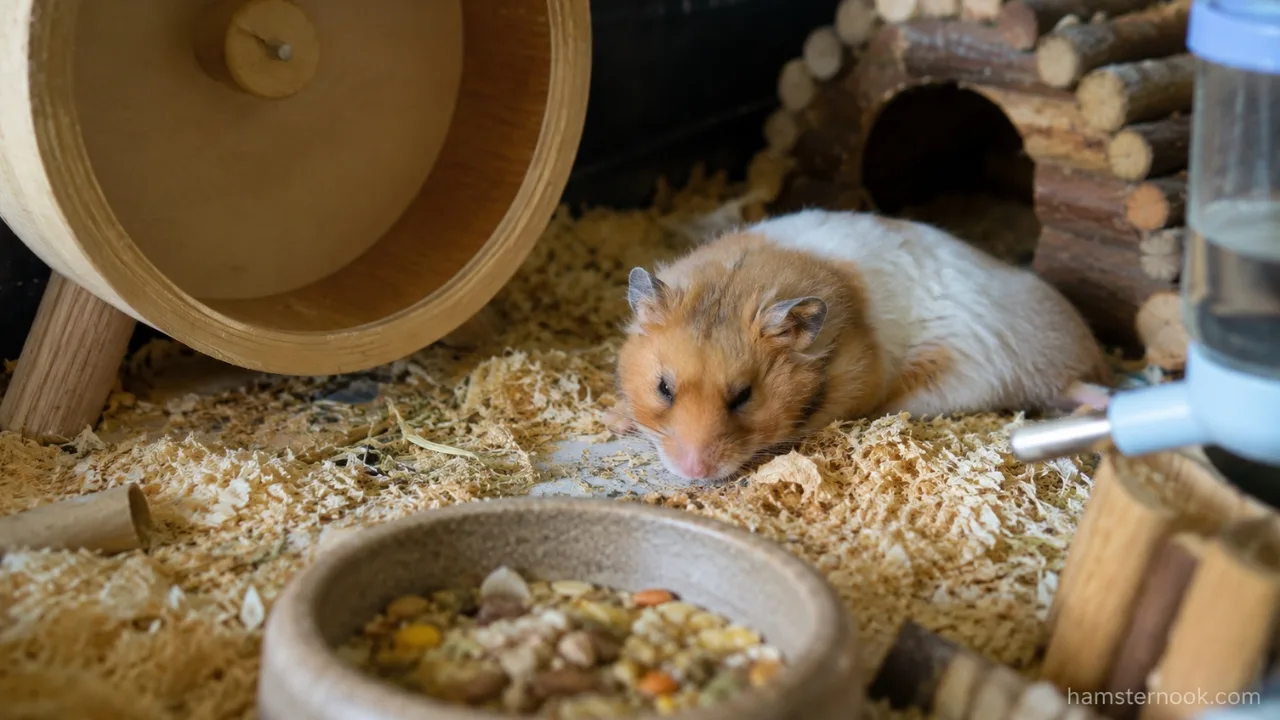
- Small superficial scratches
- Mild skin abrasions
- Tiny cuts without active bleeding
- Minor toenail damage
- Small scabs
- Temporary soreness after a minor fall
These situations often improve with time, provided no complications develop.
Injuries That Should Never Be Considered Minor
Some injuries require prompt veterinary attention regardless of how small they initially appear.
| Injury Type | Veterinary Attention Recommended? |
|---|---|
| Deep cuts | Yes |
| Broken limbs | Yes |
| Heavy bleeding | Yes |
| Bite wounds from another hamster | Yes |
| Eye injuries | Yes |
| Head injuries | Yes |
| Large swelling or abscesses | Yes |
| Difficulty walking | Yes |
Because hamsters are so small, even relatively minor trauma can have significant consequences.
How Do Hamsters Usually Get Injured?
Understanding common causes can help prevent future accidents.
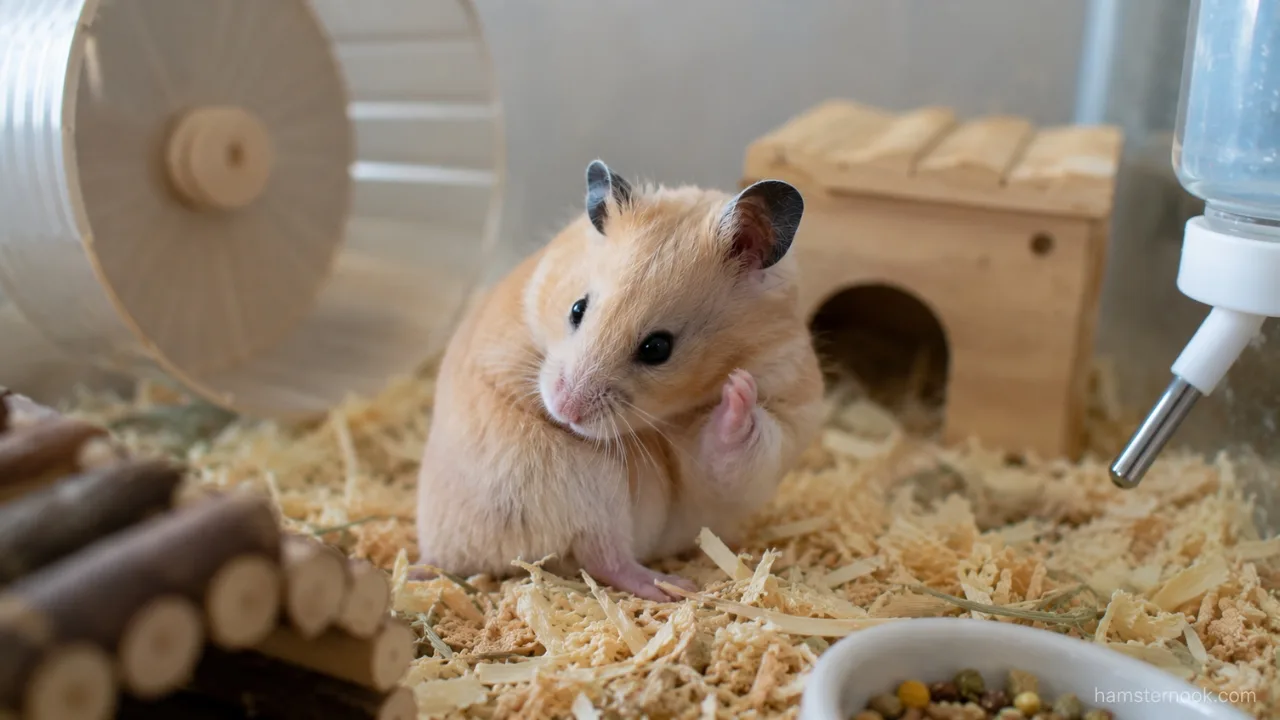
Falls From Unsafe Heights
Hamsters are curious climbers but poor fallers.
Many injuries occur when hamsters fall from:
- Beds
- Sofas
- Tables
- Human hands
- Multi-level cage structures
Changes in movement after a fall should always be monitored carefully. Our Why Is My Hamster Walking Weird? guide explains common causes of abnormal walking and when veterinary care may be needed.
Cage Hazards
Unsafe cage accessories can contribute to injuries.
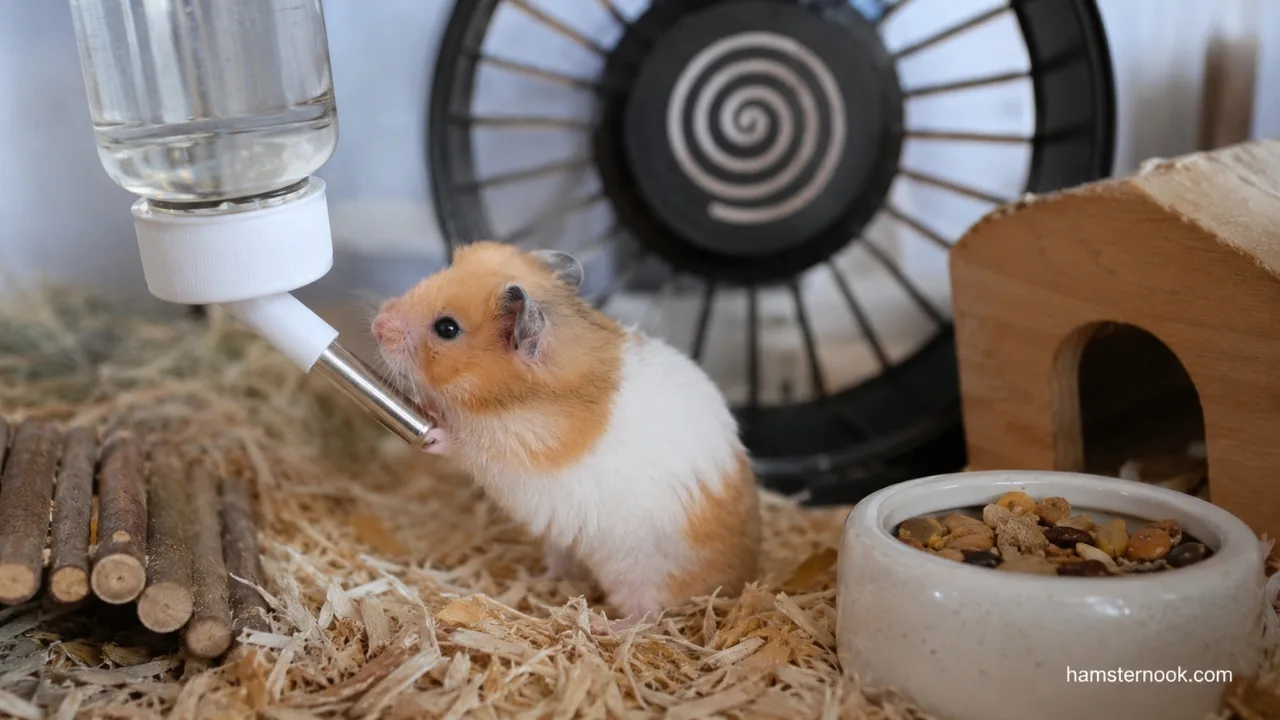
Examples include:
- Wire flooring
- Sharp edges
- Broken plastic accessories
- Unsafe exercise equipment
Routine cage inspections can reduce these risks significantly.
Fighting Between Hamsters
Some species, particularly Syrian hamsters, are solitary and should generally live alone.
Fights may result in:
- Cuts
- Bite wounds
- Missing fur
- Eye injuries
Stress and poor housing conditions can sometimes contribute to fighting between hamsters. Our You Might Be Stressing Your Hamster Every Day Without Knowing It guide explains common environmental factors that may increase conflict.
Exercise Wheel Injuries
An improperly sized wheel can contribute to physical strain or injury.
Choosing suitable equipment is an important part of long-term injury prevention.
Using the correct wheel size helps reduce unnecessary strain and supports healthy exercise. Our Why Is My Hamster Running on the Wheel So Much? guide explains what normal wheel activity looks like.
What Should You Check During Recovery?
When monitoring an injured hamster, focus on daily changes rather than the injury alone.
Check for:
- Appetite remaining normal
- Normal drinking habits
- Comfortable movement
- Stable body weight
- Improvement in the wound’s appearance
- Normal activity during waking hours
Even small improvements from day to day are usually encouraging signs.
Signs a Minor Injury Is Healing Properly
A hamster recovering normally will generally continue to behave relatively normally.
Monitoring normal behavior is one of the best ways to judge recovery. Our How to Tell If Your Hamster Is Happy, Healthy, Stressed, or Sick guide explains the signs owners should watch for.
Positive signs include:
| Healthy Recovery Signs | What They Mean |
|---|---|
| Eating normally | Maintaining appetite |
| Drinking normally | Good hydration |
| Active during waking hours | Energy levels remain stable |
| Small wound gradually shrinking | Tissue healing |
| No swelling | Low infection risk |
| Normal grooming behavior | Comfort and well-being |
Healing tends to occur gradually rather than overnight.
Warning Signs an Injury May Be Getting Worse
Owners should monitor injuries closely during recovery.

The following signs may indicate complications:
- Increasing redness
- Swelling
- Pus or discharge
- Bleeding that restarts
- Strong odor
- Reduced appetite
- Lethargy
- Weight loss
- Difficulty moving
These symptoms may indicate infection, worsening inflammation, pain, or a deeper injury that requires veterinary assessment.
How to Care for a Hamster With a Minor Injury
Supportive care can help create the best environment for healing.
What Should You Do First After a Minor Injury?
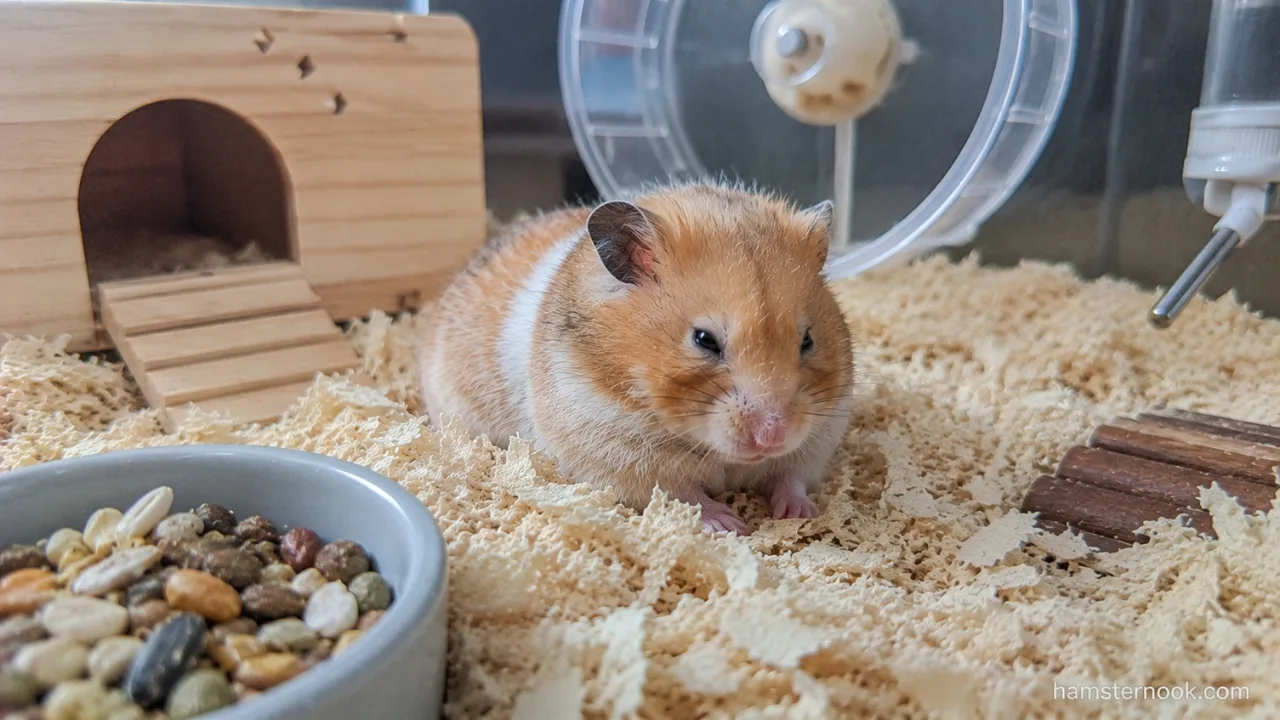
If you notice a small injury, first remove the immediate hazard and give your hamster a calm, quiet place to rest. Avoid unnecessary handling or repeatedly checking the wound. Do not apply human creams, pain medicines, disinfectants, or other products unless a veterinarian specifically recommends them for your hamster. Home monitoring should focus on whether the injury is improving and whether your hamster continues to eat, drink, move, and behave normally.
Keep the Habitat Clean
A clean enclosure reduces exposure to bacteria and contaminants.
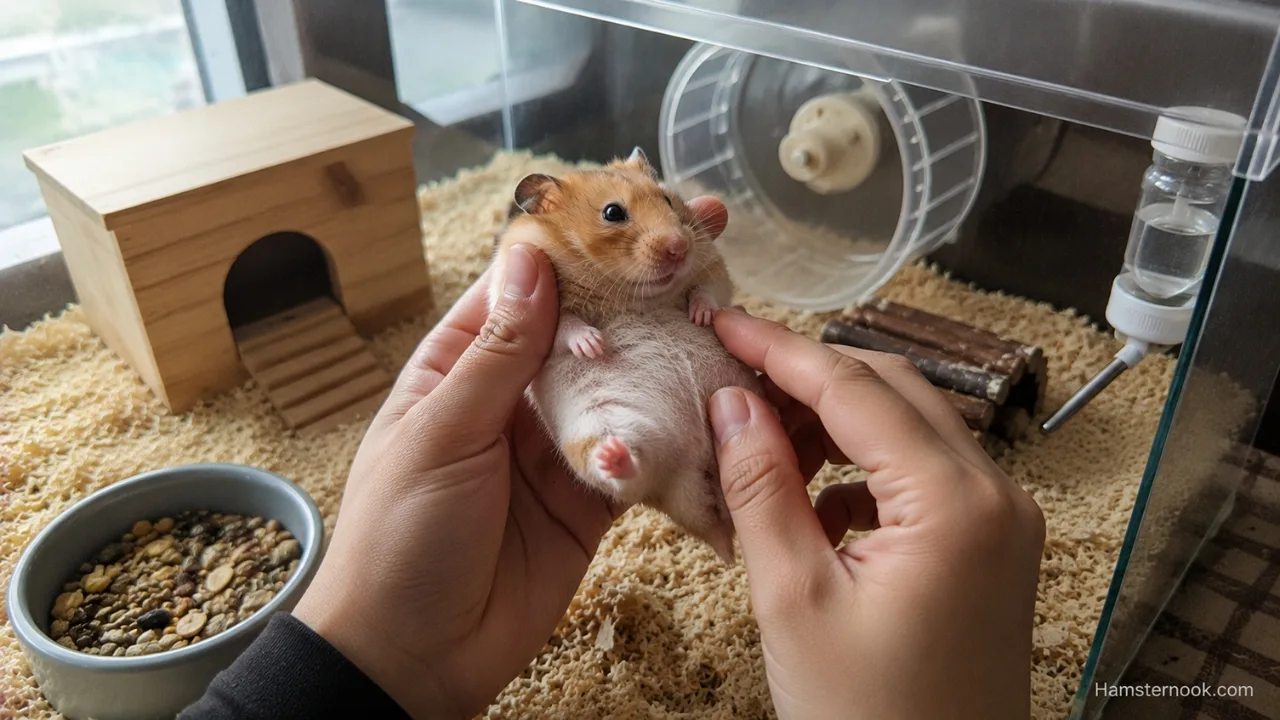
Injured skin is more vulnerable to bacteria than healthy skin, which is why cleanliness becomes especially important during recovery.
Focus on:
- Spot cleaning daily
- Removing soiled bedding
- Keeping food areas clean
- Providing fresh water
If your hamster is recovering from an injury, hydration becomes especially important. You may also find Can Hamsters Get Dehydrated? Signs Every Owner Should Know useful.
Reduce Environmental Stress
Stress can interfere with recovery.
During healing:
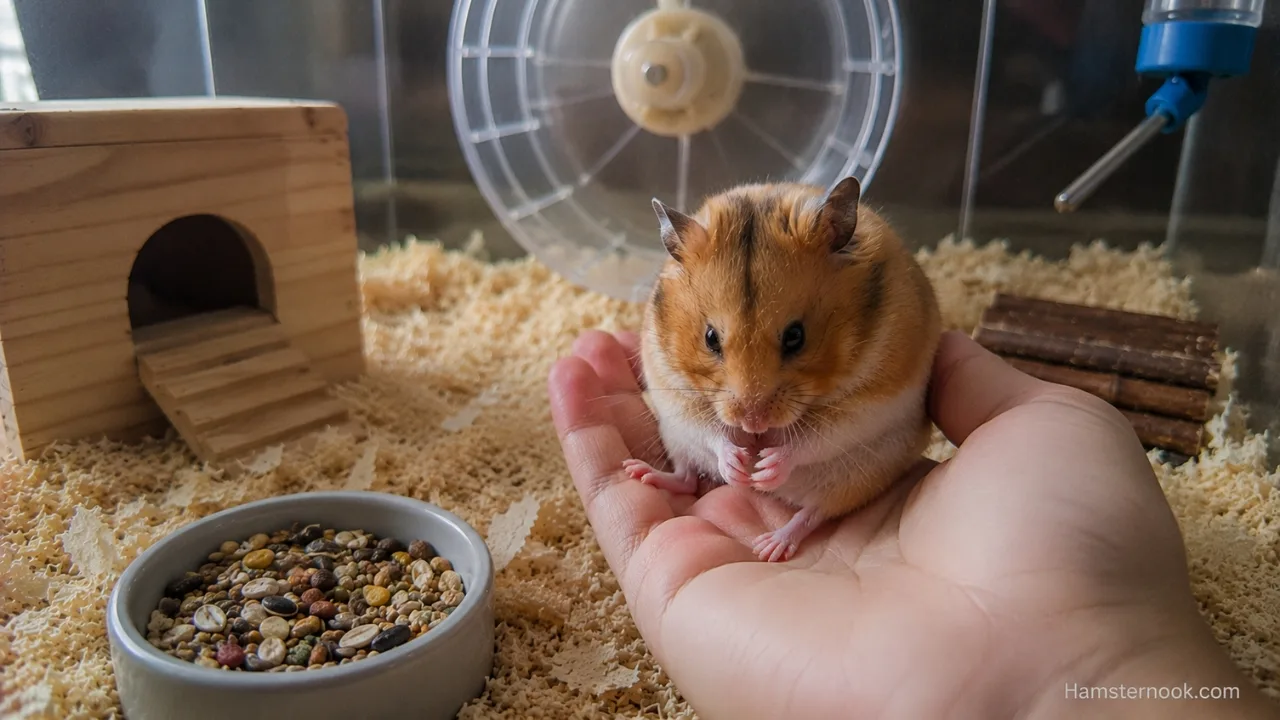
- Avoid excessive handling
- Keep noise levels low
- Maintain a consistent routine
- Avoid introducing new pets or cage mates
Monitor Food and Water Intake
A hamster that continues eating and drinking normally is often coping better than one that stops.
Small animals can decline quickly when appetite decreases.
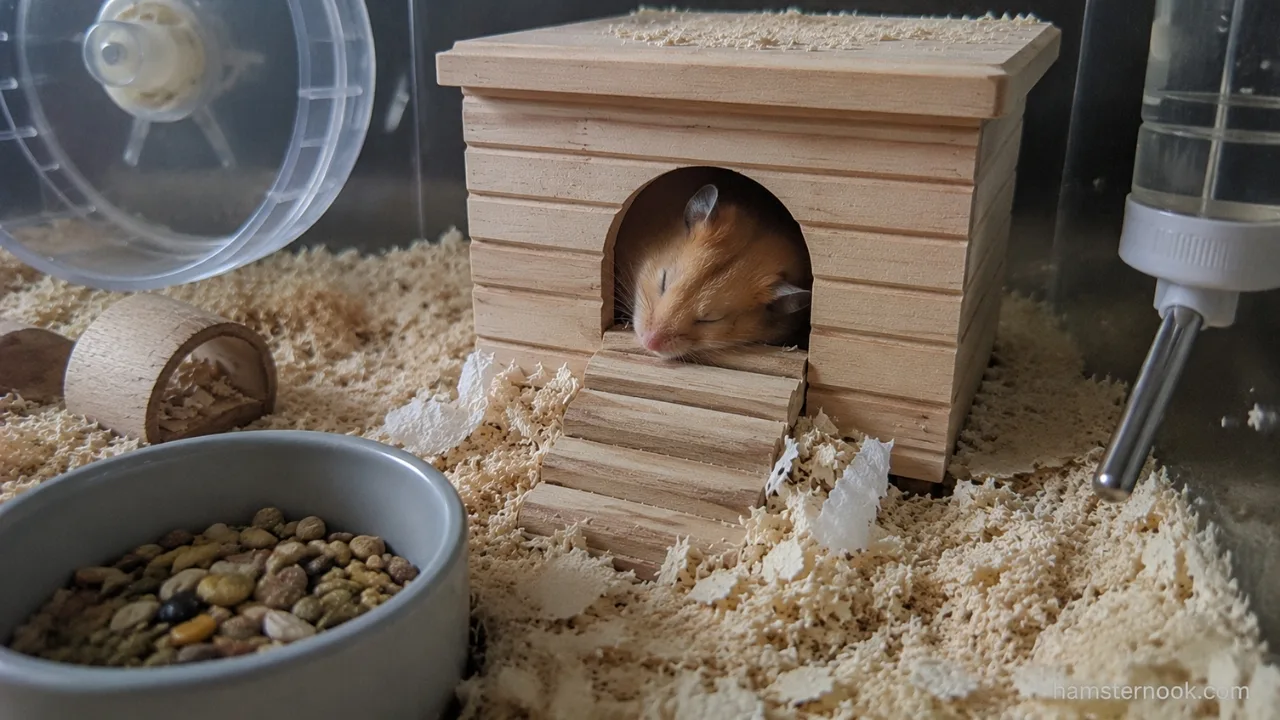
A noticeable drop in eating or drinking is more concerning when it occurs together with worsening pain, weakness, reduced movement, swelling, or other changes in behavior. These changes are a reason to contact a veterinarian rather than relying on home monitoring alone.
Limit Risky Activities
Temporary adjustments may help prevent further injury.
Consider:
- Removing unsafe climbing opportunities
- Lowering fall risks
- Checking wheel safety
- Inspecting cage accessories
Common Mistakes Owners Make After a Hamster Injury
Good intentions sometimes lead to problems.
Using Human Medications
Human creams, ointments, disinfectants, and pain medications should never be used unless specifically prescribed by a veterinarian.
Many products safe for people can be dangerous for hamsters.
Cleaning the Wound Excessively
Overhandling an injury may irritate healing tissue.
Constant cleaning can sometimes slow recovery rather than help it.
Assuming a Small Injury Is Harmless
Size alone does not determine severity.
A tiny wound near the eye, mouth, or joints may require more attention than a larger superficial scratch elsewhere.
Ignoring Changes in Behavior
Behavior often provides the earliest clues that something is wrong.
If your hamster becomes unusually still or stops moving normally after an injury, our Why Is My Hamster Sitting in One Spot? Normal, Stressed, or Sick? guide explains other signs that can help you judge whether the behavior needs closer attention.
How Long Do Minor Hamster Injuries Usually Take to Heal?
Healing time depends on several factors:
- Injury type
- Injury location
- Age of the hamster
- Overall health
- Presence of infection
Small superficial scratches may improve within days, while minor skin injuries can take longer to fully heal.
Recovery speed varies from one hamster to another, so gradual improvement is usually more important than the exact number of days involved.
Photographing the injury once a day can make it easier to notice gradual improvements or identify subtle changes that might otherwise go unnoticed.
Seek Immediate Veterinary Care If
Do not wait for improvement if your hamster has:
- Heavy bleeding
- A suspected broken limb
- Difficulty breathing
- An eye injury
- Severe swelling
- Inability to stand or walk normally
- A wound caused by another hamster
These situations are more likely to require professional treatment.
When Should You Contact a Veterinarian?
It is safest to seek veterinary advice when:
- You are unsure how serious the injury is
- The wound appears infected
- The hamster stops eating
- Movement becomes difficult
- Symptoms worsen rather than improve
- Bleeding continues
- The injury involves the eyes, mouth, or limbs
Veterinary assessment is particularly important because hamsters often conceal pain and illness.
Preventing Future Injuries
Prevention remains the best approach.
| Prevention Strategy | Benefit |
|---|---|
| Use an appropriately sized enclosure | Reduces accidents |
| Inspect accessories regularly | Identifies hazards early |
| Avoid high falls | Prevents trauma |
| House solitary species alone | Prevents fighting injuries |
| Provide proper wheel size | Reduces strain and accidents |
| Monitor behavior regularly | Helps detect problems early |
Most preventable hamster injuries occur because of falls, unsafe accessories, cage mate aggression, or overlooked enclosure hazards. Regular safety checks can greatly reduce these risks.
Small adjustments to your hamster’s environment can significantly reduce injury risk over time.
Final Thoughts
Yes, hamsters can often recover from minor injuries on their own, particularly when the injury is small, superficial, and free from infection. A clean habitat, reduced stress, proper nutrition, and careful observation all support the healing process.
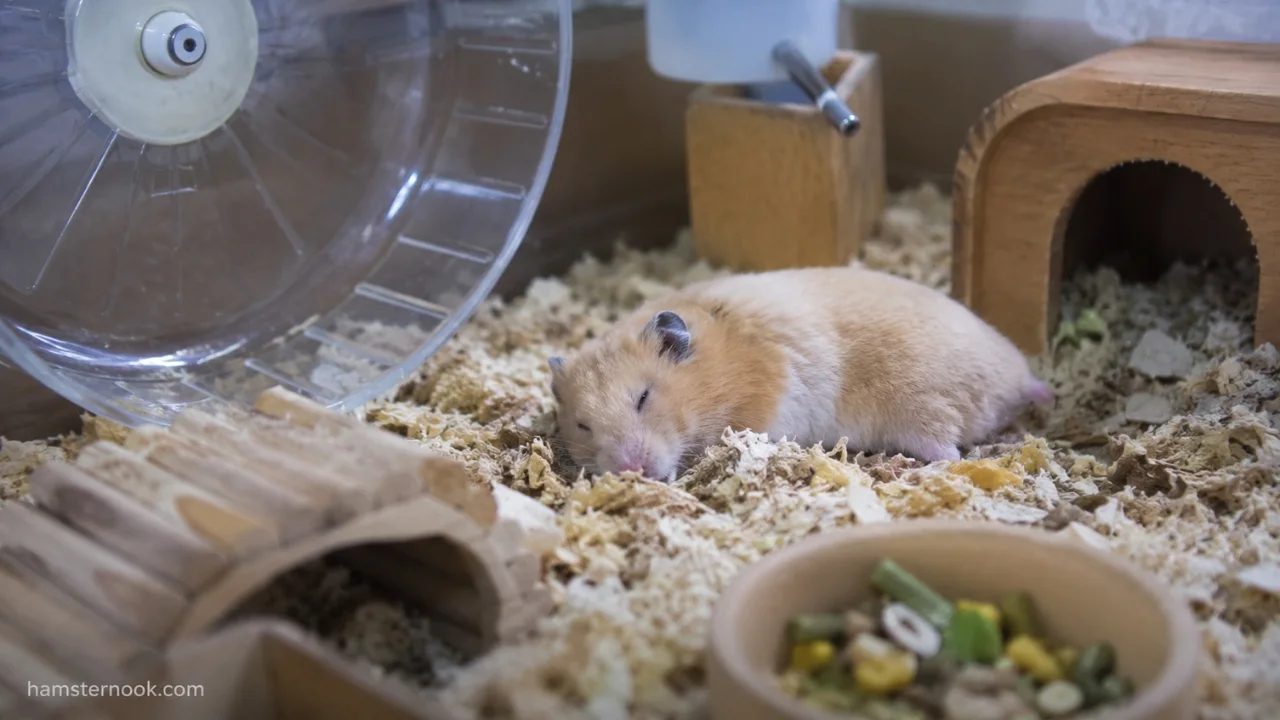
The most important part of home monitoring is recognizing when healing is progressing normally and when professional help may be needed. Because hamsters instinctively hide pain, it is important to pay attention to subtle changes in appetite, activity, grooming, and behavior.
When in doubt, consulting an experienced exotic animal veterinarian is always the safest option. Early intervention can prevent small problems from becoming serious health concerns.
Important Note
Minor injuries can sometimes look worse than they actually are, while more serious injuries may initially appear small. Careful observation of your hamster’s appetite, movement, behavior, and wound appearance is often the best way to judge whether recovery is progressing normally.
Frequently Asked Questions
Can a hamster heal a small scratch without treatment?
Many superficial scratches can heal naturally if the hamster remains healthy and the wound stays clean and free from infection.
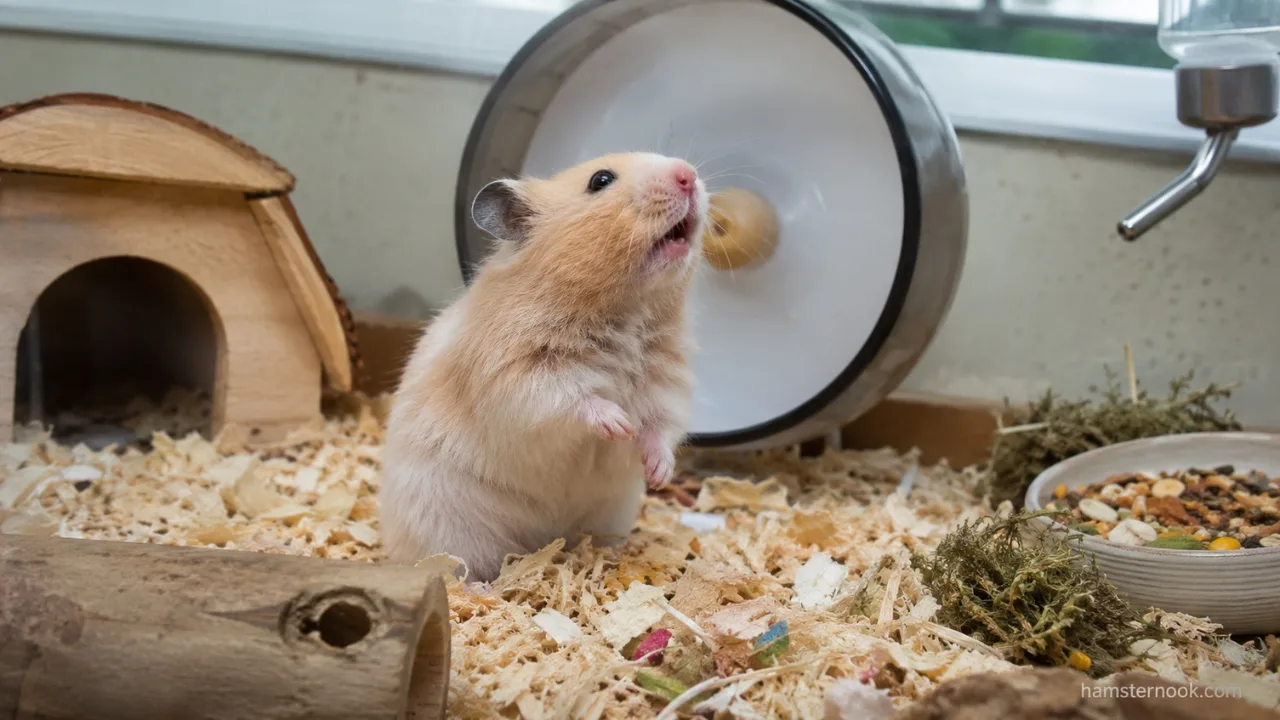
How can I tell if my hamster’s injury is serious?
Heavy bleeding, swelling, difficulty walking, eye injuries, deep wounds, or changes in appetite and behavior should be treated as warning signs that require veterinary attention.
Should I put ointment on my hamster’s wound?
Do not apply human medications or ointments unless specifically recommended by a veterinarian experienced with small animals.
Can hamsters get infections from small wounds?
Yes. Even small wounds can become infected if bacteria enter the damaged tissue, which is why monitoring healing progress is important.
Why is my hamster hiding after getting injured?
Hiding is a natural response to pain, stress, fear, or illness. Increased hiding after an injury should be monitored carefully.

How do I prevent hamster injuries in the future?
Provide a safe enclosure, remove hazards, prevent falls, use properly sized accessories, and regularly inspect your hamster’s environment for potential risks.
Can a hamster limp temporarily after a minor fall?
A hamster may appear sore for a short period after a minor fall, but any persistent limping or difficulty walking should be evaluated by a veterinarian.
Is it safe to handle a hamster with a minor injury?
Handling should be kept to a minimum during recovery unless necessary for health checks. Excessive handling may increase stress and discomfort.
Can stress slow down injury recovery?
Yes. Stress can affect appetite, activity levels, and overall wellbeing, which may slow the healing process.

How often should I check an injured hamster?
Brief observations several times daily are usually sufficient. Constant handling or repeated examinations may create unnecessary stress.
Should I separate an injured hamster from its cage mate?
Yes. If the injury was caused by fighting or another hamster is interfering with recovery, separate them immediately. Syrian hamsters should always be housed alone, while injuries involving dwarf hamsters should be monitored carefully to prevent further aggression.
References
This guide is based on hamster injury care, health monitoring, disease prevention, housing safety, and veterinary guidance from trusted animal welfare and veterinary resources, including:
- RSPCA – Hamster Health & Welfare – Guidance on recognizing health problems, monitoring changes in behavior, injuries, signs of illness, and when veterinary attention may be needed.
- RSPCA – Creating a Good Home for Hamsters – Guidance on safe housing, bedding, enclosure setup, reducing hazards, and maintaining a suitable environment for hamster health and welfare.
- MSD Veterinary Manual – Disorders and Diseases of Hamsters – Veterinary information on hamster diseases, injuries, clinical signs, and health problems that may require professional treatment.
- MSD Veterinary Manual – Routine Health Care of Hamsters – Veterinary guidance on routine health observation, handling, preventive care, and recognizing changes that may require veterinary assessment.
- Blue Cross – Hamster Care Guide – Practical guidance on hamster handling, housing, safety, daily care, and general wellbeing.
- NC3Rs – Housing and Husbandry: Hamster – Guidance on appropriate hamster housing, husbandry, enclosure safety, and environmental conditions that support welfare and help reduce preventable injuries.
Medical Disclaimer
This article is intended for educational purposes only and should not replace professional veterinary advice, diagnosis, or treatment. If your hamster has an injury, shows signs of pain, develops swelling or infection, or experiences changes in behavior, appetite, or mobility, contact a qualified exotic animal veterinarian promptly.

Narayan Kumar is the founder and author of HamsterNook. He creates practical, research-based hamster care guides covering hamster behavior, nutrition, cage setup, enrichment, health, and everyday care. His goal is to help hamster owners make informed decisions and provide safer, healthier lives for their pets through clear, beginner-friendly information based on trusted animal care resources.