Finding your hamster unresponsive in the morning can be heartbreaking, especially if they seemed completely normal the night before. Many owners are left asking the same question: How could this happen so suddenly?
One of the hardest parts of hamster ownership is that these small prey animals often hide illness so effectively that even attentive owners may not notice a problem until it becomes severe. A hamster can appear healthy, eat normally, and remain active right up until a serious health problem reaches a critical stage. In other cases, age-related issues, hidden medical conditions, environmental factors, or genetic problems may lead to an unexpected death.
This is one reason sudden losses feel so shocking to many owners. In reality, the illness may have been developing quietly for days or weeks before obvious symptoms became noticeable.
While it is not always possible to determine the exact cause without a veterinary examination, understanding the most common reasons can help owners find answers, reduce unnecessary guilt, and improve care for future hamsters.

Could There Have Been Warning Signs You Did Not Notice?
Sometimes a hamster does not show an obvious emergency symptom before death. Instead, the changes may be small enough to look like normal aging or a temporary change in routine.
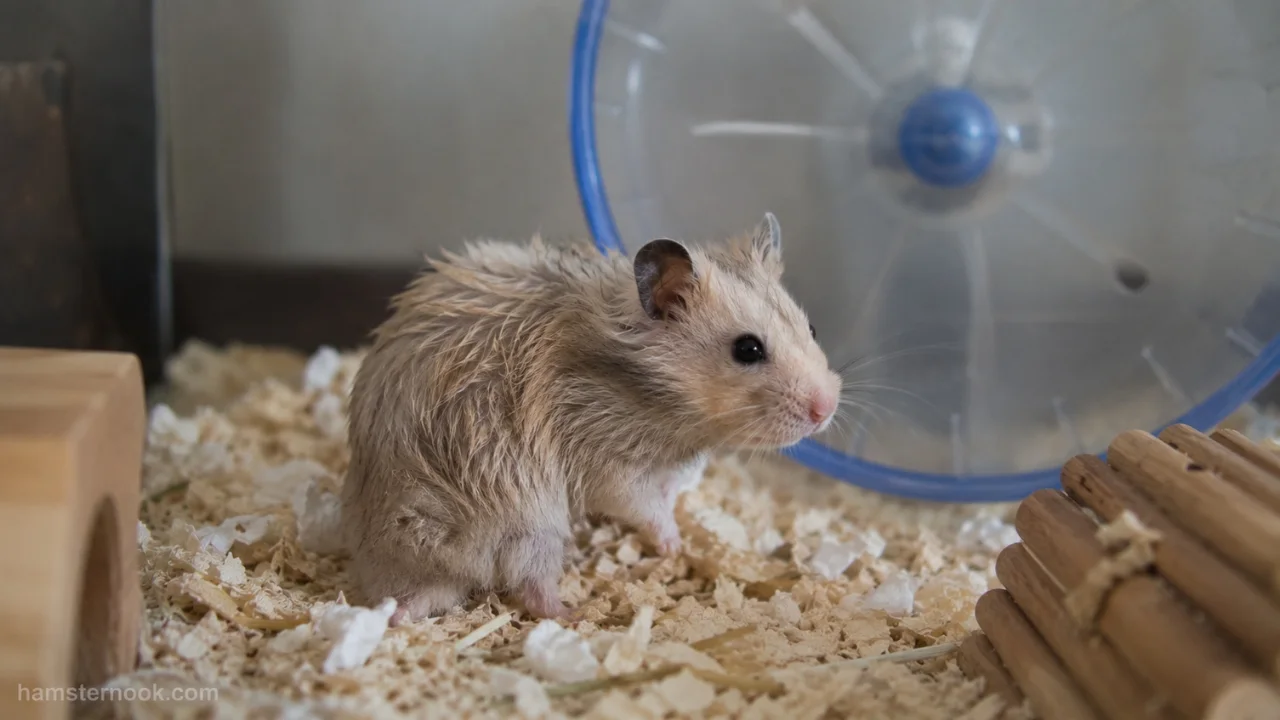
In the days or weeks before a serious decline, owners may notice subtle changes such as eating slightly less, losing weight, sleeping more than usual, becoming less active, hiding more often, or breathing differently. A single change does not necessarily mean a hamster is seriously ill, but several changes appearing together deserve closer attention.
This is especially important because hamsters are most active at night. A change that happens during their active hours can easily go unnoticed if an owner only checks during the daytime.
If you notice reduced appetite, unusual weakness, major changes in activity, or other concerning symptoms while your hamster is still alive, veterinary advice should not be delayed.
Quick Answer
A hamster can die overnight due to old age, hidden heart disease, infections, dehydration, heat stroke, wet tail complications, organ failure, or genetic health conditions. Because hamsters naturally hide signs of illness, serious health problems may not become noticeable until they reach a critical stage.
Veterinarians frequently rely on small changes in behavior, appetite, weight, and activity levels when evaluating hamster health. These subtle changes are often more important than a single obvious symptom.
If appetite has changed, it is worth looking at the possible causes rather than assuming the hamster is simply being picky. Why Is My Hamster Not Eating? explains common causes of appetite loss and the warning signs that can accompany it.
Why Hamsters Sometimes Die Suddenly
Hamsters have relatively short lifespans compared to many other pets. Their small size and fast metabolism mean that illnesses and health complications can progress quickly.
A condition that might take weeks to seriously affect a larger animal can sometimes become life-threatening for a hamster in a much shorter period.
The challenge is that many hamsters continue behaving normally until they are extremely ill.
Many serious illnesses become easier to identify when owners recognize subtle changes early. Our Signs of a Sick Hamster: Warning Symptoms Every Owner Should Know guide explains the symptoms that often appear before a hamster becomes critically ill.
Can a Hamster Look Completely Normal Before Dying?
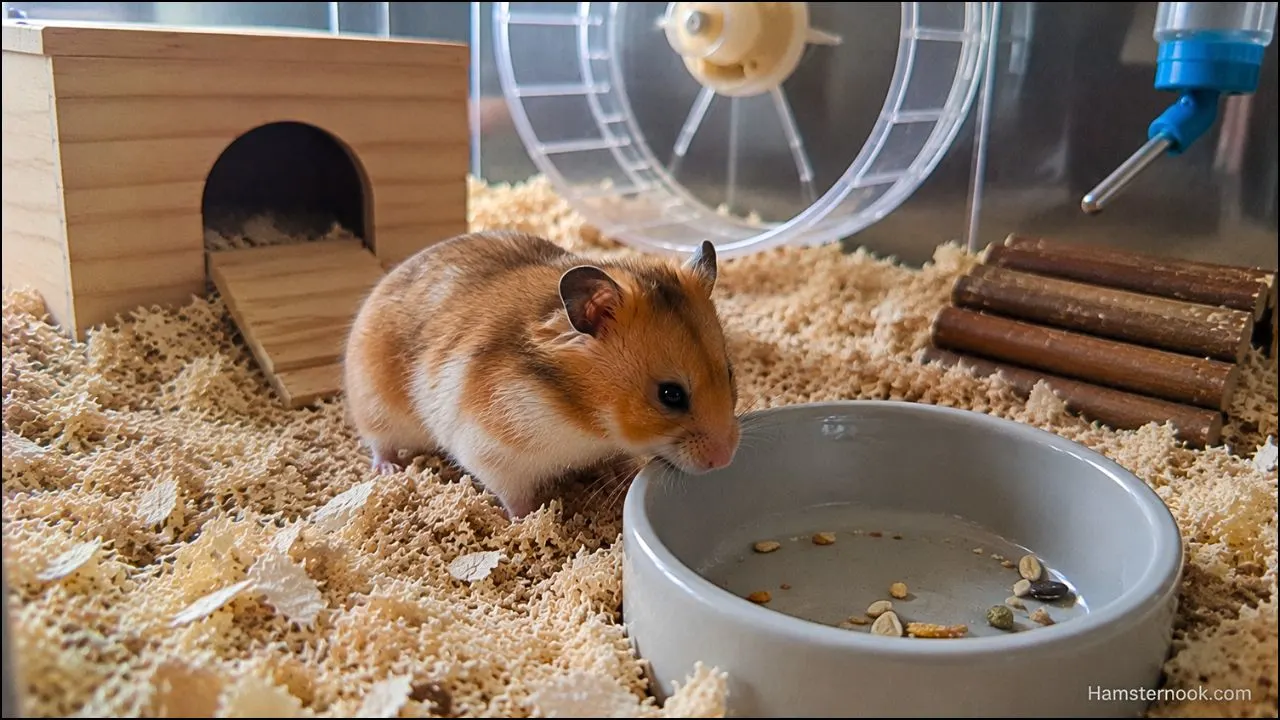
Yes. Many hamsters continue eating, drinking, and following their usual routine even when a serious illness is developing. Because they instinctively hide weakness, owners often do not see obvious warning signs until the final hours or days.

Common Reasons a Hamster May Die Overnight
Several factors can contribute to what appears to be a sudden death.
| Possible Cause | Can It Happen Suddenly? | Common Risk Factors |
|---|---|---|
| Old Age | Yes | Senior hamsters |
| Heart Problems | Yes | Aging or genetic issues |
| Hidden Infection | Yes | Bacterial or viral illness |
| Heat Stroke | Yes | High temperatures |
| Severe Dehydration | Yes | Lack of water or illness |
| Wet Tail Complications | Yes | Young hamsters and stress |
| Genetic Conditions | Yes | Inherited health problems |
| Internal Injury | Sometimes | Falls or accidents |
| Tumors or Organ Failure | Yes | Older hamsters |
In many cases, owners may never know the exact cause without veterinary testing.
Could Old Age Be the Reason?

Age-related decline is one of the more likely explanations when a hamster was already elderly and had no obvious traumatic event. As hamsters age, problems involving the heart, kidneys, other organs, or general body function can become harder to detect and may eventually lead to death during sleep.
Most pet hamsters live approximately:

| Hamster Species | Average Lifespan |
|---|---|
| Syrian Hamster | 2–3 years |
| Roborovski Hamster | 3–4 years |
| Winter White Hamster | 1.5–3 years |
| Campbell’s Dwarf Hamster | 1.5–2.5 years |
| Chinese Hamster | 2–3 years |
As hamsters reach the later stages of life, their organs naturally become less efficient. Heart disease, kidney problems, and age-related decline can sometimes cause death without obvious warning signs.
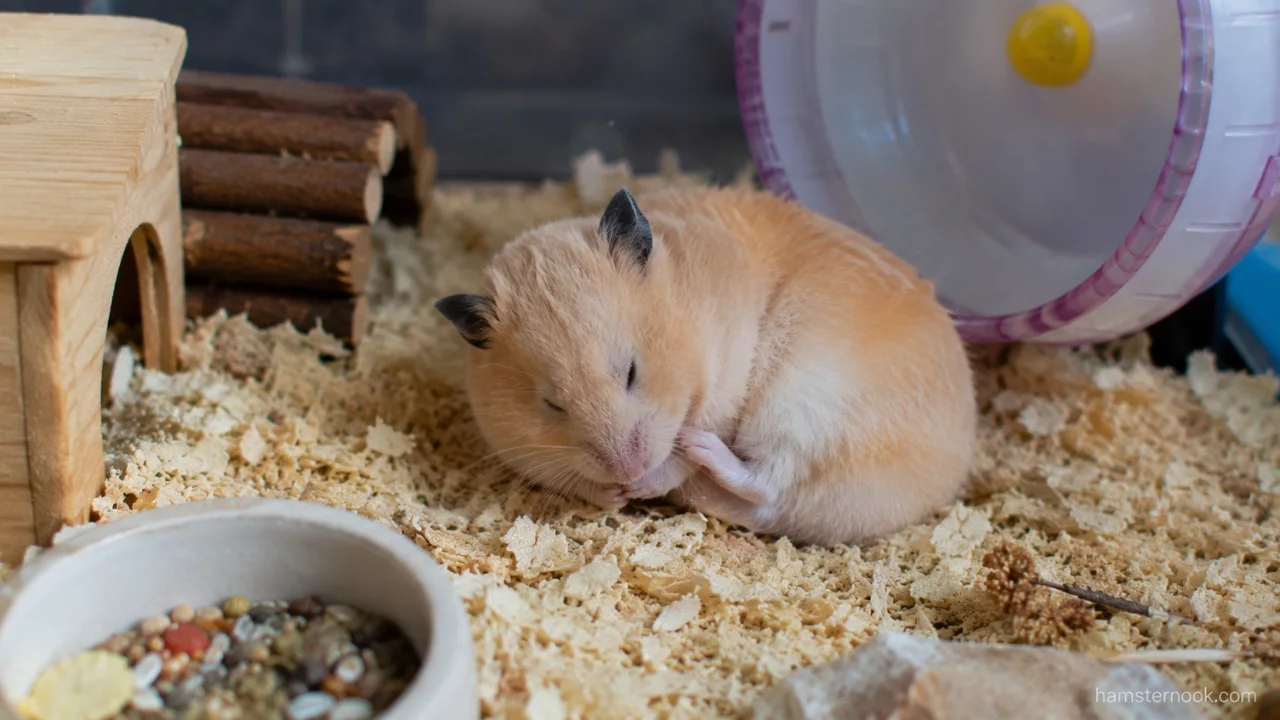
Older hamsters may pass away peacefully during sleep.
When an older hamster passes away without signs of struggle, age-related decline is often considered one of the most likely explanations. This can be difficult emotionally, but it is a natural part of the aging process.
Hidden Heart Conditions in Hamsters

Heart disease is another possible cause of sudden death.

Some hamsters develop heart-related problems that are difficult to detect early.
Possible warning signs before heart failure may include:
- Reduced activity
- Slight breathing changes
- Weight loss
- Increased sleeping
Weakness can also be a broader sign of serious illness and should be considered alongside changes in appetite, breathing, weight, and activity. Hamster Suddenly Weak covers the warning signs owners should watch for when a hamster becomes unusually weak.
However, some hamsters show no noticeable symptoms before a sudden decline.

Infections That Progress Quickly
Hamsters can develop bacterial, viral, or respiratory infections.
Because they instinctively hide weakness, symptoms may remain subtle until the illness becomes severe.
Possible signs before a serious infection include:
- Sneezing
- Runny nose
- Reduced appetite
- Slight lethargy
- Weight loss
In some cases, owners may not notice these signs, especially if the hamster is naturally shy or primarily active at night.

A major change in activity can sometimes be easier to notice than a specific physical symptom. If your hamster becomes unusually still or stops moving normally, Why Is My Hamster Sitting Still / Not Moving? explains what may be normal and which changes deserve veterinary attention.
Heat Stroke and Overheating Risks
Hamsters are highly sensitive to heat.
Temperatures above a safe range can quickly become dangerous.
| Temperature Range | Risk Level |
|---|---|
| 65–75°F (18–24°C) | Generally safe |
| 76–80°F (24–27°C) | Monitor carefully |
| Above 80°F (27°C) | Increased risk |
| Above 85°F (29°C) | Potentially dangerous |
Heat stroke can develop rapidly and may become fatal if not addressed immediately.
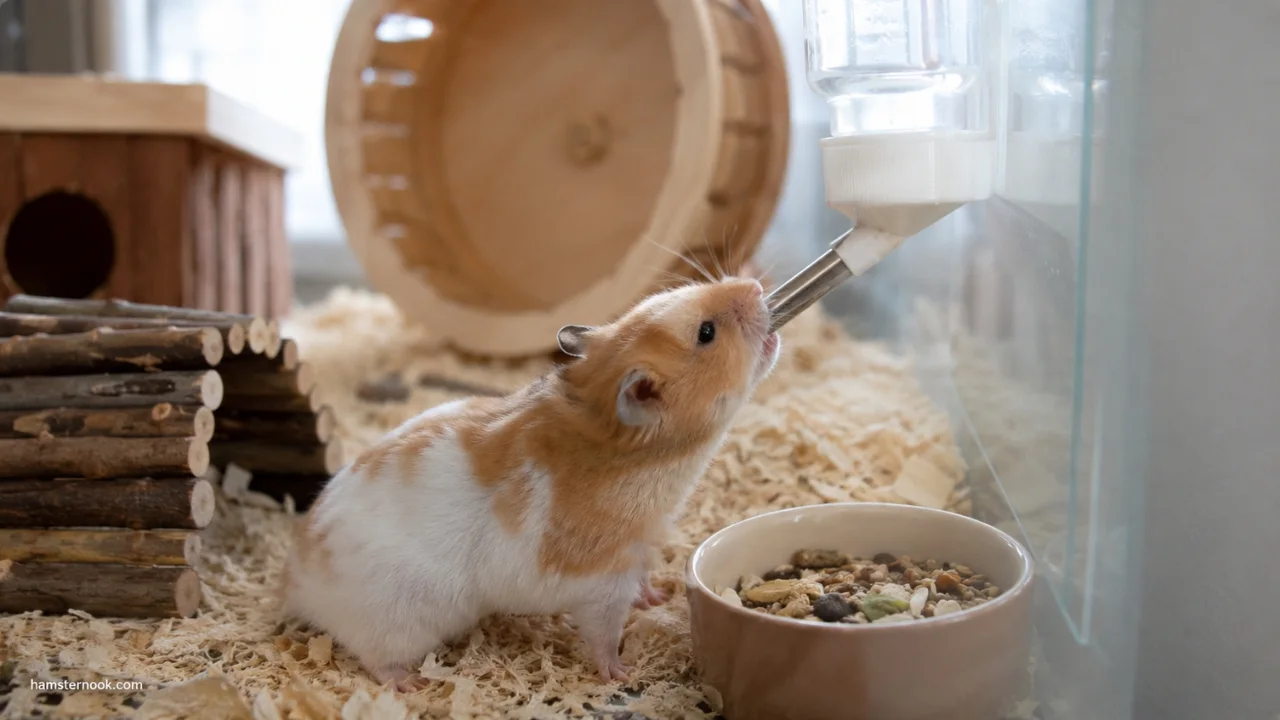
For more detailed guidance on temperature-related risks, Hamster Temperature: Safe Range, Too Hot & Too Cold explains how heat and cold can affect hamsters and what warning signs to watch for.
Common causes include:
- Direct sunlight
- Poor ventilation
- Hot rooms
- Heat waves
- Cages near windows
Severe Dehydration Can Become Life-Threatening
Water is critical for a hamster’s survival.
A hamster may become dehydrated due to:

- Illness
- Diarrhea
- Heat exposure
- A blocked water bottle
- Reduced drinking behavior
Because hamsters are so small, dehydration can become serious much faster than many owners expect.
Wet Tail and Related Complications
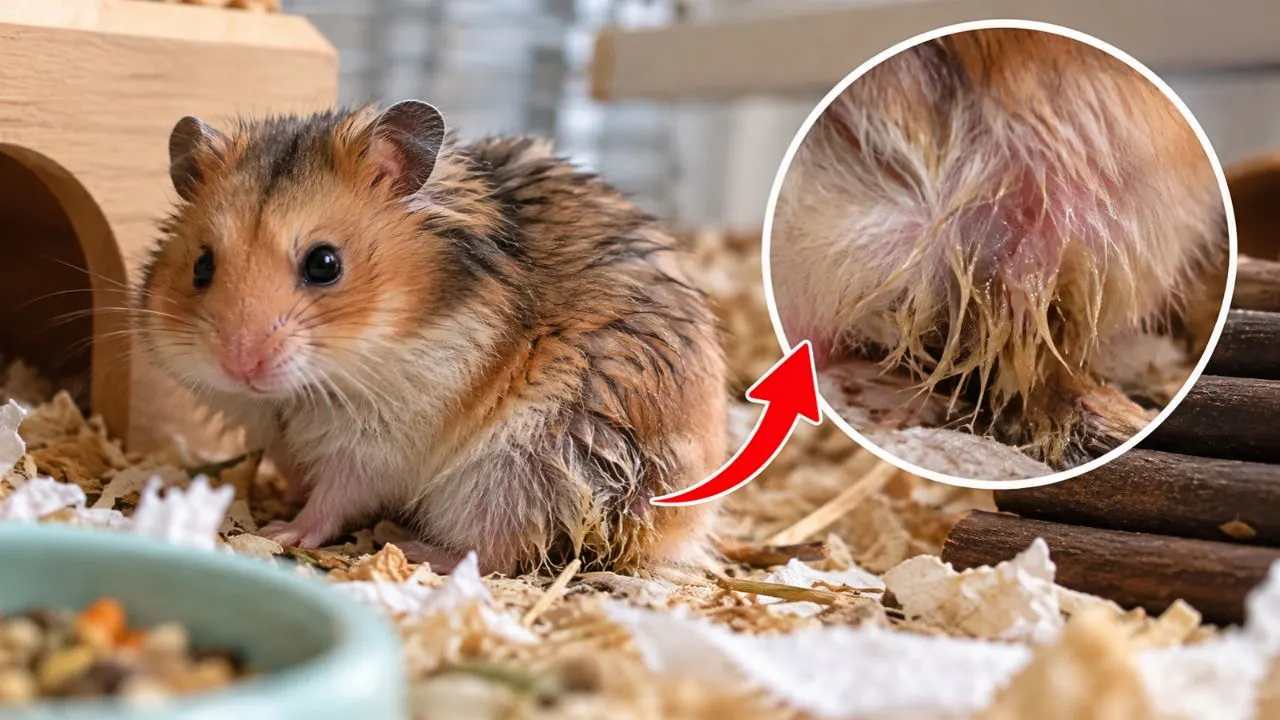
Wet tail is one of the most serious health emergencies in hamsters.
It primarily affects younger hamsters but can occur at other ages.
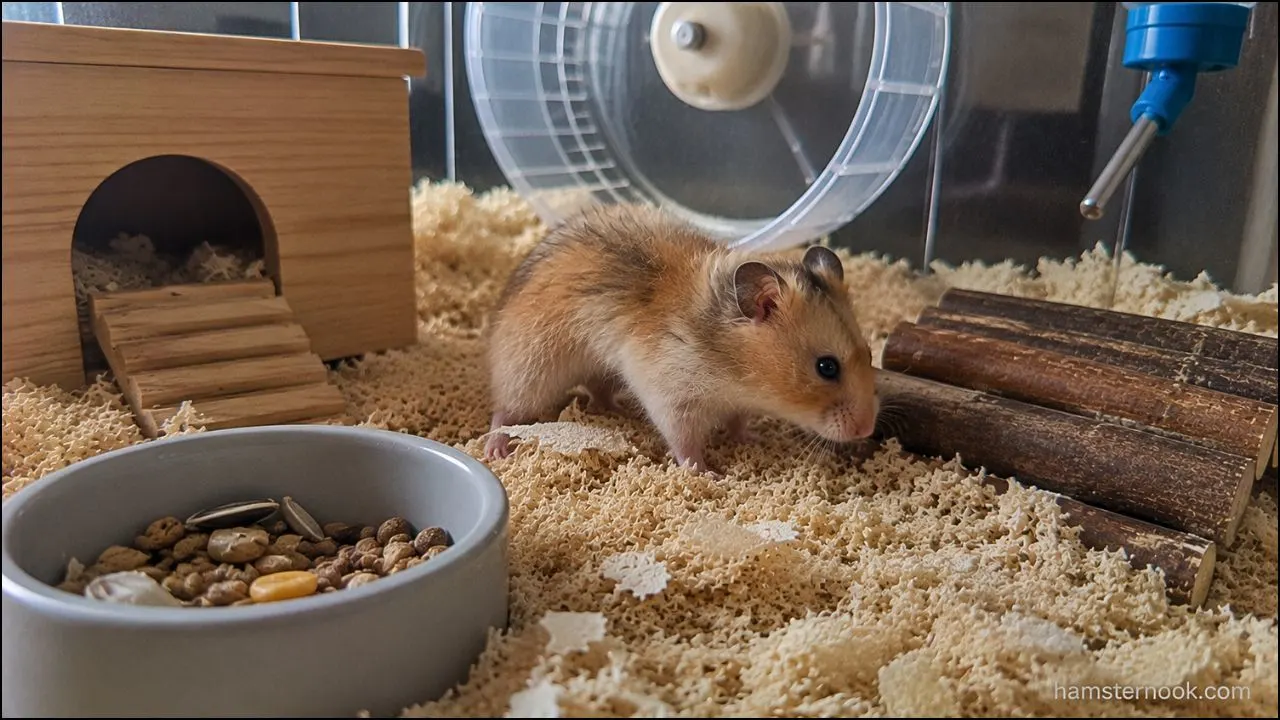
Symptoms often include:
- Diarrhea
- Wetness around the tail
- Lethargy
- Weight loss
- Hunched posture
Without prompt veterinary treatment, wet tail can become fatal in a short period of time.
If you want to understand the warning signs that may appear before a serious decline, Signs Your Hamster Is Dying: 10 Warning Signs & What to Do covers the symptoms owners should watch for while a hamster is still alive.
Genetic Health Problems
Some hamsters inherit medical conditions that may never become obvious until a major health event occurs.
Possible inherited issues include:

- Heart defects
- Neurological disorders
- Immune system weaknesses
- Organ abnormalities
This is especially difficult to predict because outward signs may be minimal.
Internal Tumors and Organ Failure
Tumors and internal diseases are more common in older hamsters.
These conditions can affect:
- Liver function
- Kidneys
- Heart
- Lungs
- Reproductive organs
Because many internal problems are not visible externally, owners may not realize anything is wrong until the condition becomes severe.

Could Stress Have Contributed?
Stress alone does not usually cause sudden death in a healthy hamster.
However, chronic stress may weaken the body’s ability to cope with illness and disease.
Potential stress factors include:
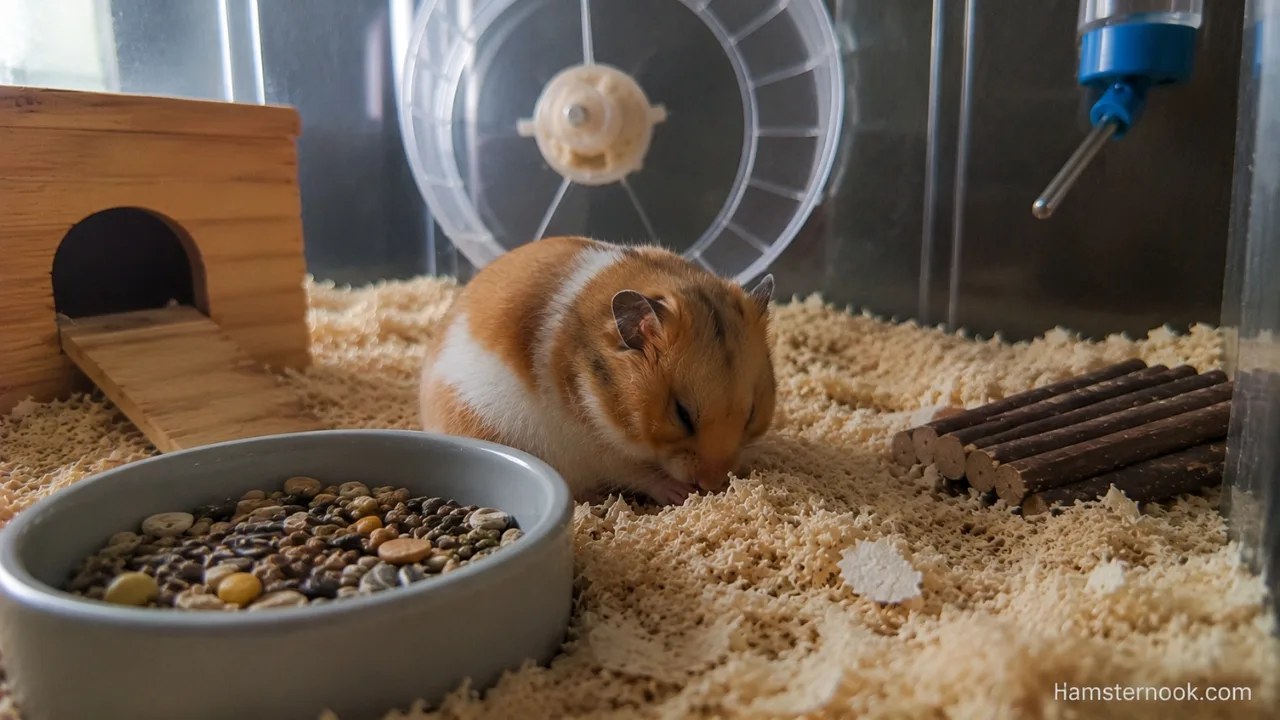
Environmental stress is often linked to enclosure quality, lack of enrichment, or inadequate hiding places. Our Best Hamster Cage Setup for Beginners guide explains how habitat design can support both physical and emotional wellbeing.
| Stress Source | Possible Impact |
|---|---|
| Small cage | Long-term stress |
| Frequent disturbances | Poor sleep quality |
| Extreme temperatures | Physical strain |
| Loud noises | Anxiety |
| Lack of hiding places | Feeling unsafe |
| Improper handling | Ongoing stress |
Stress is often a contributing factor rather than a direct cause.
Stress-related changes often appear through behavior long before they become obvious health concerns. Our Hamster Body Language Explained: Signs of Stress, Fear & Happiness guide explains the signals owners commonly overlook.
Accidental Injuries Owners May Miss
Not all injuries are obvious.
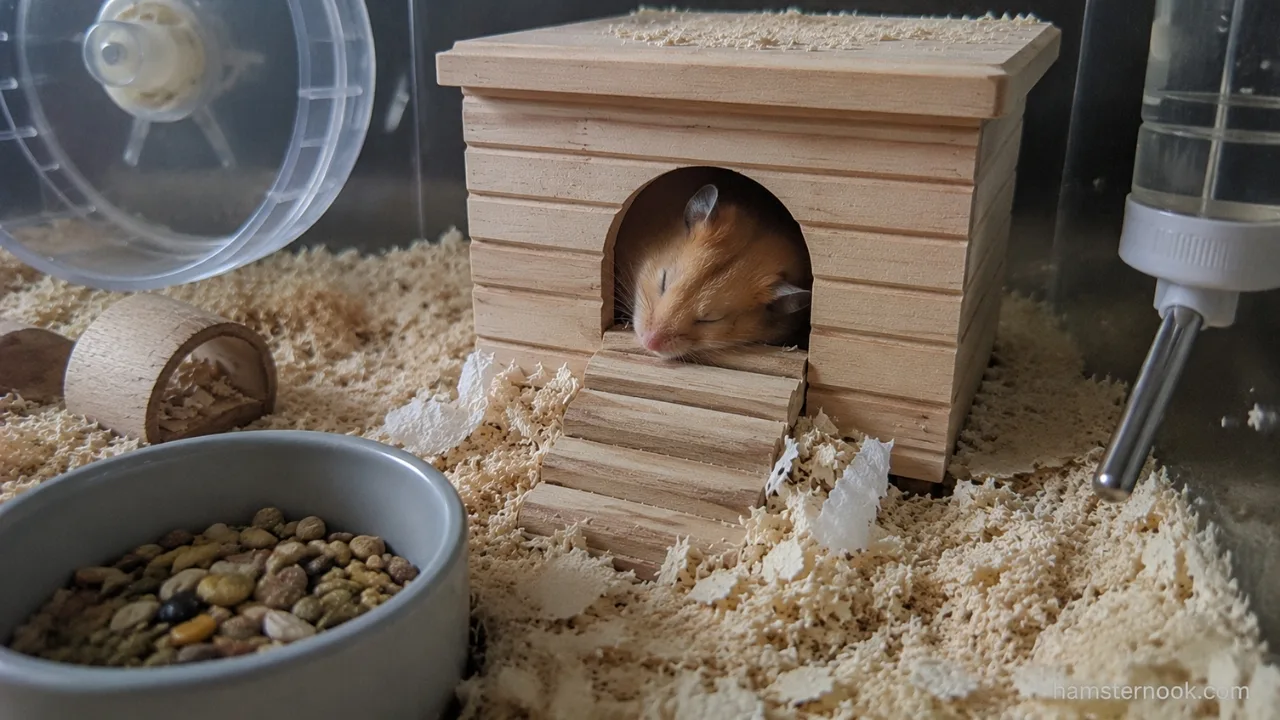
A hamster could potentially suffer internal trauma from:
- Falls
- Heavy objects inside the cage
- Unsafe exercise equipment
- Improper handling accidents
Internal injuries may not always show visible external signs.
How to Tell if Your Hamster Has Passed Away
Sometimes owners worry that a hamster may be in hibernation or torpor rather than deceased.
Signs that generally indicate death include:
| Sign | Description |
|---|---|
| No visible breathing or movement | No obvious signs of life are observed |
| Body feels cold | Body temperature may fall after death |
| Stiffness | Rigor mortis can develop after death |
| No response | No response to gentle observation |
| Fixed or closed eyes | Eye position can vary after death |
If there is any uncertainty about whether the hamster has died or is in torpor, contact a veterinarian immediately rather than relying on a single sign.

Heat exposure can become dangerous quickly, especially in a poorly ventilated or very warm enclosure. Because a single temperature cutoff does not reliably determine whether an individual hamster is in danger, focus on the environment and any signs of overheating rather than relying on the temperature table alone.
Could an Existing Health Problem Have Been Missed?
Some serious health problems can produce subtle changes before a hamster becomes critically ill. Reduced activity, weight loss, appetite changes, breathing changes, hunched posture, or rough fur are important changes to take seriously while a hamster is still alive. If several changes appear together, veterinary assessment is appropriate rather than assuming the behavior is simply part of aging.
If there is any uncertainty, contact a veterinarian immediately.
Hamster Torpor vs Death
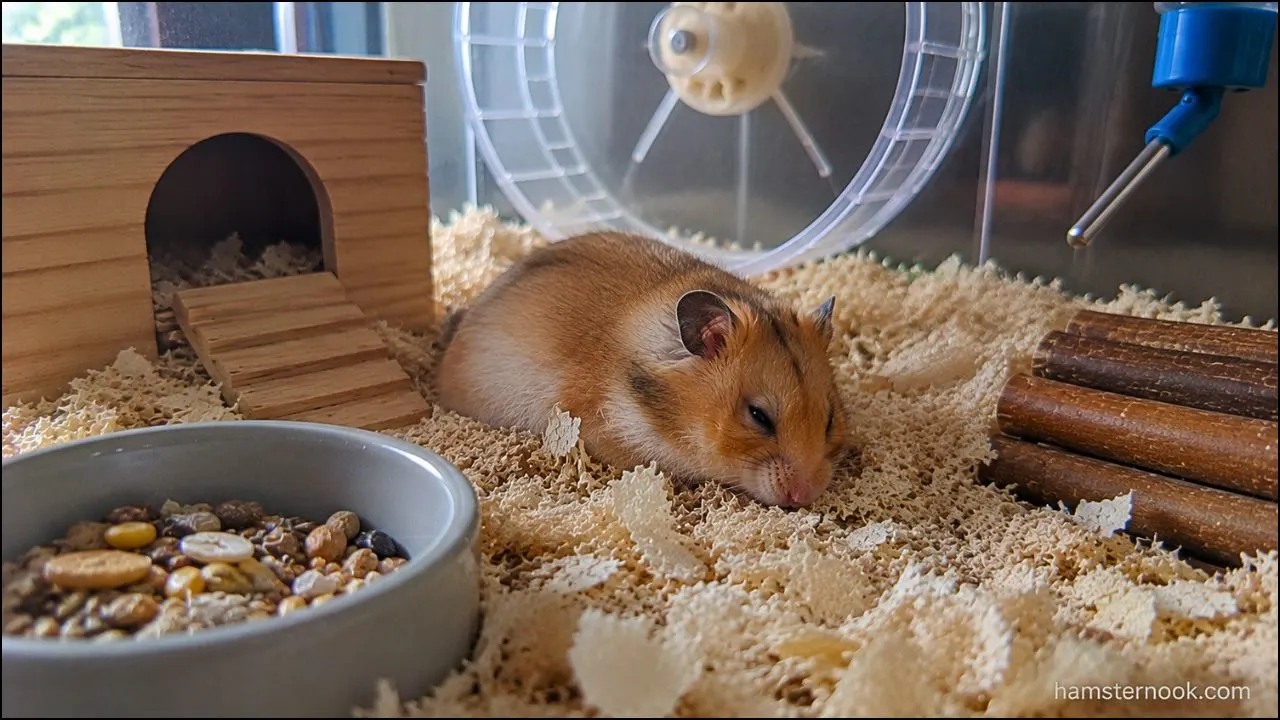
Hamsters can sometimes enter torpor when exposed to sufficiently cold conditions. A hamster in torpor may appear lifeless, with very slow breathing, reduced movement, and a cool body. Because these signs can be mistaken for death, never assume a cold or unresponsive hamster has died without carefully checking for signs of life.
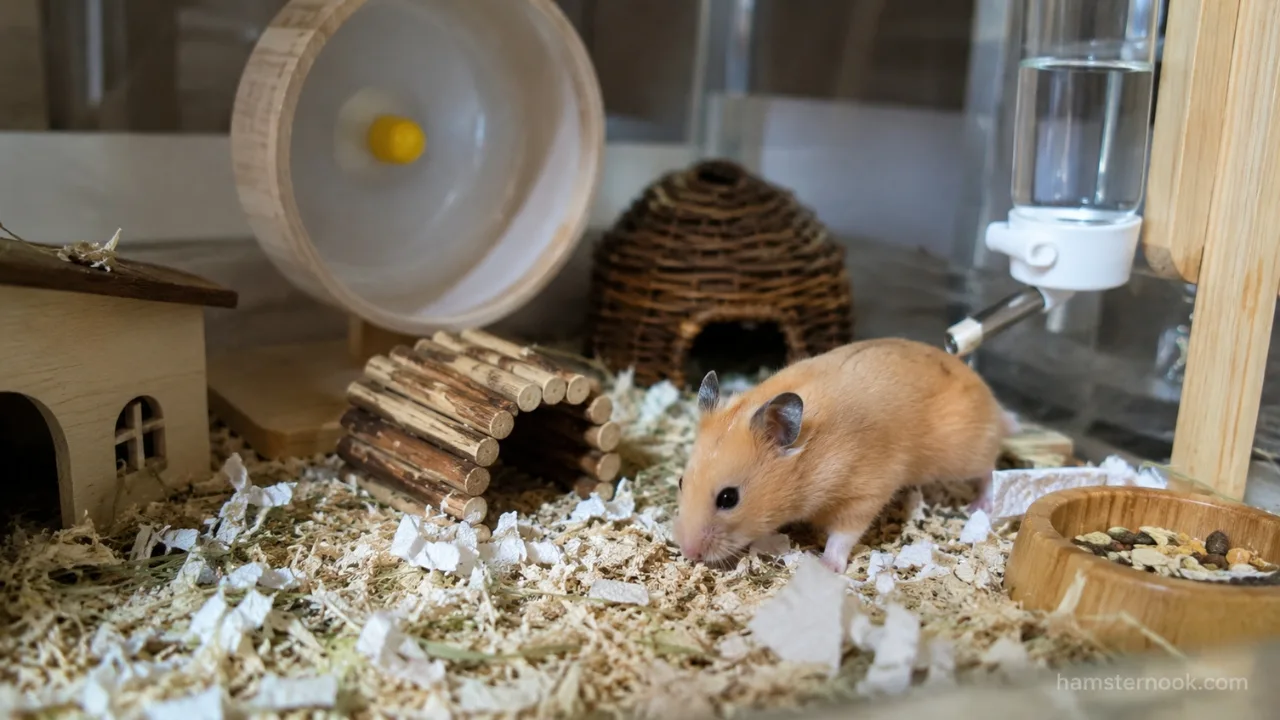
If coldness or torpor is the concern, Why Does My Hamster Feel Cold? Causes, Torpor & What to Do explains the possible causes and why a cold, unresponsive hamster needs careful assessment.
If you are uncertain whether your hamster is dead or in torpor, contact a veterinarian immediately rather than trying to warm or stimulate the hamster aggressively at home.
What Should You Do After Finding Your Hamster?
The experience can be emotional and confusing.
Practical steps include:
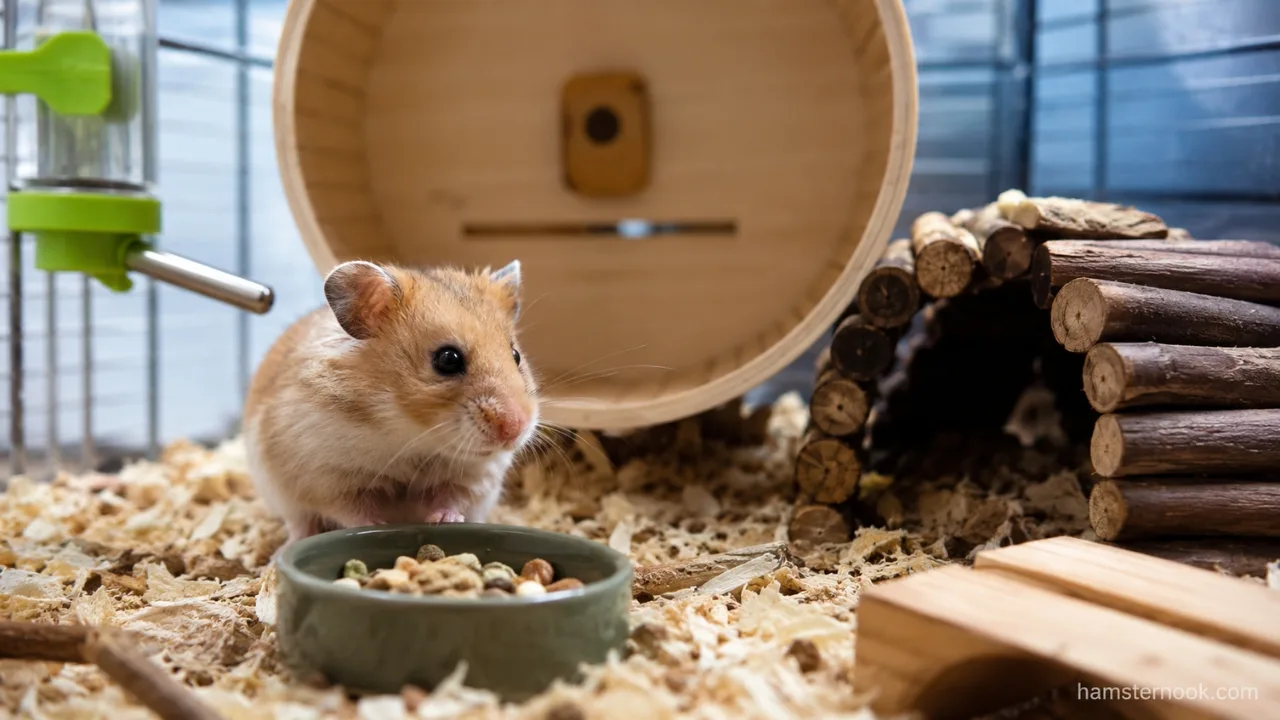
- Confirm there are no signs of breathing or movement.
- Contact a veterinarian if you need guidance.
- Remove food that could spoil.
- Clean and disinfect the enclosure if another hamster may use it later.
- Consider a veterinary examination if you want more information about the cause.
Sometimes a necropsy (animal autopsy) may provide answers, although not every owner chooses this option.
Ways to Reduce the Risk of Unexpected Hamster Death
While not all causes are preventable, good care can lower many risks.
| Preventive Measure | Benefit |
|---|---|
| Proper cage size | Reduces stress |
| Balanced diet | Supports overall health |
| Fresh water daily | Prevents dehydration |
| Safe room temperatures | Reduces heat-related risks |
| Regular observation | Helps spot illness earlier |
| Quality bedding and enrichment | Improves welfare |
| Veterinary attention when needed | Early treatment opportunities |
Even with excellent care, some health conditions cannot be prevented.
While not every illness can be prevented, understanding proper housing, nutrition, enrichment, and routine care can reduce many avoidable risks. Our Hamster Care Guide for Beginners brings together the core practices that support long-term hamster health.
Understanding That It May Not Be Your Fault
Many owners immediately blame themselves after losing a hamster unexpectedly.
In reality, hamsters often conceal illness remarkably well. Some conditions progress silently, and certain age-related or genetic problems may not show obvious symptoms until the final stages.
Providing proper food, housing, enrichment, and daily care does not guarantee that every medical issue can be detected or prevented.
Sometimes a hamster’s passing truly is sudden from the owner’s perspective.
Final Thoughts
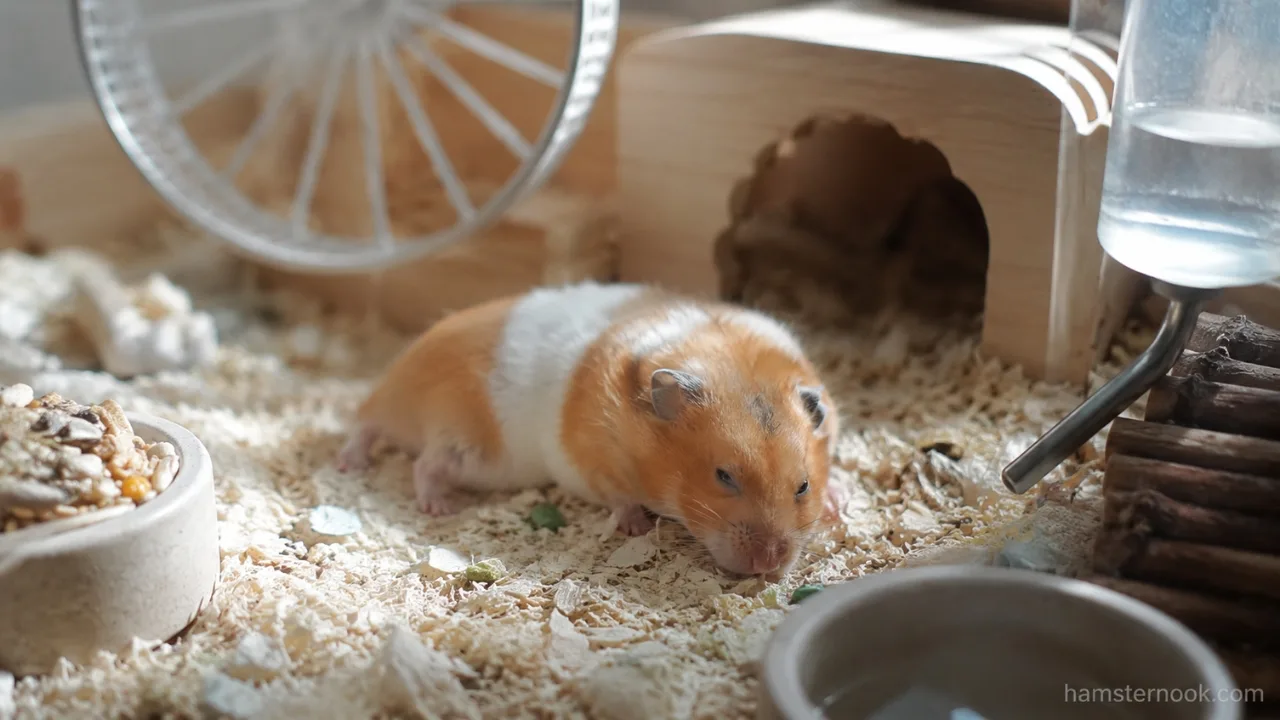
A hamster dying overnight can feel shocking because these small pets often hide signs of illness until very late in the disease process. Old age, heart disease, infections, dehydration, heat stroke, tumors, and genetic conditions are among the most common explanations for an unexpected death.
Although it may not always be possible to determine the exact cause, understanding the possibilities can provide some peace of mind and help owners recognize potential warning signs in the future. Most importantly, a sudden loss does not automatically mean that something was done wrong.
Frequently Asked Questions
Is it normal for a hamster to die suddenly?
Yes. Because hamsters often hide signs of illness and have short lifespans, some medical conditions may appear to cause a sudden death even though the problem was developing internally.
Can a healthy hamster die overnight?
A hamster that appears healthy can sometimes pass away from hidden heart disease, organ failure, genetic conditions, or age-related complications.
Do hamsters usually show signs before they die?
Some do, but many symptoms are subtle. Reduced activity, weight loss, increased sleeping, and appetite changes are among the most common warning signs.
Can stress kill a hamster?
Stress alone is rarely the sole cause of death, but chronic stress can weaken overall health and make a hamster more vulnerable to illness.
Should I get a necropsy done?
If knowing the exact cause is important to you, a veterinarian may be able to arrange a necropsy. This is the most reliable way to investigate an unexplained death.
Could my hamster have died from old age?
Yes. If your hamster was within or beyond the typical lifespan range for its species, age-related decline is one of the most likely explanations.

Can a hamster die in its sleep from old age?
Yes. Older hamsters sometimes pass away peacefully during sleep as age-related organ function gradually declines. This is one of the more common explanations when no obvious illness was previously noticed.
References
This guide is based on hamster health, disease, aging, emergency symptoms, environmental care, and veterinary guidance from trusted animal welfare and veterinary resources, including:
- RSPCA – Hamster Health & Welfare – Guidance on recognizing illness, monitoring changes in behavior and appetite, common health problems, and when veterinary attention may be needed.
- RSPCA – Keeping Hamsters as Pets – General information on hamster care, lifespan, health, housing, diet, behavior, and welfare.
- PDSA – Hamsters as Pets – Guidance on hamster health, lifespan, nutrition, housing, common illnesses, and recognizing changes that may require veterinary care.
- MSD Veterinary Manual – Disorders and Diseases of Hamsters – Veterinary information on hamster diseases, infections, digestive problems, respiratory conditions, tumors, and other medical disorders.
- MSD Veterinary Manual – Routine Health Care of Hamsters – Veterinary guidance on routine health monitoring, signs of illness, preventive care, and health assessment.
- MSD Veterinary Manual – Providing a Home for a Hamster – Guidance on appropriate housing, temperature, environmental conditions, bedding, ventilation, and reducing environmental health risks.
- NC3Rs – Housing and Husbandry: Hamster – Guidance on hamster housing, environmental conditions, husbandry, and welfare.
Medical Disclaimer
This article is intended for educational purposes only and should not be considered veterinary advice. A hamster that becomes suddenly unresponsive, severely weak, has difficulty breathing, shows signs of heat exposure, stops eating or drinking, or displays other serious symptoms may require urgent veterinary attention. If you are unsure whether your hamster has died or is experiencing torpor or another medical emergency, contact a qualified exotic animal veterinarian immediately rather than relying solely on information in this article.

Narayan Kumar is the founder and author of HamsterNook. He creates practical, research-based hamster care guides covering hamster behavior, nutrition, cage setup, enrichment, health, and everyday care. His goal is to help hamster owners make informed decisions and provide safer, healthier lives for their pets through clear, beginner-friendly information based on trusted animal care resources.