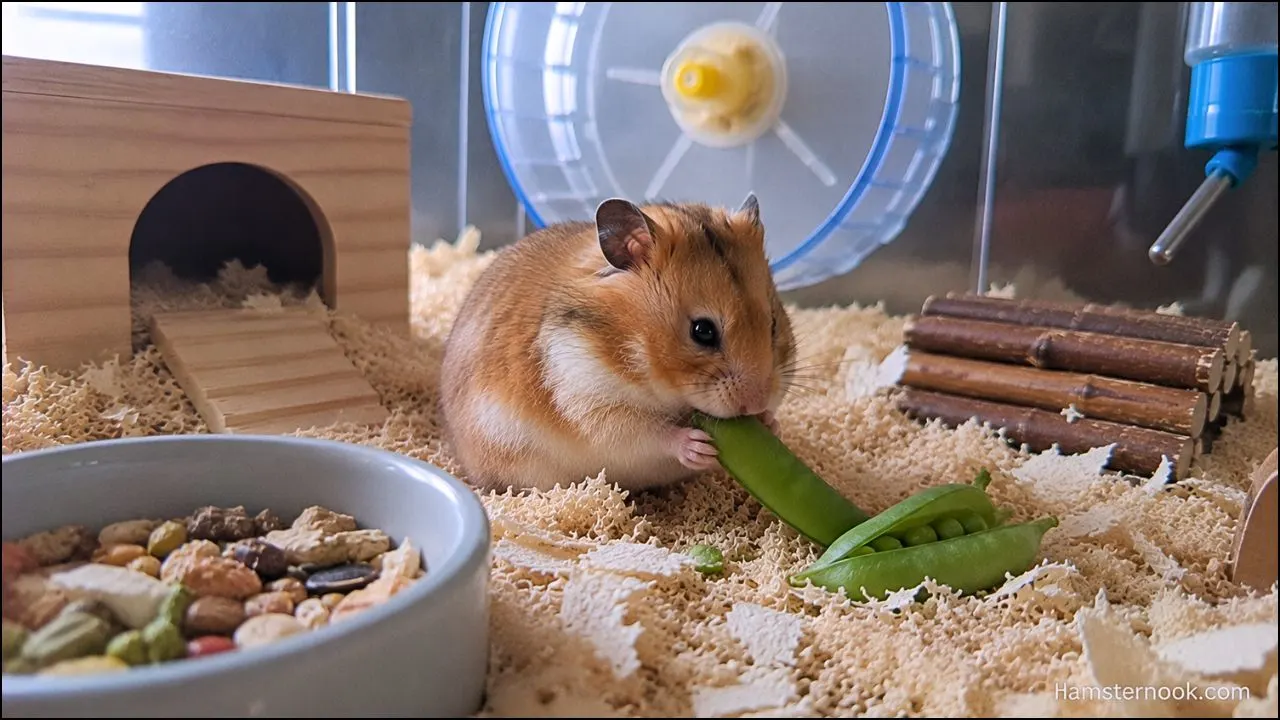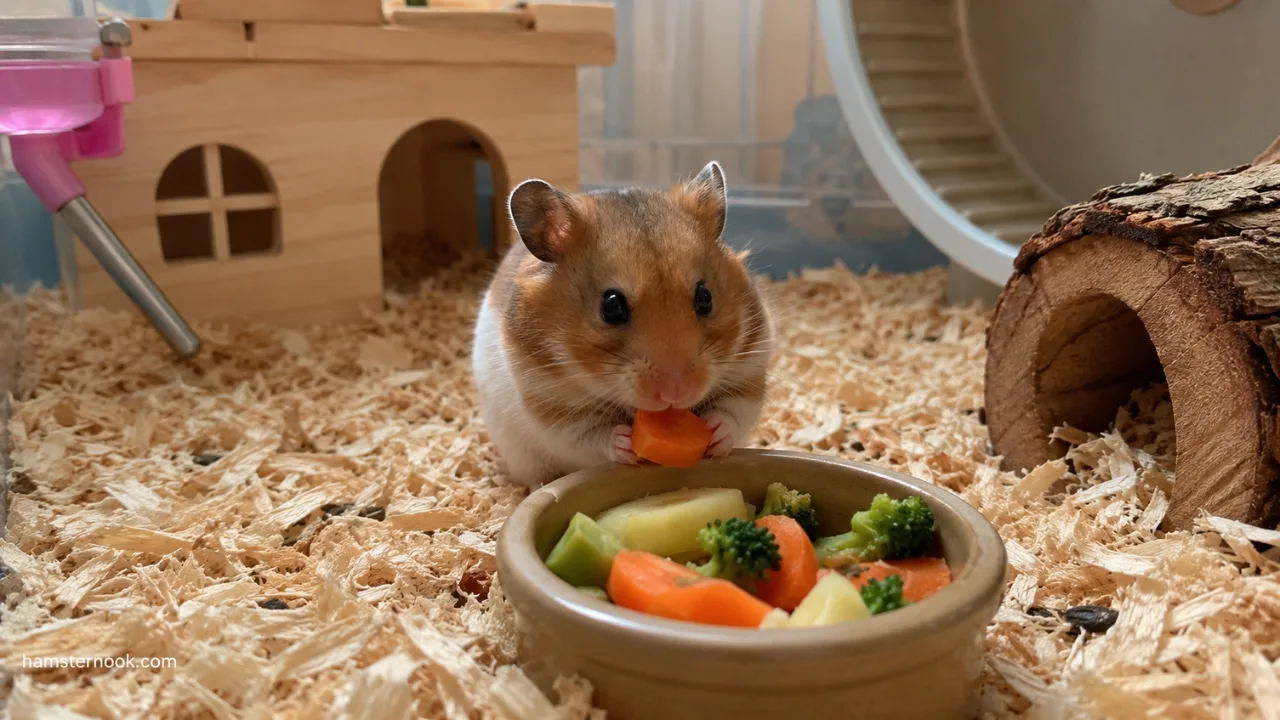
Fresh vegetables are a staple in many hamster diets, but cooked vegetables often leave owners unsure. If you’re preparing dinner and have a few cooked carrots, peas, or green beans left over, it’s tempting to wonder whether your hamster can enjoy a small bite too.
The short answer is yes—but only if the vegetables are plain, fully cooked, cooled, and free from any seasonings. The details matter because some cooking methods and ingredients can make otherwise safe vegetables unsuitable for hamsters.
While some cooked vegetables are safe in small amounts, others lose important nutrients during cooking or become unsafe because of added ingredients like butter, salt, garlic, onions, or seasoning. Understanding the difference is important because a hamster’s digestive system is designed to process simple, natural foods—not heavily prepared human meals.
In this guide, you’ll learn which cooked vegetables can be offered occasionally, which ones should stay off the menu, how to prepare vegetables safely, and the common mistakes many hamster owners make without realizing it.

Can Hamsters Eat Cooked Vegetables?
Yes, hamsters can eat certain cooked vegetables, but only under specific conditions.
The vegetables should be:
- Plain
- Fully cooled
- Soft but not mushy
- Free from salt
- Free from butter or oil
- Free from herbs and spices
- Served in very small portions
Cooking softens vegetables, which can make them easier for older hamsters or those with dental problems to chew. However, the softer texture doesn’t make cooked vegetables healthier than fresh ones. Cooking can also reduce the levels of certain vitamins, especially water-soluble nutrients such as vitamin C.
If you’re just beginning to introduce fresh foods, Ultimate Hamster Care Guide for Beginners (2026) explains how to build a balanced diet safely.

Are Cooked Vegetables Better Than Raw Vegetables for Hamsters?
In most cases, no.
Fresh vegetables are a normal part of a varied hamster diet, while cooked vegetables can be offered when they are plain, properly cooked, and cooled before serving. Cooking is not necessary to make a safe vegetable suitable for a hamster, so cooked vegetables should be viewed as an occasional alternative rather than automatically better or worse than fresh vegetables.
If a hamster has a dental problem or is recovering from illness, any significant dietary change should be discussed with a veterinarian.
Raw vs Cooked Vegetables for Hamsters
| Feature | Raw Vegetables | Cooked Vegetables |
|---|---|---|
| Texture | Firmer | Softer |
| Preparation | Wash and serve appropriately | Cook plainly, then cool completely |
| When to offer | Suitable as part of varied fresh-food choices | Occasional plain treat |
| Main caution | Introduce new foods gradually | Avoid salt, oil, butter, sauces, garlic, onions and seasoning |
Why Preparation Matters More Than the Vegetable Itself
Many vegetables that are perfectly safe on their own become unsafe after people prepare them for human meals.

A steamed carrot is very different from a buttered carrot.
Likewise, plain boiled broccoli is completely different from broccoli cooked with garlic, onions, salt, or cooking oil.
Hamsters have extremely sensitive digestive systems. Ingredients that seem harmless to humans can upset their stomachs or even become toxic.
When preparing vegetables for your hamster, simplicity is always safest.

The food should contain nothing except the vegetable itself.
How Should Cooked Vegetables Be Prepared?
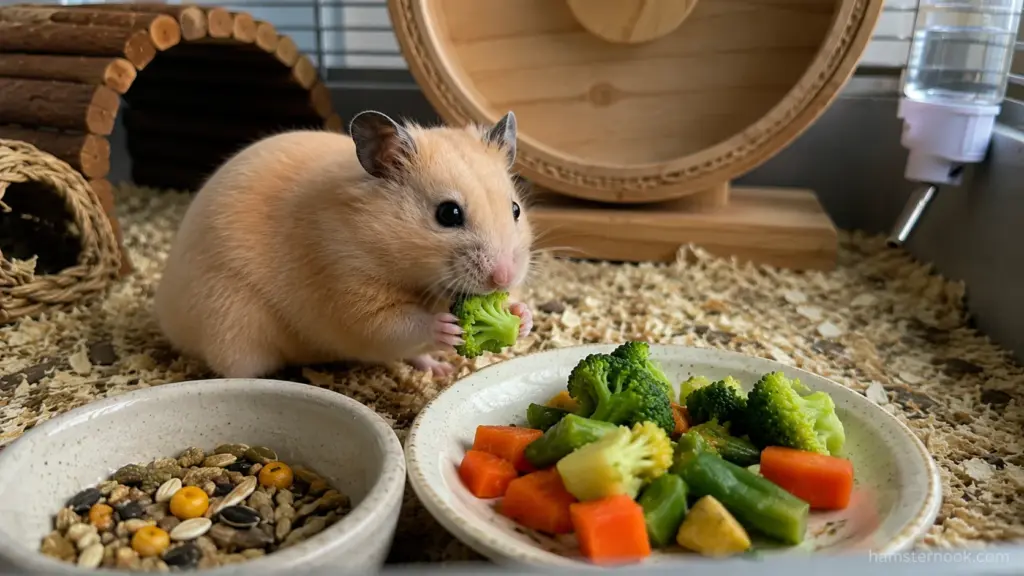
Even safe vegetables can become unsuitable if they’re prepared the same way you would prepare them for yourself. Keeping the preparation simple is the safest approach.
Follow these simple steps:
- Wash the vegetable thoroughly before cooking.
- Steam or boil it without adding any ingredients.
- Avoid salt, butter, sauces, cheese, oil, garlic, onions, or seasoning.
- Allow the vegetable to cool completely.
- Cut it into tiny bite-sized pieces.
- Remove leftovers from the cage after a few hours.
Fresh vegetables spoil much faster than dry hamster food. Leaving cooked food inside the enclosure overnight can encourage bacterial growth and attract insects.

Can Hamsters Eat Leftover Cooked Vegetables?
Many owners wonder whether leftover cooked vegetables from the refrigerator are safe for hamsters. In most cases, the safest answer is no. Vegetables that have been stored for too long, reheated multiple times, or prepared as part of a family meal may contain hidden ingredients such as salt, butter, oils, garlic, onions, or seasoning that are not suitable for hamsters.
If you want to offer cooked vegetables, it’s always safer to prepare a small plain portion separately before adding any ingredients for your own meal. Freshly cooked, fully cooled vegetables are a much better option than leftovers from the dinner table.
Common Mistakes Owners Make When Feeding Cooked Vegetables
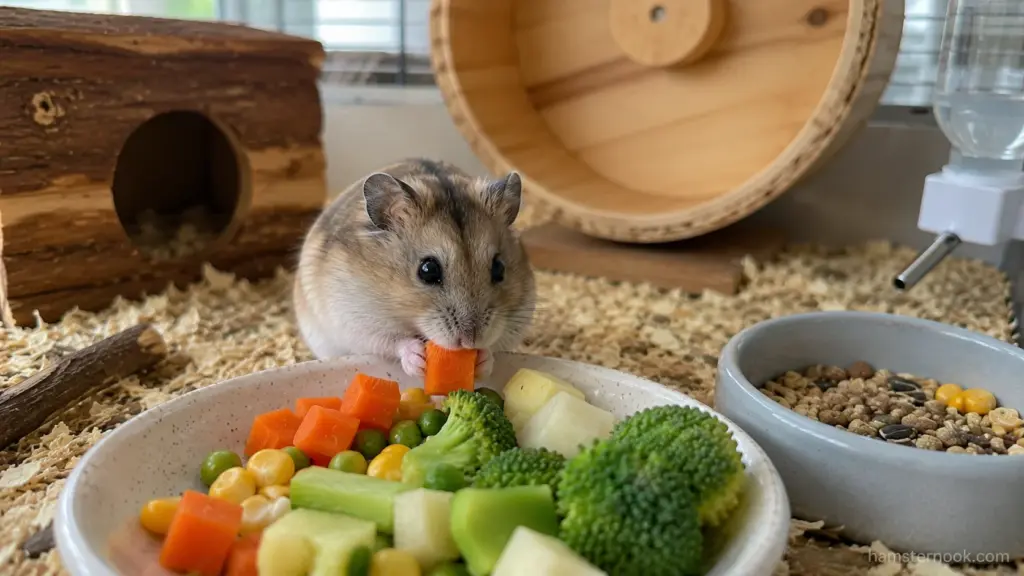
Many feeding mistakes happen with good intentions.
Sharing Food Directly From Your Plate
It’s easy to think a tiny bite from your dinner won’t matter, but most cooked vegetables prepared for people contain ingredients that aren’t appropriate for hamsters.
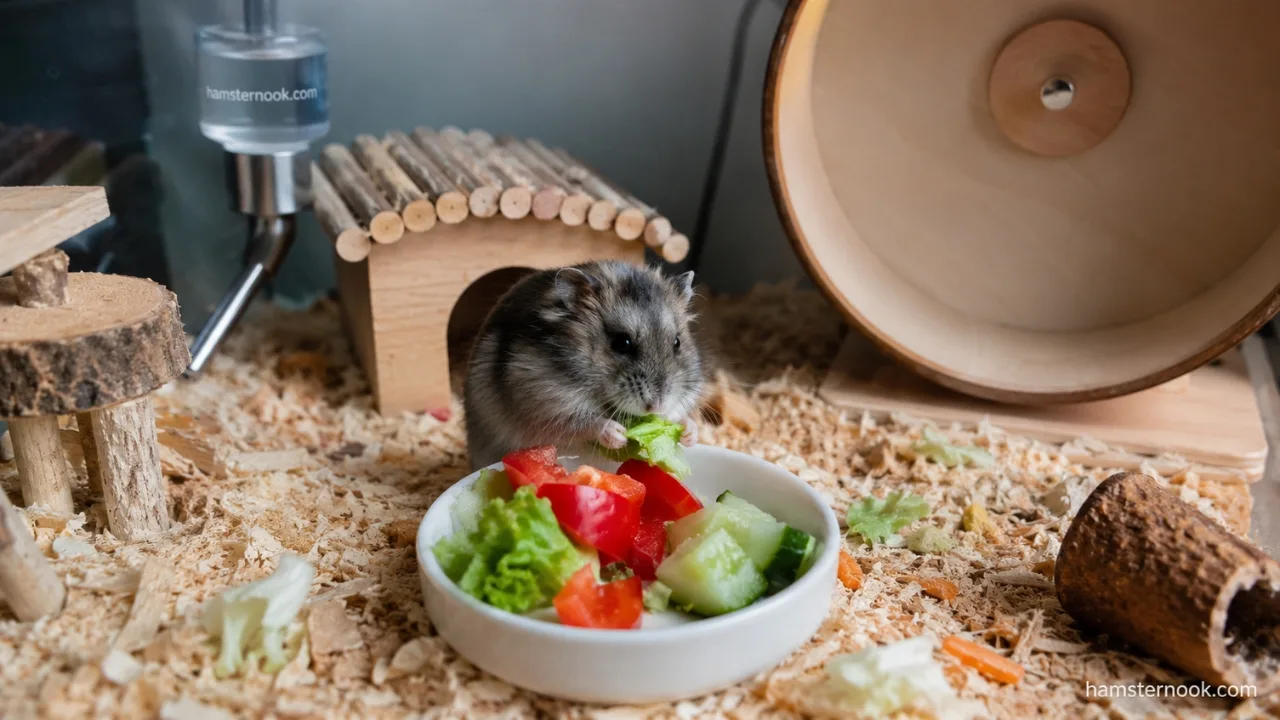
Vegetables prepared for people almost always contain ingredients that hamsters should not eat.
Even small amounts of:
- Salt
- Butter
- Olive oil
- Pepper
- Garlic powder
- Onion powder
can make human leftovers unsuitable for hamsters.
Always prepare your hamster’s portion separately before adding seasonings to your own meal.
Feeding Portions That Are Too Large
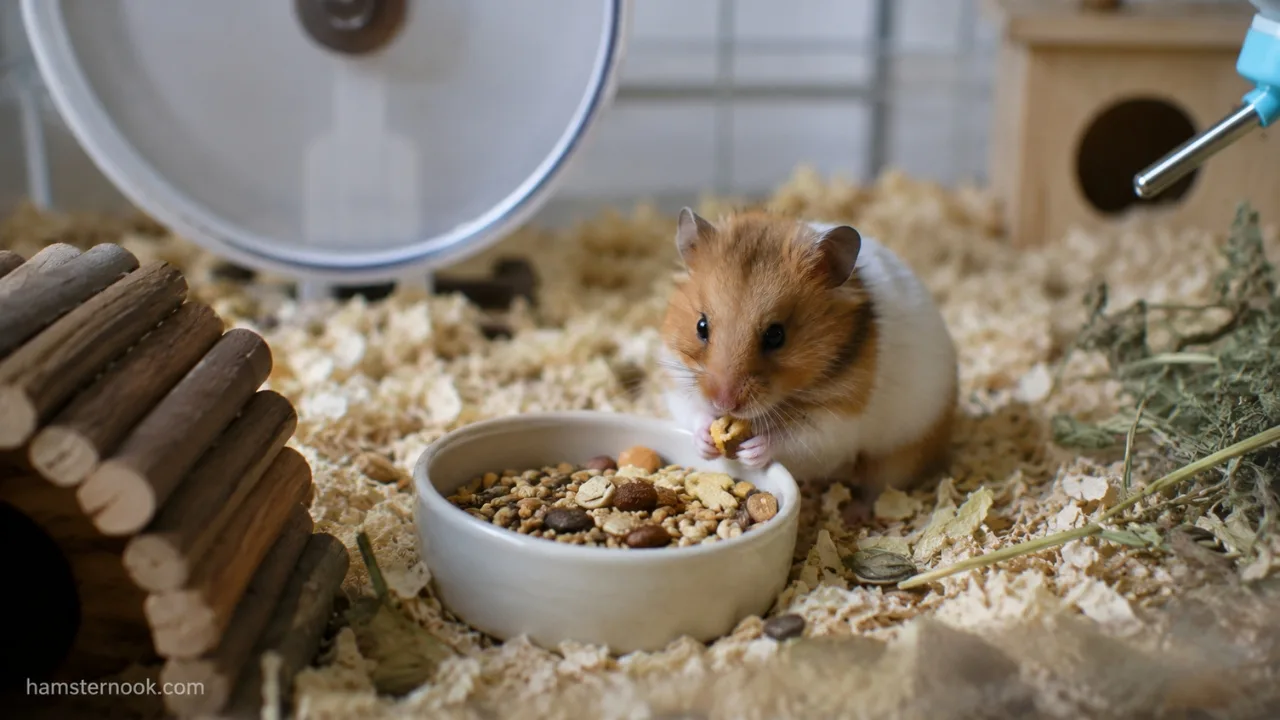
Because cooked vegetables feel soft and harmless, owners sometimes offer much larger portions than necessary.
Hamsters have tiny stomachs.
Vegetables should only complement a balanced diet made up primarily of quality hamster food.
Large portions may contribute to:

- Digestive upset
- Loose stools
- Selective eating
- Reduced pellet consumption
Keep the portion very small rather than relying on one fixed piece size for every hamster. The amount should also fit within your hamster’s overall fresh-food and treat allowance.
Offering Cooked Vegetables Too Often
Even safe vegetables shouldn’t become daily meals.
Offering cooked vegetables several times each day may reduce the variety in your hamster’s diet.
Rotating different hamster-safe vegetables throughout the week provides more balanced nutrition.

If you’re planning a varied feeding routine, How Much Food Should a Hamster Eat Every Day? A Complete Feeding Chart can help you balance pellets, vegetables, and occasional treats.
Signs a Hamster Didn’t Tolerate a New Vegetable Well
Whenever you introduce a new food, observe your hamster for the next 24 hours.
Possible warning signs include:
- Soft stools
- Diarrhea
- Reduced appetite
- Bloating
- Lethargy
- Ignoring normal food
If any of these symptoms appear after introducing a new vegetable, stop offering it and return to your hamster’s regular diet.

Persistent symptoms should always be evaluated by an exotic animal veterinarian.
For owners learning how to recognize digestive problems, How to Tell If Your Hamster Is Happy, Healthy, Stressed, or Sick can help you recognize changes that may indicate an underlying health issue.
Which Hamsters Need Extra Caution?
Not every hamster has the same nutritional needs.
The following hamsters may require more careful feeding decisions:
| Hamster Group | Why Extra Care Is Needed |
|---|---|
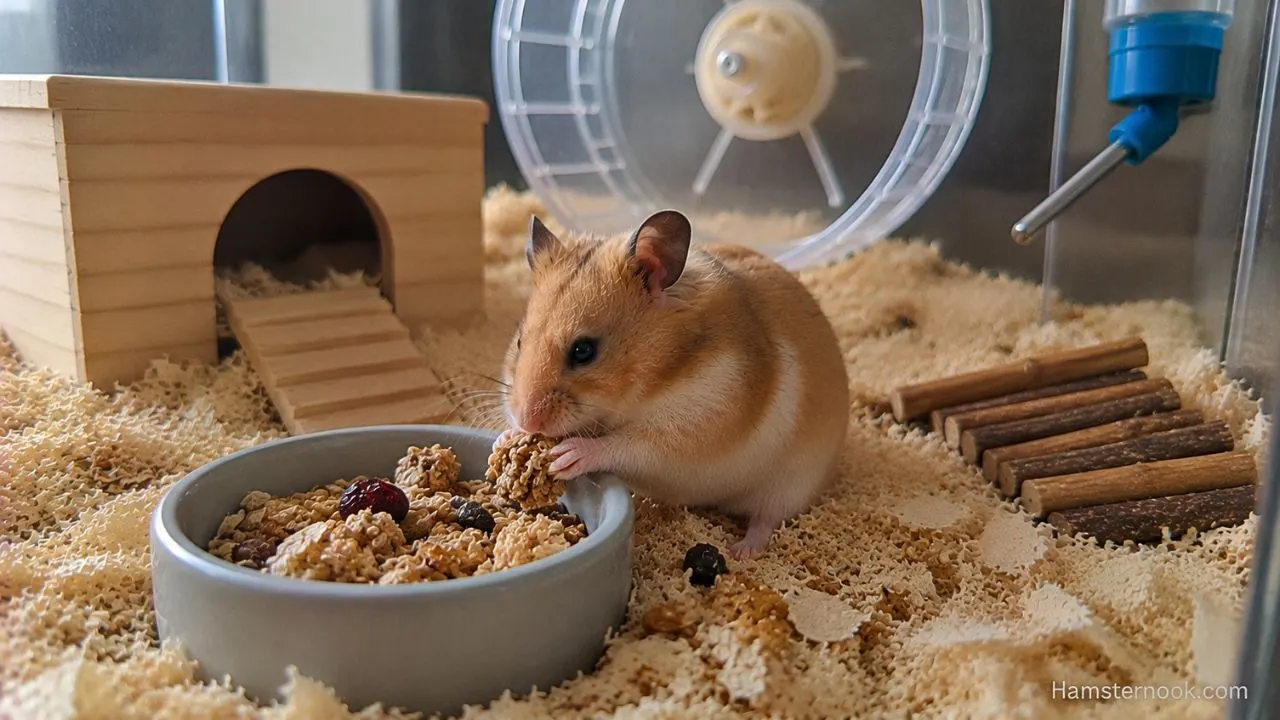
| Dwarf hamsters | Keep sugary vegetables and treats limited; Russian Dwarf hamsters are particularly prone to diabetes |
| Senior hamsters | May benefit from softer foods but still require balanced nutrition |
| Hamsters recovering from illness | Dietary changes should only be made with veterinary advice |
| Overweight hamsters | High-calorie vegetables should be limited |
| Young hamsters | New foods should be introduced gradually |
For dwarf hamster owners, paying attention to sugar intake is especially important. Even vegetables that seem healthy can vary significantly in natural sugar content.
Safe Feeding Guidelines Before Introducing Cooked Vegetables
Before offering any cooked vegetable, ask yourself these five questions:
| Question | If the Answer Is No |
|---|---|
| Is it completely plain? | Do not feed it. |
| Has it cooled completely? | Wait before serving. |
| Is it free from butter, oil, and seasoning? | Do not feed it. |
| Is the portion very small? | Reduce the serving size. |
| Is this only an occasional treat? | Avoid making it part of the daily diet. |
Following this quick checklist can prevent many common feeding mistakes.
Many owners also find it helpful to compare cooked foods with naturally safe fresh foods before making feeding decisions. Our Best Fruits and Vegetables for Hamsters: Safe Foods, Portion Sizes & Feeding Tips guide provides a broader overview of suitable fresh foods and portion guidance.

Safe Cooked Vegetables for Hamsters
Not all vegetables are equally suitable for hamsters, even after cooking. Some are excellent occasional treats, while others should only be offered rarely because of their natural sugar or starch content.
The safest approach is to introduce only one new vegetable at a time so you can monitor your hamster for any digestive changes.
Safe Cooked Vegetables Comparison Table
| Vegetable | Safe for Hamsters? | Recommended Preparation | Feeding Frequency |
|---|---|---|---|
| Carrot | Yes | Plain, steamed or boiled | Occasionally |
| Broccoli | Yes | Lightly steamed | Occasionally |
| Cauliflower | Yes | Lightly steamed | Occasionally |
| Green Beans | Yes | Steamed until tender | Occasionally |
| Peas | Yes | Plain, cooked | Small amounts only |
| Zucchini | Yes | Steamed or boiled | Occasionally |
| Pumpkin | Yes | Plain, cooked | Small amounts |
| Sweet Potato | Yes | Plain, fully cooked | Rare treat |
| Bell Pepper | Better served raw | Cooking unnecessary | Occasionally |
Offer only one or two tiny pieces during a feeding session. Variety is healthier than repeatedly feeding the same vegetable.
Broccoli is one of the vegetables that can be offered raw or cooked, but preparation and portion size still matter. Our Can Hamsters Eat Broccoli? Safe Amount, Raw vs Cooked & Risks guide covers those details.

Different hamsters may have different preferences, so don’t worry if your pet ignores a vegetable that another hamster enjoys. As long as you’re offering a balanced variety of safe foods over time, refusing one vegetable is perfectly normal.
Cooked Vegetables That Should Be Limited
Some vegetables are safe but contain more starch or natural sugars than others.
These include:
- Sweet potato
- Corn
- Peas
These vegetables are not toxic, but frequent feeding may contribute to unnecessary calorie intake, especially in less active hamsters.

Sugary vegetables should still be offered sparingly, and PDSA notes that Russian Dwarf hamsters are particularly prone to diabetes.
Although some cooked vegetables can be healthy occasional treats, processed human foods require much more caution. If you’re wondering whether baked foods are safe, read our complete guide on Can Hamsters Eat Bread? Safe Types, Risks & Portion Guide before offering bread products to your hamster.
Vegetables Hamsters Should Never Eat
Cooking does not make unsafe vegetables safe.
Certain vegetables remain unsuitable regardless of how they are prepared.

Vegetables to Avoid
| Vegetable | Why It Should Be Avoided |
|---|---|
| Onion | Can damage red blood cells |
| Garlic | May irritate the digestive system |
| Leeks | Belong to the onion family |
| Chives | Similar risks to onions |
| Potato | Not recommended, including raw or green potato |
| Rhubarb | Toxic to many animals, including small pets |
If you’re ever unsure about a food, it’s always safer to leave it out rather than take a chance.
Can Hamsters Eat Frozen Vegetables After Cooking?
Yes, frozen vegetables can be used if they are plain and contain no added ingredients.
Many frozen vegetables are frozen shortly after harvesting, helping preserve much of their nutritional value.
However, check the ingredient list carefully.

Avoid frozen vegetable mixes that contain:
- Salt
- Butter
- Cheese sauce
- Cream
- Herbs
- Seasoning blends
Cook them plainly, allow them to cool completely, and serve only tiny portions.
Can Baby Hamsters Eat Cooked Vegetables?
Young hamsters should primarily eat a nutritionally complete hamster diet until they are fully weaned and eating normally.
Introducing too many new foods too early may increase the risk of digestive upset.

If cooked vegetables are introduced later, offer only one plain vegetable at a time in a very small amount.
Can Senior Hamsters Benefit From Cooked Vegetables?
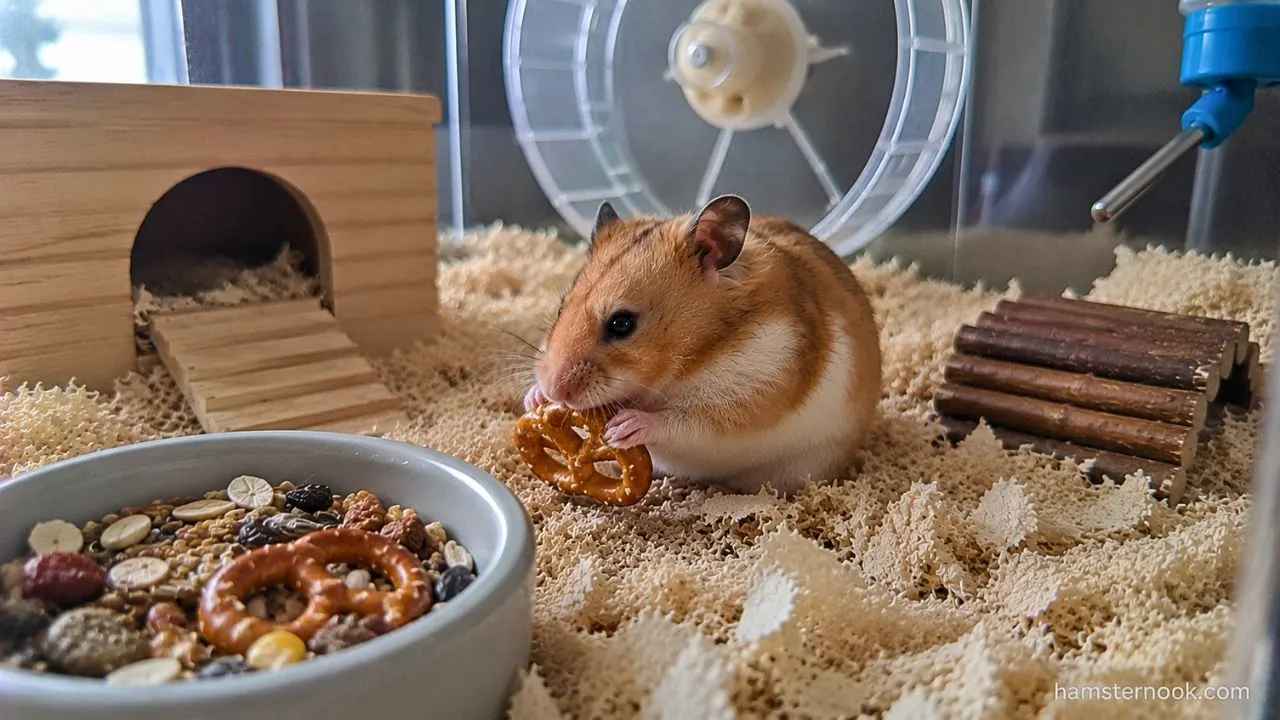
Older hamsters sometimes have dental wear or reduced chewing ability.
Soft cooked vegetables may be easier for them to eat than hard raw vegetables.
However, they should still be offered only occasionally as part of a balanced diet rather than replacing regular hamster food.
If your older hamster is eating less than usual, Why Is My Hamster Not Eating? Common Causes and Solutions may help you understand whether the change is age-related or something that requires veterinary attention.
How Often Can Hamsters Eat Cooked Vegetables?
Cooked vegetables are best treated as part of your hamster’s overall fresh-food and treat allowance rather than using a separate breed-specific schedule. PDSA recommends about 1–2 teaspoons of fresh fruit, vegetables and herbs per day in total, while Woodgreen recommends keeping treat portions roughly the size of a hamster’s ear and offering them once or twice a week. These are general fresh-food and treat guidelines, not a cooked-vegetable-only quota.
If your hamster is overweight, has a medical condition, or has been placed on a special diet by an exotic veterinarian, follow that advice instead.
Remember that vegetables are only one part of a complete hamster diet. High-quality pellets or lab blocks should remain the primary source of balanced nutrition.

Best Cooking Methods for Hamster Vegetables
The cooking method matters almost as much as the vegetable itself.
Steaming
Steaming is generally considered one of the best methods because it softens vegetables while helping retain more nutrients than prolonged boiling.
Boiling
Boiling is also safe as long as no salt or seasoning is added.
Avoid overcooking vegetables until they become mushy.
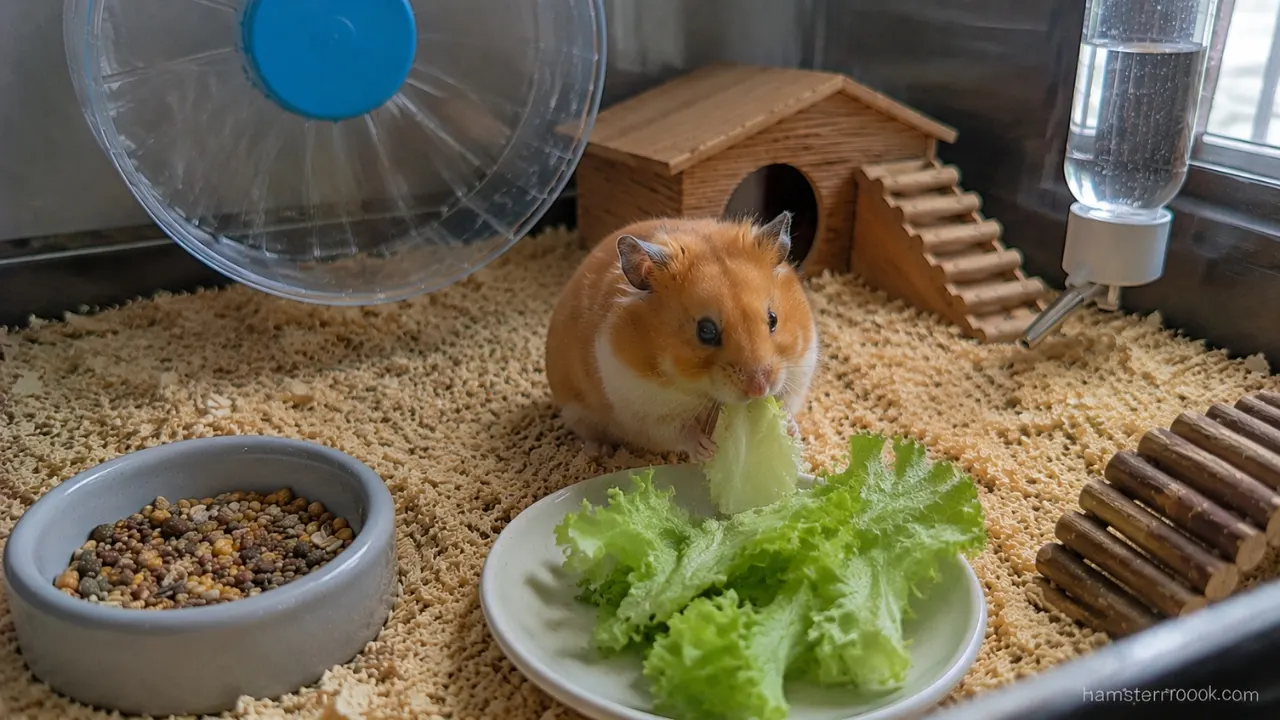
Cooking Methods to Avoid
Do not feed vegetables that have been:
- Fried
- Roasted with oil
- Cooked in butter
- Covered in cheese
- Mixed with sauces
- Seasoned with herbs or spices
Vegetables prepared for human meals are rarely suitable for hamsters because they often contain added fat, salt, or seasonings.
If your hamster regularly ignores vegetables or other foods, Why Is My Hamster Not Eating? explains when picky eating is harmless and when it may indicate an underlying health problem.
Signs a Vegetable Doesn’t Agree With Your Hamster
Stop feeding a vegetable if you notice:

- Diarrhea
- Soft stools
- Loss of appetite
- Bloating
- Lethargy
- Refusing normal food
Most digestive problems improve once the unsuitable food is removed, but persistent symptoms require veterinary attention.
Quick Safety Checklist
Before offering any cooked vegetable, ask yourself these five questions:
- Is it plain with no salt, butter, oil, garlic, onion, or seasoning?
- Has it cooled completely?
- Is the portion no larger than your hamster can finish quickly?
- Is this only an occasional treat rather than part of the daily diet?
- Will any leftovers be removed within a few hours?
If the answer to every question is yes, the vegetable is generally suitable to offer in moderation.
Final Thoughts
Cooked vegetables can be a safe addition to a hamster’s diet when prepared correctly, but they should never replace fresh water, balanced hamster food, and a varied selection of safe fresh vegetables.

The safest cooked vegetables are plain, fully cooled, and served in tiny portions without salt, butter, oil, garlic, onions, or any other seasoning. Steaming or boiling is generally the best preparation method, while fried or heavily seasoned vegetables should never be shared.
Introducing new foods slowly is one of the easiest ways to prevent digestive upset and helps you identify which foods your hamster tolerates well. Offer one vegetable at a time, monitor your hamster’s digestion, and remember that moderation is always the key to a healthy diet.
If you’re continuing to expand your hamster’s menu, Can Hamsters Eat Mealworms? Benefits & Risks explains how occasional protein treats can fit into a balanced feeding plan alongside vegetables.
Frequently Asked Questions
Can hamsters eat cooked carrots?
Yes. Plain steamed or boiled carrots are generally safe in small amounts. Because carrots contain natural sugars, they should be offered only occasionally.

Can hamsters eat boiled broccoli?
Yes. Plain boiled or lightly steamed broccoli can be a healthy occasional treat when served in tiny portions after cooling completely.
Can hamsters eat vegetables cooked with olive oil?
No. Vegetables prepared with olive oil, butter, or other fats should not be fed to hamsters.
Are steamed vegetables better than boiled vegetables for hamsters?
Both methods are safe if no seasoning is added. Steaming may help preserve slightly more nutrients, but either method is suitable when vegetables are cooked plainly.
Can dwarf hamsters eat cooked vegetables?
Yes, but portions should remain very small. Dwarf hamsters are more sensitive to sugary foods, so vegetables that are naturally sweeter should be limited.
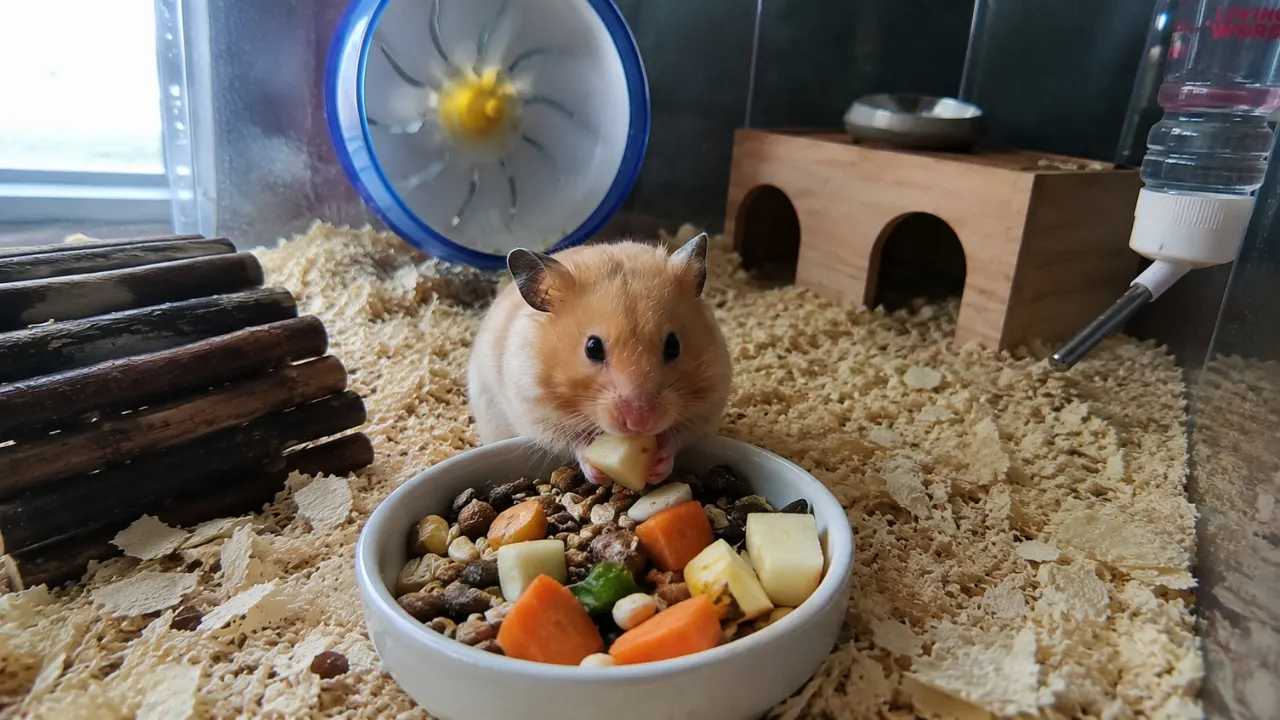
Should I feed cooked or raw vegetables?
For most healthy adult hamsters, fresh raw vegetables are the better everyday choice because they retain more nutrients and encourage natural chewing. Cooked vegetables should be occasional additions rather than regular replacements.
Can hamsters eat microwaved vegetables?
Yes, provided the vegetables are plain, fully cooked, cooled completely, and contain no butter, oil, salt, garlic, onions, or other seasonings. The cooking method matters less than the ingredients used.
Can cooked vegetables upset a hamster’s stomach?
Yes. Large portions, frequent feeding, or introducing new vegetables too quickly may cause digestive upset in some hamsters. Offer only small amounts and monitor your hamster for any changes after trying a new food.
References
This guide is based on hamster nutrition, feeding, safe foods, portion guidance, and dietary welfare information from trusted veterinary and animal welfare resources, including:
- RSPCA – What to Feed a Pet Hamster – Guidance on balanced hamster diets, fresh vegetables, treats, food preparation, and foods to avoid.
- PDSA – Hamsters as Pets – Advice on hamster nutrition, fresh foods, treats, feeding amounts, and general dietary care.
- Blue Cross – Hamster Care Guide – Practical information on hamster diet, suitable foods, feeding, and general husbandry.
- MSD Veterinary Manual – Hamsters – Veterinary reference information on hamster nutrition, dietary management, digestive health, and common health concerns.
- FDA – Selecting and Serving Produce Safely – Food safety guidance on washing, handling, preparing, and storing fresh produce.

Narayan Kumar is the founder and author of HamsterNook. He creates practical, research-based hamster care guides covering hamster behavior, nutrition, cage setup, enrichment, health, and everyday care. His goal is to help hamster owners make informed decisions and provide safer, healthier lives for their pets through clear, beginner-friendly information based on trusted animal care resources.