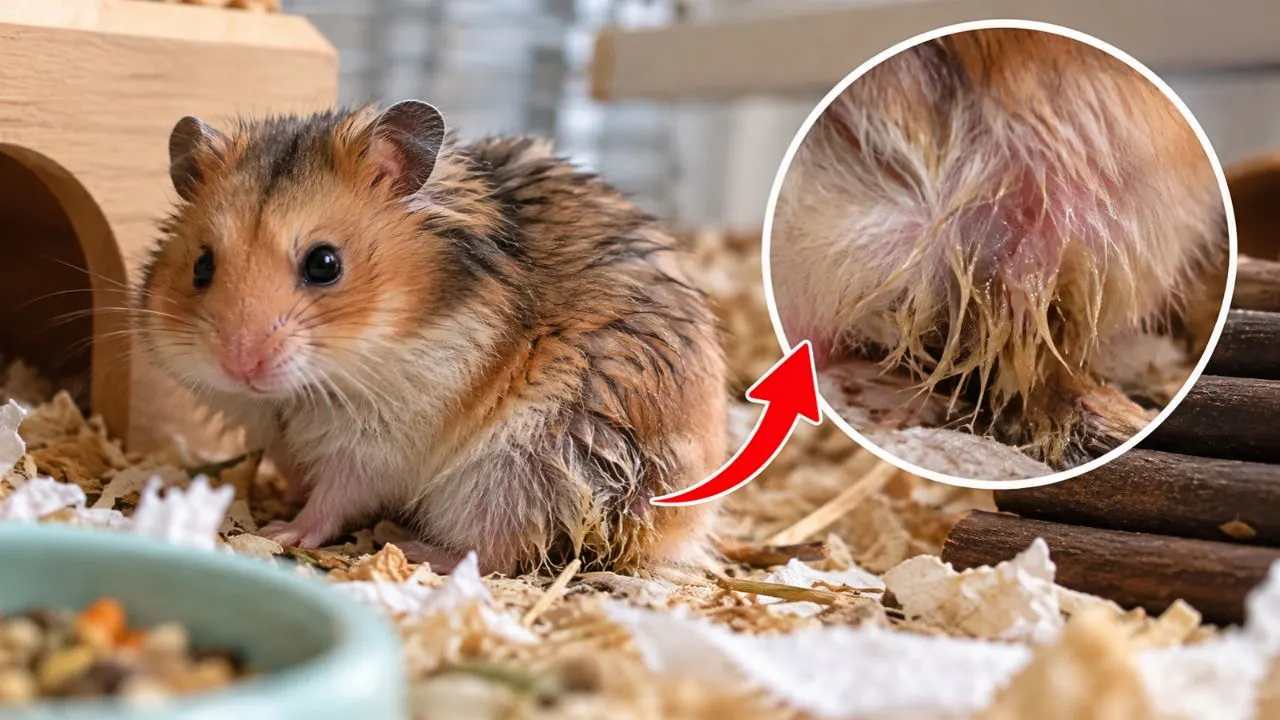
You glance into your hamster’s enclosure and notice it scratching again. A few minutes later, it scratches some more. It’s a common concern because normal grooming and health-related scratching can sometimes look very similar at first.
The truth is that occasional scratching is completely normal for hamsters. Like many animals, they regularly groom themselves and may scratch an itch from time to time. However, excessive scratching, hair loss, skin irritation, or changes in behavior can sometimes indicate an underlying problem that needs attention.
Understanding what is normal and what is unusual makes it easier to decide when scratching deserves closer attention. This guide explains the most common causes, warning signs to watch for, and when it may be time to seek veterinary advice.
Quick Answer
Occasional scratching is usually part of normal grooming. If your hamster keeps scratching repeatedly, especially when it causes hair loss, redness, scabs, wounds, or changes in appetite or behavior, an underlying problem such as skin irritation, parasites, infection, or excessive grooming may be involved and should be evaluated.
Is It Normal for Hamsters to Scratch Themselves?

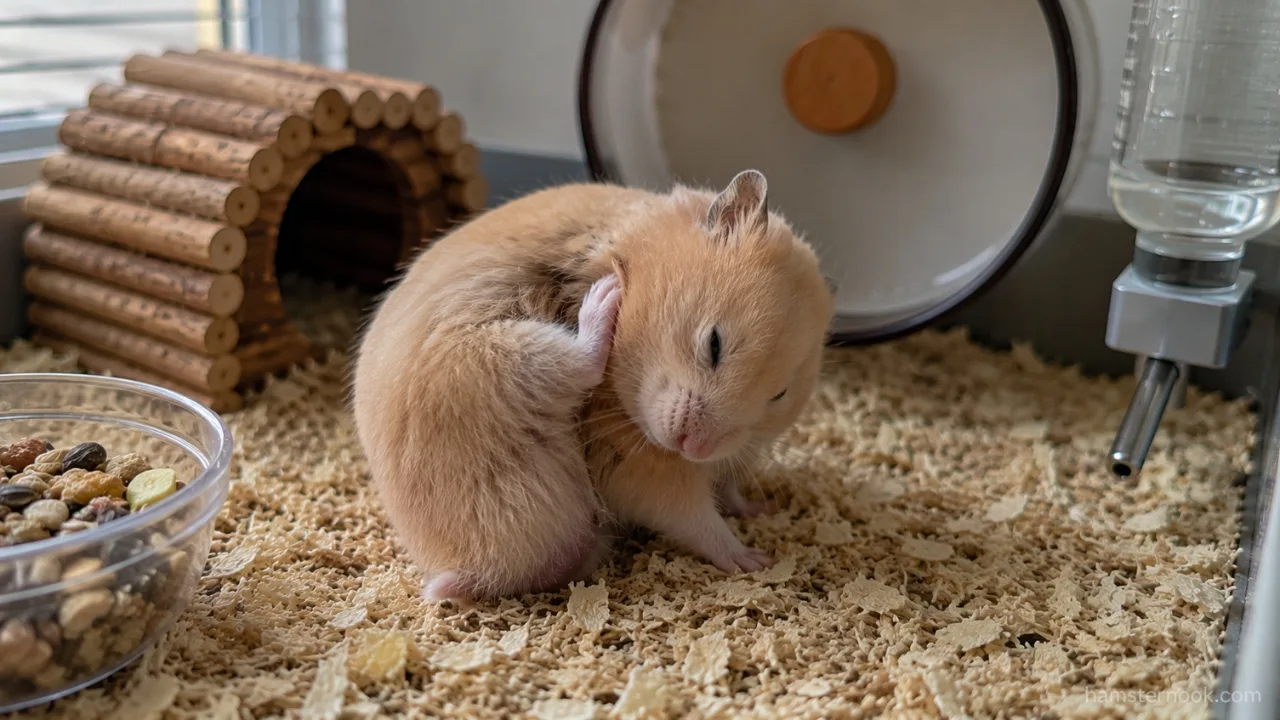
Hamsters spend a significant amount of time grooming their fur. During grooming sessions, they may:
- Scratch behind their ears
- Rub their face with their paws
- Clean their fur
- Rearrange oils throughout their coat
A healthy hamster may scratch briefly several times throughout the day without there being any medical concern.
If you’re still learning what normal hamster behavior looks like, the Ultimate Hamster Care Guide for Beginners (2026) provides a helpful overview of daily hamster habits and routines.
How to Tell the Difference Between Normal and Excessive Scratching
A useful rule is to focus on what the scratching is causing. A hamster that scratches briefly and then resumes normal activities is usually behaving normally. A hamster that repeatedly interrupts eating, exploring, or resting to scratch may need closer attention.

How often the scratching happens and whether it is causing visible problems are usually the most important clues.
| Normal Scratching | Potentially Problematic Scratching |
|---|---|
| Occasional scratching | Frequent scratching throughout the day |
| No visible skin damage | Red, irritated, or inflamed skin |
| Normal fur condition | Bald patches or thinning fur |
| Normal activity level | Lethargy or behavior changes |
| Part of grooming routine | Constant itching and discomfort |
Itching or Grooming: How Can You Tell the Difference?
Normal grooming is usually brief and does not leave the skin damaged or cause obvious hair loss. Problematic itching is more likely when scratching becomes repetitive, interrupts normal activities, or occurs with bald patches, redness, scabs, wounds, or other changes in health or behavior. There is no reliable number of scratches that automatically means something is wrong, so the pattern and accompanying signs matter more than counting episodes.
If your hamster seems comfortable and healthy otherwise, occasional scratching is usually not a cause for concern.
Common Reasons Hamsters Scratch More Than Usual
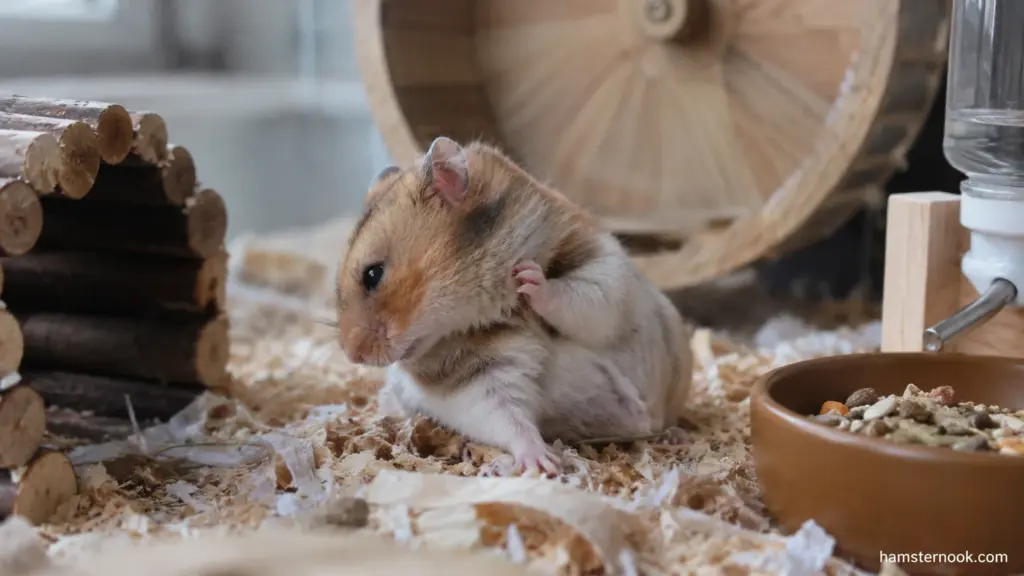
Increased scratching can happen for a variety of reasons, ranging from minor irritation to underlying health problems.

Some are harmless, while others require closer attention.
Dry Skin and Environmental Conditions
Mild skin dryness is one of the most common non-medical reasons a hamster may scratch more often.
Low humidity, overly warm indoor environments, or dusty bedding can sometimes make a hamster’s skin feel irritated.
If warm conditions are affecting your hamster’s comfort, What Temperature Is Too Hot or Too Cold for Hamsters? may also be helpful.

You may notice:
- Mild scratching
- Slight flaky skin
- Normal appetite and activity
Environmental factors are often easier to correct than medical causes.
Bedding Sensitivity or Irritation
Some bedding materials can irritate a hamster’s skin.
Potential issues include:

- Scented bedding products
- Dusty bedding
- Low-quality wood shavings
- Dirty bedding that has not been cleaned regularly
Many owners find that switching to a low-dust, unscented bedding improves skin comfort.
Maintaining a clean enclosure is an important part of prevention. If you’re reviewing your setup, How Often Should You Clean a Hamster Cage? may be useful.
If you are unsure whether your bedding could be irritating your hamster, Best Hamster Bedding: Safest Types, Depth, Burrowing & What to Avoid explains safer bedding choices and what to avoid.
Mites and External Parasites
External parasites are among the most important causes of persistent itching and should not be overlooked.

Mites can irritate the skin and lead to:
- Constant scratching
- Hair loss
- Scabs
- Skin inflammation
Unfortunately, parasites cannot usually be diagnosed accurately through observation alone.
A veterinarian may need to examine your hamster to determine whether mites or another skin condition are present.
Mites are only one possible cause of persistent scratching. Because parasites, irritation, allergies, fungal infections, and other skin problems can produce similar signs, avoid assuming that a bald patch or itchy skin is caused by mites without veterinary evaluation.

Because many skin conditions look similar, it is often impossible to tell the difference between mites, allergies, and infections based on appearance alone.
Allergic Reactions
Although less commonly discussed than in dogs or cats, hamsters can sometimes react to environmental irritants.
Potential triggers may include:
- Certain bedding materials
- Cleaning products
- Air fresheners
- Perfumes near the cage
If excessive scratching begins shortly after introducing something new, consider whether an environmental change may be involved.

Skin Infections
Skin infections can sometimes cause itching and discomfort.
These infections may develop due to:
- Skin injuries
- Parasites
- Underlying health problems
Possible signs include:
- Redness
- Scabs
- Swelling
- Hair loss
- Persistent scratching
Skin infections require veterinary evaluation and should not be treated with random home remedies.
Age-Related Coat Changes
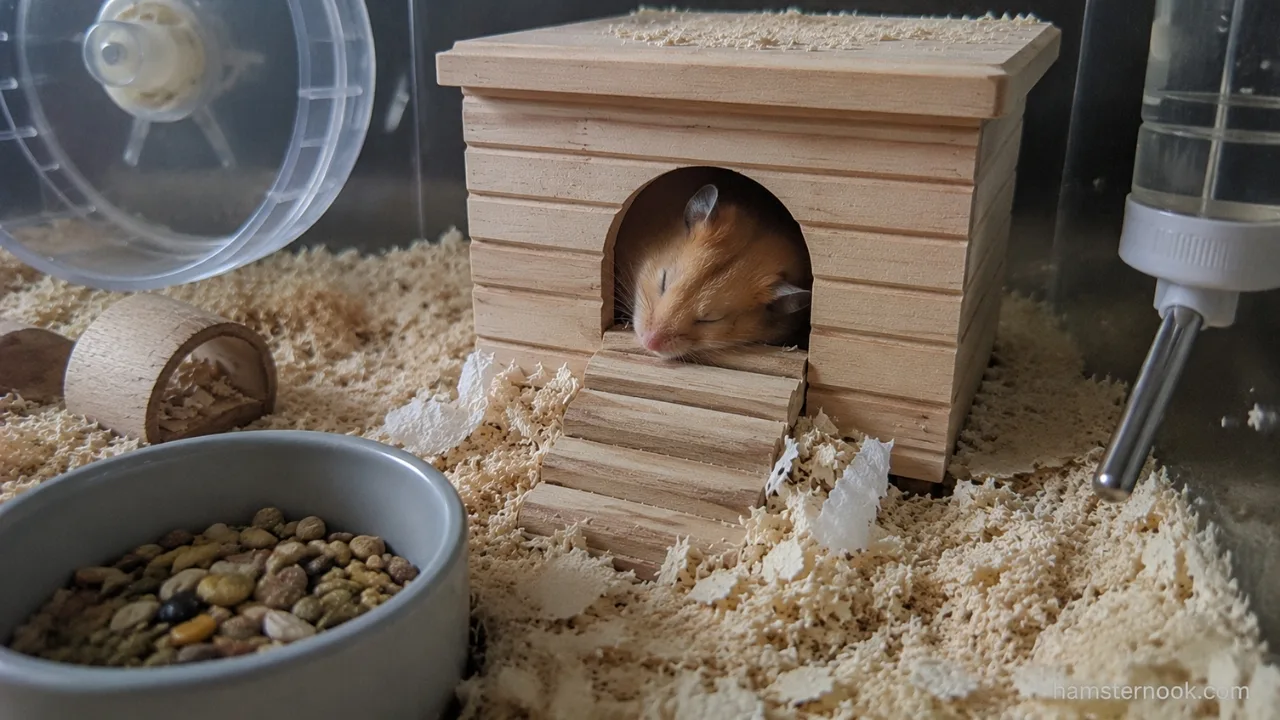
Older hamsters sometimes experience changes in skin and fur quality.
Senior hamsters may develop:
- Thinner fur
- Drier skin
- Reduced grooming efficiency
Owners caring for older pets may also find How to Tell If Your Hamster Is Happy, Healthy, Stressed, or Sick useful when monitoring changes in behavior and overall well-being.
However, significant itching should never automatically be blamed on age alone.

Signs That Scratching May Be a Health Problem
Scratching becomes much more meaningful when it appears alongside other symptoms.
Pay attention to the overall picture.
Hair Loss
Hair loss is one of the most important warning signs.
If scratching is also causing thinning fur or bald patches, our Why Is My Hamster Losing Hair? Causes, Bald Spots & When to See a Vet guide explains other possible causes of hair loss and when veterinary assessment is important.

Small bald patches or widespread fur thinning may indicate:
- Parasites
- Skin infections
- Hormonal issues
- Excessive self-trauma from scratching
Red or Inflamed Skin
Healthy hamster skin should not appear noticeably red or irritated.
Visible inflammation suggests that further investigation is needed.
Scabs or Open Wounds
Scratching severe enough to break the skin can increase the risk of infection.

If your hamster is scratching and biting at the same area repeatedly, check for broken skin, bleeding, swelling, or worsening irritation. These changes are more concerning than occasional grooming and should prompt veterinary advice.
Scabs, bleeding, or sores should always be taken seriously.
Changes in Behavior
A hamster experiencing significant discomfort may also:
- Sleep more
- Become less active
- Avoid handling
- Show reduced appetite
Hamsters naturally hide weakness, so even subtle behavior changes can provide valuable clues about their health.

If your hamster is also sitting unusually still or moving much less than normal, our Why Is My Hamster Sitting Still and Not Moving? Causes, Warning Signs & What to Do guide covers signs that reduced movement may need attention.
Could Stress Cause a Hamster to Scratch More?
Stress can contribute indirectly to increased grooming and scratching behaviors.
A stressed hamster may spend more time:
- Grooming excessively
- Hiding
- Remaining alert
- Repeating certain behaviors
Stress-related scratching is more likely after:

- Moving to a new home
- Major cage changes
- Loud environmental disturbances
- Frequent handling
If stress appears to be contributing to the behavior, 7 Ways You’re Accidentally Stressing Your Hamster: Signs & What to Do covers common stress triggers and warning signs.
How to Check Your Hamster Safely
If you notice increased scratching, avoid immediately assuming the worst.
Instead, perform a simple visual check.
Look for:
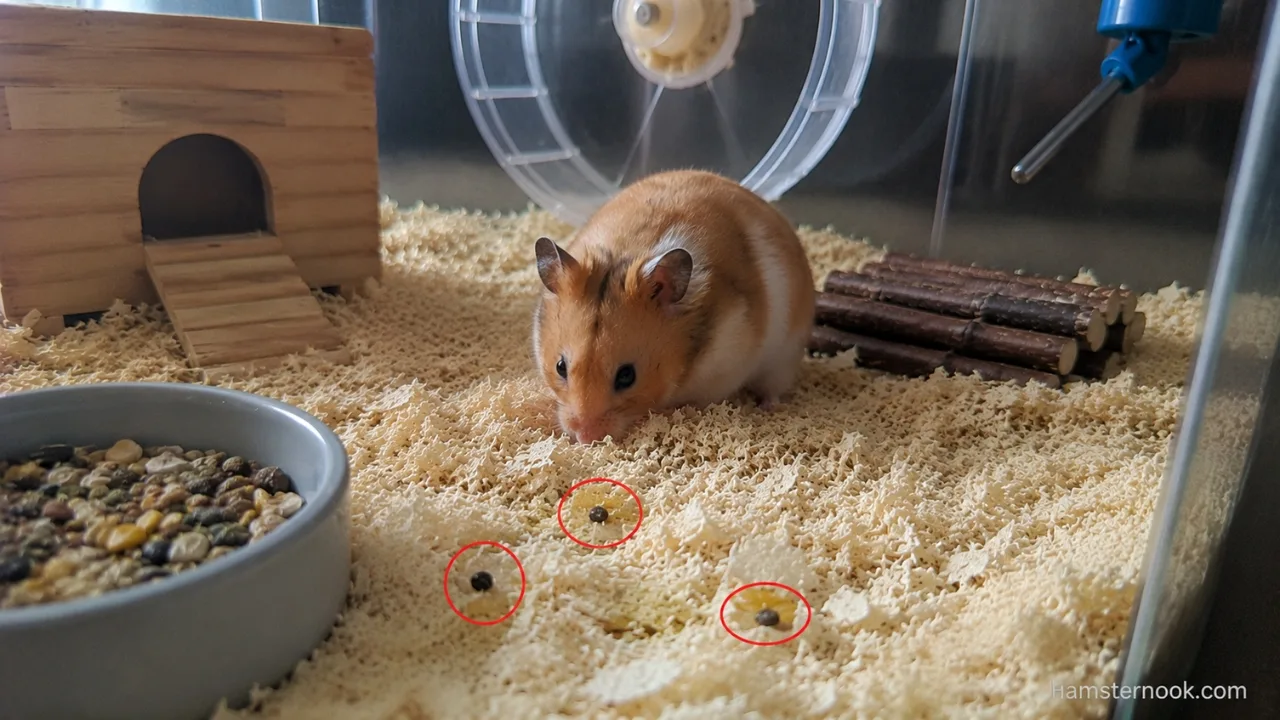
| What to Check | What You May Notice |
|---|---|
| Fur condition | Bald spots or thinning fur |
| Skin appearance | Redness, flakes, scabs |
| Ears | Crusting or irritation |
| Activity level | Normal or reduced movement |
| Appetite | Eating normally or less than usual |
Never attempt aggressive skin examinations that could frighten or injure your hamster.
What You Should Not Do
Many owners unintentionally make the situation worse.
Avoid these common mistakes:
Do Not Use Dog or Cat Treatments
Products designed for larger pets may be dangerous for hamsters.

Never apply parasite treatments, medicated shampoos, or creams unless specifically prescribed by a veterinarian.
Do Not Bathe Your Hamster in Water
Water baths can increase stress and may worsen skin problems.
Hamsters generally keep themselves clean through grooming and, for species that use them, sand baths.
If you’re unsure about creating a comfortable and hygienic environment, What Good Hamster Care Actually Looks Like (Most Owners Get This Wrong) explains several important care practices that help keep hamsters healthy and comfortable.

Do Not Ignore Persistent Symptoms
Occasional scratching is normal.
Persistent scratching combined with skin changes is not something that should be ignored indefinitely.
How to Help Prevent Excessive Scratching
Consistent day-to-day care can help lower the risk of many common skin issues.
Keep the Habitat Clean
Regular spot cleaning and scheduled cage maintenance help reduce irritants and contamination.

Choose Appropriate Bedding
Select:
- Unscented bedding
- Low-dust products
- Bedding designed for small pets
Monitor New Products Carefully
Whenever you introduce:
- New bedding
- Cleaning products
- Cage accessories
Watch for changes in scratching behavior afterward.
Support Overall Health
A balanced diet, clean water, and a proper habitat all contribute to healthy skin and coat condition.

Proper nutrition is especially important, which is why Complete Hamster Diet Guide remains one of the most valuable resources for new owners.
How Long Should You Monitor Scratching?
There is no reliable number of scratching episodes or days that can be used to decide whether a hamster is healthy. Occasional grooming without skin or behavior changes is generally less concerning, while scratching that is becoming more frequent or is accompanied by hair loss, redness, scabs, wounds, reduced appetite, lethargy, or other changes should be discussed with a veterinarian.
When Should You See a Veterinarian?
Schedule a veterinary visit if your hamster has:
- Persistent excessive scratching
- Bald patches
- Red or inflamed skin
- Scabs or sores
- Unexplained weight loss
- Significant behavior changes
Because many skin conditions can appear similar, professional diagnosis is often necessary.

Early treatment is usually easier and more effective than waiting for symptoms to worsen.
If scratching occurs with several other changes in health or behavior, How to Tell If Your Hamster Is Sick: Signs, Symptoms & When to See a Vet provides a broader checklist of illness warning signs.
Final Thoughts
If your hamster keeps scratching itself, don’t panic. Some scratching is a normal part of grooming and daily life. In many cases, occasional itching is completely harmless.
Scratching becomes more concerning when it happens repeatedly throughout the day or is accompanied by fur loss, skin irritation, wounds, or noticeable behavior changes. These signs may point to skin irritation, parasites, infections, or other health issues that deserve attention.
Paying attention to changes in your hamster’s skin, coat, and behavior can help you spot potential problems before they become more serious.
Frequently Asked Questions
Why is my hamster scratching but not losing fur?
Occasional scratching without hair loss is often normal grooming behavior. If the scratching becomes frequent, seems uncomfortable, interrupts normal activity, or is accompanied by redness, scabs, wounds, appetite changes, or unusual behavior, it may indicate an underlying problem.
Can hamster bedding cause itching?
Yes. Dusty, scented, or irritating bedding can sometimes contribute to scratching and skin discomfort.
Do hamster mites always cause hair loss?
Not always. However, mites commonly cause itching and may eventually lead to fur loss or skin irritation.

Is it normal for hamsters to scratch after a sand bath?
A brief increase in grooming or scratching after a sand bath is usually normal as the hamster cleans its fur.
Should I quarantine a hamster that might have mites?
If you keep multiple hamsters in separate enclosures, consulting a veterinarian about isolation and treatment precautions is a good idea.
When is scratching considered urgent?
Scratching needs prompt veterinary attention when it is accompanied by bleeding, severe skin damage, significant hair loss, weakness, reduced appetite, or other signs of illness. If your hamster appears seriously unwell or has difficulty breathing, seek veterinary care promptly.
Why is my hamster scratching more at night?
Hamsters are naturally most active during the evening and night. Scratching may appear more noticeable during these hours simply because your hamster is awake and grooming more often.

Can dry skin cause a hamster to itch?
Yes. Dry skin can sometimes lead to mild itching, particularly in warm indoor environments or when dusty bedding is used.
Should I change my hamster’s bedding if it keeps scratching?
If the bedding is dusty, scented, or recently introduced, switching to a low-dust unscented option may help reduce irritation.
Can excessive scratching cause hair loss?
Yes. Persistent scratching or biting can damage the fur and skin, leading to thinning patches, bald spots, or small wounds. If hair loss continues or the skin becomes irritated, the underlying cause should be evaluated rather than treating the scratching alone.
Why does my hamster scratch but seem otherwise healthy?
Many healthy hamsters scratch occasionally as part of normal grooming. Concern usually arises only when scratching becomes excessive or additional symptoms appear.

References
This guide is based on hamster skin health, grooming, parasites, environmental care, hygiene, and veterinary guidance from trusted animal welfare and veterinary resources, including:
- RSPCA – Hamster Health & Welfare – Guidance on hamster health monitoring, grooming, skin and coat condition, signs of illness, and when veterinary attention may be needed.
- RSPCA – Creating a Good Home for Hamsters – Guidance on bedding, enclosure hygiene, environmental conditions, and reducing potential sources of irritation.
- RSPCA – Keeping Hamsters as Pets – General hamster care, grooming, behavior, housing, diet, and welfare guidance.
- PDSA – Hamsters as Pets – Small-pet health and welfare guidance, including hamster care, common health concerns, and monitoring changes in behavior and condition.
- MSD Veterinary Manual – Disorders and Diseases of Hamsters – Veterinary information on hamster diseases, skin problems, parasites, infections, and clinical signs that may require professional evaluation.
- MSD Veterinary Manual – Routine Health Care of Hamsters – Guidance on routine health observation, grooming, handling, and recognizing changes that may indicate illness.
Medical Disclaimer
This article is intended for educational purposes only and should not be considered veterinary advice. Occasional scratching can be a normal part of hamster grooming, but persistent or excessive scratching may be associated with skin irritation, parasites, infection, or other health problems. If your hamster develops persistent itching, hair loss, redness, scabs, wounds, swelling, reduced appetite, lethargy, or other concerning changes, consult a qualified exotic animal veterinarian for proper evaluation and treatment.

Narayan Kumar is the founder and author of HamsterNook. He creates practical, research-based hamster care guides covering hamster behavior, nutrition, cage setup, enrichment, health, and everyday care. His goal is to help hamster owners make informed decisions and provide safer, healthier lives for their pets through clear, beginner-friendly information based on trusted animal care resources.