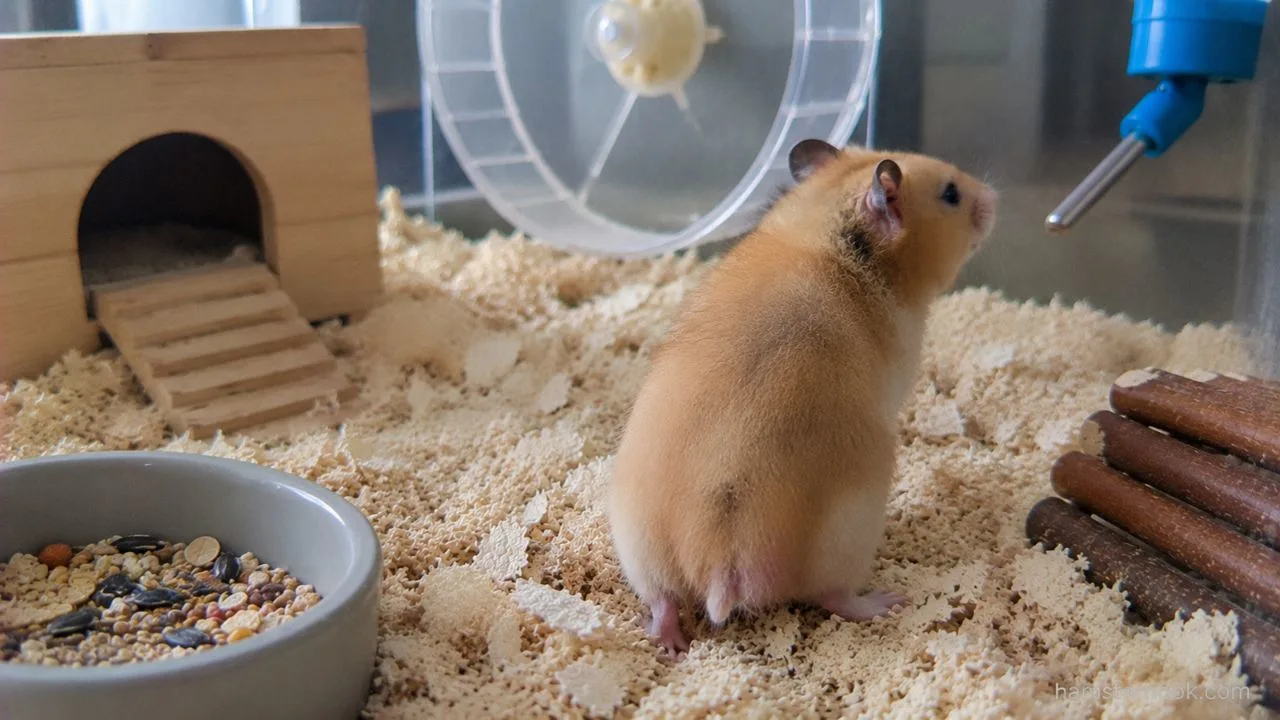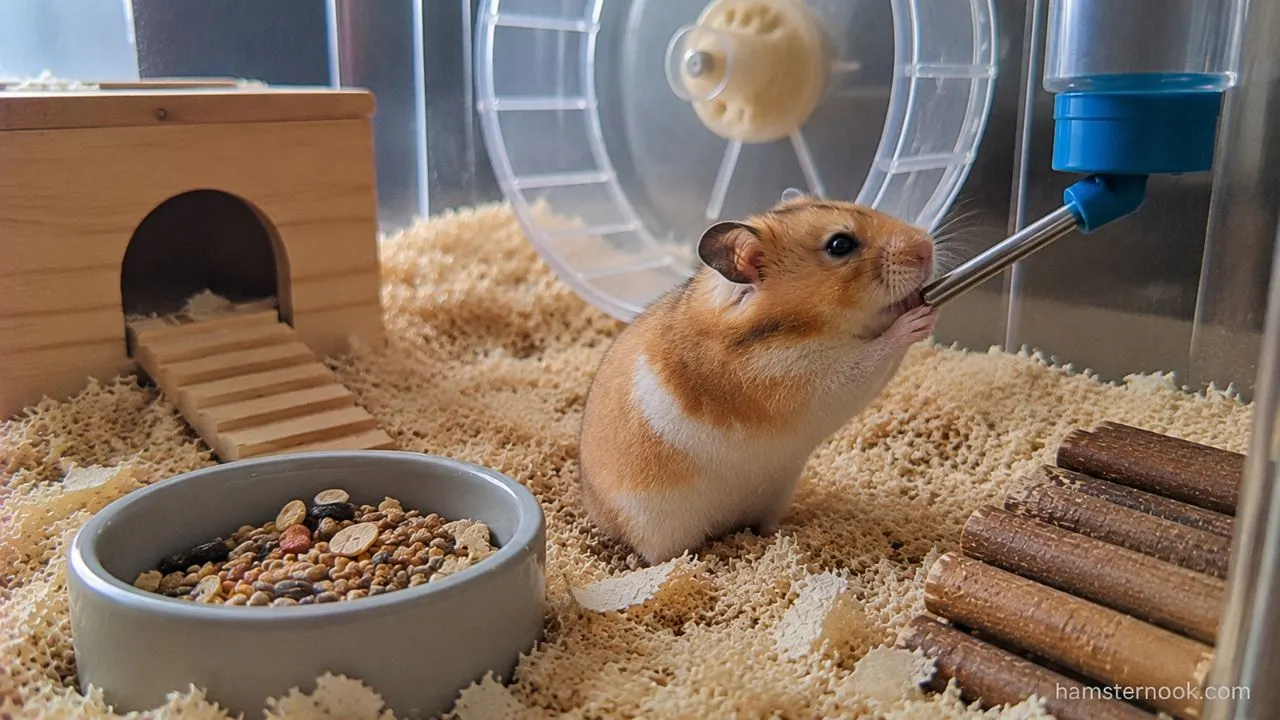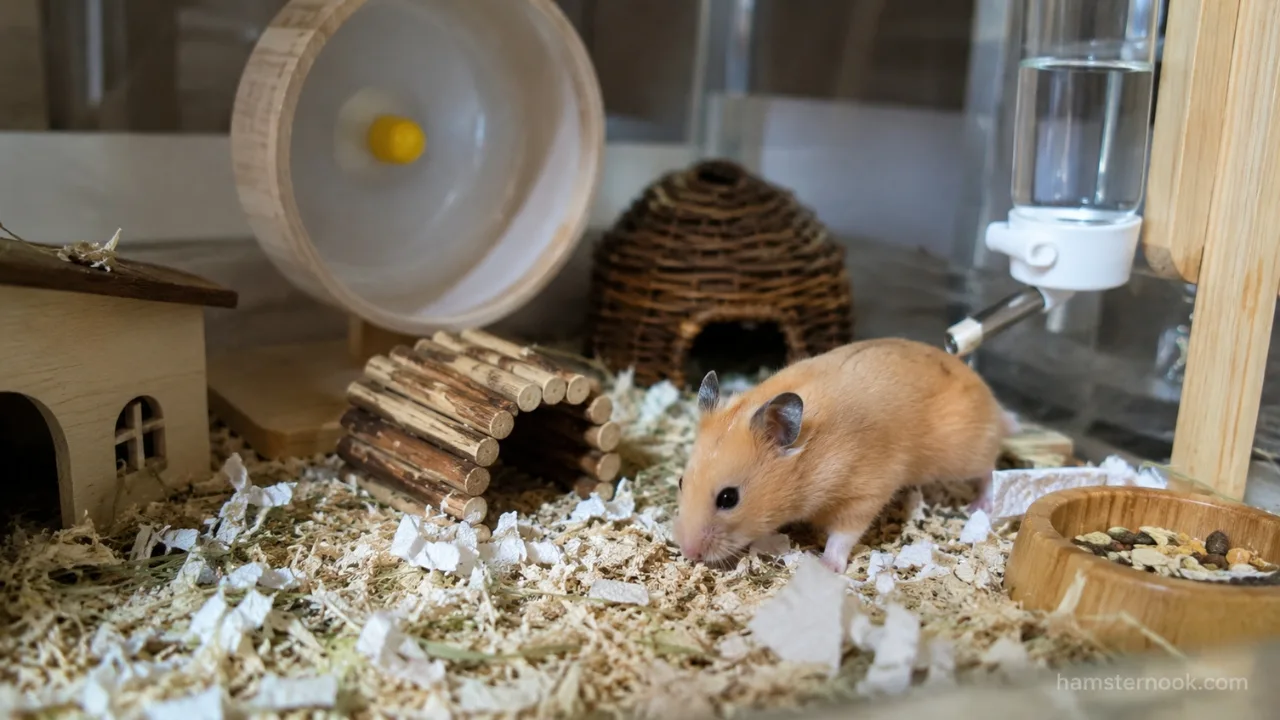
One of the first questions new hamster owners ask is surprisingly simple: how often should a hamster cage be cleaned?
Many beginners assume that more cleaning is always better. Others worry that cleaning too frequently might stress their pet. The truth lies somewhere in the middle. A hamster cage that is cleaned too rarely can become unhygienic and develop unpleasant odors, while excessive cleaning can remove familiar scents that help your hamster feel safe and secure.
Maintaining the right balance between cleanliness and familiarity helps keep a hamster both healthy and comfortable. A practical cleaning routine keeps your hamster healthy, reduces odors, and minimizes stress. In this guide, you’ll learn exactly how often to clean a hamster cage, what tasks should be done daily, weekly, and monthly, and the most common cleaning mistakes beginners should avoid.
Quick Answer
Most hamster cages need some daily maintenance, while spot cleaning is usually done every few days. Larger, well-bedded enclosures may need major cleaning less often than small setups.

There is no single cleaning schedule that fits every hamster. How often you need to clean depends on enclosure size, bedding depth, toilet habits, food storage, and how quickly areas become wet or soiled.
The goal is to remove soiled material promptly while keeping clean bedding and some familiar nesting material whenever possible.
Why Proper Hamster Cage Cleaning Matters
A consistent cleaning routine protects both your hamster’s physical health and emotional well-being. The goal is not to create a completely scent-free cage but to keep the enclosure clean while preserving enough familiar smells to help your hamster feel secure.
A hamster spends nearly its entire life inside its enclosure. The condition of the enclosure plays a major role in your hamster’s health, comfort, and overall well-being.
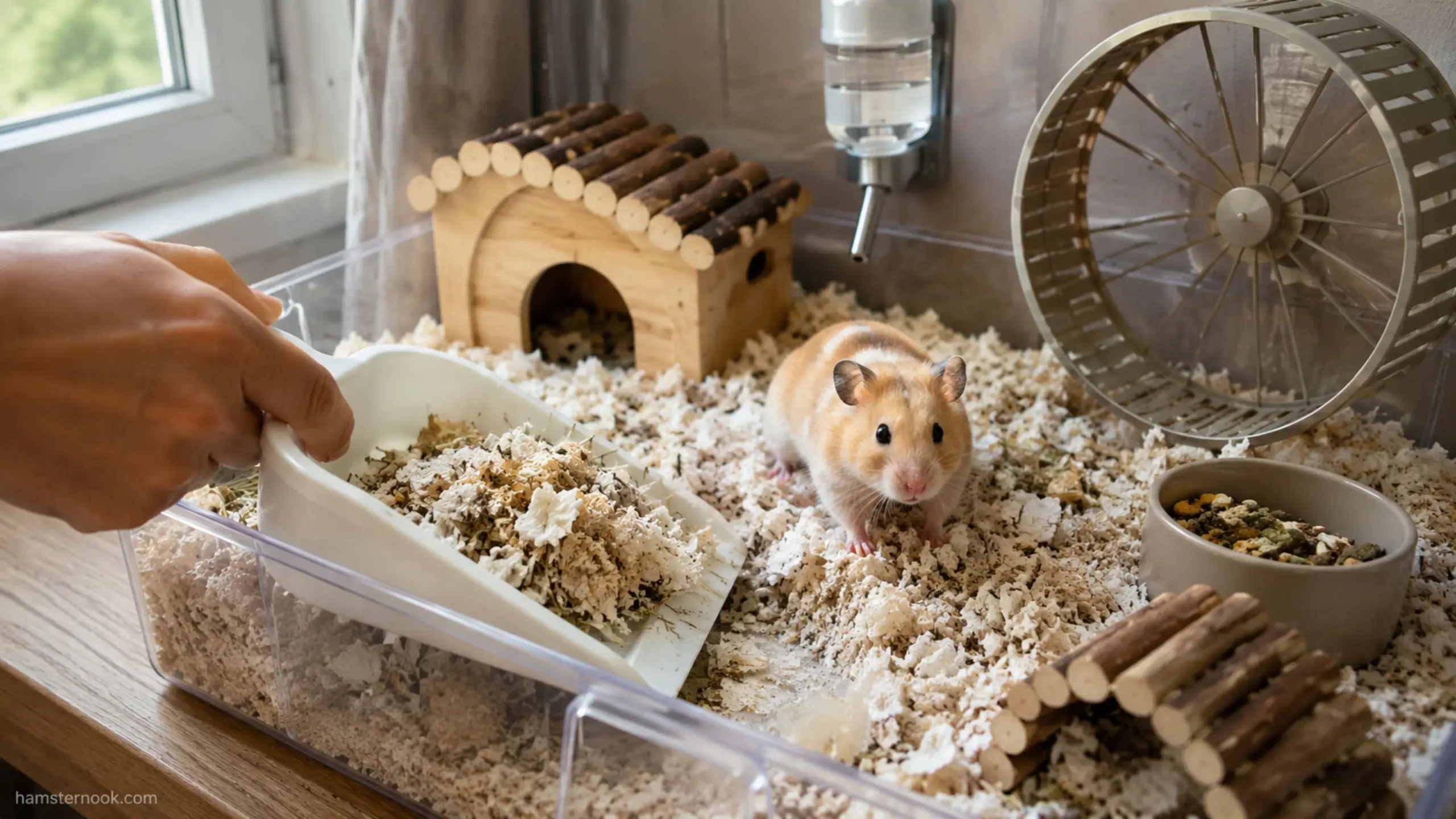
A clean cage helps:
- Reduce bacteria buildup
- Minimize odors
- Keep food fresh
- Prevent mold growth
- Lower the risk of respiratory problems
- Create a healthier living space
However, cleanliness isn’t just about removing waste. Hamsters rely heavily on scent to navigate and feel secure. Removing every trace of their scent too often can make them feel as though they’ve been placed into an unfamiliar territory.
This is one reason why some hamsters become stressed after unnecessary deep cleans.
The Ideal Hamster Cage Cleaning Schedule
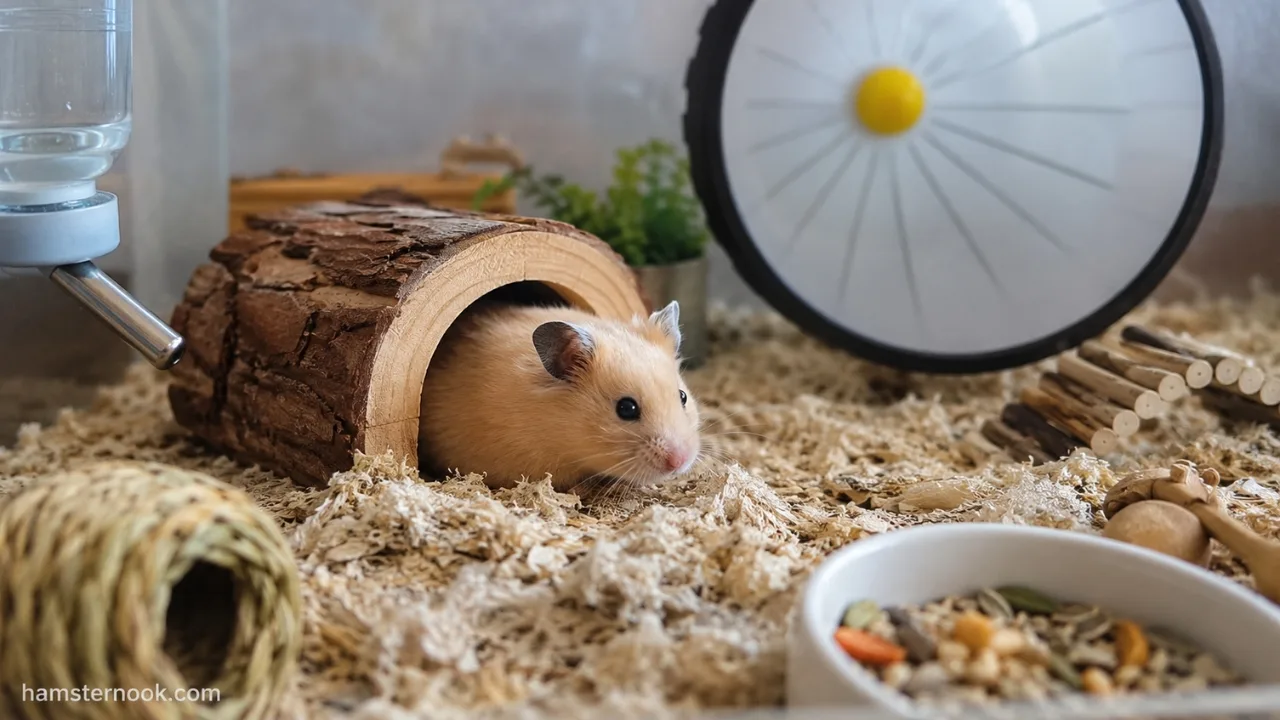
The best routine depends on the enclosure, bedding, toilet habits, and how quickly the habitat becomes soiled. Use the schedule below as a starting point rather than a rigid rule.
| Cleaning Task | When to Do It |
|---|---|
| Check water and remove spoiled fresh food | Daily |
| Remove wet or visibly soiled bedding | Every few days or sooner if needed |
| Check food stashes and heavily soiled areas | Regularly |
| Clean dirty accessories | When soiled |
| Replace part of the bedding | When bedding becomes significantly soiled |
| Deeper cage clean | When the enclosure needs it |
A larger enclosure with deep, absorbent bedding may stay clean for longer, while a smaller or more heavily soiled setup may need attention sooner.
Daily Hamster Cage Cleaning Tasks
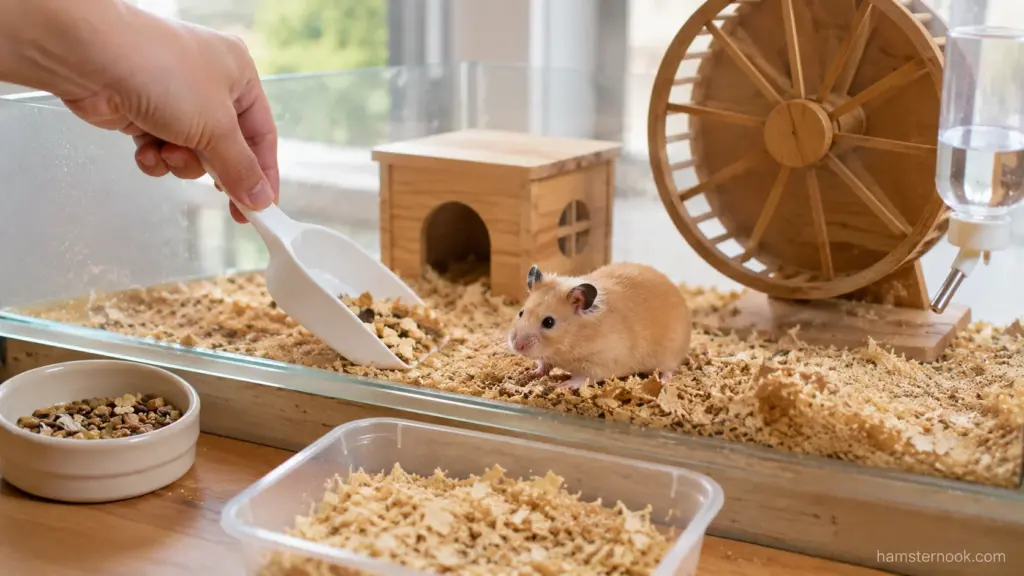
A few minutes of daily maintenance can help prevent many common cage hygiene problems.
Remove Fresh Food Before It Spoils
Vegetables, fruits, and other fresh foods should not remain in the cage for long periods. Leftover food can spoil quickly and attract bacteria.
While checking food storage areas, you may notice your hamster hoarding food. This behavior is completely normal. Owners interested in understanding this instinct may find Why Do Hamsters Hide Food in Their Cage? helpful.
Refresh Water Daily
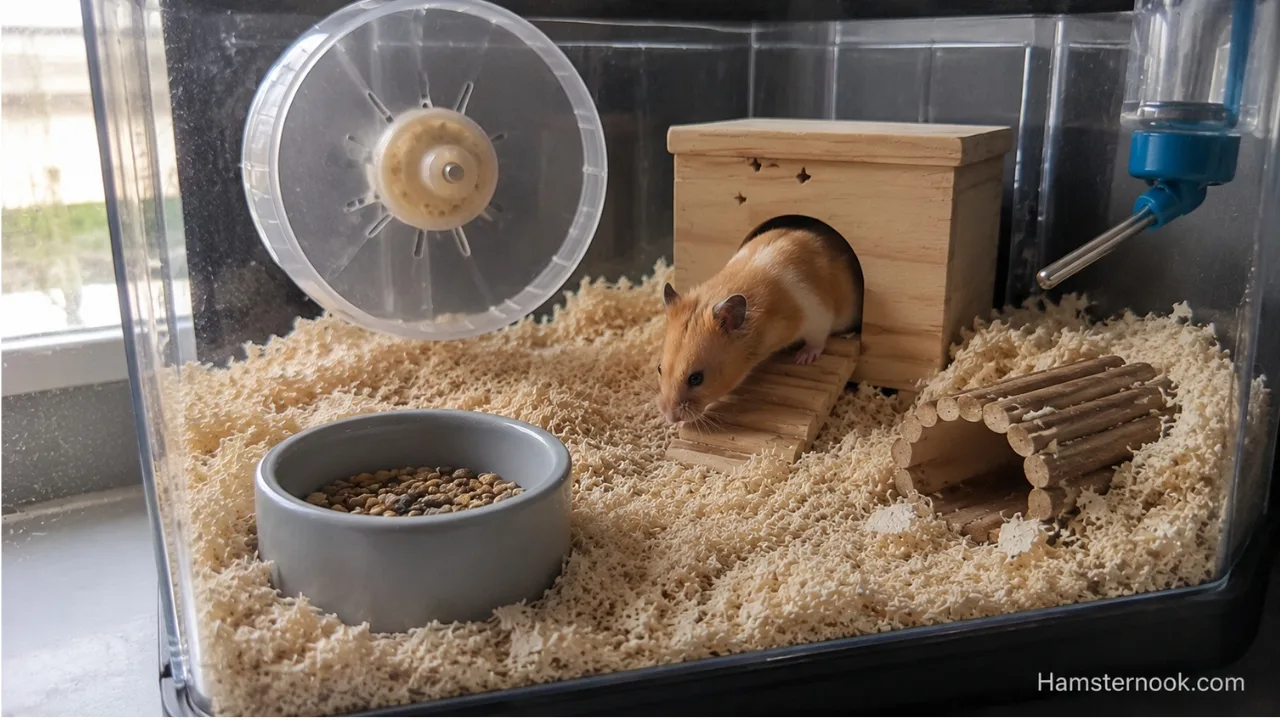
Even if the bottle appears full, fresh water should be provided every day.
Water bottles can develop bacteria, blocked nozzles, or contamination that isn’t always visible at first glance.
Quick Visual Health Check
Daily cleaning provides a perfect opportunity to monitor your hamster’s condition.
Look for:
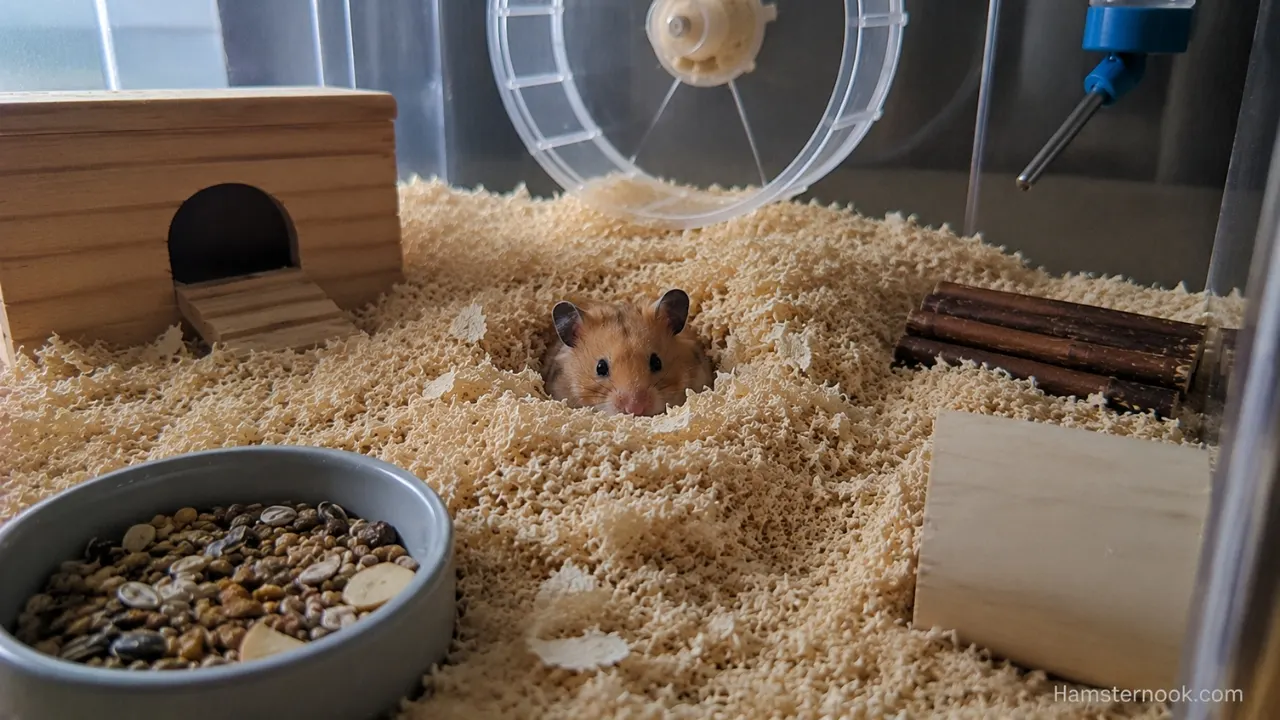
- Normal activity levels
- Healthy droppings
- Clean eyes and nose
- Regular eating habits
Changes in these areas may indicate health concerns that require closer attention.
Spot Cleaning: The Most Important Part of Cage Maintenance
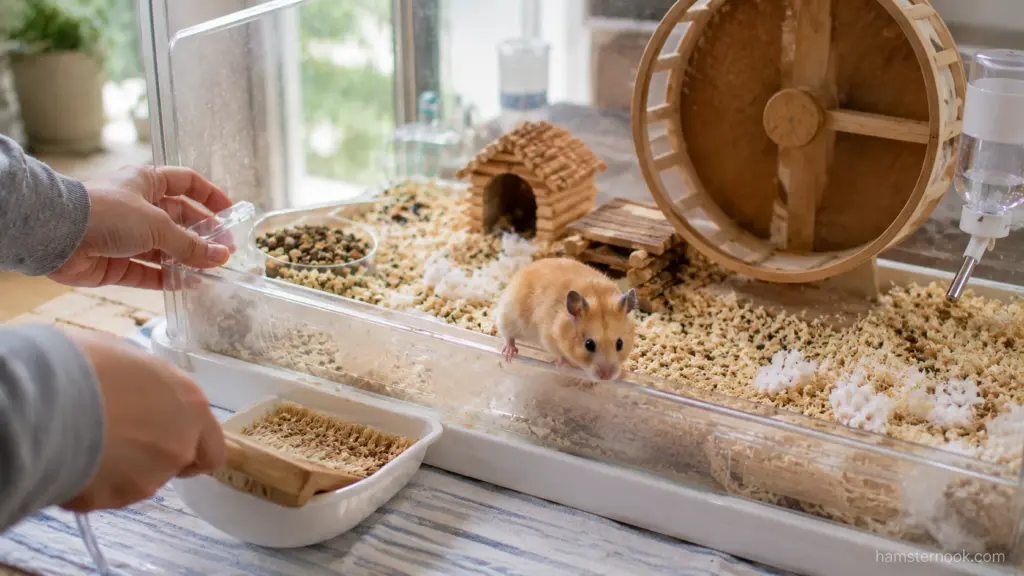
For most hamster owners, spot cleaning is the single most effective way to maintain cage hygiene while avoiding the stress caused by frequent full cleanouts.
Regular spot cleaning usually does more to maintain a healthy enclosure than frequent full cleanouts.
Most hamsters choose specific locations for urination. Removing soiled bedding from these areas every few days keeps the enclosure fresh without disrupting the entire habitat.

What to Remove During Spot Cleaning
Focus only on:
- Wet bedding
- Dirty nesting material if heavily soiled
- Food that has spoiled
- Waste buildup
Leave clean bedding undisturbed whenever possible.
Many experienced owners find that proper spot cleaning significantly reduces the need for frequent full cage cleanouts.
How Often Should You Replace Bedding?
Bedding replacement is one of the most misunderstood parts of hamster care.

Replacing all bedding every week may seem hygienic, but it often creates unnecessary stress.
General Bedding Replacement Guidelines
There is no reliable calendar date for replacing all or part of a hamster’s bedding. Instead, remove bedding when it becomes wet, heavily soiled, or develops a strong odor, while leaving clean bedding undisturbed whenever possible.
Deep bedding can help spread waste through a larger area and gives your hamster more room to burrow, but it still needs regular inspection.
Modern hamster welfare guidance recommends keeping bedding dry and clean while avoiding unnecessary disturbance to the hamster’s familiar environment.
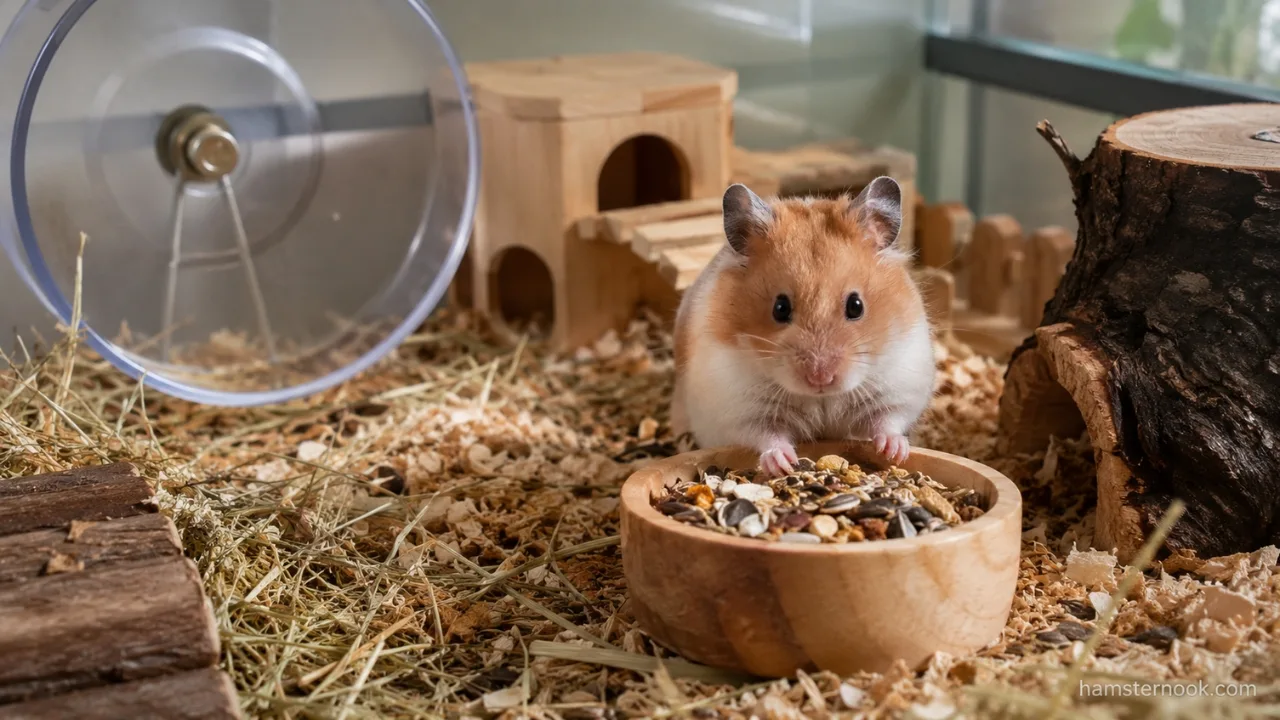
To better understand the importance of burrowing, read How Deep Should Hamster Bedding Be?
How Bedding Type Affects Cleaning Frequency
Different bedding materials absorb moisture differently.
- Paper bedding usually controls odor well and may stay fresh longer.
- Aspen bedding often requires slightly more frequent spot cleaning.
- Hemp bedding can absorb moisture effectively and reduce odor buildup.
Regardless of bedding type, regular spot cleaning remains the most important maintenance task.
If you switch to a different bedding material, don’t assume the same cleaning schedule will still work. Watch for changes in odor, moisture, and how your hamster uses the bedding during the first couple of weeks.

Signs Your Hamster Cage Needs Cleaning Sooner
Cleaning schedules work best when combined with regular observation of the enclosure’s condition.
Strong Odors
A healthy hamster cage should not produce overwhelming smells.
A strong ammonia smell usually means urine-soaked bedding should be removed as soon as possible.
Damp Bedding
Wet bedding can encourage bacterial growth and should be removed promptly.
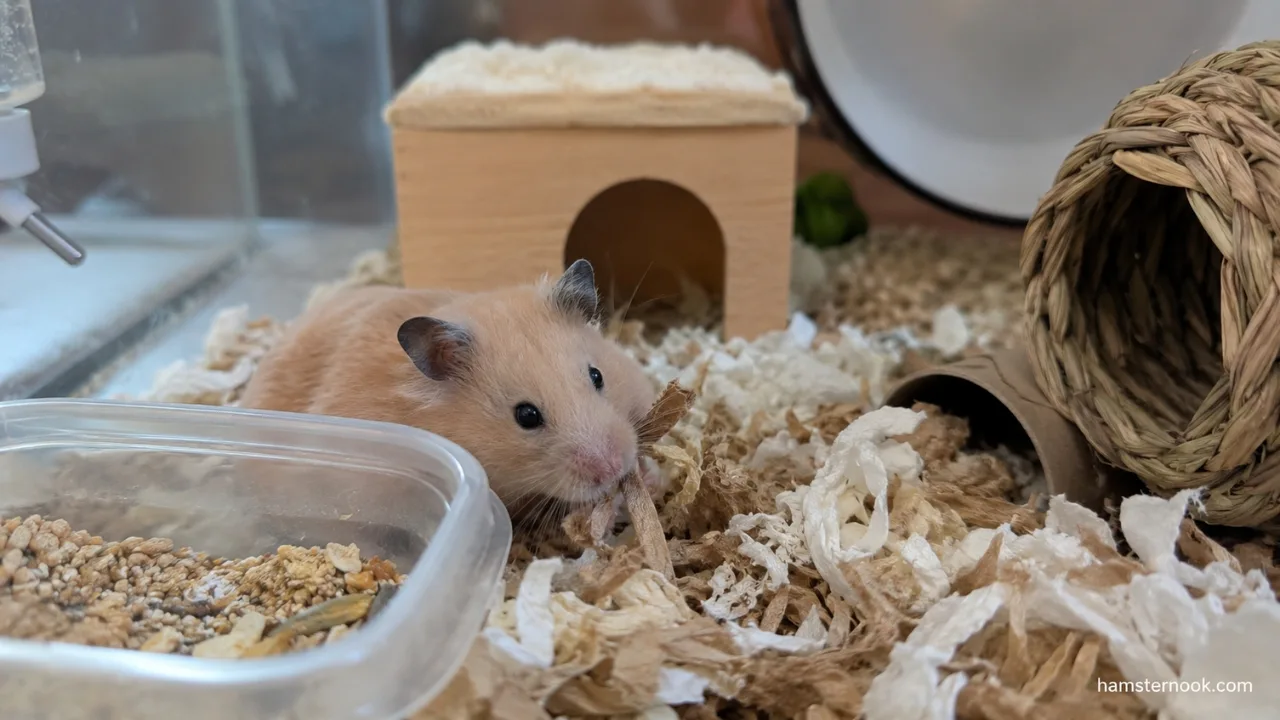
Moldy Food Stashes
Hamsters sometimes store food in hidden areas.
Checking stash locations occasionally helps prevent mold development. This is especially important if you regularly offer fresh foods.
Increased Flies or Insects
Pests around the cage usually indicate spoiled food or inadequate cleaning.
Common Hamster Cage Cleaning Mistakes
Many well-meaning owners accidentally create problems while trying to keep their hamster clean.
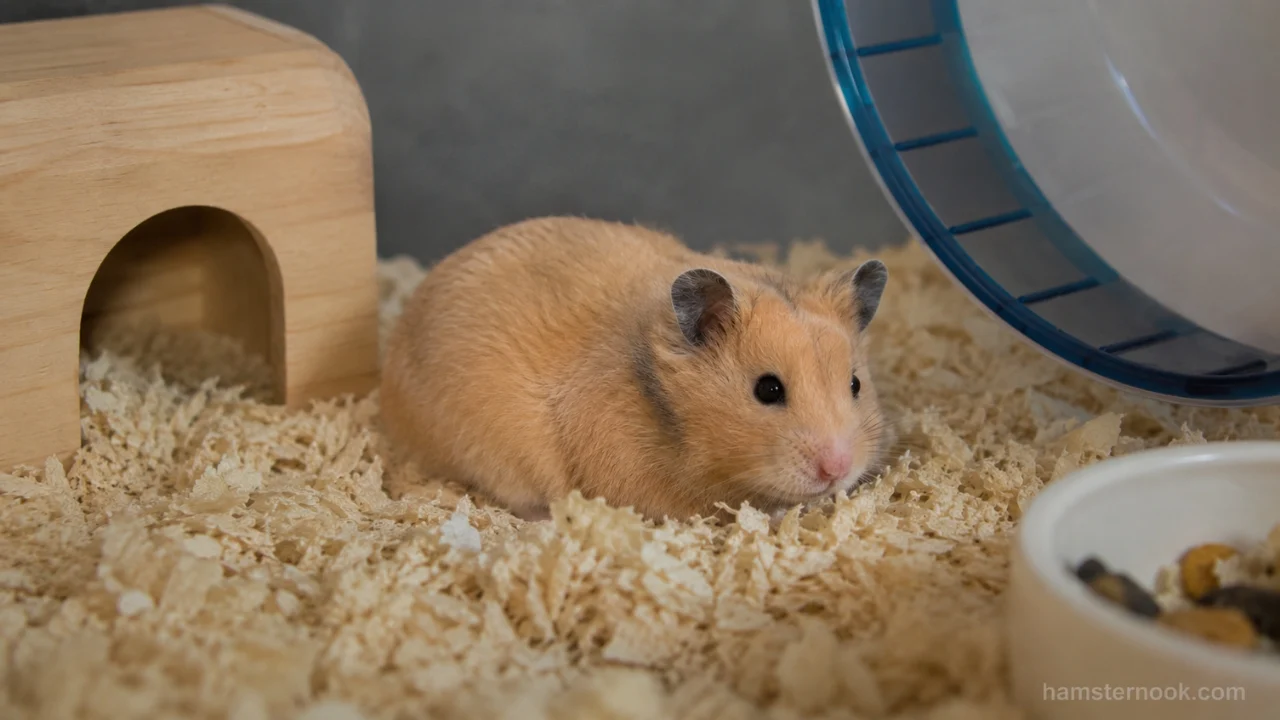
Cleaning Everything at Once
Removing all bedding, nests, and scent markings at the same time can be stressful.
A better approach is to retain a small amount of clean, familiar bedding whenever possible.
Using Strong Household Cleaners
Hamsters have sensitive respiratory systems.
Avoid:
- Bleach residue
- Air fresheners
- Scented sprays
- Harsh cleaning chemicals
If you’re unsure which household products are appropriate around a hamster, our Can Household Cleaning Sprays Affect Hamsters? guide explains which cleaning products and strong smells owners should avoid.
Use a cleaning product that is appropriate for small-animal enclosures, follow its directions, and rinse cleaned surfaces thoroughly when required. Allow the enclosure and accessories to dry before your hamster returns.
Waking Your Hamster for Cleaning
Hamsters are naturally most active during the evening and night.
Cleaning while your hamster is sleeping can cause unnecessary stress. If you’re still adjusting to your pet’s schedule, The Biggest Mistake New Hamster Owners Make in the First Week explains why respecting their routine is so important.
Overcleaning the Cage
While a completely spotless cage may seem ideal, removing all scent markings too often can make a hamster feel insecure in its environment.
The goal is to keep the enclosure clean without removing too much of the hamster’s familiar scent.
How to Perform a Low-Stress Partial Cage Clean
When a larger clean is needed, keep the process focused on the areas that actually need attention.
- Move your hamster to a secure temporary enclosure.
- Remove wet bedding, spoiled food, and heavily soiled nesting material.
- Keep clean, dry bedding and some familiar nesting material aside.
- Clean dirty accessories with a suitable pet-safe product when needed.
- Rinse cleaned items thoroughly and allow them to dry before returning them.
- Add fresh bedding and mix some saved clean bedding back into the enclosure.
- Return the hamster once the enclosure and accessories are clean and dry.
Clean the cage while your hamster is awake rather than disturbing it during sleep. Avoid stripping the entire enclosure when a targeted clean is enough.
Do Syrian and Dwarf Hamsters Need Different Cleaning Schedules?
In most cases, cleaning schedules are determined more by enclosure size than hamster species.
However, there are a few differences.
| Hamster Type | Cleaning Considerations |
| Syrian Hamster | Larger waste output, may require more spot cleaning |
| Roborovski Hamster | Often produces less waste overall |
| Winter White Hamster | Similar cleaning needs to other dwarf species |
| Campbell’s Dwarf Hamster | Benefits from regular spot cleaning |
| Chinese Hamster | Generally follows standard cleaning routines |
The key factor remains enclosure maintenance rather than species alone.
Creating a Beginner-Friendly Cleaning Routine
Many owners find success with a simple routine:
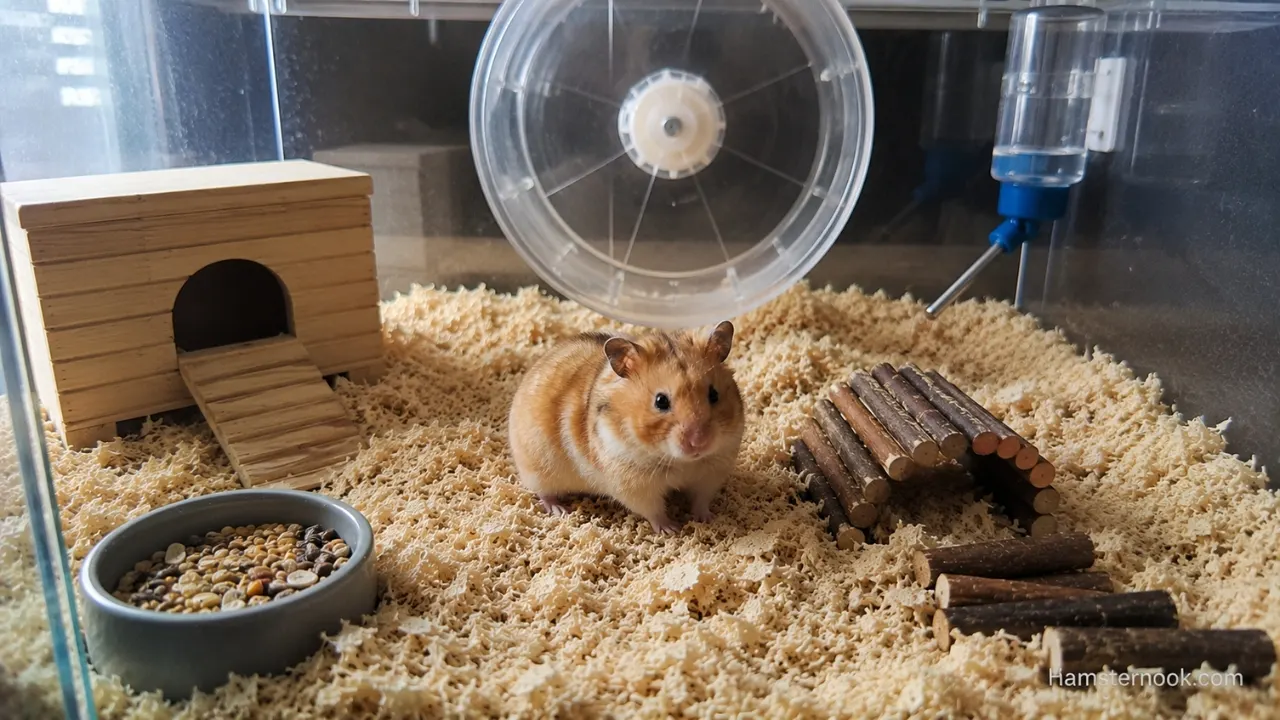
Daily
- Check food
- Replace water
- Quick health observation
Every Few Days
- Spot clean urine areas
- Remove spoiled food
Weekly
- Inspect accessories
- Clean sand bath if needed
- Check hidden food storage areas
Every Few Weeks
- Partial bedding replacement
- Larger enclosure refresh
This schedule works well for most healthy hamsters living in appropriately sized enclosures.
Try to clean the cage around the same time each week whenever possible. A predictable routine is often less stressful than cleaning on random days or making several major changes at once.
How Cage Size Affects Cleaning Frequency
One of the easiest ways to reduce cleaning workload is to provide a larger enclosure.
Larger cages generally:
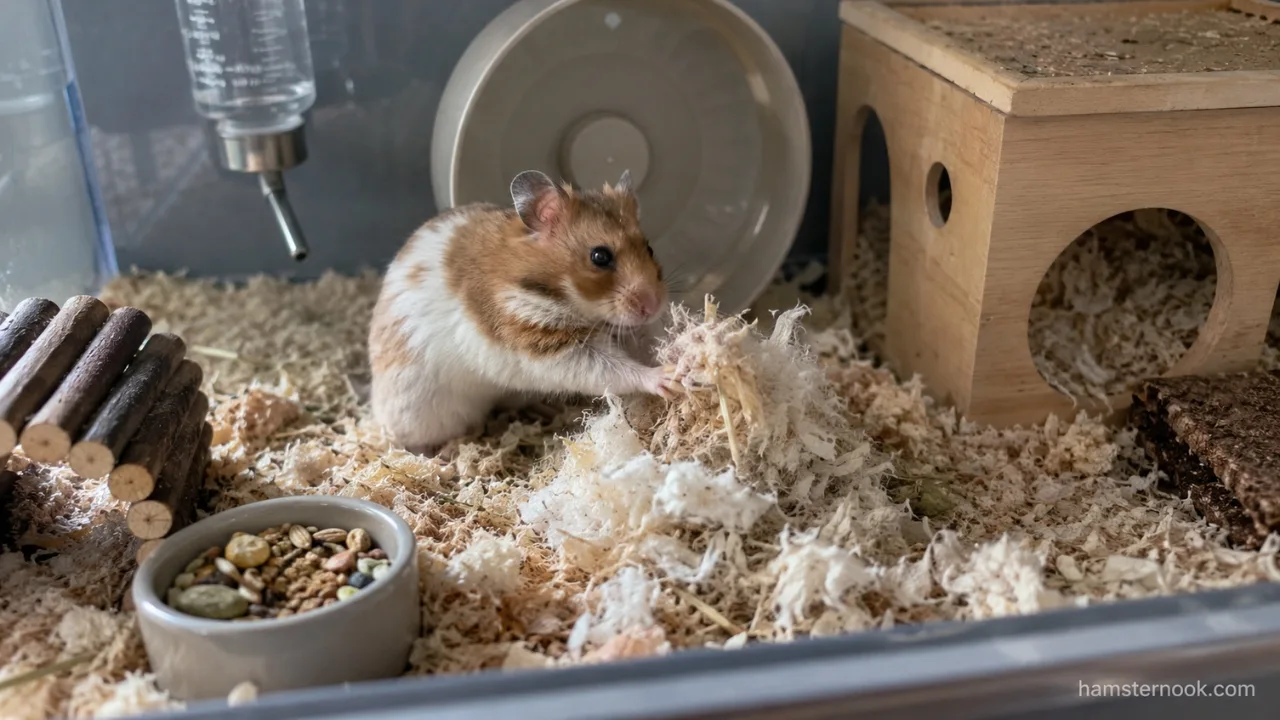
- Stay cleaner longer
- Allow deeper bedding
- Reduce odor concentration
- Support natural behaviors
If you’re unsure whether your enclosure is contributing to frequent cleaning, our Best Hamster Cage Setup for Beginners guide covers the space, bedding, and setup features that can make routine maintenance easier.
Many owners notice that behavioral issues decrease when hamsters have enough space. If your hamster frequently climbs bars, chews cage edges, or appears restless, Signs Your Hamster Is Bored and How to Fix It may help identify whether enclosure enrichment is needed.
Final Thoughts
Effective hamster cage cleaning is about balancing cleanliness with familiarity. A tidy enclosure helps protect your hamster’s health, but preserving some of its familiar scent also helps it feel secure after each cleaning session. The goal is creating a healthy environment while preserving the scents and routines that help your hamster feel secure.
For most owners, daily maintenance, regular spot cleaning, and occasional partial bedding changes provide the best balance between hygiene and comfort. Overcleaning can be just as problematic as under-cleaning, especially for sensitive hamsters that rely heavily on familiar scents.

Consistent maintenance and sensible cleaning habits are usually all that’s needed to keep a hamster’s enclosure clean and comfortable.
Key Takeaways
- Daily maintenance prevents most hygiene problems.
- Spot cleaning is usually more important than deep cleaning.
- Full cage cleanouts should be limited whenever possible.
- Retaining some clean bedding helps reduce stress.
- Larger enclosures generally stay cleaner for longer periods.
Frequently Asked Questions
How often should I completely clean a hamster cage?
A full deep clean is usually only necessary occasionally. Most hamster owners rely on regular spot cleaning and partial bedding changes instead of frequent complete cleanouts.
Can I clean my hamster’s cage every week?
You can perform spot cleaning weekly, but replacing all bedding every week is often unnecessary and may cause stress.
Why does my hamster cage smell bad so quickly?
Strong odors usually indicate urine buildup, inadequate bedding depth, poor ventilation, or spoiled food hidden in the enclosure.
Should I remove all old bedding during cleaning?
No. Keeping a small amount of clean, familiar bedding can help reduce stress by preserving your hamster’s scent.
Is it safe to use disinfectants in a hamster cage?
Only pet-safe cleaning products should be used. Harsh chemicals and scented cleaners can irritate a hamster’s respiratory system.
How do I know if I’m cleaning too much?
If your hamster becomes unusually nervous, hides excessively after cleanings, or appears stressed whenever the cage is cleaned, you may be removing too much familiar scent at once.
Does a larger hamster cage stay cleaner longer?
Generally, yes. Larger enclosures with deep bedding often require less frequent major cleaning because waste is spread over a larger area and natural burrowing helps maintain the environment.
References
This guide is based on hamster housing, cage cleaning, bedding, hygiene, enrichment, and welfare guidance from trusted animal welfare and veterinary resources, including:
- RSPCA – Creating a Good Home for Hamsters – Guidance on hamster housing, bedding, cleaning, nesting areas, and maintaining a suitable enclosure environment.
- RSPCA – Keeping Hamsters as Pets – General hamster care, hygiene, housing, behavior, and welfare guidance.
- Blue Cross – Hamster Care Guide – Practical information on hamster housing, bedding, cleaning, enrichment, and everyday care.
- MSD Veterinary Manual – Providing a Home for a Hamster – Veterinary guidance on hamster enclosure design, bedding, sanitation, ventilation, and environmental needs.
- NC3Rs – Housing and Husbandry: Hamster – Guidance on hamster housing, bedding, husbandry, environmental conditions, and welfare.
- NC3Rs – Choosing Appropriate Enrichment – Principles for providing appropriate enrichment while supporting natural hamster behaviors and welfare.

Narayan Kumar is the founder and author of HamsterNook. He creates practical, research-based hamster care guides covering hamster behavior, nutrition, cage setup, enrichment, health, and everyday care. His goal is to help hamster owners make informed decisions and provide safer, healthier lives for their pets through clear, beginner-friendly information based on trusted animal care resources.