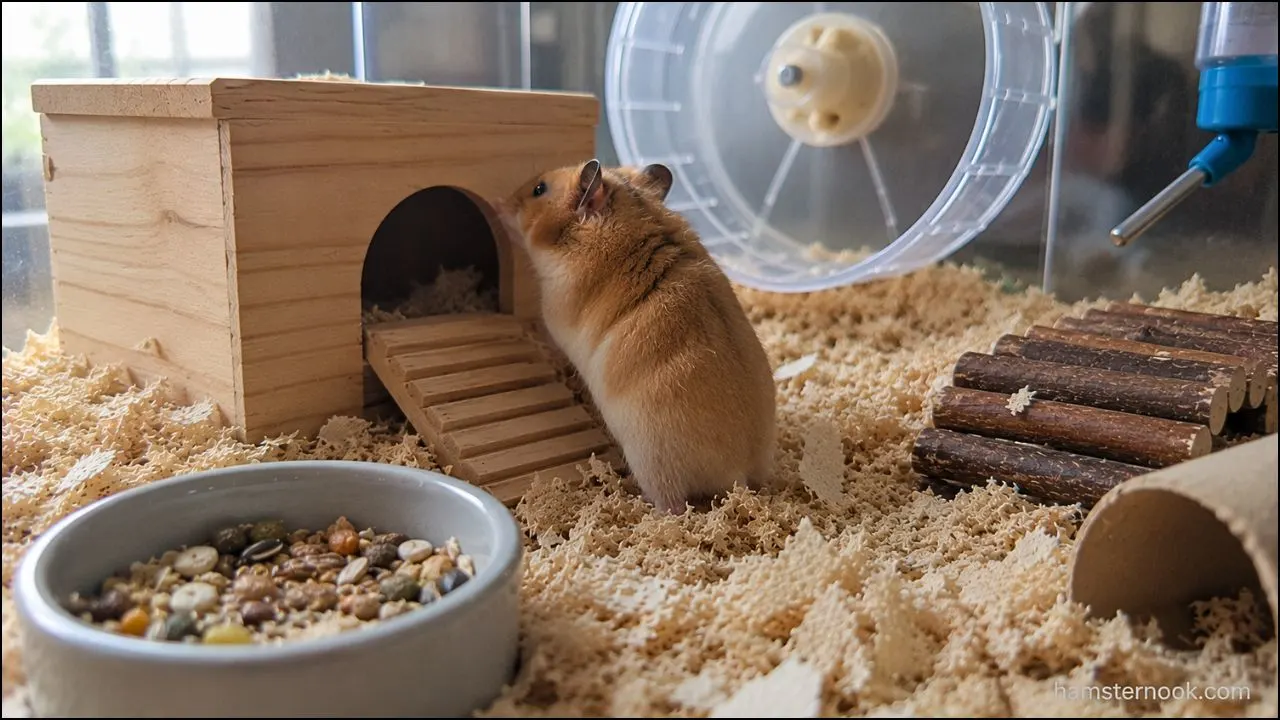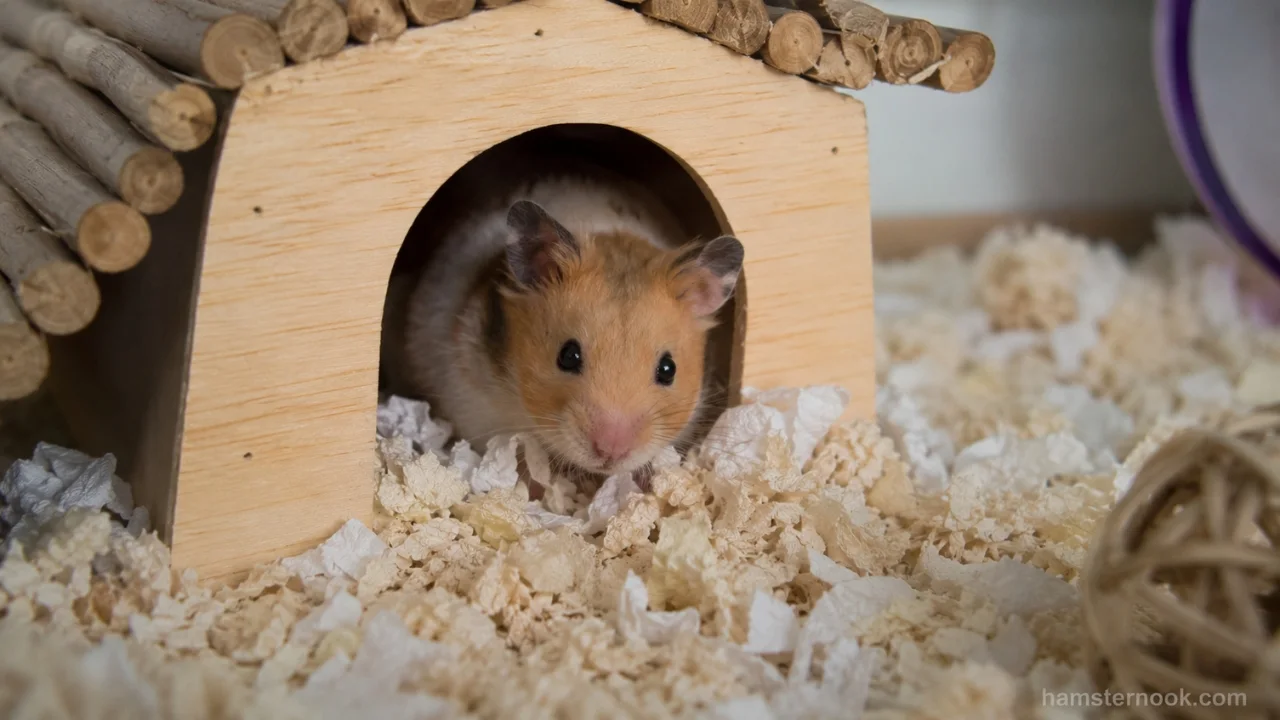
A hamster that feels safe behaves very differently from one that feels threatened. Because hamsters are prey animals, their survival instincts are deeply rooted. In the wild, even a small sign of danger can trigger behaviors designed to help them avoid predators and stay alive.
The challenge for pet owners is that hamsters cannot tell us when something is wrong. Instead, they communicate through changes in behavior. A hamster that normally explores, accepts treats, or approaches you confidently may suddenly start hiding, avoiding contact, or reacting more defensively than usual.
Understanding these warning signs can help you identify potential problems early and create an environment where your hamster feels secure again. While occasional nervous behavior is normal, persistent fear-related behaviors often indicate that something in the hamster’s environment, routine, or health has changed.
Why Feeling Safe Is Essential for Hamsters
Many owners notice that a hamster’s confidence level changes long before obvious health problems appear. A hamster that feels secure typically follows predictable routines, while a hamster that feels unsafe often begins changing its behavior first.
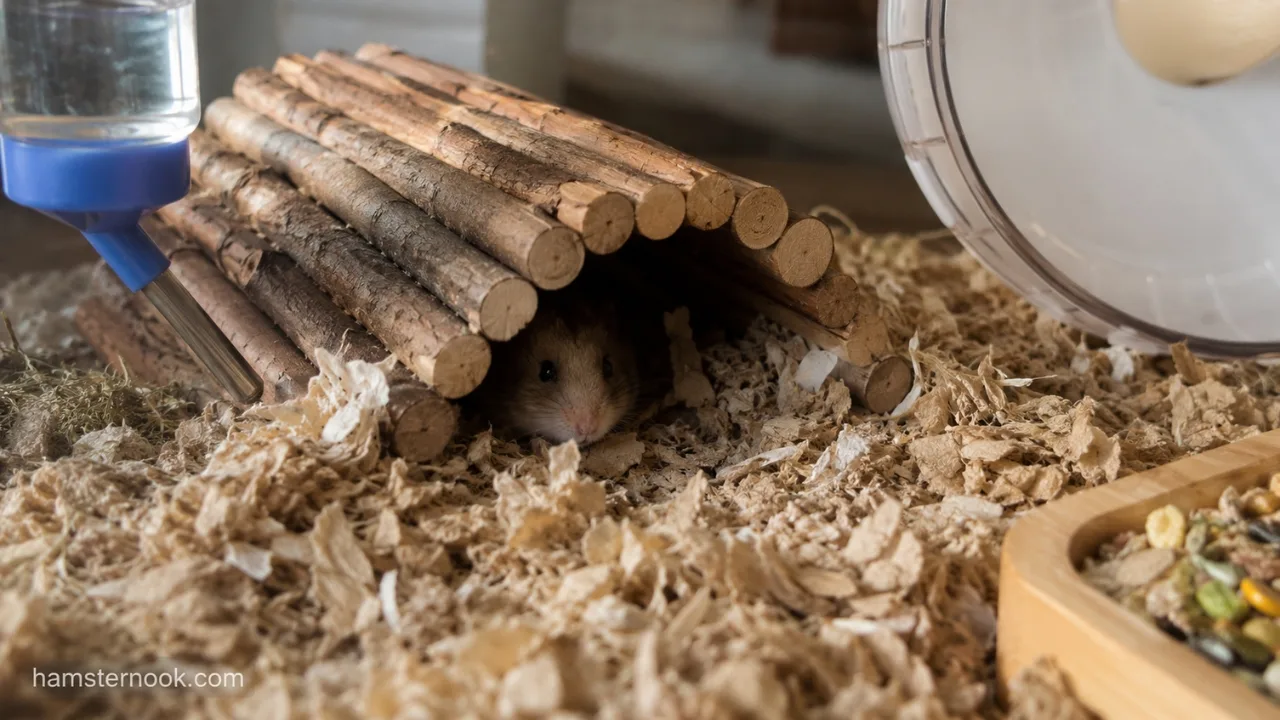
Safety is one of a hamster’s most basic needs. When a hamster feels secure, it is more likely to:
- Explore its enclosure
- Eat normally
- Build nests
- Exercise regularly
- Interact with its environment
- Show curiosity
When a hamster no longer feels safe, everyday behaviors often change before any physical symptoms appear. A confident hamster usually explores, forages, and follows a predictable routine, while a frightened hamster spends more time avoiding perceived danger. Recognizing these early behavior changes gives owners the best chance to identify and remove the source of stress before it develops into a bigger welfare problem.
| When a Hamster Feels Safe | When a Hamster Feels Unsafe |
|---|---|
| Explores confidently | Hides excessively |
| Eats regularly | May eat less |
| Uses enrichment items | Avoids open areas |
| Shows curiosity | Appears cautious or fearful |
| Maintains routine behavior | Displays sudden behavioral changes |
Excessive Hiding Can Be a Sign of Insecurity

Hamsters naturally spend part of their day hidden in nests or burrows. However, a hamster that suddenly refuses to come out for long periods may be feeling unsafe.
If your hamster has recently moved into a new home, read The First Night With a New Hamster: What to Expect and What to Avoid to understand which behaviors are completely normal during the adjustment period.
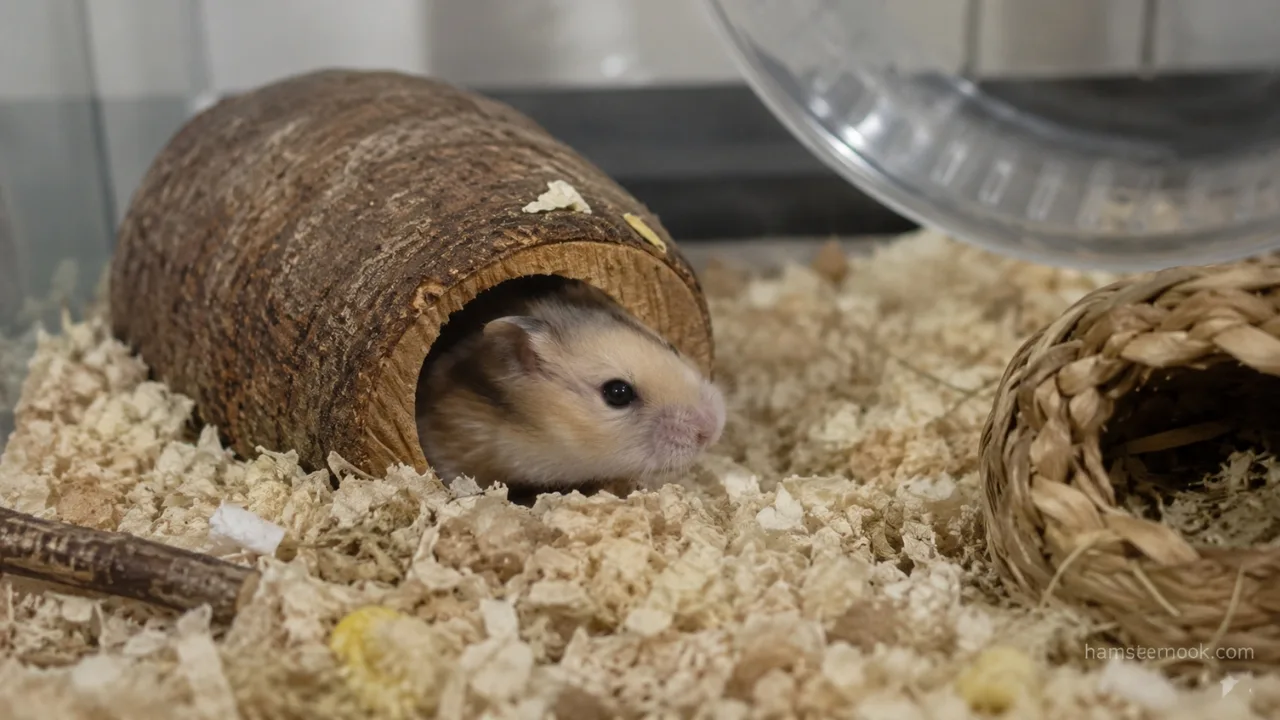
This behavior may become noticeable when the hamster:
- Rarely leaves its hideout
- Stops exploring at night
- Rushes back into shelter whenever disturbed
- Avoids areas it previously used
Even small changes, such as moving the cage, introducing a new pet, or changing the room environment, can make a hamster retreat into hiding more often.
Sudden Freezing Behavior
One of the most common fear responses in hamsters is freezing.
Instead of running away, a hamster may suddenly stop moving completely. This behavior helps prey animals avoid attracting attention from predators.

A frightened hamster may:
- Stay completely still
- Flatten its body slightly
- Remain motionless for several seconds or minutes
- Freeze after hearing a sudden sound
Occasional freezing is normal. Frequent freezing may indicate ongoing stress.
Your Hamster Starts Avoiding You
A hamster that previously accepted handling may become reluctant to approach.
Signs include:
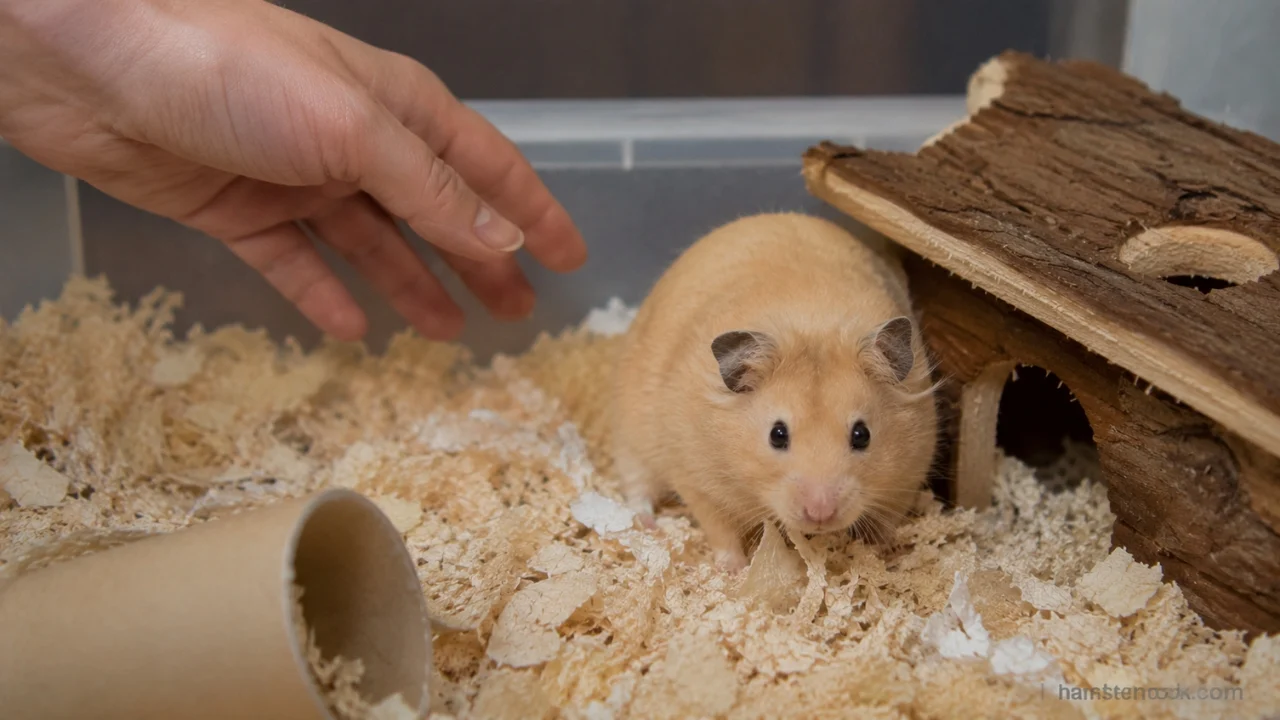
- Running away when you open the cage
- Refusing treats from your hand
- Hiding when you enter the room
- Avoiding interaction during usual activity times
This does not always mean the hamster dislikes you. Often, it means something has affected its sense of security.
Some frightened hamsters eventually begin biting as a last resort. Why Does My Hamster Bite Me? Causes, Warning Signs & Safe Solutions explains how fear-related biting differs from aggression.
Defensive Postures and Warning Behaviors
Fear can sometimes appear as aggression.
When a hamster feels trapped or threatened, it may attempt to defend itself.

Common defensive behaviors include:
- Standing upright defensively
- Showing teeth
- Lunging
- Vocalizing
- Swatting with front paws
These actions are often warnings rather than signs of a naturally aggressive personality.
| Defensive Behavior | What It May Mean |
|---|---|
| Lunging | Feeling cornered |
| Teeth chattering | Fear or stress |
| Defensive standing | Perceived threat |
| Quick striking motions | Attempt to create distance |
| Repeated warnings | Ongoing discomfort |
Punishing these behaviors can increase fear rather than solve the underlying problem.
Increased Startle Responses
A relaxed hamster typically recovers quickly from minor disturbances.
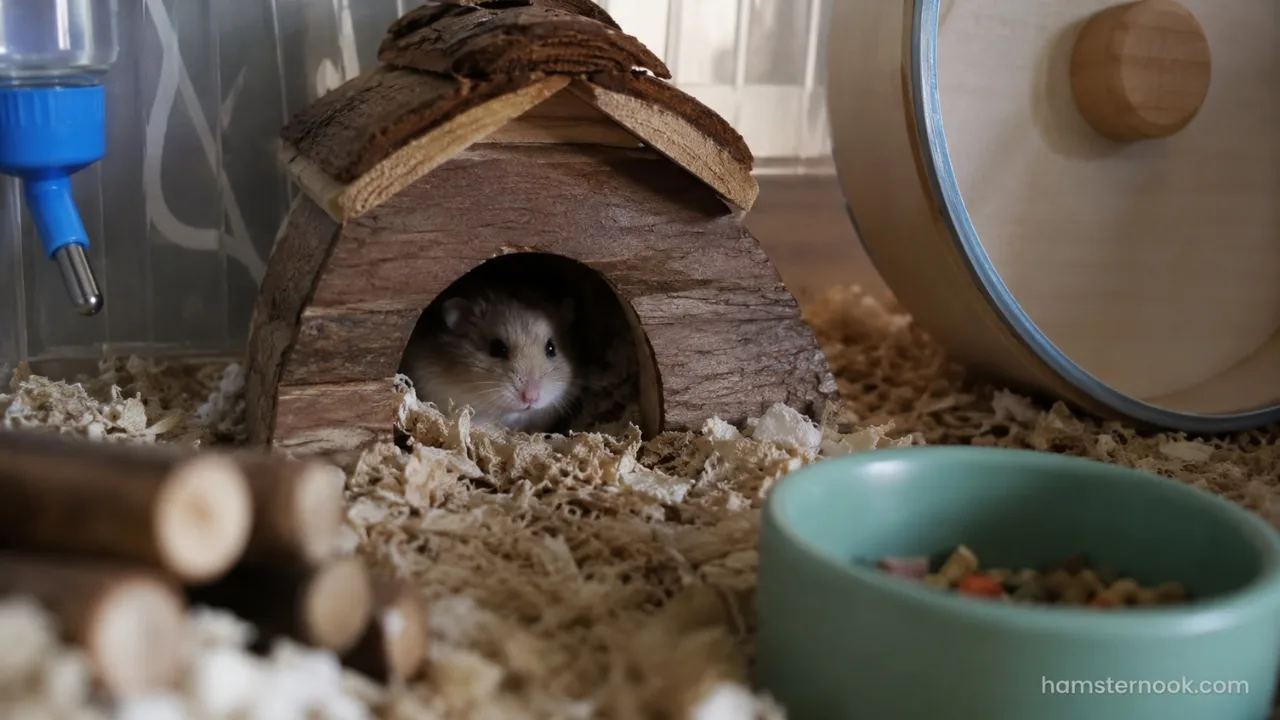
A hamster that no longer feels safe may react strongly to:
- Small noises
- Movement near the cage
- Lights turning on
- Routine household activity
You may notice the hamster jumping, running for cover, or freezing more often than usual.
Bar Chewing and Escape Attempts
Many owners assume escape behavior means a hamster simply wants more exercise.
An enclosure review can often reveal hidden stressors. Read Hamster Cage Setup Guide.

In some cases, repeated escape attempts may also be linked to stress or insecurity.
Signs include:
- Constant bar chewing
- Climbing cage walls
- Digging at corners
- Searching for exits repeatedly
While cage size and enrichment should always be evaluated, chronic escape behaviors can sometimes reflect discomfort within the current environment.
Changes in Eating Habits
A fearful hamster may alter its feeding routine.

Possible changes include:
| Feeding Change | Possible Explanation |
|---|---|
| Eating less | Stress affecting appetite |
| Hoarding more food | Increased survival instincts |
| Avoiding open feeding areas | Feeling exposed |
| Waiting until very late to eat | Attempting to avoid perceived danger |
Appetite changes can also indicate health problems, so they should never be ignored.
Understanding normal feeding habits can help identify unusual changes. See What Can Hamsters Eat? Complete Food List.
Overreacting to Handling
Some hamsters tolerate handling well when they feel secure.
A hamster that suddenly becomes difficult to handle may:
- Squirm excessively
- Attempt to jump away
- Bite unexpectedly
- Vocalize during handling
- Show panic behaviors
Reviewing recent changes can help identify possible causes.
Examples include:
- New pets in the home
- Changes in cage location
- Strong cleaning products
- Rough handling
- Frequent disturbances during sleep
Sleeping Pattern Changes
Hamsters are naturally nocturnal or crepuscular, depending on the individual.

Stress can sometimes disrupt normal sleep routines.
You may notice:
- Less visible activity at night
- Increased daytime hiding
- Unusual sleeping locations
- Restlessness during normal sleeping periods
Because sleep is essential for health, ongoing disruptions should be investigated.
Stress Grooming or Overgrooming
Hamsters spend time grooming themselves every day.

However, excessive grooming can sometimes indicate anxiety.
Watch for:
- Constant grooming sessions
- Repeated grooming of one area
- Fur thinning
- Mild hair loss
Overgrooming is not always caused by fear, but stress can be one contributing factor.
Unusual Vocalizations
Hamsters are generally quiet animals.
When frightened, some hamsters may produce sounds such as:
- Squeaks
- Hisses
- Chattering noises
- Sharp vocal warnings
These sounds often occur when the hamster feels threatened or cornered.
Common Causes of Feeling Unsafe
Identifying the cause is just as important as recognizing the behavior.
| Possible Cause | How It Affects the Hamster |
|---|---|
| Loud household noise | Creates constant stress |
| Small enclosure | Limits natural behaviors |
| Lack of hiding places | Reduces sense of security |
| Frequent waking | Interrupts rest |
| Rough handling | Damages trust |
| New pets nearby | Triggers predator instincts |
| Sudden environmental changes | Creates uncertainty |
Sometimes several small stressors combine to create ongoing anxiety.
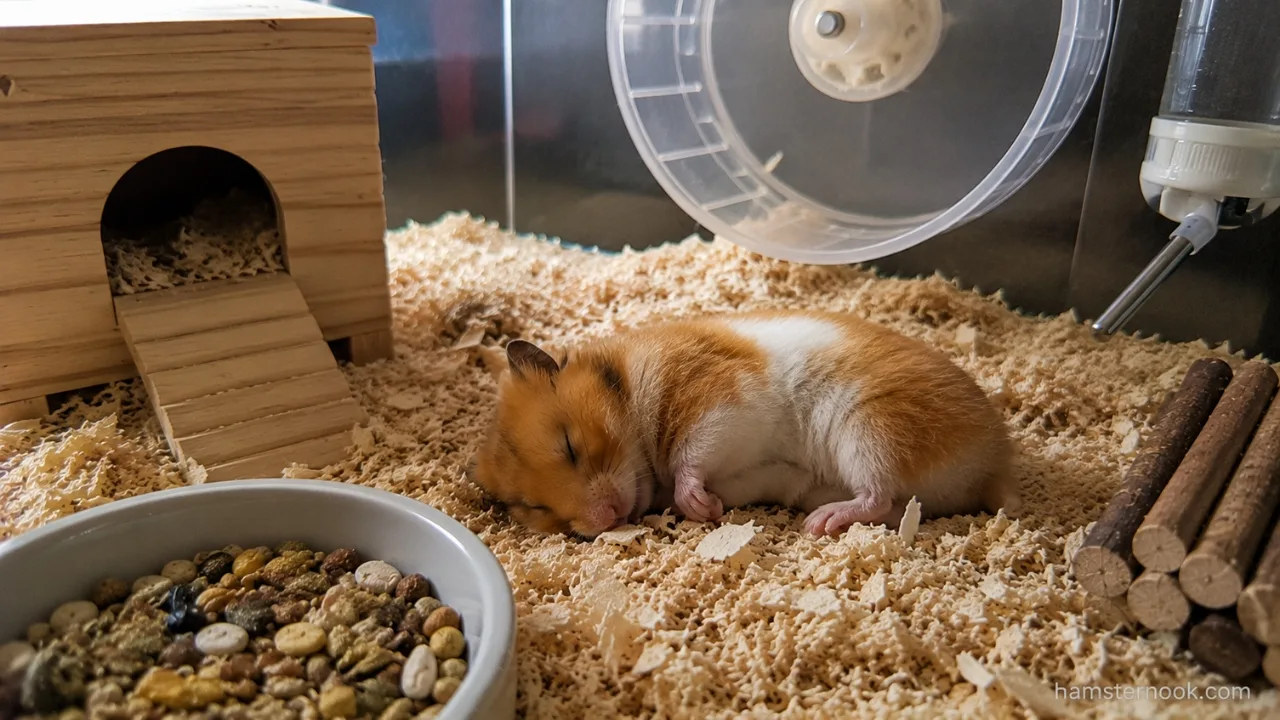
If your hamster has become fearful shortly after adoption, The Biggest Mistake New Hamster Owners Make in the First Week explains how early handling mistakes can delay trust.
How to Help a Hamster Feel Safe Again

Improving security usually involves addressing both the environment and daily interactions.
Helpful strategies include:
- Providing multiple hideouts
- Offering deep bedding for burrowing
- Maintaining a consistent routine
- Avoiding unnecessary disturbances
- Handling gently and patiently
- Keeping predator pets away from the enclosure
- Ensuring adequate cage size
- Using enrichment activities
A simple daily routine can help reduce stress and make behavioral changes easier to spot. Read our Hamster Care Guide for Beginners for practical daily care tips.

Most hamsters regain confidence gradually when their environment feels predictable and secure.
How Long Does It Take a Hamster to Feel Safe Again?
Every hamster adjusts at a different pace. Some regain confidence within a few days after the source of stress is removed, while others may need several weeks, especially after a frightening experience or moving to a new home.
The best approach is consistency. Feed your hamster at similar times, avoid unnecessary cage changes, and let it choose when to approach you. Small improvements, such as spending more time exploring or calmly accepting treats again, usually show that trust is returning.
When Fear May Actually Be a Health Problem
Behavior changes are not always caused by environmental stress.
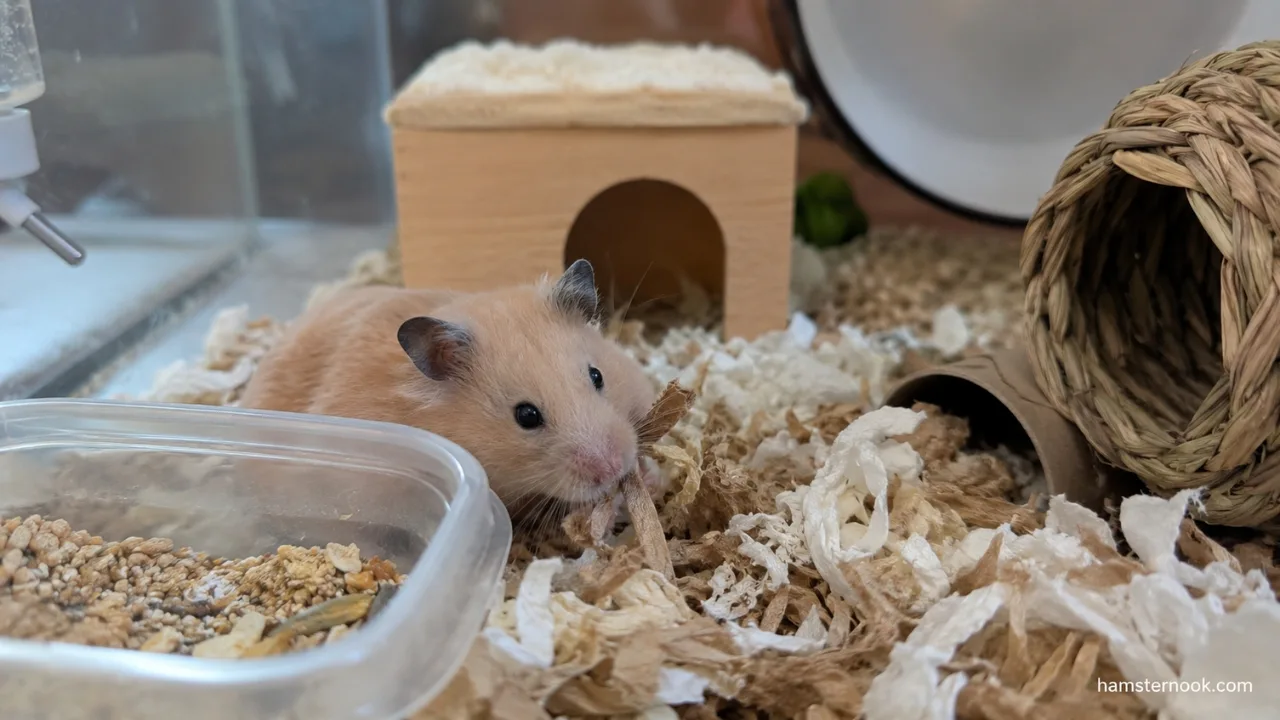
Pain, illness, or injury can sometimes create behaviors that look similar to fear, including:
- Hiding
- Reduced activity
- Defensive reactions
- Appetite changes
- Avoidance behavior
If you’re unsure whether the behavior is caused by fear or illness, 10 Things Your Hamster Does Before It Gets Sick can help you recognize the early warning signs that deserve veterinary attention.
If behavioral changes appear suddenly or are accompanied by physical symptoms, veterinary evaluation is important.
Common Mistakes That Make a Scared Hamster Feel Even More Unsafe
When owners notice fearful behavior, it’s natural to try to “fix” it quickly. Unfortunately, some well-meaning actions can make the problem worse instead of better.
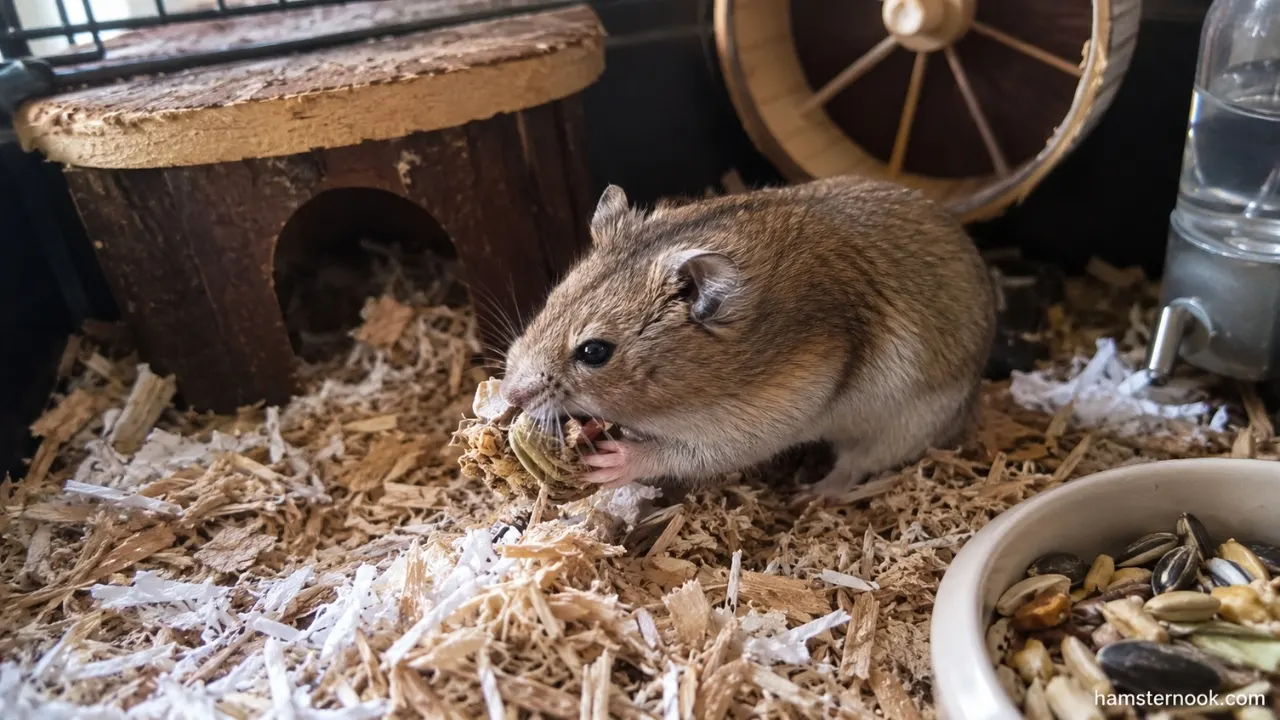
Avoid repeatedly picking your hamster up to “help it get used to you.” Don’t wake it just to play, remove every bit of old bedding during deep cleans, or place the cage in a noisy part of the house where people constantly walk by. Punishing defensive behaviors like biting or squeaking also damages trust because your hamster is reacting out of fear, not aggression.
Instead, give your hamster predictable routines, quiet surroundings, familiar scents, and enough time to rebuild confidence at its own pace. Most frightened hamsters become noticeably calmer once they realize their environment is safe again.
Final Thoughts
A hamster that no longer feels safe often communicates through behavior rather than obvious physical signs. Excessive hiding, freezing, escape attempts, defensive postures, and changes in eating or activity patterns can all signal that something is affecting the hamster’s sense of security.
In many cases, fearful behavior improves once the source of stress is removed and the hamster has time to rebuild its sense of security. By paying close attention to behavioral changes and providing a calm, enriched, predictable environment, owners can help their hamsters feel more comfortable and confident in their surroundings.

Medical Disclaimer
The information provided in this article is for educational and informational purposes only and should not be considered veterinary advice, diagnosis, or treatment. If your hamster is showing signs of illness, injury, or unusual behavior, consult a qualified veterinarian as soon as possible.
References
This guide is based on hamster health, welfare, and veterinary care information from trusted animal care organizations and veterinary resources, including:
- RSPCA – Hamster Care Guidance
- PDSA – Hamster Health Information
- Veterinary Partner – Small Animal Health Resources
- Blue Cross – Small Pet Care Resources
Frequently Asked Questions
Can a hamster suddenly become fearful overnight?
Yes. A new sound, environmental change, predator scent, illness, or stressful experience can cause sudden behavioral changes.
Why does my hamster freeze when I approach the cage?
Freezing is a natural prey-animal response. It may happen when the hamster is startled or unsure whether a situation is safe.
Is hiding all day a sign that my hamster is unhappy?
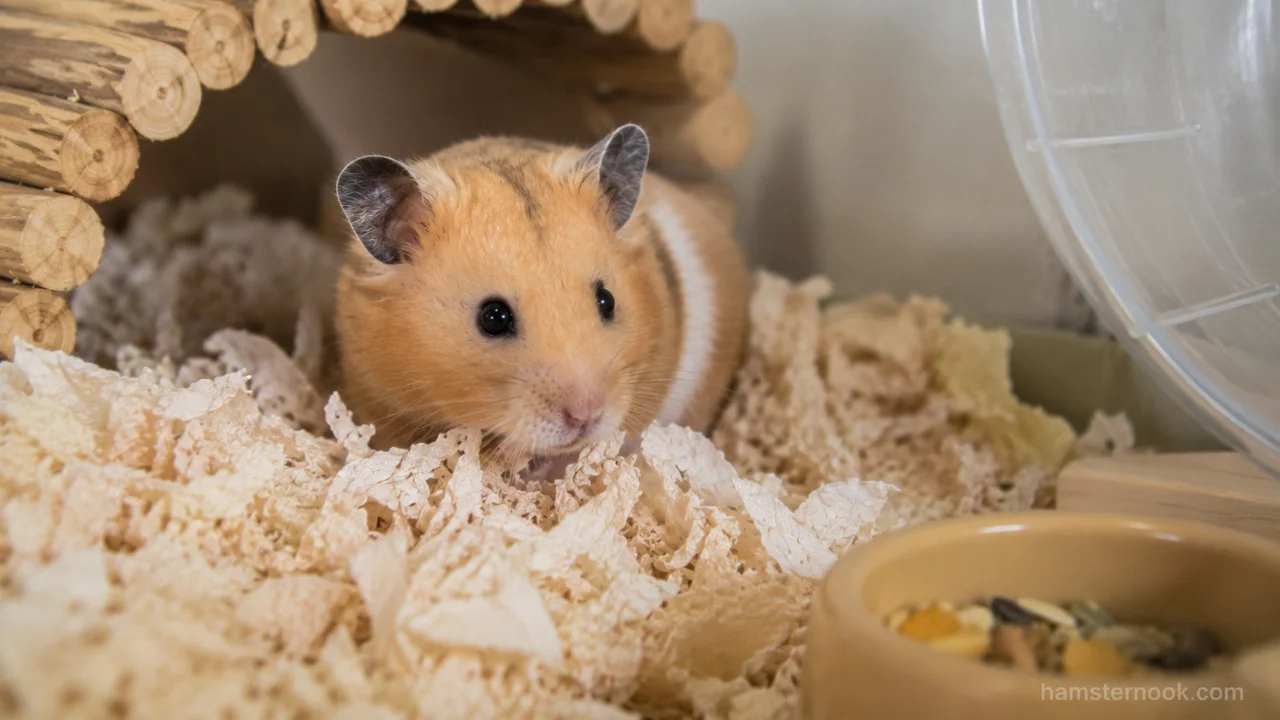
Not necessarily. Hamsters naturally spend much of their time hidden. Concern arises when hiding increases suddenly or is accompanied by other behavioral changes.
Can stress make a hamster stop eating?
Yes. Stress can affect appetite, although appetite loss may also be linked to health issues that require veterinary attention.
Why does my hamster try to bite me now when it never did before?
Fear, pain, illness, territorial behavior, or recent stressful experiences can all contribute to defensive biting.
How long does it take for a hamster to feel safe again?
It depends on the cause. Some hamsters improve within days after environmental changes are corrected, while others may require several weeks to rebuild confidence and trust.

Narayan Kumar is the founder and author of HamsterNook. He creates practical, research-based hamster care guides covering hamster behavior, nutrition, cage setup, enrichment, health, and everyday care. His goal is to help hamster owners make informed decisions and provide safer, healthier lives for their pets through clear, beginner-friendly information based on trusted animal care resources.