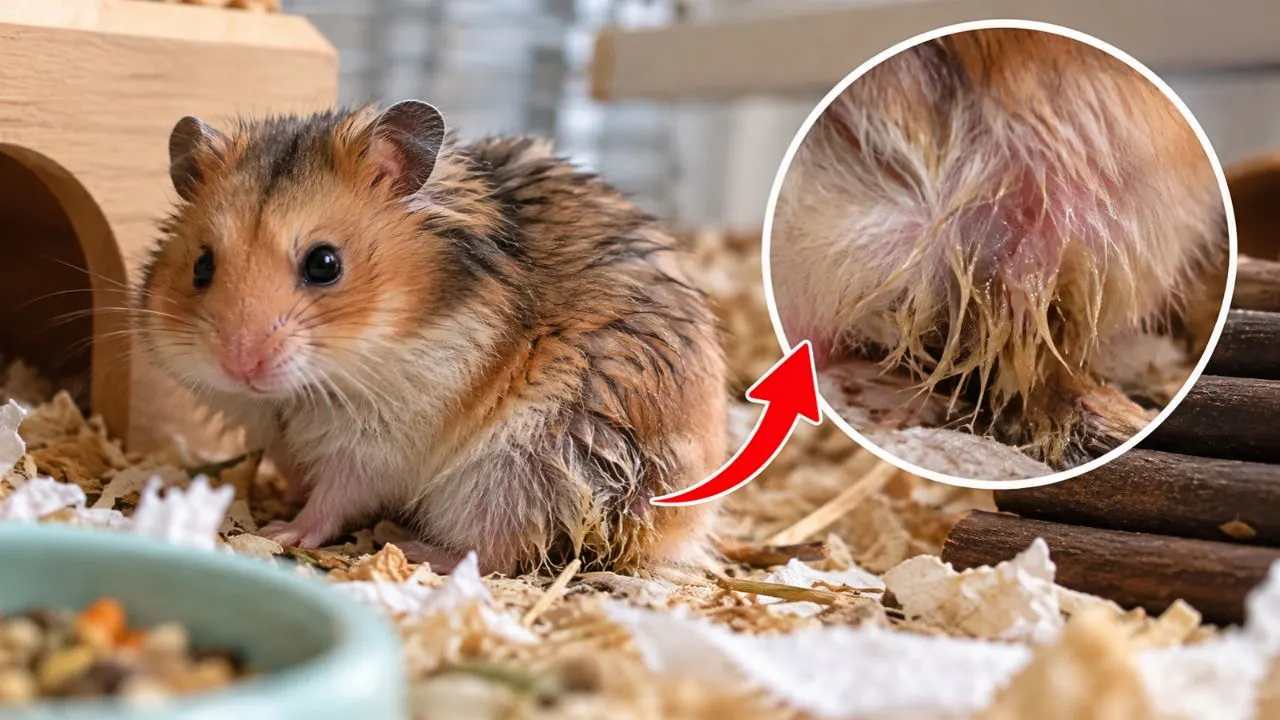
Most owners notice it instantly. A hamster that was running normally yesterday may suddenly start limping, wobbling, or dragging a leg, making it hard to know whether the problem is minor or something more serious. Maybe your normally active pet is wobbling, dragging a leg, stumbling, leaning to one side, or moving more slowly than usual. Because hamsters are naturally good at hiding illness and injury, even small changes in movement deserve attention.
The good news is that not every unusual walk is a medical emergency. Sometimes a hamster may move oddly because of a minor foot irritation, temporary balance issue, or age-related changes. However, abnormal walking can also be an early sign of injury, infection, neurological problems, or other health concerns that require veterinary care.
Knowing what can cause these changes makes it easier to decide whether your hamster needs urgent veterinary care or simply close observation.
What Counts as Abnormal Walking in Hamsters?
Some mobility problems become easier to spot when you understand what normal hamster activity looks like during different times of the day. Learn more about their natural schedule in our When Do Hamsters Sleep? guide.


Many owners first notice walking problems during routine evening activity when their hamster comes out to explore. Because hamsters naturally hide weakness, even a small change in posture or movement can be worth investigating.
Healthy hamsters typically move with good balance and coordination. While they may occasionally trip while climbing or exploring, they should generally walk, run, and climb without difficulty.
Abnormal walking may include:
- Wobbling or swaying
- Dragging one or more legs
- Limping
- Falling over frequently
- Walking in circles
- Leaning to one side
- Shaking while moving
- Difficulty standing
- Weakness in the back legs
- Unsteady balance
If you spot any of these changes, pay attention to whether anything else seems unusual, such as appetite, energy levels, or balance.

Common Reasons a Hamster May Walk Weirdly

Walking problems can happen for a variety of reasons, ranging from minor injuries to more serious health issues. Some are relatively minor, while others require urgent veterinary evaluation.
Minor Foot or Paw Injuries
Sometimes the explanation is surprisingly simple, such as a sore paw or a minor injury that makes walking uncomfortable.
Possible causes include:
- Rough cage surfaces
- Sharp cage accessories
- Foot getting caught in cage bars
- Minor cuts or abrasions
Signs of a paw injury may include:

| Symptom | Possible Observation |
|---|---|
| Limping | Favoring one foot |
| Swelling | Enlarged paw or toe |
| Redness | Irritated skin |
| Reduced climbing | Avoiding movement |
A minor paw irritation may sometimes settle, but it can be difficult to tell a minor injury from a more serious problem at home. Persistent limping, reluctance to use a limb, swelling, or obvious pain should be assessed by a veterinarian.
Sprains or Muscle Strains
Hamsters are active climbers and explorers. Falls from cage platforms, furniture, or human hands can sometimes cause soft tissue injuries.
A hamster with a strain or sprain may:
- Walk cautiously
- Avoid putting weight on a leg
- Move less than usual
- Show discomfort when climbing
Unlike fractures, the leg may still appear normally aligned.

A poorly designed enclosure can increase the risk of falls, foot injuries, and other mobility-related problems. Learn more about proper habitat design in our Hamster Cage Setup Guide.
Broken Bones or Fractures
More serious falls can result in fractures.
Common warning signs include:
| Sign | Description |
|---|---|
| Severe limping | Refusal to use a limb |
| Swelling | Significant enlargement |
| Abnormal limb position | Leg appears bent or twisted |
| Pain | Vocalization or sensitivity |
A suspected fracture requires prompt veterinary attention.

Ear Infections and Balance Problems
The inner ear plays an important role in balance. An ear infection can affect coordination and make a hamster appear dizzy or unstable.
A hamster with an ear-related problem may:
- Walk in circles
- Tilt its head
- Fall over frequently
- Lose balance easily
Head tilting combined with walking difficulties should never be ignored.
Neurological Conditions
Problems affecting the brain or nervous system can interfere with normal movement.

Possible signs include:
- Tremors
- Loss of coordination
- Circling behavior
- Sudden weakness
- Unusual body posture
Neurological symptoms often require immediate veterinary assessment because many different conditions can cause them.
If weakness is also noticeable, our Why Is My Hamster Suddenly Weak? 9 Causes, Warning Signs & What to Do guide covers other signs that may accompany sudden weakness.
Sudden Neurological or Balance Problems
Although uncommon, hamsters can sometimes experience stroke-like episodes, particularly older individuals.

Possible symptoms include:
| Symptom | What Owners May Notice |
|---|---|
| Sudden weakness | Difficulty moving normally |
| Loss of balance | Frequent falling |
| Head tilt | Persistent leaning |
| Reduced activity | Less interest in surroundings |
Only a veterinarian can determine whether a stroke-like event has occurred.
Age-Related Mobility Changes
Older hamsters sometimes develop movement issues as part of the aging process.
Older hamsters often experience multiple age-related changes at the same time, including reduced activity levels. Learn more about what to expect as your pet ages in our Hamster Lifespan Guide.
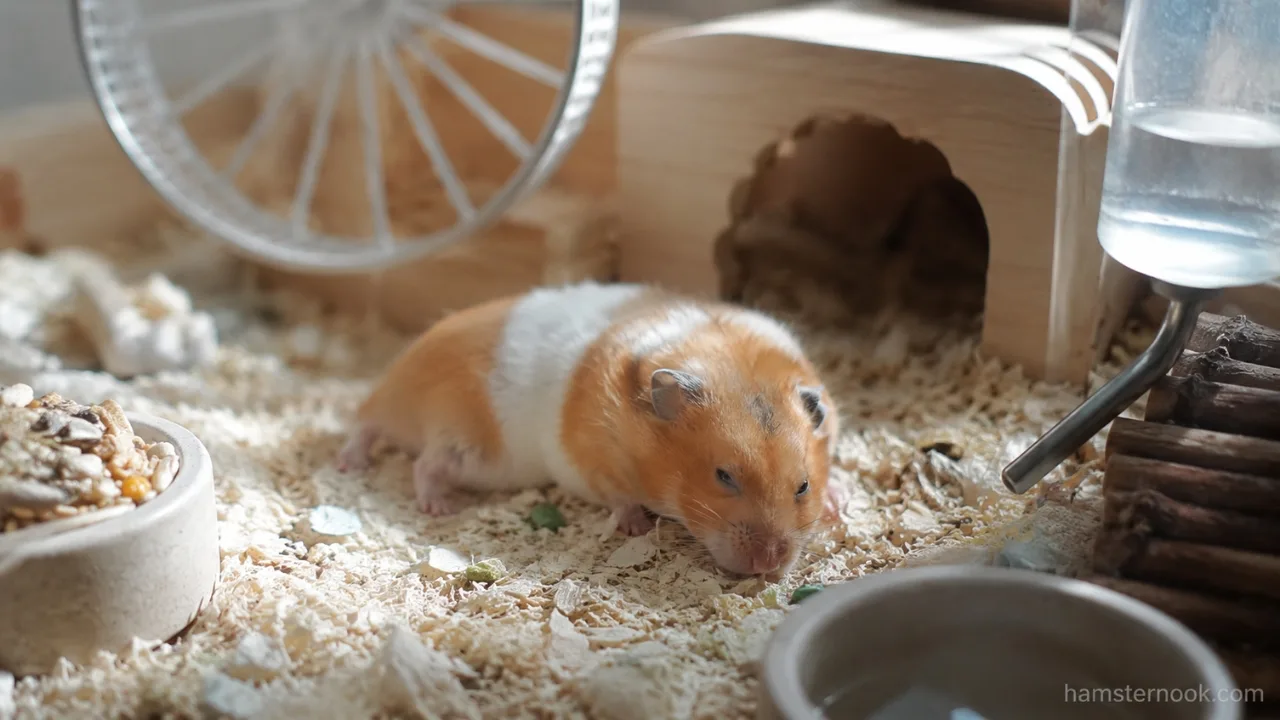
Senior hamsters may experience:
- Reduced muscle strength
- Slower movements
- Mild stiffness
- Difficulty climbing
Many senior hamsters slow down little by little over several months. A sudden change in movement is usually more concerning than a gradual decline that develops with age.
Even in older hamsters, a rapid loss of coordination should never be dismissed as normal aging without first considering injury or illness. Sudden mobility changes always deserve closer observation.
Bumblefoot and Foot Infections
Bumblefoot is an inflammatory foot condition that can cause pain and mobility problems.

It may develop due to:
- Dirty cages
- Rough flooring
- Obesity
- Constant pressure on the feet
Signs include:
| Symptom | Description |
|---|---|
| Swollen feet | Enlarged foot pads |
| Redness | Inflamed skin |
| Walking discomfort | Reluctance to move |
| Open sores | Advanced cases |
Early treatment often leads to better outcomes.
Nutritional Deficiencies
While less common in hamsters fed a balanced commercial diet, nutritional deficiencies can sometimes contribute to weakness or poor coordination.

This is more likely if a hamster receives:
- An incomplete homemade diet
- Excessive treats
- Poor-quality food mixes
Weakness caused by nutritional problems often develops gradually over time.
Dehydration and Illness
General illness can sometimes cause unusual movement.
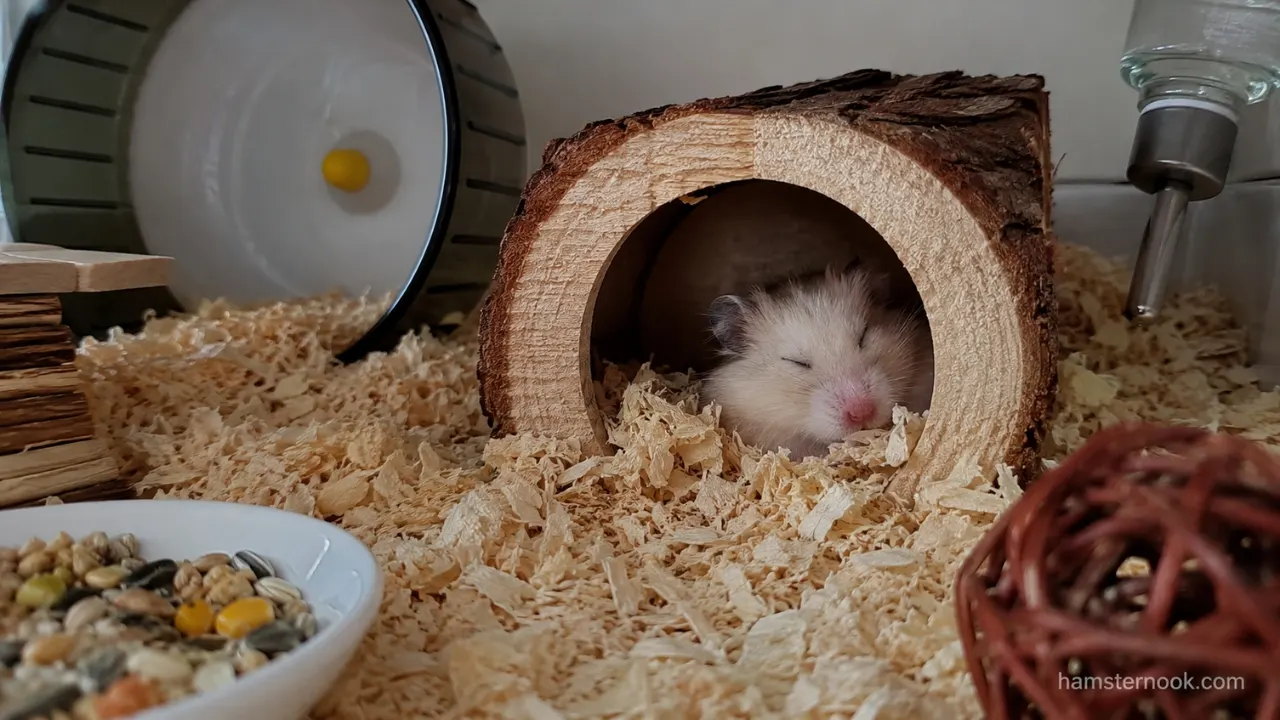
A sick hamster may appear:
- Weak
- Unsteady
- Less coordinated
- Less active than normal
When abnormal walking occurs alongside other symptoms such as weight loss, poor appetite, or lethargy, veterinary care is recommended.
If breathing also seems faster or more difficult than usual, our Why Is My Hamster Breathing Fast? guide explains when breathing changes need prompt veterinary attention.
Quick Observation Tip
If possible, record a short video of your hamster walking. Subtle limping, circling, balance issues, or leg weakness are often easier for a veterinarian to evaluate when they can see the movement directly.

If your hamster’s movement has also changed alongside noticeable weight loss, our Why Is My Hamster Losing Weight Even Though It’s Eating? guide covers causes of weight loss and warning signs that need attention.
Try to record your hamster walking on a flat surface without encouraging it to climb or run quickly. A calm, natural pace usually makes it much easier to notice subtle limping, uneven weight bearing, or balance problems that might otherwise be missed.
Warning Signs That Require Immediate Veterinary Attention
Some symptoms should never be monitored at home without professional guidance.
Seek veterinary care promptly if your hamster shows:

| Warning Sign | Why It Matters |
|---|---|
| Dragging limbs | Possible nerve, spinal, or severe limb problem |
| Inability to stand | Severe weakness or injury |
| Head tilt with falling | Possible balance, ear, or neurological problem |
| Sudden paralysis | Medical emergency |
| Severe swelling | Possible fracture, infection, or significant injury |
| Loss of appetite with mobility issues | May indicate a more serious underlying illness |
Because hamsters are so small, serious health problems can sometimes worsen faster than many owners expect.
How to Check Your Hamster Safely at Home
If your hamster starts walking strangely, perform a gentle visual assessment.
Check for:
- Swollen feet
- Obvious wounds
- Bleeding
- Broken nails
- Uneven weight bearing
- Changes in posture
Avoid squeezing or manipulating painful limbs. If your hamster appears distressed, stop handling and contact a veterinarian.
What Not to Do
Owners sometimes unintentionally make the situation worse.
Avoid:
- Attempting to splint a leg yourself
- Giving human pain medications
- Forcing exercise
- Delaying veterinary care when symptoms are severe
- Ignoring persistent changes in movement
Many medications that are safe for humans are dangerous for hamsters.
How Veterinarians Diagnose Walking Problems
A veterinarian may evaluate:

- Balance and coordination
- Limb function
- Joint mobility
- Ear health
- Body condition
- Neurological responses
Depending on the symptoms, additional testing such as imaging may be recommended.
Can Hamsters Recover From Walking Problems?
Some walking problems improve quickly, while others require ongoing treatment or management.
| Cause | Possible Outcome |
|---|---|
| Minor strain | Often good recovery |
| Paw injury | Usually improves with treatment |
| Ear infection | Often treatable |
| Bumblefoot | Better outcomes with early care |
| Fracture | Variable depending on severity |
| Neurological disease | Depends on cause |
| Age-related weakness | Usually managed rather than cured |
Early intervention generally improves the chances of successful treatment.
Preventing Mobility Problems in Hamsters
Providing regular opportunities for safe exercise is just as important as good housing. Why Is My Hamster Running on the Wheel So Much? explains why daily activity is a normal and essential part of keeping hamsters physically healthy.

While not every issue can be prevented, good husbandry reduces many common risks.
Helpful preventive measures include:
- Providing a properly sized cage
- Using safe cage accessories
- Maintaining clean bedding
- Offering balanced nutrition
- Preventing falls from heights
- Performing regular health checks
- Using an appropriately sized wheel
Good housing and regular health checks can go a long way toward preventing many common mobility problems.
Final Thoughts
Unusual movement is often one of the first signs that a hamster may be uncomfortable, injured, or unwell. While minor injuries and age-related changes can sometimes explain unusual movement, balance problems, limping, circling, weakness, or limb dragging should never be ignored.

Try to note exactly when the change began and whether your hamster is still eating, drinking, and behaving normally. Those details can be extremely helpful if veterinary care becomes necessary. Early recognition and prompt veterinary care can make a significant difference, especially when injuries, infections, or neurological conditions are involved.
If you’re building a healthier environment and want to understand normal hamster behavior, housing, diet, and common health concerns, our Ultimate Hamster Care Guide for Beginners (2026) brings everything together in one complete resource.
When in doubt, it’s always safer to have a hamster with mobility changes examined by a qualified veterinarian rather than waiting for symptoms to worsen.
Frequently Asked Questions
Should I worry if my hamster suddenly starts limping?
Yes. Sudden limping can be caused by an injury, foot problem, sprain, fracture, or another health problem. Because hamsters can hide pain and injury, sudden limping is a reason to contact a veterinarian promptly, especially if your hamster is not using the limb, appears painful, or has swelling.
Why is my hamster walking in circles?
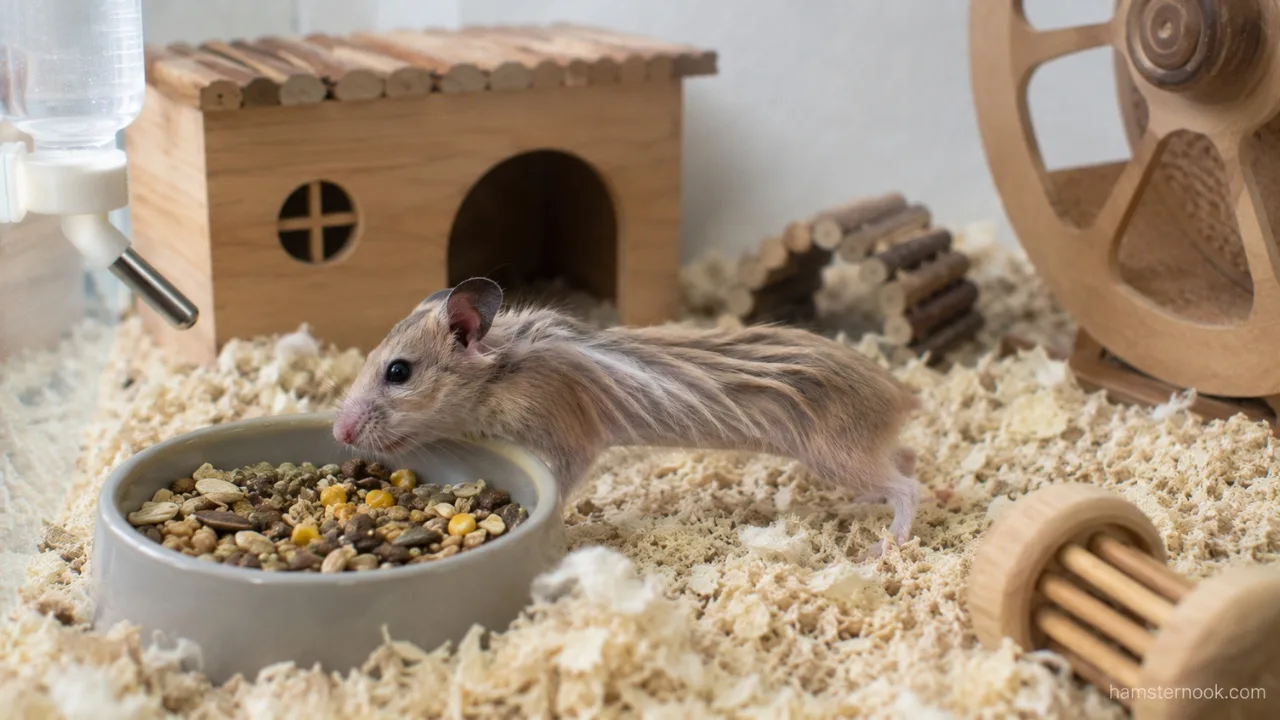
Circling can sometimes be linked to ear infections, neurological conditions, or balance disorders. Persistent circling should be evaluated by a veterinarian.
Can old age make a hamster walk differently?
Yes. Senior hamsters often move more slowly and may develop mild weakness or stiffness as they age.
Why is my hamster dragging its back legs?
Back leg dragging can be associated with injury, neurological issues, age-related weakness, or other serious conditions. Veterinary evaluation is recommended.
Can dehydration cause walking problems in hamsters?
Yes. Severe dehydration may contribute to weakness, lethargy, and reduced coordination.
When should I take my hamster to the vet for walking issues?
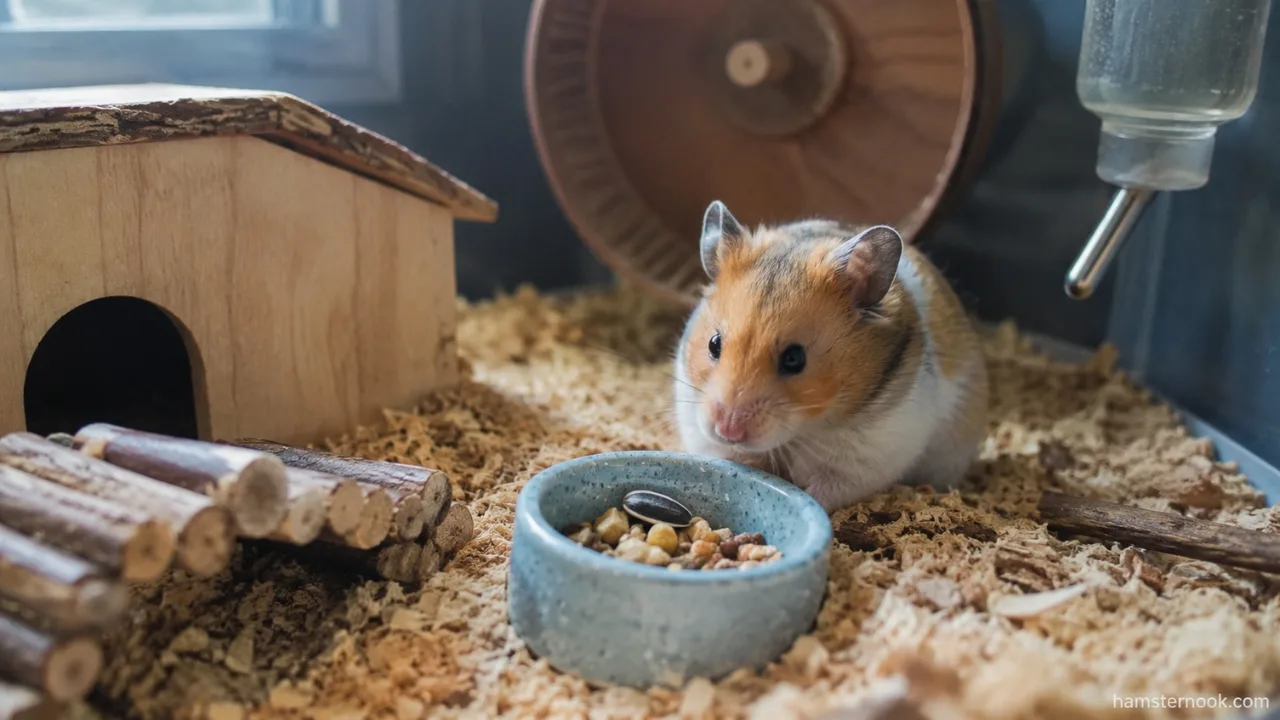
Seek veterinary attention immediately if your hamster cannot stand, is dragging limbs, has severe swelling, falls repeatedly, develops a head tilt, or stops eating.
References
This guide is based on hamster health, mobility, injury, welfare, and husbandry guidance from trusted veterinary and animal welfare organizations, including:
- RSPCA – Hamster Health & Welfare – Health checks, signs of illness, dental problems, pain, and when veterinary attention is needed.
- MSD Veterinary Manual – Disorders and Diseases of Hamsters – Veterinary information on lameness, fractures, muscle and tendon injuries, weakness, neurological concerns, and other hamster health problems.
- MSD Veterinary Manual – Hamsters – Professional veterinary reference covering hamster physical examination, health conditions, husbandry, and disease recognition.
- PDSA – Hamsters as Pets – General hamster health, care, housing, handling, and welfare guidance.
- Blue Cross – Looking After Your Hamster – Hamster housing, exercise, handling, diet, and general care guidance.
- NC3Rs – Housing and Husbandry: Hamster – Guidance on safe housing, exercise, enclosure design, environmental enrichment, and husbandry practices that support normal hamster movement and behavior.
Medical Disclaimer: The information provided in this article is for educational and informational purposes only and should not be considered veterinary advice, diagnosis, or treatment. If your hamster is showing signs of illness, injury, or unusual behavior, consult a qualified veterinarian as soon as possible.

Narayan Kumar is the founder and author of HamsterNook. He creates practical, research-based hamster care guides covering hamster behavior, nutrition, cage setup, enrichment, health, and everyday care. His goal is to help hamster owners make informed decisions and provide safer, healthier lives for their pets through clear, beginner-friendly information based on trusted animal care resources.