Ask a group of hamster owners which breed is the friendliest, and you’ll hear plenty of different opinions. The problem is that many people judge friendliness based on appearance instead of how a hamster actually behaves around people. Many people automatically assume that the smallest hamster breeds are the easiest to handle or that the cutest breed must also be the most social. In reality, friendliness has less to do with appearance and more to do with a hamster’s natural temperament, size, and handling tolerance.
This is where many first-time owners make a mistake. They choose a hamster based on looks, pet store recommendations, or popularity without understanding how different breeds behave. The result is often frustration when a hamster turns out to be far more nervous, fast-moving, or difficult to handle than expected.
So if your goal is to find a hamster that’s easier to handle, less likely to panic, and more likely to build trust with you, one breed stands out above the rest.
What Does “Friendly” Mean in a Hamster?
Quick Answer:
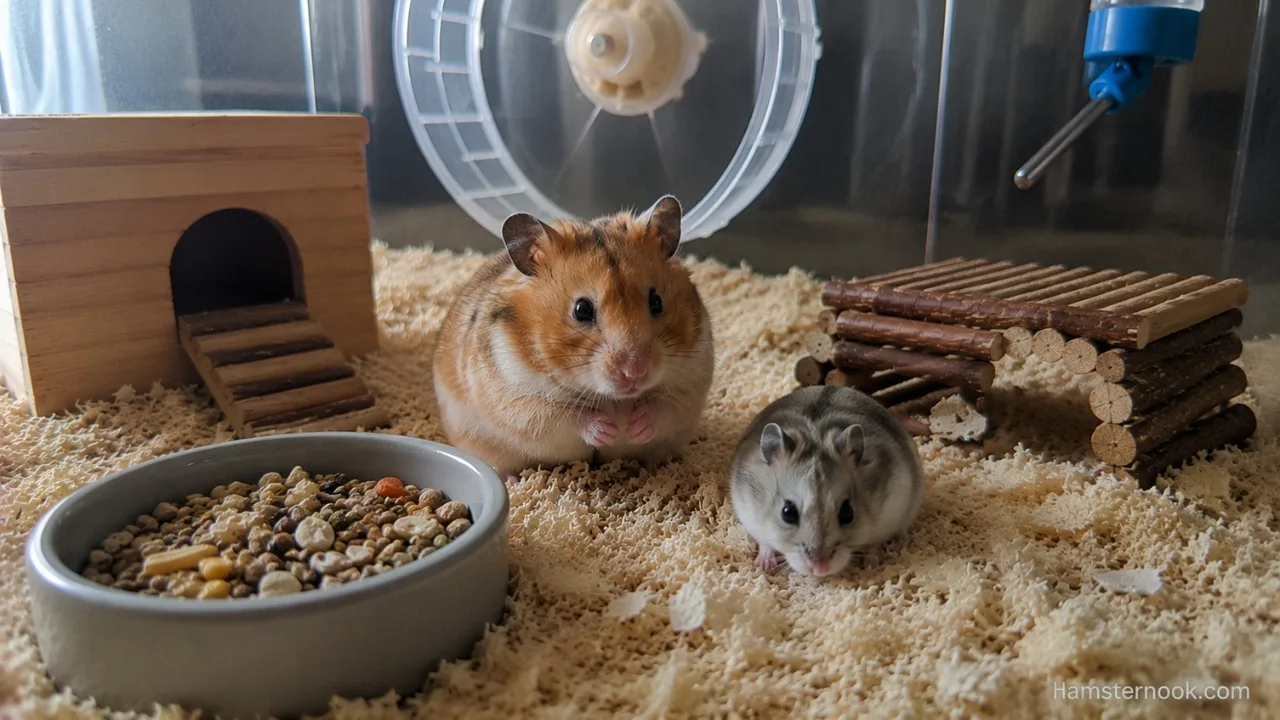
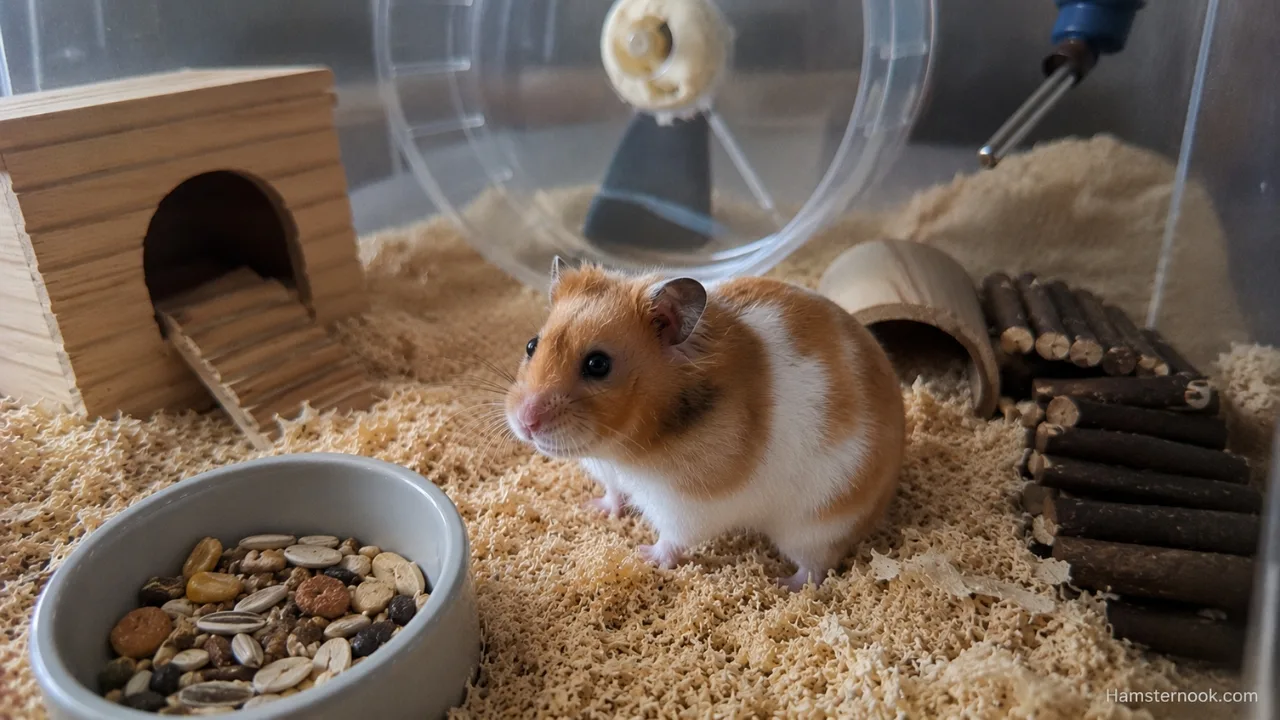
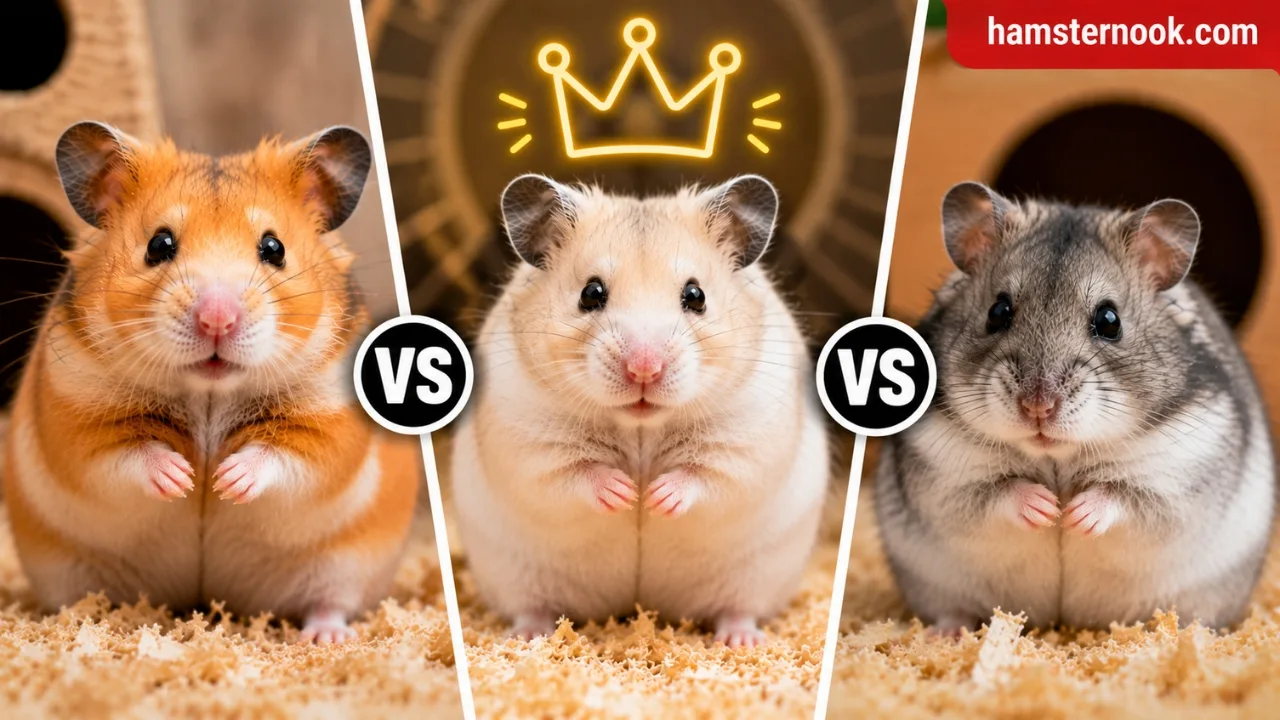
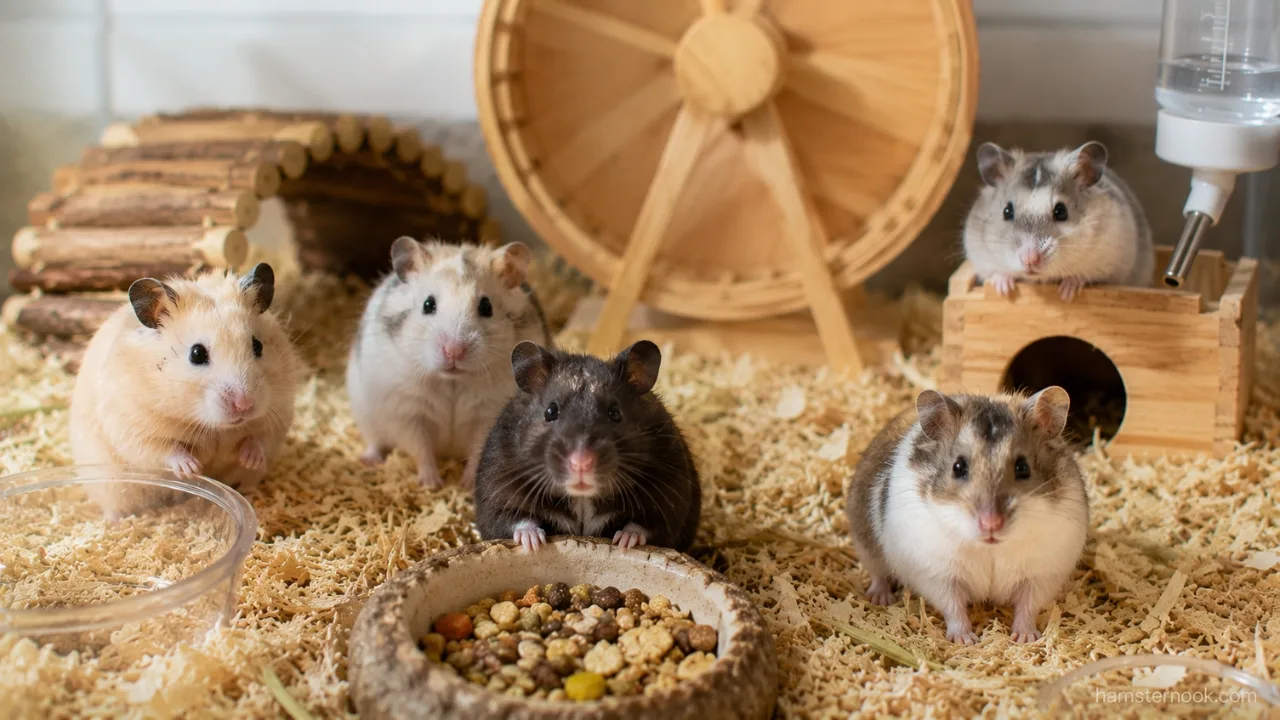
For most owners, the Syrian hamster is considered the friendliest hamster breed. Their larger size, calmer behavior, and easier handling make them more beginner-friendly than most dwarf hamster species. While personality varies between individuals, Syrian hamsters consistently rank as the easiest breed to tame and bond with.
Before comparing breeds, it’s important to understand what friendliness means in hamster care.
Unlike dogs or cats, hamsters are naturally solitary animals. They do not seek human attention in the same way larger pets often do.
A friendly hamster is typically one that:

- Tolerates handling well
- Rarely bites without reason
- Remains calm around people
- Learns to trust its owner
- Shows curiosity instead of fear
- Is easier to interact with regularly
Individual personality always matters, but some breeds tend to be more beginner-friendly than others.
Hamster Breed Friendliness Comparison
The table below compares the most common pet hamster breeds.
| Hamster Breed | Friendliness Level | Handling Ease | Activity Level | Best For Beginners |
|---|---|---|---|---|
| Syrian Hamster | Excellent | Easy | Moderate | Yes |
| Chinese Hamster | Good | Moderate | Moderate | Yes |
| Winter White Dwarf | Good | Moderate | High | Yes |
| Campbell’s Dwarf | Moderate | Moderate | High | Sometimes |
| Roborovski Hamster | Lower | Difficult | Very High | No |

When discussing friendliness, Syrian hamsters consistently rank near the top.
Why Syrian Hamsters Are Usually the Friendliest
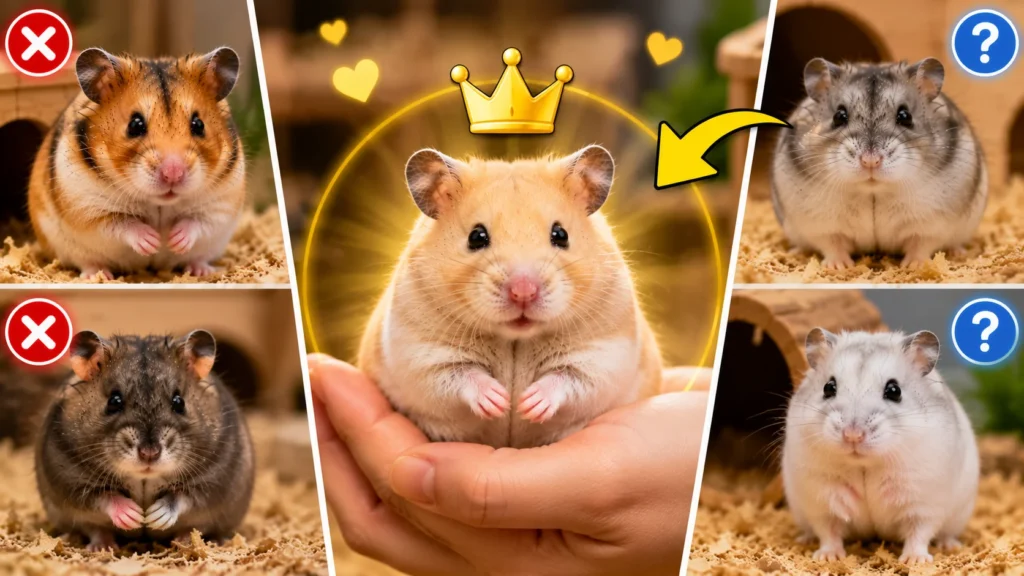
Most experienced hamster owners consider the Syrian hamster the easiest breed to tame and handle. If you’re still comparing breeds, see our detailed Syrian Hamster Care Guide.
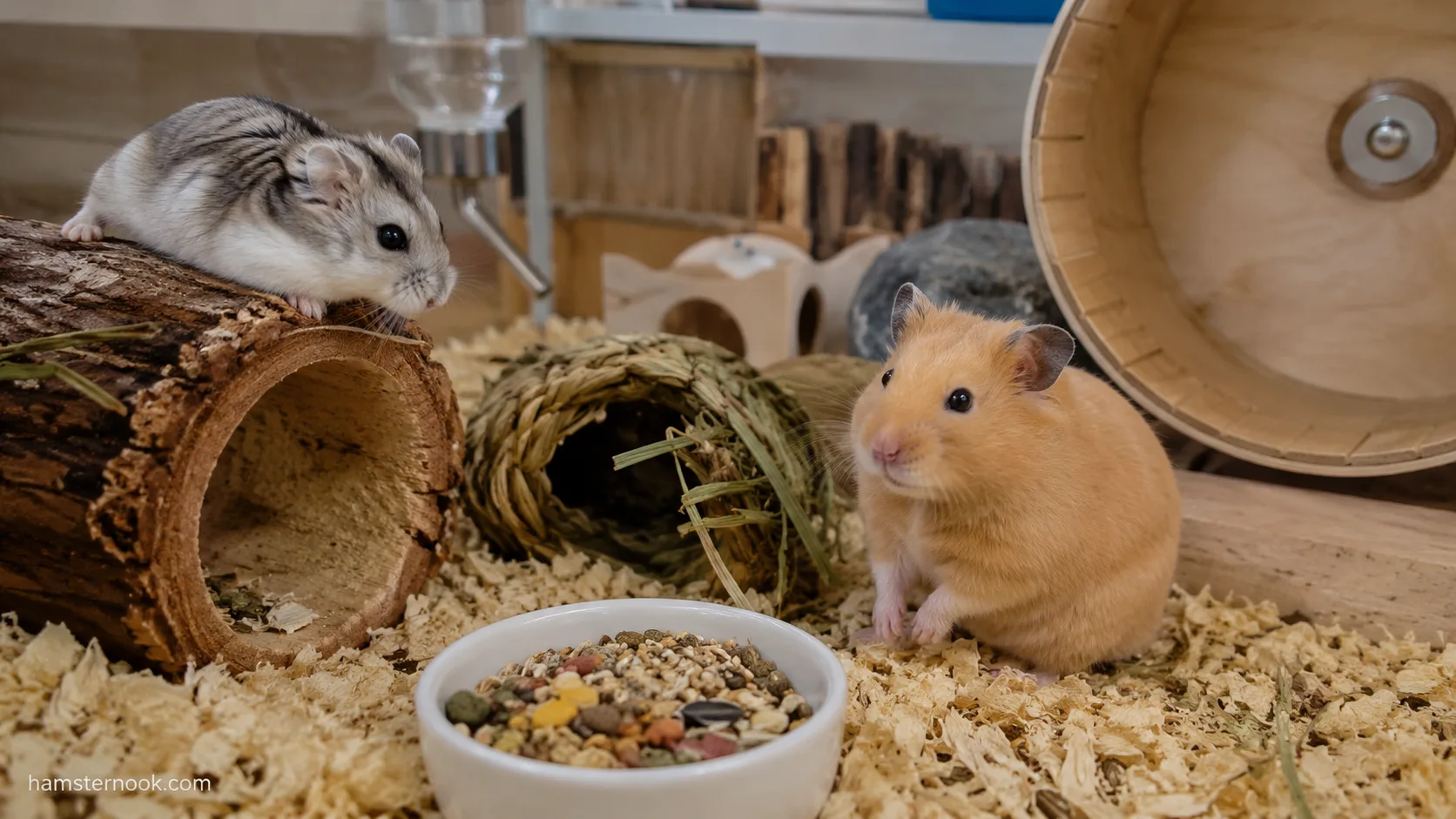
Several factors contribute to this reputation.
Larger Size Makes Handling Easier
One of the biggest advantages of Syrian hamsters is their size.
Because they are significantly larger than dwarf species, they are easier to:
- Pick up safely
- Hold comfortably
- Observe during handling
- Interact with without accidental injury
For children and beginners, this larger size often creates a more positive experience.
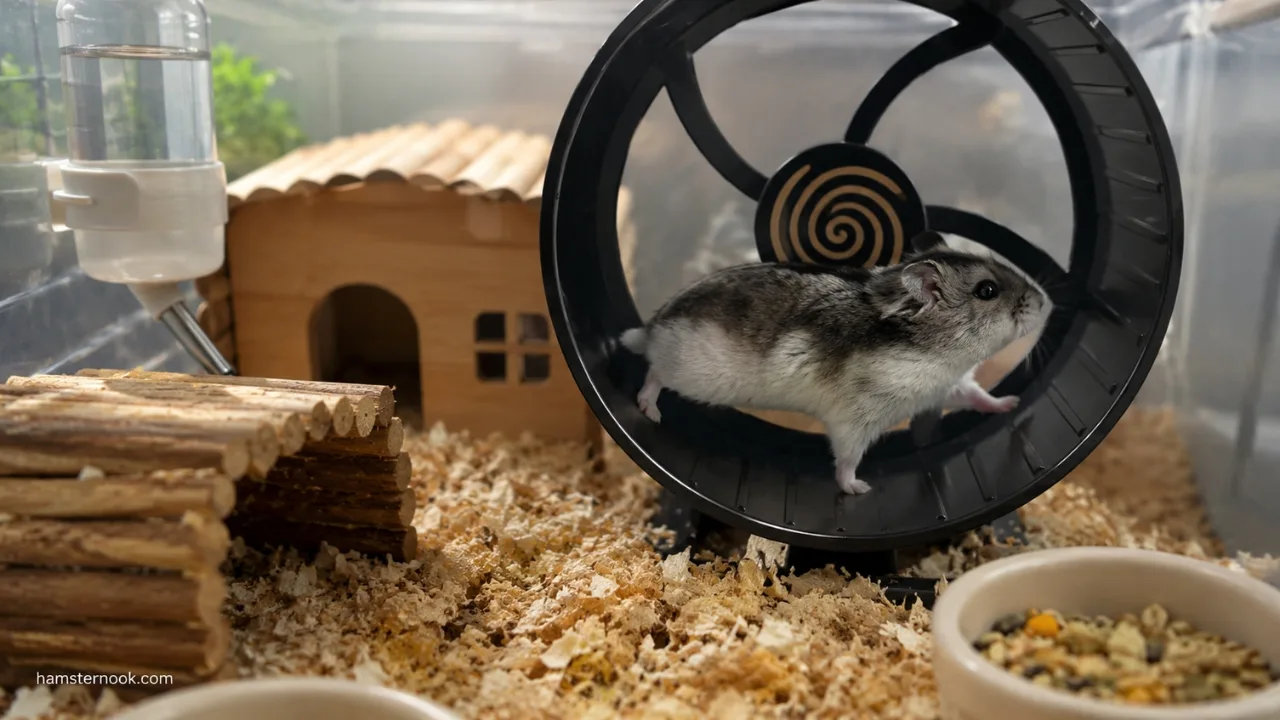
Slower Movements Reduce Stress
Syrian hamsters generally move more slowly than many dwarf species.
This makes them:
- Less likely to dart away suddenly
- Easier to supervise outside the cage
- Simpler to tame through regular handling
Owners often mistake speed for friendliness. In reality, some dwarf hamsters are perfectly friendly but move so quickly that handling becomes challenging.
They Tend to Build Trust More Easily
While every hamster is different, Syrians often respond well to consistent handling routines.
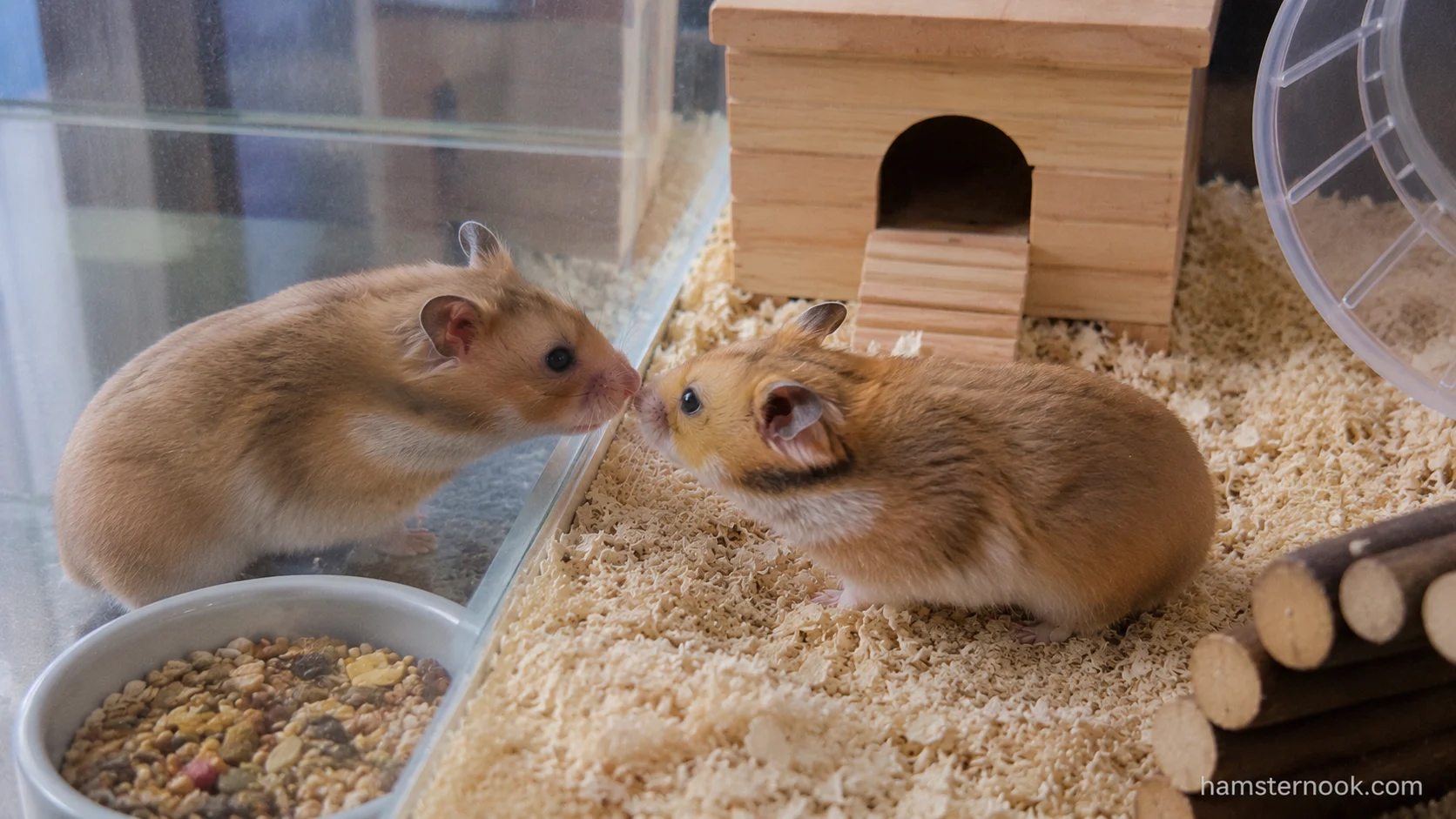
Many owners find that a properly socialized Syrian hamster:
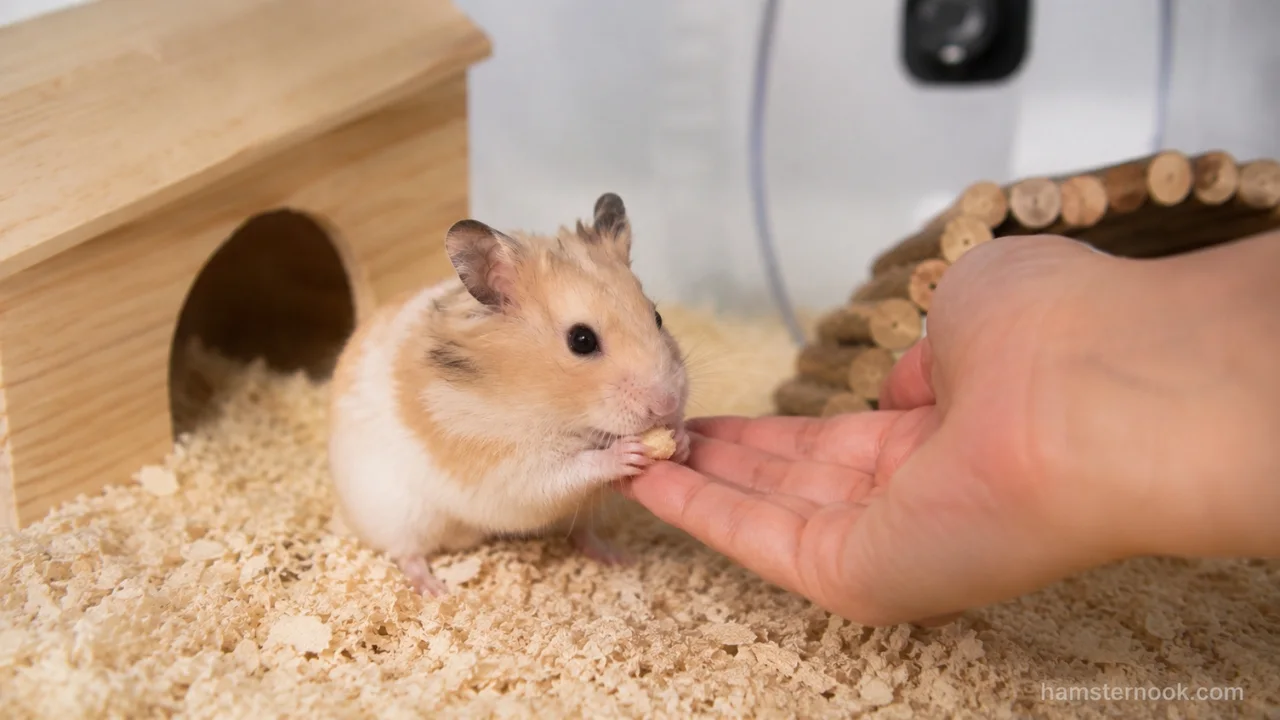
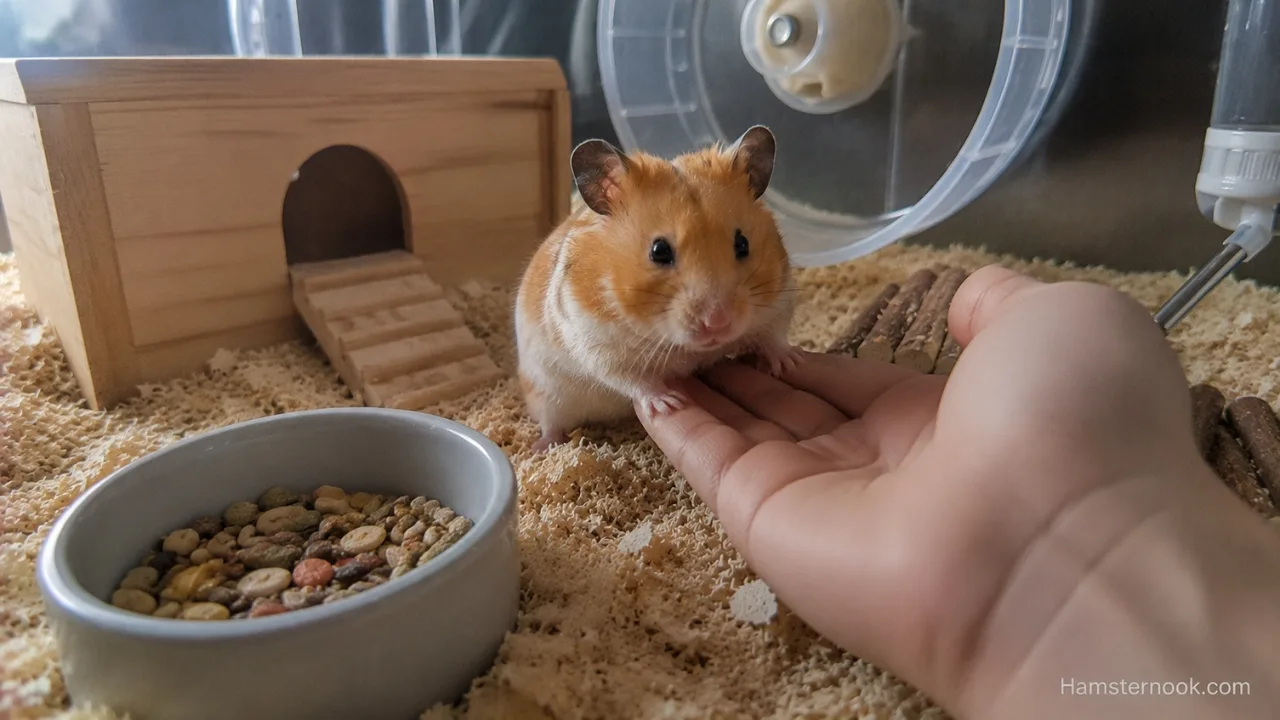
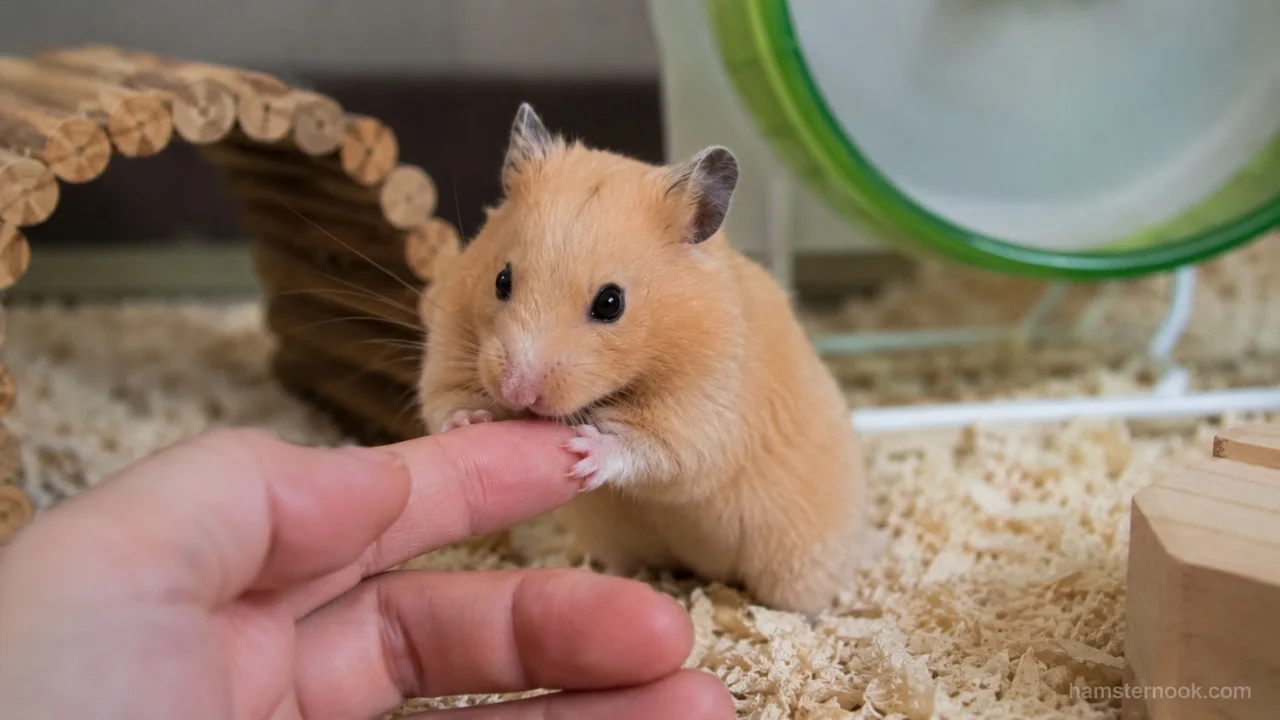
- Takes treats from the hand
- Climbs onto hands voluntarily
- Remains calm during cage cleaning
- Shows curiosity toward people
This combination of confidence and manageable size is a major reason why Syrians remain one of the most recommended breeds for first-time owners.
Why Many Owners Choose the Wrong Hamster Breed
Many new owners believe dwarf hamsters are friendlier because they appear cute, small, and social.
This assumption is often wrong.
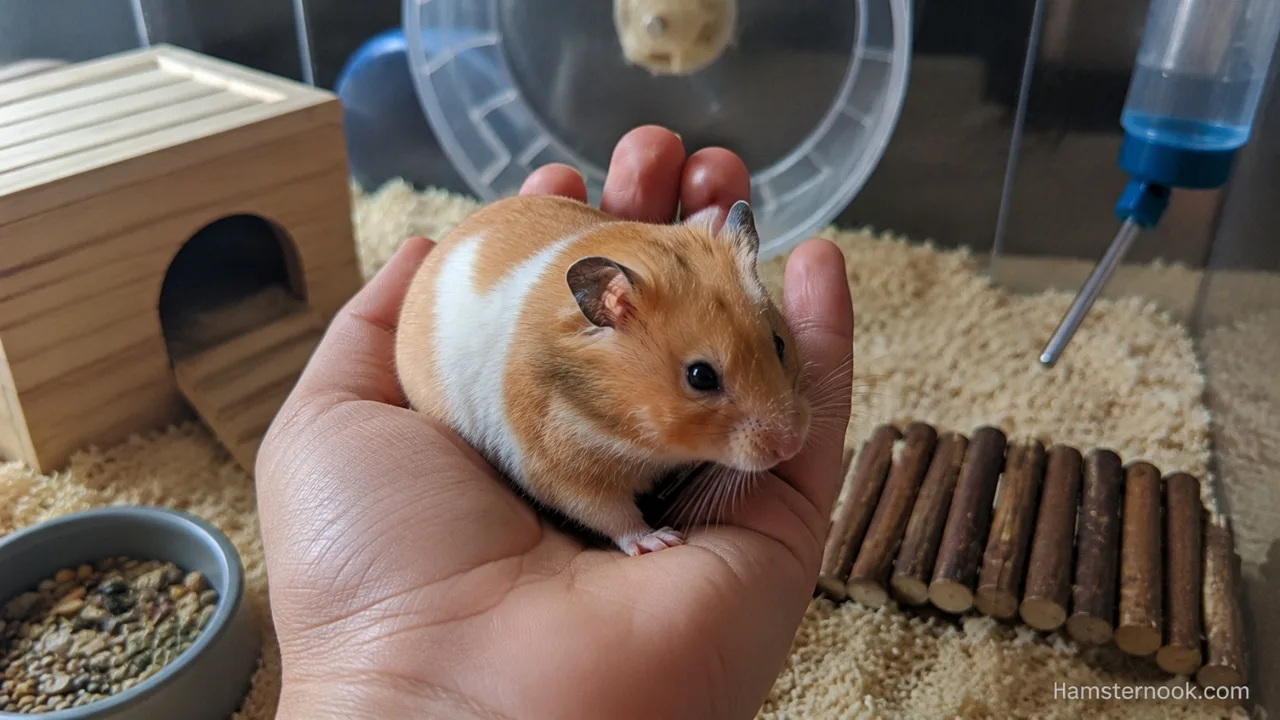
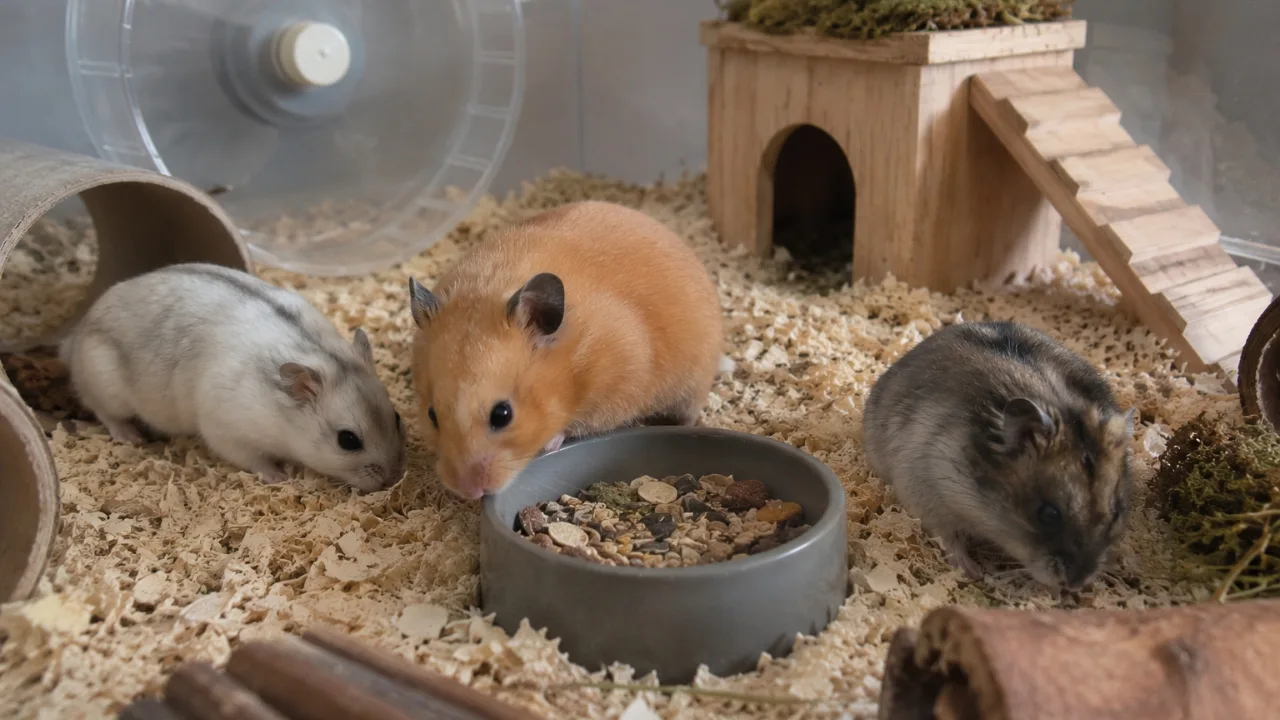
Dwarf hamsters are not necessarily less friendly, but they are:
- Faster
- More energetic
- Harder to handle
- Easier to accidentally startle
A nervous dwarf hamster may seem unfriendly when it is actually just reacting to fear or sudden movement.
This misunderstanding causes many owners to believe their hamster dislikes them when the real issue is handling difficulty.
How Friendly Are Winter White Dwarf Hamsters?
Winter White Dwarf Hamsters are often considered one of the friendliest dwarf species.
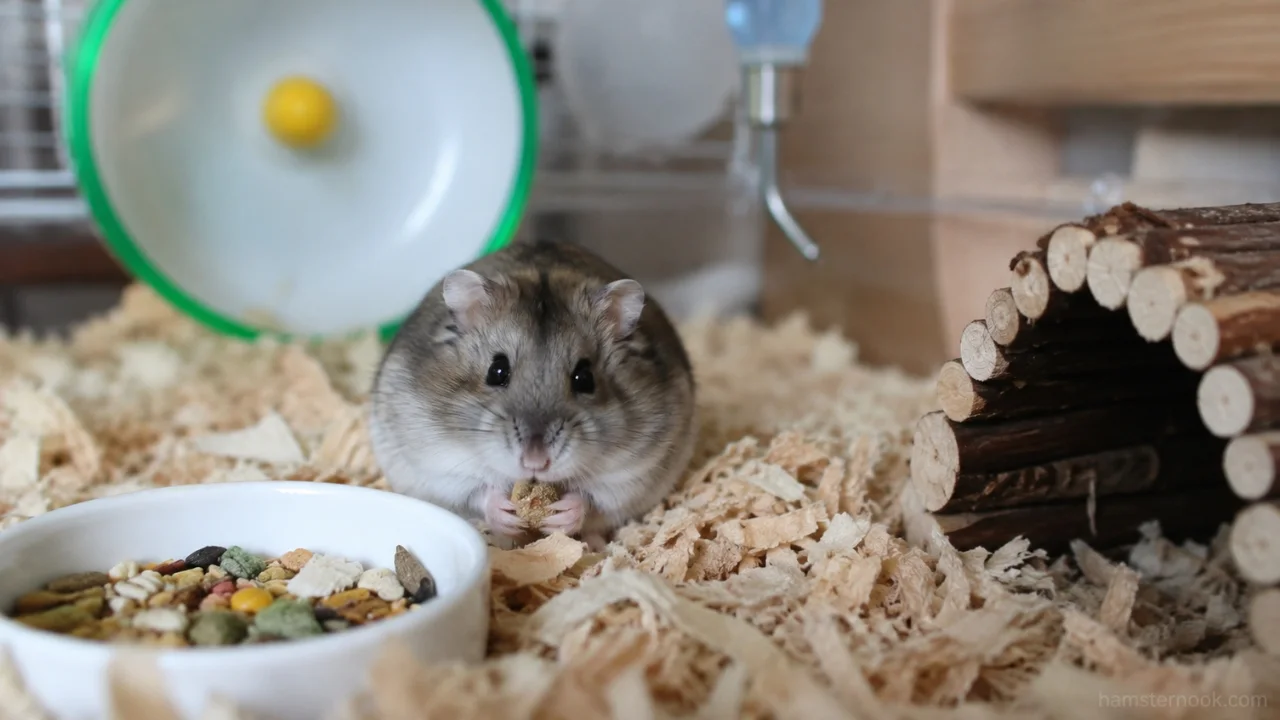
Many owners describe them as:
- Curious
- Gentle
- Less prone to nipping
- Easier to tame than some other dwarf breeds
However, they still move much faster than Syrian hamsters.
| Trait | Winter White Dwarf |
|---|---|
| Temperament | Generally gentle |
| Speed | High |
| Handling Difficulty | Moderate |
| Taming Potential | Good |
| Beginner Suitability | Good |
For owners who prefer a smaller hamster, Winter Whites are often a solid choice.
Are Chinese Hamsters Friendly?
Chinese hamsters are sometimes overlooked, but many experienced keepers consider them surprisingly friendly.
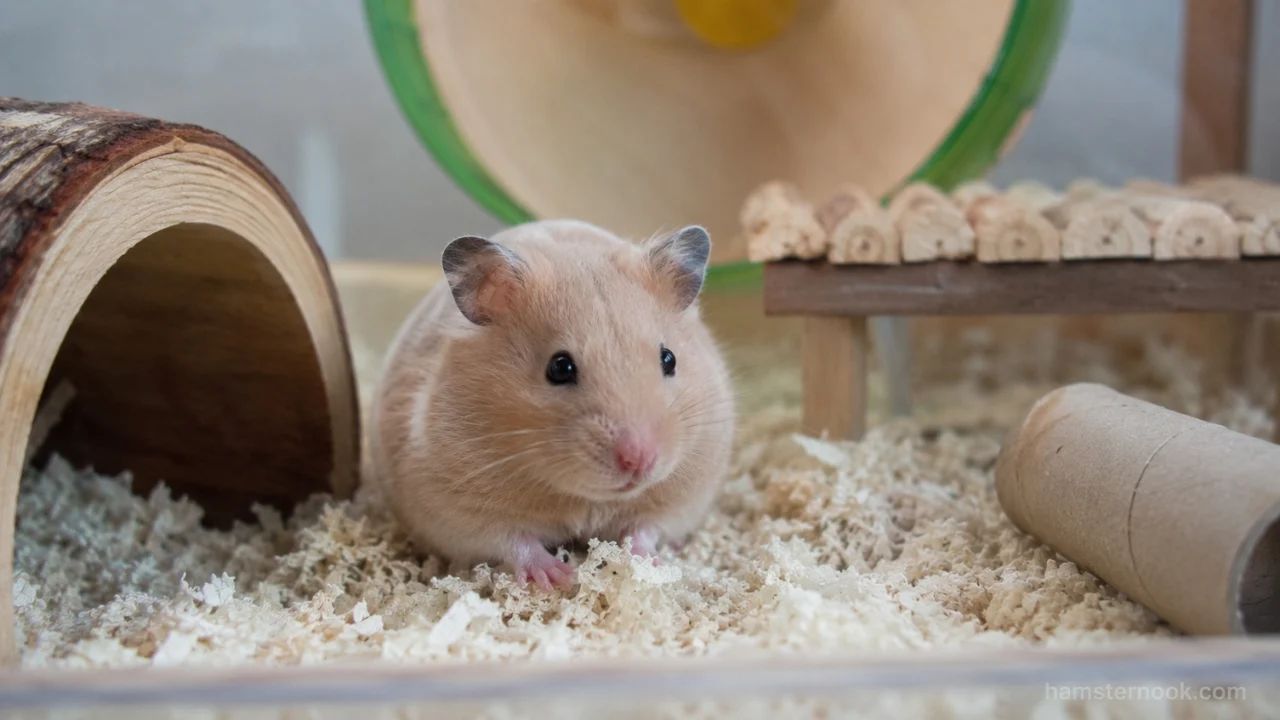
They often develop strong trust with their owners and may become comfortable with regular interaction.
Chinese hamsters tend to be:
- Calm
- Curious
- Less hyperactive than some dwarf breeds
- Comfortable with gentle handling
The main challenge is that they are less commonly available than Syrian hamsters.
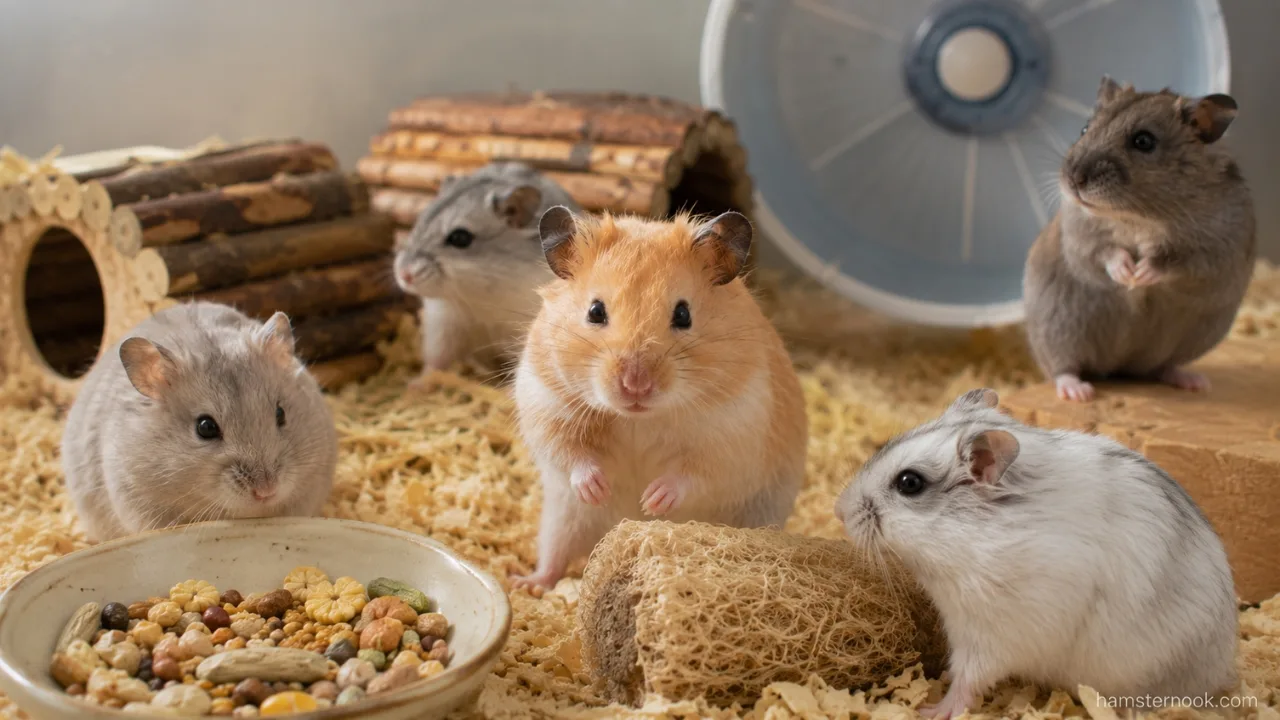
Why Roborovski Hamsters Usually Aren’t Ideal for Handling
Roborovski hamsters are incredibly popular because of their tiny size and adorable appearance.

Unfortunately, friendliness and handling are not their strongest traits.
Roborovskis are known for being:
- Extremely fast
- Constantly active
- Difficult to catch
- Less interested in human interaction
This doesn’t make them bad pets.
Many owners love watching Roborovskis explore and play. However, people looking for a hamster they can frequently handle may become disappointed.
| Trait | Roborovski Hamster |
|---|---|
| Friendliness | Moderate |
| Handling Ease | Difficult |
| Speed | Extremely High |
| Taming Difficulty | High |
| Best For Observation | Excellent |
Factors That Matter More Than Breed
Breed influences temperament, but it is not the only factor.
Several other factors often have a greater impact on friendliness.
Early Socialization
A hamster that experiences calm, positive handling early in life often becomes more comfortable around people.
Consistent interactions help build trust over time.
Proper Housing
Stress can make any hamster appear aggressive or fearful.
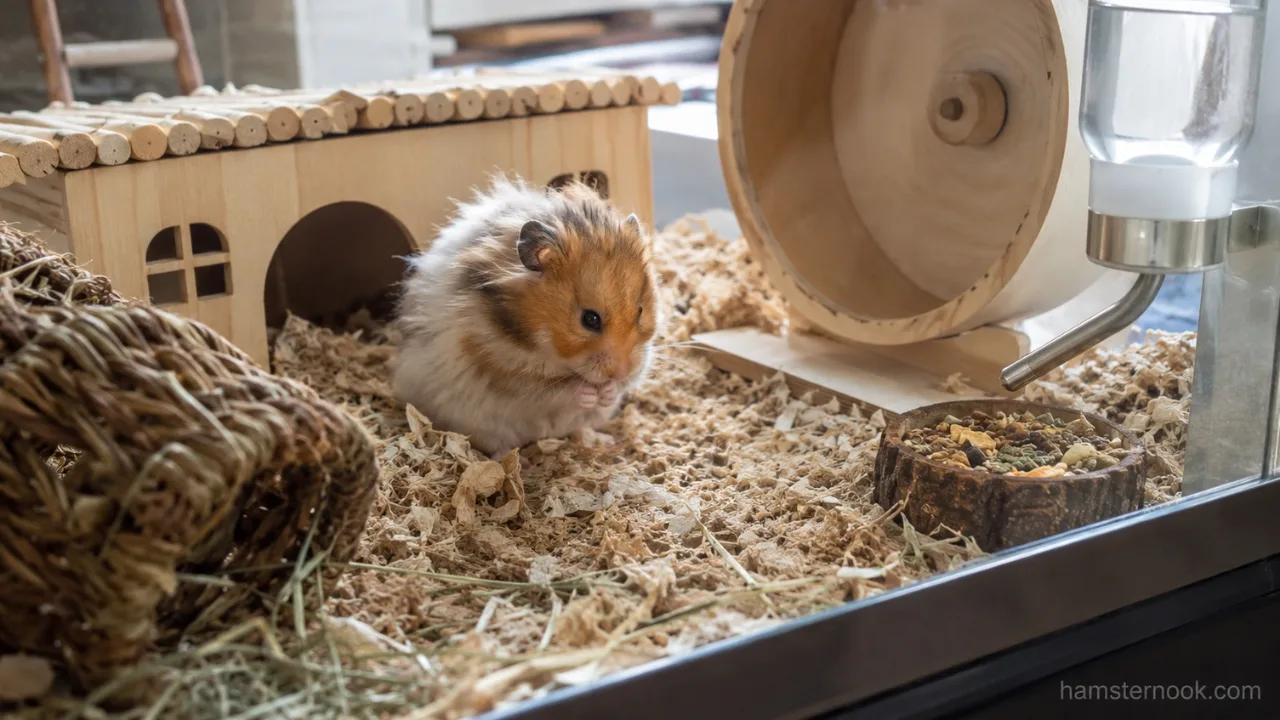
Proper housing plays a major role in hamster behavior. Learn how to create the right environment with our Hamster Cage Setup Guide.
A hamster living in a cage that is too small may show:
- Biting
- Bar chewing
- Defensive behavior
- Avoidance of handling
Providing adequate space and enrichment can improve confidence significantly.
Individual Personality
Just like people, hamsters have unique personalities.
Two hamsters of the same breed may behave very differently.
| Personality Type | Common Behaviors |
|---|---|
| Curious | Approaches owners quickly |
| Shy | Hides frequently |
| Confident | Comfortable with handling |
| Cautious | Needs more taming time |
No breed can guarantee a specific personality.
How to Make Any Hamster Friendlier
Even naturally cautious hamsters can learn to trust people.

Move Slowly
Fast movements often trigger fear responses.
Approach calmly and avoid grabbing your hamster unexpectedly.
Use Treat-Based Taming
Offering treats helps create positive associations with your presence. Here are some safe options in our What Can Hamsters Eat? guide.
Popular options include:
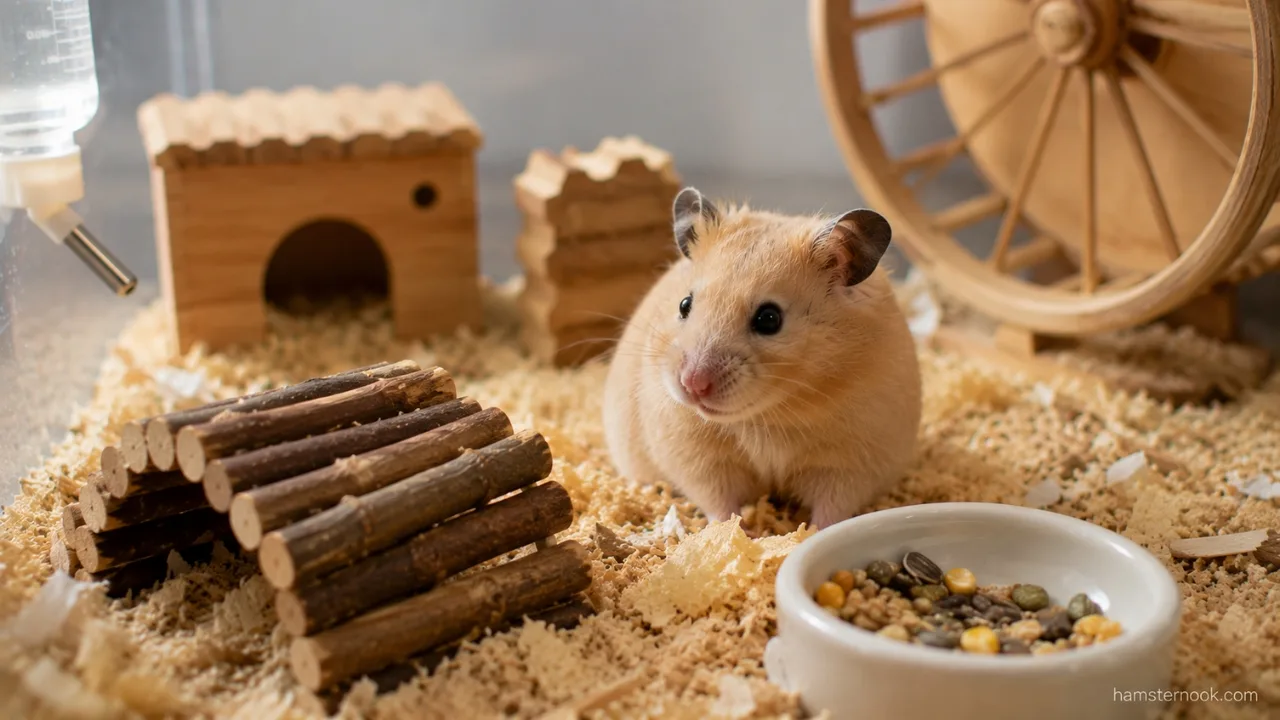
- Small seeds
- Tiny vegetable pieces
- Hamster-safe treats
Respect Their Sleep Schedule
Disturbing a sleeping hamster can damage trust. Learn more about hamster routines in our When Do Hamsters Sleep? guide.
Hamsters are typically most active during the evening and night.
Waking a sleeping hamster can lead to stress and defensive behavior.
Be Consistent
Trust develops through repeated positive experiences.
Short daily interactions are usually more effective than occasional long handling sessions.
Common Myths About Friendly Hamster Breeds
Many hamster care myths continue to circulate online.
| Myth | Reality |
|---|---|
| Small hamsters are friendlier | Size does not determine friendliness |
| Dwarf hamsters are easier for kids | Their speed often makes handling harder |
| A biting hamster is mean | Fear and stress are usually the cause |
| Friendly breeds never bite | Any hamster can bite if frightened |
| Roborovskis dislike people | They are simply less handle-oriented |
Understanding these misconceptions helps owners choose a breed that matches their expectations.
Best Hamster Breed Based on Your Personality and Experience Level
The best hamster depends on what you want from the experience.
| Owner Goal | Recommended Breed |
|---|---|
| Easiest handling | Syrian Hamster |
| Friendly small hamster | Winter White Dwarf |
| Calm but unique pet | Chinese Hamster |
| Active hamster to watch | Roborovski Hamster |
| Balanced personality | Syrian Hamster |
For most first-time owners, Syrian hamsters remain the safest recommendation because they combine manageable size, easier handling, and strong taming potential.
Important Note:
Even the friendliest hamster breed can become fearful or defensive if housed in a small cage, frequently disturbed while sleeping, or handled incorrectly. Breed helps, but daily care and patience have a huge impact on behavior.
Final Thoughts
When people ask which hamster breed is the friendliest, the answer is usually not the breed they expect. Many owners assume smaller hamsters will be easier to bond with, but the opposite is often true. Syrian hamsters consistently stand out as the most beginner-friendly and easiest-to-handle breed due to their larger size, calmer movements, and strong ability to build trust with owners.
That doesn’t mean other breeds cannot be friendly. Winter White Dwarfs, Chinese Hamsters, and even some Campbell’s Dwarfs can become wonderful companions when given proper care and patient handling.
Ultimately, friendliness depends on a combination of breed, personality, environment, and how the hamster is treated. Choosing the right breed simply gives you a better starting point.
Frequently Asked Questions
Which hamster breed is best for first-time owners?
Syrian hamsters are generally considered the best choice for beginners because they are easier to handle and often tame more readily than smaller breeds.
Are male or female hamsters friendlier?
Friendliness varies by individual hamster. While some owners report personality differences, there is no guarantee that one gender will be friendlier than the other.
Do dwarf hamsters enjoy being held?
Some dwarf hamsters tolerate handling well, but they are usually faster and more energetic than Syrian hamsters, making handling more challenging.
Which hamster breed bites the least?
Well-socialized Syrian hamsters are often considered among the least likely to bite, though any hamster may bite if scared or stressed.
Can a shy hamster become friendly?
Yes. Many shy hamsters become more confident through patient taming, gentle handling, and a low-stress environment.
Is the friendliest hamster always the easiest to care for?
Not necessarily. While friendly breeds may be easier to handle, all hamster breeds require proper housing, enrichment, nutrition, and regular care.
Are Syrian hamsters more affectionate than dwarf hamsters?
Syrian hamsters are often considered more handle-friendly because they are larger and easier to tame. However, individual personality still plays a major role in how affectionate a hamster becomes.

Narayan Kumar is the founder and author of HamsterNook. He creates practical, research-based hamster care guides covering hamster behavior, nutrition, cage setup, enrichment, health, and everyday care. His goal is to help hamster owners make informed decisions and provide safer, healthier lives for their pets through clear, beginner-friendly information based on trusted animal care resources.