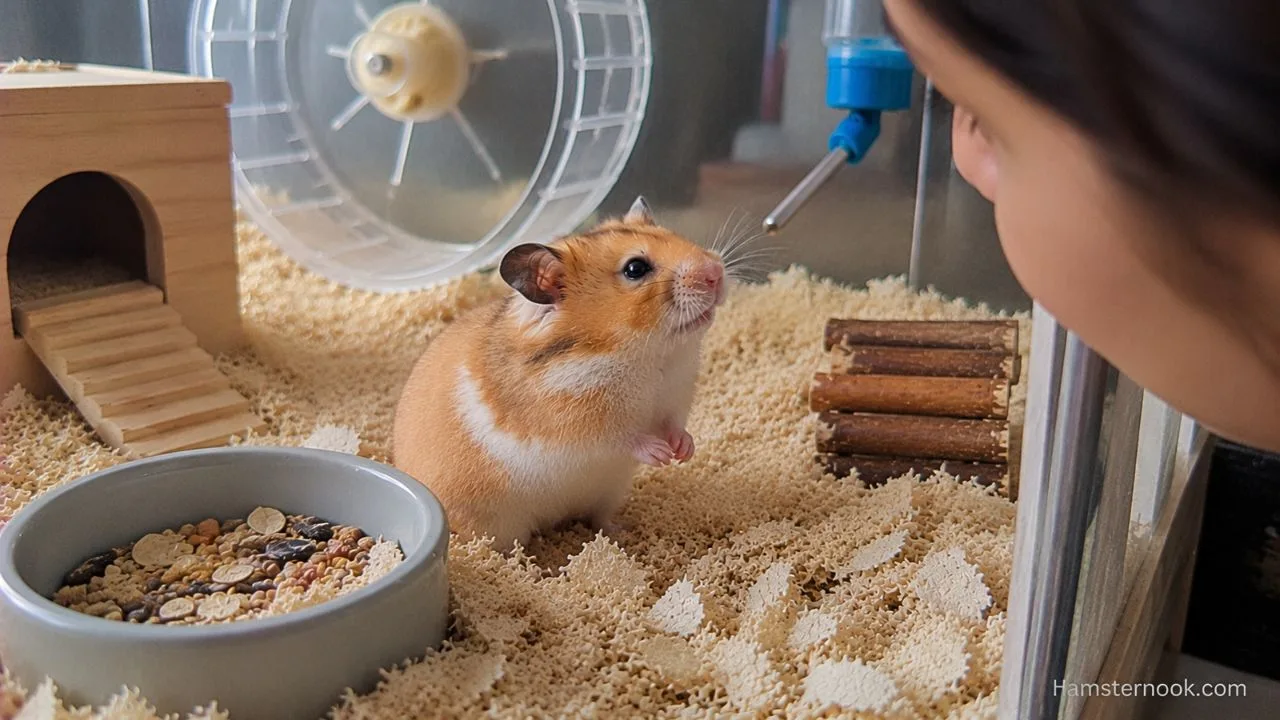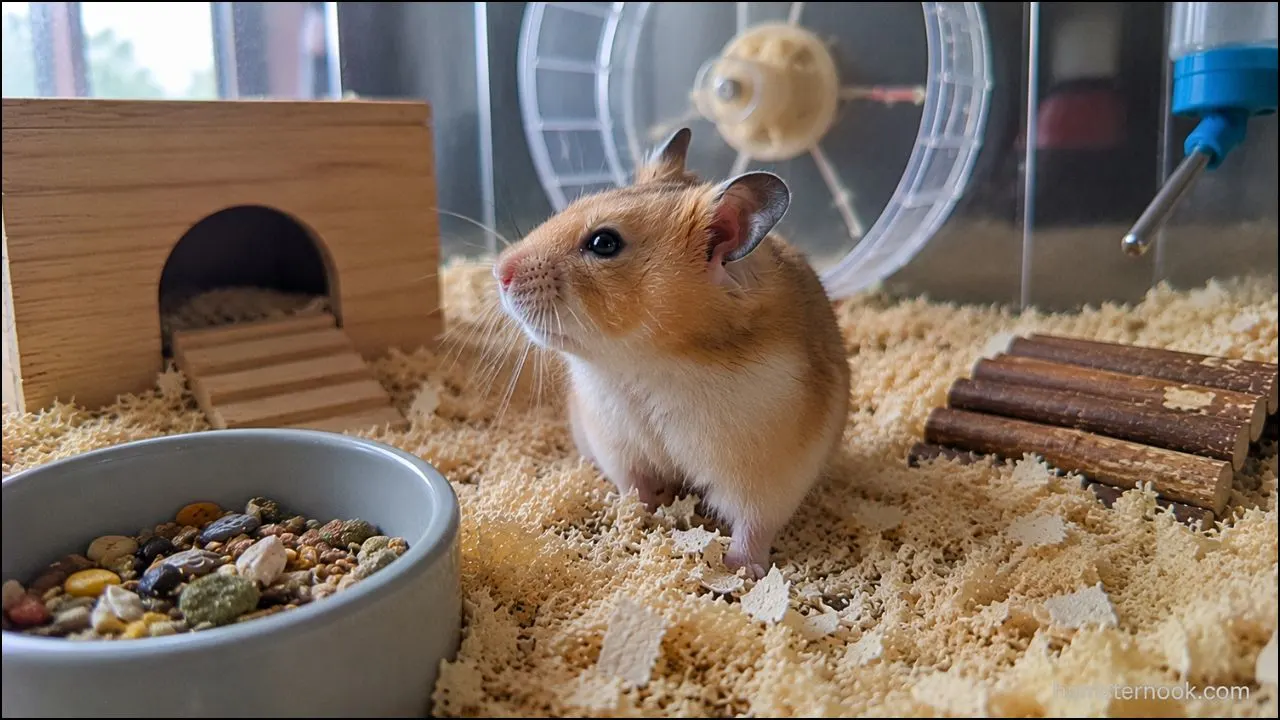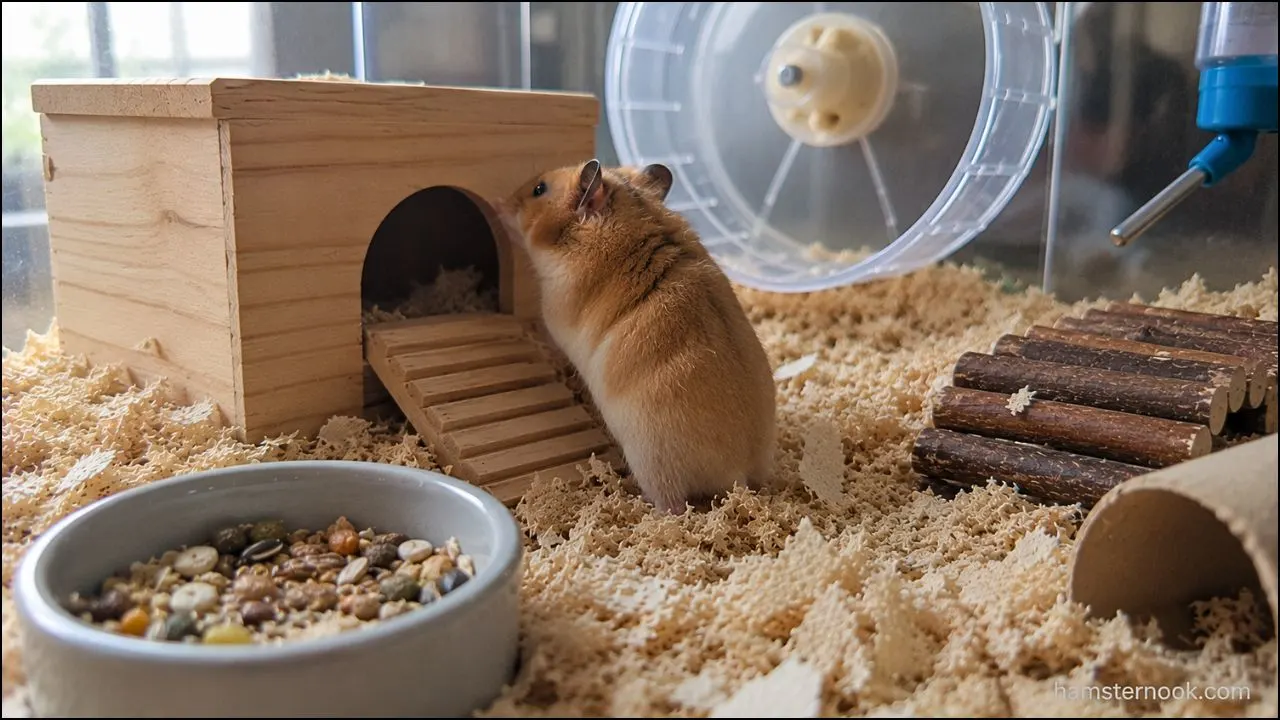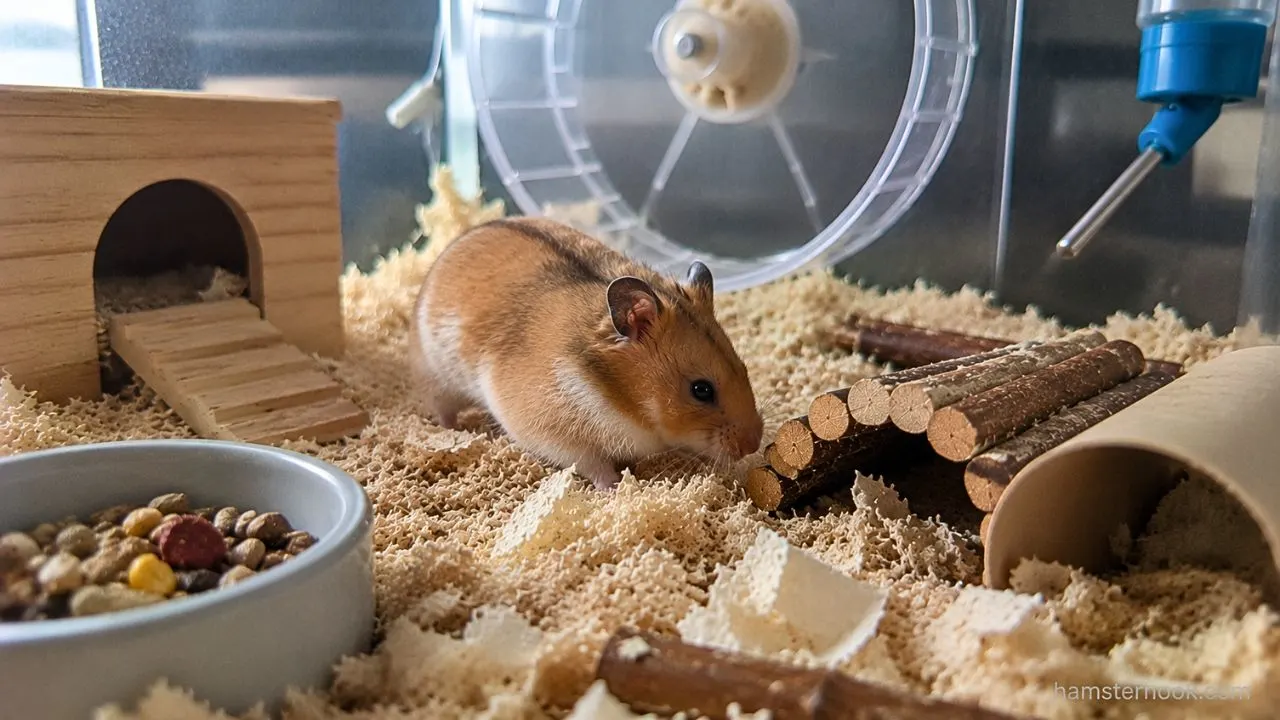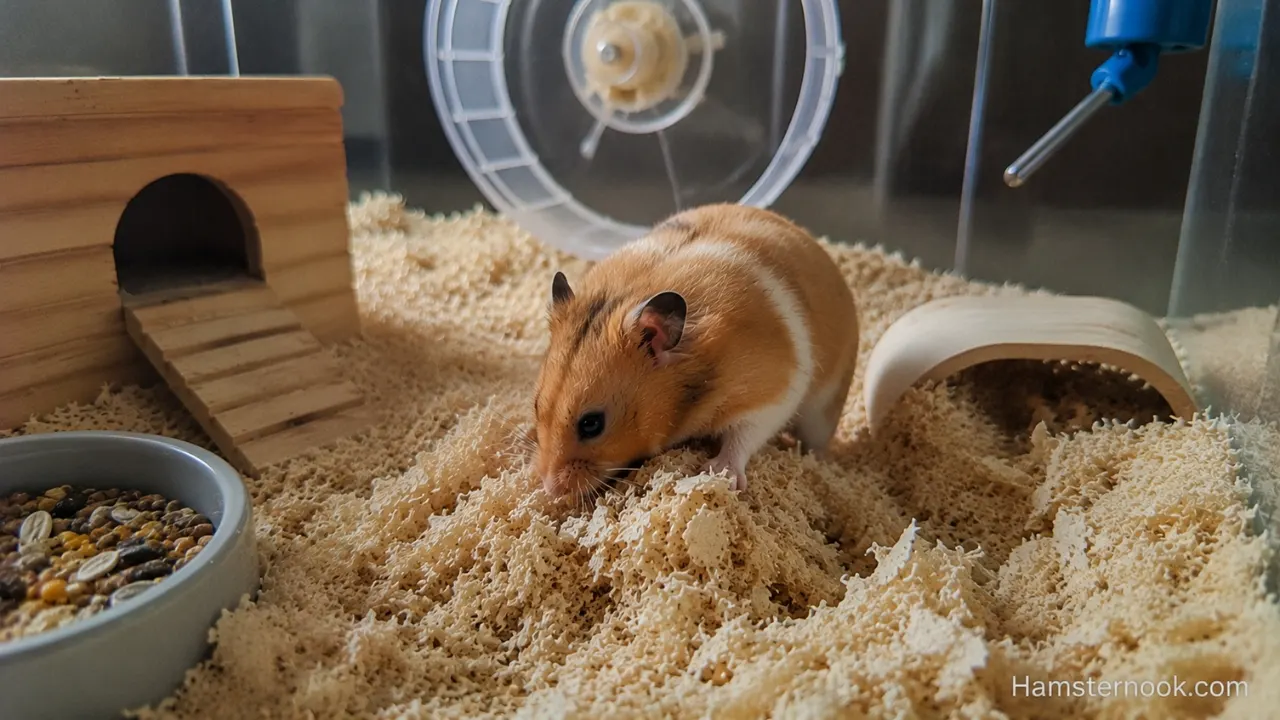
You carefully set up your hamster’s cage, place the food bowl in the perfect spot, arrange the hideouts neatly, and add fresh bedding. Then the next morning, everything looks completely different. The food dish has moved, bedding is piled into a corner, tunnels are buried, and toys seem scattered across the enclosure.
If this sounds familiar, don’t worry—your hamster is not trying to ruin your hard work.
Rearranging their environment is one of the most natural behaviors hamsters display. In fact, a hamster that actively modifies its cage is often showing normal instincts that have existed for thousands of years. Understanding why your hamster keeps redesigning its home can help you better meet its needs and recognize the difference between healthy behavior and potential problems.
Quick Answer:
Yes. Hamsters naturally rearrange their cages by moving bedding, relocating food, building nests, burying accessories, and modifying tunnels. These behaviors are usually normal and reflect instincts related to burrowing, nesting, territory management, and food storage.
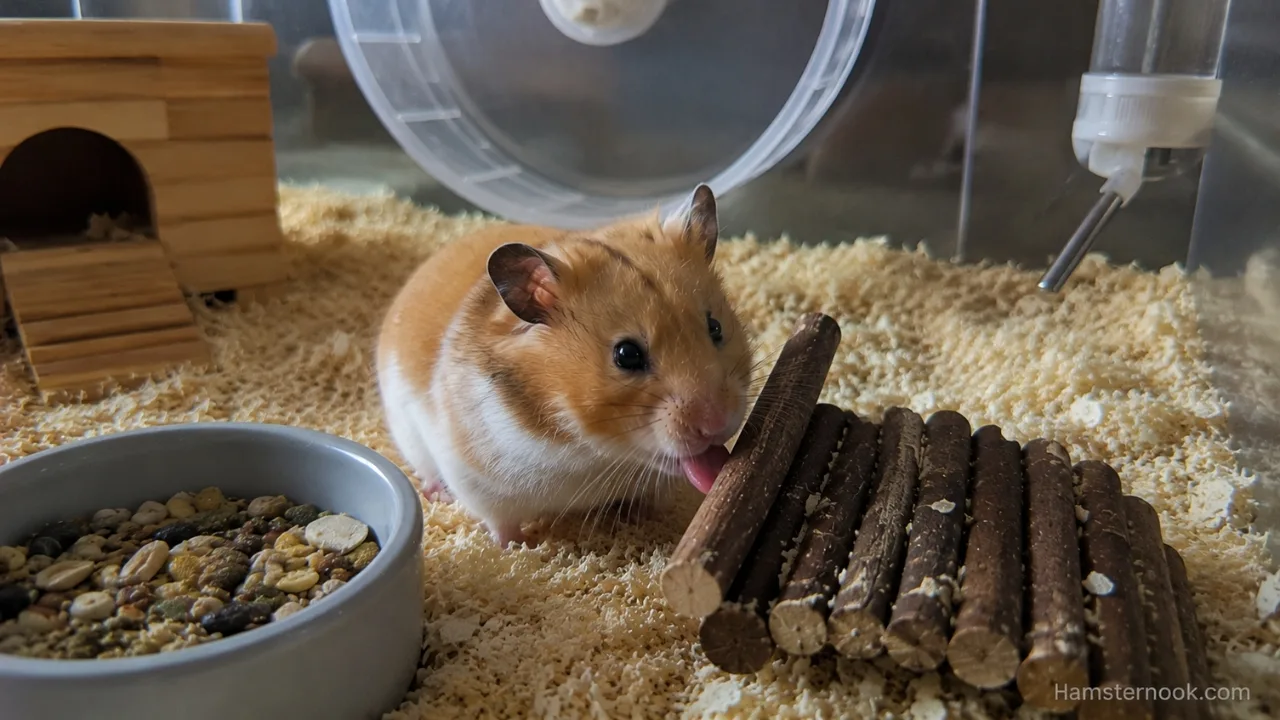
Is It Normal for Hamsters to Rearrange Their Cage?
Yes, absolutely.
Hamsters are natural builders, diggers, and nest creators. In the wild, they constantly modify burrows, move nesting materials, store food, and create separate areas for sleeping, eating, and using the bathroom.
Even though pet hamsters live in cages, those instincts remain strong. Most hamsters will regularly move bedding, relocate food, bury objects, and reorganize parts of their enclosure.
The key is understanding the reason behind the behavior.
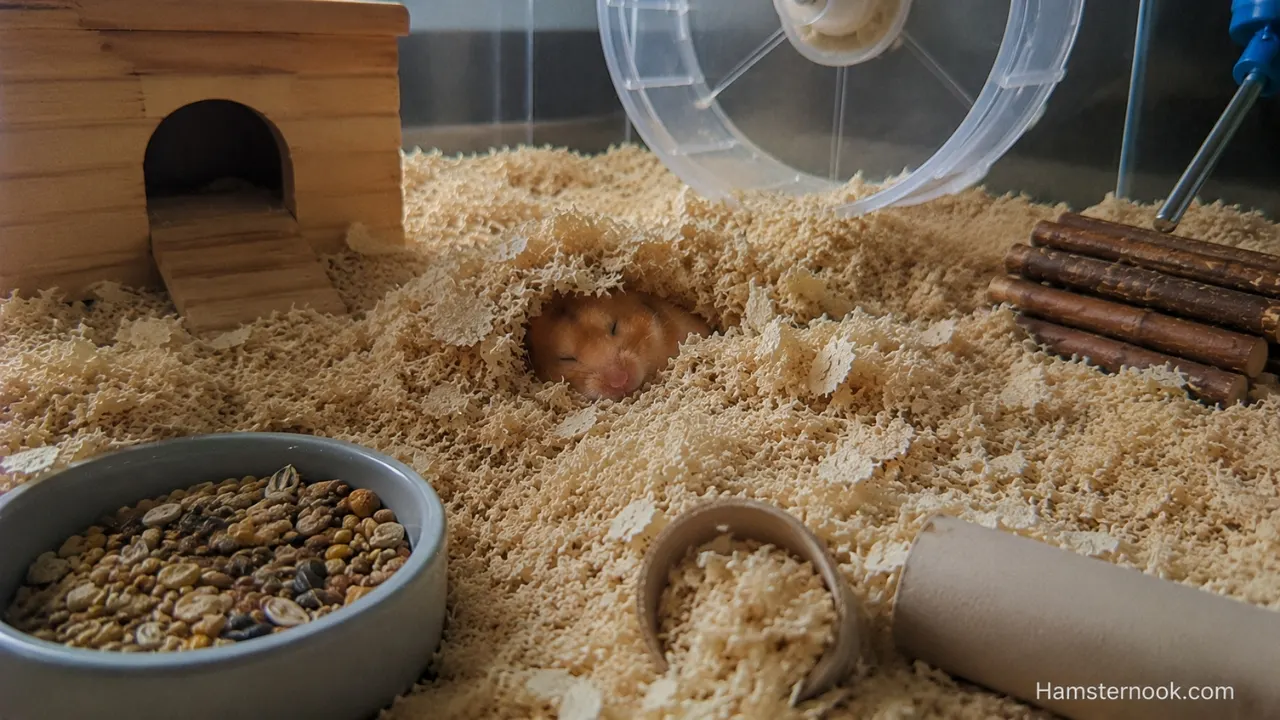
Understanding natural behaviors like digging, nesting, hoarding, and cage rearrangement is an important part of responsible hamster ownership. Our Hamster Care Guide for Beginners explains how these instincts influence daily care and habitat design.
Quick Overview: Why Hamsters Rearrange Their Cage
| Reason | Is It Normal? | Should Owners Be Concerned? |
|---|---|---|
| Building a nest | Yes | Usually no |
| Creating a food storage area | Yes | Usually no; remove spoiled food |
| Seeking comfort | Yes | Check for environmental problems if behavior changes suddenly |
| Exploring territory | Yes | Usually no |
| Adjusting nesting materials | Yes | Check room conditions if your hamster appears uncomfortable |
| Lack of enrichment | Possible contributor | Review space and enrichment |
| Stress or environmental changes | Possible contributor | Watch for additional signs of stress |
Let’s look at each reason in more detail.
1. Your Hamster Is Building the Perfect Nest
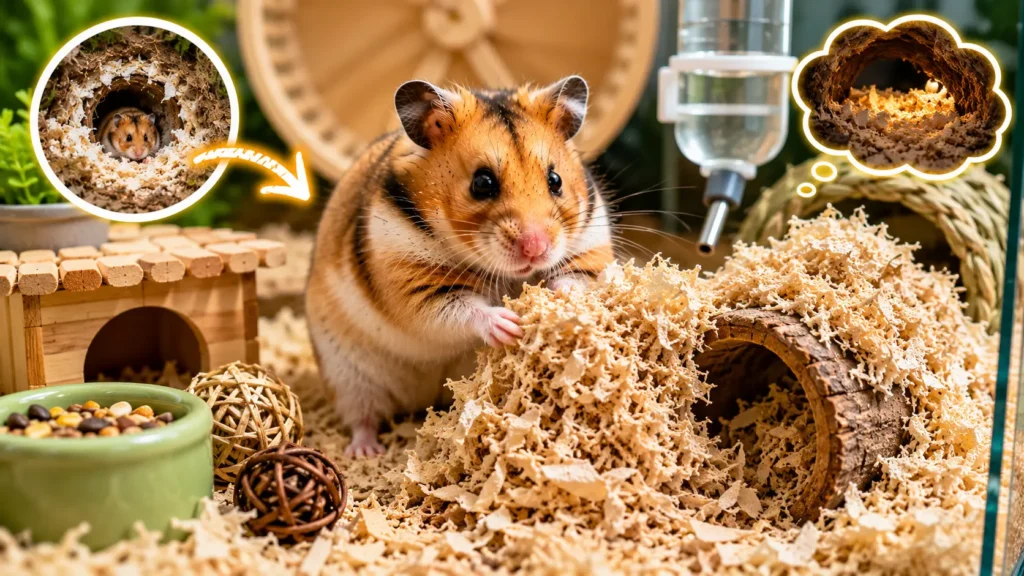
One of the most common reasons hamsters rearrange their cage is to build a secure and comfortable nest.
Hamsters are instinctively driven to create safe sleeping areas. Even if you provide a comfortable hideout, your hamster may decide it prefers a different layout.
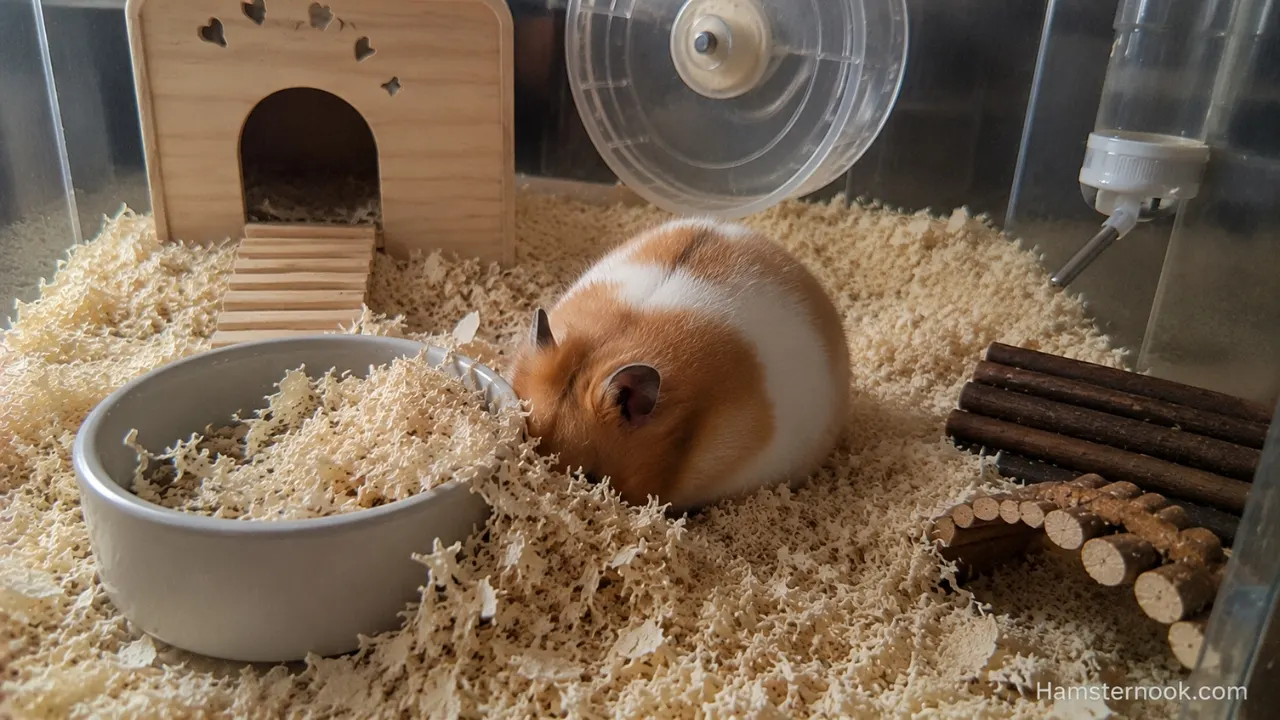
Common nesting behaviors include:
- Dragging bedding into one location
- Blocking tunnel entrances
- Moving soft materials into a hide
- Creating multiple sleeping chambers
A hamster may spend hours adjusting its nest until it feels secure.
This behavior is completely normal and usually indicates that your hamster feels comfortable enough to personalize its environment.
Many everyday behaviors are connected to a hamster’s environment. If your pet constantly buries accessories, destroys tunnels, or seems restless despite having plenty of space, the enclosure may need additional enrichment rather than major changes.
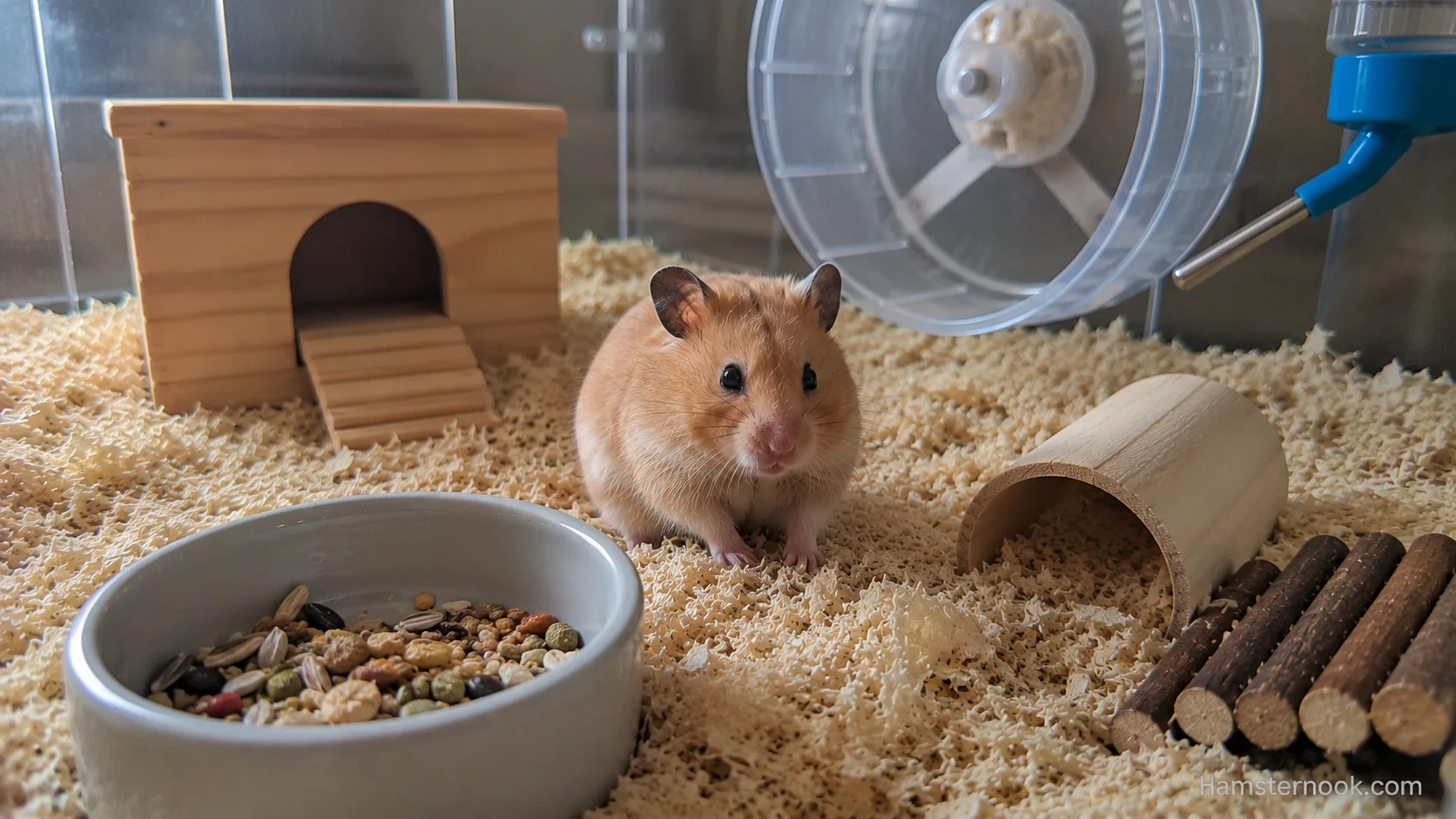
2. Your Hamster Is Organizing Food Storage Areas
Wild hamsters are famous for collecting and storing food.
Pet hamsters continue this behavior even when food is available every day.
Many owners notice:
- Food bowls being emptied
- Seeds hidden under bedding
- Treats stored inside hideouts
- Small food piles appearing around the cage
This process is called hoarding.
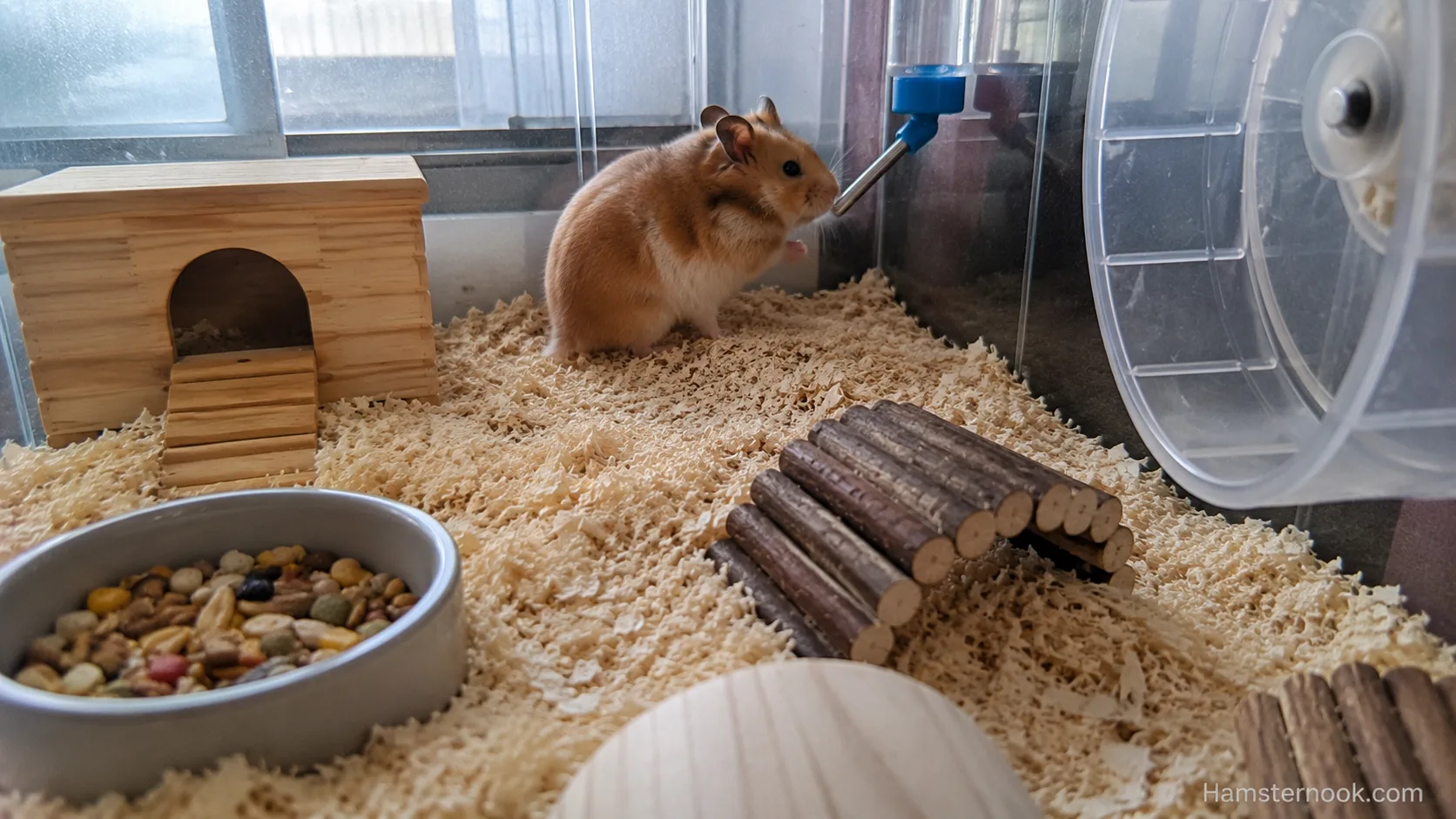
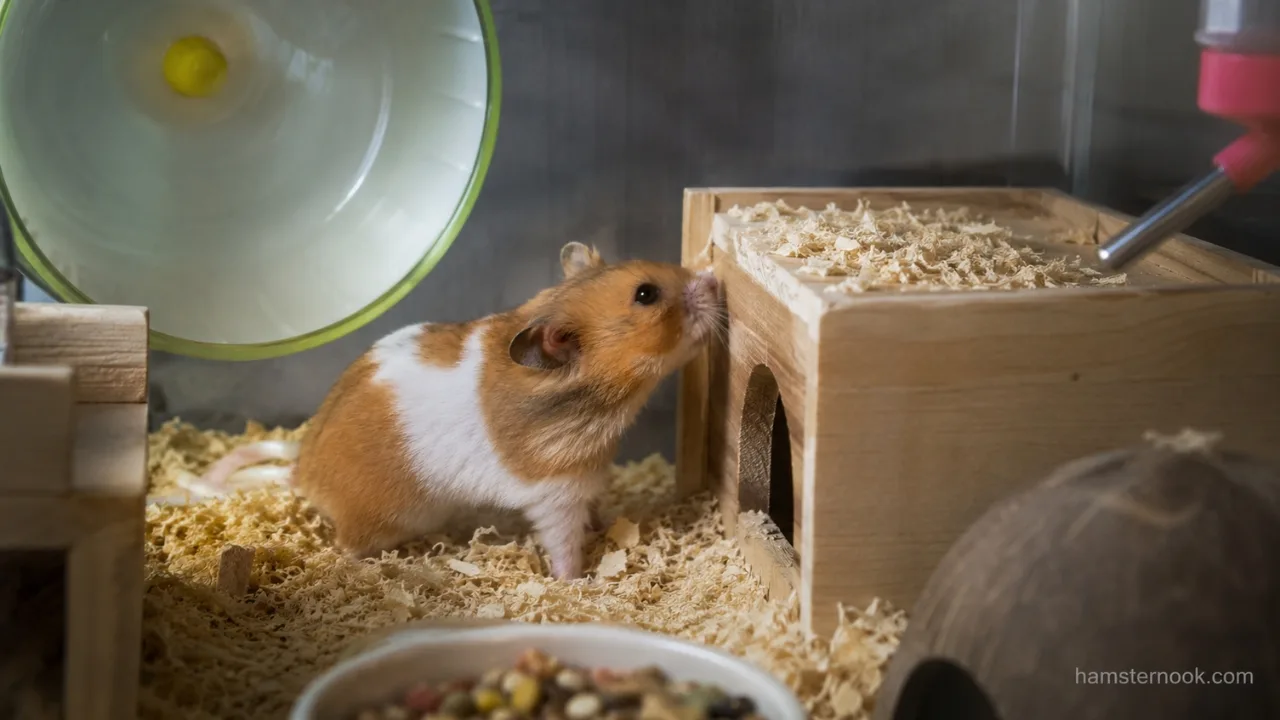
Food hoarding is one of the most deeply ingrained hamster instincts. Even hamsters that receive fresh food every day often continue building food reserves because this behavior helped wild hamsters survive periods when food was scarce.
Unless fresh food has spoiled, this behavior is completely normal and does not mean your hamster is running out of food. However, fresh vegetables, fruit, or other moist foods should not be left hidden for long periods because they can spoil. Check food stores during routine spot cleaning and remove anything that is wet, moldy, or spoiled.
Your hamster may move cage accessories simply to create better storage locations for its food reserves.
Some hamsters also cover their food bowl with bedding while storing food or changing their surroundings. Why Does My Hamster Cover Its Food Bowl With Bedding? Normal Reasons & When to Worry explains when this behavior is normal and what owners should check.
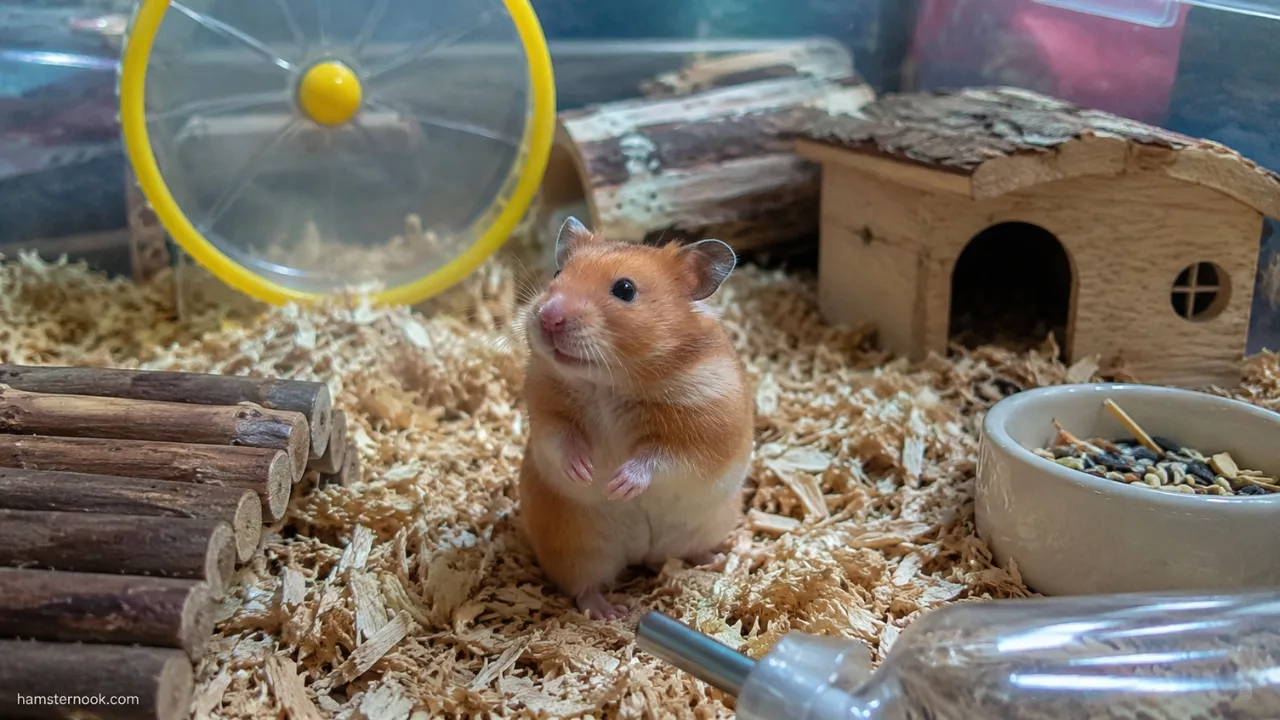
3. Your Hamster Wants More Control Over Its Environment
Hamsters are surprisingly particular about their living space.
Just because an owner likes a cage layout does not mean the hamster agrees with it.
A hamster may rearrange items because:
- A tunnel blocks a preferred route
- A hideout feels too exposed
- A food dish occupies a favorite digging area
- Decorations interfere with movement
In many cases, the hamster is simply customizing the enclosure to match its own preferences.
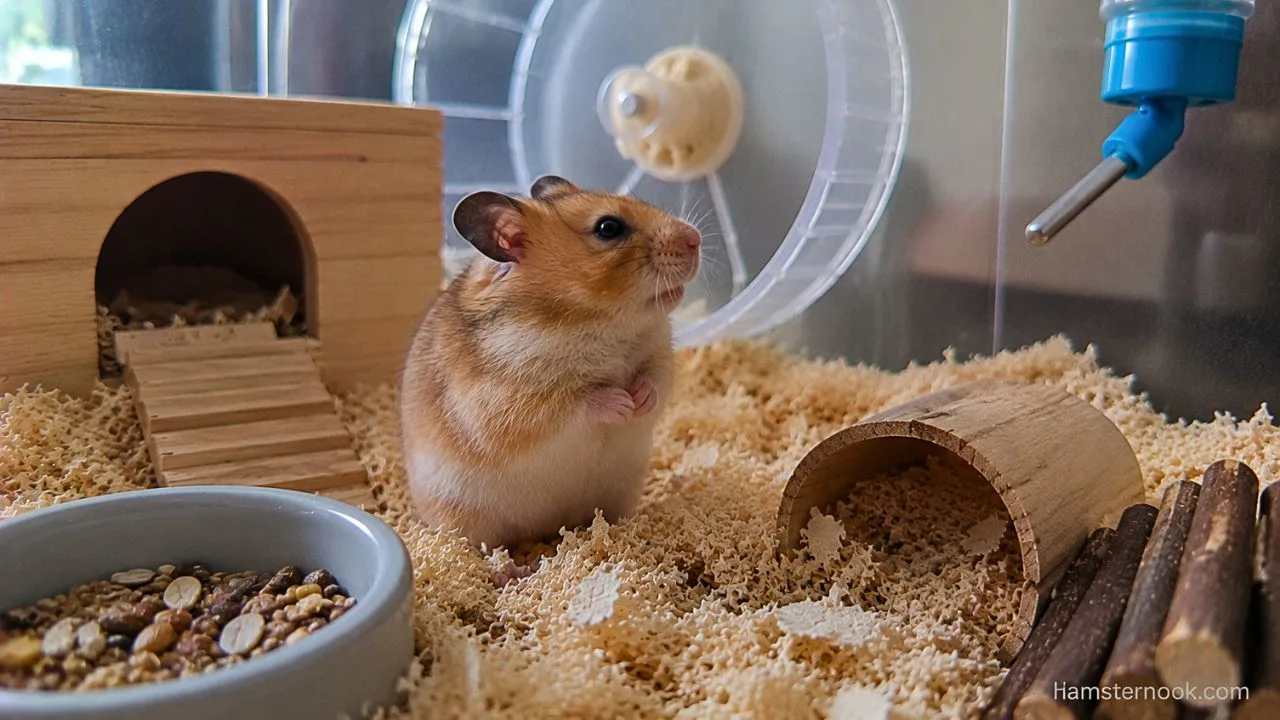
This behavior is often linked to a hamster’s instinct to create a secure territory that feels predictable and safe.
4. Your Hamster Is Following Natural Digging and Burrowing Instincts
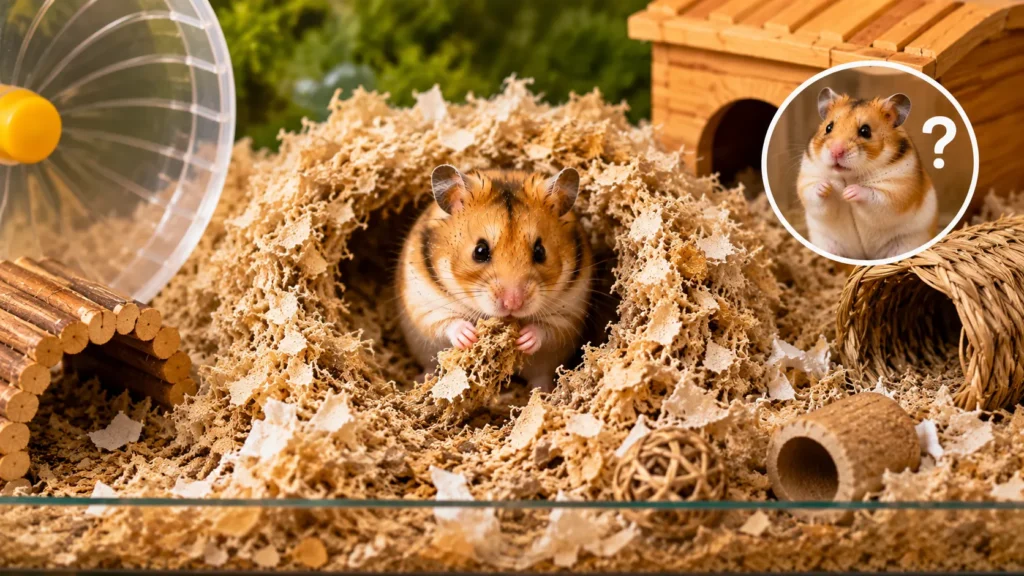
Digging is one of the strongest instincts a hamster has.
Wild hamsters create extensive underground burrow systems that include:
| Burrow Area | Purpose |
|---|---|
| Sleeping chamber | Rest and security |
| Food storage chamber | Food reserves |
| Tunnel system | Movement between burrow areas |
| Bathroom area | A separate area for toileting |
Pet hamsters attempt to recreate parts of this system inside their cage.
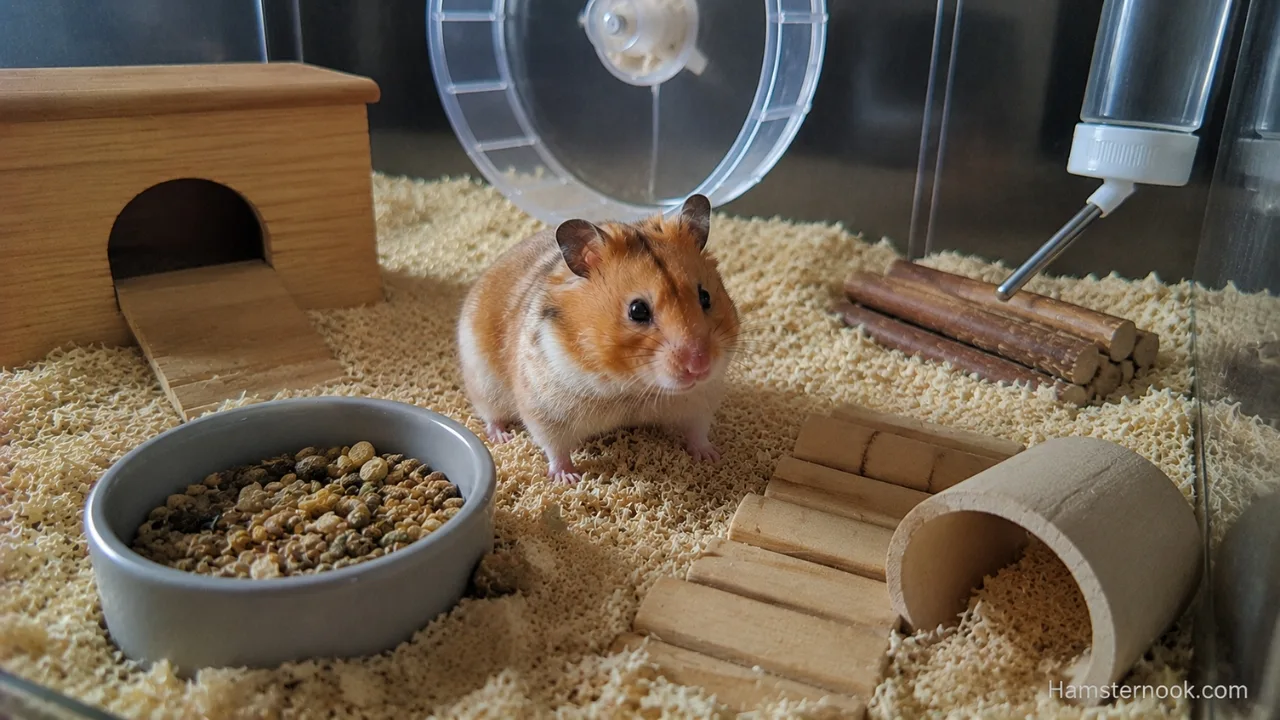
As they dig and move bedding around, cage accessories may shift position or become buried.
A hamster that frequently rearranges bedding is often simply expressing natural burrowing behavior.
5. Your Hamster May Be Regulating Temperature and Comfort
Hamsters are sensitive to changes in their environment.
If the cage feels too warm, too cool, too bright, or too exposed, your hamster may begin moving materials around.
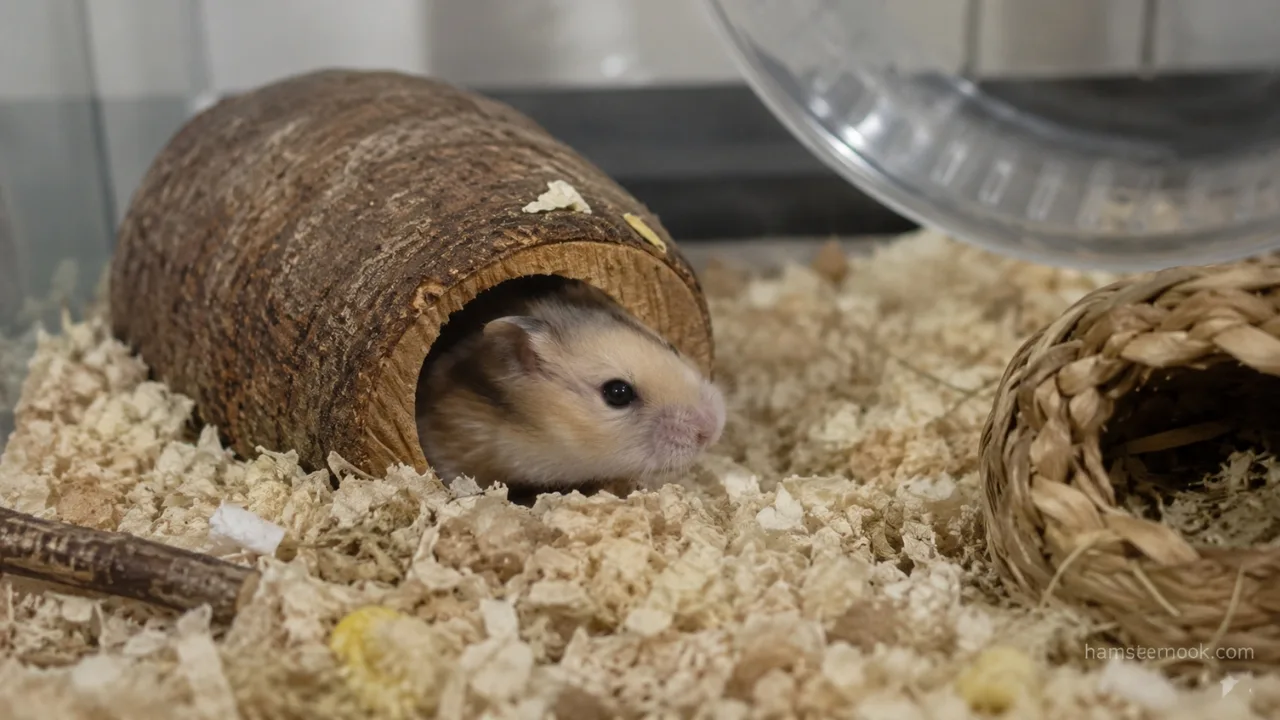
Examples include:
- Building thicker nests during cooler weather
- Covering hideout entrances
- Moving bedding away from warmer areas
- Relocating sleeping areas
This behavior helps create a more comfortable microenvironment within the enclosure.
6. Your Hamster Could Be Bored and Looking for Stimulation
Sometimes cage rearrangement becomes more frequent when enrichment is lacking.
A hamster that has limited opportunities to:
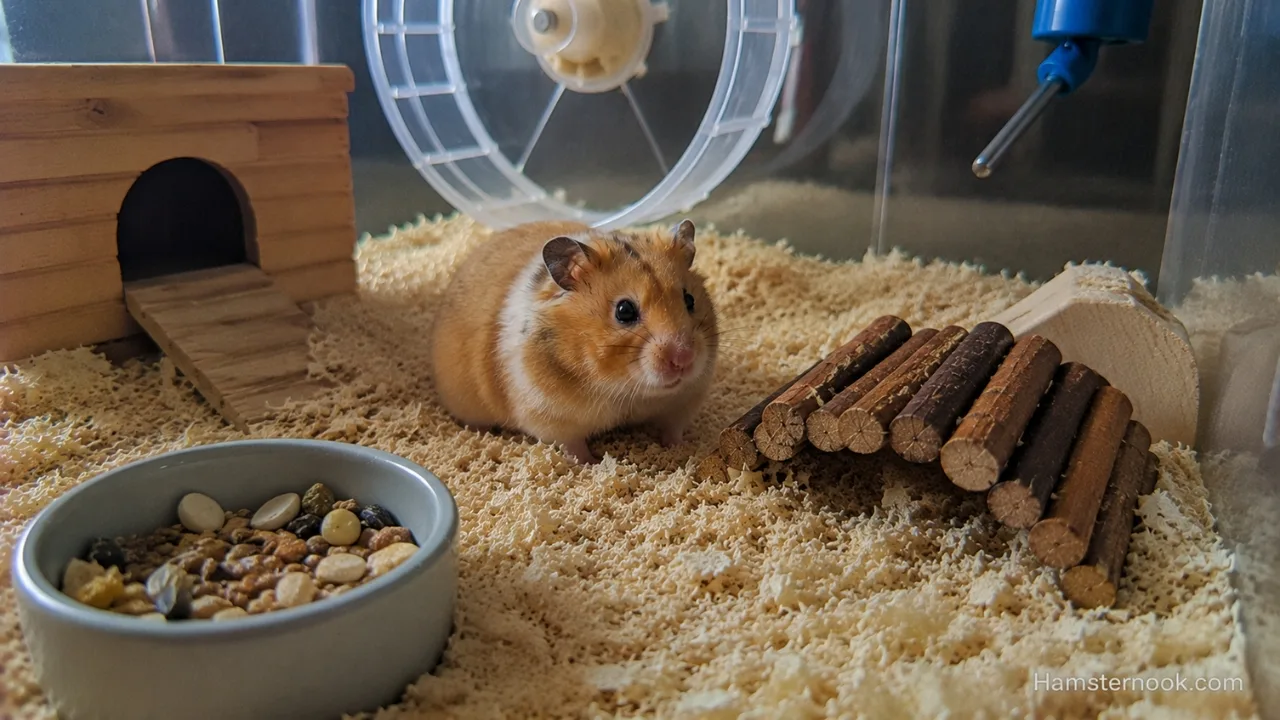
- Explore
- Dig
- Forage
- Climb safely
- Chew
The cage itself also plays an important role in giving a hamster enough space to explore, dig, hide, and forage. Our Best Hamster Cage Setup for Beginners guide covers the key habitat features that support these natural behaviors.
may create its own activities by constantly moving objects around.
Compare the behaviors below:
| Well-Enriched Hamster | Possible Signs of Inadequate Enrichment |
|---|---|
| Explores different areas | Repeatedly digs at cage corners |
| Has opportunities to forage | Has few ways to search for food |
| Uses hides and enrichment items | Frequently moves accessories without other activities |
| Shows varied natural behaviors | Repeats the same behavior frequently |
If your hamster seems obsessed with rearranging everything every day, it may benefit from additional enrichment opportunities.
Can Rearranging the Cage Actually Be a Good Sign?
In many cases, yes.
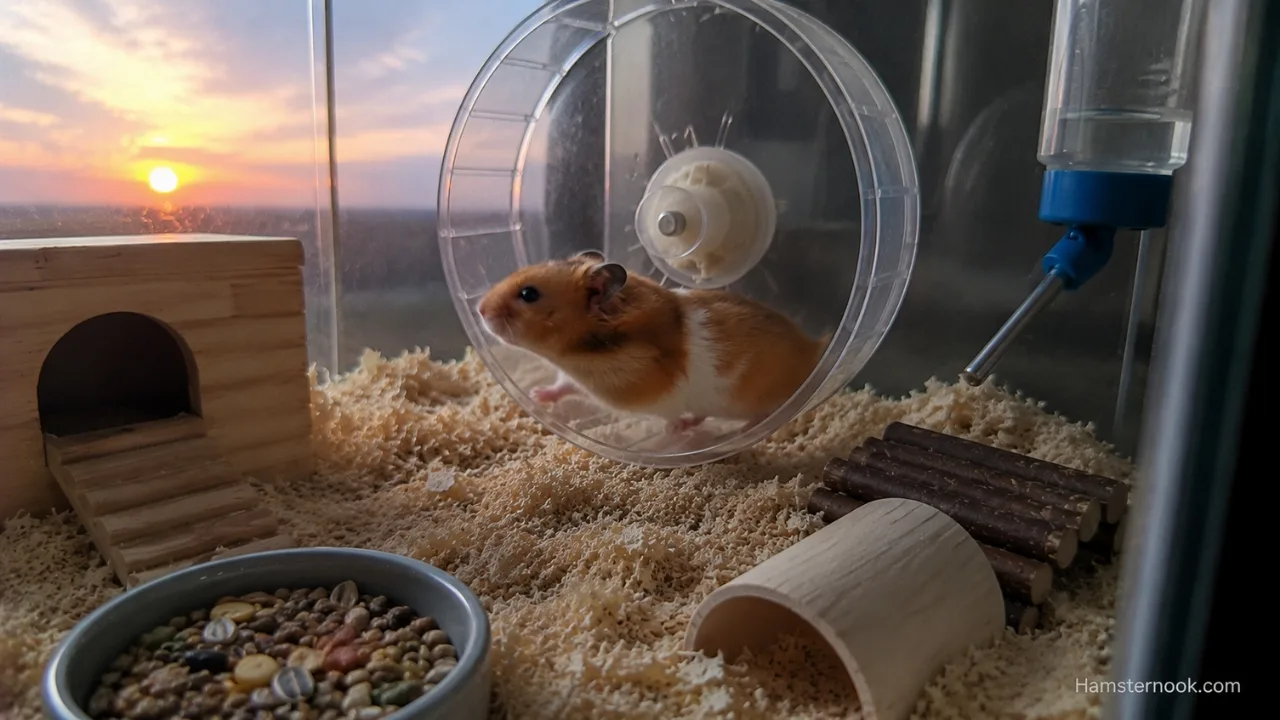
Owners sometimes assume that a hamster constantly moving bedding, burying tunnels, or changing nest locations is unhappy. However, active cage modification is often a sign that a hamster feels comfortable enough to express natural behaviors.
A hamster that digs, burrows, hoards food, and builds nests is engaging in behaviors that closely resemble what wild hamsters do in nature.
As long as your hamster is eating normally, maintaining a healthy weight, and showing no signs of illness or stress, rearranging the cage is usually a positive sign rather than a problem.
7. Recent Changes May Be Causing Temporary Stress
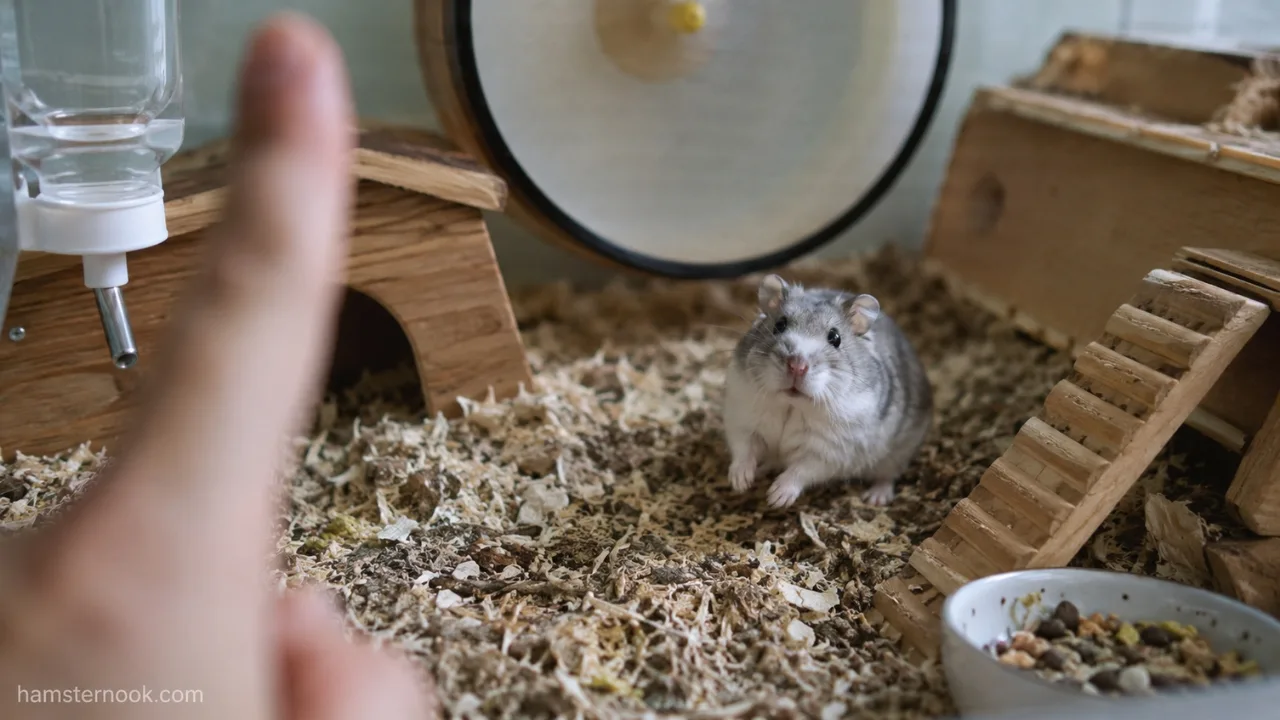
Hamsters rely heavily on familiar scents and routines.
Major changes can sometimes trigger increased cage rearrangement.
Examples include:
- Deep cleaning the cage
- Replacing all bedding
- Adding new accessories
- Moving the enclosure
- Changes in household activity
After a major change, a hamster may spend several days reorganizing its environment.

Give your hamster time to settle rather than repeatedly rearranging the cage yourself. Keeping some familiar bedding and scent cues can help the enclosure feel recognizable while your hamster adjusts.
This often helps restore a sense of familiarity and security.
Most hamsters settle back into their normal routine once they become familiar with the change. Temporary increases in digging, nesting, or rearranging behavior are often part of that adjustment process.
If your hamster continues showing unusual behavior after an environmental change, our Hamster Stress Signs guide explains the common signs of stress and what owners can do to reduce them.

When Rearranging Becomes a Possible Warning Sign
Most cage rearranging is perfectly normal. However, owners should pay closer attention if the behavior suddenly becomes more intense or appears alongside other unusual symptoms.
Watch for these additional warning signs:
| Behavior | Potential Concern |
|---|---|
| Constant frantic digging | Stress or unsuitable enclosure |
| Repeated escape attempts | Insufficient space or an enclosure problem |
| Aggression alongside rearranging | Possible stress or discomfort |
| Sudden behavior change | Possible health or environmental issue |
| Refusal to eat or drink | Prompt veterinary assessment is needed |
The rearranging itself is rarely the problem. The concern comes when it appears alongside other unusual behaviors.
For example, rearranging becomes more concerning when it happens alongside a clear change in appetite, unusual weakness, or marked inactivity. If your hamster has stopped eating or seems significantly weaker than normal, these symptoms deserve more attention than the cage rearranging itself. Our Why Is My Hamster Not Eating? guide explains common causes and warning signs owners should watch for.

If your hamster has also become unusually inactive, stopped eating, or started hiding much more than usual, these changes may indicate a health issue rather than normal cage behavior and should be investigated promptly.
Should You Put Everything Back Where It Was?
In most cases, no.
Many owners make the mistake of restoring the cage to its original layout every day.
Hamsters also rely on scent marking to recognize important areas within their enclosure, so constantly changing the layout can make the environment feel unfamiliar.
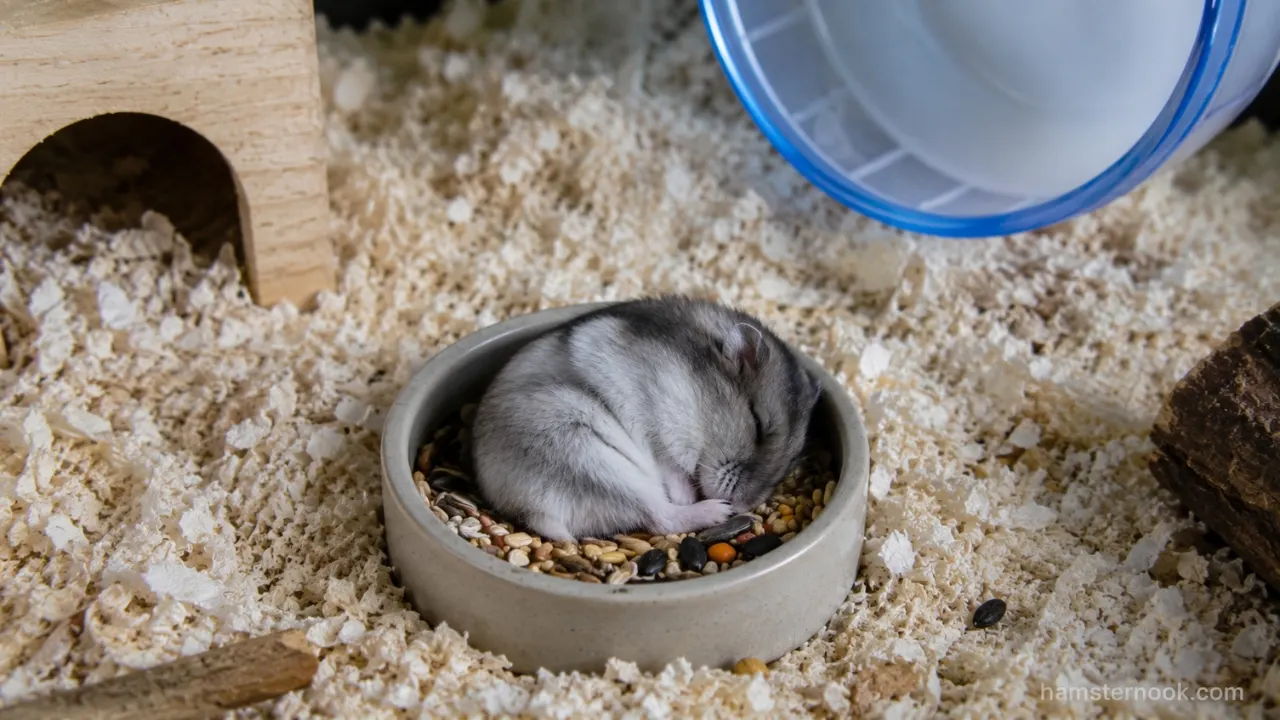
This can frustrate the hamster because:
- It removes their work
- Disrupts scent markers
- Interferes with nesting efforts
- Reduces environmental control
Unless safety is affected, it is usually best to allow your hamster to organize the cage naturally.
Experienced hamster owners often find that leaving well-organized nests and food storage areas undisturbed results in calmer, more confident behavior. Intervening only when safety is affected helps preserve the hamster’s sense of control over its environment.
One exception is when heavy accessories become unstable after digging. If a hideout, ceramic dish, or platform could collapse, secure it before allowing your hamster to continue rearranging the enclosure.
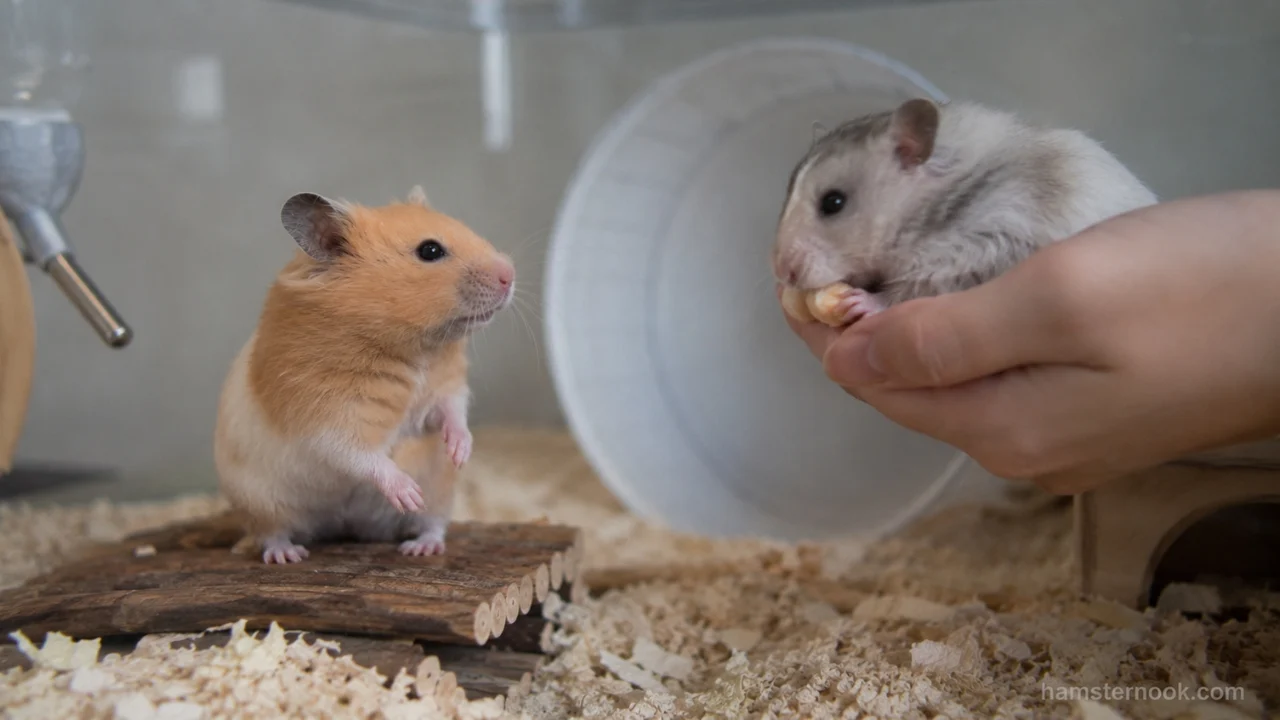
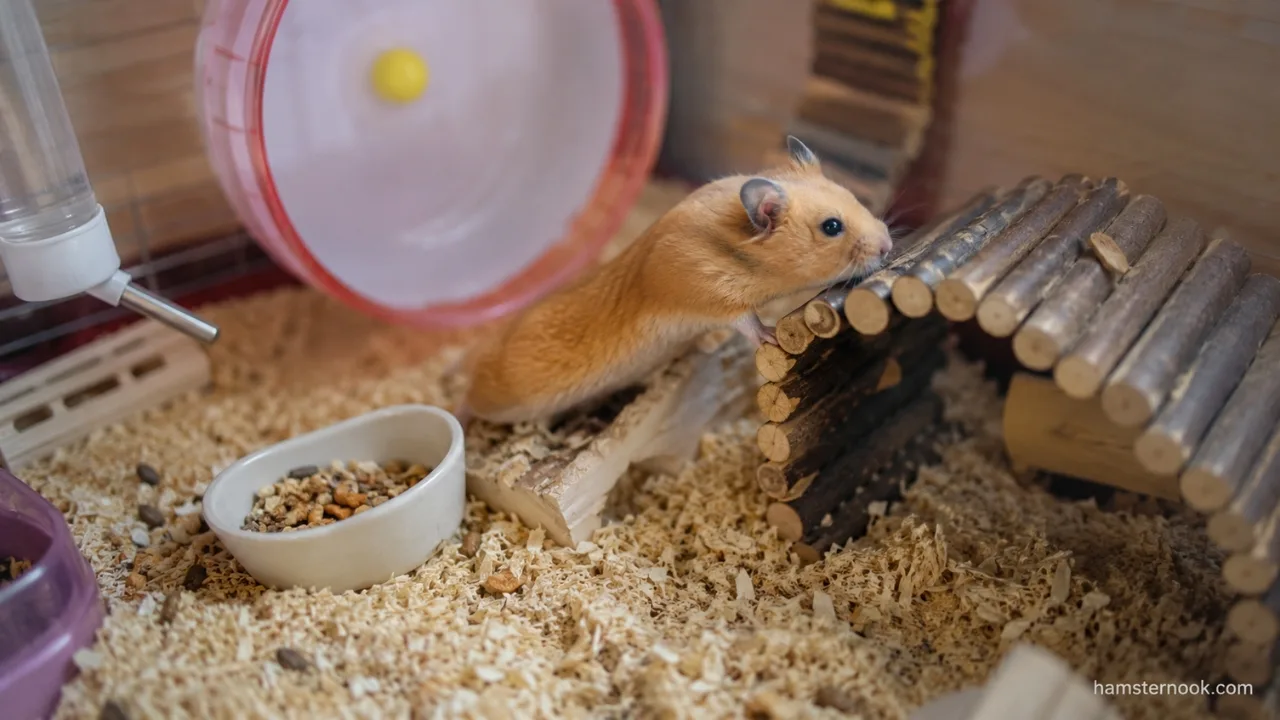
Also check that heavy hides, wheels, platforms, and other accessories cannot fall or trap your hamster when bedding is moved underneath them. Any item that becomes unstable after digging should be repositioned or secured before your hamster continues using the area.
Minor adjustments are fine, but constantly undoing your hamster’s changes may create unnecessary stress.
How to Support Healthy Rearranging Behavior
Instead of preventing cage modifications, focus on creating an environment that encourages safe natural behaviors.
Provide Deep Bedding
Deep bedding allows:
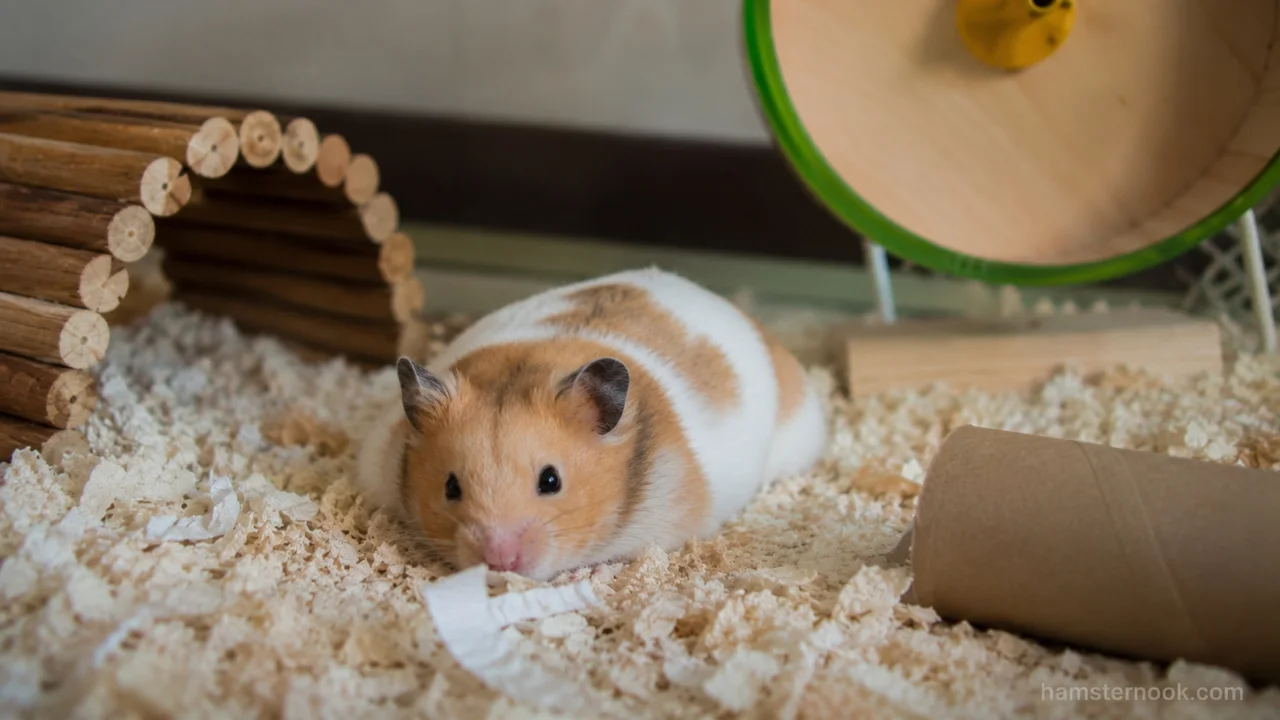
- Digging
- Tunnel building
- Nest creation
Many hamster owners provide at least 8–10 inches where possible.
Choosing the right substrate is just as important as providing enough depth. Our Best Bedding for Hamsters: Safe and Unsafe Options Explained guide compares popular bedding materials and explains which options best support natural burrowing behavior.
Many hamsters naturally create tunnels and underground chambers. Bedding that is too shallow may limit these behaviors and encourage digging at cage corners instead.
Offer Multiple Hideouts
Different hideouts allow hamsters to create:
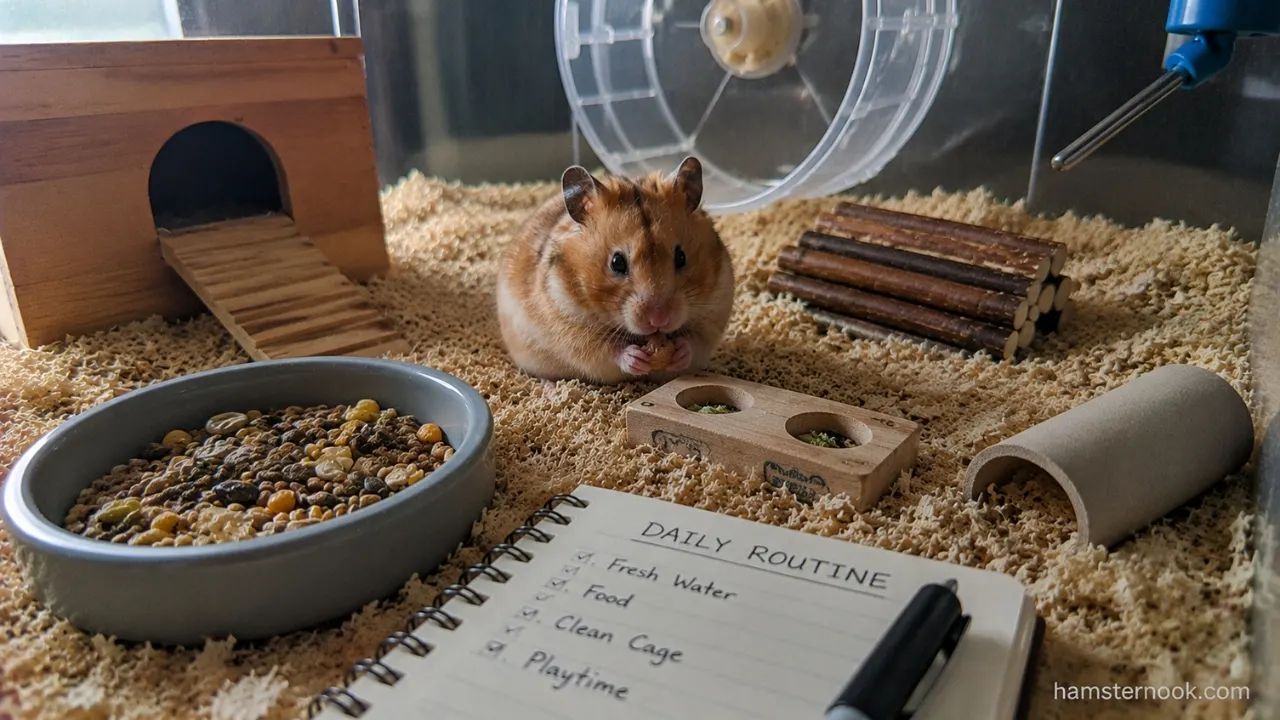
- Sleeping areas
- Food storage areas
- Safe retreat spaces
Use Foraging Opportunities
Scatter feeding and foraging toys encourage natural food-searching behaviors.
Avoid Excessive Deep Cleaning
Spot cleaning is often less disruptive than completely replacing all bedding at once.
Maintaining some familiar scents helps hamsters feel secure.
Signs Your Hamster Is Happily Rearranging Its Cage
Healthy cage rearrangement often looks purposeful rather than frantic.
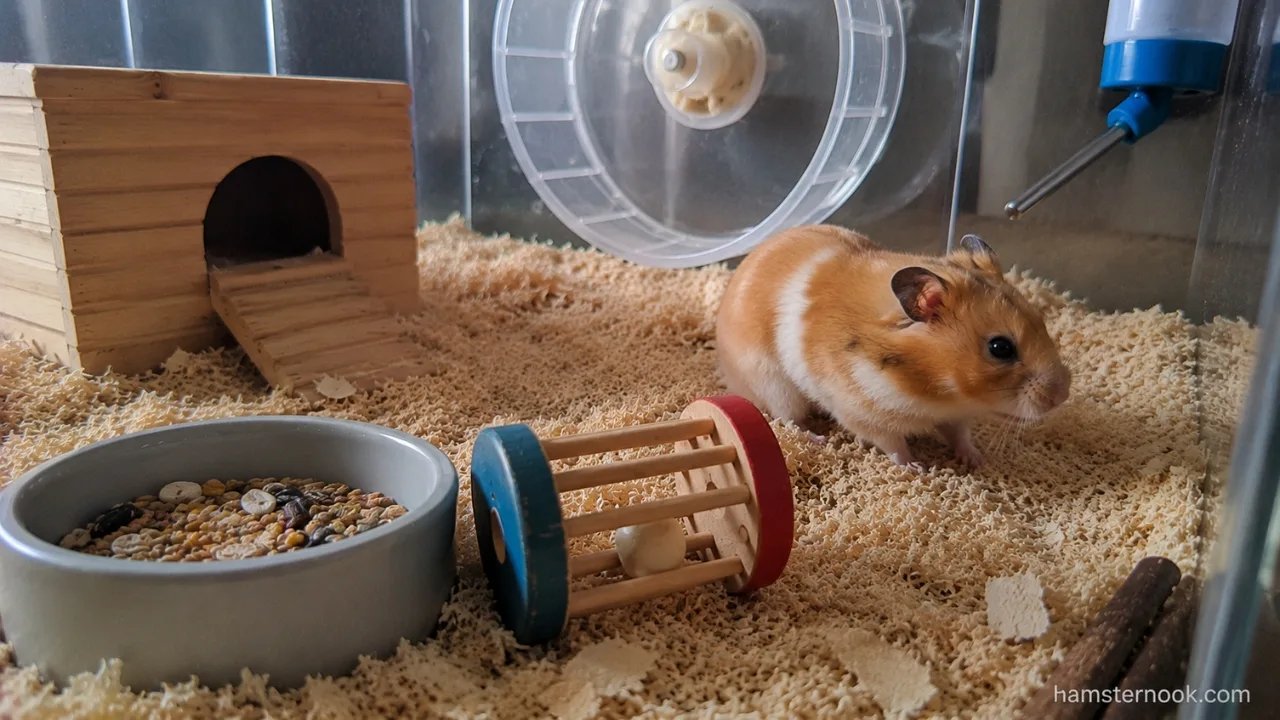
Positive signs include:
- Building organized nests
- Creating food storage areas
- Digging tunnels
- Exploring calmly
- Sleeping normally
- Eating and drinking regularly
These behaviors usually indicate that your hamster is simply making the enclosure feel like home.
Final Thoughts
If your hamster constantly moves bedding, buries toys, relocates food, or redesigns parts of its enclosure, there’s usually no reason to worry. Rearranging the cage is a normal expression of natural hamster instincts, including nesting, burrowing, hoarding, and territory management.
Rather than viewing these changes as a problem, consider them a sign that your hamster is actively engaging with its environment. A well-cared-for hamster often spends a significant amount of time customizing its living space.
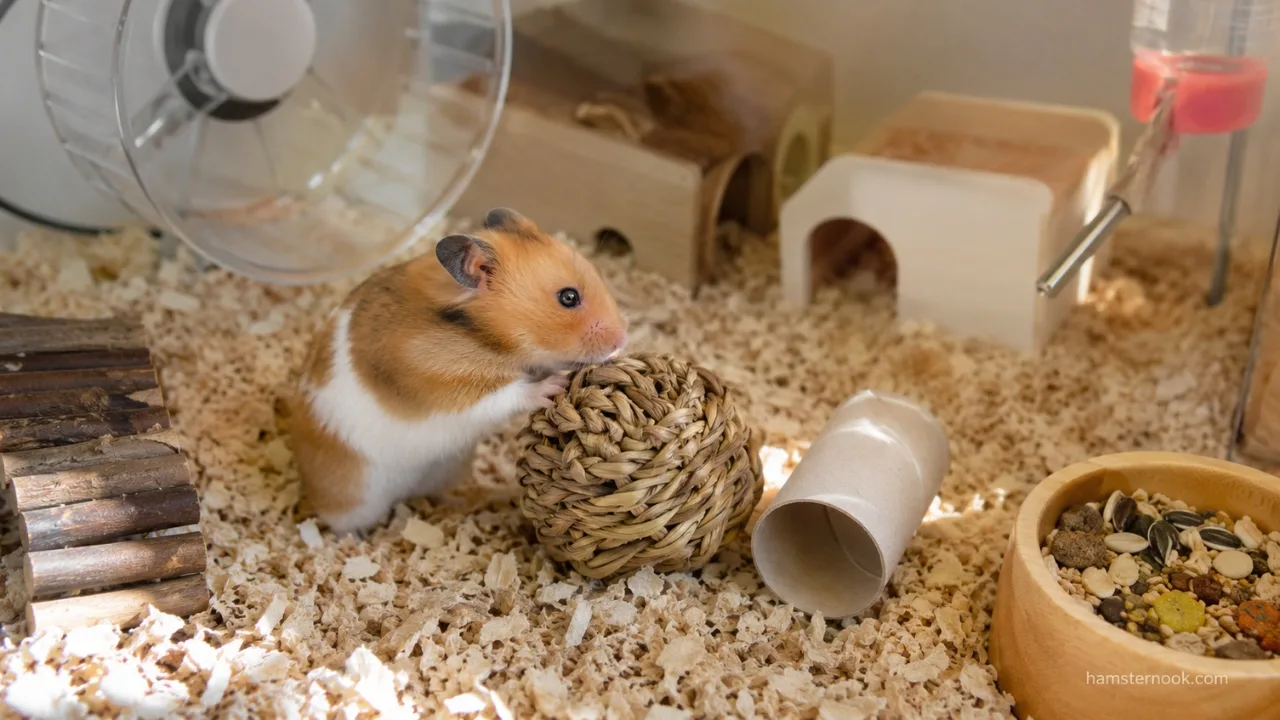
The goal isn’t to keep the cage looking perfect. The goal is to create a habitat where your hamster feels comfortable enough to make it their own.
Medical Disclaimer:
This article provides general hamster-care information and is not a substitute for veterinary advice. If cage rearranging occurs alongside loss of appetite, severe weakness, breathing problems, injury, or another sudden health change, contact an exotic-pet veterinarian.
Frequently Asked Questions
Why does my hamster move all its bedding into one corner?
Hamsters often collect bedding in one area to create a secure nest. This is a normal nesting behavior and usually does not indicate a problem.
Why does my hamster bury its food bowl?
Many hamsters prefer storing food in hidden locations rather than leaving it exposed. Burying or covering food is part of their natural hoarding instinct.
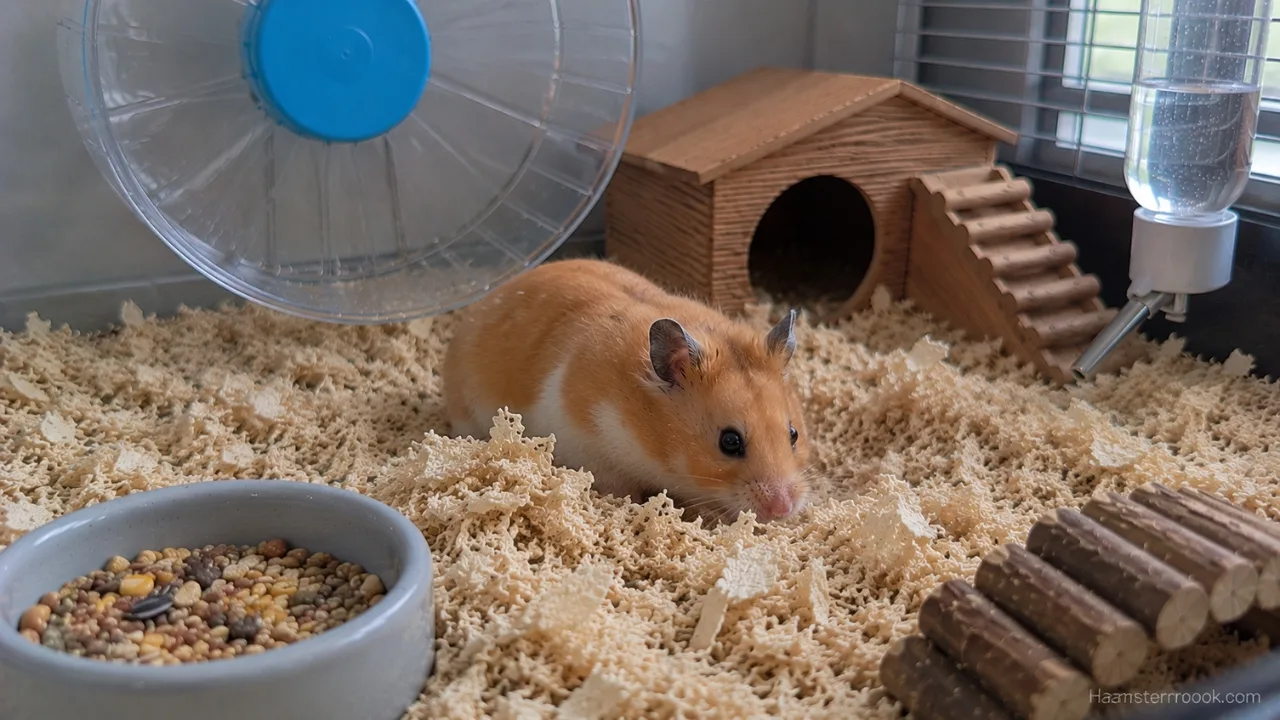
Should I stop my hamster from moving cage accessories?
No. As long as the accessories remain safe and stable, allowing your hamster to rearrange parts of the enclosure is generally beneficial.
Why does my hamster rebuild its nest after cleaning?
Cleaning removes familiar scents. Rebuilding helps the hamster restore comfort, security, and a sense of ownership over its territory.
Can boredom cause excessive cage rearranging?
Yes. A lack of enrichment may encourage a hamster to spend more time moving objects, digging excessively, or repeatedly changing its environment.
Is it normal for a hamster to move its sleeping spot?
Yes. Hamsters sometimes relocate their nests based on comfort, temperature, privacy, or personal preference. This behavior is usually completely normal.
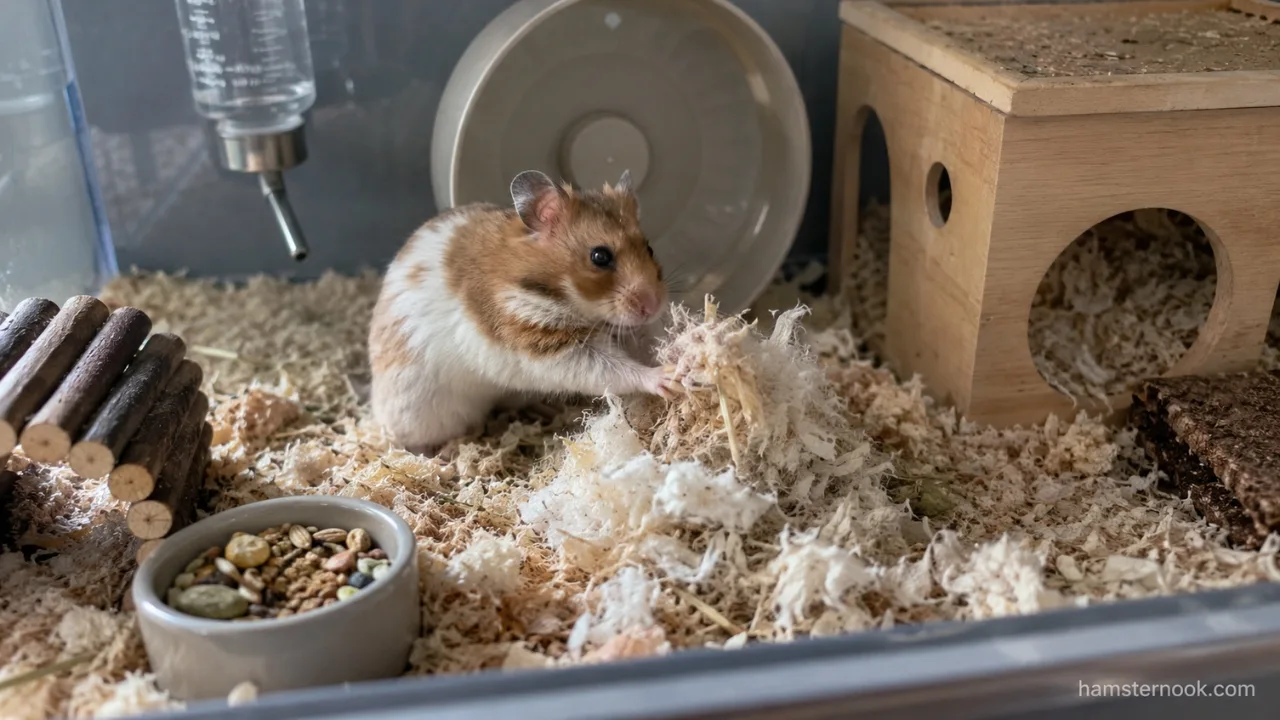
Why does my hamster keep moving toys to different places?
Many hamsters move toys, tunnels, and accessories while exploring or creating preferred routes through the enclosure. As long as the behavior appears calm and purposeful, it is usually a normal part of environmental customization.
References
This guide is based on hamster behavior, nesting, burrowing, food-hoarding instincts, environmental enrichment, and welfare guidance from trusted animal welfare and veterinary resources, including:
- RSPCA – Hamster Behaviour – Guidance on natural hamster behaviors, nesting, burrowing, food storage, activity, and signs of stress.
- RSPCA – Creating a Good Home for Hamsters – Information on suitable enclosure space, bedding, nesting materials, hideouts, and environmental conditions.
- Blue Cross – Hamster Care Guide – Practical advice on hamster housing, bedding, enrichment, food storage, and everyday care.
- MSD Veterinary Manual – Providing a Home for a Hamster – Veterinary guidance on enclosure design, bedding, nesting, exercise, and environmental needs.
- NC3Rs – Housing and Husbandry: Hamster – Guidance on hamster housing, burrowing opportunities, bedding, and species-appropriate husbandry.
- NC3Rs – Choosing Appropriate Enrichment – Principles for providing suitable enrichment that supports natural behaviors and animal welfare.
- MSD Veterinary Manual – Disorders and Diseases of Hamsters – Veterinary information on hamster health problems and symptoms that may require professional assessment.
Medical Disclaimer
This article is intended for educational purposes only and should not be considered veterinary advice. Cage rearranging is generally a normal hamster behavior, but sudden behavioral changes accompanied by loss of appetite, severe weakness, breathing difficulties, injury, or other concerning symptoms may indicate an underlying health problem. Consult a qualified exotic animal veterinarian if your hamster develops persistent or unusual symptoms.

Narayan Kumar is the founder and author of HamsterNook. He creates practical, research-based hamster care guides covering hamster behavior, nutrition, cage setup, enrichment, health, and everyday care. His goal is to help hamster owners make informed decisions and provide safer, healthier lives for their pets through clear, beginner-friendly information based on trusted animal care resources.