Many first-time hamster owners worry about one question after bringing their pet home: Will my hamster get lonely if I don’t spend enough time with it?
The concern is understandable. Dogs often crave attention, cats may seek companionship, and many social pets benefit from regular interaction. Hamsters, however, are different. Their natural behavior, instincts, and social needs don’t work the same way as many other household pets.
The short answer is that most hamsters do not experience loneliness the way humans, dogs, or other highly social animals do. Most pet hamster species are naturally solitary animals that spend much of their lives alone. That doesn’t mean owners are unimportant, though. While hamsters may not need companionship in the same way as dogs, positive interaction can still provide enrichment, trust-building, and mental stimulation.
Understanding the difference between loneliness and boredom helps owners focus on what their hamster actually needs.

Quick Answer
No, most hamsters do not get lonely without human interaction. Syrian hamsters are naturally solitary animals and generally prefer living alone. However, they can become bored if their enclosure lacks enrichment. Regular but gentle interaction can help build trust and provide mental stimulation, even though companionship is not a biological need for most hamsters.
Do Hamsters Naturally Live Alone?
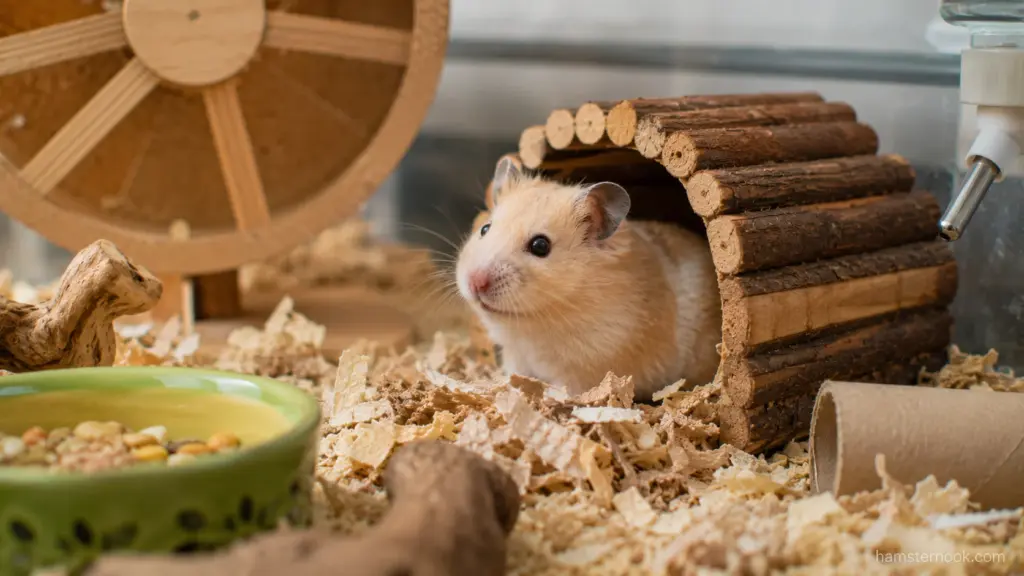
For most pet hamster species, the answer is yes.
Syrian hamsters are among the most independent hamster species commonly kept as pets. In the wild, they typically live alone and defend their territory from other hamsters. Adult Syrians generally should not be housed together because conflicts can develop, sometimes resulting in serious injuries.
Many dwarf hamster species have different social tendencies in the wild, but even dwarf hamsters kept as pets can experience territorial disputes. Because of this, many experienced owners choose to house hamsters individually.

This independent nature is one reason most hamsters are comfortable spending much of their time alone.
Owners who are new to hamster care may benefit from reading Ultimate Hamster Care Guide for Beginners (2026) to better understand natural hamster behavior and housing needs.
Loneliness vs Boredom: Understanding the Difference
One of the biggest misconceptions is confusing loneliness with boredom.
A hamster sitting quietly in its enclosure is not necessarily lonely. In fact, a healthy hamster may spend significant portions of the day sleeping, resting, grooming, or exploring independently.

However, hamsters can absolutely become bored if their environment lacks stimulation.
| Loneliness | Boredom |
|---|---|
| Desire for social companionship | Lack of mental or physical stimulation |
| Rare concern in solitary hamsters | Common in under-enriched habitats |
| Usually linked to social species | Can affect any hamster |
| Not typically solved by another hamster | Improved through enrichment and activities |
| Focuses on social needs | Focuses on environmental needs |
A hamster with plenty of enrichment opportunities is usually far more content than a hamster that receives frequent attention but lives in an unstimulating enclosure.
Why Hamsters Don’t Depend on Human Interaction Like Dogs
Dogs evolved alongside humans and often seek social bonds as part of their normal behavior.
Hamsters evolved very differently.
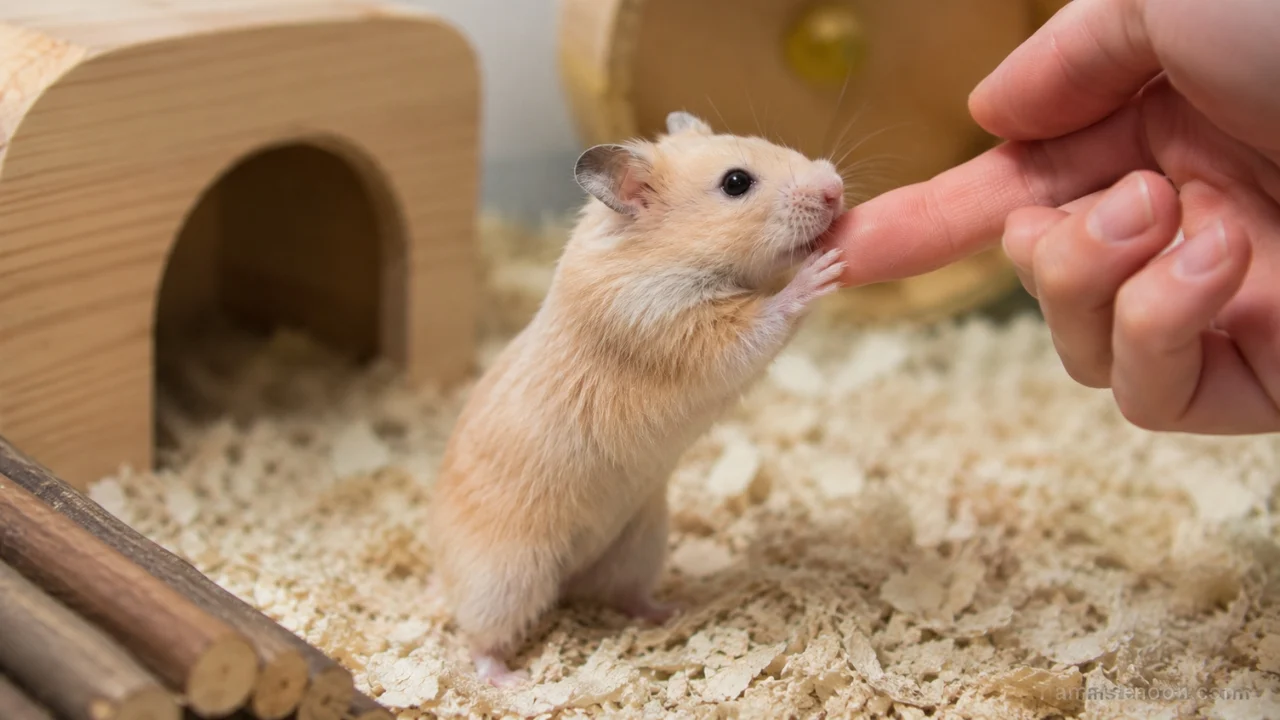
As prey animals, hamsters are naturally cautious. Their survival instincts encourage them to:
- Hide when threatened
- Avoid unfamiliar situations
- Explore independently
- Create secure sleeping areas
- Forage alone
Because of these instincts, many hamsters are perfectly content spending time without direct human interaction as long as their basic needs are met.
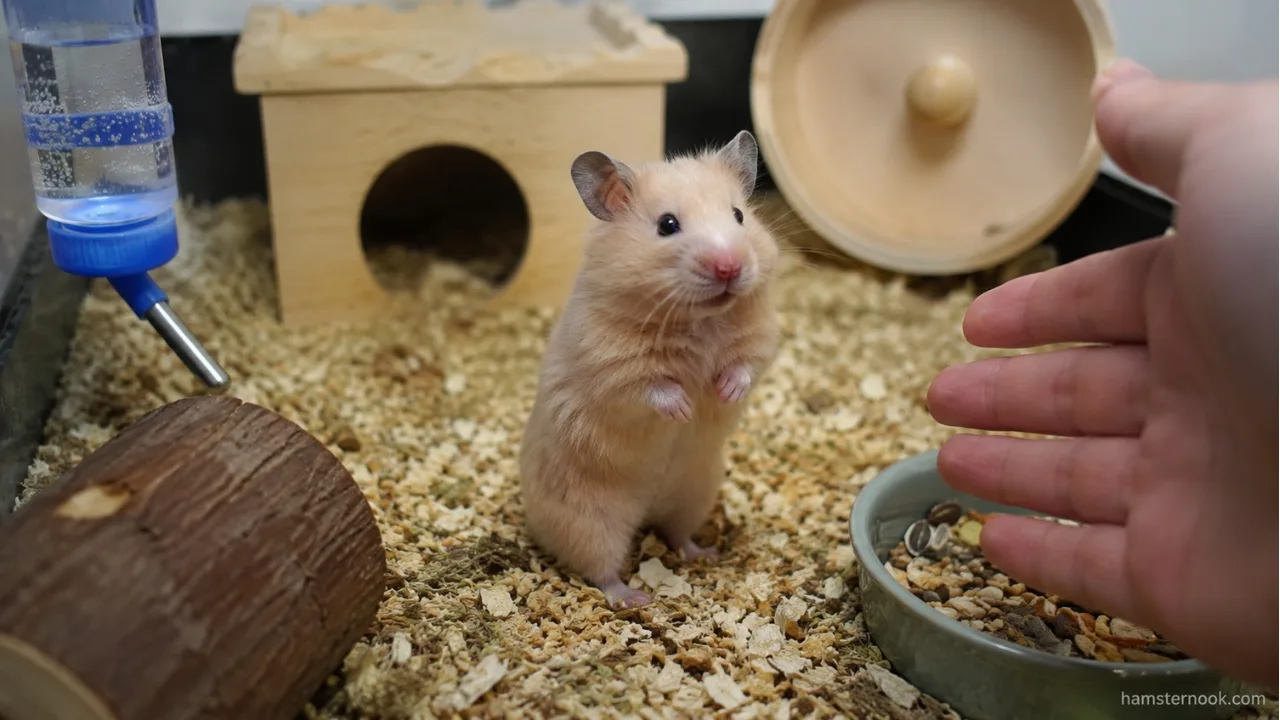
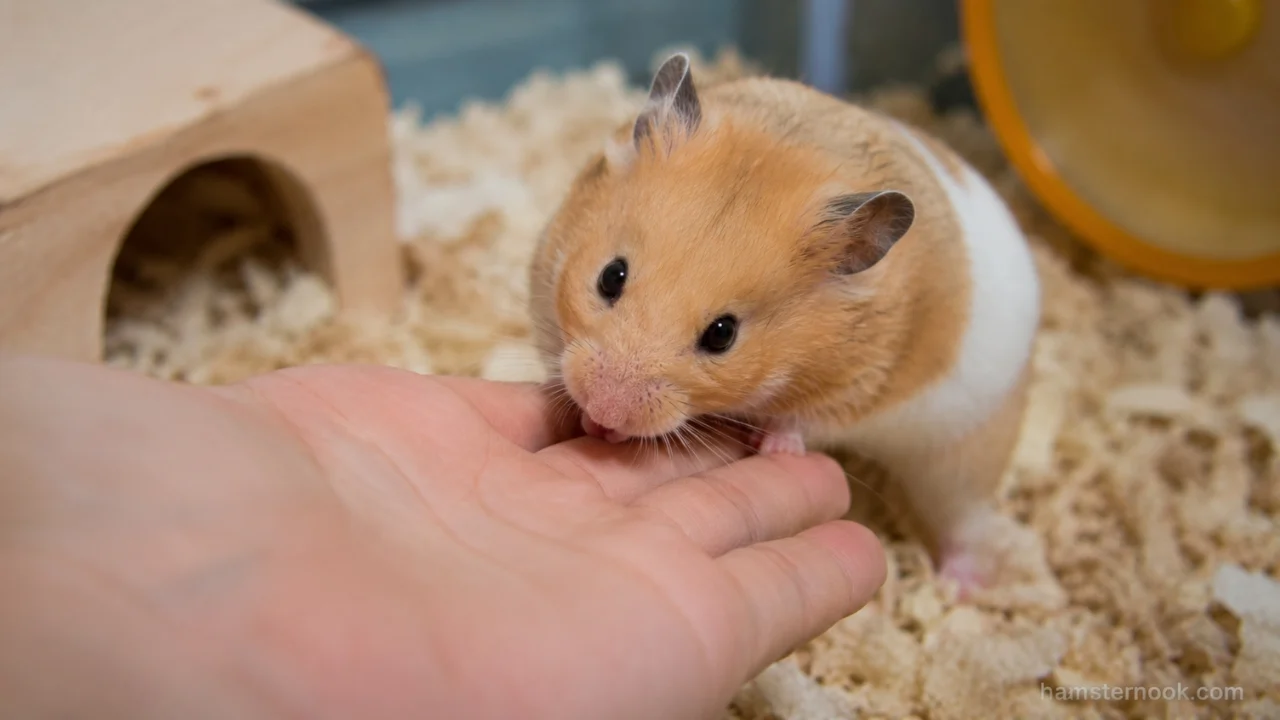
That said, many pet hamsters can learn to enjoy gentle handling and positive interactions when trust develops gradually.
Can Hamsters Recognize Their Owners?
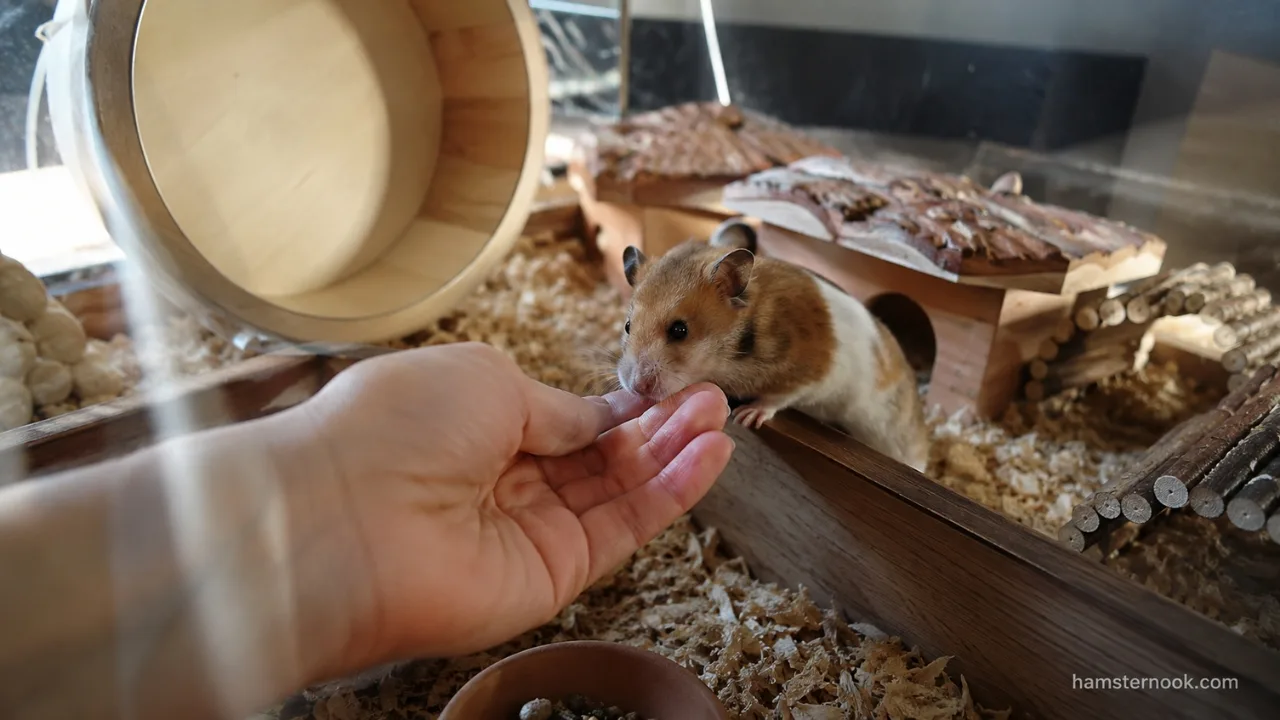
While hamsters do not form social bonds the same way dogs do, many become familiar with certain people through repeated positive experiences and daily routines.
- Human scent
- Voices
- Daily routines
- Feeding schedules
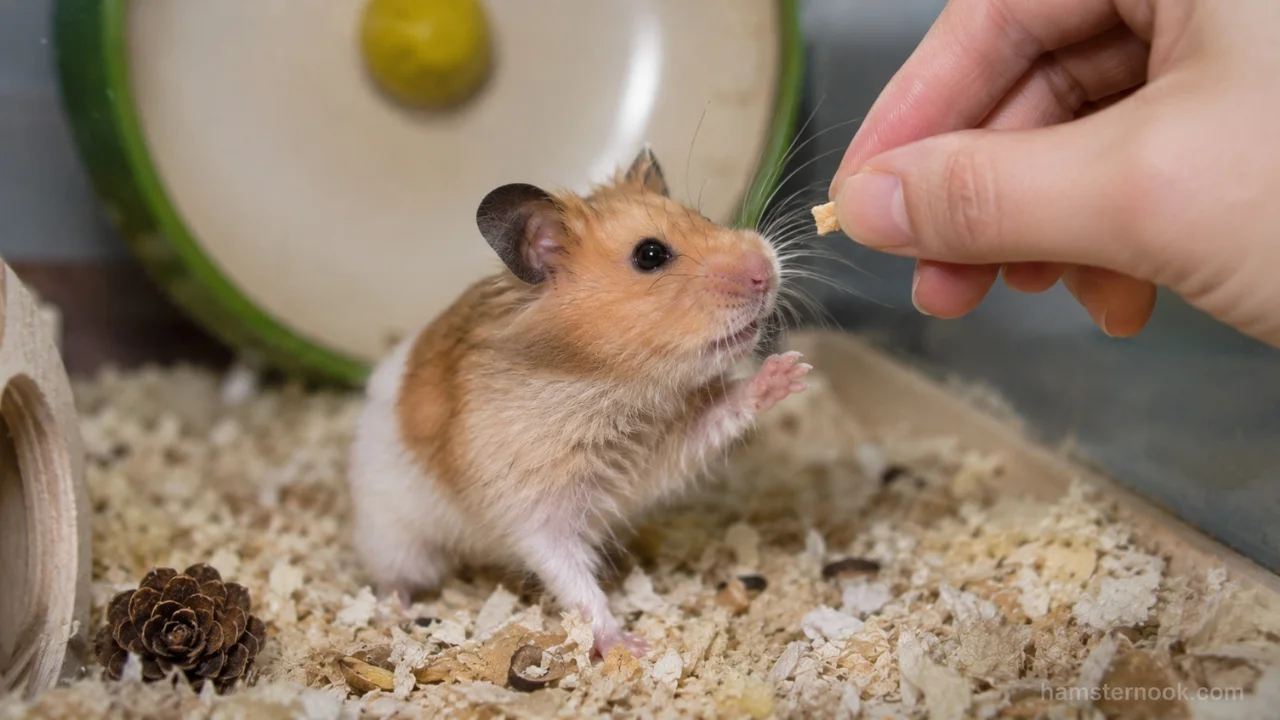
A hamster that consistently approaches a familiar person for treats or handling is likely responding to learned associations and trust.
This doesn’t necessarily mean the hamster experiences loneliness when the owner leaves, but it does suggest that positive relationships can develop over time.
Owners interested in recognition and memory may also enjoy Can Hamsters Learn Their Names?
Why Owners Sometimes Think Their Hamster Is Lonely
Many hamster behaviors can look lonely when they are actually normal.

For example, a hamster sleeping alone, hiding in a burrow, or spending time inside a hideout is usually displaying natural instincts rather than sadness. Because humans are social creatures, it is easy to interpret independent behavior through a human perspective.
Knowing which behaviors are normal can prevent owners from misinterpreting natural hamster habits.
Signs Your Hamster Is Comfortable Being Alone
A hamster that is thriving independently usually displays normal behaviors such as:
| Healthy Behavior | What It Suggests |
|---|---|
| Regular eating | Basic needs are being met |
| Wheel running | Good activity level |
| Nest building | Feeling secure |
| Grooming | Normal self-care |
| Exploring the enclosure | Curiosity and confidence |
| Foraging for food | Natural behavior expression |
These signs indicate a hamster is generally content with its environment.
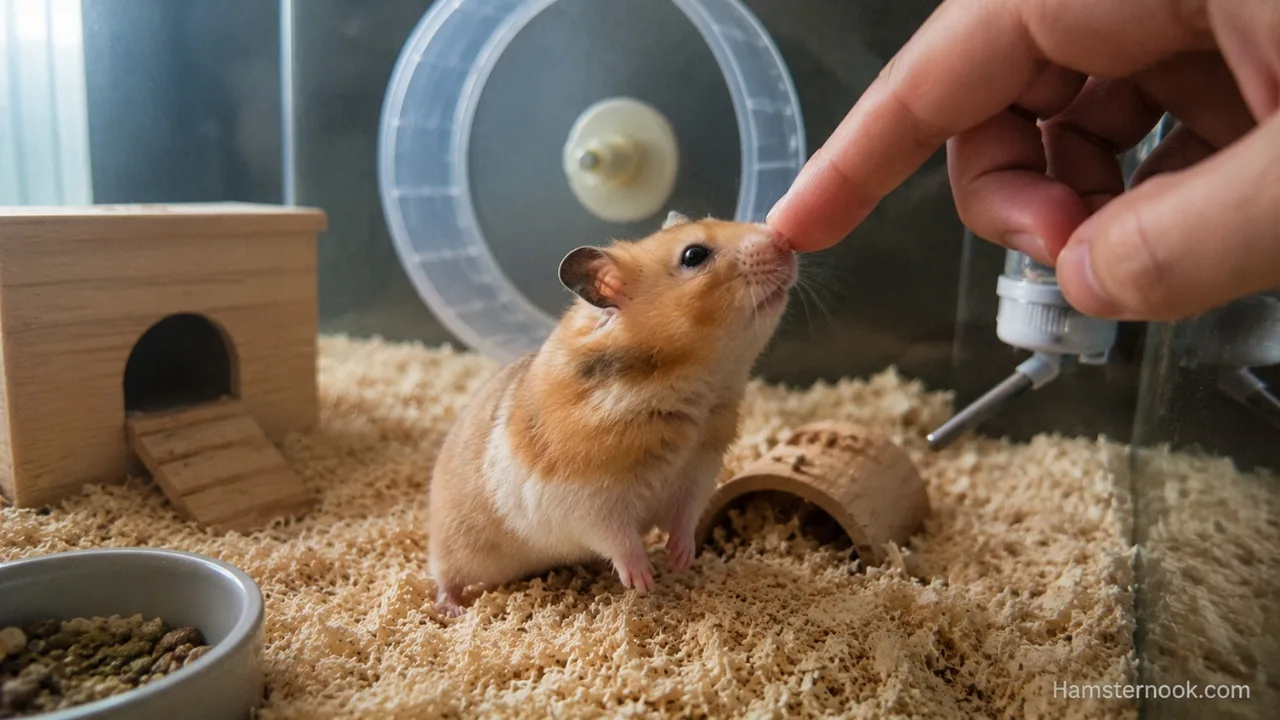
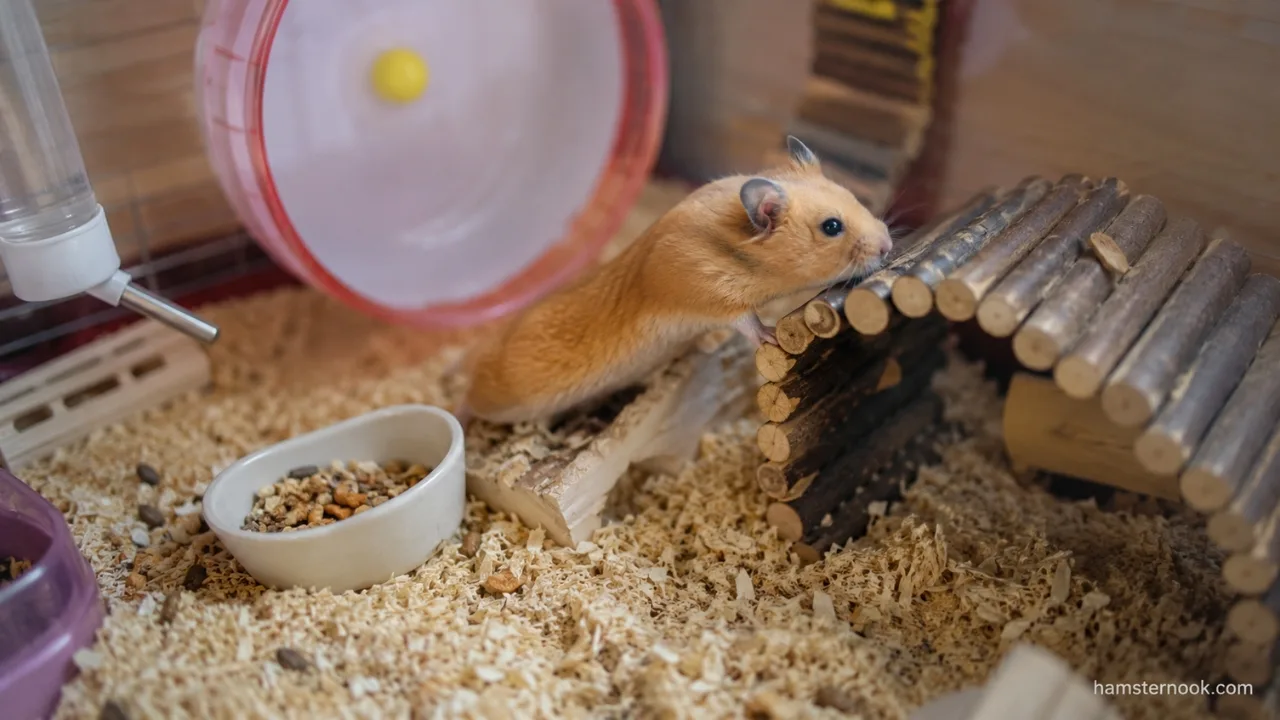
Signs Your Hamster May Need More Enrichment
While loneliness is often overestimated, boredom is frequently underestimated.
Hamsters that lack stimulation may display behaviors such as:
- Excessive bar chewing
- Repetitive pacing
- Constant digging at cage corners
- Reduced activity
- Destructive chewing
These behaviors often point toward environmental issues rather than a need for social companionship.
For more enrichment ideas, see 10 Ways to Make a Hamster Cage More Enriching and Less Boring.
Owners noticing these behaviors may find Why Is My Hamster Biting the Cage Bars? helpful for identifying potential causes and solutions.
How Human Interaction Benefits Hamsters
Even though hamsters don’t require constant attention, positive interaction can still improve their quality of life.
Trust Building
Gentle interaction teaches a hamster that your presence is safe.
Over time, this can make routine care easier and reduce fear during handling.
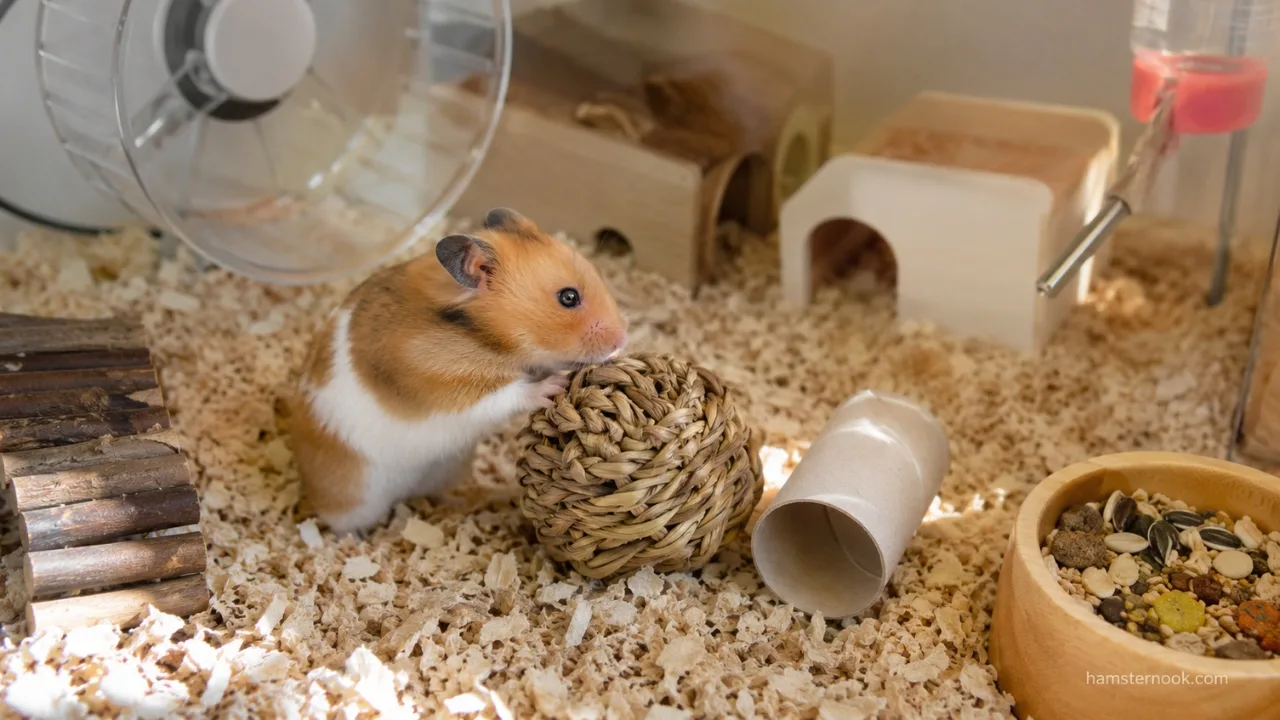
Mental Stimulation
Exploring a playpen, interacting with new safe objects, or participating in supervised activities can provide enrichment.
Health Monitoring
Regular interaction allows owners to notice changes in:
- Weight
- Activity level
- Appetite
- Fur condition
- Behavior
Early observation often helps identify potential problems sooner.
Can Too Much Human Interaction Be Harmful?
Yes. Not every hamster enjoys frequent handling.

Some hamsters become stressed when they are repeatedly picked up, disturbed during sleep, or handled before trust has developed. Signs of stress may include freezing, attempting to escape, squeaking, or refusing treats.
Allowing your hamster to choose when to interact often produces better long-term trust than forcing daily handling sessions.
How Much Human Interaction Does a Hamster Need?
There is no exact number of minutes that every hamster needs each day.
Some hamsters enjoy regular handling, while others prefer minimal contact.
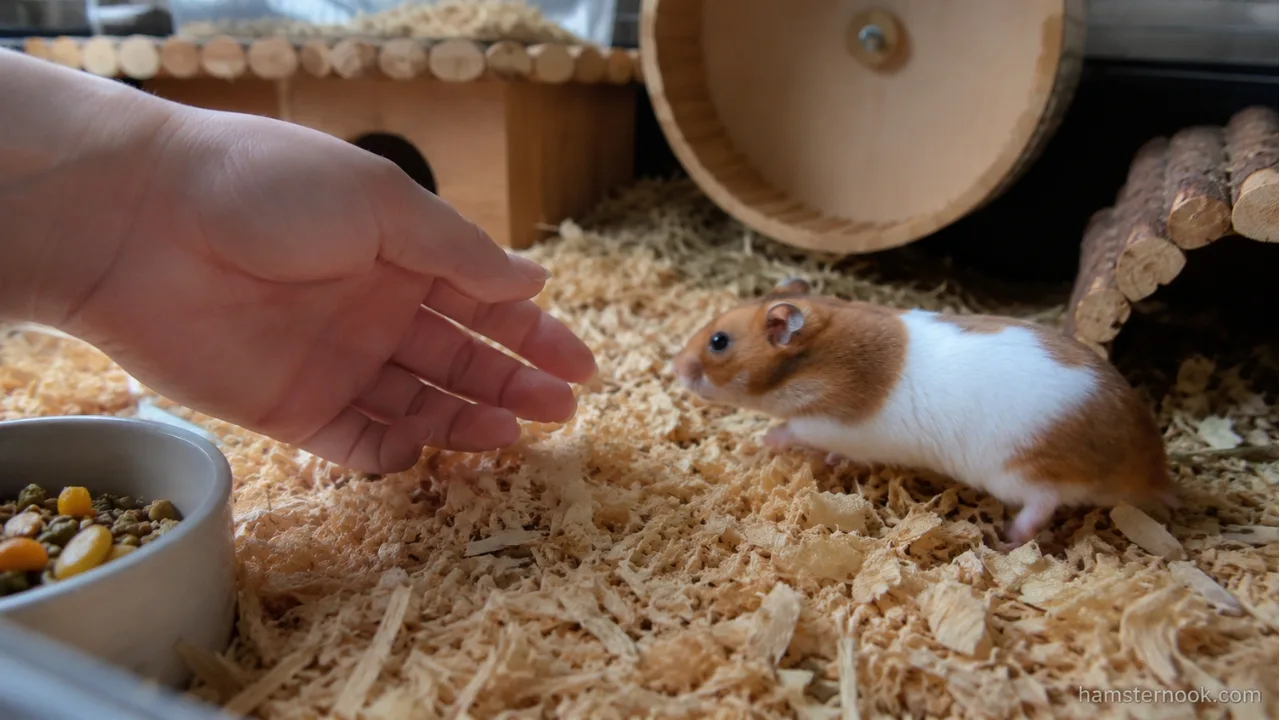
A better approach is to focus on quality rather than quantity.
| Interaction Type | Benefit |
|---|---|
| Gentle handling | Builds trust |
| Treat-based bonding | Creates positive associations |
| Quiet observation | Helps monitor health |
| Playpen exploration | Provides enrichment |
| Talking softly near the enclosure | Familiarizes the hamster with your presence |
Respecting the hamster’s personality is often more important than following a strict interaction schedule.
Common Mistakes Owners Make
Assuming a Hamster Needs a Cage Mate
Many owners worry that a single hamster feels lonely.
For Syrian hamsters especially, introducing another hamster often creates stress rather than companionship.

In many cases, solitary housing is the safest option.
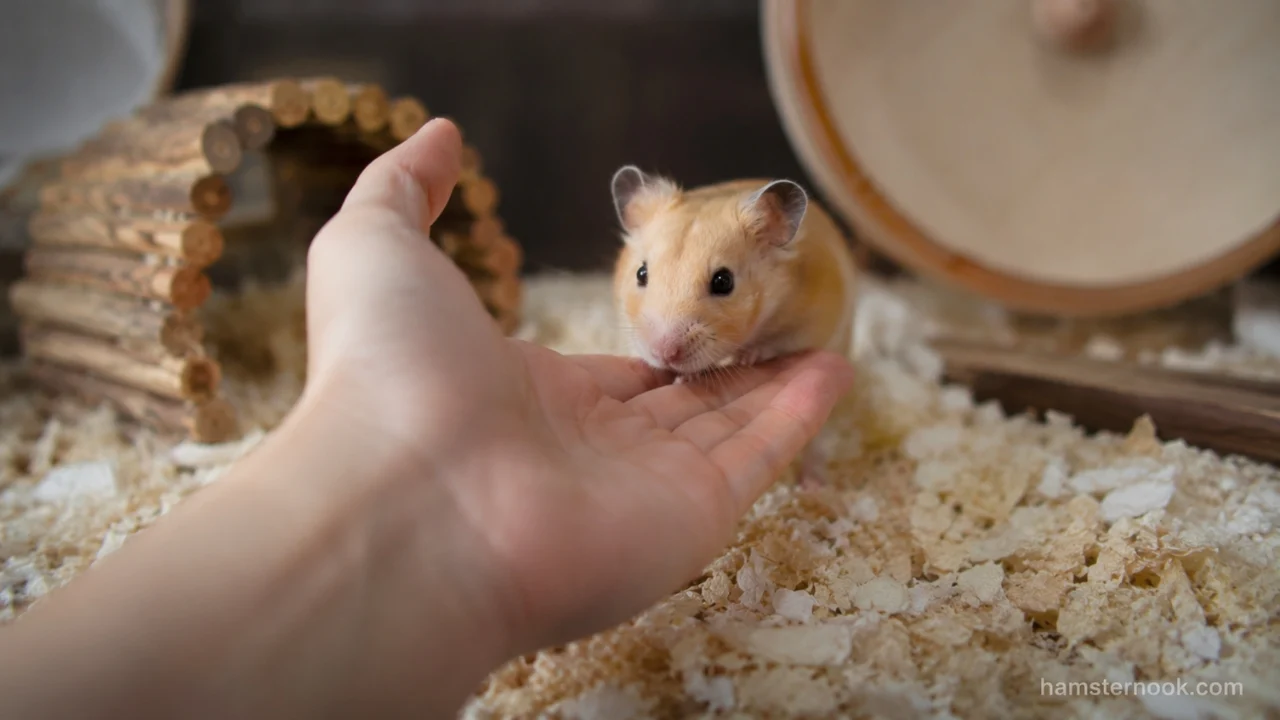
Forcing Daily Handling
Some owners believe frequent handling automatically improves bonding.
In reality, forcing interaction can increase fear and damage trust.
This is especially common with newly adopted pets. If your hamster recently arrived home, The Biggest Mistake New Hamster Owners Make in the First Week explains why patience matters.
Mistaking Sleep for Sadness
Hamsters are typically crepuscular or nocturnal, meaning they are most active during evening and nighttime hours.
A sleeping hamster during the day is usually displaying normal behavior rather than loneliness.
If activity patterns seem unusual, Why Is My Hamster Suddenly Sleeping More Than Usual? can help explain potential reasons.
What Happens If You Leave a Hamster Alone for a Day?
Healthy hamsters generally do not become emotionally distressed simply because their owner is away for a day.
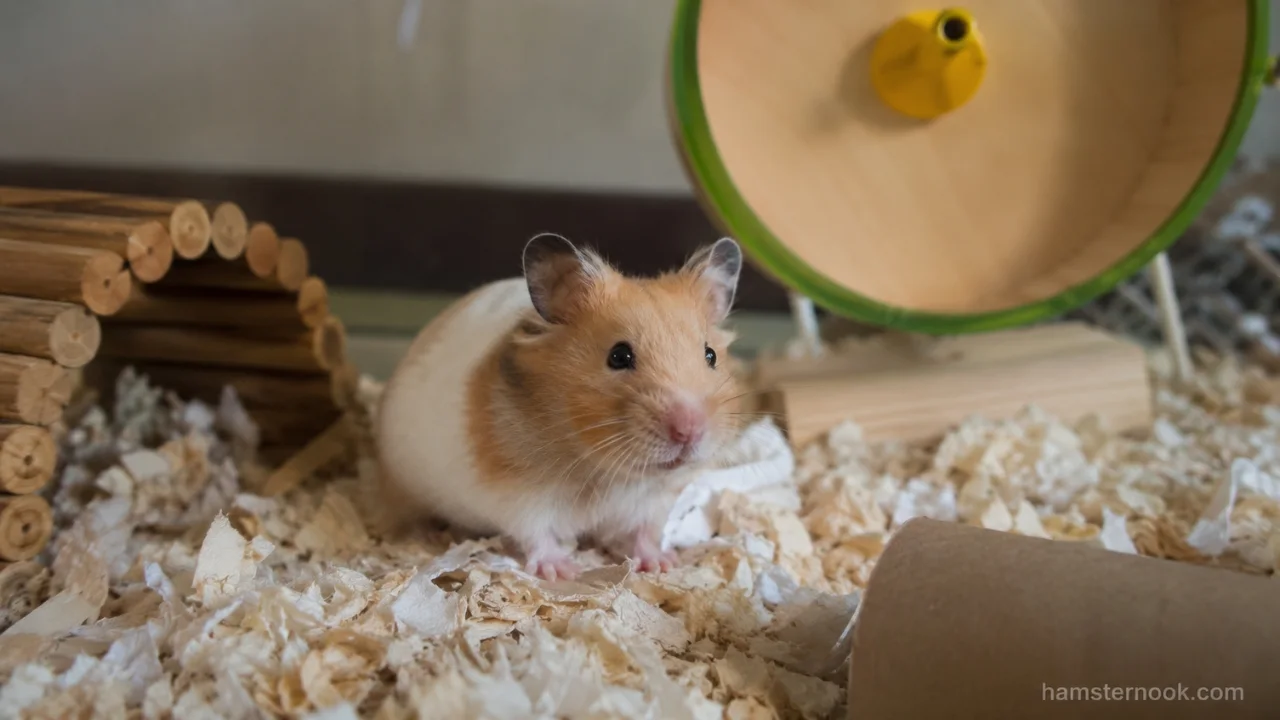
As long as they have:
- Fresh water
- Adequate food
- A safe enclosure
- Proper temperatures
Most hamsters continue their normal routines.
However, extended absences require proper planning to ensure daily care needs are met.
The Role of Enrichment in Preventing Boredom
Since boredom is a bigger concern than loneliness, enrichment becomes essential.
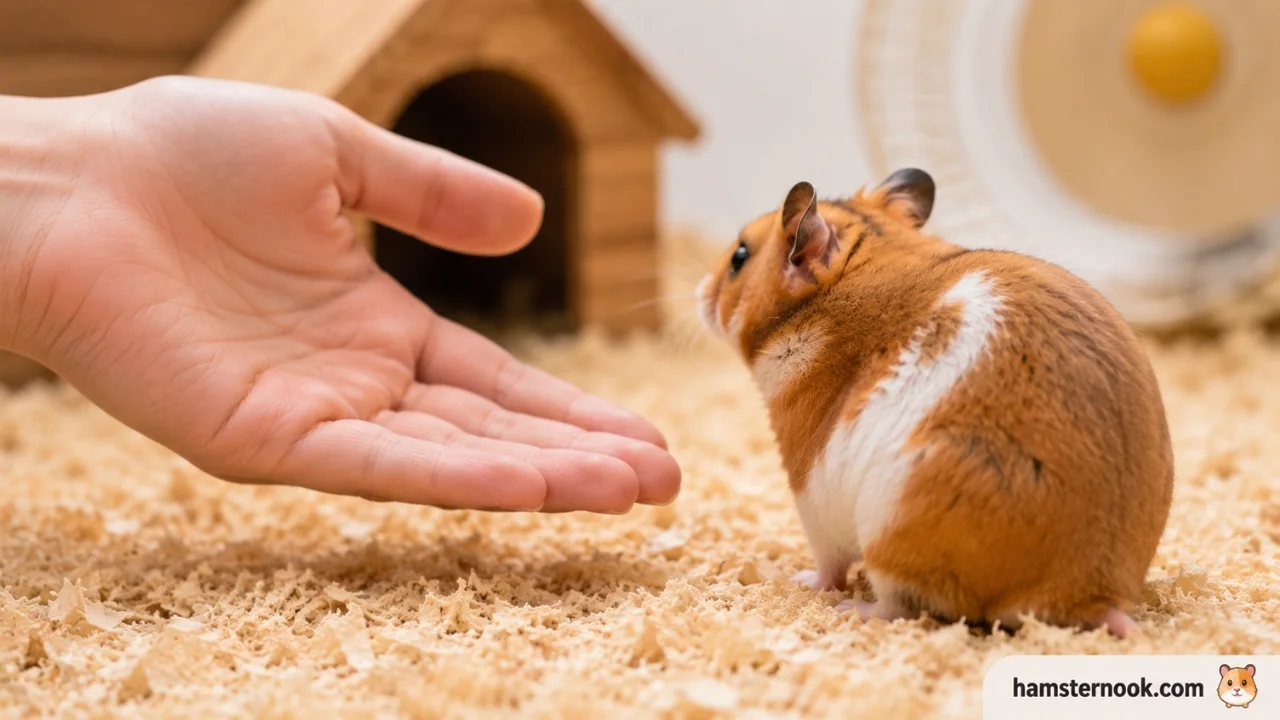
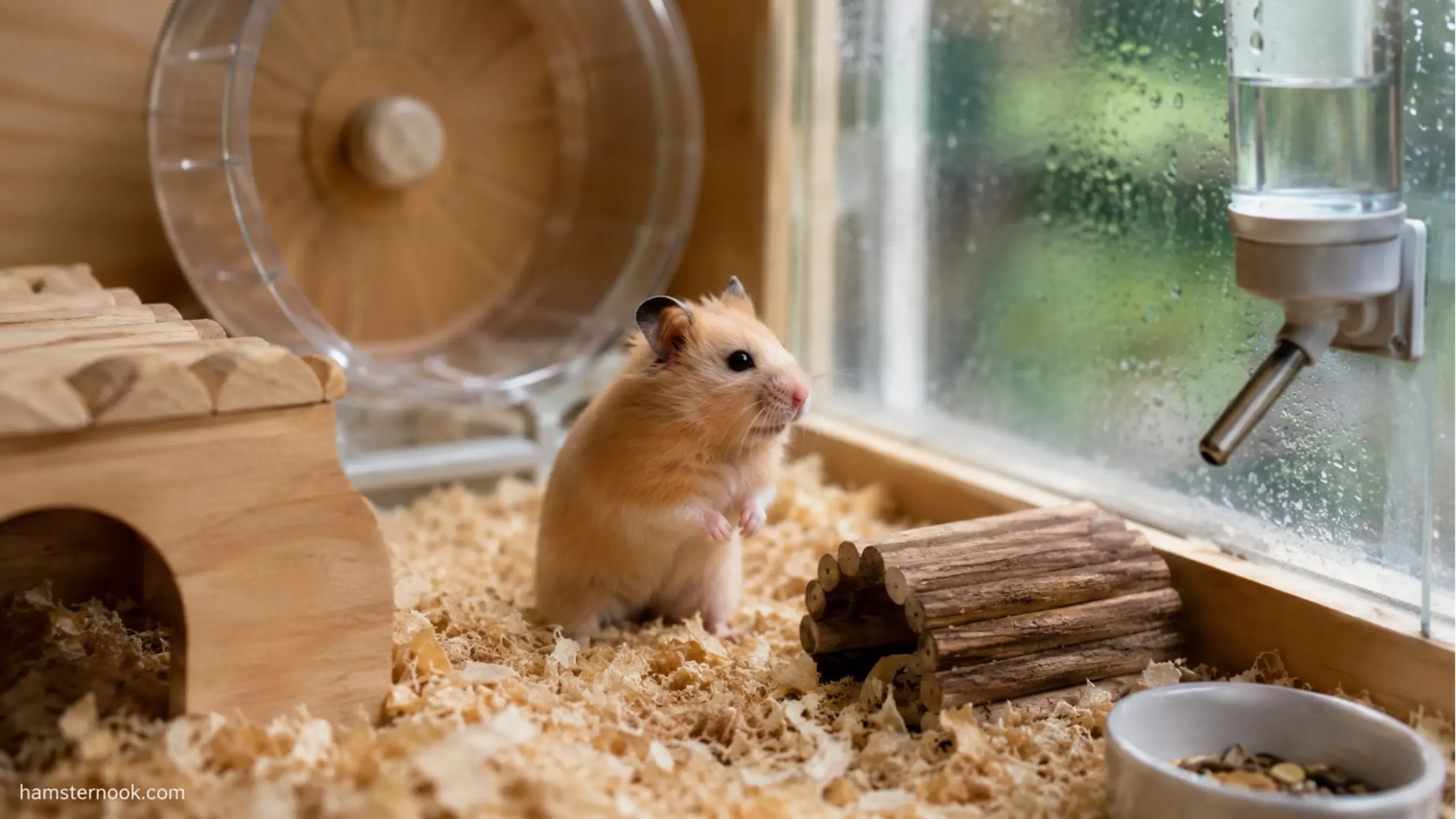
A well-designed habitat should encourage natural behaviors.
Important enrichment opportunities include:
- Exercise wheels
- Deep bedding for burrowing
- Hideouts
- Tunnels
- Safe chew toys
- Scatter feeding
Many owners discover that increasing enrichment significantly improves activity levels.
For habitat improvements, Best Hamster Cage Setup for Happy and Healthy Hamsters offers additional ideas.
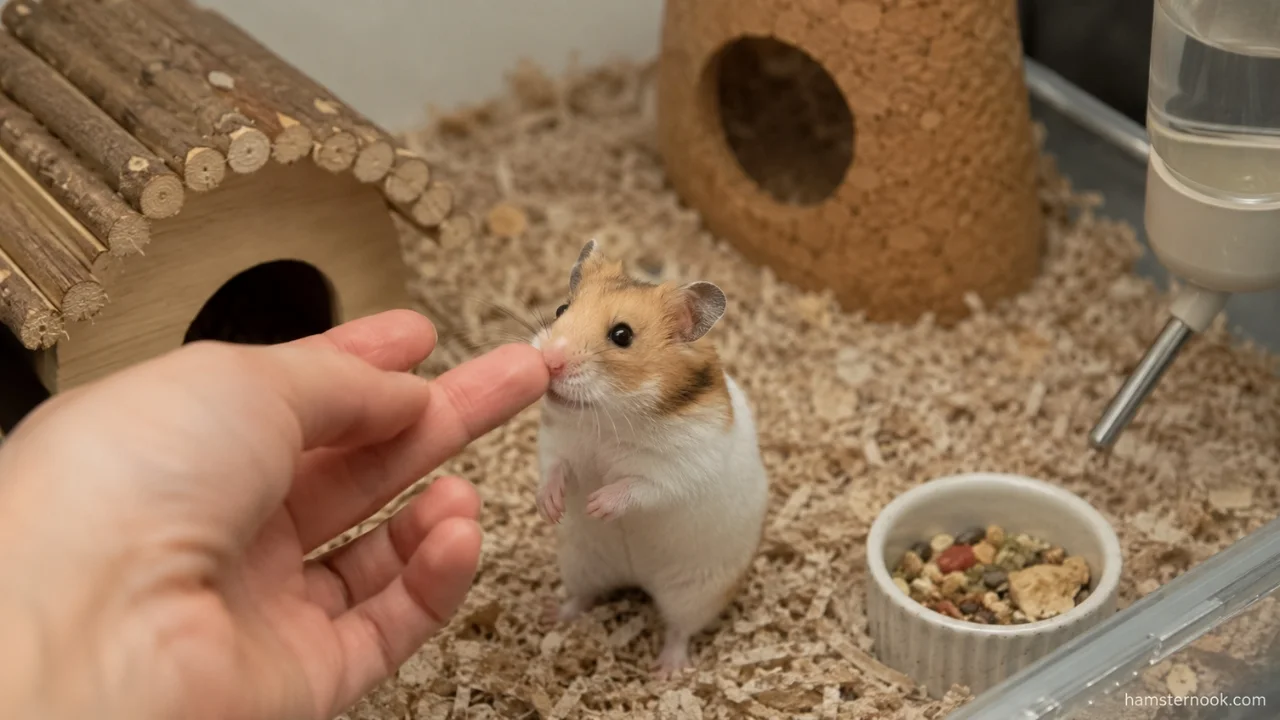
Can Hamsters Form Bonds With Their Owners?
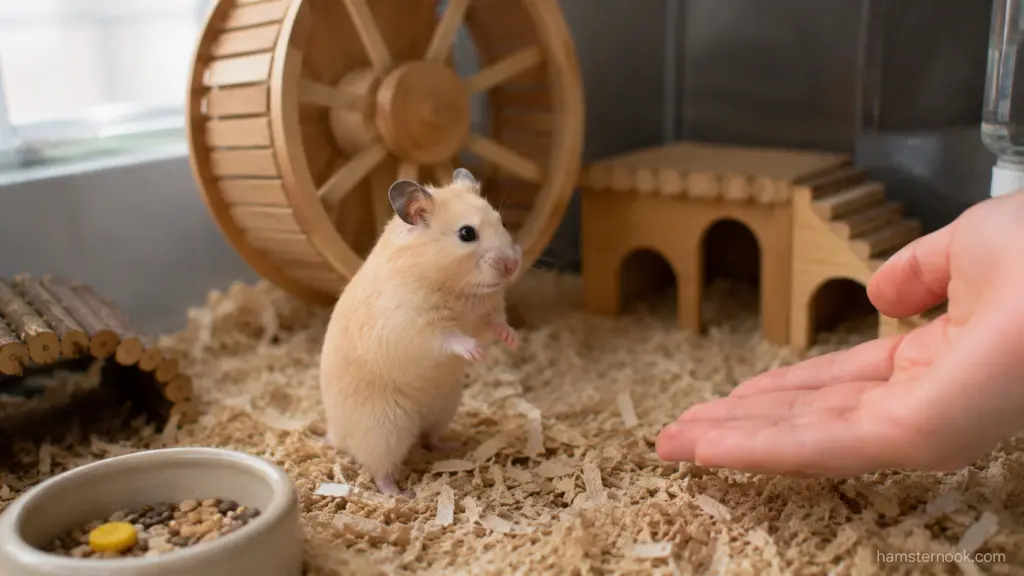
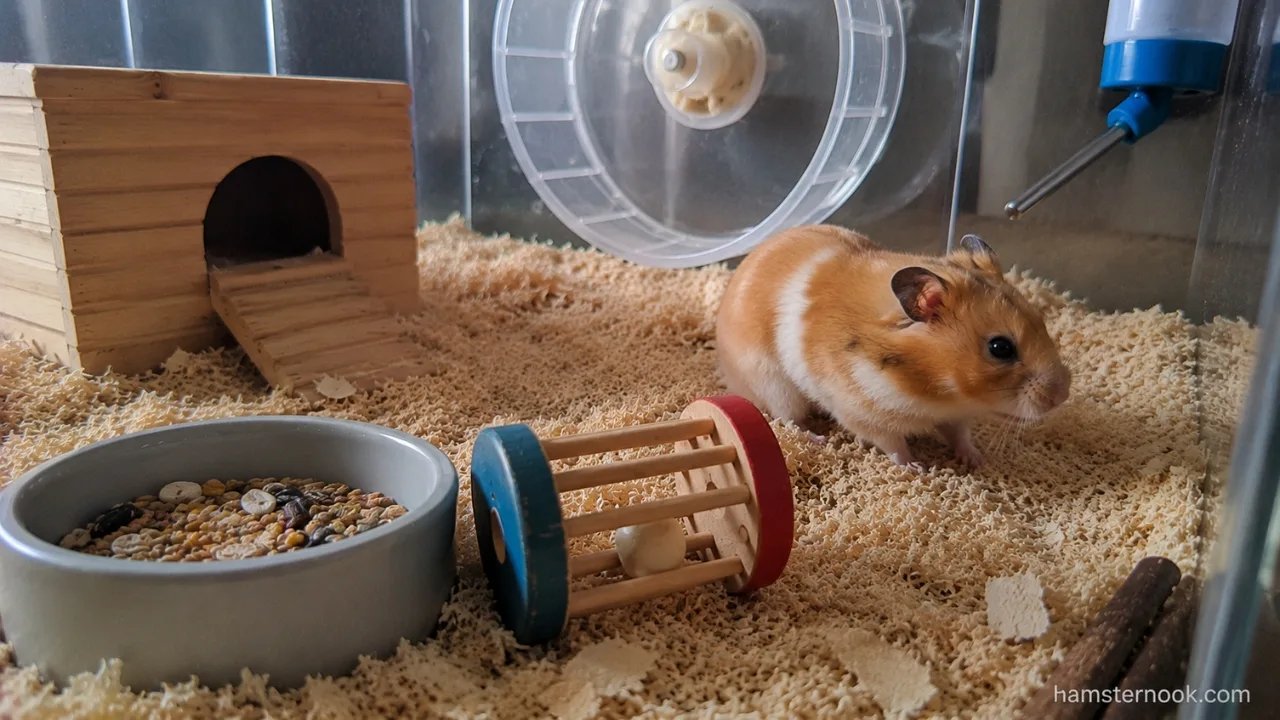
Yes, many hamsters can develop positive relationships with people.
A bonded hamster may:
- Approach your hand willingly
- Accept treats calmly
- Remain relaxed during handling
- Show curiosity when you are nearby
However, hamster bonds are different from those seen in highly social pets.
Their trust is usually based on familiarity, consistency, and positive experiences rather than a strong need for companionship.
Is Human Interaction Still Important?
Yes, but usually for reasons other than loneliness.
The goal is not to provide companionship because the hamster feels lonely. Instead, interaction helps provide:
- Enrichment
- Trust
- Health monitoring
- Positive experiences
Even independent hamsters benefit from responsible, gentle engagement.
The Key Question Is Not Loneliness
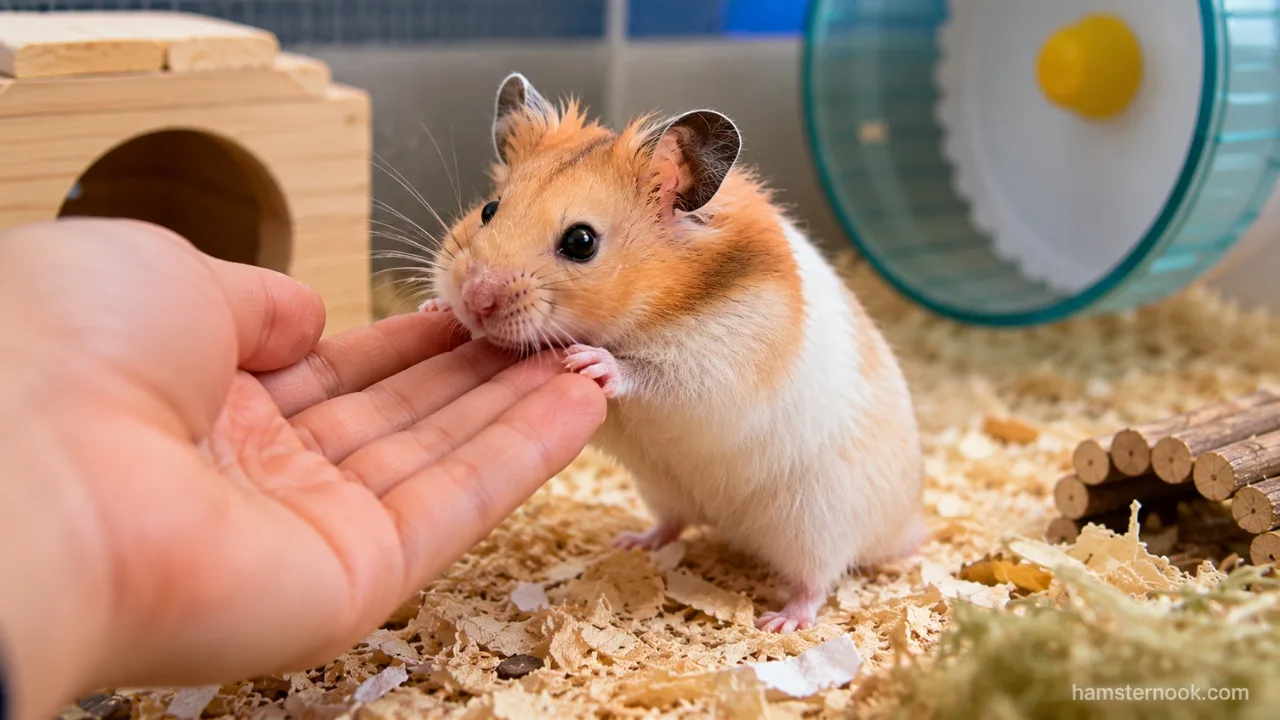
For most pet hamsters, the better question is not whether they are lonely but whether they have enough opportunities to express natural behaviors. A hamster that can burrow, forage, explore, run, hide, and rest comfortably is usually meeting its behavioral needs, even without frequent human interaction.
Final Thoughts
Most hamsters do not get lonely without constant human interaction because they are naturally independent animals. Unlike highly social pets, hamsters generally do not require companionship to feel secure and content.
What they do need is a safe environment, proper enrichment, consistent care, and opportunities to express natural behaviors. Many owners mistakenly worry about loneliness when the real issue is often boredom or insufficient habitat enrichment.
A hamster that has enough space, appropriate bedding, mental stimulation, and a predictable routine can live a happy and fulfilling life even when left alone for portions of the day. Gentle interaction remains valuable because it helps build trust and allows owners to notice health or behavior changes more easily. The goal is not to prevent loneliness but to create positive experiences that help your hamster feel safe and comfortable.
Frequently Asked Questions
Do hamsters get lonely if they live alone?
Most pet hamsters, especially Syrian hamsters, naturally prefer living alone and generally do not experience loneliness in the same way social animals do.
Is it okay if I don’t handle my hamster every day?
Yes. Many hamsters are comfortable with less frequent handling as long as they receive proper care, enrichment, and regular health monitoring.
Can a hamster become bored without human interaction?
Yes. Boredom is more common than loneliness in hamsters. A stimulating enclosure and enrichment activities help prevent boredom.
Should I get a second hamster to keep my hamster company?
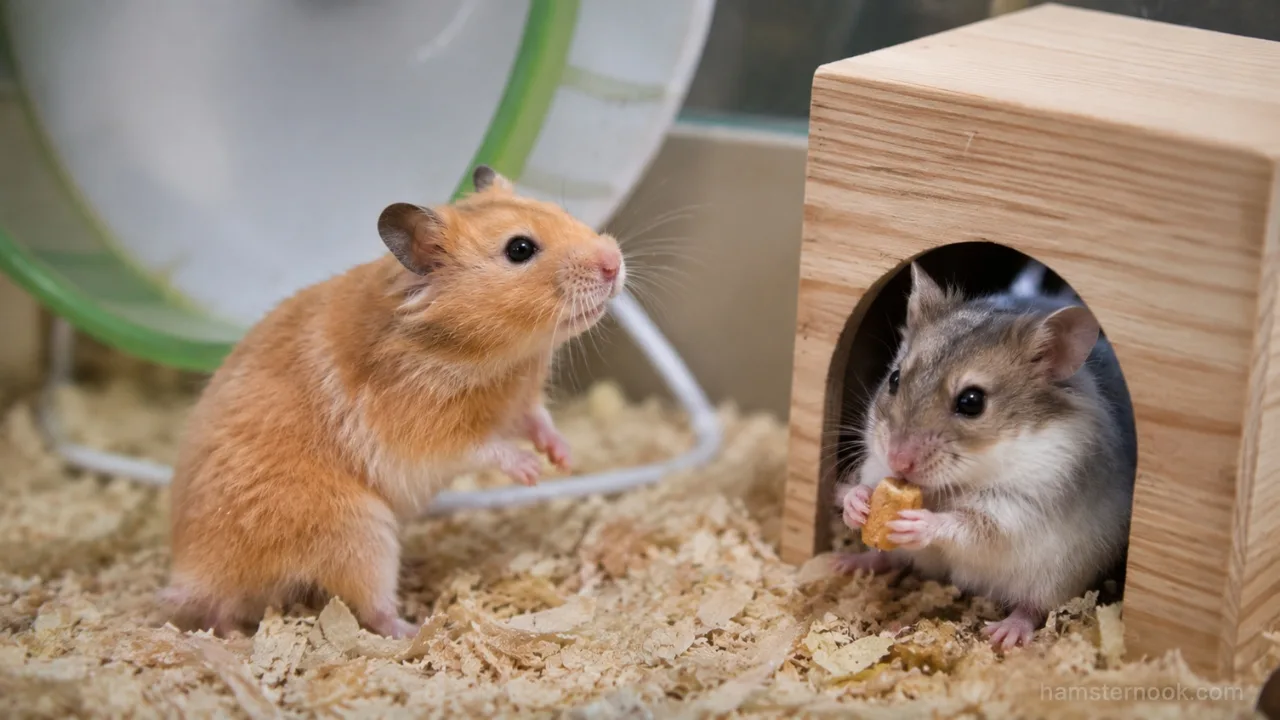
In most cases, no. Syrian hamsters should be housed alone, and even dwarf hamsters may develop territorial conflicts.
How can I keep my hamster entertained when I’m busy?
Provide enrichment such as tunnels, chew toys, deep bedding, hideouts, foraging opportunities, and an appropriately sized exercise wheel.
Do hamsters enjoy spending time with their owners?
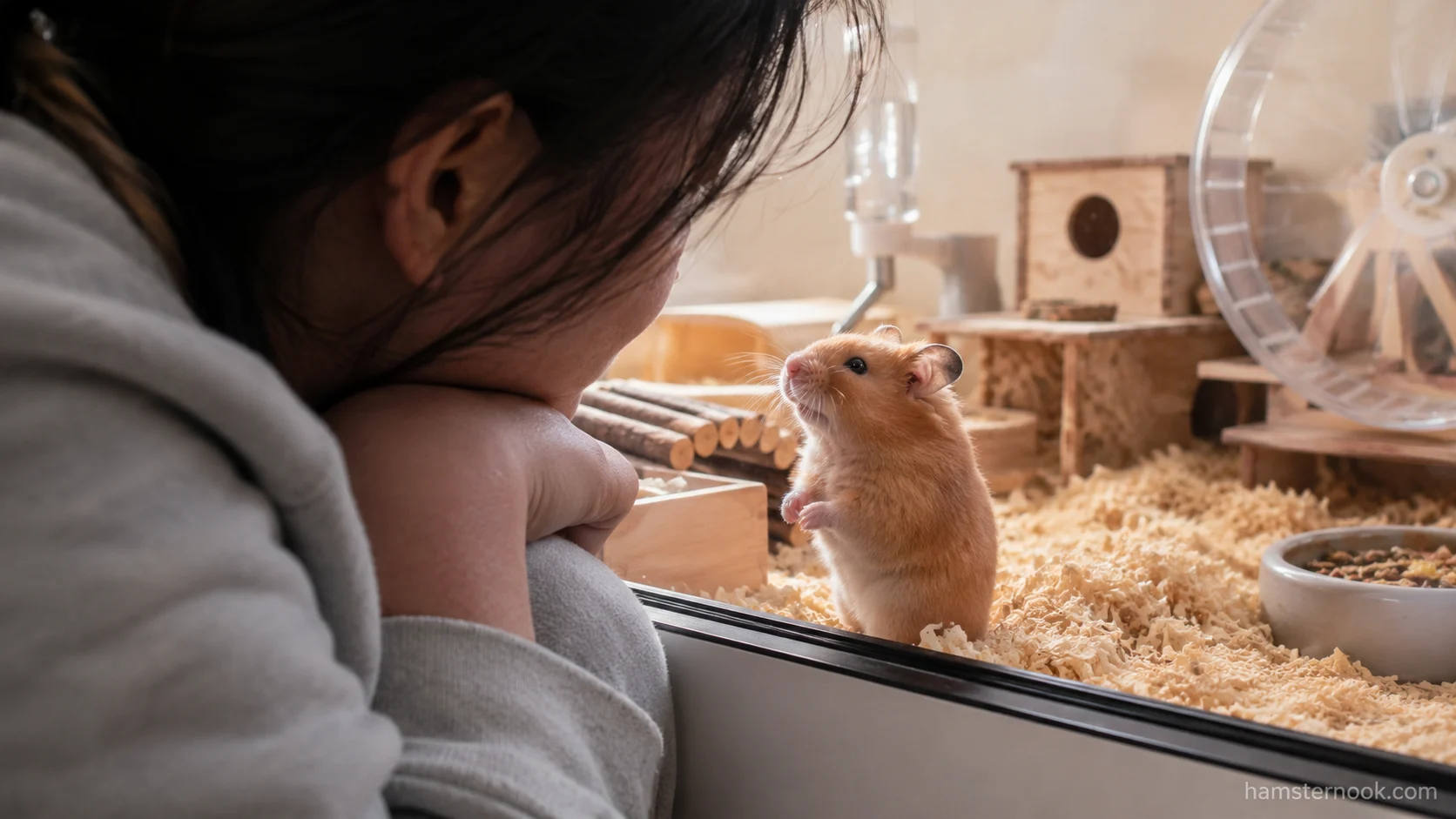
Some do. Many hamsters learn to trust their owners and enjoy gentle interaction, but each hamster has its own personality and comfort level.
Do hamsters miss their owners when they are away?
Most evidence suggests hamsters do not miss owners in the same way highly social animals do. However, they may notice changes in routine and familiar scents.
Can a hamster trust its owner?
Yes. Many hamsters learn to associate their owner with food, safety, and positive experiences, which can lead to strong trust over time.
Is a hamster unhappy if it spends a lot of time hiding?
Not necessarily. Hiding is a natural hamster behavior and often helps them feel secure.
Do older hamsters need more human interaction?
Older hamsters may benefit from additional health monitoring, but their social needs generally remain similar throughout life.

Narayan Kumar is the founder and author of HamsterNook. He creates practical, research-based hamster care guides covering hamster behavior, nutrition, cage setup, enrichment, health, and everyday care. His goal is to help hamster owners make informed decisions and provide safer, healthier lives for their pets through clear, beginner-friendly information based on trusted animal care resources.