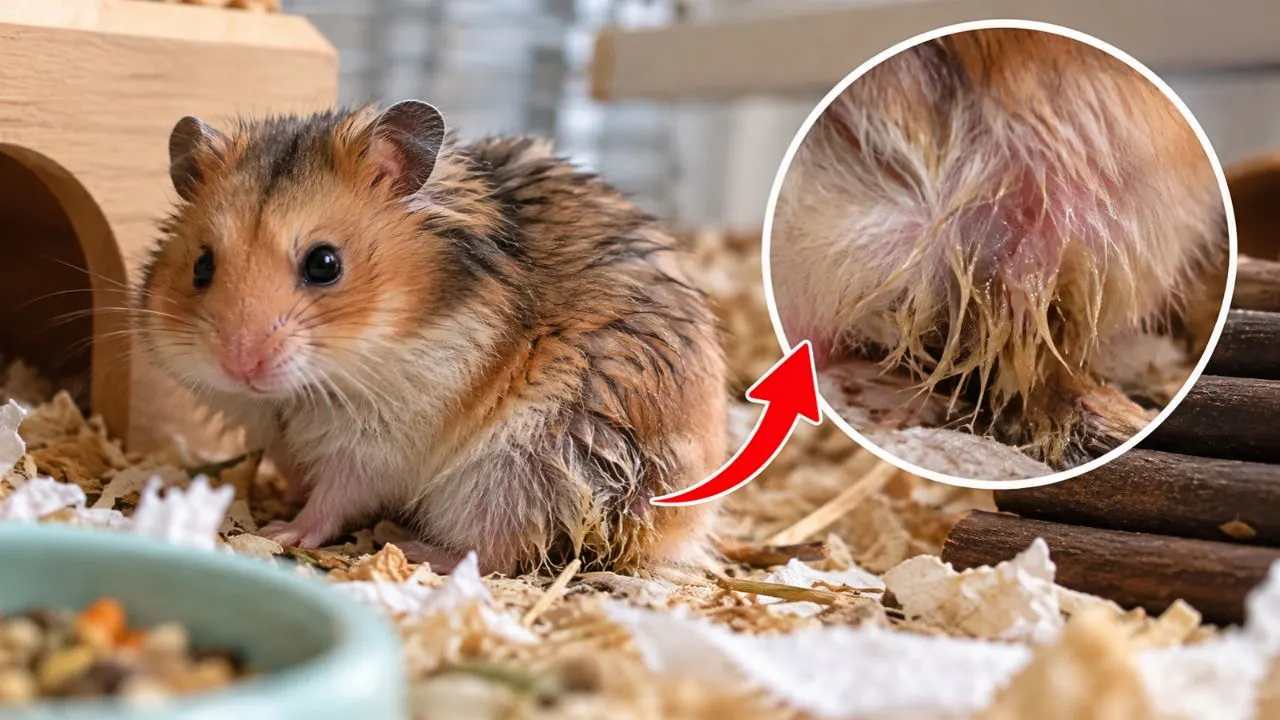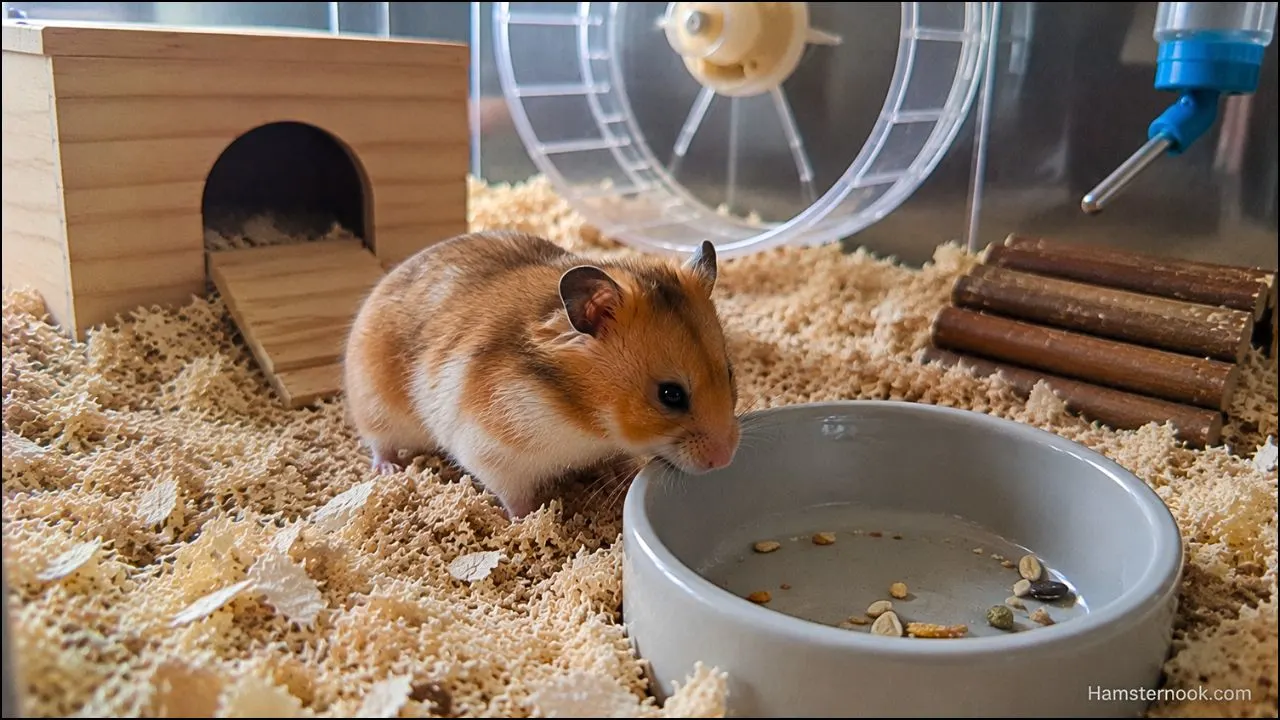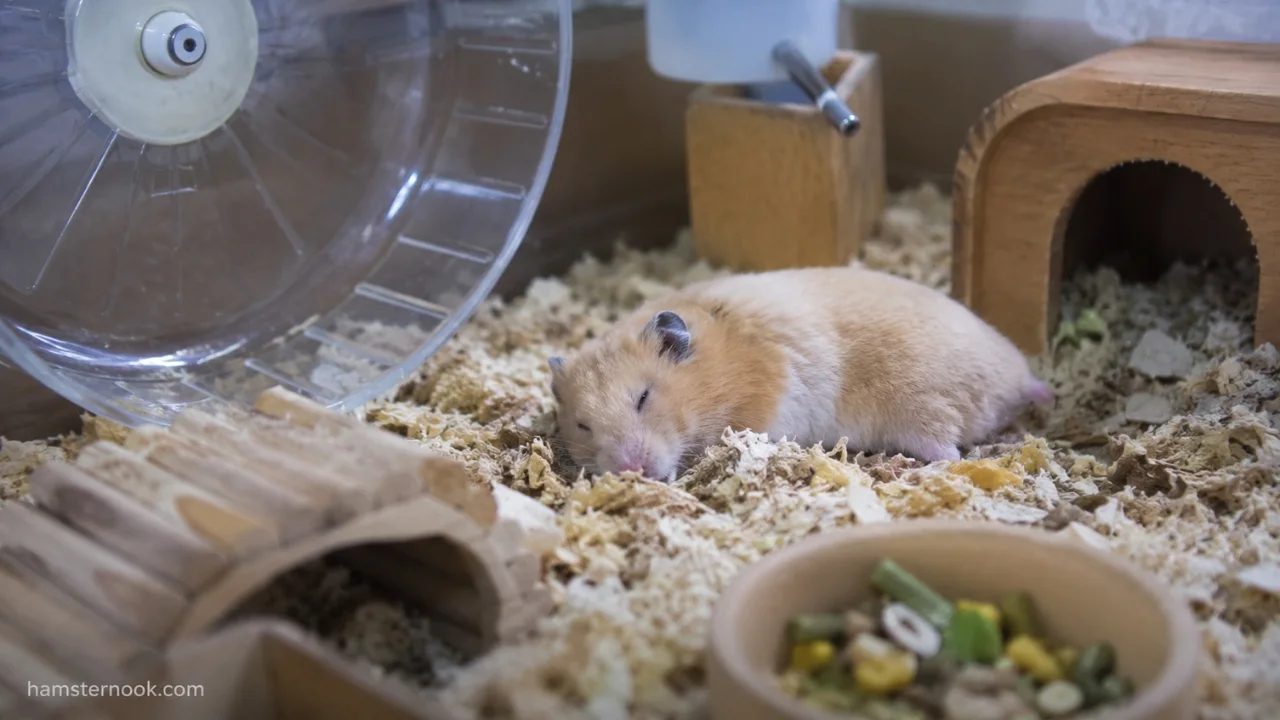
If your hamster used to run on its wheel every night, explore its enclosure, and eagerly come out for treats, a sudden drop in activity can be worrying. It can be concerning to notice a hamster that suddenly seems quieter, slower, or less interested in its usual activities.
The truth is that reduced activity can happen for several reasons. Some are completely normal, such as aging or changes in routine. Others may signal stress, discomfort, dehydration, injury, or an underlying health problem that needs attention.
Because hamsters are naturally good at hiding signs of illness, a noticeable decrease in movement should never be ignored. The most useful approach is comparing your hamster’s current behavior with what is normally typical for that individual hamster.
This guide explains the most common reasons hamsters move less than before, what warning signs to watch for, and when it may be time to contact a veterinarian.
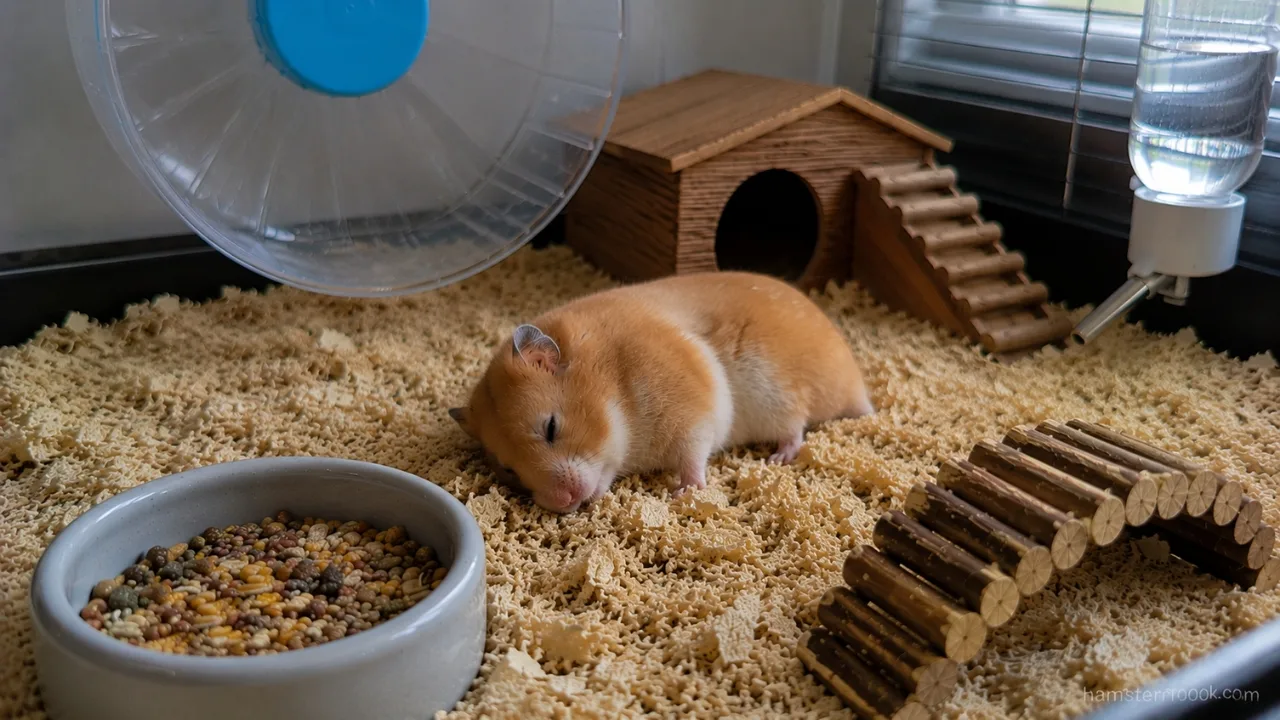
When Reduced Activity Is Usually Normal
A temporary decrease in activity is often normal when:
- Your hamster recently woke up
- Room temperatures are warmer than usual
- A new environment is causing mild stress
- Your hamster is entering its senior years
Reduced activity becomes more concerning when it lasts several days or occurs alongside appetite loss, weight loss, weakness, breathing changes, or difficulty walking.
Is It Normal for a Hamster to Move Less Sometimes?
A quieter-than-usual day does not automatically mean there is a problem.
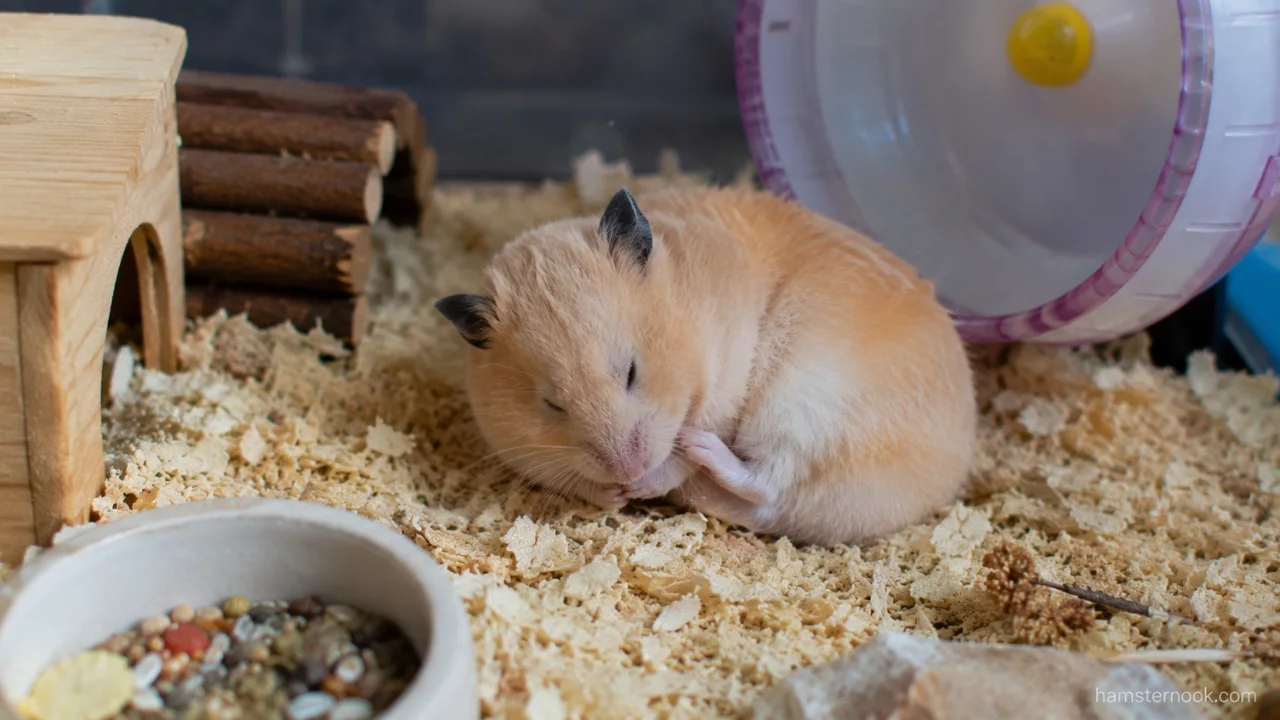
Hamsters have natural variations in energy levels depending on:
- Age
- Sleep patterns
- Environmental temperature
- Stress levels
- Seasonal changes
- Health status
For example, a hamster that spends one evening sleeping more than usual is not necessarily sick. However, if reduced activity continues for several days or is accompanied by other unusual symptoms, it deserves closer attention.
If you’re still learning what normal hamster behavior looks like, Ultimate Hamster Care Guide for Beginners (2026) provides a helpful foundation.
Common Reasons Your Hamster Is Moving Less
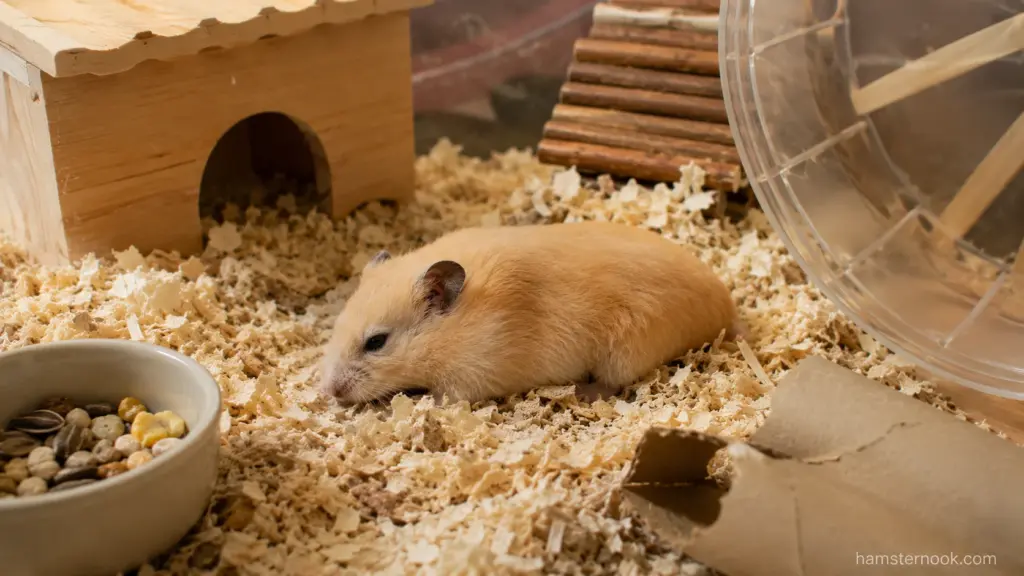
Sometimes the explanation is simple, while other situations deserve closer attention.
Before assuming illness, think about what has changed recently. A new cage setup, warmer weather, altered feeding routine, or household noise can sometimes explain a sudden drop in activity.
Aging and Natural Slowing Down
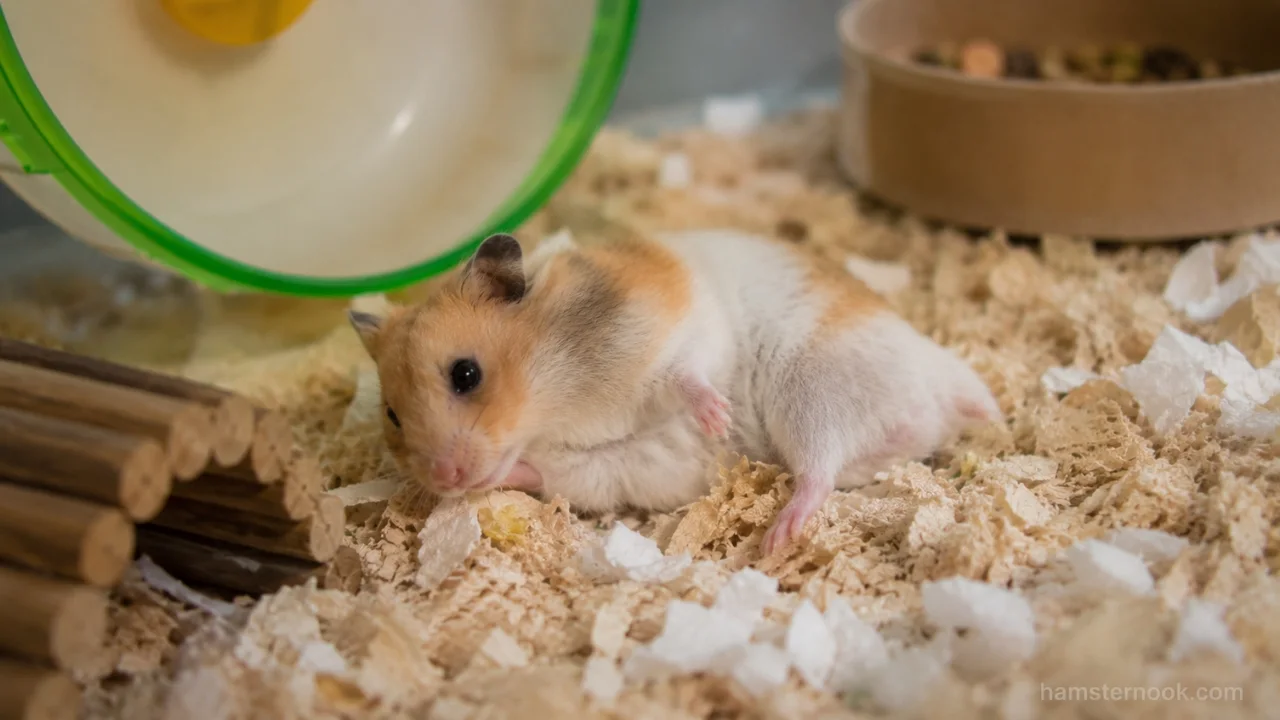
As hamsters grow older, it is common for them to spend more time resting and less time running, climbing, or exploring.
Senior hamsters may:
- Run less on their wheel
- Sleep more often
- Move more slowly
- Explore less frequently
This gradual change is often normal as long as the hamster continues eating, drinking, and behaving comfortably.
Owners should expect gradual slowing over weeks or months. A sudden loss of activity in an older hamster is less likely to be explained by age alone and deserves closer attention.
Stress From Environmental Changes
Hamsters thrive on routine.
Changes such as:
- A new cage
- Rearranged habitat
- Moving house
- Loud noises
- New pets nearby
can temporarily reduce activity levels.
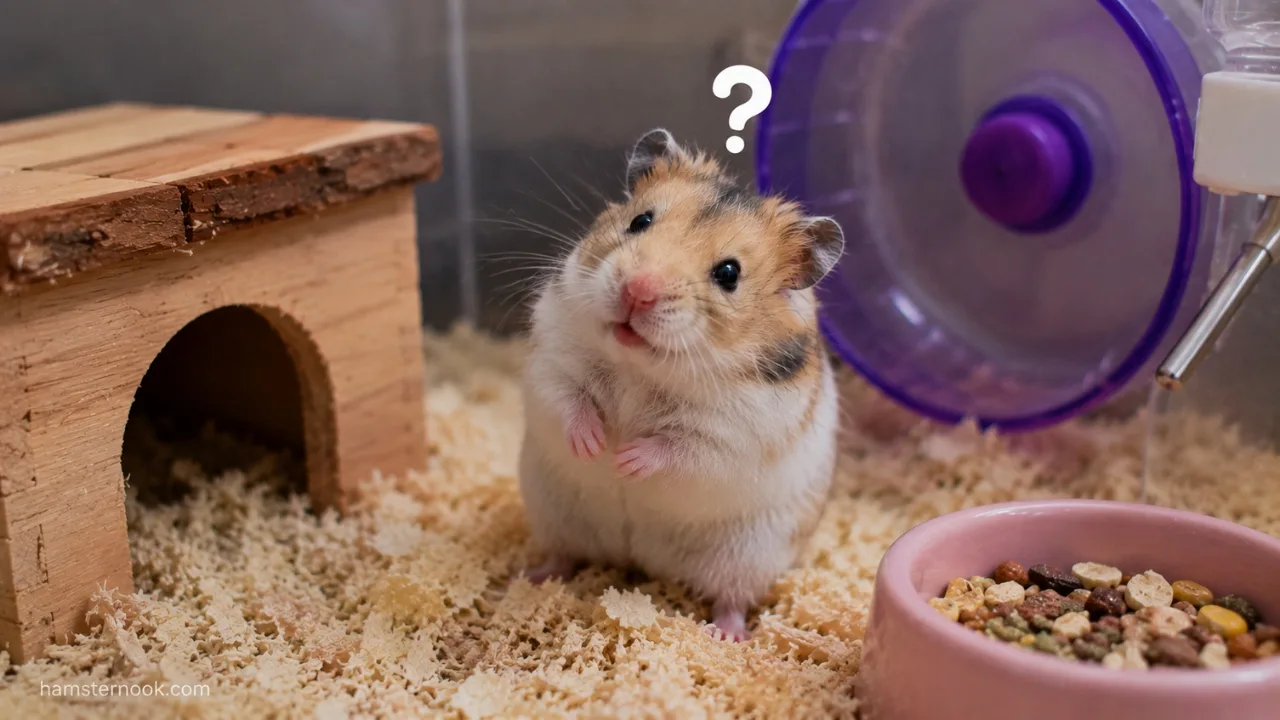
Stress may cause a hamster to hide more and spend less time exploring until it feels secure again.
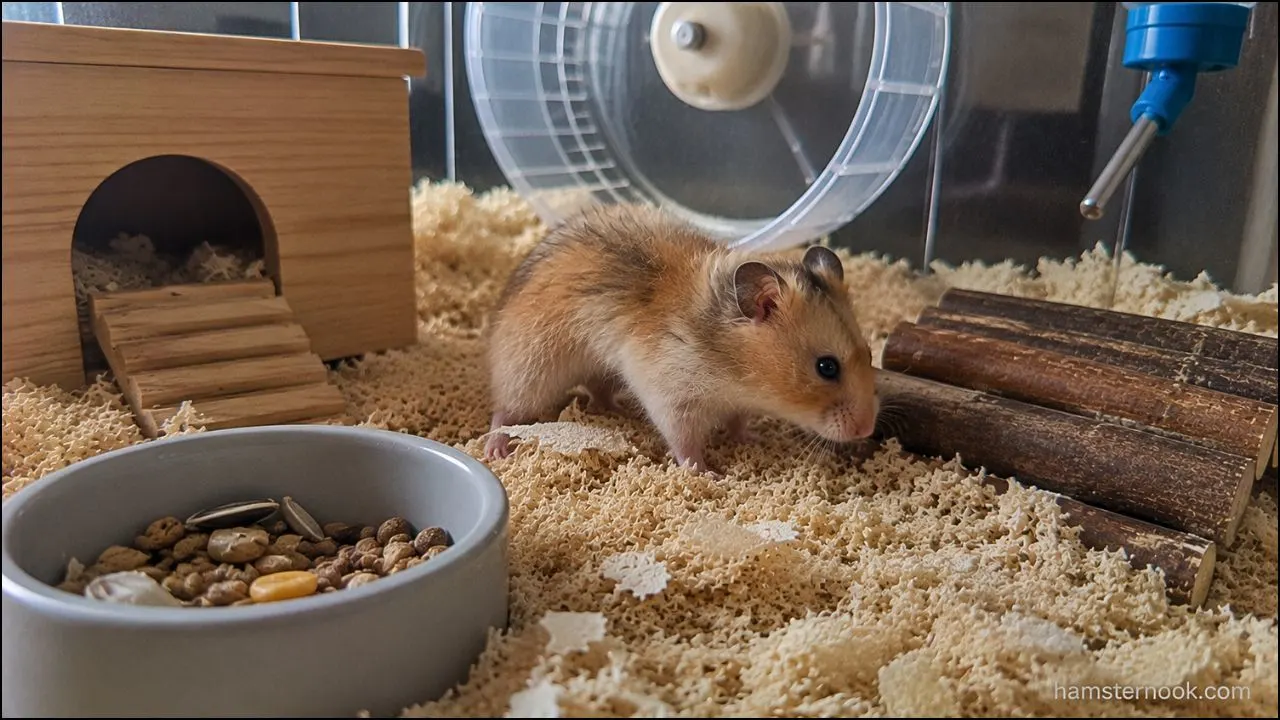
This is particularly common after adoption, which is discussed in The Biggest Mistake New Hamster Owners Make in the First Week.
Hot Temperatures
Hamsters are sensitive to heat.
When temperatures rise, many hamsters naturally become less active to avoid overheating.
Signs of heat-related stress may include:

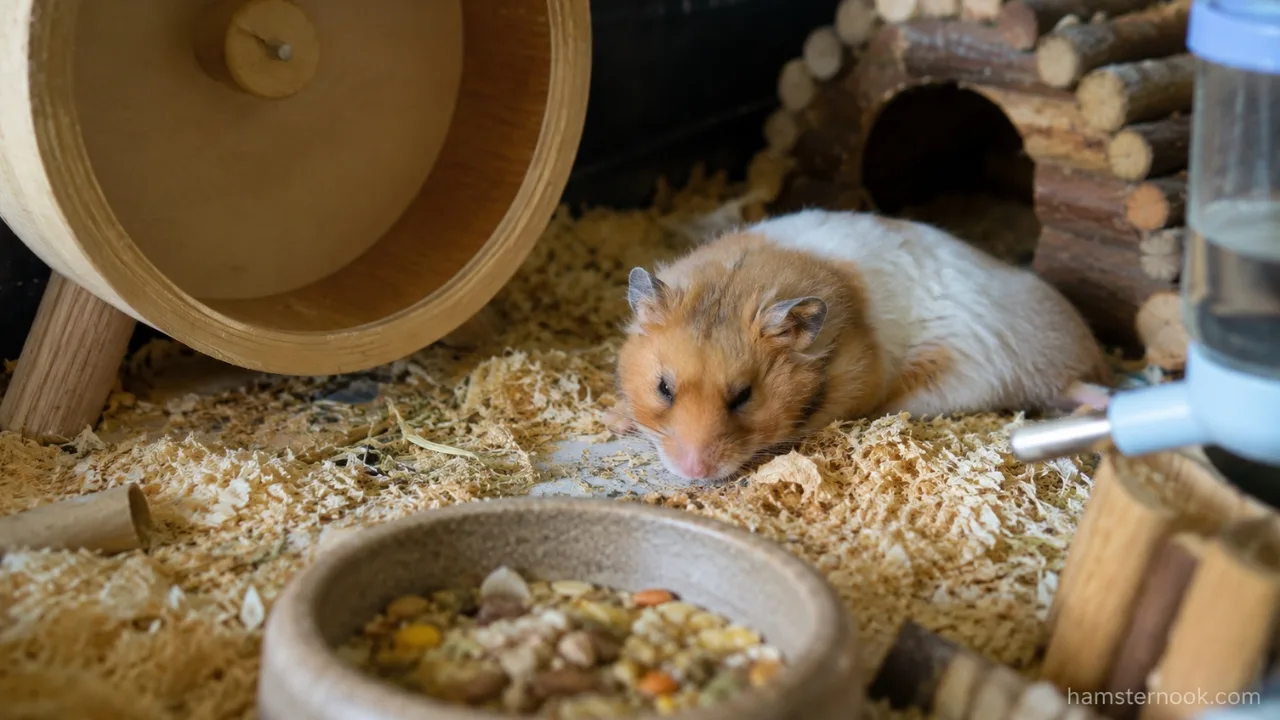
- Stretching out flat
- Sleeping more
- Reduced wheel use
- Lethargy
If your home is warm, review What Temperature Is Too Hot or Too Cold for Hamsters? for practical guidance on keeping your hamster comfortable and safe.
Health Problems That May Cause Reduced Activity
Sometimes lower activity levels can be linked to medical concerns.
While only a veterinarian can diagnose health conditions, owners should be aware of possible warning signs.
Dehydration
A dehydrated hamster may lack energy and move less than normal.
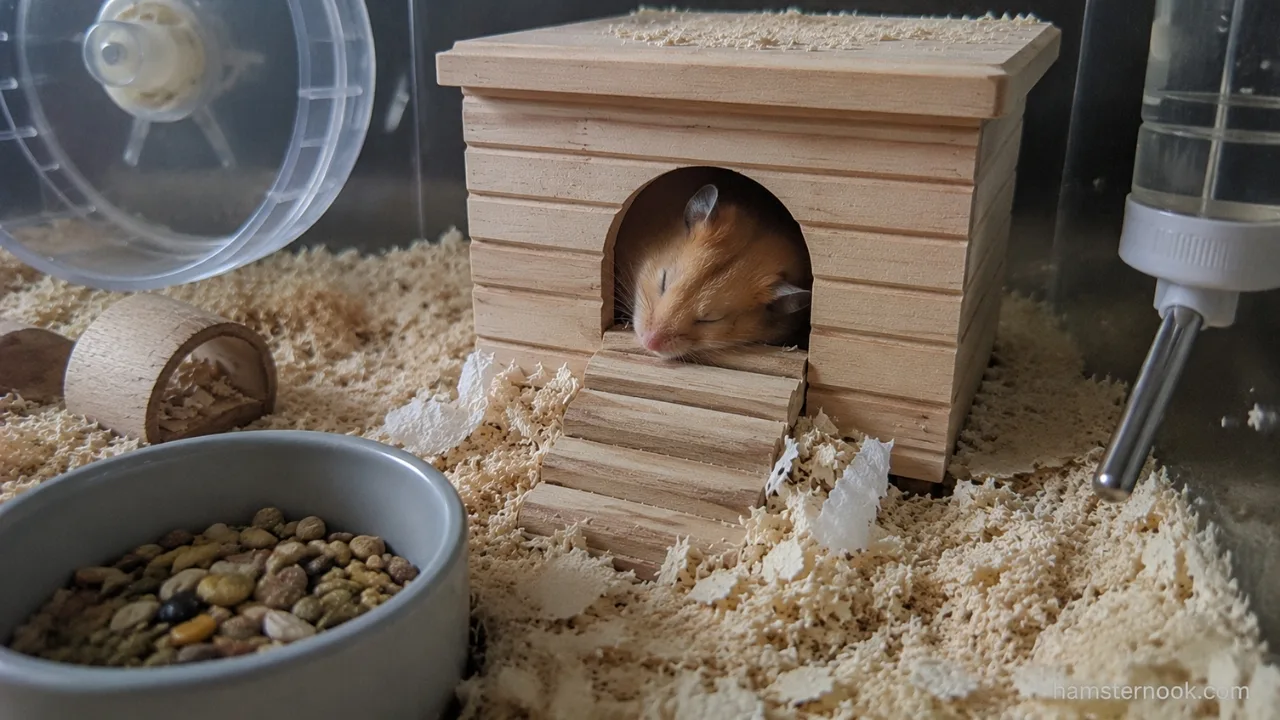
Other signs may include:
- Sunken eyes
- Reduced appetite
- Weakness
- Dull coat condition
You can learn more in Can Hamsters Get Dehydrated? Signs Every Owner Should Know.
Pain or Injury
Hamsters may reduce movement when walking becomes uncomfortable.
Physical discomfort is one of the most overlooked causes of reduced movement. Hamsters may hide injuries well and simply become quieter rather than showing obvious pain.
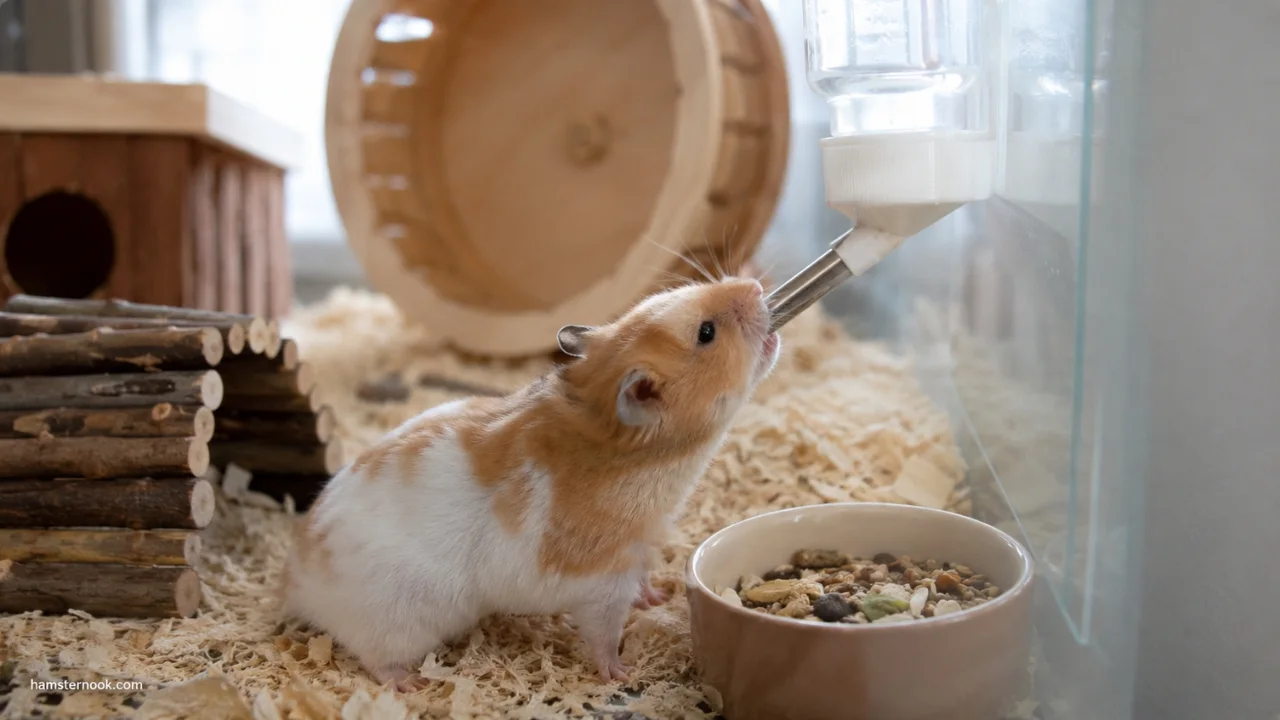
Potential causes include:
- Foot injuries
- Falls
- Sprains
- Arthritis in older hamsters
Watch for limping, reluctance to climb, or unusual posture.
If your hamster’s movement looks unusual, Why Is My Hamster Walking Weird? Common Causes and When to Worry explains several possible reasons behind changes in mobility.
Illness
Many illnesses can affect activity levels.
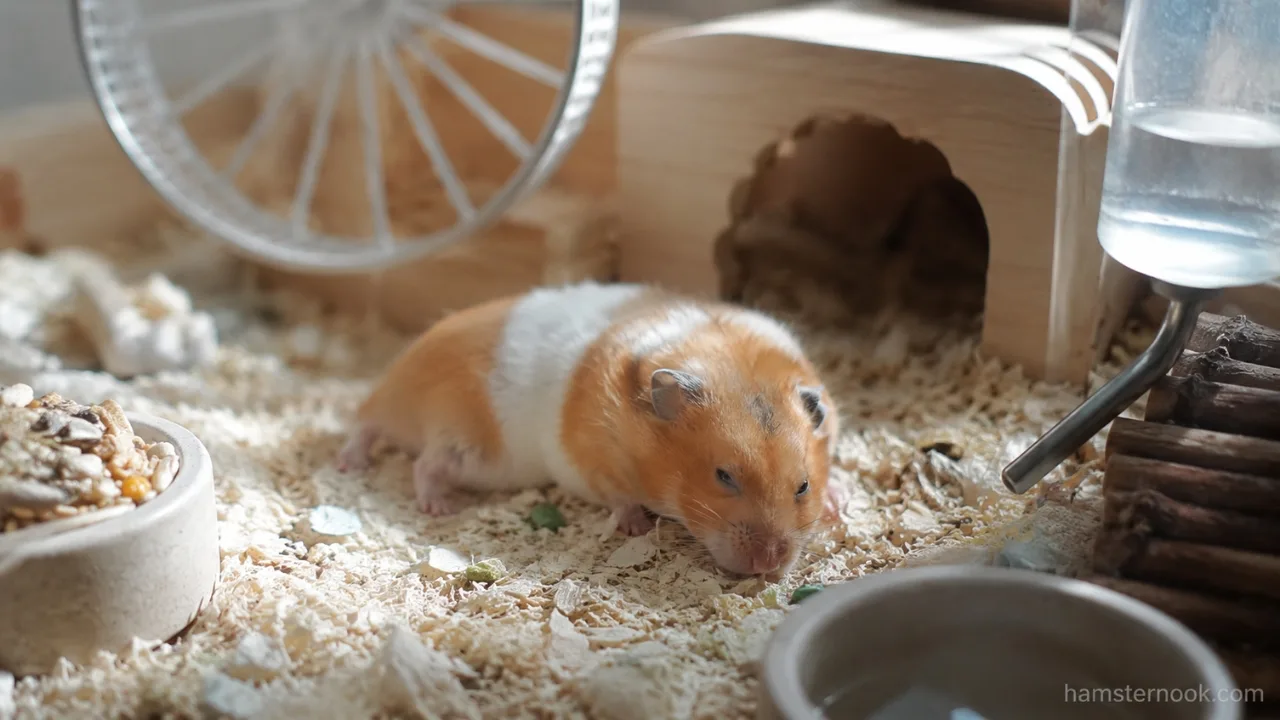
A hamster that is sick may show:
- Loss of appetite
- Weight loss
- Poor grooming
- Changes in droppings
- Reduced interest in exercise
A hamster that remains inactive for multiple days or shows other symptoms alongside lethargy should be evaluated carefully.
Normal Rest vs Potentially Concerning Lethargy
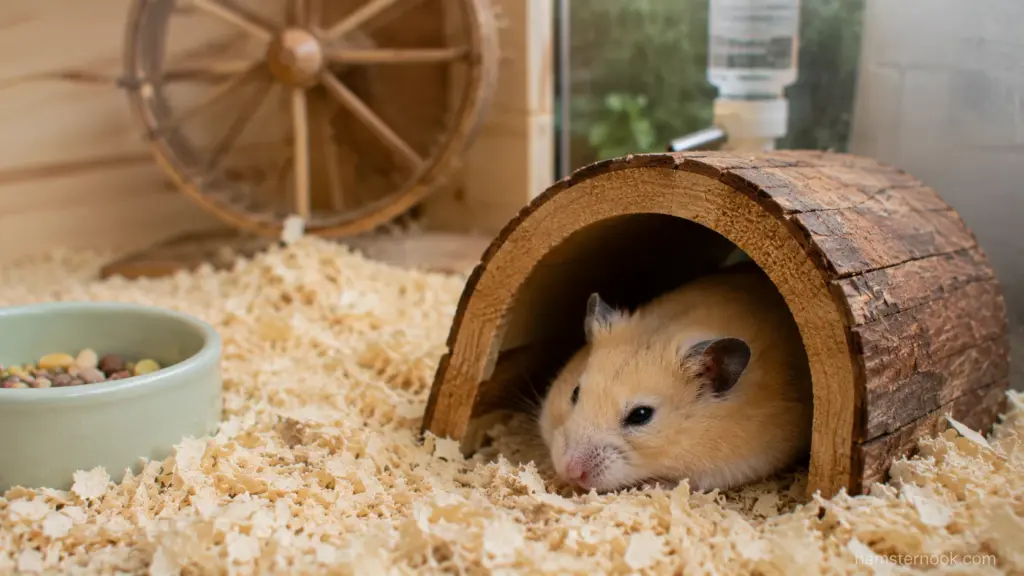
Looking at the overall pattern of behavior usually provides a clearer answer.
| Normal Resting Behavior | Potentially Concerning Lethargy |
|---|---|
| Sleeps during the day | Sleeps excessively day and night |
| Active during usual waking hours | Rarely active at normal times |
| Responds to sounds and treats | Shows little interest in surroundings |
| Eats and drinks normally | Reduced food or water intake |
| Uses wheel regularly | Stops exercising completely |
A hamster that simply shifts its activity schedule is very different from one that appears weak or uninterested in normal activities.
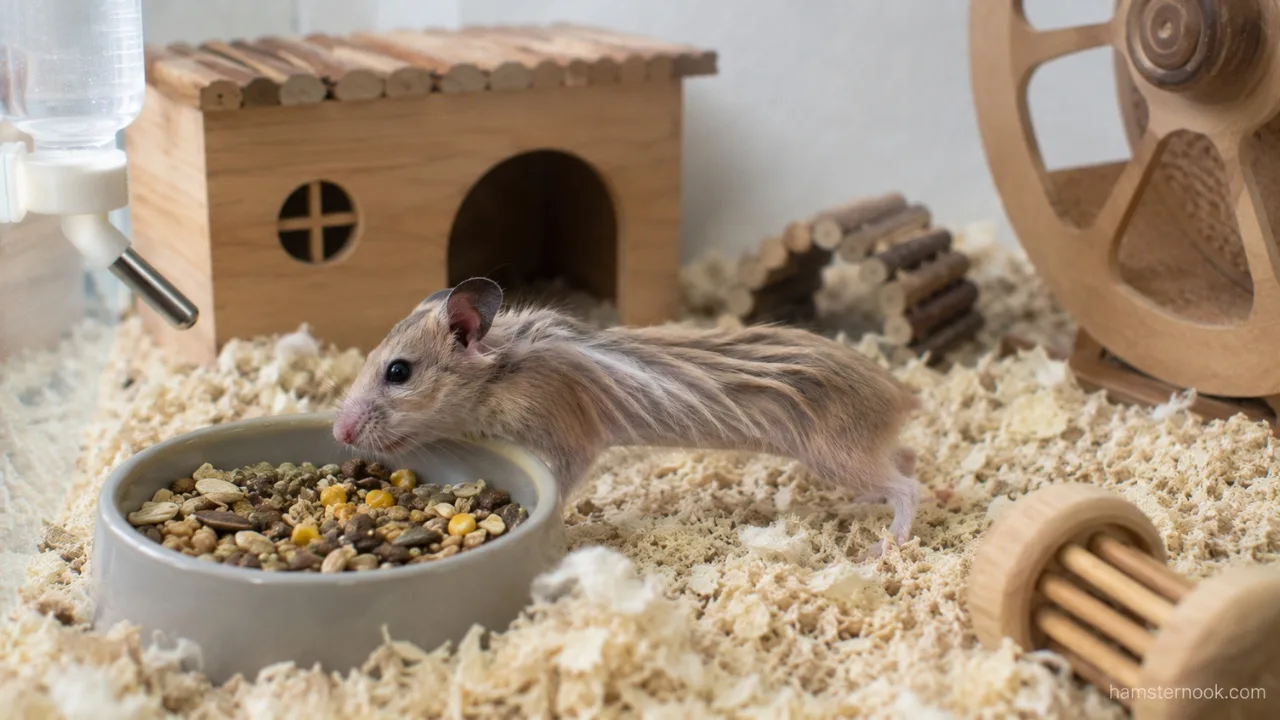
Could Your Hamster’s Cage Be Causing the Problem?
Owners evaluating cage-related causes may also find Signs Your Hamster Is Bored and How to Fix It helpful.
Sometimes the issue is not the hamster itself but its environment.
Cage Size Limitations
Small enclosures can reduce opportunities for exercise.
A hamster with limited space may gradually become less active because there are fewer enrichment opportunities.
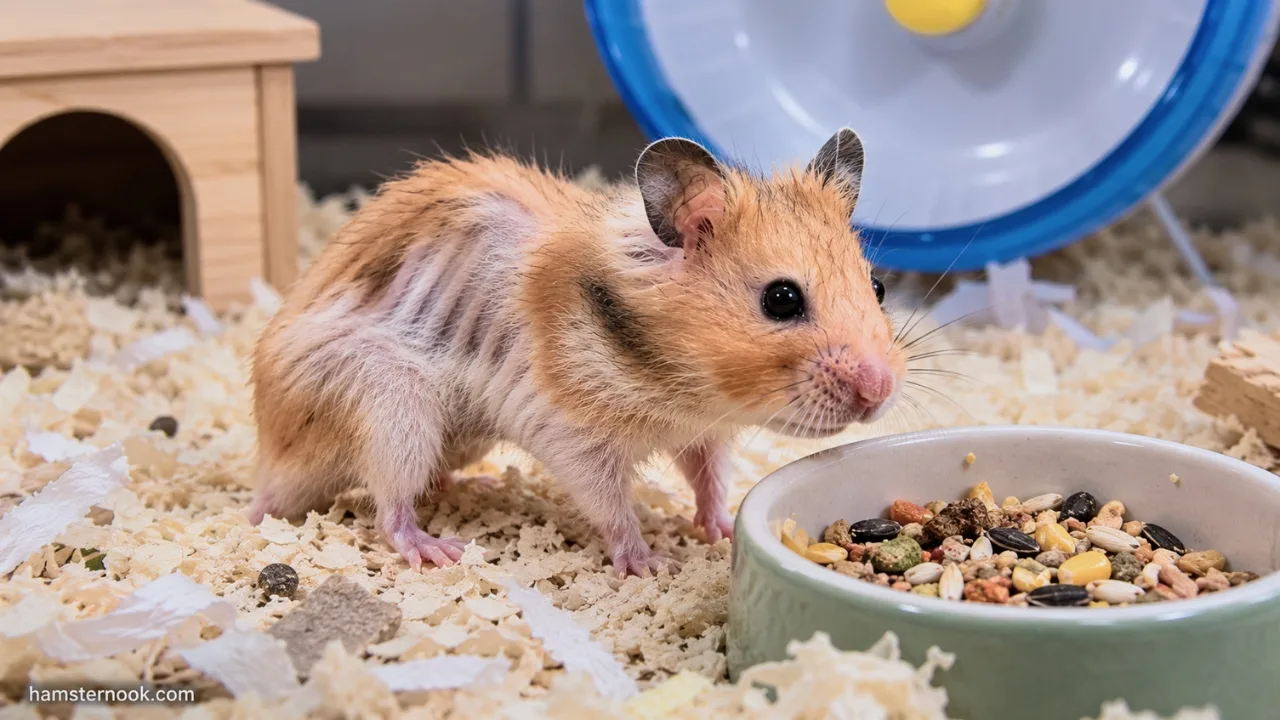
Lack of Enrichment
Hamsters need mental stimulation.
Without:
- Tunnels
- Hideouts
- Digging areas
- Chew toys
- Exploration opportunities
they may appear inactive simply because there is little to do.
Wheel Problems
A wheel that is:

- Too small
- Difficult to turn
- Damaged
- Noisy
may discourage use.
Owners sometimes mistake reduced wheel activity for a health issue when the wheel itself is the problem.
Dietary Factors That Affect Activity Levels
Nutrition can influence energy levels.
Poor Diet Quality
A hamster eating an unbalanced diet may become less energetic over time.
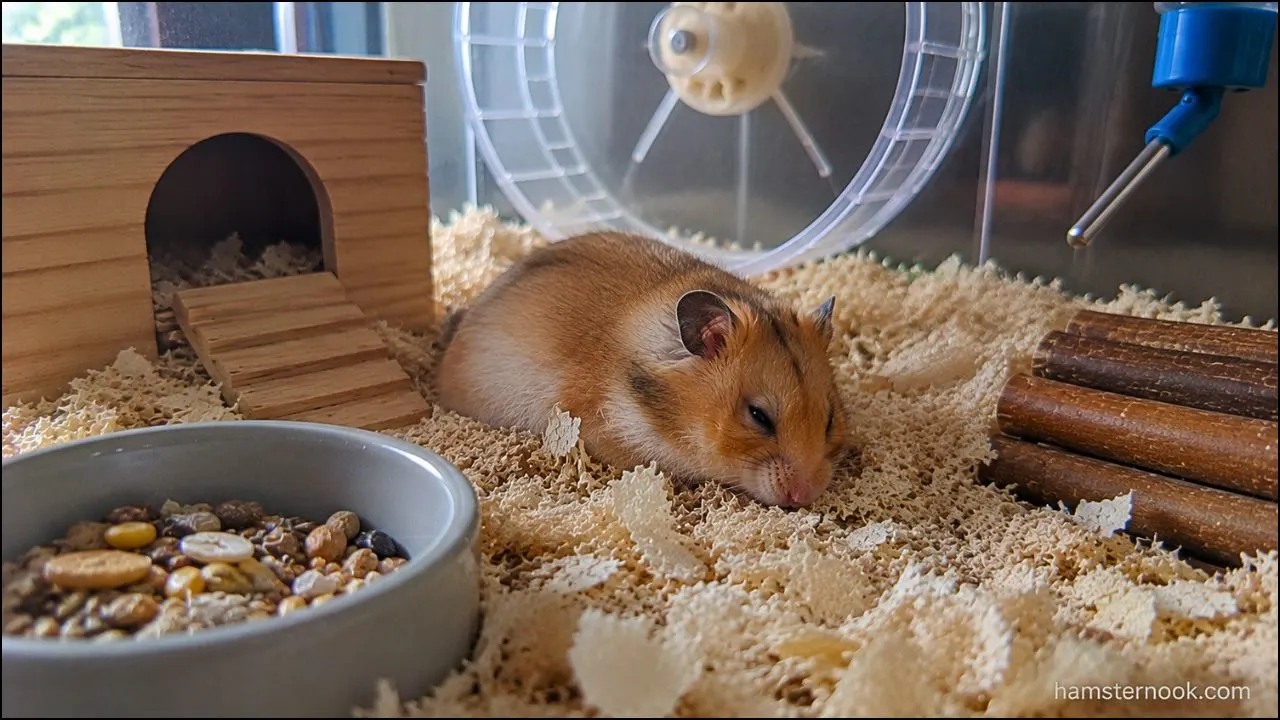
A healthy diet should primarily consist of:
- Quality hamster food
- Appropriate seeds and grains
- Safe vegetables
- Occasional treats
Overfeeding Treats
Too many fatty or sugary treats can contribute to weight gain and lower activity levels.
Monitoring body condition is important when evaluating behavioral changes.
Signs That Reduced Movement May Require Veterinary Attention
Certain symptoms should not be ignored.
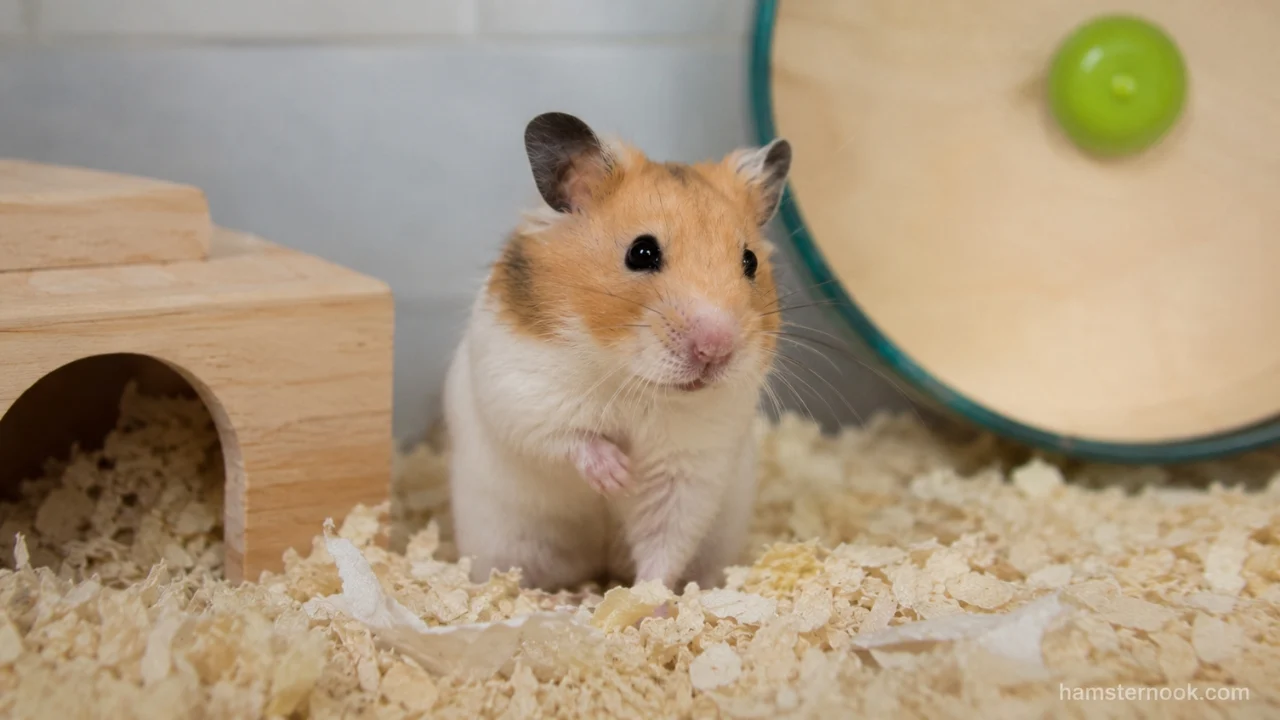
Contact a veterinarian if reduced activity occurs alongside:
| Warning Sign | Why It Matters |
|---|---|
| Refusing food | Possible illness or pain |
| Significant weight loss | May indicate disease |
| Difficulty walking | Could suggest injury or neurological issues |
| Labored breathing | Potential respiratory problem |
| Severe weakness | Medical evaluation needed |
| Persistent lethargy | May indicate underlying illness |
Early veterinary care often improves outcomes when health problems are present.
How to Monitor a Less Active Hamster
Careful observation often reveals changes that might otherwise go unnoticed.
Track Eating and Drinking
Notice whether food disappears normally and whether water consumption remains consistent.

Changes may help identify underlying problems.
Check Wheel Usage
If your hamster normally uses a wheel, compare current activity to previous habits.
A sudden drop can be meaningful.
Monitor Weight
Regular weight checks can help detect health concerns before they become obvious.
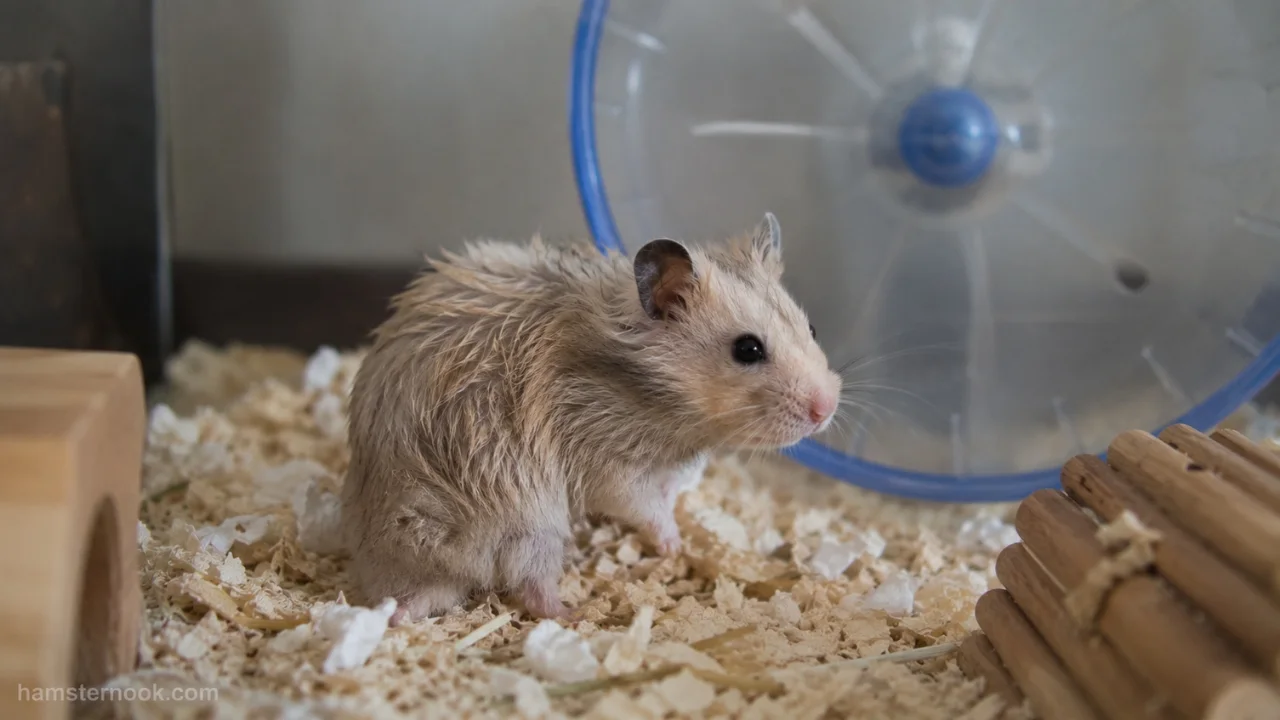
Even small weight changes can be meaningful in hamsters. Weighing your hamster weekly using a kitchen scale can help reveal hidden health issues earlier.
Observe Sleeping Patterns
If unusual sleeping behavior develops, Why Is My Hamster Suddenly Sleeping in a Different Spot? may help you identify possible environmental or health-related explanations.
What You Should Avoid Doing
Owners sometimes make mistakes when trying to encourage activity.
Do Not Force Exercise
Never push or force a hamster to move more.

If a health issue is present, this can increase stress or discomfort.
Do Not Wake Your Hamster Repeatedly
Hamsters need uninterrupted sleep.
Frequent waking can worsen stress and make activity levels even lower.
Do Not Assume It Is Just Old Age
While aging can reduce activity, significant changes should still be evaluated carefully.
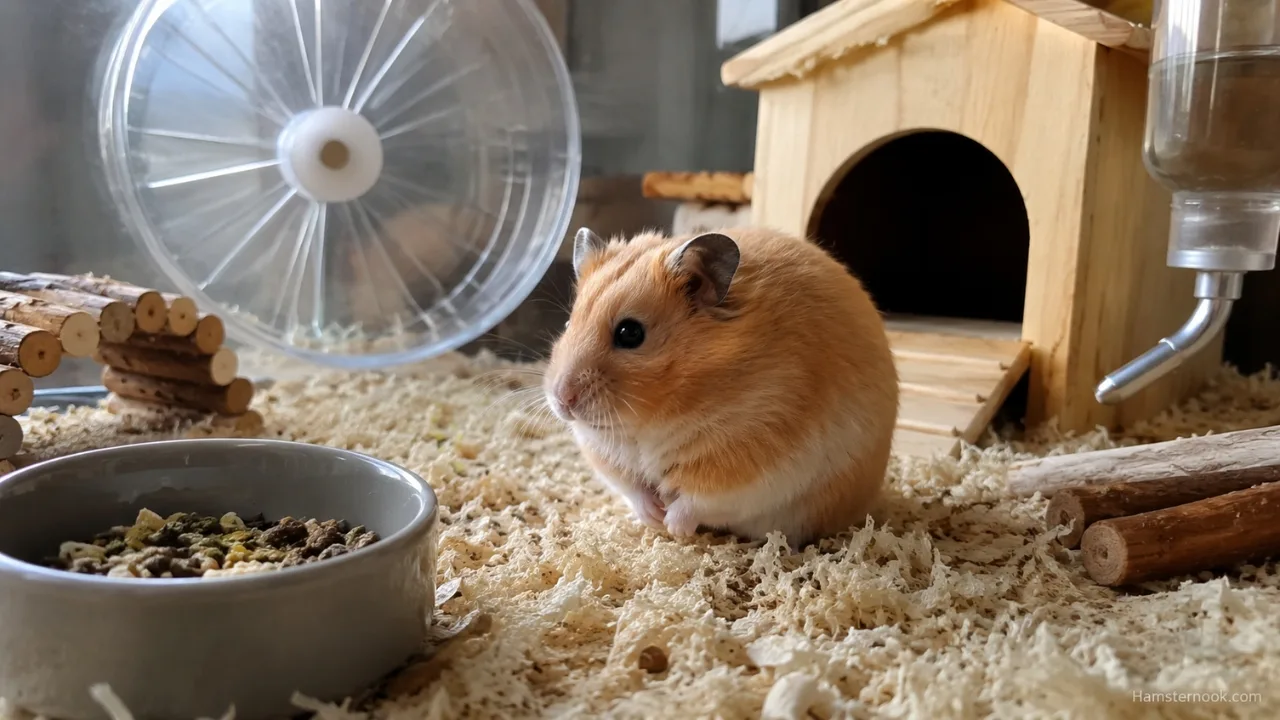
Attributing every symptom to age may delay needed veterinary care.
How to Encourage Healthy Activity Safely
If your hamster appears healthy but less active than before, gentle improvements may help.
Refresh Enrichment Items
Rotating toys and hideouts can increase curiosity.
Provide Digging Opportunities
Deep bedding encourages natural burrowing behavior.
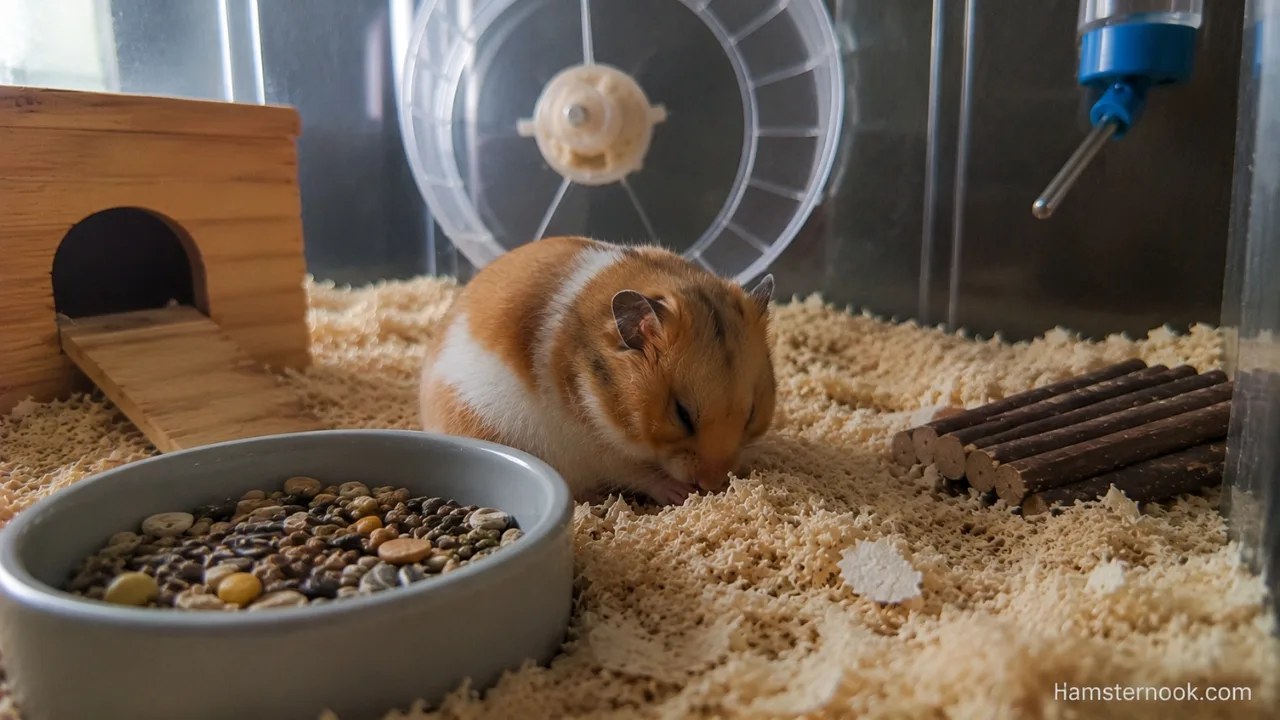
Offer Safe Exploration Time
A secure playpen or supervised exploration area can encourage movement.
Maintain a Comfortable Environment
Proper temperatures, low stress, and consistent routines support normal activity levels.
Final Thoughts
A hamster moving less than before does not automatically mean something is seriously wrong. In many cases, factors such as aging, environmental changes, heat, or temporary stress can explain the difference.
However, reduced activity should never be dismissed completely. Because hamsters naturally hide illness, a noticeable drop in movement may sometimes be one of the earliest signs that something needs attention.
Pay close attention to appetite, drinking habits, weight, posture, and overall behavior. When reduced activity occurs alongside other concerning symptoms, prompt veterinary care is the safest course of action.
Even minor changes in daily behavior can sometimes reveal that something is different. Owners who know their hamster’s normal routine are usually the first to notice when something needs attention.
Medical Disclaimer
This article is intended for educational purposes only and should not replace professional veterinary advice, diagnosis, or treatment. If your hamster is showing persistent lethargy, weakness, difficulty moving, or other concerning symptoms, seek guidance from a qualified exotic animal veterinarian.
Sources
- RSPCA Hamster care guidance
- PDSA Small pet health resources
- Blue Cross Hamster welfare information
- Merck Veterinary Manual Veterinary health and symptom information
Frequently Asked Questions
Why is my hamster suddenly less active than usual?
Common causes include aging, stress, environmental changes, hot temperatures, dehydration, injury, or illness. Looking for additional symptoms can help determine whether veterinary attention is needed.
Is it normal for older hamsters to move less?
Yes. Senior hamsters often slow down gradually and may spend more time resting than younger hamsters.
Should I worry if my hamster stops using its wheel?
A sudden decrease in wheel use may indicate boredom, environmental issues, discomfort, injury, or illness. Monitoring other behaviors can help identify the cause.
Can dehydration make a hamster lethargic?
Yes. Dehydration may contribute to weakness, reduced activity, and decreased interest in food or exercise.
How long should I monitor a less active hamster before calling a vet?
If reduced activity persists for more than a day or two, or if it is accompanied by other concerning symptoms, veterinary advice is recommended.
Why is my hamster eating normally but moving less?
Environmental factors, aging, temperature changes, stress, or reduced enrichment opportunities can sometimes lower activity levels even when appetite remains normal.
Can a hamster become less active because of stress?
Yes. Changes such as moving to a new home, rearranging the enclosure, loud noises, or nearby pets can temporarily reduce activity levels.
Why is my hamster sleeping more and using its wheel less?
This may happen because of aging, warm temperatures, stress, illness, or reduced energy levels. Looking for additional symptoms can help determine whether veterinary care is needed.
Is it normal for a hamster to have lazy days?
Occasionally, yes. Like other animals, hamsters may have quieter periods. However, activity should return to normal within a short time if no health problem is present.
Can being overweight make a hamster less active?
Yes. Excess body weight can make exercise less comfortable and may reduce interest in running, climbing, and exploring.

Narayan Kumar is the founder and author of HamsterNook. He creates practical, research-based hamster care guides covering hamster behavior, nutrition, cage setup, enrichment, health, and everyday care. His goal is to help hamster owners make informed decisions and provide safer, healthier lives for their pets through clear, beginner-friendly information based on trusted animal care resources.