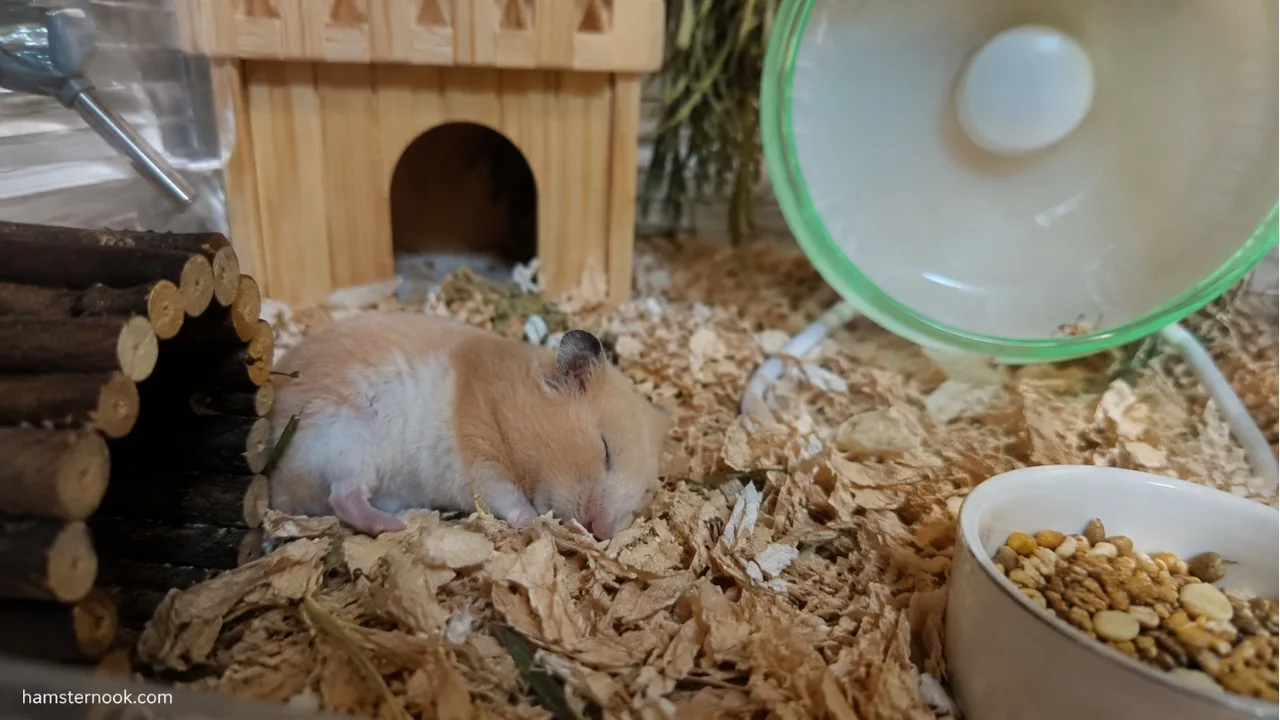
Not everyone has hours each day to spend caring for a pet. Between work, school, family responsibilities, and daily life, many people want a companion animal that fits into a busy schedule without sacrificing quality care. This is one reason hamsters remain popular pets. They are small, relatively independent, and don’t require constant attention.
The challenge is that some hamster breeds fit a busy lifestyle much better than others.
Some breeds are easier to handle, more adaptable to occasional interaction, and generally simpler for beginners to manage. Others can be more challenging due to their size, speed, or specific care needs.
If you’re considering a hamster but know your schedule is packed, choosing the right breed from the start can make pet ownership much more enjoyable for both you and your hamster.
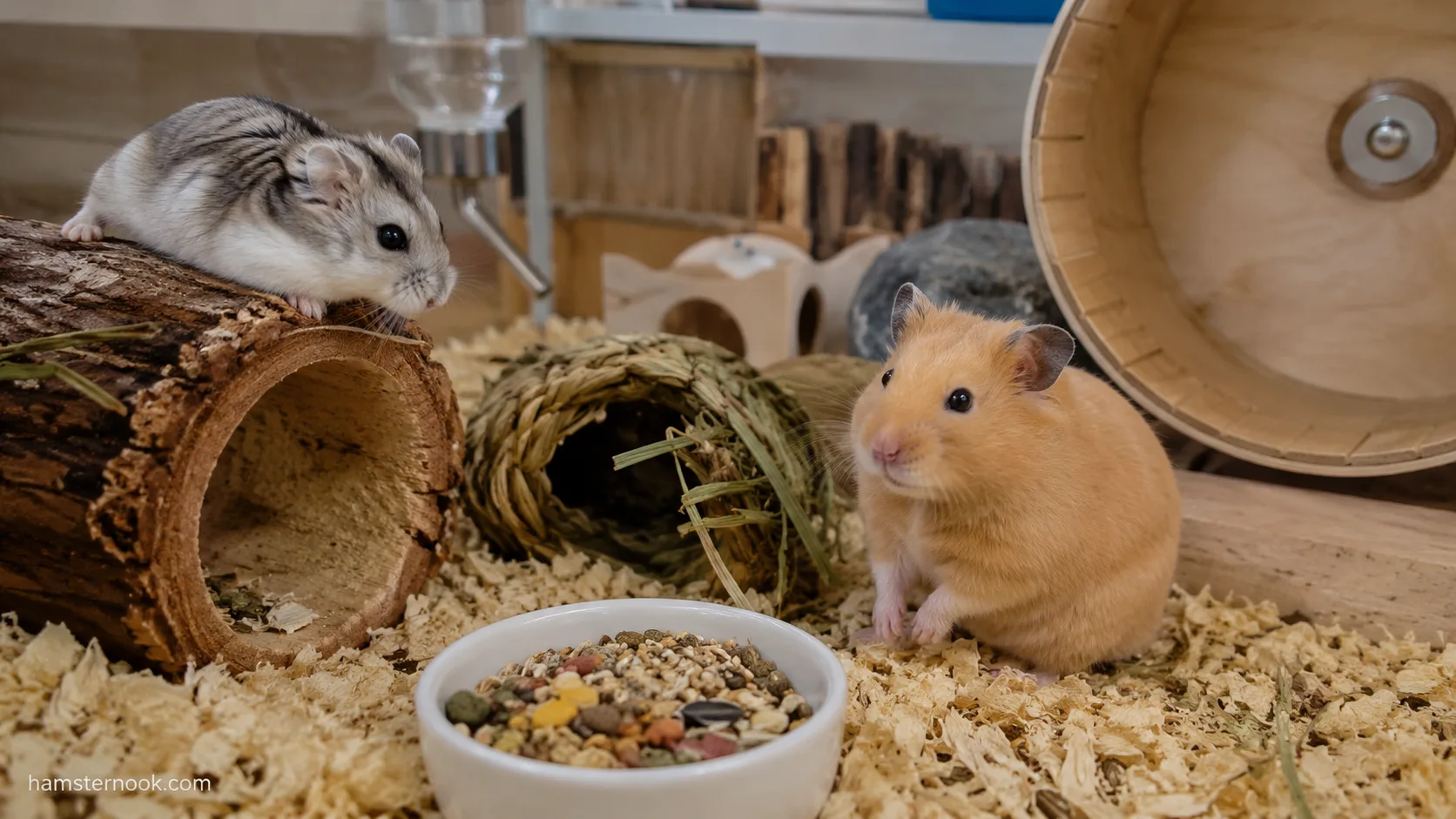
Quick Answer: For most busy owners, Syrian hamsters are the best choice because they are larger, easier to handle, generally calmer, and more beginner-friendly than most dwarf species. Chinese hamsters are a good alternative for people who prefer a smaller pet, while Roborovski hamsters are often better suited to owners who enjoy watching their pets more than handling them.
What Makes a Hamster Suitable for Busy Owners?
A hamster should never be chosen simply because it’s considered “low maintenance.” Every hamster still requires daily care, proper housing, fresh food and water, enrichment, and regular health monitoring.
That said, certain traits make some breeds more practical for people with limited free time.
These traits include:

- Easy handling
- Calm temperament
- Less escape-prone behavior
- Good adaptability to routine care
- Larger size for easier interaction
- Simpler health and feeding management
A hamster is often easier to care for when its personality and interaction needs fit naturally into your routine.
The Best Breed Depends on How You Spend Your Free Time
Before choosing a hamster, think about how you plan to interact with it.
- Want a hamster that is usually easier to handle? Choose a Syrian hamster.
- Prefer a smaller but generally manageable pet? Consider a Chinese hamster.
- Enjoy watching active behavior more than handling? A Roborovski may be a good fit.
- Want a balance between activity and interaction? Winter White hamsters are often a reasonable middle ground.
Owners are usually happier with their choice when the hamster’s natural behavior matches what they expected from a pet.
Quick Comparison of Popular Hamster Breeds

| Hamster Breed | Size | Ease of Handling | Activity Level | Good for Beginners? | Busy Owner Rating |
|---|---|---|---|---|---|
| Syrian Hamster | Large | Excellent | Moderate | Yes | Excellent |
| Roborovski Hamster | Very Small | Difficult | Extremely High | No | Fair |
| Campbell’s Dwarf Hamster | Small | Moderate | High | Yes | Good |
| Winter White Hamster | Small | Moderate | Moderate | Yes | Good |
| Chinese Hamster | Small | Good | Moderate | Yes | Very Good |
For most busy owners, Syrian hamsters consistently rank as the easiest and most beginner-friendly option.
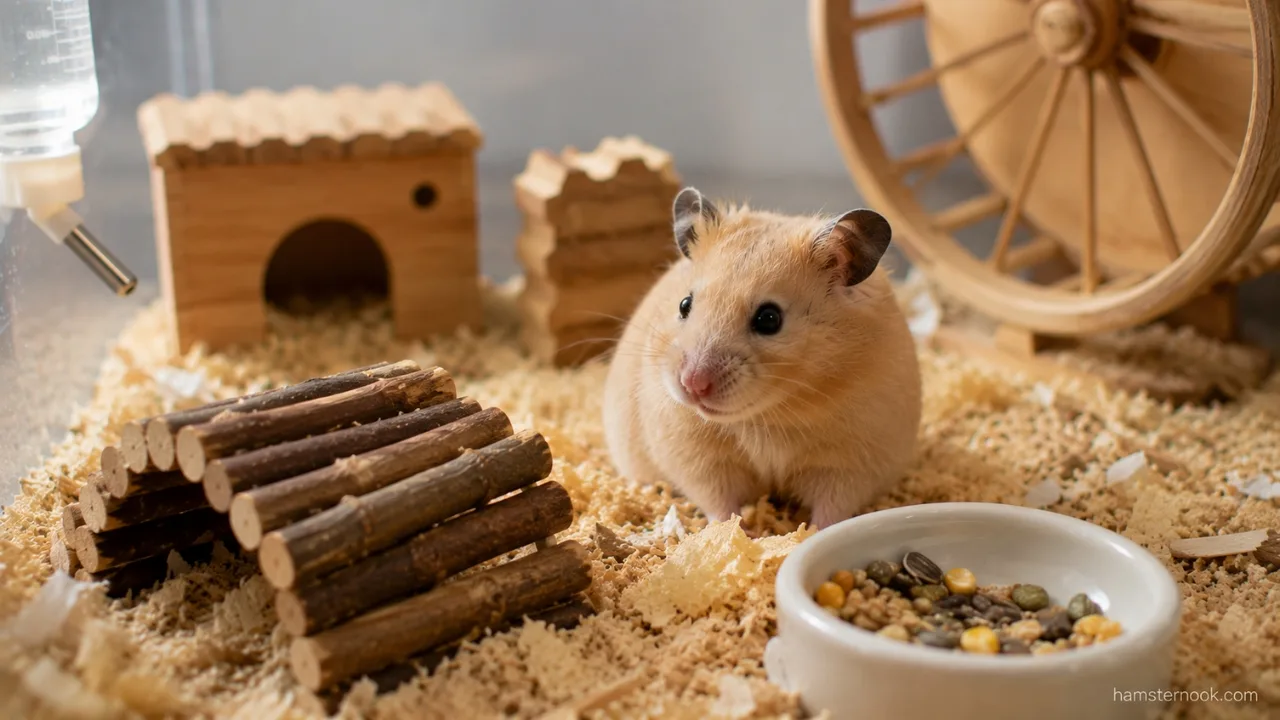
Why Syrian Hamsters Are Often the Best Choice

Easier to Handle
Size is one of the main reasons Syrian hamsters are often recommended to first-time and busy owners.
Because they are significantly larger than dwarf species, they are easier to pick up, observe, and interact with. This reduces stress for both the owner and the hamster.
Many first-time owners discover that handling tiny dwarf hamsters can feel intimidating because of how quickly they move.
If you’re still learning hamster behavior, reading The Biggest Mistake New Hamster Owners Make in the First Week can help prevent common trust-building mistakes.
Generally More Relaxed
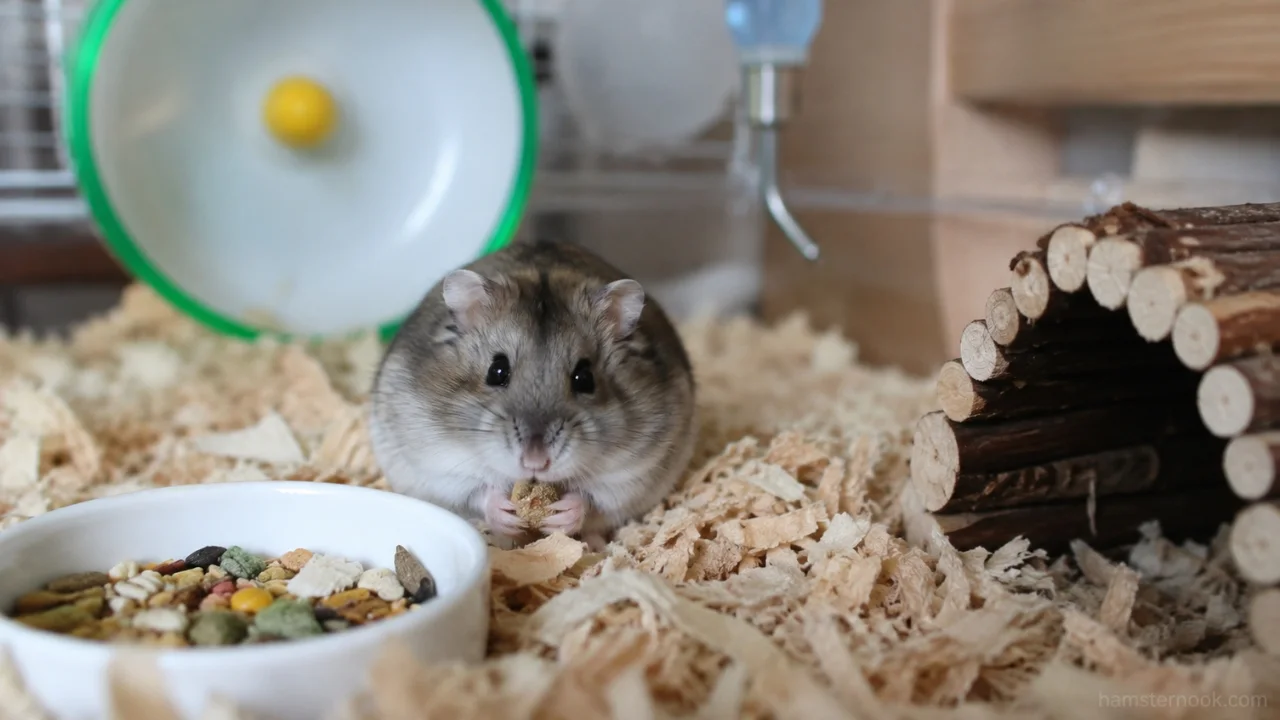
Every hamster has its own personality, but Syrian hamsters are often considered calmer than many dwarf species.
They tend to be:
- Easier to tame
- More predictable
- Less likely to dart away unexpectedly
- Simpler for children and beginners to observe
For busy owners who may only interact with their hamster during evenings, this temperament can be a major advantage.
Easier Health Monitoring
A larger hamster makes it easier to notice:
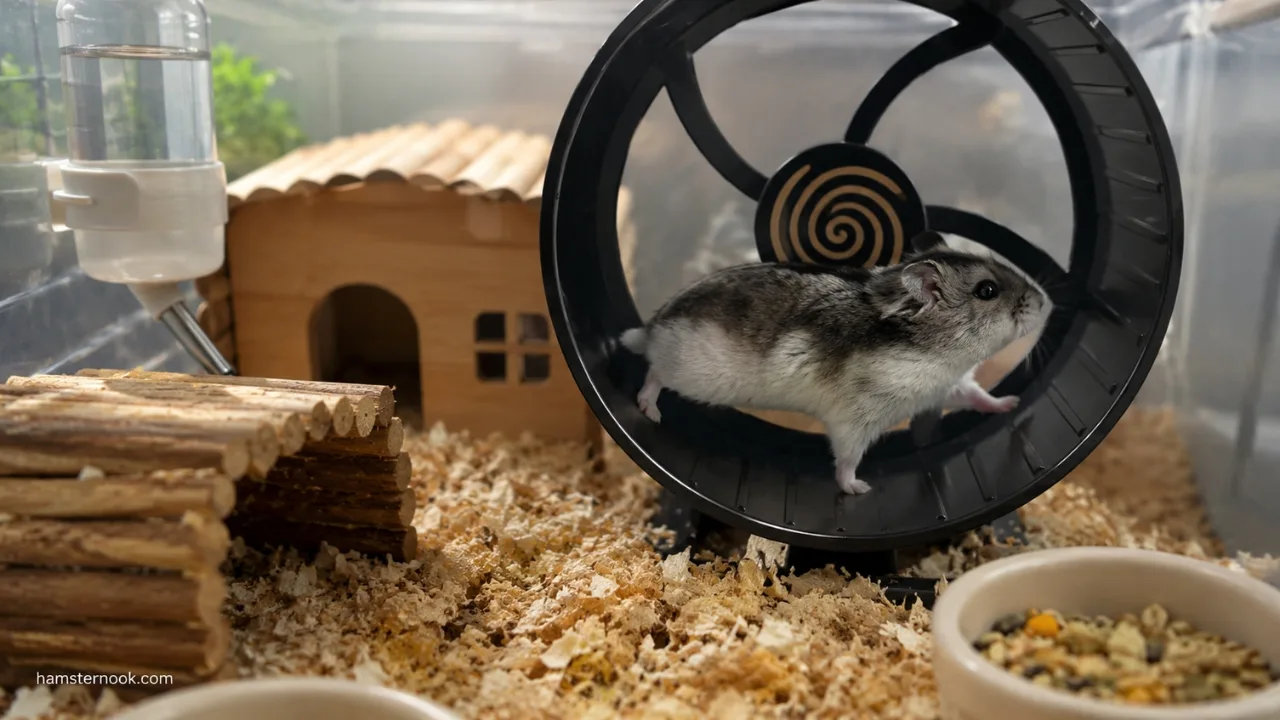
- Weight changes
- Fur condition
- Injuries
- Unusual behavior
This can be particularly valuable for owners who don’t have extensive experience spotting early health issues.
Are Chinese Hamsters a Good Alternative?
Chinese hamsters are often overlooked, but they can be an excellent choice for busy owners.
They are generally:
- Gentle
- Curious
- Moderately active
- Easier to handle than many dwarf species
Although smaller than Syrians, many owners find them easier to manage than Roborovski hamsters.

Their calm nature often makes short daily interaction sessions productive and enjoyable.
Dwarf Hamsters: Pros and Cons for Busy Owners
Dwarf hamsters can certainly thrive with busy owners, but they come with additional considerations.
Benefits
| Advantage | Why It Matters |
|---|---|
| Smaller food consumption | Slightly lower feeding costs |
| Entertaining activity levels | Fun to watch |
| Compact size | Easier cage placement |
| Active personalities | Constant enrichment value |
Challenges
| Challenge | Why It Can Be Difficult |
|---|---|
| Faster movement | Harder to handle |
| Easier escapes | Requires extra caution |
| More difficult health checks | Small size hides problems |
| Higher stress during handling | Taming may take longer |
Busy owners who enjoy observing pets more than handling them may still find dwarf hamsters rewarding.
Why Roborovski Hamsters May Not Be Ideal for Beginners
Roborovski hamsters are fascinating pets, but they are often the least practical option for busy first-time owners.

They are known for:
- Incredible speed
- Constant activity
- Limited interest in handling
- Small size
Many owners spend more time watching Roborovskis than interacting directly with them.
While this isn’t necessarily negative, people looking for a pet that enjoys occasional handling may become disappointed.
Owners interested in hamster-human relationships may enjoy reading Can Hamsters Learn Their Names? to better understand what kind of interactions are realistic with different breeds.

Care Time Requirements: The Truth
Most hamster owners spend only a few minutes each day on essential care. What matters more is consistency. A hamster receiving reliable daily care is usually better off than one receiving occasional long interaction sessions followed by periods of neglect.
A common misconception is that some hamster breeds require dramatically less care than others.
In reality, daily care routines are fairly similar across breeds.
| Task | Average Time Needed |
|---|---|
| Feeding and water checks | 5 minutes |
| Quick health observation | 2–5 minutes |
| Spot cleaning | 5–10 minutes |
| Interaction or enrichment | 10–20 minutes |
| Weekly maintenance | 20–40 minutes |
What usually changes between breeds is not the amount of care required, but how easy that care feels day to day.

Common Mistakes Busy Owners Make
Choosing the Smallest Hamster Assuming It’s Easier
Many people assume smaller equals easier.
In hamster care, the opposite is often true.
Tiny hamsters are:
- Harder to handle
- Faster
- More difficult to monitor
- Easier to lose during free-roam sessions
A larger Syrian hamster is usually simpler for beginners.

Ignoring Activity Schedules
Hamsters are generally active during evening and nighttime hours.
Busy owners who expect daytime interaction often become frustrated.
Understanding hamster routines is essential before choosing any breed.
Underestimating Cage Requirements
Regardless of breed, hamsters need adequate living space.
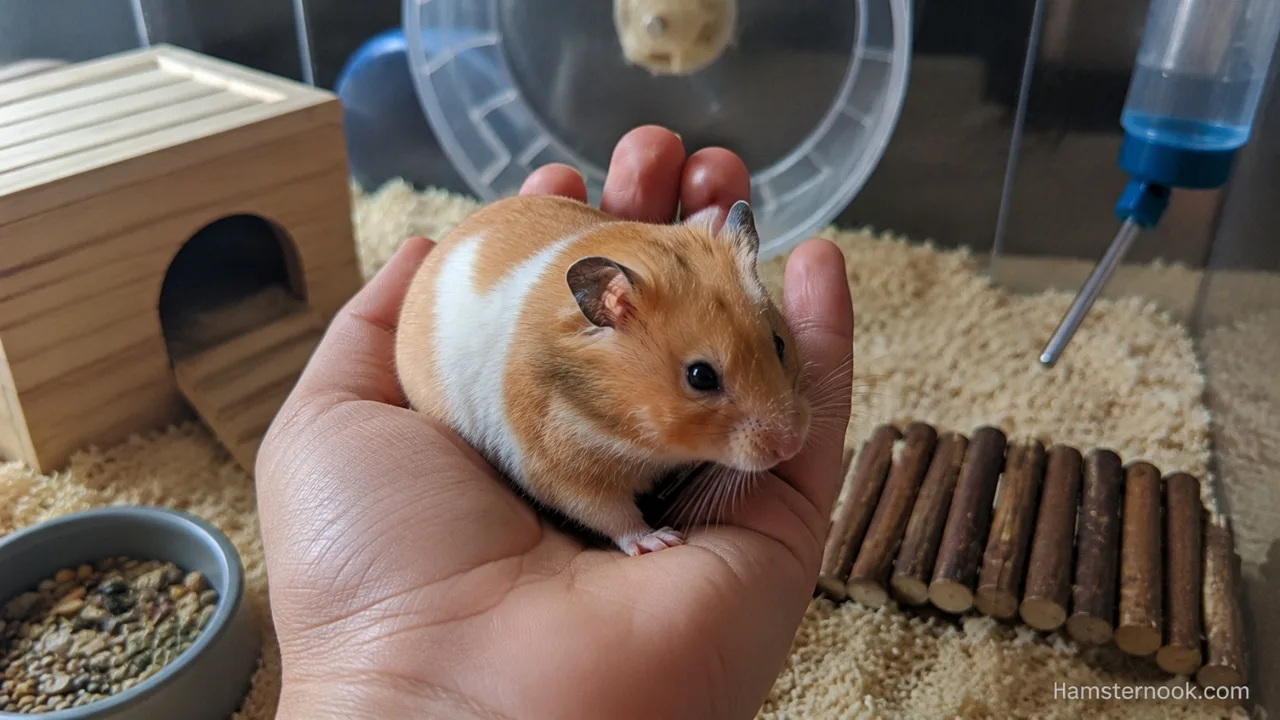
Some owners mistakenly believe smaller hamsters can live comfortably in tiny cages.
In reality, all hamster species benefit from spacious enclosures, deep bedding, and enrichment opportunities.
For owners planning a first setup, What Good Hamster Care Actually Looks Like (Most Owners Get This Wrong) provides a helpful overview of proper housing standards.
Best Hamster Breed by Owner Type
| Owner Situation | Best Breed |
|---|---|
| Complete beginner | Syrian Hamster |
| Busy professional | Syrian Hamster |
| Student with limited free time | Syrian or Chinese Hamster |
| Observation-focused owner | Roborovski Hamster |
| Owner wanting frequent handling | Syrian Hamster |
| Small-pet enthusiast | Winter White Hamster |
Individual personality always matters, but these patterns are commonly reported by experienced hamster owners.

How to Keep a Hamster Happy When You’re Busy
Being busy doesn’t mean your hamster will be neglected.
A well-designed habitat can provide significant enrichment even when you’re not actively interacting.
Useful enrichment includes:
- Deep bedding for burrowing
- Exercise wheel
- Tunnels
- Hideouts
- Foraging opportunities
- Chew toys
Owners looking for behavior-focused enrichment ideas may also find Do Hamsters Remember Kindness? What Owners Often Notice Over Time helpful when building positive daily routines.
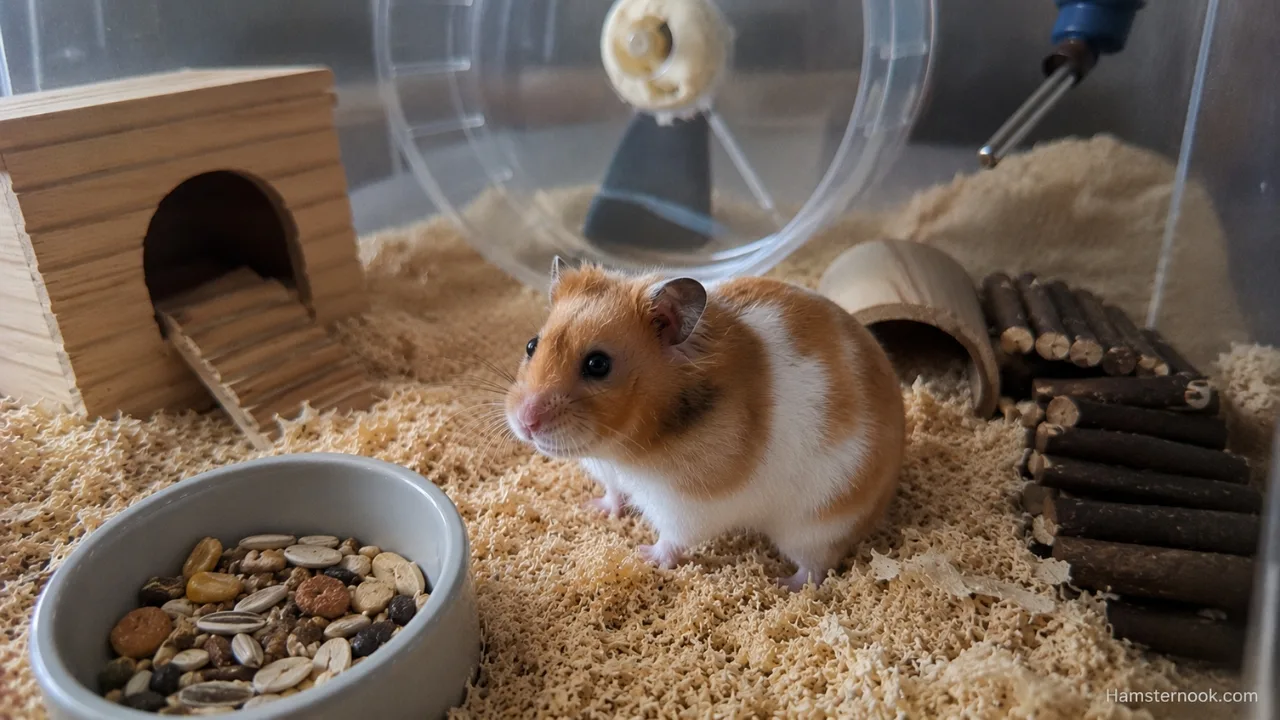
A few minutes of regular interaction each day is often more valuable than occasional long sessions.
A Good Habitat Reduces Daily Stress
Busy owners benefit most from creating an enclosure that meets their hamster’s needs even when they are not actively interacting.
A spacious enclosure, deep bedding, multiple hideouts, and opportunities for natural behaviors can help keep a hamster mentally stimulated throughout the day.
Signs Your Hamster Is Thriving Despite a Busy Schedule
A healthy hamster generally shows:

- Consistent eating habits
- Regular wheel use
- Curious behavior
- Normal grooming
- Bright eyes
- Stable weight
If your hamster remains active and engaged, limited but quality interaction is often sufficient.
Understanding body language is important as well, and Why Does My Hamster Watch Me So Closely? explains several common behaviors owners notice during daily care.
The Importance of Choosing Based on Personality, Not Just Breed
Breed matters, but personality matters too.
Two Syrian hamsters may behave very differently despite belonging to the same species.

When possible, observe a hamster before adoption.
Look for:
- Curiosity
- Calm responses
- Healthy appearance
- Normal activity levels
Hamsters that are naturally confident often settle into busy households more comfortably than very cautious individuals.
No Hamster Is Truly Low Maintenance
Even the easiest hamster breed still requires:

- Fresh food and water every day
- Regular cleaning
- Health monitoring
- Appropriate enrichment
- Veterinary care when needed
Choosing the right breed can make ownership easier, but it does not eliminate responsibility.
Final Verdict: Which Hamster Breed Is Best for Busy Owners?
For most people, the Syrian hamster is the clear winner.
Its larger size, generally calmer temperament, easier handling, and beginner-friendly nature make it the most practical choice for owners with limited free time.
Chinese hamsters are a strong second choice for those seeking a smaller pet with a relatively manageable personality.

Dwarf hamsters can also work well, but they typically require more patience during handling and taming.
The right hamster is usually the one whose behavior and care needs fit comfortably into your daily routine. When those factors align, both the owner and the hamster are far more likely to enjoy a positive and rewarding experience.
Frequently Asked Questions
Which hamster breed is easiest for first-time owners?
Syrian hamsters are generally considered the easiest breed for beginners because they are larger, easier to handle, and often more tolerant of human interaction.
Are dwarf hamsters harder to care for than Syrian hamsters?
Their daily care needs are similar, but dwarf hamsters can be more challenging to handle due to their small size and quick movements.
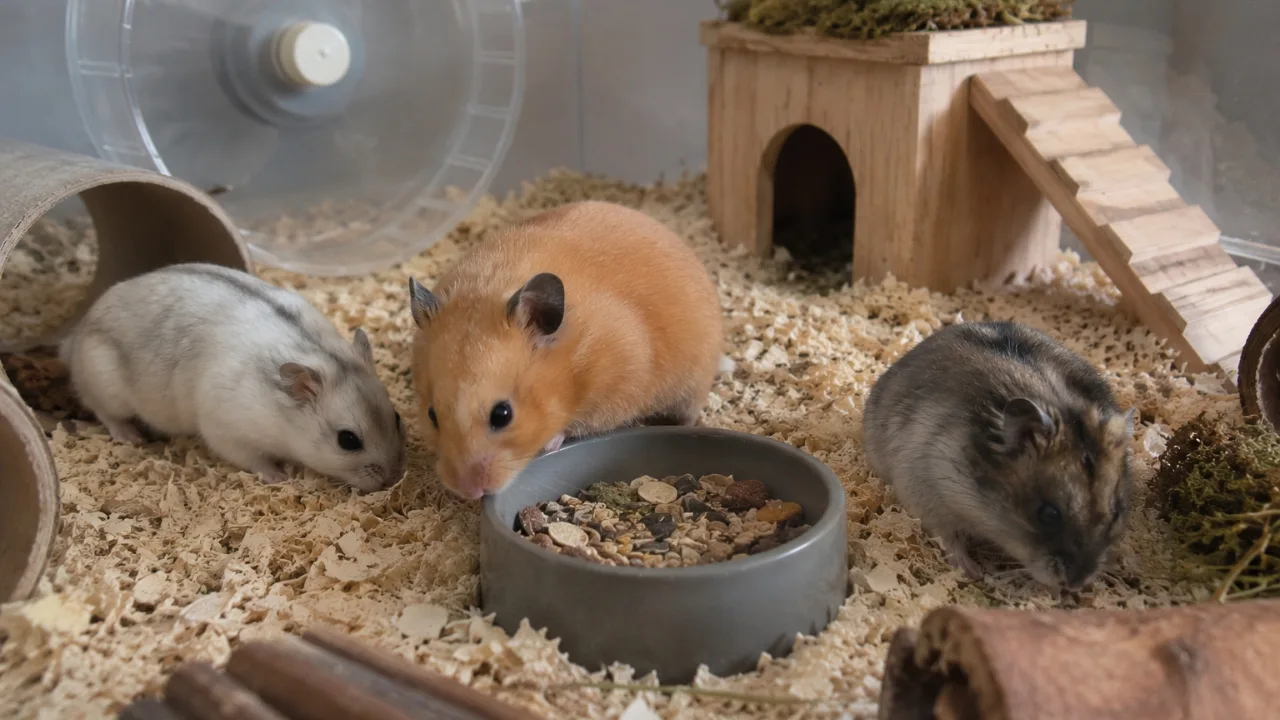
What is the calmest hamster breed?
Many owners consider Syrian hamsters among the calmest and easiest-to-tame hamster breeds, although individual personalities vary.
Do Syrian hamsters need less attention than dwarf hamsters?
Not necessarily. Their daily care needs are similar, but many owners find Syrian hamsters easier to handle and monitor, which can make routine care feel simpler.
Which hamster breed is best if I mainly want to watch rather than handle my pet?
Roborovski hamsters are often a good choice for observation-focused owners because they are extremely active and entertaining to watch.
Is a hamster a good pet for someone who works full time?
Yes, many full-time workers successfully keep hamsters. The key is providing consistent daily care, proper housing, and regular health monitoring rather than spending hours of direct interaction each day.

Narayan Kumar is the founder and author of HamsterNook. He creates practical, research-based hamster care guides covering hamster behavior, nutrition, cage setup, enrichment, health, and everyday care. His goal is to help hamster owners make informed decisions and provide safer, healthier lives for their pets through clear, beginner-friendly information based on trusted animal care resources.