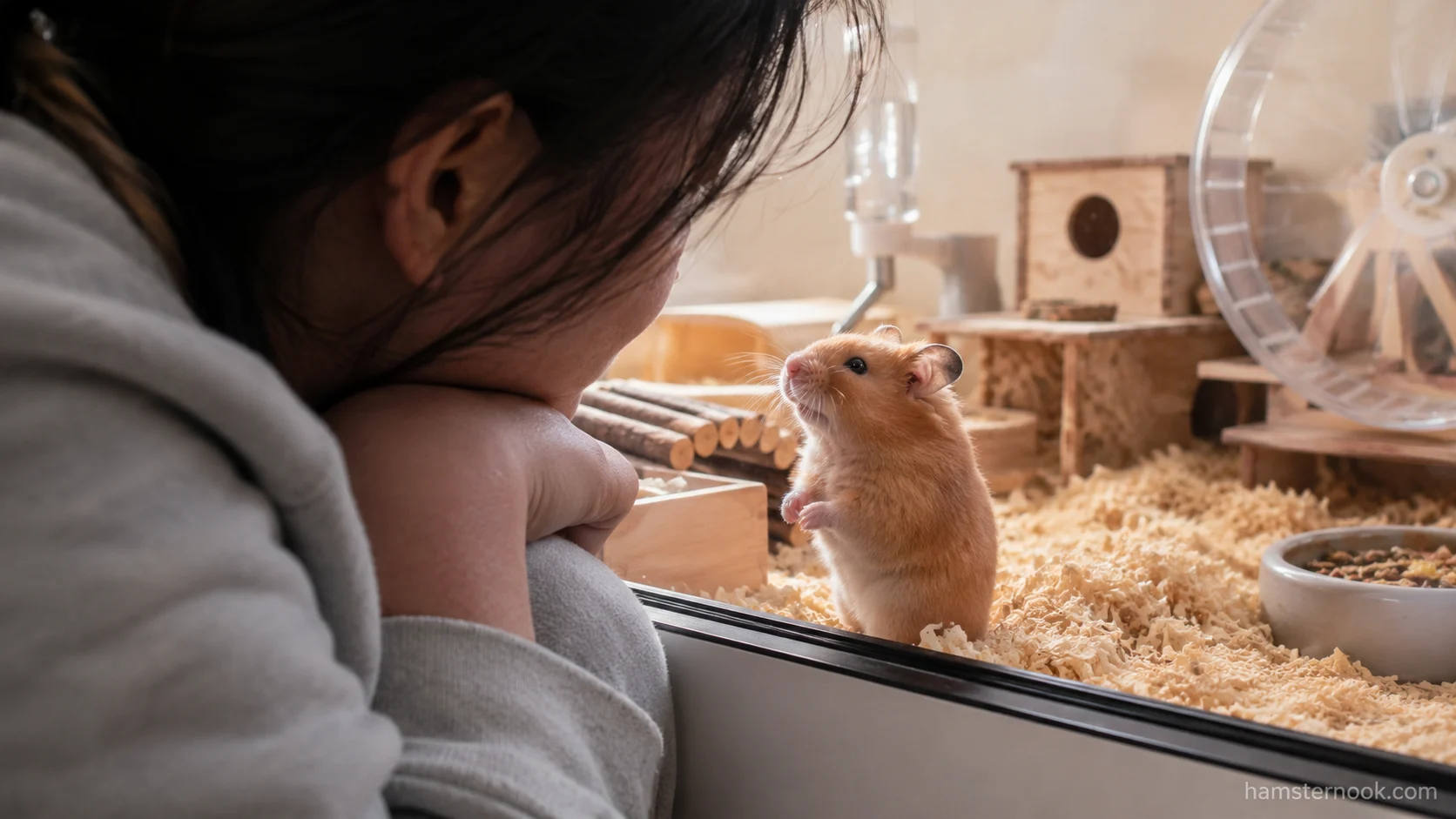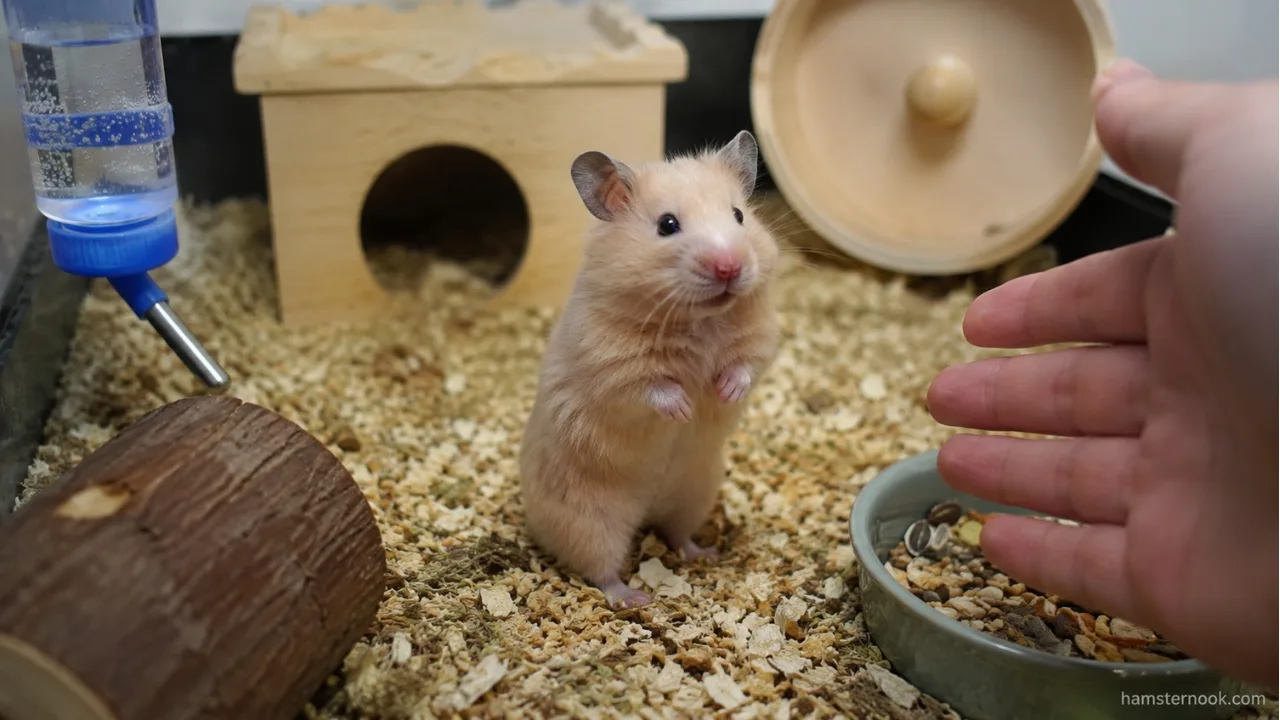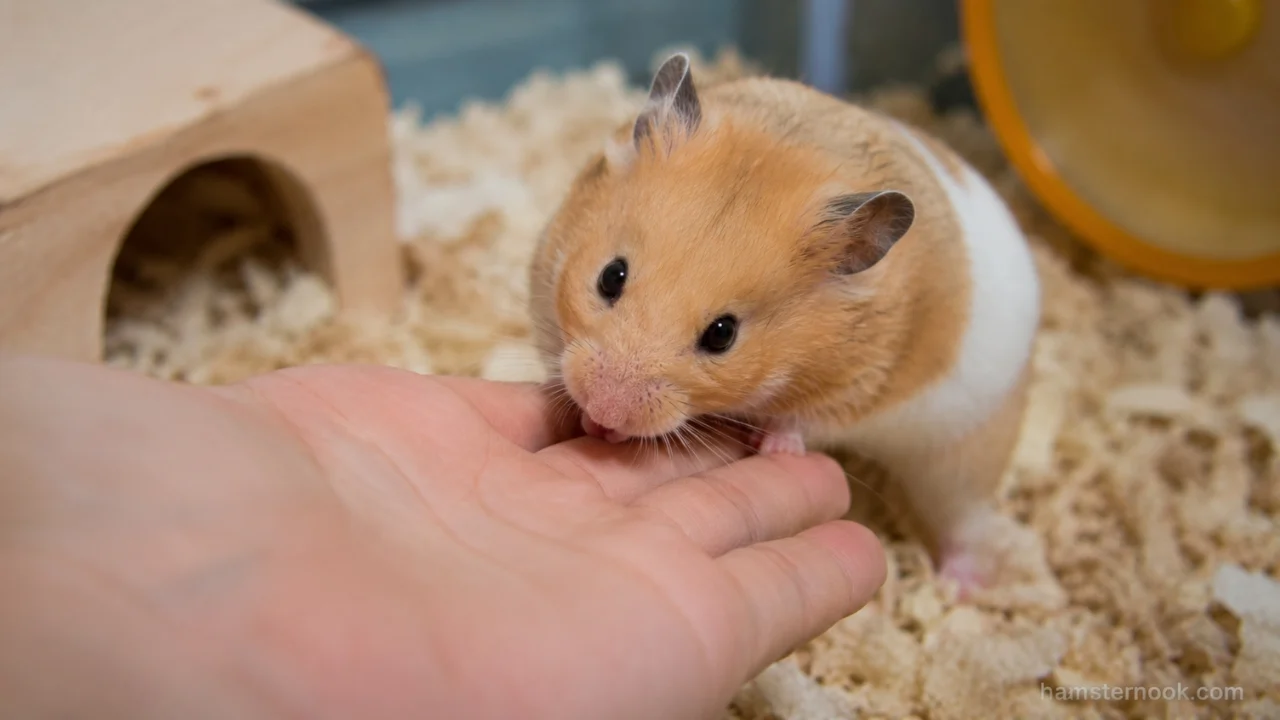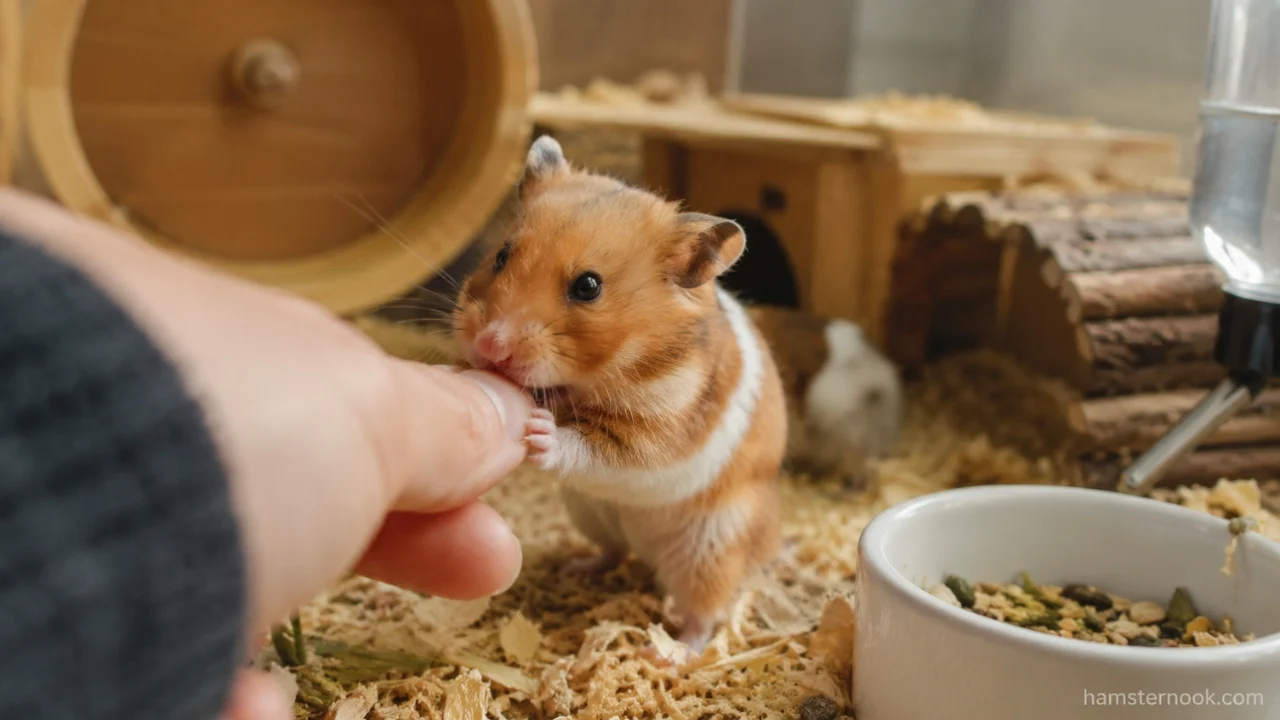
Many hamster owners have experienced a moment that feels surprisingly personal. After weeks of gentle care, their hamster suddenly stops running away, takes a treat from their hand, or calmly climbs onto their palm without hesitation. It’s a moment that makes many owners wonder whether their hamster remembers the gentle care that helped build that trust.
The reality is somewhere between instinct and learned experience. Hamsters do not think about relationships in the same way humans do, but research and long-term observations suggest they can learn from repeated positive experiences. Over time, many hamsters begin associating specific people with safety, food, and predictable interactions. While this may not be “kindness” in the human sense, it often looks very similar from an owner’s perspective.
Understanding how hamsters learn from experience makes it easier to build trust and avoid setbacks.
Quick Answer: Hamsters do not remember kindness the way humans do, but they can remember positive experiences, familiar scents, routines, and people who consistently make them feel safe. Over time, many hamsters learn to associate their owners with food, security, and predictable interactions, which often looks like remembering kindness.
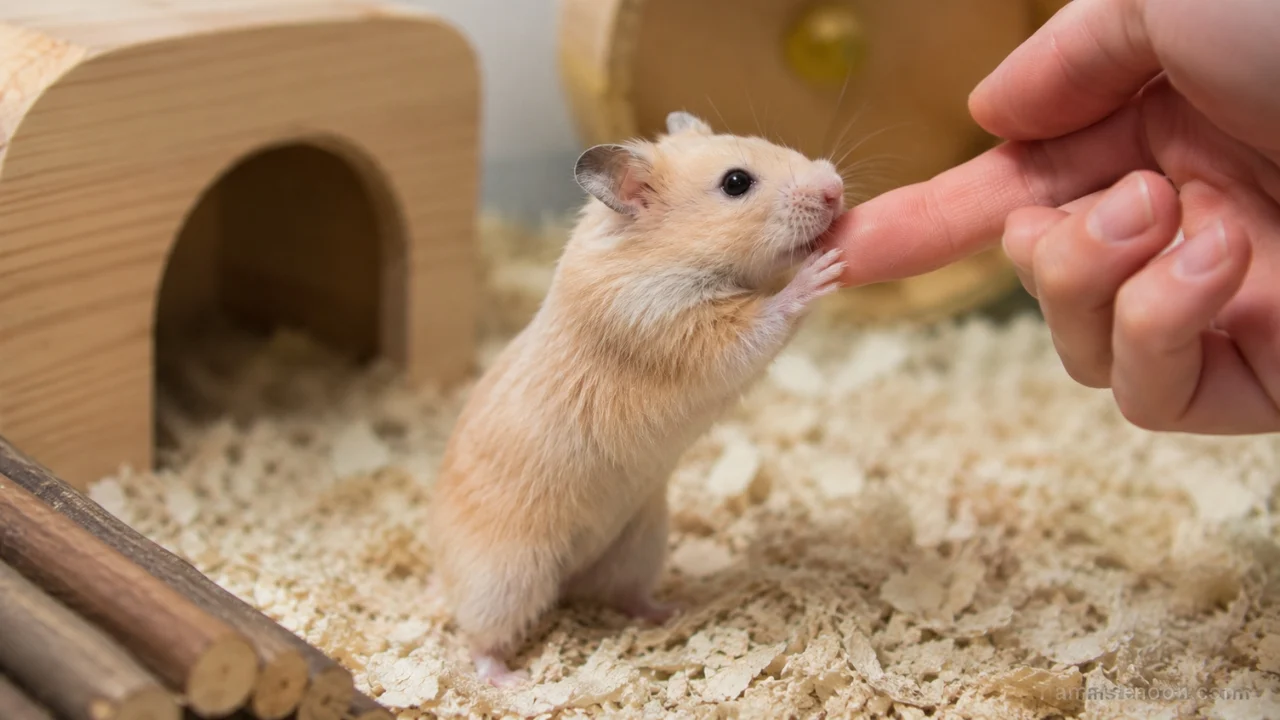
Can Hamsters Recognize People Over Time?
Yes, many hamsters appear capable of recognizing familiar people through a combination of scent, voice, and routine.
Hamsters rely heavily on their sense of smell. Long before they identify a face, they often recognize familiar scents associated with safety and positive experiences. Owners who consistently provide food, clean water, and gentle interactions often notice their hamster becoming more relaxed around them compared to strangers.
This is one reason why some hamsters willingly approach one family member while remaining cautious around others.
What Does “Remembering Kindness” Actually Mean?
A hamster is not evaluating whether someone is kind or unkind in a human sense. Instead, it learns from outcomes. If interactions repeatedly lead to safety, food, and low stress, the hamster becomes more confident around that person.
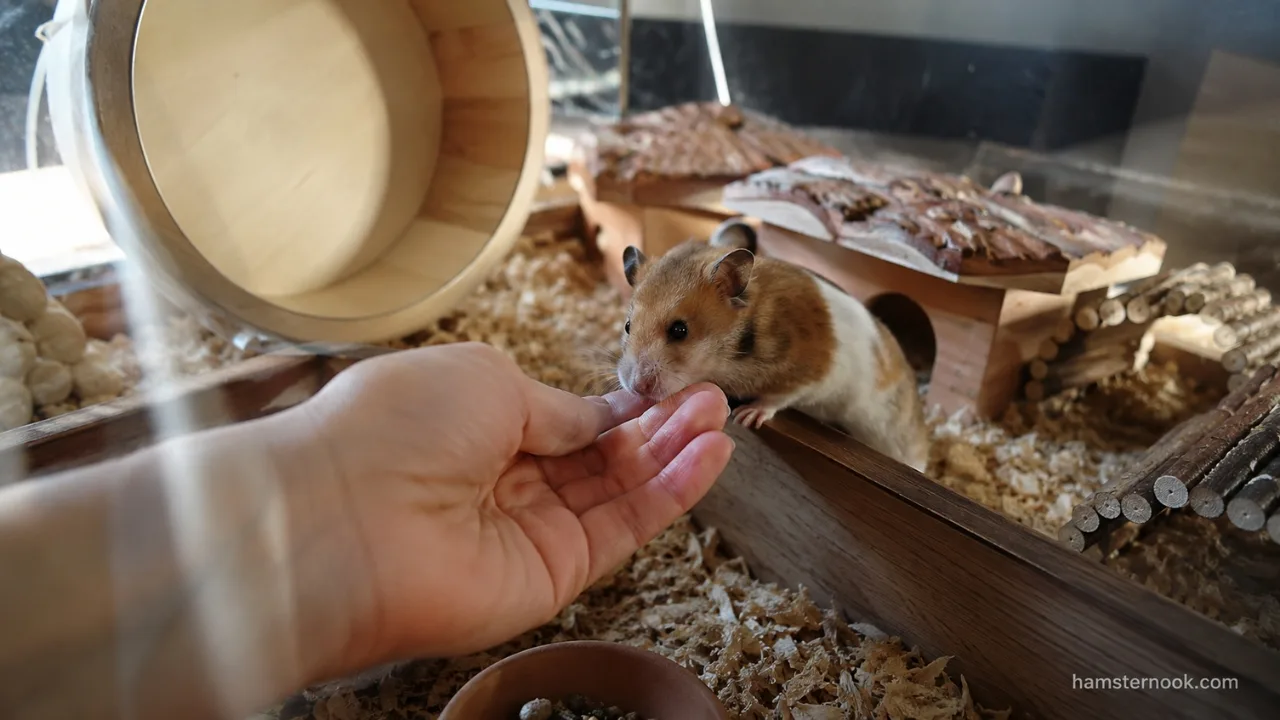
When people ask whether hamsters remember kindness, they’re usually referring to behaviors such as:
- Approaching their owner willingly
- Accepting handling more calmly
- Taking treats without hesitation
- Showing less fear during interactions
- Exploring around their owner comfortably
These behaviors are often the result of positive associations.
Instead of remembering specific acts, hamsters seem to learn which interactions regularly lead to safe and positive outcomes. If every interaction consistently feels safe and rewarding, they begin expecting positive outcomes.
How Hamsters Build Trust Through Repetition
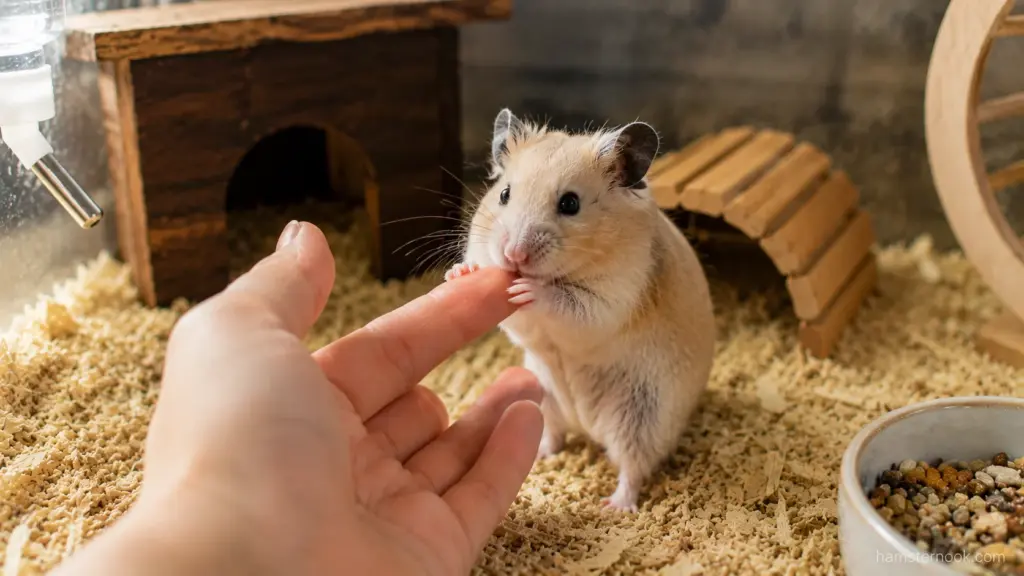
Most hamsters don’t suddenly decide to trust someone. Confidence develops through dozens of small, positive experiences over time.
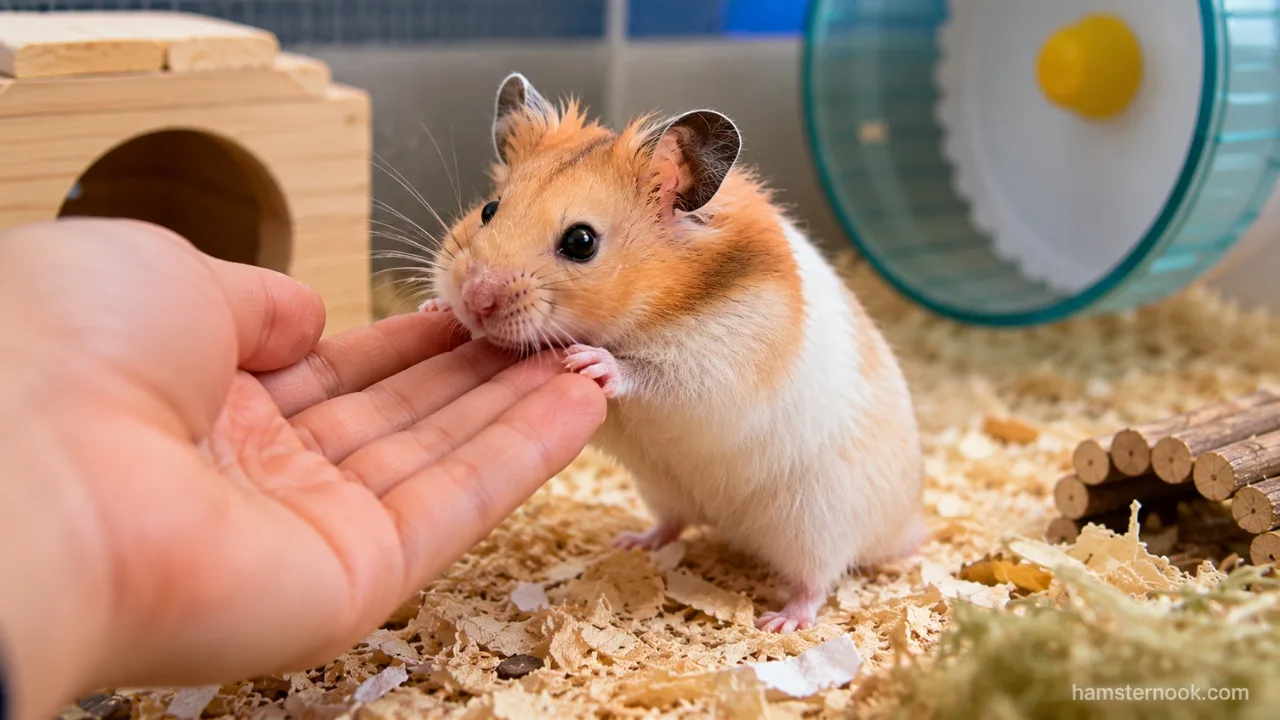
A hamster that receives gentle treatment day after day gradually learns that certain situations are not threatening. This learning process is one of the strongest explanations for why owners often feel their hamster “remembers” them.
Positive Experiences That Build Trust
| Positive Experience | Potential Result Over Time |
|---|---|
| Hand-feeding treats | Greater willingness to approach |
| Speaking softly near the cage | Reduced fear response |
| Respecting sleep schedules | Lower stress levels |
| Gentle handling sessions | Increased confidence |
| Consistent routines | Stronger sense of security |
Consistency is usually what makes the biggest difference. Random positive interactions are less effective than predictable daily care.
Signs Your Hamster Associates You With Positive Experiences
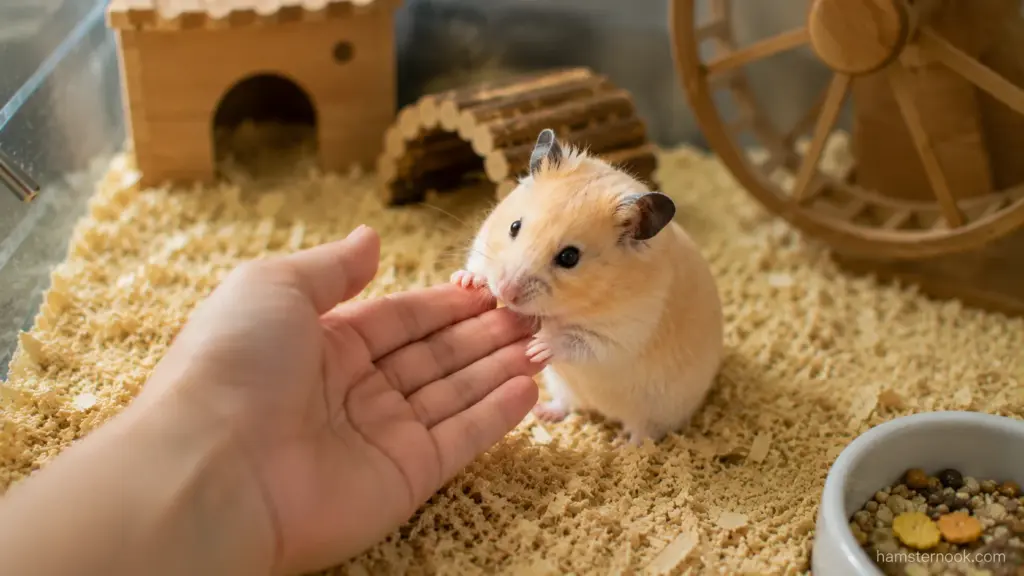
Every hamster has a unique personality, but many owners notice similar behaviors once trust develops.
Approaching the Cage Front
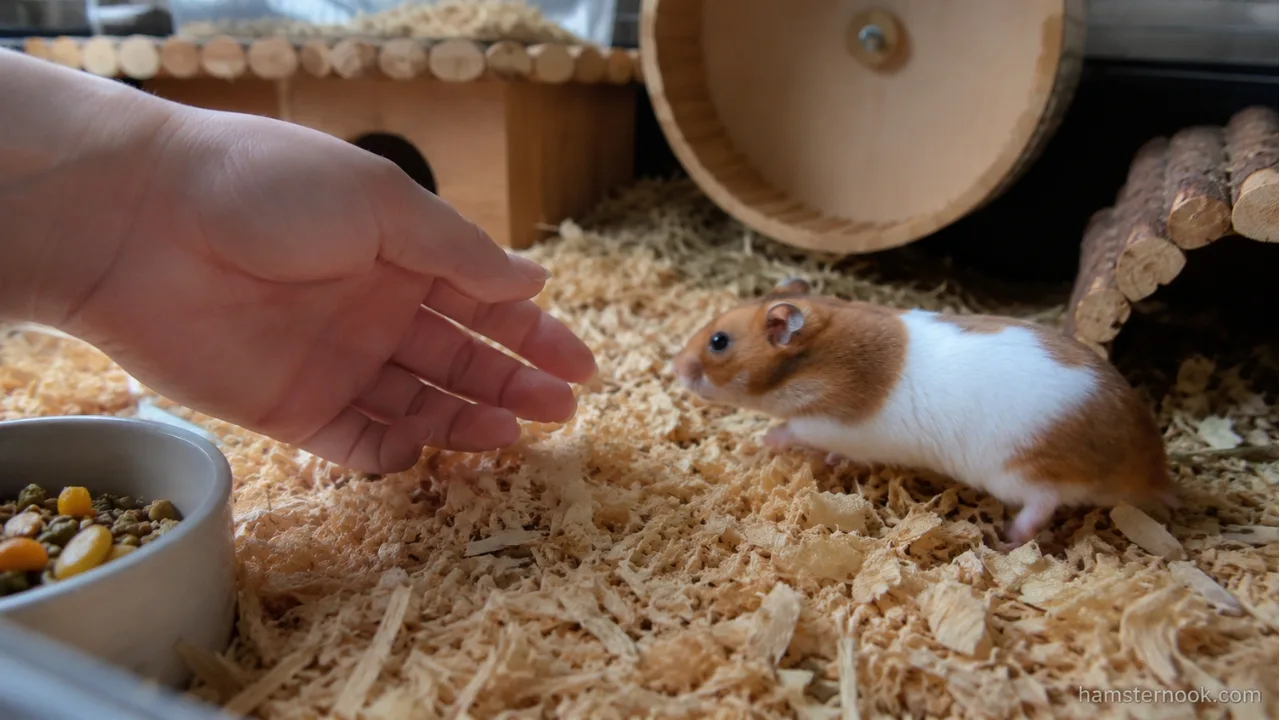
A hamster that regularly comes toward the front of the enclosure when it hears or sees you may have learned that your presence predicts something positive.
Taking Food Calmly
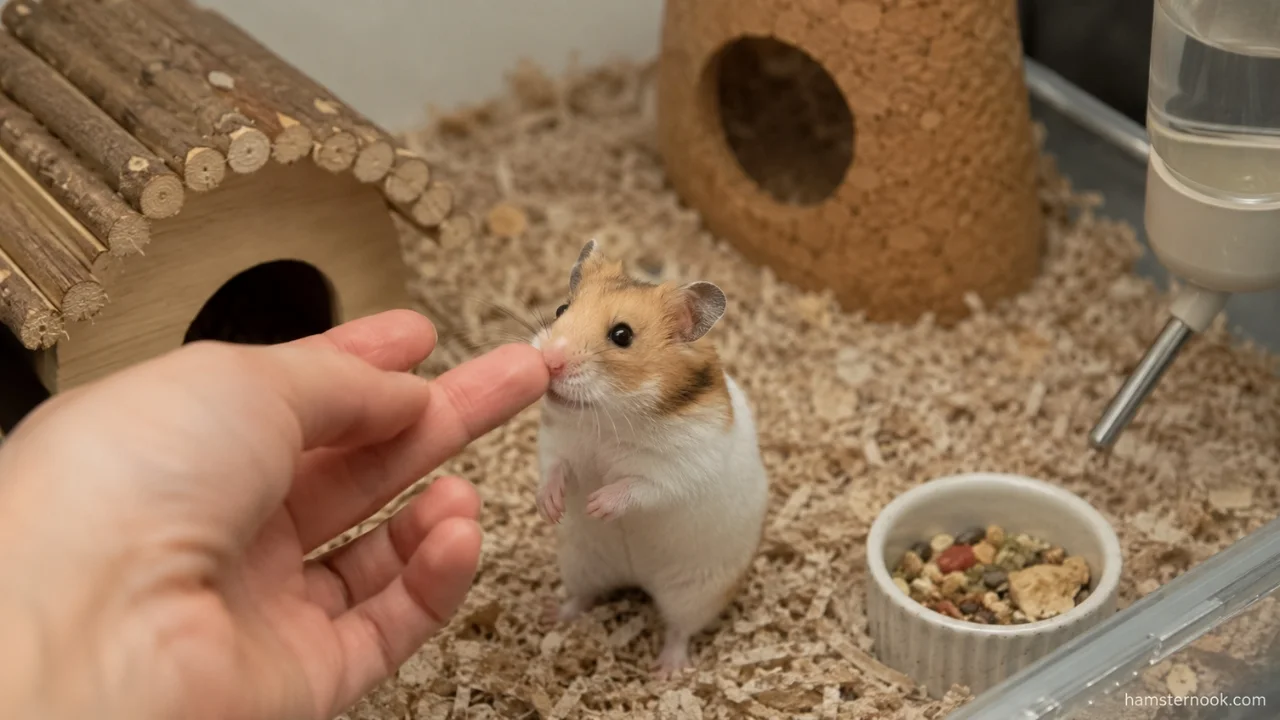
Early in the relationship, many hamsters grab treats and run away. Over time, some begin eating near their owner or remaining close after accepting food.
Climbing Onto Your Hand Voluntarily
This is often one of the clearest signs of trust.
Instead of being picked up, the hamster chooses to interact, suggesting it feels comfortable with the situation.
If you’re working on hand-taming, The Biggest Mistake New Hamster Owners Make in the First Week explains why patience is often more effective than forcing interaction.

Showing Curiosity Instead of Fear
Trusted owners often notice their hamster spending more time investigating their hands, clothing, or scent rather than immediately hiding.
What Owners Often Mistake for Affection
Some behaviors can feel surprisingly emotional, but they are usually signs of trust rather than human-style affection.
| Behavior | More Likely Meaning |
|---|---|
| Running toward the cage front | Positive association with your presence |
| Sitting calmly on your hand | Feels safe in the moment |
| Taking treats gently | Confidence and familiarity |
| Exploring near you | Reduced fear response |
| Remaining visible while you are nearby | Comfortable in the environment |
What Hamsters Probably Do Not Remember
It’s important to avoid assigning human emotions to hamster behavior.
Current evidence does not suggest that hamsters:

- Reflect on past kindness the way people do
- Feel gratitude in a human sense
- Understand intentional acts of generosity
- Form complex emotional memories similar to dogs or primates
Instead, their behavior appears largely driven by learned associations and experiences.
That does not make the bond less meaningful. It simply means the relationship operates differently than many people assume.
Can Hamsters Remember Negative Experiences Too?
Unfortunately, yes.
Just as positive experiences can build trust, negative experiences can create lasting fear.
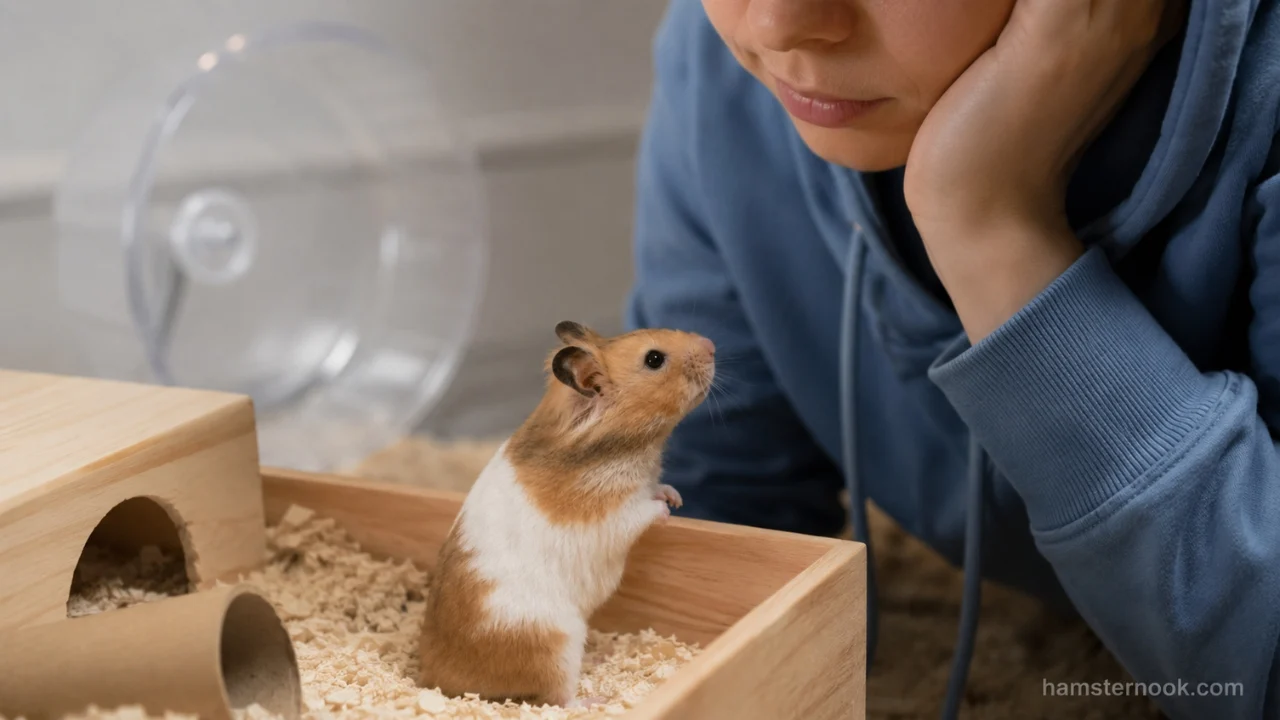
A hamster that experiences:
- Rough handling
- Frequent waking
- Loud disturbances
- Sudden grabbing
- Repeated stress
may begin associating people with discomfort or danger.
This is why rebuilding trust often takes much longer than damaging it.
Can Lost Trust Be Rebuilt?
Usually, yes.
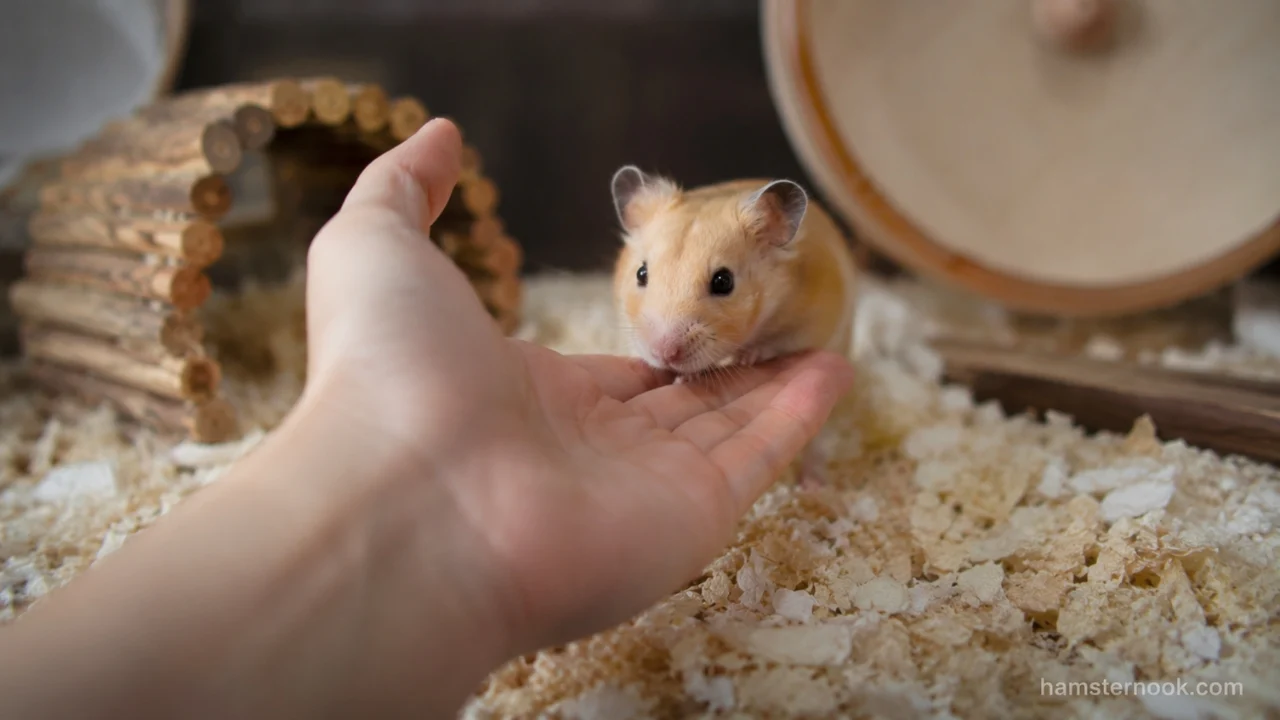
Hamsters that become fearful after rough handling or stressful experiences often improve when interactions become calmer and more predictable. Progress is usually gradual, and pushing a nervous hamster too quickly can slow the process.
Common Mistakes That Can Undo Trust
Many well-meaning owners accidentally slow the trust-building process.
| Mistake | Possible Effect |
|---|---|
| Waking a sleeping hamster | Increased stress |
| Chasing the hamster around the cage | Fear of hands |
| Grabbing suddenly from above | Defensive behavior |
| Handling too often too soon | Reduced confidence |
| Ignoring body language | Greater anxiety |
Because hamsters are prey animals, feeling trapped can be particularly stressful.
Owners who notice their hamster frequently watching them from a distance may benefit from reading Why Does My Hamster Watch Me So Closely?, which explores one of the most commonly misunderstood hamster behaviors.
How Long Does It Take for a Hamster to Trust You?
There is no universal timeline.
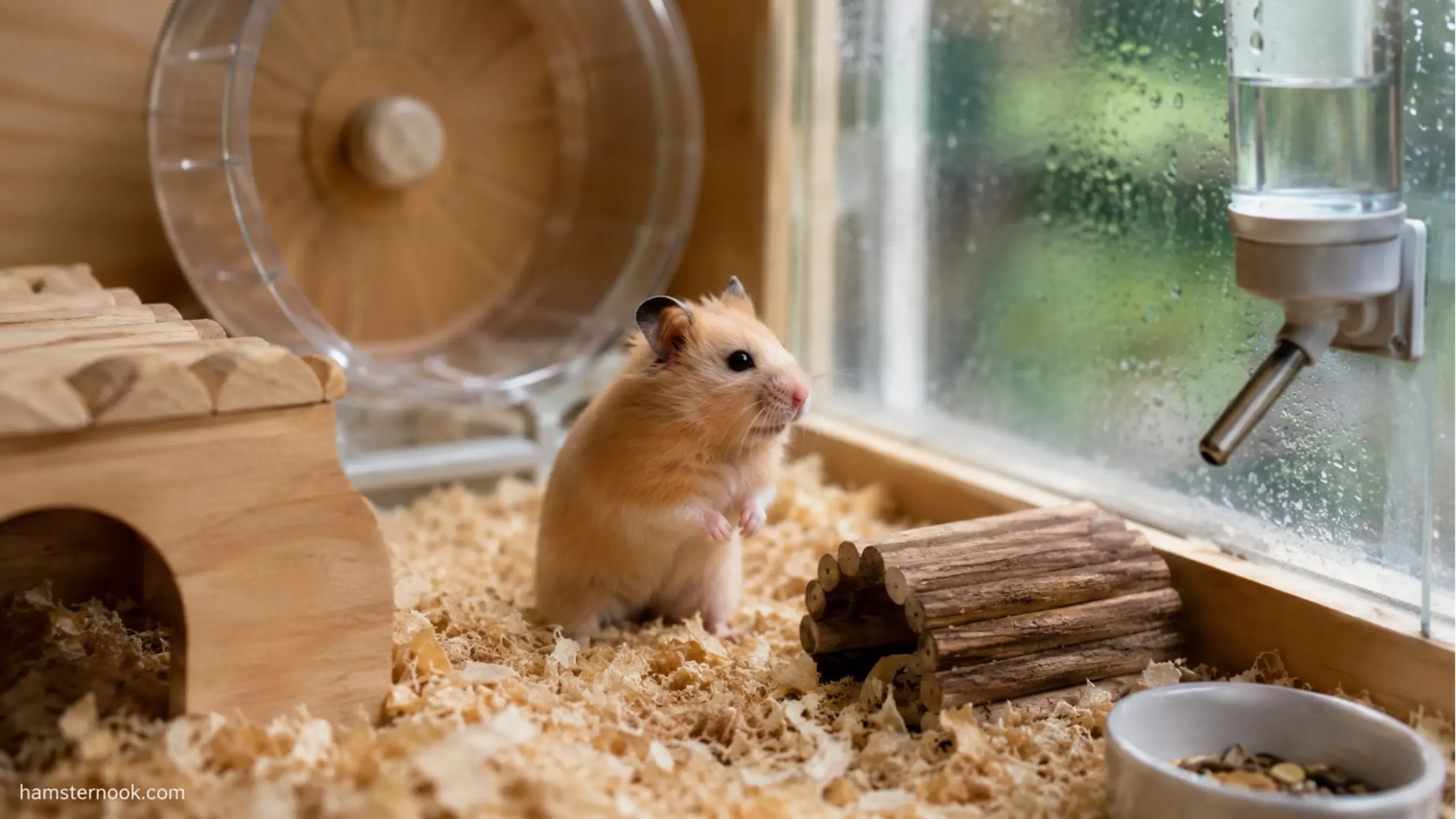
Some hamsters become comfortable within a couple of weeks, while others require several months of patient interaction.
Several factors influence the process:
- Individual personality
- Previous experiences
- Age
- Species
- Handling history
- Cage environment
Syrian hamsters often become more confident with people than some dwarf species, although personality matters far more than breed alone.
Small Daily Habits That Strengthen Trust
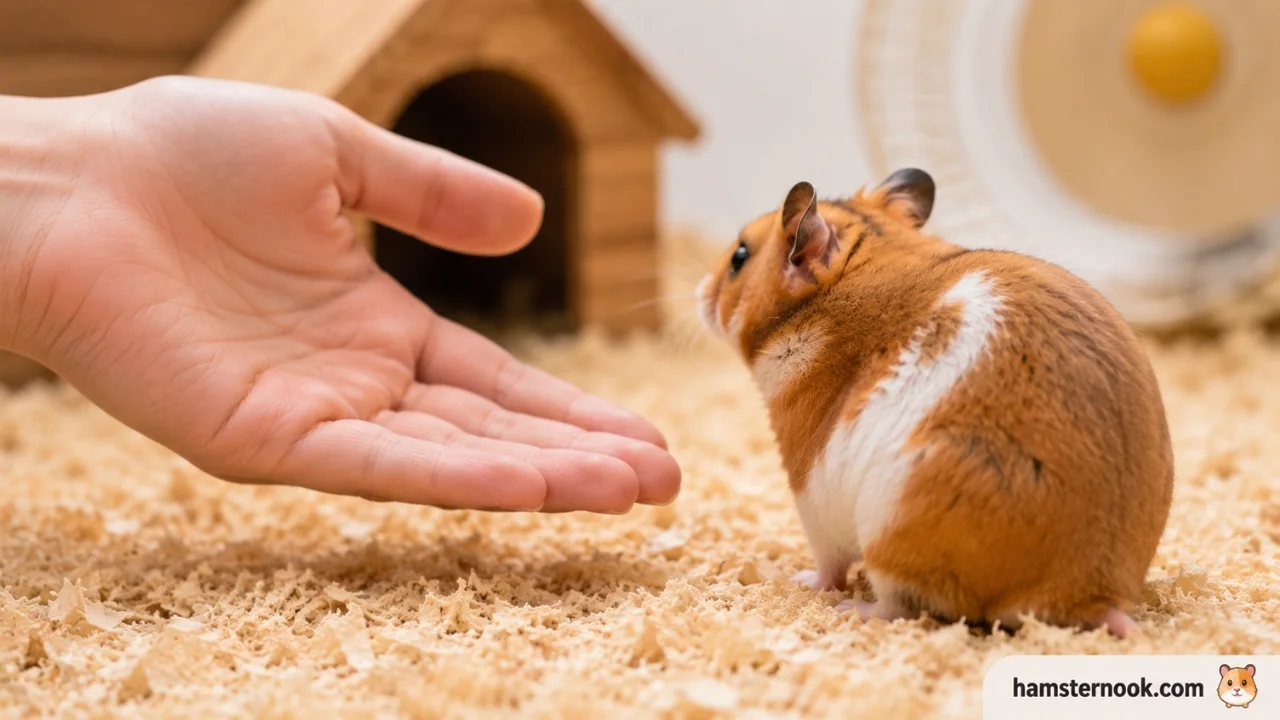
Many owners focus on handling, but trust is often built during ordinary moments. Quietly sitting near the enclosure, speaking softly, and maintaining a predictable routine can be just as important as direct interaction.
Building trust is usually about simple routines rather than dramatic bonding exercises.
Maintain a Predictable Schedule
Hamsters thrive on consistency.
Feeding, cleaning, and interaction times that happen at similar hours each day can help your hamster feel secure.
Let Your Hamster Set the Pace
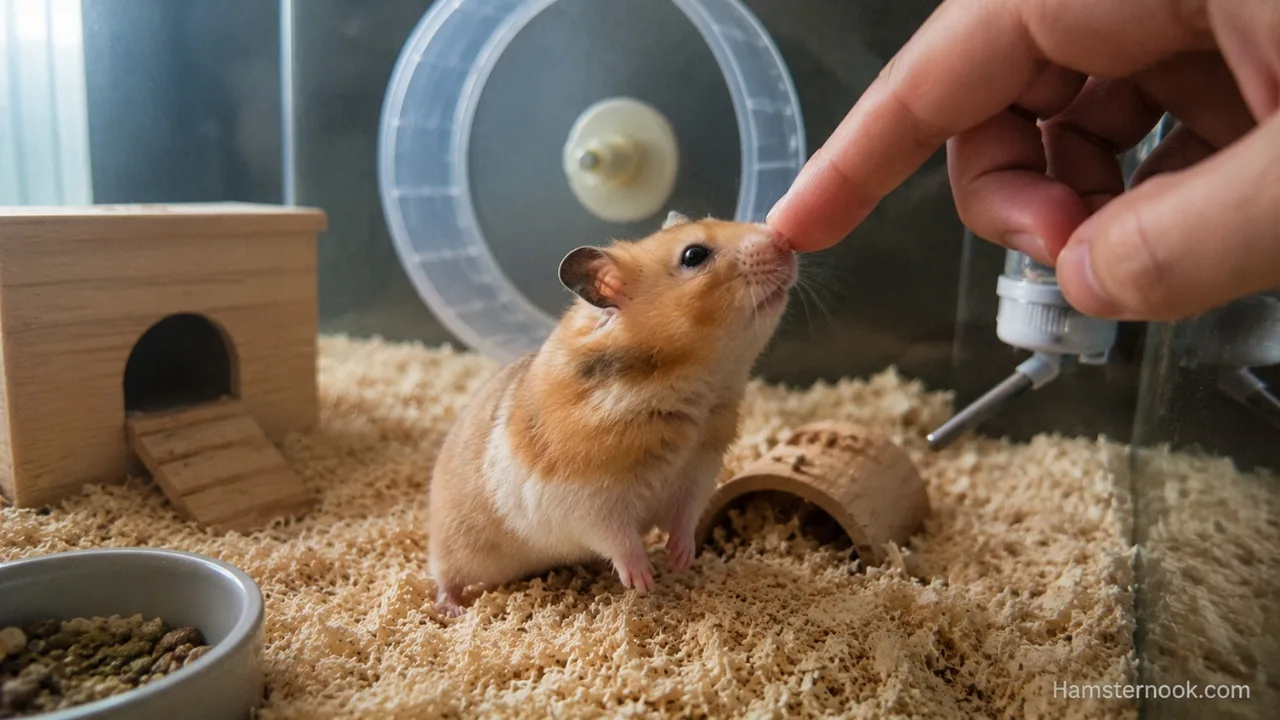
Allowing your hamster to choose when to approach often produces better results than forcing contact.
Use Food Wisely
Treats can reinforce positive experiences, but they should not become the only reason your hamster interacts with you.
A balanced diet remains essential. Owners looking to improve overall care may find What Good Hamster Care Actually Looks Like (Most Owners Get This Wrong) particularly helpful.
Respect Personal Space
Even tame hamsters occasionally prefer to be left alone.
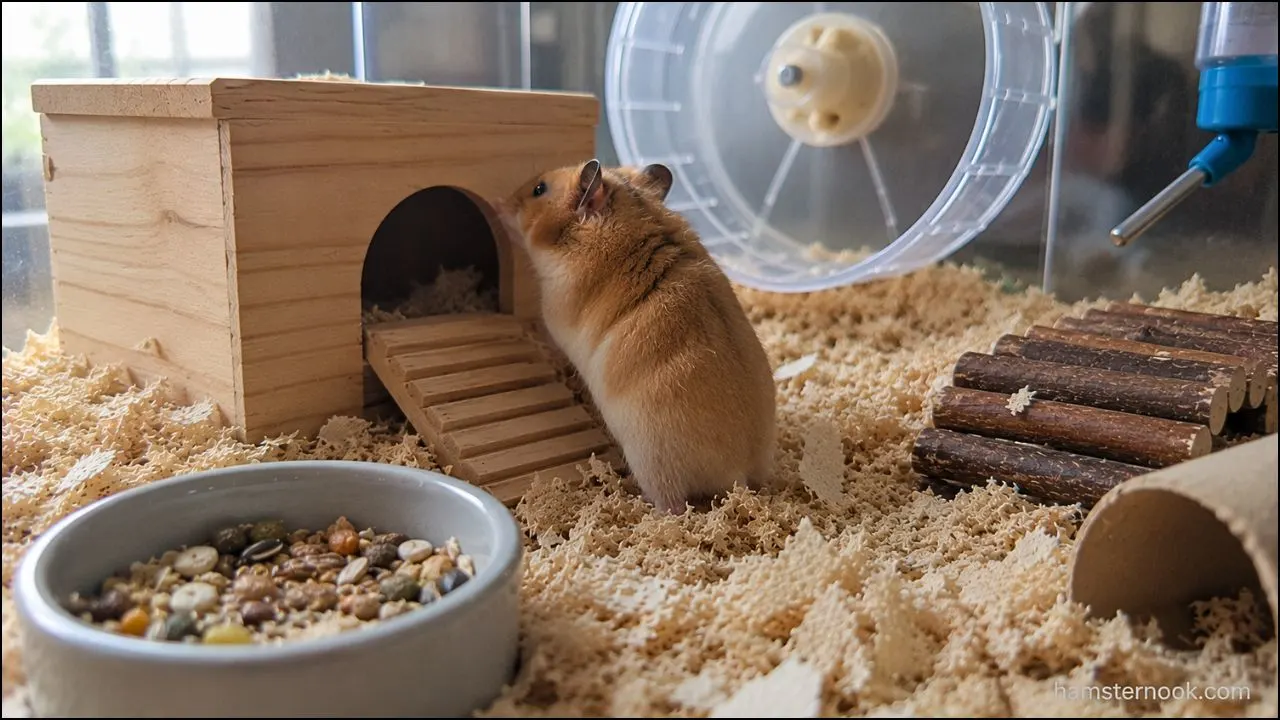
Learning to recognize those moments helps maintain trust.
Do Different Hamster Species Show Trust Differently?
Yes, behavior can vary slightly between species.
| Hamster Species | Typical Trust-Building Behavior |
|---|---|
| Syrian Hamster | Often approaches owners more openly |
| Roborovski Hamster | May remain independent even when comfortable |
| Campbell’s Dwarf Hamster | Can become social but often stays cautious |
| Winter White Hamster | Frequently learns routines quickly |
| Chinese Hamster | May show trust through calm behavior rather than direct interaction |
These are general tendencies rather than guarantees. Individual personality always plays a major role.
Warning Signs Your Hamster Still Feels Uncomfortable
Progress is rarely perfectly smooth, and temporary setbacks are common.
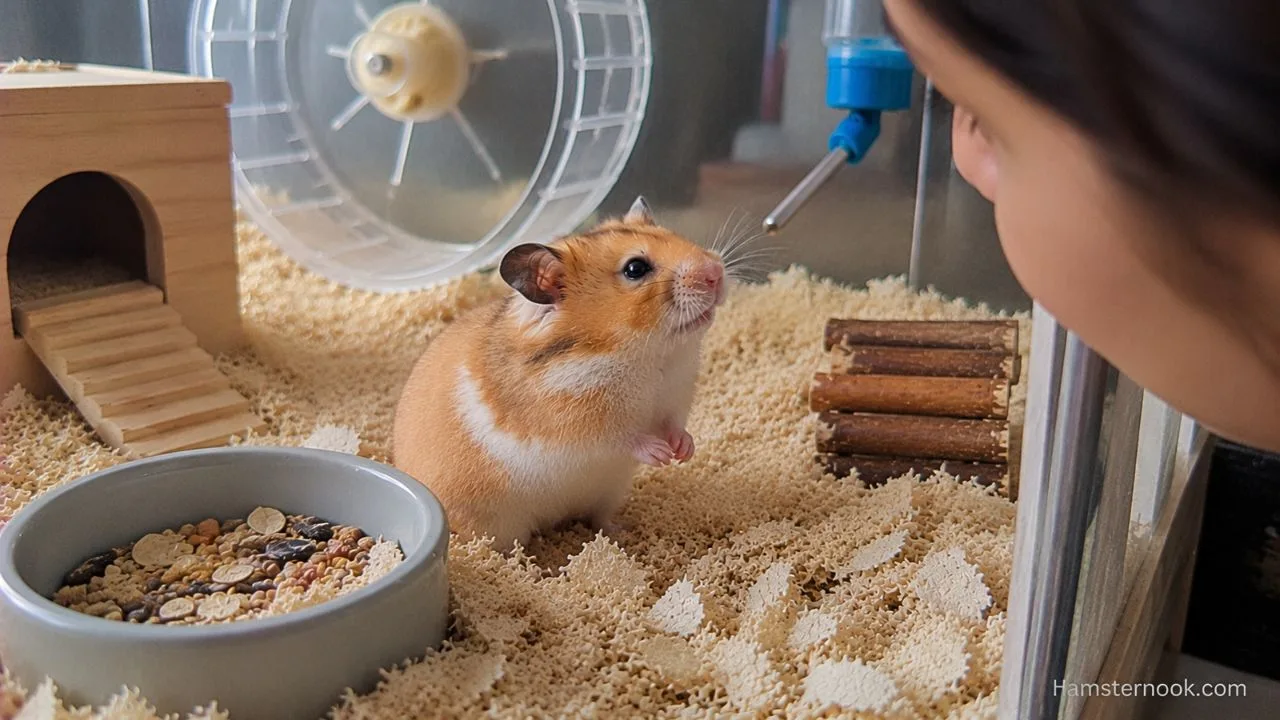
Watch for signs that your hamster may still feel stressed:
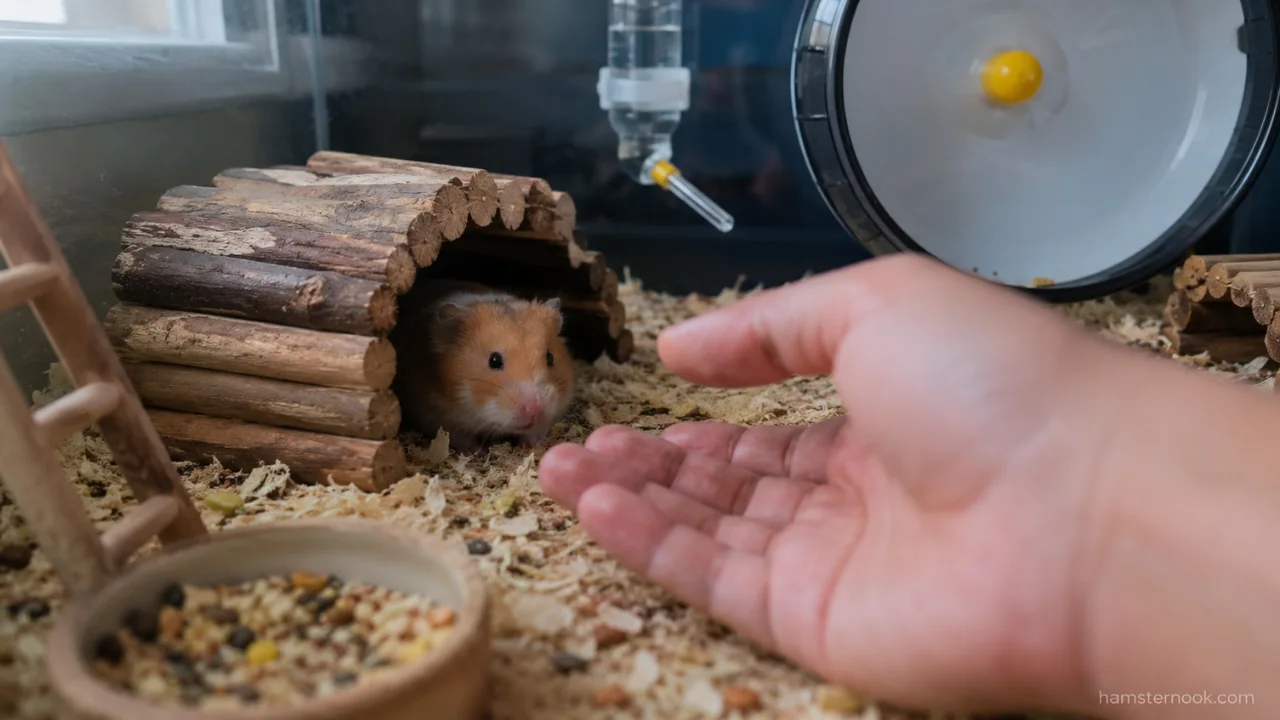
- Constant hiding
- Freezing when approached
- Excessive squeaking
- Defensive postures
- Repeated biting
- Refusal to take treats
If these behaviors persist, it may be worth reviewing the hamster’s environment, routine, and handling approach.
Owners concerned about overall behavior changes may also find Signs Your Hamster Is Stressed (And What To Do About It) useful for identifying potential causes.
Why Some Owners Feel Their Hamster “Knows” Them
Many long-term hamster owners describe moments that feel surprisingly personal.
Examples include:
- A hamster approaching only one specific person
- Running to the cage door when hearing a familiar voice
- Remaining calm with one owner but nervous around strangers
- Accepting handling from trusted people only
These behaviors likely reflect recognition and positive associations rather than human-style affection. Still, they can create a rewarding bond between owner and pet.
The relationship may not look like the bond people share with dogs or cats, but it can still be meaningful and enjoyable.
Realistic Signs Trust Is Improving
You may not notice dramatic changes overnight. More commonly, trust improves in small ways such as:

- Taking treats more quickly
- Spending less time hiding
- Remaining calm during routine care
- Approaching when you enter the room
- Exploring instead of freezing
Small improvements that happen consistently are usually a better sign of trust than one unusually friendly moment.
Final Thoughts
Hamsters probably do not remember kindness in the human sense of the word. They are unlikely to reflect on individual acts of generosity or feel gratitude the way people understand it.
What they do seem capable of remembering are patterns, experiences, scents, routines, and interactions that consistently make them feel safe. Over time, many hamsters learn to associate specific people with comfort and positive outcomes.
To many owners, these changes feel like proof that their hamster has learned who makes it feel safe.
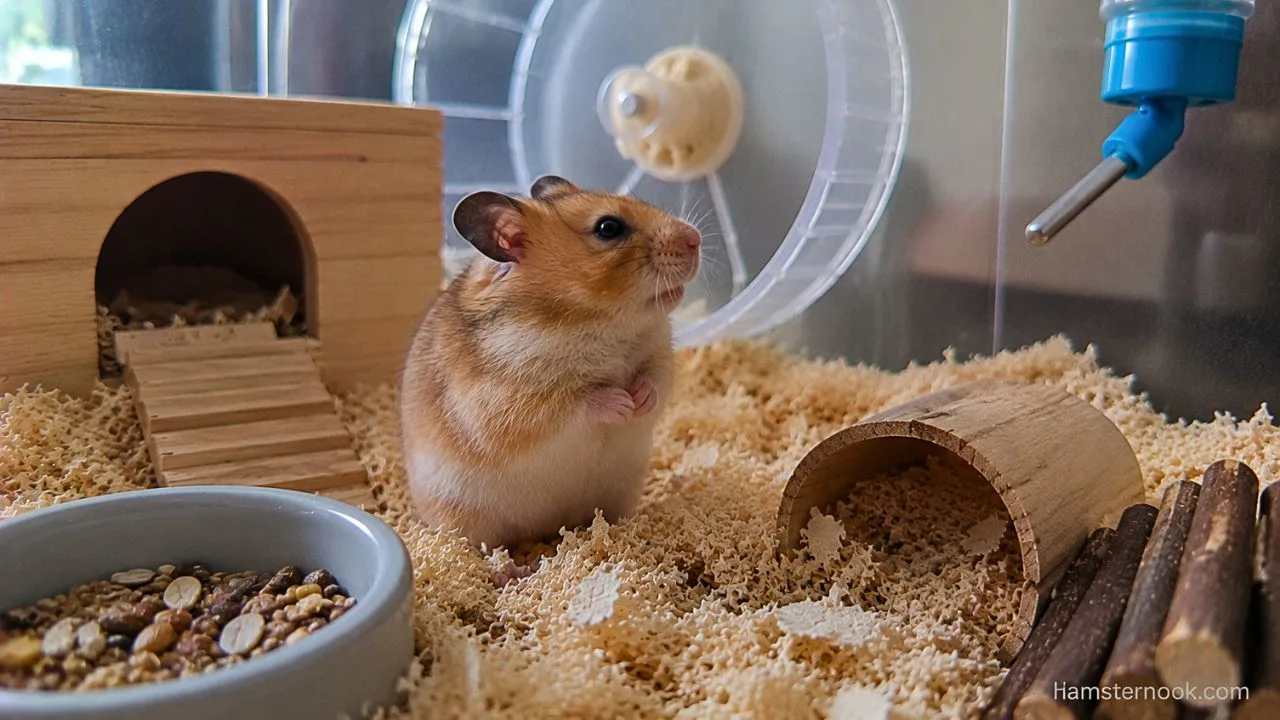
The best way to encourage that trust is simple: be patient, predictable, gentle, and respectful of your hamster’s boundaries. While every hamster is different, those small daily choices often lead to the strongest and most rewarding relationships over time.
Frequently Asked Questions
Do hamsters remember their owners?
Many hamsters appear capable of recognizing familiar owners through scent, voice, and repeated interactions. They often become more comfortable around people they encounter regularly.
Can a hamster learn to trust humans?
Yes. Through consistent positive experiences, many hamsters gradually learn that certain people are safe and predictable.
Why does my hamster come to me but avoid other people?
Your hamster may associate you with feeding, handling, and daily care. Familiar scents and routines can make one person feel safer than others.
Do hamsters remember people after several days?
Many hamsters appear capable of recognizing familiar scents and routines even after short periods without interaction. However, trust is usually maintained best through consistent positive experiences.
Why did my hamster suddenly stop trusting me?
Changes in handling, stress, illness, environmental disruptions, or a frightening experience can temporarily affect confidence. Returning to calm, predictable interactions often helps rebuild trust.
Is taking treats a sign of trust?
Usually, yes. While food motivation plays a role, many nervous hamsters refuse treats until they feel reasonably comfortable and secure around a person.

Narayan Kumar is the founder and author of HamsterNook. He creates practical, research-based hamster care guides covering hamster behavior, nutrition, cage setup, enrichment, health, and everyday care. His goal is to help hamster owners make informed decisions and provide safer, healthier lives for their pets through clear, beginner-friendly information based on trusted animal care resources.