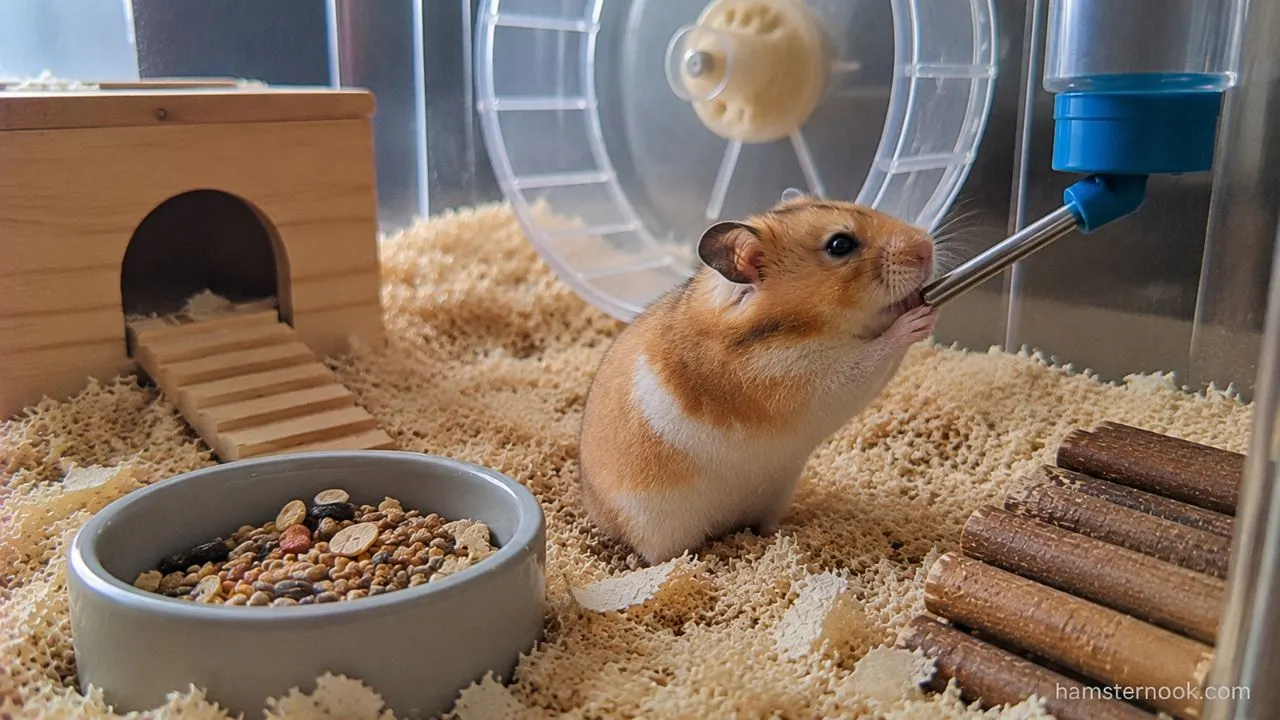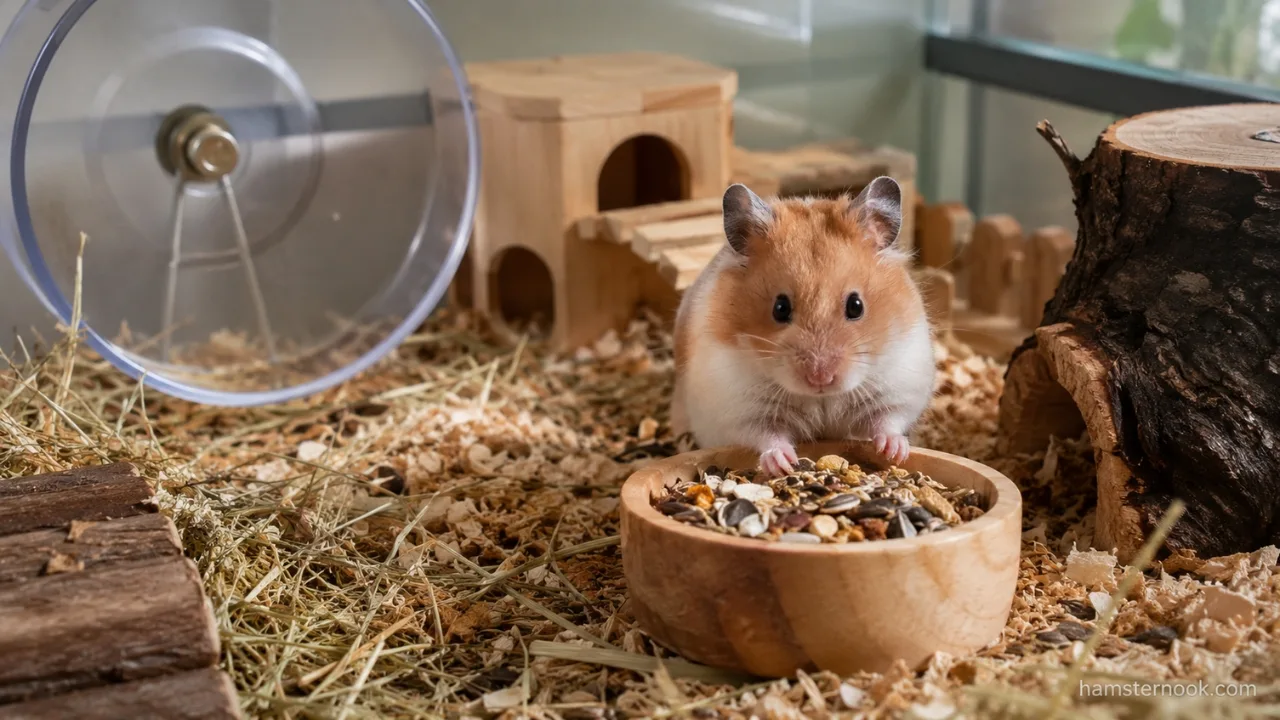
Walk into most pet stores, browse social media, or watch a few hamster videos online, and you might think hamster care is simple: buy a small cage, add a wheel, fill a food bowl, and you’re done.
Unfortunately, that’s one of the biggest reasons so many hamsters live in environments that don’t truly meet their needs.
The reality is that good hamster care goes far beyond food, water, and a cage. A setup that merely keeps a hamster alive may still leave important physical and behavioral needs unmet. Over time, inadequate housing, limited enrichment, or poor routines can contribute to stress, inactivity, obesity, and other preventable problems.
The Everyday Basics of Good Hamster Care
Good hamster care also depends on the small things an owner does consistently. Your hamster should have:

- Clean, fresh water available at all times
- Appropriate food and regular checks for spoiled fresh food
- A clean, dry living area with soiled bedding removed when needed
- A safe enclosure with a suitable wheel, hides, bedding, and enrichment
- Undisturbed sleep during the day and calm interaction during active hours
- Regular observation for changes in appetite, activity, appearance, or behavior
Fresh water should always be available. If access to water is ever interrupted, our How Long Can Hamsters Go Without Water? Risks, Warning Signs & What to Do guide explains the risks and what owners should do.
Not every care task needs to happen every day. Cleaning frequency depends on the enclosure and how your hamster uses it, while the goal is to keep the environment hygienic without unnecessary disturbance.
Once you understand what hamsters naturally need, providing good care becomes much more straightforward. Whether you’re a first-time owner or someone looking to improve your pet’s quality of life, understanding what good hamster care actually looks like can make a huge difference.
Understanding What Hamsters Need Beyond Food and Water
A hamster’s basic needs go far beyond a cage, food bowl, and water bottle.

In the wild, hamsters spend much of their time digging burrows, searching for food, exploring territory, and avoiding predators. Pet hamsters still have these instincts, even when living in a home.
The best hamster care supports these natural instincts every day rather than focusing only on preventing illness.
A healthy hamster should be able to:
- Dig and burrow
- Run long distances
- Explore safely
- Hide when desired
- Forage for food
- Maintain a consistent sleep schedule
When these needs are ignored, behavioral problems often appear.
The Difference Between Basic Care and Good Care
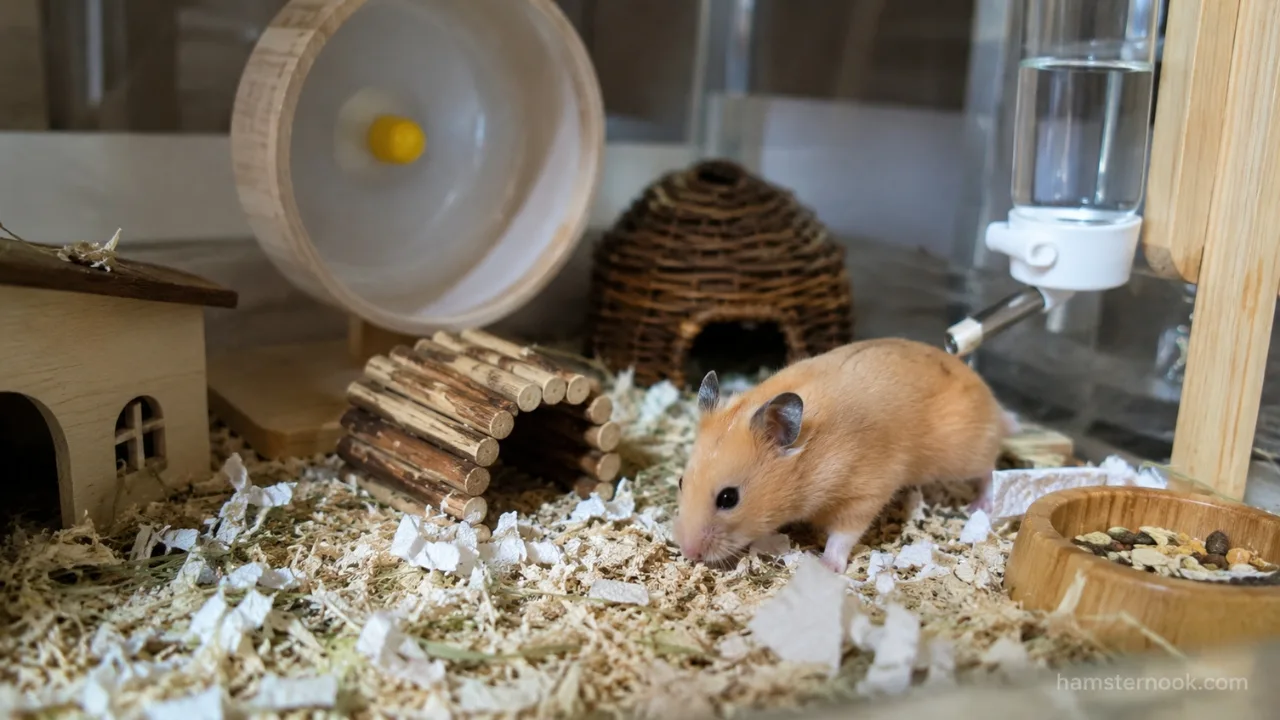
Many owners unintentionally provide only the minimum level of care.
The table below highlights some common differences.
| Basic Care | Good Hamster Care |
|---|---|
| Small cage | Spacious enclosure with room to explore |
| Thin bedding layer | Deep bedding for burrowing |
| Food bowl only | Opportunities for foraging |
| One hideout | Multiple secure hiding places |
| Occasional exercise | Daily access to a properly sized wheel |
| Minimal enrichment | Regular enrichment and environmental variety |
| Handling for owner enjoyment | Interaction based on hamster comfort |
Most hamsters don’t need a perfect setup from day one, but they do benefit from steady improvements that support their natural behaviors. It’s about giving your hamster consistent opportunities to exercise, explore, burrow, forage, and feel secure.
Choosing the Right Cage Matters More Than Many Owners Realize
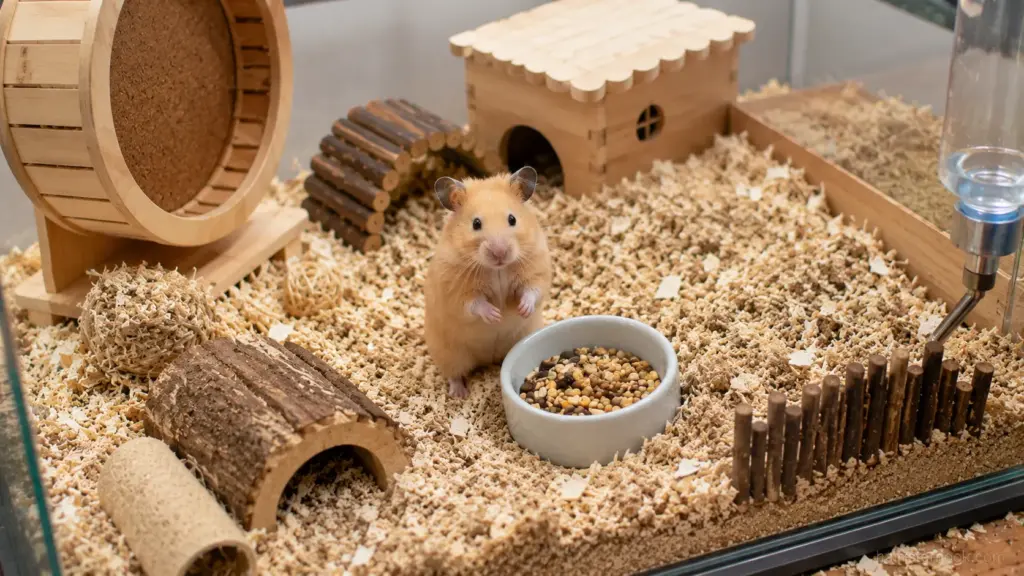
One of the most common mistakes is assuming pet store cages are automatically suitable.

Choosing the right enclosure is the foundation of good care. Our Best Hamster Cage Setup for Beginners guide explains how to create a safe and practical habitat from the start.
Many cages marketed for hamsters prioritize convenience and appearance rather than the animal’s needs.
A properly sized enclosure allows room for:
- Deep bedding
- A large wheel
- Multiple hides
- Food storage areas
- Exploration space
A hamster living in a cramped environment may develop stress-related behaviors such as bar chewing, excessive climbing, pacing, or constant attempts to escape.

Why Deep Bedding Is Essential for Hamster Welfare
Bedding depth is one of the most overlooked aspects of hamster care, despite being one of the most important.
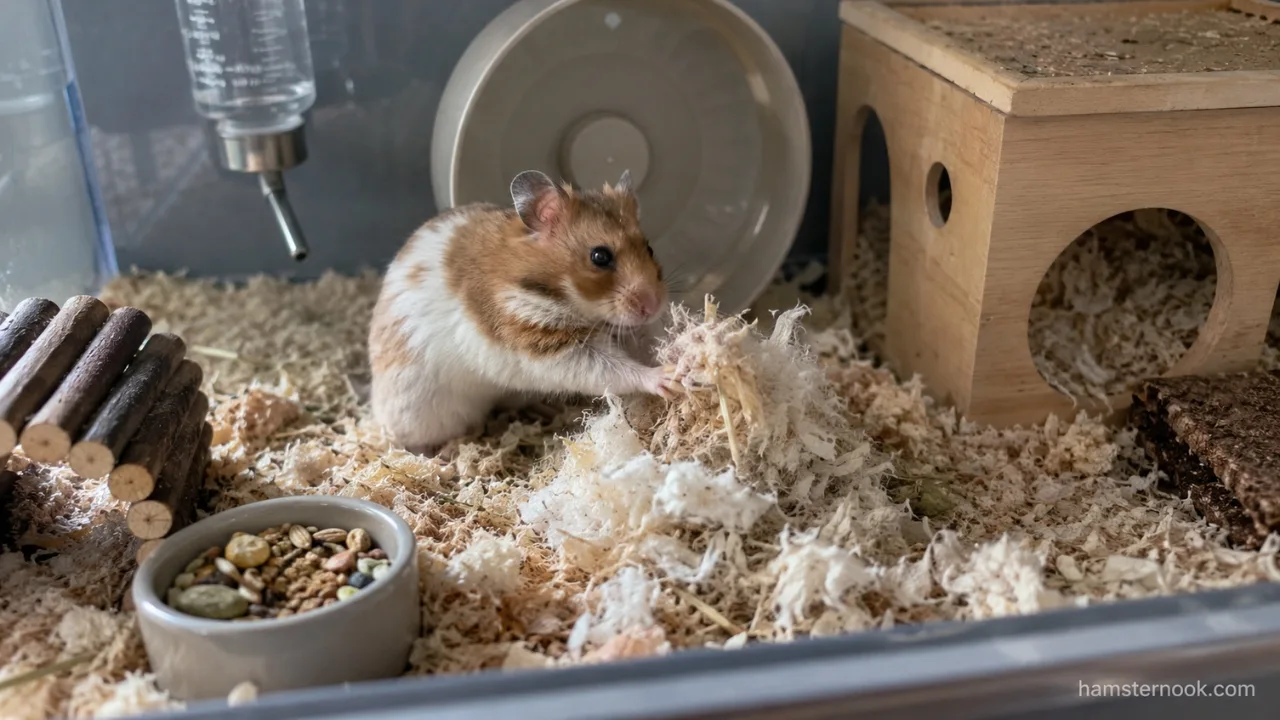
Hamsters are natural burrowers. In the wild, they create underground tunnel systems that provide safety, storage, and sleeping areas.
A shallow bedding layer prevents this natural behavior.
Good hamster care includes enough bedding to allow meaningful burrowing. Deep bedding helps:

- Reduce stress
- Encourage natural behaviors
- Improve cage enrichment
- Create secure sleeping areas
Many owners improve bedding depth but forget to keep part of the existing nesting material during cage cleaning. Leaving a small amount of familiar bedding helps preserve your hamster’s scent and can reduce unnecessary stress after cleaning.
A hamster that spends time digging and tunneling is often displaying healthy, natural behavior.
The type of bedding is just as important as the depth. Our Best Hamster Bedding for Beginners guide explains which materials are safest and best suited for natural burrowing.
Proper Exercise Is More Than Just Having a Wheel
Most owners know hamsters need a wheel, but fewer realize that wheel size matters significantly.
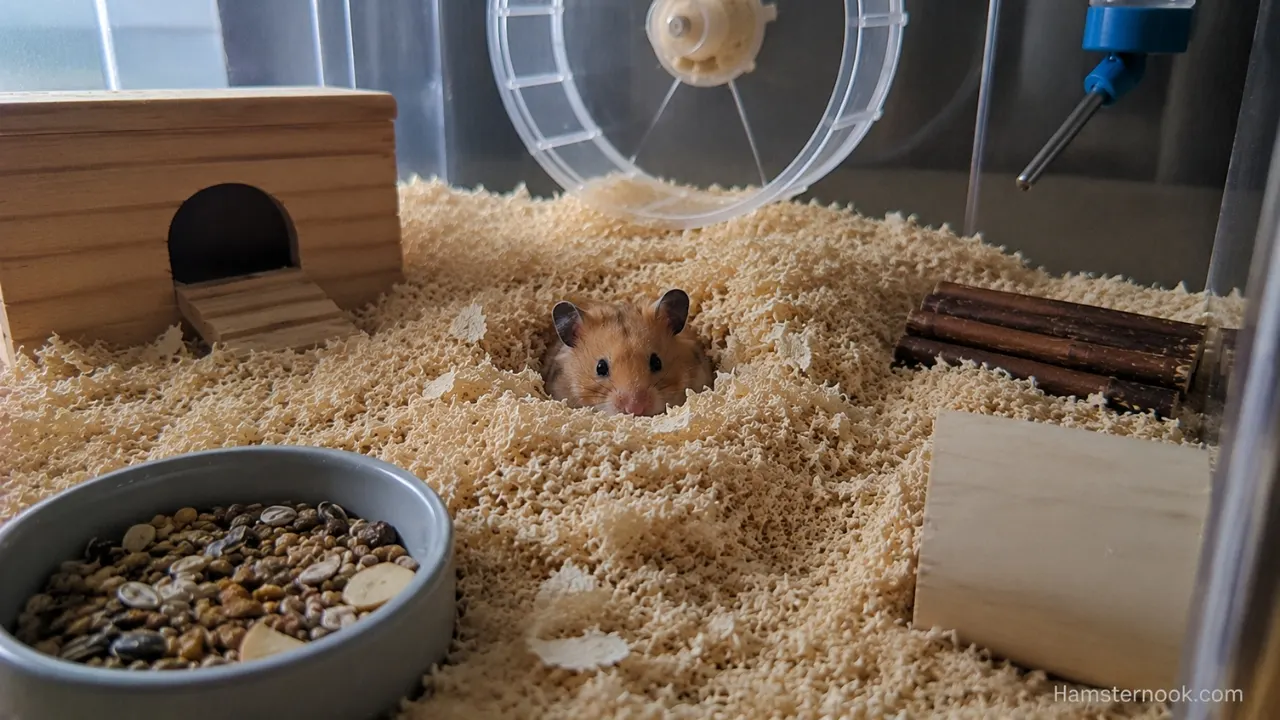
A wheel that is too small can force a hamster to run with a curved back, which may contribute to discomfort over time.
Signs of a Good Exercise Setup
| Good Practice | Why It Matters |
|---|---|
| Properly sized wheel | Supports natural running posture |
| Stable wheel surface | Reduces injury risk |
| Daily wheel access | Encourages regular activity |
| Clutter-free running area | Allows safe movement |
| Additional enrichment | Prevents boredom |
Exercise helps maintain healthy weight, supports mental stimulation, and allows hamsters to express natural behaviors.
Remember that a wheel should complement your hamster’s daily environment, not replace it. A spacious enclosure with opportunities to forage, burrow, climb safely, and explore is just as important as regular wheel exercise.
What a Healthy Hamster Diet Actually Looks Like
One of the biggest misconceptions in hamster care involves food.
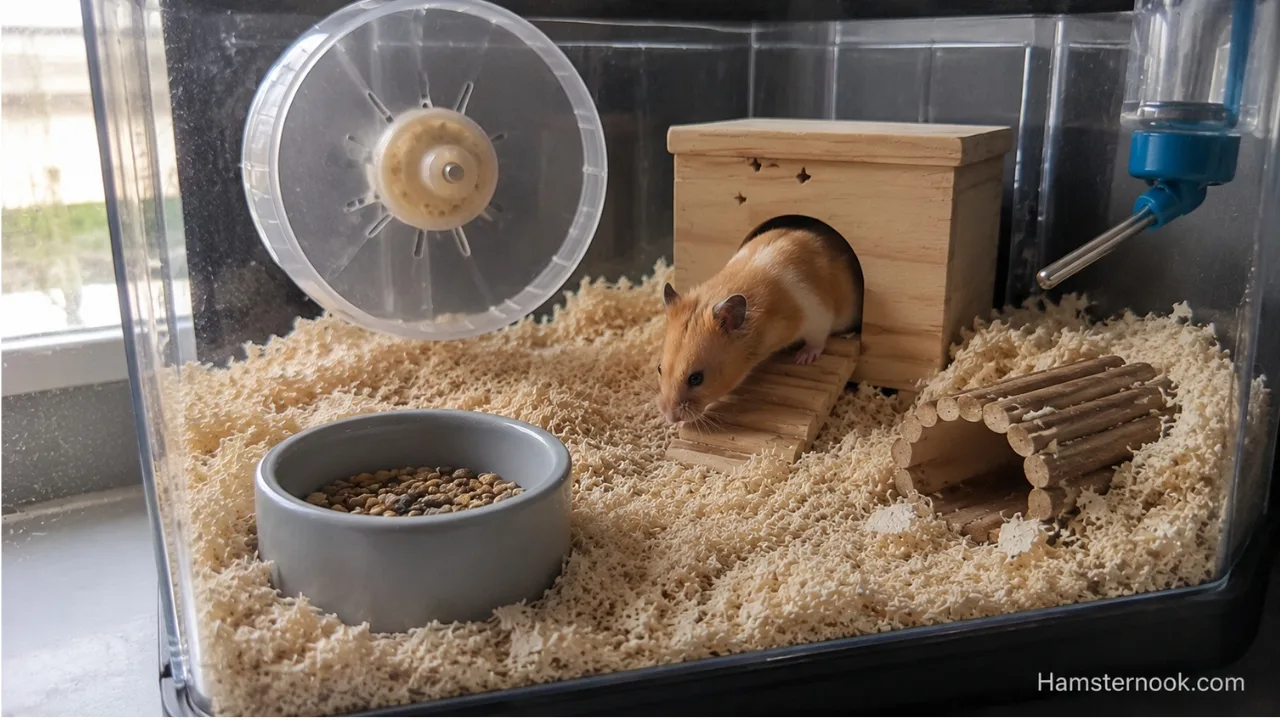
Many owners focus heavily on treats while overlooking the importance of a balanced staple diet.
A healthy hamster diet generally includes:
- Quality hamster pellets or balanced mixes
- Safe vegetables
- Occasional protein sources
- Limited treats
Protein requirements vary depending on age and life stage. Our Can Hamsters Eat Mealworms? Benefits & Risks guide explains when mealworms are a suitable protein source.
Treats should complement the diet rather than become the main attraction.

Introducing new foods one at a time makes it much easier to identify digestive problems or food preferences. Small portions and gradual changes are always safer than offering several new foods at once.
When choosing fruit treats, it’s important to understand which fruits are suitable and how often they can be offered. Our Can Hamsters Eat Grapes? What Owners Need To Know guide explains one common example.
Why Mental Enrichment Is Often Missing

Even a hamster with a full food bowl and clean water can become bored if its environment rarely changes or provides little stimulation.
Mental stimulation is a critical part of good hamster care.

Without enrichment, hamsters may:
- Become inactive
- Develop repetitive behaviors
- Show signs of frustration
- Spend less time exploring
Simple Enrichment Ideas
| Enrichment Activity | Benefit |
|---|---|
| Scatter feeding | Encourages natural foraging |
| Cardboard tunnels | Supports exploration |
| Dig boxes | Promotes natural digging |
| Multiple hideouts | Increases security |
| Safe chew toys | Helps maintain teeth |
Even simple changes can make a noticeable difference in how active and comfortable a hamster feels.
Rotating enrichment items every few weeks instead of replacing everything at once helps keep the enclosure interesting while allowing your hamster to retain familiar scents and hiding places.
Respecting a Hamster’s Sleep Schedule
Hamsters are not daytime pets.
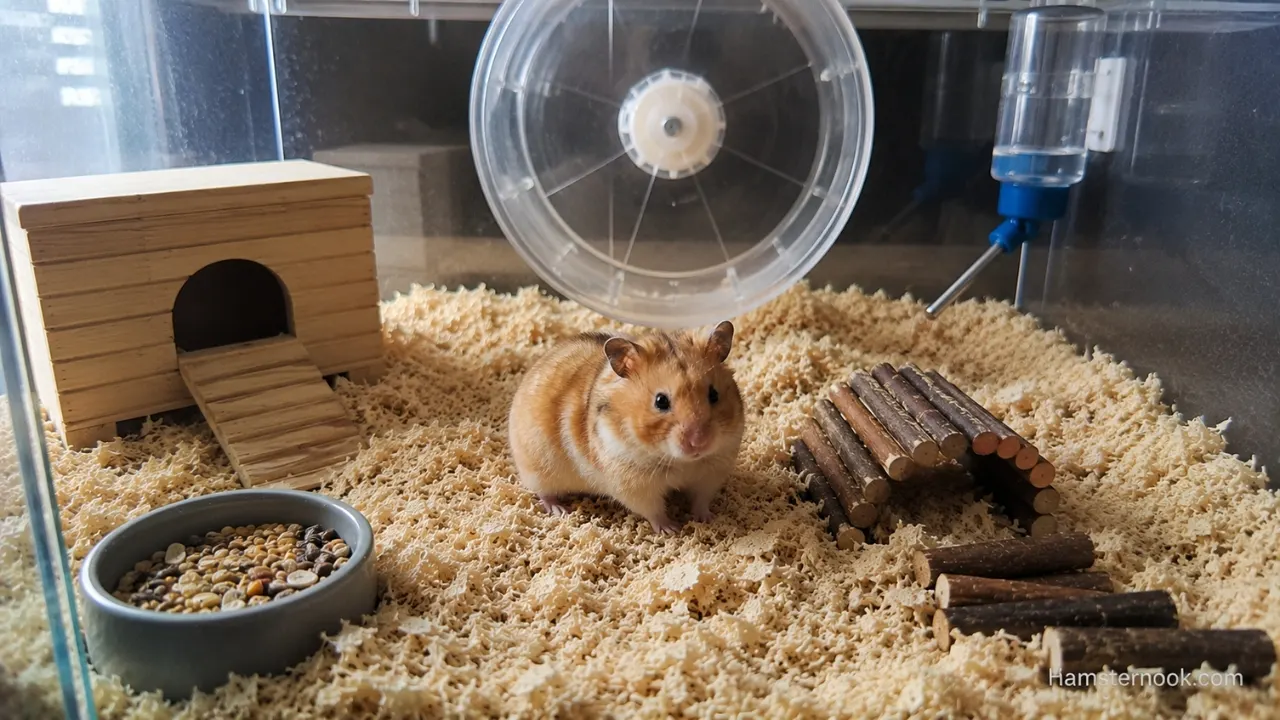
This is an area where many well-meaning owners accidentally create stress.
Because hamsters are generally most active during evening and nighttime hours, repeatedly waking them during the day can lead to:
- Irritability
- Stress
- Defensive behavior
- Reduced activity levels
Good hamster care means working around your hamster’s schedule whenever possible.
Planning cleaning, health checks, and handling sessions during your hamster’s normal active hours usually leads to a calmer and more positive experience for both you and your pet.

Owners who understand natural activity patterns often experience fewer handling and bonding challenges.
Building Trust the Right Way
Many people expect a hamster to enjoy handling immediately.
In reality, trust develops gradually.
The best relationships are built through:

- Consistency
- Patience
- Positive experiences
- Respect for boundaries
As trust develops, many owners notice their hamster becoming more comfortable with familiar routines. Our 10 Signs Your Hamster Trusts You guide explains the behaviors that can show growing comfort and trust.
A hamster that voluntarily approaches your hand is usually far more comfortable than one that is frequently picked up against its wishes.
Every hamster progresses at its own pace. Some become confident within a few weeks, while others need much longer before they willingly approach or interact with their owner.
Trust develops through patience rather than frequent handling. Our How to Get a Hamster to Trust You Faster Without Stressing It Out guide explains how to build confidence safely.

Signs That Your Hamster Is Truly Happy
Many owners struggle to determine whether their hamster is thriving.
While every hamster has its own personality, several positive signs are commonly associated with good welfare.
Healthy Hamster Behavior Checklist
| Positive Sign | What It May Indicate |
|---|---|
| Regular wheel use | Healthy activity levels |
| Exploring the enclosure | Curiosity and confidence |
| Normal eating habits | Good overall health |
| Burrowing behavior | Natural instincts being met |
| Grooming regularly | Comfort and cleanliness |
| Taking treats calmly | Growing trust |
No single behavior tells the whole story, but a combination of these signs often indicates a well-adjusted hamster.
Many owners also wonder why their hamster seems to watch them so closely. Our Why Does My Hamster Watch Me So Closely? guide explains this common behavior.

Common Hamster Care Myths That Need to Go Away
Some outdated hamster care advice continues to circulate online.
Myth: Hamsters Need Very Small Cages
Reality: Larger enclosures generally provide more opportunities for exercise, enrichment, and natural behaviors.
Myth: Hamsters Only Need Seeds
Reality: A balanced diet includes more than just seed mixes.
Myth: Hamsters Are Low-Maintenance Pets
Reality: While they may require less space than many pets, proper hamster care still involves daily attention and planning.
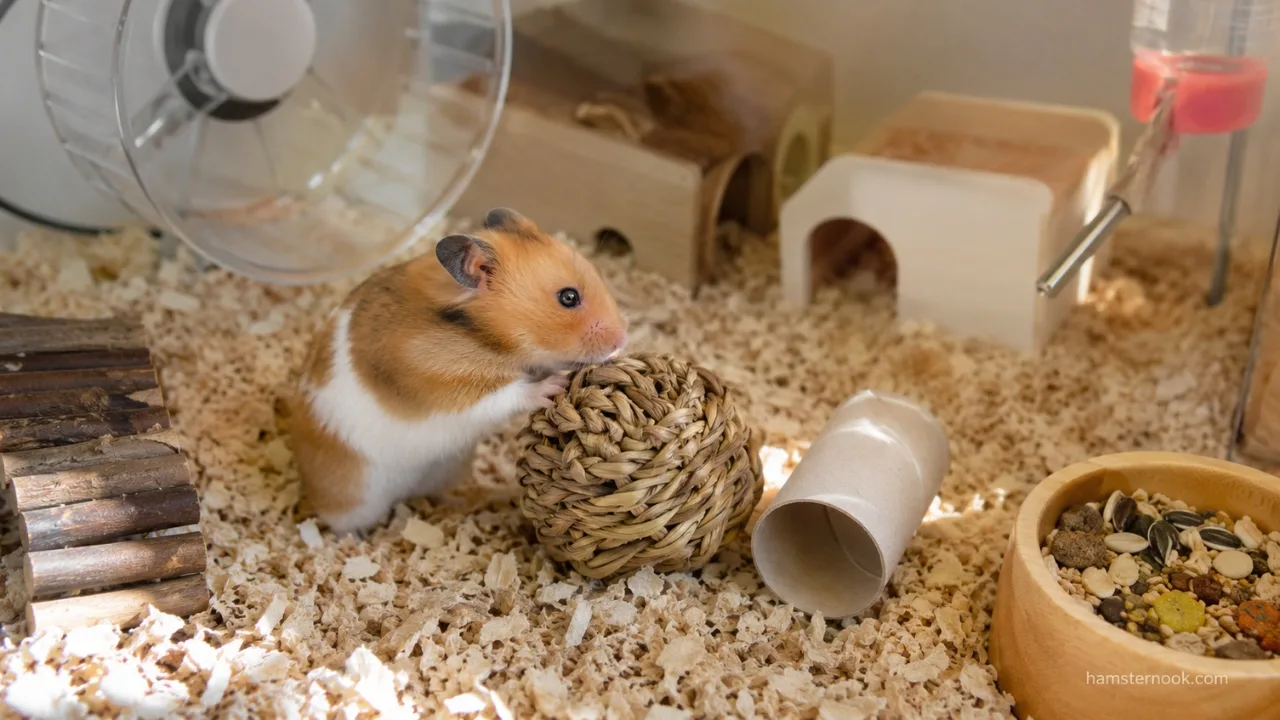
Myth: More Handling Always Means Better Bonding
Reality: Respectful, gradual interaction often builds stronger trust.
Avoiding these common misconceptions often prevents problems before they start.
Warning Signs Your Current Setup May Need Improvement
Some behaviors can suggest that a hamster’s environment needs attention, but they are not proof that the setup is the only cause.
Potential welfare or setup clues include:

- Persistent bar chewing
- Repeated escape attempts
- Repetitive pacing
- Excessive climbing
- Reduced exploration compared with the hamster’s normal behavior
If these behaviors appear, review the enclosure size, bedding, enrichment, exercise opportunities, noise, lighting, and daily routine.
However, a sudden change in behavior should not automatically be blamed on the cage. Changes such as reduced appetite, weight loss, marked lethargy, difficulty breathing, an abnormal walk, or other clear signs of illness can indicate a health problem and should be discussed with a veterinarian.
Final Thoughts
Most owners want the best for their hamsters, but outdated advice is still surprisingly common and can make it harder to meet a hamster’s real needs. The difference between basic care and excellent care often comes down to understanding how hamsters naturally live and behave.
A hamster doesn’t need luxury products or complicated routines. What it does need is enough space to explore, opportunities to burrow, a balanced diet, proper exercise, and an environment that respects its instincts.

When owners focus on meeting those needs, they create a life that is not only safer and healthier but also far more rewarding for both the hamster and the person caring for it.
Frequently Asked Questions
What is the most important part of good hamster care?
Providing enough space, proper bedding depth, a balanced diet, and opportunities for natural behaviors are among the most important factors.
How do I know if my hamster’s cage is too small?
Frequent bar chewing, pacing, climbing, or repeated escape attempts may indicate that the enclosure lacks sufficient space or enrichment.
How often should I interact with my hamster?
Interaction should be based on your hamster’s comfort level. Short, positive sessions are generally more effective than frequent forced handling.
Is a wheel really necessary for a hamster?
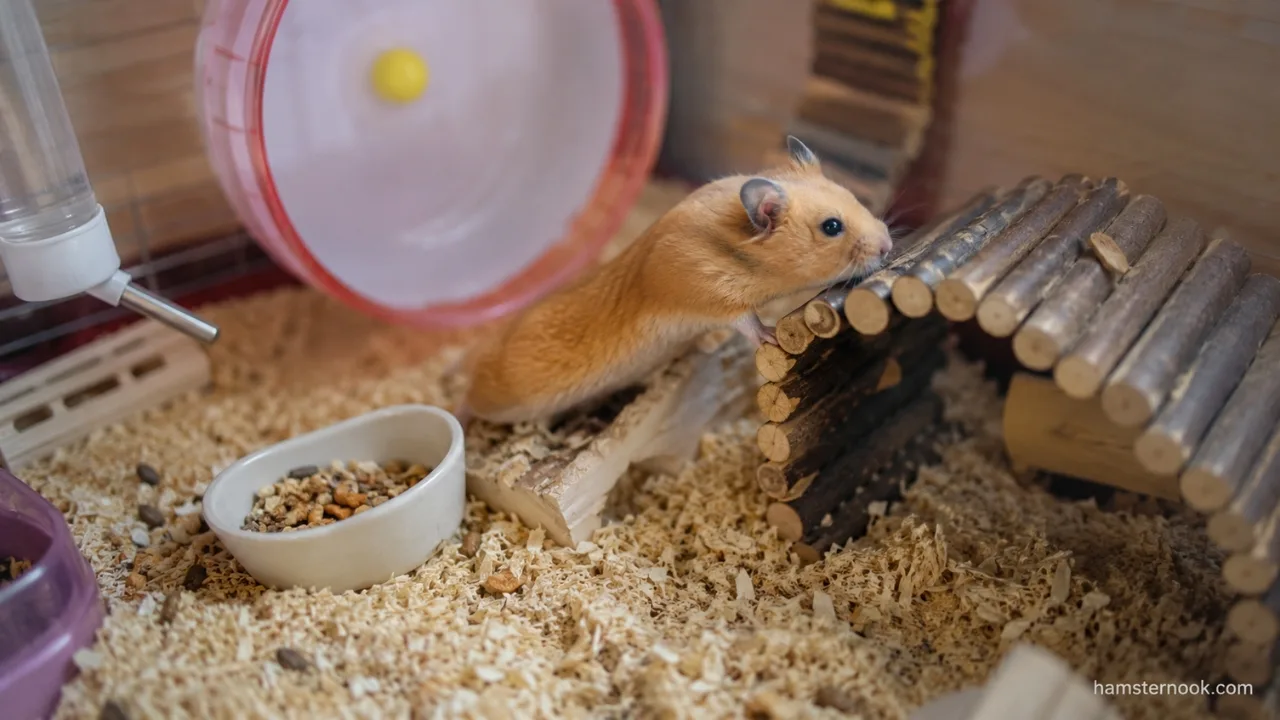
Yes. Hamsters are naturally active animals and benefit greatly from daily access to an appropriately sized exercise wheel.
Can a hamster become bored?
Absolutely. Lack of enrichment can contribute to boredom, inactivity, and stress-related behaviors.
What does a happy hamster usually do?
A happy hamster often explores, burrows, runs on its wheel, forages for food, grooms itself regularly, and shows curiosity about its environment.
Do hamsters need more than one hideout?
Yes. Multiple hideouts allow hamsters to choose different sleeping, nesting, and food storage locations. This helps them feel secure and better reflects their natural behavior in the wild.
Can a hamster have too much enrichment?
Most hamsters benefit from additional enrichment as long as the enclosure remains easy to navigate. The goal is to provide variety without creating clutter that limits movement.
How much daily attention does a hamster need?
Most hamsters benefit from short, calm interactions during their normal active hours. Even a few minutes of gentle observation, feeding, or trust-building each evening can help maintain a healthy routine without causing unnecessary stress.
References
This guide is based on hamster housing, bedding, nutrition, exercise, enrichment, behavior, handling, and welfare guidance from trusted animal welfare and veterinary resources, including:
- RSPCA – Keeping Hamsters as Pets – General hamster care, housing, diet, behavior, enrichment, exercise, and welfare guidance.
- RSPCA – Creating a Good Home for Hamsters – Guidance on enclosure space, bedding, nesting areas, exercise, enrichment, and environmental conditions.
- RSPCA – Hamster Behaviour – Information on natural hamster behavior, activity patterns, burrowing, handling, and reducing stress.
- RSPCA – Hamster Diet – Guidance on balanced hamster diets, feeding, fresh foods, treats, and access to clean drinking water.
- Blue Cross – Hamster Care Guide – Practical advice on hamster housing, bedding, enrichment, exercise, feeding, handling, and wellbeing.
- MSD Veterinary Manual – Providing a Home for a Hamster – Veterinary guidance on hamster enclosure design, bedding, nesting, exercise, environmental needs, and safe housing.
- NC3Rs – Housing and Husbandry: Hamster – Guidance on appropriate hamster housing, bedding, enrichment, exercise, and species-appropriate husbandry.
- NC3Rs – Choosing Appropriate Enrichment – Principles for providing suitable enrichment that supports natural behaviors and animal welfare.

Narayan Kumar is the founder and author of HamsterNook. He creates practical, research-based hamster care guides covering hamster behavior, nutrition, cage setup, enrichment, health, and everyday care. His goal is to help hamster owners make informed decisions and provide safer, healthier lives for their pets through clear, beginner-friendly information based on trusted animal care resources.