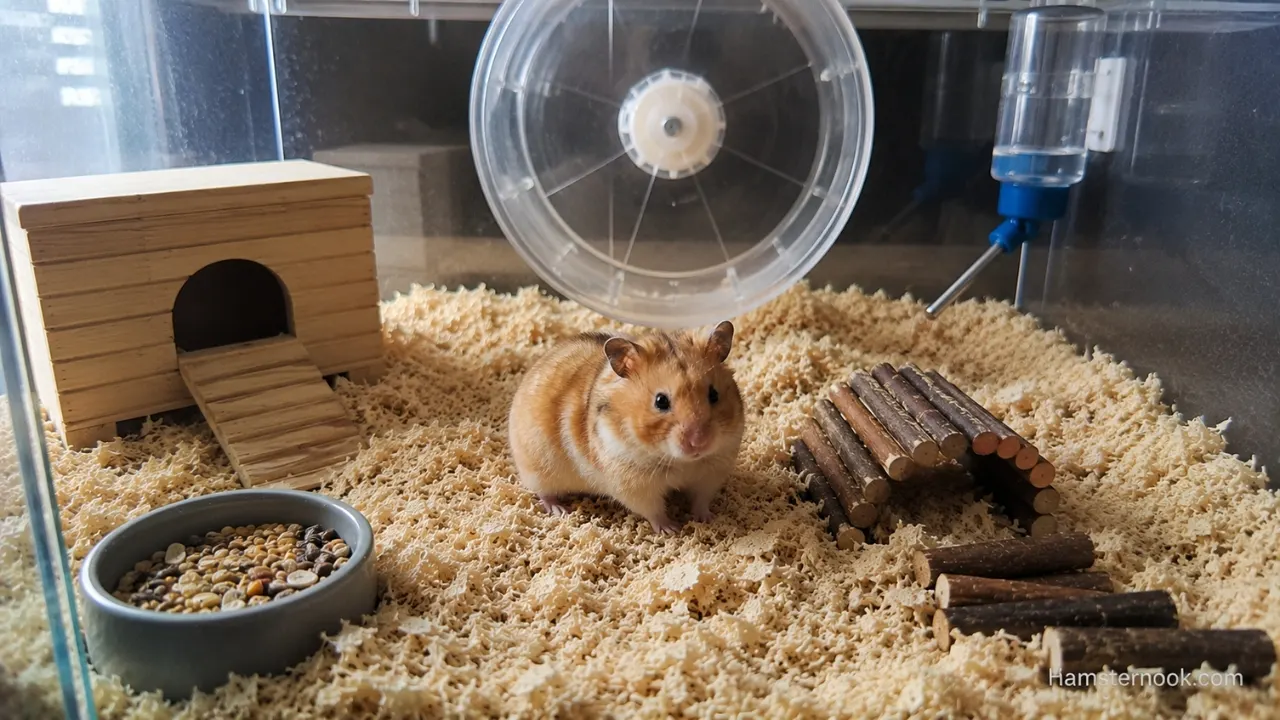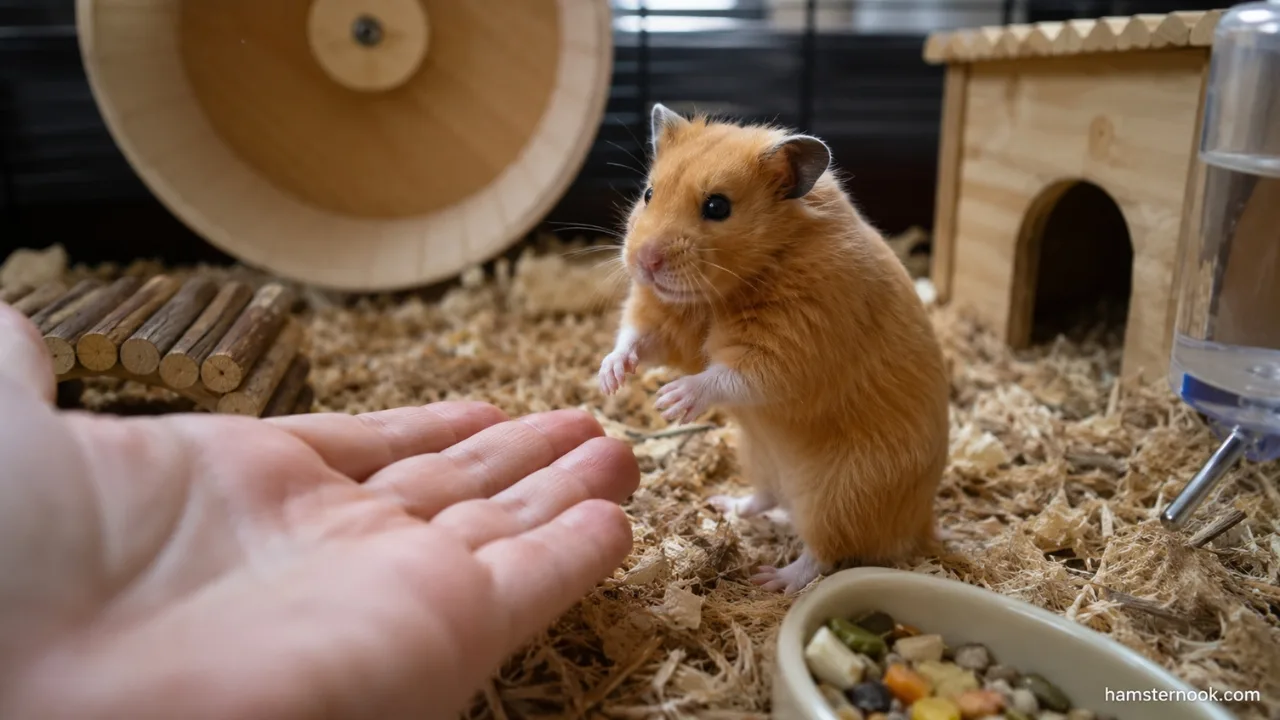
You brought your hamster home, set up a comfortable enclosure, provided food and fresh water, and maybe even bought a few toys. Naturally, you expected your new pet to start warming up to you within a few days. Instead, your hamster runs away when you approach, hides whenever you open the cage, and seems completely uninterested in becoming friends.
If that sounds familiar, don’t worry. In most cases, your hamster doesn’t actually dislike you.
One of the biggest misconceptions among new hamster owners is believing that trust happens quickly. Unlike dogs, which have been domesticated for thousands of years to bond closely with humans, hamsters are naturally cautious prey animals. Building trust takes time, patience, and realistic expectations.
Knowing why these behaviors happen makes it easier to respond in ways that encourage trust instead of fear.
Quick Answer
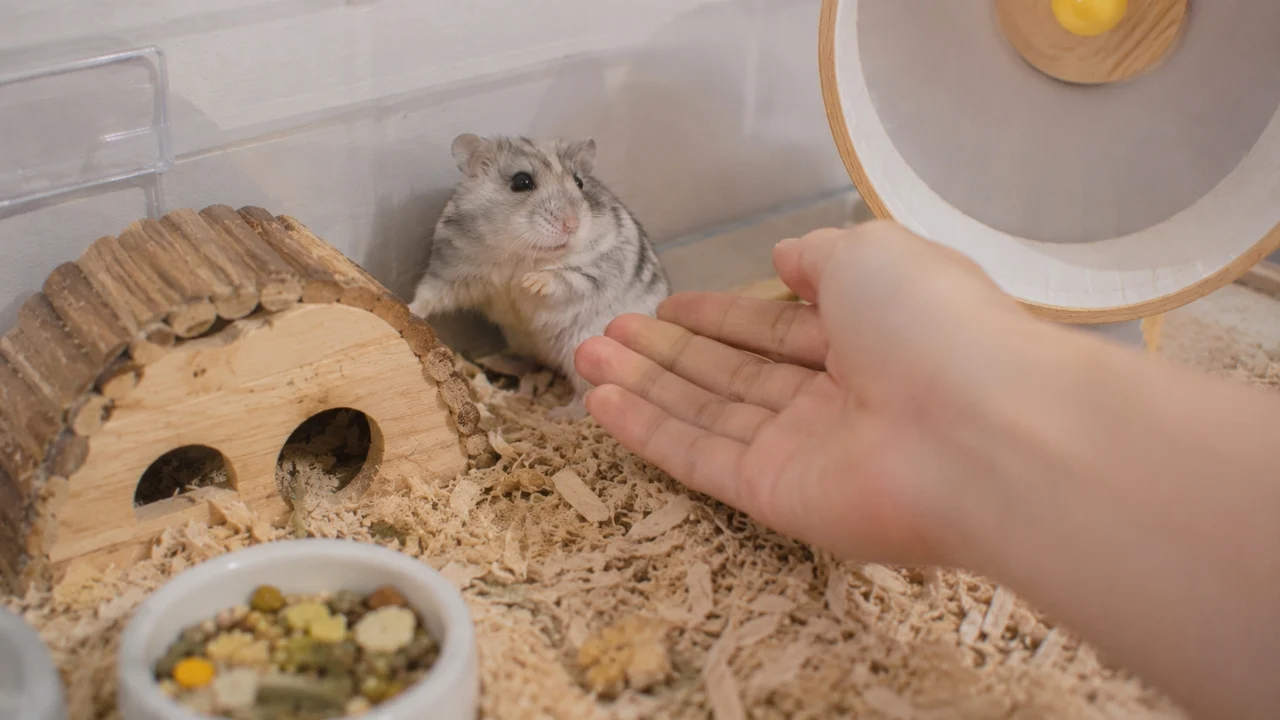
If your hamster doesn’t seem to like you yet, the most likely reason is fear rather than dislike. Hamsters are naturally cautious prey animals, and many need several weeks or even months to fully trust a new owner. Consistent, gentle interactions are usually far more effective than trying to speed up the bonding process.
Understanding Why Hamsters Are Naturally Wary of Humans
To understand your hamster’s behavior, it helps to look at how hamsters survive in the wild.
Wild hamsters spend much of their lives avoiding predators. Birds, snakes, foxes, and other animals may see them as food. Because of this, hamsters have evolved to be extremely cautious around anything larger than themselves.
From your hamster’s perspective:

- Your hand is enormous.
- Your movements are fast.
- Your scent is unfamiliar.
- Your voice is strange.
- Your intentions are unknown.
This doesn’t mean your hamster dislikes you. It means your hamster is relying on instincts that helped its wild ancestors survive.
Many owners find this easier to understand after reading about Why Is My Hamster Suddenly Hiding More Than Usual?, since hiding is one of the most common ways hamsters respond to unfamiliar situations.
Signs Your Hamster Doesn’t Trust You Yet
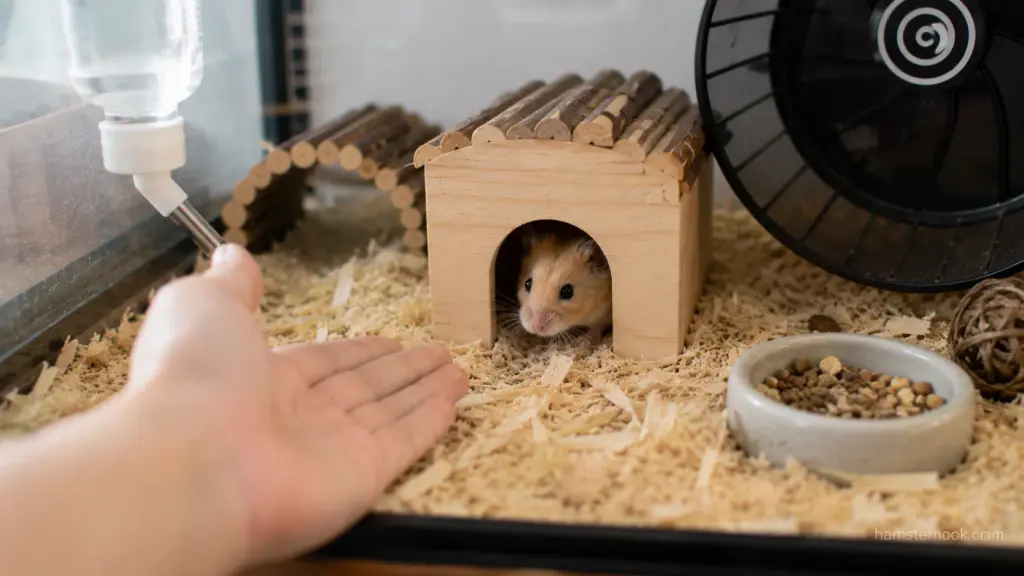
A hamster that hasn’t developed trust will often display predictable behaviors.
| Behavior | What It Usually Means |
|---|---|
| Running away when approached | Fear or uncertainty |
| Hiding when you enter the room | Still adjusting to your presence |
| Refusing treats from your hand | Lack of confidence |
| Freezing in place | Feeling threatened |
| Biting when touched | Defensive behavior |
| Staying hidden for long periods | Stress or caution |
Many of these behaviors gradually become less noticeable once the hamster feels safe in its environment.
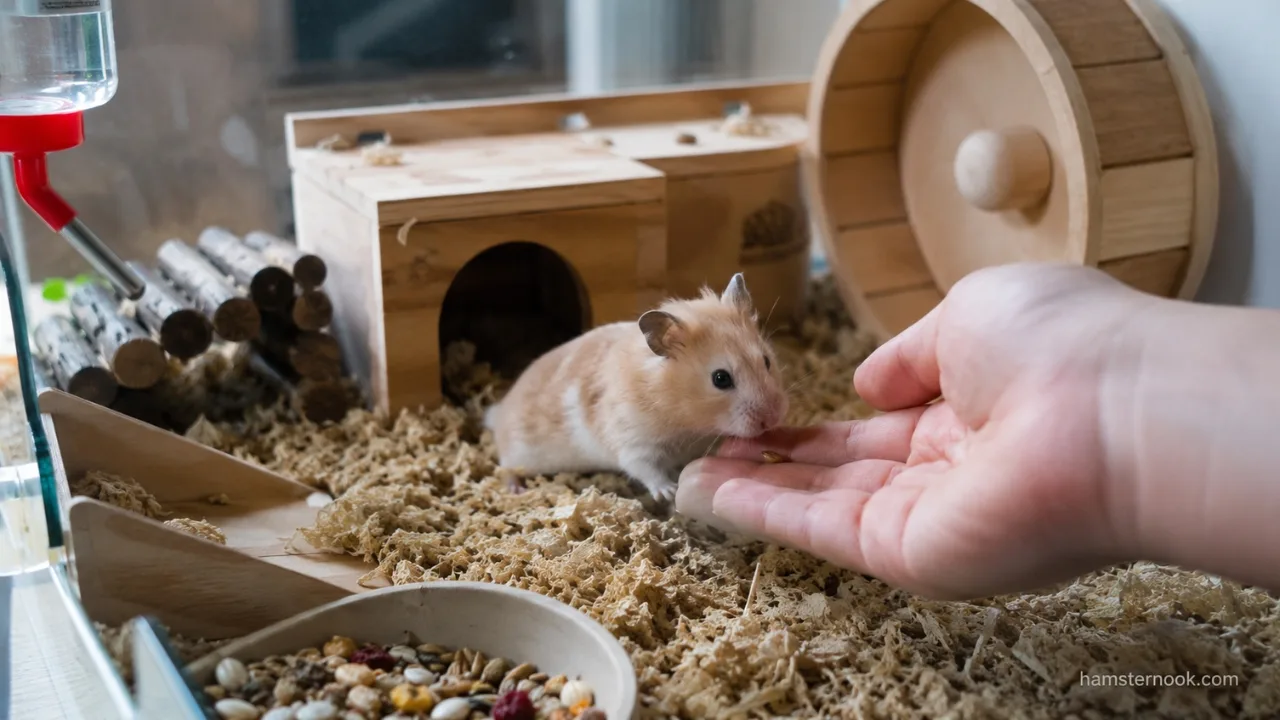
The Difference Between Disliking You and Being Scared
For example, a frightened hamster may run away at first but gradually begin taking treats from your fingers. A hamster that simply prefers minimal interaction may remain independent even after trust develops.
Many owners assume fear equals dislike.
In reality, most hamsters that avoid interaction are simply nervous.
Consider this comparison:

| Hamster Is Scared | Hamster Truly Dislikes Interaction |
|---|---|
| Gradually becomes more comfortable over time | Consistently avoids interaction despite months of positive experiences |
| May accept treats eventually | Rarely seeks interaction |
| Curiosity increases slowly | Remains distant by personality |
| Often improves with trust-building | May simply prefer minimal handling |
Even very friendly hamsters often need several weeks before they show obvious signs of trust.
Why New Owners Often Rush the Bonding Process
The excitement of getting a new hamster can sometimes work against the bonding process.
Owners frequently make mistakes such as:
- Picking up the hamster immediately
- Waking it during the day
- Reaching into the cage repeatedly
- Forcing interaction
- Expecting instant affection
These actions can make a nervous hamster feel even less secure.

This is one reason many people later realize they made The Biggest Mistake New Hamster Owners Make in the First Week without even knowing it.
How Long Does It Take for a Hamster to Trust You?
Many owners worry they’re doing something wrong after only a few days. In reality, cautious behavior during the first week is completely normal and rarely indicates a long-term problem.
There is no universal timeline.
Some hamsters become comfortable within a week or two. Others may require a month or longer.
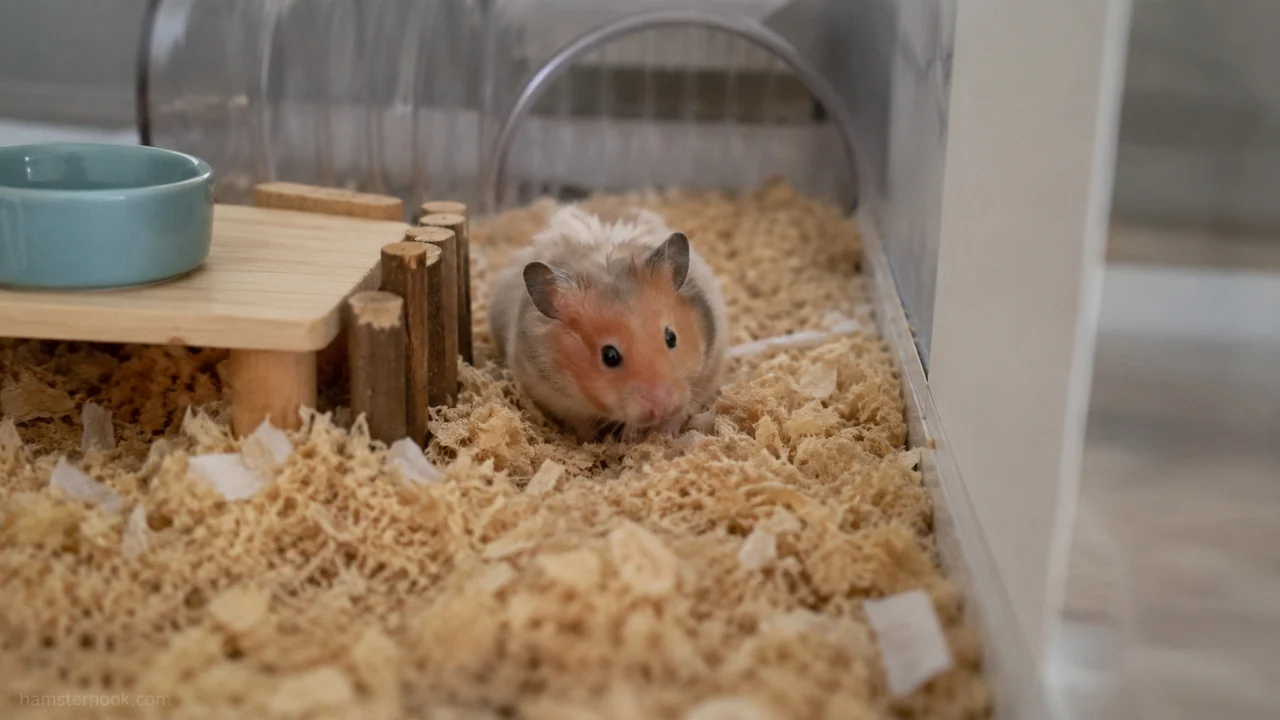
Several factors influence trust development:
- Hamster species
- Previous handling experiences
- Personality
- Age
- Environment
- Owner behavior
A hamster usually becomes comfortable at its own pace, regardless of how eager the owner is to interact.
A hamster that chooses to interact with you is usually far more confident than one that was forced into handling before it was ready.
Common Reasons Your Hamster Still Avoids You
If your hamster has been home for a while and still seems distant, there may be specific reasons.

The Cage Environment Isn’t Comfortable
A stressed hamster is less likely to socialize.
Potential problems include:
- Insufficient bedding depth
- Lack of hiding places
- Small enclosure size
- Excessive noise
- Bright lighting
When hamsters feel secure in their environment, they are often more willing to explore and interact.
Your Hamster Is Active When You’re Sleeping
Hamsters are generally crepuscular and nocturnal, meaning they become active during the evening and nighttime hours.
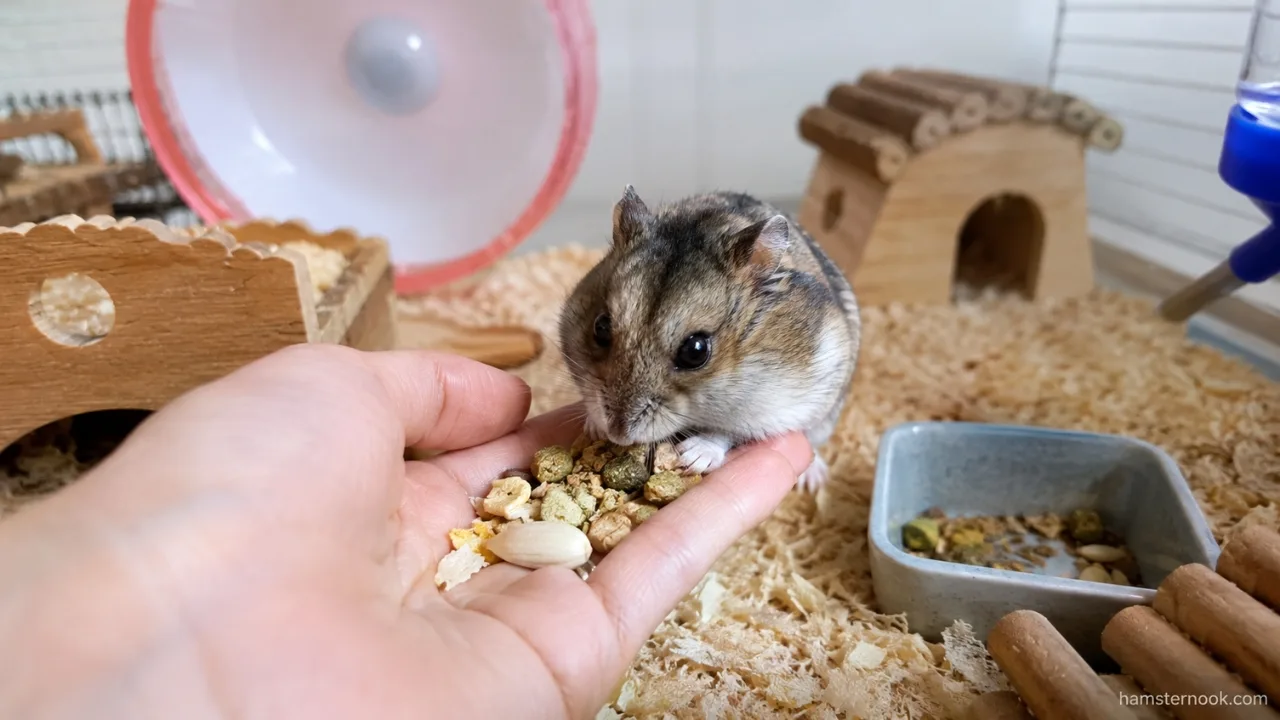
Many owners rarely see their hamster’s natural personality simply because they’re observing it at the wrong times.
Learning about Why Your Hamster Sleeps All Day But Runs All Night often helps owners better understand normal hamster behavior.
Too Much Handling Too Soon
Trust is often damaged when owners repeatedly pick up a hamster that is clearly uncomfortable.
A hamster that feels trapped may:

- Bite
- Jump
- Hide
- Avoid future interactions
Building trust should always happen at the hamster’s pace.
Practical Ways to Help Your Hamster Trust You
Focus on creating positive experiences rather than trying to achieve specific milestones. Trust often grows fastest when the hamster feels fully in control of the interaction.
Building trust is often simpler than many owners expect once the hamster feels safe and unpressured.
Let Your Presence Become Familiar
Spend time near the enclosure each day.

You don’t need to interact constantly.
Simply allowing your hamster to:
- Hear your voice
- Smell your scent
- Observe your movements
can help reduce fear over time.
Offer Treats Without Expectations
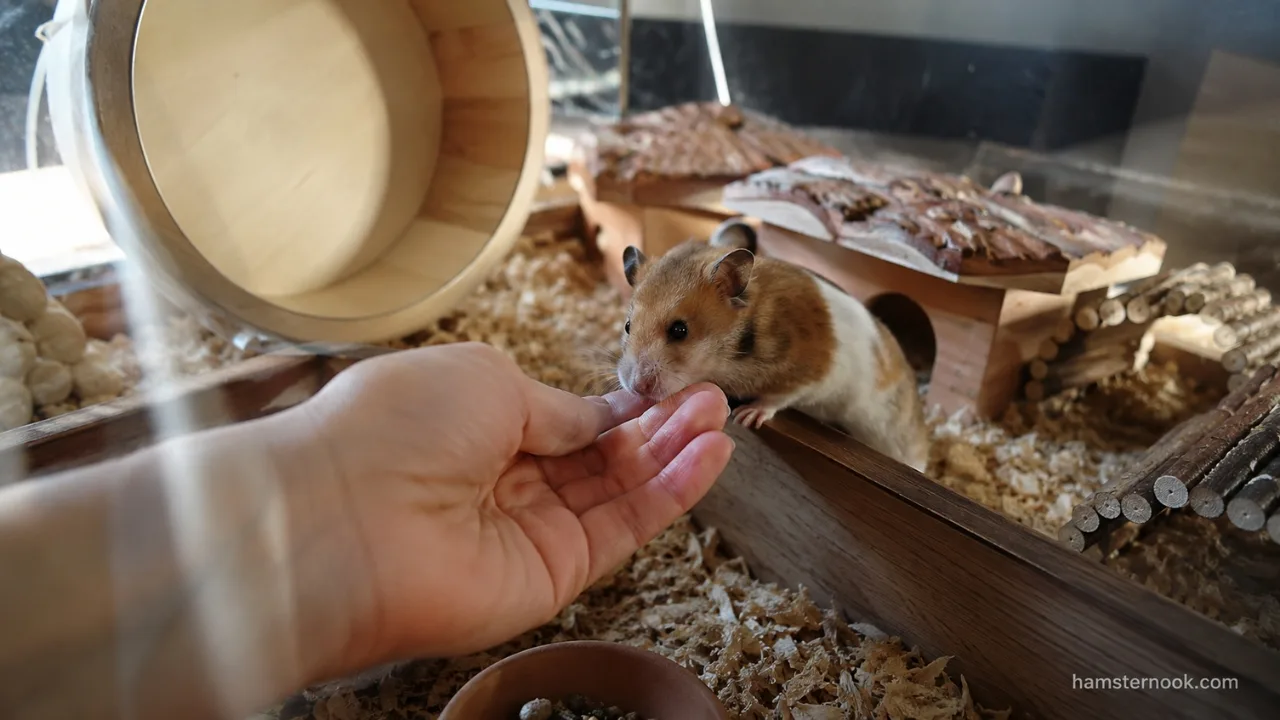
Place a small treat near your hand.
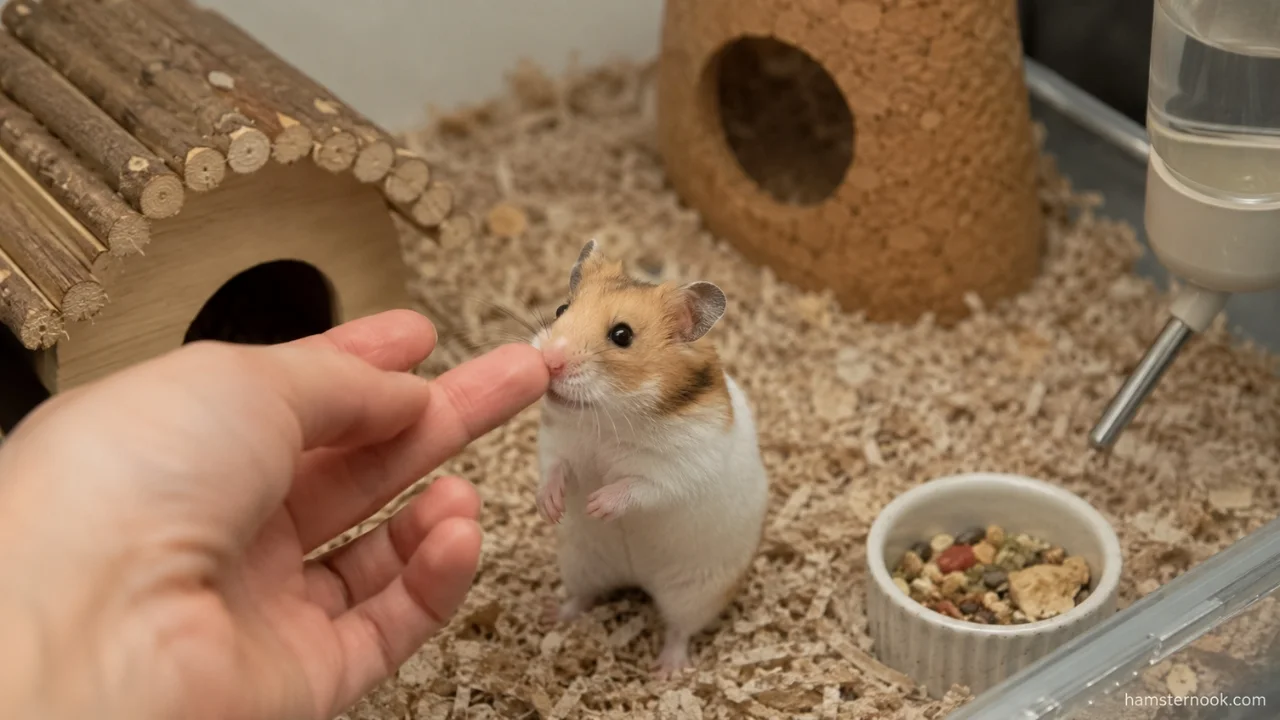
Allow the hamster to approach voluntarily.
Good options include:
- Small seeds
- Tiny vegetable pieces
- Hamster-safe treats
Never chase the hamster with food.
Respect Sleeping Hours
Disturbing a sleeping hamster can create negative associations.
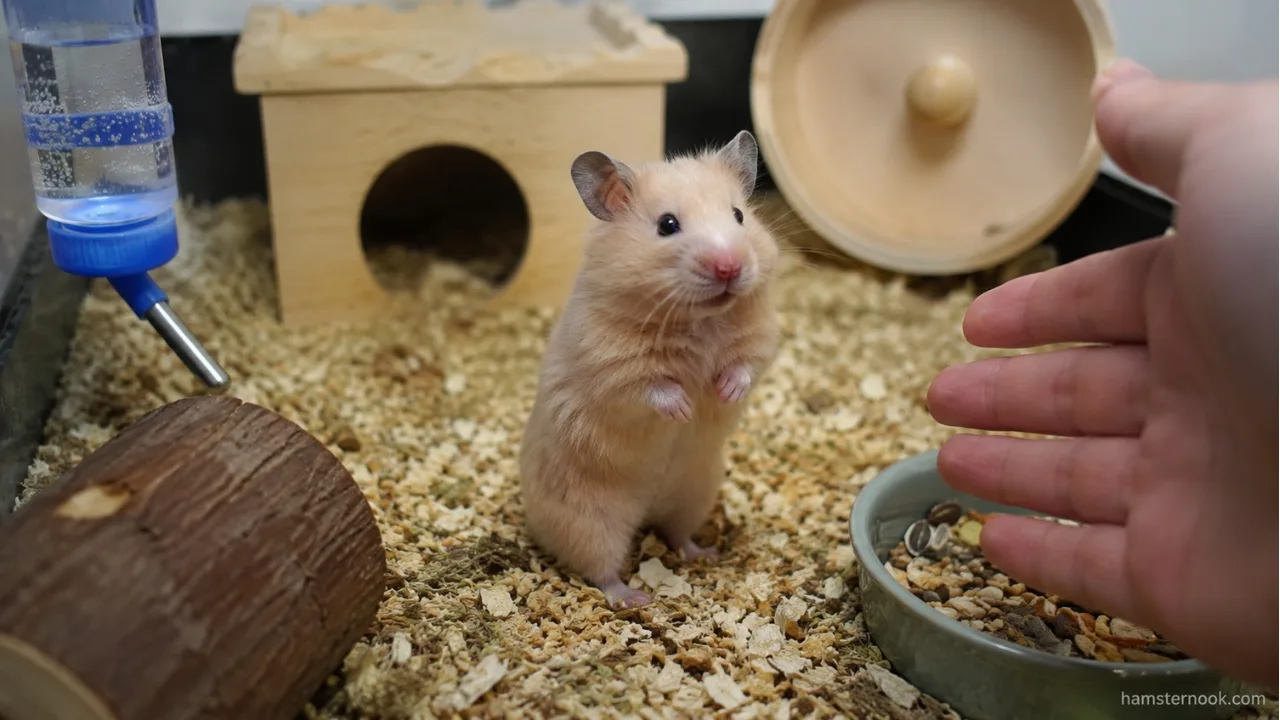
Wait until your hamster wakes naturally before attempting interaction.
Use a Calm, Predictable Routine
Hamsters thrive on consistency.
Try feeding, cleaning, and interacting around similar times each day.
Predictable routines help hamsters feel secure.
Mistakes That Can Slow Down Bonding
Some well-meaning actions can actually delay trust-building.
| Mistake | Potential Result |
|---|---|
| Waking the hamster for playtime | Increased stress |
| Grabbing from above | Triggers prey instincts |
| Loud handling sessions | Fear and anxiety |
| Forcing lap time | Defensive behavior |
| Frequent cage rearranging | Loss of security |
Avoiding these mistakes often leads to faster progress than trying additional bonding techniques.
Signs Your Hamster Is Starting to Trust You
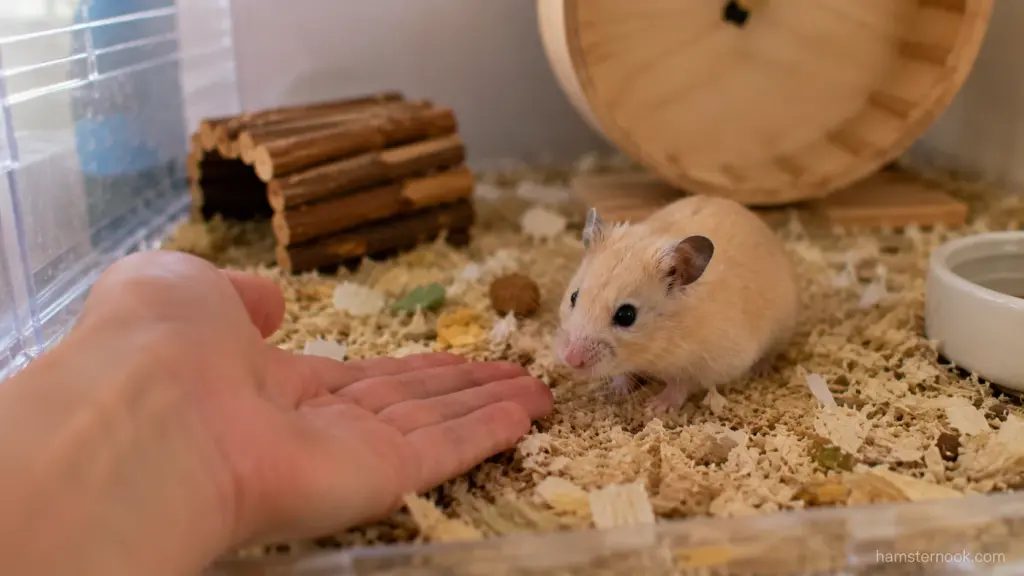
Trust usually develops gradually.
Look for small improvements rather than dramatic changes.

Positive signs include:
- Taking treats from your hand
- Remaining visible when you’re nearby
- Approaching the cage front
- Sniffing your hand voluntarily
- Climbing onto your hand briefly
- Showing curiosity instead of fear
Some Hamsters Are Simply Less Social Than Others
Personality plays a major role in hamster behavior.
Just like people, hamsters have individual temperaments.
Some are naturally:
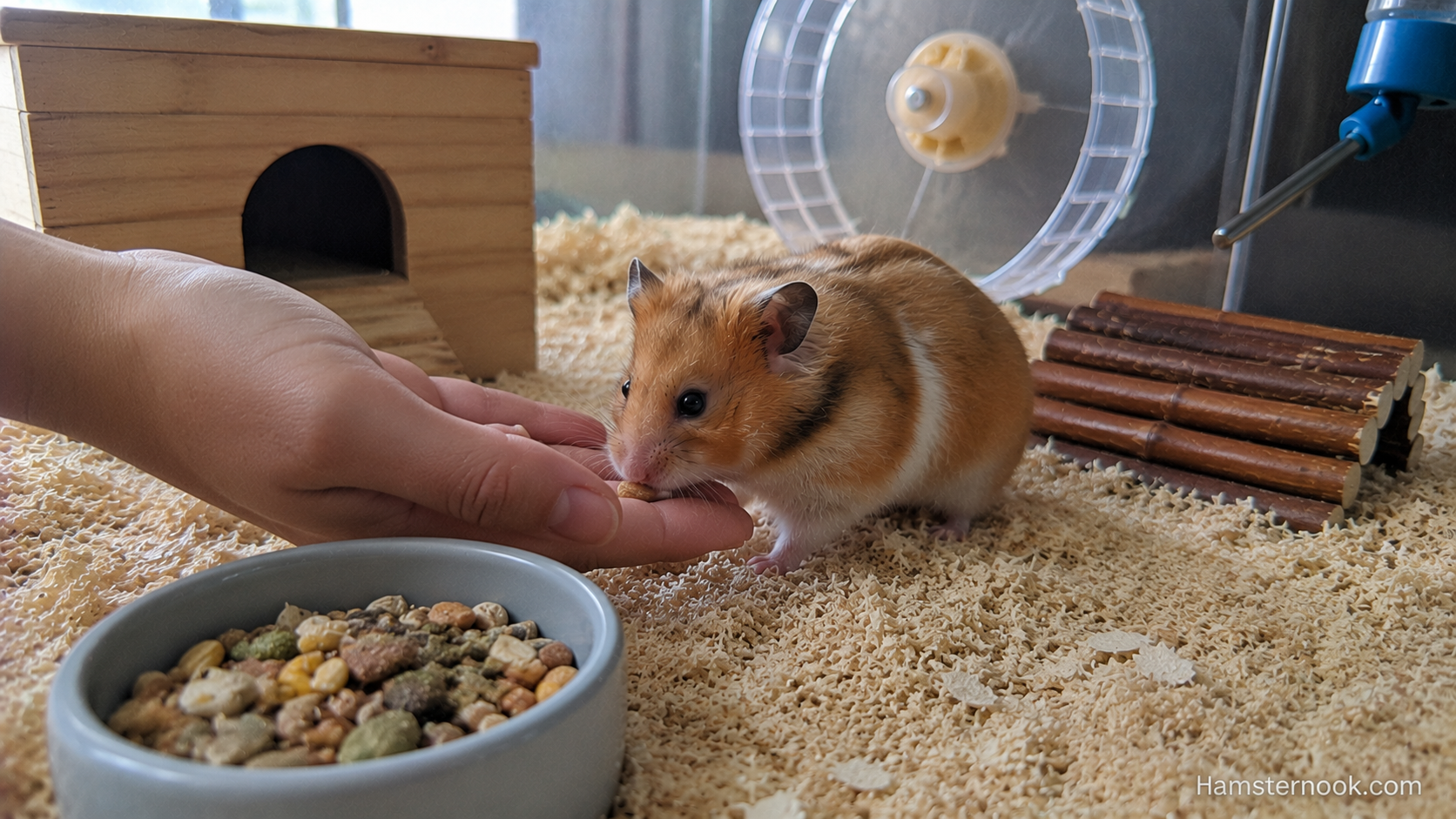
- Curious
- Outgoing
- Confident
Others tend to be:
- Independent
- Reserved
- More cautious
A hamster that doesn’t enjoy extensive handling can still be healthy, happy, and well-adjusted.
Owners often gain a better appreciation for individual personalities after reading Can Hamsters Learn Their Names? because it highlights how different hamsters respond to human interaction and training.
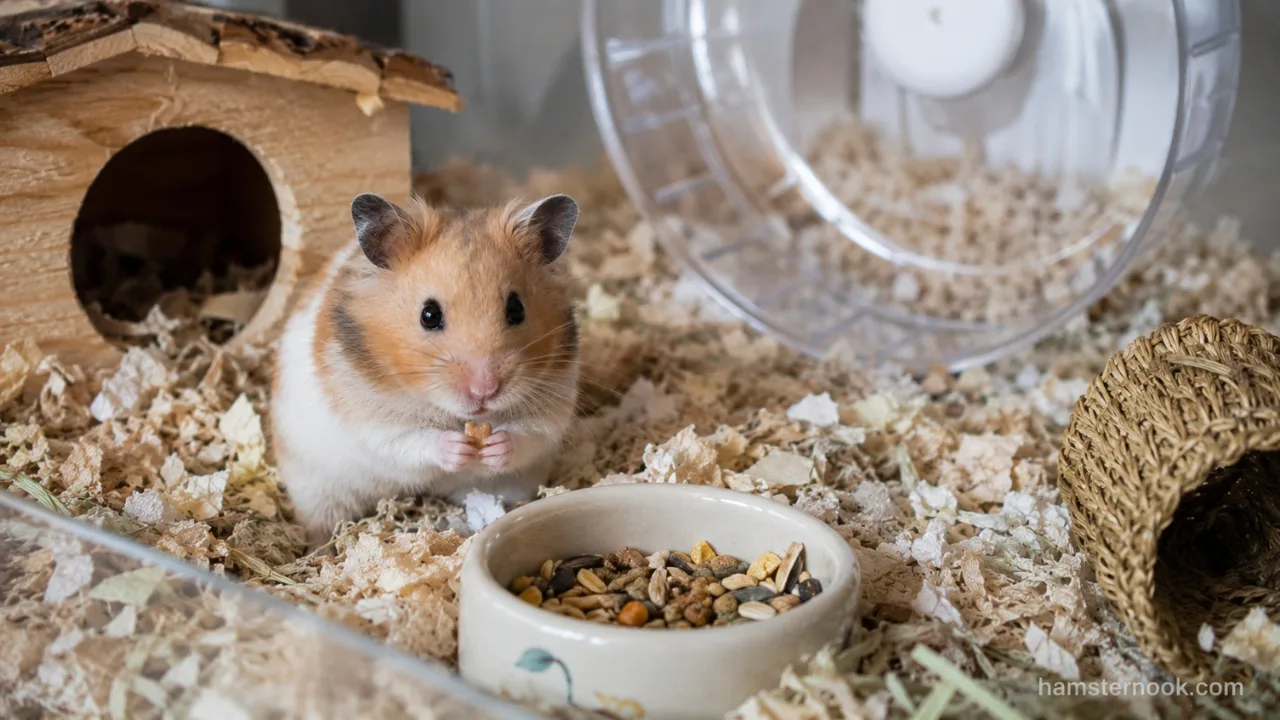
Building Trust Through Enrichment
Mental stimulation can indirectly improve bonding.

A hamster that feels comfortable exploring its environment often becomes more confident overall.
Useful enrichment includes:
- Deep bedding for burrowing
- Tunnels
- Hideouts
- Foraging opportunities
- Safe chew toys
Many owners notice increased confidence after introducing activities similar to those discussed in How Long Does It Take for a Hamster to Trust You?
Enrichment alone won’t build trust, but it can help a hamster feel more comfortable and confident overall.
When You Should Be Concerned
While cautious behavior is normal, some signs may indicate health issues rather than trust problems.
Watch for:
- Significant weight loss
- Refusal to eat
- Labored breathing
- Wet tail symptoms
- Persistent lethargy
- Sudden behavioral changes
If these symptoms appear, a veterinarian should evaluate your hamster.
Behavioral caution is normal. Illness is not.

The Goal Isn’t Immediate Affection
One of the healthiest mindset shifts for new hamster owners is realizing that trust matters more than affection.
Your hamster may never greet you like a dog or seek attention like a cat.
Instead, success often looks like:
- Voluntary interaction
- Curiosity
- Calm behavior
- Comfort around your presence
Those signs represent genuine trust, and trust is far more meaningful than forced handling.

Many successful hamster-owner relationships start with weeks of hiding, avoiding contact, and cautious behavior. Early nervousness is usually part of the adjustment process, not a sign that bonding has failed.
Final Thoughts
If your hamster doesn’t seem to like you yet, there’s a good chance you’re simply expecting the relationship to develop faster than hamsters naturally allow.
Most hamsters begin their lives with humans feeling cautious, uncertain, and vulnerable. That isn’t rejection. It’s instinct.
The strongest bonds usually develop when owners focus less on quick results and more on making everyday interactions feel safe and predictable. Given enough time, many hamsters become surprisingly confident and trusting companions.
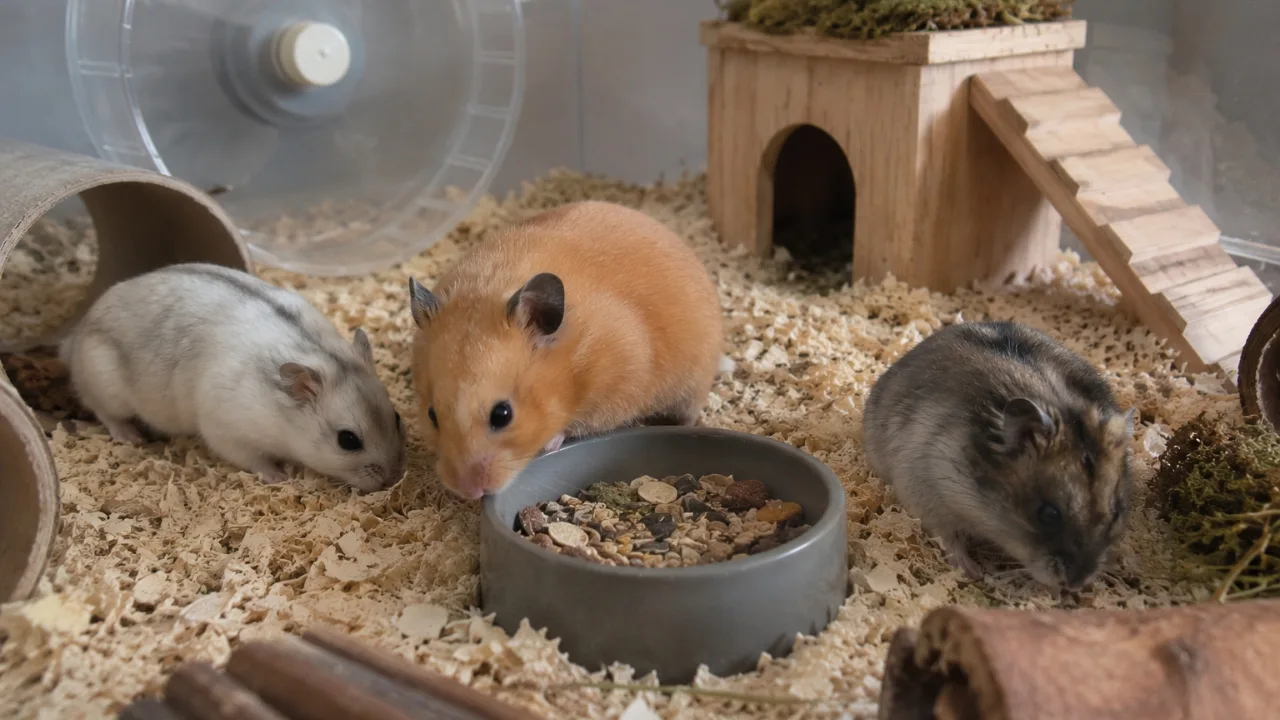
For most hamsters, patience isn’t just helpful—it’s the foundation of every lasting bond.
Frequently Asked Questions
Why does my hamster run away every time I approach the cage?
This usually means your hamster is still adjusting to your presence. Running away is a natural prey-animal response and does not necessarily indicate dislike.
How can I tell if my hamster trusts me?
A trusting hamster may take treats from your hand, approach voluntarily, remain calm during your presence, and show curiosity rather than fear.
Is it normal for a hamster to hide for the first few weeks?
Yes. Many hamsters spend a significant amount of time hiding while they become comfortable in a new environment.

Can a hamster learn to like being handled?
Many hamsters become comfortable with gentle handling over time, but each hamster has its own personality and comfort level.
Why did my hamster bite me when I tried to pick it up?
Biting is often a defensive reaction caused by fear, surprise, or feeling trapped. Slow trust-building usually reduces this behavior.
How long does hamster bonding usually take?
Some hamsters become comfortable within a few weeks, while others may need several months. Consistency and patience are more important than speed.
What should I do if my hamster still seems scared after a month?
Continue using a calm routine, avoid forced handling, and focus on positive interactions such as offering treats. Some hamsters naturally require more time than others to develop confidence around people.

Narayan Kumar is the founder and author of HamsterNook. He creates practical, research-based hamster care guides covering hamster behavior, nutrition, cage setup, enrichment, health, and everyday care. His goal is to help hamster owners make informed decisions and provide safer, healthier lives for their pets through clear, beginner-friendly information based on trusted animal care resources.