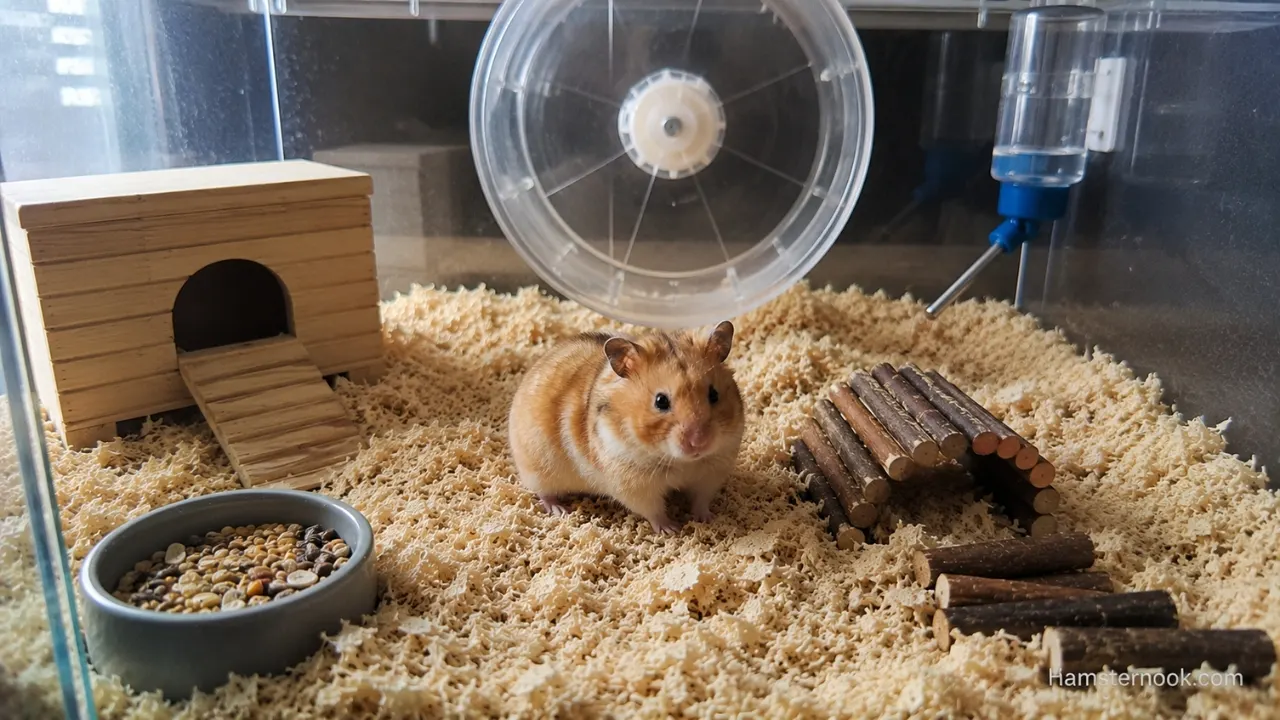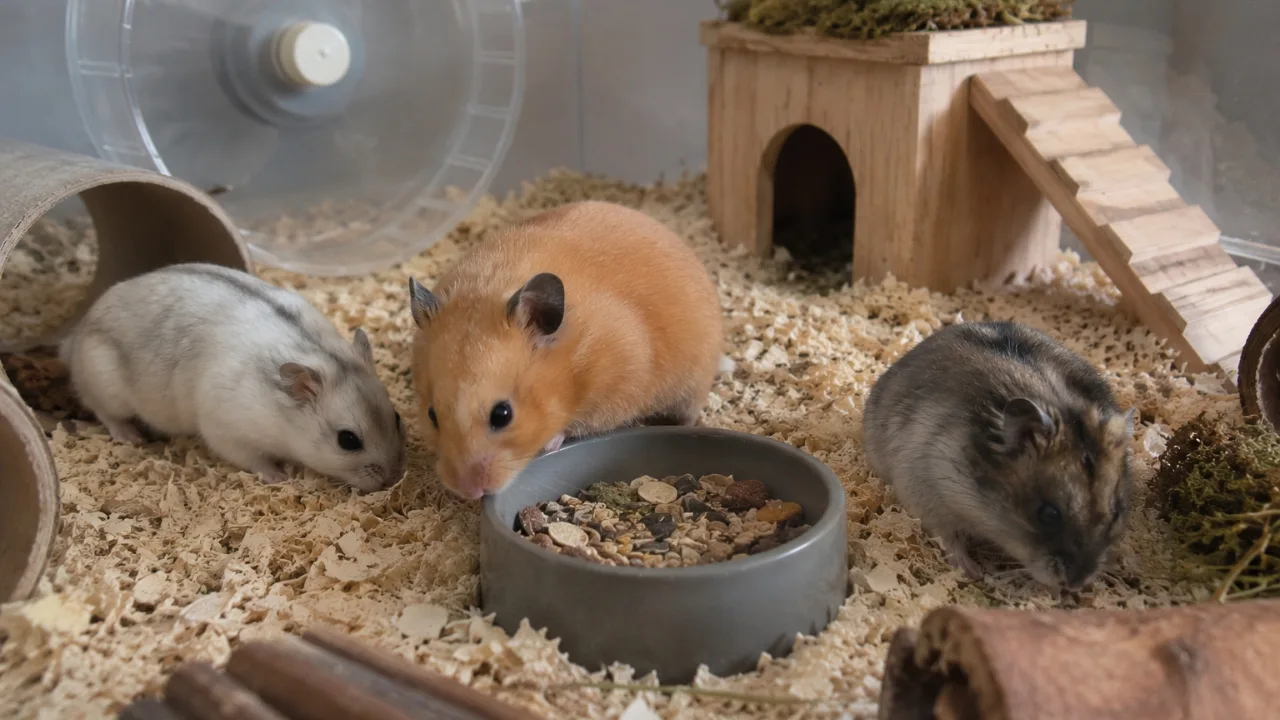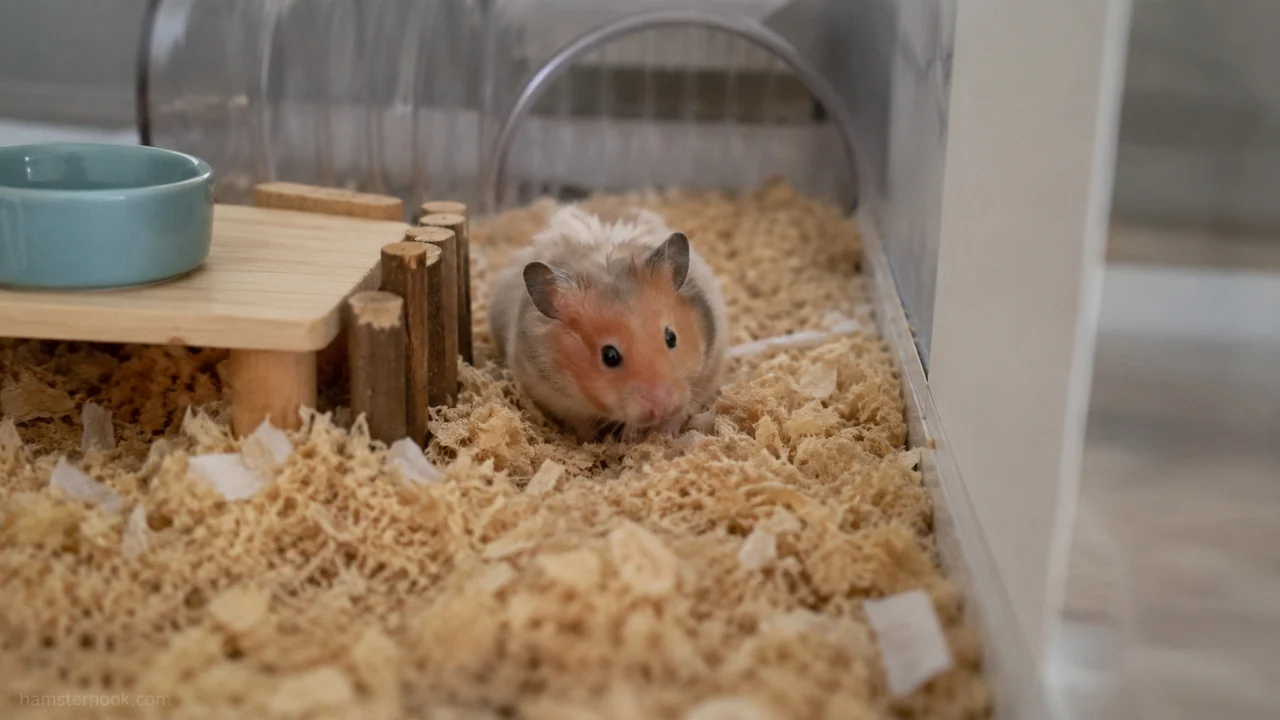
You finally brought your new hamster home, set up the cage, added fresh bedding, and imagined watching a curious little pet explore its new world. Instead, your hamster hides constantly, runs away when you approach, freezes whenever it hears a sound, or seems terrified of even the smallest movement.
If this sounds familiar, don’t worry—it’s one of the most common concerns among first-time hamster owners.
In most cases, a scared hamster is simply adjusting to an unfamiliar environment rather than showing its true personality. Understanding why your hamster feels this way—and knowing how to respond correctly—can make the difference between a stressed pet and a confident companion.
Why New Hamsters Are Naturally Fearful
Fearful behavior in newly adopted hamsters is widely considered a normal adjustment response because hamsters are naturally solitary prey animals that rely heavily on caution for survival.
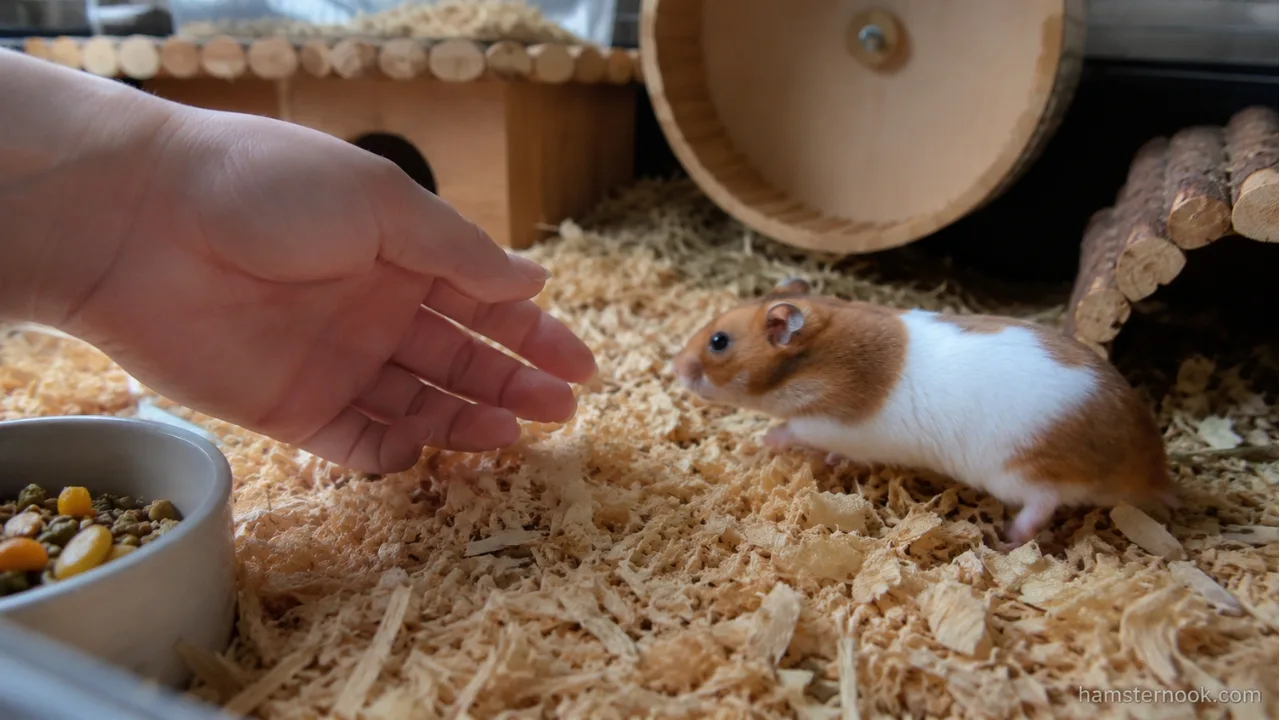
A hamster that hides, freezes, or avoids interaction during its first days at home is usually displaying normal survival instincts rather than signs of aggression or dislike.
Many owners expect a hamster to quickly settle in and enjoy human interaction. In reality, most hamsters need time to feel safe before they begin showing their personality.
In the wild, hamsters survive by staying alert. They are small animals that can easily become prey for larger predators. Because of this, they instinctively view unfamiliar situations as potential threats.
When a hamster arrives in a new home, everything changes at once:

- New smells
- New sounds
- Different lighting
- Unfamiliar people
- New cage layout
- Different feeding routine
Even positive changes can feel stressful when everything happens at once.
Many first-time owners accidentally make the adjustment period harder than it needs to be. Our The Biggest Mistake New Hamster Owners Make in the First Week guide explains what to avoid during those important first few days.
Common Signs Your New Hamster Is Scared

Fear doesn’t always look the same in every hamster. Some become very active while others become almost invisible.
Behavioral Signs of Fear
| Behavior | What It May Mean |
|---|---|
| Hiding constantly | Seeking safety and security |
| Running away from hands | Fear of being grabbed |
| Freezing in place | Defensive response to perceived danger |
| Sudden jumping or darting | Startled reaction |
| Refusing treats | Stress or uncertainty |
| Excessive burrowing | Desire to feel protected |
| Defensive biting | Fear rather than aggression |
No single behavior proves a hamster is scared. Looking at several behaviors together usually provides a more accurate picture.
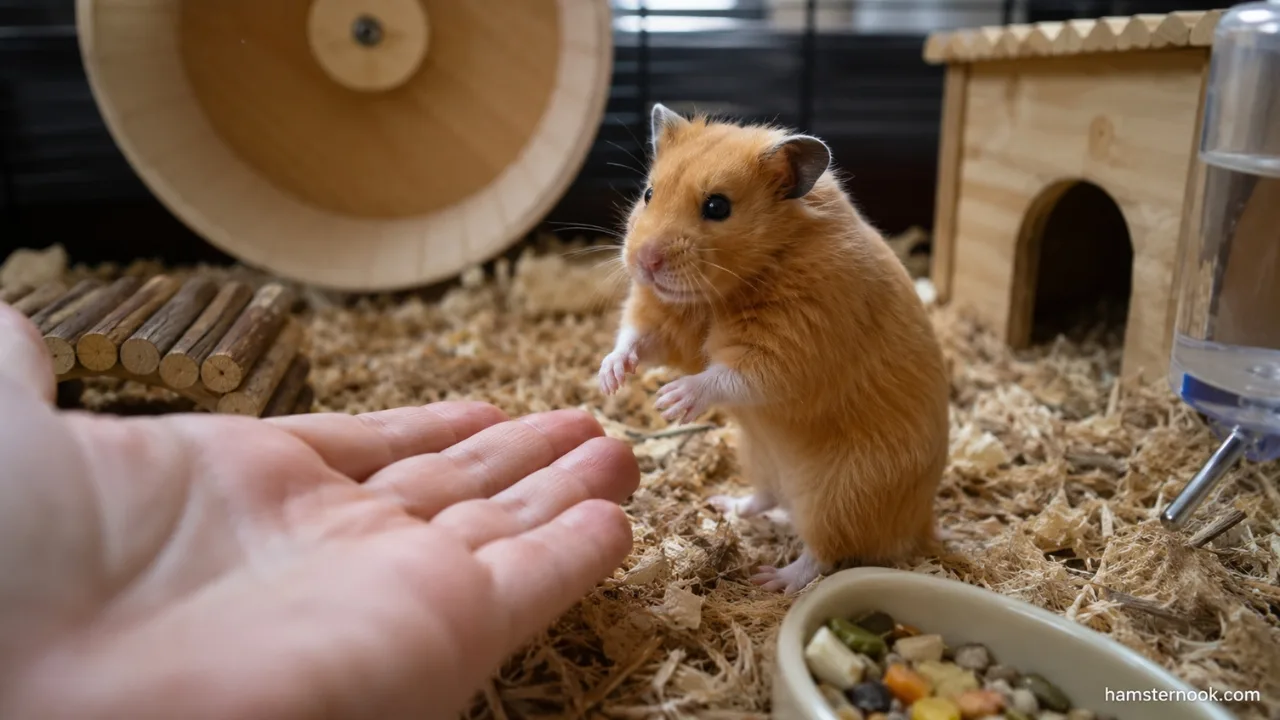
Because fear, stress and illness can sometimes look similar, Hamster Body Language: Signs of Happiness, Stress, Fear & Illness explains how to interpret behavior patterns instead of relying on a single sign.
For most hamsters, these behaviors gradually decrease as they learn their new environment is safe.
The Most Common Reasons a New Hamster Seems Scared
In many cases, several of these factors occur at the same time, which can make the adjustment period longer.
Understanding what’s making your hamster uneasy is often the first step toward helping it feel more secure.
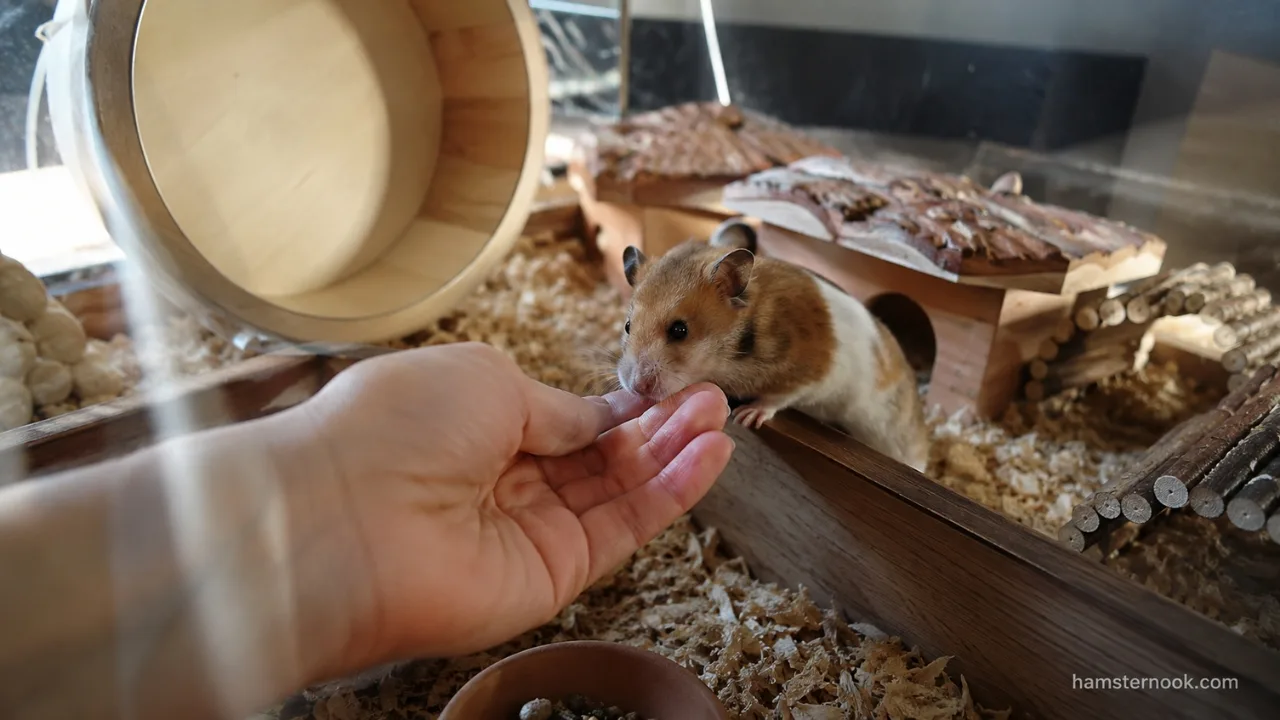
The Environment Is Still Unfamiliar
From your hamster’s perspective, the new enclosure is an unfamiliar territory that still needs to be evaluated for safety.
Most hamsters need several days—or sometimes weeks—to learn that their new environment is safe.
Every hamster adjusts at a different pace. Confident individuals may begin exploring within a few days, while naturally shy hamsters can take several weeks. Slow progress doesn’t mean you’re doing anything wrong—as long as your hamster continues eating, drinking, and behaving normally during its active hours.
Too Much Handling Too Soon
One of the biggest mistakes owners make is trying to speed up the bonding process.

Picking up a hamster repeatedly before it trusts you can increase fear rather than reduce it.
A hamster that feels chased or restrained may begin avoiding human interaction altogether.
Loud Household Noises
Hamsters have sensitive hearing.
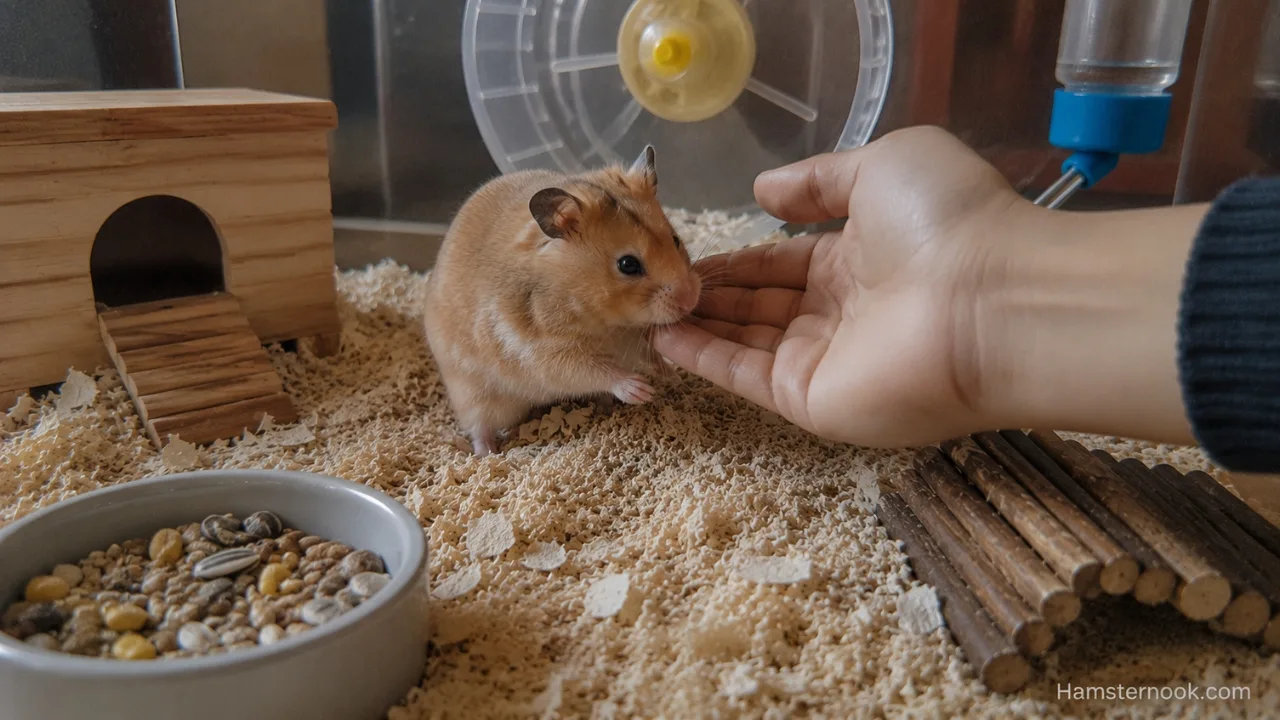
Sounds that seem normal to humans can be stressful for a hamster, including:
- Television volume
- Vacuum cleaners
- Loud music
- Barking dogs
- Slamming doors
- Children shouting
A quieter environment often helps nervous hamsters settle more quickly.
Covering one or two sides of the enclosure with plain cardboard for the first few days can also help some nervous hamsters feel less exposed without reducing ventilation.
Lack of Hiding Places
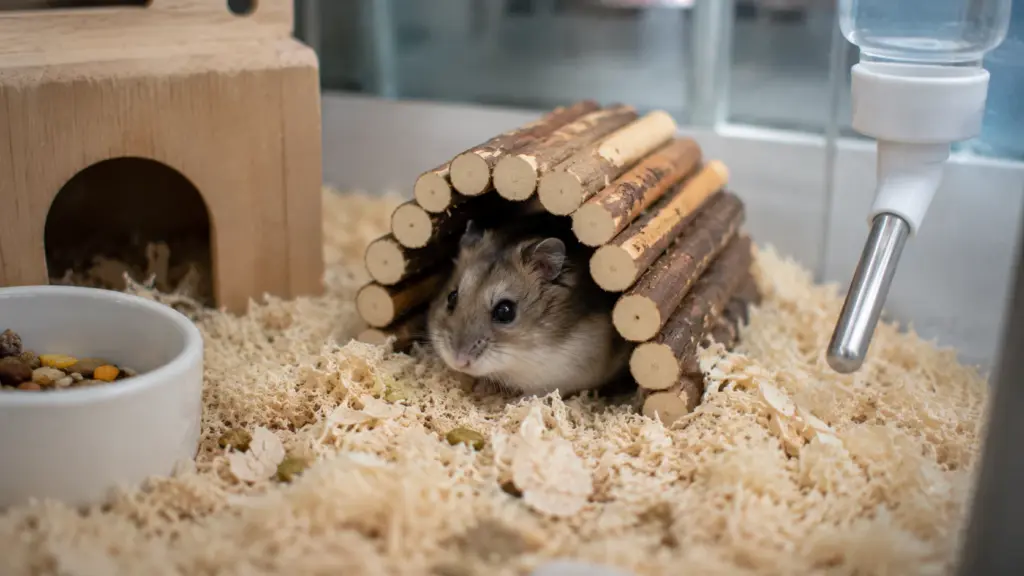
A hamster that cannot hide rarely feels secure.
In the wild, hamsters spend much of their time underground. Providing multiple hides and deep bedding allows them to follow natural behaviors.
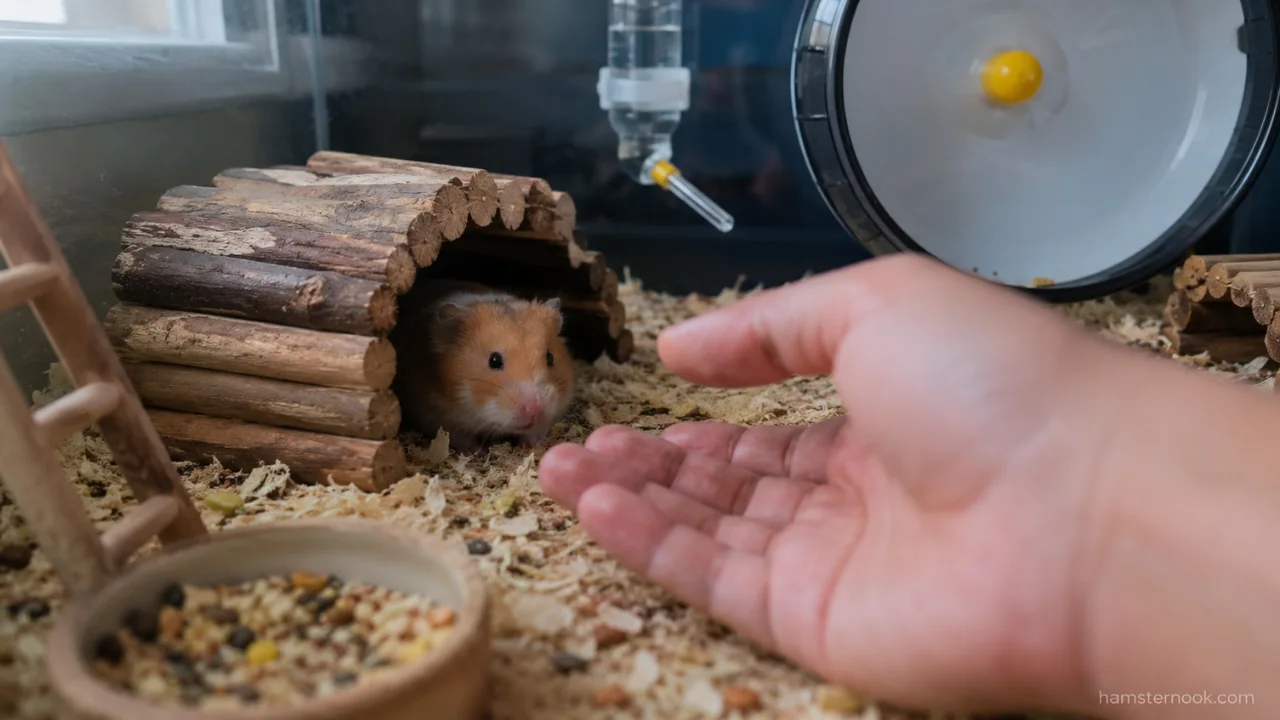
Deep bedding is one of the easiest ways to help a nervous hamster feel secure. Our How Much Bedding Does a Hamster Need? Minimum Depth Guide for Healthy Burrowing explains the ideal bedding depth and why it matters.
Fear vs Normal Adjustment: How to Tell the Difference
Many owners worry that their hamster is unhappy when it’s actually behaving normally.
The table below can help distinguish typical adjustment behavior from signs that may require closer attention.
| Normal Adjustment Behavior | Potential Concern |
|---|---|
| Hiding during first few days | Refusing food for extended periods |
| Being cautious around hands | Extreme lethargy |
| Exploring mostly at night | Difficulty moving normally |
| Sleeping frequently during the day | Noticeable weight loss |
| Avoiding handling initially | Persistent illness symptoms |
Healthy hamsters usually continue eating, drinking, and exploring during active hours even when they remain cautious around people.
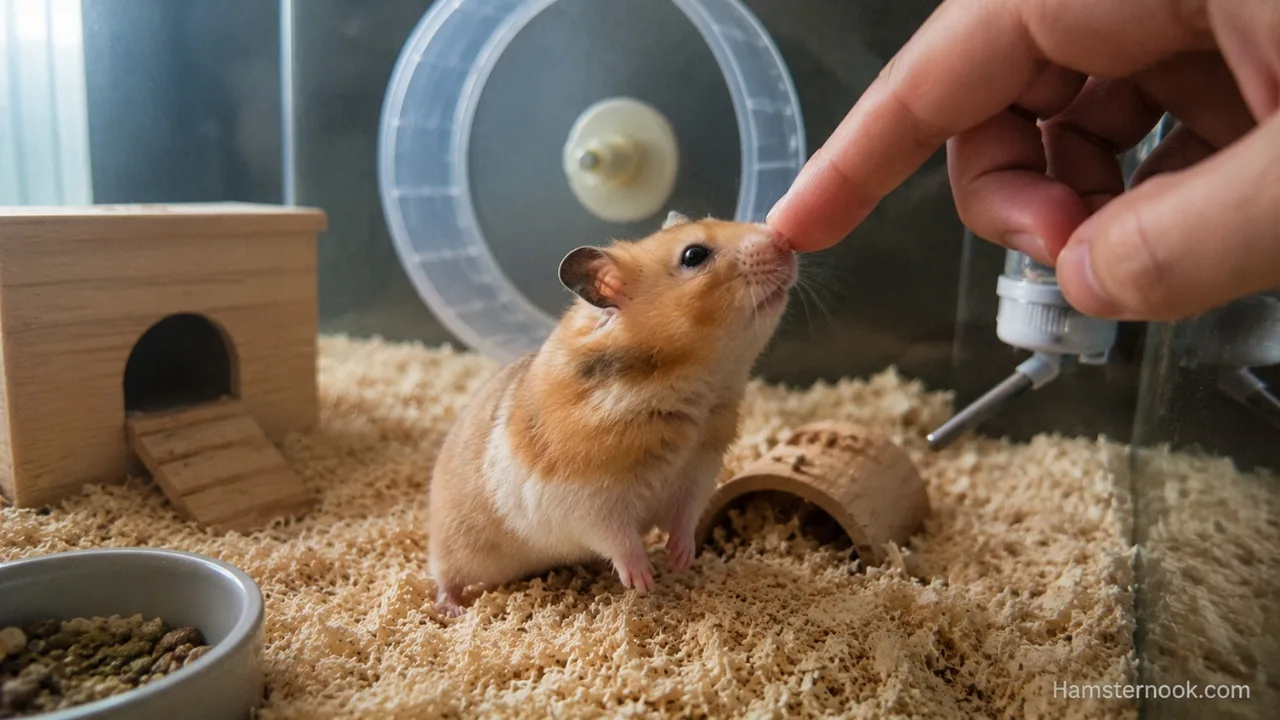
Most fearful behaviors gradually improve as trust develops.
For many hamsters, these behaviors gradually fade as they settle in and begin feeling safe in their surroundings.
How to Help a Scared Hamster Feel Safe
Instead of trying to make your hamster confident, focus on creating an environment where confidence can develop naturally.
What to Do During Your Hamster’s First 24 Hours
Give your new hamster the first 24 hours to settle into its enclosure before beginning intentional bonding sessions. Keep the room quiet, provide food and fresh water, and make sure the cage has safe hiding places. Check discreetly for signs of illness or injury, but avoid unnecessary handling, waking, or rearranging the enclosure. After this initial settling-in period, begin gradual, voluntary interactions and let your hamster set the pace.

Give Your Hamster Time
Patience is often the most effective solution.
Many hamsters simply need time to understand that their new home is safe.
Avoid the temptation to rush bonding.
Instead:

- Let the hamster settle
- Maintain a consistent routine
- Avoid unnecessary disturbances
Trust develops much faster when your hamster feels it can choose whether to approach or retreat. Giving it that sense of control usually creates stronger long-term confidence than trying to speed up the bonding process.
Create a Secure Cage Setup
A hamster that feels exposed is more likely to remain fearful.
A secure enclosure should include:
- Deep bedding for burrowing
- Multiple hideouts
- Tunnels
- Quiet sleeping areas
- Appropriate cage size
Owners often underestimate how much enclosure design affects behavior. A hamster living in a cramped or barren habitat may remain stressed even when everything else is done correctly.

Let Your Hamster Approach You
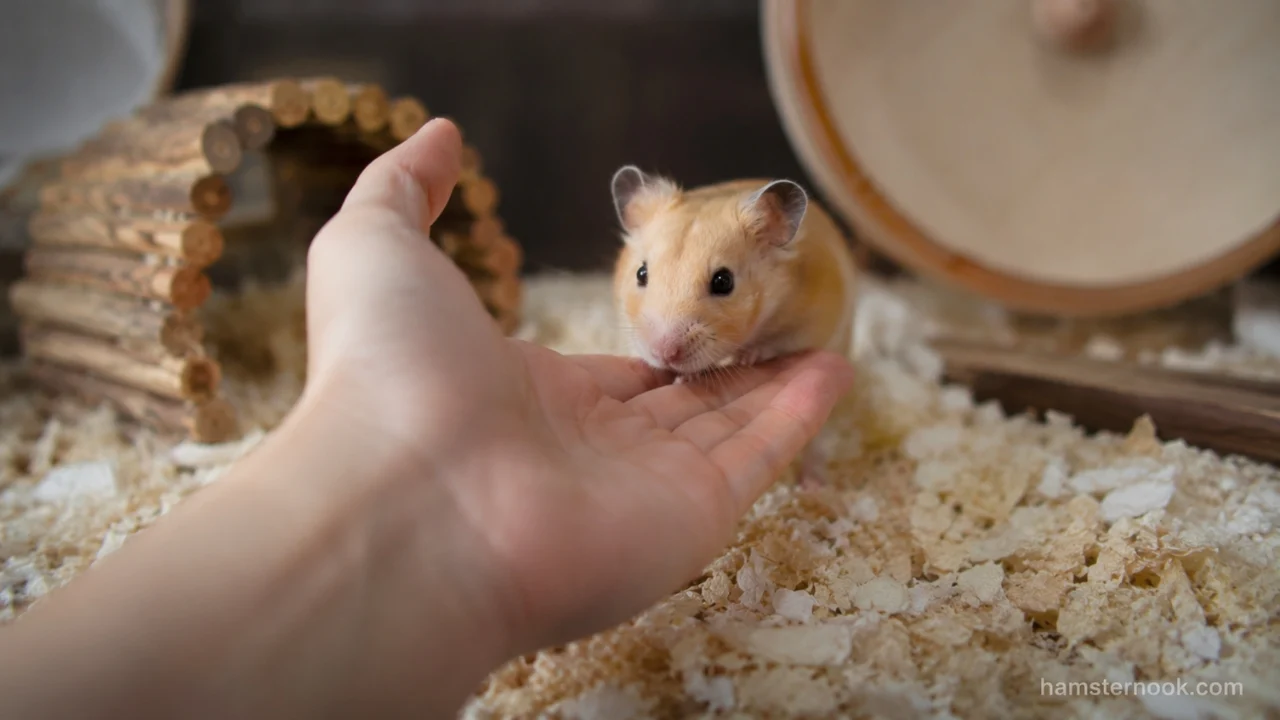
Even brief voluntary interactions are more valuable for building trust than long handling sessions that the hamster is not comfortable with.
Many people try to approach the hamster constantly.
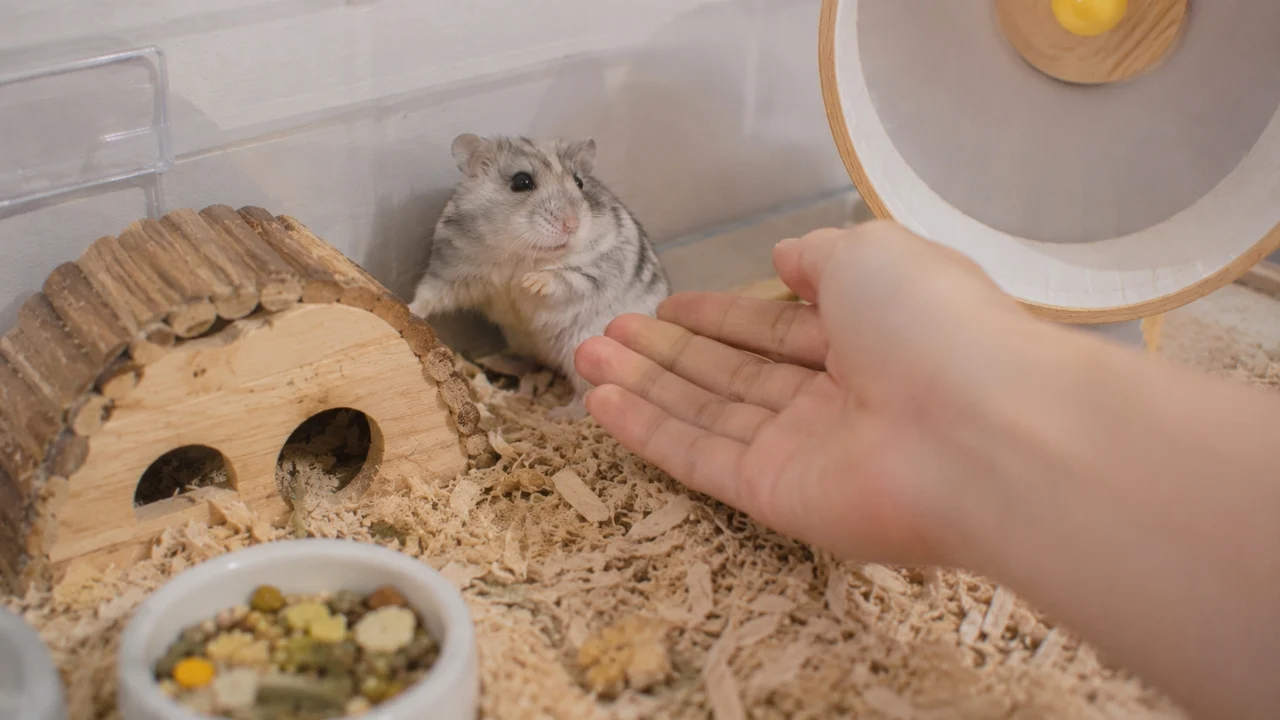
A better strategy is allowing the hamster to approach you.
Place your hand inside the enclosure calmly and remain still.

Start with sessions lasting only a few minutes. Ending each interaction before your hamster becomes nervous helps build positive experiences over time.
Curious hamsters often investigate on their own once they realize there is no threat.
Use Food to Build Positive Associations
Treats can be a useful way to build positive associations with your presence.
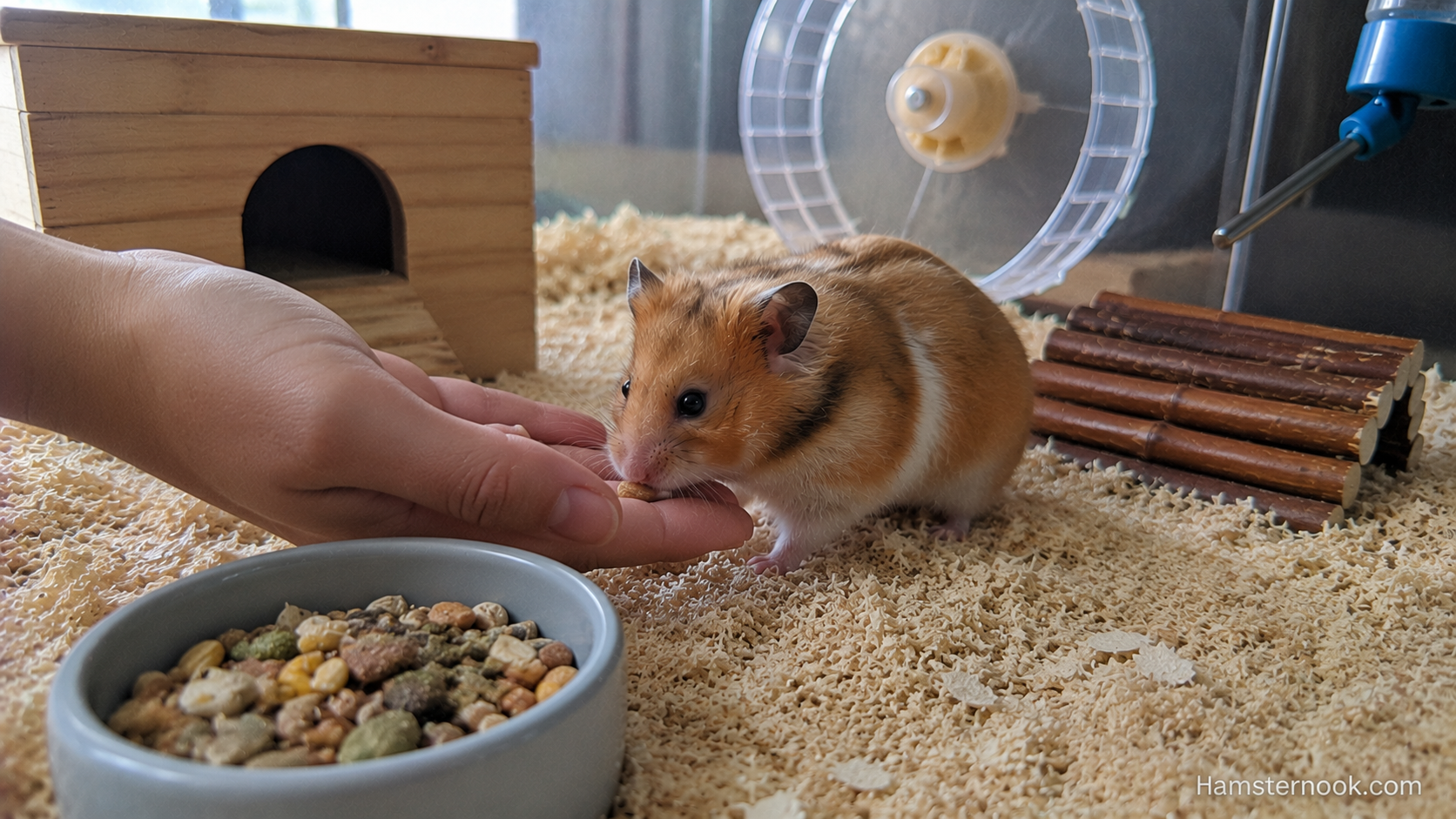
Offer small hamster-safe treats occasionally from your hand.

Use only tiny treats and avoid offering them repeatedly throughout the day. The goal is to build trust, not encourage overeating or dependence on treats.
This teaches the hamster that your presence predicts something positive.
Over time, many hamsters begin approaching eagerly when they see their owner.
Mistakes That Can Make Fear Worse
Some well-meaning actions can unintentionally increase anxiety.
Repeated disturbances, forced handling and a noisy environment can make a nervous hamster feel less secure. 7 Ways You’re Accidentally Stressing Your Hamster: Signs & What to Do covers common stress triggers and practical ways to reduce them.
Waking a Sleeping Hamster
Hamsters are naturally active during evening and nighttime hours.
If you’re worried that your hamster sleeps all day, our How Active Should a Healthy Hamster Be at Night? Normal vs Unhealthy Activity guide explains what a healthy activity pattern looks like.
Waking them during the day can cause:

- Irritability
- Stress
- Defensive behavior
Allowing natural sleep cycles helps create a calmer hamster.
Constant Cage Rearranging
Hamsters rely heavily on familiar scents and layouts.
Moving everything around frequently can make the environment feel unpredictable.
Try to keep the setup relatively stable while your hamster adjusts.

Forcing Handling Sessions
Trust cannot be rushed.
Repeatedly grabbing a hamster that wants to avoid contact often leads to:
- Fearful behavior
- Escape attempts
- Defensive biting
Voluntary interaction is far more effective.
If you’re ready to start bonding, our How to Get a Hamster to Trust You Faster Without Stressing It Out guide explains the safest step-by-step approach.

How Long Does It Take for a Hamster to Stop Being Scared?
There is no universal timeline.
Some hamsters begin showing confidence within a few days.
Others may take several weeks before they willingly interact with people.
Factors that influence adjustment include:
| Factor | Impact on Confidence |
|---|---|
| Individual personality | Major |
| Previous experiences | Major |
| Cage setup quality | Significant |
| Household noise level | Moderate |
| Handling approach | Significant |
| Consistency of routine | Significant |
Individual personality plays a major role, which is why some hamsters settle quickly while others require much longer adjustment periods.
Most hamsters make progress when owners stay consistent and avoid rushing the process.
Small improvements often appear before complete confidence. A hamster that starts accepting treats, exploring more often, or spending less time hiding is usually making steady progress, even if it still seems cautious around people.
Although fear is common in newly adopted hamsters, behavior should gradually improve rather than become worse over time.

When Fear May Signal a Bigger Problem
While fear is normal, some situations deserve closer attention.
Consider consulting an exotic veterinarian if your hamster:
- Stops eating
- Loses noticeable weight
- Appears lethargic
- Has diarrhea
- Shows signs of illness
- Remains unusually distressed for an extended period
Physical health problems can sometimes look similar to fear or stress.
Building Long-Term Trust With Your Hamster
Trust usually develops through repeated everyday experiences rather than a single turning point.

It develops through hundreds of small, positive experiences.
Owners who achieve the best long-term results usually focus on consistency instead of trying to speed up bonding.
Helpful habits include:
- Feeding at regular times
- Speaking softly near the cage
- Offering occasional treats
- Respecting sleep schedules
- Avoiding sudden movements
As your hamster becomes comfortable, it may begin responding to familiar voices and routines. Our Do Hamsters Know Their Names? The Surprising Truth About How They Recognize You article explains what they can realistically recognize.
Final Thoughts
A new hamster that seems scared of everything is usually not unhappy, aggressive, or poorly socialized. More often, it’s simply responding naturally to a major life change.
Fearful behavior during the first days or weeks is completely normal. Hiding, avoiding hands, freezing, and acting cautiously are all common survival instincts in prey animals.
The best thing you can do is provide a secure environment, respect your hamster’s pace, and allow trust to develop gradually. Most hamsters become significantly more confident once they realize their new home is predictable, safe, and free from threats.
Given enough time, consistency, and positive experiences, many nervous hamsters gradually become far more confident around their owners. If you’re wondering how to recognize that progress, our 10 Signs Your Hamster Trusts You guide explains the behaviors that usually appear as confidence and trust continue to grow.

Frequently Asked Questions
Why does my new hamster run away when I approach the cage?
Your hamster is still learning whether you are safe. Running away is a natural prey-animal response and usually decreases as trust develops.
If this behavior continues beyond the normal adjustment period, our Why Does My Hamster Run Away From Me? What It’s Really Trying to Tell You guide explains the most common reasons and how to respond.
Is it normal for a new hamster to hide all the time?
Yes. Most new hamsters spend a significant amount of time hiding during their adjustment period, especially during the first week.
How long does it take a hamster to get comfortable in a new home?
Some hamsters adjust within a few days, while others may need several weeks. Personality, environment, and handling methods all play a role.

Should I pick up my hamster every day so it gets used to me?
No. Forced handling often increases fear. Allow your hamster to become comfortable with your presence before attempting regular handling sessions.
Why does my hamster freeze when it sees me?
Freezing is a common defensive behavior. The hamster is assessing whether a potential threat exists before deciding how to respond.
Can a scared hamster eventually become friendly?
Yes. Many nervous hamsters become calm and confident over time when they are given a secure environment, predictable routines, and opportunities to interact at their own pace.
Should I cover my new hamster’s cage during the first few days?
Partially covering one or two sides of the enclosure can help some nervous hamsters feel more secure, provided ventilation is not blocked. This should only be a temporary measure while your hamster adjusts.
References
This guide is based on hamster behavior, stress, handling, housing, enrichment, and welfare guidance from trusted animal welfare and veterinary resources, including:
- RSPCA – Hamster Behaviour – Guidance on natural hamster behavior, fear responses, handling, activity patterns, and signs of stress.
- RSPCA – Creating a Good Home for Hamsters – Guidance on suitable enclosure space, bedding, hiding areas, environmental conditions, and creating a secure home.
- RSPCA – Keeping Hamsters as Pets – General hamster care, welfare, housing, behavior, handling, and natural needs.
- Blue Cross – Hamster Care Guide – Practical guidance on hamster housing, settling in, handling, enrichment, feeding, and wellbeing.
- MSD Veterinary Manual – Providing a Home for a Hamster – Veterinary guidance on hamster housing, bedding, nesting, exercise, environmental conditions, and appropriate care.
- NC3Rs – Housing and Husbandry: Hamster – Guidance on hamster housing, bedding, environmental needs, enrichment, and supporting natural behaviors.
- NC3Rs – Choosing Appropriate Enrichment – Guidance on appropriate enrichment and providing opportunities for natural behaviors that support animal welfare.
Medical Disclaimer
This article is intended for educational purposes only and should not be considered veterinary advice. Fear and hiding can be normal during a hamster’s adjustment to a new home, but similar behaviors can sometimes occur alongside illness or other health problems. If your hamster stops eating or drinking, loses noticeable weight, becomes severely lethargic, develops diarrhea, shows signs of injury or illness, or remains unusually distressed, consult a qualified exotic animal veterinarian for proper evaluation.

Narayan Kumar is the founder and author of HamsterNook. He creates practical, research-based hamster care guides covering hamster behavior, nutrition, cage setup, enrichment, health, and everyday care. His goal is to help hamster owners make informed decisions and provide safer, healthier lives for their pets through clear, beginner-friendly information based on trusted animal care resources.