
Choosing your first hamster seems simple until you discover that not all hamster breeds have the same care requirements. At a pet store, they may all look equally cute, but once you bring one home, differences in size, temperament, activity level, and health tendencies quickly become apparent.
One of the most common mistakes new owners make is choosing a breed based only on appearance. A tiny, energetic dwarf hamster may seem adorable, while a fluffy Syrian hamster may look easier to handle. However, every breed comes with its own care challenges, and some require more patience and experience than others.
So, which hamster breed is actually the hardest to care for?
The answer isn’t as straightforward as naming a single species. The “hardest” breed depends on factors such as handling, escape tendencies, health considerations, housing requirements, and how much experience an owner has. Understanding these differences before adopting a hamster can save both you and your future pet from unnecessary stress.

If this is your very first hamster, it’s worth reading Ultimate Hamster Care Guide for Beginners (2026) alongside this article, as it explains the daily care basics that apply to every breed.
Is There Really a “Hardest” Hamster Breed?
Not exactly.
No hamster breed is inherently “bad” or impossible to care for. Instead, some species demand more patience, better enclosure design, gentler handling, or greater attention to their individual needs.
For example, one breed may rarely enjoy handling, while another may be more prone to escaping through surprisingly small gaps. These differences don’t make them poor pets—they simply make them better suited to certain owners.

Instead of asking which hamster is the hardest overall, a better question is:
Which hamster is hardest for a beginner?
That’s where understanding each breed becomes valuable.
What Makes One Hamster Breed More Difficult Than Another?
Several factors influence how challenging a hamster may be for a first-time owner.

| Care Factor | Why It Matters |
|---|---|
| Size | Smaller hamsters can be harder to handle safely. |
| Temperament | Some individuals are naturally more cautious or skittish. |
| Activity Level | Highly active hamsters require more enrichment and supervision. |
| Escape Risk | Smaller hamsters can fit through gaps that are too small for larger species. |
| Health Considerations | Some species have particular health or dietary considerations owners should understand. |
| Taming Difficulty | Some individual hamsters need more time and patience to become comfortable with handling. |
These characteristics don’t determine whether a hamster will be friendly, but they do affect the amount of patience and experience needed.
Why Many Experts Consider Dwarf Hamsters More Challenging

When people ask which hamster breed is hardest to care for, dwarf hamsters are often part of the discussion.
This isn’t because they’re difficult pets—it’s because several characteristics can make them more demanding for inexperienced owners.
Their Small Size Makes Handling Difficult
One of the biggest challenges is simply their size.

Dwarf hamsters are much smaller than Syrian hamsters, making them quicker, more agile, and easier to lose if they jump unexpectedly.
For children or first-time owners, this can make handling sessions stressful for both the hamster and the owner.
Many accidental drops happen simply because a tiny hamster moves faster than expected.
They Can Be Extremely Fast
Most dwarf hamster owners quickly learn that these little pets rarely stay still.

Their speed makes:
- Health checks more difficult
- Cage cleaning more challenging
- Bonding sessions slower
- Escape prevention more important
This doesn’t mean they dislike people—it simply reflects their natural instincts as prey animals.
Tiny Gaps Become Escape Routes
Because dwarf hamsters have such compact bodies, they can squeeze through openings that seem impossibly small.
Owners often discover escapes caused by:

- Wide cage bars
- Loose lids
- Small gaps around accessories
- Poorly fitted doors
Choosing an enclosure specifically designed for dwarf hamsters is essential.
If you’re setting up a new habitat, Hamster Cage Location: Where Should You Place a Hamster Cage? explains how choosing the right location helps create a safe and comfortable environment.
Campbell’s Dwarf Hamsters Require Extra Dietary Attention
Among the commonly kept pet hamsters, Campbell’s dwarf hamsters deserve special mention.
Russian dwarf hamsters are particularly prone to diabetes, so owners should avoid overfeeding sugary foods and treats. This does not mean every Campbell’s hamster will develop diabetes, but it does make sensible diet management especially important.

That means owners need to think more carefully about:
- Fruit treats
- Commercial snacks
- High-sugar foods
Learning which foods are appropriate becomes especially important, which is why Complete Hamster Diet Guide: Best Foods, Safe Treats & Toxic Foods is a valuable resource for anyone caring for dwarf hamsters.
Are Roborovski Hamsters Harder Than Other Breeds?

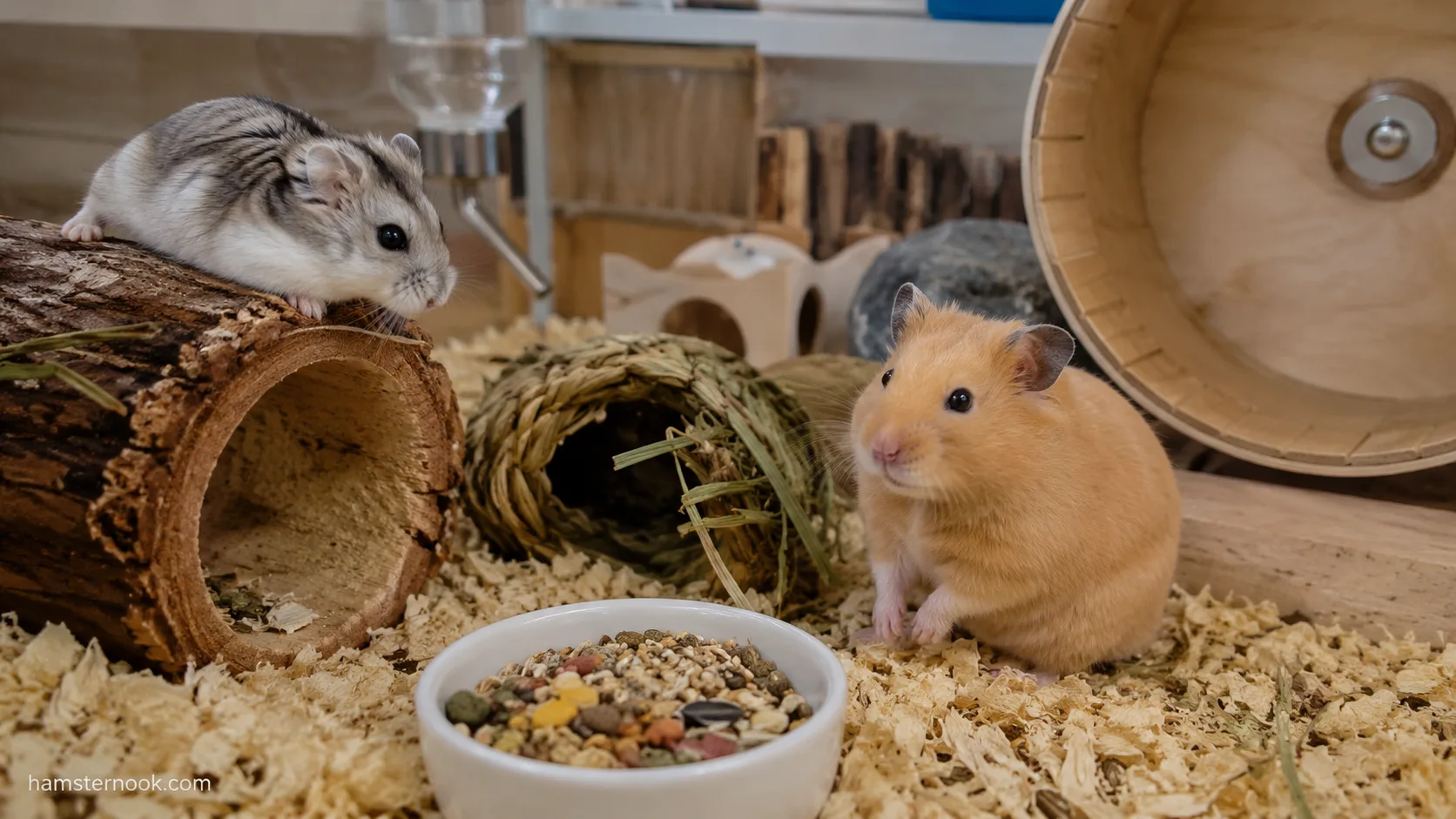
Roborovski hamsters are the smallest pet hamster species commonly available.
They are fascinating pets, but they also present some unique challenges.

Extremely Active Personalities
Roborovskis rarely sit still.
Instead of enjoying long handling sessions, many prefer running, digging, exploring, and using their exercise wheel for hours each night.
Owners looking for a hamster that enjoys being held frequently may find this surprising.
Their natural behavior is perfectly normal—it simply reflects their instinct to stay constantly alert.
Bonding Takes More Patience
Roborovski hamsters can absolutely learn to trust their owners, but the process often takes longer than people expect.
Rather than focusing on handling immediately, it’s usually better to:
- Allow adjustment time
- Offer treats gradually
- Build trust through routine
- Respect the hamster’s comfort level
Rushing this process can make bonding more difficult.
If you’ve recently adopted a hamster, Why Your New Hamster Seems Scared of Everything (And How to Help) explains why giving your pet time and space is essential for building trust.

Syrian Hamsters: Easier Doesn’t Mean Effortless
Many experienced owners recommend Syrian hamsters as the best choice for beginners.
There are good reasons for this recommendation.
Compared with dwarf species, Syrian hamsters are generally:
| Characteristic | Syrian Hamster |
|---|---|
| Body Size | Larger and easier to handle |
| Speed | Active but usually easier to follow |
| Visibility | Easier to observe during health checks |
| Handling | Often adapts well with patient taming |
| Cage Escape Risk | Lower than tiny dwarf species (with suitable housing) |
However, calling Syrian hamsters “easy” can create unrealistic expectations.

Every hamster has its own personality. Some Syrians become confident quickly, while others remain shy for weeks.
Breed influences behavior, but individual temperament matters just as much.
Personality Matters More Than Breed
One mistake many new owners make is assuming every hamster of a particular breed behaves the same way.
In reality:

- Some Syrian hamsters dislike handling.
- Some Roborovski hamsters become surprisingly confident.
- Some Campbell’s dwarfs are calm.
- Some Winter Whites are exceptionally curious.
Genetics, early socialization, environment, previous handling, and individual personality all influence behavior.
That means choosing a breed should never replace learning proper hamster care techniques.
Winter White Hamsters: Smaller but Still Need Patient Care
Winter White hamsters are often recommended as a good option for owners who want a smaller hamster without the extreme speed of a Roborovski. Many individuals become confident with consistent, gentle handling, but they are still dwarf hamsters and require careful care.
Like other dwarf species, Winter Whites are:

- Small enough to slip through wide cage bars
- Naturally cautious around sudden movements
- Most active during the evening and nighttime
- Easily stressed by frequent disturbances
Although they may appear calmer than some other dwarf hamsters, they still benefit from a quiet environment and a gradual taming process.
Owners should avoid waking them during the day or forcing interaction. Allowing the hamster to approach your hand voluntarily usually produces much better long-term results.
Chinese Hamsters: Often Misunderstood
Chinese hamsters are sometimes mistaken for dwarf hamsters because of their size, but they are actually a separate species.
They have a longer body shape than most pet hamsters and can make excellent pets. However, they are not as commonly available, which means new owners may find it harder to locate species-specific care information.

Chinese hamsters are generally:
- Curious and intelligent
- Agile climbers
- Smaller than Syrian hamsters
- Sometimes shy around unfamiliar people
Because they are excellent climbers, a secure enclosure with a tightly fitting lid is especially important.
Comparing the Most Popular Pet Hamster Breeds
Choosing the right hamster is easier when you compare the strengths and challenges of each species.
| Hamster Breed | Beginner Friendly | Handling Difficulty | Escape Risk | Activity Level | Overall Care Difficulty |
|---|---|---|---|---|---|
| Syrian | Excellent | Low to Moderate | Low | Moderate | Easy |
| Winter White | Good | Moderate | Moderate | Moderate | Moderate |
| Campbell’s Dwarf | Moderate | Moderate | Moderate | High | Moderate to High |
| Roborovski | Fair | High | High | Very High | High |
| Chinese | Good | Moderate | Moderate | Moderate | Moderate |
This table reflects general breed tendencies rather than guarantees. Every hamster has its own personality.

Common Mistakes New Owners Make With Different Breeds
Many care problems happen because owners expect every hamster to behave the same way.
Here’s how those expectations can create unnecessary challenges.
| Mistake | Why It’s a Problem |
|---|---|
| Choosing the smallest hamster because it’s “cute” | Smaller hamsters can be harder to handle safely. |
| Buying the first cage recommended by the pet store | Some cages may have unsuitable bar spacing or design for smaller hamsters. |
| Expecting immediate bonding | Every hamster needs time and patient handling to become comfortable. |
| Ignoring species-specific dietary needs | Some Russian dwarf hamsters are particularly prone to diabetes, making sensible diet management important. |
| Underestimating exercise needs | Active hamsters need suitable exercise and enrichment opportunities. |
Understanding these differences before adoption helps prevent frustration later.
Which Hamster Breed Is Best for First-Time Owners?
For most beginners, Syrian hamsters are often considered the easiest place to start.

If you’re comparing beginner-friendly options before choosing, our Best Hamster Breeds for Beginners (Easy to Care For) guide compares the breeds that may be easier for new owners to manage.
That recommendation is based on practical reasons rather than popularity.
Their larger size makes them:
- Easier to handle
- Easier to observe during health checks
- Less likely to escape through tiny gaps
- Simpler for children (with adult supervision) to interact with safely
However, “easier” does not mean “low maintenance.”

Every hamster requires:
- Daily fresh food and water
- A spacious enclosure
- Deep bedding for burrowing
- A properly sized exercise wheel
- Mental enrichment
- Gentle, patient interaction
If you’re still planning your first setup, Best Hamster Cage Setup for Beginners explains the most important habitat decisions every new owner should make before bringing a hamster home.
Does Breed Matter More Than Proper Care?
Surprisingly, no.
While breed influences certain behaviors, proper husbandry has an even greater impact on a hamster’s quality of life.

A well-cared-for Roborovski living in a spacious enclosure with appropriate enrichment will usually be happier than a poorly housed Syrian hamster.
Likewise, even a beginner-friendly breed can develop stress-related behaviors if its basic needs are not met.
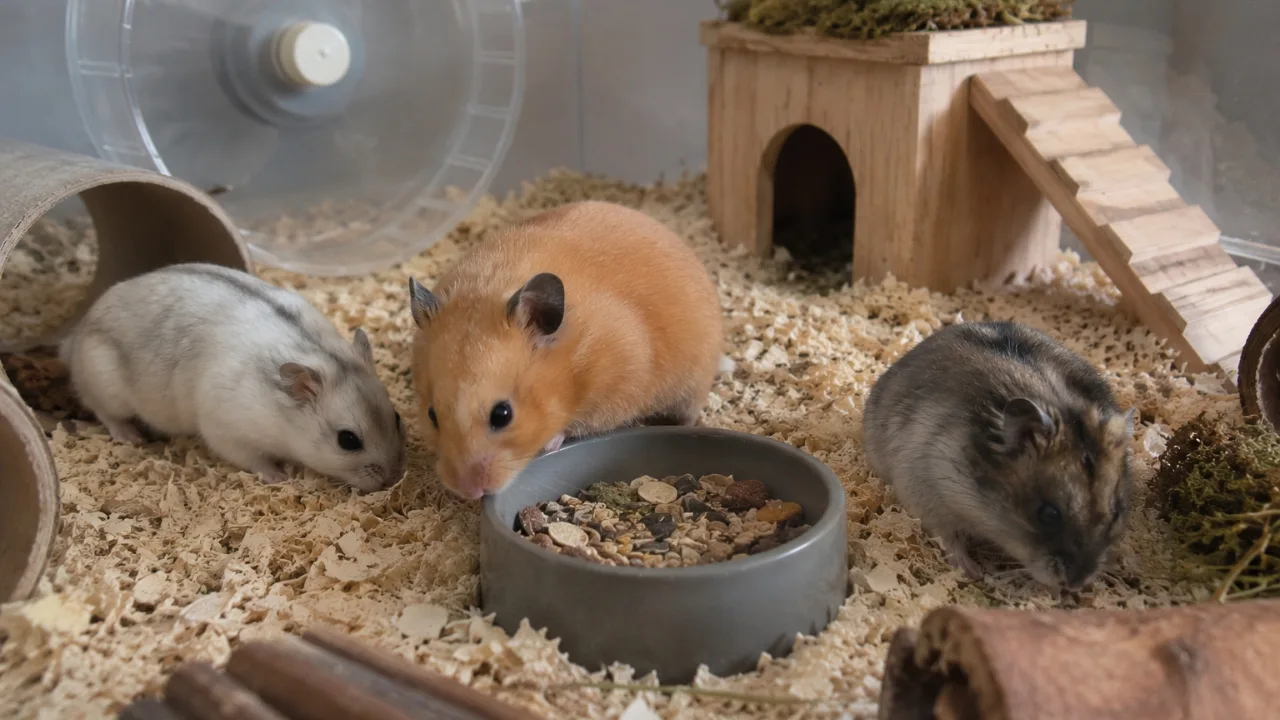
Those essentials include:
- Correct cage size
- Quality bedding
- Balanced nutrition
- Clean water
- Regular observation
- Respect for natural sleep patterns
For feeding advice that applies to every hamster species, Complete Hamster Diet Guide: Best Foods, Safe Treats & Toxic Foods explains how to build a healthy diet while avoiding common feeding mistakes.
Signs You Chose the Right Hamster for Your Lifestyle
The “best” hamster is not necessarily the calmest or easiest one.
Instead, it’s the breed that matches your expectations and experience.
You may have chosen well if:
- You enjoy observing natural behaviors.
- You have enough time for proper daily care.
- You understand that taming requires patience.
- You’re prepared to meet the species’ housing needs.
- You appreciate your hamster’s unique personality rather than expecting constant interaction.
A hamster doesn’t need to enjoy being held every day to become a rewarding companion.

How to Make Any Hamster Breed Easier to Care For
Regardless of breed, a few habits can dramatically improve your experience.
Give Your Hamster Time to Settle
Avoid handling during the first few days after bringing your hamster home.
Instead, focus on building trust gradually.
If you’re unsure how to approach this stage, The Biggest Mistake New Hamster Owners Make in the First Week explains why patience leads to better long-term bonding.

Learn Your Hamster’s Routine
Most hamsters become active after sunset.
Trying to interact during daytime sleeping hours often results in unnecessary stress.
Provide Plenty of Enrichment
A hamster that has opportunities to:
- Dig
- Explore
- Run
- Hide
- Forage
is more likely to display natural, healthy behaviors.
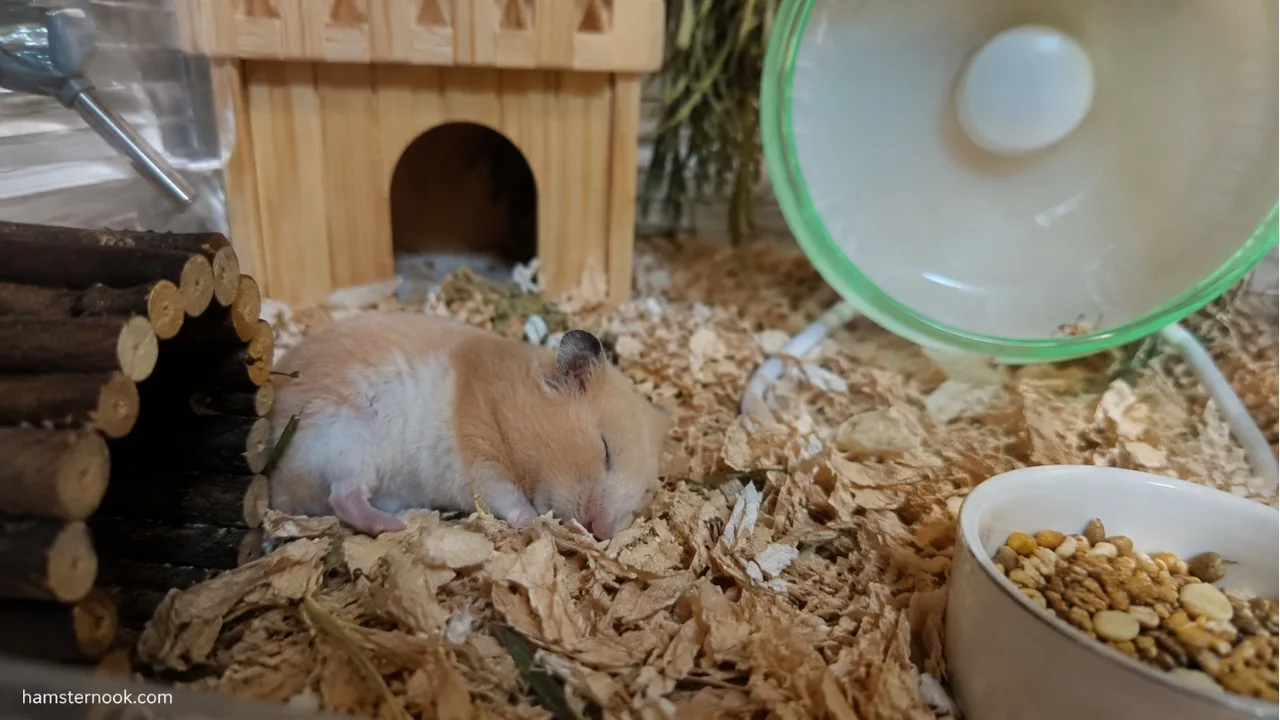
Boredom can sometimes be mistaken for difficult temperament.
Keep Expectations Realistic
Hamsters are prey animals.
Some enjoy climbing onto their owner’s hand, while others remain independent throughout their lives.
Both personalities are completely normal.
Final Thoughts
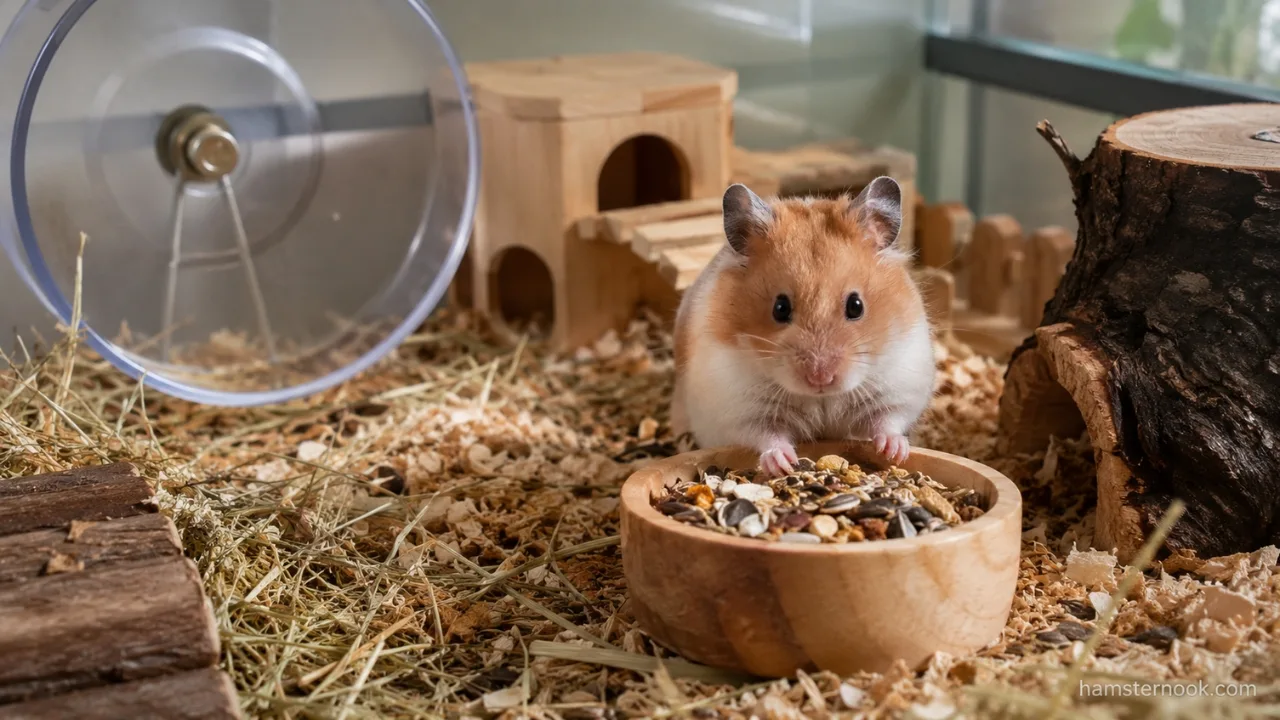
So, which hamster breed is hardest to care for?
For most first-time owners, Roborovski and Campbell’s dwarf hamsters generally require the greatest amount of patience due to their small size, speed, and, in the case of Campbell’s hamsters, additional dietary considerations.
That doesn’t mean they are poor pets. Many experienced owners enjoy caring for these energetic little animals because of their curious and active personalities.
For beginners looking for the simplest introduction to hamster ownership, Syrian hamsters are often the most forgiving choice because they are larger, easier to handle, and typically less challenging to observe and manage.
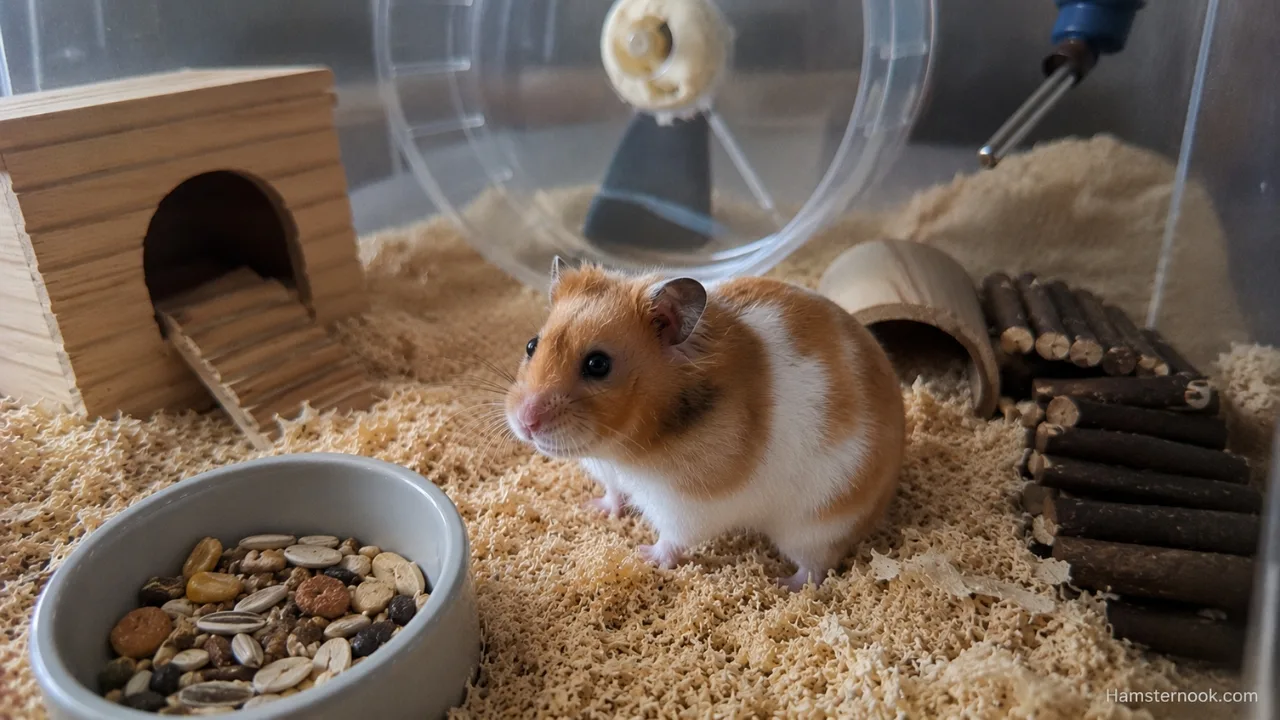
Ultimately, success depends less on choosing the “perfect” breed and more on understanding your hamster’s natural behaviors, respecting its individual personality, and providing consistent, species-appropriate care.
Frequently Asked Questions
Which hamster breed is easiest for beginners?
Syrian hamsters are generally considered the most beginner-friendly because of their larger size and ease of handling. Individual personality, however, can vary.
Are dwarf hamsters harder to care for than Syrian hamsters?
Many first-time owners find dwarf hamsters more challenging because they are smaller, faster, and more likely to escape through tiny openings if their enclosure is not suitable.
Is a Roborovski hamster a good first pet?
A Roborovski can be a rewarding pet, but its speed and active nature often make it a better choice for owners who enjoy observing rather than frequently handling their hamster.

Do all hamster breeds need the same cage setup?
No. While all hamsters need a spacious enclosure with deep bedding and enrichment, bar spacing, wheel size, and overall habitat design should match the specific species.
Which hamster breed enjoys being handled the most?
There is no guarantee that a particular breed will enjoy handling. Many Syrian hamsters adapt well to gentle taming, but personality and patient interaction are usually more important than breed alone.
Should I choose a hamster based only on appearance?
No. Size, temperament, activity level, housing requirements, and your own experience are much more important factors than appearance when selecting a hamster.
References
This guide is based on hamster species differences, behavior, handling, housing, nutrition, and welfare guidance from trusted animal welfare and veterinary resources, including:
- RSPCA – Keeping Hamsters as Pets – Information on common pet hamster species, natural behavior, activity, housing, handling, diet, and welfare.
- RSPCA – Hamster Behaviour – Guidance on handling, natural behavior, activity patterns, and reducing stress during human interaction.
- PDSA – Hamsters as Pets – Information on hamster species, lifespan, housing, enrichment, handling, activity, and general care requirements.
- Merck Veterinary Manual – Hamsters – Veterinary reference information on hamster health, husbandry, nutrition, and species-specific care considerations.
- Merck Veterinary Manual – Pet Rodents – Veterinary information on small mammal health, husbandry, and nutrition.

Narayan Kumar is the founder and author of HamsterNook. He creates practical, research-based hamster care guides covering hamster behavior, nutrition, cage setup, enrichment, health, and everyday care. His goal is to help hamster owners make informed decisions and provide safer, healthier lives for their pets through clear, beginner-friendly information based on trusted animal care resources.